On the night of 22 October 1707, a fleet of British warships under Admiral Cloudesley Shovell 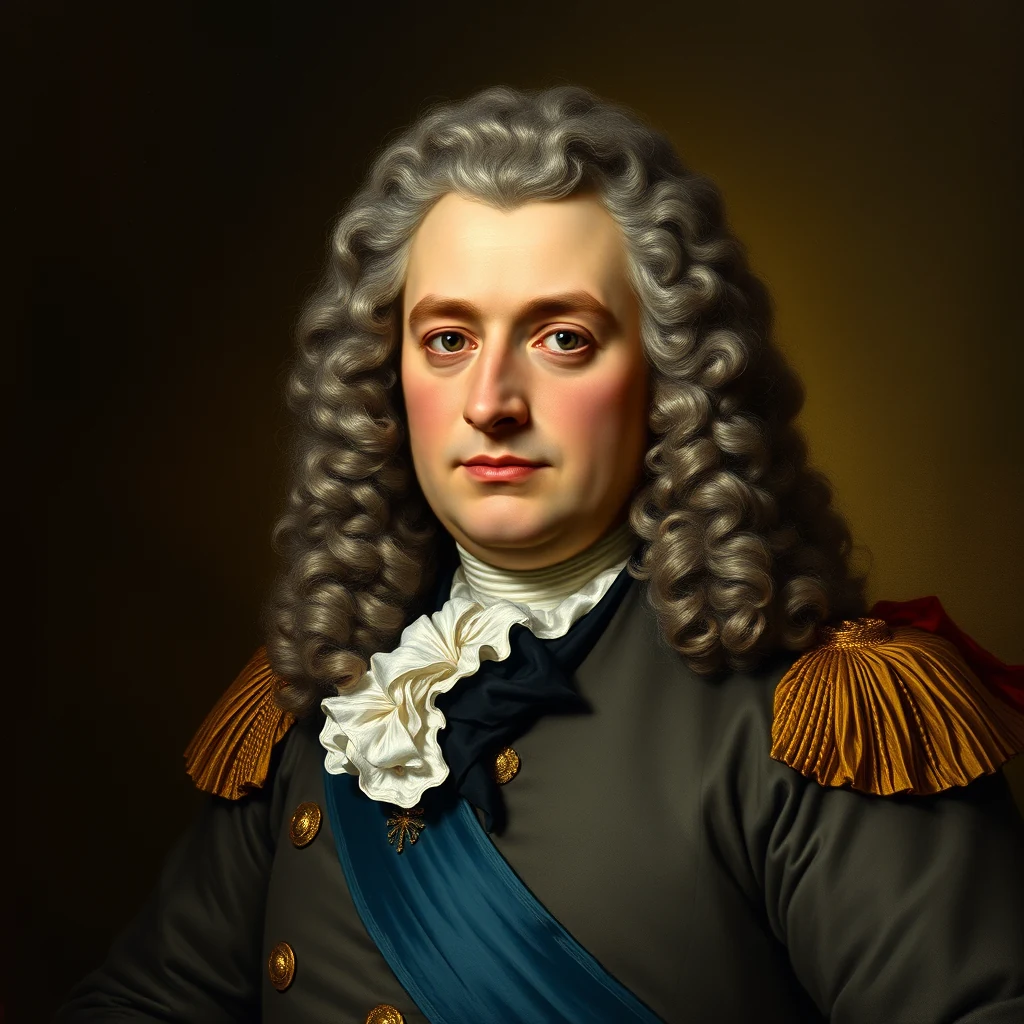 Person Cloudesley Shovell English admiral (1650–1707) who rose from cabin boy to commander of the Mediterranean fleet under Queen Anne. He died in the Scilly naval disaster of October 1707, when four of his ships ran onto the rocks at night because their navigators had miscalculated their longitude. His body washed ashore on St Mary's; the story that a local woman finished him off for his ring was repeated by his own chaplain.英国海军上将(1650-1707年),在安妮女王统治时期从一名侍者升任地中海舰队司令。他死于1707年10月的西兰群岛海难,当由于导航员算错了经度,他的四艘军舰在夜间触礁。他的尸体被冲上了圣玛丽岛的海岸;关于当地一个女人为了夺走他的戒指而结果了他的性命的传说被他自己的随军牧师广为传播。Almirante inglés (1650–1707) que ascendió de grumete a comandante de la flota del Mediterráneo bajo la reina Ana. Murió en el desastre naval de las islas Sorlingas en octubre de 1707, cuando cuatro de sus barcos encallaron de noche porque los navegantes calcularon mal la longitud. Su cuerpo fue arrastrado por el mar a St Mary's.أميرال إنجليزي (1650-1707) ترقى من صبي مقصورة إلى قائد لأسطول البحر الأبيض المتوسط في عهد الملكة آن. توفي في كارثة سيلي البحرية في أكتوبر 1707، عندما اصطدمت أربع من سفنه بالصخور ليلاً لأن الملاحين أخطأوا في حساب خطوط الطول. جرفت المياه جثته على شاطئ سانت ماري؛ وقيل إن امرأة قتلته للحصول على خاتمه.Almirante inglês (1650-1707) que subiu de grumete a comandante da frota do Mediterrâneo sob a rainha Ana. Morreu no desastre naval de Scilly em outubro de 1707, quando quatro dos seus navios encalharam nas rochas à noite porque os navegadores calcularam mal a longitude. O seu corpo deu à costa em St Mary's.अंग्रेजी नौसेनाध्यक्ष (१६५०-१७०७) जो रानी ऐन के तहत केबिन बॉय से भूमध्यसागरीय बेड़े के कमांडर के पद पर पहुंचे। अक्टूबर १७०७ की सिली नौसेना दुर्घटना में उनकी मृत्यु हो गई, जब उनके चार जहाज रात में चट्टानों पर चढ़ गए क्योंकि उनके नेविगेटरों ने अपने देशांतर की गलत गणना की थी। उनका शरीर सेंट मैरी के तट पर बह गया था।Laksamana Inggris (1650–1707) yang naik pangkat dari pelayan kabin menjadi komandan armada Mediterania di bawah Ratu Anne. Ia tewas dalam bencana angkatan laut Scilly pada Oktober 1707, ketika empat kapalnya menabrak batu karang pada malam hari karena navigator salah menghitung bujur. Mayatnya terdampar di pantai St Mary's.Amiral anglais (1650–1707) qui s'éleva du rang de mousse à celui de commandant de la flotte de Méditerranée sous la reine Anne. Il mourut lors du désastre naval des îles Scilly en octobre de 1707, lorsque quatre de ses navires s'échouèrent de nuit à cause d'une erreur de calcul de longitude. Son corps s'échoua sur l'île de St Mary's.アン女王の時代に給仕係から地中海艦隊司令官へと昇進したイギリスの提督(1650–1707)。1707年10月、航海士たちが経度を見誤ったために4隻の軍艦が夜間に座礁したシリー諸島海難事故で死亡した。遺体はセント・メアリーズ島に漂着した。地元の女性が彼の指輪を奪うために息の根を止めたという話が、彼の従軍牧師によって書き残されている。Английский адмирал (1650–1707), прошедший путь от юнги до командующего Средиземноморским флотом при королеве Анне. Погиб в кораблекрушении у островов Силли в октябре 1707 года, когда четыре корабля налетели ночью на рифы из-за неверного расчета долготы. Его тело вынесло на берег острова Сент-Мэрис; история о том, что местная жительница добила его ради кольца, подтверждалась капелланом.Englischer Admiral (1650–1707), der unter Königin Anne vom Schiffsjungen zum Kommandeur der Mittelmeerflotte aufstieg. Er starb bei der Schiffskatastrophe vor den Scilly-Inseln im Oktober 1707, als vier seiner Schiffe nachts auf Felsen liefen, weil die Navigatoren die Länge falsch berechnet hatten. Seine Leiche wurde auf St. Mary's angespült; es gab Gerüchte, er sei wegen seines Rings ermordet worden.앤 여왕 치세 하에서 선실 시종으로 시작하여 지중해 함대 사령관까지 오른 영국의 제독(1650~1707)이다. 1707년 10월, 항해사들이 경도를 잘못 계산하여 야간에 군함 4척이 암초에 부딪힌 실리 제도 해난 사고에서 사망했다. 그의 시신은 세인트 메리스 섬 해안으로 떠밀려왔으며, 한 현지 여성이 그의 반지를 탐내 숨을 거두게 만들었다는 설이 종군 신부에 의해 전해졌다. sailed home from Gibraltar in heavy weather and misjudged its position. The flagship struck the Scilly Isles
 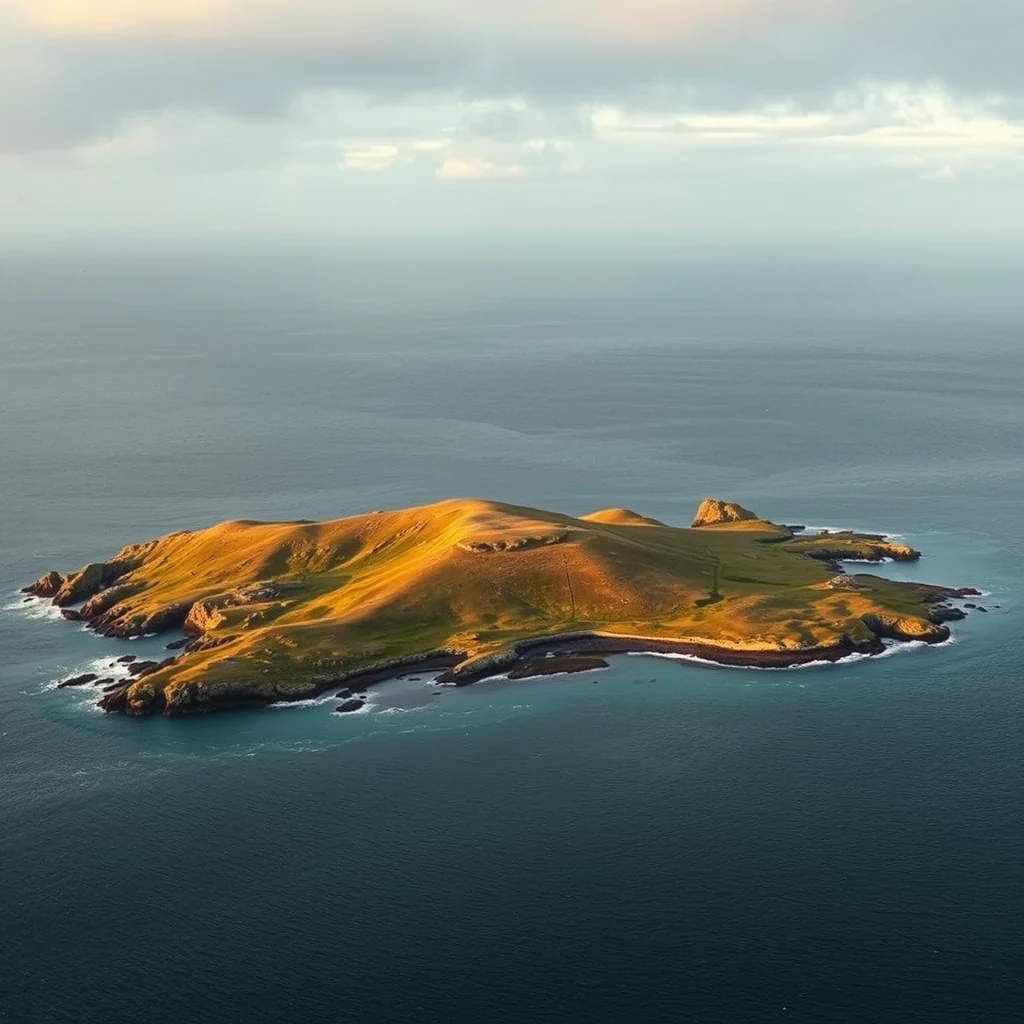 Place Scilly Isles An archipelago of about 140 granite islands and rocks 45 kilometres off the south-western tip of Cornwall. Their position athwart the western approaches to the English Channel has made them a graveyard for ships bound for Plymouth and Portsmouth. The 1707 disaster, in which a homecoming British fleet struck them in fog, became the political catalyst for the Longitude Act.位于康沃尔西南端45公里外的约140个花岗岩岛屿和岩石组成的群岛。它们横跨英吉利海峡的西方入口,使其成为了前往普利茅斯和朴茨茅斯的船只的墓地。1707年的海难灾难中,一支回国的英国舰队在浓雾中撞上了这些岛屿,这成为了英国通过《经度法案》的政治催化剂。Un archipiélago de unos 140 islotes y rocas de granito a 45 kilómetros de la punta sudoccidental de Cornualles. Su posición en la entrada occidental del canal de la Mancha las convirtió en un cementerio para los barcos que se dirigían a Plymouth y Portsmouth. El desastre de 1707 fue el catalizador político de la Ley de Longitud.أرخبيل يضم حوالي 140 جزيرة وصخرة من الغرانيت على بعد 45 كيلومتراً من الطرف الجنوبي الغربي لكورنوال. جعلها موقعها المقابل للمداخل الغربية للقناة الإنجليزية مقبرة للسفن المتجهة إلى بليموث وبورتسموث. أصبحت كارثة عام 1707، التي ضرب فيها أسطول بريطاني عائد الجزر في الضباب، الحافز السياسي لقانون خطوط الطول.Um arquipélago de cerca de 140 ilhas de granito e rochas a 45 quilómetros da ponta sudoeste da Cornualha. A sua posição nas abordagens ocidentais ao Canal da Mancha tornou-as um cemitério para navios com destino a Plymouth. O desastre de 1707, no qual uma frota britânica encalhou no nevoeiro, foi o catalisador político para a Lei da Longitude.कॉर्नवाल के दक्षिण-पश्चिमी छोर से ४५ किलोमीटर दूर लगभग १४० ग्रेनाइट द्वीपों और चट्टानों का एक द्वीपसमूह। इंग्लिश चैनल के पश्चिमी रास्तों पर उनकी स्थिति ने उन्हें प्लायमाउथ और पोर्ट्समाउथ की ओर जाने वाले जहाजों के लिए कब्रिस्तान बना दिया है। १७०७ की आपदा, जिसमें कोहरे में एक ब्रिटिश बेड़ा उनसे टकरा गया था, देशांतर अधिनियम के लिए राजनीतिक उत्प्रेरक बन गई।Kepulauan yang terdiri dari sekitar 140 pulau granit dan batu karang yang terletak 45 kilometer di lepas ujung barat daya Cornwall. Posisinya yang melintasi jalur barat menuju Selat Inggris menjadikannya pemakaman bagi kapal-kapal yang menuju Plymouth dan Portsmouth. Bencana tahun 1707 menjadi katalis politik bagi Undang-Undang Bujur.Un archipel d'environ 140 îles de granit et rochers situé à 45 kilomètres de la pointe sud-ouest des Cornouailles. Leur position à l'entrée ouest de la Manche en a fait un cimetière d'épaves pour les navires à destination de Plymouth et Portsmouth. Le désastre de 1707 fut le catalyseur politique de l'adoption du Longitude Act.コーンウォール半島の南西端から45キロメートル沖合に位置する、约140の御影石の島々と岩礁からなる群島。英仏海峡の西側進入路を横切る配置にあるため、プリマスやポーツマスに向かう船の墓場となってきた。1707年に帰国中の英国艦隊が霧の中で座礁した大惨事は、経度法の制定を促す政治的引き金となった。Архипелаг из примерно 140 гранитных островов и скал в 45 км от юго-западной оконечности Корнуолла. Расположение островов на западном входе в Ла-Манш сделало их кладбищем кораблей, шедших в Плимут и Портсмут. Катастрофа 1707 года, когда британский флот в тумане налетел на скалы, стала катализатором принятия Закона о долготе.Ein Archipel aus etwa 140 Granitinseln und Klippen 45 Kilometer vor der Südwestspitze von Cornwall. Ihre Lage quer zu den westlichen Zufahrten des Ärmelkanals machte sie zu einem Friedhof für Schiffe auf dem Weg nach Plymouth und Portsmouth. Die Katastrophe von 1707, bei der eine heimkehrende britische Flotte im Nebel auflief, wurde zum Auslöser für das Längengradgesetz.콘월 반도 남서쪽 끝에서 약 45km 떨어진 곳에 위치한 140여 개의 화강암 섬과 암초로 이루어진 제도이다. 영국 해협으로 들어서는 길목에 위치해 플리머스와 포츠머스로 향하던 수많은 배들의 무덤이 되었다. 1707년 귀환 중이던 영국 함대가 안개 속에서 이곳에 좌초한 대참사는 국회가 경도법(Longitude Act)을 통과시키도록 만든 정치적 도화선이 되었다. in the dark. Three more ships followed her onto the rocks within the hour. Somewhere between 1,400 and 2,000 sailors drowned. Shovell himself washed up alive on a beach, where, by one contemporary account, a local woman murdered him for the emerald ring on his finger.
The disaster was not a freak of weather. It was a freak of arithmetic. Latitude — north–south position — had been solvable since antiquity: measure the angle of the noon Sun, or of Polaris at night, and you had it within a few miles. Longitude was a different animal. Because the Earth rotates, east–west position is a question about time. If you know it is noon where you are, and you also know it is, say, 2:30 p.m. at a fixed reference port, the difference of two and a half hours puts you 37.5 degrees of longitude west of that port. Simple, except for one thing: nothing in 1707 could keep accurate time aboard a pitching, salt-damp, temperature-swinging wooden ship.

In 1714, under pressure from a petition organised in part by Isaac Newton 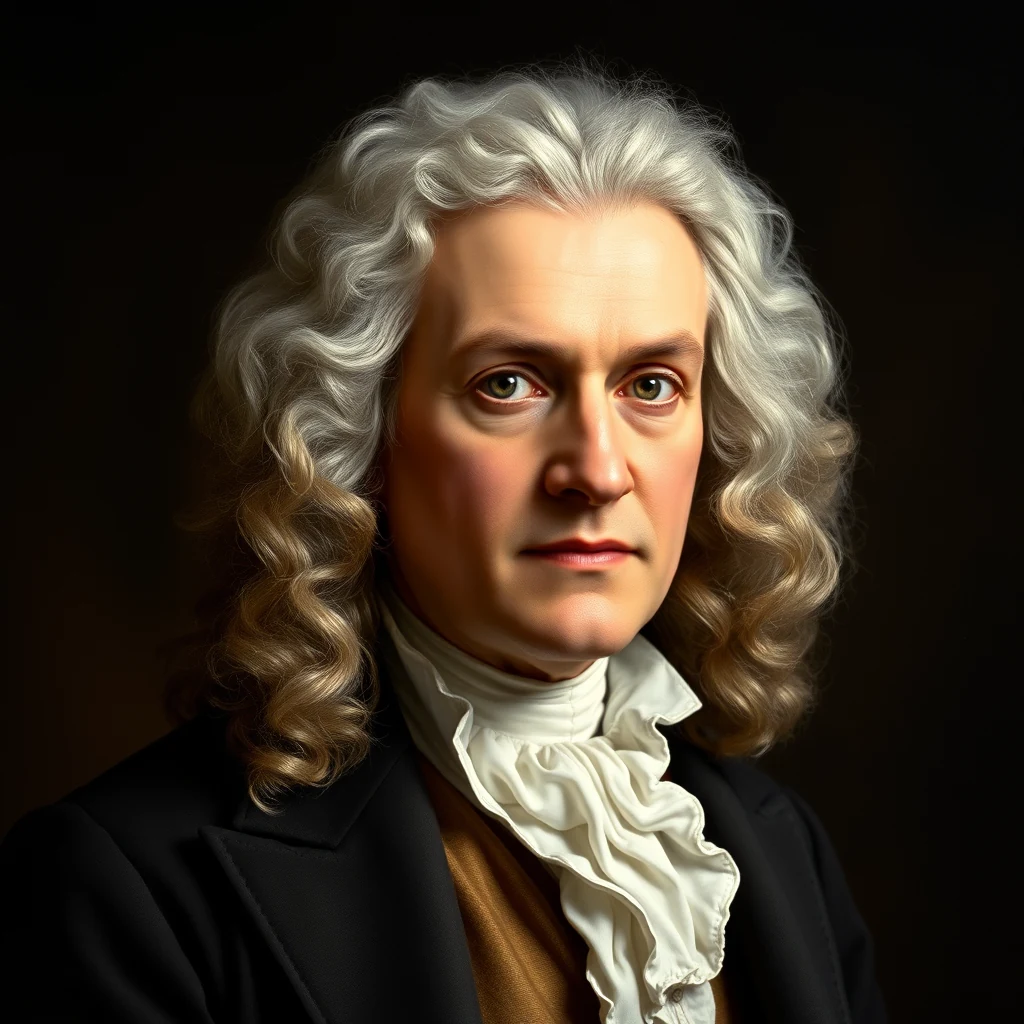 Person Isaac Newton English natural philosopher (1642–1727), Master of the Mint and President of the Royal Society at the time of the Longitude Act. He testified before the parliamentary committee that drafted the Act and listed four possible methods of finding longitude, dismissing a sea-going clock as the least promising of them because no timekeeper could survive the motion and weather of a long voyage.英国自然哲学家(1642-1727年),在《经度法案》通过时担任皇家造币厂厂长和皇家学会会长。他在起草该法案的议会委员会面前作证,列出了寻找经度的四种可能方法,但认为航海钟是最没有前途的,因为没有钟表能在长期航行的颠簸和恶劣天气中幸存。Filósofo natural inglés (1642–1727), director de la Casa de la Moneda y presidente de la Royal Society. Testificó ante el comité parlamentario que redactó la Ley de Longitud, enumerando cuatro métodos para hallarla y descartando el reloj marino como el menos prometedor debido a que el movimiento marino alteraría la precisión.فيلسوف طبيعي إنجليزي (1642-1727)، شغل منصب مدير دار السك ورئيس الجمعية الملكية في وقت قانون خطوط الطول. أدلى بشهادته أمام اللجنة البرلمانية التي صاغت القانون وأدرج أربع طرق ممكنة للعثور على خطوط الطول، رافضاً فكرة ساعة السفر البحري باعتبارها الأقل وعداً نظراً لعدم قدرة الساعات على تحمل حركة السفن.Filósofo natural inglês (1642-1727), diretor da Casa da Moeda e presidente da Royal Society na época da Lei da Longitude. Testemunhou perante o comité parlamentar que elaborou a lei, listando quatro métodos para encontrar a longitude e descartando o relógio de mar por considerar que nenhum cronómetro resistiria ao mar.अंग्रेजी प्राकृतिक दार्शनिक (१६४२-१७२७), देशांतर अधिनियम के समय टकसाल के मास्टर और रॉयल सोसाइटी के अध्यक्ष। उन्होंने अधिनियम का मसौदा तैयार करने वाली संसदीय समिति के समक्ष गवाही दी और देशांतर खोजने के चार संभावित तरीकों को सूचीबद्ध किया, जिसमें एक समुद्री घड़ी को सबसे कम आशाजनक बताया क्योंकि कोई भी समयपालक लंबी यात्रा की हलचल और मौसम से बच नहीं सकता था।Filsuf alam Inggris (1642–1727), Master of the Mint dan Presiden Royal Society pada saat Undang-Undang Bujur disahkan. Ia memberikan kesaksian di depan komite parlemen yang merancang UU tersebut dan mencantumkan empat metode untuk menemukan bujur, menolak jam laut karena menganggap tidak ada pencatat waktu yang tahan guncangan laut.Philosophe de la nature anglais (1642–1727), directeur de la Monnaie et président de la Royal Society lors de l'adoption du Longitude Act. Témoignant devant le comité parlementaire, il lista quatre méthodes de calcul et écarta l'idée d'un chronomètre de marine, jugeant qu'aucune horloge ne résisterait aux mouvements d'un navire.解度法制定時に王立造幣局長および王立協会会長を務めた英国の自然哲学家(1642–1727)。同法の草案を作成した議会委員会で証言し、経度測定の4つの候補方法を挙げたが、长期航海の揺れや気候に耐えられる時計はないとして、海上用時計を最も見込みがない方法として退けた。Английский физик и математик (1642–1727), смотритель Монетного двора и президент Королевского общества во время принятия Закона о долготе. Он выступил в парламенте, перечислив четыре метода поиска долготы и назвав морские часы наименее перспективными, так как ни один механизм не выдержит качки и погоды в плавании.Englischer Naturphilosoph (1642–1727), Münzmeister und Präsident der Royal Society zur Zeit des Längengradgesetzes. Er sagte vor dem Parlamentsausschuss aus und nannte vier Methoden zur Längengradbestimmung, wies eine Schiffsuhr jedoch als am wenigsten vielversprechend zurück, da kein Zeitmesser die Bewegung und das Wetter einer langen Reise überstehen könne.영국의 자연철학자(1642~1727)로, 경도법 제정 당시 조폐국장과 왕립학회 회장을 맡고 있었다. 그는 법안을 기안한 의회 위원회에 출석해 경도를 측정하는 네 가지 후보안을 제시했으나, 바다 위의 혹독한 기후와 배의 흔들림을 견뎌낼 수 있는 정밀 시계는 존재하지 않는다고 단언하며 해상 시계 이용안을 가장 실현 가능성이 낮은 방법으로 깎아내렸다. and Edmond Halley
 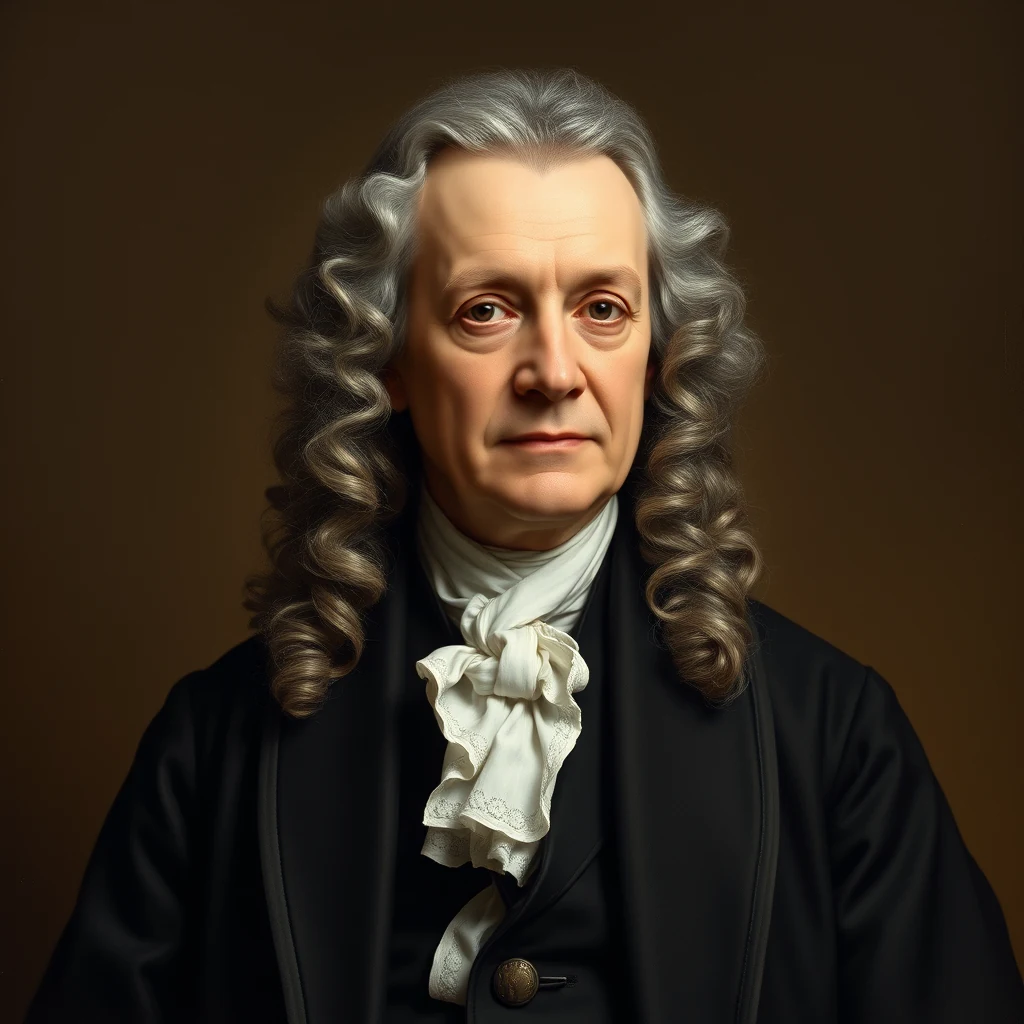 Person Edmond Halley English astronomer (1656–1742), later Astronomer Royal, best known for predicting the return of the comet that bears his name. He lobbied for a longitude prize from the 1690s onward and personally examined John Harrison's first sea clock in 1730, encouraging the young carpenter to take it to George Graham, the leading London horologist, who lent Harrison money to build it.英国天文学家(1656-1742年),后任皇家天文学家,因预测以他名字命名的彗星的回归而闻名。他从1690年代起便游说设立经度奖,并在1730年亲自检查了约翰·哈里森的第一台航海钟,鼓励这位年轻的木匠将其带给伦敦著名的钟表匠乔治·格雷厄姆,后者资助了哈里森的建造工作。Astrónomo inglés (1656–1742), posterior Astrónomo Real, conocido por predecir el retorno del cometa que lleva su nombre. Promovió el premio de longitud desde la década de 1690 y examinó personalmente el primer reloj marino de John Harrison in 1730, recomendándole presentarlo ante George Graham, quien financió a Harrison.عالم فلك إنجليزي (1656-1742)، أصبح لاحقاً الفلكي الملكي، ويشتهر بتوقعه عودة المذنب الذي يحمل اسمه. ضغط من أجل تخصيص جائزة لخطوط الطول منذ تسعينيات القرن السابع عشر وفحص شخصياً أول ساعة بحرية لجون هاريسون عام 1730، مشجعاً النجار الشاب على نقلها إلى جورج غراهام، صانع الساعات الرائد الذي أقرض هاريسون المال.Astrónomo inglês (1656-1742), posterior Astrónomo Real, conhecido por prever o regresso do cometa que leva o seu nome. Defendeu um prémio para a longitude desde a década de 1690 e examinou pessoalmente o primeiro relógio de mar de John Harrison em 1730, incentivando o jovem carpinteiro a levá-lo ao relojoeiro George Graham.अंग्रेजी खगोलविद (१६५६-१७४२), बाद में खगोलविद रॉयल, जिन्हें उनके नाम के धूमकेतु की वापसी की भविष्यवाणी करने के लिए जाना जाता है। उन्होंने १६९० के दशक से देशांतर पुरस्कार के लिए पैरवी की और १७३० में जॉन हैरिसन की पहली समुद्री घड़ी की व्यक्तिगत रूप से जांच की, जिससे युवा बढ़ई को इसे प्रमुख घड़ीसाज जॉर्ज ग्राहम के पास ले जाने की प्रेरणा मिली।Astronom Inggris (1656–1742), kemudian menjabat Astronomer Royal, terkenal karena memprediksi kembalinya komet yang menyandang namanya. Ia melobi pemberian hadiah bujur sejak tahun 1690-an dan secara pribadi memeriksa jam laut pertama John Harrison pada tahun 1730, menyarankan sang tukang kayu untuk membawanya ke George Graham.Astronome anglais (1656–1742), plus tard Astronome royal, célèbre pour avoir prédit le retour de la comète qui porte son nom. Il milita pour la création du prix de la longitude dès les années 1690 et examina le premier chronomètre de John Harrison en 1730, l'encourageant à le présenter à l'horloger George Graham, qui le finança.後に王立天文学者となった英国の天文学者(1656–1742)。自身の名がつけられた彗星の回帰を予測したことで有名。1690年代から経度賞の設立を働きかけ、1730年にはジョン・ハリソンの最初の海上用時計を自ら検査した。そして若き大工ハリソンに対し、ロンドンの一流時計師ジョージ・グラハムに相談するよう勧め、グラハムは製作資金を貸し付けた。Английский астроном (1656–1742), Королевский астроном, наиболее известный предсказанием возвращения кометы, названной в его честь. Он лоббировал учреждение премии за долготу с 1690-х годов и лично изучил первые морские часы Джона Гаррисона в 1730 году, направив его к лондонскому часовому мастеру Джорджу Грэму, одолжившему Гаррисону денег.Englischer Astronom (1656–1742), späterer Astronomer Royal, bekannt für die Vorhersage der Wiederkehr des nach ihm benannten Kometen. Er setzte sich ab den 1690er Jahren für einen Längengradpreis ein und untersuchte 1730 persönlich John Harrisons erste Schiffsuhr, wobei er den jungen Zimmermann ermutigte, sie dem Londoner Uhrmacher George Graham zu zeigen.자신의 이름을 딴 혜성의 주기를 예측한 것으로 널리 알려진 영국의 천문학자(1656~1742)이자 왕립 천문학자이다. 1690년대부터 경도 상금 제정 운동을 벌였으며, 1730년에 시골 목수였던 존 해리슨의 첫 번째 해상 시계를 직접 검사했다. 해리슨에게 런던의 저명한 시계 제작자 조지 그레이엄을 소개해 시계 개발을 위한 자금 지원을 받을 수 있도록 주선했다. , Parliament passed the Longitude Act
  Event Longitude Act An Act of the British Parliament passed in July 1714 offering a tiered prize — up to £20,000 — for a practical method of determining a ship's longitude at sea. It established the Board of Longitude to evaluate proposals. The Act remained in force for more than a century and effectively created the world's first state-funded research-and-development competition.英国议会于1714年7月通过的一项法案,为确定船只在海上的经度的实用方法提供分级奖金(最高达2万英镑)。它成立了经度委员会来评估提案。该法案实施了一个多世纪,并有效地创造了世界上第一个由国家资助的研发竞争项目。Una ley del Parlamento británico aprobada en julio de 1714 que ofrecía un premio escalonado (hasta £20,000) por un método práctico para determinar la longitud en el mar. Estableció la Junta de Longitud para evaluar propuestas. Estuvo vigente más de un siglo y creó la primera competencia de investigación financiada por el Estado.قانون صادر عن البرلمان البريطاني في يوليو 1714 يقدم مكافأة متدرجة — تصل إلى 20,000 جنيه إسترليني — لطريقة عملية لتحديد خط طول السفينة في البحر. أنشأ مجلس خطوط الطول لتقييم المقترحات. ظل القانون سارياً لأكثر من قرن، وأنشأ أول مسابقة بحث وتطوير تمولها الدولة في العالم.Uma lei do Parlamento britânico aprovada em julho de 1714 que oferecia um prémio escalonado — até £20.000 — para um método prático de determinar a longitude de um navio no mar. Estabeleceu a Junta da Longitude para avaliar propostas. A lei permaneceu em vigor por mais de um século e criou a primeira competição de I&D financiada pelo Estado.जुलाई १७१४ में पारित ब्रिटिश संसद का एक अधिनियम जो समुद्र में जहाज के देशांतर को निर्धारित करने के लिए एक व्यावहारिक पद्धति के लिए एक स्तरित पुरस्कार — £२०,००० तक — की पेशकश करता था। इसने प्रस्तावों का मूल्यांकन करने के लिए देशांतर बोर्ड की स्थापना की। यह अधिनियम एक शताब्दी से अधिक समय तक लागू रहा और इसने अनुसंधान-और-विकास प्रतियोगिता का निर्माण किया।Undang-Undang Parlemen Inggris yang disahkan pada bulan Juli 1714 yang menawarkan hadiah berjenjang — hingga £20.000 — untuk metode praktis penentuan bujur kapal di laut. UU ini membentuk Dewan Bujur untuk mengevaluasi proposal. Undang-undang ini tetap berlaku selama lebih dari satu abad dan menciptakan kompetisi litbang pertama di dunia.Loi du Parlement britannique adoptée en juillet 1714 offrant un prix substantiel — jusqu'à 20 000 livres — à quiconque concevrait une méthode pratique pour déterminer la longitude en mer. Elle créa le Bureau des longitudes pour évaluer les projets. Cette loi resta en vigueur plus d'un siècle et initia le premier concours de R&D public au monde.海上において船の経度を測定する実用的な方法に対して、最高2万ポンドの段階的な賞金を提供するとして1714年7月に制定された英国の法律。提案を審査するために経度委員会を設置した。この法律は1世紀以上にわたって存続し、事実上、世界初となる国家資金による研究開発(R&D)コンペティションを創出した。Закон британского парламента, принятый в июле 1714 года и предлагавший денежный приз (до 20 000 фунтов) за практический метод определения долготы на море. Закон учредил Комиссию по долготе для оценки предложений. Он оставался в силе более века и фактически создал первый в мире конкурс исследований и разработок, финансируемый государством.Ein im Juli 1714 verabschiedetes Gesetz des britischen Parlaments, das einen gestaffelten Preis von bis zu 20.000 Pfund für eine praktikable Methode zur Bestimmung des Längengrads auf See aussetzte. Es setzte das Längengradausschuss zur Bewertung von Vorschlägen ein. Das Gesetz blieb über ein Jahrhundert in Kraft und schuf den weltweit ersten staatlich finanzierten F&E-Wettbewerb.바다에서 배의 경도를 결정하는 실용적인 방법을 제시하는 사람에게 최대 20,000파운드의 단계별 상금을 수여하고자 1714년 7월에 제정된 영국 국회의 법률이다. 제안서를 심사하기 위한 경도위원회를 설치했다. 이 법은 1세기 넘게 유지되었으며, 사실상 세계 최초로 국가가 자금을 지원한 대규모 연구개발(R&D) 경진대회를 정착시키는 계기가 되었다. . It offered £20,000 — comfortably over £3 million today — for any method of determining longitude at sea to within half a degree on a voyage to the West Indies. A Board of Longitude
  Institution Board of Longitude The body of admirals, mathematicians and astronomers convened in 1714 to administer the longitude prize. Its membership included the Astronomer Royal ex officio, which gave the lunar-distance camp a permanent voice. The Board ran for 114 years, evaluated hundreds of proposals, and was wound up in 1828 once marine chronometers had become routine.1714年召集的由海军将领、数学家和天文学家组成的机构,负责管理经度奖金。其成员包括当然职位的皇家天文学家,这使得月距学派拥有了永久的话语权。该委员会运行了114年,评估了数百项提案,并于1828年在航海天文钟普及后解散。El cuerpo de almirantes, matemáticos y astrónomos convocado en 1714 para administrar el premio de longitud. Su membresía incluía al Astrónomo Real de oficio, lo que dio voz permanente al grupo de la distancia lunar. La Junta funcionó durante 114 años, evaluó cientos de propuestas y se disolvió en 1828 cuando los cronómetros eran rutina.الهيئة المكونة من الأدميرالات وعلماء الرياضيات والفلك التي اجتمعت عام 1714 لإدارة جائزة خطوط الطول. شملت عضويتها الفلكي الملكي بحكم منصبه، مما أعطى معسكر المسافة القمرية صوتاً دائماً. استمر المجلس لمدة 114 عاماً، وقيم مئات المقترحات، وتم حله عام 1828 بمجرد أن أصبحت الكرونومترات البحرية روتينية.O órgão de almirantes, matemáticos e astrónomos reunido em 1714 para administrar o prémio da longitude. A sua constituição incluía o Astrónomo Real por inerência, o que deu voz permanente ao método da distância lunar. A Junta funcionou durante 114 anos, avaliou centenas de propostas e foi extinta em 1828 quando os cronómetros se tornaram rotineiros.देशांतर पुरस्कार को प्रशासित करने के लिए १७१४ में बुलाई गई नौसेनाध्यक्षों, गणितज्ञों और खगोलविदों की संस्था। इसकी सदस्यता में पदेन खगोलविद रॉयल शामिल थे, जिसने चंद्र-दूरी शिविर को एक स्थायी आवाज दी। बोर्ड ११४ वर्षों तक चला, सैकड़ों प्रस्तावों का मूल्यांकन किया, और १८२८ में समाप्त हो गया जब समुद्री क्रोनोमीटर नियमित हो गए थे।Lembaga yang terdiri dari para laksamana, matematikawan, dan astronom yang dibentuk pada tahun 1714 untuk mengelola hadiah bujur. Keanggotaannya mencakup Astronomer Royal ex officio, memberikan suara permanen bagi kubu jarak bulan. Dewan ini berjalan selama 114 tahun, mengevaluasi ratusan proposal, dan dibubarkan pada tahun 1828.L'organisme composé d'amiraux, de mathématiciens et d'astronomes réuni en 1714 pour administrer le prix de la longitude. Sa composition comprenait l'Astronome royal, ce qui assura une influence permanente aux partisans de la méthode des distances lunaires. Le Bureau fonctionna 114 ans, examina des centaines de projets et fut dissous en 1828.経度賞を管理するために1714年に招集された、提督、数学者、天文学者らからなる組織。メンバーには王立天文学者が当然職として含まれており,これが月距離法派に恒常的な発言権を与えた。委員会は114年間続き、何百もの提案を審査したが、海上用クロノメーターが普及した後の1828年に解散した。Комиссия из адмиралов, математиков и астрономов, созванная в 1714 году для распределения премии за определение долготы. В нее входил Королевский астроном, что давало преимущество сторонникам метода лунных расстояний. Комиссия просуществовала 114 лет, рассмотрела сотни проектов и была распущена в 1828 году после внедрения хронометров.Das 1714 einberufene Gremium aus Admiralen, Mathematikern und Astronomen zur Verwaltung des Längengradpreises. Ihm gehörte der Astronomer Royal ex officio an, was den Verfechtern der Monddistanzmethode eine dauerhafte Stimme verlieh. Der Ausschuss bestand 114 Jahre, bewertete Hunderte Vorschläge und wurde 1828 aufgelöst, als Chronometer Routine waren.경도 상금 지급을 관리하기 위해 1714년에 소집된 제독, 수학자, 천문학자들의 연합 기구이다. 왕립 천문학자가 당연직 위원으로 참가하여 월거법(달 거리 측정법) 학파가 위원회 내에서 지속적인 영향력을 행사할 수 있었다. 위원회는 114년 동안 존속하며 수백 개의 제안을 심사했고, 해상 크로노미터가 보편화된 직후인 1828년에 해산되었다. was set up to administer the prize.
A carpenter's clock
The scientific establishment was sure the answer would come from the sky. Newton himself thought a mechanical clock at sea was hopeless, and that the prize would be won by the method of lunar distances 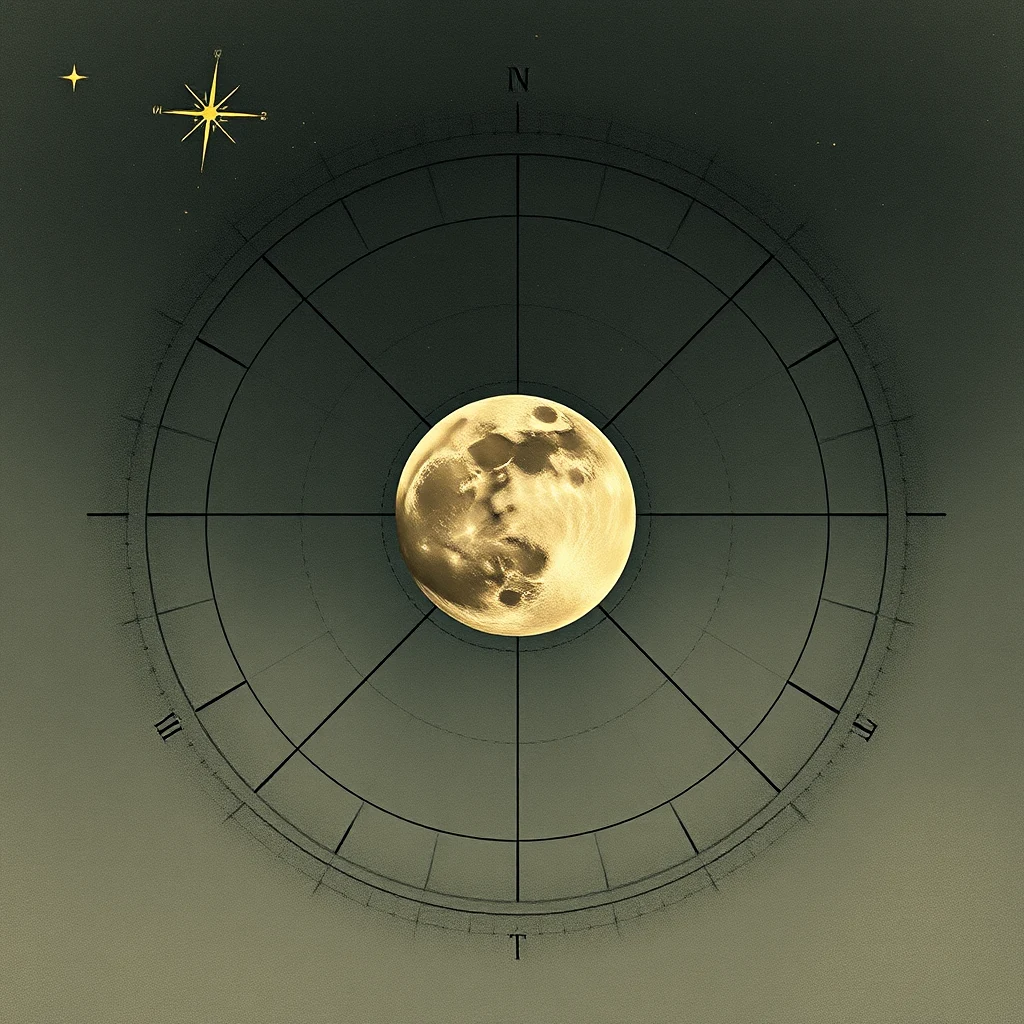 Concept lunar distances An astronomical method of finding longitude by measuring the angle between the Moon and a chosen star or the Sun, then comparing the observation against pre-computed tables of where the Moon should be, at known Greenwich times, on a given date. Workable but laborious — a single fix required four hours of calculation — it was the chronometer's main competitor through the late eighteenth century.一种通过测量月球与选定恒星或太阳之间的夹角,然后将观测结果与预先计算的表格(即在特定日期、已知格林尼治时间月球应在的位置)进行对比来寻找经度的天文方法。该方法可行但费力——单次定位需要计算四个小时——在十八世纪后期是航海天文钟的主要竞争对手。Un método astronómico para hallar la longitud midiendo el ángulo entre la Luna y una estrella o el Sol, comparando la observación con tablas precalculadas de la posición de la Luna respecto a Greenwich. Viable pero laborioso (cuatro horas de cálculo), fue el rival principal del cronómetro de marina a finales del siglo XVIII.طريقة فلكية للعثور على خطوط الطول عن طريق قياس الزاوية بين القمر ونجم مختار أو الشمس، ثم مقارنة الرصد بالجداول المحسوبة مسبقاً لموقع القمر بتوقيت غرينتش. كانت الطريقة صالحة للعمل ولكنها شاقة — حيث تطلب التحديد الواحد أربع ساعات من الحسابات — وكانت المنافس الرئيسي للكرونومتر في أواخر القرن الثامن عشر.Um método astronómico para encontrar a longitude medindo o ângulo entre a Lua e uma estrela ou o Sol, comparando a observação com tabelas da posição da Lua em relação a Greenwich. Viável mas trabalhoso — exigia quatro horas de cálculos —, foi o principal concorrente do cronómetro de mar no final do século XVIII.चंद्रमा और एक चुनिंदा तारे या सूर्य के बीच के कोण को मापकर देशांतर खोजने की एक खगोलीय विधि, फिर ज्ञात ग्रीनविच समय पर चंद्रमा की स्थिति के पूर्व-गणना तालिकाओं के विरुद्ध तुलना करना। काम के लायक लेकिन श्रमसाध्य — एकल गणना के लिए चार घंटे की आवश्यकता होती थी — यह १८वीं शताब्दी के अंत में क्रोनोमीटर का मुख्य प्रतिद्वंद्वी था।Metode astronomi untuk menemukan bujur dengan mengukur sudut antara Bulan dan bintang pilihan atau Matahari, lalu membandingkan pengamatan tersebut dengan tabel posisi Bulan berdasarkan Greenwich. Metode ini bisa diterapkan namun rumit karena membutuhkan waktu empat jam perhitungan, menjadikannya pesaing utama kronometer.Une méthode astronomique pour déterminer la longitude en mesurant l'angle entre la Lune et une étoile ou le Soleil, puis en comparant l'observation à des tables de la position lunaire à l'heure de Greenwich. Faisable mais laborieuse (quatre heures de calcul), elle fut le grand rival du chronomètre à la fin du XVIIIe siècle.月と選定した恒星または太阳との間の角度を測定し、その結果をグリニッジ標準时における月の予測位置を示した天体暦と比較することで経度を算出する天文学的手法。実用可能ではあったが、1回の位置算出に4時間の計算を要するほどに煩雑であり、18世紀後半を通じてクロノメーター(海上用精密時計)の最大のライバルであった。Астрономический метод определения долготы путем измерения угла между Луной и выбранной звездой или Солнцем с последующим сравнением результатов с таблицами положения Луны по Гринвичу. Рабочий, но трудоемкий метод (одно определение требовало четырех часов вычислений), бывший главным конкурентом хронометра в конце XVIII века.Eine astronomische Methode zur Längengradbestimmung durch Messung des Winkels zwischen dem Mond und einem Stern oder der Sonne, gefolgt von einem Abgleich mit Tabellen der Mondposition relativ zu Greenwich. Die Methode war praktikabel, aber mühsam — eine Berechnung dauerte vier Stunden — und blieb bis ins späte 18. Jahrhundert der Hauptkonkurrent der Uhr.달과 특정 항성 혹은 태양 사이의 사잇각을 측정하여 경도를 구하는 천문학적 방법이다. 측정값을 특정 날짜, 특정 그리니치 평균시 기준의 달 위치 천체력 테이블과 비교하여 구한다. 계산 가능하지만 매우 번거로워 1회 측정 시 4시간의 연산이 소요되었으며, 18세기 후반까지 해상 크로노미터 시계의 가장 강력한 경쟁 기술이었다. — measuring the angle between the Moon and a fixed star, then comparing it to tables computed back in Greenwich. The Astronomer Royal kept observing. Mathematicians kept publishing.

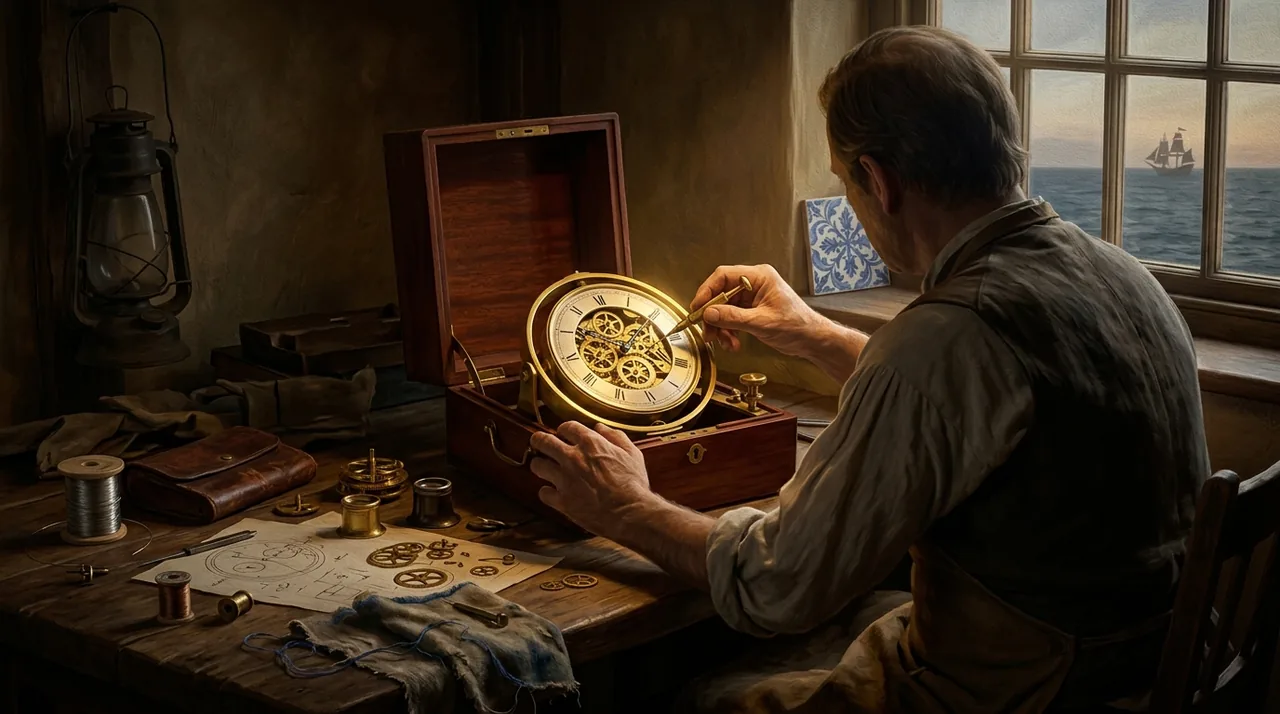
John Harrison 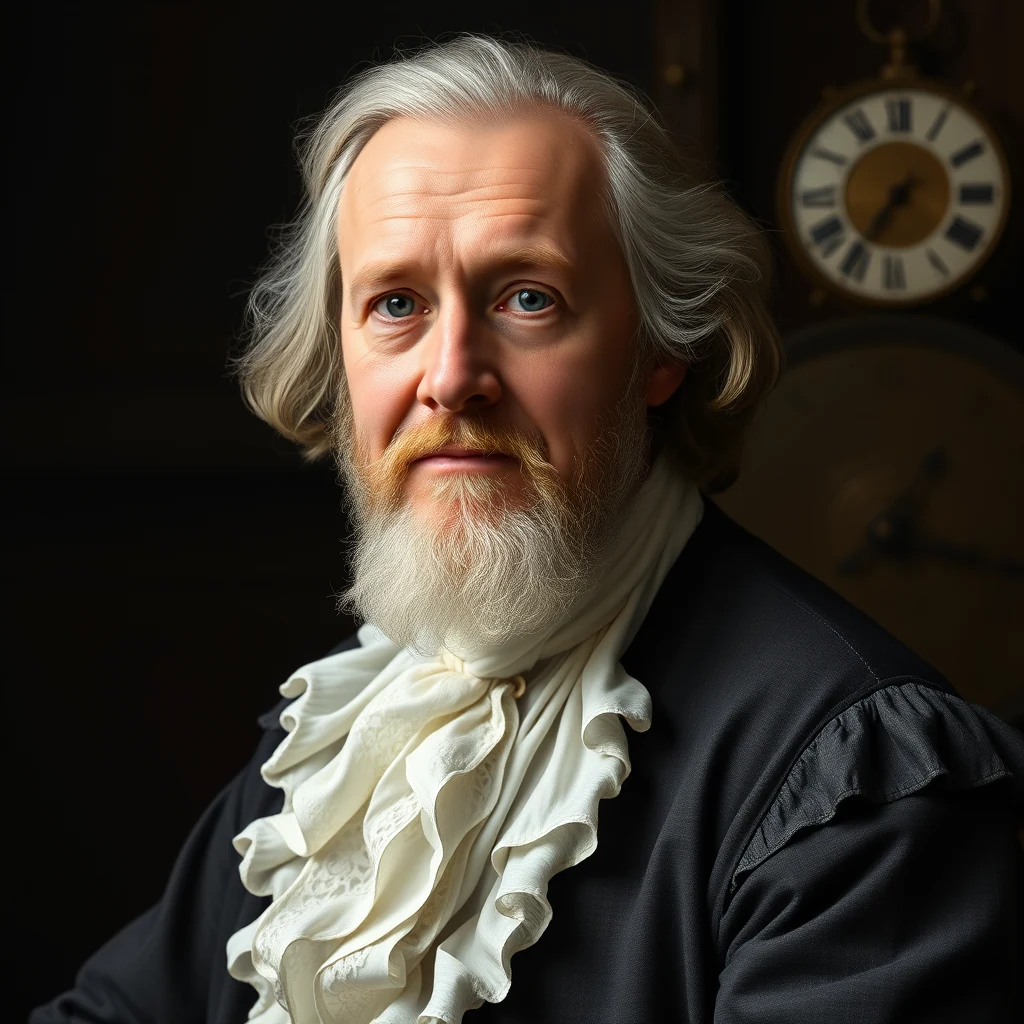 Person John Harrison English clockmaker (1693–1776), born in Yorkshire and raised in Lincolnshire, who taught himself horology while working as a village carpenter. Over forty-three years he built five marine timekeepers — H1 through H4 and the pocket-watch-sized H5 — that solved the problem of carrying accurate time to sea. He also invented the bimetallic strip and the caged roller bearing in the process.英国钟表匠(1693-1776年),出生于约克郡,在林肯郡长大,他在当乡村木匠时自学了钟表制造。在四十三年的时间里,他制造了五台航海计时器——H1到H4,以及怀表大小的H5——解决了将精确时间带到海上的问题。在此过程中,他还发明了双金属条和笼式滚子轴承。Relojero inglés (1693–1776) que aprendió relojería de forma autodidacta mientras trabajaba como carpintero. Durante 43 años construyó cinco cronómetros marinos (del H1 al H4, y el H5 del tamaño de un reloj de bolsillo) que resolvieron el problema de llevar la hora precisa al mar. Inventó la tira bimetálica y el cojinete de rodillos.صانع ساعات إنجليزي (1693-1776)، ولد في يوركشاير ونشأ في لينكولنشاير، علم نفسه علم الساعات أثناء عمله كنجار قرية. على مدار ثلاثة وأربعين عاماً، بنى خمسة أجهزة توقيت بحرية — من H1 إلى H4 والنسخة الصغيرة H5 — التي حلت مشكلة نقل الوقت الدقيق إلى البحر. اخترع الشريط ثنائي المعدن ومحمل الأسطوانة المغلف.Relojoeiro inglês (1693-1776) que aprendeu relojoaria de forma autodidata enquanto trabalhava como carpinteiro. Ao longo de quarenta e três anos construiu cinco cronómetros marinhos — do H1 ao H4 e o H5 do tamanho de um relógio de bolso — que resolveram o problema de levar a hora exata ao mar. Inventou a tira bimetálica.अंग्रेजी घड़ीसाज (१६९३-१७७६) जो एक ग्रामीण बढ़ई के रूप में काम करते हुए खगोल विज्ञान और घड़ीसाजी सीखे। तैंतालीस वर्षों में उन्होंने पांच समुद्री समयपालक बनाए — H1 से H4 और पॉकेट-घड़ी के आकार का H5 — जिसने समुद्र में सटीक समय ले जाने की समस्या को हल किया। उन्होंने प्रक्रिया में द्विधात्वीय पट्टी (बाइमेटेलिक स्ट्रिप) का भी आविष्कार किया।Pembuat jam Inggris (1693–1776) yang mempelajari horologi secara autodidak saat bekerja sebagai tukang kayu desa. Selama empat puluh tiga tahun ia membuat lima pencatat waktu laut — H1 hingga H4 dan H5 seukuran jam saku — yang memecahkan masalah penentuan waktu di laut. Ia juga menciptakan strip bimetal.Horloger anglais (1693–1776) qui apprit l'horlogerie en autodidacte tout en travaillant comme charpentier. En 43 ans, he fabriqua cinq chronomètres de marine — de H1 à H4, puis H5 de la taille d'une montre de poche — qui résolurent le problème du transport de l'heure exacte en mer. Il inventa aussi le bilame et les roulements à rouleaux.ヨークシャーに生まれリンカーンシャーで育ち、村の大工として働きながら独学で時計製作技術を修得した英国の時計師(1693–1776)。43年の歳月をかけて、洋上で正確な時間を維持する課題を解決した5台の海上用時計(H1〜H4、および懐中時計サイズのH5)を製作した。その過程でバイメタル細条やケージ付きローラーベアリングも発明した。Английский часовой мастер (1693–1776), самостоятельно изучивший часовое дело во время работы деревенским плотником. За 43 года он создал пять морских хронометров (от H1 до H4 и карманные H5), решивших проблему точного времени в море. В ходе работы он также изобрел биметаллическую пластину и роликовый подшипник.Englischer Uhrmacher (1693–1776), der sich die Uhrmacherei als Dorfzimmermann selbst beibrachte. Über 43 Jahre baute er fünf Schiffschronometer — H1 bis H4 sowie die taschenuhrgroße H5 —, die das Problem der genauen Zeitmessung auf See lösten. Er erfand im Zuge dessen auch den Bimetallstreifen und das gelagerte Rollenlager.요크셔 출신으로 링컨셔에서 성장했으며 시골 목수로 일하면서 독학으로 시계 제작 기술을 익힌 영국의 시계 장인(1693~1776)이다. 43년에 걸쳐 바다 위에서 정밀한 시간을 유지할 수 있는 5대의 해상 시계(H1~H4 및 회중시계 크기의 H5)를 제작해 경도 문제를 해결했다. 이 과정에서 바이메탈 금속판과 케이지 구조의 롤러 베어링을 최초로 고안해냈다. was a village carpenter from Barrow-upon-Humber in Lincolnshire, born in 1693, the son of a joiner. He had no formal education in horology, mathematics or natural philosophy. He had taught himself to read by copying out a borrowed copy of a lecture series by the natural philosopher Nicholas Saunderson. By his twenties he was building tower clocks out of oak, with self-lubricating lignum vitae bushings instead of metal-on-metal bearings that would need oiling. They kept time to a second a month — better than any London-made brass clock of the period.

Harrison's idea was the one Newton had ruled out. A sea clock. He worked on it, in successive versions, for the rest of his life.

H1, H2, H3, H4
H1, finished in 1735, weighed 34 kilograms and looked like a brass cathedral: counter-oscillating dumbbells that cancelled the ship's roll, antifriction rollers, no pendulum. The Board sent it on a sea trial to Lisbon. It performed well enough that they gave Harrison £500 to keep going. H2 was heavier, more refined, and never went to sea — Harrison himself found a flaw in the bar balances and asked to start again. H3 took him nineteen years. It introduced the bimetallic strip, his own invention, to compensate for temperature, and the caged roller bearing, which is still in every modern wheel hub on Earth.

Then, around 1753, Harrison did something nobody saw coming. He abandoned the cathedral approach and built H4: a pocket watch, 13 centimetres across, 1.45 kilograms, with a tiny diamond-and-ruby escapement and a high-frequency balance. In 1761 his son William carried it to Jamaica aboard HMS *Deptford*. After 81 days at sea, the watch had lost five seconds. That was an error of about one nautical mile of longitude — six times better than the prize required.
The Board did not pay.

What we still don't know
The historical record is unusually clear about Harrison's instruments and unusually murky about why the Board treated him as it did. The Astronomer Royal at the time, Nevil Maskelyne 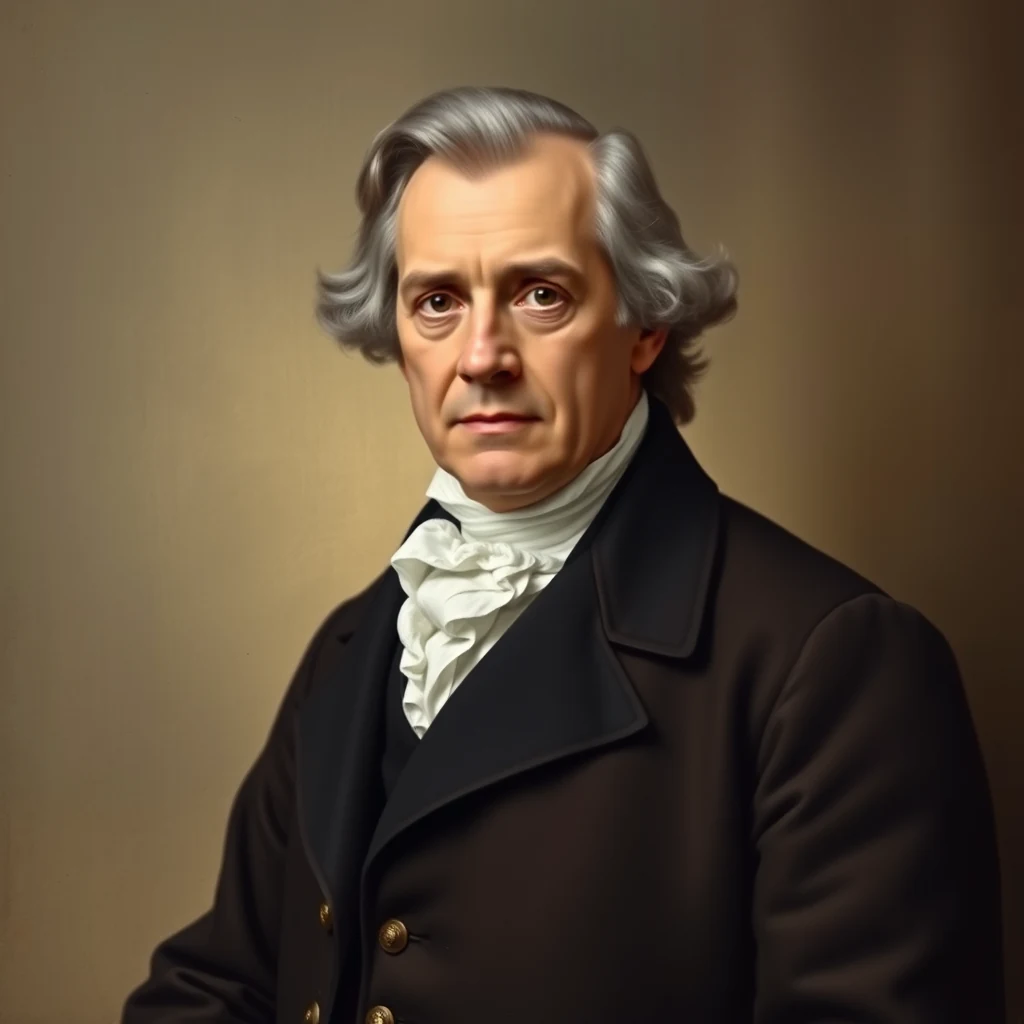 Person Nevil Maskelyne Fifth Astronomer Royal (1732–1811), appointed in 1765. A proponent of the lunar-distance method, he founded the Nautical Almanac in 1767, which made lunar observations practical for ordinary navigators. He sat on the Board of Longitude during the long dispute with John Harrison and was accused, then and since, of obstructing Harrison's claim — though some historians read his caution as ordinary scientific scepticism.第五任皇家天文学家(1732-1811年),于1765年获得任命。他是月距法的支持者,于1767年创办了《航海天文历》,使普通航海家进行月距观测变得实用。在与约翰·哈里森的长期争议中,他在经度委员会中任职,并在当时和此后被指责阻挠哈里森的索赔——尽管一些历史学家将他的谨慎解读为普通的科学怀疑态度。Quinto Astrónomo Real (1732–1811) nombrado en 1765. Defensor del método de la distancia lunar, fundó el Nautical Almanac en 1767, facilitando las observaciones a los navegantes. Formó parte de la Junta de Longitud durante la disputa con John Harrison, siendo acusado de obstrucción, aunque algunos ven escepticismo científico.الفلكي الملكي الخامس (1732-1811)، تم تعيينه عام 1765. من مؤيدي طريقة المسافة القمرية، أسس التقويم البحري عام 1767، مما جعل الرصد القمري عملياً للملاحين العاديين. خدم في مجلس خطوط الطول خلال النزاع الطويل مع جون هاريسون واتُهم بعرقلة مطالبة هاريسون — على الرغم من أن بعض المؤرخين يفسرون حذره على أنه شك علمي.Quinto Astrónomo Real (1732-1811), nomeado em 1765. Defensor do método da distância lunar, fundou o Nautical Almanac em 1767, tornando as observações lunares práticas para navegadores comuns. Integrou a Junta da Longitude durante a disputa com John Harrison, sendo acusado de obstrução, embora alguns vejam ceticismo científico.१७६५ में नियुक्त पांचवें खगोलविद रॉयल (१७३२-१८११)। चंद्र-दूरी पद्धति के समर्थक, उन्होंने १७६७ में नॉटिकल अल्मनाक की स्थापना की, जिसने चंद्र अवलोकनों को सामान्य नाविकों के लिए व्यावहारिक बना दिया। वह जॉन हैरिसन के साथ लंबे विवाद के दौरान देशांतर बोर्ड में शामिल थे और उन पर हैरिसन के दावे में बाधा डालने का आरोप लगाया गया था।Astronomer Royal kelima (1732–1811), ditunjuk pada tahun 1765. Seorang pendukung metode jarak bulan, ia mendirikan Nautical Almanac pada tahun 1767. Ia duduk di Dewan Bujur selama perselisihan panjang dengan John Harrison dan dituduh menghalangi klaim Harrison — meskipun beberapa sejarawan menganggapnya sebagai skeptisisme ilmiah.Cinquième Astronome royal (1732–1811), nommé en 1765. Partisan de la méthode des distances lunaires, il créa le Nautical Almanac en 1767, rendant les calculs accessibles aux navigateurs. Siégeant au Bureau des longitudes lors du conflit avec John Harrison, il fut accusé d'obstruction, bien que certains n'y voient qu'un scepticisme scientifique légitime.1765年に任命された第5代王立天文学者(1732–1811)。月距離法の支持者であり、1767年に『航海暦』を創刊して一般の航海士でも月観測を実用化できるようにした。ジョン・ハリソンとの長期にわたる論争の中で経度委員会の委員を務め、ハリソンの功績請求を阻害したと非難されたが、一部の歴史家は彼の慎重さを通常の科学的懐疑論と解釈している。Пятый Королевский астроном (1732–1811), назначен в 1765 году. Сторонник метода лунных расстояний, основавший «Морской альманах» в 1767 году, что сделало этот метод доступным для обычных моряков. Он входил в Комиссию по долготе во время спора с Гаррисоном и обвинялся в препятствовании ему, хотя некоторые видят в этом обычный научный скептицизм.Fünfter Astronomer Royal (1732–1811), ernannt 1765. Als Befürworter der Monddistanzmethode gründete er 1767 den Nautical Almanac, der Mondbeobachtungen für Seefahrer praktikabel machte. Er saß während des Streits mit John Harrison im Längengradausschuss und wurde der Behinderung beschuldigt, obwohl Historiker seine Haltung eher als Skepsis werten.1765년에 임명된 영국의 다섯 번째 왕립 천문학자(1732~1811)이다. 월거법(달 거리 측정법)의 강력한 옹호자로서 1767년 항해력을 창간해 일반 항해사들도 실생활에서 관측을 이용할 수 있도록 도왔다. 존 해리슨과의 오랜 분쟁 기간 동안 경도위원회 위원으로 재임하며 해리슨의 포상금 청구를 훼방 놓았다는 비판을 받았으나, 일부 역사학자들은 그의 태도를 학술적 회의론으로 이해하기도 한다. , was a partisan of the lunar-distance method and sat on the Board that judged Harrison's watch. Whether Maskelyne acted in bad faith or in honest scientific scepticism — the watch was, after all, a single object whose principles he could not yet verify — is still argued by historians.

We do not fully know how Harrison's escapement worked. The H4 was sealed, and when Maskelyne's committee finally dismantled it in 1765 the drawings they made are incomplete. Modern reconstructions are educated guesses.

And we do not know what Harrison would have built next. He died in 1776, three years after a personal intervention by King George III 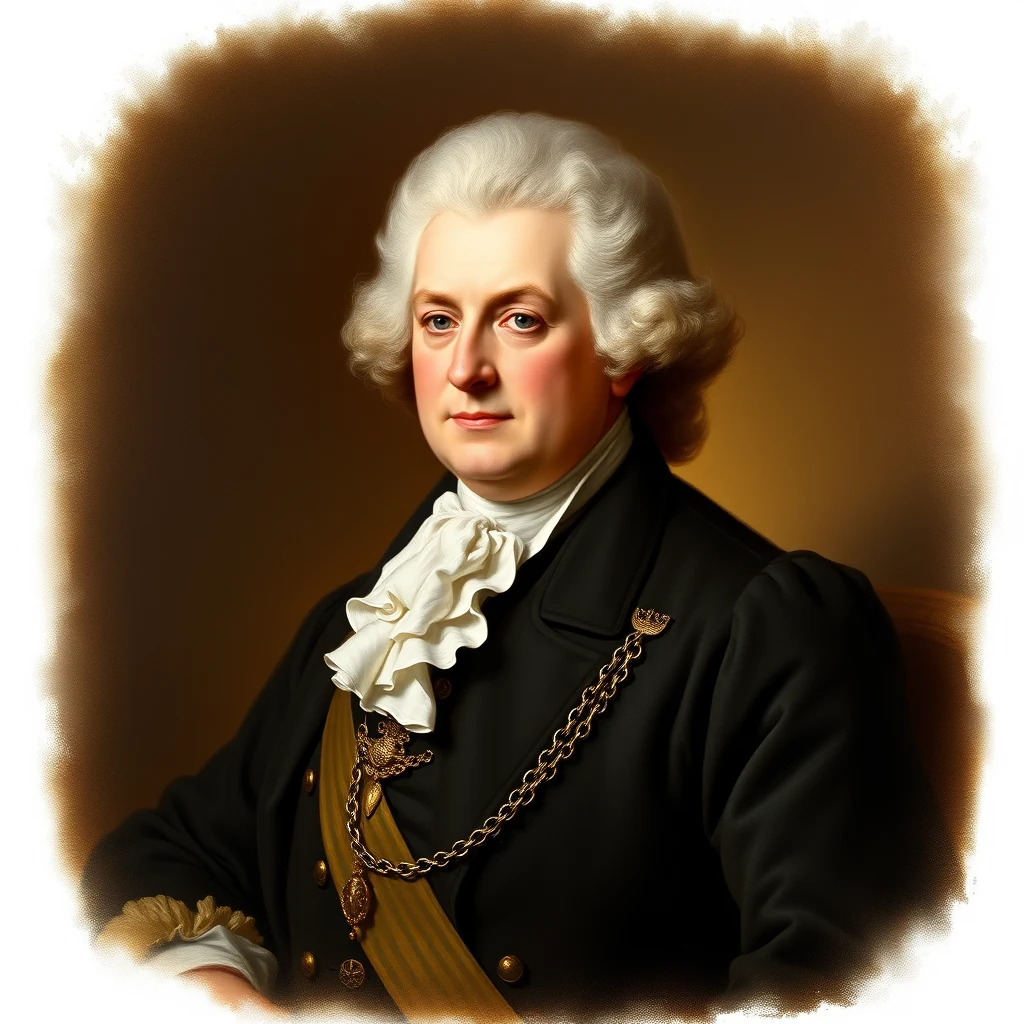 Person George III King of Great Britain and Ireland from 1760 to 1820. An amateur astronomer with his own observatory at Kew, he received John Harrison and his son William in 1772, tested H5 personally over six weeks (it gained one-third of a second a day), and is said to have told them, "By God, Harrison, I will see you righted." He then pressured Parliament into paying the remainder of the prize.大不列颠及爱尔兰国王(1760—1820年在位)。作为一名业余天文学家,他在邱园拥有自己的天文台。1772年,他接见了约翰·哈里森及其子威廉,并亲自对H5航海钟进行了为期六周的测试(该钟每日仅变快三分之一秒)。据传他曾对他们说:“上帝作证,哈里森,我会为你主持公道。”随后,他向议会施压,要求其支付剩余的奖金。Rey de Gran Bretaña e Irlanda de 1760 a 1820. Astrónomo aficionado con su propio observatorio en Kew, recibió a John Harrison y a su hijo William en 1772. Probó personalmente el H5 durante seis semanas, registrando que ganaba un tercio de segundo al día. Se dice que les prometió justicia y luego presionó al Parlamento para que pagara el resto del premio.ملك بريطانيا العظمى وأيرلندا من عام 1760 إلى عام 1820. كان فلكياً هاوياً يمتلك مرصداً خاصاً به في كيو. استقبل جون هاريسون وابنه ويليام في عام 1772، واختبر الساعة البحرية الخامسة شخصياً على مدى ستة أسابيع، حيث كانت تكتسب ثلث ثانية يومياً. ويقال إنه وعدهم بإنصافهم، ثم ضغط على البرلمان لدفع بقية الجائزة.Rei da Grã-Bretanha e Irlanda de 1760 a 1820. Astrônomo amador com observatório próprio em Kew, recebeu John Harrison e seu filho William em 1772. Testou pessoalmente o cronômetro H5 durante seis semanas, constatando que adiantava apenas um terço de segundo por dia. Prometeu fazer-lhes justiça e pressionou o Parlamento a pagar o restante do prêmio concedido.1760 से 1820 तक ग्रेट ब्रिटेन और आयरलैंड के राजा। केव में अपनी निजी वेधशाला रखने वाले एक शौकिया खगोलशास्त्री, उन्होंने 1772 में जॉन हैरिसन और उनके बेटे विलियम का स्वागत किया। उन्होंने छह सप्ताह तक व्यक्तिगत रूप से H5 का परीक्षण किया, जिसने प्रतिदिन एक-तिहाई सेकंड का अंतर दिखाया। उन्होंने हैरिसन को न्याय दिलाने का वादा किया और संसद पर शेष पुरस्कार राशि देने का दबाव डाला।Raja Britania Raya dan Irlandia dari 1760 hingga 1820. Seorang astronom amatir dengan observatorium pribadi di Kew, ia menerima John Harrison dan putranya William pada 1772. Ia menguji jam H5 secara pribadi selama enam minggu, yang terbukti hanya melesat sepertiga detik per hari. Ia berjanji akan membela hak Harrison dan menekan Parlemen untuk membayar sisa hadiah uangnya.Roi de Grande-Bretagne et d'Irlande de 1760 à 1820. Astronome amateur disposant de son propre observatoire à Kew, il reçut John Harrison et son fils William en 1772. Il testa personnellement le chronomètre H5 durant six semaines, constatant qu'il avançait d'un tiers de seconde par jour. Il leur promit justice et pressa le Parlement de verser le reste du prix.1760年から1820年まで在位したグレートブリテンおよびアイルランド国王。キューに私設の天文台を持つアマチュア天文学者でもあり、1772年にジョン・ハリソンとその息子ウィリアムを引見した。彼は自らH5号を6週間にわたりテストし、日差がわずか3分の1秒であることを確認した。ハリソンへの正当な対価の支払いを求めて議会に圧力をかけた。Король Великобритании и Ирландии с 1760 по 1820 год. Будучи астрономом-любителем с собственной обсерваторией в Кью, он принял Джона Гаррисона и его сына Уильяма в 1772 году. Король лично тестировал хронометр H5 в течение недели и, убедившись в его точности, пообещал Гаррисону поддержку, после чего заставил парламент выплатить остаток заслуженной награды.König von Großbritannien und Irland von 1760 bis 1820. Als Amateurastronom mit eigenem Observatorium in Kew empfing er 1772 John Harrison und dessen Sohn William. Er testete das H5-Chronometer persönlich über sechs Wochen, wobei es täglich nur eine Drittelsekunde vorging. Er versprach Harrison Unterstützung und drängte das Parlament zur Auszahlung des verbleibenden Preisgeldes.1760년부터 1820년까지 재위한 그레이트브리튼과 아일랜드의 국왕. 큐에 개인 천문대를 보유한 아마추어 천문학자였던 그는 1772년 존 해리슨과 그의 아들 윌리엄을 접견했다. 그는 H5 해상시계를 6주 동안 직접 테스트하여 하루에 3분의 1초만 빨라진다는 것을 확인했고, 해리슨에게 공정한 보상을 약속하며 의회에 나머지 포상금을 지급하도록 압력을 가했다. finally forced Parliament to pay him the balance of the award. He was 83. By then the watchmaker Larcum Kendall
 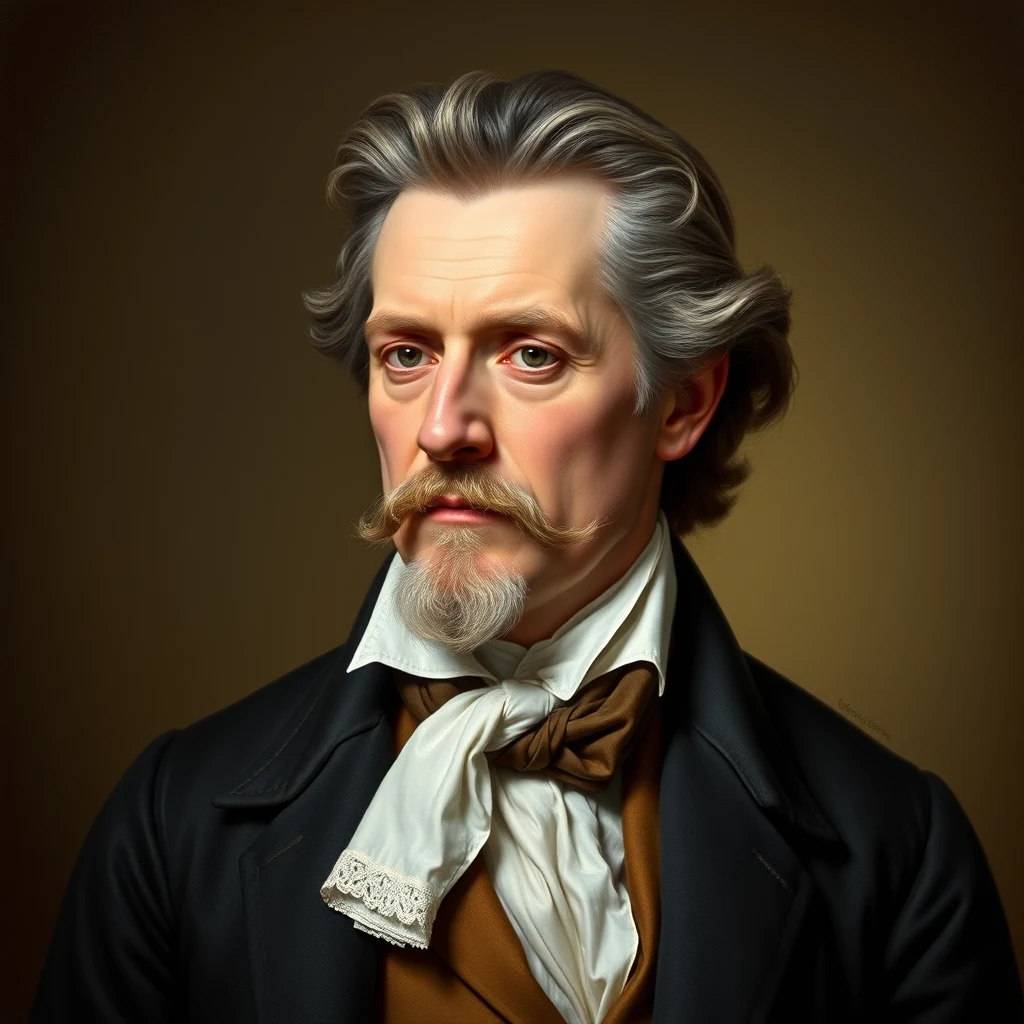 Person Larcum Kendall English watchmaker (1721–1790) commissioned by the Board of Longitude to produce a working copy of Harrison's H4. His K1, finished in 1769, accompanied Captain James Cook on his second voyage (1772–1775) and proved that Harrison's design was reproducible. Kendall went on to make K2 and K3, simpler and cheaper versions; K2 famously sailed on HMS Bounty with Fletcher Christian.英国钟表匠(1721—1790年),受经度局委托制作哈里森H4航海钟的复制品。他于1769年完成的K1航海钟随詹姆斯·库克船长的第二次航行(1772—1775年)出海,证明了哈里森的设计是可复制的。肯德尔随后制作了更简单、更便宜的K2和K3版本。其中,K2曾随弗莱彻·克里斯蒂安在皇家海军“邦蒂号”上航行,因而闻名于世。Relojero inglés (1721–1790) comisionado por la Junta de Longitud para realizar una copia funcional del cronómetro H4 de Harrison. Su modelo K1, terminado en 1769, acompañó al capitán James Cook en su segundo viaje, demostrando la viabilidad del diseño de Harrison. Kendall diseñó posteriormente el K2 y el K3, versiones simplificadas. El K2 es famoso por viajar en el HMS Bounty.صانع ساعات إنجليزي (1721-1790) كلفته لجنة خطوط الطول بصنع نسخة عملية من ساعة هاريسون الرابعة. رافقت ساعته الأولى K1، التي اكتملت عام 1769، الكابتن جيمس كوك في رحلته الثانية، وأثبتت إمكانية إعادة إنتاج تصميم هاريسون. صنع كيندال لاحقاً النسختين المبسطتين K2 وK3، حيث أبحرت K2 بشكل شهير على سفينة باونتي.Relojoeiro inglês (1721–1790) contratado pelo Board of Longitude para produzir uma cópia funcional do cronômetro H4 de Harrison. Seu K1, concluído em 1769, acompanhou o capitão James Cook em sua segunda viagem, provando a reprodutibilidade do projeto de Harrison. Kendall produziu depois o K2 e o K3, versões mais simples e baratas. O K2 navegou no famoso navio HMS Bounty.अंग्रेज घड़ीसाज (1721-1790) जिन्हें देशांतर बोर्ड द्वारा हैरिसन की H4 की एक चालू प्रति बनाने का काम सौंपा गया था। 1769 में पूरी हुई उनकी K1 घड़ी कैप्टन जेम्स कुक की दूसरी यात्रा पर गई और साबित किया कि हैरिसन का डिजाइन दोहराया जा सकता था। केंडल ने इसके बाद सरल और सस्ते संस्करण K2 और K3 बनाए; K2 प्रसिद्ध रूप से HMS बाउंटी पर गई थी।Pembuat jam Inggris (1721–1790) yang ditugaskan oleh Dewan經度 untuk memproduksi salinan operasional dari jam H4 Harrison. Jam K1 miliknya, yang selesai pada 1769, menemani Kapten James Cook dalam pelayaran keduanya dan membuktikan bahwa desain Harrison dapat direproduksi. Kendall kemudian membuat K2 dan K3 yang lebih sederhana dan murah; K2 terkenal ikut berlayar di HMS Bounty.Horloger anglais (1721–1790) chargé par le Bureau des Longitudes de réaliser une copie fonctionnelle du H4 de Harrison. Son K1, achevé en 1769, accompagna le capitaine James Cook lors de son deuxième voyage et prouva la reproductibilité du concept de Harrison. Kendall fabriqua ensuite les versions K2 et K3, plus simples et économiques. K2 navigua notamment à bord du HMS Bounty.ハリソンのH4号の複製製作を経度局から委託されたイギリスの時計職人(1721〜1790年)。1769年に完成した彼のK1号は、ジェームズ·クック船長の第二次航海(1772〜1775年)に同行し、ハリソンの設計が再現可能であることを実証した。ケンダルはその後、簡素で安価なK2号とK3号を製作し、K2号はバウンティ号に搭載されたことで知られる。Английский часовой мастер (1721–1790), нанятый Советом по долготе для создания рабочей копии хронометра H4 Гаррисона. Созданный им прибор K1, завершенный в 1769 году, сопровождал капитана Джеймса Кука во второй экспедиции и доказал воспроизводимость конструкции Гаррисона. Позже Кендалл создал более простые версии K2 и K3; хронометр K2 вошел в историю на бору корабля «Баунти».Englischer Uhrmacher (1721–1790), der vom Board of Longitude mit der Herstellung einer funktionierenden Kopie von Harrisons H4 beauftragt wurde. Seine 1769 fertiggestellte K1 begleitete Kapitän James Cook auf dessen zweiter Reise und bewies die Reproduzierbarkeit von Harrisons Entwurf. Kendall baute später die einfacheren Versionen K2 und K3, wobei K2 auf der HMS Bounty zum Einsatz kam.해리슨의 H4를 복제하라는 경도국의 의뢰를 받은 영국의 시계 제작자(1721~1790). 1769년에 완성된 그의 K1 해상시계는 제임스 쿡 선장의 2차 항해(1772~1775)에 함께하여 해리슨의 설계가 재현 가능하다는 것을 증명했다. 켄달은 이후 더 단순하고 저렴한 버전인 K2와 K3를 개발했으며, K2는 HMS 바운티호에 탑재된 것으로 유명하다. had already produced K1, a copy of H4, which James Cook
 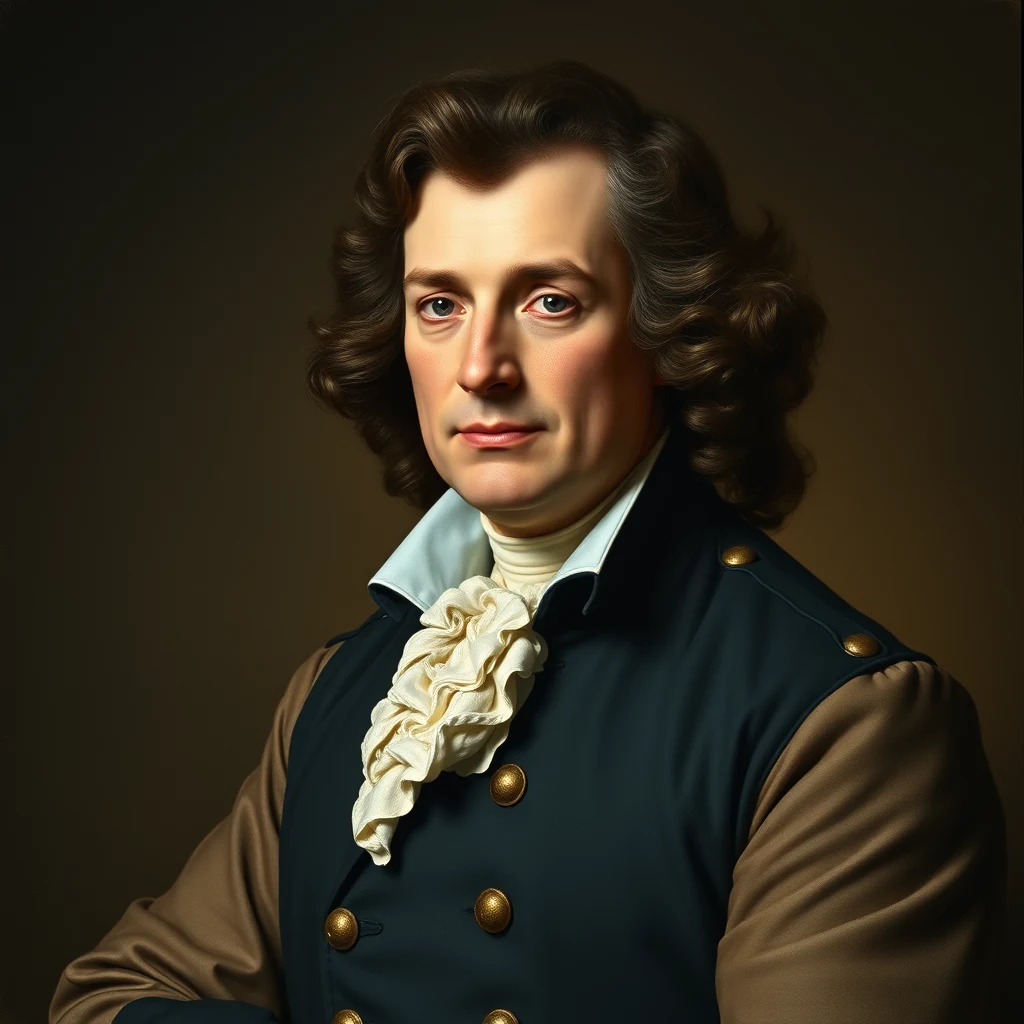 Person James Cook British naval officer (1728–1779) whose three Pacific voyages mapped New Zealand, the eastern coast of Australia, and the Hawaiian archipelago. His second voyage (1772–1775) carried Kendall's K1 chronometer, which Cook praised in his log as "our trusty friend the watch" and "our never failing guide." His charts, fixed by K1, were the first in history to place Pacific islands at their true longitude.英国海军军官(1728—1779年)。他的三次太平洋航行绘制了新西兰、澳大利亚东海岸和夏威夷群岛的地图。在第二次航行(1772—1775年)中, he携带了肯德尔的K1航海钟,并在日志中称赞其为“我们忠实的表友”和“我们永无失误的向导”。借助K1修正的航海图,是历史上首次将太平洋岛屿标注在真实经度上的地图。Oficial naval británico (1728–1779) cuyos tres viajes por el Pacífico cartografiaron Nueva Zelanda, la costa este de Australia y Hawai. Su segundo viaje llevó el cronómetro K1 de Kendall, que Cook elogió en su diario como un guía infalible. Sus cartas de navegación, corregidas gracias al K1, fueron las primeras en situar las islas del Pacífico en sus longitudes exactas.ضابط بحري بريطاني (1728-1779) رسمت رحلاته الثلاث في المحيط الهادئ خرائط لنيوزيلندا والساحل الشرقي لأستراليا وأرخبيل هاواي. حملت رحلته الثانية كرونومتر K1 لكيندال، والذي أشاد به كوك في سجلاته كدليل لا يخطئ. وكانت خرائطه، التي حددها الكرونومتر، الأولى في التاريخ التي تضع جزر المحيط الهادئ عند خطوط طولها الحقيقية.Oficial naval britânico (1728–1779) cujas três viagens pelo Pacífico mapearam a Nova Zelândia, a costa leste da Austrália e o arquipélago do Havaí. Sua segunda viagem levou o cronômetro K1 de Kendall, elogiado por Cook em seu diário de bordo como um guia infalível. Suas cartas náuticas, corrigidas pelo K1, foram as primeiras a posicionar as ilhas do Pacífico em suas longitudes corretas.ब्रिटिश नौसेना अधिकारी (1728–1779) जिनकी तीन प्रशांत यात्राओं ने न्यूजीलैंड, ऑस्ट्रेलिया के पूर्वी तट और हवाई द्वीप समूह का मानचित्रण किया। उनकी दूसरी यात्रा में केंडल का K1 क्रोनोमीटर शामिल था, जिसे कुक ने अपनी लॉगबुक में "हमारा भरोसेमंद साथी" कहा था। K1 द्वारा सटीक किए गए उनके चार्ट इतिहास में पहली बार प्रशांत द्वीपों को उनके सही देशांतर पर दर्शाते थे।Perwira angkatan laut Inggris (1728–1779) yang memimpin tiga pelayaran Pasifik untuk memetakan Selandia Baru, pantai timur Australia, dan Hawaii. Pelayaran keduanya membawa kronometer K1 Kendall, yang dipuji Cook dalam lognya sebagai panduan yang andal. Peta pelayarannya, yang ditentukan dengan bantuan K1, adalah yang pertama menempatkan pulau-pulau Pasifik pada garis bujur yang sebenarnya.Officier naval britannique (1728–1779) dont les trois voyages dans le Pacifique cartographièrent la Nouvelle-Zélande, la côte est de l'Australie et Hawaï. Son deuxième voyage embarqua le chronomètre K1 de Kendall, que Cook qualifia dans son journal de guide infaillible. Ses cartes, corrigées grâce au K1, furent les premières de l'histoire à situer les îles du Pacifique à leur longitude exacte.3回の太平洋航海によりニュージーランド、オーストラリア東海岸、ハワイ諸島などを地図化したイギリス的海軍士官(1728〜1779年)。第二次航海(1772〜1775年)ではケンダルのK1号クロノメーターを携行し、クックは日誌でそれを絶賛した。K1号によって特定された彼の海図は、歴史上初めて太平洋の島々を正確な経度に配置した。Британский военный моряк (1728–1779), чьи три кругосветных плавания позволили нанести на карту Новую Зеландию, восточное побережье Австралии и Гавайские острова. В своей второй экспедиции Кук использовал хронометр K1 Кендалла, который назвал в судовом журнале верным другом и надежным проводником. Карты Кука, составленные с помощью K1, впервые правильно определили долготу островов Тихого океана.Britischer Marineoffizier (1728–1779), dessen drei Pazifikreisen Neuseeland, die Ostküste Australiens und Hawaii kartografierten. Seine zweite Reise führte den K1-Chronometer von Kendall mit, den Cook im Logbuch als unfehlbaren Führer lobte. Seine mit dem K1 präzisierten Seekarten waren die ersten in der Geschichte, welche die pazifischen Inseln auf ihrer tatsächlichen geografischen Länge verzeichneten.세 차례의 태평양 항해를 통해 뉴질랜드, 호주 동해안, 하와이 제도를 지도화한 영국의 해군 장교(1728~1779). 그의 2차 항해(1772~1775)에는 켄달의 K1 크로노미터가 사용되었으며, 쿡은 항해일지에서 이를 신뢰할 수 있는 인도자라고 극찬했다. K1으로 보정된 그의 해도들은 역사상 최초로 태평양 섬들을 정확한 경도에 배치한 지도였다. carried on his second Pacific voyage and called "our trusty friend the watch."
The principle Harrison settled — that position is a problem about time, and that the way to solve it is to carry a clock you trust — is the principle on which every GPS satellite still operates. The satellites overhead are, in the end, very accurate clocks, broadcasting the time. A Lincolnshire carpenter got there first, with brass and lignum vitae, alone.