A polyethylene shopping bag, used for twelve minutes on the walk home from the supermarket, will still be recognisably a bag when your great-great-grandchildren are dead. The chemistry we invented for convenience turned out to be a kind of accidental immortality.
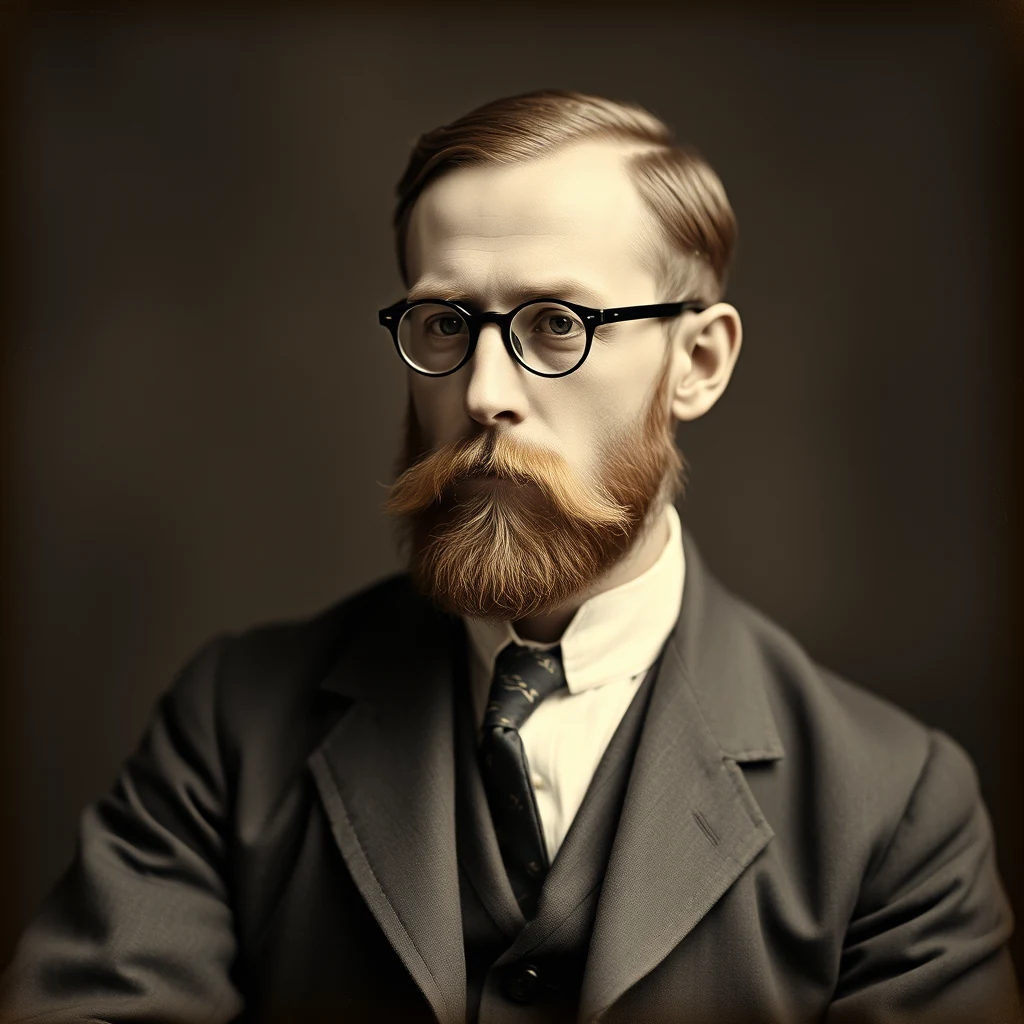
On a July afternoon in 1907, a Belgian chemist working in a converted carriage house in Yonkers cooked phenol and formaldehyde under pressure and produced a hard, amber-coloured resin that would not melt, would not dissolve, and would not rot. Leo BaekelandPersonLeo BaekelandBelgian-American chemist (1863-1944) who invented Bakelite in 1907, the first fully synthetic plastic. Baekeland had already made a small fortune selling his photographic paper Velox to George Eastman before turning to phenolic resins. He worked from a converted carriage house in Yonkers and patented the process the following year. Time magazine put him on its cover in 1924 with the caption: 'It will not burn. It will not melt.'比利时裔美国化学家(1863—1944),1907年发明酚醛塑料(Bakelite),即世界上第一种全合成塑料。贝克兰在转向酚醛树脂研究之前,已凭借将其研发的照相纸Velox出售给乔治·伊士曼而积累了一笔可观财富。他在纽约扬克斯的一座改建马车房中从事研究,并于次年为该工艺申请专利。1924年,《时代》杂志将其刊登于封面,配文为:"它不会燃烧,它不会熔化。"Químico belga-estadounidense (1863-1944) que inventó la baquelita en 1907, el primer plástico completamente sintético. Baekeland ya había amasado una pequeña fortuna con la venta de su papel fotográfico Velox a George Eastman antes de orientar su investigación hacia las resinas fenólicas. Trabajó en un antiguo cochero reconvertido en Yonkers y patentó el proceso al año siguiente. La revista Time lo colocó en su portada en 1924 con el epígrafe: «No arderá. No se fundirá.»كيميائي بلجيكي-أمريكي (1863-1944) اخترع البكليت عام 1907، وهو أول مادة بلاستيكية اصطناعية تامة. كان بيكلاند قد جمع ثروةً وافرة من بيع ورقه الفوتوغرافي فيلوكس لجورج إيستمان قبل أن يتجه إلى الراتنجات الفينولية. أجرى أبحاثه في حظيرة عربات محوَّلة في يونكرز، وسجّل براءة اختراع العملية في العام التالي. وضعت مجلة تايم صورته على غلافها عام 1924 مع العبارة: «لن يحترق. لن يذوب.»Químico belgo-americano (1863–1944) que inventou a Baquelite em 1907, o primeiro plástico totalmente sintético. Baekeland já havia acumulado uma pequena fortuna ao vender seu papel fotográfico Velox a George Eastman antes de se dedicar às resinas fenólicas. Trabalhou a partir de uma cocheira adaptada em Yonkers e patenteou o processo no ano seguinte. A revista Time o colocou na capa em 1924 com a legenda: "Não queima. Não derrete."बेल्जियन-अमेरिकी रसायनशास्त्री (1863–1944), जिन्होंने 1907 में बेकेलाइट का आविष्कार किया — पहली पूर्णतः संश्लेषित प्लास्टिक। फ़ेनोलिक रेज़िन की ओर रुख करने से पूर्व बेकलैंड अपना फ़ोटोग्राफ़िक पेपर वेलॉक्स जॉर्ज ईस्टमैन को बेचकर पहले ही अच्छी-खासी संपत्ति अर्जित कर चुके थे। उन्होंने योंकर्स में एक रूपांतरित कैरिज हाउस में कार्य किया और अगले वर्ष इस प्रक्रिया का पेटेंट कराया। टाइम पत्रिका ने 1924 में उन्हें अपने मुखपृष्ठ पर स्थान दिया, जिसके साथ यह शीर्षक था: 'यह जलेगा नहीं। यह पिघलेगा नहीं।'Kimiawan Belgia-Amerika (1863–1944) yang menemukan Bakelit pada 1907, plastik sintetis penuh pertama di dunia. Baekeland telah meraup keuntungan yang cukup besar dari penjualan kertas fotografinya, Velox, kepada George Eastman sebelum beralih ke resin fenolik. Ia bekerja di sebuah kandang kereta yang telah diubah fungsinya di Yonkers dan mematenkan prosesnya pada tahun berikutnya. Majalah Time menampilkannya di sampul pada 1924 dengan keterangan: 'Tidak akan terbakar. Tidak akan meleleh.'Chimiste belgo-américain (1863-1944), inventeur de la Bakélite en 1907, premier plastique entièrement synthétique. Baekeland s'était déjà constitué une petite fortune en vendant son papier photographique Velox à George Eastman avant de se consacrer aux résines phénoliques. Il travailla depuis une remise à voitures aménagée à Yonkers et déposa le brevet du procédé l'année suivante. Le magazine Time lui consacra sa couverture en 1924 avec la légende : « Cela ne brûle pas. Cela ne fond pas. »ベルギー系アメリカ人の化学者(1863年-1944年)。1907年に世界初の完全合成樹脂であるベークライトを発明した。ベークランドはフェノール樹脂の研究に着手する以前、自ら開発した写真印画紙「ヴェロックス」をジョージ・イーストマンに売却し、すでに相当の財を成していた。ヨンカーズの改装された馬車小屋を作業場とし、翌年にその製法の特許を取得した。1924年、タイム誌の表紙を飾り、「燃えない。溶けない。」というキャプションが添えられた。Бельгийско-американский химик (1863–1944), изобретший в 1907 году бакелит — первую полностью синтетическую пластмассу. Прежде чем обратиться к фенольным смолам, Бэкеланд успел сколотить небольшое состояние, продав Джорджу Истману фотографическую бумагу «Велокс». Работал он в переоборудованном каретном сарае в Йонкерсе и запатентовал процесс в следующем году. В 1924 году журнал Time поместил его на обложку с подписью: «Она не горит. Она не плавится».Belgisch-amerikanischer Chemiker (1863–1944), der 1907 Bakelit erfand, den ersten vollständig synthetischen Kunststoff. Baekeland hatte bereits ein kleines Vermögen durch den Verkauf seines Fotopapiers Velox an George Eastman gemacht, bevor er sich der Phenolharzforschung zuwandte. Er arbeitete in einer umgebauten Remise in Yonkers und ließ das Verfahren im darauffolgenden Jahr patentieren. Das Time-Magazin zeigte ihn 1924 auf seinem Titelbild mit der Bildunterschrift: „Es verbrennt nicht. Es schmilzt nicht."벨기에 태생의 미국인 화학자(1863~1944)로, 1907년 최초의 완전 합성 플라스틱인 베이클라이트를 발명하였다. 베이클랜드는 페놀 수지 연구에 착수하기 이전, 자신이 개발한 사진 인화지 벨록스를 조지 이스트먼에게 매각하여 상당한 재산을 축적하였다. 그는 뉴욕주 욘커스의 개조된 마차 보관소에서 연구를 수행하였으며, 이듬해 해당 제조 공정에 대한 특허를 취득하였다. 1924년 《타임》지는 그를 표지 인물로 선정하며 "불에 타지 않는다. 녹지 않는다(It will not burn. It will not melt.)"라는 문구를 실었다. called it Bakelite. It was the first material in human history that had never existed before — not extracted, not refined, not bred, but assembled molecule by molecule from inputs nature does not combine on its own. Within twenty years it was in telephones, radio cases, billiard balls, and the ignition systems of Rolls-Royce cars. Within fifty years its descendants were in everything.
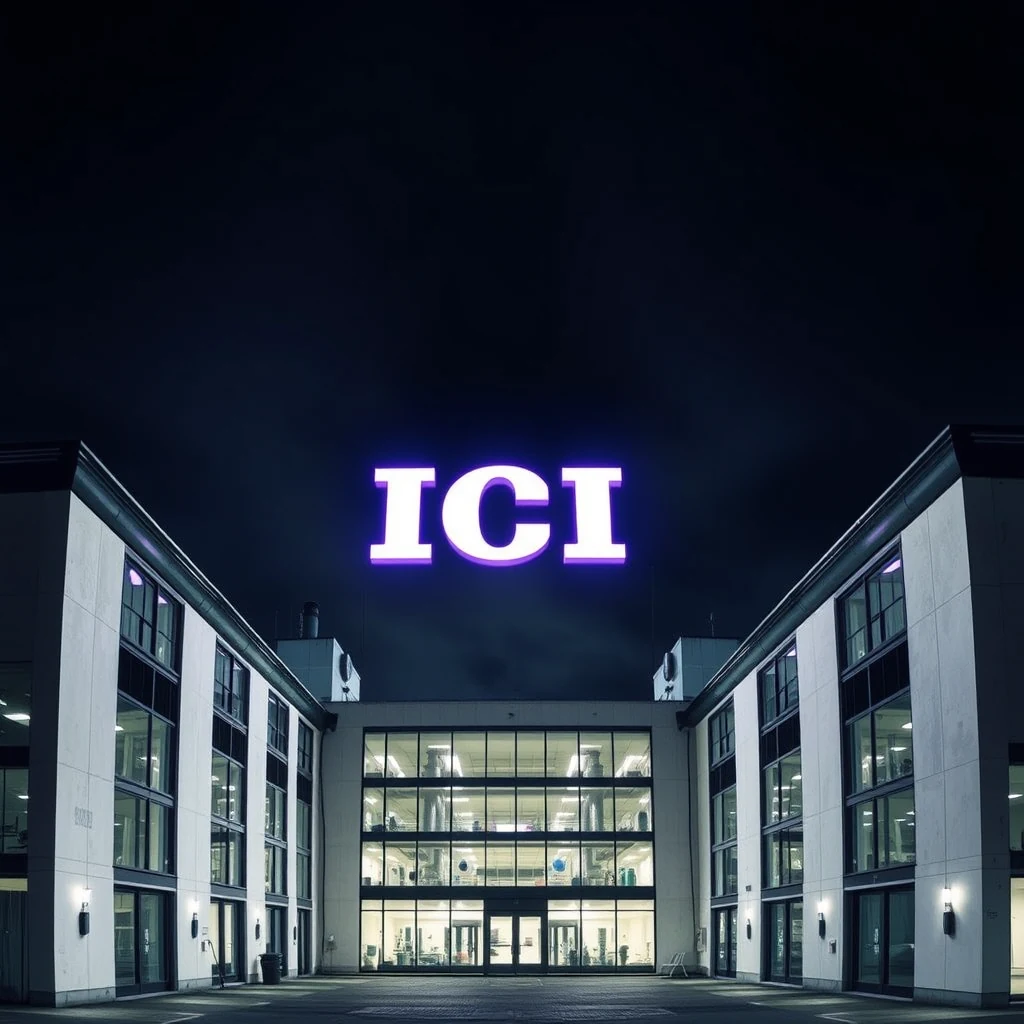
The descendant that matters most is polyethyleneConceptPolyethyleneThe most common plastic on Earth: a chain of carbon atoms, each carrying two hydrogens, repeated thousands of times. First synthesised by accident in 1933 at ICI's Winnington laboratory in Cheshire. Used initially as insulation for radar cables during the Second World War, where its lightness and dielectric properties were militarily decisive. Today it makes up roughly a third of all plastic produced, including most shopping bags, milk bottles, and pipes.地球上最常见的塑料:一条碳原子链,每个碳原子携带两个氢原子,重复数千次。1933年由英国帝国化学工业公司(ICI)在柴郡温宁顿实验室意外合成。最初用作第二次世界大战期间雷达电缆的绝缘材料,其轻量化特性与介电性能在军事上具有决定性意义。时至今日,聚乙烯约占全球塑料总产量的三分之一,涵盖大多数购物袋、牛奶瓶及管道。El plástico más común de la Tierra: una cadena de átomos de carbono, cada uno unido a dos hidrógenos, repetida miles de veces. Sintetizado por primera vez de forma accidental en 1933 en el laboratorio Winnington de ICI, en Cheshire. Empleado inicialmente como aislante para cables de radar durante la Segunda Guerra Mundial, donde su ligereza y sus propiedades dieléctricas resultaron militarmente decisivas. Hoy constituye aproximadamente un tercio de todo el plástico producido, incluidas la mayoría de las bolsas de la compra, las botellas de leche y las tuberías.أكثر أنواع البلاستيك شيوعاً على وجه الأرض؛ يتكوّن من سلسلة من ذرات الكربون تحمل كل منها ذرتَي هيدروجين، تتكرر آلاف المرات. اصطُنع لأول مرة بالصدفة عام 1933 في مختبر وينينغتون التابع لشركة ICI في تشيشاير. استُخدم في البداية عازلاً لكابلات الرادار إبان الحرب العالمية الثانية، وكانت خصائصه من حيث الخِفَّة والعزل الكهربائي ذات أثر حاسم من الناحية العسكرية. يُمثّل اليوم ما يقارب ثلث إجمالي إنتاج البلاستيك في العالم، ويشمل ذلك معظم أكياس التسوق وزجاجات الحليب والأنابيب.O plástico mais comum da Terra: uma cadeia de átomos de carbono, cada um ligado a dois hidrogênios, repetida milhares de vezes. Sintetizado pela primeira vez por acidente em 1933 no laboratório de Winnington da ICI, em Cheshire. Empregado inicialmente como isolante para cabos de radar durante a Segunda Guerra Mundial, onde sua leveza e propriedades dielétricas se revelaram militarmente decisivas. Hoje representa cerca de um terço de todo o plástico produzido, incluindo a maior parte das sacolas de compras, garrafas de leite e tubulações.पृथ्वी पर सर्वाधिक प्रचलित प्लास्टिक: कार्बन परमाणुओं की एक श्रृंखला, जिसमें प्रत्येक परमाणु दो हाइड्रोजन परमाणु वहन करता है, और यह क्रम हज़ारों बार दोहराया जाता है। सर्वप्रथम 1933 में चेशायर स्थित ICI की विनिंग्टन प्रयोगशाला में संयोगवश संश्लेषित हुआ। द्वितीय विश्वयुद्ध के दौरान आरंभ में रडार केबलों के परिरोधन (इन्सुलेशन) हेतु उपयोग में लाया गया, जहाँ इसकी हल्कापन और परावैद्युत गुण सैन्य दृष्टि से निर्णायक सिद्ध हुए। आज यह उत्पादित समस्त प्लास्टिक का लगभग एक-तिहाई भाग है, जिसमें अधिकांश शॉपिंग बैग, दूध की बोतलें और पाइप सम्मिलित हैं।Plastik paling umum di Bumi: rantai atom karbon, masing-masing mengikat dua hidrogen, yang berulang ribuan kali. Pertama kali disintesis secara tidak sengaja pada tahun 1933 di laboratorium Winnington milik ICI di Cheshire. Awalnya digunakan sebagai insulasi kabel radar pada Perang Dunia Kedua, di mana sifat ringan dan dielektriknya sangat menentukan secara militer. Saat ini bahan ini menyumbang sekitar sepertiga dari seluruh plastik yang diproduksi, termasuk sebagian besar kantong belanja, botol susu, dan pipa.Le plastique le plus répandu sur Terre : une chaîne d'atomes de carbone, portant chacun deux hydrogènes, répétée des milliers de fois. Synthétisé pour la première fois par accident en 1933 au laboratoire de Winnington d'ICI, dans le Cheshire. Utilisé initialement comme isolant pour les câbles radar pendant la Seconde Guerre mondiale, où sa légèreté et ses propriétés diélectriques se révélèrent militairement décisives. Il représente aujourd'hui environ un tiers de l'ensemble des plastiques produits, dont la grande majorité des sacs de caisse, des bouteilles de lait et des tuyaux.地球上で最も普及しているプラスチック。炭素原子が鎖状に連なり、各原子に水素原子2個が結合した構造が数千回繰り返されたものである。1933年、イングランド・チェシャー州ウィニントンのICI研究所において偶然合成された。当初は第二次世界大戦中にレーダーケーブルの絶縁材として使用され、その軽量性と誘電特性は軍事上きわめて重要な意義を持った。現在では全プラスチック生産量の約3分の1を占め、買い物袋・牛乳瓶・配管などの大部分に用いられている。Наиболее распространённый пластик на Земле: цепочка атомов углерода, каждый из которых несёт два атома водорода, повторяющаяся тысячи раз. Впервые синтезирован случайно в 1933 году в лаборатории компании ICI в Уиннингтоне (Чешир). Первоначально применялся в качестве изоляции для кабелей радиолокационных станций в годы Второй мировой войны, где его малый вес и диэлектрические свойства оказались решающими с военной точки зрения. Сегодня он составляет около трети всего производимого пластика, включая большинство хозяйственных пакетов, молочных бутылок и труб.Der häufigste Kunststoff der Erde: eine Kette von Kohlenstoffatomen, an denen je zwei Wasserstoffatome gebunden sind, tausendfach wiederholt. Erstmals 1933 im Winnington-Laboratorium von ICI in Cheshire durch Zufall synthetisiert. Zunächst als Isolierung für Radarkabel im Zweiten Weltkrieg eingesetzt, wo seine Leichtigkeit und dielektrischen Eigenschaften militärisch ausschlaggebend waren. Heute entfällt auf ihn etwa ein Drittel der gesamten Kunststoffproduktion, darunter die meisten Tragetaschen, Milchflaschen und Rohre.지구상에서 가장 흔한 플라스틱으로, 각 탄소 원자에 수소 원자 두 개가 결합된 탄소 사슬이 수천 번 반복되는 구조를 가진다. 1933년 영국 체셔주 위닝턴에 위치한 ICI 연구소에서 우연히 최초로 합성되었다. 초기에는 제2차 세계대전 당시 레이더 케이블의 절연재로 사용되었으며, 경량성과 유전 특성이 군사적으로 결정적인 역할을 하였다. 오늘날 전체 플라스틱 생산량의 약 3분의 1을 차지하며, 대부분의 쇼핑백·우유병·배관 자재 등에 사용된다., discovered by accident in 1933 at an ICIInstitutionICIImperial Chemical Industries, founded 1926 from a four-way merger of British chemical firms, was for much of the twentieth century the largest manufacturer in the British Empire. Its laboratories produced polyethylene, polyester fibre (Terylene), Perspex, and Dulux paints. The company was broken up and sold in stages during the 2000s; the Dutch firm AkzoNobel acquired the remnant in 2008.帝国化学工业公司由英国四家化工企业于1926年合并成立,在二十世纪的大部分时间里是大英帝国规模最大的制造商。其实验室研发出聚乙烯、聚酯纤维(Terylene)、有机玻璃(Perspex)及多乐士(Dulux)涂料。该公司于2000年代分阶段拆分出售,荷兰阿克苏诺贝尔公司于2008年收购了其剩余资产。Imperial Chemical Industries, fundada en 1926 a partir de la fusión de cuatro empresas químicas británicas, fue durante gran parte del siglo XX el mayor fabricante del Imperio británico. Sus laboratorios produjeron polietileno, fibra de poliéster (Terylene), Perspex y pinturas Dulux. La empresa fue desmantelada y vendida por etapas durante la década de 2000; la firma neerlandesa AkzoNobel adquirió el remanente en 2008.شركة إمبيريال كيميكال إندستريز، التي تأسست عام 1926 من اندماج رباعي بين شركات كيميائية بريطانية، كانت طوال معظم القرن العشرين أكبر مصنِّع في الإمبراطورية البريطانية. أنتجت مختبراتها البولي إيثيلين، وألياف البوليستر (تيريلين)، والبرسبكس، ودهانات دولوكس. جرى تفكيك الشركة وبيعها على مراحل خلال عقد الألفينيات، واستحوذت عليها الشركة الهولندية أكزو نوبل عام 2008.A Imperial Chemical Industries, fundada em 1926 a partir da fusão de quatro empresas químicas britânicas, foi durante grande parte do século XX o maior fabricante do Império Britânico. Seus laboratórios produziram polietileno, fibra de poliéster (Terylene), Perspex e as tintas Dulux. A empresa foi desmembrada e vendida em etapas ao longo dos anos 2000; a empresa holandesa AkzoNobel adquiriu o remanescente em 2008.इम्पीरियल केमिकल इंडस्ट्रीज़ की स्थापना 1926 में ब्रिटिश रासायनिक कंपनियों के चार-तरफ़ा विलय से हुई थी, और यह बीसवीं सदी के अधिकांश भाग में ब्रिटिश साम्राज्य की सबसे बड़ी विनिर्माण कंपनी रही। इसकी प्रयोगशालाओं ने पॉलिएथिलीन, पॉलिएस्टर रेशा (टेरिलीन), पर्सपेक्स तथा डुलक्स पेंट का उत्पादन किया। 2000 के दशक में कंपनी को चरणबद्ध रूप से विभाजित कर बेचा गया; डच कंपनी AkzoNobel ने 2008 में इसके अवशिष्ट भाग का अधिग्रहण किया।Imperial Chemical Industries, didirikan pada 1926 dari penggabungan empat perusahaan kimia Britania, adalah produsen terbesar di Kerajaan Britania selama sebagian besar abad kedua puluh. Laboratoriumnya menghasilkan polietilena, serat poliester (Terylene), Perspex, dan cat Dulux. Perusahaan ini dipecah dan dijual secara bertahap pada tahun 2000-an; perusahaan Belanda AkzoNobel mengakuisisi sisanya pada 2008.Imperial Chemical Industries, fondée en 1926 à la suite d'une fusion entre quatre sociétés chimiques britanniques, fut pendant une grande partie du vingtième siècle le plus grand fabricant de l'Empire britannique. Ses laboratoires produisirent le polyéthylène, la fibre polyester (Terylène), le Perspex et les peintures Dulux. La société fut démantelée et cédée par étapes au cours des années 2000 ; la firme néerlandaise AkzoNobel en acquit les actifs résiduels en 2008.インペリアル・ケミカル・インダストリーズ(ICI)は、イギリスの化学企業4社の合併により1926年に設立され、20世紀の大半においてイギリス帝国最大の製造業者であった。同社の研究所はポリエチレン、ポリエステル繊維(テリレン)、パースペックス、およびデュラックス塗料を生み出した。同社は2000年代に段階的に解体・売却され、オランダのアクゾノーベルが2008年に残存部門を買収した。Imperial Chemical Industries, основанная в 1926 году в результате слияния четырёх британских химических компаний, на протяжении большей части XX века являлась крупнейшим производителем в Британской империи. В её лабораториях были разработаны полиэтилен, полиэфирное волокно (терилен), органическое стекло Perspex и краски Dulux. В 2000-х годах компания была поэтапно раздроблена и распродана; в 2008 году нидерландская фирма AkzoNobel приобрела оставшуюся её часть.Imperial Chemical Industries, 1926 aus einem Zusammenschluss von vier britischen Chemieunternehmen hervorgegangen, war während eines Großteils des zwanzigsten Jahrhunderts der größte Hersteller im Britischen Empire. Aus seinen Laboratorien gingen Polyethylen, Polyesterfaser (Terylene), Perspex sowie Dulux-Farben hervor. Das Unternehmen wurde in den 2000er Jahren schrittweise aufgespalten und veräußert; den verbliebenen Rest übernahm 2008 das niederländische Unternehmen AkzoNobel.임페리얼 케미컬 인더스트리스는 1926년 영국 화학 기업 4사의 합병으로 설립되었으며, 20세기 대부분의 기간 동안 대영제국 최대의 제조업체였다. 이 회사의 연구소는 폴리에틸렌, 폴리에스터 섬유(테릴렌), 퍼스펙스, 덜럭스 페인트를 개발·생산하였다. 2000년대에 걸쳐 단계적으로 분할·매각되었으며, 2008년 네덜란드 기업 아크조노벨이 잔존 법인을 인수하였다. laboratory in Cheshire when two chemists, Eric Fawcett and Reginald Gibson, ran a high-pressure reaction on ethylene gas and came back to find a waxy white solid coating the inside of their vessel. It was a chain of carbon atoms, each carrying two hydrogens, repeated thousands of times. Nothing more. The bonds holding it together — the carbon-carbon and carbon-hydrogen bonds that make up almost every organic molecule on Earth — are among the most stable in chemistry. A C-H bond takes roughly 411 kilojoules per mole to break. The sun does not deliver that kind of energy at ground level, and neither does any enzyme that evolved before 1933.
Plastic Pollution in GhanaMuntaka Chasant · BY-SA 4.0
This is the heart of the problem. Cellulose, lignin, chitin, keratin — every durable polymer nature has ever produced has had hundreds of millions of years to coexist with microbes that learned to digest it. Polyethylene has had ninety.
The chemistry of refusing to leave
A polymer is a long molecule built from repeating units called monomers, in the way a freight train is built from identical wagons. Nature makes polymers everywhere: cellulose in wood, amylose in potatoes, the DNA in every cell. What sets the synthetics apart is not the chain length but the chain's relationship to the rest of the biosphere. The proteins in your hand are made of twenty amino acids in sequences that any number of bacteria can take apart and use. A polyethylene bag is made of one monomer, ethylene, in a configuration no organism has any reason to recognise.
A polyethylene film strip stretched between clampsIllustration · AI-generated (FLUX.1-dev)
Degradation, when it eventually comes, is mostly physical. Ultraviolet light from the sun excites the bonds enough to snap a few of them. Wave action and grinding sand do mechanical work. The bag does not biodegrade — it disintegrates. The chains shorten, the sheet breaks into flakes, the flakes break into fragments, the fragments break into particles below five millimetres across, and at that point we stop calling them plastic and start calling them microplastics. The carbon-hydrogen backbone is still there. It has simply become invisible.
KD's World Tour - Plastic pollution, Henderson Island, Pitcairn Islandskevin dooley · BY 2.0
In 2016 a team at Kyoto Institute of TechnologyInstitutionKyoto Institute of TechnologyA public research university in Kyoto, founded in 1949 from a textile college dating to 1899. Its origins in dyeing and fibre chemistry left it with unusually strong polymer-science laboratories, which is how Shosuke Yoshida's team came to be screening recycling-plant soil for plastic-degrading microbes. Smaller than the more famous Kyoto University across the city, but disproportionately influential in materials research.京都工芸繊維大学は京都市に所在する国立大学であり、1949年に創立された。その前身は1899年に設立された繊維専門学校にさかのぼる。染色・繊維化学における歴史的な学術的蓄積により、同大学は高分子科学の研究設備において際立った強みを有しており、吉田昭介らの研究チームがリサイクル工場の土壌からプラスチック分解性微生物のスクリーニングを行う基盤となった。市内の京都大学と比較して規模は小さいものの、材料研究の分野においてその規模に不釣り合いなほど大きな影響力を持つ。Universidad pública de investigación en Kioto, fundada en 1949 a partir de una escuela de textiles que data de 1899. Sus orígenes en la tintura y la química de fibras le dejaron laboratorios de ciencia de polímeros excepcionalmente sólidos, lo que llevó al equipo de Shosuke Yoshida a cribar suelos de plantas de reciclaje en busca de microbios degradadores de plástico. Más pequeña que la más célebre Universidad de Kioto, al otro lado de la ciudad, pero con una influencia desproporcionada en la investigación de materiales.جامعة بحثية حكومية في كيوتو، تأسست عام 1949 من كلية للمنسوجات يعود تاريخها إلى عام 1899. أفضت أصولها في كيمياء الصباغة والألياف إلى امتلاكها مختبرات استثنائية القوة في علم البوليمرات، وهو ما أتاح لفريق شوسوكي يوشيدا فرصة فحص تربة محطات إعادة التدوير بحثاً عن ميكروبات قادرة على تحليل البلاستيك. وهي أصغر حجماً من جامعة كيوتو الأكثر شهرةً في الجهة الأخرى من المدينة، غير أنها تحظى بتأثير غير متناسب مع حجمها في مجال أبحاث المواد.Universidade pública de pesquisa em Quioto, fundada em 1949 a partir de uma escola têxtil que remontava a 1899. Suas origens em tinturaria e química de fibras legaram-lhe laboratórios de ciência de polímeros excepcionalmente desenvolvidos, o que levou a equipe de Shosuke Yoshida a rastrear microrganismos degradadores de plástico em solos de usinas de reciclagem. Menor do que a mais célebre Universidade de Quioto, do outro lado da cidade, mas com influência desproporcionalmente expressiva na pesquisa de materiais.क्योटो में स्थित एक सार्वजनिक शोध विश्वविद्यालय, जिसकी स्थापना 1949 में 1899 से चले आ रहे एक वस्त्र महाविद्यालय से हुई। रंगाई और रेशा रसायन विज्ञान में इसकी ऐतिहासिक जड़ों ने इसे असाधारण रूप से सुदृढ़ बहुलक-विज्ञान प्रयोगशालाओं से सुसज्जित किया, जिसके फलस्वरूप योशिदा शोसुके की शोध टीम ने पुनर्चक्रण संयंत्रों की मिट्टी में प्लास्टिक-अपघटनकारी सूक्ष्मजीवों की खोज की। नगर के उस पार स्थित अधिक प्रसिद्ध क्योटो विश्वविद्यालय की तुलना में आकार में छोटा, किंतु सामग्री अनुसंधान के क्षेत्र में अपने आकार से कहीं अधिक प्रभावशाली।Universitas riset negeri di Kyoto, didirikan pada 1949 dari sebuah perguruan tinggi tekstil yang bermula sejak 1899. Asal-usulnya dalam kimia pewarnaan dan serat mewariskan laboratorium ilmu polimer yang luar biasa kuat, yang melatarbelakangi tim Shosuke Yoshida dalam menyaring tanah pabrik daur ulang untuk mencari mikroba pengurai plastik. Lebih kecil daripada Universitas Kyoto yang lebih terkenal di seberang kota, namun pengaruhnya dalam riset material jauh melampaui ukurannya.Université publique de recherche à Kyoto, fondée en 1949 à partir d'un institut textile datant de 1899. Ses origines dans la teinture et la chimie des fibres lui ont laissé en héritage des laboratoires de science des polymères d'une solidité inhabituelle, ce qui explique que l'équipe de Shosuke Yoshida se soit tournée vers le criblage de sols de centres de recyclage à la recherche de micro-organismes dégradant les plastiques. Moins importante que la plus célèbre université de Kyoto située de l'autre côté de la ville, elle exerce néanmoins une influence disproportionnée dans le domaine de la recherche sur les matériaux.京都市に所在する公立研究大学。1949年、1899年創立の繊維専門学校を母体として設置された。染色・繊維化学を源流とする経緯から、高分子科学分野において際立って充実した研究施設を有しており、吉田昇平らの研究チームがプラスチック分解微生物を求めてリサイクル工場の土壌を調査するに至った背景もここにある。市内に立地するより知名度の高い京都大学と比較すると規模は小さいものの、材料科学研究における影響力は規模に不釣り合いなほど大きい。Государственный исследовательский университет в Киото, основанный в 1949 году на базе текстильного колледжа, история которого восходит к 1899 году. Истоки в области крашения и химии волокон обусловили формирование необычайно мощных лабораторий полимерной науки — именно это привело группу Сёсукэ Ёсиды к скринингу почв предприятий по переработке отходов в поисках микроорганизмов, разлагающих пластик. По размеру уступает более известному Киотскому университету, расположенному в другой части города, однако оказывает непропорционально большое влияние в области исследования материалов.Staatliche Forschungsuniversität in Kyoto, gegründet 1949 aus einer auf das Jahr 1899 zurückgehenden Textilfachschule. Die Verwurzelung in Färberei und Faserchemie verlieh ihr ungewöhnlich leistungsstarke Laboratorien für Polymerwissenschaften, was erklärt, wie das Team von Shosuke Yoshida dazu kam, Bodenproben aus Recyclinganlagen auf kunststoffabbauende Mikroorganismen zu untersuchen. Kleiner als die weitaus bekanntere Universität Kyoto auf der anderen Seite der Stadt, aber überproportional einflussreich in der Materialforschung.교토에 위치한 공립 연구대학으로, 1899년에 설립된 섬유 전문학교를 모체로 하여 1949년에 정식 개교하였다. 염색 및 섬유화학 분야에 뿌리를 둔 역사적 배경으로 인해 고분자과학 분야의 연구소가 특히 강세를 보이며, 요시다 쇼스케 연구팀이 폐기물 처리장 토양에서 플라스틱 분해 미생물을 탐색하게 된 것도 이러한 연구 기반 덕분이다. 같은 도시에 위치한 보다 저명한 교토대학교에 비해 규모는 작지만, 재료과학 분야에서 그 규모에 비해 매우 높은 영향력을 발휘하고 있다. led by Shosuke YoshidaPersonShosuke YoshidaJapanese microbiologist who led the team at Kyoto Institute of Technology that isolated Ideonella sakaiensis from a PET recycling site in Sakai. The 2016 Science paper reporting the discovery has been cited more than two thousand times and seeded an entire subfield of enzymatic plastic degradation. Yoshida's group continues to characterise the structural biology of PETase and its mutants.领导京都工艺纤维大学团队从堺市一处PET回收站分离出*Ideonella sakaiensis*的日本微生物学家。2016年发表于《科学》期刊的相关论文迄今被引用逾两千次,并催生了酶促塑料降解这一完整子领域。吉田团队持续致力于表征PETase及其突变体的结构生物学特性。Microbiólogo japonés que dirigió el equipo del Instituto de Tecnología de Kioto que aisló Ideonella sakaiensis en un centro de reciclaje de PET en Sakai. El artículo publicado en Science en 2016 en el que se describe el descubrimiento ha sido citado más de dos mil veces y originó un subcampo completo de degradación enzimática de plásticos. El grupo de Yoshida continúa caracterizando la biología estructural de la PETasa y sus mutantes.عالم أحياء دقيقة ياباني قاد الفريقَ في معهد كيوتو للتكنولوجيا الذي عزل بكتيريا *Ideonella sakaiensis* من موقع لإعادة تدوير بلاستيك PET في مدينة ساكاي. استُشهد بالورقة البحثية التي نشرتها مجلة *Science* عام 2016 مُعلِنةً عن هذا الاكتشاف أكثر من ألفَي مرة، وأسَّست حقلاً فرعياً بأكمله يُعنى بتحلل البلاستيك بالإنزيمات. ويواصل فريق يوشيدا توصيفَ البيولوجيا البنيوية لإنزيم PETase ومتحوراته.Microbiologista japonês que liderou a equipe do Instituto de Tecnologia de Kyoto responsável pelo isolamento de *Ideonella sakaiensis* em um sítio de reciclagem de PET em Sakai. O artigo publicado na *Science* em 2016 relatando a descoberta foi citado mais de duas mil vezes e originou um subcampo inteiro de degradação enzimática de plásticos. O grupo de Yoshida continua a caracterizar a biologia estrutural da PETase e seus mutantes.जापानी सूक्ष्मजीवविज्ञानी जिन्होंने क्योटो इंस्टीट्यूट ऑफ टेक्नोलॉजी की उस टीम का नेतृत्व किया जिसने साकाई में एक PET पुनर्चक्रण स्थल से Ideonella sakaiensis को पृथक किया। इस खोज को प्रतिवेदित करने वाला 2016 का Science शोधपत्र दो हजार से अधिक बार उद्धृत हो चुका है और इसने एंजाइमी प्लास्टिक अपघटन के एक समग्र उपक्षेत्र का सूत्रपात किया। योशिदा का समूह PETase तथा उसके उत्परिवर्तियों की संरचनात्मक जीवविज्ञान का अभिलक्षणन करता आ रहा है।Mikrobiologis Jepang yang memimpin tim di Institut Teknologi Kyoto yang mengisolasi *Ideonella sakaiensis* dari lokasi daur ulang PET di Sakai. Makalah jurnal *Science* tahun 2016 yang melaporkan penemuan tersebut telah dikutip lebih dari dua ribu kali dan menyemai subbidang tersendiri dalam degradasi plastik enzimatik. Kelompok riset Yoshida terus mengkarakterisasi biologi struktural PETase beserta mutan-mutannya.Microbiologiste japonais ayant dirigé l'équipe du Kyoto Institute of Technology qui a isolé *Ideonella sakaiensis* sur un site de recyclage de PET à Sakai. L'article paru dans *Science* en 2016 rendant compte de cette découverte a été cité plus de deux mille fois et a donné naissance à tout un sous-domaine de la dégradation enzymatique des plastiques. Le groupe de Yoshida continue de caractériser la biologie structurale de la PETase et de ses mutants.京都工芸繊維大学において、堺市のPETリサイクル施設からイデオネラ・サカイエンシス(*Ideonella sakaiensis*)を単離したチームを率いた日本人微生物学者。この発見を報告した2016年の『サイエンス』誌掲載論文は2,000回以上引用され、酵素的プラスチック分解という独立した研究分野全体の端緒を開いた。吉田らのグループは現在もPETアーゼおよびその変異体の構造生物学的解析を継続している。Японский микробиолог, возглавивший группу в Киотском технологическом институте, которая выделила Ideonella sakaiensis с площадки по переработке ПЭТ в городе Сакаи. Статья 2016 года в журнале Science, посвящённая этому открытию, процитирована более двух тысяч раз и дала начало целому направлению исследований ферментативной деградации пластиков. Группа Ёсиды продолжает изучать структурную биологию ПЭТазы и её мутантов.Japanischer Mikrobiologe, der das Team am Kyoto Institute of Technology leitete, das Ideonella sakaiensis von einem PET-Recyclingstandort in Sakai isolierte. Die 2016 in Science erschienene Publikation über die Entdeckung wurde mehr als zweitausend Mal zitiert und begründete ein eigenständiges Teilgebiet des enzymatischen Kunststoffabbaus. Yoshidas Gruppe charakterisiert weiterhin die Strukturbiologie der PETase und ihrer Mutanten.교토공예섬유대학 팀을 이끌며 사카이의 PET 재활용 시설에서 *Ideonella sakaiensis*를 분리한 일본의 미생물학자. 이 발견을 보고한 2016년 《사이언스》 논문은 2,000회 이상 인용되었으며, 효소적 플라스틱 분해라는 새로운 세부 분야 전체를 탄생시켰다. 요시다 연구진은 PETase 및 그 변이체의 구조생물학 규명을 지속적으로 수행하고 있다. reported a bacterium, Ideonella sakaiensisObjectIdeonella sakaiensisA bacterium identified in 2016 in sediment outside a PET bottle recycling plant in Sakai, Japan. It secretes two enzymes — PETase and MHETase — that together break the ester bonds in polyethylene terephthalate, allowing the bacterium to metabolise the resulting fragments as a carbon source. The first known organism to digest a major synthetic plastic, and the basis for several engineered enzymes now being tested at industrial scale.2016年在日本堺市一家PET瓶回收厂外的沉积物中鉴定出的一种细菌。它分泌两种酶——PETase与MHETase——二者协同断裂聚对苯二甲酸乙二酯中的酯键,使该细菌得以将所产碎片作为碳源加以代谢。这是首个已知能降解一种主要合成塑料的生物,也是目前正在接受工业规模测试的若干工程化酶的研发基础。Bacteria identificada en 2016 en sedimentos de los aledaños de una planta de reciclaje de botellas de PET en Sakai, Japón. Secreta dos enzimas —PETasa y MHETasa— que, actuando de forma conjunta, rompen los enlaces éster del tereftalato de polietileno y permiten a la bacteria metabolizar los fragmentos resultantes como fuente de carbono. Es el primer organismo conocido capaz de digerir un plástico sintético de amplio uso, y constituye la base de varias enzimas diseñadas por ingeniería que actualmente se ensayan a escala industrial.بكتيريا رُصدت عام 2016 في رواسب خارج مصنع لإعادة تدوير زجاجات PET في مدينة ساكاي، اليابان. تُفرز هذه البكتيريا إنزيمَين — هما PETase وMHETase — يعملان معاً على كسر الروابط الإستيرية في البولي إيثيلين تيريفثالات، مما يُتيح لها استقلاب الشُّظايا الناتجة مصدراً للكربون. وتُعدّ أول كائن حي معروف يهضم بلاستيكاً اصطناعياً رئيسياً، وتُشكّل الأساس لعدد من الإنزيمات المُهندَسة التي تخضع حالياً للاختبار على النطاق الصناعي.Bactéria identificada em 2016 em sedimentos das imediações de uma fábrica de reciclagem de garrafas PET em Sakai, Japão. Secreta duas enzimas — PETase e MHETase — que, em conjunto, clivam as ligações éster no tereftalato de polietileno, permitindo à bactéria metabolizar os fragmentos resultantes como fonte de carbono. O primeiro organismo conhecido a digerir um plástico sintético de ampla utilização, e a base para diversas enzimas modificadas por engenharia atualmente submetidas a testes em escala industrial.2016 में जापान के सकाई स्थित एक पीईटी बोतल पुनर्चक्रण संयंत्र के बाहर तलछट में पहचाना गया एक जीवाणु। यह दो एंजाइम — PETase और MHETase — स्रावित करता है, जो मिलकर पॉलिएथिलीन टेरेफ्थैलेट के एस्टर बंधों को तोड़ते हैं और जीवाणु को परिणामी खंडों को कार्बन स्रोत के रूप में उपापचयित करने में सक्षम बनाते हैं। किसी प्रमुख संश्लेषित प्लास्टिक का अपघटन करने वाला पहला ज्ञात जीव, तथा अनेक अभियांत्रित एंजाइमों का आधार — जिनका अब औद्योगिक स्तर पर परीक्षण किया जा रहा है।Bakteri yang diidentifikasi pada tahun 2016 dalam sedimen di luar pabrik daur ulang botol PET di Sakai, Jepang. Bakteri ini menyekresikan dua enzim — PETase dan MHETase — yang bersama-sama memutus ikatan ester dalam polietilena tereftalat, memungkinkan bakteri tersebut memetabolisme fragmen-fragmen yang dihasilkan sebagai sumber karbon. Organisme pertama yang diketahui mampu mencerna plastik sintetis utama, dan menjadi dasar bagi sejumlah enzim rekayasa yang kini sedang diuji pada skala industri.Bactérie identifiée en 2016 dans des sédiments prélevés aux abords d'une usine de recyclage de bouteilles en PET à Sakai, au Japon. Elle sécrète deux enzymes — la PETase et la MHETase — qui, agissant conjointement, rompent les liaisons ester du polyéthylène téréphtalate, permettant à la bactérie de métaboliser les fragments résultants comme source de carbone. Premier organisme connu capable de dégrader un plastique synthétique majeur, et à l'origine de plusieurs enzymes modifiées actuellement testées à l'échelle industrielle.2016年に日本の堺市にあるPETボトルリサイクル工場外の堆積物から同定された細菌。PETaseとMHETaseという2種類の酵素を分泌し、これらが協働してポリエチレンテレフタレートのエステル結合を切断することで、生成された断片を炭素源として代謝することを可能にする。主要な合成プラスチックを分解する能力を持つことが確認された初の生物であり、現在工業規模での試験が進められている複数の改変酵素の基盤となっている。Бактерия, выявленная в 2016 году в донных отложениях вблизи завода по переработке ПЭТ-бутылок в Сакаи (Япония). Секретирует два фермента — ПЭТазу и МГЭТазу, — которые совместно разрывают сложноэфирные связи в полиэтилентерефталате, позволяя бактерии метаболизировать образующиеся фрагменты в качестве источника углерода. Первый известный организм, способный разлагать крупнотоннажный синтетический пластик; служит основой для ряда инженерных ферментов, проходящих в настоящее время испытания в промышленном масштабе.2016 in Sedimentproben außerhalb einer Recyclinganlage für PET-Flaschen in Sakai (Japan) identifiziertes Bakterium. Es sezerniert zwei Enzyme – PETase und MHETase –, die gemeinsam die Esterbindungen in Polyethylenterephthalat spalten und dem Bakterium ermöglichen, die entstehenden Fragmente als Kohlenstoffquelle zu metabolisieren. Als erster bekannter Organismus, der einen bedeutenden synthetischen Kunststoff abzubauen vermag, bildet es die Grundlage für mehrere gentechnisch optimierte Enzyme, die gegenwärtig im industriellen Maßstab erprobt werden.2016년 일본 사카이시의 PET 병 재활용 공장 인근 퇴적물에서 발견된 세균. PETase와 MHETase라는 두 가지 효소를 분비하며, 이 효소들이 협력하여 폴리에틸렌 테레프탈레이트의 에스터 결합을 끊고, 세균은 생성된 분해 산물을 탄소원으로 대사한다. 주요 합성 플라스틱을 분해하는 것으로 밝혀진 최초의 생물체이며, 현재 산업 규모에서 시험 중인 여러 공학적 개량 효소의 기반이 되고 있다., scraped from sediment outside a bottle-recycling plant, that secreted two enzymes capable of breaking down PET — the polyester in drink bottles. It was the first credible evidence that life had begun the long work of evolving past us. The bacterium digests PET slowly, at around 30°C, and it cannot touch polyethylene at all. Still, ninety years in, something somewhere had figured out one of the bonds.
A 1907 Yonkers carriage-house lab with amber Bakelite resin cooling in a mold beside phenoIllustration · AI-generated (FLUX.1-dev)
The stratigraphy of a shopping trip
A 2017 paper in *Science Advances* by Roland GeyerPersonRoland GeyerIndustrial ecologist at the University of California, Santa Barbara. His 2017 Science Advances paper, written with Jenna Jambeck and Kara Lavender Law, was the first attempt to estimate the total mass of plastic ever produced, used, and discarded. The figure — 8.3 billion metric tons by 2015 — has since become the standard reference. Geyer's later work argues that recycling, as practised, only modestly delays the same eventual fate.加利福尼亚大学圣巴巴拉分校工业生态学家。其2017年与詹娜·詹贝克及卡拉·拉文德·劳合著、发表于《科学进展》的论文,首次尝试估算人类有史以来生产、使用及废弃的塑料总质量,所得数字——截至2015年为83亿公吨——此后已成为该领域的标准参考数据。盖耶尔后续研究认为,就现行实践而言,回收利用仅能小幅推迟塑料走向同一最终归宿。Ecólogo industrial en la Universidad de California, Santa Bárbara. Su artículo de 2017 en *Science Advances*, escrito junto con Jenna Jambeck y Kara Lavender Law, constituyó el primer intento de estimar la masa total de plástico producido, utilizado y desechado en la historia. La cifra —8.300 millones de toneladas métricas hasta 2015— se ha convertido desde entonces en la referencia estándar. Los trabajos posteriores de Geyer sostienen que el reciclaje, tal como se practica, solo pospone modestamente el mismo destino final.عالم بيئة صناعية في جامعة كاليفورنيا، سانتا باربرا. كانت ورقته البحثية المنشورة عام 2017 في مجلة *Science Advances*، والتي كتبها بالاشتراك مع جينا جامبيك وكارا لافيندر لو، أول محاولة لتقدير الكتلة الإجمالية للبلاستيك الذي أُنتج وجرى استخدامه والتخلص منه على مرّ التاريخ. وقد غدا الرقم الوارد فيها — 8.3 مليار طن متري بحلول عام 2015 — المرجعَ المعياري منذ ذلك الحين. وتذهب الأعمال اللاحقة لغاير إلى أن إعادة التدوير، بالصورة المعمول بها راهناً، لا تؤخر المصير ذاته إلا تأخيراً طفيفاً.Ecologista industrial na Universidade da Califórnia em Santa Bárbara. Seu artigo de 2017 na Science Advances, escrito com Jenna Jambeck e Kara Lavender Law, foi a primeira tentativa de estimar a massa total de plástico já produzido, utilizado e descartado. O valor — 8,3 bilhões de toneladas métricas até 2015 — tornou-se desde então a referência-padrão. Trabalhos posteriores de Geyer argumentam que a reciclagem, tal como praticada, apenas retarda modestamente o mesmo destino final.यूनिवर्सिटी ऑफ कैलिफोर्निया, सांता बार्बरा में औद्योगिक पारिस्थितिकीविद। जेना जैम्बेक और कारा लैवेंडर लॉ के साथ सह-लेखित उनके 2017 के Science Advances शोधपत्र में अब तक उत्पादित, उपयोग किए गए तथा निस्तारित प्लास्टिक के कुल द्रव्यमान का अनुमान लगाने का पहला प्रयास किया गया था। यह आँकड़ा — 2015 तक 8.3 अरब मीट्रिक टन — तब से मानक संदर्भ बन गया है। गेयर का परवर्ती कार्य यह तर्क प्रस्तुत करता है कि पुनर्चक्रण, जैसा कि व्यवहार में किया जाता है, उसी अंतिम परिणाम को केवल अल्प मात्रा में विलंबित करता है।Ekolog industri di University of California, Santa Barbara. Makalahnya di Science Advances tahun 2017, yang ditulis bersama Jenna Jambeck dan Kara Lavender Law, merupakan upaya pertama untuk memperkirakan total massa plastik yang pernah diproduksi, digunakan, dan dibuang. Angka tersebut — 8,3 miliar ton metrik hingga tahun 2015 — sejak saat itu menjadi rujukan standar. Karya Geyer berikutnya berargumen bahwa daur ulang, sebagaimana dipraktikkan, hanya sedikit menunda nasib akhir yang sama.Écologue industriel à l'université de Californie à Santa Barbara. Son article de 2017 dans *Science Advances*, rédigé avec Jenna Jambeck et Kara Lavender Law, constitue la première tentative d'estimation de la masse totale de plastique jamais produite, utilisée et mise au rebut. Le chiffre obtenu — 8,3 milliards de tonnes métriques d'ici à 2015 — est depuis devenu la référence standard. Les travaux ultérieurs de Geyer soutiennent que le recyclage, tel qu'il est pratiqué, ne fait que retarder modestement le même destin final.カリフォルニア大学サンタバーバラ校の産業エコロジスト。2017年にジェナ・ジャンベックおよびカーラ・ラベンダー・ローとともに『Science Advances』誌に発表した論文は、これまでに生産・使用・廃棄されたプラスチックの総質量を推計した初の試みであった。2015年時点で83億メートルトンという数値は、以後、標準的な参照値となっている。ガイヤーのその後の研究は、現行のリサイクルは最終的な廃棄という運命をわずかに先延ばしするにすぎないと論じている。Промышленный эколог Калифорнийского университета в Санта-Барбаре. Его статья в журнале Science Advances 2017 года, написанная в соавторстве с Дженной Джамбек и Карой Лавендер Ло, стала первой попыткой оценить суммарную массу всего когда-либо произведённого, использованного и выброшенного пластика. Полученная цифра — 8,3 млрд метрических тонн к 2015 году — с тех пор стала стандартным ориентиром. В более поздних работах Гейер доказывает, что переработка вторичного сырья в её нынешней форме лишь незначительно откладывает ту же конечную судьбу материала.Industrieökologe an der University of California, Santa Barbara. Sein 2017 in Science Advances erschienener Artikel, verfasst gemeinsam mit Jenna Jambeck und Kara Lavender Law, war der erste Versuch, die Gesamtmasse des jemals produzierten, verwendeten und entsorgten Kunststoffs zu schätzen. Die ermittelte Zahl – 8,3 Milliarden Tonnen bis 2015 – gilt seither als Standardreferenz. Geyers spätere Arbeiten argumentieren, dass Recycling in der Praxis das endgültige Schicksal des Materials nur geringfügig hinauszögert.캘리포니아대학교 샌타바버라의 산업생태학자. 2017년 제나 잼벡, 카라 라벤더 로와 공동 저술한 《Science Advances》 논문은 역사상 생산·사용·폐기된 플라스틱의 총질량을 최초로 추산한 연구로, 2015년 기준 83억 미터톤이라는 수치는 이후 표준 참고값으로 굳어졌다. 가이어의 후속 연구는 현행 재활용 방식이 동일한 최종 운명을 소폭 지연시킬 뿐이라고 주장한다. and colleagues attempted the first global mass balance of plastic. The numbers are clean and appalling. Between 1950 and 2015 humans produced 8.3 billion metric tons of virgin plastic. Of that, 6.3 billion tons had already become waste. Nine per cent had been recycled. Twelve per cent had been incinerated. The remaining seventy-nine per cent was sitting in landfills or loose in the environment — a quantity roughly equal in mass to every land mammal and every human alive, several times over.
KD's World Tour - Plastic pollution, Henderson Island, Pitcairn Islandskevin dooley · BY 2.0
Geologists have started taking this seriously as a stratigraphic marker. In core samples drilled from lake beds and coastal sediments, the layer corresponding to the mid-twentieth century shows an abrupt onset of polymer fragments, microbeads, and fibres that do not appear in any layer beneath it. The AnthropoceneConceptAnthropoceneProposed geological epoch defined by human alteration of Earth's systems at a scale visible in the rock record. The Anthropocene Working Group has identified candidate markers including plutonium fallout from 1950s nuclear tests, fly ash from coal combustion, and microplastic particles in sediment. In 2024 the International Union of Geological Sciences declined to formalise the term as an epoch, but its informal use across the sciences has only grown.人类对地球系统的改造已达到可在岩石记录中留存痕迹的规模,"人类世"即由此提出的一个拟议地质时代。人类世工作组已确定若干候选标志物,包括1950年代核试验产生的钚沉降物、煤炭燃烧产生的飞灰,以及沉积物中的微塑料颗粒。2024年,国际地层学委员会决定不将该术语正式确立为一个地质时期,但其在各科学领域的非正式使用却方兴未艾。Época geológica propuesta, definida por la alteración humana de los sistemas terrestres a una escala visible en el registro estratigráfico. El Grupo de Trabajo del Antropoceno ha identificado marcadores candidatos que incluyen la precipitación radiactiva de plutonio procedente de las pruebas nucleares de la década de 1950, las cenizas volantes de la combustión del carbón y las partículas de microplástico en los sedimentos. En 2024, la Unión Internacional de Ciencias Geológicas rechazó formalizar el término como época, pero su uso informal en las ciencias no ha hecho sino crecer.عصر جيولوجي مقترح يُعرَّف بالتغييرات التي أحدثها النشاط البشري في منظومات الأرض على نطاق يبلغ حدَّ التسجيل الصخري. حدَّدت مجموعة العمل المعنية بالأنثروبوسين جملةً من العلامات المرشَّحة، تشمل الترسُّبات البلوتونية الناجمة عن التجارب النووية في خمسينيات القرن العشرين، والرماد الطائر المتخلِّف عن احتراق الفحم الحجري، والجسيمات البلاستيكية الدقيقة المتراكمة في الرواسب. وفي عام 2024، رفع الاتحاد الدولي للعلوم الجيولوجية تبنِّي المصطلح رسميًا بوصفه حقبةً جيولوجية مستقلة، غير أن استخدامه غير الرسمي في شتى التخصصات العلمية لم يزَل في تنامٍ مستمر.Época geológica proposta, definida pela alteração humana dos sistemas terrestres em escala visível no registro rochoso. O Anthropocene Working Group identificou marcadores candidatos, incluindo a deposição de plutônio oriunda de testes nucleares realizados na década de 1950, cinzas volantes provenientes da combustão de carvão mineral e partículas de microplástico em sedimentos. Em 2024, a União Internacional de Ciências Geológicas recusou a formalização do termo como época, mas seu uso informal nas ciências não cessou de crescer.मानव द्वारा पृथ्वी की प्रणालियों में किए गए उस परिवर्तन से परिभाषित एक प्रस्तावित भूवैज्ञानिक युग, जो शैल अभिलेख में दृश्यमान पैमाने पर घटित हुआ है। एन्थ्रोपोसीन कार्यकारी समूह ने 1950 के दशक के परमाणु परीक्षणों से उत्पन्न प्लूटोनियम अवपात, कोयला दहन से निर्मित उड़न राख तथा तलछट में विद्यमान सूक्ष्मप्लास्टिक कणों सहित संभावित संकेतकों की पहचान की है। 2024 में अंतर्राष्ट्रीय भूवैज्ञानिक विज्ञान संघ ने इस पद को एक औपचारिक युग के रूप में मान्यता देने से इनकार कर दिया, तथापि विज्ञान के विविध क्षेत्रों में इसका अनौपचारिक प्रयोग निरंतर बढ़ता रहा है।Zaman geologi yang diusulkan, didefinisikan berdasarkan perubahan sistem bumi oleh manusia pada skala yang dapat terlihat dalam catatan batuan. Kelompok Kerja Antroposen telah mengidentifikasi penanda kandidat, antara lain jatuhan plutonium dari uji coba nuklir tahun 1950-an, abu terbang dari pembakaran batu bara, dan partikel mikroplastik dalam sedimen. Pada 2024, Persatuan Ilmu Geologi Internasional menolak untuk meresmikan istilah ini sebagai suatu zaman, namun penggunaannya secara informal di berbagai cabang ilmu pengetahuan justru terus berkembang.Époque géologique proposée, définie par l'altération des systèmes terrestres par l'être humain à une échelle visible dans la séquence stratigraphique. Le Groupe de travail sur l'Anthropocène a identifié des marqueurs candidats, notamment les retombées de plutonium issues des essais nucléaires des années 1950, les cendres volantes provenant de la combustion du charbon et les microplastiques dans les sédiments. En 2024, l'Union internationale des sciences géologiques a refusé d'officialiser le terme en tant qu'époque, mais son usage informel dans l'ensemble des disciplines scientifiques n'a cessé de croître.人類による地球システムの改変が岩石記録に可視的な規模で刻まれるとして提唱された地質学的区分。人新世作業部会は、1950年代の核実験に由来するプルトニウム降下物、石炭燃焼由来のフライアッシュ、堆積物中のマイクロプラスチック粒子を候補指標として特定している。2024年、国際地質科学連合は同語を正式な世(エポック)として承認しないことを決定したが、諸科学分野における非公式な使用はむしろ拡大し続けている。Предложенная геологическая эпоха, определяемая изменением человеком земных систем в масштабах, фиксируемых в геологической летописи. Рабочая группа по антропоцену выделила потенциальные маркеры: радиоактивное загрязнение плутонием от ядерных испытаний 1950-х годов, летучая зола от сжигания угля и микропластиковые частицы в отложениях. В 2024 году Международный союз геологических наук отказал термину в официальном статусе эпохи, однако его неформальное употребление в различных науках продолжает расширяться.Vorgeschlagene geologische Epoche, definiert durch die Veränderung der Erdsysteme durch den Menschen in einem im Gesteinsarchiv nachweisbaren Ausmaß. Die Anthropocene Working Group hat Kandidatenmarker identifiziert, darunter Plutonium-Fallout aus Nukleartests der 1950er Jahre, Flugasche aus der Kohleverbrennung sowie Mikroplastikpartikel in Sedimenten. Im Jahr 2024 lehnte die International Union of Geological Sciences die formale Anerkennung des Begriffs als Epoche ab; seine informelle Verwendung in den Wissenschaften hat gleichwohl weiter zugenommen.인류세(人類世)는 암석 기록에서 확인될 수 있는 규모로 지구 시스템을 인간이 변형시킨 사실에 의해 정의되는, 제안된 지질 시대 단위이다. 인류세 연구단(Anthropocene Working Group)은 1950년대 핵실험에서 비롯된 플루토늄 낙진, 석탄 연소로 발생한 플라이애시, 퇴적물 내 미세플라스틱 입자 등을 후보 지표로 확인하였다. 2024년 국제지질과학연맹(IUGS)은 인류세를 공식 지질 시대로 채택하는 것을 거부하였으나, 제반 과학 분야에서 이 용어의 비공식적 사용은 오히려 증가 추세에 있다. working group has proposed this layer, alongside fly ash and plutonium fallout, as one of the technical signatures by which a future stratigrapher — human or otherwise — will recognise our era.
Microplastic particles have been recovered from human blood (a 2022 study by Heather Leslie's group at the Vrije Universiteit Amsterdam found them in seventeen of twenty-two donors), from placental tissue, from the deepest trench in the Pacific, and from fresh Antarctic snow. They are now part of the matrix of the world.
Ocean shoreline close-up after years of weatheringIllustration · AI-generated (FLUX.1-dev)
What we still don't know
We do not know what microplastics do inside a body over a lifetime. The particles are detectable; the health consequences, at current concentrations, are not yet resolved. The relevant cohort studies have not run long enough.
Plastic pollutionSébastien Stradal for MDC Seamarc Maldives · CC BY-SA 4.0
We do not know whether the early enzymatic breakthroughs — *Ideonella*, the engineered PETase variants that followed — will scale. Industrial enzymatic recycling of PET is now operating at pilot scale in France; polyethylene and polypropylene, which together account for half of all plastic produced, remain chemically untouched.
A future sediment core on a lab tableIllustration · AI-generated (FLUX.1-dev)
We do not know what the half-life of a polyethylene bag actually is. The figures of 500 or 1000 years are extrapolations from accelerated weathering experiments, and the experiments cannot run for 500 years. The real answer may be considerably longer.
The bag in your kitchen drawer was made in a factory that took perhaps two seconds to extrude it. It will be a recognisable artefact long after the factory is gone, long after the supermarket is gone, long after the road between them has been ploughed under by something else. The chemistry that made it cheap made it eternal. We have, without quite meaning to, added a new mineral to the Earth's crust.
1907年7月的一个下午,一位比利时化学家在扬克斯一座由马车房改建而成的实验室里,用压力锅加热苯酚和甲醛,得到了一种坚硬的琥珀色树脂——它不熔化、不溶解、也不腐烂。Leo BaekelandPersonLeo BaekelandBelgian-American chemist (1863-1944) who invented Bakelite in 1907, the first fully synthetic plastic. Baekeland had already made a small fortune selling his photographic paper Velox to George Eastman before turning to phenolic resins. He worked from a converted carriage house in Yonkers and patented the process the following year. Time magazine put him on its cover in 1924 with the caption: 'It will not burn. It will not melt.'比利时裔美国化学家(1863—1944),1907年发明酚醛塑料(Bakelite),即世界上第一种全合成塑料。贝克兰在转向酚醛树脂研究之前,已凭借将其研发的照相纸Velox出售给乔治·伊士曼而积累了一笔可观财富。他在纽约扬克斯的一座改建马车房中从事研究,并于次年为该工艺申请专利。1924年,《时代》杂志将其刊登于封面,配文为:"它不会燃烧,它不会熔化。"Químico belga-estadounidense (1863-1944) que inventó la baquelita en 1907, el primer plástico completamente sintético. Baekeland ya había amasado una pequeña fortuna con la venta de su papel fotográfico Velox a George Eastman antes de orientar su investigación hacia las resinas fenólicas. Trabajó en un antiguo cochero reconvertido en Yonkers y patentó el proceso al año siguiente. La revista Time lo colocó en su portada en 1924 con el epígrafe: «No arderá. No se fundirá.»كيميائي بلجيكي-أمريكي (1863-1944) اخترع البكليت عام 1907، وهو أول مادة بلاستيكية اصطناعية تامة. كان بيكلاند قد جمع ثروةً وافرة من بيع ورقه الفوتوغرافي فيلوكس لجورج إيستمان قبل أن يتجه إلى الراتنجات الفينولية. أجرى أبحاثه في حظيرة عربات محوَّلة في يونكرز، وسجّل براءة اختراع العملية في العام التالي. وضعت مجلة تايم صورته على غلافها عام 1924 مع العبارة: «لن يحترق. لن يذوب.»Químico belgo-americano (1863–1944) que inventou a Baquelite em 1907, o primeiro plástico totalmente sintético. Baekeland já havia acumulado uma pequena fortuna ao vender seu papel fotográfico Velox a George Eastman antes de se dedicar às resinas fenólicas. Trabalhou a partir de uma cocheira adaptada em Yonkers e patenteou o processo no ano seguinte. A revista Time o colocou na capa em 1924 com a legenda: "Não queima. Não derrete."बेल्जियन-अमेरिकी रसायनशास्त्री (1863–1944), जिन्होंने 1907 में बेकेलाइट का आविष्कार किया — पहली पूर्णतः संश्लेषित प्लास्टिक। फ़ेनोलिक रेज़िन की ओर रुख करने से पूर्व बेकलैंड अपना फ़ोटोग्राफ़िक पेपर वेलॉक्स जॉर्ज ईस्टमैन को बेचकर पहले ही अच्छी-खासी संपत्ति अर्जित कर चुके थे। उन्होंने योंकर्स में एक रूपांतरित कैरिज हाउस में कार्य किया और अगले वर्ष इस प्रक्रिया का पेटेंट कराया। टाइम पत्रिका ने 1924 में उन्हें अपने मुखपृष्ठ पर स्थान दिया, जिसके साथ यह शीर्षक था: 'यह जलेगा नहीं। यह पिघलेगा नहीं।'Kimiawan Belgia-Amerika (1863–1944) yang menemukan Bakelit pada 1907, plastik sintetis penuh pertama di dunia. Baekeland telah meraup keuntungan yang cukup besar dari penjualan kertas fotografinya, Velox, kepada George Eastman sebelum beralih ke resin fenolik. Ia bekerja di sebuah kandang kereta yang telah diubah fungsinya di Yonkers dan mematenkan prosesnya pada tahun berikutnya. Majalah Time menampilkannya di sampul pada 1924 dengan keterangan: 'Tidak akan terbakar. Tidak akan meleleh.'Chimiste belgo-américain (1863-1944), inventeur de la Bakélite en 1907, premier plastique entièrement synthétique. Baekeland s'était déjà constitué une petite fortune en vendant son papier photographique Velox à George Eastman avant de se consacrer aux résines phénoliques. Il travailla depuis une remise à voitures aménagée à Yonkers et déposa le brevet du procédé l'année suivante. Le magazine Time lui consacra sa couverture en 1924 avec la légende : « Cela ne brûle pas. Cela ne fond pas. »ベルギー系アメリカ人の化学者(1863年-1944年)。1907年に世界初の完全合成樹脂であるベークライトを発明した。ベークランドはフェノール樹脂の研究に着手する以前、自ら開発した写真印画紙「ヴェロックス」をジョージ・イーストマンに売却し、すでに相当の財を成していた。ヨンカーズの改装された馬車小屋を作業場とし、翌年にその製法の特許を取得した。1924年、タイム誌の表紙を飾り、「燃えない。溶けない。」というキャプションが添えられた。Бельгийско-американский химик (1863–1944), изобретший в 1907 году бакелит — первую полностью синтетическую пластмассу. Прежде чем обратиться к фенольным смолам, Бэкеланд успел сколотить небольшое состояние, продав Джорджу Истману фотографическую бумагу «Велокс». Работал он в переоборудованном каретном сарае в Йонкерсе и запатентовал процесс в следующем году. В 1924 году журнал Time поместил его на обложку с подписью: «Она не горит. Она не плавится».Belgisch-amerikanischer Chemiker (1863–1944), der 1907 Bakelit erfand, den ersten vollständig synthetischen Kunststoff. Baekeland hatte bereits ein kleines Vermögen durch den Verkauf seines Fotopapiers Velox an George Eastman gemacht, bevor er sich der Phenolharzforschung zuwandte. Er arbeitete in einer umgebauten Remise in Yonkers und ließ das Verfahren im darauffolgenden Jahr patentieren. Das Time-Magazin zeigte ihn 1924 auf seinem Titelbild mit der Bildunterschrift: „Es verbrennt nicht. Es schmilzt nicht."벨기에 태생의 미국인 화학자(1863~1944)로, 1907년 최초의 완전 합성 플라스틱인 베이클라이트를 발명하였다. 베이클랜드는 페놀 수지 연구에 착수하기 이전, 자신이 개발한 사진 인화지 벨록스를 조지 이스트먼에게 매각하여 상당한 재산을 축적하였다. 그는 뉴욕주 욘커스의 개조된 마차 보관소에서 연구를 수행하였으며, 이듬해 해당 제조 공정에 대한 특허를 취득하였다. 1924년 《타임》지는 그를 표지 인물로 선정하며 "불에 타지 않는다. 녹지 않는다(It will not burn. It will not melt.)"라는 문구를 실었다.把它叫做Bakelite。这是人类历史上第一种自然界从未存在过的材料——不是提取出来的,不是精炼出来的,不是培育出来的,而是用自然界不会自行组合的原料,一个分子一个分子拼接而成的。二十年内,它就进入了电话机、收音机外壳、台球和劳斯莱斯的点火系统。五十年后,它的后裔已经无处不在。
最重要的那个后裔,是polyethyleneConceptPolyethyleneThe most common plastic on Earth: a chain of carbon atoms, each carrying two hydrogens, repeated thousands of times. First synthesised by accident in 1933 at ICI's Winnington laboratory in Cheshire. Used initially as insulation for radar cables during the Second World War, where its lightness and dielectric properties were militarily decisive. Today it makes up roughly a third of all plastic produced, including most shopping bags, milk bottles, and pipes.地球上最常见的塑料:一条碳原子链,每个碳原子携带两个氢原子,重复数千次。1933年由英国帝国化学工业公司(ICI)在柴郡温宁顿实验室意外合成。最初用作第二次世界大战期间雷达电缆的绝缘材料,其轻量化特性与介电性能在军事上具有决定性意义。时至今日,聚乙烯约占全球塑料总产量的三分之一,涵盖大多数购物袋、牛奶瓶及管道。El plástico más común de la Tierra: una cadena de átomos de carbono, cada uno unido a dos hidrógenos, repetida miles de veces. Sintetizado por primera vez de forma accidental en 1933 en el laboratorio Winnington de ICI, en Cheshire. Empleado inicialmente como aislante para cables de radar durante la Segunda Guerra Mundial, donde su ligereza y sus propiedades dieléctricas resultaron militarmente decisivas. Hoy constituye aproximadamente un tercio de todo el plástico producido, incluidas la mayoría de las bolsas de la compra, las botellas de leche y las tuberías.أكثر أنواع البلاستيك شيوعاً على وجه الأرض؛ يتكوّن من سلسلة من ذرات الكربون تحمل كل منها ذرتَي هيدروجين، تتكرر آلاف المرات. اصطُنع لأول مرة بالصدفة عام 1933 في مختبر وينينغتون التابع لشركة ICI في تشيشاير. استُخدم في البداية عازلاً لكابلات الرادار إبان الحرب العالمية الثانية، وكانت خصائصه من حيث الخِفَّة والعزل الكهربائي ذات أثر حاسم من الناحية العسكرية. يُمثّل اليوم ما يقارب ثلث إجمالي إنتاج البلاستيك في العالم، ويشمل ذلك معظم أكياس التسوق وزجاجات الحليب والأنابيب.O plástico mais comum da Terra: uma cadeia de átomos de carbono, cada um ligado a dois hidrogênios, repetida milhares de vezes. Sintetizado pela primeira vez por acidente em 1933 no laboratório de Winnington da ICI, em Cheshire. Empregado inicialmente como isolante para cabos de radar durante a Segunda Guerra Mundial, onde sua leveza e propriedades dielétricas se revelaram militarmente decisivas. Hoje representa cerca de um terço de todo o plástico produzido, incluindo a maior parte das sacolas de compras, garrafas de leite e tubulações.पृथ्वी पर सर्वाधिक प्रचलित प्लास्टिक: कार्बन परमाणुओं की एक श्रृंखला, जिसमें प्रत्येक परमाणु दो हाइड्रोजन परमाणु वहन करता है, और यह क्रम हज़ारों बार दोहराया जाता है। सर्वप्रथम 1933 में चेशायर स्थित ICI की विनिंग्टन प्रयोगशाला में संयोगवश संश्लेषित हुआ। द्वितीय विश्वयुद्ध के दौरान आरंभ में रडार केबलों के परिरोधन (इन्सुलेशन) हेतु उपयोग में लाया गया, जहाँ इसकी हल्कापन और परावैद्युत गुण सैन्य दृष्टि से निर्णायक सिद्ध हुए। आज यह उत्पादित समस्त प्लास्टिक का लगभग एक-तिहाई भाग है, जिसमें अधिकांश शॉपिंग बैग, दूध की बोतलें और पाइप सम्मिलित हैं।Plastik paling umum di Bumi: rantai atom karbon, masing-masing mengikat dua hidrogen, yang berulang ribuan kali. Pertama kali disintesis secara tidak sengaja pada tahun 1933 di laboratorium Winnington milik ICI di Cheshire. Awalnya digunakan sebagai insulasi kabel radar pada Perang Dunia Kedua, di mana sifat ringan dan dielektriknya sangat menentukan secara militer. Saat ini bahan ini menyumbang sekitar sepertiga dari seluruh plastik yang diproduksi, termasuk sebagian besar kantong belanja, botol susu, dan pipa.Le plastique le plus répandu sur Terre : une chaîne d'atomes de carbone, portant chacun deux hydrogènes, répétée des milliers de fois. Synthétisé pour la première fois par accident en 1933 au laboratoire de Winnington d'ICI, dans le Cheshire. Utilisé initialement comme isolant pour les câbles radar pendant la Seconde Guerre mondiale, où sa légèreté et ses propriétés diélectriques se révélèrent militairement décisives. Il représente aujourd'hui environ un tiers de l'ensemble des plastiques produits, dont la grande majorité des sacs de caisse, des bouteilles de lait et des tuyaux.地球上で最も普及しているプラスチック。炭素原子が鎖状に連なり、各原子に水素原子2個が結合した構造が数千回繰り返されたものである。1933年、イングランド・チェシャー州ウィニントンのICI研究所において偶然合成された。当初は第二次世界大戦中にレーダーケーブルの絶縁材として使用され、その軽量性と誘電特性は軍事上きわめて重要な意義を持った。現在では全プラスチック生産量の約3分の1を占め、買い物袋・牛乳瓶・配管などの大部分に用いられている。Наиболее распространённый пластик на Земле: цепочка атомов углерода, каждый из которых несёт два атома водорода, повторяющаяся тысячи раз. Впервые синтезирован случайно в 1933 году в лаборатории компании ICI в Уиннингтоне (Чешир). Первоначально применялся в качестве изоляции для кабелей радиолокационных станций в годы Второй мировой войны, где его малый вес и диэлектрические свойства оказались решающими с военной точки зрения. Сегодня он составляет около трети всего производимого пластика, включая большинство хозяйственных пакетов, молочных бутылок и труб.Der häufigste Kunststoff der Erde: eine Kette von Kohlenstoffatomen, an denen je zwei Wasserstoffatome gebunden sind, tausendfach wiederholt. Erstmals 1933 im Winnington-Laboratorium von ICI in Cheshire durch Zufall synthetisiert. Zunächst als Isolierung für Radarkabel im Zweiten Weltkrieg eingesetzt, wo seine Leichtigkeit und dielektrischen Eigenschaften militärisch ausschlaggebend waren. Heute entfällt auf ihn etwa ein Drittel der gesamten Kunststoffproduktion, darunter die meisten Tragetaschen, Milchflaschen und Rohre.지구상에서 가장 흔한 플라스틱으로, 각 탄소 원자에 수소 원자 두 개가 결합된 탄소 사슬이 수천 번 반복되는 구조를 가진다. 1933년 영국 체셔주 위닝턴에 위치한 ICI 연구소에서 우연히 최초로 합성되었다. 초기에는 제2차 세계대전 당시 레이더 케이블의 절연재로 사용되었으며, 경량성과 유전 특성이 군사적으로 결정적인 역할을 하였다. 오늘날 전체 플라스틱 생산량의 약 3분의 1을 차지하며, 대부분의 쇼핑백·우유병·배관 자재 등에 사용된다.。1933年,柴郡一间ICIInstitutionICIImperial Chemical Industries, founded 1926 from a four-way merger of British chemical firms, was for much of the twentieth century the largest manufacturer in the British Empire. Its laboratories produced polyethylene, polyester fibre (Terylene), Perspex, and Dulux paints. The company was broken up and sold in stages during the 2000s; the Dutch firm AkzoNobel acquired the remnant in 2008.帝国化学工业公司由英国四家化工企业于1926年合并成立,在二十世纪的大部分时间里是大英帝国规模最大的制造商。其实验室研发出聚乙烯、聚酯纤维(Terylene)、有机玻璃(Perspex)及多乐士(Dulux)涂料。该公司于2000年代分阶段拆分出售,荷兰阿克苏诺贝尔公司于2008年收购了其剩余资产。Imperial Chemical Industries, fundada en 1926 a partir de la fusión de cuatro empresas químicas británicas, fue durante gran parte del siglo XX el mayor fabricante del Imperio británico. Sus laboratorios produjeron polietileno, fibra de poliéster (Terylene), Perspex y pinturas Dulux. La empresa fue desmantelada y vendida por etapas durante la década de 2000; la firma neerlandesa AkzoNobel adquirió el remanente en 2008.شركة إمبيريال كيميكال إندستريز، التي تأسست عام 1926 من اندماج رباعي بين شركات كيميائية بريطانية، كانت طوال معظم القرن العشرين أكبر مصنِّع في الإمبراطورية البريطانية. أنتجت مختبراتها البولي إيثيلين، وألياف البوليستر (تيريلين)، والبرسبكس، ودهانات دولوكس. جرى تفكيك الشركة وبيعها على مراحل خلال عقد الألفينيات، واستحوذت عليها الشركة الهولندية أكزو نوبل عام 2008.A Imperial Chemical Industries, fundada em 1926 a partir da fusão de quatro empresas químicas britânicas, foi durante grande parte do século XX o maior fabricante do Império Britânico. Seus laboratórios produziram polietileno, fibra de poliéster (Terylene), Perspex e as tintas Dulux. A empresa foi desmembrada e vendida em etapas ao longo dos anos 2000; a empresa holandesa AkzoNobel adquiriu o remanescente em 2008.इम्पीरियल केमिकल इंडस्ट्रीज़ की स्थापना 1926 में ब्रिटिश रासायनिक कंपनियों के चार-तरफ़ा विलय से हुई थी, और यह बीसवीं सदी के अधिकांश भाग में ब्रिटिश साम्राज्य की सबसे बड़ी विनिर्माण कंपनी रही। इसकी प्रयोगशालाओं ने पॉलिएथिलीन, पॉलिएस्टर रेशा (टेरिलीन), पर्सपेक्स तथा डुलक्स पेंट का उत्पादन किया। 2000 के दशक में कंपनी को चरणबद्ध रूप से विभाजित कर बेचा गया; डच कंपनी AkzoNobel ने 2008 में इसके अवशिष्ट भाग का अधिग्रहण किया।Imperial Chemical Industries, didirikan pada 1926 dari penggabungan empat perusahaan kimia Britania, adalah produsen terbesar di Kerajaan Britania selama sebagian besar abad kedua puluh. Laboratoriumnya menghasilkan polietilena, serat poliester (Terylene), Perspex, dan cat Dulux. Perusahaan ini dipecah dan dijual secara bertahap pada tahun 2000-an; perusahaan Belanda AkzoNobel mengakuisisi sisanya pada 2008.Imperial Chemical Industries, fondée en 1926 à la suite d'une fusion entre quatre sociétés chimiques britanniques, fut pendant une grande partie du vingtième siècle le plus grand fabricant de l'Empire britannique. Ses laboratoires produisirent le polyéthylène, la fibre polyester (Terylène), le Perspex et les peintures Dulux. La société fut démantelée et cédée par étapes au cours des années 2000 ; la firme néerlandaise AkzoNobel en acquit les actifs résiduels en 2008.インペリアル・ケミカル・インダストリーズ(ICI)は、イギリスの化学企業4社の合併により1926年に設立され、20世紀の大半においてイギリス帝国最大の製造業者であった。同社の研究所はポリエチレン、ポリエステル繊維(テリレン)、パースペックス、およびデュラックス塗料を生み出した。同社は2000年代に段階的に解体・売却され、オランダのアクゾノーベルが2008年に残存部門を買収した。Imperial Chemical Industries, основанная в 1926 году в результате слияния четырёх британских химических компаний, на протяжении большей части XX века являлась крупнейшим производителем в Британской империи. В её лабораториях были разработаны полиэтилен, полиэфирное волокно (терилен), органическое стекло Perspex и краски Dulux. В 2000-х годах компания была поэтапно раздроблена и распродана; в 2008 году нидерландская фирма AkzoNobel приобрела оставшуюся её часть.Imperial Chemical Industries, 1926 aus einem Zusammenschluss von vier britischen Chemieunternehmen hervorgegangen, war während eines Großteils des zwanzigsten Jahrhunderts der größte Hersteller im Britischen Empire. Aus seinen Laboratorien gingen Polyethylen, Polyesterfaser (Terylene), Perspex sowie Dulux-Farben hervor. Das Unternehmen wurde in den 2000er Jahren schrittweise aufgespalten und veräußert; den verbliebenen Rest übernahm 2008 das niederländische Unternehmen AkzoNobel.임페리얼 케미컬 인더스트리스는 1926년 영국 화학 기업 4사의 합병으로 설립되었으며, 20세기 대부분의 기간 동안 대영제국 최대의 제조업체였다. 이 회사의 연구소는 폴리에틸렌, 폴리에스터 섬유(테릴렌), 퍼스펙스, 덜럭스 페인트를 개발·생산하였다. 2000년대에 걸쳐 단계적으로 분할·매각되었으며, 2008년 네덜란드 기업 아크조노벨이 잔존 법인을 인수하였다.实验室里,两位化学家埃里克·福塞特和雷金纳德·吉布森对乙烯气体进行高压反应,回来时发现容器内壁覆上了一层蜡质的白色固体。它是一串碳原子,每个碳上带着两个氢,重复了几千次。仅此而已。把它们连结在一起的键——构成地球上几乎所有有机分子的碳碳键和碳氢键——是化学中最稳定的一类。打断一个碳氢键大约需要411千焦每摩尔。太阳无法在地表输出这么高的能量,1933年之前演化出来的任何酶也做不到。
Plastic Pollution in GhanaMuntaka Chasant · BY-SA 4.0
KD's World Tour - Plastic pollution, Henderson Island, Pitcairn Islandskevin dooley · BY 2.0
2016年,Kyoto Institute of TechnologyInstitutionKyoto Institute of TechnologyA public research university in Kyoto, founded in 1949 from a textile college dating to 1899. Its origins in dyeing and fibre chemistry left it with unusually strong polymer-science laboratories, which is how Shosuke Yoshida's team came to be screening recycling-plant soil for plastic-degrading microbes. Smaller than the more famous Kyoto University across the city, but disproportionately influential in materials research.京都工芸繊維大学は京都市に所在する国立大学であり、1949年に創立された。その前身は1899年に設立された繊維専門学校にさかのぼる。染色・繊維化学における歴史的な学術的蓄積により、同大学は高分子科学の研究設備において際立った強みを有しており、吉田昭介らの研究チームがリサイクル工場の土壌からプラスチック分解性微生物のスクリーニングを行う基盤となった。市内の京都大学と比較して規模は小さいものの、材料研究の分野においてその規模に不釣り合いなほど大きな影響力を持つ。Universidad pública de investigación en Kioto, fundada en 1949 a partir de una escuela de textiles que data de 1899. Sus orígenes en la tintura y la química de fibras le dejaron laboratorios de ciencia de polímeros excepcionalmente sólidos, lo que llevó al equipo de Shosuke Yoshida a cribar suelos de plantas de reciclaje en busca de microbios degradadores de plástico. Más pequeña que la más célebre Universidad de Kioto, al otro lado de la ciudad, pero con una influencia desproporcionada en la investigación de materiales.جامعة بحثية حكومية في كيوتو، تأسست عام 1949 من كلية للمنسوجات يعود تاريخها إلى عام 1899. أفضت أصولها في كيمياء الصباغة والألياف إلى امتلاكها مختبرات استثنائية القوة في علم البوليمرات، وهو ما أتاح لفريق شوسوكي يوشيدا فرصة فحص تربة محطات إعادة التدوير بحثاً عن ميكروبات قادرة على تحليل البلاستيك. وهي أصغر حجماً من جامعة كيوتو الأكثر شهرةً في الجهة الأخرى من المدينة، غير أنها تحظى بتأثير غير متناسب مع حجمها في مجال أبحاث المواد.Universidade pública de pesquisa em Quioto, fundada em 1949 a partir de uma escola têxtil que remontava a 1899. Suas origens em tinturaria e química de fibras legaram-lhe laboratórios de ciência de polímeros excepcionalmente desenvolvidos, o que levou a equipe de Shosuke Yoshida a rastrear microrganismos degradadores de plástico em solos de usinas de reciclagem. Menor do que a mais célebre Universidade de Quioto, do outro lado da cidade, mas com influência desproporcionalmente expressiva na pesquisa de materiais.क्योटो में स्थित एक सार्वजनिक शोध विश्वविद्यालय, जिसकी स्थापना 1949 में 1899 से चले आ रहे एक वस्त्र महाविद्यालय से हुई। रंगाई और रेशा रसायन विज्ञान में इसकी ऐतिहासिक जड़ों ने इसे असाधारण रूप से सुदृढ़ बहुलक-विज्ञान प्रयोगशालाओं से सुसज्जित किया, जिसके फलस्वरूप योशिदा शोसुके की शोध टीम ने पुनर्चक्रण संयंत्रों की मिट्टी में प्लास्टिक-अपघटनकारी सूक्ष्मजीवों की खोज की। नगर के उस पार स्थित अधिक प्रसिद्ध क्योटो विश्वविद्यालय की तुलना में आकार में छोटा, किंतु सामग्री अनुसंधान के क्षेत्र में अपने आकार से कहीं अधिक प्रभावशाली।Universitas riset negeri di Kyoto, didirikan pada 1949 dari sebuah perguruan tinggi tekstil yang bermula sejak 1899. Asal-usulnya dalam kimia pewarnaan dan serat mewariskan laboratorium ilmu polimer yang luar biasa kuat, yang melatarbelakangi tim Shosuke Yoshida dalam menyaring tanah pabrik daur ulang untuk mencari mikroba pengurai plastik. Lebih kecil daripada Universitas Kyoto yang lebih terkenal di seberang kota, namun pengaruhnya dalam riset material jauh melampaui ukurannya.Université publique de recherche à Kyoto, fondée en 1949 à partir d'un institut textile datant de 1899. Ses origines dans la teinture et la chimie des fibres lui ont laissé en héritage des laboratoires de science des polymères d'une solidité inhabituelle, ce qui explique que l'équipe de Shosuke Yoshida se soit tournée vers le criblage de sols de centres de recyclage à la recherche de micro-organismes dégradant les plastiques. Moins importante que la plus célèbre université de Kyoto située de l'autre côté de la ville, elle exerce néanmoins une influence disproportionnée dans le domaine de la recherche sur les matériaux.京都市に所在する公立研究大学。1949年、1899年創立の繊維専門学校を母体として設置された。染色・繊維化学を源流とする経緯から、高分子科学分野において際立って充実した研究施設を有しており、吉田昇平らの研究チームがプラスチック分解微生物を求めてリサイクル工場の土壌を調査するに至った背景もここにある。市内に立地するより知名度の高い京都大学と比較すると規模は小さいものの、材料科学研究における影響力は規模に不釣り合いなほど大きい。Государственный исследовательский университет в Киото, основанный в 1949 году на базе текстильного колледжа, история которого восходит к 1899 году. Истоки в области крашения и химии волокон обусловили формирование необычайно мощных лабораторий полимерной науки — именно это привело группу Сёсукэ Ёсиды к скринингу почв предприятий по переработке отходов в поисках микроорганизмов, разлагающих пластик. По размеру уступает более известному Киотскому университету, расположенному в другой части города, однако оказывает непропорционально большое влияние в области исследования материалов.Staatliche Forschungsuniversität in Kyoto, gegründet 1949 aus einer auf das Jahr 1899 zurückgehenden Textilfachschule. Die Verwurzelung in Färberei und Faserchemie verlieh ihr ungewöhnlich leistungsstarke Laboratorien für Polymerwissenschaften, was erklärt, wie das Team von Shosuke Yoshida dazu kam, Bodenproben aus Recyclinganlagen auf kunststoffabbauende Mikroorganismen zu untersuchen. Kleiner als die weitaus bekanntere Universität Kyoto auf der anderen Seite der Stadt, aber überproportional einflussreich in der Materialforschung.교토에 위치한 공립 연구대학으로, 1899년에 설립된 섬유 전문학교를 모체로 하여 1949년에 정식 개교하였다. 염색 및 섬유화학 분야에 뿌리를 둔 역사적 배경으로 인해 고분자과학 분야의 연구소가 특히 강세를 보이며, 요시다 쇼스케 연구팀이 폐기물 처리장 토양에서 플라스틱 분해 미생물을 탐색하게 된 것도 이러한 연구 기반 덕분이다. 같은 도시에 위치한 보다 저명한 교토대학교에 비해 규모는 작지만, 재료과학 분야에서 그 규모에 비해 매우 높은 영향력을 발휘하고 있다.由Shosuke YoshidaPersonShosuke YoshidaJapanese microbiologist who led the team at Kyoto Institute of Technology that isolated Ideonella sakaiensis from a PET recycling site in Sakai. The 2016 Science paper reporting the discovery has been cited more than two thousand times and seeded an entire subfield of enzymatic plastic degradation. Yoshida's group continues to characterise the structural biology of PETase and its mutants.领导京都工艺纤维大学团队从堺市一处PET回收站分离出*Ideonella sakaiensis*的日本微生物学家。2016年发表于《科学》期刊的相关论文迄今被引用逾两千次,并催生了酶促塑料降解这一完整子领域。吉田团队持续致力于表征PETase及其突变体的结构生物学特性。Microbiólogo japonés que dirigió el equipo del Instituto de Tecnología de Kioto que aisló Ideonella sakaiensis en un centro de reciclaje de PET en Sakai. El artículo publicado en Science en 2016 en el que se describe el descubrimiento ha sido citado más de dos mil veces y originó un subcampo completo de degradación enzimática de plásticos. El grupo de Yoshida continúa caracterizando la biología estructural de la PETasa y sus mutantes.عالم أحياء دقيقة ياباني قاد الفريقَ في معهد كيوتو للتكنولوجيا الذي عزل بكتيريا *Ideonella sakaiensis* من موقع لإعادة تدوير بلاستيك PET في مدينة ساكاي. استُشهد بالورقة البحثية التي نشرتها مجلة *Science* عام 2016 مُعلِنةً عن هذا الاكتشاف أكثر من ألفَي مرة، وأسَّست حقلاً فرعياً بأكمله يُعنى بتحلل البلاستيك بالإنزيمات. ويواصل فريق يوشيدا توصيفَ البيولوجيا البنيوية لإنزيم PETase ومتحوراته.Microbiologista japonês que liderou a equipe do Instituto de Tecnologia de Kyoto responsável pelo isolamento de *Ideonella sakaiensis* em um sítio de reciclagem de PET em Sakai. O artigo publicado na *Science* em 2016 relatando a descoberta foi citado mais de duas mil vezes e originou um subcampo inteiro de degradação enzimática de plásticos. O grupo de Yoshida continua a caracterizar a biologia estrutural da PETase e seus mutantes.जापानी सूक्ष्मजीवविज्ञानी जिन्होंने क्योटो इंस्टीट्यूट ऑफ टेक्नोलॉजी की उस टीम का नेतृत्व किया जिसने साकाई में एक PET पुनर्चक्रण स्थल से Ideonella sakaiensis को पृथक किया। इस खोज को प्रतिवेदित करने वाला 2016 का Science शोधपत्र दो हजार से अधिक बार उद्धृत हो चुका है और इसने एंजाइमी प्लास्टिक अपघटन के एक समग्र उपक्षेत्र का सूत्रपात किया। योशिदा का समूह PETase तथा उसके उत्परिवर्तियों की संरचनात्मक जीवविज्ञान का अभिलक्षणन करता आ रहा है।Mikrobiologis Jepang yang memimpin tim di Institut Teknologi Kyoto yang mengisolasi *Ideonella sakaiensis* dari lokasi daur ulang PET di Sakai. Makalah jurnal *Science* tahun 2016 yang melaporkan penemuan tersebut telah dikutip lebih dari dua ribu kali dan menyemai subbidang tersendiri dalam degradasi plastik enzimatik. Kelompok riset Yoshida terus mengkarakterisasi biologi struktural PETase beserta mutan-mutannya.Microbiologiste japonais ayant dirigé l'équipe du Kyoto Institute of Technology qui a isolé *Ideonella sakaiensis* sur un site de recyclage de PET à Sakai. L'article paru dans *Science* en 2016 rendant compte de cette découverte a été cité plus de deux mille fois et a donné naissance à tout un sous-domaine de la dégradation enzymatique des plastiques. Le groupe de Yoshida continue de caractériser la biologie structurale de la PETase et de ses mutants.京都工芸繊維大学において、堺市のPETリサイクル施設からイデオネラ・サカイエンシス(*Ideonella sakaiensis*)を単離したチームを率いた日本人微生物学者。この発見を報告した2016年の『サイエンス』誌掲載論文は2,000回以上引用され、酵素的プラスチック分解という独立した研究分野全体の端緒を開いた。吉田らのグループは現在もPETアーゼおよびその変異体の構造生物学的解析を継続している。Японский микробиолог, возглавивший группу в Киотском технологическом институте, которая выделила Ideonella sakaiensis с площадки по переработке ПЭТ в городе Сакаи. Статья 2016 года в журнале Science, посвящённая этому открытию, процитирована более двух тысяч раз и дала начало целому направлению исследований ферментативной деградации пластиков. Группа Ёсиды продолжает изучать структурную биологию ПЭТазы и её мутантов.Japanischer Mikrobiologe, der das Team am Kyoto Institute of Technology leitete, das Ideonella sakaiensis von einem PET-Recyclingstandort in Sakai isolierte. Die 2016 in Science erschienene Publikation über die Entdeckung wurde mehr als zweitausend Mal zitiert und begründete ein eigenständiges Teilgebiet des enzymatischen Kunststoffabbaus. Yoshidas Gruppe charakterisiert weiterhin die Strukturbiologie der PETase und ihrer Mutanten.교토공예섬유대학 팀을 이끌며 사카이의 PET 재활용 시설에서 *Ideonella sakaiensis*를 분리한 일본의 미생물학자. 이 발견을 보고한 2016년 《사이언스》 논문은 2,000회 이상 인용되었으며, 효소적 플라스틱 분해라는 새로운 세부 분야 전체를 탄생시켰다. 요시다 연구진은 PETase 및 그 변이체의 구조생물학 규명을 지속적으로 수행하고 있다.带领的团队报告了一种细菌,Ideonella sakaiensisObjectIdeonella sakaiensisA bacterium identified in 2016 in sediment outside a PET bottle recycling plant in Sakai, Japan. It secretes two enzymes — PETase and MHETase — that together break the ester bonds in polyethylene terephthalate, allowing the bacterium to metabolise the resulting fragments as a carbon source. The first known organism to digest a major synthetic plastic, and the basis for several engineered enzymes now being tested at industrial scale.2016年在日本堺市一家PET瓶回收厂外的沉积物中鉴定出的一种细菌。它分泌两种酶——PETase与MHETase——二者协同断裂聚对苯二甲酸乙二酯中的酯键,使该细菌得以将所产碎片作为碳源加以代谢。这是首个已知能降解一种主要合成塑料的生物,也是目前正在接受工业规模测试的若干工程化酶的研发基础。Bacteria identificada en 2016 en sedimentos de los aledaños de una planta de reciclaje de botellas de PET en Sakai, Japón. Secreta dos enzimas —PETasa y MHETasa— que, actuando de forma conjunta, rompen los enlaces éster del tereftalato de polietileno y permiten a la bacteria metabolizar los fragmentos resultantes como fuente de carbono. Es el primer organismo conocido capaz de digerir un plástico sintético de amplio uso, y constituye la base de varias enzimas diseñadas por ingeniería que actualmente se ensayan a escala industrial.بكتيريا رُصدت عام 2016 في رواسب خارج مصنع لإعادة تدوير زجاجات PET في مدينة ساكاي، اليابان. تُفرز هذه البكتيريا إنزيمَين — هما PETase وMHETase — يعملان معاً على كسر الروابط الإستيرية في البولي إيثيلين تيريفثالات، مما يُتيح لها استقلاب الشُّظايا الناتجة مصدراً للكربون. وتُعدّ أول كائن حي معروف يهضم بلاستيكاً اصطناعياً رئيسياً، وتُشكّل الأساس لعدد من الإنزيمات المُهندَسة التي تخضع حالياً للاختبار على النطاق الصناعي.Bactéria identificada em 2016 em sedimentos das imediações de uma fábrica de reciclagem de garrafas PET em Sakai, Japão. Secreta duas enzimas — PETase e MHETase — que, em conjunto, clivam as ligações éster no tereftalato de polietileno, permitindo à bactéria metabolizar os fragmentos resultantes como fonte de carbono. O primeiro organismo conhecido a digerir um plástico sintético de ampla utilização, e a base para diversas enzimas modificadas por engenharia atualmente submetidas a testes em escala industrial.2016 में जापान के सकाई स्थित एक पीईटी बोतल पुनर्चक्रण संयंत्र के बाहर तलछट में पहचाना गया एक जीवाणु। यह दो एंजाइम — PETase और MHETase — स्रावित करता है, जो मिलकर पॉलिएथिलीन टेरेफ्थैलेट के एस्टर बंधों को तोड़ते हैं और जीवाणु को परिणामी खंडों को कार्बन स्रोत के रूप में उपापचयित करने में सक्षम बनाते हैं। किसी प्रमुख संश्लेषित प्लास्टिक का अपघटन करने वाला पहला ज्ञात जीव, तथा अनेक अभियांत्रित एंजाइमों का आधार — जिनका अब औद्योगिक स्तर पर परीक्षण किया जा रहा है।Bakteri yang diidentifikasi pada tahun 2016 dalam sedimen di luar pabrik daur ulang botol PET di Sakai, Jepang. Bakteri ini menyekresikan dua enzim — PETase dan MHETase — yang bersama-sama memutus ikatan ester dalam polietilena tereftalat, memungkinkan bakteri tersebut memetabolisme fragmen-fragmen yang dihasilkan sebagai sumber karbon. Organisme pertama yang diketahui mampu mencerna plastik sintetis utama, dan menjadi dasar bagi sejumlah enzim rekayasa yang kini sedang diuji pada skala industri.Bactérie identifiée en 2016 dans des sédiments prélevés aux abords d'une usine de recyclage de bouteilles en PET à Sakai, au Japon. Elle sécrète deux enzymes — la PETase et la MHETase — qui, agissant conjointement, rompent les liaisons ester du polyéthylène téréphtalate, permettant à la bactérie de métaboliser les fragments résultants comme source de carbone. Premier organisme connu capable de dégrader un plastique synthétique majeur, et à l'origine de plusieurs enzymes modifiées actuellement testées à l'échelle industrielle.2016年に日本の堺市にあるPETボトルリサイクル工場外の堆積物から同定された細菌。PETaseとMHETaseという2種類の酵素を分泌し、これらが協働してポリエチレンテレフタレートのエステル結合を切断することで、生成された断片を炭素源として代謝することを可能にする。主要な合成プラスチックを分解する能力を持つことが確認された初の生物であり、現在工業規模での試験が進められている複数の改変酵素の基盤となっている。Бактерия, выявленная в 2016 году в донных отложениях вблизи завода по переработке ПЭТ-бутылок в Сакаи (Япония). Секретирует два фермента — ПЭТазу и МГЭТазу, — которые совместно разрывают сложноэфирные связи в полиэтилентерефталате, позволяя бактерии метаболизировать образующиеся фрагменты в качестве источника углерода. Первый известный организм, способный разлагать крупнотоннажный синтетический пластик; служит основой для ряда инженерных ферментов, проходящих в настоящее время испытания в промышленном масштабе.2016 in Sedimentproben außerhalb einer Recyclinganlage für PET-Flaschen in Sakai (Japan) identifiziertes Bakterium. Es sezerniert zwei Enzyme – PETase und MHETase –, die gemeinsam die Esterbindungen in Polyethylenterephthalat spalten und dem Bakterium ermöglichen, die entstehenden Fragmente als Kohlenstoffquelle zu metabolisieren. Als erster bekannter Organismus, der einen bedeutenden synthetischen Kunststoff abzubauen vermag, bildet es die Grundlage für mehrere gentechnisch optimierte Enzyme, die gegenwärtig im industriellen Maßstab erprobt werden.2016년 일본 사카이시의 PET 병 재활용 공장 인근 퇴적물에서 발견된 세균. PETase와 MHETase라는 두 가지 효소를 분비하며, 이 효소들이 협력하여 폴리에틸렌 테레프탈레이트의 에스터 결합을 끊고, 세균은 생성된 분해 산물을 탄소원으로 대사한다. 주요 합성 플라스틱을 분해하는 것으로 밝혀진 최초의 생물체이며, 현재 산업 규모에서 시험 중인 여러 공학적 개량 효소의 기반이 되고 있다.,从一座瓶子回收厂外的沉积物中刮取得来,能分泌两种可以降解PET——饮料瓶所用的聚酯——的酶。这是第一个可靠的证据,表明生命已经开始了漫长的努力,进化以超越我们遗留的困境。这种细菌消化PET的速度缓慢,大约在30°C下进行,对聚乙烯则完全束手无策。然而,九十年过去,某个地方的某种东西,毕竟已经解开了其中的一种化学键。
A 1907 Yonkers carriage-house lab with amber Bakelite resin cooling in a mold beside phenoIllustration · AI-generated (FLUX.1-dev)
一次购物之旅的地层学
2017年,Roland GeyerPersonRoland GeyerIndustrial ecologist at the University of California, Santa Barbara. His 2017 Science Advances paper, written with Jenna Jambeck and Kara Lavender Law, was the first attempt to estimate the total mass of plastic ever produced, used, and discarded. The figure — 8.3 billion metric tons by 2015 — has since become the standard reference. Geyer's later work argues that recycling, as practised, only modestly delays the same eventual fate.加利福尼亚大学圣巴巴拉分校工业生态学家。其2017年与詹娜·詹贝克及卡拉·拉文德·劳合著、发表于《科学进展》的论文,首次尝试估算人类有史以来生产、使用及废弃的塑料总质量,所得数字——截至2015年为83亿公吨——此后已成为该领域的标准参考数据。盖耶尔后续研究认为,就现行实践而言,回收利用仅能小幅推迟塑料走向同一最终归宿。Ecólogo industrial en la Universidad de California, Santa Bárbara. Su artículo de 2017 en *Science Advances*, escrito junto con Jenna Jambeck y Kara Lavender Law, constituyó el primer intento de estimar la masa total de plástico producido, utilizado y desechado en la historia. La cifra —8.300 millones de toneladas métricas hasta 2015— se ha convertido desde entonces en la referencia estándar. Los trabajos posteriores de Geyer sostienen que el reciclaje, tal como se practica, solo pospone modestamente el mismo destino final.عالم بيئة صناعية في جامعة كاليفورنيا، سانتا باربرا. كانت ورقته البحثية المنشورة عام 2017 في مجلة *Science Advances*، والتي كتبها بالاشتراك مع جينا جامبيك وكارا لافيندر لو، أول محاولة لتقدير الكتلة الإجمالية للبلاستيك الذي أُنتج وجرى استخدامه والتخلص منه على مرّ التاريخ. وقد غدا الرقم الوارد فيها — 8.3 مليار طن متري بحلول عام 2015 — المرجعَ المعياري منذ ذلك الحين. وتذهب الأعمال اللاحقة لغاير إلى أن إعادة التدوير، بالصورة المعمول بها راهناً، لا تؤخر المصير ذاته إلا تأخيراً طفيفاً.Ecologista industrial na Universidade da Califórnia em Santa Bárbara. Seu artigo de 2017 na Science Advances, escrito com Jenna Jambeck e Kara Lavender Law, foi a primeira tentativa de estimar a massa total de plástico já produzido, utilizado e descartado. O valor — 8,3 bilhões de toneladas métricas até 2015 — tornou-se desde então a referência-padrão. Trabalhos posteriores de Geyer argumentam que a reciclagem, tal como praticada, apenas retarda modestamente o mesmo destino final.यूनिवर्सिटी ऑफ कैलिफोर्निया, सांता बार्बरा में औद्योगिक पारिस्थितिकीविद। जेना जैम्बेक और कारा लैवेंडर लॉ के साथ सह-लेखित उनके 2017 के Science Advances शोधपत्र में अब तक उत्पादित, उपयोग किए गए तथा निस्तारित प्लास्टिक के कुल द्रव्यमान का अनुमान लगाने का पहला प्रयास किया गया था। यह आँकड़ा — 2015 तक 8.3 अरब मीट्रिक टन — तब से मानक संदर्भ बन गया है। गेयर का परवर्ती कार्य यह तर्क प्रस्तुत करता है कि पुनर्चक्रण, जैसा कि व्यवहार में किया जाता है, उसी अंतिम परिणाम को केवल अल्प मात्रा में विलंबित करता है।Ekolog industri di University of California, Santa Barbara. Makalahnya di Science Advances tahun 2017, yang ditulis bersama Jenna Jambeck dan Kara Lavender Law, merupakan upaya pertama untuk memperkirakan total massa plastik yang pernah diproduksi, digunakan, dan dibuang. Angka tersebut — 8,3 miliar ton metrik hingga tahun 2015 — sejak saat itu menjadi rujukan standar. Karya Geyer berikutnya berargumen bahwa daur ulang, sebagaimana dipraktikkan, hanya sedikit menunda nasib akhir yang sama.Écologue industriel à l'université de Californie à Santa Barbara. Son article de 2017 dans *Science Advances*, rédigé avec Jenna Jambeck et Kara Lavender Law, constitue la première tentative d'estimation de la masse totale de plastique jamais produite, utilisée et mise au rebut. Le chiffre obtenu — 8,3 milliards de tonnes métriques d'ici à 2015 — est depuis devenu la référence standard. Les travaux ultérieurs de Geyer soutiennent que le recyclage, tel qu'il est pratiqué, ne fait que retarder modestement le même destin final.カリフォルニア大学サンタバーバラ校の産業エコロジスト。2017年にジェナ・ジャンベックおよびカーラ・ラベンダー・ローとともに『Science Advances』誌に発表した論文は、これまでに生産・使用・廃棄されたプラスチックの総質量を推計した初の試みであった。2015年時点で83億メートルトンという数値は、以後、標準的な参照値となっている。ガイヤーのその後の研究は、現行のリサイクルは最終的な廃棄という運命をわずかに先延ばしするにすぎないと論じている。Промышленный эколог Калифорнийского университета в Санта-Барбаре. Его статья в журнале Science Advances 2017 года, написанная в соавторстве с Дженной Джамбек и Карой Лавендер Ло, стала первой попыткой оценить суммарную массу всего когда-либо произведённого, использованного и выброшенного пластика. Полученная цифра — 8,3 млрд метрических тонн к 2015 году — с тех пор стала стандартным ориентиром. В более поздних работах Гейер доказывает, что переработка вторичного сырья в её нынешней форме лишь незначительно откладывает ту же конечную судьбу материала.Industrieökologe an der University of California, Santa Barbara. Sein 2017 in Science Advances erschienener Artikel, verfasst gemeinsam mit Jenna Jambeck und Kara Lavender Law, war der erste Versuch, die Gesamtmasse des jemals produzierten, verwendeten und entsorgten Kunststoffs zu schätzen. Die ermittelte Zahl – 8,3 Milliarden Tonnen bis 2015 – gilt seither als Standardreferenz. Geyers spätere Arbeiten argumentieren, dass Recycling in der Praxis das endgültige Schicksal des Materials nur geringfügig hinauszögert.캘리포니아대학교 샌타바버라의 산업생태학자. 2017년 제나 잼벡, 카라 라벤더 로와 공동 저술한 《Science Advances》 논문은 역사상 생산·사용·폐기된 플라스틱의 총질량을 최초로 추산한 연구로, 2015년 기준 83억 미터톤이라는 수치는 이후 표준 참고값으로 굳어졌다. 가이어의 후속 연구는 현행 재활용 방식이 동일한 최종 운명을 소폭 지연시킬 뿐이라고 주장한다.及其同事在《科学进展》上发表的一篇论文,首次尝试计算全球塑料的质量平衡。数字清晰而骇人。1950年至2015年间,人类共生产了83亿吨原生塑料。其中63亿吨已经变成废弃物。9%被回收。12%被焚烧。剩下的79%,或堆积在填埋场里,或散落在环境中——其总质量大致相当于地球上所有陆地哺乳动物加上所有活着的人类,还要乘以数倍。
KD's World Tour - Plastic pollution, Henderson Island, Pitcairn Islandskevin dooley · BY 2.0
地质学家已经开始严肃地把它视为一个地层学标志。从湖床和沿海沉积物中钻取的岩芯样本里,对应二十世纪中期的地层表现出聚合物碎片、微珠和纤维的骤然出现,而在此之下任何地层中都不曾见过这些东西。AnthropoceneConceptAnthropoceneProposed geological epoch defined by human alteration of Earth's systems at a scale visible in the rock record. The Anthropocene Working Group has identified candidate markers including plutonium fallout from 1950s nuclear tests, fly ash from coal combustion, and microplastic particles in sediment. In 2024 the International Union of Geological Sciences declined to formalise the term as an epoch, but its informal use across the sciences has only grown.人类对地球系统的改造已达到可在岩石记录中留存痕迹的规模,"人类世"即由此提出的一个拟议地质时代。人类世工作组已确定若干候选标志物,包括1950年代核试验产生的钚沉降物、煤炭燃烧产生的飞灰,以及沉积物中的微塑料颗粒。2024年,国际地层学委员会决定不将该术语正式确立为一个地质时期,但其在各科学领域的非正式使用却方兴未艾。Época geológica propuesta, definida por la alteración humana de los sistemas terrestres a una escala visible en el registro estratigráfico. El Grupo de Trabajo del Antropoceno ha identificado marcadores candidatos que incluyen la precipitación radiactiva de plutonio procedente de las pruebas nucleares de la década de 1950, las cenizas volantes de la combustión del carbón y las partículas de microplástico en los sedimentos. En 2024, la Unión Internacional de Ciencias Geológicas rechazó formalizar el término como época, pero su uso informal en las ciencias no ha hecho sino crecer.عصر جيولوجي مقترح يُعرَّف بالتغييرات التي أحدثها النشاط البشري في منظومات الأرض على نطاق يبلغ حدَّ التسجيل الصخري. حدَّدت مجموعة العمل المعنية بالأنثروبوسين جملةً من العلامات المرشَّحة، تشمل الترسُّبات البلوتونية الناجمة عن التجارب النووية في خمسينيات القرن العشرين، والرماد الطائر المتخلِّف عن احتراق الفحم الحجري، والجسيمات البلاستيكية الدقيقة المتراكمة في الرواسب. وفي عام 2024، رفع الاتحاد الدولي للعلوم الجيولوجية تبنِّي المصطلح رسميًا بوصفه حقبةً جيولوجية مستقلة، غير أن استخدامه غير الرسمي في شتى التخصصات العلمية لم يزَل في تنامٍ مستمر.Época geológica proposta, definida pela alteração humana dos sistemas terrestres em escala visível no registro rochoso. O Anthropocene Working Group identificou marcadores candidatos, incluindo a deposição de plutônio oriunda de testes nucleares realizados na década de 1950, cinzas volantes provenientes da combustão de carvão mineral e partículas de microplástico em sedimentos. Em 2024, a União Internacional de Ciências Geológicas recusou a formalização do termo como época, mas seu uso informal nas ciências não cessou de crescer.मानव द्वारा पृथ्वी की प्रणालियों में किए गए उस परिवर्तन से परिभाषित एक प्रस्तावित भूवैज्ञानिक युग, जो शैल अभिलेख में दृश्यमान पैमाने पर घटित हुआ है। एन्थ्रोपोसीन कार्यकारी समूह ने 1950 के दशक के परमाणु परीक्षणों से उत्पन्न प्लूटोनियम अवपात, कोयला दहन से निर्मित उड़न राख तथा तलछट में विद्यमान सूक्ष्मप्लास्टिक कणों सहित संभावित संकेतकों की पहचान की है। 2024 में अंतर्राष्ट्रीय भूवैज्ञानिक विज्ञान संघ ने इस पद को एक औपचारिक युग के रूप में मान्यता देने से इनकार कर दिया, तथापि विज्ञान के विविध क्षेत्रों में इसका अनौपचारिक प्रयोग निरंतर बढ़ता रहा है।Zaman geologi yang diusulkan, didefinisikan berdasarkan perubahan sistem bumi oleh manusia pada skala yang dapat terlihat dalam catatan batuan. Kelompok Kerja Antroposen telah mengidentifikasi penanda kandidat, antara lain jatuhan plutonium dari uji coba nuklir tahun 1950-an, abu terbang dari pembakaran batu bara, dan partikel mikroplastik dalam sedimen. Pada 2024, Persatuan Ilmu Geologi Internasional menolak untuk meresmikan istilah ini sebagai suatu zaman, namun penggunaannya secara informal di berbagai cabang ilmu pengetahuan justru terus berkembang.Époque géologique proposée, définie par l'altération des systèmes terrestres par l'être humain à une échelle visible dans la séquence stratigraphique. Le Groupe de travail sur l'Anthropocène a identifié des marqueurs candidats, notamment les retombées de plutonium issues des essais nucléaires des années 1950, les cendres volantes provenant de la combustion du charbon et les microplastiques dans les sédiments. En 2024, l'Union internationale des sciences géologiques a refusé d'officialiser le terme en tant qu'époque, mais son usage informel dans l'ensemble des disciplines scientifiques n'a cessé de croître.人類による地球システムの改変が岩石記録に可視的な規模で刻まれるとして提唱された地質学的区分。人新世作業部会は、1950年代の核実験に由来するプルトニウム降下物、石炭燃焼由来のフライアッシュ、堆積物中のマイクロプラスチック粒子を候補指標として特定している。2024年、国際地質科学連合は同語を正式な世(エポック)として承認しないことを決定したが、諸科学分野における非公式な使用はむしろ拡大し続けている。Предложенная геологическая эпоха, определяемая изменением человеком земных систем в масштабах, фиксируемых в геологической летописи. Рабочая группа по антропоцену выделила потенциальные маркеры: радиоактивное загрязнение плутонием от ядерных испытаний 1950-х годов, летучая зола от сжигания угля и микропластиковые частицы в отложениях. В 2024 году Международный союз геологических наук отказал термину в официальном статусе эпохи, однако его неформальное употребление в различных науках продолжает расширяться.Vorgeschlagene geologische Epoche, definiert durch die Veränderung der Erdsysteme durch den Menschen in einem im Gesteinsarchiv nachweisbaren Ausmaß. Die Anthropocene Working Group hat Kandidatenmarker identifiziert, darunter Plutonium-Fallout aus Nukleartests der 1950er Jahre, Flugasche aus der Kohleverbrennung sowie Mikroplastikpartikel in Sedimenten. Im Jahr 2024 lehnte die International Union of Geological Sciences die formale Anerkennung des Begriffs als Epoche ab; seine informelle Verwendung in den Wissenschaften hat gleichwohl weiter zugenommen.인류세(人類世)는 암석 기록에서 확인될 수 있는 규모로 지구 시스템을 인간이 변형시킨 사실에 의해 정의되는, 제안된 지질 시대 단위이다. 인류세 연구단(Anthropocene Working Group)은 1950년대 핵실험에서 비롯된 플루토늄 낙진, 석탄 연소로 발생한 플라이애시, 퇴적물 내 미세플라스틱 입자 등을 후보 지표로 확인하였다. 2024년 국제지질과학연맹(IUGS)은 인류세를 공식 지질 시대로 채택하는 것을 거부하였으나, 제반 과학 분야에서 이 용어의 비공식적 사용은 오히려 증가 추세에 있다.工作组提议,将这一层——与飞灰、钚沉降物一道——列为技术指纹之一,未来的人类或其他什么地层学研究者,将凭此辨认出我们的时代。
Um saco de polietileno, usado por doze minutos na caminhada de regresso do supermercado, ainda será reconhecível como um saco quando os seus trisnetos estiverem mortos. A química que inventámos por conveniência revelou-se uma espécie de imortalidade acidental.
Numa tarde de julho de 1907, um químico belga a trabalhar numa cocheira convertida em Yonkers cozeu fenol e formaldeído sob pressão e produziu uma resina dura, de cor âmbar, que não derretia, não se dissolvia e não apodrecia. Leo BaekelandPersonLeo BaekelandBelgian-American chemist (1863-1944) who invented Bakelite in 1907, the first fully synthetic plastic. Baekeland had already made a small fortune selling his photographic paper Velox to George Eastman before turning to phenolic resins. He worked from a converted carriage house in Yonkers and patented the process the following year. Time magazine put him on its cover in 1924 with the caption: 'It will not burn. It will not melt.'比利时裔美国化学家(1863—1944),1907年发明酚醛塑料(Bakelite),即世界上第一种全合成塑料。贝克兰在转向酚醛树脂研究之前,已凭借将其研发的照相纸Velox出售给乔治·伊士曼而积累了一笔可观财富。他在纽约扬克斯的一座改建马车房中从事研究,并于次年为该工艺申请专利。1924年,《时代》杂志将其刊登于封面,配文为:"它不会燃烧,它不会熔化。"Químico belga-estadounidense (1863-1944) que inventó la baquelita en 1907, el primer plástico completamente sintético. Baekeland ya había amasado una pequeña fortuna con la venta de su papel fotográfico Velox a George Eastman antes de orientar su investigación hacia las resinas fenólicas. Trabajó en un antiguo cochero reconvertido en Yonkers y patentó el proceso al año siguiente. La revista Time lo colocó en su portada en 1924 con el epígrafe: «No arderá. No se fundirá.»كيميائي بلجيكي-أمريكي (1863-1944) اخترع البكليت عام 1907، وهو أول مادة بلاستيكية اصطناعية تامة. كان بيكلاند قد جمع ثروةً وافرة من بيع ورقه الفوتوغرافي فيلوكس لجورج إيستمان قبل أن يتجه إلى الراتنجات الفينولية. أجرى أبحاثه في حظيرة عربات محوَّلة في يونكرز، وسجّل براءة اختراع العملية في العام التالي. وضعت مجلة تايم صورته على غلافها عام 1924 مع العبارة: «لن يحترق. لن يذوب.»Químico belgo-americano (1863–1944) que inventou a Baquelite em 1907, o primeiro plástico totalmente sintético. Baekeland já havia acumulado uma pequena fortuna ao vender seu papel fotográfico Velox a George Eastman antes de se dedicar às resinas fenólicas. Trabalhou a partir de uma cocheira adaptada em Yonkers e patenteou o processo no ano seguinte. A revista Time o colocou na capa em 1924 com a legenda: "Não queima. Não derrete."बेल्जियन-अमेरिकी रसायनशास्त्री (1863–1944), जिन्होंने 1907 में बेकेलाइट का आविष्कार किया — पहली पूर्णतः संश्लेषित प्लास्टिक। फ़ेनोलिक रेज़िन की ओर रुख करने से पूर्व बेकलैंड अपना फ़ोटोग्राफ़िक पेपर वेलॉक्स जॉर्ज ईस्टमैन को बेचकर पहले ही अच्छी-खासी संपत्ति अर्जित कर चुके थे। उन्होंने योंकर्स में एक रूपांतरित कैरिज हाउस में कार्य किया और अगले वर्ष इस प्रक्रिया का पेटेंट कराया। टाइम पत्रिका ने 1924 में उन्हें अपने मुखपृष्ठ पर स्थान दिया, जिसके साथ यह शीर्षक था: 'यह जलेगा नहीं। यह पिघलेगा नहीं।'Kimiawan Belgia-Amerika (1863–1944) yang menemukan Bakelit pada 1907, plastik sintetis penuh pertama di dunia. Baekeland telah meraup keuntungan yang cukup besar dari penjualan kertas fotografinya, Velox, kepada George Eastman sebelum beralih ke resin fenolik. Ia bekerja di sebuah kandang kereta yang telah diubah fungsinya di Yonkers dan mematenkan prosesnya pada tahun berikutnya. Majalah Time menampilkannya di sampul pada 1924 dengan keterangan: 'Tidak akan terbakar. Tidak akan meleleh.'Chimiste belgo-américain (1863-1944), inventeur de la Bakélite en 1907, premier plastique entièrement synthétique. Baekeland s'était déjà constitué une petite fortune en vendant son papier photographique Velox à George Eastman avant de se consacrer aux résines phénoliques. Il travailla depuis une remise à voitures aménagée à Yonkers et déposa le brevet du procédé l'année suivante. Le magazine Time lui consacra sa couverture en 1924 avec la légende : « Cela ne brûle pas. Cela ne fond pas. »ベルギー系アメリカ人の化学者(1863年-1944年)。1907年に世界初の完全合成樹脂であるベークライトを発明した。ベークランドはフェノール樹脂の研究に着手する以前、自ら開発した写真印画紙「ヴェロックス」をジョージ・イーストマンに売却し、すでに相当の財を成していた。ヨンカーズの改装された馬車小屋を作業場とし、翌年にその製法の特許を取得した。1924年、タイム誌の表紙を飾り、「燃えない。溶けない。」というキャプションが添えられた。Бельгийско-американский химик (1863–1944), изобретший в 1907 году бакелит — первую полностью синтетическую пластмассу. Прежде чем обратиться к фенольным смолам, Бэкеланд успел сколотить небольшое состояние, продав Джорджу Истману фотографическую бумагу «Велокс». Работал он в переоборудованном каретном сарае в Йонкерсе и запатентовал процесс в следующем году. В 1924 году журнал Time поместил его на обложку с подписью: «Она не горит. Она не плавится».Belgisch-amerikanischer Chemiker (1863–1944), der 1907 Bakelit erfand, den ersten vollständig synthetischen Kunststoff. Baekeland hatte bereits ein kleines Vermögen durch den Verkauf seines Fotopapiers Velox an George Eastman gemacht, bevor er sich der Phenolharzforschung zuwandte. Er arbeitete in einer umgebauten Remise in Yonkers und ließ das Verfahren im darauffolgenden Jahr patentieren. Das Time-Magazin zeigte ihn 1924 auf seinem Titelbild mit der Bildunterschrift: „Es verbrennt nicht. Es schmilzt nicht."벨기에 태생의 미국인 화학자(1863~1944)로, 1907년 최초의 완전 합성 플라스틱인 베이클라이트를 발명하였다. 베이클랜드는 페놀 수지 연구에 착수하기 이전, 자신이 개발한 사진 인화지 벨록스를 조지 이스트먼에게 매각하여 상당한 재산을 축적하였다. 그는 뉴욕주 욘커스의 개조된 마차 보관소에서 연구를 수행하였으며, 이듬해 해당 제조 공정에 대한 특허를 취득하였다. 1924년 《타임》지는 그를 표지 인물로 선정하며 "불에 타지 않는다. 녹지 않는다(It will not burn. It will not melt.)"라는 문구를 실었다. chamou-lhe Baquelite. Foi o primeiro material na história da humanidade que nunca antes existira — não extraído, não refinado, não cultivado, mas montado molécula a molécula a partir de componentes que a natureza não combina por si só. Em vinte anos, estava em telefones, caixas de rádio, bolas de bilhar e nos sistemas de ignição dos automóveis Rolls-Royce. Em cinquenta anos, os seus descendentes estavam em tudo.
O descendente que mais importa é o polyethyleneConceptPolyethyleneThe most common plastic on Earth: a chain of carbon atoms, each carrying two hydrogens, repeated thousands of times. First synthesised by accident in 1933 at ICI's Winnington laboratory in Cheshire. Used initially as insulation for radar cables during the Second World War, where its lightness and dielectric properties were militarily decisive. Today it makes up roughly a third of all plastic produced, including most shopping bags, milk bottles, and pipes.地球上最常见的塑料:一条碳原子链,每个碳原子携带两个氢原子,重复数千次。1933年由英国帝国化学工业公司(ICI)在柴郡温宁顿实验室意外合成。最初用作第二次世界大战期间雷达电缆的绝缘材料,其轻量化特性与介电性能在军事上具有决定性意义。时至今日,聚乙烯约占全球塑料总产量的三分之一,涵盖大多数购物袋、牛奶瓶及管道。El plástico más común de la Tierra: una cadena de átomos de carbono, cada uno unido a dos hidrógenos, repetida miles de veces. Sintetizado por primera vez de forma accidental en 1933 en el laboratorio Winnington de ICI, en Cheshire. Empleado inicialmente como aislante para cables de radar durante la Segunda Guerra Mundial, donde su ligereza y sus propiedades dieléctricas resultaron militarmente decisivas. Hoy constituye aproximadamente un tercio de todo el plástico producido, incluidas la mayoría de las bolsas de la compra, las botellas de leche y las tuberías.أكثر أنواع البلاستيك شيوعاً على وجه الأرض؛ يتكوّن من سلسلة من ذرات الكربون تحمل كل منها ذرتَي هيدروجين، تتكرر آلاف المرات. اصطُنع لأول مرة بالصدفة عام 1933 في مختبر وينينغتون التابع لشركة ICI في تشيشاير. استُخدم في البداية عازلاً لكابلات الرادار إبان الحرب العالمية الثانية، وكانت خصائصه من حيث الخِفَّة والعزل الكهربائي ذات أثر حاسم من الناحية العسكرية. يُمثّل اليوم ما يقارب ثلث إجمالي إنتاج البلاستيك في العالم، ويشمل ذلك معظم أكياس التسوق وزجاجات الحليب والأنابيب.O plástico mais comum da Terra: uma cadeia de átomos de carbono, cada um ligado a dois hidrogênios, repetida milhares de vezes. Sintetizado pela primeira vez por acidente em 1933 no laboratório de Winnington da ICI, em Cheshire. Empregado inicialmente como isolante para cabos de radar durante a Segunda Guerra Mundial, onde sua leveza e propriedades dielétricas se revelaram militarmente decisivas. Hoje representa cerca de um terço de todo o plástico produzido, incluindo a maior parte das sacolas de compras, garrafas de leite e tubulações.पृथ्वी पर सर्वाधिक प्रचलित प्लास्टिक: कार्बन परमाणुओं की एक श्रृंखला, जिसमें प्रत्येक परमाणु दो हाइड्रोजन परमाणु वहन करता है, और यह क्रम हज़ारों बार दोहराया जाता है। सर्वप्रथम 1933 में चेशायर स्थित ICI की विनिंग्टन प्रयोगशाला में संयोगवश संश्लेषित हुआ। द्वितीय विश्वयुद्ध के दौरान आरंभ में रडार केबलों के परिरोधन (इन्सुलेशन) हेतु उपयोग में लाया गया, जहाँ इसकी हल्कापन और परावैद्युत गुण सैन्य दृष्टि से निर्णायक सिद्ध हुए। आज यह उत्पादित समस्त प्लास्टिक का लगभग एक-तिहाई भाग है, जिसमें अधिकांश शॉपिंग बैग, दूध की बोतलें और पाइप सम्मिलित हैं।Plastik paling umum di Bumi: rantai atom karbon, masing-masing mengikat dua hidrogen, yang berulang ribuan kali. Pertama kali disintesis secara tidak sengaja pada tahun 1933 di laboratorium Winnington milik ICI di Cheshire. Awalnya digunakan sebagai insulasi kabel radar pada Perang Dunia Kedua, di mana sifat ringan dan dielektriknya sangat menentukan secara militer. Saat ini bahan ini menyumbang sekitar sepertiga dari seluruh plastik yang diproduksi, termasuk sebagian besar kantong belanja, botol susu, dan pipa.Le plastique le plus répandu sur Terre : une chaîne d'atomes de carbone, portant chacun deux hydrogènes, répétée des milliers de fois. Synthétisé pour la première fois par accident en 1933 au laboratoire de Winnington d'ICI, dans le Cheshire. Utilisé initialement comme isolant pour les câbles radar pendant la Seconde Guerre mondiale, où sa légèreté et ses propriétés diélectriques se révélèrent militairement décisives. Il représente aujourd'hui environ un tiers de l'ensemble des plastiques produits, dont la grande majorité des sacs de caisse, des bouteilles de lait et des tuyaux.地球上で最も普及しているプラスチック。炭素原子が鎖状に連なり、各原子に水素原子2個が結合した構造が数千回繰り返されたものである。1933年、イングランド・チェシャー州ウィニントンのICI研究所において偶然合成された。当初は第二次世界大戦中にレーダーケーブルの絶縁材として使用され、その軽量性と誘電特性は軍事上きわめて重要な意義を持った。現在では全プラスチック生産量の約3分の1を占め、買い物袋・牛乳瓶・配管などの大部分に用いられている。Наиболее распространённый пластик на Земле: цепочка атомов углерода, каждый из которых несёт два атома водорода, повторяющаяся тысячи раз. Впервые синтезирован случайно в 1933 году в лаборатории компании ICI в Уиннингтоне (Чешир). Первоначально применялся в качестве изоляции для кабелей радиолокационных станций в годы Второй мировой войны, где его малый вес и диэлектрические свойства оказались решающими с военной точки зрения. Сегодня он составляет около трети всего производимого пластика, включая большинство хозяйственных пакетов, молочных бутылок и труб.Der häufigste Kunststoff der Erde: eine Kette von Kohlenstoffatomen, an denen je zwei Wasserstoffatome gebunden sind, tausendfach wiederholt. Erstmals 1933 im Winnington-Laboratorium von ICI in Cheshire durch Zufall synthetisiert. Zunächst als Isolierung für Radarkabel im Zweiten Weltkrieg eingesetzt, wo seine Leichtigkeit und dielektrischen Eigenschaften militärisch ausschlaggebend waren. Heute entfällt auf ihn etwa ein Drittel der gesamten Kunststoffproduktion, darunter die meisten Tragetaschen, Milchflaschen und Rohre.지구상에서 가장 흔한 플라스틱으로, 각 탄소 원자에 수소 원자 두 개가 결합된 탄소 사슬이 수천 번 반복되는 구조를 가진다. 1933년 영국 체셔주 위닝턴에 위치한 ICI 연구소에서 우연히 최초로 합성되었다. 초기에는 제2차 세계대전 당시 레이더 케이블의 절연재로 사용되었으며, 경량성과 유전 특성이 군사적으로 결정적인 역할을 하였다. 오늘날 전체 플라스틱 생산량의 약 3분의 1을 차지하며, 대부분의 쇼핑백·우유병·배관 자재 등에 사용된다., descoberto por acaso em 1933 num laboratório da ICIInstitutionICIImperial Chemical Industries, founded 1926 from a four-way merger of British chemical firms, was for much of the twentieth century the largest manufacturer in the British Empire. Its laboratories produced polyethylene, polyester fibre (Terylene), Perspex, and Dulux paints. The company was broken up and sold in stages during the 2000s; the Dutch firm AkzoNobel acquired the remnant in 2008.帝国化学工业公司由英国四家化工企业于1926年合并成立,在二十世纪的大部分时间里是大英帝国规模最大的制造商。其实验室研发出聚乙烯、聚酯纤维(Terylene)、有机玻璃(Perspex)及多乐士(Dulux)涂料。该公司于2000年代分阶段拆分出售,荷兰阿克苏诺贝尔公司于2008年收购了其剩余资产。Imperial Chemical Industries, fundada en 1926 a partir de la fusión de cuatro empresas químicas británicas, fue durante gran parte del siglo XX el mayor fabricante del Imperio británico. Sus laboratorios produjeron polietileno, fibra de poliéster (Terylene), Perspex y pinturas Dulux. La empresa fue desmantelada y vendida por etapas durante la década de 2000; la firma neerlandesa AkzoNobel adquirió el remanente en 2008.شركة إمبيريال كيميكال إندستريز، التي تأسست عام 1926 من اندماج رباعي بين شركات كيميائية بريطانية، كانت طوال معظم القرن العشرين أكبر مصنِّع في الإمبراطورية البريطانية. أنتجت مختبراتها البولي إيثيلين، وألياف البوليستر (تيريلين)، والبرسبكس، ودهانات دولوكس. جرى تفكيك الشركة وبيعها على مراحل خلال عقد الألفينيات، واستحوذت عليها الشركة الهولندية أكزو نوبل عام 2008.A Imperial Chemical Industries, fundada em 1926 a partir da fusão de quatro empresas químicas britânicas, foi durante grande parte do século XX o maior fabricante do Império Britânico. Seus laboratórios produziram polietileno, fibra de poliéster (Terylene), Perspex e as tintas Dulux. A empresa foi desmembrada e vendida em etapas ao longo dos anos 2000; a empresa holandesa AkzoNobel adquiriu o remanescente em 2008.इम्पीरियल केमिकल इंडस्ट्रीज़ की स्थापना 1926 में ब्रिटिश रासायनिक कंपनियों के चार-तरफ़ा विलय से हुई थी, और यह बीसवीं सदी के अधिकांश भाग में ब्रिटिश साम्राज्य की सबसे बड़ी विनिर्माण कंपनी रही। इसकी प्रयोगशालाओं ने पॉलिएथिलीन, पॉलिएस्टर रेशा (टेरिलीन), पर्सपेक्स तथा डुलक्स पेंट का उत्पादन किया। 2000 के दशक में कंपनी को चरणबद्ध रूप से विभाजित कर बेचा गया; डच कंपनी AkzoNobel ने 2008 में इसके अवशिष्ट भाग का अधिग्रहण किया।Imperial Chemical Industries, didirikan pada 1926 dari penggabungan empat perusahaan kimia Britania, adalah produsen terbesar di Kerajaan Britania selama sebagian besar abad kedua puluh. Laboratoriumnya menghasilkan polietilena, serat poliester (Terylene), Perspex, dan cat Dulux. Perusahaan ini dipecah dan dijual secara bertahap pada tahun 2000-an; perusahaan Belanda AkzoNobel mengakuisisi sisanya pada 2008.Imperial Chemical Industries, fondée en 1926 à la suite d'une fusion entre quatre sociétés chimiques britanniques, fut pendant une grande partie du vingtième siècle le plus grand fabricant de l'Empire britannique. Ses laboratoires produisirent le polyéthylène, la fibre polyester (Terylène), le Perspex et les peintures Dulux. La société fut démantelée et cédée par étapes au cours des années 2000 ; la firme néerlandaise AkzoNobel en acquit les actifs résiduels en 2008.インペリアル・ケミカル・インダストリーズ(ICI)は、イギリスの化学企業4社の合併により1926年に設立され、20世紀の大半においてイギリス帝国最大の製造業者であった。同社の研究所はポリエチレン、ポリエステル繊維(テリレン)、パースペックス、およびデュラックス塗料を生み出した。同社は2000年代に段階的に解体・売却され、オランダのアクゾノーベルが2008年に残存部門を買収した。Imperial Chemical Industries, основанная в 1926 году в результате слияния четырёх британских химических компаний, на протяжении большей части XX века являлась крупнейшим производителем в Британской империи. В её лабораториях были разработаны полиэтилен, полиэфирное волокно (терилен), органическое стекло Perspex и краски Dulux. В 2000-х годах компания была поэтапно раздроблена и распродана; в 2008 году нидерландская фирма AkzoNobel приобрела оставшуюся её часть.Imperial Chemical Industries, 1926 aus einem Zusammenschluss von vier britischen Chemieunternehmen hervorgegangen, war während eines Großteils des zwanzigsten Jahrhunderts der größte Hersteller im Britischen Empire. Aus seinen Laboratorien gingen Polyethylen, Polyesterfaser (Terylene), Perspex sowie Dulux-Farben hervor. Das Unternehmen wurde in den 2000er Jahren schrittweise aufgespalten und veräußert; den verbliebenen Rest übernahm 2008 das niederländische Unternehmen AkzoNobel.임페리얼 케미컬 인더스트리스는 1926년 영국 화학 기업 4사의 합병으로 설립되었으며, 20세기 대부분의 기간 동안 대영제국 최대의 제조업체였다. 이 회사의 연구소는 폴리에틸렌, 폴리에스터 섬유(테릴렌), 퍼스펙스, 덜럭스 페인트를 개발·생산하였다. 2000년대에 걸쳐 단계적으로 분할·매각되었으며, 2008년 네덜란드 기업 아크조노벨이 잔존 법인을 인수하였다. em Cheshire, quando dois químicos, Eric Fawcett e Reginald Gibson, realizaram uma reação de alta pressão com gás etileno e, ao regressar, encontraram um sólido branco e ceroso a revestir o interior do recipiente. Era uma cadeia de átomos de carbono, cada um transportando dois hidrogénios, repetida milhares de vezes. Nada mais. As ligações que o mantêm unido — as ligações carbono-carbono e carbono-hidrogénio que constituem quase todas as moléculas orgânicas na Terra — estão entre as mais estáveis da química. Uma ligação C-H requer cerca de 411 quilojoules por mole para se quebrar. O sol não fornece esse tipo de energia ao nível do solo, e nenhuma enzima que tenha evoluído antes de 1933 o faz.
Plastic Pollution in GhanaMuntaka Chasant · BY-SA 4.0
Este é o cerne do problema. Celulose, lenhina, quitina, queratina — todos os polímeros duráveis que a natureza alguma vez produziu tiveram centenas de milhões de anos para coexistir com micróbios que aprenderam a digeri-los. O polietileno teve noventa.
A química de se recusar a partir
Um polímero é uma molécula longa construída a partir de unidades repetidas chamadas monómeros, tal como um comboio de mercadorias é construído a partir de vagões idênticos. A natureza produz polímeros por todo o lado: celulose na madeira, amilose nas batatas, o ADN em cada célula. O que distingue os sintéticos não é o comprimento da cadeia, mas a relação da cadeia com o resto da biosfera. As proteínas na sua mão são feitas de vinte aminoácidos em sequências que inúmeras bactérias podem desmontar e usar. Um saco de polietileno é feito de um monómero, o etileno, numa configuração que nenhum organismo tem qualquer razão para reconhecer.
A polyethylene film strip stretched between clampsIllustration · AI-generated (FLUX.1-dev)
A degradação, quando finalmente ocorre, é sobretudo física. A luz ultravioleta do sol excita as ligações o suficiente para quebrar algumas delas. A ação das ondas e a areia abrasiva realizam trabalho mecânico. O saco não se biodegrada — desintegra-se. As cadeias encurtam, a película parte-se em lascas, as lascas partem-se em fragmentos, os fragmentos partem-se em partículas com menos de cinco milímetros de diâmetro, e a esse ponto deixamos de lhes chamar plástico e passamos a chamar-lhes microplásticos. A espinha dorsal de carbono-hidrogénio continua lá. Simplesmente tornou-se invisível.
KD's World Tour - Plastic pollution, Henderson Island, Pitcairn Islandskevin dooley · BY 2.0
Em 2016, uma equipa do Kyoto Institute of TechnologyInstitutionKyoto Institute of TechnologyA public research university in Kyoto, founded in 1949 from a textile college dating to 1899. Its origins in dyeing and fibre chemistry left it with unusually strong polymer-science laboratories, which is how Shosuke Yoshida's team came to be screening recycling-plant soil for plastic-degrading microbes. Smaller than the more famous Kyoto University across the city, but disproportionately influential in materials research.京都工芸繊維大学は京都市に所在する国立大学であり、1949年に創立された。その前身は1899年に設立された繊維専門学校にさかのぼる。染色・繊維化学における歴史的な学術的蓄積により、同大学は高分子科学の研究設備において際立った強みを有しており、吉田昭介らの研究チームがリサイクル工場の土壌からプラスチック分解性微生物のスクリーニングを行う基盤となった。市内の京都大学と比較して規模は小さいものの、材料研究の分野においてその規模に不釣り合いなほど大きな影響力を持つ。Universidad pública de investigación en Kioto, fundada en 1949 a partir de una escuela de textiles que data de 1899. Sus orígenes en la tintura y la química de fibras le dejaron laboratorios de ciencia de polímeros excepcionalmente sólidos, lo que llevó al equipo de Shosuke Yoshida a cribar suelos de plantas de reciclaje en busca de microbios degradadores de plástico. Más pequeña que la más célebre Universidad de Kioto, al otro lado de la ciudad, pero con una influencia desproporcionada en la investigación de materiales.جامعة بحثية حكومية في كيوتو، تأسست عام 1949 من كلية للمنسوجات يعود تاريخها إلى عام 1899. أفضت أصولها في كيمياء الصباغة والألياف إلى امتلاكها مختبرات استثنائية القوة في علم البوليمرات، وهو ما أتاح لفريق شوسوكي يوشيدا فرصة فحص تربة محطات إعادة التدوير بحثاً عن ميكروبات قادرة على تحليل البلاستيك. وهي أصغر حجماً من جامعة كيوتو الأكثر شهرةً في الجهة الأخرى من المدينة، غير أنها تحظى بتأثير غير متناسب مع حجمها في مجال أبحاث المواد.Universidade pública de pesquisa em Quioto, fundada em 1949 a partir de uma escola têxtil que remontava a 1899. Suas origens em tinturaria e química de fibras legaram-lhe laboratórios de ciência de polímeros excepcionalmente desenvolvidos, o que levou a equipe de Shosuke Yoshida a rastrear microrganismos degradadores de plástico em solos de usinas de reciclagem. Menor do que a mais célebre Universidade de Quioto, do outro lado da cidade, mas com influência desproporcionalmente expressiva na pesquisa de materiais.क्योटो में स्थित एक सार्वजनिक शोध विश्वविद्यालय, जिसकी स्थापना 1949 में 1899 से चले आ रहे एक वस्त्र महाविद्यालय से हुई। रंगाई और रेशा रसायन विज्ञान में इसकी ऐतिहासिक जड़ों ने इसे असाधारण रूप से सुदृढ़ बहुलक-विज्ञान प्रयोगशालाओं से सुसज्जित किया, जिसके फलस्वरूप योशिदा शोसुके की शोध टीम ने पुनर्चक्रण संयंत्रों की मिट्टी में प्लास्टिक-अपघटनकारी सूक्ष्मजीवों की खोज की। नगर के उस पार स्थित अधिक प्रसिद्ध क्योटो विश्वविद्यालय की तुलना में आकार में छोटा, किंतु सामग्री अनुसंधान के क्षेत्र में अपने आकार से कहीं अधिक प्रभावशाली।Universitas riset negeri di Kyoto, didirikan pada 1949 dari sebuah perguruan tinggi tekstil yang bermula sejak 1899. Asal-usulnya dalam kimia pewarnaan dan serat mewariskan laboratorium ilmu polimer yang luar biasa kuat, yang melatarbelakangi tim Shosuke Yoshida dalam menyaring tanah pabrik daur ulang untuk mencari mikroba pengurai plastik. Lebih kecil daripada Universitas Kyoto yang lebih terkenal di seberang kota, namun pengaruhnya dalam riset material jauh melampaui ukurannya.Université publique de recherche à Kyoto, fondée en 1949 à partir d'un institut textile datant de 1899. Ses origines dans la teinture et la chimie des fibres lui ont laissé en héritage des laboratoires de science des polymères d'une solidité inhabituelle, ce qui explique que l'équipe de Shosuke Yoshida se soit tournée vers le criblage de sols de centres de recyclage à la recherche de micro-organismes dégradant les plastiques. Moins importante que la plus célèbre université de Kyoto située de l'autre côté de la ville, elle exerce néanmoins une influence disproportionnée dans le domaine de la recherche sur les matériaux.京都市に所在する公立研究大学。1949年、1899年創立の繊維専門学校を母体として設置された。染色・繊維化学を源流とする経緯から、高分子科学分野において際立って充実した研究施設を有しており、吉田昇平らの研究チームがプラスチック分解微生物を求めてリサイクル工場の土壌を調査するに至った背景もここにある。市内に立地するより知名度の高い京都大学と比較すると規模は小さいものの、材料科学研究における影響力は規模に不釣り合いなほど大きい。Государственный исследовательский университет в Киото, основанный в 1949 году на базе текстильного колледжа, история которого восходит к 1899 году. Истоки в области крашения и химии волокон обусловили формирование необычайно мощных лабораторий полимерной науки — именно это привело группу Сёсукэ Ёсиды к скринингу почв предприятий по переработке отходов в поисках микроорганизмов, разлагающих пластик. По размеру уступает более известному Киотскому университету, расположенному в другой части города, однако оказывает непропорционально большое влияние в области исследования материалов.Staatliche Forschungsuniversität in Kyoto, gegründet 1949 aus einer auf das Jahr 1899 zurückgehenden Textilfachschule. Die Verwurzelung in Färberei und Faserchemie verlieh ihr ungewöhnlich leistungsstarke Laboratorien für Polymerwissenschaften, was erklärt, wie das Team von Shosuke Yoshida dazu kam, Bodenproben aus Recyclinganlagen auf kunststoffabbauende Mikroorganismen zu untersuchen. Kleiner als die weitaus bekanntere Universität Kyoto auf der anderen Seite der Stadt, aber überproportional einflussreich in der Materialforschung.교토에 위치한 공립 연구대학으로, 1899년에 설립된 섬유 전문학교를 모체로 하여 1949년에 정식 개교하였다. 염색 및 섬유화학 분야에 뿌리를 둔 역사적 배경으로 인해 고분자과학 분야의 연구소가 특히 강세를 보이며, 요시다 쇼스케 연구팀이 폐기물 처리장 토양에서 플라스틱 분해 미생물을 탐색하게 된 것도 이러한 연구 기반 덕분이다. 같은 도시에 위치한 보다 저명한 교토대학교에 비해 규모는 작지만, 재료과학 분야에서 그 규모에 비해 매우 높은 영향력을 발휘하고 있다. liderada por Shosuke YoshidaPersonShosuke YoshidaJapanese microbiologist who led the team at Kyoto Institute of Technology that isolated Ideonella sakaiensis from a PET recycling site in Sakai. The 2016 Science paper reporting the discovery has been cited more than two thousand times and seeded an entire subfield of enzymatic plastic degradation. Yoshida's group continues to characterise the structural biology of PETase and its mutants.领导京都工艺纤维大学团队从堺市一处PET回收站分离出*Ideonella sakaiensis*的日本微生物学家。2016年发表于《科学》期刊的相关论文迄今被引用逾两千次,并催生了酶促塑料降解这一完整子领域。吉田团队持续致力于表征PETase及其突变体的结构生物学特性。Microbiólogo japonés que dirigió el equipo del Instituto de Tecnología de Kioto que aisló Ideonella sakaiensis en un centro de reciclaje de PET en Sakai. El artículo publicado en Science en 2016 en el que se describe el descubrimiento ha sido citado más de dos mil veces y originó un subcampo completo de degradación enzimática de plásticos. El grupo de Yoshida continúa caracterizando la biología estructural de la PETasa y sus mutantes.عالم أحياء دقيقة ياباني قاد الفريقَ في معهد كيوتو للتكنولوجيا الذي عزل بكتيريا *Ideonella sakaiensis* من موقع لإعادة تدوير بلاستيك PET في مدينة ساكاي. استُشهد بالورقة البحثية التي نشرتها مجلة *Science* عام 2016 مُعلِنةً عن هذا الاكتشاف أكثر من ألفَي مرة، وأسَّست حقلاً فرعياً بأكمله يُعنى بتحلل البلاستيك بالإنزيمات. ويواصل فريق يوشيدا توصيفَ البيولوجيا البنيوية لإنزيم PETase ومتحوراته.Microbiologista japonês que liderou a equipe do Instituto de Tecnologia de Kyoto responsável pelo isolamento de *Ideonella sakaiensis* em um sítio de reciclagem de PET em Sakai. O artigo publicado na *Science* em 2016 relatando a descoberta foi citado mais de duas mil vezes e originou um subcampo inteiro de degradação enzimática de plásticos. O grupo de Yoshida continua a caracterizar a biologia estrutural da PETase e seus mutantes.जापानी सूक्ष्मजीवविज्ञानी जिन्होंने क्योटो इंस्टीट्यूट ऑफ टेक्नोलॉजी की उस टीम का नेतृत्व किया जिसने साकाई में एक PET पुनर्चक्रण स्थल से Ideonella sakaiensis को पृथक किया। इस खोज को प्रतिवेदित करने वाला 2016 का Science शोधपत्र दो हजार से अधिक बार उद्धृत हो चुका है और इसने एंजाइमी प्लास्टिक अपघटन के एक समग्र उपक्षेत्र का सूत्रपात किया। योशिदा का समूह PETase तथा उसके उत्परिवर्तियों की संरचनात्मक जीवविज्ञान का अभिलक्षणन करता आ रहा है।Mikrobiologis Jepang yang memimpin tim di Institut Teknologi Kyoto yang mengisolasi *Ideonella sakaiensis* dari lokasi daur ulang PET di Sakai. Makalah jurnal *Science* tahun 2016 yang melaporkan penemuan tersebut telah dikutip lebih dari dua ribu kali dan menyemai subbidang tersendiri dalam degradasi plastik enzimatik. Kelompok riset Yoshida terus mengkarakterisasi biologi struktural PETase beserta mutan-mutannya.Microbiologiste japonais ayant dirigé l'équipe du Kyoto Institute of Technology qui a isolé *Ideonella sakaiensis* sur un site de recyclage de PET à Sakai. L'article paru dans *Science* en 2016 rendant compte de cette découverte a été cité plus de deux mille fois et a donné naissance à tout un sous-domaine de la dégradation enzymatique des plastiques. Le groupe de Yoshida continue de caractériser la biologie structurale de la PETase et de ses mutants.京都工芸繊維大学において、堺市のPETリサイクル施設からイデオネラ・サカイエンシス(*Ideonella sakaiensis*)を単離したチームを率いた日本人微生物学者。この発見を報告した2016年の『サイエンス』誌掲載論文は2,000回以上引用され、酵素的プラスチック分解という独立した研究分野全体の端緒を開いた。吉田らのグループは現在もPETアーゼおよびその変異体の構造生物学的解析を継続している。Японский микробиолог, возглавивший группу в Киотском технологическом институте, которая выделила Ideonella sakaiensis с площадки по переработке ПЭТ в городе Сакаи. Статья 2016 года в журнале Science, посвящённая этому открытию, процитирована более двух тысяч раз и дала начало целому направлению исследований ферментативной деградации пластиков. Группа Ёсиды продолжает изучать структурную биологию ПЭТазы и её мутантов.Japanischer Mikrobiologe, der das Team am Kyoto Institute of Technology leitete, das Ideonella sakaiensis von einem PET-Recyclingstandort in Sakai isolierte. Die 2016 in Science erschienene Publikation über die Entdeckung wurde mehr als zweitausend Mal zitiert und begründete ein eigenständiges Teilgebiet des enzymatischen Kunststoffabbaus. Yoshidas Gruppe charakterisiert weiterhin die Strukturbiologie der PETase und ihrer Mutanten.교토공예섬유대학 팀을 이끌며 사카이의 PET 재활용 시설에서 *Ideonella sakaiensis*를 분리한 일본의 미생물학자. 이 발견을 보고한 2016년 《사이언스》 논문은 2,000회 이상 인용되었으며, 효소적 플라스틱 분해라는 새로운 세부 분야 전체를 탄생시켰다. 요시다 연구진은 PETase 및 그 변이체의 구조생물학 규명을 지속적으로 수행하고 있다. reportou uma bactéria, Ideonella sakaiensisObjectIdeonella sakaiensisA bacterium identified in 2016 in sediment outside a PET bottle recycling plant in Sakai, Japan. It secretes two enzymes — PETase and MHETase — that together break the ester bonds in polyethylene terephthalate, allowing the bacterium to metabolise the resulting fragments as a carbon source. The first known organism to digest a major synthetic plastic, and the basis for several engineered enzymes now being tested at industrial scale.2016年在日本堺市一家PET瓶回收厂外的沉积物中鉴定出的一种细菌。它分泌两种酶——PETase与MHETase——二者协同断裂聚对苯二甲酸乙二酯中的酯键,使该细菌得以将所产碎片作为碳源加以代谢。这是首个已知能降解一种主要合成塑料的生物,也是目前正在接受工业规模测试的若干工程化酶的研发基础。Bacteria identificada en 2016 en sedimentos de los aledaños de una planta de reciclaje de botellas de PET en Sakai, Japón. Secreta dos enzimas —PETasa y MHETasa— que, actuando de forma conjunta, rompen los enlaces éster del tereftalato de polietileno y permiten a la bacteria metabolizar los fragmentos resultantes como fuente de carbono. Es el primer organismo conocido capaz de digerir un plástico sintético de amplio uso, y constituye la base de varias enzimas diseñadas por ingeniería que actualmente se ensayan a escala industrial.بكتيريا رُصدت عام 2016 في رواسب خارج مصنع لإعادة تدوير زجاجات PET في مدينة ساكاي، اليابان. تُفرز هذه البكتيريا إنزيمَين — هما PETase وMHETase — يعملان معاً على كسر الروابط الإستيرية في البولي إيثيلين تيريفثالات، مما يُتيح لها استقلاب الشُّظايا الناتجة مصدراً للكربون. وتُعدّ أول كائن حي معروف يهضم بلاستيكاً اصطناعياً رئيسياً، وتُشكّل الأساس لعدد من الإنزيمات المُهندَسة التي تخضع حالياً للاختبار على النطاق الصناعي.Bactéria identificada em 2016 em sedimentos das imediações de uma fábrica de reciclagem de garrafas PET em Sakai, Japão. Secreta duas enzimas — PETase e MHETase — que, em conjunto, clivam as ligações éster no tereftalato de polietileno, permitindo à bactéria metabolizar os fragmentos resultantes como fonte de carbono. O primeiro organismo conhecido a digerir um plástico sintético de ampla utilização, e a base para diversas enzimas modificadas por engenharia atualmente submetidas a testes em escala industrial.2016 में जापान के सकाई स्थित एक पीईटी बोतल पुनर्चक्रण संयंत्र के बाहर तलछट में पहचाना गया एक जीवाणु। यह दो एंजाइम — PETase और MHETase — स्रावित करता है, जो मिलकर पॉलिएथिलीन टेरेफ्थैलेट के एस्टर बंधों को तोड़ते हैं और जीवाणु को परिणामी खंडों को कार्बन स्रोत के रूप में उपापचयित करने में सक्षम बनाते हैं। किसी प्रमुख संश्लेषित प्लास्टिक का अपघटन करने वाला पहला ज्ञात जीव, तथा अनेक अभियांत्रित एंजाइमों का आधार — जिनका अब औद्योगिक स्तर पर परीक्षण किया जा रहा है।Bakteri yang diidentifikasi pada tahun 2016 dalam sedimen di luar pabrik daur ulang botol PET di Sakai, Jepang. Bakteri ini menyekresikan dua enzim — PETase dan MHETase — yang bersama-sama memutus ikatan ester dalam polietilena tereftalat, memungkinkan bakteri tersebut memetabolisme fragmen-fragmen yang dihasilkan sebagai sumber karbon. Organisme pertama yang diketahui mampu mencerna plastik sintetis utama, dan menjadi dasar bagi sejumlah enzim rekayasa yang kini sedang diuji pada skala industri.Bactérie identifiée en 2016 dans des sédiments prélevés aux abords d'une usine de recyclage de bouteilles en PET à Sakai, au Japon. Elle sécrète deux enzymes — la PETase et la MHETase — qui, agissant conjointement, rompent les liaisons ester du polyéthylène téréphtalate, permettant à la bactérie de métaboliser les fragments résultants comme source de carbone. Premier organisme connu capable de dégrader un plastique synthétique majeur, et à l'origine de plusieurs enzymes modifiées actuellement testées à l'échelle industrielle.2016年に日本の堺市にあるPETボトルリサイクル工場外の堆積物から同定された細菌。PETaseとMHETaseという2種類の酵素を分泌し、これらが協働してポリエチレンテレフタレートのエステル結合を切断することで、生成された断片を炭素源として代謝することを可能にする。主要な合成プラスチックを分解する能力を持つことが確認された初の生物であり、現在工業規模での試験が進められている複数の改変酵素の基盤となっている。Бактерия, выявленная в 2016 году в донных отложениях вблизи завода по переработке ПЭТ-бутылок в Сакаи (Япония). Секретирует два фермента — ПЭТазу и МГЭТазу, — которые совместно разрывают сложноэфирные связи в полиэтилентерефталате, позволяя бактерии метаболизировать образующиеся фрагменты в качестве источника углерода. Первый известный организм, способный разлагать крупнотоннажный синтетический пластик; служит основой для ряда инженерных ферментов, проходящих в настоящее время испытания в промышленном масштабе.2016 in Sedimentproben außerhalb einer Recyclinganlage für PET-Flaschen in Sakai (Japan) identifiziertes Bakterium. Es sezerniert zwei Enzyme – PETase und MHETase –, die gemeinsam die Esterbindungen in Polyethylenterephthalat spalten und dem Bakterium ermöglichen, die entstehenden Fragmente als Kohlenstoffquelle zu metabolisieren. Als erster bekannter Organismus, der einen bedeutenden synthetischen Kunststoff abzubauen vermag, bildet es die Grundlage für mehrere gentechnisch optimierte Enzyme, die gegenwärtig im industriellen Maßstab erprobt werden.2016년 일본 사카이시의 PET 병 재활용 공장 인근 퇴적물에서 발견된 세균. PETase와 MHETase라는 두 가지 효소를 분비하며, 이 효소들이 협력하여 폴리에틸렌 테레프탈레이트의 에스터 결합을 끊고, 세균은 생성된 분해 산물을 탄소원으로 대사한다. 주요 합성 플라스틱을 분해하는 것으로 밝혀진 최초의 생물체이며, 현재 산업 규모에서 시험 중인 여러 공학적 개량 효소의 기반이 되고 있다., recolhida de sedimentos à porta de uma central de reciclagem de garrafas, que segregava duas enzimas capazes de decompor o PET — o poliéster das garrafas de bebidas. Foi a primeira prova credível de que a vida iniciara o longo trabalho de evoluir para além de nós. A bactéria digere o PET lentamente, a cerca de 30°C, e não consegue de todo tocar no polietileno. Ainda assim, ao fim de noventa anos, algo, algures, decifrara uma das ligações.
A 1907 Yonkers carriage-house lab with amber Bakelite resin cooling in a mold beside phenoIllustration · AI-generated (FLUX.1-dev)
A estratigrafia de uma ida às compras
Um artigo de 2017 na *Science Advances* de Roland GeyerPersonRoland GeyerIndustrial ecologist at the University of California, Santa Barbara. His 2017 Science Advances paper, written with Jenna Jambeck and Kara Lavender Law, was the first attempt to estimate the total mass of plastic ever produced, used, and discarded. The figure — 8.3 billion metric tons by 2015 — has since become the standard reference. Geyer's later work argues that recycling, as practised, only modestly delays the same eventual fate.加利福尼亚大学圣巴巴拉分校工业生态学家。其2017年与詹娜·詹贝克及卡拉·拉文德·劳合著、发表于《科学进展》的论文,首次尝试估算人类有史以来生产、使用及废弃的塑料总质量,所得数字——截至2015年为83亿公吨——此后已成为该领域的标准参考数据。盖耶尔后续研究认为,就现行实践而言,回收利用仅能小幅推迟塑料走向同一最终归宿。Ecólogo industrial en la Universidad de California, Santa Bárbara. Su artículo de 2017 en *Science Advances*, escrito junto con Jenna Jambeck y Kara Lavender Law, constituyó el primer intento de estimar la masa total de plástico producido, utilizado y desechado en la historia. La cifra —8.300 millones de toneladas métricas hasta 2015— se ha convertido desde entonces en la referencia estándar. Los trabajos posteriores de Geyer sostienen que el reciclaje, tal como se practica, solo pospone modestamente el mismo destino final.عالم بيئة صناعية في جامعة كاليفورنيا، سانتا باربرا. كانت ورقته البحثية المنشورة عام 2017 في مجلة *Science Advances*، والتي كتبها بالاشتراك مع جينا جامبيك وكارا لافيندر لو، أول محاولة لتقدير الكتلة الإجمالية للبلاستيك الذي أُنتج وجرى استخدامه والتخلص منه على مرّ التاريخ. وقد غدا الرقم الوارد فيها — 8.3 مليار طن متري بحلول عام 2015 — المرجعَ المعياري منذ ذلك الحين. وتذهب الأعمال اللاحقة لغاير إلى أن إعادة التدوير، بالصورة المعمول بها راهناً، لا تؤخر المصير ذاته إلا تأخيراً طفيفاً.Ecologista industrial na Universidade da Califórnia em Santa Bárbara. Seu artigo de 2017 na Science Advances, escrito com Jenna Jambeck e Kara Lavender Law, foi a primeira tentativa de estimar a massa total de plástico já produzido, utilizado e descartado. O valor — 8,3 bilhões de toneladas métricas até 2015 — tornou-se desde então a referência-padrão. Trabalhos posteriores de Geyer argumentam que a reciclagem, tal como praticada, apenas retarda modestamente o mesmo destino final.यूनिवर्सिटी ऑफ कैलिफोर्निया, सांता बार्बरा में औद्योगिक पारिस्थितिकीविद। जेना जैम्बेक और कारा लैवेंडर लॉ के साथ सह-लेखित उनके 2017 के Science Advances शोधपत्र में अब तक उत्पादित, उपयोग किए गए तथा निस्तारित प्लास्टिक के कुल द्रव्यमान का अनुमान लगाने का पहला प्रयास किया गया था। यह आँकड़ा — 2015 तक 8.3 अरब मीट्रिक टन — तब से मानक संदर्भ बन गया है। गेयर का परवर्ती कार्य यह तर्क प्रस्तुत करता है कि पुनर्चक्रण, जैसा कि व्यवहार में किया जाता है, उसी अंतिम परिणाम को केवल अल्प मात्रा में विलंबित करता है।Ekolog industri di University of California, Santa Barbara. Makalahnya di Science Advances tahun 2017, yang ditulis bersama Jenna Jambeck dan Kara Lavender Law, merupakan upaya pertama untuk memperkirakan total massa plastik yang pernah diproduksi, digunakan, dan dibuang. Angka tersebut — 8,3 miliar ton metrik hingga tahun 2015 — sejak saat itu menjadi rujukan standar. Karya Geyer berikutnya berargumen bahwa daur ulang, sebagaimana dipraktikkan, hanya sedikit menunda nasib akhir yang sama.Écologue industriel à l'université de Californie à Santa Barbara. Son article de 2017 dans *Science Advances*, rédigé avec Jenna Jambeck et Kara Lavender Law, constitue la première tentative d'estimation de la masse totale de plastique jamais produite, utilisée et mise au rebut. Le chiffre obtenu — 8,3 milliards de tonnes métriques d'ici à 2015 — est depuis devenu la référence standard. Les travaux ultérieurs de Geyer soutiennent que le recyclage, tel qu'il est pratiqué, ne fait que retarder modestement le même destin final.カリフォルニア大学サンタバーバラ校の産業エコロジスト。2017年にジェナ・ジャンベックおよびカーラ・ラベンダー・ローとともに『Science Advances』誌に発表した論文は、これまでに生産・使用・廃棄されたプラスチックの総質量を推計した初の試みであった。2015年時点で83億メートルトンという数値は、以後、標準的な参照値となっている。ガイヤーのその後の研究は、現行のリサイクルは最終的な廃棄という運命をわずかに先延ばしするにすぎないと論じている。Промышленный эколог Калифорнийского университета в Санта-Барбаре. Его статья в журнале Science Advances 2017 года, написанная в соавторстве с Дженной Джамбек и Карой Лавендер Ло, стала первой попыткой оценить суммарную массу всего когда-либо произведённого, использованного и выброшенного пластика. Полученная цифра — 8,3 млрд метрических тонн к 2015 году — с тех пор стала стандартным ориентиром. В более поздних работах Гейер доказывает, что переработка вторичного сырья в её нынешней форме лишь незначительно откладывает ту же конечную судьбу материала.Industrieökologe an der University of California, Santa Barbara. Sein 2017 in Science Advances erschienener Artikel, verfasst gemeinsam mit Jenna Jambeck und Kara Lavender Law, war der erste Versuch, die Gesamtmasse des jemals produzierten, verwendeten und entsorgten Kunststoffs zu schätzen. Die ermittelte Zahl – 8,3 Milliarden Tonnen bis 2015 – gilt seither als Standardreferenz. Geyers spätere Arbeiten argumentieren, dass Recycling in der Praxis das endgültige Schicksal des Materials nur geringfügig hinauszögert.캘리포니아대학교 샌타바버라의 산업생태학자. 2017년 제나 잼벡, 카라 라벤더 로와 공동 저술한 《Science Advances》 논문은 역사상 생산·사용·폐기된 플라스틱의 총질량을 최초로 추산한 연구로, 2015년 기준 83억 미터톤이라는 수치는 이후 표준 참고값으로 굳어졌다. 가이어의 후속 연구는 현행 재활용 방식이 동일한 최종 운명을 소폭 지연시킬 뿐이라고 주장한다. e colegas tentou o primeiro balanço de massa global do plástico. Os números são claros e aterradores. Entre 1950 e 2015, os humanos produziram 8,3 mil milhões de toneladas métricas de plástico virgem. Desse total, 6,3 mil milhões de toneladas já se tinham tornado resíduos. Nove por cento foram reciclados. Doze por cento foram incinerados. Os restantes setenta e nove por cento estavam em aterros ou soltos no ambiente — uma quantidade aproximadamente igual em massa a todos os mamíferos terrestres e todos os humanos vivos, várias vezes.
KD's World Tour - Plastic pollution, Henderson Island, Pitcairn Islandskevin dooley · BY 2.0
Os geólogos começaram a levar isto a sério como um marcador estratigráfico. Em amostras de sondagens retiradas de leitos de lagos e sedimentos costeiros, a camada correspondente a meados do século XX mostra um início abrupto de fragmentos de polímeros, microesferas e fibras que não aparecem em nenhuma camada abaixo dela. O grupo de trabalho do AnthropoceneConceptAnthropoceneProposed geological epoch defined by human alteration of Earth's systems at a scale visible in the rock record. The Anthropocene Working Group has identified candidate markers including plutonium fallout from 1950s nuclear tests, fly ash from coal combustion, and microplastic particles in sediment. In 2024 the International Union of Geological Sciences declined to formalise the term as an epoch, but its informal use across the sciences has only grown.人类对地球系统的改造已达到可在岩石记录中留存痕迹的规模,"人类世"即由此提出的一个拟议地质时代。人类世工作组已确定若干候选标志物,包括1950年代核试验产生的钚沉降物、煤炭燃烧产生的飞灰,以及沉积物中的微塑料颗粒。2024年,国际地层学委员会决定不将该术语正式确立为一个地质时期,但其在各科学领域的非正式使用却方兴未艾。Época geológica propuesta, definida por la alteración humana de los sistemas terrestres a una escala visible en el registro estratigráfico. El Grupo de Trabajo del Antropoceno ha identificado marcadores candidatos que incluyen la precipitación radiactiva de plutonio procedente de las pruebas nucleares de la década de 1950, las cenizas volantes de la combustión del carbón y las partículas de microplástico en los sedimentos. En 2024, la Unión Internacional de Ciencias Geológicas rechazó formalizar el término como época, pero su uso informal en las ciencias no ha hecho sino crecer.عصر جيولوجي مقترح يُعرَّف بالتغييرات التي أحدثها النشاط البشري في منظومات الأرض على نطاق يبلغ حدَّ التسجيل الصخري. حدَّدت مجموعة العمل المعنية بالأنثروبوسين جملةً من العلامات المرشَّحة، تشمل الترسُّبات البلوتونية الناجمة عن التجارب النووية في خمسينيات القرن العشرين، والرماد الطائر المتخلِّف عن احتراق الفحم الحجري، والجسيمات البلاستيكية الدقيقة المتراكمة في الرواسب. وفي عام 2024، رفع الاتحاد الدولي للعلوم الجيولوجية تبنِّي المصطلح رسميًا بوصفه حقبةً جيولوجية مستقلة، غير أن استخدامه غير الرسمي في شتى التخصصات العلمية لم يزَل في تنامٍ مستمر.Época geológica proposta, definida pela alteração humana dos sistemas terrestres em escala visível no registro rochoso. O Anthropocene Working Group identificou marcadores candidatos, incluindo a deposição de plutônio oriunda de testes nucleares realizados na década de 1950, cinzas volantes provenientes da combustão de carvão mineral e partículas de microplástico em sedimentos. Em 2024, a União Internacional de Ciências Geológicas recusou a formalização do termo como época, mas seu uso informal nas ciências não cessou de crescer.मानव द्वारा पृथ्वी की प्रणालियों में किए गए उस परिवर्तन से परिभाषित एक प्रस्तावित भूवैज्ञानिक युग, जो शैल अभिलेख में दृश्यमान पैमाने पर घटित हुआ है। एन्थ्रोपोसीन कार्यकारी समूह ने 1950 के दशक के परमाणु परीक्षणों से उत्पन्न प्लूटोनियम अवपात, कोयला दहन से निर्मित उड़न राख तथा तलछट में विद्यमान सूक्ष्मप्लास्टिक कणों सहित संभावित संकेतकों की पहचान की है। 2024 में अंतर्राष्ट्रीय भूवैज्ञानिक विज्ञान संघ ने इस पद को एक औपचारिक युग के रूप में मान्यता देने से इनकार कर दिया, तथापि विज्ञान के विविध क्षेत्रों में इसका अनौपचारिक प्रयोग निरंतर बढ़ता रहा है।Zaman geologi yang diusulkan, didefinisikan berdasarkan perubahan sistem bumi oleh manusia pada skala yang dapat terlihat dalam catatan batuan. Kelompok Kerja Antroposen telah mengidentifikasi penanda kandidat, antara lain jatuhan plutonium dari uji coba nuklir tahun 1950-an, abu terbang dari pembakaran batu bara, dan partikel mikroplastik dalam sedimen. Pada 2024, Persatuan Ilmu Geologi Internasional menolak untuk meresmikan istilah ini sebagai suatu zaman, namun penggunaannya secara informal di berbagai cabang ilmu pengetahuan justru terus berkembang.Époque géologique proposée, définie par l'altération des systèmes terrestres par l'être humain à une échelle visible dans la séquence stratigraphique. Le Groupe de travail sur l'Anthropocène a identifié des marqueurs candidats, notamment les retombées de plutonium issues des essais nucléaires des années 1950, les cendres volantes provenant de la combustion du charbon et les microplastiques dans les sédiments. En 2024, l'Union internationale des sciences géologiques a refusé d'officialiser le terme en tant qu'époque, mais son usage informel dans l'ensemble des disciplines scientifiques n'a cessé de croître.人類による地球システムの改変が岩石記録に可視的な規模で刻まれるとして提唱された地質学的区分。人新世作業部会は、1950年代の核実験に由来するプルトニウム降下物、石炭燃焼由来のフライアッシュ、堆積物中のマイクロプラスチック粒子を候補指標として特定している。2024年、国際地質科学連合は同語を正式な世(エポック)として承認しないことを決定したが、諸科学分野における非公式な使用はむしろ拡大し続けている。Предложенная геологическая эпоха, определяемая изменением человеком земных систем в масштабах, фиксируемых в геологической летописи. Рабочая группа по антропоцену выделила потенциальные маркеры: радиоактивное загрязнение плутонием от ядерных испытаний 1950-х годов, летучая зола от сжигания угля и микропластиковые частицы в отложениях. В 2024 году Международный союз геологических наук отказал термину в официальном статусе эпохи, однако его неформальное употребление в различных науках продолжает расширяться.Vorgeschlagene geologische Epoche, definiert durch die Veränderung der Erdsysteme durch den Menschen in einem im Gesteinsarchiv nachweisbaren Ausmaß. Die Anthropocene Working Group hat Kandidatenmarker identifiziert, darunter Plutonium-Fallout aus Nukleartests der 1950er Jahre, Flugasche aus der Kohleverbrennung sowie Mikroplastikpartikel in Sedimenten. Im Jahr 2024 lehnte die International Union of Geological Sciences die formale Anerkennung des Begriffs als Epoche ab; seine informelle Verwendung in den Wissenschaften hat gleichwohl weiter zugenommen.인류세(人類世)는 암석 기록에서 확인될 수 있는 규모로 지구 시스템을 인간이 변형시킨 사실에 의해 정의되는, 제안된 지질 시대 단위이다. 인류세 연구단(Anthropocene Working Group)은 1950년대 핵실험에서 비롯된 플루토늄 낙진, 석탄 연소로 발생한 플라이애시, 퇴적물 내 미세플라스틱 입자 등을 후보 지표로 확인하였다. 2024년 국제지질과학연맹(IUGS)은 인류세를 공식 지질 시대로 채택하는 것을 거부하였으나, 제반 과학 분야에서 이 용어의 비공식적 사용은 오히려 증가 추세에 있다. propôs esta camada, a par das cinzas volantes e da precipitação de plutónio, como uma das assinaturas técnicas pelas quais um futuro estratígrafo — humano ou não — reconhecerá a nossa era.
Partículas de microplásticos foram recuperadas de sangue humano (um estudo de 2022 do grupo de Heather Leslie na Vrije Universiteit Amsterdam encontrou-as em dezassete de vinte e dois dadores), de tecido placentário, da fossa mais profunda do Pacífico e de neve fresca da Antártida. Fazem agora parte da matriz do mundo.
Ocean shoreline close-up after years of weatheringIllustration · AI-generated (FLUX.1-dev)
O que ainda não sabemos
Não sabemos o que os microplásticos fazem dentro de um corpo ao longo de uma vida. As partículas são detetáveis; as consequências para a saúde, nas concentrações atuais, ainda não estão esclarecidas. Os estudos de coorte relevantes não decorreram durante tempo suficiente.
Plastic pollutionSébastien Stradal for MDC Seamarc Maldives · CC BY-SA 4.0
Não sabemos se os primeiros avanços enzimáticos — a *Ideonella*, as variantes modificadas de PETase que se seguiram — serão escaláveis. A reciclagem enzimática industrial de PET está agora a operar em escala piloto em França; o polietileno e o polipropileno, que juntos representam metade de todo o plástico produzido, permanecem quimicamente intocados.
A future sediment core on a lab tableIllustration · AI-generated (FLUX.1-dev)
Não sabemos qual é realmente a meia-vida de um saco de polietileno. Os números de 500 ou 1000 anos são extrapolações de experiências de meteorização acelerada, e as experiências não podem durar 500 anos. A resposta real pode ser consideravelmente mais longa.
O saco na gaveta da sua cozinha foi feito numa fábrica que levou talvez dois segundos a extrudá-lo. Será um artefacto reconhecível muito depois de a fábrica ter desaparecido, muito depois de o supermercado ter desaparecido, muito depois de a estrada entre eles ter sido arada por outra coisa qualquer. A química que o tornou barato tornou-o eterno. Acrescentámos, sem querer, um novo mineral à crosta terrestre.
Una bolsa de polietileno, usada durante doce minutos en el camino a casa desde el supermercado, seguirá siendo reconocible como bolsa cuando tus tataranietos estén muertos. La química que inventamos por conveniencia resultó ser una especie de inmortalidad accidental.
Una tarde de julio de 1907, en Yonkers, un químico belga que trabajaba en una cochera reformada calentó fenol y formaldehído a presión y obtuvo una resina dura, de color ámbar, que no se derretía, no se disolvía y no se pudría. Leo BaekelandPersonLeo BaekelandBelgian-American chemist (1863-1944) who invented Bakelite in 1907, the first fully synthetic plastic. Baekeland had already made a small fortune selling his photographic paper Velox to George Eastman before turning to phenolic resins. He worked from a converted carriage house in Yonkers and patented the process the following year. Time magazine put him on its cover in 1924 with the caption: 'It will not burn. It will not melt.'比利时裔美国化学家(1863—1944),1907年发明酚醛塑料(Bakelite),即世界上第一种全合成塑料。贝克兰在转向酚醛树脂研究之前,已凭借将其研发的照相纸Velox出售给乔治·伊士曼而积累了一笔可观财富。他在纽约扬克斯的一座改建马车房中从事研究,并于次年为该工艺申请专利。1924年,《时代》杂志将其刊登于封面,配文为:"它不会燃烧,它不会熔化。"Químico belga-estadounidense (1863-1944) que inventó la baquelita en 1907, el primer plástico completamente sintético. Baekeland ya había amasado una pequeña fortuna con la venta de su papel fotográfico Velox a George Eastman antes de orientar su investigación hacia las resinas fenólicas. Trabajó en un antiguo cochero reconvertido en Yonkers y patentó el proceso al año siguiente. La revista Time lo colocó en su portada en 1924 con el epígrafe: «No arderá. No se fundirá.»كيميائي بلجيكي-أمريكي (1863-1944) اخترع البكليت عام 1907، وهو أول مادة بلاستيكية اصطناعية تامة. كان بيكلاند قد جمع ثروةً وافرة من بيع ورقه الفوتوغرافي فيلوكس لجورج إيستمان قبل أن يتجه إلى الراتنجات الفينولية. أجرى أبحاثه في حظيرة عربات محوَّلة في يونكرز، وسجّل براءة اختراع العملية في العام التالي. وضعت مجلة تايم صورته على غلافها عام 1924 مع العبارة: «لن يحترق. لن يذوب.»Químico belgo-americano (1863–1944) que inventou a Baquelite em 1907, o primeiro plástico totalmente sintético. Baekeland já havia acumulado uma pequena fortuna ao vender seu papel fotográfico Velox a George Eastman antes de se dedicar às resinas fenólicas. Trabalhou a partir de uma cocheira adaptada em Yonkers e patenteou o processo no ano seguinte. A revista Time o colocou na capa em 1924 com a legenda: "Não queima. Não derrete."बेल्जियन-अमेरिकी रसायनशास्त्री (1863–1944), जिन्होंने 1907 में बेकेलाइट का आविष्कार किया — पहली पूर्णतः संश्लेषित प्लास्टिक। फ़ेनोलिक रेज़िन की ओर रुख करने से पूर्व बेकलैंड अपना फ़ोटोग्राफ़िक पेपर वेलॉक्स जॉर्ज ईस्टमैन को बेचकर पहले ही अच्छी-खासी संपत्ति अर्जित कर चुके थे। उन्होंने योंकर्स में एक रूपांतरित कैरिज हाउस में कार्य किया और अगले वर्ष इस प्रक्रिया का पेटेंट कराया। टाइम पत्रिका ने 1924 में उन्हें अपने मुखपृष्ठ पर स्थान दिया, जिसके साथ यह शीर्षक था: 'यह जलेगा नहीं। यह पिघलेगा नहीं।'Kimiawan Belgia-Amerika (1863–1944) yang menemukan Bakelit pada 1907, plastik sintetis penuh pertama di dunia. Baekeland telah meraup keuntungan yang cukup besar dari penjualan kertas fotografinya, Velox, kepada George Eastman sebelum beralih ke resin fenolik. Ia bekerja di sebuah kandang kereta yang telah diubah fungsinya di Yonkers dan mematenkan prosesnya pada tahun berikutnya. Majalah Time menampilkannya di sampul pada 1924 dengan keterangan: 'Tidak akan terbakar. Tidak akan meleleh.'Chimiste belgo-américain (1863-1944), inventeur de la Bakélite en 1907, premier plastique entièrement synthétique. Baekeland s'était déjà constitué une petite fortune en vendant son papier photographique Velox à George Eastman avant de se consacrer aux résines phénoliques. Il travailla depuis une remise à voitures aménagée à Yonkers et déposa le brevet du procédé l'année suivante. Le magazine Time lui consacra sa couverture en 1924 avec la légende : « Cela ne brûle pas. Cela ne fond pas. »ベルギー系アメリカ人の化学者(1863年-1944年)。1907年に世界初の完全合成樹脂であるベークライトを発明した。ベークランドはフェノール樹脂の研究に着手する以前、自ら開発した写真印画紙「ヴェロックス」をジョージ・イーストマンに売却し、すでに相当の財を成していた。ヨンカーズの改装された馬車小屋を作業場とし、翌年にその製法の特許を取得した。1924年、タイム誌の表紙を飾り、「燃えない。溶けない。」というキャプションが添えられた。Бельгийско-американский химик (1863–1944), изобретший в 1907 году бакелит — первую полностью синтетическую пластмассу. Прежде чем обратиться к фенольным смолам, Бэкеланд успел сколотить небольшое состояние, продав Джорджу Истману фотографическую бумагу «Велокс». Работал он в переоборудованном каретном сарае в Йонкерсе и запатентовал процесс в следующем году. В 1924 году журнал Time поместил его на обложку с подписью: «Она не горит. Она не плавится».Belgisch-amerikanischer Chemiker (1863–1944), der 1907 Bakelit erfand, den ersten vollständig synthetischen Kunststoff. Baekeland hatte bereits ein kleines Vermögen durch den Verkauf seines Fotopapiers Velox an George Eastman gemacht, bevor er sich der Phenolharzforschung zuwandte. Er arbeitete in einer umgebauten Remise in Yonkers und ließ das Verfahren im darauffolgenden Jahr patentieren. Das Time-Magazin zeigte ihn 1924 auf seinem Titelbild mit der Bildunterschrift: „Es verbrennt nicht. Es schmilzt nicht."벨기에 태생의 미국인 화학자(1863~1944)로, 1907년 최초의 완전 합성 플라스틱인 베이클라이트를 발명하였다. 베이클랜드는 페놀 수지 연구에 착수하기 이전, 자신이 개발한 사진 인화지 벨록스를 조지 이스트먼에게 매각하여 상당한 재산을 축적하였다. 그는 뉴욕주 욘커스의 개조된 마차 보관소에서 연구를 수행하였으며, 이듬해 해당 제조 공정에 대한 특허를 취득하였다. 1924년 《타임》지는 그를 표지 인물로 선정하며 "불에 타지 않는다. 녹지 않는다(It will not burn. It will not melt.)"라는 문구를 실었다. la llamó baquelita. Era el primer material de la historia de la humanidad que nunca había existido antes: no extraído, ni refinado, ni cultivado, sino ensamblado molécula a molécula a partir de componentes que la naturaleza no combina por sí sola. En veinte años estaba en teléfonos, carcasas de radio, bolas de billar y los sistemas de encendido de los automóviles Rolls-Royce. En cincuenta años sus descendientes estaban en todo.
El descendiente que más importa es el polyethyleneConceptPolyethyleneThe most common plastic on Earth: a chain of carbon atoms, each carrying two hydrogens, repeated thousands of times. First synthesised by accident in 1933 at ICI's Winnington laboratory in Cheshire. Used initially as insulation for radar cables during the Second World War, where its lightness and dielectric properties were militarily decisive. Today it makes up roughly a third of all plastic produced, including most shopping bags, milk bottles, and pipes.地球上最常见的塑料:一条碳原子链,每个碳原子携带两个氢原子,重复数千次。1933年由英国帝国化学工业公司(ICI)在柴郡温宁顿实验室意外合成。最初用作第二次世界大战期间雷达电缆的绝缘材料,其轻量化特性与介电性能在军事上具有决定性意义。时至今日,聚乙烯约占全球塑料总产量的三分之一,涵盖大多数购物袋、牛奶瓶及管道。El plástico más común de la Tierra: una cadena de átomos de carbono, cada uno unido a dos hidrógenos, repetida miles de veces. Sintetizado por primera vez de forma accidental en 1933 en el laboratorio Winnington de ICI, en Cheshire. Empleado inicialmente como aislante para cables de radar durante la Segunda Guerra Mundial, donde su ligereza y sus propiedades dieléctricas resultaron militarmente decisivas. Hoy constituye aproximadamente un tercio de todo el plástico producido, incluidas la mayoría de las bolsas de la compra, las botellas de leche y las tuberías.أكثر أنواع البلاستيك شيوعاً على وجه الأرض؛ يتكوّن من سلسلة من ذرات الكربون تحمل كل منها ذرتَي هيدروجين، تتكرر آلاف المرات. اصطُنع لأول مرة بالصدفة عام 1933 في مختبر وينينغتون التابع لشركة ICI في تشيشاير. استُخدم في البداية عازلاً لكابلات الرادار إبان الحرب العالمية الثانية، وكانت خصائصه من حيث الخِفَّة والعزل الكهربائي ذات أثر حاسم من الناحية العسكرية. يُمثّل اليوم ما يقارب ثلث إجمالي إنتاج البلاستيك في العالم، ويشمل ذلك معظم أكياس التسوق وزجاجات الحليب والأنابيب.O plástico mais comum da Terra: uma cadeia de átomos de carbono, cada um ligado a dois hidrogênios, repetida milhares de vezes. Sintetizado pela primeira vez por acidente em 1933 no laboratório de Winnington da ICI, em Cheshire. Empregado inicialmente como isolante para cabos de radar durante a Segunda Guerra Mundial, onde sua leveza e propriedades dielétricas se revelaram militarmente decisivas. Hoje representa cerca de um terço de todo o plástico produzido, incluindo a maior parte das sacolas de compras, garrafas de leite e tubulações.पृथ्वी पर सर्वाधिक प्रचलित प्लास्टिक: कार्बन परमाणुओं की एक श्रृंखला, जिसमें प्रत्येक परमाणु दो हाइड्रोजन परमाणु वहन करता है, और यह क्रम हज़ारों बार दोहराया जाता है। सर्वप्रथम 1933 में चेशायर स्थित ICI की विनिंग्टन प्रयोगशाला में संयोगवश संश्लेषित हुआ। द्वितीय विश्वयुद्ध के दौरान आरंभ में रडार केबलों के परिरोधन (इन्सुलेशन) हेतु उपयोग में लाया गया, जहाँ इसकी हल्कापन और परावैद्युत गुण सैन्य दृष्टि से निर्णायक सिद्ध हुए। आज यह उत्पादित समस्त प्लास्टिक का लगभग एक-तिहाई भाग है, जिसमें अधिकांश शॉपिंग बैग, दूध की बोतलें और पाइप सम्मिलित हैं।Plastik paling umum di Bumi: rantai atom karbon, masing-masing mengikat dua hidrogen, yang berulang ribuan kali. Pertama kali disintesis secara tidak sengaja pada tahun 1933 di laboratorium Winnington milik ICI di Cheshire. Awalnya digunakan sebagai insulasi kabel radar pada Perang Dunia Kedua, di mana sifat ringan dan dielektriknya sangat menentukan secara militer. Saat ini bahan ini menyumbang sekitar sepertiga dari seluruh plastik yang diproduksi, termasuk sebagian besar kantong belanja, botol susu, dan pipa.Le plastique le plus répandu sur Terre : une chaîne d'atomes de carbone, portant chacun deux hydrogènes, répétée des milliers de fois. Synthétisé pour la première fois par accident en 1933 au laboratoire de Winnington d'ICI, dans le Cheshire. Utilisé initialement comme isolant pour les câbles radar pendant la Seconde Guerre mondiale, où sa légèreté et ses propriétés diélectriques se révélèrent militairement décisives. Il représente aujourd'hui environ un tiers de l'ensemble des plastiques produits, dont la grande majorité des sacs de caisse, des bouteilles de lait et des tuyaux.地球上で最も普及しているプラスチック。炭素原子が鎖状に連なり、各原子に水素原子2個が結合した構造が数千回繰り返されたものである。1933年、イングランド・チェシャー州ウィニントンのICI研究所において偶然合成された。当初は第二次世界大戦中にレーダーケーブルの絶縁材として使用され、その軽量性と誘電特性は軍事上きわめて重要な意義を持った。現在では全プラスチック生産量の約3分の1を占め、買い物袋・牛乳瓶・配管などの大部分に用いられている。Наиболее распространённый пластик на Земле: цепочка атомов углерода, каждый из которых несёт два атома водорода, повторяющаяся тысячи раз. Впервые синтезирован случайно в 1933 году в лаборатории компании ICI в Уиннингтоне (Чешир). Первоначально применялся в качестве изоляции для кабелей радиолокационных станций в годы Второй мировой войны, где его малый вес и диэлектрические свойства оказались решающими с военной точки зрения. Сегодня он составляет около трети всего производимого пластика, включая большинство хозяйственных пакетов, молочных бутылок и труб.Der häufigste Kunststoff der Erde: eine Kette von Kohlenstoffatomen, an denen je zwei Wasserstoffatome gebunden sind, tausendfach wiederholt. Erstmals 1933 im Winnington-Laboratorium von ICI in Cheshire durch Zufall synthetisiert. Zunächst als Isolierung für Radarkabel im Zweiten Weltkrieg eingesetzt, wo seine Leichtigkeit und dielektrischen Eigenschaften militärisch ausschlaggebend waren. Heute entfällt auf ihn etwa ein Drittel der gesamten Kunststoffproduktion, darunter die meisten Tragetaschen, Milchflaschen und Rohre.지구상에서 가장 흔한 플라스틱으로, 각 탄소 원자에 수소 원자 두 개가 결합된 탄소 사슬이 수천 번 반복되는 구조를 가진다. 1933년 영국 체셔주 위닝턴에 위치한 ICI 연구소에서 우연히 최초로 합성되었다. 초기에는 제2차 세계대전 당시 레이더 케이블의 절연재로 사용되었으며, 경량성과 유전 특성이 군사적으로 결정적인 역할을 하였다. 오늘날 전체 플라스틱 생산량의 약 3분의 1을 차지하며, 대부분의 쇼핑백·우유병·배관 자재 등에 사용된다., descubierto por accidente en 1933 en un laboratorio de ICIInstitutionICIImperial Chemical Industries, founded 1926 from a four-way merger of British chemical firms, was for much of the twentieth century the largest manufacturer in the British Empire. Its laboratories produced polyethylene, polyester fibre (Terylene), Perspex, and Dulux paints. The company was broken up and sold in stages during the 2000s; the Dutch firm AkzoNobel acquired the remnant in 2008.帝国化学工业公司由英国四家化工企业于1926年合并成立,在二十世纪的大部分时间里是大英帝国规模最大的制造商。其实验室研发出聚乙烯、聚酯纤维(Terylene)、有机玻璃(Perspex)及多乐士(Dulux)涂料。该公司于2000年代分阶段拆分出售,荷兰阿克苏诺贝尔公司于2008年收购了其剩余资产。Imperial Chemical Industries, fundada en 1926 a partir de la fusión de cuatro empresas químicas británicas, fue durante gran parte del siglo XX el mayor fabricante del Imperio británico. Sus laboratorios produjeron polietileno, fibra de poliéster (Terylene), Perspex y pinturas Dulux. La empresa fue desmantelada y vendida por etapas durante la década de 2000; la firma neerlandesa AkzoNobel adquirió el remanente en 2008.شركة إمبيريال كيميكال إندستريز، التي تأسست عام 1926 من اندماج رباعي بين شركات كيميائية بريطانية، كانت طوال معظم القرن العشرين أكبر مصنِّع في الإمبراطورية البريطانية. أنتجت مختبراتها البولي إيثيلين، وألياف البوليستر (تيريلين)، والبرسبكس، ودهانات دولوكس. جرى تفكيك الشركة وبيعها على مراحل خلال عقد الألفينيات، واستحوذت عليها الشركة الهولندية أكزو نوبل عام 2008.A Imperial Chemical Industries, fundada em 1926 a partir da fusão de quatro empresas químicas britânicas, foi durante grande parte do século XX o maior fabricante do Império Britânico. Seus laboratórios produziram polietileno, fibra de poliéster (Terylene), Perspex e as tintas Dulux. A empresa foi desmembrada e vendida em etapas ao longo dos anos 2000; a empresa holandesa AkzoNobel adquiriu o remanescente em 2008.इम्पीरियल केमिकल इंडस्ट्रीज़ की स्थापना 1926 में ब्रिटिश रासायनिक कंपनियों के चार-तरफ़ा विलय से हुई थी, और यह बीसवीं सदी के अधिकांश भाग में ब्रिटिश साम्राज्य की सबसे बड़ी विनिर्माण कंपनी रही। इसकी प्रयोगशालाओं ने पॉलिएथिलीन, पॉलिएस्टर रेशा (टेरिलीन), पर्सपेक्स तथा डुलक्स पेंट का उत्पादन किया। 2000 के दशक में कंपनी को चरणबद्ध रूप से विभाजित कर बेचा गया; डच कंपनी AkzoNobel ने 2008 में इसके अवशिष्ट भाग का अधिग्रहण किया।Imperial Chemical Industries, didirikan pada 1926 dari penggabungan empat perusahaan kimia Britania, adalah produsen terbesar di Kerajaan Britania selama sebagian besar abad kedua puluh. Laboratoriumnya menghasilkan polietilena, serat poliester (Terylene), Perspex, dan cat Dulux. Perusahaan ini dipecah dan dijual secara bertahap pada tahun 2000-an; perusahaan Belanda AkzoNobel mengakuisisi sisanya pada 2008.Imperial Chemical Industries, fondée en 1926 à la suite d'une fusion entre quatre sociétés chimiques britanniques, fut pendant une grande partie du vingtième siècle le plus grand fabricant de l'Empire britannique. Ses laboratoires produisirent le polyéthylène, la fibre polyester (Terylène), le Perspex et les peintures Dulux. La société fut démantelée et cédée par étapes au cours des années 2000 ; la firme néerlandaise AkzoNobel en acquit les actifs résiduels en 2008.インペリアル・ケミカル・インダストリーズ(ICI)は、イギリスの化学企業4社の合併により1926年に設立され、20世紀の大半においてイギリス帝国最大の製造業者であった。同社の研究所はポリエチレン、ポリエステル繊維(テリレン)、パースペックス、およびデュラックス塗料を生み出した。同社は2000年代に段階的に解体・売却され、オランダのアクゾノーベルが2008年に残存部門を買収した。Imperial Chemical Industries, основанная в 1926 году в результате слияния четырёх британских химических компаний, на протяжении большей части XX века являлась крупнейшим производителем в Британской империи. В её лабораториях были разработаны полиэтилен, полиэфирное волокно (терилен), органическое стекло Perspex и краски Dulux. В 2000-х годах компания была поэтапно раздроблена и распродана; в 2008 году нидерландская фирма AkzoNobel приобрела оставшуюся её часть.Imperial Chemical Industries, 1926 aus einem Zusammenschluss von vier britischen Chemieunternehmen hervorgegangen, war während eines Großteils des zwanzigsten Jahrhunderts der größte Hersteller im Britischen Empire. Aus seinen Laboratorien gingen Polyethylen, Polyesterfaser (Terylene), Perspex sowie Dulux-Farben hervor. Das Unternehmen wurde in den 2000er Jahren schrittweise aufgespalten und veräußert; den verbliebenen Rest übernahm 2008 das niederländische Unternehmen AkzoNobel.임페리얼 케미컬 인더스트리스는 1926년 영국 화학 기업 4사의 합병으로 설립되었으며, 20세기 대부분의 기간 동안 대영제국 최대의 제조업체였다. 이 회사의 연구소는 폴리에틸렌, 폴리에스터 섬유(테릴렌), 퍼스펙스, 덜럭스 페인트를 개발·생산하였다. 2000년대에 걸쳐 단계적으로 분할·매각되었으며, 2008년 네덜란드 기업 아크조노벨이 잔존 법인을 인수하였다. en Cheshire, cuando dos químicos, Eric Fawcett y Reginald Gibson, sometieron etileno gaseoso a una reacción a alta presión y, al volver, encontraron un sólido blanco y ceroso recubriendo el interior del recipiente. Era una cadena de átomos de carbono, cada uno con dos hidrógenos, repetida miles de veces. Nada más. Los enlaces que la mantienen unida —los enlaces carbono-carbono y carbono-hidrógeno que forman casi todas las moléculas orgánicas de la Tierra— se cuentan entre los más estables de la química. Romper un enlace C-H exige unos 411 kilojulios por mol. El sol no proporciona esa energía a ras de suelo, y ninguna enzima que evolucionara antes de 1933 tampoco.
Plastic Pollution in GhanaMuntaka Chasant · BY-SA 4.0
Este es el meollo del problema. Celulosa, lignina, quitina, queratina: todos los polímeros duraderos que la naturaleza ha producido han contado con cientos de millones de años para coexistir con microbios que aprendieron a digerirlos. El polietileno lleva noventa.
La química de la obstinada permanencia
Un polímero es una molécula larga construida a partir de unidades repetitivas llamadas monómeros, igual que un tren de mercancías se forma con vagones idénticos. La naturaleza produce polímeros por doquier: celulosa en la madera, amilosa en las patatas, el ADN en cada célula. Lo que distingue a los sintéticos no es la longitud de la cadena, sino su relación con el resto de la biosfera. Las proteínas de tu mano están hechas de veinte aminoácidos en secuencias que innumerables bacterias pueden descomponer y aprovechar. Una bolsa de polietileno está hecha de un solo monómero, el etileno, en una configuración que ningún organismo tiene motivo para reconocer.
A polyethylene film strip stretched between clampsIllustration · AI-generated (FLUX.1-dev)
La degradación, cuando llega, es sobre todo física. La luz ultravioleta del sol excita los enlaces lo suficiente para romper algunos. El oleaje y la arena trituradora ejercen un trabajo mecánico. La bolsa no se biodegrada: se desintegra. Las cadenas se acortan, la lámina se rompe en escamas, las escamas en fragmentos, los fragmentos en partículas de menos de cinco milímetros de diámetro, y entonces dejamos de llamarlas plástico y empezamos a llamarlas microplásticos. El esqueleto de carbono-hidrógeno sigue ahí. Simplemente se ha vuelto invisible.
KD's World Tour - Plastic pollution, Henderson Island, Pitcairn Islandskevin dooley · BY 2.0
En 2016, un equipo del Kyoto Institute of TechnologyInstitutionKyoto Institute of TechnologyA public research university in Kyoto, founded in 1949 from a textile college dating to 1899. Its origins in dyeing and fibre chemistry left it with unusually strong polymer-science laboratories, which is how Shosuke Yoshida's team came to be screening recycling-plant soil for plastic-degrading microbes. Smaller than the more famous Kyoto University across the city, but disproportionately influential in materials research.京都工芸繊維大学は京都市に所在する国立大学であり、1949年に創立された。その前身は1899年に設立された繊維専門学校にさかのぼる。染色・繊維化学における歴史的な学術的蓄積により、同大学は高分子科学の研究設備において際立った強みを有しており、吉田昭介らの研究チームがリサイクル工場の土壌からプラスチック分解性微生物のスクリーニングを行う基盤となった。市内の京都大学と比較して規模は小さいものの、材料研究の分野においてその規模に不釣り合いなほど大きな影響力を持つ。Universidad pública de investigación en Kioto, fundada en 1949 a partir de una escuela de textiles que data de 1899. Sus orígenes en la tintura y la química de fibras le dejaron laboratorios de ciencia de polímeros excepcionalmente sólidos, lo que llevó al equipo de Shosuke Yoshida a cribar suelos de plantas de reciclaje en busca de microbios degradadores de plástico. Más pequeña que la más célebre Universidad de Kioto, al otro lado de la ciudad, pero con una influencia desproporcionada en la investigación de materiales.جامعة بحثية حكومية في كيوتو، تأسست عام 1949 من كلية للمنسوجات يعود تاريخها إلى عام 1899. أفضت أصولها في كيمياء الصباغة والألياف إلى امتلاكها مختبرات استثنائية القوة في علم البوليمرات، وهو ما أتاح لفريق شوسوكي يوشيدا فرصة فحص تربة محطات إعادة التدوير بحثاً عن ميكروبات قادرة على تحليل البلاستيك. وهي أصغر حجماً من جامعة كيوتو الأكثر شهرةً في الجهة الأخرى من المدينة، غير أنها تحظى بتأثير غير متناسب مع حجمها في مجال أبحاث المواد.Universidade pública de pesquisa em Quioto, fundada em 1949 a partir de uma escola têxtil que remontava a 1899. Suas origens em tinturaria e química de fibras legaram-lhe laboratórios de ciência de polímeros excepcionalmente desenvolvidos, o que levou a equipe de Shosuke Yoshida a rastrear microrganismos degradadores de plástico em solos de usinas de reciclagem. Menor do que a mais célebre Universidade de Quioto, do outro lado da cidade, mas com influência desproporcionalmente expressiva na pesquisa de materiais.क्योटो में स्थित एक सार्वजनिक शोध विश्वविद्यालय, जिसकी स्थापना 1949 में 1899 से चले आ रहे एक वस्त्र महाविद्यालय से हुई। रंगाई और रेशा रसायन विज्ञान में इसकी ऐतिहासिक जड़ों ने इसे असाधारण रूप से सुदृढ़ बहुलक-विज्ञान प्रयोगशालाओं से सुसज्जित किया, जिसके फलस्वरूप योशिदा शोसुके की शोध टीम ने पुनर्चक्रण संयंत्रों की मिट्टी में प्लास्टिक-अपघटनकारी सूक्ष्मजीवों की खोज की। नगर के उस पार स्थित अधिक प्रसिद्ध क्योटो विश्वविद्यालय की तुलना में आकार में छोटा, किंतु सामग्री अनुसंधान के क्षेत्र में अपने आकार से कहीं अधिक प्रभावशाली।Universitas riset negeri di Kyoto, didirikan pada 1949 dari sebuah perguruan tinggi tekstil yang bermula sejak 1899. Asal-usulnya dalam kimia pewarnaan dan serat mewariskan laboratorium ilmu polimer yang luar biasa kuat, yang melatarbelakangi tim Shosuke Yoshida dalam menyaring tanah pabrik daur ulang untuk mencari mikroba pengurai plastik. Lebih kecil daripada Universitas Kyoto yang lebih terkenal di seberang kota, namun pengaruhnya dalam riset material jauh melampaui ukurannya.Université publique de recherche à Kyoto, fondée en 1949 à partir d'un institut textile datant de 1899. Ses origines dans la teinture et la chimie des fibres lui ont laissé en héritage des laboratoires de science des polymères d'une solidité inhabituelle, ce qui explique que l'équipe de Shosuke Yoshida se soit tournée vers le criblage de sols de centres de recyclage à la recherche de micro-organismes dégradant les plastiques. Moins importante que la plus célèbre université de Kyoto située de l'autre côté de la ville, elle exerce néanmoins une influence disproportionnée dans le domaine de la recherche sur les matériaux.京都市に所在する公立研究大学。1949年、1899年創立の繊維専門学校を母体として設置された。染色・繊維化学を源流とする経緯から、高分子科学分野において際立って充実した研究施設を有しており、吉田昇平らの研究チームがプラスチック分解微生物を求めてリサイクル工場の土壌を調査するに至った背景もここにある。市内に立地するより知名度の高い京都大学と比較すると規模は小さいものの、材料科学研究における影響力は規模に不釣り合いなほど大きい。Государственный исследовательский университет в Киото, основанный в 1949 году на базе текстильного колледжа, история которого восходит к 1899 году. Истоки в области крашения и химии волокон обусловили формирование необычайно мощных лабораторий полимерной науки — именно это привело группу Сёсукэ Ёсиды к скринингу почв предприятий по переработке отходов в поисках микроорганизмов, разлагающих пластик. По размеру уступает более известному Киотскому университету, расположенному в другой части города, однако оказывает непропорционально большое влияние в области исследования материалов.Staatliche Forschungsuniversität in Kyoto, gegründet 1949 aus einer auf das Jahr 1899 zurückgehenden Textilfachschule. Die Verwurzelung in Färberei und Faserchemie verlieh ihr ungewöhnlich leistungsstarke Laboratorien für Polymerwissenschaften, was erklärt, wie das Team von Shosuke Yoshida dazu kam, Bodenproben aus Recyclinganlagen auf kunststoffabbauende Mikroorganismen zu untersuchen. Kleiner als die weitaus bekanntere Universität Kyoto auf der anderen Seite der Stadt, aber überproportional einflussreich in der Materialforschung.교토에 위치한 공립 연구대학으로, 1899년에 설립된 섬유 전문학교를 모체로 하여 1949년에 정식 개교하였다. 염색 및 섬유화학 분야에 뿌리를 둔 역사적 배경으로 인해 고분자과학 분야의 연구소가 특히 강세를 보이며, 요시다 쇼스케 연구팀이 폐기물 처리장 토양에서 플라스틱 분해 미생물을 탐색하게 된 것도 이러한 연구 기반 덕분이다. 같은 도시에 위치한 보다 저명한 교토대학교에 비해 규모는 작지만, 재료과학 분야에서 그 규모에 비해 매우 높은 영향력을 발휘하고 있다. liderado por Shosuke YoshidaPersonShosuke YoshidaJapanese microbiologist who led the team at Kyoto Institute of Technology that isolated Ideonella sakaiensis from a PET recycling site in Sakai. The 2016 Science paper reporting the discovery has been cited more than two thousand times and seeded an entire subfield of enzymatic plastic degradation. Yoshida's group continues to characterise the structural biology of PETase and its mutants.领导京都工艺纤维大学团队从堺市一处PET回收站分离出*Ideonella sakaiensis*的日本微生物学家。2016年发表于《科学》期刊的相关论文迄今被引用逾两千次,并催生了酶促塑料降解这一完整子领域。吉田团队持续致力于表征PETase及其突变体的结构生物学特性。Microbiólogo japonés que dirigió el equipo del Instituto de Tecnología de Kioto que aisló Ideonella sakaiensis en un centro de reciclaje de PET en Sakai. El artículo publicado en Science en 2016 en el que se describe el descubrimiento ha sido citado más de dos mil veces y originó un subcampo completo de degradación enzimática de plásticos. El grupo de Yoshida continúa caracterizando la biología estructural de la PETasa y sus mutantes.عالم أحياء دقيقة ياباني قاد الفريقَ في معهد كيوتو للتكنولوجيا الذي عزل بكتيريا *Ideonella sakaiensis* من موقع لإعادة تدوير بلاستيك PET في مدينة ساكاي. استُشهد بالورقة البحثية التي نشرتها مجلة *Science* عام 2016 مُعلِنةً عن هذا الاكتشاف أكثر من ألفَي مرة، وأسَّست حقلاً فرعياً بأكمله يُعنى بتحلل البلاستيك بالإنزيمات. ويواصل فريق يوشيدا توصيفَ البيولوجيا البنيوية لإنزيم PETase ومتحوراته.Microbiologista japonês que liderou a equipe do Instituto de Tecnologia de Kyoto responsável pelo isolamento de *Ideonella sakaiensis* em um sítio de reciclagem de PET em Sakai. O artigo publicado na *Science* em 2016 relatando a descoberta foi citado mais de duas mil vezes e originou um subcampo inteiro de degradação enzimática de plásticos. O grupo de Yoshida continua a caracterizar a biologia estrutural da PETase e seus mutantes.जापानी सूक्ष्मजीवविज्ञानी जिन्होंने क्योटो इंस्टीट्यूट ऑफ टेक्नोलॉजी की उस टीम का नेतृत्व किया जिसने साकाई में एक PET पुनर्चक्रण स्थल से Ideonella sakaiensis को पृथक किया। इस खोज को प्रतिवेदित करने वाला 2016 का Science शोधपत्र दो हजार से अधिक बार उद्धृत हो चुका है और इसने एंजाइमी प्लास्टिक अपघटन के एक समग्र उपक्षेत्र का सूत्रपात किया। योशिदा का समूह PETase तथा उसके उत्परिवर्तियों की संरचनात्मक जीवविज्ञान का अभिलक्षणन करता आ रहा है।Mikrobiologis Jepang yang memimpin tim di Institut Teknologi Kyoto yang mengisolasi *Ideonella sakaiensis* dari lokasi daur ulang PET di Sakai. Makalah jurnal *Science* tahun 2016 yang melaporkan penemuan tersebut telah dikutip lebih dari dua ribu kali dan menyemai subbidang tersendiri dalam degradasi plastik enzimatik. Kelompok riset Yoshida terus mengkarakterisasi biologi struktural PETase beserta mutan-mutannya.Microbiologiste japonais ayant dirigé l'équipe du Kyoto Institute of Technology qui a isolé *Ideonella sakaiensis* sur un site de recyclage de PET à Sakai. L'article paru dans *Science* en 2016 rendant compte de cette découverte a été cité plus de deux mille fois et a donné naissance à tout un sous-domaine de la dégradation enzymatique des plastiques. Le groupe de Yoshida continue de caractériser la biologie structurale de la PETase et de ses mutants.京都工芸繊維大学において、堺市のPETリサイクル施設からイデオネラ・サカイエンシス(*Ideonella sakaiensis*)を単離したチームを率いた日本人微生物学者。この発見を報告した2016年の『サイエンス』誌掲載論文は2,000回以上引用され、酵素的プラスチック分解という独立した研究分野全体の端緒を開いた。吉田らのグループは現在もPETアーゼおよびその変異体の構造生物学的解析を継続している。Японский микробиолог, возглавивший группу в Киотском технологическом институте, которая выделила Ideonella sakaiensis с площадки по переработке ПЭТ в городе Сакаи. Статья 2016 года в журнале Science, посвящённая этому открытию, процитирована более двух тысяч раз и дала начало целому направлению исследований ферментативной деградации пластиков. Группа Ёсиды продолжает изучать структурную биологию ПЭТазы и её мутантов.Japanischer Mikrobiologe, der das Team am Kyoto Institute of Technology leitete, das Ideonella sakaiensis von einem PET-Recyclingstandort in Sakai isolierte. Die 2016 in Science erschienene Publikation über die Entdeckung wurde mehr als zweitausend Mal zitiert und begründete ein eigenständiges Teilgebiet des enzymatischen Kunststoffabbaus. Yoshidas Gruppe charakterisiert weiterhin die Strukturbiologie der PETase und ihrer Mutanten.교토공예섬유대학 팀을 이끌며 사카이의 PET 재활용 시설에서 *Ideonella sakaiensis*를 분리한 일본의 미생물학자. 이 발견을 보고한 2016년 《사이언스》 논문은 2,000회 이상 인용되었으며, 효소적 플라스틱 분해라는 새로운 세부 분야 전체를 탄생시켰다. 요시다 연구진은 PETase 및 그 변이체의 구조생물학 규명을 지속적으로 수행하고 있다. informó sobre una bacteria, Ideonella sakaiensisObjectIdeonella sakaiensisA bacterium identified in 2016 in sediment outside a PET bottle recycling plant in Sakai, Japan. It secretes two enzymes — PETase and MHETase — that together break the ester bonds in polyethylene terephthalate, allowing the bacterium to metabolise the resulting fragments as a carbon source. The first known organism to digest a major synthetic plastic, and the basis for several engineered enzymes now being tested at industrial scale.2016年在日本堺市一家PET瓶回收厂外的沉积物中鉴定出的一种细菌。它分泌两种酶——PETase与MHETase——二者协同断裂聚对苯二甲酸乙二酯中的酯键,使该细菌得以将所产碎片作为碳源加以代谢。这是首个已知能降解一种主要合成塑料的生物,也是目前正在接受工业规模测试的若干工程化酶的研发基础。Bacteria identificada en 2016 en sedimentos de los aledaños de una planta de reciclaje de botellas de PET en Sakai, Japón. Secreta dos enzimas —PETasa y MHETasa— que, actuando de forma conjunta, rompen los enlaces éster del tereftalato de polietileno y permiten a la bacteria metabolizar los fragmentos resultantes como fuente de carbono. Es el primer organismo conocido capaz de digerir un plástico sintético de amplio uso, y constituye la base de varias enzimas diseñadas por ingeniería que actualmente se ensayan a escala industrial.بكتيريا رُصدت عام 2016 في رواسب خارج مصنع لإعادة تدوير زجاجات PET في مدينة ساكاي، اليابان. تُفرز هذه البكتيريا إنزيمَين — هما PETase وMHETase — يعملان معاً على كسر الروابط الإستيرية في البولي إيثيلين تيريفثالات، مما يُتيح لها استقلاب الشُّظايا الناتجة مصدراً للكربون. وتُعدّ أول كائن حي معروف يهضم بلاستيكاً اصطناعياً رئيسياً، وتُشكّل الأساس لعدد من الإنزيمات المُهندَسة التي تخضع حالياً للاختبار على النطاق الصناعي.Bactéria identificada em 2016 em sedimentos das imediações de uma fábrica de reciclagem de garrafas PET em Sakai, Japão. Secreta duas enzimas — PETase e MHETase — que, em conjunto, clivam as ligações éster no tereftalato de polietileno, permitindo à bactéria metabolizar os fragmentos resultantes como fonte de carbono. O primeiro organismo conhecido a digerir um plástico sintético de ampla utilização, e a base para diversas enzimas modificadas por engenharia atualmente submetidas a testes em escala industrial.2016 में जापान के सकाई स्थित एक पीईटी बोतल पुनर्चक्रण संयंत्र के बाहर तलछट में पहचाना गया एक जीवाणु। यह दो एंजाइम — PETase और MHETase — स्रावित करता है, जो मिलकर पॉलिएथिलीन टेरेफ्थैलेट के एस्टर बंधों को तोड़ते हैं और जीवाणु को परिणामी खंडों को कार्बन स्रोत के रूप में उपापचयित करने में सक्षम बनाते हैं। किसी प्रमुख संश्लेषित प्लास्टिक का अपघटन करने वाला पहला ज्ञात जीव, तथा अनेक अभियांत्रित एंजाइमों का आधार — जिनका अब औद्योगिक स्तर पर परीक्षण किया जा रहा है।Bakteri yang diidentifikasi pada tahun 2016 dalam sedimen di luar pabrik daur ulang botol PET di Sakai, Jepang. Bakteri ini menyekresikan dua enzim — PETase dan MHETase — yang bersama-sama memutus ikatan ester dalam polietilena tereftalat, memungkinkan bakteri tersebut memetabolisme fragmen-fragmen yang dihasilkan sebagai sumber karbon. Organisme pertama yang diketahui mampu mencerna plastik sintetis utama, dan menjadi dasar bagi sejumlah enzim rekayasa yang kini sedang diuji pada skala industri.Bactérie identifiée en 2016 dans des sédiments prélevés aux abords d'une usine de recyclage de bouteilles en PET à Sakai, au Japon. Elle sécrète deux enzymes — la PETase et la MHETase — qui, agissant conjointement, rompent les liaisons ester du polyéthylène téréphtalate, permettant à la bactérie de métaboliser les fragments résultants comme source de carbone. Premier organisme connu capable de dégrader un plastique synthétique majeur, et à l'origine de plusieurs enzymes modifiées actuellement testées à l'échelle industrielle.2016年に日本の堺市にあるPETボトルリサイクル工場外の堆積物から同定された細菌。PETaseとMHETaseという2種類の酵素を分泌し、これらが協働してポリエチレンテレフタレートのエステル結合を切断することで、生成された断片を炭素源として代謝することを可能にする。主要な合成プラスチックを分解する能力を持つことが確認された初の生物であり、現在工業規模での試験が進められている複数の改変酵素の基盤となっている。Бактерия, выявленная в 2016 году в донных отложениях вблизи завода по переработке ПЭТ-бутылок в Сакаи (Япония). Секретирует два фермента — ПЭТазу и МГЭТазу, — которые совместно разрывают сложноэфирные связи в полиэтилентерефталате, позволяя бактерии метаболизировать образующиеся фрагменты в качестве источника углерода. Первый известный организм, способный разлагать крупнотоннажный синтетический пластик; служит основой для ряда инженерных ферментов, проходящих в настоящее время испытания в промышленном масштабе.2016 in Sedimentproben außerhalb einer Recyclinganlage für PET-Flaschen in Sakai (Japan) identifiziertes Bakterium. Es sezerniert zwei Enzyme – PETase und MHETase –, die gemeinsam die Esterbindungen in Polyethylenterephthalat spalten und dem Bakterium ermöglichen, die entstehenden Fragmente als Kohlenstoffquelle zu metabolisieren. Als erster bekannter Organismus, der einen bedeutenden synthetischen Kunststoff abzubauen vermag, bildet es die Grundlage für mehrere gentechnisch optimierte Enzyme, die gegenwärtig im industriellen Maßstab erprobt werden.2016년 일본 사카이시의 PET 병 재활용 공장 인근 퇴적물에서 발견된 세균. PETase와 MHETase라는 두 가지 효소를 분비하며, 이 효소들이 협력하여 폴리에틸렌 테레프탈레이트의 에스터 결합을 끊고, 세균은 생성된 분해 산물을 탄소원으로 대사한다. 주요 합성 플라스틱을 분해하는 것으로 밝혀진 최초의 생물체이며, 현재 산업 규모에서 시험 중인 여러 공학적 개량 효소의 기반이 되고 있다., extraída de sedimentos en el exterior de una planta de reciclaje de botellas, que secretaba dos enzimas capaces de descomponer el PET —el poliéster de las botellas de bebida. Era la primera prueba fehaciente de que la vida había empezado la larga tarea de evolucionar más allá de nosotros. La bacteria digiere el PET lentamente, alrededor de 30 °C, y no puede atacar el polietileno en absoluto. Aun así, en noventa años, algo en algún lugar había logrado descifrar uno de los enlaces.
A 1907 Yonkers carriage-house lab with amber Bakelite resin cooling in a mold beside phenoIllustration · AI-generated (FLUX.1-dev)
La estratigrafía de una compra
Un artículo de 2017 en *Science Advances*, de Roland GeyerPersonRoland GeyerIndustrial ecologist at the University of California, Santa Barbara. His 2017 Science Advances paper, written with Jenna Jambeck and Kara Lavender Law, was the first attempt to estimate the total mass of plastic ever produced, used, and discarded. The figure — 8.3 billion metric tons by 2015 — has since become the standard reference. Geyer's later work argues that recycling, as practised, only modestly delays the same eventual fate.加利福尼亚大学圣巴巴拉分校工业生态学家。其2017年与詹娜·詹贝克及卡拉·拉文德·劳合著、发表于《科学进展》的论文,首次尝试估算人类有史以来生产、使用及废弃的塑料总质量,所得数字——截至2015年为83亿公吨——此后已成为该领域的标准参考数据。盖耶尔后续研究认为,就现行实践而言,回收利用仅能小幅推迟塑料走向同一最终归宿。Ecólogo industrial en la Universidad de California, Santa Bárbara. Su artículo de 2017 en *Science Advances*, escrito junto con Jenna Jambeck y Kara Lavender Law, constituyó el primer intento de estimar la masa total de plástico producido, utilizado y desechado en la historia. La cifra —8.300 millones de toneladas métricas hasta 2015— se ha convertido desde entonces en la referencia estándar. Los trabajos posteriores de Geyer sostienen que el reciclaje, tal como se practica, solo pospone modestamente el mismo destino final.عالم بيئة صناعية في جامعة كاليفورنيا، سانتا باربرا. كانت ورقته البحثية المنشورة عام 2017 في مجلة *Science Advances*، والتي كتبها بالاشتراك مع جينا جامبيك وكارا لافيندر لو، أول محاولة لتقدير الكتلة الإجمالية للبلاستيك الذي أُنتج وجرى استخدامه والتخلص منه على مرّ التاريخ. وقد غدا الرقم الوارد فيها — 8.3 مليار طن متري بحلول عام 2015 — المرجعَ المعياري منذ ذلك الحين. وتذهب الأعمال اللاحقة لغاير إلى أن إعادة التدوير، بالصورة المعمول بها راهناً، لا تؤخر المصير ذاته إلا تأخيراً طفيفاً.Ecologista industrial na Universidade da Califórnia em Santa Bárbara. Seu artigo de 2017 na Science Advances, escrito com Jenna Jambeck e Kara Lavender Law, foi a primeira tentativa de estimar a massa total de plástico já produzido, utilizado e descartado. O valor — 8,3 bilhões de toneladas métricas até 2015 — tornou-se desde então a referência-padrão. Trabalhos posteriores de Geyer argumentam que a reciclagem, tal como praticada, apenas retarda modestamente o mesmo destino final.यूनिवर्सिटी ऑफ कैलिफोर्निया, सांता बार्बरा में औद्योगिक पारिस्थितिकीविद। जेना जैम्बेक और कारा लैवेंडर लॉ के साथ सह-लेखित उनके 2017 के Science Advances शोधपत्र में अब तक उत्पादित, उपयोग किए गए तथा निस्तारित प्लास्टिक के कुल द्रव्यमान का अनुमान लगाने का पहला प्रयास किया गया था। यह आँकड़ा — 2015 तक 8.3 अरब मीट्रिक टन — तब से मानक संदर्भ बन गया है। गेयर का परवर्ती कार्य यह तर्क प्रस्तुत करता है कि पुनर्चक्रण, जैसा कि व्यवहार में किया जाता है, उसी अंतिम परिणाम को केवल अल्प मात्रा में विलंबित करता है।Ekolog industri di University of California, Santa Barbara. Makalahnya di Science Advances tahun 2017, yang ditulis bersama Jenna Jambeck dan Kara Lavender Law, merupakan upaya pertama untuk memperkirakan total massa plastik yang pernah diproduksi, digunakan, dan dibuang. Angka tersebut — 8,3 miliar ton metrik hingga tahun 2015 — sejak saat itu menjadi rujukan standar. Karya Geyer berikutnya berargumen bahwa daur ulang, sebagaimana dipraktikkan, hanya sedikit menunda nasib akhir yang sama.Écologue industriel à l'université de Californie à Santa Barbara. Son article de 2017 dans *Science Advances*, rédigé avec Jenna Jambeck et Kara Lavender Law, constitue la première tentative d'estimation de la masse totale de plastique jamais produite, utilisée et mise au rebut. Le chiffre obtenu — 8,3 milliards de tonnes métriques d'ici à 2015 — est depuis devenu la référence standard. Les travaux ultérieurs de Geyer soutiennent que le recyclage, tel qu'il est pratiqué, ne fait que retarder modestement le même destin final.カリフォルニア大学サンタバーバラ校の産業エコロジスト。2017年にジェナ・ジャンベックおよびカーラ・ラベンダー・ローとともに『Science Advances』誌に発表した論文は、これまでに生産・使用・廃棄されたプラスチックの総質量を推計した初の試みであった。2015年時点で83億メートルトンという数値は、以後、標準的な参照値となっている。ガイヤーのその後の研究は、現行のリサイクルは最終的な廃棄という運命をわずかに先延ばしするにすぎないと論じている。Промышленный эколог Калифорнийского университета в Санта-Барбаре. Его статья в журнале Science Advances 2017 года, написанная в соавторстве с Дженной Джамбек и Карой Лавендер Ло, стала первой попыткой оценить суммарную массу всего когда-либо произведённого, использованного и выброшенного пластика. Полученная цифра — 8,3 млрд метрических тонн к 2015 году — с тех пор стала стандартным ориентиром. В более поздних работах Гейер доказывает, что переработка вторичного сырья в её нынешней форме лишь незначительно откладывает ту же конечную судьбу материала.Industrieökologe an der University of California, Santa Barbara. Sein 2017 in Science Advances erschienener Artikel, verfasst gemeinsam mit Jenna Jambeck und Kara Lavender Law, war der erste Versuch, die Gesamtmasse des jemals produzierten, verwendeten und entsorgten Kunststoffs zu schätzen. Die ermittelte Zahl – 8,3 Milliarden Tonnen bis 2015 – gilt seither als Standardreferenz. Geyers spätere Arbeiten argumentieren, dass Recycling in der Praxis das endgültige Schicksal des Materials nur geringfügig hinauszögert.캘리포니아대학교 샌타바버라의 산업생태학자. 2017년 제나 잼벡, 카라 라벤더 로와 공동 저술한 《Science Advances》 논문은 역사상 생산·사용·폐기된 플라스틱의 총질량을 최초로 추산한 연구로, 2015년 기준 83억 미터톤이라는 수치는 이후 표준 참고값으로 굳어졌다. 가이어의 후속 연구는 현행 재활용 방식이 동일한 최종 운명을 소폭 지연시킬 뿐이라고 주장한다. y colaboradores, intentó el primer balance global de masa del plástico. Las cifras son claras y espantosas. Entre 1950 y 2015, los seres humanos produjeron 8 300 millones de toneladas métricas de plástico virgen. De ellas, 6 300 millones de toneladas ya se habían convertido en residuo. Un nueve por ciento se había reciclado. Un doce por ciento se había incinerado. El setenta y nueve por ciento restante estaba en vertederos o suelto en el medio ambiente: una cantidad con una masa aproximadamente igual a la de todos los mamíferos terrestres y todos los humanos vivos juntos, varias veces.
KD's World Tour - Plastic pollution, Henderson Island, Pitcairn Islandskevin dooley · BY 2.0
Los geólogos han empezado a tomarse esto en serio como un marcador estratigráfico. En los testigos extraídos de lechos lacustres y sedimentos costeros, la capa correspondiente a mediados del siglo XX muestra una aparición brusca de fragmentos poliméricos, microesferas y fibras que no aparecen en ninguna capa inferior. El grupo de trabajo sobre el AnthropoceneConceptAnthropoceneProposed geological epoch defined by human alteration of Earth's systems at a scale visible in the rock record. The Anthropocene Working Group has identified candidate markers including plutonium fallout from 1950s nuclear tests, fly ash from coal combustion, and microplastic particles in sediment. In 2024 the International Union of Geological Sciences declined to formalise the term as an epoch, but its informal use across the sciences has only grown.人类对地球系统的改造已达到可在岩石记录中留存痕迹的规模,"人类世"即由此提出的一个拟议地质时代。人类世工作组已确定若干候选标志物,包括1950年代核试验产生的钚沉降物、煤炭燃烧产生的飞灰,以及沉积物中的微塑料颗粒。2024年,国际地层学委员会决定不将该术语正式确立为一个地质时期,但其在各科学领域的非正式使用却方兴未艾。Época geológica propuesta, definida por la alteración humana de los sistemas terrestres a una escala visible en el registro estratigráfico. El Grupo de Trabajo del Antropoceno ha identificado marcadores candidatos que incluyen la precipitación radiactiva de plutonio procedente de las pruebas nucleares de la década de 1950, las cenizas volantes de la combustión del carbón y las partículas de microplástico en los sedimentos. En 2024, la Unión Internacional de Ciencias Geológicas rechazó formalizar el término como época, pero su uso informal en las ciencias no ha hecho sino crecer.عصر جيولوجي مقترح يُعرَّف بالتغييرات التي أحدثها النشاط البشري في منظومات الأرض على نطاق يبلغ حدَّ التسجيل الصخري. حدَّدت مجموعة العمل المعنية بالأنثروبوسين جملةً من العلامات المرشَّحة، تشمل الترسُّبات البلوتونية الناجمة عن التجارب النووية في خمسينيات القرن العشرين، والرماد الطائر المتخلِّف عن احتراق الفحم الحجري، والجسيمات البلاستيكية الدقيقة المتراكمة في الرواسب. وفي عام 2024، رفع الاتحاد الدولي للعلوم الجيولوجية تبنِّي المصطلح رسميًا بوصفه حقبةً جيولوجية مستقلة، غير أن استخدامه غير الرسمي في شتى التخصصات العلمية لم يزَل في تنامٍ مستمر.Época geológica proposta, definida pela alteração humana dos sistemas terrestres em escala visível no registro rochoso. O Anthropocene Working Group identificou marcadores candidatos, incluindo a deposição de plutônio oriunda de testes nucleares realizados na década de 1950, cinzas volantes provenientes da combustão de carvão mineral e partículas de microplástico em sedimentos. Em 2024, a União Internacional de Ciências Geológicas recusou a formalização do termo como época, mas seu uso informal nas ciências não cessou de crescer.मानव द्वारा पृथ्वी की प्रणालियों में किए गए उस परिवर्तन से परिभाषित एक प्रस्तावित भूवैज्ञानिक युग, जो शैल अभिलेख में दृश्यमान पैमाने पर घटित हुआ है। एन्थ्रोपोसीन कार्यकारी समूह ने 1950 के दशक के परमाणु परीक्षणों से उत्पन्न प्लूटोनियम अवपात, कोयला दहन से निर्मित उड़न राख तथा तलछट में विद्यमान सूक्ष्मप्लास्टिक कणों सहित संभावित संकेतकों की पहचान की है। 2024 में अंतर्राष्ट्रीय भूवैज्ञानिक विज्ञान संघ ने इस पद को एक औपचारिक युग के रूप में मान्यता देने से इनकार कर दिया, तथापि विज्ञान के विविध क्षेत्रों में इसका अनौपचारिक प्रयोग निरंतर बढ़ता रहा है।Zaman geologi yang diusulkan, didefinisikan berdasarkan perubahan sistem bumi oleh manusia pada skala yang dapat terlihat dalam catatan batuan. Kelompok Kerja Antroposen telah mengidentifikasi penanda kandidat, antara lain jatuhan plutonium dari uji coba nuklir tahun 1950-an, abu terbang dari pembakaran batu bara, dan partikel mikroplastik dalam sedimen. Pada 2024, Persatuan Ilmu Geologi Internasional menolak untuk meresmikan istilah ini sebagai suatu zaman, namun penggunaannya secara informal di berbagai cabang ilmu pengetahuan justru terus berkembang.Époque géologique proposée, définie par l'altération des systèmes terrestres par l'être humain à une échelle visible dans la séquence stratigraphique. Le Groupe de travail sur l'Anthropocène a identifié des marqueurs candidats, notamment les retombées de plutonium issues des essais nucléaires des années 1950, les cendres volantes provenant de la combustion du charbon et les microplastiques dans les sédiments. En 2024, l'Union internationale des sciences géologiques a refusé d'officialiser le terme en tant qu'époque, mais son usage informel dans l'ensemble des disciplines scientifiques n'a cessé de croître.人類による地球システムの改変が岩石記録に可視的な規模で刻まれるとして提唱された地質学的区分。人新世作業部会は、1950年代の核実験に由来するプルトニウム降下物、石炭燃焼由来のフライアッシュ、堆積物中のマイクロプラスチック粒子を候補指標として特定している。2024年、国際地質科学連合は同語を正式な世(エポック)として承認しないことを決定したが、諸科学分野における非公式な使用はむしろ拡大し続けている。Предложенная геологическая эпоха, определяемая изменением человеком земных систем в масштабах, фиксируемых в геологической летописи. Рабочая группа по антропоцену выделила потенциальные маркеры: радиоактивное загрязнение плутонием от ядерных испытаний 1950-х годов, летучая зола от сжигания угля и микропластиковые частицы в отложениях. В 2024 году Международный союз геологических наук отказал термину в официальном статусе эпохи, однако его неформальное употребление в различных науках продолжает расширяться.Vorgeschlagene geologische Epoche, definiert durch die Veränderung der Erdsysteme durch den Menschen in einem im Gesteinsarchiv nachweisbaren Ausmaß. Die Anthropocene Working Group hat Kandidatenmarker identifiziert, darunter Plutonium-Fallout aus Nukleartests der 1950er Jahre, Flugasche aus der Kohleverbrennung sowie Mikroplastikpartikel in Sedimenten. Im Jahr 2024 lehnte die International Union of Geological Sciences die formale Anerkennung des Begriffs als Epoche ab; seine informelle Verwendung in den Wissenschaften hat gleichwohl weiter zugenommen.인류세(人類世)는 암석 기록에서 확인될 수 있는 규모로 지구 시스템을 인간이 변형시킨 사실에 의해 정의되는, 제안된 지질 시대 단위이다. 인류세 연구단(Anthropocene Working Group)은 1950년대 핵실험에서 비롯된 플루토늄 낙진, 석탄 연소로 발생한 플라이애시, 퇴적물 내 미세플라스틱 입자 등을 후보 지표로 확인하였다. 2024년 국제지질과학연맹(IUGS)은 인류세를 공식 지질 시대로 채택하는 것을 거부하였으나, 제반 과학 분야에서 이 용어의 비공식적 사용은 오히려 증가 추세에 있다. ha propuesto esta capa, junto con las cenizas volantes y la lluvia radiactiva de plutonio, como una de las firmas técnicas por las que un futuro estratígrafo —humano o no— reconocerá nuestra era.
Se han recuperado partículas microplásticas de sangre humana (un estudio de 2022 del grupo de Heather Leslie en la Vrije Universiteit Amsterdam las encontró en diecisiete de veintidós donantes), de tejido placentario, de la fosa más profunda del Pacífico y de la nieve fresca de la Antártida. Ahora forman parte de la matriz del mundo.
Ocean shoreline close-up after years of weatheringIllustration · AI-generated (FLUX.1-dev)
Lo que todavía no sabemos
No sabemos qué hacen los microplásticos dentro de un organismo a lo largo de toda una vida. Las partículas son detectables; las consecuencias para la salud, en las concentraciones actuales, aún no están claras. Los estudios de cohortes pertinentes no han durado lo suficiente.
Plastic pollutionSébastien Stradal for MDC Seamarc Maldives · CC BY-SA 4.0
No sabemos si los primeros avances enzimáticos —*Ideonella*, las variantes modificadas de PETasa que surgieron después— podrán escalarse. El reciclaje enzimático industrial del PET ya funciona a escala piloto en Francia; el polietileno y el polipropileno, que juntos representan la mitad de todo el plástico producido, siguen químicamente intactos.
A future sediment core on a lab tableIllustration · AI-generated (FLUX.1-dev)
No sabemos cuál es realmente la vida media de una bolsa de polietileno. Las cifras de 500 o 1000 años son extrapolaciones de experimentos de degradación acelerada, y los experimentos no pueden durar 500 años. La respuesta real podría ser bastante más larga.
La bolsa del cajón de tu cocina se fabricó en una fábrica que quizá tardó dos segundos en extruirla. Será un artefacto reconocible mucho después de que la fábrica haya desaparecido, de que el supermercado haya desaparecido, de que la carretera que los unía haya quedado sepultada bajo otra cosa. La química que la abarató la volvió eterna. Sin pretenderlo del todo, hemos añadido un nuevo mineral a la corteza terrestre.
Eine Einkaufstüte aus Polyethylen, auf dem Heimweg vom Supermarkt zwölf Minuten lang benutzt, wird noch immer als Tüte zu erkennen sein, wenn Ihre Ururenkel tot sind. Die Chemie, die wir der Bequemlichkeit halber erfanden, entpuppte sich als eine Art unbeabsichtigte Unsterblichkeit.
An einem Julinachmittag des Jahres 1907 erhitzte ein belgischer Chemiker, der in einer umgebauten Remise in Yonkers arbeitete, Phenol und Formaldehyd unter Druck und erzeugte ein hartes, bernsteinfarbenes Harz, das nicht schmolz, sich nicht auflöste und nicht verrottete. Leo BaekelandPersonLeo BaekelandBelgian-American chemist (1863-1944) who invented Bakelite in 1907, the first fully synthetic plastic. Baekeland had already made a small fortune selling his photographic paper Velox to George Eastman before turning to phenolic resins. He worked from a converted carriage house in Yonkers and patented the process the following year. Time magazine put him on its cover in 1924 with the caption: 'It will not burn. It will not melt.'比利时裔美国化学家(1863—1944),1907年发明酚醛塑料(Bakelite),即世界上第一种全合成塑料。贝克兰在转向酚醛树脂研究之前,已凭借将其研发的照相纸Velox出售给乔治·伊士曼而积累了一笔可观财富。他在纽约扬克斯的一座改建马车房中从事研究,并于次年为该工艺申请专利。1924年,《时代》杂志将其刊登于封面,配文为:"它不会燃烧,它不会熔化。"Químico belga-estadounidense (1863-1944) que inventó la baquelita en 1907, el primer plástico completamente sintético. Baekeland ya había amasado una pequeña fortuna con la venta de su papel fotográfico Velox a George Eastman antes de orientar su investigación hacia las resinas fenólicas. Trabajó en un antiguo cochero reconvertido en Yonkers y patentó el proceso al año siguiente. La revista Time lo colocó en su portada en 1924 con el epígrafe: «No arderá. No se fundirá.»كيميائي بلجيكي-أمريكي (1863-1944) اخترع البكليت عام 1907، وهو أول مادة بلاستيكية اصطناعية تامة. كان بيكلاند قد جمع ثروةً وافرة من بيع ورقه الفوتوغرافي فيلوكس لجورج إيستمان قبل أن يتجه إلى الراتنجات الفينولية. أجرى أبحاثه في حظيرة عربات محوَّلة في يونكرز، وسجّل براءة اختراع العملية في العام التالي. وضعت مجلة تايم صورته على غلافها عام 1924 مع العبارة: «لن يحترق. لن يذوب.»Químico belgo-americano (1863–1944) que inventou a Baquelite em 1907, o primeiro plástico totalmente sintético. Baekeland já havia acumulado uma pequena fortuna ao vender seu papel fotográfico Velox a George Eastman antes de se dedicar às resinas fenólicas. Trabalhou a partir de uma cocheira adaptada em Yonkers e patenteou o processo no ano seguinte. A revista Time o colocou na capa em 1924 com a legenda: "Não queima. Não derrete."बेल्जियन-अमेरिकी रसायनशास्त्री (1863–1944), जिन्होंने 1907 में बेकेलाइट का आविष्कार किया — पहली पूर्णतः संश्लेषित प्लास्टिक। फ़ेनोलिक रेज़िन की ओर रुख करने से पूर्व बेकलैंड अपना फ़ोटोग्राफ़िक पेपर वेलॉक्स जॉर्ज ईस्टमैन को बेचकर पहले ही अच्छी-खासी संपत्ति अर्जित कर चुके थे। उन्होंने योंकर्स में एक रूपांतरित कैरिज हाउस में कार्य किया और अगले वर्ष इस प्रक्रिया का पेटेंट कराया। टाइम पत्रिका ने 1924 में उन्हें अपने मुखपृष्ठ पर स्थान दिया, जिसके साथ यह शीर्षक था: 'यह जलेगा नहीं। यह पिघलेगा नहीं।'Kimiawan Belgia-Amerika (1863–1944) yang menemukan Bakelit pada 1907, plastik sintetis penuh pertama di dunia. Baekeland telah meraup keuntungan yang cukup besar dari penjualan kertas fotografinya, Velox, kepada George Eastman sebelum beralih ke resin fenolik. Ia bekerja di sebuah kandang kereta yang telah diubah fungsinya di Yonkers dan mematenkan prosesnya pada tahun berikutnya. Majalah Time menampilkannya di sampul pada 1924 dengan keterangan: 'Tidak akan terbakar. Tidak akan meleleh.'Chimiste belgo-américain (1863-1944), inventeur de la Bakélite en 1907, premier plastique entièrement synthétique. Baekeland s'était déjà constitué une petite fortune en vendant son papier photographique Velox à George Eastman avant de se consacrer aux résines phénoliques. Il travailla depuis une remise à voitures aménagée à Yonkers et déposa le brevet du procédé l'année suivante. Le magazine Time lui consacra sa couverture en 1924 avec la légende : « Cela ne brûle pas. Cela ne fond pas. »ベルギー系アメリカ人の化学者(1863年-1944年)。1907年に世界初の完全合成樹脂であるベークライトを発明した。ベークランドはフェノール樹脂の研究に着手する以前、自ら開発した写真印画紙「ヴェロックス」をジョージ・イーストマンに売却し、すでに相当の財を成していた。ヨンカーズの改装された馬車小屋を作業場とし、翌年にその製法の特許を取得した。1924年、タイム誌の表紙を飾り、「燃えない。溶けない。」というキャプションが添えられた。Бельгийско-американский химик (1863–1944), изобретший в 1907 году бакелит — первую полностью синтетическую пластмассу. Прежде чем обратиться к фенольным смолам, Бэкеланд успел сколотить небольшое состояние, продав Джорджу Истману фотографическую бумагу «Велокс». Работал он в переоборудованном каретном сарае в Йонкерсе и запатентовал процесс в следующем году. В 1924 году журнал Time поместил его на обложку с подписью: «Она не горит. Она не плавится».Belgisch-amerikanischer Chemiker (1863–1944), der 1907 Bakelit erfand, den ersten vollständig synthetischen Kunststoff. Baekeland hatte bereits ein kleines Vermögen durch den Verkauf seines Fotopapiers Velox an George Eastman gemacht, bevor er sich der Phenolharzforschung zuwandte. Er arbeitete in einer umgebauten Remise in Yonkers und ließ das Verfahren im darauffolgenden Jahr patentieren. Das Time-Magazin zeigte ihn 1924 auf seinem Titelbild mit der Bildunterschrift: „Es verbrennt nicht. Es schmilzt nicht."벨기에 태생의 미국인 화학자(1863~1944)로, 1907년 최초의 완전 합성 플라스틱인 베이클라이트를 발명하였다. 베이클랜드는 페놀 수지 연구에 착수하기 이전, 자신이 개발한 사진 인화지 벨록스를 조지 이스트먼에게 매각하여 상당한 재산을 축적하였다. 그는 뉴욕주 욘커스의 개조된 마차 보관소에서 연구를 수행하였으며, 이듬해 해당 제조 공정에 대한 특허를 취득하였다. 1924년 《타임》지는 그를 표지 인물로 선정하며 "불에 타지 않는다. 녹지 않는다(It will not burn. It will not melt.)"라는 문구를 실었다. nannte es Bakelit. Es war das erste Material in der Menschheitsgeschichte, das zuvor nie existiert hatte – nicht extrahiert, nicht raffiniert, nicht gezüchtet, sondern Molekül für Molekül aus Ausgangsstoffen zusammengefügt, die die Natur von sich aus nicht kombiniert. Innerhalb von zwanzig Jahren steckte es in Telefonen, Radiogehäusen, Billardkugeln und den Zündsystemen von Rolls-Royce-Automobilen. Innerhalb von fünfzig Jahren waren seine Nachfahren in allem.
Der Nachfahre, der am stärksten zählt, ist polyethyleneConceptPolyethyleneThe most common plastic on Earth: a chain of carbon atoms, each carrying two hydrogens, repeated thousands of times. First synthesised by accident in 1933 at ICI's Winnington laboratory in Cheshire. Used initially as insulation for radar cables during the Second World War, where its lightness and dielectric properties were militarily decisive. Today it makes up roughly a third of all plastic produced, including most shopping bags, milk bottles, and pipes.地球上最常见的塑料:一条碳原子链,每个碳原子携带两个氢原子,重复数千次。1933年由英国帝国化学工业公司(ICI)在柴郡温宁顿实验室意外合成。最初用作第二次世界大战期间雷达电缆的绝缘材料,其轻量化特性与介电性能在军事上具有决定性意义。时至今日,聚乙烯约占全球塑料总产量的三分之一,涵盖大多数购物袋、牛奶瓶及管道。El plástico más común de la Tierra: una cadena de átomos de carbono, cada uno unido a dos hidrógenos, repetida miles de veces. Sintetizado por primera vez de forma accidental en 1933 en el laboratorio Winnington de ICI, en Cheshire. Empleado inicialmente como aislante para cables de radar durante la Segunda Guerra Mundial, donde su ligereza y sus propiedades dieléctricas resultaron militarmente decisivas. Hoy constituye aproximadamente un tercio de todo el plástico producido, incluidas la mayoría de las bolsas de la compra, las botellas de leche y las tuberías.أكثر أنواع البلاستيك شيوعاً على وجه الأرض؛ يتكوّن من سلسلة من ذرات الكربون تحمل كل منها ذرتَي هيدروجين، تتكرر آلاف المرات. اصطُنع لأول مرة بالصدفة عام 1933 في مختبر وينينغتون التابع لشركة ICI في تشيشاير. استُخدم في البداية عازلاً لكابلات الرادار إبان الحرب العالمية الثانية، وكانت خصائصه من حيث الخِفَّة والعزل الكهربائي ذات أثر حاسم من الناحية العسكرية. يُمثّل اليوم ما يقارب ثلث إجمالي إنتاج البلاستيك في العالم، ويشمل ذلك معظم أكياس التسوق وزجاجات الحليب والأنابيب.O plástico mais comum da Terra: uma cadeia de átomos de carbono, cada um ligado a dois hidrogênios, repetida milhares de vezes. Sintetizado pela primeira vez por acidente em 1933 no laboratório de Winnington da ICI, em Cheshire. Empregado inicialmente como isolante para cabos de radar durante a Segunda Guerra Mundial, onde sua leveza e propriedades dielétricas se revelaram militarmente decisivas. Hoje representa cerca de um terço de todo o plástico produzido, incluindo a maior parte das sacolas de compras, garrafas de leite e tubulações.पृथ्वी पर सर्वाधिक प्रचलित प्लास्टिक: कार्बन परमाणुओं की एक श्रृंखला, जिसमें प्रत्येक परमाणु दो हाइड्रोजन परमाणु वहन करता है, और यह क्रम हज़ारों बार दोहराया जाता है। सर्वप्रथम 1933 में चेशायर स्थित ICI की विनिंग्टन प्रयोगशाला में संयोगवश संश्लेषित हुआ। द्वितीय विश्वयुद्ध के दौरान आरंभ में रडार केबलों के परिरोधन (इन्सुलेशन) हेतु उपयोग में लाया गया, जहाँ इसकी हल्कापन और परावैद्युत गुण सैन्य दृष्टि से निर्णायक सिद्ध हुए। आज यह उत्पादित समस्त प्लास्टिक का लगभग एक-तिहाई भाग है, जिसमें अधिकांश शॉपिंग बैग, दूध की बोतलें और पाइप सम्मिलित हैं।Plastik paling umum di Bumi: rantai atom karbon, masing-masing mengikat dua hidrogen, yang berulang ribuan kali. Pertama kali disintesis secara tidak sengaja pada tahun 1933 di laboratorium Winnington milik ICI di Cheshire. Awalnya digunakan sebagai insulasi kabel radar pada Perang Dunia Kedua, di mana sifat ringan dan dielektriknya sangat menentukan secara militer. Saat ini bahan ini menyumbang sekitar sepertiga dari seluruh plastik yang diproduksi, termasuk sebagian besar kantong belanja, botol susu, dan pipa.Le plastique le plus répandu sur Terre : une chaîne d'atomes de carbone, portant chacun deux hydrogènes, répétée des milliers de fois. Synthétisé pour la première fois par accident en 1933 au laboratoire de Winnington d'ICI, dans le Cheshire. Utilisé initialement comme isolant pour les câbles radar pendant la Seconde Guerre mondiale, où sa légèreté et ses propriétés diélectriques se révélèrent militairement décisives. Il représente aujourd'hui environ un tiers de l'ensemble des plastiques produits, dont la grande majorité des sacs de caisse, des bouteilles de lait et des tuyaux.地球上で最も普及しているプラスチック。炭素原子が鎖状に連なり、各原子に水素原子2個が結合した構造が数千回繰り返されたものである。1933年、イングランド・チェシャー州ウィニントンのICI研究所において偶然合成された。当初は第二次世界大戦中にレーダーケーブルの絶縁材として使用され、その軽量性と誘電特性は軍事上きわめて重要な意義を持った。現在では全プラスチック生産量の約3分の1を占め、買い物袋・牛乳瓶・配管などの大部分に用いられている。Наиболее распространённый пластик на Земле: цепочка атомов углерода, каждый из которых несёт два атома водорода, повторяющаяся тысячи раз. Впервые синтезирован случайно в 1933 году в лаборатории компании ICI в Уиннингтоне (Чешир). Первоначально применялся в качестве изоляции для кабелей радиолокационных станций в годы Второй мировой войны, где его малый вес и диэлектрические свойства оказались решающими с военной точки зрения. Сегодня он составляет около трети всего производимого пластика, включая большинство хозяйственных пакетов, молочных бутылок и труб.Der häufigste Kunststoff der Erde: eine Kette von Kohlenstoffatomen, an denen je zwei Wasserstoffatome gebunden sind, tausendfach wiederholt. Erstmals 1933 im Winnington-Laboratorium von ICI in Cheshire durch Zufall synthetisiert. Zunächst als Isolierung für Radarkabel im Zweiten Weltkrieg eingesetzt, wo seine Leichtigkeit und dielektrischen Eigenschaften militärisch ausschlaggebend waren. Heute entfällt auf ihn etwa ein Drittel der gesamten Kunststoffproduktion, darunter die meisten Tragetaschen, Milchflaschen und Rohre.지구상에서 가장 흔한 플라스틱으로, 각 탄소 원자에 수소 원자 두 개가 결합된 탄소 사슬이 수천 번 반복되는 구조를 가진다. 1933년 영국 체셔주 위닝턴에 위치한 ICI 연구소에서 우연히 최초로 합성되었다. 초기에는 제2차 세계대전 당시 레이더 케이블의 절연재로 사용되었으며, 경량성과 유전 특성이 군사적으로 결정적인 역할을 하였다. 오늘날 전체 플라스틱 생산량의 약 3분의 1을 차지하며, 대부분의 쇼핑백·우유병·배관 자재 등에 사용된다., 1933 durch Zufall in einem Labor von ICIInstitutionICIImperial Chemical Industries, founded 1926 from a four-way merger of British chemical firms, was for much of the twentieth century the largest manufacturer in the British Empire. Its laboratories produced polyethylene, polyester fibre (Terylene), Perspex, and Dulux paints. The company was broken up and sold in stages during the 2000s; the Dutch firm AkzoNobel acquired the remnant in 2008.帝国化学工业公司由英国四家化工企业于1926年合并成立,在二十世纪的大部分时间里是大英帝国规模最大的制造商。其实验室研发出聚乙烯、聚酯纤维(Terylene)、有机玻璃(Perspex)及多乐士(Dulux)涂料。该公司于2000年代分阶段拆分出售,荷兰阿克苏诺贝尔公司于2008年收购了其剩余资产。Imperial Chemical Industries, fundada en 1926 a partir de la fusión de cuatro empresas químicas británicas, fue durante gran parte del siglo XX el mayor fabricante del Imperio británico. Sus laboratorios produjeron polietileno, fibra de poliéster (Terylene), Perspex y pinturas Dulux. La empresa fue desmantelada y vendida por etapas durante la década de 2000; la firma neerlandesa AkzoNobel adquirió el remanente en 2008.شركة إمبيريال كيميكال إندستريز، التي تأسست عام 1926 من اندماج رباعي بين شركات كيميائية بريطانية، كانت طوال معظم القرن العشرين أكبر مصنِّع في الإمبراطورية البريطانية. أنتجت مختبراتها البولي إيثيلين، وألياف البوليستر (تيريلين)، والبرسبكس، ودهانات دولوكس. جرى تفكيك الشركة وبيعها على مراحل خلال عقد الألفينيات، واستحوذت عليها الشركة الهولندية أكزو نوبل عام 2008.A Imperial Chemical Industries, fundada em 1926 a partir da fusão de quatro empresas químicas britânicas, foi durante grande parte do século XX o maior fabricante do Império Britânico. Seus laboratórios produziram polietileno, fibra de poliéster (Terylene), Perspex e as tintas Dulux. A empresa foi desmembrada e vendida em etapas ao longo dos anos 2000; a empresa holandesa AkzoNobel adquiriu o remanescente em 2008.इम्पीरियल केमिकल इंडस्ट्रीज़ की स्थापना 1926 में ब्रिटिश रासायनिक कंपनियों के चार-तरफ़ा विलय से हुई थी, और यह बीसवीं सदी के अधिकांश भाग में ब्रिटिश साम्राज्य की सबसे बड़ी विनिर्माण कंपनी रही। इसकी प्रयोगशालाओं ने पॉलिएथिलीन, पॉलिएस्टर रेशा (टेरिलीन), पर्सपेक्स तथा डुलक्स पेंट का उत्पादन किया। 2000 के दशक में कंपनी को चरणबद्ध रूप से विभाजित कर बेचा गया; डच कंपनी AkzoNobel ने 2008 में इसके अवशिष्ट भाग का अधिग्रहण किया।Imperial Chemical Industries, didirikan pada 1926 dari penggabungan empat perusahaan kimia Britania, adalah produsen terbesar di Kerajaan Britania selama sebagian besar abad kedua puluh. Laboratoriumnya menghasilkan polietilena, serat poliester (Terylene), Perspex, dan cat Dulux. Perusahaan ini dipecah dan dijual secara bertahap pada tahun 2000-an; perusahaan Belanda AkzoNobel mengakuisisi sisanya pada 2008.Imperial Chemical Industries, fondée en 1926 à la suite d'une fusion entre quatre sociétés chimiques britanniques, fut pendant une grande partie du vingtième siècle le plus grand fabricant de l'Empire britannique. Ses laboratoires produisirent le polyéthylène, la fibre polyester (Terylène), le Perspex et les peintures Dulux. La société fut démantelée et cédée par étapes au cours des années 2000 ; la firme néerlandaise AkzoNobel en acquit les actifs résiduels en 2008.インペリアル・ケミカル・インダストリーズ(ICI)は、イギリスの化学企業4社の合併により1926年に設立され、20世紀の大半においてイギリス帝国最大の製造業者であった。同社の研究所はポリエチレン、ポリエステル繊維(テリレン)、パースペックス、およびデュラックス塗料を生み出した。同社は2000年代に段階的に解体・売却され、オランダのアクゾノーベルが2008年に残存部門を買収した。Imperial Chemical Industries, основанная в 1926 году в результате слияния четырёх британских химических компаний, на протяжении большей части XX века являлась крупнейшим производителем в Британской империи. В её лабораториях были разработаны полиэтилен, полиэфирное волокно (терилен), органическое стекло Perspex и краски Dulux. В 2000-х годах компания была поэтапно раздроблена и распродана; в 2008 году нидерландская фирма AkzoNobel приобрела оставшуюся её часть.Imperial Chemical Industries, 1926 aus einem Zusammenschluss von vier britischen Chemieunternehmen hervorgegangen, war während eines Großteils des zwanzigsten Jahrhunderts der größte Hersteller im Britischen Empire. Aus seinen Laboratorien gingen Polyethylen, Polyesterfaser (Terylene), Perspex sowie Dulux-Farben hervor. Das Unternehmen wurde in den 2000er Jahren schrittweise aufgespalten und veräußert; den verbliebenen Rest übernahm 2008 das niederländische Unternehmen AkzoNobel.임페리얼 케미컬 인더스트리스는 1926년 영국 화학 기업 4사의 합병으로 설립되었으며, 20세기 대부분의 기간 동안 대영제국 최대의 제조업체였다. 이 회사의 연구소는 폴리에틸렌, 폴리에스터 섬유(테릴렌), 퍼스펙스, 덜럭스 페인트를 개발·생산하였다. 2000년대에 걸쳐 단계적으로 분할·매각되었으며, 2008년 네덜란드 기업 아크조노벨이 잔존 법인을 인수하였다. in Cheshire entdeckt, als die beiden Chemiker Eric Fawcett und Reginald Gibson eine Hochdruckreaktion mit Ethylengas durchführten und zurückkamen und einen wachsartigen weißen Feststoff fanden, der die Innenwand ihres Gefäßes überzog. Es war eine Kette aus Kohlenstoffatomen, jedes mit zwei Wasserstoffatomen besetzt, tausendfach wiederholt. Nichts weiter. Die Bindungen, die es zusammenhalten – die Kohlenstoff-Kohlenstoff- und Kohlenstoff-Wasserstoff-Bindungen, aus denen fast jedes organische Molekül der Erde besteht – gehören zu den stabilsten der Chemie. Eine C-H-Bindung erfordert etwa 411 Kilojoule pro Mol, um aufgebrochen zu werden. Die Sonne liefert diese Energiemenge am Boden nicht, und ebenso wenig irgendein Enzym, das vor 1933 evolviert ist.
Plastic Pollution in GhanaMuntaka Chasant · BY-SA 4.0
Das ist der Kern des Problems. Cellulose, Lignin, Chitin, Keratin – jedes haltbare Polymer, das die Natur je hervorgebracht hat, hatte Hunderte von Millionen Jahren Zeit, um mit Mikroben zu koexistieren, die gelernt haben, es zu verdauen. Polyethylen hatte neunzig.
Die Chemie der Weigerung zu gehen
Ein Polymer ist ein langes Molekül, das aus sich wiederholenden Einheiten, sogenannten Monomeren, aufgebaut ist, so wie ein Güterzug aus identischen Waggons besteht. Die Natur stellt überall Polymere her: Cellulose im Holz, Amylose in Kartoffeln, die DNA in jeder Zelle. Was die synthetischen abhebt, ist nicht die Kettenlänge, sondern die Beziehung der Kette zum Rest der Biosphäre. Die Proteine in Ihrer Hand bestehen aus zwanzig Aminosäuren in Sequenzen, die zahllose Bakterien zerlegen und nutzen können. Eine Plastiktüte aus Polyethylen besteht aus einem einzigen Monomer, Ethylen, in einer Konfiguration, die kein Organismus zu erkennen irgendeinen Grund hat.
A polyethylene film strip stretched between clampsIllustration · AI-generated (FLUX.1-dev)
Wenn Abbau schließlich eintritt, ist er überwiegend physikalisch. Ultraviolettes Licht der Sonne regt die Bindungen genug an, um einige von ihnen zu sprengen. Wellenbewegung und scheuernder Sand leisten mechanische Arbeit. Die Tüte wird nicht biologisch abgebaut – sie zerfällt. Die Ketten verkürzen sich, die Folie zerbricht in Flocken, die Flocken in Bruchstücke, die Bruchstücke in Partikel unter fünf Millimetern Durchmesser, und ab diesem Punkt nennen wir sie nicht mehr Plastik, sondern Mikroplastik. Das Kohlenstoff-Wasserstoff-Grundgerüst ist immer noch da. Es ist lediglich unsichtbar geworden.
KD's World Tour - Plastic pollution, Henderson Island, Pitcairn Islandskevin dooley · BY 2.0
2016 berichtete ein Team am Kyoto Institute of TechnologyInstitutionKyoto Institute of TechnologyA public research university in Kyoto, founded in 1949 from a textile college dating to 1899. Its origins in dyeing and fibre chemistry left it with unusually strong polymer-science laboratories, which is how Shosuke Yoshida's team came to be screening recycling-plant soil for plastic-degrading microbes. Smaller than the more famous Kyoto University across the city, but disproportionately influential in materials research.京都工芸繊維大学は京都市に所在する国立大学であり、1949年に創立された。その前身は1899年に設立された繊維専門学校にさかのぼる。染色・繊維化学における歴史的な学術的蓄積により、同大学は高分子科学の研究設備において際立った強みを有しており、吉田昭介らの研究チームがリサイクル工場の土壌からプラスチック分解性微生物のスクリーニングを行う基盤となった。市内の京都大学と比較して規模は小さいものの、材料研究の分野においてその規模に不釣り合いなほど大きな影響力を持つ。Universidad pública de investigación en Kioto, fundada en 1949 a partir de una escuela de textiles que data de 1899. Sus orígenes en la tintura y la química de fibras le dejaron laboratorios de ciencia de polímeros excepcionalmente sólidos, lo que llevó al equipo de Shosuke Yoshida a cribar suelos de plantas de reciclaje en busca de microbios degradadores de plástico. Más pequeña que la más célebre Universidad de Kioto, al otro lado de la ciudad, pero con una influencia desproporcionada en la investigación de materiales.جامعة بحثية حكومية في كيوتو، تأسست عام 1949 من كلية للمنسوجات يعود تاريخها إلى عام 1899. أفضت أصولها في كيمياء الصباغة والألياف إلى امتلاكها مختبرات استثنائية القوة في علم البوليمرات، وهو ما أتاح لفريق شوسوكي يوشيدا فرصة فحص تربة محطات إعادة التدوير بحثاً عن ميكروبات قادرة على تحليل البلاستيك. وهي أصغر حجماً من جامعة كيوتو الأكثر شهرةً في الجهة الأخرى من المدينة، غير أنها تحظى بتأثير غير متناسب مع حجمها في مجال أبحاث المواد.Universidade pública de pesquisa em Quioto, fundada em 1949 a partir de uma escola têxtil que remontava a 1899. Suas origens em tinturaria e química de fibras legaram-lhe laboratórios de ciência de polímeros excepcionalmente desenvolvidos, o que levou a equipe de Shosuke Yoshida a rastrear microrganismos degradadores de plástico em solos de usinas de reciclagem. Menor do que a mais célebre Universidade de Quioto, do outro lado da cidade, mas com influência desproporcionalmente expressiva na pesquisa de materiais.क्योटो में स्थित एक सार्वजनिक शोध विश्वविद्यालय, जिसकी स्थापना 1949 में 1899 से चले आ रहे एक वस्त्र महाविद्यालय से हुई। रंगाई और रेशा रसायन विज्ञान में इसकी ऐतिहासिक जड़ों ने इसे असाधारण रूप से सुदृढ़ बहुलक-विज्ञान प्रयोगशालाओं से सुसज्जित किया, जिसके फलस्वरूप योशिदा शोसुके की शोध टीम ने पुनर्चक्रण संयंत्रों की मिट्टी में प्लास्टिक-अपघटनकारी सूक्ष्मजीवों की खोज की। नगर के उस पार स्थित अधिक प्रसिद्ध क्योटो विश्वविद्यालय की तुलना में आकार में छोटा, किंतु सामग्री अनुसंधान के क्षेत्र में अपने आकार से कहीं अधिक प्रभावशाली।Universitas riset negeri di Kyoto, didirikan pada 1949 dari sebuah perguruan tinggi tekstil yang bermula sejak 1899. Asal-usulnya dalam kimia pewarnaan dan serat mewariskan laboratorium ilmu polimer yang luar biasa kuat, yang melatarbelakangi tim Shosuke Yoshida dalam menyaring tanah pabrik daur ulang untuk mencari mikroba pengurai plastik. Lebih kecil daripada Universitas Kyoto yang lebih terkenal di seberang kota, namun pengaruhnya dalam riset material jauh melampaui ukurannya.Université publique de recherche à Kyoto, fondée en 1949 à partir d'un institut textile datant de 1899. Ses origines dans la teinture et la chimie des fibres lui ont laissé en héritage des laboratoires de science des polymères d'une solidité inhabituelle, ce qui explique que l'équipe de Shosuke Yoshida se soit tournée vers le criblage de sols de centres de recyclage à la recherche de micro-organismes dégradant les plastiques. Moins importante que la plus célèbre université de Kyoto située de l'autre côté de la ville, elle exerce néanmoins une influence disproportionnée dans le domaine de la recherche sur les matériaux.京都市に所在する公立研究大学。1949年、1899年創立の繊維専門学校を母体として設置された。染色・繊維化学を源流とする経緯から、高分子科学分野において際立って充実した研究施設を有しており、吉田昇平らの研究チームがプラスチック分解微生物を求めてリサイクル工場の土壌を調査するに至った背景もここにある。市内に立地するより知名度の高い京都大学と比較すると規模は小さいものの、材料科学研究における影響力は規模に不釣り合いなほど大きい。Государственный исследовательский университет в Киото, основанный в 1949 году на базе текстильного колледжа, история которого восходит к 1899 году. Истоки в области крашения и химии волокон обусловили формирование необычайно мощных лабораторий полимерной науки — именно это привело группу Сёсукэ Ёсиды к скринингу почв предприятий по переработке отходов в поисках микроорганизмов, разлагающих пластик. По размеру уступает более известному Киотскому университету, расположенному в другой части города, однако оказывает непропорционально большое влияние в области исследования материалов.Staatliche Forschungsuniversität in Kyoto, gegründet 1949 aus einer auf das Jahr 1899 zurückgehenden Textilfachschule. Die Verwurzelung in Färberei und Faserchemie verlieh ihr ungewöhnlich leistungsstarke Laboratorien für Polymerwissenschaften, was erklärt, wie das Team von Shosuke Yoshida dazu kam, Bodenproben aus Recyclinganlagen auf kunststoffabbauende Mikroorganismen zu untersuchen. Kleiner als die weitaus bekanntere Universität Kyoto auf der anderen Seite der Stadt, aber überproportional einflussreich in der Materialforschung.교토에 위치한 공립 연구대학으로, 1899년에 설립된 섬유 전문학교를 모체로 하여 1949년에 정식 개교하였다. 염색 및 섬유화학 분야에 뿌리를 둔 역사적 배경으로 인해 고분자과학 분야의 연구소가 특히 강세를 보이며, 요시다 쇼스케 연구팀이 폐기물 처리장 토양에서 플라스틱 분해 미생물을 탐색하게 된 것도 이러한 연구 기반 덕분이다. 같은 도시에 위치한 보다 저명한 교토대학교에 비해 규모는 작지만, 재료과학 분야에서 그 규모에 비해 매우 높은 영향력을 발휘하고 있다. unter der Leitung von Shosuke YoshidaPersonShosuke YoshidaJapanese microbiologist who led the team at Kyoto Institute of Technology that isolated Ideonella sakaiensis from a PET recycling site in Sakai. The 2016 Science paper reporting the discovery has been cited more than two thousand times and seeded an entire subfield of enzymatic plastic degradation. Yoshida's group continues to characterise the structural biology of PETase and its mutants.领导京都工艺纤维大学团队从堺市一处PET回收站分离出*Ideonella sakaiensis*的日本微生物学家。2016年发表于《科学》期刊的相关论文迄今被引用逾两千次,并催生了酶促塑料降解这一完整子领域。吉田团队持续致力于表征PETase及其突变体的结构生物学特性。Microbiólogo japonés que dirigió el equipo del Instituto de Tecnología de Kioto que aisló Ideonella sakaiensis en un centro de reciclaje de PET en Sakai. El artículo publicado en Science en 2016 en el que se describe el descubrimiento ha sido citado más de dos mil veces y originó un subcampo completo de degradación enzimática de plásticos. El grupo de Yoshida continúa caracterizando la biología estructural de la PETasa y sus mutantes.عالم أحياء دقيقة ياباني قاد الفريقَ في معهد كيوتو للتكنولوجيا الذي عزل بكتيريا *Ideonella sakaiensis* من موقع لإعادة تدوير بلاستيك PET في مدينة ساكاي. استُشهد بالورقة البحثية التي نشرتها مجلة *Science* عام 2016 مُعلِنةً عن هذا الاكتشاف أكثر من ألفَي مرة، وأسَّست حقلاً فرعياً بأكمله يُعنى بتحلل البلاستيك بالإنزيمات. ويواصل فريق يوشيدا توصيفَ البيولوجيا البنيوية لإنزيم PETase ومتحوراته.Microbiologista japonês que liderou a equipe do Instituto de Tecnologia de Kyoto responsável pelo isolamento de *Ideonella sakaiensis* em um sítio de reciclagem de PET em Sakai. O artigo publicado na *Science* em 2016 relatando a descoberta foi citado mais de duas mil vezes e originou um subcampo inteiro de degradação enzimática de plásticos. O grupo de Yoshida continua a caracterizar a biologia estrutural da PETase e seus mutantes.जापानी सूक्ष्मजीवविज्ञानी जिन्होंने क्योटो इंस्टीट्यूट ऑफ टेक्नोलॉजी की उस टीम का नेतृत्व किया जिसने साकाई में एक PET पुनर्चक्रण स्थल से Ideonella sakaiensis को पृथक किया। इस खोज को प्रतिवेदित करने वाला 2016 का Science शोधपत्र दो हजार से अधिक बार उद्धृत हो चुका है और इसने एंजाइमी प्लास्टिक अपघटन के एक समग्र उपक्षेत्र का सूत्रपात किया। योशिदा का समूह PETase तथा उसके उत्परिवर्तियों की संरचनात्मक जीवविज्ञान का अभिलक्षणन करता आ रहा है।Mikrobiologis Jepang yang memimpin tim di Institut Teknologi Kyoto yang mengisolasi *Ideonella sakaiensis* dari lokasi daur ulang PET di Sakai. Makalah jurnal *Science* tahun 2016 yang melaporkan penemuan tersebut telah dikutip lebih dari dua ribu kali dan menyemai subbidang tersendiri dalam degradasi plastik enzimatik. Kelompok riset Yoshida terus mengkarakterisasi biologi struktural PETase beserta mutan-mutannya.Microbiologiste japonais ayant dirigé l'équipe du Kyoto Institute of Technology qui a isolé *Ideonella sakaiensis* sur un site de recyclage de PET à Sakai. L'article paru dans *Science* en 2016 rendant compte de cette découverte a été cité plus de deux mille fois et a donné naissance à tout un sous-domaine de la dégradation enzymatique des plastiques. Le groupe de Yoshida continue de caractériser la biologie structurale de la PETase et de ses mutants.京都工芸繊維大学において、堺市のPETリサイクル施設からイデオネラ・サカイエンシス(*Ideonella sakaiensis*)を単離したチームを率いた日本人微生物学者。この発見を報告した2016年の『サイエンス』誌掲載論文は2,000回以上引用され、酵素的プラスチック分解という独立した研究分野全体の端緒を開いた。吉田らのグループは現在もPETアーゼおよびその変異体の構造生物学的解析を継続している。Японский микробиолог, возглавивший группу в Киотском технологическом институте, которая выделила Ideonella sakaiensis с площадки по переработке ПЭТ в городе Сакаи. Статья 2016 года в журнале Science, посвящённая этому открытию, процитирована более двух тысяч раз и дала начало целому направлению исследований ферментативной деградации пластиков. Группа Ёсиды продолжает изучать структурную биологию ПЭТазы и её мутантов.Japanischer Mikrobiologe, der das Team am Kyoto Institute of Technology leitete, das Ideonella sakaiensis von einem PET-Recyclingstandort in Sakai isolierte. Die 2016 in Science erschienene Publikation über die Entdeckung wurde mehr als zweitausend Mal zitiert und begründete ein eigenständiges Teilgebiet des enzymatischen Kunststoffabbaus. Yoshidas Gruppe charakterisiert weiterhin die Strukturbiologie der PETase und ihrer Mutanten.교토공예섬유대학 팀을 이끌며 사카이의 PET 재활용 시설에서 *Ideonella sakaiensis*를 분리한 일본의 미생물학자. 이 발견을 보고한 2016년 《사이언스》 논문은 2,000회 이상 인용되었으며, 효소적 플라스틱 분해라는 새로운 세부 분야 전체를 탄생시켰다. 요시다 연구진은 PETase 및 그 변이체의 구조생물학 규명을 지속적으로 수행하고 있다. über ein Bakterium, Ideonella sakaiensisObjectIdeonella sakaiensisA bacterium identified in 2016 in sediment outside a PET bottle recycling plant in Sakai, Japan. It secretes two enzymes — PETase and MHETase — that together break the ester bonds in polyethylene terephthalate, allowing the bacterium to metabolise the resulting fragments as a carbon source. The first known organism to digest a major synthetic plastic, and the basis for several engineered enzymes now being tested at industrial scale.2016年在日本堺市一家PET瓶回收厂外的沉积物中鉴定出的一种细菌。它分泌两种酶——PETase与MHETase——二者协同断裂聚对苯二甲酸乙二酯中的酯键,使该细菌得以将所产碎片作为碳源加以代谢。这是首个已知能降解一种主要合成塑料的生物,也是目前正在接受工业规模测试的若干工程化酶的研发基础。Bacteria identificada en 2016 en sedimentos de los aledaños de una planta de reciclaje de botellas de PET en Sakai, Japón. Secreta dos enzimas —PETasa y MHETasa— que, actuando de forma conjunta, rompen los enlaces éster del tereftalato de polietileno y permiten a la bacteria metabolizar los fragmentos resultantes como fuente de carbono. Es el primer organismo conocido capaz de digerir un plástico sintético de amplio uso, y constituye la base de varias enzimas diseñadas por ingeniería que actualmente se ensayan a escala industrial.بكتيريا رُصدت عام 2016 في رواسب خارج مصنع لإعادة تدوير زجاجات PET في مدينة ساكاي، اليابان. تُفرز هذه البكتيريا إنزيمَين — هما PETase وMHETase — يعملان معاً على كسر الروابط الإستيرية في البولي إيثيلين تيريفثالات، مما يُتيح لها استقلاب الشُّظايا الناتجة مصدراً للكربون. وتُعدّ أول كائن حي معروف يهضم بلاستيكاً اصطناعياً رئيسياً، وتُشكّل الأساس لعدد من الإنزيمات المُهندَسة التي تخضع حالياً للاختبار على النطاق الصناعي.Bactéria identificada em 2016 em sedimentos das imediações de uma fábrica de reciclagem de garrafas PET em Sakai, Japão. Secreta duas enzimas — PETase e MHETase — que, em conjunto, clivam as ligações éster no tereftalato de polietileno, permitindo à bactéria metabolizar os fragmentos resultantes como fonte de carbono. O primeiro organismo conhecido a digerir um plástico sintético de ampla utilização, e a base para diversas enzimas modificadas por engenharia atualmente submetidas a testes em escala industrial.2016 में जापान के सकाई स्थित एक पीईटी बोतल पुनर्चक्रण संयंत्र के बाहर तलछट में पहचाना गया एक जीवाणु। यह दो एंजाइम — PETase और MHETase — स्रावित करता है, जो मिलकर पॉलिएथिलीन टेरेफ्थैलेट के एस्टर बंधों को तोड़ते हैं और जीवाणु को परिणामी खंडों को कार्बन स्रोत के रूप में उपापचयित करने में सक्षम बनाते हैं। किसी प्रमुख संश्लेषित प्लास्टिक का अपघटन करने वाला पहला ज्ञात जीव, तथा अनेक अभियांत्रित एंजाइमों का आधार — जिनका अब औद्योगिक स्तर पर परीक्षण किया जा रहा है।Bakteri yang diidentifikasi pada tahun 2016 dalam sedimen di luar pabrik daur ulang botol PET di Sakai, Jepang. Bakteri ini menyekresikan dua enzim — PETase dan MHETase — yang bersama-sama memutus ikatan ester dalam polietilena tereftalat, memungkinkan bakteri tersebut memetabolisme fragmen-fragmen yang dihasilkan sebagai sumber karbon. Organisme pertama yang diketahui mampu mencerna plastik sintetis utama, dan menjadi dasar bagi sejumlah enzim rekayasa yang kini sedang diuji pada skala industri.Bactérie identifiée en 2016 dans des sédiments prélevés aux abords d'une usine de recyclage de bouteilles en PET à Sakai, au Japon. Elle sécrète deux enzymes — la PETase et la MHETase — qui, agissant conjointement, rompent les liaisons ester du polyéthylène téréphtalate, permettant à la bactérie de métaboliser les fragments résultants comme source de carbone. Premier organisme connu capable de dégrader un plastique synthétique majeur, et à l'origine de plusieurs enzymes modifiées actuellement testées à l'échelle industrielle.2016年に日本の堺市にあるPETボトルリサイクル工場外の堆積物から同定された細菌。PETaseとMHETaseという2種類の酵素を分泌し、これらが協働してポリエチレンテレフタレートのエステル結合を切断することで、生成された断片を炭素源として代謝することを可能にする。主要な合成プラスチックを分解する能力を持つことが確認された初の生物であり、現在工業規模での試験が進められている複数の改変酵素の基盤となっている。Бактерия, выявленная в 2016 году в донных отложениях вблизи завода по переработке ПЭТ-бутылок в Сакаи (Япония). Секретирует два фермента — ПЭТазу и МГЭТазу, — которые совместно разрывают сложноэфирные связи в полиэтилентерефталате, позволяя бактерии метаболизировать образующиеся фрагменты в качестве источника углерода. Первый известный организм, способный разлагать крупнотоннажный синтетический пластик; служит основой для ряда инженерных ферментов, проходящих в настоящее время испытания в промышленном масштабе.2016 in Sedimentproben außerhalb einer Recyclinganlage für PET-Flaschen in Sakai (Japan) identifiziertes Bakterium. Es sezerniert zwei Enzyme – PETase und MHETase –, die gemeinsam die Esterbindungen in Polyethylenterephthalat spalten und dem Bakterium ermöglichen, die entstehenden Fragmente als Kohlenstoffquelle zu metabolisieren. Als erster bekannter Organismus, der einen bedeutenden synthetischen Kunststoff abzubauen vermag, bildet es die Grundlage für mehrere gentechnisch optimierte Enzyme, die gegenwärtig im industriellen Maßstab erprobt werden.2016년 일본 사카이시의 PET 병 재활용 공장 인근 퇴적물에서 발견된 세균. PETase와 MHETase라는 두 가지 효소를 분비하며, 이 효소들이 협력하여 폴리에틸렌 테레프탈레이트의 에스터 결합을 끊고, 세균은 생성된 분해 산물을 탄소원으로 대사한다. 주요 합성 플라스틱을 분해하는 것으로 밝혀진 최초의 생물체이며, 현재 산업 규모에서 시험 중인 여러 공학적 개량 효소의 기반이 되고 있다., das aus Sediment vor einer Flaschenrecyclinganlage geschabt worden war und zwei Enzyme absonderte, die in der Lage sind, PET abzubauen – den Polyester in Getränkeflaschen. Es war der erste glaubhafte Beweis, dass das Leben die lange Arbeit begonnen hatte, über uns hinaus zu evolvieren. Das Bakterium verdaut PET langsam, bei etwa 30 °C, und Polyethylen kann es überhaupt nicht angreifen. Dennoch, nach neunzig Jahren, hatte irgendetwas irgendwo eine der Bindungen herausgefunden.
A 1907 Yonkers carriage-house lab with amber Bakelite resin cooling in a mold beside phenoIllustration · AI-generated (FLUX.1-dev)
Die Stratigrafie eines Einkaufs
Eine 2017 in *Science Advances* erschienene Arbeit von Roland GeyerPersonRoland GeyerIndustrial ecologist at the University of California, Santa Barbara. His 2017 Science Advances paper, written with Jenna Jambeck and Kara Lavender Law, was the first attempt to estimate the total mass of plastic ever produced, used, and discarded. The figure — 8.3 billion metric tons by 2015 — has since become the standard reference. Geyer's later work argues that recycling, as practised, only modestly delays the same eventual fate.加利福尼亚大学圣巴巴拉分校工业生态学家。其2017年与詹娜·詹贝克及卡拉·拉文德·劳合著、发表于《科学进展》的论文,首次尝试估算人类有史以来生产、使用及废弃的塑料总质量,所得数字——截至2015年为83亿公吨——此后已成为该领域的标准参考数据。盖耶尔后续研究认为,就现行实践而言,回收利用仅能小幅推迟塑料走向同一最终归宿。Ecólogo industrial en la Universidad de California, Santa Bárbara. Su artículo de 2017 en *Science Advances*, escrito junto con Jenna Jambeck y Kara Lavender Law, constituyó el primer intento de estimar la masa total de plástico producido, utilizado y desechado en la historia. La cifra —8.300 millones de toneladas métricas hasta 2015— se ha convertido desde entonces en la referencia estándar. Los trabajos posteriores de Geyer sostienen que el reciclaje, tal como se practica, solo pospone modestamente el mismo destino final.عالم بيئة صناعية في جامعة كاليفورنيا، سانتا باربرا. كانت ورقته البحثية المنشورة عام 2017 في مجلة *Science Advances*، والتي كتبها بالاشتراك مع جينا جامبيك وكارا لافيندر لو، أول محاولة لتقدير الكتلة الإجمالية للبلاستيك الذي أُنتج وجرى استخدامه والتخلص منه على مرّ التاريخ. وقد غدا الرقم الوارد فيها — 8.3 مليار طن متري بحلول عام 2015 — المرجعَ المعياري منذ ذلك الحين. وتذهب الأعمال اللاحقة لغاير إلى أن إعادة التدوير، بالصورة المعمول بها راهناً، لا تؤخر المصير ذاته إلا تأخيراً طفيفاً.Ecologista industrial na Universidade da Califórnia em Santa Bárbara. Seu artigo de 2017 na Science Advances, escrito com Jenna Jambeck e Kara Lavender Law, foi a primeira tentativa de estimar a massa total de plástico já produzido, utilizado e descartado. O valor — 8,3 bilhões de toneladas métricas até 2015 — tornou-se desde então a referência-padrão. Trabalhos posteriores de Geyer argumentam que a reciclagem, tal como praticada, apenas retarda modestamente o mesmo destino final.यूनिवर्सिटी ऑफ कैलिफोर्निया, सांता बार्बरा में औद्योगिक पारिस्थितिकीविद। जेना जैम्बेक और कारा लैवेंडर लॉ के साथ सह-लेखित उनके 2017 के Science Advances शोधपत्र में अब तक उत्पादित, उपयोग किए गए तथा निस्तारित प्लास्टिक के कुल द्रव्यमान का अनुमान लगाने का पहला प्रयास किया गया था। यह आँकड़ा — 2015 तक 8.3 अरब मीट्रिक टन — तब से मानक संदर्भ बन गया है। गेयर का परवर्ती कार्य यह तर्क प्रस्तुत करता है कि पुनर्चक्रण, जैसा कि व्यवहार में किया जाता है, उसी अंतिम परिणाम को केवल अल्प मात्रा में विलंबित करता है।Ekolog industri di University of California, Santa Barbara. Makalahnya di Science Advances tahun 2017, yang ditulis bersama Jenna Jambeck dan Kara Lavender Law, merupakan upaya pertama untuk memperkirakan total massa plastik yang pernah diproduksi, digunakan, dan dibuang. Angka tersebut — 8,3 miliar ton metrik hingga tahun 2015 — sejak saat itu menjadi rujukan standar. Karya Geyer berikutnya berargumen bahwa daur ulang, sebagaimana dipraktikkan, hanya sedikit menunda nasib akhir yang sama.Écologue industriel à l'université de Californie à Santa Barbara. Son article de 2017 dans *Science Advances*, rédigé avec Jenna Jambeck et Kara Lavender Law, constitue la première tentative d'estimation de la masse totale de plastique jamais produite, utilisée et mise au rebut. Le chiffre obtenu — 8,3 milliards de tonnes métriques d'ici à 2015 — est depuis devenu la référence standard. Les travaux ultérieurs de Geyer soutiennent que le recyclage, tel qu'il est pratiqué, ne fait que retarder modestement le même destin final.カリフォルニア大学サンタバーバラ校の産業エコロジスト。2017年にジェナ・ジャンベックおよびカーラ・ラベンダー・ローとともに『Science Advances』誌に発表した論文は、これまでに生産・使用・廃棄されたプラスチックの総質量を推計した初の試みであった。2015年時点で83億メートルトンという数値は、以後、標準的な参照値となっている。ガイヤーのその後の研究は、現行のリサイクルは最終的な廃棄という運命をわずかに先延ばしするにすぎないと論じている。Промышленный эколог Калифорнийского университета в Санта-Барбаре. Его статья в журнале Science Advances 2017 года, написанная в соавторстве с Дженной Джамбек и Карой Лавендер Ло, стала первой попыткой оценить суммарную массу всего когда-либо произведённого, использованного и выброшенного пластика. Полученная цифра — 8,3 млрд метрических тонн к 2015 году — с тех пор стала стандартным ориентиром. В более поздних работах Гейер доказывает, что переработка вторичного сырья в её нынешней форме лишь незначительно откладывает ту же конечную судьбу материала.Industrieökologe an der University of California, Santa Barbara. Sein 2017 in Science Advances erschienener Artikel, verfasst gemeinsam mit Jenna Jambeck und Kara Lavender Law, war der erste Versuch, die Gesamtmasse des jemals produzierten, verwendeten und entsorgten Kunststoffs zu schätzen. Die ermittelte Zahl – 8,3 Milliarden Tonnen bis 2015 – gilt seither als Standardreferenz. Geyers spätere Arbeiten argumentieren, dass Recycling in der Praxis das endgültige Schicksal des Materials nur geringfügig hinauszögert.캘리포니아대학교 샌타바버라의 산업생태학자. 2017년 제나 잼벡, 카라 라벤더 로와 공동 저술한 《Science Advances》 논문은 역사상 생산·사용·폐기된 플라스틱의 총질량을 최초로 추산한 연구로, 2015년 기준 83억 미터톤이라는 수치는 이후 표준 참고값으로 굳어졌다. 가이어의 후속 연구는 현행 재활용 방식이 동일한 최종 운명을 소폭 지연시킬 뿐이라고 주장한다. und Kollegen unternahm die erste globale Massenbilanz von Plastik. Die Zahlen sind klar und entsetzlich. Zwischen 1950 und 2015 produzierten die Menschen 8,3 Milliarden Tonnen Neukunststoff. Davon waren 6,3 Milliarden Tonnen bereits Abfall geworden. Neun Prozent waren recycelt worden. Zwölf Prozent waren verbrannt worden. Die restlichen neunundsiebzig Prozent lagen auf Deponien oder frei in der Umwelt – eine Menge, deren Masse in etwa der aller Landsäugetiere und aller lebenden Menschen entspricht, um ein Mehrfaches.
KD's World Tour - Plastic pollution, Henderson Island, Pitcairn Islandskevin dooley · BY 2.0
Geologen haben begonnen, dies als stratigrafischen Marker ernst zu nehmen. In Bohrkernen aus Seeböden und Küstensedimenten zeigt die dem mittleren 20. Jahrhundert entsprechende Schicht ein abruptes Einsetzen von Polymerbruchstücken, Mikrokügelchen und Fasern, die in keiner darunterliegenden Schicht vorkommen. Die Arbeitsgruppe zum AnthropoceneConceptAnthropoceneProposed geological epoch defined by human alteration of Earth's systems at a scale visible in the rock record. The Anthropocene Working Group has identified candidate markers including plutonium fallout from 1950s nuclear tests, fly ash from coal combustion, and microplastic particles in sediment. In 2024 the International Union of Geological Sciences declined to formalise the term as an epoch, but its informal use across the sciences has only grown.人类对地球系统的改造已达到可在岩石记录中留存痕迹的规模,"人类世"即由此提出的一个拟议地质时代。人类世工作组已确定若干候选标志物,包括1950年代核试验产生的钚沉降物、煤炭燃烧产生的飞灰,以及沉积物中的微塑料颗粒。2024年,国际地层学委员会决定不将该术语正式确立为一个地质时期,但其在各科学领域的非正式使用却方兴未艾。Época geológica propuesta, definida por la alteración humana de los sistemas terrestres a una escala visible en el registro estratigráfico. El Grupo de Trabajo del Antropoceno ha identificado marcadores candidatos que incluyen la precipitación radiactiva de plutonio procedente de las pruebas nucleares de la década de 1950, las cenizas volantes de la combustión del carbón y las partículas de microplástico en los sedimentos. En 2024, la Unión Internacional de Ciencias Geológicas rechazó formalizar el término como época, pero su uso informal en las ciencias no ha hecho sino crecer.عصر جيولوجي مقترح يُعرَّف بالتغييرات التي أحدثها النشاط البشري في منظومات الأرض على نطاق يبلغ حدَّ التسجيل الصخري. حدَّدت مجموعة العمل المعنية بالأنثروبوسين جملةً من العلامات المرشَّحة، تشمل الترسُّبات البلوتونية الناجمة عن التجارب النووية في خمسينيات القرن العشرين، والرماد الطائر المتخلِّف عن احتراق الفحم الحجري، والجسيمات البلاستيكية الدقيقة المتراكمة في الرواسب. وفي عام 2024، رفع الاتحاد الدولي للعلوم الجيولوجية تبنِّي المصطلح رسميًا بوصفه حقبةً جيولوجية مستقلة، غير أن استخدامه غير الرسمي في شتى التخصصات العلمية لم يزَل في تنامٍ مستمر.Época geológica proposta, definida pela alteração humana dos sistemas terrestres em escala visível no registro rochoso. O Anthropocene Working Group identificou marcadores candidatos, incluindo a deposição de plutônio oriunda de testes nucleares realizados na década de 1950, cinzas volantes provenientes da combustão de carvão mineral e partículas de microplástico em sedimentos. Em 2024, a União Internacional de Ciências Geológicas recusou a formalização do termo como época, mas seu uso informal nas ciências não cessou de crescer.मानव द्वारा पृथ्वी की प्रणालियों में किए गए उस परिवर्तन से परिभाषित एक प्रस्तावित भूवैज्ञानिक युग, जो शैल अभिलेख में दृश्यमान पैमाने पर घटित हुआ है। एन्थ्रोपोसीन कार्यकारी समूह ने 1950 के दशक के परमाणु परीक्षणों से उत्पन्न प्लूटोनियम अवपात, कोयला दहन से निर्मित उड़न राख तथा तलछट में विद्यमान सूक्ष्मप्लास्टिक कणों सहित संभावित संकेतकों की पहचान की है। 2024 में अंतर्राष्ट्रीय भूवैज्ञानिक विज्ञान संघ ने इस पद को एक औपचारिक युग के रूप में मान्यता देने से इनकार कर दिया, तथापि विज्ञान के विविध क्षेत्रों में इसका अनौपचारिक प्रयोग निरंतर बढ़ता रहा है।Zaman geologi yang diusulkan, didefinisikan berdasarkan perubahan sistem bumi oleh manusia pada skala yang dapat terlihat dalam catatan batuan. Kelompok Kerja Antroposen telah mengidentifikasi penanda kandidat, antara lain jatuhan plutonium dari uji coba nuklir tahun 1950-an, abu terbang dari pembakaran batu bara, dan partikel mikroplastik dalam sedimen. Pada 2024, Persatuan Ilmu Geologi Internasional menolak untuk meresmikan istilah ini sebagai suatu zaman, namun penggunaannya secara informal di berbagai cabang ilmu pengetahuan justru terus berkembang.Époque géologique proposée, définie par l'altération des systèmes terrestres par l'être humain à une échelle visible dans la séquence stratigraphique. Le Groupe de travail sur l'Anthropocène a identifié des marqueurs candidats, notamment les retombées de plutonium issues des essais nucléaires des années 1950, les cendres volantes provenant de la combustion du charbon et les microplastiques dans les sédiments. En 2024, l'Union internationale des sciences géologiques a refusé d'officialiser le terme en tant qu'époque, mais son usage informel dans l'ensemble des disciplines scientifiques n'a cessé de croître.人類による地球システムの改変が岩石記録に可視的な規模で刻まれるとして提唱された地質学的区分。人新世作業部会は、1950年代の核実験に由来するプルトニウム降下物、石炭燃焼由来のフライアッシュ、堆積物中のマイクロプラスチック粒子を候補指標として特定している。2024年、国際地質科学連合は同語を正式な世(エポック)として承認しないことを決定したが、諸科学分野における非公式な使用はむしろ拡大し続けている。Предложенная геологическая эпоха, определяемая изменением человеком земных систем в масштабах, фиксируемых в геологической летописи. Рабочая группа по антропоцену выделила потенциальные маркеры: радиоактивное загрязнение плутонием от ядерных испытаний 1950-х годов, летучая зола от сжигания угля и микропластиковые частицы в отложениях. В 2024 году Международный союз геологических наук отказал термину в официальном статусе эпохи, однако его неформальное употребление в различных науках продолжает расширяться.Vorgeschlagene geologische Epoche, definiert durch die Veränderung der Erdsysteme durch den Menschen in einem im Gesteinsarchiv nachweisbaren Ausmaß. Die Anthropocene Working Group hat Kandidatenmarker identifiziert, darunter Plutonium-Fallout aus Nukleartests der 1950er Jahre, Flugasche aus der Kohleverbrennung sowie Mikroplastikpartikel in Sedimenten. Im Jahr 2024 lehnte die International Union of Geological Sciences die formale Anerkennung des Begriffs als Epoche ab; seine informelle Verwendung in den Wissenschaften hat gleichwohl weiter zugenommen.인류세(人類世)는 암석 기록에서 확인될 수 있는 규모로 지구 시스템을 인간이 변형시킨 사실에 의해 정의되는, 제안된 지질 시대 단위이다. 인류세 연구단(Anthropocene Working Group)은 1950년대 핵실험에서 비롯된 플루토늄 낙진, 석탄 연소로 발생한 플라이애시, 퇴적물 내 미세플라스틱 입자 등을 후보 지표로 확인하였다. 2024년 국제지질과학연맹(IUGS)은 인류세를 공식 지질 시대로 채택하는 것을 거부하였으나, 제반 과학 분야에서 이 용어의 비공식적 사용은 오히려 증가 추세에 있다. hat diese Schicht, neben Flugasche und Plutonium-Fallout, als eine der technischen Signaturen vorgeschlagen, an denen ein künftiger Stratigraf – menschlich oder nicht – unsere Epoche erkennen wird.
Mikroplastikpartikel wurden aus menschlichem Blut geborgen (eine Studie von 2022 aus der Gruppe um Heather Leslie an der Vrije Universiteit Amsterdam fand sie bei siebzehn von zweiundzwanzig Spendern), aus Plazentagewebe, aus dem tiefsten Graben des Pazifiks und aus frischem antarktischem Schnee. Sie sind inzwischen Teil der Matrix der Welt.
Ocean shoreline close-up after years of weatheringIllustration · AI-generated (FLUX.1-dev)
Was wir noch immer nicht wissen
Wir wissen nicht, was Mikroplastik über ein Leben hinweg im Körper anrichtet. Die Partikel sind nachweisbar; die gesundheitlichen Folgen sind bei den gegenwärtigen Konzentrationen noch nicht geklärt. Die einschlägigen Kohortenstudien laufen noch nicht lange genug.
Plastic pollutionSébastien Stradal for MDC Seamarc Maldives · CC BY-SA 4.0
Wir wissen nicht, ob die frühen enzymatischen Durchbrüche – *Ideonella*, die konstruierten PETase-Varianten, die folgten – skalierbar sein werden. Industrielles enzymatisches Recycling von PET läuft inzwischen im Pilotmaßstab in Frankreich; Polyethylen und Polypropylen, die zusammen die Hälfte des gesamten produzierten Plastiks ausmachen, bleiben chemisch unangetastet.
A future sediment core on a lab tableIllustration · AI-generated (FLUX.1-dev)
Wir wissen nicht, wie die Halbwertszeit einer Polyethylentüte tatsächlich ist. Die Angaben von 500 oder 1000 Jahren sind Extrapolationen aus beschleunigten Bewitterungsversuchen, und die Versuche können nicht 500 Jahre laufen. Die wirkliche Antwort dürfte erheblich länger sein.
Die Tüte in Ihrer Küchenschublade wurde in einer Fabrik hergestellt, die vielleicht zwei Sekunden brauchte, um sie zu extrudieren. Sie wird ein erkennbares Artefakt sein, lange nachdem die Fabrik verschwunden ist, lange nachdem der Supermarkt verschwunden ist, lange nachdem die Straße zwischen ihnen von etwas anderem untergepflügt wurde. Die Chemie, die sie billig machte, machte sie ewig. Wir haben, ohne es recht zu beabsichtigen, der Erdkruste ein neues Mineral hinzugefügt.
كيس تسوّق من البولي إيثيلين، يُستخدم لاثنتي عشرة دقيقة في طريق العودة من المتجر، سيظل كيساً يمكن التعرّف عليه عندما يرحل أبناء أحفاد أحفادك. الكيمياء التي ابتكرناها من أجل الراحة تبيّن أنها نوع من الخلود الطارئ.
في ظهيرة يوم من شهر يوليو عام 1907، قام كيميائي بلجيكي يعمل في مبنى عربات محوَّل في يونكرز بطهو الفينول والفورمالدهيد تحت الضغط، وأنتج راتنجًا صلبًا بلون الكهرمان لا ينصهر ولا يذوب ولا يتعفن. أطلق عليه Leo BaekelandPersonLeo BaekelandBelgian-American chemist (1863-1944) who invented Bakelite in 1907, the first fully synthetic plastic. Baekeland had already made a small fortune selling his photographic paper Velox to George Eastman before turning to phenolic resins. He worked from a converted carriage house in Yonkers and patented the process the following year. Time magazine put him on its cover in 1924 with the caption: 'It will not burn. It will not melt.'比利时裔美国化学家(1863—1944),1907年发明酚醛塑料(Bakelite),即世界上第一种全合成塑料。贝克兰在转向酚醛树脂研究之前,已凭借将其研发的照相纸Velox出售给乔治·伊士曼而积累了一笔可观财富。他在纽约扬克斯的一座改建马车房中从事研究,并于次年为该工艺申请专利。1924年,《时代》杂志将其刊登于封面,配文为:"它不会燃烧,它不会熔化。"Químico belga-estadounidense (1863-1944) que inventó la baquelita en 1907, el primer plástico completamente sintético. Baekeland ya había amasado una pequeña fortuna con la venta de su papel fotográfico Velox a George Eastman antes de orientar su investigación hacia las resinas fenólicas. Trabajó en un antiguo cochero reconvertido en Yonkers y patentó el proceso al año siguiente. La revista Time lo colocó en su portada en 1924 con el epígrafe: «No arderá. No se fundirá.»كيميائي بلجيكي-أمريكي (1863-1944) اخترع البكليت عام 1907، وهو أول مادة بلاستيكية اصطناعية تامة. كان بيكلاند قد جمع ثروةً وافرة من بيع ورقه الفوتوغرافي فيلوكس لجورج إيستمان قبل أن يتجه إلى الراتنجات الفينولية. أجرى أبحاثه في حظيرة عربات محوَّلة في يونكرز، وسجّل براءة اختراع العملية في العام التالي. وضعت مجلة تايم صورته على غلافها عام 1924 مع العبارة: «لن يحترق. لن يذوب.»Químico belgo-americano (1863–1944) que inventou a Baquelite em 1907, o primeiro plástico totalmente sintético. Baekeland já havia acumulado uma pequena fortuna ao vender seu papel fotográfico Velox a George Eastman antes de se dedicar às resinas fenólicas. Trabalhou a partir de uma cocheira adaptada em Yonkers e patenteou o processo no ano seguinte. A revista Time o colocou na capa em 1924 com a legenda: "Não queima. Não derrete."बेल्जियन-अमेरिकी रसायनशास्त्री (1863–1944), जिन्होंने 1907 में बेकेलाइट का आविष्कार किया — पहली पूर्णतः संश्लेषित प्लास्टिक। फ़ेनोलिक रेज़िन की ओर रुख करने से पूर्व बेकलैंड अपना फ़ोटोग्राफ़िक पेपर वेलॉक्स जॉर्ज ईस्टमैन को बेचकर पहले ही अच्छी-खासी संपत्ति अर्जित कर चुके थे। उन्होंने योंकर्स में एक रूपांतरित कैरिज हाउस में कार्य किया और अगले वर्ष इस प्रक्रिया का पेटेंट कराया। टाइम पत्रिका ने 1924 में उन्हें अपने मुखपृष्ठ पर स्थान दिया, जिसके साथ यह शीर्षक था: 'यह जलेगा नहीं। यह पिघलेगा नहीं।'Kimiawan Belgia-Amerika (1863–1944) yang menemukan Bakelit pada 1907, plastik sintetis penuh pertama di dunia. Baekeland telah meraup keuntungan yang cukup besar dari penjualan kertas fotografinya, Velox, kepada George Eastman sebelum beralih ke resin fenolik. Ia bekerja di sebuah kandang kereta yang telah diubah fungsinya di Yonkers dan mematenkan prosesnya pada tahun berikutnya. Majalah Time menampilkannya di sampul pada 1924 dengan keterangan: 'Tidak akan terbakar. Tidak akan meleleh.'Chimiste belgo-américain (1863-1944), inventeur de la Bakélite en 1907, premier plastique entièrement synthétique. Baekeland s'était déjà constitué une petite fortune en vendant son papier photographique Velox à George Eastman avant de se consacrer aux résines phénoliques. Il travailla depuis une remise à voitures aménagée à Yonkers et déposa le brevet du procédé l'année suivante. Le magazine Time lui consacra sa couverture en 1924 avec la légende : « Cela ne brûle pas. Cela ne fond pas. »ベルギー系アメリカ人の化学者(1863年-1944年)。1907年に世界初の完全合成樹脂であるベークライトを発明した。ベークランドはフェノール樹脂の研究に着手する以前、自ら開発した写真印画紙「ヴェロックス」をジョージ・イーストマンに売却し、すでに相当の財を成していた。ヨンカーズの改装された馬車小屋を作業場とし、翌年にその製法の特許を取得した。1924年、タイム誌の表紙を飾り、「燃えない。溶けない。」というキャプションが添えられた。Бельгийско-американский химик (1863–1944), изобретший в 1907 году бакелит — первую полностью синтетическую пластмассу. Прежде чем обратиться к фенольным смолам, Бэкеланд успел сколотить небольшое состояние, продав Джорджу Истману фотографическую бумагу «Велокс». Работал он в переоборудованном каретном сарае в Йонкерсе и запатентовал процесс в следующем году. В 1924 году журнал Time поместил его на обложку с подписью: «Она не горит. Она не плавится».Belgisch-amerikanischer Chemiker (1863–1944), der 1907 Bakelit erfand, den ersten vollständig synthetischen Kunststoff. Baekeland hatte bereits ein kleines Vermögen durch den Verkauf seines Fotopapiers Velox an George Eastman gemacht, bevor er sich der Phenolharzforschung zuwandte. Er arbeitete in einer umgebauten Remise in Yonkers und ließ das Verfahren im darauffolgenden Jahr patentieren. Das Time-Magazin zeigte ihn 1924 auf seinem Titelbild mit der Bildunterschrift: „Es verbrennt nicht. Es schmilzt nicht."벨기에 태생의 미국인 화학자(1863~1944)로, 1907년 최초의 완전 합성 플라스틱인 베이클라이트를 발명하였다. 베이클랜드는 페놀 수지 연구에 착수하기 이전, 자신이 개발한 사진 인화지 벨록스를 조지 이스트먼에게 매각하여 상당한 재산을 축적하였다. 그는 뉴욕주 욘커스의 개조된 마차 보관소에서 연구를 수행하였으며, 이듬해 해당 제조 공정에 대한 특허를 취득하였다. 1924년 《타임》지는 그를 표지 인물로 선정하며 "불에 타지 않는다. 녹지 않는다(It will not burn. It will not melt.)"라는 문구를 실었다. اسم الباكليت. كان أول مادة في تاريخ البشرية لم توجد من قبل قط — لا مستخلصة ولا مكررة ولا مُربَّاة، بل مجمَّعة جزيئًا تلو الآخر من مدخلات لا تركِّبها الطبيعة من تلقاء نفسها. وفي غضون عشرين عامًا صار في الهواتف وصناديق الراديو وكرات البلياردو وأنظمة الإشعال في سيارات رولز-رويس. وفي غضون خمسين عامًا صار أحفاده في كل شيء.
أما السليل الأكثر أهمية فهو polyethyleneConceptPolyethyleneThe most common plastic on Earth: a chain of carbon atoms, each carrying two hydrogens, repeated thousands of times. First synthesised by accident in 1933 at ICI's Winnington laboratory in Cheshire. Used initially as insulation for radar cables during the Second World War, where its lightness and dielectric properties were militarily decisive. Today it makes up roughly a third of all plastic produced, including most shopping bags, milk bottles, and pipes.地球上最常见的塑料:一条碳原子链,每个碳原子携带两个氢原子,重复数千次。1933年由英国帝国化学工业公司(ICI)在柴郡温宁顿实验室意外合成。最初用作第二次世界大战期间雷达电缆的绝缘材料,其轻量化特性与介电性能在军事上具有决定性意义。时至今日,聚乙烯约占全球塑料总产量的三分之一,涵盖大多数购物袋、牛奶瓶及管道。El plástico más común de la Tierra: una cadena de átomos de carbono, cada uno unido a dos hidrógenos, repetida miles de veces. Sintetizado por primera vez de forma accidental en 1933 en el laboratorio Winnington de ICI, en Cheshire. Empleado inicialmente como aislante para cables de radar durante la Segunda Guerra Mundial, donde su ligereza y sus propiedades dieléctricas resultaron militarmente decisivas. Hoy constituye aproximadamente un tercio de todo el plástico producido, incluidas la mayoría de las bolsas de la compra, las botellas de leche y las tuberías.أكثر أنواع البلاستيك شيوعاً على وجه الأرض؛ يتكوّن من سلسلة من ذرات الكربون تحمل كل منها ذرتَي هيدروجين، تتكرر آلاف المرات. اصطُنع لأول مرة بالصدفة عام 1933 في مختبر وينينغتون التابع لشركة ICI في تشيشاير. استُخدم في البداية عازلاً لكابلات الرادار إبان الحرب العالمية الثانية، وكانت خصائصه من حيث الخِفَّة والعزل الكهربائي ذات أثر حاسم من الناحية العسكرية. يُمثّل اليوم ما يقارب ثلث إجمالي إنتاج البلاستيك في العالم، ويشمل ذلك معظم أكياس التسوق وزجاجات الحليب والأنابيب.O plástico mais comum da Terra: uma cadeia de átomos de carbono, cada um ligado a dois hidrogênios, repetida milhares de vezes. Sintetizado pela primeira vez por acidente em 1933 no laboratório de Winnington da ICI, em Cheshire. Empregado inicialmente como isolante para cabos de radar durante a Segunda Guerra Mundial, onde sua leveza e propriedades dielétricas se revelaram militarmente decisivas. Hoje representa cerca de um terço de todo o plástico produzido, incluindo a maior parte das sacolas de compras, garrafas de leite e tubulações.पृथ्वी पर सर्वाधिक प्रचलित प्लास्टिक: कार्बन परमाणुओं की एक श्रृंखला, जिसमें प्रत्येक परमाणु दो हाइड्रोजन परमाणु वहन करता है, और यह क्रम हज़ारों बार दोहराया जाता है। सर्वप्रथम 1933 में चेशायर स्थित ICI की विनिंग्टन प्रयोगशाला में संयोगवश संश्लेषित हुआ। द्वितीय विश्वयुद्ध के दौरान आरंभ में रडार केबलों के परिरोधन (इन्सुलेशन) हेतु उपयोग में लाया गया, जहाँ इसकी हल्कापन और परावैद्युत गुण सैन्य दृष्टि से निर्णायक सिद्ध हुए। आज यह उत्पादित समस्त प्लास्टिक का लगभग एक-तिहाई भाग है, जिसमें अधिकांश शॉपिंग बैग, दूध की बोतलें और पाइप सम्मिलित हैं।Plastik paling umum di Bumi: rantai atom karbon, masing-masing mengikat dua hidrogen, yang berulang ribuan kali. Pertama kali disintesis secara tidak sengaja pada tahun 1933 di laboratorium Winnington milik ICI di Cheshire. Awalnya digunakan sebagai insulasi kabel radar pada Perang Dunia Kedua, di mana sifat ringan dan dielektriknya sangat menentukan secara militer. Saat ini bahan ini menyumbang sekitar sepertiga dari seluruh plastik yang diproduksi, termasuk sebagian besar kantong belanja, botol susu, dan pipa.Le plastique le plus répandu sur Terre : une chaîne d'atomes de carbone, portant chacun deux hydrogènes, répétée des milliers de fois. Synthétisé pour la première fois par accident en 1933 au laboratoire de Winnington d'ICI, dans le Cheshire. Utilisé initialement comme isolant pour les câbles radar pendant la Seconde Guerre mondiale, où sa légèreté et ses propriétés diélectriques se révélèrent militairement décisives. Il représente aujourd'hui environ un tiers de l'ensemble des plastiques produits, dont la grande majorité des sacs de caisse, des bouteilles de lait et des tuyaux.地球上で最も普及しているプラスチック。炭素原子が鎖状に連なり、各原子に水素原子2個が結合した構造が数千回繰り返されたものである。1933年、イングランド・チェシャー州ウィニントンのICI研究所において偶然合成された。当初は第二次世界大戦中にレーダーケーブルの絶縁材として使用され、その軽量性と誘電特性は軍事上きわめて重要な意義を持った。現在では全プラスチック生産量の約3分の1を占め、買い物袋・牛乳瓶・配管などの大部分に用いられている。Наиболее распространённый пластик на Земле: цепочка атомов углерода, каждый из которых несёт два атома водорода, повторяющаяся тысячи раз. Впервые синтезирован случайно в 1933 году в лаборатории компании ICI в Уиннингтоне (Чешир). Первоначально применялся в качестве изоляции для кабелей радиолокационных станций в годы Второй мировой войны, где его малый вес и диэлектрические свойства оказались решающими с военной точки зрения. Сегодня он составляет около трети всего производимого пластика, включая большинство хозяйственных пакетов, молочных бутылок и труб.Der häufigste Kunststoff der Erde: eine Kette von Kohlenstoffatomen, an denen je zwei Wasserstoffatome gebunden sind, tausendfach wiederholt. Erstmals 1933 im Winnington-Laboratorium von ICI in Cheshire durch Zufall synthetisiert. Zunächst als Isolierung für Radarkabel im Zweiten Weltkrieg eingesetzt, wo seine Leichtigkeit und dielektrischen Eigenschaften militärisch ausschlaggebend waren. Heute entfällt auf ihn etwa ein Drittel der gesamten Kunststoffproduktion, darunter die meisten Tragetaschen, Milchflaschen und Rohre.지구상에서 가장 흔한 플라스틱으로, 각 탄소 원자에 수소 원자 두 개가 결합된 탄소 사슬이 수천 번 반복되는 구조를 가진다. 1933년 영국 체셔주 위닝턴에 위치한 ICI 연구소에서 우연히 최초로 합성되었다. 초기에는 제2차 세계대전 당시 레이더 케이블의 절연재로 사용되었으며, 경량성과 유전 특성이 군사적으로 결정적인 역할을 하였다. 오늘날 전체 플라스틱 생산량의 약 3분의 1을 차지하며, 대부분의 쇼핑백·우유병·배관 자재 등에 사용된다.، الذي اكتُشف مصادفةً عام 1933 في مختبر تابع لـ ICIInstitutionICIImperial Chemical Industries, founded 1926 from a four-way merger of British chemical firms, was for much of the twentieth century the largest manufacturer in the British Empire. Its laboratories produced polyethylene, polyester fibre (Terylene), Perspex, and Dulux paints. The company was broken up and sold in stages during the 2000s; the Dutch firm AkzoNobel acquired the remnant in 2008.帝国化学工业公司由英国四家化工企业于1926年合并成立,在二十世纪的大部分时间里是大英帝国规模最大的制造商。其实验室研发出聚乙烯、聚酯纤维(Terylene)、有机玻璃(Perspex)及多乐士(Dulux)涂料。该公司于2000年代分阶段拆分出售,荷兰阿克苏诺贝尔公司于2008年收购了其剩余资产。Imperial Chemical Industries, fundada en 1926 a partir de la fusión de cuatro empresas químicas británicas, fue durante gran parte del siglo XX el mayor fabricante del Imperio británico. Sus laboratorios produjeron polietileno, fibra de poliéster (Terylene), Perspex y pinturas Dulux. La empresa fue desmantelada y vendida por etapas durante la década de 2000; la firma neerlandesa AkzoNobel adquirió el remanente en 2008.شركة إمبيريال كيميكال إندستريز، التي تأسست عام 1926 من اندماج رباعي بين شركات كيميائية بريطانية، كانت طوال معظم القرن العشرين أكبر مصنِّع في الإمبراطورية البريطانية. أنتجت مختبراتها البولي إيثيلين، وألياف البوليستر (تيريلين)، والبرسبكس، ودهانات دولوكس. جرى تفكيك الشركة وبيعها على مراحل خلال عقد الألفينيات، واستحوذت عليها الشركة الهولندية أكزو نوبل عام 2008.A Imperial Chemical Industries, fundada em 1926 a partir da fusão de quatro empresas químicas britânicas, foi durante grande parte do século XX o maior fabricante do Império Britânico. Seus laboratórios produziram polietileno, fibra de poliéster (Terylene), Perspex e as tintas Dulux. A empresa foi desmembrada e vendida em etapas ao longo dos anos 2000; a empresa holandesa AkzoNobel adquiriu o remanescente em 2008.इम्पीरियल केमिकल इंडस्ट्रीज़ की स्थापना 1926 में ब्रिटिश रासायनिक कंपनियों के चार-तरफ़ा विलय से हुई थी, और यह बीसवीं सदी के अधिकांश भाग में ब्रिटिश साम्राज्य की सबसे बड़ी विनिर्माण कंपनी रही। इसकी प्रयोगशालाओं ने पॉलिएथिलीन, पॉलिएस्टर रेशा (टेरिलीन), पर्सपेक्स तथा डुलक्स पेंट का उत्पादन किया। 2000 के दशक में कंपनी को चरणबद्ध रूप से विभाजित कर बेचा गया; डच कंपनी AkzoNobel ने 2008 में इसके अवशिष्ट भाग का अधिग्रहण किया।Imperial Chemical Industries, didirikan pada 1926 dari penggabungan empat perusahaan kimia Britania, adalah produsen terbesar di Kerajaan Britania selama sebagian besar abad kedua puluh. Laboratoriumnya menghasilkan polietilena, serat poliester (Terylene), Perspex, dan cat Dulux. Perusahaan ini dipecah dan dijual secara bertahap pada tahun 2000-an; perusahaan Belanda AkzoNobel mengakuisisi sisanya pada 2008.Imperial Chemical Industries, fondée en 1926 à la suite d'une fusion entre quatre sociétés chimiques britanniques, fut pendant une grande partie du vingtième siècle le plus grand fabricant de l'Empire britannique. Ses laboratoires produisirent le polyéthylène, la fibre polyester (Terylène), le Perspex et les peintures Dulux. La société fut démantelée et cédée par étapes au cours des années 2000 ; la firme néerlandaise AkzoNobel en acquit les actifs résiduels en 2008.インペリアル・ケミカル・インダストリーズ(ICI)は、イギリスの化学企業4社の合併により1926年に設立され、20世紀の大半においてイギリス帝国最大の製造業者であった。同社の研究所はポリエチレン、ポリエステル繊維(テリレン)、パースペックス、およびデュラックス塗料を生み出した。同社は2000年代に段階的に解体・売却され、オランダのアクゾノーベルが2008年に残存部門を買収した。Imperial Chemical Industries, основанная в 1926 году в результате слияния четырёх британских химических компаний, на протяжении большей части XX века являлась крупнейшим производителем в Британской империи. В её лабораториях были разработаны полиэтилен, полиэфирное волокно (терилен), органическое стекло Perspex и краски Dulux. В 2000-х годах компания была поэтапно раздроблена и распродана; в 2008 году нидерландская фирма AkzoNobel приобрела оставшуюся её часть.Imperial Chemical Industries, 1926 aus einem Zusammenschluss von vier britischen Chemieunternehmen hervorgegangen, war während eines Großteils des zwanzigsten Jahrhunderts der größte Hersteller im Britischen Empire. Aus seinen Laboratorien gingen Polyethylen, Polyesterfaser (Terylene), Perspex sowie Dulux-Farben hervor. Das Unternehmen wurde in den 2000er Jahren schrittweise aufgespalten und veräußert; den verbliebenen Rest übernahm 2008 das niederländische Unternehmen AkzoNobel.임페리얼 케미컬 인더스트리스는 1926년 영국 화학 기업 4사의 합병으로 설립되었으며, 20세기 대부분의 기간 동안 대영제국 최대의 제조업체였다. 이 회사의 연구소는 폴리에틸렌, 폴리에스터 섬유(테릴렌), 퍼스펙스, 덜럭스 페인트를 개발·생산하였다. 2000년대에 걸쳐 단계적으로 분할·매각되었으며, 2008년 네덜란드 기업 아크조노벨이 잔존 법인을 인수하였다. في تشيشاير، حين أجرى كيميائيان هما إريك فوسيت وريجينالد جيبسون تفاعلًا عالي الضغط على غاز الإيثيلين، وعادا ليجدا مادة صلبة شمعية بيضاء تغطي جدار الوعاء من الداخل. كانت سلسلة من ذرات الكربون، تحمل كل منها ذرتي هيدروجين، متكررة آلاف المرات. لا شيء أكثر. إن الروابط التي تمسكها معًا — روابط الكربون-كربون والكربون-هيدروجين التي تكوِّن كل جزيء عضوي تقريبًا على الأرض — هي من بين الأكثر استقرارًا في الكيمياء. يحتاج كسر رابطة C-H نحو 411 كيلوجول لكل مول. والشمس لا تُوصل هذا القدر من الطاقة عند مستوى سطح الأرض، ولا يفعل ذلك أي إنزيم تطور قبل عام 1933.
Plastic Pollution in GhanaMuntaka Chasant · BY-SA 4.0
هذا هو جوهر المشكلة. السليلوز والليجنين والكيتين والكيراتين — كل بوليمر متين أنتجته الطبيعة على الإطلاق كان أمامه مئات الملايين من السنين ليتعايش مع ميكروبات تعلَّمت هضمه. أما البولي إيثيلين فلم يمضِ عليه سوى تسعين عامًا.
كيمياء رفض المغادرة
البوليمر جزيء طويل مبني من وحدات متكررة تُسمى مونومرات، مثلما يُبنى قطار الشحن من عربات متماثلة. والطبيعة تصنع البوليمرات في كل مكان: السليلوز في الخشب، والأميلوز في البطاطا، والـ DNA في كل خلية. ما يميز البوليمرات الاصطناعية ليس طول السلسلة، بل علاقة السلسلة ببقية المحيط الحيوي. البروتينات في يدك مكونة من عشرين حمضًا أمينيًا في تسلسلات يمكن لأي عدد من البكتيريا أن تفككها وتستخدمها. أما كيس البولي إيثيلين فمصنوع من مونومر واحد هو الإيثيلين، في هيئة لا يملك أي كائن حي سببًا للتعرف عليها.
A polyethylene film strip stretched between clampsIllustration · AI-generated (FLUX.1-dev)
وعندما يحدث التحلل في نهاية المطاف، فهو في الغالب تحلل فيزيائي. فالأشعة فوق البنفسجية القادمة من الشمس تهيج الروابط بما يكفي لقطع بعضها. وتقوم حركة الأمواج والرمل الساحق بعمل ميكانيكي. الكيس لا يتحلل حيويًا — بل يتفتت. تقصر السلاسل، وتتكسر الصفيحة إلى رقائق، والرقائق إلى شظايا، والشظايا إلى جسيمات دون خمسة مليمترات عرضًا، وعند تلك النقطة نتوقف عن تسميتها بلاستيك ونبدأ بتسميتها جسيمات بلاستيكية دقيقة (ميكروبلاستيك). والعمود الفقري من الكربون والهيدروجين لا يزال موجودًا. لقد أصبح ببساطة غير مرئي.
KD's World Tour - Plastic pollution, Henderson Island, Pitcairn Islandskevin dooley · BY 2.0
في عام 2016، أعلن فريق في Kyoto Institute of TechnologyInstitutionKyoto Institute of TechnologyA public research university in Kyoto, founded in 1949 from a textile college dating to 1899. Its origins in dyeing and fibre chemistry left it with unusually strong polymer-science laboratories, which is how Shosuke Yoshida's team came to be screening recycling-plant soil for plastic-degrading microbes. Smaller than the more famous Kyoto University across the city, but disproportionately influential in materials research.京都工芸繊維大学は京都市に所在する国立大学であり、1949年に創立された。その前身は1899年に設立された繊維専門学校にさかのぼる。染色・繊維化学における歴史的な学術的蓄積により、同大学は高分子科学の研究設備において際立った強みを有しており、吉田昭介らの研究チームがリサイクル工場の土壌からプラスチック分解性微生物のスクリーニングを行う基盤となった。市内の京都大学と比較して規模は小さいものの、材料研究の分野においてその規模に不釣り合いなほど大きな影響力を持つ。Universidad pública de investigación en Kioto, fundada en 1949 a partir de una escuela de textiles que data de 1899. Sus orígenes en la tintura y la química de fibras le dejaron laboratorios de ciencia de polímeros excepcionalmente sólidos, lo que llevó al equipo de Shosuke Yoshida a cribar suelos de plantas de reciclaje en busca de microbios degradadores de plástico. Más pequeña que la más célebre Universidad de Kioto, al otro lado de la ciudad, pero con una influencia desproporcionada en la investigación de materiales.جامعة بحثية حكومية في كيوتو، تأسست عام 1949 من كلية للمنسوجات يعود تاريخها إلى عام 1899. أفضت أصولها في كيمياء الصباغة والألياف إلى امتلاكها مختبرات استثنائية القوة في علم البوليمرات، وهو ما أتاح لفريق شوسوكي يوشيدا فرصة فحص تربة محطات إعادة التدوير بحثاً عن ميكروبات قادرة على تحليل البلاستيك. وهي أصغر حجماً من جامعة كيوتو الأكثر شهرةً في الجهة الأخرى من المدينة، غير أنها تحظى بتأثير غير متناسب مع حجمها في مجال أبحاث المواد.Universidade pública de pesquisa em Quioto, fundada em 1949 a partir de uma escola têxtil que remontava a 1899. Suas origens em tinturaria e química de fibras legaram-lhe laboratórios de ciência de polímeros excepcionalmente desenvolvidos, o que levou a equipe de Shosuke Yoshida a rastrear microrganismos degradadores de plástico em solos de usinas de reciclagem. Menor do que a mais célebre Universidade de Quioto, do outro lado da cidade, mas com influência desproporcionalmente expressiva na pesquisa de materiais.क्योटो में स्थित एक सार्वजनिक शोध विश्वविद्यालय, जिसकी स्थापना 1949 में 1899 से चले आ रहे एक वस्त्र महाविद्यालय से हुई। रंगाई और रेशा रसायन विज्ञान में इसकी ऐतिहासिक जड़ों ने इसे असाधारण रूप से सुदृढ़ बहुलक-विज्ञान प्रयोगशालाओं से सुसज्जित किया, जिसके फलस्वरूप योशिदा शोसुके की शोध टीम ने पुनर्चक्रण संयंत्रों की मिट्टी में प्लास्टिक-अपघटनकारी सूक्ष्मजीवों की खोज की। नगर के उस पार स्थित अधिक प्रसिद्ध क्योटो विश्वविद्यालय की तुलना में आकार में छोटा, किंतु सामग्री अनुसंधान के क्षेत्र में अपने आकार से कहीं अधिक प्रभावशाली।Universitas riset negeri di Kyoto, didirikan pada 1949 dari sebuah perguruan tinggi tekstil yang bermula sejak 1899. Asal-usulnya dalam kimia pewarnaan dan serat mewariskan laboratorium ilmu polimer yang luar biasa kuat, yang melatarbelakangi tim Shosuke Yoshida dalam menyaring tanah pabrik daur ulang untuk mencari mikroba pengurai plastik. Lebih kecil daripada Universitas Kyoto yang lebih terkenal di seberang kota, namun pengaruhnya dalam riset material jauh melampaui ukurannya.Université publique de recherche à Kyoto, fondée en 1949 à partir d'un institut textile datant de 1899. Ses origines dans la teinture et la chimie des fibres lui ont laissé en héritage des laboratoires de science des polymères d'une solidité inhabituelle, ce qui explique que l'équipe de Shosuke Yoshida se soit tournée vers le criblage de sols de centres de recyclage à la recherche de micro-organismes dégradant les plastiques. Moins importante que la plus célèbre université de Kyoto située de l'autre côté de la ville, elle exerce néanmoins une influence disproportionnée dans le domaine de la recherche sur les matériaux.京都市に所在する公立研究大学。1949年、1899年創立の繊維専門学校を母体として設置された。染色・繊維化学を源流とする経緯から、高分子科学分野において際立って充実した研究施設を有しており、吉田昇平らの研究チームがプラスチック分解微生物を求めてリサイクル工場の土壌を調査するに至った背景もここにある。市内に立地するより知名度の高い京都大学と比較すると規模は小さいものの、材料科学研究における影響力は規模に不釣り合いなほど大きい。Государственный исследовательский университет в Киото, основанный в 1949 году на базе текстильного колледжа, история которого восходит к 1899 году. Истоки в области крашения и химии волокон обусловили формирование необычайно мощных лабораторий полимерной науки — именно это привело группу Сёсукэ Ёсиды к скринингу почв предприятий по переработке отходов в поисках микроорганизмов, разлагающих пластик. По размеру уступает более известному Киотскому университету, расположенному в другой части города, однако оказывает непропорционально большое влияние в области исследования материалов.Staatliche Forschungsuniversität in Kyoto, gegründet 1949 aus einer auf das Jahr 1899 zurückgehenden Textilfachschule. Die Verwurzelung in Färberei und Faserchemie verlieh ihr ungewöhnlich leistungsstarke Laboratorien für Polymerwissenschaften, was erklärt, wie das Team von Shosuke Yoshida dazu kam, Bodenproben aus Recyclinganlagen auf kunststoffabbauende Mikroorganismen zu untersuchen. Kleiner als die weitaus bekanntere Universität Kyoto auf der anderen Seite der Stadt, aber überproportional einflussreich in der Materialforschung.교토에 위치한 공립 연구대학으로, 1899년에 설립된 섬유 전문학교를 모체로 하여 1949년에 정식 개교하였다. 염색 및 섬유화학 분야에 뿌리를 둔 역사적 배경으로 인해 고분자과학 분야의 연구소가 특히 강세를 보이며, 요시다 쇼스케 연구팀이 폐기물 처리장 토양에서 플라스틱 분해 미생물을 탐색하게 된 것도 이러한 연구 기반 덕분이다. 같은 도시에 위치한 보다 저명한 교토대학교에 비해 규모는 작지만, 재료과학 분야에서 그 규모에 비해 매우 높은 영향력을 발휘하고 있다. بقيادة Shosuke YoshidaPersonShosuke YoshidaJapanese microbiologist who led the team at Kyoto Institute of Technology that isolated Ideonella sakaiensis from a PET recycling site in Sakai. The 2016 Science paper reporting the discovery has been cited more than two thousand times and seeded an entire subfield of enzymatic plastic degradation. Yoshida's group continues to characterise the structural biology of PETase and its mutants.领导京都工艺纤维大学团队从堺市一处PET回收站分离出*Ideonella sakaiensis*的日本微生物学家。2016年发表于《科学》期刊的相关论文迄今被引用逾两千次,并催生了酶促塑料降解这一完整子领域。吉田团队持续致力于表征PETase及其突变体的结构生物学特性。Microbiólogo japonés que dirigió el equipo del Instituto de Tecnología de Kioto que aisló Ideonella sakaiensis en un centro de reciclaje de PET en Sakai. El artículo publicado en Science en 2016 en el que se describe el descubrimiento ha sido citado más de dos mil veces y originó un subcampo completo de degradación enzimática de plásticos. El grupo de Yoshida continúa caracterizando la biología estructural de la PETasa y sus mutantes.عالم أحياء دقيقة ياباني قاد الفريقَ في معهد كيوتو للتكنولوجيا الذي عزل بكتيريا *Ideonella sakaiensis* من موقع لإعادة تدوير بلاستيك PET في مدينة ساكاي. استُشهد بالورقة البحثية التي نشرتها مجلة *Science* عام 2016 مُعلِنةً عن هذا الاكتشاف أكثر من ألفَي مرة، وأسَّست حقلاً فرعياً بأكمله يُعنى بتحلل البلاستيك بالإنزيمات. ويواصل فريق يوشيدا توصيفَ البيولوجيا البنيوية لإنزيم PETase ومتحوراته.Microbiologista japonês que liderou a equipe do Instituto de Tecnologia de Kyoto responsável pelo isolamento de *Ideonella sakaiensis* em um sítio de reciclagem de PET em Sakai. O artigo publicado na *Science* em 2016 relatando a descoberta foi citado mais de duas mil vezes e originou um subcampo inteiro de degradação enzimática de plásticos. O grupo de Yoshida continua a caracterizar a biologia estrutural da PETase e seus mutantes.जापानी सूक्ष्मजीवविज्ञानी जिन्होंने क्योटो इंस्टीट्यूट ऑफ टेक्नोलॉजी की उस टीम का नेतृत्व किया जिसने साकाई में एक PET पुनर्चक्रण स्थल से Ideonella sakaiensis को पृथक किया। इस खोज को प्रतिवेदित करने वाला 2016 का Science शोधपत्र दो हजार से अधिक बार उद्धृत हो चुका है और इसने एंजाइमी प्लास्टिक अपघटन के एक समग्र उपक्षेत्र का सूत्रपात किया। योशिदा का समूह PETase तथा उसके उत्परिवर्तियों की संरचनात्मक जीवविज्ञान का अभिलक्षणन करता आ रहा है।Mikrobiologis Jepang yang memimpin tim di Institut Teknologi Kyoto yang mengisolasi *Ideonella sakaiensis* dari lokasi daur ulang PET di Sakai. Makalah jurnal *Science* tahun 2016 yang melaporkan penemuan tersebut telah dikutip lebih dari dua ribu kali dan menyemai subbidang tersendiri dalam degradasi plastik enzimatik. Kelompok riset Yoshida terus mengkarakterisasi biologi struktural PETase beserta mutan-mutannya.Microbiologiste japonais ayant dirigé l'équipe du Kyoto Institute of Technology qui a isolé *Ideonella sakaiensis* sur un site de recyclage de PET à Sakai. L'article paru dans *Science* en 2016 rendant compte de cette découverte a été cité plus de deux mille fois et a donné naissance à tout un sous-domaine de la dégradation enzymatique des plastiques. Le groupe de Yoshida continue de caractériser la biologie structurale de la PETase et de ses mutants.京都工芸繊維大学において、堺市のPETリサイクル施設からイデオネラ・サカイエンシス(*Ideonella sakaiensis*)を単離したチームを率いた日本人微生物学者。この発見を報告した2016年の『サイエンス』誌掲載論文は2,000回以上引用され、酵素的プラスチック分解という独立した研究分野全体の端緒を開いた。吉田らのグループは現在もPETアーゼおよびその変異体の構造生物学的解析を継続している。Японский микробиолог, возглавивший группу в Киотском технологическом институте, которая выделила Ideonella sakaiensis с площадки по переработке ПЭТ в городе Сакаи. Статья 2016 года в журнале Science, посвящённая этому открытию, процитирована более двух тысяч раз и дала начало целому направлению исследований ферментативной деградации пластиков. Группа Ёсиды продолжает изучать структурную биологию ПЭТазы и её мутантов.Japanischer Mikrobiologe, der das Team am Kyoto Institute of Technology leitete, das Ideonella sakaiensis von einem PET-Recyclingstandort in Sakai isolierte. Die 2016 in Science erschienene Publikation über die Entdeckung wurde mehr als zweitausend Mal zitiert und begründete ein eigenständiges Teilgebiet des enzymatischen Kunststoffabbaus. Yoshidas Gruppe charakterisiert weiterhin die Strukturbiologie der PETase und ihrer Mutanten.교토공예섬유대학 팀을 이끌며 사카이의 PET 재활용 시설에서 *Ideonella sakaiensis*를 분리한 일본의 미생물학자. 이 발견을 보고한 2016년 《사이언스》 논문은 2,000회 이상 인용되었으며, 효소적 플라스틱 분해라는 새로운 세부 분야 전체를 탄생시켰다. 요시다 연구진은 PETase 및 그 변이체의 구조생물학 규명을 지속적으로 수행하고 있다. عن بكتيريا، Ideonella sakaiensisObjectIdeonella sakaiensisA bacterium identified in 2016 in sediment outside a PET bottle recycling plant in Sakai, Japan. It secretes two enzymes — PETase and MHETase — that together break the ester bonds in polyethylene terephthalate, allowing the bacterium to metabolise the resulting fragments as a carbon source. The first known organism to digest a major synthetic plastic, and the basis for several engineered enzymes now being tested at industrial scale.2016年在日本堺市一家PET瓶回收厂外的沉积物中鉴定出的一种细菌。它分泌两种酶——PETase与MHETase——二者协同断裂聚对苯二甲酸乙二酯中的酯键,使该细菌得以将所产碎片作为碳源加以代谢。这是首个已知能降解一种主要合成塑料的生物,也是目前正在接受工业规模测试的若干工程化酶的研发基础。Bacteria identificada en 2016 en sedimentos de los aledaños de una planta de reciclaje de botellas de PET en Sakai, Japón. Secreta dos enzimas —PETasa y MHETasa— que, actuando de forma conjunta, rompen los enlaces éster del tereftalato de polietileno y permiten a la bacteria metabolizar los fragmentos resultantes como fuente de carbono. Es el primer organismo conocido capaz de digerir un plástico sintético de amplio uso, y constituye la base de varias enzimas diseñadas por ingeniería que actualmente se ensayan a escala industrial.بكتيريا رُصدت عام 2016 في رواسب خارج مصنع لإعادة تدوير زجاجات PET في مدينة ساكاي، اليابان. تُفرز هذه البكتيريا إنزيمَين — هما PETase وMHETase — يعملان معاً على كسر الروابط الإستيرية في البولي إيثيلين تيريفثالات، مما يُتيح لها استقلاب الشُّظايا الناتجة مصدراً للكربون. وتُعدّ أول كائن حي معروف يهضم بلاستيكاً اصطناعياً رئيسياً، وتُشكّل الأساس لعدد من الإنزيمات المُهندَسة التي تخضع حالياً للاختبار على النطاق الصناعي.Bactéria identificada em 2016 em sedimentos das imediações de uma fábrica de reciclagem de garrafas PET em Sakai, Japão. Secreta duas enzimas — PETase e MHETase — que, em conjunto, clivam as ligações éster no tereftalato de polietileno, permitindo à bactéria metabolizar os fragmentos resultantes como fonte de carbono. O primeiro organismo conhecido a digerir um plástico sintético de ampla utilização, e a base para diversas enzimas modificadas por engenharia atualmente submetidas a testes em escala industrial.2016 में जापान के सकाई स्थित एक पीईटी बोतल पुनर्चक्रण संयंत्र के बाहर तलछट में पहचाना गया एक जीवाणु। यह दो एंजाइम — PETase और MHETase — स्रावित करता है, जो मिलकर पॉलिएथिलीन टेरेफ्थैलेट के एस्टर बंधों को तोड़ते हैं और जीवाणु को परिणामी खंडों को कार्बन स्रोत के रूप में उपापचयित करने में सक्षम बनाते हैं। किसी प्रमुख संश्लेषित प्लास्टिक का अपघटन करने वाला पहला ज्ञात जीव, तथा अनेक अभियांत्रित एंजाइमों का आधार — जिनका अब औद्योगिक स्तर पर परीक्षण किया जा रहा है।Bakteri yang diidentifikasi pada tahun 2016 dalam sedimen di luar pabrik daur ulang botol PET di Sakai, Jepang. Bakteri ini menyekresikan dua enzim — PETase dan MHETase — yang bersama-sama memutus ikatan ester dalam polietilena tereftalat, memungkinkan bakteri tersebut memetabolisme fragmen-fragmen yang dihasilkan sebagai sumber karbon. Organisme pertama yang diketahui mampu mencerna plastik sintetis utama, dan menjadi dasar bagi sejumlah enzim rekayasa yang kini sedang diuji pada skala industri.Bactérie identifiée en 2016 dans des sédiments prélevés aux abords d'une usine de recyclage de bouteilles en PET à Sakai, au Japon. Elle sécrète deux enzymes — la PETase et la MHETase — qui, agissant conjointement, rompent les liaisons ester du polyéthylène téréphtalate, permettant à la bactérie de métaboliser les fragments résultants comme source de carbone. Premier organisme connu capable de dégrader un plastique synthétique majeur, et à l'origine de plusieurs enzymes modifiées actuellement testées à l'échelle industrielle.2016年に日本の堺市にあるPETボトルリサイクル工場外の堆積物から同定された細菌。PETaseとMHETaseという2種類の酵素を分泌し、これらが協働してポリエチレンテレフタレートのエステル結合を切断することで、生成された断片を炭素源として代謝することを可能にする。主要な合成プラスチックを分解する能力を持つことが確認された初の生物であり、現在工業規模での試験が進められている複数の改変酵素の基盤となっている。Бактерия, выявленная в 2016 году в донных отложениях вблизи завода по переработке ПЭТ-бутылок в Сакаи (Япония). Секретирует два фермента — ПЭТазу и МГЭТазу, — которые совместно разрывают сложноэфирные связи в полиэтилентерефталате, позволяя бактерии метаболизировать образующиеся фрагменты в качестве источника углерода. Первый известный организм, способный разлагать крупнотоннажный синтетический пластик; служит основой для ряда инженерных ферментов, проходящих в настоящее время испытания в промышленном масштабе.2016 in Sedimentproben außerhalb einer Recyclinganlage für PET-Flaschen in Sakai (Japan) identifiziertes Bakterium. Es sezerniert zwei Enzyme – PETase und MHETase –, die gemeinsam die Esterbindungen in Polyethylenterephthalat spalten und dem Bakterium ermöglichen, die entstehenden Fragmente als Kohlenstoffquelle zu metabolisieren. Als erster bekannter Organismus, der einen bedeutenden synthetischen Kunststoff abzubauen vermag, bildet es die Grundlage für mehrere gentechnisch optimierte Enzyme, die gegenwärtig im industriellen Maßstab erprobt werden.2016년 일본 사카이시의 PET 병 재활용 공장 인근 퇴적물에서 발견된 세균. PETase와 MHETase라는 두 가지 효소를 분비하며, 이 효소들이 협력하여 폴리에틸렌 테레프탈레이트의 에스터 결합을 끊고, 세균은 생성된 분해 산물을 탄소원으로 대사한다. 주요 합성 플라스틱을 분해하는 것으로 밝혀진 최초의 생물체이며, 현재 산업 규모에서 시험 중인 여러 공학적 개량 효소의 기반이 되고 있다.، كُشطت من رواسب خارج مصنع لإعادة تدوير الزجاجات، تفرز إنزيمين قادرين على تفكيك PET — البوليستر الموجود في زجاجات المشروبات. كان هذا أول دليل موثوق على أن الحياة قد بدأت العمل الطويل للتطور إلى ما بعدنا. تهضم البكتيريا PET ببطء، عند حوالي 30 درجة مئوية، ولا تستطيع أن تمس البولي إيثيلين على الإطلاق. ومع ذلك، بعد تسعين عامًا، كان شيء ما في مكان ما قد فكَّ شفرة إحدى الروابط.
A 1907 Yonkers carriage-house lab with amber Bakelite resin cooling in a mold beside phenoIllustration · AI-generated (FLUX.1-dev)
طباقية رحلة تسوق
في عام 2017، حاولت ورقة بحثية في *Science Advances* بقلم Roland GeyerPersonRoland GeyerIndustrial ecologist at the University of California, Santa Barbara. His 2017 Science Advances paper, written with Jenna Jambeck and Kara Lavender Law, was the first attempt to estimate the total mass of plastic ever produced, used, and discarded. The figure — 8.3 billion metric tons by 2015 — has since become the standard reference. Geyer's later work argues that recycling, as practised, only modestly delays the same eventual fate.加利福尼亚大学圣巴巴拉分校工业生态学家。其2017年与詹娜·詹贝克及卡拉·拉文德·劳合著、发表于《科学进展》的论文,首次尝试估算人类有史以来生产、使用及废弃的塑料总质量,所得数字——截至2015年为83亿公吨——此后已成为该领域的标准参考数据。盖耶尔后续研究认为,就现行实践而言,回收利用仅能小幅推迟塑料走向同一最终归宿。Ecólogo industrial en la Universidad de California, Santa Bárbara. Su artículo de 2017 en *Science Advances*, escrito junto con Jenna Jambeck y Kara Lavender Law, constituyó el primer intento de estimar la masa total de plástico producido, utilizado y desechado en la historia. La cifra —8.300 millones de toneladas métricas hasta 2015— se ha convertido desde entonces en la referencia estándar. Los trabajos posteriores de Geyer sostienen que el reciclaje, tal como se practica, solo pospone modestamente el mismo destino final.عالم بيئة صناعية في جامعة كاليفورنيا، سانتا باربرا. كانت ورقته البحثية المنشورة عام 2017 في مجلة *Science Advances*، والتي كتبها بالاشتراك مع جينا جامبيك وكارا لافيندر لو، أول محاولة لتقدير الكتلة الإجمالية للبلاستيك الذي أُنتج وجرى استخدامه والتخلص منه على مرّ التاريخ. وقد غدا الرقم الوارد فيها — 8.3 مليار طن متري بحلول عام 2015 — المرجعَ المعياري منذ ذلك الحين. وتذهب الأعمال اللاحقة لغاير إلى أن إعادة التدوير، بالصورة المعمول بها راهناً، لا تؤخر المصير ذاته إلا تأخيراً طفيفاً.Ecologista industrial na Universidade da Califórnia em Santa Bárbara. Seu artigo de 2017 na Science Advances, escrito com Jenna Jambeck e Kara Lavender Law, foi a primeira tentativa de estimar a massa total de plástico já produzido, utilizado e descartado. O valor — 8,3 bilhões de toneladas métricas até 2015 — tornou-se desde então a referência-padrão. Trabalhos posteriores de Geyer argumentam que a reciclagem, tal como praticada, apenas retarda modestamente o mesmo destino final.यूनिवर्सिटी ऑफ कैलिफोर्निया, सांता बार्बरा में औद्योगिक पारिस्थितिकीविद। जेना जैम्बेक और कारा लैवेंडर लॉ के साथ सह-लेखित उनके 2017 के Science Advances शोधपत्र में अब तक उत्पादित, उपयोग किए गए तथा निस्तारित प्लास्टिक के कुल द्रव्यमान का अनुमान लगाने का पहला प्रयास किया गया था। यह आँकड़ा — 2015 तक 8.3 अरब मीट्रिक टन — तब से मानक संदर्भ बन गया है। गेयर का परवर्ती कार्य यह तर्क प्रस्तुत करता है कि पुनर्चक्रण, जैसा कि व्यवहार में किया जाता है, उसी अंतिम परिणाम को केवल अल्प मात्रा में विलंबित करता है।Ekolog industri di University of California, Santa Barbara. Makalahnya di Science Advances tahun 2017, yang ditulis bersama Jenna Jambeck dan Kara Lavender Law, merupakan upaya pertama untuk memperkirakan total massa plastik yang pernah diproduksi, digunakan, dan dibuang. Angka tersebut — 8,3 miliar ton metrik hingga tahun 2015 — sejak saat itu menjadi rujukan standar. Karya Geyer berikutnya berargumen bahwa daur ulang, sebagaimana dipraktikkan, hanya sedikit menunda nasib akhir yang sama.Écologue industriel à l'université de Californie à Santa Barbara. Son article de 2017 dans *Science Advances*, rédigé avec Jenna Jambeck et Kara Lavender Law, constitue la première tentative d'estimation de la masse totale de plastique jamais produite, utilisée et mise au rebut. Le chiffre obtenu — 8,3 milliards de tonnes métriques d'ici à 2015 — est depuis devenu la référence standard. Les travaux ultérieurs de Geyer soutiennent que le recyclage, tel qu'il est pratiqué, ne fait que retarder modestement le même destin final.カリフォルニア大学サンタバーバラ校の産業エコロジスト。2017年にジェナ・ジャンベックおよびカーラ・ラベンダー・ローとともに『Science Advances』誌に発表した論文は、これまでに生産・使用・廃棄されたプラスチックの総質量を推計した初の試みであった。2015年時点で83億メートルトンという数値は、以後、標準的な参照値となっている。ガイヤーのその後の研究は、現行のリサイクルは最終的な廃棄という運命をわずかに先延ばしするにすぎないと論じている。Промышленный эколог Калифорнийского университета в Санта-Барбаре. Его статья в журнале Science Advances 2017 года, написанная в соавторстве с Дженной Джамбек и Карой Лавендер Ло, стала первой попыткой оценить суммарную массу всего когда-либо произведённого, использованного и выброшенного пластика. Полученная цифра — 8,3 млрд метрических тонн к 2015 году — с тех пор стала стандартным ориентиром. В более поздних работах Гейер доказывает, что переработка вторичного сырья в её нынешней форме лишь незначительно откладывает ту же конечную судьбу материала.Industrieökologe an der University of California, Santa Barbara. Sein 2017 in Science Advances erschienener Artikel, verfasst gemeinsam mit Jenna Jambeck und Kara Lavender Law, war der erste Versuch, die Gesamtmasse des jemals produzierten, verwendeten und entsorgten Kunststoffs zu schätzen. Die ermittelte Zahl – 8,3 Milliarden Tonnen bis 2015 – gilt seither als Standardreferenz. Geyers spätere Arbeiten argumentieren, dass Recycling in der Praxis das endgültige Schicksal des Materials nur geringfügig hinauszögert.캘리포니아대학교 샌타바버라의 산업생태학자. 2017년 제나 잼벡, 카라 라벤더 로와 공동 저술한 《Science Advances》 논문은 역사상 생산·사용·폐기된 플라스틱의 총질량을 최초로 추산한 연구로, 2015년 기준 83억 미터톤이라는 수치는 이후 표준 참고값으로 굳어졌다. 가이어의 후속 연구는 현행 재활용 방식이 동일한 최종 운명을 소폭 지연시킬 뿐이라고 주장한다. وزملائه إجراء أول موازنة كتلية عالمية للبلاستيك. الأرقام واضحة ومروعة. بين عامي 1950 و2015 أنتج البشر 8.3 مليار طن متري من البلاستيك البكر. ومن ذلك، صار 6.3 مليار طن بالفعل نفايات. أُعيد تدوير تسعة في المئة. وأُحرق اثنا عشر في المئة. وجلس المتبقي تسعة وسبعين في المئة في المطامر أو طليقًا في البيئة — وهي كمية تعادل تقريبًا في الكتلة كل حيوان ثديي بري وكل إنسان حي، عدة مرات.
KD's World Tour - Plastic pollution, Henderson Island, Pitcairn Islandskevin dooley · BY 2.0
بدأ الجيولوجيون يأخذون هذا الأمر على محمل الجد بوصفه مؤشرًا طباقيًا. في عينات اللباب المستخرجة من قيعان البحيرات والرواسب الساحلية، تُظهر الطبقة المقابلة لمنتصف القرن العشرين ظهورًا مفاجئًا لشظايا البوليمر والحبيبات الدقيقة والألياف التي لا تظهر في أي طبقة تحتها. وقد اقترحت مجموعة عمل AnthropoceneConceptAnthropoceneProposed geological epoch defined by human alteration of Earth's systems at a scale visible in the rock record. The Anthropocene Working Group has identified candidate markers including plutonium fallout from 1950s nuclear tests, fly ash from coal combustion, and microplastic particles in sediment. In 2024 the International Union of Geological Sciences declined to formalise the term as an epoch, but its informal use across the sciences has only grown.人类对地球系统的改造已达到可在岩石记录中留存痕迹的规模,"人类世"即由此提出的一个拟议地质时代。人类世工作组已确定若干候选标志物,包括1950年代核试验产生的钚沉降物、煤炭燃烧产生的飞灰,以及沉积物中的微塑料颗粒。2024年,国际地层学委员会决定不将该术语正式确立为一个地质时期,但其在各科学领域的非正式使用却方兴未艾。Época geológica propuesta, definida por la alteración humana de los sistemas terrestres a una escala visible en el registro estratigráfico. El Grupo de Trabajo del Antropoceno ha identificado marcadores candidatos que incluyen la precipitación radiactiva de plutonio procedente de las pruebas nucleares de la década de 1950, las cenizas volantes de la combustión del carbón y las partículas de microplástico en los sedimentos. En 2024, la Unión Internacional de Ciencias Geológicas rechazó formalizar el término como época, pero su uso informal en las ciencias no ha hecho sino crecer.عصر جيولوجي مقترح يُعرَّف بالتغييرات التي أحدثها النشاط البشري في منظومات الأرض على نطاق يبلغ حدَّ التسجيل الصخري. حدَّدت مجموعة العمل المعنية بالأنثروبوسين جملةً من العلامات المرشَّحة، تشمل الترسُّبات البلوتونية الناجمة عن التجارب النووية في خمسينيات القرن العشرين، والرماد الطائر المتخلِّف عن احتراق الفحم الحجري، والجسيمات البلاستيكية الدقيقة المتراكمة في الرواسب. وفي عام 2024، رفع الاتحاد الدولي للعلوم الجيولوجية تبنِّي المصطلح رسميًا بوصفه حقبةً جيولوجية مستقلة، غير أن استخدامه غير الرسمي في شتى التخصصات العلمية لم يزَل في تنامٍ مستمر.Época geológica proposta, definida pela alteração humana dos sistemas terrestres em escala visível no registro rochoso. O Anthropocene Working Group identificou marcadores candidatos, incluindo a deposição de plutônio oriunda de testes nucleares realizados na década de 1950, cinzas volantes provenientes da combustão de carvão mineral e partículas de microplástico em sedimentos. Em 2024, a União Internacional de Ciências Geológicas recusou a formalização do termo como época, mas seu uso informal nas ciências não cessou de crescer.मानव द्वारा पृथ्वी की प्रणालियों में किए गए उस परिवर्तन से परिभाषित एक प्रस्तावित भूवैज्ञानिक युग, जो शैल अभिलेख में दृश्यमान पैमाने पर घटित हुआ है। एन्थ्रोपोसीन कार्यकारी समूह ने 1950 के दशक के परमाणु परीक्षणों से उत्पन्न प्लूटोनियम अवपात, कोयला दहन से निर्मित उड़न राख तथा तलछट में विद्यमान सूक्ष्मप्लास्टिक कणों सहित संभावित संकेतकों की पहचान की है। 2024 में अंतर्राष्ट्रीय भूवैज्ञानिक विज्ञान संघ ने इस पद को एक औपचारिक युग के रूप में मान्यता देने से इनकार कर दिया, तथापि विज्ञान के विविध क्षेत्रों में इसका अनौपचारिक प्रयोग निरंतर बढ़ता रहा है।Zaman geologi yang diusulkan, didefinisikan berdasarkan perubahan sistem bumi oleh manusia pada skala yang dapat terlihat dalam catatan batuan. Kelompok Kerja Antroposen telah mengidentifikasi penanda kandidat, antara lain jatuhan plutonium dari uji coba nuklir tahun 1950-an, abu terbang dari pembakaran batu bara, dan partikel mikroplastik dalam sedimen. Pada 2024, Persatuan Ilmu Geologi Internasional menolak untuk meresmikan istilah ini sebagai suatu zaman, namun penggunaannya secara informal di berbagai cabang ilmu pengetahuan justru terus berkembang.Époque géologique proposée, définie par l'altération des systèmes terrestres par l'être humain à une échelle visible dans la séquence stratigraphique. Le Groupe de travail sur l'Anthropocène a identifié des marqueurs candidats, notamment les retombées de plutonium issues des essais nucléaires des années 1950, les cendres volantes provenant de la combustion du charbon et les microplastiques dans les sédiments. En 2024, l'Union internationale des sciences géologiques a refusé d'officialiser le terme en tant qu'époque, mais son usage informel dans l'ensemble des disciplines scientifiques n'a cessé de croître.人類による地球システムの改変が岩石記録に可視的な規模で刻まれるとして提唱された地質学的区分。人新世作業部会は、1950年代の核実験に由来するプルトニウム降下物、石炭燃焼由来のフライアッシュ、堆積物中のマイクロプラスチック粒子を候補指標として特定している。2024年、国際地質科学連合は同語を正式な世(エポック)として承認しないことを決定したが、諸科学分野における非公式な使用はむしろ拡大し続けている。Предложенная геологическая эпоха, определяемая изменением человеком земных систем в масштабах, фиксируемых в геологической летописи. Рабочая группа по антропоцену выделила потенциальные маркеры: радиоактивное загрязнение плутонием от ядерных испытаний 1950-х годов, летучая зола от сжигания угля и микропластиковые частицы в отложениях. В 2024 году Международный союз геологических наук отказал термину в официальном статусе эпохи, однако его неформальное употребление в различных науках продолжает расширяться.Vorgeschlagene geologische Epoche, definiert durch die Veränderung der Erdsysteme durch den Menschen in einem im Gesteinsarchiv nachweisbaren Ausmaß. Die Anthropocene Working Group hat Kandidatenmarker identifiziert, darunter Plutonium-Fallout aus Nukleartests der 1950er Jahre, Flugasche aus der Kohleverbrennung sowie Mikroplastikpartikel in Sedimenten. Im Jahr 2024 lehnte die International Union of Geological Sciences die formale Anerkennung des Begriffs als Epoche ab; seine informelle Verwendung in den Wissenschaften hat gleichwohl weiter zugenommen.인류세(人類世)는 암석 기록에서 확인될 수 있는 규모로 지구 시스템을 인간이 변형시킨 사실에 의해 정의되는, 제안된 지질 시대 단위이다. 인류세 연구단(Anthropocene Working Group)은 1950년대 핵실험에서 비롯된 플루토늄 낙진, 석탄 연소로 발생한 플라이애시, 퇴적물 내 미세플라스틱 입자 등을 후보 지표로 확인하였다. 2024년 국제지질과학연맹(IUGS)은 인류세를 공식 지질 시대로 채택하는 것을 거부하였으나, 제반 과학 분야에서 이 용어의 비공식적 사용은 오히려 증가 추세에 있다. هذه الطبقة، إلى جانب الرماد المتطاير والهطولات البلوتونيومية، كأحد التوقيعات التقنية التي سيتعرف بها عالم طباقي مستقبلي — بشريًا كان أم لا — على عصرنا.
عُثر على جسيمات البلاستيك الدقيق في دم الإنسان (وجدتها دراسة عام 2022 أجرتها مجموعة هيذر ليزلي في الجامعة الحرة بأمستردام في سبعة عشر من أصل اثنين وعشرين متبرعًا)، وفي أنسجة المشيمة، وفي أعمق خندق في المحيط الهادئ، وفي ثلوج أنتاركتيكا الحديثة. لقد أصبحت الآن جزءًا من نسيج العالم.
Ocean shoreline close-up after years of weatheringIllustration · AI-generated (FLUX.1-dev)
ما زلنا لا نعرفه
لا نعرف ما الذي تفعله جسيمات البلاستيك الدقيق داخل الجسم على مدى العمر. الجسيمات قابلة للكشف؛ والعواقب الصحية، بتركيزاتها الحالية، لم تُحسم بعد. الدراسات الجماعية ذات الصلة لم تستمر لفترة كافية.
Plastic pollutionSébastien Stradal for MDC Seamarc Maldives · CC BY-SA 4.0
لا نعرف ما إذا كانت الاختراقات الإنزيمية المبكرة — *Ideonella*، ومتحورات إنزيم PETase المهندسة التي تلتها — ستكبر لتصل إلى النطاق الصناعي. إعادة التدوير الإنزيمي الصناعي لـ PET يعمل الآن على نطاق تجريبي في فرنسا؛ أما البولي إيثيلين والبولي بروبيلين، اللذان يمثلان معًا نصف كل البلاستيك المُنتج، فلا يزالان بمنأى كيميائيًا لم يُمسا.
A future sediment core on a lab tableIllustration · AI-generated (FLUX.1-dev)
لا نعرف ما هو عمر النصف الحقيقي لكيس بولي إيثيلين. أرقام الـ 500 أو 1000 سنة هي استقراءات من تجارب التجوية المعجَّلة، والتجارب لا يمكن أن تستمر 500 سنة. قد يكون الجواب الحقيقي أطول بكثير.
الكيس الذي في درج مطبخك صُنع في مصنع استغرق ربما ثانيتين ليقذفه. وسيبقى قطعة أثريَّة يمكن التعرف عليها بعد زوال المصنع بزمن طويل، وبعد زوال المتجر الكبير، وبعد أن يطمر الطريقَ بينهما شيءٌ آخر. الكيمياء التي جعلته رخيصًا جعلته أبديًا. لقد أضفنا، دون أن نقصد تمامًا، معدنًا جديدًا إلى قشرة الأرض.
Sebuah kantong belanja polietilena, yang digunakan selama dua belas menit dalam perjalanan pulang dari supermarket, masih akan dapat dikenali sebagai kantong ketika cicit buyut Anda sudah tiada. Kimia yang kita ciptakan demi kenyamanan ternyata menjadi semacam keabadian yang tak disengaja.
Pada suatu sore bulan Juli 1907, seorang kimiawan Belgia yang bekerja di bekas rumah kereta di Yonkers memanaskan fenol dan formaldehida di bawah tekanan dan menghasilkan resin keras berwarna kuning sawo yang tidak akan meleleh, tidak akan larut, dan tidak akan membusuk. Leo BaekelandPersonLeo BaekelandBelgian-American chemist (1863-1944) who invented Bakelite in 1907, the first fully synthetic plastic. Baekeland had already made a small fortune selling his photographic paper Velox to George Eastman before turning to phenolic resins. He worked from a converted carriage house in Yonkers and patented the process the following year. Time magazine put him on its cover in 1924 with the caption: 'It will not burn. It will not melt.'比利时裔美国化学家(1863—1944),1907年发明酚醛塑料(Bakelite),即世界上第一种全合成塑料。贝克兰在转向酚醛树脂研究之前,已凭借将其研发的照相纸Velox出售给乔治·伊士曼而积累了一笔可观财富。他在纽约扬克斯的一座改建马车房中从事研究,并于次年为该工艺申请专利。1924年,《时代》杂志将其刊登于封面,配文为:"它不会燃烧,它不会熔化。"Químico belga-estadounidense (1863-1944) que inventó la baquelita en 1907, el primer plástico completamente sintético. Baekeland ya había amasado una pequeña fortuna con la venta de su papel fotográfico Velox a George Eastman antes de orientar su investigación hacia las resinas fenólicas. Trabajó en un antiguo cochero reconvertido en Yonkers y patentó el proceso al año siguiente. La revista Time lo colocó en su portada en 1924 con el epígrafe: «No arderá. No se fundirá.»كيميائي بلجيكي-أمريكي (1863-1944) اخترع البكليت عام 1907، وهو أول مادة بلاستيكية اصطناعية تامة. كان بيكلاند قد جمع ثروةً وافرة من بيع ورقه الفوتوغرافي فيلوكس لجورج إيستمان قبل أن يتجه إلى الراتنجات الفينولية. أجرى أبحاثه في حظيرة عربات محوَّلة في يونكرز، وسجّل براءة اختراع العملية في العام التالي. وضعت مجلة تايم صورته على غلافها عام 1924 مع العبارة: «لن يحترق. لن يذوب.»Químico belgo-americano (1863–1944) que inventou a Baquelite em 1907, o primeiro plástico totalmente sintético. Baekeland já havia acumulado uma pequena fortuna ao vender seu papel fotográfico Velox a George Eastman antes de se dedicar às resinas fenólicas. Trabalhou a partir de uma cocheira adaptada em Yonkers e patenteou o processo no ano seguinte. A revista Time o colocou na capa em 1924 com a legenda: "Não queima. Não derrete."बेल्जियन-अमेरिकी रसायनशास्त्री (1863–1944), जिन्होंने 1907 में बेकेलाइट का आविष्कार किया — पहली पूर्णतः संश्लेषित प्लास्टिक। फ़ेनोलिक रेज़िन की ओर रुख करने से पूर्व बेकलैंड अपना फ़ोटोग्राफ़िक पेपर वेलॉक्स जॉर्ज ईस्टमैन को बेचकर पहले ही अच्छी-खासी संपत्ति अर्जित कर चुके थे। उन्होंने योंकर्स में एक रूपांतरित कैरिज हाउस में कार्य किया और अगले वर्ष इस प्रक्रिया का पेटेंट कराया। टाइम पत्रिका ने 1924 में उन्हें अपने मुखपृष्ठ पर स्थान दिया, जिसके साथ यह शीर्षक था: 'यह जलेगा नहीं। यह पिघलेगा नहीं।'Kimiawan Belgia-Amerika (1863–1944) yang menemukan Bakelit pada 1907, plastik sintetis penuh pertama di dunia. Baekeland telah meraup keuntungan yang cukup besar dari penjualan kertas fotografinya, Velox, kepada George Eastman sebelum beralih ke resin fenolik. Ia bekerja di sebuah kandang kereta yang telah diubah fungsinya di Yonkers dan mematenkan prosesnya pada tahun berikutnya. Majalah Time menampilkannya di sampul pada 1924 dengan keterangan: 'Tidak akan terbakar. Tidak akan meleleh.'Chimiste belgo-américain (1863-1944), inventeur de la Bakélite en 1907, premier plastique entièrement synthétique. Baekeland s'était déjà constitué une petite fortune en vendant son papier photographique Velox à George Eastman avant de se consacrer aux résines phénoliques. Il travailla depuis une remise à voitures aménagée à Yonkers et déposa le brevet du procédé l'année suivante. Le magazine Time lui consacra sa couverture en 1924 avec la légende : « Cela ne brûle pas. Cela ne fond pas. »ベルギー系アメリカ人の化学者(1863年-1944年)。1907年に世界初の完全合成樹脂であるベークライトを発明した。ベークランドはフェノール樹脂の研究に着手する以前、自ら開発した写真印画紙「ヴェロックス」をジョージ・イーストマンに売却し、すでに相当の財を成していた。ヨンカーズの改装された馬車小屋を作業場とし、翌年にその製法の特許を取得した。1924年、タイム誌の表紙を飾り、「燃えない。溶けない。」というキャプションが添えられた。Бельгийско-американский химик (1863–1944), изобретший в 1907 году бакелит — первую полностью синтетическую пластмассу. Прежде чем обратиться к фенольным смолам, Бэкеланд успел сколотить небольшое состояние, продав Джорджу Истману фотографическую бумагу «Велокс». Работал он в переоборудованном каретном сарае в Йонкерсе и запатентовал процесс в следующем году. В 1924 году журнал Time поместил его на обложку с подписью: «Она не горит. Она не плавится».Belgisch-amerikanischer Chemiker (1863–1944), der 1907 Bakelit erfand, den ersten vollständig synthetischen Kunststoff. Baekeland hatte bereits ein kleines Vermögen durch den Verkauf seines Fotopapiers Velox an George Eastman gemacht, bevor er sich der Phenolharzforschung zuwandte. Er arbeitete in einer umgebauten Remise in Yonkers und ließ das Verfahren im darauffolgenden Jahr patentieren. Das Time-Magazin zeigte ihn 1924 auf seinem Titelbild mit der Bildunterschrift: „Es verbrennt nicht. Es schmilzt nicht."벨기에 태생의 미국인 화학자(1863~1944)로, 1907년 최초의 완전 합성 플라스틱인 베이클라이트를 발명하였다. 베이클랜드는 페놀 수지 연구에 착수하기 이전, 자신이 개발한 사진 인화지 벨록스를 조지 이스트먼에게 매각하여 상당한 재산을 축적하였다. 그는 뉴욕주 욘커스의 개조된 마차 보관소에서 연구를 수행하였으며, 이듬해 해당 제조 공정에 대한 특허를 취득하였다. 1924년 《타임》지는 그를 표지 인물로 선정하며 "불에 타지 않는다. 녹지 않는다(It will not burn. It will not melt.)"라는 문구를 실었다. menamainya Bakelite. Itulah bahan pertama dalam sejarah manusia yang belum pernah ada sebelumnya—bukan diekstraksi, bukan dimurnikan, bukan dibiakkan, melainkan dirakit molekul demi molekul dari substansi yang tidak pernah digabung alam dengan sendirinya. Dalam dua puluh tahun, bahan ini ada di telepon, kotak radio, bola biliar, dan sistem pengapian mobil Rolls-Royce. Dalam lima puluh tahun, keturunannya ada di mana-mana.
Keturunan yang paling penting adalah polyethyleneConceptPolyethyleneThe most common plastic on Earth: a chain of carbon atoms, each carrying two hydrogens, repeated thousands of times. First synthesised by accident in 1933 at ICI's Winnington laboratory in Cheshire. Used initially as insulation for radar cables during the Second World War, where its lightness and dielectric properties were militarily decisive. Today it makes up roughly a third of all plastic produced, including most shopping bags, milk bottles, and pipes.地球上最常见的塑料:一条碳原子链,每个碳原子携带两个氢原子,重复数千次。1933年由英国帝国化学工业公司(ICI)在柴郡温宁顿实验室意外合成。最初用作第二次世界大战期间雷达电缆的绝缘材料,其轻量化特性与介电性能在军事上具有决定性意义。时至今日,聚乙烯约占全球塑料总产量的三分之一,涵盖大多数购物袋、牛奶瓶及管道。El plástico más común de la Tierra: una cadena de átomos de carbono, cada uno unido a dos hidrógenos, repetida miles de veces. Sintetizado por primera vez de forma accidental en 1933 en el laboratorio Winnington de ICI, en Cheshire. Empleado inicialmente como aislante para cables de radar durante la Segunda Guerra Mundial, donde su ligereza y sus propiedades dieléctricas resultaron militarmente decisivas. Hoy constituye aproximadamente un tercio de todo el plástico producido, incluidas la mayoría de las bolsas de la compra, las botellas de leche y las tuberías.أكثر أنواع البلاستيك شيوعاً على وجه الأرض؛ يتكوّن من سلسلة من ذرات الكربون تحمل كل منها ذرتَي هيدروجين، تتكرر آلاف المرات. اصطُنع لأول مرة بالصدفة عام 1933 في مختبر وينينغتون التابع لشركة ICI في تشيشاير. استُخدم في البداية عازلاً لكابلات الرادار إبان الحرب العالمية الثانية، وكانت خصائصه من حيث الخِفَّة والعزل الكهربائي ذات أثر حاسم من الناحية العسكرية. يُمثّل اليوم ما يقارب ثلث إجمالي إنتاج البلاستيك في العالم، ويشمل ذلك معظم أكياس التسوق وزجاجات الحليب والأنابيب.O plástico mais comum da Terra: uma cadeia de átomos de carbono, cada um ligado a dois hidrogênios, repetida milhares de vezes. Sintetizado pela primeira vez por acidente em 1933 no laboratório de Winnington da ICI, em Cheshire. Empregado inicialmente como isolante para cabos de radar durante a Segunda Guerra Mundial, onde sua leveza e propriedades dielétricas se revelaram militarmente decisivas. Hoje representa cerca de um terço de todo o plástico produzido, incluindo a maior parte das sacolas de compras, garrafas de leite e tubulações.पृथ्वी पर सर्वाधिक प्रचलित प्लास्टिक: कार्बन परमाणुओं की एक श्रृंखला, जिसमें प्रत्येक परमाणु दो हाइड्रोजन परमाणु वहन करता है, और यह क्रम हज़ारों बार दोहराया जाता है। सर्वप्रथम 1933 में चेशायर स्थित ICI की विनिंग्टन प्रयोगशाला में संयोगवश संश्लेषित हुआ। द्वितीय विश्वयुद्ध के दौरान आरंभ में रडार केबलों के परिरोधन (इन्सुलेशन) हेतु उपयोग में लाया गया, जहाँ इसकी हल्कापन और परावैद्युत गुण सैन्य दृष्टि से निर्णायक सिद्ध हुए। आज यह उत्पादित समस्त प्लास्टिक का लगभग एक-तिहाई भाग है, जिसमें अधिकांश शॉपिंग बैग, दूध की बोतलें और पाइप सम्मिलित हैं।Plastik paling umum di Bumi: rantai atom karbon, masing-masing mengikat dua hidrogen, yang berulang ribuan kali. Pertama kali disintesis secara tidak sengaja pada tahun 1933 di laboratorium Winnington milik ICI di Cheshire. Awalnya digunakan sebagai insulasi kabel radar pada Perang Dunia Kedua, di mana sifat ringan dan dielektriknya sangat menentukan secara militer. Saat ini bahan ini menyumbang sekitar sepertiga dari seluruh plastik yang diproduksi, termasuk sebagian besar kantong belanja, botol susu, dan pipa.Le plastique le plus répandu sur Terre : une chaîne d'atomes de carbone, portant chacun deux hydrogènes, répétée des milliers de fois. Synthétisé pour la première fois par accident en 1933 au laboratoire de Winnington d'ICI, dans le Cheshire. Utilisé initialement comme isolant pour les câbles radar pendant la Seconde Guerre mondiale, où sa légèreté et ses propriétés diélectriques se révélèrent militairement décisives. Il représente aujourd'hui environ un tiers de l'ensemble des plastiques produits, dont la grande majorité des sacs de caisse, des bouteilles de lait et des tuyaux.地球上で最も普及しているプラスチック。炭素原子が鎖状に連なり、各原子に水素原子2個が結合した構造が数千回繰り返されたものである。1933年、イングランド・チェシャー州ウィニントンのICI研究所において偶然合成された。当初は第二次世界大戦中にレーダーケーブルの絶縁材として使用され、その軽量性と誘電特性は軍事上きわめて重要な意義を持った。現在では全プラスチック生産量の約3分の1を占め、買い物袋・牛乳瓶・配管などの大部分に用いられている。Наиболее распространённый пластик на Земле: цепочка атомов углерода, каждый из которых несёт два атома водорода, повторяющаяся тысячи раз. Впервые синтезирован случайно в 1933 году в лаборатории компании ICI в Уиннингтоне (Чешир). Первоначально применялся в качестве изоляции для кабелей радиолокационных станций в годы Второй мировой войны, где его малый вес и диэлектрические свойства оказались решающими с военной точки зрения. Сегодня он составляет около трети всего производимого пластика, включая большинство хозяйственных пакетов, молочных бутылок и труб.Der häufigste Kunststoff der Erde: eine Kette von Kohlenstoffatomen, an denen je zwei Wasserstoffatome gebunden sind, tausendfach wiederholt. Erstmals 1933 im Winnington-Laboratorium von ICI in Cheshire durch Zufall synthetisiert. Zunächst als Isolierung für Radarkabel im Zweiten Weltkrieg eingesetzt, wo seine Leichtigkeit und dielektrischen Eigenschaften militärisch ausschlaggebend waren. Heute entfällt auf ihn etwa ein Drittel der gesamten Kunststoffproduktion, darunter die meisten Tragetaschen, Milchflaschen und Rohre.지구상에서 가장 흔한 플라스틱으로, 각 탄소 원자에 수소 원자 두 개가 결합된 탄소 사슬이 수천 번 반복되는 구조를 가진다. 1933년 영국 체셔주 위닝턴에 위치한 ICI 연구소에서 우연히 최초로 합성되었다. 초기에는 제2차 세계대전 당시 레이더 케이블의 절연재로 사용되었으며, 경량성과 유전 특성이 군사적으로 결정적인 역할을 하였다. 오늘날 전체 플라스틱 생산량의 약 3분의 1을 차지하며, 대부분의 쇼핑백·우유병·배관 자재 등에 사용된다., yang ditemukan secara tidak sengaja pada tahun 1933 di laboratorium ICIInstitutionICIImperial Chemical Industries, founded 1926 from a four-way merger of British chemical firms, was for much of the twentieth century the largest manufacturer in the British Empire. Its laboratories produced polyethylene, polyester fibre (Terylene), Perspex, and Dulux paints. The company was broken up and sold in stages during the 2000s; the Dutch firm AkzoNobel acquired the remnant in 2008.帝国化学工业公司由英国四家化工企业于1926年合并成立,在二十世纪的大部分时间里是大英帝国规模最大的制造商。其实验室研发出聚乙烯、聚酯纤维(Terylene)、有机玻璃(Perspex)及多乐士(Dulux)涂料。该公司于2000年代分阶段拆分出售,荷兰阿克苏诺贝尔公司于2008年收购了其剩余资产。Imperial Chemical Industries, fundada en 1926 a partir de la fusión de cuatro empresas químicas británicas, fue durante gran parte del siglo XX el mayor fabricante del Imperio británico. Sus laboratorios produjeron polietileno, fibra de poliéster (Terylene), Perspex y pinturas Dulux. La empresa fue desmantelada y vendida por etapas durante la década de 2000; la firma neerlandesa AkzoNobel adquirió el remanente en 2008.شركة إمبيريال كيميكال إندستريز، التي تأسست عام 1926 من اندماج رباعي بين شركات كيميائية بريطانية، كانت طوال معظم القرن العشرين أكبر مصنِّع في الإمبراطورية البريطانية. أنتجت مختبراتها البولي إيثيلين، وألياف البوليستر (تيريلين)، والبرسبكس، ودهانات دولوكس. جرى تفكيك الشركة وبيعها على مراحل خلال عقد الألفينيات، واستحوذت عليها الشركة الهولندية أكزو نوبل عام 2008.A Imperial Chemical Industries, fundada em 1926 a partir da fusão de quatro empresas químicas britânicas, foi durante grande parte do século XX o maior fabricante do Império Britânico. Seus laboratórios produziram polietileno, fibra de poliéster (Terylene), Perspex e as tintas Dulux. A empresa foi desmembrada e vendida em etapas ao longo dos anos 2000; a empresa holandesa AkzoNobel adquiriu o remanescente em 2008.इम्पीरियल केमिकल इंडस्ट्रीज़ की स्थापना 1926 में ब्रिटिश रासायनिक कंपनियों के चार-तरफ़ा विलय से हुई थी, और यह बीसवीं सदी के अधिकांश भाग में ब्रिटिश साम्राज्य की सबसे बड़ी विनिर्माण कंपनी रही। इसकी प्रयोगशालाओं ने पॉलिएथिलीन, पॉलिएस्टर रेशा (टेरिलीन), पर्सपेक्स तथा डुलक्स पेंट का उत्पादन किया। 2000 के दशक में कंपनी को चरणबद्ध रूप से विभाजित कर बेचा गया; डच कंपनी AkzoNobel ने 2008 में इसके अवशिष्ट भाग का अधिग्रहण किया।Imperial Chemical Industries, didirikan pada 1926 dari penggabungan empat perusahaan kimia Britania, adalah produsen terbesar di Kerajaan Britania selama sebagian besar abad kedua puluh. Laboratoriumnya menghasilkan polietilena, serat poliester (Terylene), Perspex, dan cat Dulux. Perusahaan ini dipecah dan dijual secara bertahap pada tahun 2000-an; perusahaan Belanda AkzoNobel mengakuisisi sisanya pada 2008.Imperial Chemical Industries, fondée en 1926 à la suite d'une fusion entre quatre sociétés chimiques britanniques, fut pendant une grande partie du vingtième siècle le plus grand fabricant de l'Empire britannique. Ses laboratoires produisirent le polyéthylène, la fibre polyester (Terylène), le Perspex et les peintures Dulux. La société fut démantelée et cédée par étapes au cours des années 2000 ; la firme néerlandaise AkzoNobel en acquit les actifs résiduels en 2008.インペリアル・ケミカル・インダストリーズ(ICI)は、イギリスの化学企業4社の合併により1926年に設立され、20世紀の大半においてイギリス帝国最大の製造業者であった。同社の研究所はポリエチレン、ポリエステル繊維(テリレン)、パースペックス、およびデュラックス塗料を生み出した。同社は2000年代に段階的に解体・売却され、オランダのアクゾノーベルが2008年に残存部門を買収した。Imperial Chemical Industries, основанная в 1926 году в результате слияния четырёх британских химических компаний, на протяжении большей части XX века являлась крупнейшим производителем в Британской империи. В её лабораториях были разработаны полиэтилен, полиэфирное волокно (терилен), органическое стекло Perspex и краски Dulux. В 2000-х годах компания была поэтапно раздроблена и распродана; в 2008 году нидерландская фирма AkzoNobel приобрела оставшуюся её часть.Imperial Chemical Industries, 1926 aus einem Zusammenschluss von vier britischen Chemieunternehmen hervorgegangen, war während eines Großteils des zwanzigsten Jahrhunderts der größte Hersteller im Britischen Empire. Aus seinen Laboratorien gingen Polyethylen, Polyesterfaser (Terylene), Perspex sowie Dulux-Farben hervor. Das Unternehmen wurde in den 2000er Jahren schrittweise aufgespalten und veräußert; den verbliebenen Rest übernahm 2008 das niederländische Unternehmen AkzoNobel.임페리얼 케미컬 인더스트리스는 1926년 영국 화학 기업 4사의 합병으로 설립되었으며, 20세기 대부분의 기간 동안 대영제국 최대의 제조업체였다. 이 회사의 연구소는 폴리에틸렌, 폴리에스터 섬유(테릴렌), 퍼스펙스, 덜럭스 페인트를 개발·생산하였다. 2000년대에 걸쳐 단계적으로 분할·매각되었으며, 2008년 네덜란드 기업 아크조노벨이 잔존 법인을 인수하였다. di Cheshire, ketika dua kimiawan, Eric Fawcett dan Reginald Gibson, melakukan reaksi tekanan tinggi pada gas etilena dan kembali mendapati padatan putih seperti lilin melapisi bagian dalam wadah mereka. Itu adalah rantai atom karbon, masing-masing mengusung dua hidrogen, diulang ribuan kali. Tidak lebih. Ikatan yang menyatukannya—ikatan karbon-karbon dan karbon-hidrogen yang membentuk hampir setiap molekul organik di Bumi—termasuk yang paling stabil dalam kimia. Ikatan C-H memerlukan sekitar 411 kilojoule per mol untuk diputus. Matahari tidak memberikan energi sebanyak itu di permukaan tanah, begitu pula enzim mana pun yang berevolusi sebelum tahun 1933.
Plastic Pollution in GhanaMuntaka Chasant · BY-SA 4.0
Inilah inti masalahnya. Selulosa, lignin, kitin, keratin—setiap polimer tahan lama yang pernah dihasilkan alam telah memiliki waktu ratusan juta tahun untuk hidup berdampingan dengan mikroba yang belajar mencernanya. Polietilena baru memiliki sembilan puluh tahun.
Kimia yang Enggan Menghilang
Sebuah polimer adalah molekul panjang yang dibangun dari satuan berulang yang disebut monomer, seperti halnya kereta barang yang dibangun dari gerbong-gerbong seragam. Alam membuat polimer di mana-mana: selulosa dalam kayu, amilosa dalam kentang, DNA dalam setiap sel. Yang membedakan plastik sintetis bukanlah panjang rantainya, melainkan hubungan rantai itu dengan seluruh biosfer. Protein di tangan Anda terbuat dari dua puluh asam amino dalam urutan yang dapat diurai dan digunakan oleh bakteri apa pun. Kantong polietilena terbuat dari satu monomer, etilena, dalam konfigurasi yang tidak punya alasan untuk dikenali oleh organisme mana pun.
A polyethylene film strip stretched between clampsIllustration · AI-generated (FLUX.1-dev)
Degradasi, jika akhirnya terjadi, sebagian besar bersifat fisik. Cahaya ultraviolet dari matahari mengeksitasi ikatan cukup untuk memutuskan beberapa di antaranya. Aksi gelombang dan gosokan pasir melakukan kerja mekanis. Kantong itu tidak terbiodegradasi—ia hancur. Rantainya memendek, lembarannya pecah menjadi serpihan, serpihan pecah menjadi fragmen, fragmen pecah menjadi partikel berukuran di bawah lima milimeter, dan pada titik itu kita berhenti menyebutnya plastik dan mulai menyebutnya mikroplastik. Rangka dasar karbon-hidrogen masih ada. Ia hanya menjadi tak kasatmata.
KD's World Tour - Plastic pollution, Henderson Island, Pitcairn Islandskevin dooley · BY 2.0
Pada tahun 2016, sebuah tim di Kyoto Institute of TechnologyInstitutionKyoto Institute of TechnologyA public research university in Kyoto, founded in 1949 from a textile college dating to 1899. Its origins in dyeing and fibre chemistry left it with unusually strong polymer-science laboratories, which is how Shosuke Yoshida's team came to be screening recycling-plant soil for plastic-degrading microbes. Smaller than the more famous Kyoto University across the city, but disproportionately influential in materials research.京都工芸繊維大学は京都市に所在する国立大学であり、1949年に創立された。その前身は1899年に設立された繊維専門学校にさかのぼる。染色・繊維化学における歴史的な学術的蓄積により、同大学は高分子科学の研究設備において際立った強みを有しており、吉田昭介らの研究チームがリサイクル工場の土壌からプラスチック分解性微生物のスクリーニングを行う基盤となった。市内の京都大学と比較して規模は小さいものの、材料研究の分野においてその規模に不釣り合いなほど大きな影響力を持つ。Universidad pública de investigación en Kioto, fundada en 1949 a partir de una escuela de textiles que data de 1899. Sus orígenes en la tintura y la química de fibras le dejaron laboratorios de ciencia de polímeros excepcionalmente sólidos, lo que llevó al equipo de Shosuke Yoshida a cribar suelos de plantas de reciclaje en busca de microbios degradadores de plástico. Más pequeña que la más célebre Universidad de Kioto, al otro lado de la ciudad, pero con una influencia desproporcionada en la investigación de materiales.جامعة بحثية حكومية في كيوتو، تأسست عام 1949 من كلية للمنسوجات يعود تاريخها إلى عام 1899. أفضت أصولها في كيمياء الصباغة والألياف إلى امتلاكها مختبرات استثنائية القوة في علم البوليمرات، وهو ما أتاح لفريق شوسوكي يوشيدا فرصة فحص تربة محطات إعادة التدوير بحثاً عن ميكروبات قادرة على تحليل البلاستيك. وهي أصغر حجماً من جامعة كيوتو الأكثر شهرةً في الجهة الأخرى من المدينة، غير أنها تحظى بتأثير غير متناسب مع حجمها في مجال أبحاث المواد.Universidade pública de pesquisa em Quioto, fundada em 1949 a partir de uma escola têxtil que remontava a 1899. Suas origens em tinturaria e química de fibras legaram-lhe laboratórios de ciência de polímeros excepcionalmente desenvolvidos, o que levou a equipe de Shosuke Yoshida a rastrear microrganismos degradadores de plástico em solos de usinas de reciclagem. Menor do que a mais célebre Universidade de Quioto, do outro lado da cidade, mas com influência desproporcionalmente expressiva na pesquisa de materiais.क्योटो में स्थित एक सार्वजनिक शोध विश्वविद्यालय, जिसकी स्थापना 1949 में 1899 से चले आ रहे एक वस्त्र महाविद्यालय से हुई। रंगाई और रेशा रसायन विज्ञान में इसकी ऐतिहासिक जड़ों ने इसे असाधारण रूप से सुदृढ़ बहुलक-विज्ञान प्रयोगशालाओं से सुसज्जित किया, जिसके फलस्वरूप योशिदा शोसुके की शोध टीम ने पुनर्चक्रण संयंत्रों की मिट्टी में प्लास्टिक-अपघटनकारी सूक्ष्मजीवों की खोज की। नगर के उस पार स्थित अधिक प्रसिद्ध क्योटो विश्वविद्यालय की तुलना में आकार में छोटा, किंतु सामग्री अनुसंधान के क्षेत्र में अपने आकार से कहीं अधिक प्रभावशाली।Universitas riset negeri di Kyoto, didirikan pada 1949 dari sebuah perguruan tinggi tekstil yang bermula sejak 1899. Asal-usulnya dalam kimia pewarnaan dan serat mewariskan laboratorium ilmu polimer yang luar biasa kuat, yang melatarbelakangi tim Shosuke Yoshida dalam menyaring tanah pabrik daur ulang untuk mencari mikroba pengurai plastik. Lebih kecil daripada Universitas Kyoto yang lebih terkenal di seberang kota, namun pengaruhnya dalam riset material jauh melampaui ukurannya.Université publique de recherche à Kyoto, fondée en 1949 à partir d'un institut textile datant de 1899. Ses origines dans la teinture et la chimie des fibres lui ont laissé en héritage des laboratoires de science des polymères d'une solidité inhabituelle, ce qui explique que l'équipe de Shosuke Yoshida se soit tournée vers le criblage de sols de centres de recyclage à la recherche de micro-organismes dégradant les plastiques. Moins importante que la plus célèbre université de Kyoto située de l'autre côté de la ville, elle exerce néanmoins une influence disproportionnée dans le domaine de la recherche sur les matériaux.京都市に所在する公立研究大学。1949年、1899年創立の繊維専門学校を母体として設置された。染色・繊維化学を源流とする経緯から、高分子科学分野において際立って充実した研究施設を有しており、吉田昇平らの研究チームがプラスチック分解微生物を求めてリサイクル工場の土壌を調査するに至った背景もここにある。市内に立地するより知名度の高い京都大学と比較すると規模は小さいものの、材料科学研究における影響力は規模に不釣り合いなほど大きい。Государственный исследовательский университет в Киото, основанный в 1949 году на базе текстильного колледжа, история которого восходит к 1899 году. Истоки в области крашения и химии волокон обусловили формирование необычайно мощных лабораторий полимерной науки — именно это привело группу Сёсукэ Ёсиды к скринингу почв предприятий по переработке отходов в поисках микроорганизмов, разлагающих пластик. По размеру уступает более известному Киотскому университету, расположенному в другой части города, однако оказывает непропорционально большое влияние в области исследования материалов.Staatliche Forschungsuniversität in Kyoto, gegründet 1949 aus einer auf das Jahr 1899 zurückgehenden Textilfachschule. Die Verwurzelung in Färberei und Faserchemie verlieh ihr ungewöhnlich leistungsstarke Laboratorien für Polymerwissenschaften, was erklärt, wie das Team von Shosuke Yoshida dazu kam, Bodenproben aus Recyclinganlagen auf kunststoffabbauende Mikroorganismen zu untersuchen. Kleiner als die weitaus bekanntere Universität Kyoto auf der anderen Seite der Stadt, aber überproportional einflussreich in der Materialforschung.교토에 위치한 공립 연구대학으로, 1899년에 설립된 섬유 전문학교를 모체로 하여 1949년에 정식 개교하였다. 염색 및 섬유화학 분야에 뿌리를 둔 역사적 배경으로 인해 고분자과학 분야의 연구소가 특히 강세를 보이며, 요시다 쇼스케 연구팀이 폐기물 처리장 토양에서 플라스틱 분해 미생물을 탐색하게 된 것도 이러한 연구 기반 덕분이다. 같은 도시에 위치한 보다 저명한 교토대학교에 비해 규모는 작지만, 재료과학 분야에서 그 규모에 비해 매우 높은 영향력을 발휘하고 있다. yang dipimpin oleh Shosuke YoshidaPersonShosuke YoshidaJapanese microbiologist who led the team at Kyoto Institute of Technology that isolated Ideonella sakaiensis from a PET recycling site in Sakai. The 2016 Science paper reporting the discovery has been cited more than two thousand times and seeded an entire subfield of enzymatic plastic degradation. Yoshida's group continues to characterise the structural biology of PETase and its mutants.领导京都工艺纤维大学团队从堺市一处PET回收站分离出*Ideonella sakaiensis*的日本微生物学家。2016年发表于《科学》期刊的相关论文迄今被引用逾两千次,并催生了酶促塑料降解这一完整子领域。吉田团队持续致力于表征PETase及其突变体的结构生物学特性。Microbiólogo japonés que dirigió el equipo del Instituto de Tecnología de Kioto que aisló Ideonella sakaiensis en un centro de reciclaje de PET en Sakai. El artículo publicado en Science en 2016 en el que se describe el descubrimiento ha sido citado más de dos mil veces y originó un subcampo completo de degradación enzimática de plásticos. El grupo de Yoshida continúa caracterizando la biología estructural de la PETasa y sus mutantes.عالم أحياء دقيقة ياباني قاد الفريقَ في معهد كيوتو للتكنولوجيا الذي عزل بكتيريا *Ideonella sakaiensis* من موقع لإعادة تدوير بلاستيك PET في مدينة ساكاي. استُشهد بالورقة البحثية التي نشرتها مجلة *Science* عام 2016 مُعلِنةً عن هذا الاكتشاف أكثر من ألفَي مرة، وأسَّست حقلاً فرعياً بأكمله يُعنى بتحلل البلاستيك بالإنزيمات. ويواصل فريق يوشيدا توصيفَ البيولوجيا البنيوية لإنزيم PETase ومتحوراته.Microbiologista japonês que liderou a equipe do Instituto de Tecnologia de Kyoto responsável pelo isolamento de *Ideonella sakaiensis* em um sítio de reciclagem de PET em Sakai. O artigo publicado na *Science* em 2016 relatando a descoberta foi citado mais de duas mil vezes e originou um subcampo inteiro de degradação enzimática de plásticos. O grupo de Yoshida continua a caracterizar a biologia estrutural da PETase e seus mutantes.जापानी सूक्ष्मजीवविज्ञानी जिन्होंने क्योटो इंस्टीट्यूट ऑफ टेक्नोलॉजी की उस टीम का नेतृत्व किया जिसने साकाई में एक PET पुनर्चक्रण स्थल से Ideonella sakaiensis को पृथक किया। इस खोज को प्रतिवेदित करने वाला 2016 का Science शोधपत्र दो हजार से अधिक बार उद्धृत हो चुका है और इसने एंजाइमी प्लास्टिक अपघटन के एक समग्र उपक्षेत्र का सूत्रपात किया। योशिदा का समूह PETase तथा उसके उत्परिवर्तियों की संरचनात्मक जीवविज्ञान का अभिलक्षणन करता आ रहा है।Mikrobiologis Jepang yang memimpin tim di Institut Teknologi Kyoto yang mengisolasi *Ideonella sakaiensis* dari lokasi daur ulang PET di Sakai. Makalah jurnal *Science* tahun 2016 yang melaporkan penemuan tersebut telah dikutip lebih dari dua ribu kali dan menyemai subbidang tersendiri dalam degradasi plastik enzimatik. Kelompok riset Yoshida terus mengkarakterisasi biologi struktural PETase beserta mutan-mutannya.Microbiologiste japonais ayant dirigé l'équipe du Kyoto Institute of Technology qui a isolé *Ideonella sakaiensis* sur un site de recyclage de PET à Sakai. L'article paru dans *Science* en 2016 rendant compte de cette découverte a été cité plus de deux mille fois et a donné naissance à tout un sous-domaine de la dégradation enzymatique des plastiques. Le groupe de Yoshida continue de caractériser la biologie structurale de la PETase et de ses mutants.京都工芸繊維大学において、堺市のPETリサイクル施設からイデオネラ・サカイエンシス(*Ideonella sakaiensis*)を単離したチームを率いた日本人微生物学者。この発見を報告した2016年の『サイエンス』誌掲載論文は2,000回以上引用され、酵素的プラスチック分解という独立した研究分野全体の端緒を開いた。吉田らのグループは現在もPETアーゼおよびその変異体の構造生物学的解析を継続している。Японский микробиолог, возглавивший группу в Киотском технологическом институте, которая выделила Ideonella sakaiensis с площадки по переработке ПЭТ в городе Сакаи. Статья 2016 года в журнале Science, посвящённая этому открытию, процитирована более двух тысяч раз и дала начало целому направлению исследований ферментативной деградации пластиков. Группа Ёсиды продолжает изучать структурную биологию ПЭТазы и её мутантов.Japanischer Mikrobiologe, der das Team am Kyoto Institute of Technology leitete, das Ideonella sakaiensis von einem PET-Recyclingstandort in Sakai isolierte. Die 2016 in Science erschienene Publikation über die Entdeckung wurde mehr als zweitausend Mal zitiert und begründete ein eigenständiges Teilgebiet des enzymatischen Kunststoffabbaus. Yoshidas Gruppe charakterisiert weiterhin die Strukturbiologie der PETase und ihrer Mutanten.교토공예섬유대학 팀을 이끌며 사카이의 PET 재활용 시설에서 *Ideonella sakaiensis*를 분리한 일본의 미생물학자. 이 발견을 보고한 2016년 《사이언스》 논문은 2,000회 이상 인용되었으며, 효소적 플라스틱 분해라는 새로운 세부 분야 전체를 탄생시켰다. 요시다 연구진은 PETase 및 그 변이체의 구조생물학 규명을 지속적으로 수행하고 있다. melaporkan sebuah bakteri, Ideonella sakaiensisObjectIdeonella sakaiensisA bacterium identified in 2016 in sediment outside a PET bottle recycling plant in Sakai, Japan. It secretes two enzymes — PETase and MHETase — that together break the ester bonds in polyethylene terephthalate, allowing the bacterium to metabolise the resulting fragments as a carbon source. The first known organism to digest a major synthetic plastic, and the basis for several engineered enzymes now being tested at industrial scale.2016年在日本堺市一家PET瓶回收厂外的沉积物中鉴定出的一种细菌。它分泌两种酶——PETase与MHETase——二者协同断裂聚对苯二甲酸乙二酯中的酯键,使该细菌得以将所产碎片作为碳源加以代谢。这是首个已知能降解一种主要合成塑料的生物,也是目前正在接受工业规模测试的若干工程化酶的研发基础。Bacteria identificada en 2016 en sedimentos de los aledaños de una planta de reciclaje de botellas de PET en Sakai, Japón. Secreta dos enzimas —PETasa y MHETasa— que, actuando de forma conjunta, rompen los enlaces éster del tereftalato de polietileno y permiten a la bacteria metabolizar los fragmentos resultantes como fuente de carbono. Es el primer organismo conocido capaz de digerir un plástico sintético de amplio uso, y constituye la base de varias enzimas diseñadas por ingeniería que actualmente se ensayan a escala industrial.بكتيريا رُصدت عام 2016 في رواسب خارج مصنع لإعادة تدوير زجاجات PET في مدينة ساكاي، اليابان. تُفرز هذه البكتيريا إنزيمَين — هما PETase وMHETase — يعملان معاً على كسر الروابط الإستيرية في البولي إيثيلين تيريفثالات، مما يُتيح لها استقلاب الشُّظايا الناتجة مصدراً للكربون. وتُعدّ أول كائن حي معروف يهضم بلاستيكاً اصطناعياً رئيسياً، وتُشكّل الأساس لعدد من الإنزيمات المُهندَسة التي تخضع حالياً للاختبار على النطاق الصناعي.Bactéria identificada em 2016 em sedimentos das imediações de uma fábrica de reciclagem de garrafas PET em Sakai, Japão. Secreta duas enzimas — PETase e MHETase — que, em conjunto, clivam as ligações éster no tereftalato de polietileno, permitindo à bactéria metabolizar os fragmentos resultantes como fonte de carbono. O primeiro organismo conhecido a digerir um plástico sintético de ampla utilização, e a base para diversas enzimas modificadas por engenharia atualmente submetidas a testes em escala industrial.2016 में जापान के सकाई स्थित एक पीईटी बोतल पुनर्चक्रण संयंत्र के बाहर तलछट में पहचाना गया एक जीवाणु। यह दो एंजाइम — PETase और MHETase — स्रावित करता है, जो मिलकर पॉलिएथिलीन टेरेफ्थैलेट के एस्टर बंधों को तोड़ते हैं और जीवाणु को परिणामी खंडों को कार्बन स्रोत के रूप में उपापचयित करने में सक्षम बनाते हैं। किसी प्रमुख संश्लेषित प्लास्टिक का अपघटन करने वाला पहला ज्ञात जीव, तथा अनेक अभियांत्रित एंजाइमों का आधार — जिनका अब औद्योगिक स्तर पर परीक्षण किया जा रहा है।Bakteri yang diidentifikasi pada tahun 2016 dalam sedimen di luar pabrik daur ulang botol PET di Sakai, Jepang. Bakteri ini menyekresikan dua enzim — PETase dan MHETase — yang bersama-sama memutus ikatan ester dalam polietilena tereftalat, memungkinkan bakteri tersebut memetabolisme fragmen-fragmen yang dihasilkan sebagai sumber karbon. Organisme pertama yang diketahui mampu mencerna plastik sintetis utama, dan menjadi dasar bagi sejumlah enzim rekayasa yang kini sedang diuji pada skala industri.Bactérie identifiée en 2016 dans des sédiments prélevés aux abords d'une usine de recyclage de bouteilles en PET à Sakai, au Japon. Elle sécrète deux enzymes — la PETase et la MHETase — qui, agissant conjointement, rompent les liaisons ester du polyéthylène téréphtalate, permettant à la bactérie de métaboliser les fragments résultants comme source de carbone. Premier organisme connu capable de dégrader un plastique synthétique majeur, et à l'origine de plusieurs enzymes modifiées actuellement testées à l'échelle industrielle.2016年に日本の堺市にあるPETボトルリサイクル工場外の堆積物から同定された細菌。PETaseとMHETaseという2種類の酵素を分泌し、これらが協働してポリエチレンテレフタレートのエステル結合を切断することで、生成された断片を炭素源として代謝することを可能にする。主要な合成プラスチックを分解する能力を持つことが確認された初の生物であり、現在工業規模での試験が進められている複数の改変酵素の基盤となっている。Бактерия, выявленная в 2016 году в донных отложениях вблизи завода по переработке ПЭТ-бутылок в Сакаи (Япония). Секретирует два фермента — ПЭТазу и МГЭТазу, — которые совместно разрывают сложноэфирные связи в полиэтилентерефталате, позволяя бактерии метаболизировать образующиеся фрагменты в качестве источника углерода. Первый известный организм, способный разлагать крупнотоннажный синтетический пластик; служит основой для ряда инженерных ферментов, проходящих в настоящее время испытания в промышленном масштабе.2016 in Sedimentproben außerhalb einer Recyclinganlage für PET-Flaschen in Sakai (Japan) identifiziertes Bakterium. Es sezerniert zwei Enzyme – PETase und MHETase –, die gemeinsam die Esterbindungen in Polyethylenterephthalat spalten und dem Bakterium ermöglichen, die entstehenden Fragmente als Kohlenstoffquelle zu metabolisieren. Als erster bekannter Organismus, der einen bedeutenden synthetischen Kunststoff abzubauen vermag, bildet es die Grundlage für mehrere gentechnisch optimierte Enzyme, die gegenwärtig im industriellen Maßstab erprobt werden.2016년 일본 사카이시의 PET 병 재활용 공장 인근 퇴적물에서 발견된 세균. PETase와 MHETase라는 두 가지 효소를 분비하며, 이 효소들이 협력하여 폴리에틸렌 테레프탈레이트의 에스터 결합을 끊고, 세균은 생성된 분해 산물을 탄소원으로 대사한다. 주요 합성 플라스틱을 분해하는 것으로 밝혀진 최초의 생물체이며, 현재 산업 규모에서 시험 중인 여러 공학적 개량 효소의 기반이 되고 있다., yang dikeruk dari sedimen di luar pabrik daur ulang botol, yang mengeluarkan dua enzim yang mampu mengurai PET—poliester dalam botol minuman. Ini adalah bukti kredibel pertama bahwa kehidupan telah memulai kerja panjang berevolusi melampaui kita. Bakteri itu mencerna PET dengan lambat, pada suhu sekitar 30°C, dan sama sekali tidak bisa menyentuh polietilena. Namun, dalam sembilan puluh tahun, sesuatu di suatu tempat telah berhasil memecahkan salah satu ikatan.
A 1907 Yonkers carriage-house lab with amber Bakelite resin cooling in a mold beside phenoIllustration · AI-generated (FLUX.1-dev)
Stratigrafi dari Sebuah Perjalanan Belanja
Sebuah makalah tahun 2017 di *Science Advances* oleh Roland GeyerPersonRoland GeyerIndustrial ecologist at the University of California, Santa Barbara. His 2017 Science Advances paper, written with Jenna Jambeck and Kara Lavender Law, was the first attempt to estimate the total mass of plastic ever produced, used, and discarded. The figure — 8.3 billion metric tons by 2015 — has since become the standard reference. Geyer's later work argues that recycling, as practised, only modestly delays the same eventual fate.加利福尼亚大学圣巴巴拉分校工业生态学家。其2017年与詹娜·詹贝克及卡拉·拉文德·劳合著、发表于《科学进展》的论文,首次尝试估算人类有史以来生产、使用及废弃的塑料总质量,所得数字——截至2015年为83亿公吨——此后已成为该领域的标准参考数据。盖耶尔后续研究认为,就现行实践而言,回收利用仅能小幅推迟塑料走向同一最终归宿。Ecólogo industrial en la Universidad de California, Santa Bárbara. Su artículo de 2017 en *Science Advances*, escrito junto con Jenna Jambeck y Kara Lavender Law, constituyó el primer intento de estimar la masa total de plástico producido, utilizado y desechado en la historia. La cifra —8.300 millones de toneladas métricas hasta 2015— se ha convertido desde entonces en la referencia estándar. Los trabajos posteriores de Geyer sostienen que el reciclaje, tal como se practica, solo pospone modestamente el mismo destino final.عالم بيئة صناعية في جامعة كاليفورنيا، سانتا باربرا. كانت ورقته البحثية المنشورة عام 2017 في مجلة *Science Advances*، والتي كتبها بالاشتراك مع جينا جامبيك وكارا لافيندر لو، أول محاولة لتقدير الكتلة الإجمالية للبلاستيك الذي أُنتج وجرى استخدامه والتخلص منه على مرّ التاريخ. وقد غدا الرقم الوارد فيها — 8.3 مليار طن متري بحلول عام 2015 — المرجعَ المعياري منذ ذلك الحين. وتذهب الأعمال اللاحقة لغاير إلى أن إعادة التدوير، بالصورة المعمول بها راهناً، لا تؤخر المصير ذاته إلا تأخيراً طفيفاً.Ecologista industrial na Universidade da Califórnia em Santa Bárbara. Seu artigo de 2017 na Science Advances, escrito com Jenna Jambeck e Kara Lavender Law, foi a primeira tentativa de estimar a massa total de plástico já produzido, utilizado e descartado. O valor — 8,3 bilhões de toneladas métricas até 2015 — tornou-se desde então a referência-padrão. Trabalhos posteriores de Geyer argumentam que a reciclagem, tal como praticada, apenas retarda modestamente o mesmo destino final.यूनिवर्सिटी ऑफ कैलिफोर्निया, सांता बार्बरा में औद्योगिक पारिस्थितिकीविद। जेना जैम्बेक और कारा लैवेंडर लॉ के साथ सह-लेखित उनके 2017 के Science Advances शोधपत्र में अब तक उत्पादित, उपयोग किए गए तथा निस्तारित प्लास्टिक के कुल द्रव्यमान का अनुमान लगाने का पहला प्रयास किया गया था। यह आँकड़ा — 2015 तक 8.3 अरब मीट्रिक टन — तब से मानक संदर्भ बन गया है। गेयर का परवर्ती कार्य यह तर्क प्रस्तुत करता है कि पुनर्चक्रण, जैसा कि व्यवहार में किया जाता है, उसी अंतिम परिणाम को केवल अल्प मात्रा में विलंबित करता है।Ekolog industri di University of California, Santa Barbara. Makalahnya di Science Advances tahun 2017, yang ditulis bersama Jenna Jambeck dan Kara Lavender Law, merupakan upaya pertama untuk memperkirakan total massa plastik yang pernah diproduksi, digunakan, dan dibuang. Angka tersebut — 8,3 miliar ton metrik hingga tahun 2015 — sejak saat itu menjadi rujukan standar. Karya Geyer berikutnya berargumen bahwa daur ulang, sebagaimana dipraktikkan, hanya sedikit menunda nasib akhir yang sama.Écologue industriel à l'université de Californie à Santa Barbara. Son article de 2017 dans *Science Advances*, rédigé avec Jenna Jambeck et Kara Lavender Law, constitue la première tentative d'estimation de la masse totale de plastique jamais produite, utilisée et mise au rebut. Le chiffre obtenu — 8,3 milliards de tonnes métriques d'ici à 2015 — est depuis devenu la référence standard. Les travaux ultérieurs de Geyer soutiennent que le recyclage, tel qu'il est pratiqué, ne fait que retarder modestement le même destin final.カリフォルニア大学サンタバーバラ校の産業エコロジスト。2017年にジェナ・ジャンベックおよびカーラ・ラベンダー・ローとともに『Science Advances』誌に発表した論文は、これまでに生産・使用・廃棄されたプラスチックの総質量を推計した初の試みであった。2015年時点で83億メートルトンという数値は、以後、標準的な参照値となっている。ガイヤーのその後の研究は、現行のリサイクルは最終的な廃棄という運命をわずかに先延ばしするにすぎないと論じている。Промышленный эколог Калифорнийского университета в Санта-Барбаре. Его статья в журнале Science Advances 2017 года, написанная в соавторстве с Дженной Джамбек и Карой Лавендер Ло, стала первой попыткой оценить суммарную массу всего когда-либо произведённого, использованного и выброшенного пластика. Полученная цифра — 8,3 млрд метрических тонн к 2015 году — с тех пор стала стандартным ориентиром. В более поздних работах Гейер доказывает, что переработка вторичного сырья в её нынешней форме лишь незначительно откладывает ту же конечную судьбу материала.Industrieökologe an der University of California, Santa Barbara. Sein 2017 in Science Advances erschienener Artikel, verfasst gemeinsam mit Jenna Jambeck und Kara Lavender Law, war der erste Versuch, die Gesamtmasse des jemals produzierten, verwendeten und entsorgten Kunststoffs zu schätzen. Die ermittelte Zahl – 8,3 Milliarden Tonnen bis 2015 – gilt seither als Standardreferenz. Geyers spätere Arbeiten argumentieren, dass Recycling in der Praxis das endgültige Schicksal des Materials nur geringfügig hinauszögert.캘리포니아대학교 샌타바버라의 산업생태학자. 2017년 제나 잼벡, 카라 라벤더 로와 공동 저술한 《Science Advances》 논문은 역사상 생산·사용·폐기된 플라스틱의 총질량을 최초로 추산한 연구로, 2015년 기준 83억 미터톤이라는 수치는 이후 표준 참고값으로 굳어졌다. 가이어의 후속 연구는 현행 재활용 방식이 동일한 최종 운명을 소폭 지연시킬 뿐이라고 주장한다. dan rekan-rekannya berupaya melakukan perhitungan neraca massa plastik global pertama. Angka-angkanya bersih dan mengerikan. Antara tahun 1950 dan 2015, manusia memproduksi 8,3 miliar metrik ton plastik murni. Dari jumlah itu, 6,3 miliar ton telah menjadi sampah. Sembilan persen telah didaur ulang. Dua belas persen telah dibakar. Tujuh puluh sembilan persen sisanya berada di tempat pembuangan akhir atau tersebar di lingkungan—jumlah massanya kira-kira setara dengan seluruh mamalia darat dan seluruh manusia yang hidup, beberapa kali lipat.
KD's World Tour - Plastic pollution, Henderson Island, Pitcairn Islandskevin dooley · BY 2.0
Para geolog mulai menganggap ini serius sebagai penanda stratigrafi. Dalam inti bor yang diambil dari dasar danau dan sedimen pesisir, lapisan yang sesuai dengan pertengahan abad ke-20 menunjukkan kemunculan tiba-tiba fragmen polimer, microbeads, dan serat yang tidak muncul di lapisan mana pun di bawahnya. Kelompok kerja AnthropoceneConceptAnthropoceneProposed geological epoch defined by human alteration of Earth's systems at a scale visible in the rock record. The Anthropocene Working Group has identified candidate markers including plutonium fallout from 1950s nuclear tests, fly ash from coal combustion, and microplastic particles in sediment. In 2024 the International Union of Geological Sciences declined to formalise the term as an epoch, but its informal use across the sciences has only grown.人类对地球系统的改造已达到可在岩石记录中留存痕迹的规模,"人类世"即由此提出的一个拟议地质时代。人类世工作组已确定若干候选标志物,包括1950年代核试验产生的钚沉降物、煤炭燃烧产生的飞灰,以及沉积物中的微塑料颗粒。2024年,国际地层学委员会决定不将该术语正式确立为一个地质时期,但其在各科学领域的非正式使用却方兴未艾。Época geológica propuesta, definida por la alteración humana de los sistemas terrestres a una escala visible en el registro estratigráfico. El Grupo de Trabajo del Antropoceno ha identificado marcadores candidatos que incluyen la precipitación radiactiva de plutonio procedente de las pruebas nucleares de la década de 1950, las cenizas volantes de la combustión del carbón y las partículas de microplástico en los sedimentos. En 2024, la Unión Internacional de Ciencias Geológicas rechazó formalizar el término como época, pero su uso informal en las ciencias no ha hecho sino crecer.عصر جيولوجي مقترح يُعرَّف بالتغييرات التي أحدثها النشاط البشري في منظومات الأرض على نطاق يبلغ حدَّ التسجيل الصخري. حدَّدت مجموعة العمل المعنية بالأنثروبوسين جملةً من العلامات المرشَّحة، تشمل الترسُّبات البلوتونية الناجمة عن التجارب النووية في خمسينيات القرن العشرين، والرماد الطائر المتخلِّف عن احتراق الفحم الحجري، والجسيمات البلاستيكية الدقيقة المتراكمة في الرواسب. وفي عام 2024، رفع الاتحاد الدولي للعلوم الجيولوجية تبنِّي المصطلح رسميًا بوصفه حقبةً جيولوجية مستقلة، غير أن استخدامه غير الرسمي في شتى التخصصات العلمية لم يزَل في تنامٍ مستمر.Época geológica proposta, definida pela alteração humana dos sistemas terrestres em escala visível no registro rochoso. O Anthropocene Working Group identificou marcadores candidatos, incluindo a deposição de plutônio oriunda de testes nucleares realizados na década de 1950, cinzas volantes provenientes da combustão de carvão mineral e partículas de microplástico em sedimentos. Em 2024, a União Internacional de Ciências Geológicas recusou a formalização do termo como época, mas seu uso informal nas ciências não cessou de crescer.मानव द्वारा पृथ्वी की प्रणालियों में किए गए उस परिवर्तन से परिभाषित एक प्रस्तावित भूवैज्ञानिक युग, जो शैल अभिलेख में दृश्यमान पैमाने पर घटित हुआ है। एन्थ्रोपोसीन कार्यकारी समूह ने 1950 के दशक के परमाणु परीक्षणों से उत्पन्न प्लूटोनियम अवपात, कोयला दहन से निर्मित उड़न राख तथा तलछट में विद्यमान सूक्ष्मप्लास्टिक कणों सहित संभावित संकेतकों की पहचान की है। 2024 में अंतर्राष्ट्रीय भूवैज्ञानिक विज्ञान संघ ने इस पद को एक औपचारिक युग के रूप में मान्यता देने से इनकार कर दिया, तथापि विज्ञान के विविध क्षेत्रों में इसका अनौपचारिक प्रयोग निरंतर बढ़ता रहा है।Zaman geologi yang diusulkan, didefinisikan berdasarkan perubahan sistem bumi oleh manusia pada skala yang dapat terlihat dalam catatan batuan. Kelompok Kerja Antroposen telah mengidentifikasi penanda kandidat, antara lain jatuhan plutonium dari uji coba nuklir tahun 1950-an, abu terbang dari pembakaran batu bara, dan partikel mikroplastik dalam sedimen. Pada 2024, Persatuan Ilmu Geologi Internasional menolak untuk meresmikan istilah ini sebagai suatu zaman, namun penggunaannya secara informal di berbagai cabang ilmu pengetahuan justru terus berkembang.Époque géologique proposée, définie par l'altération des systèmes terrestres par l'être humain à une échelle visible dans la séquence stratigraphique. Le Groupe de travail sur l'Anthropocène a identifié des marqueurs candidats, notamment les retombées de plutonium issues des essais nucléaires des années 1950, les cendres volantes provenant de la combustion du charbon et les microplastiques dans les sédiments. En 2024, l'Union internationale des sciences géologiques a refusé d'officialiser le terme en tant qu'époque, mais son usage informel dans l'ensemble des disciplines scientifiques n'a cessé de croître.人類による地球システムの改変が岩石記録に可視的な規模で刻まれるとして提唱された地質学的区分。人新世作業部会は、1950年代の核実験に由来するプルトニウム降下物、石炭燃焼由来のフライアッシュ、堆積物中のマイクロプラスチック粒子を候補指標として特定している。2024年、国際地質科学連合は同語を正式な世(エポック)として承認しないことを決定したが、諸科学分野における非公式な使用はむしろ拡大し続けている。Предложенная геологическая эпоха, определяемая изменением человеком земных систем в масштабах, фиксируемых в геологической летописи. Рабочая группа по антропоцену выделила потенциальные маркеры: радиоактивное загрязнение плутонием от ядерных испытаний 1950-х годов, летучая зола от сжигания угля и микропластиковые частицы в отложениях. В 2024 году Международный союз геологических наук отказал термину в официальном статусе эпохи, однако его неформальное употребление в различных науках продолжает расширяться.Vorgeschlagene geologische Epoche, definiert durch die Veränderung der Erdsysteme durch den Menschen in einem im Gesteinsarchiv nachweisbaren Ausmaß. Die Anthropocene Working Group hat Kandidatenmarker identifiziert, darunter Plutonium-Fallout aus Nukleartests der 1950er Jahre, Flugasche aus der Kohleverbrennung sowie Mikroplastikpartikel in Sedimenten. Im Jahr 2024 lehnte die International Union of Geological Sciences die formale Anerkennung des Begriffs als Epoche ab; seine informelle Verwendung in den Wissenschaften hat gleichwohl weiter zugenommen.인류세(人類世)는 암석 기록에서 확인될 수 있는 규모로 지구 시스템을 인간이 변형시킨 사실에 의해 정의되는, 제안된 지질 시대 단위이다. 인류세 연구단(Anthropocene Working Group)은 1950년대 핵실험에서 비롯된 플루토늄 낙진, 석탄 연소로 발생한 플라이애시, 퇴적물 내 미세플라스틱 입자 등을 후보 지표로 확인하였다. 2024년 국제지질과학연맹(IUGS)은 인류세를 공식 지질 시대로 채택하는 것을 거부하였으나, 제반 과학 분야에서 이 용어의 비공식적 사용은 오히려 증가 추세에 있다. telah mengusulkan lapisan ini, bersama dengan abu terbang dan luruhan plutonium, sebagai salah satu ciri teknis yang kelak akan digunakan oleh seorang stratigrafer masa depan—entah manusia atau bukan—untuk mengenali era kita.
Partikel mikroplastik telah ditemukan dalam darah manusia (sebuah studi tahun 2022 oleh kelompok Heather Leslie di Vrije Universiteit Amsterdam menemukannya pada tujuh belas dari dua puluh dua donor), dari jaringan plasenta, dari palung terdalam di Pasifik, dan dari salju Antartika yang segar. Kini partikel itu menjadi bagian dari matriks dunia.
Ocean shoreline close-up after years of weatheringIllustration · AI-generated (FLUX.1-dev)
Apa yang Masih Tidak Kita Ketahui
Kita tidak tahu apa yang dilakukan mikroplastik di dalam tubuh sepanjang hayat. Partikelnya dapat dideteksi; konsekuensi kesehatannya, pada konsentrasi saat ini, belum terselesaikan. Studi kohort yang relevan belum berjalan cukup lama.
Plastic pollutionSébastien Stradal for MDC Seamarc Maldives · CC BY-SA 4.0
Kita tidak tahu apakah terobosan enzimatik awal—*Ideonella*, varian PETase rekayasa yang menyusul—akan dapat ditingkatkan skalanya. Daur ulang enzimatik industri PET kini beroperasi pada skala percontohan di Prancis; polietilena dan polipropilena, yang bersama-sama mencakup setengah dari seluruh plastik yang diproduksi, tetap tak tersentuh secara kimia.
A future sediment core on a lab tableIllustration · AI-generated (FLUX.1-dev)
Kita tidak tahu berapa sebenarnya waktu paruh sebuah kantong polietilena. Angka 500 atau 1000 tahun adalah ekstrapolasi dari eksperimen pelapukan yang dipercepat, dan eksperimen itu tidak bisa dijalankan selama 500 tahun. Jawaban sebenarnya mungkin jauh lebih lama.
Kantong di laci dapur Anda dibuat di pabrik yang mungkin hanya perlu dua detik untuk mencetaknya. Ia akan menjadi artefak yang dapat dikenali lama setelah pabrik itu lenyap, lama setelah supermarketnya lenyap, lama setelah jalan di antaranya dibajak oleh sesuatu yang lain. Kimia yang membuatnya murah juga membuatnya abadi. Tanpa benar-benar bermaksud demikian, kita telah menambahkan mineral baru ke dalam kerak Bumi.
Полиэтиленовый пакет, прослуживший двенадцать минут по пути из супермаркета домой, останется узнаваемым пакетом, когда умрут ваши праправнуки. Химия, которую мы изобрели ради удобства, обернулась своего рода нечаянным бессмертием.
Июльским днём 1907 года бельгийский химик, работавший в переоборудованном каретном сарае в Йонкерсе, нагрел под давлением фенол с формальдегидом и получил твёрдую смолу янтарного цвета, которая не плавилась, не растворялась и не гнила. Leo BaekelandPersonLeo BaekelandBelgian-American chemist (1863-1944) who invented Bakelite in 1907, the first fully synthetic plastic. Baekeland had already made a small fortune selling his photographic paper Velox to George Eastman before turning to phenolic resins. He worked from a converted carriage house in Yonkers and patented the process the following year. Time magazine put him on its cover in 1924 with the caption: 'It will not burn. It will not melt.'比利时裔美国化学家(1863—1944),1907年发明酚醛塑料(Bakelite),即世界上第一种全合成塑料。贝克兰在转向酚醛树脂研究之前,已凭借将其研发的照相纸Velox出售给乔治·伊士曼而积累了一笔可观财富。他在纽约扬克斯的一座改建马车房中从事研究,并于次年为该工艺申请专利。1924年,《时代》杂志将其刊登于封面,配文为:"它不会燃烧,它不会熔化。"Químico belga-estadounidense (1863-1944) que inventó la baquelita en 1907, el primer plástico completamente sintético. Baekeland ya había amasado una pequeña fortuna con la venta de su papel fotográfico Velox a George Eastman antes de orientar su investigación hacia las resinas fenólicas. Trabajó en un antiguo cochero reconvertido en Yonkers y patentó el proceso al año siguiente. La revista Time lo colocó en su portada en 1924 con el epígrafe: «No arderá. No se fundirá.»كيميائي بلجيكي-أمريكي (1863-1944) اخترع البكليت عام 1907، وهو أول مادة بلاستيكية اصطناعية تامة. كان بيكلاند قد جمع ثروةً وافرة من بيع ورقه الفوتوغرافي فيلوكس لجورج إيستمان قبل أن يتجه إلى الراتنجات الفينولية. أجرى أبحاثه في حظيرة عربات محوَّلة في يونكرز، وسجّل براءة اختراع العملية في العام التالي. وضعت مجلة تايم صورته على غلافها عام 1924 مع العبارة: «لن يحترق. لن يذوب.»Químico belgo-americano (1863–1944) que inventou a Baquelite em 1907, o primeiro plástico totalmente sintético. Baekeland já havia acumulado uma pequena fortuna ao vender seu papel fotográfico Velox a George Eastman antes de se dedicar às resinas fenólicas. Trabalhou a partir de uma cocheira adaptada em Yonkers e patenteou o processo no ano seguinte. A revista Time o colocou na capa em 1924 com a legenda: "Não queima. Não derrete."बेल्जियन-अमेरिकी रसायनशास्त्री (1863–1944), जिन्होंने 1907 में बेकेलाइट का आविष्कार किया — पहली पूर्णतः संश्लेषित प्लास्टिक। फ़ेनोलिक रेज़िन की ओर रुख करने से पूर्व बेकलैंड अपना फ़ोटोग्राफ़िक पेपर वेलॉक्स जॉर्ज ईस्टमैन को बेचकर पहले ही अच्छी-खासी संपत्ति अर्जित कर चुके थे। उन्होंने योंकर्स में एक रूपांतरित कैरिज हाउस में कार्य किया और अगले वर्ष इस प्रक्रिया का पेटेंट कराया। टाइम पत्रिका ने 1924 में उन्हें अपने मुखपृष्ठ पर स्थान दिया, जिसके साथ यह शीर्षक था: 'यह जलेगा नहीं। यह पिघलेगा नहीं।'Kimiawan Belgia-Amerika (1863–1944) yang menemukan Bakelit pada 1907, plastik sintetis penuh pertama di dunia. Baekeland telah meraup keuntungan yang cukup besar dari penjualan kertas fotografinya, Velox, kepada George Eastman sebelum beralih ke resin fenolik. Ia bekerja di sebuah kandang kereta yang telah diubah fungsinya di Yonkers dan mematenkan prosesnya pada tahun berikutnya. Majalah Time menampilkannya di sampul pada 1924 dengan keterangan: 'Tidak akan terbakar. Tidak akan meleleh.'Chimiste belgo-américain (1863-1944), inventeur de la Bakélite en 1907, premier plastique entièrement synthétique. Baekeland s'était déjà constitué une petite fortune en vendant son papier photographique Velox à George Eastman avant de se consacrer aux résines phénoliques. Il travailla depuis une remise à voitures aménagée à Yonkers et déposa le brevet du procédé l'année suivante. Le magazine Time lui consacra sa couverture en 1924 avec la légende : « Cela ne brûle pas. Cela ne fond pas. »ベルギー系アメリカ人の化学者(1863年-1944年)。1907年に世界初の完全合成樹脂であるベークライトを発明した。ベークランドはフェノール樹脂の研究に着手する以前、自ら開発した写真印画紙「ヴェロックス」をジョージ・イーストマンに売却し、すでに相当の財を成していた。ヨンカーズの改装された馬車小屋を作業場とし、翌年にその製法の特許を取得した。1924年、タイム誌の表紙を飾り、「燃えない。溶けない。」というキャプションが添えられた。Бельгийско-американский химик (1863–1944), изобретший в 1907 году бакелит — первую полностью синтетическую пластмассу. Прежде чем обратиться к фенольным смолам, Бэкеланд успел сколотить небольшое состояние, продав Джорджу Истману фотографическую бумагу «Велокс». Работал он в переоборудованном каретном сарае в Йонкерсе и запатентовал процесс в следующем году. В 1924 году журнал Time поместил его на обложку с подписью: «Она не горит. Она не плавится».Belgisch-amerikanischer Chemiker (1863–1944), der 1907 Bakelit erfand, den ersten vollständig synthetischen Kunststoff. Baekeland hatte bereits ein kleines Vermögen durch den Verkauf seines Fotopapiers Velox an George Eastman gemacht, bevor er sich der Phenolharzforschung zuwandte. Er arbeitete in einer umgebauten Remise in Yonkers und ließ das Verfahren im darauffolgenden Jahr patentieren. Das Time-Magazin zeigte ihn 1924 auf seinem Titelbild mit der Bildunterschrift: „Es verbrennt nicht. Es schmilzt nicht."벨기에 태생의 미국인 화학자(1863~1944)로, 1907년 최초의 완전 합성 플라스틱인 베이클라이트를 발명하였다. 베이클랜드는 페놀 수지 연구에 착수하기 이전, 자신이 개발한 사진 인화지 벨록스를 조지 이스트먼에게 매각하여 상당한 재산을 축적하였다. 그는 뉴욕주 욘커스의 개조된 마차 보관소에서 연구를 수행하였으며, 이듬해 해당 제조 공정에 대한 특허를 취득하였다. 1924년 《타임》지는 그를 표지 인물로 선정하며 "불에 타지 않는다. 녹지 않는다(It will not burn. It will not melt.)"라는 문구를 실었다. назвал её бакелитом. Это был первый в истории человечества материал, которого прежде никогда не существовало, — не добытый, не очищенный, не выведенный, а собранный молекула за молекулой из компонентов, которые природа сама по себе не соединяет. За двадцать лет он оказался в телефонах, корпусах радиоприёмников, бильярдных шарах и системах зажигания автомобилей Rolls-Royce. Через пятьдесят лет его потомки были повсюду.
Самый важный из потомков — polyethyleneConceptPolyethyleneThe most common plastic on Earth: a chain of carbon atoms, each carrying two hydrogens, repeated thousands of times. First synthesised by accident in 1933 at ICI's Winnington laboratory in Cheshire. Used initially as insulation for radar cables during the Second World War, where its lightness and dielectric properties were militarily decisive. Today it makes up roughly a third of all plastic produced, including most shopping bags, milk bottles, and pipes.地球上最常见的塑料:一条碳原子链,每个碳原子携带两个氢原子,重复数千次。1933年由英国帝国化学工业公司(ICI)在柴郡温宁顿实验室意外合成。最初用作第二次世界大战期间雷达电缆的绝缘材料,其轻量化特性与介电性能在军事上具有决定性意义。时至今日,聚乙烯约占全球塑料总产量的三分之一,涵盖大多数购物袋、牛奶瓶及管道。El plástico más común de la Tierra: una cadena de átomos de carbono, cada uno unido a dos hidrógenos, repetida miles de veces. Sintetizado por primera vez de forma accidental en 1933 en el laboratorio Winnington de ICI, en Cheshire. Empleado inicialmente como aislante para cables de radar durante la Segunda Guerra Mundial, donde su ligereza y sus propiedades dieléctricas resultaron militarmente decisivas. Hoy constituye aproximadamente un tercio de todo el plástico producido, incluidas la mayoría de las bolsas de la compra, las botellas de leche y las tuberías.أكثر أنواع البلاستيك شيوعاً على وجه الأرض؛ يتكوّن من سلسلة من ذرات الكربون تحمل كل منها ذرتَي هيدروجين، تتكرر آلاف المرات. اصطُنع لأول مرة بالصدفة عام 1933 في مختبر وينينغتون التابع لشركة ICI في تشيشاير. استُخدم في البداية عازلاً لكابلات الرادار إبان الحرب العالمية الثانية، وكانت خصائصه من حيث الخِفَّة والعزل الكهربائي ذات أثر حاسم من الناحية العسكرية. يُمثّل اليوم ما يقارب ثلث إجمالي إنتاج البلاستيك في العالم، ويشمل ذلك معظم أكياس التسوق وزجاجات الحليب والأنابيب.O plástico mais comum da Terra: uma cadeia de átomos de carbono, cada um ligado a dois hidrogênios, repetida milhares de vezes. Sintetizado pela primeira vez por acidente em 1933 no laboratório de Winnington da ICI, em Cheshire. Empregado inicialmente como isolante para cabos de radar durante a Segunda Guerra Mundial, onde sua leveza e propriedades dielétricas se revelaram militarmente decisivas. Hoje representa cerca de um terço de todo o plástico produzido, incluindo a maior parte das sacolas de compras, garrafas de leite e tubulações.पृथ्वी पर सर्वाधिक प्रचलित प्लास्टिक: कार्बन परमाणुओं की एक श्रृंखला, जिसमें प्रत्येक परमाणु दो हाइड्रोजन परमाणु वहन करता है, और यह क्रम हज़ारों बार दोहराया जाता है। सर्वप्रथम 1933 में चेशायर स्थित ICI की विनिंग्टन प्रयोगशाला में संयोगवश संश्लेषित हुआ। द्वितीय विश्वयुद्ध के दौरान आरंभ में रडार केबलों के परिरोधन (इन्सुलेशन) हेतु उपयोग में लाया गया, जहाँ इसकी हल्कापन और परावैद्युत गुण सैन्य दृष्टि से निर्णायक सिद्ध हुए। आज यह उत्पादित समस्त प्लास्टिक का लगभग एक-तिहाई भाग है, जिसमें अधिकांश शॉपिंग बैग, दूध की बोतलें और पाइप सम्मिलित हैं।Plastik paling umum di Bumi: rantai atom karbon, masing-masing mengikat dua hidrogen, yang berulang ribuan kali. Pertama kali disintesis secara tidak sengaja pada tahun 1933 di laboratorium Winnington milik ICI di Cheshire. Awalnya digunakan sebagai insulasi kabel radar pada Perang Dunia Kedua, di mana sifat ringan dan dielektriknya sangat menentukan secara militer. Saat ini bahan ini menyumbang sekitar sepertiga dari seluruh plastik yang diproduksi, termasuk sebagian besar kantong belanja, botol susu, dan pipa.Le plastique le plus répandu sur Terre : une chaîne d'atomes de carbone, portant chacun deux hydrogènes, répétée des milliers de fois. Synthétisé pour la première fois par accident en 1933 au laboratoire de Winnington d'ICI, dans le Cheshire. Utilisé initialement comme isolant pour les câbles radar pendant la Seconde Guerre mondiale, où sa légèreté et ses propriétés diélectriques se révélèrent militairement décisives. Il représente aujourd'hui environ un tiers de l'ensemble des plastiques produits, dont la grande majorité des sacs de caisse, des bouteilles de lait et des tuyaux.地球上で最も普及しているプラスチック。炭素原子が鎖状に連なり、各原子に水素原子2個が結合した構造が数千回繰り返されたものである。1933年、イングランド・チェシャー州ウィニントンのICI研究所において偶然合成された。当初は第二次世界大戦中にレーダーケーブルの絶縁材として使用され、その軽量性と誘電特性は軍事上きわめて重要な意義を持った。現在では全プラスチック生産量の約3分の1を占め、買い物袋・牛乳瓶・配管などの大部分に用いられている。Наиболее распространённый пластик на Земле: цепочка атомов углерода, каждый из которых несёт два атома водорода, повторяющаяся тысячи раз. Впервые синтезирован случайно в 1933 году в лаборатории компании ICI в Уиннингтоне (Чешир). Первоначально применялся в качестве изоляции для кабелей радиолокационных станций в годы Второй мировой войны, где его малый вес и диэлектрические свойства оказались решающими с военной точки зрения. Сегодня он составляет около трети всего производимого пластика, включая большинство хозяйственных пакетов, молочных бутылок и труб.Der häufigste Kunststoff der Erde: eine Kette von Kohlenstoffatomen, an denen je zwei Wasserstoffatome gebunden sind, tausendfach wiederholt. Erstmals 1933 im Winnington-Laboratorium von ICI in Cheshire durch Zufall synthetisiert. Zunächst als Isolierung für Radarkabel im Zweiten Weltkrieg eingesetzt, wo seine Leichtigkeit und dielektrischen Eigenschaften militärisch ausschlaggebend waren. Heute entfällt auf ihn etwa ein Drittel der gesamten Kunststoffproduktion, darunter die meisten Tragetaschen, Milchflaschen und Rohre.지구상에서 가장 흔한 플라스틱으로, 각 탄소 원자에 수소 원자 두 개가 결합된 탄소 사슬이 수천 번 반복되는 구조를 가진다. 1933년 영국 체셔주 위닝턴에 위치한 ICI 연구소에서 우연히 최초로 합성되었다. 초기에는 제2차 세계대전 당시 레이더 케이블의 절연재로 사용되었으며, 경량성과 유전 특성이 군사적으로 결정적인 역할을 하였다. 오늘날 전체 플라스틱 생산량의 약 3분의 1을 차지하며, 대부분의 쇼핑백·우유병·배관 자재 등에 사용된다., открытый случайно в 1933 году в лаборатории ICIInstitutionICIImperial Chemical Industries, founded 1926 from a four-way merger of British chemical firms, was for much of the twentieth century the largest manufacturer in the British Empire. Its laboratories produced polyethylene, polyester fibre (Terylene), Perspex, and Dulux paints. The company was broken up and sold in stages during the 2000s; the Dutch firm AkzoNobel acquired the remnant in 2008.帝国化学工业公司由英国四家化工企业于1926年合并成立,在二十世纪的大部分时间里是大英帝国规模最大的制造商。其实验室研发出聚乙烯、聚酯纤维(Terylene)、有机玻璃(Perspex)及多乐士(Dulux)涂料。该公司于2000年代分阶段拆分出售,荷兰阿克苏诺贝尔公司于2008年收购了其剩余资产。Imperial Chemical Industries, fundada en 1926 a partir de la fusión de cuatro empresas químicas británicas, fue durante gran parte del siglo XX el mayor fabricante del Imperio británico. Sus laboratorios produjeron polietileno, fibra de poliéster (Terylene), Perspex y pinturas Dulux. La empresa fue desmantelada y vendida por etapas durante la década de 2000; la firma neerlandesa AkzoNobel adquirió el remanente en 2008.شركة إمبيريال كيميكال إندستريز، التي تأسست عام 1926 من اندماج رباعي بين شركات كيميائية بريطانية، كانت طوال معظم القرن العشرين أكبر مصنِّع في الإمبراطورية البريطانية. أنتجت مختبراتها البولي إيثيلين، وألياف البوليستر (تيريلين)، والبرسبكس، ودهانات دولوكس. جرى تفكيك الشركة وبيعها على مراحل خلال عقد الألفينيات، واستحوذت عليها الشركة الهولندية أكزو نوبل عام 2008.A Imperial Chemical Industries, fundada em 1926 a partir da fusão de quatro empresas químicas britânicas, foi durante grande parte do século XX o maior fabricante do Império Britânico. Seus laboratórios produziram polietileno, fibra de poliéster (Terylene), Perspex e as tintas Dulux. A empresa foi desmembrada e vendida em etapas ao longo dos anos 2000; a empresa holandesa AkzoNobel adquiriu o remanescente em 2008.इम्पीरियल केमिकल इंडस्ट्रीज़ की स्थापना 1926 में ब्रिटिश रासायनिक कंपनियों के चार-तरफ़ा विलय से हुई थी, और यह बीसवीं सदी के अधिकांश भाग में ब्रिटिश साम्राज्य की सबसे बड़ी विनिर्माण कंपनी रही। इसकी प्रयोगशालाओं ने पॉलिएथिलीन, पॉलिएस्टर रेशा (टेरिलीन), पर्सपेक्स तथा डुलक्स पेंट का उत्पादन किया। 2000 के दशक में कंपनी को चरणबद्ध रूप से विभाजित कर बेचा गया; डच कंपनी AkzoNobel ने 2008 में इसके अवशिष्ट भाग का अधिग्रहण किया।Imperial Chemical Industries, didirikan pada 1926 dari penggabungan empat perusahaan kimia Britania, adalah produsen terbesar di Kerajaan Britania selama sebagian besar abad kedua puluh. Laboratoriumnya menghasilkan polietilena, serat poliester (Terylene), Perspex, dan cat Dulux. Perusahaan ini dipecah dan dijual secara bertahap pada tahun 2000-an; perusahaan Belanda AkzoNobel mengakuisisi sisanya pada 2008.Imperial Chemical Industries, fondée en 1926 à la suite d'une fusion entre quatre sociétés chimiques britanniques, fut pendant une grande partie du vingtième siècle le plus grand fabricant de l'Empire britannique. Ses laboratoires produisirent le polyéthylène, la fibre polyester (Terylène), le Perspex et les peintures Dulux. La société fut démantelée et cédée par étapes au cours des années 2000 ; la firme néerlandaise AkzoNobel en acquit les actifs résiduels en 2008.インペリアル・ケミカル・インダストリーズ(ICI)は、イギリスの化学企業4社の合併により1926年に設立され、20世紀の大半においてイギリス帝国最大の製造業者であった。同社の研究所はポリエチレン、ポリエステル繊維(テリレン)、パースペックス、およびデュラックス塗料を生み出した。同社は2000年代に段階的に解体・売却され、オランダのアクゾノーベルが2008年に残存部門を買収した。Imperial Chemical Industries, основанная в 1926 году в результате слияния четырёх британских химических компаний, на протяжении большей части XX века являлась крупнейшим производителем в Британской империи. В её лабораториях были разработаны полиэтилен, полиэфирное волокно (терилен), органическое стекло Perspex и краски Dulux. В 2000-х годах компания была поэтапно раздроблена и распродана; в 2008 году нидерландская фирма AkzoNobel приобрела оставшуюся её часть.Imperial Chemical Industries, 1926 aus einem Zusammenschluss von vier britischen Chemieunternehmen hervorgegangen, war während eines Großteils des zwanzigsten Jahrhunderts der größte Hersteller im Britischen Empire. Aus seinen Laboratorien gingen Polyethylen, Polyesterfaser (Terylene), Perspex sowie Dulux-Farben hervor. Das Unternehmen wurde in den 2000er Jahren schrittweise aufgespalten und veräußert; den verbliebenen Rest übernahm 2008 das niederländische Unternehmen AkzoNobel.임페리얼 케미컬 인더스트리스는 1926년 영국 화학 기업 4사의 합병으로 설립되었으며, 20세기 대부분의 기간 동안 대영제국 최대의 제조업체였다. 이 회사의 연구소는 폴리에틸렌, 폴리에스터 섬유(테릴렌), 퍼스펙스, 덜럭스 페인트를 개발·생산하였다. 2000년대에 걸쳐 단계적으로 분할·매각되었으며, 2008년 네덜란드 기업 아크조노벨이 잔존 법인을 인수하였다. в Чешире, когда два химика, Эрик Фосетт и Реджинальд Гибсон, провели реакцию этилена под высоким давлением и, вернувшись, обнаружили, что внутренняя поверхность сосуда покрыта воскообразным белым твёрдым веществом. Это была цепочка атомов углерода, каждый из которых нёс два атома водорода, повторённая тысячи раз. Не более того. Связи, удерживающие её вместе, — углерод-углеродные и углерод-водородные связи, из которых состоят почти все органические молекулы на Земле, — относятся к самым стабильным в химии. Для разрыва связи C–H требуется примерно 411 килоджоулей на моль. Солнце не даёт такой энергии на уровне земли, как и ни один фермент, возникший до 1933 года.
Plastic Pollution in GhanaMuntaka Chasant · BY-SA 4.0
В этом суть проблемы. Целлюлоза, лигнин, хитин, кератин — каждый прочный полимер, когда-либо созданный природой, имел сотни миллионов лет на сосуществование с микробами, научившимися его переваривать. У полиэтилена было девяносто.
Химия нежелания уходить
Полимер — это длинная молекула, построенная из повторяющихся звеньев, называемых мономерами, подобно тому как товарный поезд состоит из одинаковых вагонов. Природа создаёт полимеры повсюду: целлюлоза в древесине, амилоза в картофеле, ДНК в каждой клетке. Синтетические полимеры отличает не длина цепи, а её отношение к остальной биосфере. Белки в вашей руке состоят из двадцати аминокислот в последовательностях, которые множество бактерий способны разобрать и использовать. Полиэтиленовый пакет сделан из одного мономера — этилена — в конфигурации, которую ни один организм не имеет оснований распознавать.
A polyethylene film strip stretched between clampsIllustration · AI-generated (FLUX.1-dev)
Разложение, когда оно в конце концов наступает, носит в основном физический характер. Ультрафиолетовое излучение солнца возбуждает связи настолько, что разрывает некоторые из них. Волны и перетирающий песок совершают механическую работу. Пакет не биоразлагается — он распадается. Цепи укорачиваются, лист распадается на хлопья, хлопья — на фрагменты, фрагменты — на частицы размером менее пяти миллиметров, и с этого момента мы перестаём называть их пластиком и начинаем называть микропластиком. Углерод-водородный остов по-прежнему здесь. Он просто стал невидимым.
KD's World Tour - Plastic pollution, Henderson Island, Pitcairn Islandskevin dooley · BY 2.0
В 2016 году группа из Kyoto Institute of TechnologyInstitutionKyoto Institute of TechnologyA public research university in Kyoto, founded in 1949 from a textile college dating to 1899. Its origins in dyeing and fibre chemistry left it with unusually strong polymer-science laboratories, which is how Shosuke Yoshida's team came to be screening recycling-plant soil for plastic-degrading microbes. Smaller than the more famous Kyoto University across the city, but disproportionately influential in materials research.京都工芸繊維大学は京都市に所在する国立大学であり、1949年に創立された。その前身は1899年に設立された繊維専門学校にさかのぼる。染色・繊維化学における歴史的な学術的蓄積により、同大学は高分子科学の研究設備において際立った強みを有しており、吉田昭介らの研究チームがリサイクル工場の土壌からプラスチック分解性微生物のスクリーニングを行う基盤となった。市内の京都大学と比較して規模は小さいものの、材料研究の分野においてその規模に不釣り合いなほど大きな影響力を持つ。Universidad pública de investigación en Kioto, fundada en 1949 a partir de una escuela de textiles que data de 1899. Sus orígenes en la tintura y la química de fibras le dejaron laboratorios de ciencia de polímeros excepcionalmente sólidos, lo que llevó al equipo de Shosuke Yoshida a cribar suelos de plantas de reciclaje en busca de microbios degradadores de plástico. Más pequeña que la más célebre Universidad de Kioto, al otro lado de la ciudad, pero con una influencia desproporcionada en la investigación de materiales.جامعة بحثية حكومية في كيوتو، تأسست عام 1949 من كلية للمنسوجات يعود تاريخها إلى عام 1899. أفضت أصولها في كيمياء الصباغة والألياف إلى امتلاكها مختبرات استثنائية القوة في علم البوليمرات، وهو ما أتاح لفريق شوسوكي يوشيدا فرصة فحص تربة محطات إعادة التدوير بحثاً عن ميكروبات قادرة على تحليل البلاستيك. وهي أصغر حجماً من جامعة كيوتو الأكثر شهرةً في الجهة الأخرى من المدينة، غير أنها تحظى بتأثير غير متناسب مع حجمها في مجال أبحاث المواد.Universidade pública de pesquisa em Quioto, fundada em 1949 a partir de uma escola têxtil que remontava a 1899. Suas origens em tinturaria e química de fibras legaram-lhe laboratórios de ciência de polímeros excepcionalmente desenvolvidos, o que levou a equipe de Shosuke Yoshida a rastrear microrganismos degradadores de plástico em solos de usinas de reciclagem. Menor do que a mais célebre Universidade de Quioto, do outro lado da cidade, mas com influência desproporcionalmente expressiva na pesquisa de materiais.क्योटो में स्थित एक सार्वजनिक शोध विश्वविद्यालय, जिसकी स्थापना 1949 में 1899 से चले आ रहे एक वस्त्र महाविद्यालय से हुई। रंगाई और रेशा रसायन विज्ञान में इसकी ऐतिहासिक जड़ों ने इसे असाधारण रूप से सुदृढ़ बहुलक-विज्ञान प्रयोगशालाओं से सुसज्जित किया, जिसके फलस्वरूप योशिदा शोसुके की शोध टीम ने पुनर्चक्रण संयंत्रों की मिट्टी में प्लास्टिक-अपघटनकारी सूक्ष्मजीवों की खोज की। नगर के उस पार स्थित अधिक प्रसिद्ध क्योटो विश्वविद्यालय की तुलना में आकार में छोटा, किंतु सामग्री अनुसंधान के क्षेत्र में अपने आकार से कहीं अधिक प्रभावशाली।Universitas riset negeri di Kyoto, didirikan pada 1949 dari sebuah perguruan tinggi tekstil yang bermula sejak 1899. Asal-usulnya dalam kimia pewarnaan dan serat mewariskan laboratorium ilmu polimer yang luar biasa kuat, yang melatarbelakangi tim Shosuke Yoshida dalam menyaring tanah pabrik daur ulang untuk mencari mikroba pengurai plastik. Lebih kecil daripada Universitas Kyoto yang lebih terkenal di seberang kota, namun pengaruhnya dalam riset material jauh melampaui ukurannya.Université publique de recherche à Kyoto, fondée en 1949 à partir d'un institut textile datant de 1899. Ses origines dans la teinture et la chimie des fibres lui ont laissé en héritage des laboratoires de science des polymères d'une solidité inhabituelle, ce qui explique que l'équipe de Shosuke Yoshida se soit tournée vers le criblage de sols de centres de recyclage à la recherche de micro-organismes dégradant les plastiques. Moins importante que la plus célèbre université de Kyoto située de l'autre côté de la ville, elle exerce néanmoins une influence disproportionnée dans le domaine de la recherche sur les matériaux.京都市に所在する公立研究大学。1949年、1899年創立の繊維専門学校を母体として設置された。染色・繊維化学を源流とする経緯から、高分子科学分野において際立って充実した研究施設を有しており、吉田昇平らの研究チームがプラスチック分解微生物を求めてリサイクル工場の土壌を調査するに至った背景もここにある。市内に立地するより知名度の高い京都大学と比較すると規模は小さいものの、材料科学研究における影響力は規模に不釣り合いなほど大きい。Государственный исследовательский университет в Киото, основанный в 1949 году на базе текстильного колледжа, история которого восходит к 1899 году. Истоки в области крашения и химии волокон обусловили формирование необычайно мощных лабораторий полимерной науки — именно это привело группу Сёсукэ Ёсиды к скринингу почв предприятий по переработке отходов в поисках микроорганизмов, разлагающих пластик. По размеру уступает более известному Киотскому университету, расположенному в другой части города, однако оказывает непропорционально большое влияние в области исследования материалов.Staatliche Forschungsuniversität in Kyoto, gegründet 1949 aus einer auf das Jahr 1899 zurückgehenden Textilfachschule. Die Verwurzelung in Färberei und Faserchemie verlieh ihr ungewöhnlich leistungsstarke Laboratorien für Polymerwissenschaften, was erklärt, wie das Team von Shosuke Yoshida dazu kam, Bodenproben aus Recyclinganlagen auf kunststoffabbauende Mikroorganismen zu untersuchen. Kleiner als die weitaus bekanntere Universität Kyoto auf der anderen Seite der Stadt, aber überproportional einflussreich in der Materialforschung.교토에 위치한 공립 연구대학으로, 1899년에 설립된 섬유 전문학교를 모체로 하여 1949년에 정식 개교하였다. 염색 및 섬유화학 분야에 뿌리를 둔 역사적 배경으로 인해 고분자과학 분야의 연구소가 특히 강세를 보이며, 요시다 쇼스케 연구팀이 폐기물 처리장 토양에서 플라스틱 분해 미생물을 탐색하게 된 것도 이러한 연구 기반 덕분이다. 같은 도시에 위치한 보다 저명한 교토대학교에 비해 규모는 작지만, 재료과학 분야에서 그 규모에 비해 매우 높은 영향력을 발휘하고 있다. под руководством Shosuke YoshidaPersonShosuke YoshidaJapanese microbiologist who led the team at Kyoto Institute of Technology that isolated Ideonella sakaiensis from a PET recycling site in Sakai. The 2016 Science paper reporting the discovery has been cited more than two thousand times and seeded an entire subfield of enzymatic plastic degradation. Yoshida's group continues to characterise the structural biology of PETase and its mutants.领导京都工艺纤维大学团队从堺市一处PET回收站分离出*Ideonella sakaiensis*的日本微生物学家。2016年发表于《科学》期刊的相关论文迄今被引用逾两千次,并催生了酶促塑料降解这一完整子领域。吉田团队持续致力于表征PETase及其突变体的结构生物学特性。Microbiólogo japonés que dirigió el equipo del Instituto de Tecnología de Kioto que aisló Ideonella sakaiensis en un centro de reciclaje de PET en Sakai. El artículo publicado en Science en 2016 en el que se describe el descubrimiento ha sido citado más de dos mil veces y originó un subcampo completo de degradación enzimática de plásticos. El grupo de Yoshida continúa caracterizando la biología estructural de la PETasa y sus mutantes.عالم أحياء دقيقة ياباني قاد الفريقَ في معهد كيوتو للتكنولوجيا الذي عزل بكتيريا *Ideonella sakaiensis* من موقع لإعادة تدوير بلاستيك PET في مدينة ساكاي. استُشهد بالورقة البحثية التي نشرتها مجلة *Science* عام 2016 مُعلِنةً عن هذا الاكتشاف أكثر من ألفَي مرة، وأسَّست حقلاً فرعياً بأكمله يُعنى بتحلل البلاستيك بالإنزيمات. ويواصل فريق يوشيدا توصيفَ البيولوجيا البنيوية لإنزيم PETase ومتحوراته.Microbiologista japonês que liderou a equipe do Instituto de Tecnologia de Kyoto responsável pelo isolamento de *Ideonella sakaiensis* em um sítio de reciclagem de PET em Sakai. O artigo publicado na *Science* em 2016 relatando a descoberta foi citado mais de duas mil vezes e originou um subcampo inteiro de degradação enzimática de plásticos. O grupo de Yoshida continua a caracterizar a biologia estrutural da PETase e seus mutantes.जापानी सूक्ष्मजीवविज्ञानी जिन्होंने क्योटो इंस्टीट्यूट ऑफ टेक्नोलॉजी की उस टीम का नेतृत्व किया जिसने साकाई में एक PET पुनर्चक्रण स्थल से Ideonella sakaiensis को पृथक किया। इस खोज को प्रतिवेदित करने वाला 2016 का Science शोधपत्र दो हजार से अधिक बार उद्धृत हो चुका है और इसने एंजाइमी प्लास्टिक अपघटन के एक समग्र उपक्षेत्र का सूत्रपात किया। योशिदा का समूह PETase तथा उसके उत्परिवर्तियों की संरचनात्मक जीवविज्ञान का अभिलक्षणन करता आ रहा है।Mikrobiologis Jepang yang memimpin tim di Institut Teknologi Kyoto yang mengisolasi *Ideonella sakaiensis* dari lokasi daur ulang PET di Sakai. Makalah jurnal *Science* tahun 2016 yang melaporkan penemuan tersebut telah dikutip lebih dari dua ribu kali dan menyemai subbidang tersendiri dalam degradasi plastik enzimatik. Kelompok riset Yoshida terus mengkarakterisasi biologi struktural PETase beserta mutan-mutannya.Microbiologiste japonais ayant dirigé l'équipe du Kyoto Institute of Technology qui a isolé *Ideonella sakaiensis* sur un site de recyclage de PET à Sakai. L'article paru dans *Science* en 2016 rendant compte de cette découverte a été cité plus de deux mille fois et a donné naissance à tout un sous-domaine de la dégradation enzymatique des plastiques. Le groupe de Yoshida continue de caractériser la biologie structurale de la PETase et de ses mutants.京都工芸繊維大学において、堺市のPETリサイクル施設からイデオネラ・サカイエンシス(*Ideonella sakaiensis*)を単離したチームを率いた日本人微生物学者。この発見を報告した2016年の『サイエンス』誌掲載論文は2,000回以上引用され、酵素的プラスチック分解という独立した研究分野全体の端緒を開いた。吉田らのグループは現在もPETアーゼおよびその変異体の構造生物学的解析を継続している。Японский микробиолог, возглавивший группу в Киотском технологическом институте, которая выделила Ideonella sakaiensis с площадки по переработке ПЭТ в городе Сакаи. Статья 2016 года в журнале Science, посвящённая этому открытию, процитирована более двух тысяч раз и дала начало целому направлению исследований ферментативной деградации пластиков. Группа Ёсиды продолжает изучать структурную биологию ПЭТазы и её мутантов.Japanischer Mikrobiologe, der das Team am Kyoto Institute of Technology leitete, das Ideonella sakaiensis von einem PET-Recyclingstandort in Sakai isolierte. Die 2016 in Science erschienene Publikation über die Entdeckung wurde mehr als zweitausend Mal zitiert und begründete ein eigenständiges Teilgebiet des enzymatischen Kunststoffabbaus. Yoshidas Gruppe charakterisiert weiterhin die Strukturbiologie der PETase und ihrer Mutanten.교토공예섬유대학 팀을 이끌며 사카이의 PET 재활용 시설에서 *Ideonella sakaiensis*를 분리한 일본의 미생물학자. 이 발견을 보고한 2016년 《사이언스》 논문은 2,000회 이상 인용되었으며, 효소적 플라스틱 분해라는 새로운 세부 분야 전체를 탄생시켰다. 요시다 연구진은 PETase 및 그 변이체의 구조생물학 규명을 지속적으로 수행하고 있다. сообщила о бактерии Ideonella sakaiensisObjectIdeonella sakaiensisA bacterium identified in 2016 in sediment outside a PET bottle recycling plant in Sakai, Japan. It secretes two enzymes — PETase and MHETase — that together break the ester bonds in polyethylene terephthalate, allowing the bacterium to metabolise the resulting fragments as a carbon source. The first known organism to digest a major synthetic plastic, and the basis for several engineered enzymes now being tested at industrial scale.2016年在日本堺市一家PET瓶回收厂外的沉积物中鉴定出的一种细菌。它分泌两种酶——PETase与MHETase——二者协同断裂聚对苯二甲酸乙二酯中的酯键,使该细菌得以将所产碎片作为碳源加以代谢。这是首个已知能降解一种主要合成塑料的生物,也是目前正在接受工业规模测试的若干工程化酶的研发基础。Bacteria identificada en 2016 en sedimentos de los aledaños de una planta de reciclaje de botellas de PET en Sakai, Japón. Secreta dos enzimas —PETasa y MHETasa— que, actuando de forma conjunta, rompen los enlaces éster del tereftalato de polietileno y permiten a la bacteria metabolizar los fragmentos resultantes como fuente de carbono. Es el primer organismo conocido capaz de digerir un plástico sintético de amplio uso, y constituye la base de varias enzimas diseñadas por ingeniería que actualmente se ensayan a escala industrial.بكتيريا رُصدت عام 2016 في رواسب خارج مصنع لإعادة تدوير زجاجات PET في مدينة ساكاي، اليابان. تُفرز هذه البكتيريا إنزيمَين — هما PETase وMHETase — يعملان معاً على كسر الروابط الإستيرية في البولي إيثيلين تيريفثالات، مما يُتيح لها استقلاب الشُّظايا الناتجة مصدراً للكربون. وتُعدّ أول كائن حي معروف يهضم بلاستيكاً اصطناعياً رئيسياً، وتُشكّل الأساس لعدد من الإنزيمات المُهندَسة التي تخضع حالياً للاختبار على النطاق الصناعي.Bactéria identificada em 2016 em sedimentos das imediações de uma fábrica de reciclagem de garrafas PET em Sakai, Japão. Secreta duas enzimas — PETase e MHETase — que, em conjunto, clivam as ligações éster no tereftalato de polietileno, permitindo à bactéria metabolizar os fragmentos resultantes como fonte de carbono. O primeiro organismo conhecido a digerir um plástico sintético de ampla utilização, e a base para diversas enzimas modificadas por engenharia atualmente submetidas a testes em escala industrial.2016 में जापान के सकाई स्थित एक पीईटी बोतल पुनर्चक्रण संयंत्र के बाहर तलछट में पहचाना गया एक जीवाणु। यह दो एंजाइम — PETase और MHETase — स्रावित करता है, जो मिलकर पॉलिएथिलीन टेरेफ्थैलेट के एस्टर बंधों को तोड़ते हैं और जीवाणु को परिणामी खंडों को कार्बन स्रोत के रूप में उपापचयित करने में सक्षम बनाते हैं। किसी प्रमुख संश्लेषित प्लास्टिक का अपघटन करने वाला पहला ज्ञात जीव, तथा अनेक अभियांत्रित एंजाइमों का आधार — जिनका अब औद्योगिक स्तर पर परीक्षण किया जा रहा है।Bakteri yang diidentifikasi pada tahun 2016 dalam sedimen di luar pabrik daur ulang botol PET di Sakai, Jepang. Bakteri ini menyekresikan dua enzim — PETase dan MHETase — yang bersama-sama memutus ikatan ester dalam polietilena tereftalat, memungkinkan bakteri tersebut memetabolisme fragmen-fragmen yang dihasilkan sebagai sumber karbon. Organisme pertama yang diketahui mampu mencerna plastik sintetis utama, dan menjadi dasar bagi sejumlah enzim rekayasa yang kini sedang diuji pada skala industri.Bactérie identifiée en 2016 dans des sédiments prélevés aux abords d'une usine de recyclage de bouteilles en PET à Sakai, au Japon. Elle sécrète deux enzymes — la PETase et la MHETase — qui, agissant conjointement, rompent les liaisons ester du polyéthylène téréphtalate, permettant à la bactérie de métaboliser les fragments résultants comme source de carbone. Premier organisme connu capable de dégrader un plastique synthétique majeur, et à l'origine de plusieurs enzymes modifiées actuellement testées à l'échelle industrielle.2016年に日本の堺市にあるPETボトルリサイクル工場外の堆積物から同定された細菌。PETaseとMHETaseという2種類の酵素を分泌し、これらが協働してポリエチレンテレフタレートのエステル結合を切断することで、生成された断片を炭素源として代謝することを可能にする。主要な合成プラスチックを分解する能力を持つことが確認された初の生物であり、現在工業規模での試験が進められている複数の改変酵素の基盤となっている。Бактерия, выявленная в 2016 году в донных отложениях вблизи завода по переработке ПЭТ-бутылок в Сакаи (Япония). Секретирует два фермента — ПЭТазу и МГЭТазу, — которые совместно разрывают сложноэфирные связи в полиэтилентерефталате, позволяя бактерии метаболизировать образующиеся фрагменты в качестве источника углерода. Первый известный организм, способный разлагать крупнотоннажный синтетический пластик; служит основой для ряда инженерных ферментов, проходящих в настоящее время испытания в промышленном масштабе.2016 in Sedimentproben außerhalb einer Recyclinganlage für PET-Flaschen in Sakai (Japan) identifiziertes Bakterium. Es sezerniert zwei Enzyme – PETase und MHETase –, die gemeinsam die Esterbindungen in Polyethylenterephthalat spalten und dem Bakterium ermöglichen, die entstehenden Fragmente als Kohlenstoffquelle zu metabolisieren. Als erster bekannter Organismus, der einen bedeutenden synthetischen Kunststoff abzubauen vermag, bildet es die Grundlage für mehrere gentechnisch optimierte Enzyme, die gegenwärtig im industriellen Maßstab erprobt werden.2016년 일본 사카이시의 PET 병 재활용 공장 인근 퇴적물에서 발견된 세균. PETase와 MHETase라는 두 가지 효소를 분비하며, 이 효소들이 협력하여 폴리에틸렌 테레프탈레이트의 에스터 결합을 끊고, 세균은 생성된 분해 산물을 탄소원으로 대사한다. 주요 합성 플라스틱을 분해하는 것으로 밝혀진 최초의 생물체이며, 현재 산업 규모에서 시험 중인 여러 공학적 개량 효소의 기반이 되고 있다., соскобленной из осадка возле завода по переработке бутылок, которая выделяла два фермента, способных расщеплять ПЭТ — полиэстер, из которого делают бутылки для напитков. Это было первое достоверное свидетельство того, что жизнь начала долгую работу по эволюционному преодолению нас. Бактерия переваривает ПЭТ медленно, при температуре около 30°C, и вовсе не способна воздействовать на полиэтилен. И всё же спустя девяносто лет где-то что-то разгадало одну из связей.
A 1907 Yonkers carriage-house lab with amber Bakelite resin cooling in a mold beside phenoIllustration · AI-generated (FLUX.1-dev)
Стратиграфия одного похода в магазин
В статье 2017 года в журнале *Science Advances* Roland GeyerPersonRoland GeyerIndustrial ecologist at the University of California, Santa Barbara. His 2017 Science Advances paper, written with Jenna Jambeck and Kara Lavender Law, was the first attempt to estimate the total mass of plastic ever produced, used, and discarded. The figure — 8.3 billion metric tons by 2015 — has since become the standard reference. Geyer's later work argues that recycling, as practised, only modestly delays the same eventual fate.加利福尼亚大学圣巴巴拉分校工业生态学家。其2017年与詹娜·詹贝克及卡拉·拉文德·劳合著、发表于《科学进展》的论文,首次尝试估算人类有史以来生产、使用及废弃的塑料总质量,所得数字——截至2015年为83亿公吨——此后已成为该领域的标准参考数据。盖耶尔后续研究认为,就现行实践而言,回收利用仅能小幅推迟塑料走向同一最终归宿。Ecólogo industrial en la Universidad de California, Santa Bárbara. Su artículo de 2017 en *Science Advances*, escrito junto con Jenna Jambeck y Kara Lavender Law, constituyó el primer intento de estimar la masa total de plástico producido, utilizado y desechado en la historia. La cifra —8.300 millones de toneladas métricas hasta 2015— se ha convertido desde entonces en la referencia estándar. Los trabajos posteriores de Geyer sostienen que el reciclaje, tal como se practica, solo pospone modestamente el mismo destino final.عالم بيئة صناعية في جامعة كاليفورنيا، سانتا باربرا. كانت ورقته البحثية المنشورة عام 2017 في مجلة *Science Advances*، والتي كتبها بالاشتراك مع جينا جامبيك وكارا لافيندر لو، أول محاولة لتقدير الكتلة الإجمالية للبلاستيك الذي أُنتج وجرى استخدامه والتخلص منه على مرّ التاريخ. وقد غدا الرقم الوارد فيها — 8.3 مليار طن متري بحلول عام 2015 — المرجعَ المعياري منذ ذلك الحين. وتذهب الأعمال اللاحقة لغاير إلى أن إعادة التدوير، بالصورة المعمول بها راهناً، لا تؤخر المصير ذاته إلا تأخيراً طفيفاً.Ecologista industrial na Universidade da Califórnia em Santa Bárbara. Seu artigo de 2017 na Science Advances, escrito com Jenna Jambeck e Kara Lavender Law, foi a primeira tentativa de estimar a massa total de plástico já produzido, utilizado e descartado. O valor — 8,3 bilhões de toneladas métricas até 2015 — tornou-se desde então a referência-padrão. Trabalhos posteriores de Geyer argumentam que a reciclagem, tal como praticada, apenas retarda modestamente o mesmo destino final.यूनिवर्सिटी ऑफ कैलिफोर्निया, सांता बार्बरा में औद्योगिक पारिस्थितिकीविद। जेना जैम्बेक और कारा लैवेंडर लॉ के साथ सह-लेखित उनके 2017 के Science Advances शोधपत्र में अब तक उत्पादित, उपयोग किए गए तथा निस्तारित प्लास्टिक के कुल द्रव्यमान का अनुमान लगाने का पहला प्रयास किया गया था। यह आँकड़ा — 2015 तक 8.3 अरब मीट्रिक टन — तब से मानक संदर्भ बन गया है। गेयर का परवर्ती कार्य यह तर्क प्रस्तुत करता है कि पुनर्चक्रण, जैसा कि व्यवहार में किया जाता है, उसी अंतिम परिणाम को केवल अल्प मात्रा में विलंबित करता है।Ekolog industri di University of California, Santa Barbara. Makalahnya di Science Advances tahun 2017, yang ditulis bersama Jenna Jambeck dan Kara Lavender Law, merupakan upaya pertama untuk memperkirakan total massa plastik yang pernah diproduksi, digunakan, dan dibuang. Angka tersebut — 8,3 miliar ton metrik hingga tahun 2015 — sejak saat itu menjadi rujukan standar. Karya Geyer berikutnya berargumen bahwa daur ulang, sebagaimana dipraktikkan, hanya sedikit menunda nasib akhir yang sama.Écologue industriel à l'université de Californie à Santa Barbara. Son article de 2017 dans *Science Advances*, rédigé avec Jenna Jambeck et Kara Lavender Law, constitue la première tentative d'estimation de la masse totale de plastique jamais produite, utilisée et mise au rebut. Le chiffre obtenu — 8,3 milliards de tonnes métriques d'ici à 2015 — est depuis devenu la référence standard. Les travaux ultérieurs de Geyer soutiennent que le recyclage, tel qu'il est pratiqué, ne fait que retarder modestement le même destin final.カリフォルニア大学サンタバーバラ校の産業エコロジスト。2017年にジェナ・ジャンベックおよびカーラ・ラベンダー・ローとともに『Science Advances』誌に発表した論文は、これまでに生産・使用・廃棄されたプラスチックの総質量を推計した初の試みであった。2015年時点で83億メートルトンという数値は、以後、標準的な参照値となっている。ガイヤーのその後の研究は、現行のリサイクルは最終的な廃棄という運命をわずかに先延ばしするにすぎないと論じている。Промышленный эколог Калифорнийского университета в Санта-Барбаре. Его статья в журнале Science Advances 2017 года, написанная в соавторстве с Дженной Джамбек и Карой Лавендер Ло, стала первой попыткой оценить суммарную массу всего когда-либо произведённого, использованного и выброшенного пластика. Полученная цифра — 8,3 млрд метрических тонн к 2015 году — с тех пор стала стандартным ориентиром. В более поздних работах Гейер доказывает, что переработка вторичного сырья в её нынешней форме лишь незначительно откладывает ту же конечную судьбу материала.Industrieökologe an der University of California, Santa Barbara. Sein 2017 in Science Advances erschienener Artikel, verfasst gemeinsam mit Jenna Jambeck und Kara Lavender Law, war der erste Versuch, die Gesamtmasse des jemals produzierten, verwendeten und entsorgten Kunststoffs zu schätzen. Die ermittelte Zahl – 8,3 Milliarden Tonnen bis 2015 – gilt seither als Standardreferenz. Geyers spätere Arbeiten argumentieren, dass Recycling in der Praxis das endgültige Schicksal des Materials nur geringfügig hinauszögert.캘리포니아대학교 샌타바버라의 산업생태학자. 2017년 제나 잼벡, 카라 라벤더 로와 공동 저술한 《Science Advances》 논문은 역사상 생산·사용·폐기된 플라스틱의 총질량을 최초로 추산한 연구로, 2015년 기준 83억 미터톤이라는 수치는 이후 표준 참고값으로 굳어졌다. 가이어의 후속 연구는 현행 재활용 방식이 동일한 최종 운명을 소폭 지연시킬 뿐이라고 주장한다. с коллегами предприняли попытку составить первый глобальный материальный баланс пластика. Цифры ясны и ужасающи. С 1950 по 2015 год человечество произвело 8,3 миллиарда метрических тонн первичного пластика. Из них 6,3 миллиарда тонн уже стали отходами. Девять процентов было переработано. Двенадцать процентов сожжено. Оставшиеся семьдесят девять процентов покоятся на свалках или свободно находятся в окружающей среде — количество, по массе примерно равное всем наземным млекопитающим и всем живущим людям, вместе взятым, и даже в несколько раз больше.
KD's World Tour - Plastic pollution, Henderson Island, Pitcairn Islandskevin dooley · BY 2.0
Геологи начали всерьёз рассматривать это как стратиграфический маркер. В кернах, извлечённых из озёрных отложений и прибрежных осадков, слой, соответствующий середине XX века, демонстрирует резкое появление полимерных фрагментов, микрогранул и волокон, которые не встречаются ни в одном нижележащем слое. Рабочая группа по AnthropoceneConceptAnthropoceneProposed geological epoch defined by human alteration of Earth's systems at a scale visible in the rock record. The Anthropocene Working Group has identified candidate markers including plutonium fallout from 1950s nuclear tests, fly ash from coal combustion, and microplastic particles in sediment. In 2024 the International Union of Geological Sciences declined to formalise the term as an epoch, but its informal use across the sciences has only grown.人类对地球系统的改造已达到可在岩石记录中留存痕迹的规模,"人类世"即由此提出的一个拟议地质时代。人类世工作组已确定若干候选标志物,包括1950年代核试验产生的钚沉降物、煤炭燃烧产生的飞灰,以及沉积物中的微塑料颗粒。2024年,国际地层学委员会决定不将该术语正式确立为一个地质时期,但其在各科学领域的非正式使用却方兴未艾。Época geológica propuesta, definida por la alteración humana de los sistemas terrestres a una escala visible en el registro estratigráfico. El Grupo de Trabajo del Antropoceno ha identificado marcadores candidatos que incluyen la precipitación radiactiva de plutonio procedente de las pruebas nucleares de la década de 1950, las cenizas volantes de la combustión del carbón y las partículas de microplástico en los sedimentos. En 2024, la Unión Internacional de Ciencias Geológicas rechazó formalizar el término como época, pero su uso informal en las ciencias no ha hecho sino crecer.عصر جيولوجي مقترح يُعرَّف بالتغييرات التي أحدثها النشاط البشري في منظومات الأرض على نطاق يبلغ حدَّ التسجيل الصخري. حدَّدت مجموعة العمل المعنية بالأنثروبوسين جملةً من العلامات المرشَّحة، تشمل الترسُّبات البلوتونية الناجمة عن التجارب النووية في خمسينيات القرن العشرين، والرماد الطائر المتخلِّف عن احتراق الفحم الحجري، والجسيمات البلاستيكية الدقيقة المتراكمة في الرواسب. وفي عام 2024، رفع الاتحاد الدولي للعلوم الجيولوجية تبنِّي المصطلح رسميًا بوصفه حقبةً جيولوجية مستقلة، غير أن استخدامه غير الرسمي في شتى التخصصات العلمية لم يزَل في تنامٍ مستمر.Época geológica proposta, definida pela alteração humana dos sistemas terrestres em escala visível no registro rochoso. O Anthropocene Working Group identificou marcadores candidatos, incluindo a deposição de plutônio oriunda de testes nucleares realizados na década de 1950, cinzas volantes provenientes da combustão de carvão mineral e partículas de microplástico em sedimentos. Em 2024, a União Internacional de Ciências Geológicas recusou a formalização do termo como época, mas seu uso informal nas ciências não cessou de crescer.मानव द्वारा पृथ्वी की प्रणालियों में किए गए उस परिवर्तन से परिभाषित एक प्रस्तावित भूवैज्ञानिक युग, जो शैल अभिलेख में दृश्यमान पैमाने पर घटित हुआ है। एन्थ्रोपोसीन कार्यकारी समूह ने 1950 के दशक के परमाणु परीक्षणों से उत्पन्न प्लूटोनियम अवपात, कोयला दहन से निर्मित उड़न राख तथा तलछट में विद्यमान सूक्ष्मप्लास्टिक कणों सहित संभावित संकेतकों की पहचान की है। 2024 में अंतर्राष्ट्रीय भूवैज्ञानिक विज्ञान संघ ने इस पद को एक औपचारिक युग के रूप में मान्यता देने से इनकार कर दिया, तथापि विज्ञान के विविध क्षेत्रों में इसका अनौपचारिक प्रयोग निरंतर बढ़ता रहा है।Zaman geologi yang diusulkan, didefinisikan berdasarkan perubahan sistem bumi oleh manusia pada skala yang dapat terlihat dalam catatan batuan. Kelompok Kerja Antroposen telah mengidentifikasi penanda kandidat, antara lain jatuhan plutonium dari uji coba nuklir tahun 1950-an, abu terbang dari pembakaran batu bara, dan partikel mikroplastik dalam sedimen. Pada 2024, Persatuan Ilmu Geologi Internasional menolak untuk meresmikan istilah ini sebagai suatu zaman, namun penggunaannya secara informal di berbagai cabang ilmu pengetahuan justru terus berkembang.Époque géologique proposée, définie par l'altération des systèmes terrestres par l'être humain à une échelle visible dans la séquence stratigraphique. Le Groupe de travail sur l'Anthropocène a identifié des marqueurs candidats, notamment les retombées de plutonium issues des essais nucléaires des années 1950, les cendres volantes provenant de la combustion du charbon et les microplastiques dans les sédiments. En 2024, l'Union internationale des sciences géologiques a refusé d'officialiser le terme en tant qu'époque, mais son usage informel dans l'ensemble des disciplines scientifiques n'a cessé de croître.人類による地球システムの改変が岩石記録に可視的な規模で刻まれるとして提唱された地質学的区分。人新世作業部会は、1950年代の核実験に由来するプルトニウム降下物、石炭燃焼由来のフライアッシュ、堆積物中のマイクロプラスチック粒子を候補指標として特定している。2024年、国際地質科学連合は同語を正式な世(エポック)として承認しないことを決定したが、諸科学分野における非公式な使用はむしろ拡大し続けている。Предложенная геологическая эпоха, определяемая изменением человеком земных систем в масштабах, фиксируемых в геологической летописи. Рабочая группа по антропоцену выделила потенциальные маркеры: радиоактивное загрязнение плутонием от ядерных испытаний 1950-х годов, летучая зола от сжигания угля и микропластиковые частицы в отложениях. В 2024 году Международный союз геологических наук отказал термину в официальном статусе эпохи, однако его неформальное употребление в различных науках продолжает расширяться.Vorgeschlagene geologische Epoche, definiert durch die Veränderung der Erdsysteme durch den Menschen in einem im Gesteinsarchiv nachweisbaren Ausmaß. Die Anthropocene Working Group hat Kandidatenmarker identifiziert, darunter Plutonium-Fallout aus Nukleartests der 1950er Jahre, Flugasche aus der Kohleverbrennung sowie Mikroplastikpartikel in Sedimenten. Im Jahr 2024 lehnte die International Union of Geological Sciences die formale Anerkennung des Begriffs als Epoche ab; seine informelle Verwendung in den Wissenschaften hat gleichwohl weiter zugenommen.인류세(人類世)는 암석 기록에서 확인될 수 있는 규모로 지구 시스템을 인간이 변형시킨 사실에 의해 정의되는, 제안된 지질 시대 단위이다. 인류세 연구단(Anthropocene Working Group)은 1950년대 핵실험에서 비롯된 플루토늄 낙진, 석탄 연소로 발생한 플라이애시, 퇴적물 내 미세플라스틱 입자 등을 후보 지표로 확인하였다. 2024년 국제지질과학연맹(IUGS)은 인류세를 공식 지질 시대로 채택하는 것을 거부하였으나, 제반 과학 분야에서 이 용어의 비공식적 사용은 오히려 증가 추세에 있다. предложила этот слой, наряду с летучей золой и выпадениями плутония, в качестве одного из технических признаков, по которым будущий стратиграф — человек или кто-то иной — опознает нашу эпоху.
Частицы микропластика были обнаружены в человеческой крови (исследование 2022 года группы Хизер Лесли из Амстердамского свободного университета выявило их у семнадцати из двадцати двух доноров), в плацентарной ткани, в глубочайшей впадине Тихого океана и в свежем антарктическом снегу. Теперь они — часть матрицы мира.
Ocean shoreline close-up after years of weatheringIllustration · AI-generated (FLUX.1-dev)
Чего мы по-прежнему не знаем
Мы не знаем, что делает микропластик внутри организма на протяжении всей жизни. Частицы обнаружимы; последствия для здоровья при нынешних концентрациях пока не установлены. Соответствующие когортные исследования ещё не длились достаточно долго.
Plastic pollutionSébastien Stradal for MDC Seamarc Maldives · CC BY-SA 4.0
Мы не знаем, удастся ли масштабировать первые ферментативные прорывы — *Ideonella*, созданные вслед за ней варианты ПЭТазы. Промышленная ферментативная переработка ПЭТ уже действует в пилотном масштабе во Франции; полиэтилен и полипропилен, на которые вместе приходится половина всего производимого пластика, остаются химически нетронутыми.
A future sediment core on a lab tableIllustration · AI-generated (FLUX.1-dev)
Мы не знаем, каков на самом деле период полураспада полиэтиленового пакета. Цифры в 500 или 1000 лет — это экстраполяции на основе экспериментов по ускоренному старению, а сами эксперименты не могут длиться 500 лет. Реальный ответ может оказаться значительно больше.
Пакет в вашем кухонном ящике был изготовлен на заводе, которому потребовалось, возможно, две секунды, чтобы его вытянуть. Он останется узнаваемым артефактом ещё долго после того, как исчезнет завод, долго после того, как исчезнет супермаркет, долго после того, как дорога между ними будет перепахана чем-то иным. Химия, сделавшая его дешёвым, сделала его вечным. Мы, сами того не желая, добавили новый минерал в земную кору.
Un sac en polyéthylène, utilisé douze minutes le temps de rentrer à pied du supermarché, sera encore reconnaissable comme sac quand vos arrière-arrière-petits-enfants seront morts. La chimie que nous avons inventée par commodité s’est révélée une sorte d’immortalité accidentelle.
Un après-midi de juillet 1907, un chimiste belge travaillant dans une remise à voitures reconvertie à Yonkers fit cuire sous pression du phénol et du formaldéhyde et produisit une résine dure, couleur ambre, qui ne fondait pas, ne se dissolvait pas et ne pourrissait pas. Leo BaekelandPersonLeo BaekelandBelgian-American chemist (1863-1944) who invented Bakelite in 1907, the first fully synthetic plastic. Baekeland had already made a small fortune selling his photographic paper Velox to George Eastman before turning to phenolic resins. He worked from a converted carriage house in Yonkers and patented the process the following year. Time magazine put him on its cover in 1924 with the caption: 'It will not burn. It will not melt.'比利时裔美国化学家(1863—1944),1907年发明酚醛塑料(Bakelite),即世界上第一种全合成塑料。贝克兰在转向酚醛树脂研究之前,已凭借将其研发的照相纸Velox出售给乔治·伊士曼而积累了一笔可观财富。他在纽约扬克斯的一座改建马车房中从事研究,并于次年为该工艺申请专利。1924年,《时代》杂志将其刊登于封面,配文为:"它不会燃烧,它不会熔化。"Químico belga-estadounidense (1863-1944) que inventó la baquelita en 1907, el primer plástico completamente sintético. Baekeland ya había amasado una pequeña fortuna con la venta de su papel fotográfico Velox a George Eastman antes de orientar su investigación hacia las resinas fenólicas. Trabajó en un antiguo cochero reconvertido en Yonkers y patentó el proceso al año siguiente. La revista Time lo colocó en su portada en 1924 con el epígrafe: «No arderá. No se fundirá.»كيميائي بلجيكي-أمريكي (1863-1944) اخترع البكليت عام 1907، وهو أول مادة بلاستيكية اصطناعية تامة. كان بيكلاند قد جمع ثروةً وافرة من بيع ورقه الفوتوغرافي فيلوكس لجورج إيستمان قبل أن يتجه إلى الراتنجات الفينولية. أجرى أبحاثه في حظيرة عربات محوَّلة في يونكرز، وسجّل براءة اختراع العملية في العام التالي. وضعت مجلة تايم صورته على غلافها عام 1924 مع العبارة: «لن يحترق. لن يذوب.»Químico belgo-americano (1863–1944) que inventou a Baquelite em 1907, o primeiro plástico totalmente sintético. Baekeland já havia acumulado uma pequena fortuna ao vender seu papel fotográfico Velox a George Eastman antes de se dedicar às resinas fenólicas. Trabalhou a partir de uma cocheira adaptada em Yonkers e patenteou o processo no ano seguinte. A revista Time o colocou na capa em 1924 com a legenda: "Não queima. Não derrete."बेल्जियन-अमेरिकी रसायनशास्त्री (1863–1944), जिन्होंने 1907 में बेकेलाइट का आविष्कार किया — पहली पूर्णतः संश्लेषित प्लास्टिक। फ़ेनोलिक रेज़िन की ओर रुख करने से पूर्व बेकलैंड अपना फ़ोटोग्राफ़िक पेपर वेलॉक्स जॉर्ज ईस्टमैन को बेचकर पहले ही अच्छी-खासी संपत्ति अर्जित कर चुके थे। उन्होंने योंकर्स में एक रूपांतरित कैरिज हाउस में कार्य किया और अगले वर्ष इस प्रक्रिया का पेटेंट कराया। टाइम पत्रिका ने 1924 में उन्हें अपने मुखपृष्ठ पर स्थान दिया, जिसके साथ यह शीर्षक था: 'यह जलेगा नहीं। यह पिघलेगा नहीं।'Kimiawan Belgia-Amerika (1863–1944) yang menemukan Bakelit pada 1907, plastik sintetis penuh pertama di dunia. Baekeland telah meraup keuntungan yang cukup besar dari penjualan kertas fotografinya, Velox, kepada George Eastman sebelum beralih ke resin fenolik. Ia bekerja di sebuah kandang kereta yang telah diubah fungsinya di Yonkers dan mematenkan prosesnya pada tahun berikutnya. Majalah Time menampilkannya di sampul pada 1924 dengan keterangan: 'Tidak akan terbakar. Tidak akan meleleh.'Chimiste belgo-américain (1863-1944), inventeur de la Bakélite en 1907, premier plastique entièrement synthétique. Baekeland s'était déjà constitué une petite fortune en vendant son papier photographique Velox à George Eastman avant de se consacrer aux résines phénoliques. Il travailla depuis une remise à voitures aménagée à Yonkers et déposa le brevet du procédé l'année suivante. Le magazine Time lui consacra sa couverture en 1924 avec la légende : « Cela ne brûle pas. Cela ne fond pas. »ベルギー系アメリカ人の化学者(1863年-1944年)。1907年に世界初の完全合成樹脂であるベークライトを発明した。ベークランドはフェノール樹脂の研究に着手する以前、自ら開発した写真印画紙「ヴェロックス」をジョージ・イーストマンに売却し、すでに相当の財を成していた。ヨンカーズの改装された馬車小屋を作業場とし、翌年にその製法の特許を取得した。1924年、タイム誌の表紙を飾り、「燃えない。溶けない。」というキャプションが添えられた。Бельгийско-американский химик (1863–1944), изобретший в 1907 году бакелит — первую полностью синтетическую пластмассу. Прежде чем обратиться к фенольным смолам, Бэкеланд успел сколотить небольшое состояние, продав Джорджу Истману фотографическую бумагу «Велокс». Работал он в переоборудованном каретном сарае в Йонкерсе и запатентовал процесс в следующем году. В 1924 году журнал Time поместил его на обложку с подписью: «Она не горит. Она не плавится».Belgisch-amerikanischer Chemiker (1863–1944), der 1907 Bakelit erfand, den ersten vollständig synthetischen Kunststoff. Baekeland hatte bereits ein kleines Vermögen durch den Verkauf seines Fotopapiers Velox an George Eastman gemacht, bevor er sich der Phenolharzforschung zuwandte. Er arbeitete in einer umgebauten Remise in Yonkers und ließ das Verfahren im darauffolgenden Jahr patentieren. Das Time-Magazin zeigte ihn 1924 auf seinem Titelbild mit der Bildunterschrift: „Es verbrennt nicht. Es schmilzt nicht."벨기에 태생의 미국인 화학자(1863~1944)로, 1907년 최초의 완전 합성 플라스틱인 베이클라이트를 발명하였다. 베이클랜드는 페놀 수지 연구에 착수하기 이전, 자신이 개발한 사진 인화지 벨록스를 조지 이스트먼에게 매각하여 상당한 재산을 축적하였다. 그는 뉴욕주 욘커스의 개조된 마차 보관소에서 연구를 수행하였으며, 이듬해 해당 제조 공정에 대한 특허를 취득하였다. 1924년 《타임》지는 그를 표지 인물로 선정하며 "불에 타지 않는다. 녹지 않는다(It will not burn. It will not melt.)"라는 문구를 실었다. l'appela Bakélite. C'était le premier matériau de l'histoire humaine qui n'avait jamais existé auparavant — non pas extrait, non pas raffiné, non pas cultivé, mais assemblé molécule par molécule à partir de composants que la nature ne combine jamais d'elle-même. En vingt ans, il se retrouvait dans les téléphones, les boîtiers de radio, les boules de billard et les systèmes d'allumage des Rolls-Royce. En cinquante ans, ses descendants étaient partout.
Le descendant qui importe le plus est le polyethyleneConceptPolyethyleneThe most common plastic on Earth: a chain of carbon atoms, each carrying two hydrogens, repeated thousands of times. First synthesised by accident in 1933 at ICI's Winnington laboratory in Cheshire. Used initially as insulation for radar cables during the Second World War, where its lightness and dielectric properties were militarily decisive. Today it makes up roughly a third of all plastic produced, including most shopping bags, milk bottles, and pipes.地球上最常见的塑料:一条碳原子链,每个碳原子携带两个氢原子,重复数千次。1933年由英国帝国化学工业公司(ICI)在柴郡温宁顿实验室意外合成。最初用作第二次世界大战期间雷达电缆的绝缘材料,其轻量化特性与介电性能在军事上具有决定性意义。时至今日,聚乙烯约占全球塑料总产量的三分之一,涵盖大多数购物袋、牛奶瓶及管道。El plástico más común de la Tierra: una cadena de átomos de carbono, cada uno unido a dos hidrógenos, repetida miles de veces. Sintetizado por primera vez de forma accidental en 1933 en el laboratorio Winnington de ICI, en Cheshire. Empleado inicialmente como aislante para cables de radar durante la Segunda Guerra Mundial, donde su ligereza y sus propiedades dieléctricas resultaron militarmente decisivas. Hoy constituye aproximadamente un tercio de todo el plástico producido, incluidas la mayoría de las bolsas de la compra, las botellas de leche y las tuberías.أكثر أنواع البلاستيك شيوعاً على وجه الأرض؛ يتكوّن من سلسلة من ذرات الكربون تحمل كل منها ذرتَي هيدروجين، تتكرر آلاف المرات. اصطُنع لأول مرة بالصدفة عام 1933 في مختبر وينينغتون التابع لشركة ICI في تشيشاير. استُخدم في البداية عازلاً لكابلات الرادار إبان الحرب العالمية الثانية، وكانت خصائصه من حيث الخِفَّة والعزل الكهربائي ذات أثر حاسم من الناحية العسكرية. يُمثّل اليوم ما يقارب ثلث إجمالي إنتاج البلاستيك في العالم، ويشمل ذلك معظم أكياس التسوق وزجاجات الحليب والأنابيب.O plástico mais comum da Terra: uma cadeia de átomos de carbono, cada um ligado a dois hidrogênios, repetida milhares de vezes. Sintetizado pela primeira vez por acidente em 1933 no laboratório de Winnington da ICI, em Cheshire. Empregado inicialmente como isolante para cabos de radar durante a Segunda Guerra Mundial, onde sua leveza e propriedades dielétricas se revelaram militarmente decisivas. Hoje representa cerca de um terço de todo o plástico produzido, incluindo a maior parte das sacolas de compras, garrafas de leite e tubulações.पृथ्वी पर सर्वाधिक प्रचलित प्लास्टिक: कार्बन परमाणुओं की एक श्रृंखला, जिसमें प्रत्येक परमाणु दो हाइड्रोजन परमाणु वहन करता है, और यह क्रम हज़ारों बार दोहराया जाता है। सर्वप्रथम 1933 में चेशायर स्थित ICI की विनिंग्टन प्रयोगशाला में संयोगवश संश्लेषित हुआ। द्वितीय विश्वयुद्ध के दौरान आरंभ में रडार केबलों के परिरोधन (इन्सुलेशन) हेतु उपयोग में लाया गया, जहाँ इसकी हल्कापन और परावैद्युत गुण सैन्य दृष्टि से निर्णायक सिद्ध हुए। आज यह उत्पादित समस्त प्लास्टिक का लगभग एक-तिहाई भाग है, जिसमें अधिकांश शॉपिंग बैग, दूध की बोतलें और पाइप सम्मिलित हैं।Plastik paling umum di Bumi: rantai atom karbon, masing-masing mengikat dua hidrogen, yang berulang ribuan kali. Pertama kali disintesis secara tidak sengaja pada tahun 1933 di laboratorium Winnington milik ICI di Cheshire. Awalnya digunakan sebagai insulasi kabel radar pada Perang Dunia Kedua, di mana sifat ringan dan dielektriknya sangat menentukan secara militer. Saat ini bahan ini menyumbang sekitar sepertiga dari seluruh plastik yang diproduksi, termasuk sebagian besar kantong belanja, botol susu, dan pipa.Le plastique le plus répandu sur Terre : une chaîne d'atomes de carbone, portant chacun deux hydrogènes, répétée des milliers de fois. Synthétisé pour la première fois par accident en 1933 au laboratoire de Winnington d'ICI, dans le Cheshire. Utilisé initialement comme isolant pour les câbles radar pendant la Seconde Guerre mondiale, où sa légèreté et ses propriétés diélectriques se révélèrent militairement décisives. Il représente aujourd'hui environ un tiers de l'ensemble des plastiques produits, dont la grande majorité des sacs de caisse, des bouteilles de lait et des tuyaux.地球上で最も普及しているプラスチック。炭素原子が鎖状に連なり、各原子に水素原子2個が結合した構造が数千回繰り返されたものである。1933年、イングランド・チェシャー州ウィニントンのICI研究所において偶然合成された。当初は第二次世界大戦中にレーダーケーブルの絶縁材として使用され、その軽量性と誘電特性は軍事上きわめて重要な意義を持った。現在では全プラスチック生産量の約3分の1を占め、買い物袋・牛乳瓶・配管などの大部分に用いられている。Наиболее распространённый пластик на Земле: цепочка атомов углерода, каждый из которых несёт два атома водорода, повторяющаяся тысячи раз. Впервые синтезирован случайно в 1933 году в лаборатории компании ICI в Уиннингтоне (Чешир). Первоначально применялся в качестве изоляции для кабелей радиолокационных станций в годы Второй мировой войны, где его малый вес и диэлектрические свойства оказались решающими с военной точки зрения. Сегодня он составляет около трети всего производимого пластика, включая большинство хозяйственных пакетов, молочных бутылок и труб.Der häufigste Kunststoff der Erde: eine Kette von Kohlenstoffatomen, an denen je zwei Wasserstoffatome gebunden sind, tausendfach wiederholt. Erstmals 1933 im Winnington-Laboratorium von ICI in Cheshire durch Zufall synthetisiert. Zunächst als Isolierung für Radarkabel im Zweiten Weltkrieg eingesetzt, wo seine Leichtigkeit und dielektrischen Eigenschaften militärisch ausschlaggebend waren. Heute entfällt auf ihn etwa ein Drittel der gesamten Kunststoffproduktion, darunter die meisten Tragetaschen, Milchflaschen und Rohre.지구상에서 가장 흔한 플라스틱으로, 각 탄소 원자에 수소 원자 두 개가 결합된 탄소 사슬이 수천 번 반복되는 구조를 가진다. 1933년 영국 체셔주 위닝턴에 위치한 ICI 연구소에서 우연히 최초로 합성되었다. 초기에는 제2차 세계대전 당시 레이더 케이블의 절연재로 사용되었으며, 경량성과 유전 특성이 군사적으로 결정적인 역할을 하였다. 오늘날 전체 플라스틱 생산량의 약 3분의 1을 차지하며, 대부분의 쇼핑백·우유병·배관 자재 등에 사용된다., découvert par accident en 1933 dans un laboratoire d'ICIInstitutionICIImperial Chemical Industries, founded 1926 from a four-way merger of British chemical firms, was for much of the twentieth century the largest manufacturer in the British Empire. Its laboratories produced polyethylene, polyester fibre (Terylene), Perspex, and Dulux paints. The company was broken up and sold in stages during the 2000s; the Dutch firm AkzoNobel acquired the remnant in 2008.帝国化学工业公司由英国四家化工企业于1926年合并成立,在二十世纪的大部分时间里是大英帝国规模最大的制造商。其实验室研发出聚乙烯、聚酯纤维(Terylene)、有机玻璃(Perspex)及多乐士(Dulux)涂料。该公司于2000年代分阶段拆分出售,荷兰阿克苏诺贝尔公司于2008年收购了其剩余资产。Imperial Chemical Industries, fundada en 1926 a partir de la fusión de cuatro empresas químicas británicas, fue durante gran parte del siglo XX el mayor fabricante del Imperio británico. Sus laboratorios produjeron polietileno, fibra de poliéster (Terylene), Perspex y pinturas Dulux. La empresa fue desmantelada y vendida por etapas durante la década de 2000; la firma neerlandesa AkzoNobel adquirió el remanente en 2008.شركة إمبيريال كيميكال إندستريز، التي تأسست عام 1926 من اندماج رباعي بين شركات كيميائية بريطانية، كانت طوال معظم القرن العشرين أكبر مصنِّع في الإمبراطورية البريطانية. أنتجت مختبراتها البولي إيثيلين، وألياف البوليستر (تيريلين)، والبرسبكس، ودهانات دولوكس. جرى تفكيك الشركة وبيعها على مراحل خلال عقد الألفينيات، واستحوذت عليها الشركة الهولندية أكزو نوبل عام 2008.A Imperial Chemical Industries, fundada em 1926 a partir da fusão de quatro empresas químicas britânicas, foi durante grande parte do século XX o maior fabricante do Império Britânico. Seus laboratórios produziram polietileno, fibra de poliéster (Terylene), Perspex e as tintas Dulux. A empresa foi desmembrada e vendida em etapas ao longo dos anos 2000; a empresa holandesa AkzoNobel adquiriu o remanescente em 2008.इम्पीरियल केमिकल इंडस्ट्रीज़ की स्थापना 1926 में ब्रिटिश रासायनिक कंपनियों के चार-तरफ़ा विलय से हुई थी, और यह बीसवीं सदी के अधिकांश भाग में ब्रिटिश साम्राज्य की सबसे बड़ी विनिर्माण कंपनी रही। इसकी प्रयोगशालाओं ने पॉलिएथिलीन, पॉलिएस्टर रेशा (टेरिलीन), पर्सपेक्स तथा डुलक्स पेंट का उत्पादन किया। 2000 के दशक में कंपनी को चरणबद्ध रूप से विभाजित कर बेचा गया; डच कंपनी AkzoNobel ने 2008 में इसके अवशिष्ट भाग का अधिग्रहण किया।Imperial Chemical Industries, didirikan pada 1926 dari penggabungan empat perusahaan kimia Britania, adalah produsen terbesar di Kerajaan Britania selama sebagian besar abad kedua puluh. Laboratoriumnya menghasilkan polietilena, serat poliester (Terylene), Perspex, dan cat Dulux. Perusahaan ini dipecah dan dijual secara bertahap pada tahun 2000-an; perusahaan Belanda AkzoNobel mengakuisisi sisanya pada 2008.Imperial Chemical Industries, fondée en 1926 à la suite d'une fusion entre quatre sociétés chimiques britanniques, fut pendant une grande partie du vingtième siècle le plus grand fabricant de l'Empire britannique. Ses laboratoires produisirent le polyéthylène, la fibre polyester (Terylène), le Perspex et les peintures Dulux. La société fut démantelée et cédée par étapes au cours des années 2000 ; la firme néerlandaise AkzoNobel en acquit les actifs résiduels en 2008.インペリアル・ケミカル・インダストリーズ(ICI)は、イギリスの化学企業4社の合併により1926年に設立され、20世紀の大半においてイギリス帝国最大の製造業者であった。同社の研究所はポリエチレン、ポリエステル繊維(テリレン)、パースペックス、およびデュラックス塗料を生み出した。同社は2000年代に段階的に解体・売却され、オランダのアクゾノーベルが2008年に残存部門を買収した。Imperial Chemical Industries, основанная в 1926 году в результате слияния четырёх британских химических компаний, на протяжении большей части XX века являлась крупнейшим производителем в Британской империи. В её лабораториях были разработаны полиэтилен, полиэфирное волокно (терилен), органическое стекло Perspex и краски Dulux. В 2000-х годах компания была поэтапно раздроблена и распродана; в 2008 году нидерландская фирма AkzoNobel приобрела оставшуюся её часть.Imperial Chemical Industries, 1926 aus einem Zusammenschluss von vier britischen Chemieunternehmen hervorgegangen, war während eines Großteils des zwanzigsten Jahrhunderts der größte Hersteller im Britischen Empire. Aus seinen Laboratorien gingen Polyethylen, Polyesterfaser (Terylene), Perspex sowie Dulux-Farben hervor. Das Unternehmen wurde in den 2000er Jahren schrittweise aufgespalten und veräußert; den verbliebenen Rest übernahm 2008 das niederländische Unternehmen AkzoNobel.임페리얼 케미컬 인더스트리스는 1926년 영국 화학 기업 4사의 합병으로 설립되었으며, 20세기 대부분의 기간 동안 대영제국 최대의 제조업체였다. 이 회사의 연구소는 폴리에틸렌, 폴리에스터 섬유(테릴렌), 퍼스펙스, 덜럭스 페인트를 개발·생산하였다. 2000년대에 걸쳐 단계적으로 분할·매각되었으며, 2008년 네덜란드 기업 아크조노벨이 잔존 법인을 인수하였다. dans le Cheshire, lorsque deux chimistes, Eric Fawcett et Reginald Gibson, soumirent de l'éthylène gazeux à une réaction à haute pression et trouvèrent à leur retour un solide cireux blanc tapissant l'intérieur de leur récipient. C'était une chaîne d'atomes de carbone, chacun portant deux atomes d'hydrogène, répétée des milliers de fois. Rien de plus. Les liaisons qui la maintiennent — les liaisons carbone-carbone et carbone-hydrogène qui constituent presque toutes les molécules organiques sur Terre — comptent parmi les plus stables de la chimie. Une liaison C-H demande environ 411 kilojoules par mole pour être rompue. Le soleil ne fournit pas une telle énergie au niveau du sol, pas plus que n'importe quelle enzyme qui a évolué avant 1933.
Plastic Pollution in GhanaMuntaka Chasant · BY-SA 4.0
C'est là le cœur du problème. La cellulose, la lignine, la chitine, la kératine — chaque polymère durable que la nature a jamais produit a eu des centaines de millions d'années pour coexister avec des microbes qui ont appris à le digérer. Le polyéthylène a eu quatre-vingt-dix ans.
La chimie du refus de partir
Un polymère est une longue molécule constituée d'unités répétitives appelées monomères, de la même manière qu'un train de marchandises est constitué de wagons identiques. La nature fabrique des polymères partout : la cellulose dans le bois, l'amylose dans les pommes de terre, l'ADN dans chaque cellule. Ce qui distingue les synthétiques n'est pas la longueur de la chaîne, mais sa relation avec le reste de la biosphère. Les protéines de votre main sont faites de vingt acides aminés en séquences que de nombreuses bactéries peuvent démonter et utiliser. Un sac en polyéthylène est fait d'un seul monomère, l'éthylène, dans une configuration qu'aucun organisme n'a de raison de reconnaître.
A polyethylene film strip stretched between clampsIllustration · AI-generated (FLUX.1-dev)
La dégradation, quand elle survient, est surtout physique. La lumière ultraviolette du soleil excite les liaisons, assez pour en rompre quelques-unes. L'action des vagues et le sable abrasif font un travail mécanique. Le sac ne se biodégrade pas — il se désintègre. Les chaînes raccourcissent, la feuille se brise en flocons, les flocons en fragments, les fragments en particules de moins de cinq millimètres de diamètre, et à ce stade nous cessons de les appeler du plastique pour parler de microplastiques. Le squelette carbone-hydrogène est toujours là. Il est simplement devenu invisible.
KD's World Tour - Plastic pollution, Henderson Island, Pitcairn Islandskevin dooley · BY 2.0
En 2016, une équipe du Kyoto Institute of TechnologyInstitutionKyoto Institute of TechnologyA public research university in Kyoto, founded in 1949 from a textile college dating to 1899. Its origins in dyeing and fibre chemistry left it with unusually strong polymer-science laboratories, which is how Shosuke Yoshida's team came to be screening recycling-plant soil for plastic-degrading microbes. Smaller than the more famous Kyoto University across the city, but disproportionately influential in materials research.京都工芸繊維大学は京都市に所在する国立大学であり、1949年に創立された。その前身は1899年に設立された繊維専門学校にさかのぼる。染色・繊維化学における歴史的な学術的蓄積により、同大学は高分子科学の研究設備において際立った強みを有しており、吉田昭介らの研究チームがリサイクル工場の土壌からプラスチック分解性微生物のスクリーニングを行う基盤となった。市内の京都大学と比較して規模は小さいものの、材料研究の分野においてその規模に不釣り合いなほど大きな影響力を持つ。Universidad pública de investigación en Kioto, fundada en 1949 a partir de una escuela de textiles que data de 1899. Sus orígenes en la tintura y la química de fibras le dejaron laboratorios de ciencia de polímeros excepcionalmente sólidos, lo que llevó al equipo de Shosuke Yoshida a cribar suelos de plantas de reciclaje en busca de microbios degradadores de plástico. Más pequeña que la más célebre Universidad de Kioto, al otro lado de la ciudad, pero con una influencia desproporcionada en la investigación de materiales.جامعة بحثية حكومية في كيوتو، تأسست عام 1949 من كلية للمنسوجات يعود تاريخها إلى عام 1899. أفضت أصولها في كيمياء الصباغة والألياف إلى امتلاكها مختبرات استثنائية القوة في علم البوليمرات، وهو ما أتاح لفريق شوسوكي يوشيدا فرصة فحص تربة محطات إعادة التدوير بحثاً عن ميكروبات قادرة على تحليل البلاستيك. وهي أصغر حجماً من جامعة كيوتو الأكثر شهرةً في الجهة الأخرى من المدينة، غير أنها تحظى بتأثير غير متناسب مع حجمها في مجال أبحاث المواد.Universidade pública de pesquisa em Quioto, fundada em 1949 a partir de uma escola têxtil que remontava a 1899. Suas origens em tinturaria e química de fibras legaram-lhe laboratórios de ciência de polímeros excepcionalmente desenvolvidos, o que levou a equipe de Shosuke Yoshida a rastrear microrganismos degradadores de plástico em solos de usinas de reciclagem. Menor do que a mais célebre Universidade de Quioto, do outro lado da cidade, mas com influência desproporcionalmente expressiva na pesquisa de materiais.क्योटो में स्थित एक सार्वजनिक शोध विश्वविद्यालय, जिसकी स्थापना 1949 में 1899 से चले आ रहे एक वस्त्र महाविद्यालय से हुई। रंगाई और रेशा रसायन विज्ञान में इसकी ऐतिहासिक जड़ों ने इसे असाधारण रूप से सुदृढ़ बहुलक-विज्ञान प्रयोगशालाओं से सुसज्जित किया, जिसके फलस्वरूप योशिदा शोसुके की शोध टीम ने पुनर्चक्रण संयंत्रों की मिट्टी में प्लास्टिक-अपघटनकारी सूक्ष्मजीवों की खोज की। नगर के उस पार स्थित अधिक प्रसिद्ध क्योटो विश्वविद्यालय की तुलना में आकार में छोटा, किंतु सामग्री अनुसंधान के क्षेत्र में अपने आकार से कहीं अधिक प्रभावशाली।Universitas riset negeri di Kyoto, didirikan pada 1949 dari sebuah perguruan tinggi tekstil yang bermula sejak 1899. Asal-usulnya dalam kimia pewarnaan dan serat mewariskan laboratorium ilmu polimer yang luar biasa kuat, yang melatarbelakangi tim Shosuke Yoshida dalam menyaring tanah pabrik daur ulang untuk mencari mikroba pengurai plastik. Lebih kecil daripada Universitas Kyoto yang lebih terkenal di seberang kota, namun pengaruhnya dalam riset material jauh melampaui ukurannya.Université publique de recherche à Kyoto, fondée en 1949 à partir d'un institut textile datant de 1899. Ses origines dans la teinture et la chimie des fibres lui ont laissé en héritage des laboratoires de science des polymères d'une solidité inhabituelle, ce qui explique que l'équipe de Shosuke Yoshida se soit tournée vers le criblage de sols de centres de recyclage à la recherche de micro-organismes dégradant les plastiques. Moins importante que la plus célèbre université de Kyoto située de l'autre côté de la ville, elle exerce néanmoins une influence disproportionnée dans le domaine de la recherche sur les matériaux.京都市に所在する公立研究大学。1949年、1899年創立の繊維専門学校を母体として設置された。染色・繊維化学を源流とする経緯から、高分子科学分野において際立って充実した研究施設を有しており、吉田昇平らの研究チームがプラスチック分解微生物を求めてリサイクル工場の土壌を調査するに至った背景もここにある。市内に立地するより知名度の高い京都大学と比較すると規模は小さいものの、材料科学研究における影響力は規模に不釣り合いなほど大きい。Государственный исследовательский университет в Киото, основанный в 1949 году на базе текстильного колледжа, история которого восходит к 1899 году. Истоки в области крашения и химии волокон обусловили формирование необычайно мощных лабораторий полимерной науки — именно это привело группу Сёсукэ Ёсиды к скринингу почв предприятий по переработке отходов в поисках микроорганизмов, разлагающих пластик. По размеру уступает более известному Киотскому университету, расположенному в другой части города, однако оказывает непропорционально большое влияние в области исследования материалов.Staatliche Forschungsuniversität in Kyoto, gegründet 1949 aus einer auf das Jahr 1899 zurückgehenden Textilfachschule. Die Verwurzelung in Färberei und Faserchemie verlieh ihr ungewöhnlich leistungsstarke Laboratorien für Polymerwissenschaften, was erklärt, wie das Team von Shosuke Yoshida dazu kam, Bodenproben aus Recyclinganlagen auf kunststoffabbauende Mikroorganismen zu untersuchen. Kleiner als die weitaus bekanntere Universität Kyoto auf der anderen Seite der Stadt, aber überproportional einflussreich in der Materialforschung.교토에 위치한 공립 연구대학으로, 1899년에 설립된 섬유 전문학교를 모체로 하여 1949년에 정식 개교하였다. 염색 및 섬유화학 분야에 뿌리를 둔 역사적 배경으로 인해 고분자과학 분야의 연구소가 특히 강세를 보이며, 요시다 쇼스케 연구팀이 폐기물 처리장 토양에서 플라스틱 분해 미생물을 탐색하게 된 것도 이러한 연구 기반 덕분이다. 같은 도시에 위치한 보다 저명한 교토대학교에 비해 규모는 작지만, 재료과학 분야에서 그 규모에 비해 매우 높은 영향력을 발휘하고 있다. dirigée par Shosuke YoshidaPersonShosuke YoshidaJapanese microbiologist who led the team at Kyoto Institute of Technology that isolated Ideonella sakaiensis from a PET recycling site in Sakai. The 2016 Science paper reporting the discovery has been cited more than two thousand times and seeded an entire subfield of enzymatic plastic degradation. Yoshida's group continues to characterise the structural biology of PETase and its mutants.领导京都工艺纤维大学团队从堺市一处PET回收站分离出*Ideonella sakaiensis*的日本微生物学家。2016年发表于《科学》期刊的相关论文迄今被引用逾两千次,并催生了酶促塑料降解这一完整子领域。吉田团队持续致力于表征PETase及其突变体的结构生物学特性。Microbiólogo japonés que dirigió el equipo del Instituto de Tecnología de Kioto que aisló Ideonella sakaiensis en un centro de reciclaje de PET en Sakai. El artículo publicado en Science en 2016 en el que se describe el descubrimiento ha sido citado más de dos mil veces y originó un subcampo completo de degradación enzimática de plásticos. El grupo de Yoshida continúa caracterizando la biología estructural de la PETasa y sus mutantes.عالم أحياء دقيقة ياباني قاد الفريقَ في معهد كيوتو للتكنولوجيا الذي عزل بكتيريا *Ideonella sakaiensis* من موقع لإعادة تدوير بلاستيك PET في مدينة ساكاي. استُشهد بالورقة البحثية التي نشرتها مجلة *Science* عام 2016 مُعلِنةً عن هذا الاكتشاف أكثر من ألفَي مرة، وأسَّست حقلاً فرعياً بأكمله يُعنى بتحلل البلاستيك بالإنزيمات. ويواصل فريق يوشيدا توصيفَ البيولوجيا البنيوية لإنزيم PETase ومتحوراته.Microbiologista japonês que liderou a equipe do Instituto de Tecnologia de Kyoto responsável pelo isolamento de *Ideonella sakaiensis* em um sítio de reciclagem de PET em Sakai. O artigo publicado na *Science* em 2016 relatando a descoberta foi citado mais de duas mil vezes e originou um subcampo inteiro de degradação enzimática de plásticos. O grupo de Yoshida continua a caracterizar a biologia estrutural da PETase e seus mutantes.जापानी सूक्ष्मजीवविज्ञानी जिन्होंने क्योटो इंस्टीट्यूट ऑफ टेक्नोलॉजी की उस टीम का नेतृत्व किया जिसने साकाई में एक PET पुनर्चक्रण स्थल से Ideonella sakaiensis को पृथक किया। इस खोज को प्रतिवेदित करने वाला 2016 का Science शोधपत्र दो हजार से अधिक बार उद्धृत हो चुका है और इसने एंजाइमी प्लास्टिक अपघटन के एक समग्र उपक्षेत्र का सूत्रपात किया। योशिदा का समूह PETase तथा उसके उत्परिवर्तियों की संरचनात्मक जीवविज्ञान का अभिलक्षणन करता आ रहा है।Mikrobiologis Jepang yang memimpin tim di Institut Teknologi Kyoto yang mengisolasi *Ideonella sakaiensis* dari lokasi daur ulang PET di Sakai. Makalah jurnal *Science* tahun 2016 yang melaporkan penemuan tersebut telah dikutip lebih dari dua ribu kali dan menyemai subbidang tersendiri dalam degradasi plastik enzimatik. Kelompok riset Yoshida terus mengkarakterisasi biologi struktural PETase beserta mutan-mutannya.Microbiologiste japonais ayant dirigé l'équipe du Kyoto Institute of Technology qui a isolé *Ideonella sakaiensis* sur un site de recyclage de PET à Sakai. L'article paru dans *Science* en 2016 rendant compte de cette découverte a été cité plus de deux mille fois et a donné naissance à tout un sous-domaine de la dégradation enzymatique des plastiques. Le groupe de Yoshida continue de caractériser la biologie structurale de la PETase et de ses mutants.京都工芸繊維大学において、堺市のPETリサイクル施設からイデオネラ・サカイエンシス(*Ideonella sakaiensis*)を単離したチームを率いた日本人微生物学者。この発見を報告した2016年の『サイエンス』誌掲載論文は2,000回以上引用され、酵素的プラスチック分解という独立した研究分野全体の端緒を開いた。吉田らのグループは現在もPETアーゼおよびその変異体の構造生物学的解析を継続している。Японский микробиолог, возглавивший группу в Киотском технологическом институте, которая выделила Ideonella sakaiensis с площадки по переработке ПЭТ в городе Сакаи. Статья 2016 года в журнале Science, посвящённая этому открытию, процитирована более двух тысяч раз и дала начало целому направлению исследований ферментативной деградации пластиков. Группа Ёсиды продолжает изучать структурную биологию ПЭТазы и её мутантов.Japanischer Mikrobiologe, der das Team am Kyoto Institute of Technology leitete, das Ideonella sakaiensis von einem PET-Recyclingstandort in Sakai isolierte. Die 2016 in Science erschienene Publikation über die Entdeckung wurde mehr als zweitausend Mal zitiert und begründete ein eigenständiges Teilgebiet des enzymatischen Kunststoffabbaus. Yoshidas Gruppe charakterisiert weiterhin die Strukturbiologie der PETase und ihrer Mutanten.교토공예섬유대학 팀을 이끌며 사카이의 PET 재활용 시설에서 *Ideonella sakaiensis*를 분리한 일본의 미생물학자. 이 발견을 보고한 2016년 《사이언스》 논문은 2,000회 이상 인용되었으며, 효소적 플라스틱 분해라는 새로운 세부 분야 전체를 탄생시켰다. 요시다 연구진은 PETase 및 그 변이체의 구조생물학 규명을 지속적으로 수행하고 있다. a rapporté la découverte d'une bactérie, Ideonella sakaiensisObjectIdeonella sakaiensisA bacterium identified in 2016 in sediment outside a PET bottle recycling plant in Sakai, Japan. It secretes two enzymes — PETase and MHETase — that together break the ester bonds in polyethylene terephthalate, allowing the bacterium to metabolise the resulting fragments as a carbon source. The first known organism to digest a major synthetic plastic, and the basis for several engineered enzymes now being tested at industrial scale.2016年在日本堺市一家PET瓶回收厂外的沉积物中鉴定出的一种细菌。它分泌两种酶——PETase与MHETase——二者协同断裂聚对苯二甲酸乙二酯中的酯键,使该细菌得以将所产碎片作为碳源加以代谢。这是首个已知能降解一种主要合成塑料的生物,也是目前正在接受工业规模测试的若干工程化酶的研发基础。Bacteria identificada en 2016 en sedimentos de los aledaños de una planta de reciclaje de botellas de PET en Sakai, Japón. Secreta dos enzimas —PETasa y MHETasa— que, actuando de forma conjunta, rompen los enlaces éster del tereftalato de polietileno y permiten a la bacteria metabolizar los fragmentos resultantes como fuente de carbono. Es el primer organismo conocido capaz de digerir un plástico sintético de amplio uso, y constituye la base de varias enzimas diseñadas por ingeniería que actualmente se ensayan a escala industrial.بكتيريا رُصدت عام 2016 في رواسب خارج مصنع لإعادة تدوير زجاجات PET في مدينة ساكاي، اليابان. تُفرز هذه البكتيريا إنزيمَين — هما PETase وMHETase — يعملان معاً على كسر الروابط الإستيرية في البولي إيثيلين تيريفثالات، مما يُتيح لها استقلاب الشُّظايا الناتجة مصدراً للكربون. وتُعدّ أول كائن حي معروف يهضم بلاستيكاً اصطناعياً رئيسياً، وتُشكّل الأساس لعدد من الإنزيمات المُهندَسة التي تخضع حالياً للاختبار على النطاق الصناعي.Bactéria identificada em 2016 em sedimentos das imediações de uma fábrica de reciclagem de garrafas PET em Sakai, Japão. Secreta duas enzimas — PETase e MHETase — que, em conjunto, clivam as ligações éster no tereftalato de polietileno, permitindo à bactéria metabolizar os fragmentos resultantes como fonte de carbono. O primeiro organismo conhecido a digerir um plástico sintético de ampla utilização, e a base para diversas enzimas modificadas por engenharia atualmente submetidas a testes em escala industrial.2016 में जापान के सकाई स्थित एक पीईटी बोतल पुनर्चक्रण संयंत्र के बाहर तलछट में पहचाना गया एक जीवाणु। यह दो एंजाइम — PETase और MHETase — स्रावित करता है, जो मिलकर पॉलिएथिलीन टेरेफ्थैलेट के एस्टर बंधों को तोड़ते हैं और जीवाणु को परिणामी खंडों को कार्बन स्रोत के रूप में उपापचयित करने में सक्षम बनाते हैं। किसी प्रमुख संश्लेषित प्लास्टिक का अपघटन करने वाला पहला ज्ञात जीव, तथा अनेक अभियांत्रित एंजाइमों का आधार — जिनका अब औद्योगिक स्तर पर परीक्षण किया जा रहा है।Bakteri yang diidentifikasi pada tahun 2016 dalam sedimen di luar pabrik daur ulang botol PET di Sakai, Jepang. Bakteri ini menyekresikan dua enzim — PETase dan MHETase — yang bersama-sama memutus ikatan ester dalam polietilena tereftalat, memungkinkan bakteri tersebut memetabolisme fragmen-fragmen yang dihasilkan sebagai sumber karbon. Organisme pertama yang diketahui mampu mencerna plastik sintetis utama, dan menjadi dasar bagi sejumlah enzim rekayasa yang kini sedang diuji pada skala industri.Bactérie identifiée en 2016 dans des sédiments prélevés aux abords d'une usine de recyclage de bouteilles en PET à Sakai, au Japon. Elle sécrète deux enzymes — la PETase et la MHETase — qui, agissant conjointement, rompent les liaisons ester du polyéthylène téréphtalate, permettant à la bactérie de métaboliser les fragments résultants comme source de carbone. Premier organisme connu capable de dégrader un plastique synthétique majeur, et à l'origine de plusieurs enzymes modifiées actuellement testées à l'échelle industrielle.2016年に日本の堺市にあるPETボトルリサイクル工場外の堆積物から同定された細菌。PETaseとMHETaseという2種類の酵素を分泌し、これらが協働してポリエチレンテレフタレートのエステル結合を切断することで、生成された断片を炭素源として代謝することを可能にする。主要な合成プラスチックを分解する能力を持つことが確認された初の生物であり、現在工業規模での試験が進められている複数の改変酵素の基盤となっている。Бактерия, выявленная в 2016 году в донных отложениях вблизи завода по переработке ПЭТ-бутылок в Сакаи (Япония). Секретирует два фермента — ПЭТазу и МГЭТазу, — которые совместно разрывают сложноэфирные связи в полиэтилентерефталате, позволяя бактерии метаболизировать образующиеся фрагменты в качестве источника углерода. Первый известный организм, способный разлагать крупнотоннажный синтетический пластик; служит основой для ряда инженерных ферментов, проходящих в настоящее время испытания в промышленном масштабе.2016 in Sedimentproben außerhalb einer Recyclinganlage für PET-Flaschen in Sakai (Japan) identifiziertes Bakterium. Es sezerniert zwei Enzyme – PETase und MHETase –, die gemeinsam die Esterbindungen in Polyethylenterephthalat spalten und dem Bakterium ermöglichen, die entstehenden Fragmente als Kohlenstoffquelle zu metabolisieren. Als erster bekannter Organismus, der einen bedeutenden synthetischen Kunststoff abzubauen vermag, bildet es die Grundlage für mehrere gentechnisch optimierte Enzyme, die gegenwärtig im industriellen Maßstab erprobt werden.2016년 일본 사카이시의 PET 병 재활용 공장 인근 퇴적물에서 발견된 세균. PETase와 MHETase라는 두 가지 효소를 분비하며, 이 효소들이 협력하여 폴리에틸렌 테레프탈레이트의 에스터 결합을 끊고, 세균은 생성된 분해 산물을 탄소원으로 대사한다. 주요 합성 플라스틱을 분해하는 것으로 밝혀진 최초의 생물체이며, 현재 산업 규모에서 시험 중인 여러 공학적 개량 효소의 기반이 되고 있다., prélevée dans des sédiments à l'extérieur d'une usine de recyclage de bouteilles, qui sécrète deux enzymes capables de décomposer le PET — le polyester des bouteilles de boisson. C'était la première preuve crédible que la vie a entamé le long travail d'évoluer au-delà de nous. La bactérie digère le PET lentement, à environ 30 °C, et elle ne peut pas du tout toucher au polyéthylène. Pourtant, en quatre-vingt-dix ans, quelque chose, quelque part, a réussi à s'attaquer à l'une des liaisons.
A 1907 Yonkers carriage-house lab with amber Bakelite resin cooling in a mold beside phenoIllustration · AI-generated (FLUX.1-dev)
La stratigraphie d'une séance de courses
Un article de 2017 paru dans *Science Advances* par Roland GeyerPersonRoland GeyerIndustrial ecologist at the University of California, Santa Barbara. His 2017 Science Advances paper, written with Jenna Jambeck and Kara Lavender Law, was the first attempt to estimate the total mass of plastic ever produced, used, and discarded. The figure — 8.3 billion metric tons by 2015 — has since become the standard reference. Geyer's later work argues that recycling, as practised, only modestly delays the same eventual fate.加利福尼亚大学圣巴巴拉分校工业生态学家。其2017年与詹娜·詹贝克及卡拉·拉文德·劳合著、发表于《科学进展》的论文,首次尝试估算人类有史以来生产、使用及废弃的塑料总质量,所得数字——截至2015年为83亿公吨——此后已成为该领域的标准参考数据。盖耶尔后续研究认为,就现行实践而言,回收利用仅能小幅推迟塑料走向同一最终归宿。Ecólogo industrial en la Universidad de California, Santa Bárbara. Su artículo de 2017 en *Science Advances*, escrito junto con Jenna Jambeck y Kara Lavender Law, constituyó el primer intento de estimar la masa total de plástico producido, utilizado y desechado en la historia. La cifra —8.300 millones de toneladas métricas hasta 2015— se ha convertido desde entonces en la referencia estándar. Los trabajos posteriores de Geyer sostienen que el reciclaje, tal como se practica, solo pospone modestamente el mismo destino final.عالم بيئة صناعية في جامعة كاليفورنيا، سانتا باربرا. كانت ورقته البحثية المنشورة عام 2017 في مجلة *Science Advances*، والتي كتبها بالاشتراك مع جينا جامبيك وكارا لافيندر لو، أول محاولة لتقدير الكتلة الإجمالية للبلاستيك الذي أُنتج وجرى استخدامه والتخلص منه على مرّ التاريخ. وقد غدا الرقم الوارد فيها — 8.3 مليار طن متري بحلول عام 2015 — المرجعَ المعياري منذ ذلك الحين. وتذهب الأعمال اللاحقة لغاير إلى أن إعادة التدوير، بالصورة المعمول بها راهناً، لا تؤخر المصير ذاته إلا تأخيراً طفيفاً.Ecologista industrial na Universidade da Califórnia em Santa Bárbara. Seu artigo de 2017 na Science Advances, escrito com Jenna Jambeck e Kara Lavender Law, foi a primeira tentativa de estimar a massa total de plástico já produzido, utilizado e descartado. O valor — 8,3 bilhões de toneladas métricas até 2015 — tornou-se desde então a referência-padrão. Trabalhos posteriores de Geyer argumentam que a reciclagem, tal como praticada, apenas retarda modestamente o mesmo destino final.यूनिवर्सिटी ऑफ कैलिफोर्निया, सांता बार्बरा में औद्योगिक पारिस्थितिकीविद। जेना जैम्बेक और कारा लैवेंडर लॉ के साथ सह-लेखित उनके 2017 के Science Advances शोधपत्र में अब तक उत्पादित, उपयोग किए गए तथा निस्तारित प्लास्टिक के कुल द्रव्यमान का अनुमान लगाने का पहला प्रयास किया गया था। यह आँकड़ा — 2015 तक 8.3 अरब मीट्रिक टन — तब से मानक संदर्भ बन गया है। गेयर का परवर्ती कार्य यह तर्क प्रस्तुत करता है कि पुनर्चक्रण, जैसा कि व्यवहार में किया जाता है, उसी अंतिम परिणाम को केवल अल्प मात्रा में विलंबित करता है।Ekolog industri di University of California, Santa Barbara. Makalahnya di Science Advances tahun 2017, yang ditulis bersama Jenna Jambeck dan Kara Lavender Law, merupakan upaya pertama untuk memperkirakan total massa plastik yang pernah diproduksi, digunakan, dan dibuang. Angka tersebut — 8,3 miliar ton metrik hingga tahun 2015 — sejak saat itu menjadi rujukan standar. Karya Geyer berikutnya berargumen bahwa daur ulang, sebagaimana dipraktikkan, hanya sedikit menunda nasib akhir yang sama.Écologue industriel à l'université de Californie à Santa Barbara. Son article de 2017 dans *Science Advances*, rédigé avec Jenna Jambeck et Kara Lavender Law, constitue la première tentative d'estimation de la masse totale de plastique jamais produite, utilisée et mise au rebut. Le chiffre obtenu — 8,3 milliards de tonnes métriques d'ici à 2015 — est depuis devenu la référence standard. Les travaux ultérieurs de Geyer soutiennent que le recyclage, tel qu'il est pratiqué, ne fait que retarder modestement le même destin final.カリフォルニア大学サンタバーバラ校の産業エコロジスト。2017年にジェナ・ジャンベックおよびカーラ・ラベンダー・ローとともに『Science Advances』誌に発表した論文は、これまでに生産・使用・廃棄されたプラスチックの総質量を推計した初の試みであった。2015年時点で83億メートルトンという数値は、以後、標準的な参照値となっている。ガイヤーのその後の研究は、現行のリサイクルは最終的な廃棄という運命をわずかに先延ばしするにすぎないと論じている。Промышленный эколог Калифорнийского университета в Санта-Барбаре. Его статья в журнале Science Advances 2017 года, написанная в соавторстве с Дженной Джамбек и Карой Лавендер Ло, стала первой попыткой оценить суммарную массу всего когда-либо произведённого, использованного и выброшенного пластика. Полученная цифра — 8,3 млрд метрических тонн к 2015 году — с тех пор стала стандартным ориентиром. В более поздних работах Гейер доказывает, что переработка вторичного сырья в её нынешней форме лишь незначительно откладывает ту же конечную судьбу материала.Industrieökologe an der University of California, Santa Barbara. Sein 2017 in Science Advances erschienener Artikel, verfasst gemeinsam mit Jenna Jambeck und Kara Lavender Law, war der erste Versuch, die Gesamtmasse des jemals produzierten, verwendeten und entsorgten Kunststoffs zu schätzen. Die ermittelte Zahl – 8,3 Milliarden Tonnen bis 2015 – gilt seither als Standardreferenz. Geyers spätere Arbeiten argumentieren, dass Recycling in der Praxis das endgültige Schicksal des Materials nur geringfügig hinauszögert.캘리포니아대학교 샌타바버라의 산업생태학자. 2017년 제나 잼벡, 카라 라벤더 로와 공동 저술한 《Science Advances》 논문은 역사상 생산·사용·폐기된 플라스틱의 총질량을 최초로 추산한 연구로, 2015년 기준 83억 미터톤이라는 수치는 이후 표준 참고값으로 굳어졌다. 가이어의 후속 연구는 현행 재활용 방식이 동일한 최종 운명을 소폭 지연시킬 뿐이라고 주장한다. et ses collègues a tenté le premier bilan massique mondial du plastique. Les chiffres sont nets et effarants. Entre 1950 et 2015, les humains ont produit 8,3 milliards de tonnes métriques de plastique vierge. Sur ce total, 6,3 milliards de tonnes étaient déjà devenues des déchets. Neuf pour cent ont été recyclés. Douze pour cent ont été incinérés. Les soixante-dix-neuf pour cent restants se trouvent dans des décharges ou dispersés dans l'environnement — une quantité à peu près égale en masse à celle de tous les mammifères terrestres et de tous les humains en vie réunis, plusieurs fois.
KD's World Tour - Plastic pollution, Henderson Island, Pitcairn Islandskevin dooley · BY 2.0
Les géologues ont commencé à prendre cela au sérieux comme marqueur stratigraphique. Dans des carottes prélevées au fond des lacs et dans les sédiments côtiers, la couche correspondant au milieu du vingtième siècle montre une apparition soudaine de fragments de polymères, de microbilles et de fibres qui n'apparaissent dans aucune couche inférieure. Le groupe de travail sur l'AnthropoceneConceptAnthropoceneProposed geological epoch defined by human alteration of Earth's systems at a scale visible in the rock record. The Anthropocene Working Group has identified candidate markers including plutonium fallout from 1950s nuclear tests, fly ash from coal combustion, and microplastic particles in sediment. In 2024 the International Union of Geological Sciences declined to formalise the term as an epoch, but its informal use across the sciences has only grown.人类对地球系统的改造已达到可在岩石记录中留存痕迹的规模,"人类世"即由此提出的一个拟议地质时代。人类世工作组已确定若干候选标志物,包括1950年代核试验产生的钚沉降物、煤炭燃烧产生的飞灰,以及沉积物中的微塑料颗粒。2024年,国际地层学委员会决定不将该术语正式确立为一个地质时期,但其在各科学领域的非正式使用却方兴未艾。Época geológica propuesta, definida por la alteración humana de los sistemas terrestres a una escala visible en el registro estratigráfico. El Grupo de Trabajo del Antropoceno ha identificado marcadores candidatos que incluyen la precipitación radiactiva de plutonio procedente de las pruebas nucleares de la década de 1950, las cenizas volantes de la combustión del carbón y las partículas de microplástico en los sedimentos. En 2024, la Unión Internacional de Ciencias Geológicas rechazó formalizar el término como época, pero su uso informal en las ciencias no ha hecho sino crecer.عصر جيولوجي مقترح يُعرَّف بالتغييرات التي أحدثها النشاط البشري في منظومات الأرض على نطاق يبلغ حدَّ التسجيل الصخري. حدَّدت مجموعة العمل المعنية بالأنثروبوسين جملةً من العلامات المرشَّحة، تشمل الترسُّبات البلوتونية الناجمة عن التجارب النووية في خمسينيات القرن العشرين، والرماد الطائر المتخلِّف عن احتراق الفحم الحجري، والجسيمات البلاستيكية الدقيقة المتراكمة في الرواسب. وفي عام 2024، رفع الاتحاد الدولي للعلوم الجيولوجية تبنِّي المصطلح رسميًا بوصفه حقبةً جيولوجية مستقلة، غير أن استخدامه غير الرسمي في شتى التخصصات العلمية لم يزَل في تنامٍ مستمر.Época geológica proposta, definida pela alteração humana dos sistemas terrestres em escala visível no registro rochoso. O Anthropocene Working Group identificou marcadores candidatos, incluindo a deposição de plutônio oriunda de testes nucleares realizados na década de 1950, cinzas volantes provenientes da combustão de carvão mineral e partículas de microplástico em sedimentos. Em 2024, a União Internacional de Ciências Geológicas recusou a formalização do termo como época, mas seu uso informal nas ciências não cessou de crescer.मानव द्वारा पृथ्वी की प्रणालियों में किए गए उस परिवर्तन से परिभाषित एक प्रस्तावित भूवैज्ञानिक युग, जो शैल अभिलेख में दृश्यमान पैमाने पर घटित हुआ है। एन्थ्रोपोसीन कार्यकारी समूह ने 1950 के दशक के परमाणु परीक्षणों से उत्पन्न प्लूटोनियम अवपात, कोयला दहन से निर्मित उड़न राख तथा तलछट में विद्यमान सूक्ष्मप्लास्टिक कणों सहित संभावित संकेतकों की पहचान की है। 2024 में अंतर्राष्ट्रीय भूवैज्ञानिक विज्ञान संघ ने इस पद को एक औपचारिक युग के रूप में मान्यता देने से इनकार कर दिया, तथापि विज्ञान के विविध क्षेत्रों में इसका अनौपचारिक प्रयोग निरंतर बढ़ता रहा है।Zaman geologi yang diusulkan, didefinisikan berdasarkan perubahan sistem bumi oleh manusia pada skala yang dapat terlihat dalam catatan batuan. Kelompok Kerja Antroposen telah mengidentifikasi penanda kandidat, antara lain jatuhan plutonium dari uji coba nuklir tahun 1950-an, abu terbang dari pembakaran batu bara, dan partikel mikroplastik dalam sedimen. Pada 2024, Persatuan Ilmu Geologi Internasional menolak untuk meresmikan istilah ini sebagai suatu zaman, namun penggunaannya secara informal di berbagai cabang ilmu pengetahuan justru terus berkembang.Époque géologique proposée, définie par l'altération des systèmes terrestres par l'être humain à une échelle visible dans la séquence stratigraphique. Le Groupe de travail sur l'Anthropocène a identifié des marqueurs candidats, notamment les retombées de plutonium issues des essais nucléaires des années 1950, les cendres volantes provenant de la combustion du charbon et les microplastiques dans les sédiments. En 2024, l'Union internationale des sciences géologiques a refusé d'officialiser le terme en tant qu'époque, mais son usage informel dans l'ensemble des disciplines scientifiques n'a cessé de croître.人類による地球システムの改変が岩石記録に可視的な規模で刻まれるとして提唱された地質学的区分。人新世作業部会は、1950年代の核実験に由来するプルトニウム降下物、石炭燃焼由来のフライアッシュ、堆積物中のマイクロプラスチック粒子を候補指標として特定している。2024年、国際地質科学連合は同語を正式な世(エポック)として承認しないことを決定したが、諸科学分野における非公式な使用はむしろ拡大し続けている。Предложенная геологическая эпоха, определяемая изменением человеком земных систем в масштабах, фиксируемых в геологической летописи. Рабочая группа по антропоцену выделила потенциальные маркеры: радиоактивное загрязнение плутонием от ядерных испытаний 1950-х годов, летучая зола от сжигания угля и микропластиковые частицы в отложениях. В 2024 году Международный союз геологических наук отказал термину в официальном статусе эпохи, однако его неформальное употребление в различных науках продолжает расширяться.Vorgeschlagene geologische Epoche, definiert durch die Veränderung der Erdsysteme durch den Menschen in einem im Gesteinsarchiv nachweisbaren Ausmaß. Die Anthropocene Working Group hat Kandidatenmarker identifiziert, darunter Plutonium-Fallout aus Nukleartests der 1950er Jahre, Flugasche aus der Kohleverbrennung sowie Mikroplastikpartikel in Sedimenten. Im Jahr 2024 lehnte die International Union of Geological Sciences die formale Anerkennung des Begriffs als Epoche ab; seine informelle Verwendung in den Wissenschaften hat gleichwohl weiter zugenommen.인류세(人類世)는 암석 기록에서 확인될 수 있는 규모로 지구 시스템을 인간이 변형시킨 사실에 의해 정의되는, 제안된 지질 시대 단위이다. 인류세 연구단(Anthropocene Working Group)은 1950년대 핵실험에서 비롯된 플루토늄 낙진, 석탄 연소로 발생한 플라이애시, 퇴적물 내 미세플라스틱 입자 등을 후보 지표로 확인하였다. 2024년 국제지질과학연맹(IUGS)은 인류세를 공식 지질 시대로 채택하는 것을 거부하였으나, 제반 과학 분야에서 이 용어의 비공식적 사용은 오히려 증가 추세에 있다. a proposé cette couche, aux côtés des cendres volantes et des retombées de plutonium, comme l'une des signatures techniques par lesquelles un futur stratigraphe — humain ou autre — reconnaîtra notre ère.
Des particules de microplastiques ont été retrouvées dans le sang humain (une étude de 2022 du groupe d'Heather Leslie à la Vrije Universiteit Amsterdam en a trouvé chez dix-sept donneurs sur vingt-deux), dans le tissu placentaire, dans la fosse la plus profonde du Pacifique et dans les neiges fraîches de l'Antarctique. Elles font désormais partie de la matrice du monde.
Ocean shoreline close-up after years of weatheringIllustration · AI-generated (FLUX.1-dev)
Ce que nous ignorons encore
Nous ignorons ce que les microplastiques font à l'intérieur d'un corps au cours d'une vie. Les particules sont détectables ; les conséquences sur la santé, aux concentrations actuelles, ne sont pas encore établies. Les études de cohorte pertinentes n'ont pas encore duré assez longtemps.
Plastic pollutionSébastien Stradal for MDC Seamarc Maldives · CC BY-SA 4.0
Nous ignorons si les premières percées enzymatiques — *Ideonella*, les variants de PETase modifiés qui ont suivi — pourront être industrialisées. Le recyclage enzymatique industriel du PET fonctionne actuellement à l'échelle pilote en France ; le polyéthylène et le polypropylène, qui représentent ensemble la moitié de tout le plastique produit, restent chimiquement intacts.
A future sediment core on a lab tableIllustration · AI-generated (FLUX.1-dev)
Nous ignorons quelle est réellement la demi-vie d'un sac en polyéthylène. Les chiffres de 500 ou 1000 ans sont des extrapolations issues d'expériences de vieillissement accéléré, et les expériences ne peuvent pas durer 500 ans. La réponse réelle pourrait être considérablement plus longue.
Le sac dans votre tiroir de cuisine a été fabriqué dans une usine qui a mis peut-être deux secondes à l'extruder. Il restera un artefact reconnaissable bien après la disparition de l'usine, bien après celle du supermarché, bien après que la route qui les reliait a été labourée par autre chose. La chimie qui l'a rendu bon marché l'a rendu éternel. Nous avons, sans vraiment le vouloir, ajouté un nouveau minéral à la croûte terrestre.
수퍼마켓에서 집까지 걸어오는 십이 분 동안 쓰인 폴리에틸렌 쇼핑백은, 당신의 고손주들이 죽고 난 뒤에도 여전히 알아볼 수 있는 형태로 남아 있을 것이다. 우리가 편리를 위해 발명한 그 화학 물질은, 알고 보니 일종의 우발적 불멸이었다.
1907년 7월 오후, 용커스의 마차 보관소를 개조한 작업장에서 한 벨기에 화학자가 페놀과 포름알데히드를 압력을 가해 가열하여 녹지도, 용해되지도, 썩지도 않는 단단한 호박색 수지를 만들어냈다. Leo BaekelandPersonLeo BaekelandBelgian-American chemist (1863-1944) who invented Bakelite in 1907, the first fully synthetic plastic. Baekeland had already made a small fortune selling his photographic paper Velox to George Eastman before turning to phenolic resins. He worked from a converted carriage house in Yonkers and patented the process the following year. Time magazine put him on its cover in 1924 with the caption: 'It will not burn. It will not melt.'比利时裔美国化学家(1863—1944),1907年发明酚醛塑料(Bakelite),即世界上第一种全合成塑料。贝克兰在转向酚醛树脂研究之前,已凭借将其研发的照相纸Velox出售给乔治·伊士曼而积累了一笔可观财富。他在纽约扬克斯的一座改建马车房中从事研究,并于次年为该工艺申请专利。1924年,《时代》杂志将其刊登于封面,配文为:"它不会燃烧,它不会熔化。"Químico belga-estadounidense (1863-1944) que inventó la baquelita en 1907, el primer plástico completamente sintético. Baekeland ya había amasado una pequeña fortuna con la venta de su papel fotográfico Velox a George Eastman antes de orientar su investigación hacia las resinas fenólicas. Trabajó en un antiguo cochero reconvertido en Yonkers y patentó el proceso al año siguiente. La revista Time lo colocó en su portada en 1924 con el epígrafe: «No arderá. No se fundirá.»كيميائي بلجيكي-أمريكي (1863-1944) اخترع البكليت عام 1907، وهو أول مادة بلاستيكية اصطناعية تامة. كان بيكلاند قد جمع ثروةً وافرة من بيع ورقه الفوتوغرافي فيلوكس لجورج إيستمان قبل أن يتجه إلى الراتنجات الفينولية. أجرى أبحاثه في حظيرة عربات محوَّلة في يونكرز، وسجّل براءة اختراع العملية في العام التالي. وضعت مجلة تايم صورته على غلافها عام 1924 مع العبارة: «لن يحترق. لن يذوب.»Químico belgo-americano (1863–1944) que inventou a Baquelite em 1907, o primeiro plástico totalmente sintético. Baekeland já havia acumulado uma pequena fortuna ao vender seu papel fotográfico Velox a George Eastman antes de se dedicar às resinas fenólicas. Trabalhou a partir de uma cocheira adaptada em Yonkers e patenteou o processo no ano seguinte. A revista Time o colocou na capa em 1924 com a legenda: "Não queima. Não derrete."बेल्जियन-अमेरिकी रसायनशास्त्री (1863–1944), जिन्होंने 1907 में बेकेलाइट का आविष्कार किया — पहली पूर्णतः संश्लेषित प्लास्टिक। फ़ेनोलिक रेज़िन की ओर रुख करने से पूर्व बेकलैंड अपना फ़ोटोग्राफ़िक पेपर वेलॉक्स जॉर्ज ईस्टमैन को बेचकर पहले ही अच्छी-खासी संपत्ति अर्जित कर चुके थे। उन्होंने योंकर्स में एक रूपांतरित कैरिज हाउस में कार्य किया और अगले वर्ष इस प्रक्रिया का पेटेंट कराया। टाइम पत्रिका ने 1924 में उन्हें अपने मुखपृष्ठ पर स्थान दिया, जिसके साथ यह शीर्षक था: 'यह जलेगा नहीं। यह पिघलेगा नहीं।'Kimiawan Belgia-Amerika (1863–1944) yang menemukan Bakelit pada 1907, plastik sintetis penuh pertama di dunia. Baekeland telah meraup keuntungan yang cukup besar dari penjualan kertas fotografinya, Velox, kepada George Eastman sebelum beralih ke resin fenolik. Ia bekerja di sebuah kandang kereta yang telah diubah fungsinya di Yonkers dan mematenkan prosesnya pada tahun berikutnya. Majalah Time menampilkannya di sampul pada 1924 dengan keterangan: 'Tidak akan terbakar. Tidak akan meleleh.'Chimiste belgo-américain (1863-1944), inventeur de la Bakélite en 1907, premier plastique entièrement synthétique. Baekeland s'était déjà constitué une petite fortune en vendant son papier photographique Velox à George Eastman avant de se consacrer aux résines phénoliques. Il travailla depuis une remise à voitures aménagée à Yonkers et déposa le brevet du procédé l'année suivante. Le magazine Time lui consacra sa couverture en 1924 avec la légende : « Cela ne brûle pas. Cela ne fond pas. »ベルギー系アメリカ人の化学者(1863年-1944年)。1907年に世界初の完全合成樹脂であるベークライトを発明した。ベークランドはフェノール樹脂の研究に着手する以前、自ら開発した写真印画紙「ヴェロックス」をジョージ・イーストマンに売却し、すでに相当の財を成していた。ヨンカーズの改装された馬車小屋を作業場とし、翌年にその製法の特許を取得した。1924年、タイム誌の表紙を飾り、「燃えない。溶けない。」というキャプションが添えられた。Бельгийско-американский химик (1863–1944), изобретший в 1907 году бакелит — первую полностью синтетическую пластмассу. Прежде чем обратиться к фенольным смолам, Бэкеланд успел сколотить небольшое состояние, продав Джорджу Истману фотографическую бумагу «Велокс». Работал он в переоборудованном каретном сарае в Йонкерсе и запатентовал процесс в следующем году. В 1924 году журнал Time поместил его на обложку с подписью: «Она не горит. Она не плавится».Belgisch-amerikanischer Chemiker (1863–1944), der 1907 Bakelit erfand, den ersten vollständig synthetischen Kunststoff. Baekeland hatte bereits ein kleines Vermögen durch den Verkauf seines Fotopapiers Velox an George Eastman gemacht, bevor er sich der Phenolharzforschung zuwandte. Er arbeitete in einer umgebauten Remise in Yonkers und ließ das Verfahren im darauffolgenden Jahr patentieren. Das Time-Magazin zeigte ihn 1924 auf seinem Titelbild mit der Bildunterschrift: „Es verbrennt nicht. Es schmilzt nicht."벨기에 태생의 미국인 화학자(1863~1944)로, 1907년 최초의 완전 합성 플라스틱인 베이클라이트를 발명하였다. 베이클랜드는 페놀 수지 연구에 착수하기 이전, 자신이 개발한 사진 인화지 벨록스를 조지 이스트먼에게 매각하여 상당한 재산을 축적하였다. 그는 뉴욕주 욘커스의 개조된 마차 보관소에서 연구를 수행하였으며, 이듬해 해당 제조 공정에 대한 특허를 취득하였다. 1924년 《타임》지는 그를 표지 인물로 선정하며 "불에 타지 않는다. 녹지 않는다(It will not burn. It will not melt.)"라는 문구를 실었다.은 이를 베이클라이트라 불렀다. 인류 역사상 이전에는 존재하지 않았던 최초의 물질이었다. 추출한 것도, 정제한 것도, 사육한 것도 아닌, 자연이 스스로 결합하지 않는 원료들로부터 분자 하나하나를 조립하여 만든 물질이었다. 20년 안에 이 물질은 전화기, 라디오 케이스, 당구공, 그리고 롤스로이스 자동차의 점화 장치에 들어가게 되었다. 50년 안에 그 후손들은 모든 사물 속으로 스며들었다.
가장 중요한 그 후손은 polyethyleneConceptPolyethyleneThe most common plastic on Earth: a chain of carbon atoms, each carrying two hydrogens, repeated thousands of times. First synthesised by accident in 1933 at ICI's Winnington laboratory in Cheshire. Used initially as insulation for radar cables during the Second World War, where its lightness and dielectric properties were militarily decisive. Today it makes up roughly a third of all plastic produced, including most shopping bags, milk bottles, and pipes.地球上最常见的塑料:一条碳原子链,每个碳原子携带两个氢原子,重复数千次。1933年由英国帝国化学工业公司(ICI)在柴郡温宁顿实验室意外合成。最初用作第二次世界大战期间雷达电缆的绝缘材料,其轻量化特性与介电性能在军事上具有决定性意义。时至今日,聚乙烯约占全球塑料总产量的三分之一,涵盖大多数购物袋、牛奶瓶及管道。El plástico más común de la Tierra: una cadena de átomos de carbono, cada uno unido a dos hidrógenos, repetida miles de veces. Sintetizado por primera vez de forma accidental en 1933 en el laboratorio Winnington de ICI, en Cheshire. Empleado inicialmente como aislante para cables de radar durante la Segunda Guerra Mundial, donde su ligereza y sus propiedades dieléctricas resultaron militarmente decisivas. Hoy constituye aproximadamente un tercio de todo el plástico producido, incluidas la mayoría de las bolsas de la compra, las botellas de leche y las tuberías.أكثر أنواع البلاستيك شيوعاً على وجه الأرض؛ يتكوّن من سلسلة من ذرات الكربون تحمل كل منها ذرتَي هيدروجين، تتكرر آلاف المرات. اصطُنع لأول مرة بالصدفة عام 1933 في مختبر وينينغتون التابع لشركة ICI في تشيشاير. استُخدم في البداية عازلاً لكابلات الرادار إبان الحرب العالمية الثانية، وكانت خصائصه من حيث الخِفَّة والعزل الكهربائي ذات أثر حاسم من الناحية العسكرية. يُمثّل اليوم ما يقارب ثلث إجمالي إنتاج البلاستيك في العالم، ويشمل ذلك معظم أكياس التسوق وزجاجات الحليب والأنابيب.O plástico mais comum da Terra: uma cadeia de átomos de carbono, cada um ligado a dois hidrogênios, repetida milhares de vezes. Sintetizado pela primeira vez por acidente em 1933 no laboratório de Winnington da ICI, em Cheshire. Empregado inicialmente como isolante para cabos de radar durante a Segunda Guerra Mundial, onde sua leveza e propriedades dielétricas se revelaram militarmente decisivas. Hoje representa cerca de um terço de todo o plástico produzido, incluindo a maior parte das sacolas de compras, garrafas de leite e tubulações.पृथ्वी पर सर्वाधिक प्रचलित प्लास्टिक: कार्बन परमाणुओं की एक श्रृंखला, जिसमें प्रत्येक परमाणु दो हाइड्रोजन परमाणु वहन करता है, और यह क्रम हज़ारों बार दोहराया जाता है। सर्वप्रथम 1933 में चेशायर स्थित ICI की विनिंग्टन प्रयोगशाला में संयोगवश संश्लेषित हुआ। द्वितीय विश्वयुद्ध के दौरान आरंभ में रडार केबलों के परिरोधन (इन्सुलेशन) हेतु उपयोग में लाया गया, जहाँ इसकी हल्कापन और परावैद्युत गुण सैन्य दृष्टि से निर्णायक सिद्ध हुए। आज यह उत्पादित समस्त प्लास्टिक का लगभग एक-तिहाई भाग है, जिसमें अधिकांश शॉपिंग बैग, दूध की बोतलें और पाइप सम्मिलित हैं।Plastik paling umum di Bumi: rantai atom karbon, masing-masing mengikat dua hidrogen, yang berulang ribuan kali. Pertama kali disintesis secara tidak sengaja pada tahun 1933 di laboratorium Winnington milik ICI di Cheshire. Awalnya digunakan sebagai insulasi kabel radar pada Perang Dunia Kedua, di mana sifat ringan dan dielektriknya sangat menentukan secara militer. Saat ini bahan ini menyumbang sekitar sepertiga dari seluruh plastik yang diproduksi, termasuk sebagian besar kantong belanja, botol susu, dan pipa.Le plastique le plus répandu sur Terre : une chaîne d'atomes de carbone, portant chacun deux hydrogènes, répétée des milliers de fois. Synthétisé pour la première fois par accident en 1933 au laboratoire de Winnington d'ICI, dans le Cheshire. Utilisé initialement comme isolant pour les câbles radar pendant la Seconde Guerre mondiale, où sa légèreté et ses propriétés diélectriques se révélèrent militairement décisives. Il représente aujourd'hui environ un tiers de l'ensemble des plastiques produits, dont la grande majorité des sacs de caisse, des bouteilles de lait et des tuyaux.地球上で最も普及しているプラスチック。炭素原子が鎖状に連なり、各原子に水素原子2個が結合した構造が数千回繰り返されたものである。1933年、イングランド・チェシャー州ウィニントンのICI研究所において偶然合成された。当初は第二次世界大戦中にレーダーケーブルの絶縁材として使用され、その軽量性と誘電特性は軍事上きわめて重要な意義を持った。現在では全プラスチック生産量の約3分の1を占め、買い物袋・牛乳瓶・配管などの大部分に用いられている。Наиболее распространённый пластик на Земле: цепочка атомов углерода, каждый из которых несёт два атома водорода, повторяющаяся тысячи раз. Впервые синтезирован случайно в 1933 году в лаборатории компании ICI в Уиннингтоне (Чешир). Первоначально применялся в качестве изоляции для кабелей радиолокационных станций в годы Второй мировой войны, где его малый вес и диэлектрические свойства оказались решающими с военной точки зрения. Сегодня он составляет около трети всего производимого пластика, включая большинство хозяйственных пакетов, молочных бутылок и труб.Der häufigste Kunststoff der Erde: eine Kette von Kohlenstoffatomen, an denen je zwei Wasserstoffatome gebunden sind, tausendfach wiederholt. Erstmals 1933 im Winnington-Laboratorium von ICI in Cheshire durch Zufall synthetisiert. Zunächst als Isolierung für Radarkabel im Zweiten Weltkrieg eingesetzt, wo seine Leichtigkeit und dielektrischen Eigenschaften militärisch ausschlaggebend waren. Heute entfällt auf ihn etwa ein Drittel der gesamten Kunststoffproduktion, darunter die meisten Tragetaschen, Milchflaschen und Rohre.지구상에서 가장 흔한 플라스틱으로, 각 탄소 원자에 수소 원자 두 개가 결합된 탄소 사슬이 수천 번 반복되는 구조를 가진다. 1933년 영국 체셔주 위닝턴에 위치한 ICI 연구소에서 우연히 최초로 합성되었다. 초기에는 제2차 세계대전 당시 레이더 케이블의 절연재로 사용되었으며, 경량성과 유전 특성이 군사적으로 결정적인 역할을 하였다. 오늘날 전체 플라스틱 생산량의 약 3분의 1을 차지하며, 대부분의 쇼핑백·우유병·배관 자재 등에 사용된다.으로, 1933년 체셔의 ICIInstitutionICIImperial Chemical Industries, founded 1926 from a four-way merger of British chemical firms, was for much of the twentieth century the largest manufacturer in the British Empire. Its laboratories produced polyethylene, polyester fibre (Terylene), Perspex, and Dulux paints. The company was broken up and sold in stages during the 2000s; the Dutch firm AkzoNobel acquired the remnant in 2008.帝国化学工业公司由英国四家化工企业于1926年合并成立,在二十世纪的大部分时间里是大英帝国规模最大的制造商。其实验室研发出聚乙烯、聚酯纤维(Terylene)、有机玻璃(Perspex)及多乐士(Dulux)涂料。该公司于2000年代分阶段拆分出售,荷兰阿克苏诺贝尔公司于2008年收购了其剩余资产。Imperial Chemical Industries, fundada en 1926 a partir de la fusión de cuatro empresas químicas británicas, fue durante gran parte del siglo XX el mayor fabricante del Imperio británico. Sus laboratorios produjeron polietileno, fibra de poliéster (Terylene), Perspex y pinturas Dulux. La empresa fue desmantelada y vendida por etapas durante la década de 2000; la firma neerlandesa AkzoNobel adquirió el remanente en 2008.شركة إمبيريال كيميكال إندستريز، التي تأسست عام 1926 من اندماج رباعي بين شركات كيميائية بريطانية، كانت طوال معظم القرن العشرين أكبر مصنِّع في الإمبراطورية البريطانية. أنتجت مختبراتها البولي إيثيلين، وألياف البوليستر (تيريلين)، والبرسبكس، ودهانات دولوكس. جرى تفكيك الشركة وبيعها على مراحل خلال عقد الألفينيات، واستحوذت عليها الشركة الهولندية أكزو نوبل عام 2008.A Imperial Chemical Industries, fundada em 1926 a partir da fusão de quatro empresas químicas britânicas, foi durante grande parte do século XX o maior fabricante do Império Britânico. Seus laboratórios produziram polietileno, fibra de poliéster (Terylene), Perspex e as tintas Dulux. A empresa foi desmembrada e vendida em etapas ao longo dos anos 2000; a empresa holandesa AkzoNobel adquiriu o remanescente em 2008.इम्पीरियल केमिकल इंडस्ट्रीज़ की स्थापना 1926 में ब्रिटिश रासायनिक कंपनियों के चार-तरफ़ा विलय से हुई थी, और यह बीसवीं सदी के अधिकांश भाग में ब्रिटिश साम्राज्य की सबसे बड़ी विनिर्माण कंपनी रही। इसकी प्रयोगशालाओं ने पॉलिएथिलीन, पॉलिएस्टर रेशा (टेरिलीन), पर्सपेक्स तथा डुलक्स पेंट का उत्पादन किया। 2000 के दशक में कंपनी को चरणबद्ध रूप से विभाजित कर बेचा गया; डच कंपनी AkzoNobel ने 2008 में इसके अवशिष्ट भाग का अधिग्रहण किया।Imperial Chemical Industries, didirikan pada 1926 dari penggabungan empat perusahaan kimia Britania, adalah produsen terbesar di Kerajaan Britania selama sebagian besar abad kedua puluh. Laboratoriumnya menghasilkan polietilena, serat poliester (Terylene), Perspex, dan cat Dulux. Perusahaan ini dipecah dan dijual secara bertahap pada tahun 2000-an; perusahaan Belanda AkzoNobel mengakuisisi sisanya pada 2008.Imperial Chemical Industries, fondée en 1926 à la suite d'une fusion entre quatre sociétés chimiques britanniques, fut pendant une grande partie du vingtième siècle le plus grand fabricant de l'Empire britannique. Ses laboratoires produisirent le polyéthylène, la fibre polyester (Terylène), le Perspex et les peintures Dulux. La société fut démantelée et cédée par étapes au cours des années 2000 ; la firme néerlandaise AkzoNobel en acquit les actifs résiduels en 2008.インペリアル・ケミカル・インダストリーズ(ICI)は、イギリスの化学企業4社の合併により1926年に設立され、20世紀の大半においてイギリス帝国最大の製造業者であった。同社の研究所はポリエチレン、ポリエステル繊維(テリレン)、パースペックス、およびデュラックス塗料を生み出した。同社は2000年代に段階的に解体・売却され、オランダのアクゾノーベルが2008年に残存部門を買収した。Imperial Chemical Industries, основанная в 1926 году в результате слияния четырёх британских химических компаний, на протяжении большей части XX века являлась крупнейшим производителем в Британской империи. В её лабораториях были разработаны полиэтилен, полиэфирное волокно (терилен), органическое стекло Perspex и краски Dulux. В 2000-х годах компания была поэтапно раздроблена и распродана; в 2008 году нидерландская фирма AkzoNobel приобрела оставшуюся её часть.Imperial Chemical Industries, 1926 aus einem Zusammenschluss von vier britischen Chemieunternehmen hervorgegangen, war während eines Großteils des zwanzigsten Jahrhunderts der größte Hersteller im Britischen Empire. Aus seinen Laboratorien gingen Polyethylen, Polyesterfaser (Terylene), Perspex sowie Dulux-Farben hervor. Das Unternehmen wurde in den 2000er Jahren schrittweise aufgespalten und veräußert; den verbliebenen Rest übernahm 2008 das niederländische Unternehmen AkzoNobel.임페리얼 케미컬 인더스트리스는 1926년 영국 화학 기업 4사의 합병으로 설립되었으며, 20세기 대부분의 기간 동안 대영제국 최대의 제조업체였다. 이 회사의 연구소는 폴리에틸렌, 폴리에스터 섬유(테릴렌), 퍼스펙스, 덜럭스 페인트를 개발·생산하였다. 2000년대에 걸쳐 단계적으로 분할·매각되었으며, 2008년 네덜란드 기업 아크조노벨이 잔존 법인을 인수하였다. 연구소에서 우연히 발견되었다. 두 화학자 에릭 포셋과 레지널드 깁슨이 에틸렌 가스에 고압 반응을 일으킨 후 돌아와 보니 용기 내부를 밀랍 같은 하얀 고체가 덮고 있었다. 그것은 탄소 원자의 사슬로, 각각 수소 두 개를 달고 수천 번 반복된 구조였다. 그 이상은 아니었다. 이 결합을 유지하는 힘, 즉 지구상의 거의 모든 유기 분자를 구성하는 탄소-탄소 결합과 탄소-수소 결합은 화학에서 가장 안정적인 결합 중 하나다. C-H 결합을 끊는 데는 대략 몰당 411킬로줄의 에너지가 필요하다. 태양은 지표면에서 그 정도 에너지를 전달하지 못하며, 1933년 이전에 진화한 어떤 효소도 그렇게 하지 못한다.
Plastic Pollution in GhanaMuntaka Chasant · BY-SA 4.0
이것이 문제의 핵심이다. 셀룰로스, 리그닌, 키틴, 케라틴처럼 자연이 만들어낸 모든 내구성 고분자는 그것을 분해하는 법을 익힌 미생물과 수억 년을 공존해왔다. 폴리에틸렌은 겨우 90년이다.
떠나기를 거부하는 화학
고분자는 단량체라 불리는 반복 단위로 구성된 긴 분자로, 마치 화물 열차가 동일한 차량들로 이뤄진 것과 같다. 자연은 어디에나 고분자를 만든다. 나무 속 셀룰로스, 감자 속 아밀로스, 모든 세포 속 DNA가 그렇다. 합성 고분자를 구별 짓는 것은 사슬 길이가 아니라 생물권의 나머지 부분과의 관계다. 당신 손에 있는 단백질은 수많은 박테리아가 분해하여 이용할 수 있는 서열의 20가지 아미노산으로 이뤄져 있다. 폴리에틸렌 봉지는 어떤 생물도 인식할 이유가 없는 구성으로, 단 하나의 단량체 에틸렌으로 만들어진다.
A polyethylene film strip stretched between clampsIllustration · AI-generated (FLUX.1-dev)
결국 찾아오는 분해는 대부분 물리적이다. 태양의 자외선이 결합을 들뜨게 만들어 그중 일부를 끊어낸다. 파도 작용과 모래의 마모가 기계적 작업을 수행한다. 봉지는 생분해되지 않는다. 다만 붕괴될 뿐이다. 사슬이 짧아지고, 시트가 조각나고, 조각이 파편으로 부서지고, 파편이 지름 5밀리미터 이하의 입자가 되며, 그 시점에 이르면 우리는 그것을 더 이상 플라스틱이라 부르지 않고 미세플라스틱이라 부르기 시작한다. 탄소-수소 골격은 여전히 그 자리에 있다. 단지 보이지 않게 되었을 뿐이다.
KD's World Tour - Plastic pollution, Henderson Island, Pitcairn Islandskevin dooley · BY 2.0
2016년, Kyoto Institute of TechnologyInstitutionKyoto Institute of TechnologyA public research university in Kyoto, founded in 1949 from a textile college dating to 1899. Its origins in dyeing and fibre chemistry left it with unusually strong polymer-science laboratories, which is how Shosuke Yoshida's team came to be screening recycling-plant soil for plastic-degrading microbes. Smaller than the more famous Kyoto University across the city, but disproportionately influential in materials research.京都工芸繊維大学は京都市に所在する国立大学であり、1949年に創立された。その前身は1899年に設立された繊維専門学校にさかのぼる。染色・繊維化学における歴史的な学術的蓄積により、同大学は高分子科学の研究設備において際立った強みを有しており、吉田昭介らの研究チームがリサイクル工場の土壌からプラスチック分解性微生物のスクリーニングを行う基盤となった。市内の京都大学と比較して規模は小さいものの、材料研究の分野においてその規模に不釣り合いなほど大きな影響力を持つ。Universidad pública de investigación en Kioto, fundada en 1949 a partir de una escuela de textiles que data de 1899. Sus orígenes en la tintura y la química de fibras le dejaron laboratorios de ciencia de polímeros excepcionalmente sólidos, lo que llevó al equipo de Shosuke Yoshida a cribar suelos de plantas de reciclaje en busca de microbios degradadores de plástico. Más pequeña que la más célebre Universidad de Kioto, al otro lado de la ciudad, pero con una influencia desproporcionada en la investigación de materiales.جامعة بحثية حكومية في كيوتو، تأسست عام 1949 من كلية للمنسوجات يعود تاريخها إلى عام 1899. أفضت أصولها في كيمياء الصباغة والألياف إلى امتلاكها مختبرات استثنائية القوة في علم البوليمرات، وهو ما أتاح لفريق شوسوكي يوشيدا فرصة فحص تربة محطات إعادة التدوير بحثاً عن ميكروبات قادرة على تحليل البلاستيك. وهي أصغر حجماً من جامعة كيوتو الأكثر شهرةً في الجهة الأخرى من المدينة، غير أنها تحظى بتأثير غير متناسب مع حجمها في مجال أبحاث المواد.Universidade pública de pesquisa em Quioto, fundada em 1949 a partir de uma escola têxtil que remontava a 1899. Suas origens em tinturaria e química de fibras legaram-lhe laboratórios de ciência de polímeros excepcionalmente desenvolvidos, o que levou a equipe de Shosuke Yoshida a rastrear microrganismos degradadores de plástico em solos de usinas de reciclagem. Menor do que a mais célebre Universidade de Quioto, do outro lado da cidade, mas com influência desproporcionalmente expressiva na pesquisa de materiais.क्योटो में स्थित एक सार्वजनिक शोध विश्वविद्यालय, जिसकी स्थापना 1949 में 1899 से चले आ रहे एक वस्त्र महाविद्यालय से हुई। रंगाई और रेशा रसायन विज्ञान में इसकी ऐतिहासिक जड़ों ने इसे असाधारण रूप से सुदृढ़ बहुलक-विज्ञान प्रयोगशालाओं से सुसज्जित किया, जिसके फलस्वरूप योशिदा शोसुके की शोध टीम ने पुनर्चक्रण संयंत्रों की मिट्टी में प्लास्टिक-अपघटनकारी सूक्ष्मजीवों की खोज की। नगर के उस पार स्थित अधिक प्रसिद्ध क्योटो विश्वविद्यालय की तुलना में आकार में छोटा, किंतु सामग्री अनुसंधान के क्षेत्र में अपने आकार से कहीं अधिक प्रभावशाली।Universitas riset negeri di Kyoto, didirikan pada 1949 dari sebuah perguruan tinggi tekstil yang bermula sejak 1899. Asal-usulnya dalam kimia pewarnaan dan serat mewariskan laboratorium ilmu polimer yang luar biasa kuat, yang melatarbelakangi tim Shosuke Yoshida dalam menyaring tanah pabrik daur ulang untuk mencari mikroba pengurai plastik. Lebih kecil daripada Universitas Kyoto yang lebih terkenal di seberang kota, namun pengaruhnya dalam riset material jauh melampaui ukurannya.Université publique de recherche à Kyoto, fondée en 1949 à partir d'un institut textile datant de 1899. Ses origines dans la teinture et la chimie des fibres lui ont laissé en héritage des laboratoires de science des polymères d'une solidité inhabituelle, ce qui explique que l'équipe de Shosuke Yoshida se soit tournée vers le criblage de sols de centres de recyclage à la recherche de micro-organismes dégradant les plastiques. Moins importante que la plus célèbre université de Kyoto située de l'autre côté de la ville, elle exerce néanmoins une influence disproportionnée dans le domaine de la recherche sur les matériaux.京都市に所在する公立研究大学。1949年、1899年創立の繊維専門学校を母体として設置された。染色・繊維化学を源流とする経緯から、高分子科学分野において際立って充実した研究施設を有しており、吉田昇平らの研究チームがプラスチック分解微生物を求めてリサイクル工場の土壌を調査するに至った背景もここにある。市内に立地するより知名度の高い京都大学と比較すると規模は小さいものの、材料科学研究における影響力は規模に不釣り合いなほど大きい。Государственный исследовательский университет в Киото, основанный в 1949 году на базе текстильного колледжа, история которого восходит к 1899 году. Истоки в области крашения и химии волокон обусловили формирование необычайно мощных лабораторий полимерной науки — именно это привело группу Сёсукэ Ёсиды к скринингу почв предприятий по переработке отходов в поисках микроорганизмов, разлагающих пластик. По размеру уступает более известному Киотскому университету, расположенному в другой части города, однако оказывает непропорционально большое влияние в области исследования материалов.Staatliche Forschungsuniversität in Kyoto, gegründet 1949 aus einer auf das Jahr 1899 zurückgehenden Textilfachschule. Die Verwurzelung in Färberei und Faserchemie verlieh ihr ungewöhnlich leistungsstarke Laboratorien für Polymerwissenschaften, was erklärt, wie das Team von Shosuke Yoshida dazu kam, Bodenproben aus Recyclinganlagen auf kunststoffabbauende Mikroorganismen zu untersuchen. Kleiner als die weitaus bekanntere Universität Kyoto auf der anderen Seite der Stadt, aber überproportional einflussreich in der Materialforschung.교토에 위치한 공립 연구대학으로, 1899년에 설립된 섬유 전문학교를 모체로 하여 1949년에 정식 개교하였다. 염색 및 섬유화학 분야에 뿌리를 둔 역사적 배경으로 인해 고분자과학 분야의 연구소가 특히 강세를 보이며, 요시다 쇼스케 연구팀이 폐기물 처리장 토양에서 플라스틱 분해 미생물을 탐색하게 된 것도 이러한 연구 기반 덕분이다. 같은 도시에 위치한 보다 저명한 교토대학교에 비해 규모는 작지만, 재료과학 분야에서 그 규모에 비해 매우 높은 영향력을 발휘하고 있다.의 Shosuke YoshidaPersonShosuke YoshidaJapanese microbiologist who led the team at Kyoto Institute of Technology that isolated Ideonella sakaiensis from a PET recycling site in Sakai. The 2016 Science paper reporting the discovery has been cited more than two thousand times and seeded an entire subfield of enzymatic plastic degradation. Yoshida's group continues to characterise the structural biology of PETase and its mutants.领导京都工艺纤维大学团队从堺市一处PET回收站分离出*Ideonella sakaiensis*的日本微生物学家。2016年发表于《科学》期刊的相关论文迄今被引用逾两千次,并催生了酶促塑料降解这一完整子领域。吉田团队持续致力于表征PETase及其突变体的结构生物学特性。Microbiólogo japonés que dirigió el equipo del Instituto de Tecnología de Kioto que aisló Ideonella sakaiensis en un centro de reciclaje de PET en Sakai. El artículo publicado en Science en 2016 en el que se describe el descubrimiento ha sido citado más de dos mil veces y originó un subcampo completo de degradación enzimática de plásticos. El grupo de Yoshida continúa caracterizando la biología estructural de la PETasa y sus mutantes.عالم أحياء دقيقة ياباني قاد الفريقَ في معهد كيوتو للتكنولوجيا الذي عزل بكتيريا *Ideonella sakaiensis* من موقع لإعادة تدوير بلاستيك PET في مدينة ساكاي. استُشهد بالورقة البحثية التي نشرتها مجلة *Science* عام 2016 مُعلِنةً عن هذا الاكتشاف أكثر من ألفَي مرة، وأسَّست حقلاً فرعياً بأكمله يُعنى بتحلل البلاستيك بالإنزيمات. ويواصل فريق يوشيدا توصيفَ البيولوجيا البنيوية لإنزيم PETase ومتحوراته.Microbiologista japonês que liderou a equipe do Instituto de Tecnologia de Kyoto responsável pelo isolamento de *Ideonella sakaiensis* em um sítio de reciclagem de PET em Sakai. O artigo publicado na *Science* em 2016 relatando a descoberta foi citado mais de duas mil vezes e originou um subcampo inteiro de degradação enzimática de plásticos. O grupo de Yoshida continua a caracterizar a biologia estrutural da PETase e seus mutantes.जापानी सूक्ष्मजीवविज्ञानी जिन्होंने क्योटो इंस्टीट्यूट ऑफ टेक्नोलॉजी की उस टीम का नेतृत्व किया जिसने साकाई में एक PET पुनर्चक्रण स्थल से Ideonella sakaiensis को पृथक किया। इस खोज को प्रतिवेदित करने वाला 2016 का Science शोधपत्र दो हजार से अधिक बार उद्धृत हो चुका है और इसने एंजाइमी प्लास्टिक अपघटन के एक समग्र उपक्षेत्र का सूत्रपात किया। योशिदा का समूह PETase तथा उसके उत्परिवर्तियों की संरचनात्मक जीवविज्ञान का अभिलक्षणन करता आ रहा है।Mikrobiologis Jepang yang memimpin tim di Institut Teknologi Kyoto yang mengisolasi *Ideonella sakaiensis* dari lokasi daur ulang PET di Sakai. Makalah jurnal *Science* tahun 2016 yang melaporkan penemuan tersebut telah dikutip lebih dari dua ribu kali dan menyemai subbidang tersendiri dalam degradasi plastik enzimatik. Kelompok riset Yoshida terus mengkarakterisasi biologi struktural PETase beserta mutan-mutannya.Microbiologiste japonais ayant dirigé l'équipe du Kyoto Institute of Technology qui a isolé *Ideonella sakaiensis* sur un site de recyclage de PET à Sakai. L'article paru dans *Science* en 2016 rendant compte de cette découverte a été cité plus de deux mille fois et a donné naissance à tout un sous-domaine de la dégradation enzymatique des plastiques. Le groupe de Yoshida continue de caractériser la biologie structurale de la PETase et de ses mutants.京都工芸繊維大学において、堺市のPETリサイクル施設からイデオネラ・サカイエンシス(*Ideonella sakaiensis*)を単離したチームを率いた日本人微生物学者。この発見を報告した2016年の『サイエンス』誌掲載論文は2,000回以上引用され、酵素的プラスチック分解という独立した研究分野全体の端緒を開いた。吉田らのグループは現在もPETアーゼおよびその変異体の構造生物学的解析を継続している。Японский микробиолог, возглавивший группу в Киотском технологическом институте, которая выделила Ideonella sakaiensis с площадки по переработке ПЭТ в городе Сакаи. Статья 2016 года в журнале Science, посвящённая этому открытию, процитирована более двух тысяч раз и дала начало целому направлению исследований ферментативной деградации пластиков. Группа Ёсиды продолжает изучать структурную биологию ПЭТазы и её мутантов.Japanischer Mikrobiologe, der das Team am Kyoto Institute of Technology leitete, das Ideonella sakaiensis von einem PET-Recyclingstandort in Sakai isolierte. Die 2016 in Science erschienene Publikation über die Entdeckung wurde mehr als zweitausend Mal zitiert und begründete ein eigenständiges Teilgebiet des enzymatischen Kunststoffabbaus. Yoshidas Gruppe charakterisiert weiterhin die Strukturbiologie der PETase und ihrer Mutanten.교토공예섬유대학 팀을 이끌며 사카이의 PET 재활용 시설에서 *Ideonella sakaiensis*를 분리한 일본의 미생물학자. 이 발견을 보고한 2016년 《사이언스》 논문은 2,000회 이상 인용되었으며, 효소적 플라스틱 분해라는 새로운 세부 분야 전체를 탄생시켰다. 요시다 연구진은 PETase 및 그 변이체의 구조생물학 규명을 지속적으로 수행하고 있다.가 이끄는 팀은 음료수 병에 쓰이는 폴리에스터인 PET를 분해할 수 있는 두 가지 효소를 분비하는 박테리아, Ideonella sakaiensisObjectIdeonella sakaiensisA bacterium identified in 2016 in sediment outside a PET bottle recycling plant in Sakai, Japan. It secretes two enzymes — PETase and MHETase — that together break the ester bonds in polyethylene terephthalate, allowing the bacterium to metabolise the resulting fragments as a carbon source. The first known organism to digest a major synthetic plastic, and the basis for several engineered enzymes now being tested at industrial scale.2016年在日本堺市一家PET瓶回收厂外的沉积物中鉴定出的一种细菌。它分泌两种酶——PETase与MHETase——二者协同断裂聚对苯二甲酸乙二酯中的酯键,使该细菌得以将所产碎片作为碳源加以代谢。这是首个已知能降解一种主要合成塑料的生物,也是目前正在接受工业规模测试的若干工程化酶的研发基础。Bacteria identificada en 2016 en sedimentos de los aledaños de una planta de reciclaje de botellas de PET en Sakai, Japón. Secreta dos enzimas —PETasa y MHETasa— que, actuando de forma conjunta, rompen los enlaces éster del tereftalato de polietileno y permiten a la bacteria metabolizar los fragmentos resultantes como fuente de carbono. Es el primer organismo conocido capaz de digerir un plástico sintético de amplio uso, y constituye la base de varias enzimas diseñadas por ingeniería que actualmente se ensayan a escala industrial.بكتيريا رُصدت عام 2016 في رواسب خارج مصنع لإعادة تدوير زجاجات PET في مدينة ساكاي، اليابان. تُفرز هذه البكتيريا إنزيمَين — هما PETase وMHETase — يعملان معاً على كسر الروابط الإستيرية في البولي إيثيلين تيريفثالات، مما يُتيح لها استقلاب الشُّظايا الناتجة مصدراً للكربون. وتُعدّ أول كائن حي معروف يهضم بلاستيكاً اصطناعياً رئيسياً، وتُشكّل الأساس لعدد من الإنزيمات المُهندَسة التي تخضع حالياً للاختبار على النطاق الصناعي.Bactéria identificada em 2016 em sedimentos das imediações de uma fábrica de reciclagem de garrafas PET em Sakai, Japão. Secreta duas enzimas — PETase e MHETase — que, em conjunto, clivam as ligações éster no tereftalato de polietileno, permitindo à bactéria metabolizar os fragmentos resultantes como fonte de carbono. O primeiro organismo conhecido a digerir um plástico sintético de ampla utilização, e a base para diversas enzimas modificadas por engenharia atualmente submetidas a testes em escala industrial.2016 में जापान के सकाई स्थित एक पीईटी बोतल पुनर्चक्रण संयंत्र के बाहर तलछट में पहचाना गया एक जीवाणु। यह दो एंजाइम — PETase और MHETase — स्रावित करता है, जो मिलकर पॉलिएथिलीन टेरेफ्थैलेट के एस्टर बंधों को तोड़ते हैं और जीवाणु को परिणामी खंडों को कार्बन स्रोत के रूप में उपापचयित करने में सक्षम बनाते हैं। किसी प्रमुख संश्लेषित प्लास्टिक का अपघटन करने वाला पहला ज्ञात जीव, तथा अनेक अभियांत्रित एंजाइमों का आधार — जिनका अब औद्योगिक स्तर पर परीक्षण किया जा रहा है।Bakteri yang diidentifikasi pada tahun 2016 dalam sedimen di luar pabrik daur ulang botol PET di Sakai, Jepang. Bakteri ini menyekresikan dua enzim — PETase dan MHETase — yang bersama-sama memutus ikatan ester dalam polietilena tereftalat, memungkinkan bakteri tersebut memetabolisme fragmen-fragmen yang dihasilkan sebagai sumber karbon. Organisme pertama yang diketahui mampu mencerna plastik sintetis utama, dan menjadi dasar bagi sejumlah enzim rekayasa yang kini sedang diuji pada skala industri.Bactérie identifiée en 2016 dans des sédiments prélevés aux abords d'une usine de recyclage de bouteilles en PET à Sakai, au Japon. Elle sécrète deux enzymes — la PETase et la MHETase — qui, agissant conjointement, rompent les liaisons ester du polyéthylène téréphtalate, permettant à la bactérie de métaboliser les fragments résultants comme source de carbone. Premier organisme connu capable de dégrader un plastique synthétique majeur, et à l'origine de plusieurs enzymes modifiées actuellement testées à l'échelle industrielle.2016年に日本の堺市にあるPETボトルリサイクル工場外の堆積物から同定された細菌。PETaseとMHETaseという2種類の酵素を分泌し、これらが協働してポリエチレンテレフタレートのエステル結合を切断することで、生成された断片を炭素源として代謝することを可能にする。主要な合成プラスチックを分解する能力を持つことが確認された初の生物であり、現在工業規模での試験が進められている複数の改変酵素の基盤となっている。Бактерия, выявленная в 2016 году в донных отложениях вблизи завода по переработке ПЭТ-бутылок в Сакаи (Япония). Секретирует два фермента — ПЭТазу и МГЭТазу, — которые совместно разрывают сложноэфирные связи в полиэтилентерефталате, позволяя бактерии метаболизировать образующиеся фрагменты в качестве источника углерода. Первый известный организм, способный разлагать крупнотоннажный синтетический пластик; служит основой для ряда инженерных ферментов, проходящих в настоящее время испытания в промышленном масштабе.2016 in Sedimentproben außerhalb einer Recyclinganlage für PET-Flaschen in Sakai (Japan) identifiziertes Bakterium. Es sezerniert zwei Enzyme – PETase und MHETase –, die gemeinsam die Esterbindungen in Polyethylenterephthalat spalten und dem Bakterium ermöglichen, die entstehenden Fragmente als Kohlenstoffquelle zu metabolisieren. Als erster bekannter Organismus, der einen bedeutenden synthetischen Kunststoff abzubauen vermag, bildet es die Grundlage für mehrere gentechnisch optimierte Enzyme, die gegenwärtig im industriellen Maßstab erprobt werden.2016년 일본 사카이시의 PET 병 재활용 공장 인근 퇴적물에서 발견된 세균. PETase와 MHETase라는 두 가지 효소를 분비하며, 이 효소들이 협력하여 폴리에틸렌 테레프탈레이트의 에스터 결합을 끊고, 세균은 생성된 분해 산물을 탄소원으로 대사한다. 주요 합성 플라스틱을 분해하는 것으로 밝혀진 최초의 생물체이며, 현재 산업 규모에서 시험 중인 여러 공학적 개량 효소의 기반이 되고 있다.를 병 재활용 공장 밖 퇴적물에서 채취하여 보고했다. 생명체가 우리를 지나치도록 진화하는 긴 작업을 시작했다는 첫 신뢰할 만한 증거였다. 이 박테리아는 섭씨 약 30도에서 PET를 천천히 소화하며, 폴리에틸렌은 전혀 건드리지 못한다. 그럼에도 90년 만에, 어딘가의 무언가가 결합 중 하나를 알아낸 것이다.
A 1907 Yonkers carriage-house lab with amber Bakelite resin cooling in a mold beside phenoIllustration · AI-generated (FLUX.1-dev)
쇼핑 나들이의 층서학
2017년 *Science Advances*에 발표된 Roland GeyerPersonRoland GeyerIndustrial ecologist at the University of California, Santa Barbara. His 2017 Science Advances paper, written with Jenna Jambeck and Kara Lavender Law, was the first attempt to estimate the total mass of plastic ever produced, used, and discarded. The figure — 8.3 billion metric tons by 2015 — has since become the standard reference. Geyer's later work argues that recycling, as practised, only modestly delays the same eventual fate.加利福尼亚大学圣巴巴拉分校工业生态学家。其2017年与詹娜·詹贝克及卡拉·拉文德·劳合著、发表于《科学进展》的论文,首次尝试估算人类有史以来生产、使用及废弃的塑料总质量,所得数字——截至2015年为83亿公吨——此后已成为该领域的标准参考数据。盖耶尔后续研究认为,就现行实践而言,回收利用仅能小幅推迟塑料走向同一最终归宿。Ecólogo industrial en la Universidad de California, Santa Bárbara. Su artículo de 2017 en *Science Advances*, escrito junto con Jenna Jambeck y Kara Lavender Law, constituyó el primer intento de estimar la masa total de plástico producido, utilizado y desechado en la historia. La cifra —8.300 millones de toneladas métricas hasta 2015— se ha convertido desde entonces en la referencia estándar. Los trabajos posteriores de Geyer sostienen que el reciclaje, tal como se practica, solo pospone modestamente el mismo destino final.عالم بيئة صناعية في جامعة كاليفورنيا، سانتا باربرا. كانت ورقته البحثية المنشورة عام 2017 في مجلة *Science Advances*، والتي كتبها بالاشتراك مع جينا جامبيك وكارا لافيندر لو، أول محاولة لتقدير الكتلة الإجمالية للبلاستيك الذي أُنتج وجرى استخدامه والتخلص منه على مرّ التاريخ. وقد غدا الرقم الوارد فيها — 8.3 مليار طن متري بحلول عام 2015 — المرجعَ المعياري منذ ذلك الحين. وتذهب الأعمال اللاحقة لغاير إلى أن إعادة التدوير، بالصورة المعمول بها راهناً، لا تؤخر المصير ذاته إلا تأخيراً طفيفاً.Ecologista industrial na Universidade da Califórnia em Santa Bárbara. Seu artigo de 2017 na Science Advances, escrito com Jenna Jambeck e Kara Lavender Law, foi a primeira tentativa de estimar a massa total de plástico já produzido, utilizado e descartado. O valor — 8,3 bilhões de toneladas métricas até 2015 — tornou-se desde então a referência-padrão. Trabalhos posteriores de Geyer argumentam que a reciclagem, tal como praticada, apenas retarda modestamente o mesmo destino final.यूनिवर्सिटी ऑफ कैलिफोर्निया, सांता बार्बरा में औद्योगिक पारिस्थितिकीविद। जेना जैम्बेक और कारा लैवेंडर लॉ के साथ सह-लेखित उनके 2017 के Science Advances शोधपत्र में अब तक उत्पादित, उपयोग किए गए तथा निस्तारित प्लास्टिक के कुल द्रव्यमान का अनुमान लगाने का पहला प्रयास किया गया था। यह आँकड़ा — 2015 तक 8.3 अरब मीट्रिक टन — तब से मानक संदर्भ बन गया है। गेयर का परवर्ती कार्य यह तर्क प्रस्तुत करता है कि पुनर्चक्रण, जैसा कि व्यवहार में किया जाता है, उसी अंतिम परिणाम को केवल अल्प मात्रा में विलंबित करता है।Ekolog industri di University of California, Santa Barbara. Makalahnya di Science Advances tahun 2017, yang ditulis bersama Jenna Jambeck dan Kara Lavender Law, merupakan upaya pertama untuk memperkirakan total massa plastik yang pernah diproduksi, digunakan, dan dibuang. Angka tersebut — 8,3 miliar ton metrik hingga tahun 2015 — sejak saat itu menjadi rujukan standar. Karya Geyer berikutnya berargumen bahwa daur ulang, sebagaimana dipraktikkan, hanya sedikit menunda nasib akhir yang sama.Écologue industriel à l'université de Californie à Santa Barbara. Son article de 2017 dans *Science Advances*, rédigé avec Jenna Jambeck et Kara Lavender Law, constitue la première tentative d'estimation de la masse totale de plastique jamais produite, utilisée et mise au rebut. Le chiffre obtenu — 8,3 milliards de tonnes métriques d'ici à 2015 — est depuis devenu la référence standard. Les travaux ultérieurs de Geyer soutiennent que le recyclage, tel qu'il est pratiqué, ne fait que retarder modestement le même destin final.カリフォルニア大学サンタバーバラ校の産業エコロジスト。2017年にジェナ・ジャンベックおよびカーラ・ラベンダー・ローとともに『Science Advances』誌に発表した論文は、これまでに生産・使用・廃棄されたプラスチックの総質量を推計した初の試みであった。2015年時点で83億メートルトンという数値は、以後、標準的な参照値となっている。ガイヤーのその後の研究は、現行のリサイクルは最終的な廃棄という運命をわずかに先延ばしするにすぎないと論じている。Промышленный эколог Калифорнийского университета в Санта-Барбаре. Его статья в журнале Science Advances 2017 года, написанная в соавторстве с Дженной Джамбек и Карой Лавендер Ло, стала первой попыткой оценить суммарную массу всего когда-либо произведённого, использованного и выброшенного пластика. Полученная цифра — 8,3 млрд метрических тонн к 2015 году — с тех пор стала стандартным ориентиром. В более поздних работах Гейер доказывает, что переработка вторичного сырья в её нынешней форме лишь незначительно откладывает ту же конечную судьбу материала.Industrieökologe an der University of California, Santa Barbara. Sein 2017 in Science Advances erschienener Artikel, verfasst gemeinsam mit Jenna Jambeck und Kara Lavender Law, war der erste Versuch, die Gesamtmasse des jemals produzierten, verwendeten und entsorgten Kunststoffs zu schätzen. Die ermittelte Zahl – 8,3 Milliarden Tonnen bis 2015 – gilt seither als Standardreferenz. Geyers spätere Arbeiten argumentieren, dass Recycling in der Praxis das endgültige Schicksal des Materials nur geringfügig hinauszögert.캘리포니아대학교 샌타바버라의 산업생태학자. 2017년 제나 잼벡, 카라 라벤더 로와 공동 저술한 《Science Advances》 논문은 역사상 생산·사용·폐기된 플라스틱의 총질량을 최초로 추산한 연구로, 2015년 기준 83억 미터톤이라는 수치는 이후 표준 참고값으로 굳어졌다. 가이어의 후속 연구는 현행 재활용 방식이 동일한 최종 운명을 소폭 지연시킬 뿐이라고 주장한다.와 동료들의 논문은 플라스틱에 대한 최초의 전 지구적 물질수지를 시도했다. 그 수치는 명료하고도 끔찍하다. 1950년부터 2015년까지 인류는 83억 미터톤의 신생 플라스틱을 생산했다. 그중 63억 톤은 이미 폐기물이 되었다. 9%는 재활용되었고, 12%는 소각되었다. 나머지 79%는 매립지에 쌓여 있거나 환경에 흩어져 있었으며, 그 양은 지구상의 모든 육상 포유류와 살아 있는 모든 인간의 질량을 몇 배로 합친 것과 대략 맞먹는다.
KD's World Tour - Plastic pollution, Henderson Island, Pitcairn Islandskevin dooley · BY 2.0
지질학자들은 이것을 층서학적 지표로 진지하게 받아들이기 시작했다. 호수 바닥과 해안 퇴적물에서 채취한 코어 시료에서 20세기 중반에 해당하는 층은 그 아래 어떤 층에서도 나타나지 않는 고분자 조각, 미세구슬, 섬유질의 급격한 출현을 보여준다. AnthropoceneConceptAnthropoceneProposed geological epoch defined by human alteration of Earth's systems at a scale visible in the rock record. The Anthropocene Working Group has identified candidate markers including plutonium fallout from 1950s nuclear tests, fly ash from coal combustion, and microplastic particles in sediment. In 2024 the International Union of Geological Sciences declined to formalise the term as an epoch, but its informal use across the sciences has only grown.人类对地球系统的改造已达到可在岩石记录中留存痕迹的规模,"人类世"即由此提出的一个拟议地质时代。人类世工作组已确定若干候选标志物,包括1950年代核试验产生的钚沉降物、煤炭燃烧产生的飞灰,以及沉积物中的微塑料颗粒。2024年,国际地层学委员会决定不将该术语正式确立为一个地质时期,但其在各科学领域的非正式使用却方兴未艾。Época geológica propuesta, definida por la alteración humana de los sistemas terrestres a una escala visible en el registro estratigráfico. El Grupo de Trabajo del Antropoceno ha identificado marcadores candidatos que incluyen la precipitación radiactiva de plutonio procedente de las pruebas nucleares de la década de 1950, las cenizas volantes de la combustión del carbón y las partículas de microplástico en los sedimentos. En 2024, la Unión Internacional de Ciencias Geológicas rechazó formalizar el término como época, pero su uso informal en las ciencias no ha hecho sino crecer.عصر جيولوجي مقترح يُعرَّف بالتغييرات التي أحدثها النشاط البشري في منظومات الأرض على نطاق يبلغ حدَّ التسجيل الصخري. حدَّدت مجموعة العمل المعنية بالأنثروبوسين جملةً من العلامات المرشَّحة، تشمل الترسُّبات البلوتونية الناجمة عن التجارب النووية في خمسينيات القرن العشرين، والرماد الطائر المتخلِّف عن احتراق الفحم الحجري، والجسيمات البلاستيكية الدقيقة المتراكمة في الرواسب. وفي عام 2024، رفع الاتحاد الدولي للعلوم الجيولوجية تبنِّي المصطلح رسميًا بوصفه حقبةً جيولوجية مستقلة، غير أن استخدامه غير الرسمي في شتى التخصصات العلمية لم يزَل في تنامٍ مستمر.Época geológica proposta, definida pela alteração humana dos sistemas terrestres em escala visível no registro rochoso. O Anthropocene Working Group identificou marcadores candidatos, incluindo a deposição de plutônio oriunda de testes nucleares realizados na década de 1950, cinzas volantes provenientes da combustão de carvão mineral e partículas de microplástico em sedimentos. Em 2024, a União Internacional de Ciências Geológicas recusou a formalização do termo como época, mas seu uso informal nas ciências não cessou de crescer.मानव द्वारा पृथ्वी की प्रणालियों में किए गए उस परिवर्तन से परिभाषित एक प्रस्तावित भूवैज्ञानिक युग, जो शैल अभिलेख में दृश्यमान पैमाने पर घटित हुआ है। एन्थ्रोपोसीन कार्यकारी समूह ने 1950 के दशक के परमाणु परीक्षणों से उत्पन्न प्लूटोनियम अवपात, कोयला दहन से निर्मित उड़न राख तथा तलछट में विद्यमान सूक्ष्मप्लास्टिक कणों सहित संभावित संकेतकों की पहचान की है। 2024 में अंतर्राष्ट्रीय भूवैज्ञानिक विज्ञान संघ ने इस पद को एक औपचारिक युग के रूप में मान्यता देने से इनकार कर दिया, तथापि विज्ञान के विविध क्षेत्रों में इसका अनौपचारिक प्रयोग निरंतर बढ़ता रहा है।Zaman geologi yang diusulkan, didefinisikan berdasarkan perubahan sistem bumi oleh manusia pada skala yang dapat terlihat dalam catatan batuan. Kelompok Kerja Antroposen telah mengidentifikasi penanda kandidat, antara lain jatuhan plutonium dari uji coba nuklir tahun 1950-an, abu terbang dari pembakaran batu bara, dan partikel mikroplastik dalam sedimen. Pada 2024, Persatuan Ilmu Geologi Internasional menolak untuk meresmikan istilah ini sebagai suatu zaman, namun penggunaannya secara informal di berbagai cabang ilmu pengetahuan justru terus berkembang.Époque géologique proposée, définie par l'altération des systèmes terrestres par l'être humain à une échelle visible dans la séquence stratigraphique. Le Groupe de travail sur l'Anthropocène a identifié des marqueurs candidats, notamment les retombées de plutonium issues des essais nucléaires des années 1950, les cendres volantes provenant de la combustion du charbon et les microplastiques dans les sédiments. En 2024, l'Union internationale des sciences géologiques a refusé d'officialiser le terme en tant qu'époque, mais son usage informel dans l'ensemble des disciplines scientifiques n'a cessé de croître.人類による地球システムの改変が岩石記録に可視的な規模で刻まれるとして提唱された地質学的区分。人新世作業部会は、1950年代の核実験に由来するプルトニウム降下物、石炭燃焼由来のフライアッシュ、堆積物中のマイクロプラスチック粒子を候補指標として特定している。2024年、国際地質科学連合は同語を正式な世(エポック)として承認しないことを決定したが、諸科学分野における非公式な使用はむしろ拡大し続けている。Предложенная геологическая эпоха, определяемая изменением человеком земных систем в масштабах, фиксируемых в геологической летописи. Рабочая группа по антропоцену выделила потенциальные маркеры: радиоактивное загрязнение плутонием от ядерных испытаний 1950-х годов, летучая зола от сжигания угля и микропластиковые частицы в отложениях. В 2024 году Международный союз геологических наук отказал термину в официальном статусе эпохи, однако его неформальное употребление в различных науках продолжает расширяться.Vorgeschlagene geologische Epoche, definiert durch die Veränderung der Erdsysteme durch den Menschen in einem im Gesteinsarchiv nachweisbaren Ausmaß. Die Anthropocene Working Group hat Kandidatenmarker identifiziert, darunter Plutonium-Fallout aus Nukleartests der 1950er Jahre, Flugasche aus der Kohleverbrennung sowie Mikroplastikpartikel in Sedimenten. Im Jahr 2024 lehnte die International Union of Geological Sciences die formale Anerkennung des Begriffs als Epoche ab; seine informelle Verwendung in den Wissenschaften hat gleichwohl weiter zugenommen.인류세(人類世)는 암석 기록에서 확인될 수 있는 규모로 지구 시스템을 인간이 변형시킨 사실에 의해 정의되는, 제안된 지질 시대 단위이다. 인류세 연구단(Anthropocene Working Group)은 1950년대 핵실험에서 비롯된 플루토늄 낙진, 석탄 연소로 발생한 플라이애시, 퇴적물 내 미세플라스틱 입자 등을 후보 지표로 확인하였다. 2024년 국제지질과학연맹(IUGS)은 인류세를 공식 지질 시대로 채택하는 것을 거부하였으나, 제반 과학 분야에서 이 용어의 비공식적 사용은 오히려 증가 추세에 있다. 워킹 그룹은 이 층을 비산회 및 플루토늄 낙진과 함께 미래의 층서학자(인간이든 아니든)가 우리 시대를 인식하게 될 기술적 서명 중 하나로 제안했다.
미세플라스틱 입자는 인간의 혈액(2022년 암스테르담 자유 대학교 헤더 레슬리 연구진의 연구는 22명의 기증자 중 17명에게서 발견했다), 태반 조직, 태평양의 가장 깊은 해구, 그리고 갓 내린 남극의 눈에서도 회수되었다. 이제 그것들은 세계의 매트릭스 일부가 되었다.
Ocean shoreline close-up after years of weatheringIllustration · AI-generated (FLUX.1-dev)
우리가 여전히 모르는 것
우리는 미세플라스틱이 한 생애 동안 신체 안에서 무엇을 하는지 모른다. 입자는 검출 가능하지만, 현재 농도에서의 건강 영향은 아직 해명되지 않았다. 관련 코호트 연구는 충분히 오래 진행되지 못했다.
Plastic pollutionSébastien Stradal for MDC Seamarc Maldives · CC BY-SA 4.0
우리는 초기 효소적 돌파구인 *Ideonella*와 그 뒤를 이은 조작된 PETase 변이체들이 규모를 확장할 수 있을지 모른다. PET의 산업적 효소 재활용은 현재 프랑스에서 시험 규모로 가동 중이지만, 전체 플라스틱 생산량의 절반을 차지하는 폴리에틸렌과 폴리프로필렌은 화학적으로 전혀 다루어지지 않고 있다.
A future sediment core on a lab tableIllustration · AI-generated (FLUX.1-dev)
우리는 폴리에틸렌 봉지의 실제 반감기가 얼마인지 모른다. 500년이나 1000년이라는 수치는 가속 풍화 실험에서 외삽한 값이며, 실험은 500년 동안 지속될 수 없다. 실제 답은 훨씬 더 길 수도 있다.
당신의 주방 서랍 속 봉지는 아마 2초 만에 압출한 공장에서 만들어졌다. 그 봉지는 공장이 사라진 지 한참 후에도, 슈퍼마켓이 사라진 지 한참 후에도, 그 사이를 잇던 도로가 무언가 다른 것에 의해 갈아엎어진 지 한참 후에도 알아볼 수 있는 인공물일 것이다. 그것을 값싸게 만든 화학이 그것을 영원하게 만들었다. 우리는 무심결에 지구 지각에 새로운 광물을 추가한 셈이다.
1907年7月のある午後、ヨンカーズの改装された馬車小屋で働くベルギー人化学者が、フェノールとホルムアルデヒドを加圧下で加熱し、溶けず、溶解せず、腐敗もしない硬い琥珀色の樹脂を作り出した。Leo BaekelandPersonLeo BaekelandBelgian-American chemist (1863-1944) who invented Bakelite in 1907, the first fully synthetic plastic. Baekeland had already made a small fortune selling his photographic paper Velox to George Eastman before turning to phenolic resins. He worked from a converted carriage house in Yonkers and patented the process the following year. Time magazine put him on its cover in 1924 with the caption: 'It will not burn. It will not melt.'比利时裔美国化学家(1863—1944),1907年发明酚醛塑料(Bakelite),即世界上第一种全合成塑料。贝克兰在转向酚醛树脂研究之前,已凭借将其研发的照相纸Velox出售给乔治·伊士曼而积累了一笔可观财富。他在纽约扬克斯的一座改建马车房中从事研究,并于次年为该工艺申请专利。1924年,《时代》杂志将其刊登于封面,配文为:"它不会燃烧,它不会熔化。"Químico belga-estadounidense (1863-1944) que inventó la baquelita en 1907, el primer plástico completamente sintético. Baekeland ya había amasado una pequeña fortuna con la venta de su papel fotográfico Velox a George Eastman antes de orientar su investigación hacia las resinas fenólicas. Trabajó en un antiguo cochero reconvertido en Yonkers y patentó el proceso al año siguiente. La revista Time lo colocó en su portada en 1924 con el epígrafe: «No arderá. No se fundirá.»كيميائي بلجيكي-أمريكي (1863-1944) اخترع البكليت عام 1907، وهو أول مادة بلاستيكية اصطناعية تامة. كان بيكلاند قد جمع ثروةً وافرة من بيع ورقه الفوتوغرافي فيلوكس لجورج إيستمان قبل أن يتجه إلى الراتنجات الفينولية. أجرى أبحاثه في حظيرة عربات محوَّلة في يونكرز، وسجّل براءة اختراع العملية في العام التالي. وضعت مجلة تايم صورته على غلافها عام 1924 مع العبارة: «لن يحترق. لن يذوب.»Químico belgo-americano (1863–1944) que inventou a Baquelite em 1907, o primeiro plástico totalmente sintético. Baekeland já havia acumulado uma pequena fortuna ao vender seu papel fotográfico Velox a George Eastman antes de se dedicar às resinas fenólicas. Trabalhou a partir de uma cocheira adaptada em Yonkers e patenteou o processo no ano seguinte. A revista Time o colocou na capa em 1924 com a legenda: "Não queima. Não derrete."बेल्जियन-अमेरिकी रसायनशास्त्री (1863–1944), जिन्होंने 1907 में बेकेलाइट का आविष्कार किया — पहली पूर्णतः संश्लेषित प्लास्टिक। फ़ेनोलिक रेज़िन की ओर रुख करने से पूर्व बेकलैंड अपना फ़ोटोग्राफ़िक पेपर वेलॉक्स जॉर्ज ईस्टमैन को बेचकर पहले ही अच्छी-खासी संपत्ति अर्जित कर चुके थे। उन्होंने योंकर्स में एक रूपांतरित कैरिज हाउस में कार्य किया और अगले वर्ष इस प्रक्रिया का पेटेंट कराया। टाइम पत्रिका ने 1924 में उन्हें अपने मुखपृष्ठ पर स्थान दिया, जिसके साथ यह शीर्षक था: 'यह जलेगा नहीं। यह पिघलेगा नहीं।'Kimiawan Belgia-Amerika (1863–1944) yang menemukan Bakelit pada 1907, plastik sintetis penuh pertama di dunia. Baekeland telah meraup keuntungan yang cukup besar dari penjualan kertas fotografinya, Velox, kepada George Eastman sebelum beralih ke resin fenolik. Ia bekerja di sebuah kandang kereta yang telah diubah fungsinya di Yonkers dan mematenkan prosesnya pada tahun berikutnya. Majalah Time menampilkannya di sampul pada 1924 dengan keterangan: 'Tidak akan terbakar. Tidak akan meleleh.'Chimiste belgo-américain (1863-1944), inventeur de la Bakélite en 1907, premier plastique entièrement synthétique. Baekeland s'était déjà constitué une petite fortune en vendant son papier photographique Velox à George Eastman avant de se consacrer aux résines phénoliques. Il travailla depuis une remise à voitures aménagée à Yonkers et déposa le brevet du procédé l'année suivante. Le magazine Time lui consacra sa couverture en 1924 avec la légende : « Cela ne brûle pas. Cela ne fond pas. »ベルギー系アメリカ人の化学者(1863年-1944年)。1907年に世界初の完全合成樹脂であるベークライトを発明した。ベークランドはフェノール樹脂の研究に着手する以前、自ら開発した写真印画紙「ヴェロックス」をジョージ・イーストマンに売却し、すでに相当の財を成していた。ヨンカーズの改装された馬車小屋を作業場とし、翌年にその製法の特許を取得した。1924年、タイム誌の表紙を飾り、「燃えない。溶けない。」というキャプションが添えられた。Бельгийско-американский химик (1863–1944), изобретший в 1907 году бакелит — первую полностью синтетическую пластмассу. Прежде чем обратиться к фенольным смолам, Бэкеланд успел сколотить небольшое состояние, продав Джорджу Истману фотографическую бумагу «Велокс». Работал он в переоборудованном каретном сарае в Йонкерсе и запатентовал процесс в следующем году. В 1924 году журнал Time поместил его на обложку с подписью: «Она не горит. Она не плавится».Belgisch-amerikanischer Chemiker (1863–1944), der 1907 Bakelit erfand, den ersten vollständig synthetischen Kunststoff. Baekeland hatte bereits ein kleines Vermögen durch den Verkauf seines Fotopapiers Velox an George Eastman gemacht, bevor er sich der Phenolharzforschung zuwandte. Er arbeitete in einer umgebauten Remise in Yonkers und ließ das Verfahren im darauffolgenden Jahr patentieren. Das Time-Magazin zeigte ihn 1924 auf seinem Titelbild mit der Bildunterschrift: „Es verbrennt nicht. Es schmilzt nicht."벨기에 태생의 미국인 화학자(1863~1944)로, 1907년 최초의 완전 합성 플라스틱인 베이클라이트를 발명하였다. 베이클랜드는 페놀 수지 연구에 착수하기 이전, 자신이 개발한 사진 인화지 벨록스를 조지 이스트먼에게 매각하여 상당한 재산을 축적하였다. 그는 뉴욕주 욘커스의 개조된 마차 보관소에서 연구를 수행하였으며, 이듬해 해당 제조 공정에 대한 특허를 취득하였다. 1924년 《타임》지는 그를 표지 인물로 선정하며 "불에 타지 않는다. 녹지 않는다(It will not burn. It will not melt.)"라는 문구를 실었다.はそれをベークライトと名付けた。それは人類史上、それ以前には存在しなかった最初の素材だった――採掘されたのでも、精製されたのでも、品種改良されたのでもなく、自然界では決して組み合わされることのない原料から、分子一つひとつを積み上げて作られたのだ。20年も経たないうちに、それは電話機、ラジオのケース、ビリヤードボール、そしてロールス・ロイスの点火システムに使われるようになった。50年後には、その子孫があらゆるものの中に入り込んでいた。
その子孫の中でも最も重要なのがpolyethyleneConceptPolyethyleneThe most common plastic on Earth: a chain of carbon atoms, each carrying two hydrogens, repeated thousands of times. First synthesised by accident in 1933 at ICI's Winnington laboratory in Cheshire. Used initially as insulation for radar cables during the Second World War, where its lightness and dielectric properties were militarily decisive. Today it makes up roughly a third of all plastic produced, including most shopping bags, milk bottles, and pipes.地球上最常见的塑料:一条碳原子链,每个碳原子携带两个氢原子,重复数千次。1933年由英国帝国化学工业公司(ICI)在柴郡温宁顿实验室意外合成。最初用作第二次世界大战期间雷达电缆的绝缘材料,其轻量化特性与介电性能在军事上具有决定性意义。时至今日,聚乙烯约占全球塑料总产量的三分之一,涵盖大多数购物袋、牛奶瓶及管道。El plástico más común de la Tierra: una cadena de átomos de carbono, cada uno unido a dos hidrógenos, repetida miles de veces. Sintetizado por primera vez de forma accidental en 1933 en el laboratorio Winnington de ICI, en Cheshire. Empleado inicialmente como aislante para cables de radar durante la Segunda Guerra Mundial, donde su ligereza y sus propiedades dieléctricas resultaron militarmente decisivas. Hoy constituye aproximadamente un tercio de todo el plástico producido, incluidas la mayoría de las bolsas de la compra, las botellas de leche y las tuberías.أكثر أنواع البلاستيك شيوعاً على وجه الأرض؛ يتكوّن من سلسلة من ذرات الكربون تحمل كل منها ذرتَي هيدروجين، تتكرر آلاف المرات. اصطُنع لأول مرة بالصدفة عام 1933 في مختبر وينينغتون التابع لشركة ICI في تشيشاير. استُخدم في البداية عازلاً لكابلات الرادار إبان الحرب العالمية الثانية، وكانت خصائصه من حيث الخِفَّة والعزل الكهربائي ذات أثر حاسم من الناحية العسكرية. يُمثّل اليوم ما يقارب ثلث إجمالي إنتاج البلاستيك في العالم، ويشمل ذلك معظم أكياس التسوق وزجاجات الحليب والأنابيب.O plástico mais comum da Terra: uma cadeia de átomos de carbono, cada um ligado a dois hidrogênios, repetida milhares de vezes. Sintetizado pela primeira vez por acidente em 1933 no laboratório de Winnington da ICI, em Cheshire. Empregado inicialmente como isolante para cabos de radar durante a Segunda Guerra Mundial, onde sua leveza e propriedades dielétricas se revelaram militarmente decisivas. Hoje representa cerca de um terço de todo o plástico produzido, incluindo a maior parte das sacolas de compras, garrafas de leite e tubulações.पृथ्वी पर सर्वाधिक प्रचलित प्लास्टिक: कार्बन परमाणुओं की एक श्रृंखला, जिसमें प्रत्येक परमाणु दो हाइड्रोजन परमाणु वहन करता है, और यह क्रम हज़ारों बार दोहराया जाता है। सर्वप्रथम 1933 में चेशायर स्थित ICI की विनिंग्टन प्रयोगशाला में संयोगवश संश्लेषित हुआ। द्वितीय विश्वयुद्ध के दौरान आरंभ में रडार केबलों के परिरोधन (इन्सुलेशन) हेतु उपयोग में लाया गया, जहाँ इसकी हल्कापन और परावैद्युत गुण सैन्य दृष्टि से निर्णायक सिद्ध हुए। आज यह उत्पादित समस्त प्लास्टिक का लगभग एक-तिहाई भाग है, जिसमें अधिकांश शॉपिंग बैग, दूध की बोतलें और पाइप सम्मिलित हैं।Plastik paling umum di Bumi: rantai atom karbon, masing-masing mengikat dua hidrogen, yang berulang ribuan kali. Pertama kali disintesis secara tidak sengaja pada tahun 1933 di laboratorium Winnington milik ICI di Cheshire. Awalnya digunakan sebagai insulasi kabel radar pada Perang Dunia Kedua, di mana sifat ringan dan dielektriknya sangat menentukan secara militer. Saat ini bahan ini menyumbang sekitar sepertiga dari seluruh plastik yang diproduksi, termasuk sebagian besar kantong belanja, botol susu, dan pipa.Le plastique le plus répandu sur Terre : une chaîne d'atomes de carbone, portant chacun deux hydrogènes, répétée des milliers de fois. Synthétisé pour la première fois par accident en 1933 au laboratoire de Winnington d'ICI, dans le Cheshire. Utilisé initialement comme isolant pour les câbles radar pendant la Seconde Guerre mondiale, où sa légèreté et ses propriétés diélectriques se révélèrent militairement décisives. Il représente aujourd'hui environ un tiers de l'ensemble des plastiques produits, dont la grande majorité des sacs de caisse, des bouteilles de lait et des tuyaux.地球上で最も普及しているプラスチック。炭素原子が鎖状に連なり、各原子に水素原子2個が結合した構造が数千回繰り返されたものである。1933年、イングランド・チェシャー州ウィニントンのICI研究所において偶然合成された。当初は第二次世界大戦中にレーダーケーブルの絶縁材として使用され、その軽量性と誘電特性は軍事上きわめて重要な意義を持った。現在では全プラスチック生産量の約3分の1を占め、買い物袋・牛乳瓶・配管などの大部分に用いられている。Наиболее распространённый пластик на Земле: цепочка атомов углерода, каждый из которых несёт два атома водорода, повторяющаяся тысячи раз. Впервые синтезирован случайно в 1933 году в лаборатории компании ICI в Уиннингтоне (Чешир). Первоначально применялся в качестве изоляции для кабелей радиолокационных станций в годы Второй мировой войны, где его малый вес и диэлектрические свойства оказались решающими с военной точки зрения. Сегодня он составляет около трети всего производимого пластика, включая большинство хозяйственных пакетов, молочных бутылок и труб.Der häufigste Kunststoff der Erde: eine Kette von Kohlenstoffatomen, an denen je zwei Wasserstoffatome gebunden sind, tausendfach wiederholt. Erstmals 1933 im Winnington-Laboratorium von ICI in Cheshire durch Zufall synthetisiert. Zunächst als Isolierung für Radarkabel im Zweiten Weltkrieg eingesetzt, wo seine Leichtigkeit und dielektrischen Eigenschaften militärisch ausschlaggebend waren. Heute entfällt auf ihn etwa ein Drittel der gesamten Kunststoffproduktion, darunter die meisten Tragetaschen, Milchflaschen und Rohre.지구상에서 가장 흔한 플라스틱으로, 각 탄소 원자에 수소 원자 두 개가 결합된 탄소 사슬이 수천 번 반복되는 구조를 가진다. 1933년 영국 체셔주 위닝턴에 위치한 ICI 연구소에서 우연히 최초로 합성되었다. 초기에는 제2차 세계대전 당시 레이더 케이블의 절연재로 사용되었으며, 경량성과 유전 특성이 군사적으로 결정적인 역할을 하였다. 오늘날 전체 플라스틱 생산량의 약 3분의 1을 차지하며, 대부분의 쇼핑백·우유병·배관 자재 등에 사용된다.だ。1933年、チェシャーにあるICIInstitutionICIImperial Chemical Industries, founded 1926 from a four-way merger of British chemical firms, was for much of the twentieth century the largest manufacturer in the British Empire. Its laboratories produced polyethylene, polyester fibre (Terylene), Perspex, and Dulux paints. The company was broken up and sold in stages during the 2000s; the Dutch firm AkzoNobel acquired the remnant in 2008.帝国化学工业公司由英国四家化工企业于1926年合并成立,在二十世纪的大部分时间里是大英帝国规模最大的制造商。其实验室研发出聚乙烯、聚酯纤维(Terylene)、有机玻璃(Perspex)及多乐士(Dulux)涂料。该公司于2000年代分阶段拆分出售,荷兰阿克苏诺贝尔公司于2008年收购了其剩余资产。Imperial Chemical Industries, fundada en 1926 a partir de la fusión de cuatro empresas químicas británicas, fue durante gran parte del siglo XX el mayor fabricante del Imperio británico. Sus laboratorios produjeron polietileno, fibra de poliéster (Terylene), Perspex y pinturas Dulux. La empresa fue desmantelada y vendida por etapas durante la década de 2000; la firma neerlandesa AkzoNobel adquirió el remanente en 2008.شركة إمبيريال كيميكال إندستريز، التي تأسست عام 1926 من اندماج رباعي بين شركات كيميائية بريطانية، كانت طوال معظم القرن العشرين أكبر مصنِّع في الإمبراطورية البريطانية. أنتجت مختبراتها البولي إيثيلين، وألياف البوليستر (تيريلين)، والبرسبكس، ودهانات دولوكس. جرى تفكيك الشركة وبيعها على مراحل خلال عقد الألفينيات، واستحوذت عليها الشركة الهولندية أكزو نوبل عام 2008.A Imperial Chemical Industries, fundada em 1926 a partir da fusão de quatro empresas químicas britânicas, foi durante grande parte do século XX o maior fabricante do Império Britânico. Seus laboratórios produziram polietileno, fibra de poliéster (Terylene), Perspex e as tintas Dulux. A empresa foi desmembrada e vendida em etapas ao longo dos anos 2000; a empresa holandesa AkzoNobel adquiriu o remanescente em 2008.इम्पीरियल केमिकल इंडस्ट्रीज़ की स्थापना 1926 में ब्रिटिश रासायनिक कंपनियों के चार-तरफ़ा विलय से हुई थी, और यह बीसवीं सदी के अधिकांश भाग में ब्रिटिश साम्राज्य की सबसे बड़ी विनिर्माण कंपनी रही। इसकी प्रयोगशालाओं ने पॉलिएथिलीन, पॉलिएस्टर रेशा (टेरिलीन), पर्सपेक्स तथा डुलक्स पेंट का उत्पादन किया। 2000 के दशक में कंपनी को चरणबद्ध रूप से विभाजित कर बेचा गया; डच कंपनी AkzoNobel ने 2008 में इसके अवशिष्ट भाग का अधिग्रहण किया।Imperial Chemical Industries, didirikan pada 1926 dari penggabungan empat perusahaan kimia Britania, adalah produsen terbesar di Kerajaan Britania selama sebagian besar abad kedua puluh. Laboratoriumnya menghasilkan polietilena, serat poliester (Terylene), Perspex, dan cat Dulux. Perusahaan ini dipecah dan dijual secara bertahap pada tahun 2000-an; perusahaan Belanda AkzoNobel mengakuisisi sisanya pada 2008.Imperial Chemical Industries, fondée en 1926 à la suite d'une fusion entre quatre sociétés chimiques britanniques, fut pendant une grande partie du vingtième siècle le plus grand fabricant de l'Empire britannique. Ses laboratoires produisirent le polyéthylène, la fibre polyester (Terylène), le Perspex et les peintures Dulux. La société fut démantelée et cédée par étapes au cours des années 2000 ; la firme néerlandaise AkzoNobel en acquit les actifs résiduels en 2008.インペリアル・ケミカル・インダストリーズ(ICI)は、イギリスの化学企業4社の合併により1926年に設立され、20世紀の大半においてイギリス帝国最大の製造業者であった。同社の研究所はポリエチレン、ポリエステル繊維(テリレン)、パースペックス、およびデュラックス塗料を生み出した。同社は2000年代に段階的に解体・売却され、オランダのアクゾノーベルが2008年に残存部門を買収した。Imperial Chemical Industries, основанная в 1926 году в результате слияния четырёх британских химических компаний, на протяжении большей части XX века являлась крупнейшим производителем в Британской империи. В её лабораториях были разработаны полиэтилен, полиэфирное волокно (терилен), органическое стекло Perspex и краски Dulux. В 2000-х годах компания была поэтапно раздроблена и распродана; в 2008 году нидерландская фирма AkzoNobel приобрела оставшуюся её часть.Imperial Chemical Industries, 1926 aus einem Zusammenschluss von vier britischen Chemieunternehmen hervorgegangen, war während eines Großteils des zwanzigsten Jahrhunderts der größte Hersteller im Britischen Empire. Aus seinen Laboratorien gingen Polyethylen, Polyesterfaser (Terylene), Perspex sowie Dulux-Farben hervor. Das Unternehmen wurde in den 2000er Jahren schrittweise aufgespalten und veräußert; den verbliebenen Rest übernahm 2008 das niederländische Unternehmen AkzoNobel.임페리얼 케미컬 인더스트리스는 1926년 영국 화학 기업 4사의 합병으로 설립되었으며, 20세기 대부분의 기간 동안 대영제국 최대의 제조업체였다. 이 회사의 연구소는 폴리에틸렌, 폴리에스터 섬유(테릴렌), 퍼스펙스, 덜럭스 페인트를 개발·생산하였다. 2000년대에 걸쳐 단계적으로 분할·매각되었으며, 2008년 네덜란드 기업 아크조노벨이 잔존 법인을 인수하였다.の研究所で偶然に発見された。二人の化学者エリック・フォーセットとレジナルド・ギブソンがエチレンガスを使った高圧反応を行い、戻ってみると容器の内側にろう状の白い固体が付着していた。炭素原子の鎖に、それぞれ水素が二つずつ結合したものが、何千回も繰り返されている。それだけだ。それを結びつける結合――地球上のほぼすべての有機分子を構成する炭素-炭素結合と炭素-水素結合――は、化学の世界で最も安定した結合の一つだ。C-H結合を切断するには、約411キロジュール/モルのエネルギーが必要だ。太陽はそれほどのエネルギーを地表には届けないし、1933年以前に進化した酵素も然りだ。
Plastic Pollution in GhanaMuntaka Chasant · BY-SA 4.0
KD's World Tour - Plastic pollution, Henderson Island, Pitcairn Islandskevin dooley · BY 2.0
2016年、Kyoto Institute of TechnologyInstitutionKyoto Institute of TechnologyA public research university in Kyoto, founded in 1949 from a textile college dating to 1899. Its origins in dyeing and fibre chemistry left it with unusually strong polymer-science laboratories, which is how Shosuke Yoshida's team came to be screening recycling-plant soil for plastic-degrading microbes. Smaller than the more famous Kyoto University across the city, but disproportionately influential in materials research.京都工芸繊維大学は京都市に所在する国立大学であり、1949年に創立された。その前身は1899年に設立された繊維専門学校にさかのぼる。染色・繊維化学における歴史的な学術的蓄積により、同大学は高分子科学の研究設備において際立った強みを有しており、吉田昭介らの研究チームがリサイクル工場の土壌からプラスチック分解性微生物のスクリーニングを行う基盤となった。市内の京都大学と比較して規模は小さいものの、材料研究の分野においてその規模に不釣り合いなほど大きな影響力を持つ。Universidad pública de investigación en Kioto, fundada en 1949 a partir de una escuela de textiles que data de 1899. Sus orígenes en la tintura y la química de fibras le dejaron laboratorios de ciencia de polímeros excepcionalmente sólidos, lo que llevó al equipo de Shosuke Yoshida a cribar suelos de plantas de reciclaje en busca de microbios degradadores de plástico. Más pequeña que la más célebre Universidad de Kioto, al otro lado de la ciudad, pero con una influencia desproporcionada en la investigación de materiales.جامعة بحثية حكومية في كيوتو، تأسست عام 1949 من كلية للمنسوجات يعود تاريخها إلى عام 1899. أفضت أصولها في كيمياء الصباغة والألياف إلى امتلاكها مختبرات استثنائية القوة في علم البوليمرات، وهو ما أتاح لفريق شوسوكي يوشيدا فرصة فحص تربة محطات إعادة التدوير بحثاً عن ميكروبات قادرة على تحليل البلاستيك. وهي أصغر حجماً من جامعة كيوتو الأكثر شهرةً في الجهة الأخرى من المدينة، غير أنها تحظى بتأثير غير متناسب مع حجمها في مجال أبحاث المواد.Universidade pública de pesquisa em Quioto, fundada em 1949 a partir de uma escola têxtil que remontava a 1899. Suas origens em tinturaria e química de fibras legaram-lhe laboratórios de ciência de polímeros excepcionalmente desenvolvidos, o que levou a equipe de Shosuke Yoshida a rastrear microrganismos degradadores de plástico em solos de usinas de reciclagem. Menor do que a mais célebre Universidade de Quioto, do outro lado da cidade, mas com influência desproporcionalmente expressiva na pesquisa de materiais.क्योटो में स्थित एक सार्वजनिक शोध विश्वविद्यालय, जिसकी स्थापना 1949 में 1899 से चले आ रहे एक वस्त्र महाविद्यालय से हुई। रंगाई और रेशा रसायन विज्ञान में इसकी ऐतिहासिक जड़ों ने इसे असाधारण रूप से सुदृढ़ बहुलक-विज्ञान प्रयोगशालाओं से सुसज्जित किया, जिसके फलस्वरूप योशिदा शोसुके की शोध टीम ने पुनर्चक्रण संयंत्रों की मिट्टी में प्लास्टिक-अपघटनकारी सूक्ष्मजीवों की खोज की। नगर के उस पार स्थित अधिक प्रसिद्ध क्योटो विश्वविद्यालय की तुलना में आकार में छोटा, किंतु सामग्री अनुसंधान के क्षेत्र में अपने आकार से कहीं अधिक प्रभावशाली।Universitas riset negeri di Kyoto, didirikan pada 1949 dari sebuah perguruan tinggi tekstil yang bermula sejak 1899. Asal-usulnya dalam kimia pewarnaan dan serat mewariskan laboratorium ilmu polimer yang luar biasa kuat, yang melatarbelakangi tim Shosuke Yoshida dalam menyaring tanah pabrik daur ulang untuk mencari mikroba pengurai plastik. Lebih kecil daripada Universitas Kyoto yang lebih terkenal di seberang kota, namun pengaruhnya dalam riset material jauh melampaui ukurannya.Université publique de recherche à Kyoto, fondée en 1949 à partir d'un institut textile datant de 1899. Ses origines dans la teinture et la chimie des fibres lui ont laissé en héritage des laboratoires de science des polymères d'une solidité inhabituelle, ce qui explique que l'équipe de Shosuke Yoshida se soit tournée vers le criblage de sols de centres de recyclage à la recherche de micro-organismes dégradant les plastiques. Moins importante que la plus célèbre université de Kyoto située de l'autre côté de la ville, elle exerce néanmoins une influence disproportionnée dans le domaine de la recherche sur les matériaux.京都市に所在する公立研究大学。1949年、1899年創立の繊維専門学校を母体として設置された。染色・繊維化学を源流とする経緯から、高分子科学分野において際立って充実した研究施設を有しており、吉田昇平らの研究チームがプラスチック分解微生物を求めてリサイクル工場の土壌を調査するに至った背景もここにある。市内に立地するより知名度の高い京都大学と比較すると規模は小さいものの、材料科学研究における影響力は規模に不釣り合いなほど大きい。Государственный исследовательский университет в Киото, основанный в 1949 году на базе текстильного колледжа, история которого восходит к 1899 году. Истоки в области крашения и химии волокон обусловили формирование необычайно мощных лабораторий полимерной науки — именно это привело группу Сёсукэ Ёсиды к скринингу почв предприятий по переработке отходов в поисках микроорганизмов, разлагающих пластик. По размеру уступает более известному Киотскому университету, расположенному в другой части города, однако оказывает непропорционально большое влияние в области исследования материалов.Staatliche Forschungsuniversität in Kyoto, gegründet 1949 aus einer auf das Jahr 1899 zurückgehenden Textilfachschule. Die Verwurzelung in Färberei und Faserchemie verlieh ihr ungewöhnlich leistungsstarke Laboratorien für Polymerwissenschaften, was erklärt, wie das Team von Shosuke Yoshida dazu kam, Bodenproben aus Recyclinganlagen auf kunststoffabbauende Mikroorganismen zu untersuchen. Kleiner als die weitaus bekanntere Universität Kyoto auf der anderen Seite der Stadt, aber überproportional einflussreich in der Materialforschung.교토에 위치한 공립 연구대학으로, 1899년에 설립된 섬유 전문학교를 모체로 하여 1949년에 정식 개교하였다. 염색 및 섬유화학 분야에 뿌리를 둔 역사적 배경으로 인해 고분자과학 분야의 연구소가 특히 강세를 보이며, 요시다 쇼스케 연구팀이 폐기물 처리장 토양에서 플라스틱 분해 미생물을 탐색하게 된 것도 이러한 연구 기반 덕분이다. 같은 도시에 위치한 보다 저명한 교토대학교에 비해 규모는 작지만, 재료과학 분야에서 그 규모에 비해 매우 높은 영향력을 발휘하고 있다.のShosuke YoshidaPersonShosuke YoshidaJapanese microbiologist who led the team at Kyoto Institute of Technology that isolated Ideonella sakaiensis from a PET recycling site in Sakai. The 2016 Science paper reporting the discovery has been cited more than two thousand times and seeded an entire subfield of enzymatic plastic degradation. Yoshida's group continues to characterise the structural biology of PETase and its mutants.领导京都工艺纤维大学团队从堺市一处PET回收站分离出*Ideonella sakaiensis*的日本微生物学家。2016年发表于《科学》期刊的相关论文迄今被引用逾两千次,并催生了酶促塑料降解这一完整子领域。吉田团队持续致力于表征PETase及其突变体的结构生物学特性。Microbiólogo japonés que dirigió el equipo del Instituto de Tecnología de Kioto que aisló Ideonella sakaiensis en un centro de reciclaje de PET en Sakai. El artículo publicado en Science en 2016 en el que se describe el descubrimiento ha sido citado más de dos mil veces y originó un subcampo completo de degradación enzimática de plásticos. El grupo de Yoshida continúa caracterizando la biología estructural de la PETasa y sus mutantes.عالم أحياء دقيقة ياباني قاد الفريقَ في معهد كيوتو للتكنولوجيا الذي عزل بكتيريا *Ideonella sakaiensis* من موقع لإعادة تدوير بلاستيك PET في مدينة ساكاي. استُشهد بالورقة البحثية التي نشرتها مجلة *Science* عام 2016 مُعلِنةً عن هذا الاكتشاف أكثر من ألفَي مرة، وأسَّست حقلاً فرعياً بأكمله يُعنى بتحلل البلاستيك بالإنزيمات. ويواصل فريق يوشيدا توصيفَ البيولوجيا البنيوية لإنزيم PETase ومتحوراته.Microbiologista japonês que liderou a equipe do Instituto de Tecnologia de Kyoto responsável pelo isolamento de *Ideonella sakaiensis* em um sítio de reciclagem de PET em Sakai. O artigo publicado na *Science* em 2016 relatando a descoberta foi citado mais de duas mil vezes e originou um subcampo inteiro de degradação enzimática de plásticos. O grupo de Yoshida continua a caracterizar a biologia estrutural da PETase e seus mutantes.जापानी सूक्ष्मजीवविज्ञानी जिन्होंने क्योटो इंस्टीट्यूट ऑफ टेक्नोलॉजी की उस टीम का नेतृत्व किया जिसने साकाई में एक PET पुनर्चक्रण स्थल से Ideonella sakaiensis को पृथक किया। इस खोज को प्रतिवेदित करने वाला 2016 का Science शोधपत्र दो हजार से अधिक बार उद्धृत हो चुका है और इसने एंजाइमी प्लास्टिक अपघटन के एक समग्र उपक्षेत्र का सूत्रपात किया। योशिदा का समूह PETase तथा उसके उत्परिवर्तियों की संरचनात्मक जीवविज्ञान का अभिलक्षणन करता आ रहा है।Mikrobiologis Jepang yang memimpin tim di Institut Teknologi Kyoto yang mengisolasi *Ideonella sakaiensis* dari lokasi daur ulang PET di Sakai. Makalah jurnal *Science* tahun 2016 yang melaporkan penemuan tersebut telah dikutip lebih dari dua ribu kali dan menyemai subbidang tersendiri dalam degradasi plastik enzimatik. Kelompok riset Yoshida terus mengkarakterisasi biologi struktural PETase beserta mutan-mutannya.Microbiologiste japonais ayant dirigé l'équipe du Kyoto Institute of Technology qui a isolé *Ideonella sakaiensis* sur un site de recyclage de PET à Sakai. L'article paru dans *Science* en 2016 rendant compte de cette découverte a été cité plus de deux mille fois et a donné naissance à tout un sous-domaine de la dégradation enzymatique des plastiques. Le groupe de Yoshida continue de caractériser la biologie structurale de la PETase et de ses mutants.京都工芸繊維大学において、堺市のPETリサイクル施設からイデオネラ・サカイエンシス(*Ideonella sakaiensis*)を単離したチームを率いた日本人微生物学者。この発見を報告した2016年の『サイエンス』誌掲載論文は2,000回以上引用され、酵素的プラスチック分解という独立した研究分野全体の端緒を開いた。吉田らのグループは現在もPETアーゼおよびその変異体の構造生物学的解析を継続している。Японский микробиолог, возглавивший группу в Киотском технологическом институте, которая выделила Ideonella sakaiensis с площадки по переработке ПЭТ в городе Сакаи. Статья 2016 года в журнале Science, посвящённая этому открытию, процитирована более двух тысяч раз и дала начало целому направлению исследований ферментативной деградации пластиков. Группа Ёсиды продолжает изучать структурную биологию ПЭТазы и её мутантов.Japanischer Mikrobiologe, der das Team am Kyoto Institute of Technology leitete, das Ideonella sakaiensis von einem PET-Recyclingstandort in Sakai isolierte. Die 2016 in Science erschienene Publikation über die Entdeckung wurde mehr als zweitausend Mal zitiert und begründete ein eigenständiges Teilgebiet des enzymatischen Kunststoffabbaus. Yoshidas Gruppe charakterisiert weiterhin die Strukturbiologie der PETase und ihrer Mutanten.교토공예섬유대학 팀을 이끌며 사카이의 PET 재활용 시설에서 *Ideonella sakaiensis*를 분리한 일본의 미생물학자. 이 발견을 보고한 2016년 《사이언스》 논문은 2,000회 이상 인용되었으며, 효소적 플라스틱 분해라는 새로운 세부 분야 전체를 탄생시켰다. 요시다 연구진은 PETase 및 그 변이체의 구조생물학 규명을 지속적으로 수행하고 있다.らの研究チームは、ペットボトルのリサイクル施設の外の堆積物から採取した細菌Ideonella sakaiensisObjectIdeonella sakaiensisA bacterium identified in 2016 in sediment outside a PET bottle recycling plant in Sakai, Japan. It secretes two enzymes — PETase and MHETase — that together break the ester bonds in polyethylene terephthalate, allowing the bacterium to metabolise the resulting fragments as a carbon source. The first known organism to digest a major synthetic plastic, and the basis for several engineered enzymes now being tested at industrial scale.2016年在日本堺市一家PET瓶回收厂外的沉积物中鉴定出的一种细菌。它分泌两种酶——PETase与MHETase——二者协同断裂聚对苯二甲酸乙二酯中的酯键,使该细菌得以将所产碎片作为碳源加以代谢。这是首个已知能降解一种主要合成塑料的生物,也是目前正在接受工业规模测试的若干工程化酶的研发基础。Bacteria identificada en 2016 en sedimentos de los aledaños de una planta de reciclaje de botellas de PET en Sakai, Japón. Secreta dos enzimas —PETasa y MHETasa— que, actuando de forma conjunta, rompen los enlaces éster del tereftalato de polietileno y permiten a la bacteria metabolizar los fragmentos resultantes como fuente de carbono. Es el primer organismo conocido capaz de digerir un plástico sintético de amplio uso, y constituye la base de varias enzimas diseñadas por ingeniería que actualmente se ensayan a escala industrial.بكتيريا رُصدت عام 2016 في رواسب خارج مصنع لإعادة تدوير زجاجات PET في مدينة ساكاي، اليابان. تُفرز هذه البكتيريا إنزيمَين — هما PETase وMHETase — يعملان معاً على كسر الروابط الإستيرية في البولي إيثيلين تيريفثالات، مما يُتيح لها استقلاب الشُّظايا الناتجة مصدراً للكربون. وتُعدّ أول كائن حي معروف يهضم بلاستيكاً اصطناعياً رئيسياً، وتُشكّل الأساس لعدد من الإنزيمات المُهندَسة التي تخضع حالياً للاختبار على النطاق الصناعي.Bactéria identificada em 2016 em sedimentos das imediações de uma fábrica de reciclagem de garrafas PET em Sakai, Japão. Secreta duas enzimas — PETase e MHETase — que, em conjunto, clivam as ligações éster no tereftalato de polietileno, permitindo à bactéria metabolizar os fragmentos resultantes como fonte de carbono. O primeiro organismo conhecido a digerir um plástico sintético de ampla utilização, e a base para diversas enzimas modificadas por engenharia atualmente submetidas a testes em escala industrial.2016 में जापान के सकाई स्थित एक पीईटी बोतल पुनर्चक्रण संयंत्र के बाहर तलछट में पहचाना गया एक जीवाणु। यह दो एंजाइम — PETase और MHETase — स्रावित करता है, जो मिलकर पॉलिएथिलीन टेरेफ्थैलेट के एस्टर बंधों को तोड़ते हैं और जीवाणु को परिणामी खंडों को कार्बन स्रोत के रूप में उपापचयित करने में सक्षम बनाते हैं। किसी प्रमुख संश्लेषित प्लास्टिक का अपघटन करने वाला पहला ज्ञात जीव, तथा अनेक अभियांत्रित एंजाइमों का आधार — जिनका अब औद्योगिक स्तर पर परीक्षण किया जा रहा है।Bakteri yang diidentifikasi pada tahun 2016 dalam sedimen di luar pabrik daur ulang botol PET di Sakai, Jepang. Bakteri ini menyekresikan dua enzim — PETase dan MHETase — yang bersama-sama memutus ikatan ester dalam polietilena tereftalat, memungkinkan bakteri tersebut memetabolisme fragmen-fragmen yang dihasilkan sebagai sumber karbon. Organisme pertama yang diketahui mampu mencerna plastik sintetis utama, dan menjadi dasar bagi sejumlah enzim rekayasa yang kini sedang diuji pada skala industri.Bactérie identifiée en 2016 dans des sédiments prélevés aux abords d'une usine de recyclage de bouteilles en PET à Sakai, au Japon. Elle sécrète deux enzymes — la PETase et la MHETase — qui, agissant conjointement, rompent les liaisons ester du polyéthylène téréphtalate, permettant à la bactérie de métaboliser les fragments résultants comme source de carbone. Premier organisme connu capable de dégrader un plastique synthétique majeur, et à l'origine de plusieurs enzymes modifiées actuellement testées à l'échelle industrielle.2016年に日本の堺市にあるPETボトルリサイクル工場外の堆積物から同定された細菌。PETaseとMHETaseという2種類の酵素を分泌し、これらが協働してポリエチレンテレフタレートのエステル結合を切断することで、生成された断片を炭素源として代謝することを可能にする。主要な合成プラスチックを分解する能力を持つことが確認された初の生物であり、現在工業規模での試験が進められている複数の改変酵素の基盤となっている。Бактерия, выявленная в 2016 году в донных отложениях вблизи завода по переработке ПЭТ-бутылок в Сакаи (Япония). Секретирует два фермента — ПЭТазу и МГЭТазу, — которые совместно разрывают сложноэфирные связи в полиэтилентерефталате, позволяя бактерии метаболизировать образующиеся фрагменты в качестве источника углерода. Первый известный организм, способный разлагать крупнотоннажный синтетический пластик; служит основой для ряда инженерных ферментов, проходящих в настоящее время испытания в промышленном масштабе.2016 in Sedimentproben außerhalb einer Recyclinganlage für PET-Flaschen in Sakai (Japan) identifiziertes Bakterium. Es sezerniert zwei Enzyme – PETase und MHETase –, die gemeinsam die Esterbindungen in Polyethylenterephthalat spalten und dem Bakterium ermöglichen, die entstehenden Fragmente als Kohlenstoffquelle zu metabolisieren. Als erster bekannter Organismus, der einen bedeutenden synthetischen Kunststoff abzubauen vermag, bildet es die Grundlage für mehrere gentechnisch optimierte Enzyme, die gegenwärtig im industriellen Maßstab erprobt werden.2016년 일본 사카이시의 PET 병 재활용 공장 인근 퇴적물에서 발견된 세균. PETase와 MHETase라는 두 가지 효소를 분비하며, 이 효소들이 협력하여 폴리에틸렌 테레프탈레이트의 에스터 결합을 끊고, 세균은 생성된 분해 산물을 탄소원으로 대사한다. 주요 합성 플라스틱을 분해하는 것으로 밝혀진 최초의 생물체이며, 현재 산업 규모에서 시험 중인 여러 공학적 개량 효소의 기반이 되고 있다.が、飲料ボトルに使われるポリエステルであるPETを分解できる二つの酵素を分泌することを報告した。生命が私たちの先を行こうと、長い仕事を始めたという最初の信頼できる証拠だった。この細菌はおよそ30℃でゆっくりとPETを分解するが、ポリエチレンにはまったく手が出ない。それでも、90年の歳月の中で、どこかの何かが一つの結合を解き明かしていたのだ。
A 1907 Yonkers carriage-house lab with amber Bakelite resin cooling in a mold beside phenoIllustration · AI-generated (FLUX.1-dev)
買い物の地層学
2017年に『サイエンス・アドバンシズ』誌に掲載されたRoland GeyerPersonRoland GeyerIndustrial ecologist at the University of California, Santa Barbara. His 2017 Science Advances paper, written with Jenna Jambeck and Kara Lavender Law, was the first attempt to estimate the total mass of plastic ever produced, used, and discarded. The figure — 8.3 billion metric tons by 2015 — has since become the standard reference. Geyer's later work argues that recycling, as practised, only modestly delays the same eventual fate.加利福尼亚大学圣巴巴拉分校工业生态学家。其2017年与詹娜·詹贝克及卡拉·拉文德·劳合著、发表于《科学进展》的论文,首次尝试估算人类有史以来生产、使用及废弃的塑料总质量,所得数字——截至2015年为83亿公吨——此后已成为该领域的标准参考数据。盖耶尔后续研究认为,就现行实践而言,回收利用仅能小幅推迟塑料走向同一最终归宿。Ecólogo industrial en la Universidad de California, Santa Bárbara. Su artículo de 2017 en *Science Advances*, escrito junto con Jenna Jambeck y Kara Lavender Law, constituyó el primer intento de estimar la masa total de plástico producido, utilizado y desechado en la historia. La cifra —8.300 millones de toneladas métricas hasta 2015— se ha convertido desde entonces en la referencia estándar. Los trabajos posteriores de Geyer sostienen que el reciclaje, tal como se practica, solo pospone modestamente el mismo destino final.عالم بيئة صناعية في جامعة كاليفورنيا، سانتا باربرا. كانت ورقته البحثية المنشورة عام 2017 في مجلة *Science Advances*، والتي كتبها بالاشتراك مع جينا جامبيك وكارا لافيندر لو، أول محاولة لتقدير الكتلة الإجمالية للبلاستيك الذي أُنتج وجرى استخدامه والتخلص منه على مرّ التاريخ. وقد غدا الرقم الوارد فيها — 8.3 مليار طن متري بحلول عام 2015 — المرجعَ المعياري منذ ذلك الحين. وتذهب الأعمال اللاحقة لغاير إلى أن إعادة التدوير، بالصورة المعمول بها راهناً، لا تؤخر المصير ذاته إلا تأخيراً طفيفاً.Ecologista industrial na Universidade da Califórnia em Santa Bárbara. Seu artigo de 2017 na Science Advances, escrito com Jenna Jambeck e Kara Lavender Law, foi a primeira tentativa de estimar a massa total de plástico já produzido, utilizado e descartado. O valor — 8,3 bilhões de toneladas métricas até 2015 — tornou-se desde então a referência-padrão. Trabalhos posteriores de Geyer argumentam que a reciclagem, tal como praticada, apenas retarda modestamente o mesmo destino final.यूनिवर्सिटी ऑफ कैलिफोर्निया, सांता बार्बरा में औद्योगिक पारिस्थितिकीविद। जेना जैम्बेक और कारा लैवेंडर लॉ के साथ सह-लेखित उनके 2017 के Science Advances शोधपत्र में अब तक उत्पादित, उपयोग किए गए तथा निस्तारित प्लास्टिक के कुल द्रव्यमान का अनुमान लगाने का पहला प्रयास किया गया था। यह आँकड़ा — 2015 तक 8.3 अरब मीट्रिक टन — तब से मानक संदर्भ बन गया है। गेयर का परवर्ती कार्य यह तर्क प्रस्तुत करता है कि पुनर्चक्रण, जैसा कि व्यवहार में किया जाता है, उसी अंतिम परिणाम को केवल अल्प मात्रा में विलंबित करता है।Ekolog industri di University of California, Santa Barbara. Makalahnya di Science Advances tahun 2017, yang ditulis bersama Jenna Jambeck dan Kara Lavender Law, merupakan upaya pertama untuk memperkirakan total massa plastik yang pernah diproduksi, digunakan, dan dibuang. Angka tersebut — 8,3 miliar ton metrik hingga tahun 2015 — sejak saat itu menjadi rujukan standar. Karya Geyer berikutnya berargumen bahwa daur ulang, sebagaimana dipraktikkan, hanya sedikit menunda nasib akhir yang sama.Écologue industriel à l'université de Californie à Santa Barbara. Son article de 2017 dans *Science Advances*, rédigé avec Jenna Jambeck et Kara Lavender Law, constitue la première tentative d'estimation de la masse totale de plastique jamais produite, utilisée et mise au rebut. Le chiffre obtenu — 8,3 milliards de tonnes métriques d'ici à 2015 — est depuis devenu la référence standard. Les travaux ultérieurs de Geyer soutiennent que le recyclage, tel qu'il est pratiqué, ne fait que retarder modestement le même destin final.カリフォルニア大学サンタバーバラ校の産業エコロジスト。2017年にジェナ・ジャンベックおよびカーラ・ラベンダー・ローとともに『Science Advances』誌に発表した論文は、これまでに生産・使用・廃棄されたプラスチックの総質量を推計した初の試みであった。2015年時点で83億メートルトンという数値は、以後、標準的な参照値となっている。ガイヤーのその後の研究は、現行のリサイクルは最終的な廃棄という運命をわずかに先延ばしするにすぎないと論じている。Промышленный эколог Калифорнийского университета в Санта-Барбаре. Его статья в журнале Science Advances 2017 года, написанная в соавторстве с Дженной Джамбек и Карой Лавендер Ло, стала первой попыткой оценить суммарную массу всего когда-либо произведённого, использованного и выброшенного пластика. Полученная цифра — 8,3 млрд метрических тонн к 2015 году — с тех пор стала стандартным ориентиром. В более поздних работах Гейер доказывает, что переработка вторичного сырья в её нынешней форме лишь незначительно откладывает ту же конечную судьбу материала.Industrieökologe an der University of California, Santa Barbara. Sein 2017 in Science Advances erschienener Artikel, verfasst gemeinsam mit Jenna Jambeck und Kara Lavender Law, war der erste Versuch, die Gesamtmasse des jemals produzierten, verwendeten und entsorgten Kunststoffs zu schätzen. Die ermittelte Zahl – 8,3 Milliarden Tonnen bis 2015 – gilt seither als Standardreferenz. Geyers spätere Arbeiten argumentieren, dass Recycling in der Praxis das endgültige Schicksal des Materials nur geringfügig hinauszögert.캘리포니아대학교 샌타바버라의 산업생태학자. 2017년 제나 잼벡, 카라 라벤더 로와 공동 저술한 《Science Advances》 논문은 역사상 생산·사용·폐기된 플라스틱의 총질량을 최초로 추산한 연구로, 2015년 기준 83억 미터톤이라는 수치는 이후 표준 참고값으로 굳어졌다. 가이어의 후속 연구는 현행 재활용 방식이 동일한 최종 운명을 소폭 지연시킬 뿐이라고 주장한다.らの論文は、プラスチックの世界規模の物質収支を初めて試みたものだ。数字は簡明で、おぞましい。1950年から2015年の間に、人類は83億メートルトンのバージンプラスチックを生産した。そのうち63億トンはすでに廃棄物となっていた。9パーセントがリサイクルされた。12パーセントが焼却された。残りの79パーセントは埋め立て地か、あるいは環境中に放置されており、その量は現在生きているすべての陸上哺乳類と人間の質量の総和を、何倍も上回る。
KD's World Tour - Plastic pollution, Henderson Island, Pitcairn Islandskevin dooley · BY 2.0
地質学者はこれを地層の指標として真剣に受け止め始めている。湖底や沿岸の堆積物から採取されたコアサンプルでは、20世紀中頃に対応する層に、それより下のどの層にも見られないポリマー断片、マイクロビーズ、繊維の突然の出現が確認されている。AnthropoceneConceptAnthropoceneProposed geological epoch defined by human alteration of Earth's systems at a scale visible in the rock record. The Anthropocene Working Group has identified candidate markers including plutonium fallout from 1950s nuclear tests, fly ash from coal combustion, and microplastic particles in sediment. In 2024 the International Union of Geological Sciences declined to formalise the term as an epoch, but its informal use across the sciences has only grown.人类对地球系统的改造已达到可在岩石记录中留存痕迹的规模,"人类世"即由此提出的一个拟议地质时代。人类世工作组已确定若干候选标志物,包括1950年代核试验产生的钚沉降物、煤炭燃烧产生的飞灰,以及沉积物中的微塑料颗粒。2024年,国际地层学委员会决定不将该术语正式确立为一个地质时期,但其在各科学领域的非正式使用却方兴未艾。Época geológica propuesta, definida por la alteración humana de los sistemas terrestres a una escala visible en el registro estratigráfico. El Grupo de Trabajo del Antropoceno ha identificado marcadores candidatos que incluyen la precipitación radiactiva de plutonio procedente de las pruebas nucleares de la década de 1950, las cenizas volantes de la combustión del carbón y las partículas de microplástico en los sedimentos. En 2024, la Unión Internacional de Ciencias Geológicas rechazó formalizar el término como época, pero su uso informal en las ciencias no ha hecho sino crecer.عصر جيولوجي مقترح يُعرَّف بالتغييرات التي أحدثها النشاط البشري في منظومات الأرض على نطاق يبلغ حدَّ التسجيل الصخري. حدَّدت مجموعة العمل المعنية بالأنثروبوسين جملةً من العلامات المرشَّحة، تشمل الترسُّبات البلوتونية الناجمة عن التجارب النووية في خمسينيات القرن العشرين، والرماد الطائر المتخلِّف عن احتراق الفحم الحجري، والجسيمات البلاستيكية الدقيقة المتراكمة في الرواسب. وفي عام 2024، رفع الاتحاد الدولي للعلوم الجيولوجية تبنِّي المصطلح رسميًا بوصفه حقبةً جيولوجية مستقلة، غير أن استخدامه غير الرسمي في شتى التخصصات العلمية لم يزَل في تنامٍ مستمر.Época geológica proposta, definida pela alteração humana dos sistemas terrestres em escala visível no registro rochoso. O Anthropocene Working Group identificou marcadores candidatos, incluindo a deposição de plutônio oriunda de testes nucleares realizados na década de 1950, cinzas volantes provenientes da combustão de carvão mineral e partículas de microplástico em sedimentos. Em 2024, a União Internacional de Ciências Geológicas recusou a formalização do termo como época, mas seu uso informal nas ciências não cessou de crescer.मानव द्वारा पृथ्वी की प्रणालियों में किए गए उस परिवर्तन से परिभाषित एक प्रस्तावित भूवैज्ञानिक युग, जो शैल अभिलेख में दृश्यमान पैमाने पर घटित हुआ है। एन्थ्रोपोसीन कार्यकारी समूह ने 1950 के दशक के परमाणु परीक्षणों से उत्पन्न प्लूटोनियम अवपात, कोयला दहन से निर्मित उड़न राख तथा तलछट में विद्यमान सूक्ष्मप्लास्टिक कणों सहित संभावित संकेतकों की पहचान की है। 2024 में अंतर्राष्ट्रीय भूवैज्ञानिक विज्ञान संघ ने इस पद को एक औपचारिक युग के रूप में मान्यता देने से इनकार कर दिया, तथापि विज्ञान के विविध क्षेत्रों में इसका अनौपचारिक प्रयोग निरंतर बढ़ता रहा है।Zaman geologi yang diusulkan, didefinisikan berdasarkan perubahan sistem bumi oleh manusia pada skala yang dapat terlihat dalam catatan batuan. Kelompok Kerja Antroposen telah mengidentifikasi penanda kandidat, antara lain jatuhan plutonium dari uji coba nuklir tahun 1950-an, abu terbang dari pembakaran batu bara, dan partikel mikroplastik dalam sedimen. Pada 2024, Persatuan Ilmu Geologi Internasional menolak untuk meresmikan istilah ini sebagai suatu zaman, namun penggunaannya secara informal di berbagai cabang ilmu pengetahuan justru terus berkembang.Époque géologique proposée, définie par l'altération des systèmes terrestres par l'être humain à une échelle visible dans la séquence stratigraphique. Le Groupe de travail sur l'Anthropocène a identifié des marqueurs candidats, notamment les retombées de plutonium issues des essais nucléaires des années 1950, les cendres volantes provenant de la combustion du charbon et les microplastiques dans les sédiments. En 2024, l'Union internationale des sciences géologiques a refusé d'officialiser le terme en tant qu'époque, mais son usage informel dans l'ensemble des disciplines scientifiques n'a cessé de croître.人類による地球システムの改変が岩石記録に可視的な規模で刻まれるとして提唱された地質学的区分。人新世作業部会は、1950年代の核実験に由来するプルトニウム降下物、石炭燃焼由来のフライアッシュ、堆積物中のマイクロプラスチック粒子を候補指標として特定している。2024年、国際地質科学連合は同語を正式な世(エポック)として承認しないことを決定したが、諸科学分野における非公式な使用はむしろ拡大し続けている。Предложенная геологическая эпоха, определяемая изменением человеком земных систем в масштабах, фиксируемых в геологической летописи. Рабочая группа по антропоцену выделила потенциальные маркеры: радиоактивное загрязнение плутонием от ядерных испытаний 1950-х годов, летучая зола от сжигания угля и микропластиковые частицы в отложениях. В 2024 году Международный союз геологических наук отказал термину в официальном статусе эпохи, однако его неформальное употребление в различных науках продолжает расширяться.Vorgeschlagene geologische Epoche, definiert durch die Veränderung der Erdsysteme durch den Menschen in einem im Gesteinsarchiv nachweisbaren Ausmaß. Die Anthropocene Working Group hat Kandidatenmarker identifiziert, darunter Plutonium-Fallout aus Nukleartests der 1950er Jahre, Flugasche aus der Kohleverbrennung sowie Mikroplastikpartikel in Sedimenten. Im Jahr 2024 lehnte die International Union of Geological Sciences die formale Anerkennung des Begriffs als Epoche ab; seine informelle Verwendung in den Wissenschaften hat gleichwohl weiter zugenommen.인류세(人類世)는 암석 기록에서 확인될 수 있는 규모로 지구 시스템을 인간이 변형시킨 사실에 의해 정의되는, 제안된 지질 시대 단위이다. 인류세 연구단(Anthropocene Working Group)은 1950년대 핵실험에서 비롯된 플루토늄 낙진, 석탄 연소로 발생한 플라이애시, 퇴적물 내 미세플라스틱 입자 등을 후보 지표로 확인하였다. 2024년 국제지질과학연맹(IUGS)은 인류세를 공식 지질 시대로 채택하는 것을 거부하였으나, 제반 과학 분야에서 이 용어의 비공식적 사용은 오히려 증가 추세에 있다.ワーキンググループは、この層を、フライアッシュやプルトニウムの降下物と並ぶ技術的特徴の一つとして提案した――未来の地層学者が、人間であれそうでなかれ、私たちの時代を識別するための指標として。
पॉलीथीन का वह थैला — सुपरमार्केट से घर लौटते हुए बारह मिनट काम आया — तब भी एक थैले की शक्ल में पहचाना जाएगा, जब तुम्हारी चार पुश्तें भी खाक हो चुकी होंगी। सहूलियत के लिए हमने जो रसायन गढ़ा, वह अनायास ही एक तरह की अमरता बन गया।
1907 की एक जुलाई की दोपहर को, यॉन्कर्स में एक परिवर्तित गाड़ी-खाने में काम करने वाले एक बेल्जियन रसायनशास्त्री ने फिनॉल और फॉर्मल्डिहाइड को दबाव में पकाया और एक कठोर, एम्बर रंग का राल तैयार किया जो न पिघलता था, न घुलता था, और न सड़ता था। Leo BaekelandPersonLeo BaekelandBelgian-American chemist (1863-1944) who invented Bakelite in 1907, the first fully synthetic plastic. Baekeland had already made a small fortune selling his photographic paper Velox to George Eastman before turning to phenolic resins. He worked from a converted carriage house in Yonkers and patented the process the following year. Time magazine put him on its cover in 1924 with the caption: 'It will not burn. It will not melt.'比利时裔美国化学家(1863—1944),1907年发明酚醛塑料(Bakelite),即世界上第一种全合成塑料。贝克兰在转向酚醛树脂研究之前,已凭借将其研发的照相纸Velox出售给乔治·伊士曼而积累了一笔可观财富。他在纽约扬克斯的一座改建马车房中从事研究,并于次年为该工艺申请专利。1924年,《时代》杂志将其刊登于封面,配文为:"它不会燃烧,它不会熔化。"Químico belga-estadounidense (1863-1944) que inventó la baquelita en 1907, el primer plástico completamente sintético. Baekeland ya había amasado una pequeña fortuna con la venta de su papel fotográfico Velox a George Eastman antes de orientar su investigación hacia las resinas fenólicas. Trabajó en un antiguo cochero reconvertido en Yonkers y patentó el proceso al año siguiente. La revista Time lo colocó en su portada en 1924 con el epígrafe: «No arderá. No se fundirá.»كيميائي بلجيكي-أمريكي (1863-1944) اخترع البكليت عام 1907، وهو أول مادة بلاستيكية اصطناعية تامة. كان بيكلاند قد جمع ثروةً وافرة من بيع ورقه الفوتوغرافي فيلوكس لجورج إيستمان قبل أن يتجه إلى الراتنجات الفينولية. أجرى أبحاثه في حظيرة عربات محوَّلة في يونكرز، وسجّل براءة اختراع العملية في العام التالي. وضعت مجلة تايم صورته على غلافها عام 1924 مع العبارة: «لن يحترق. لن يذوب.»Químico belgo-americano (1863–1944) que inventou a Baquelite em 1907, o primeiro plástico totalmente sintético. Baekeland já havia acumulado uma pequena fortuna ao vender seu papel fotográfico Velox a George Eastman antes de se dedicar às resinas fenólicas. Trabalhou a partir de uma cocheira adaptada em Yonkers e patenteou o processo no ano seguinte. A revista Time o colocou na capa em 1924 com a legenda: "Não queima. Não derrete."बेल्जियन-अमेरिकी रसायनशास्त्री (1863–1944), जिन्होंने 1907 में बेकेलाइट का आविष्कार किया — पहली पूर्णतः संश्लेषित प्लास्टिक। फ़ेनोलिक रेज़िन की ओर रुख करने से पूर्व बेकलैंड अपना फ़ोटोग्राफ़िक पेपर वेलॉक्स जॉर्ज ईस्टमैन को बेचकर पहले ही अच्छी-खासी संपत्ति अर्जित कर चुके थे। उन्होंने योंकर्स में एक रूपांतरित कैरिज हाउस में कार्य किया और अगले वर्ष इस प्रक्रिया का पेटेंट कराया। टाइम पत्रिका ने 1924 में उन्हें अपने मुखपृष्ठ पर स्थान दिया, जिसके साथ यह शीर्षक था: 'यह जलेगा नहीं। यह पिघलेगा नहीं।'Kimiawan Belgia-Amerika (1863–1944) yang menemukan Bakelit pada 1907, plastik sintetis penuh pertama di dunia. Baekeland telah meraup keuntungan yang cukup besar dari penjualan kertas fotografinya, Velox, kepada George Eastman sebelum beralih ke resin fenolik. Ia bekerja di sebuah kandang kereta yang telah diubah fungsinya di Yonkers dan mematenkan prosesnya pada tahun berikutnya. Majalah Time menampilkannya di sampul pada 1924 dengan keterangan: 'Tidak akan terbakar. Tidak akan meleleh.'Chimiste belgo-américain (1863-1944), inventeur de la Bakélite en 1907, premier plastique entièrement synthétique. Baekeland s'était déjà constitué une petite fortune en vendant son papier photographique Velox à George Eastman avant de se consacrer aux résines phénoliques. Il travailla depuis une remise à voitures aménagée à Yonkers et déposa le brevet du procédé l'année suivante. Le magazine Time lui consacra sa couverture en 1924 avec la légende : « Cela ne brûle pas. Cela ne fond pas. »ベルギー系アメリカ人の化学者(1863年-1944年)。1907年に世界初の完全合成樹脂であるベークライトを発明した。ベークランドはフェノール樹脂の研究に着手する以前、自ら開発した写真印画紙「ヴェロックス」をジョージ・イーストマンに売却し、すでに相当の財を成していた。ヨンカーズの改装された馬車小屋を作業場とし、翌年にその製法の特許を取得した。1924年、タイム誌の表紙を飾り、「燃えない。溶けない。」というキャプションが添えられた。Бельгийско-американский химик (1863–1944), изобретший в 1907 году бакелит — первую полностью синтетическую пластмассу. Прежде чем обратиться к фенольным смолам, Бэкеланд успел сколотить небольшое состояние, продав Джорджу Истману фотографическую бумагу «Велокс». Работал он в переоборудованном каретном сарае в Йонкерсе и запатентовал процесс в следующем году. В 1924 году журнал Time поместил его на обложку с подписью: «Она не горит. Она не плавится».Belgisch-amerikanischer Chemiker (1863–1944), der 1907 Bakelit erfand, den ersten vollständig synthetischen Kunststoff. Baekeland hatte bereits ein kleines Vermögen durch den Verkauf seines Fotopapiers Velox an George Eastman gemacht, bevor er sich der Phenolharzforschung zuwandte. Er arbeitete in einer umgebauten Remise in Yonkers und ließ das Verfahren im darauffolgenden Jahr patentieren. Das Time-Magazin zeigte ihn 1924 auf seinem Titelbild mit der Bildunterschrift: „Es verbrennt nicht. Es schmilzt nicht."벨기에 태생의 미국인 화학자(1863~1944)로, 1907년 최초의 완전 합성 플라스틱인 베이클라이트를 발명하였다. 베이클랜드는 페놀 수지 연구에 착수하기 이전, 자신이 개발한 사진 인화지 벨록스를 조지 이스트먼에게 매각하여 상당한 재산을 축적하였다. 그는 뉴욕주 욘커스의 개조된 마차 보관소에서 연구를 수행하였으며, 이듬해 해당 제조 공정에 대한 특허를 취득하였다. 1924년 《타임》지는 그를 표지 인물로 선정하며 "불에 타지 않는다. 녹지 않는다(It will not burn. It will not melt.)"라는 문구를 실었다. ने इसे बेकेलाइट कहा। यह मानव इतिहास की पहली ऐसी सामग्री थी जो पहले कभी अस्तित्व में नहीं थी — न निकाली गई, न परिष्कृत की गई, न पाली-पोसी गई, बल्कि उन तत्वों से अणु-दर-अणु संयोजित की गई जिन्हें प्रकृति स्वयं कभी नहीं जोड़ती। बीस वर्षों के भीतर यह टेलीफोन, रेडियो के डिब्बों, बिलियर्ड गेंदों और रोल्स-रॉयस कारों की इग्निशन प्रणालियों में था। पचास वर्षों के भीतर इसके वंशज हर चीज़ में थे।
जो वंशज सबसे अधिक महत्त्वपूर्ण है वह है polyethyleneConceptPolyethyleneThe most common plastic on Earth: a chain of carbon atoms, each carrying two hydrogens, repeated thousands of times. First synthesised by accident in 1933 at ICI's Winnington laboratory in Cheshire. Used initially as insulation for radar cables during the Second World War, where its lightness and dielectric properties were militarily decisive. Today it makes up roughly a third of all plastic produced, including most shopping bags, milk bottles, and pipes.地球上最常见的塑料:一条碳原子链,每个碳原子携带两个氢原子,重复数千次。1933年由英国帝国化学工业公司(ICI)在柴郡温宁顿实验室意外合成。最初用作第二次世界大战期间雷达电缆的绝缘材料,其轻量化特性与介电性能在军事上具有决定性意义。时至今日,聚乙烯约占全球塑料总产量的三分之一,涵盖大多数购物袋、牛奶瓶及管道。El plástico más común de la Tierra: una cadena de átomos de carbono, cada uno unido a dos hidrógenos, repetida miles de veces. Sintetizado por primera vez de forma accidental en 1933 en el laboratorio Winnington de ICI, en Cheshire. Empleado inicialmente como aislante para cables de radar durante la Segunda Guerra Mundial, donde su ligereza y sus propiedades dieléctricas resultaron militarmente decisivas. Hoy constituye aproximadamente un tercio de todo el plástico producido, incluidas la mayoría de las bolsas de la compra, las botellas de leche y las tuberías.أكثر أنواع البلاستيك شيوعاً على وجه الأرض؛ يتكوّن من سلسلة من ذرات الكربون تحمل كل منها ذرتَي هيدروجين، تتكرر آلاف المرات. اصطُنع لأول مرة بالصدفة عام 1933 في مختبر وينينغتون التابع لشركة ICI في تشيشاير. استُخدم في البداية عازلاً لكابلات الرادار إبان الحرب العالمية الثانية، وكانت خصائصه من حيث الخِفَّة والعزل الكهربائي ذات أثر حاسم من الناحية العسكرية. يُمثّل اليوم ما يقارب ثلث إجمالي إنتاج البلاستيك في العالم، ويشمل ذلك معظم أكياس التسوق وزجاجات الحليب والأنابيب.O plástico mais comum da Terra: uma cadeia de átomos de carbono, cada um ligado a dois hidrogênios, repetida milhares de vezes. Sintetizado pela primeira vez por acidente em 1933 no laboratório de Winnington da ICI, em Cheshire. Empregado inicialmente como isolante para cabos de radar durante a Segunda Guerra Mundial, onde sua leveza e propriedades dielétricas se revelaram militarmente decisivas. Hoje representa cerca de um terço de todo o plástico produzido, incluindo a maior parte das sacolas de compras, garrafas de leite e tubulações.पृथ्वी पर सर्वाधिक प्रचलित प्लास्टिक: कार्बन परमाणुओं की एक श्रृंखला, जिसमें प्रत्येक परमाणु दो हाइड्रोजन परमाणु वहन करता है, और यह क्रम हज़ारों बार दोहराया जाता है। सर्वप्रथम 1933 में चेशायर स्थित ICI की विनिंग्टन प्रयोगशाला में संयोगवश संश्लेषित हुआ। द्वितीय विश्वयुद्ध के दौरान आरंभ में रडार केबलों के परिरोधन (इन्सुलेशन) हेतु उपयोग में लाया गया, जहाँ इसकी हल्कापन और परावैद्युत गुण सैन्य दृष्टि से निर्णायक सिद्ध हुए। आज यह उत्पादित समस्त प्लास्टिक का लगभग एक-तिहाई भाग है, जिसमें अधिकांश शॉपिंग बैग, दूध की बोतलें और पाइप सम्मिलित हैं।Plastik paling umum di Bumi: rantai atom karbon, masing-masing mengikat dua hidrogen, yang berulang ribuan kali. Pertama kali disintesis secara tidak sengaja pada tahun 1933 di laboratorium Winnington milik ICI di Cheshire. Awalnya digunakan sebagai insulasi kabel radar pada Perang Dunia Kedua, di mana sifat ringan dan dielektriknya sangat menentukan secara militer. Saat ini bahan ini menyumbang sekitar sepertiga dari seluruh plastik yang diproduksi, termasuk sebagian besar kantong belanja, botol susu, dan pipa.Le plastique le plus répandu sur Terre : une chaîne d'atomes de carbone, portant chacun deux hydrogènes, répétée des milliers de fois. Synthétisé pour la première fois par accident en 1933 au laboratoire de Winnington d'ICI, dans le Cheshire. Utilisé initialement comme isolant pour les câbles radar pendant la Seconde Guerre mondiale, où sa légèreté et ses propriétés diélectriques se révélèrent militairement décisives. Il représente aujourd'hui environ un tiers de l'ensemble des plastiques produits, dont la grande majorité des sacs de caisse, des bouteilles de lait et des tuyaux.地球上で最も普及しているプラスチック。炭素原子が鎖状に連なり、各原子に水素原子2個が結合した構造が数千回繰り返されたものである。1933年、イングランド・チェシャー州ウィニントンのICI研究所において偶然合成された。当初は第二次世界大戦中にレーダーケーブルの絶縁材として使用され、その軽量性と誘電特性は軍事上きわめて重要な意義を持った。現在では全プラスチック生産量の約3分の1を占め、買い物袋・牛乳瓶・配管などの大部分に用いられている。Наиболее распространённый пластик на Земле: цепочка атомов углерода, каждый из которых несёт два атома водорода, повторяющаяся тысячи раз. Впервые синтезирован случайно в 1933 году в лаборатории компании ICI в Уиннингтоне (Чешир). Первоначально применялся в качестве изоляции для кабелей радиолокационных станций в годы Второй мировой войны, где его малый вес и диэлектрические свойства оказались решающими с военной точки зрения. Сегодня он составляет около трети всего производимого пластика, включая большинство хозяйственных пакетов, молочных бутылок и труб.Der häufigste Kunststoff der Erde: eine Kette von Kohlenstoffatomen, an denen je zwei Wasserstoffatome gebunden sind, tausendfach wiederholt. Erstmals 1933 im Winnington-Laboratorium von ICI in Cheshire durch Zufall synthetisiert. Zunächst als Isolierung für Radarkabel im Zweiten Weltkrieg eingesetzt, wo seine Leichtigkeit und dielektrischen Eigenschaften militärisch ausschlaggebend waren. Heute entfällt auf ihn etwa ein Drittel der gesamten Kunststoffproduktion, darunter die meisten Tragetaschen, Milchflaschen und Rohre.지구상에서 가장 흔한 플라스틱으로, 각 탄소 원자에 수소 원자 두 개가 결합된 탄소 사슬이 수천 번 반복되는 구조를 가진다. 1933년 영국 체셔주 위닝턴에 위치한 ICI 연구소에서 우연히 최초로 합성되었다. 초기에는 제2차 세계대전 당시 레이더 케이블의 절연재로 사용되었으며, 경량성과 유전 특성이 군사적으로 결정적인 역할을 하였다. 오늘날 전체 플라스틱 생산량의 약 3분의 1을 차지하며, 대부분의 쇼핑백·우유병·배관 자재 등에 사용된다., जो 1933 में चेशायर स्थित एक ICIInstitutionICIImperial Chemical Industries, founded 1926 from a four-way merger of British chemical firms, was for much of the twentieth century the largest manufacturer in the British Empire. Its laboratories produced polyethylene, polyester fibre (Terylene), Perspex, and Dulux paints. The company was broken up and sold in stages during the 2000s; the Dutch firm AkzoNobel acquired the remnant in 2008.帝国化学工业公司由英国四家化工企业于1926年合并成立,在二十世纪的大部分时间里是大英帝国规模最大的制造商。其实验室研发出聚乙烯、聚酯纤维(Terylene)、有机玻璃(Perspex)及多乐士(Dulux)涂料。该公司于2000年代分阶段拆分出售,荷兰阿克苏诺贝尔公司于2008年收购了其剩余资产。Imperial Chemical Industries, fundada en 1926 a partir de la fusión de cuatro empresas químicas británicas, fue durante gran parte del siglo XX el mayor fabricante del Imperio británico. Sus laboratorios produjeron polietileno, fibra de poliéster (Terylene), Perspex y pinturas Dulux. La empresa fue desmantelada y vendida por etapas durante la década de 2000; la firma neerlandesa AkzoNobel adquirió el remanente en 2008.شركة إمبيريال كيميكال إندستريز، التي تأسست عام 1926 من اندماج رباعي بين شركات كيميائية بريطانية، كانت طوال معظم القرن العشرين أكبر مصنِّع في الإمبراطورية البريطانية. أنتجت مختبراتها البولي إيثيلين، وألياف البوليستر (تيريلين)، والبرسبكس، ودهانات دولوكس. جرى تفكيك الشركة وبيعها على مراحل خلال عقد الألفينيات، واستحوذت عليها الشركة الهولندية أكزو نوبل عام 2008.A Imperial Chemical Industries, fundada em 1926 a partir da fusão de quatro empresas químicas britânicas, foi durante grande parte do século XX o maior fabricante do Império Britânico. Seus laboratórios produziram polietileno, fibra de poliéster (Terylene), Perspex e as tintas Dulux. A empresa foi desmembrada e vendida em etapas ao longo dos anos 2000; a empresa holandesa AkzoNobel adquiriu o remanescente em 2008.इम्पीरियल केमिकल इंडस्ट्रीज़ की स्थापना 1926 में ब्रिटिश रासायनिक कंपनियों के चार-तरफ़ा विलय से हुई थी, और यह बीसवीं सदी के अधिकांश भाग में ब्रिटिश साम्राज्य की सबसे बड़ी विनिर्माण कंपनी रही। इसकी प्रयोगशालाओं ने पॉलिएथिलीन, पॉलिएस्टर रेशा (टेरिलीन), पर्सपेक्स तथा डुलक्स पेंट का उत्पादन किया। 2000 के दशक में कंपनी को चरणबद्ध रूप से विभाजित कर बेचा गया; डच कंपनी AkzoNobel ने 2008 में इसके अवशिष्ट भाग का अधिग्रहण किया।Imperial Chemical Industries, didirikan pada 1926 dari penggabungan empat perusahaan kimia Britania, adalah produsen terbesar di Kerajaan Britania selama sebagian besar abad kedua puluh. Laboratoriumnya menghasilkan polietilena, serat poliester (Terylene), Perspex, dan cat Dulux. Perusahaan ini dipecah dan dijual secara bertahap pada tahun 2000-an; perusahaan Belanda AkzoNobel mengakuisisi sisanya pada 2008.Imperial Chemical Industries, fondée en 1926 à la suite d'une fusion entre quatre sociétés chimiques britanniques, fut pendant une grande partie du vingtième siècle le plus grand fabricant de l'Empire britannique. Ses laboratoires produisirent le polyéthylène, la fibre polyester (Terylène), le Perspex et les peintures Dulux. La société fut démantelée et cédée par étapes au cours des années 2000 ; la firme néerlandaise AkzoNobel en acquit les actifs résiduels en 2008.インペリアル・ケミカル・インダストリーズ(ICI)は、イギリスの化学企業4社の合併により1926年に設立され、20世紀の大半においてイギリス帝国最大の製造業者であった。同社の研究所はポリエチレン、ポリエステル繊維(テリレン)、パースペックス、およびデュラックス塗料を生み出した。同社は2000年代に段階的に解体・売却され、オランダのアクゾノーベルが2008年に残存部門を買収した。Imperial Chemical Industries, основанная в 1926 году в результате слияния четырёх британских химических компаний, на протяжении большей части XX века являлась крупнейшим производителем в Британской империи. В её лабораториях были разработаны полиэтилен, полиэфирное волокно (терилен), органическое стекло Perspex и краски Dulux. В 2000-х годах компания была поэтапно раздроблена и распродана; в 2008 году нидерландская фирма AkzoNobel приобрела оставшуюся её часть.Imperial Chemical Industries, 1926 aus einem Zusammenschluss von vier britischen Chemieunternehmen hervorgegangen, war während eines Großteils des zwanzigsten Jahrhunderts der größte Hersteller im Britischen Empire. Aus seinen Laboratorien gingen Polyethylen, Polyesterfaser (Terylene), Perspex sowie Dulux-Farben hervor. Das Unternehmen wurde in den 2000er Jahren schrittweise aufgespalten und veräußert; den verbliebenen Rest übernahm 2008 das niederländische Unternehmen AkzoNobel.임페리얼 케미컬 인더스트리스는 1926년 영국 화학 기업 4사의 합병으로 설립되었으며, 20세기 대부분의 기간 동안 대영제국 최대의 제조업체였다. 이 회사의 연구소는 폴리에틸렌, 폴리에스터 섬유(테릴렌), 퍼스펙스, 덜럭스 페인트를 개발·생산하였다. 2000년대에 걸쳐 단계적으로 분할·매각되었으며, 2008년 네덜란드 기업 아크조노벨이 잔존 법인을 인수하였다. प्रयोगशाला में संयोगवश खोजा गया, जब दो रसायनशास्त्रियों — एरिक फॉसेट और रेजिनाल्ड गिब्सन — ने एथिलीन गैस पर उच्च-दबाव अभिक्रिया चलाई और वापस लौटे तो अपने पात्र की भीतरी दीवारों पर जमी एक मोमी सफेद परत पाई। यह कार्बन परमाणुओं की एक श्रृंखला थी, जिसमें प्रत्येक कार्बन दो हाइड्रोजन परमाणु धारण किए हुए था, हज़ारों बार दोहराई गई। इससे अधिक कुछ नहीं। इसे थामे रखने वाले बंधन — कार्बन-कार्बन और कार्बन-हाइड्रोजन बंधन जो पृथ्वी पर लगभग हर जैव अणु का निर्माण करते हैं — रसायन विज्ञान के सबसे स्थिर बंधनों में से हैं। एक C-H बंधन को तोड़ने में लगभग 411 किलोजूल प्रति मोल ऊर्जा चाहिए। सूर्य भू-स्तर पर इतनी ऊर्जा नहीं पहुँचाता, और न ही कोई ऐसा एंज़ाइम जो 1933 से पहले विकसित हुआ हो।
Plastic Pollution in GhanaMuntaka Chasant · BY-SA 4.0
यही समस्या की जड़ है। सेलुलोज़, लिग्निन, काइटिन, केराटिन — प्रकृति ने जितने भी टिकाऊ बहुलक बनाए हैं, उन सभी के पास उन सूक्ष्मजीवों के साथ करोड़ों वर्षों का सहवास रहा है जिन्होंने उन्हें पचाना सीखा। पॉलिएथिलीन को तो मात्र नब्बे वर्ष मिले हैं।
जाने से इनकार का रसायन
एक बहुलक एक लंबा अणु होता है जो दोहराई जाने वाली इकाइयों से बना होता है जिन्हें एकलक कहते हैं — ठीक उसी तरह जैसे एक मालगाड़ी एकसमान डिब्बों से। प्रकृति हर जगह बहुलक बनाती है: लकड़ी में सेलुलोज़, आलुओं में ऐमिलोज़, हर कोशिका में DNA। जो चीज़ संश्लेषित बहुलकों को अलग करती है वह श्रृंखला की लंबाई नहीं, बल्कि जीवमंडल के साथ उस श्रृंखला का रिश्ता है। आपके हाथ में जो प्रोटीन हैं वे बीस अमीनो एसिड से बने हैं, ऐसे अनुक्रमों में जिन्हें अनगिनत जीवाणु तोड़कर काम में ला सकते हैं। एक पॉलिएथिलीन की थैली एक ही एकलक — एथिलीन — से बनी है, एक ऐसी संरचना में जिसे पहचानने का कोई कारण किसी भी जीव के पास नहीं है।
A polyethylene film strip stretched between clampsIllustration · AI-generated (FLUX.1-dev)
क्षरण, जब अंततः आता है, तो अधिकांशतः भौतिक होता है। सूर्य की पराबैंगनी किरणें बंधनों को इतना उत्तेजित करती हैं कि कुछ टूट जाते हैं। लहरों का प्रहार और रगड़ती रेत यांत्रिक काम करती है। थैली जैव-अपघटित नहीं होती — वह बिखरती है। श्रृंखलाएँ छोटी होती हैं, चादर पपड़ियों में टूटती है, पपड़ियाँ खंडों में बदलती हैं, खंड पाँच मिलीमीटर से छोटे कणों में, और उस बिंदु पर हम उन्हें प्लास्टिक कहना बंद कर देते हैं और सूक्ष्म-प्लास्टिक कहने लगते हैं। कार्बन-हाइड्रोजन की रीढ़ अभी भी वहीं है। बस अदृश्य हो गई है।
KD's World Tour - Plastic pollution, Henderson Island, Pitcairn Islandskevin dooley · BY 2.0
2016 में Kyoto Institute of TechnologyInstitutionKyoto Institute of TechnologyA public research university in Kyoto, founded in 1949 from a textile college dating to 1899. Its origins in dyeing and fibre chemistry left it with unusually strong polymer-science laboratories, which is how Shosuke Yoshida's team came to be screening recycling-plant soil for plastic-degrading microbes. Smaller than the more famous Kyoto University across the city, but disproportionately influential in materials research.京都工芸繊維大学は京都市に所在する国立大学であり、1949年に創立された。その前身は1899年に設立された繊維専門学校にさかのぼる。染色・繊維化学における歴史的な学術的蓄積により、同大学は高分子科学の研究設備において際立った強みを有しており、吉田昭介らの研究チームがリサイクル工場の土壌からプラスチック分解性微生物のスクリーニングを行う基盤となった。市内の京都大学と比較して規模は小さいものの、材料研究の分野においてその規模に不釣り合いなほど大きな影響力を持つ。Universidad pública de investigación en Kioto, fundada en 1949 a partir de una escuela de textiles que data de 1899. Sus orígenes en la tintura y la química de fibras le dejaron laboratorios de ciencia de polímeros excepcionalmente sólidos, lo que llevó al equipo de Shosuke Yoshida a cribar suelos de plantas de reciclaje en busca de microbios degradadores de plástico. Más pequeña que la más célebre Universidad de Kioto, al otro lado de la ciudad, pero con una influencia desproporcionada en la investigación de materiales.جامعة بحثية حكومية في كيوتو، تأسست عام 1949 من كلية للمنسوجات يعود تاريخها إلى عام 1899. أفضت أصولها في كيمياء الصباغة والألياف إلى امتلاكها مختبرات استثنائية القوة في علم البوليمرات، وهو ما أتاح لفريق شوسوكي يوشيدا فرصة فحص تربة محطات إعادة التدوير بحثاً عن ميكروبات قادرة على تحليل البلاستيك. وهي أصغر حجماً من جامعة كيوتو الأكثر شهرةً في الجهة الأخرى من المدينة، غير أنها تحظى بتأثير غير متناسب مع حجمها في مجال أبحاث المواد.Universidade pública de pesquisa em Quioto, fundada em 1949 a partir de uma escola têxtil que remontava a 1899. Suas origens em tinturaria e química de fibras legaram-lhe laboratórios de ciência de polímeros excepcionalmente desenvolvidos, o que levou a equipe de Shosuke Yoshida a rastrear microrganismos degradadores de plástico em solos de usinas de reciclagem. Menor do que a mais célebre Universidade de Quioto, do outro lado da cidade, mas com influência desproporcionalmente expressiva na pesquisa de materiais.क्योटो में स्थित एक सार्वजनिक शोध विश्वविद्यालय, जिसकी स्थापना 1949 में 1899 से चले आ रहे एक वस्त्र महाविद्यालय से हुई। रंगाई और रेशा रसायन विज्ञान में इसकी ऐतिहासिक जड़ों ने इसे असाधारण रूप से सुदृढ़ बहुलक-विज्ञान प्रयोगशालाओं से सुसज्जित किया, जिसके फलस्वरूप योशिदा शोसुके की शोध टीम ने पुनर्चक्रण संयंत्रों की मिट्टी में प्लास्टिक-अपघटनकारी सूक्ष्मजीवों की खोज की। नगर के उस पार स्थित अधिक प्रसिद्ध क्योटो विश्वविद्यालय की तुलना में आकार में छोटा, किंतु सामग्री अनुसंधान के क्षेत्र में अपने आकार से कहीं अधिक प्रभावशाली।Universitas riset negeri di Kyoto, didirikan pada 1949 dari sebuah perguruan tinggi tekstil yang bermula sejak 1899. Asal-usulnya dalam kimia pewarnaan dan serat mewariskan laboratorium ilmu polimer yang luar biasa kuat, yang melatarbelakangi tim Shosuke Yoshida dalam menyaring tanah pabrik daur ulang untuk mencari mikroba pengurai plastik. Lebih kecil daripada Universitas Kyoto yang lebih terkenal di seberang kota, namun pengaruhnya dalam riset material jauh melampaui ukurannya.Université publique de recherche à Kyoto, fondée en 1949 à partir d'un institut textile datant de 1899. Ses origines dans la teinture et la chimie des fibres lui ont laissé en héritage des laboratoires de science des polymères d'une solidité inhabituelle, ce qui explique que l'équipe de Shosuke Yoshida se soit tournée vers le criblage de sols de centres de recyclage à la recherche de micro-organismes dégradant les plastiques. Moins importante que la plus célèbre université de Kyoto située de l'autre côté de la ville, elle exerce néanmoins une influence disproportionnée dans le domaine de la recherche sur les matériaux.京都市に所在する公立研究大学。1949年、1899年創立の繊維専門学校を母体として設置された。染色・繊維化学を源流とする経緯から、高分子科学分野において際立って充実した研究施設を有しており、吉田昇平らの研究チームがプラスチック分解微生物を求めてリサイクル工場の土壌を調査するに至った背景もここにある。市内に立地するより知名度の高い京都大学と比較すると規模は小さいものの、材料科学研究における影響力は規模に不釣り合いなほど大きい。Государственный исследовательский университет в Киото, основанный в 1949 году на базе текстильного колледжа, история которого восходит к 1899 году. Истоки в области крашения и химии волокон обусловили формирование необычайно мощных лабораторий полимерной науки — именно это привело группу Сёсукэ Ёсиды к скринингу почв предприятий по переработке отходов в поисках микроорганизмов, разлагающих пластик. По размеру уступает более известному Киотскому университету, расположенному в другой части города, однако оказывает непропорционально большое влияние в области исследования материалов.Staatliche Forschungsuniversität in Kyoto, gegründet 1949 aus einer auf das Jahr 1899 zurückgehenden Textilfachschule. Die Verwurzelung in Färberei und Faserchemie verlieh ihr ungewöhnlich leistungsstarke Laboratorien für Polymerwissenschaften, was erklärt, wie das Team von Shosuke Yoshida dazu kam, Bodenproben aus Recyclinganlagen auf kunststoffabbauende Mikroorganismen zu untersuchen. Kleiner als die weitaus bekanntere Universität Kyoto auf der anderen Seite der Stadt, aber überproportional einflussreich in der Materialforschung.교토에 위치한 공립 연구대학으로, 1899년에 설립된 섬유 전문학교를 모체로 하여 1949년에 정식 개교하였다. 염색 및 섬유화학 분야에 뿌리를 둔 역사적 배경으로 인해 고분자과학 분야의 연구소가 특히 강세를 보이며, 요시다 쇼스케 연구팀이 폐기물 처리장 토양에서 플라스틱 분해 미생물을 탐색하게 된 것도 이러한 연구 기반 덕분이다. 같은 도시에 위치한 보다 저명한 교토대학교에 비해 규모는 작지만, 재료과학 분야에서 그 규모에 비해 매우 높은 영향력을 발휘하고 있다. की एक टीम ने, जिसका नेतृत्व Shosuke YoshidaPersonShosuke YoshidaJapanese microbiologist who led the team at Kyoto Institute of Technology that isolated Ideonella sakaiensis from a PET recycling site in Sakai. The 2016 Science paper reporting the discovery has been cited more than two thousand times and seeded an entire subfield of enzymatic plastic degradation. Yoshida's group continues to characterise the structural biology of PETase and its mutants.领导京都工艺纤维大学团队从堺市一处PET回收站分离出*Ideonella sakaiensis*的日本微生物学家。2016年发表于《科学》期刊的相关论文迄今被引用逾两千次,并催生了酶促塑料降解这一完整子领域。吉田团队持续致力于表征PETase及其突变体的结构生物学特性。Microbiólogo japonés que dirigió el equipo del Instituto de Tecnología de Kioto que aisló Ideonella sakaiensis en un centro de reciclaje de PET en Sakai. El artículo publicado en Science en 2016 en el que se describe el descubrimiento ha sido citado más de dos mil veces y originó un subcampo completo de degradación enzimática de plásticos. El grupo de Yoshida continúa caracterizando la biología estructural de la PETasa y sus mutantes.عالم أحياء دقيقة ياباني قاد الفريقَ في معهد كيوتو للتكنولوجيا الذي عزل بكتيريا *Ideonella sakaiensis* من موقع لإعادة تدوير بلاستيك PET في مدينة ساكاي. استُشهد بالورقة البحثية التي نشرتها مجلة *Science* عام 2016 مُعلِنةً عن هذا الاكتشاف أكثر من ألفَي مرة، وأسَّست حقلاً فرعياً بأكمله يُعنى بتحلل البلاستيك بالإنزيمات. ويواصل فريق يوشيدا توصيفَ البيولوجيا البنيوية لإنزيم PETase ومتحوراته.Microbiologista japonês que liderou a equipe do Instituto de Tecnologia de Kyoto responsável pelo isolamento de *Ideonella sakaiensis* em um sítio de reciclagem de PET em Sakai. O artigo publicado na *Science* em 2016 relatando a descoberta foi citado mais de duas mil vezes e originou um subcampo inteiro de degradação enzimática de plásticos. O grupo de Yoshida continua a caracterizar a biologia estrutural da PETase e seus mutantes.जापानी सूक्ष्मजीवविज्ञानी जिन्होंने क्योटो इंस्टीट्यूट ऑफ टेक्नोलॉजी की उस टीम का नेतृत्व किया जिसने साकाई में एक PET पुनर्चक्रण स्थल से Ideonella sakaiensis को पृथक किया। इस खोज को प्रतिवेदित करने वाला 2016 का Science शोधपत्र दो हजार से अधिक बार उद्धृत हो चुका है और इसने एंजाइमी प्लास्टिक अपघटन के एक समग्र उपक्षेत्र का सूत्रपात किया। योशिदा का समूह PETase तथा उसके उत्परिवर्तियों की संरचनात्मक जीवविज्ञान का अभिलक्षणन करता आ रहा है।Mikrobiologis Jepang yang memimpin tim di Institut Teknologi Kyoto yang mengisolasi *Ideonella sakaiensis* dari lokasi daur ulang PET di Sakai. Makalah jurnal *Science* tahun 2016 yang melaporkan penemuan tersebut telah dikutip lebih dari dua ribu kali dan menyemai subbidang tersendiri dalam degradasi plastik enzimatik. Kelompok riset Yoshida terus mengkarakterisasi biologi struktural PETase beserta mutan-mutannya.Microbiologiste japonais ayant dirigé l'équipe du Kyoto Institute of Technology qui a isolé *Ideonella sakaiensis* sur un site de recyclage de PET à Sakai. L'article paru dans *Science* en 2016 rendant compte de cette découverte a été cité plus de deux mille fois et a donné naissance à tout un sous-domaine de la dégradation enzymatique des plastiques. Le groupe de Yoshida continue de caractériser la biologie structurale de la PETase et de ses mutants.京都工芸繊維大学において、堺市のPETリサイクル施設からイデオネラ・サカイエンシス(*Ideonella sakaiensis*)を単離したチームを率いた日本人微生物学者。この発見を報告した2016年の『サイエンス』誌掲載論文は2,000回以上引用され、酵素的プラスチック分解という独立した研究分野全体の端緒を開いた。吉田らのグループは現在もPETアーゼおよびその変異体の構造生物学的解析を継続している。Японский микробиолог, возглавивший группу в Киотском технологическом институте, которая выделила Ideonella sakaiensis с площадки по переработке ПЭТ в городе Сакаи. Статья 2016 года в журнале Science, посвящённая этому открытию, процитирована более двух тысяч раз и дала начало целому направлению исследований ферментативной деградации пластиков. Группа Ёсиды продолжает изучать структурную биологию ПЭТазы и её мутантов.Japanischer Mikrobiologe, der das Team am Kyoto Institute of Technology leitete, das Ideonella sakaiensis von einem PET-Recyclingstandort in Sakai isolierte. Die 2016 in Science erschienene Publikation über die Entdeckung wurde mehr als zweitausend Mal zitiert und begründete ein eigenständiges Teilgebiet des enzymatischen Kunststoffabbaus. Yoshidas Gruppe charakterisiert weiterhin die Strukturbiologie der PETase und ihrer Mutanten.교토공예섬유대학 팀을 이끌며 사카이의 PET 재활용 시설에서 *Ideonella sakaiensis*를 분리한 일본의 미생물학자. 이 발견을 보고한 2016년 《사이언스》 논문은 2,000회 이상 인용되었으며, 효소적 플라스틱 분해라는 새로운 세부 분야 전체를 탄생시켰다. 요시다 연구진은 PETase 및 그 변이체의 구조생물학 규명을 지속적으로 수행하고 있다. कर रहे थे, एक जीवाणु की सूचना दी — Ideonella sakaiensisObjectIdeonella sakaiensisA bacterium identified in 2016 in sediment outside a PET bottle recycling plant in Sakai, Japan. It secretes two enzymes — PETase and MHETase — that together break the ester bonds in polyethylene terephthalate, allowing the bacterium to metabolise the resulting fragments as a carbon source. The first known organism to digest a major synthetic plastic, and the basis for several engineered enzymes now being tested at industrial scale.2016年在日本堺市一家PET瓶回收厂外的沉积物中鉴定出的一种细菌。它分泌两种酶——PETase与MHETase——二者协同断裂聚对苯二甲酸乙二酯中的酯键,使该细菌得以将所产碎片作为碳源加以代谢。这是首个已知能降解一种主要合成塑料的生物,也是目前正在接受工业规模测试的若干工程化酶的研发基础。Bacteria identificada en 2016 en sedimentos de los aledaños de una planta de reciclaje de botellas de PET en Sakai, Japón. Secreta dos enzimas —PETasa y MHETasa— que, actuando de forma conjunta, rompen los enlaces éster del tereftalato de polietileno y permiten a la bacteria metabolizar los fragmentos resultantes como fuente de carbono. Es el primer organismo conocido capaz de digerir un plástico sintético de amplio uso, y constituye la base de varias enzimas diseñadas por ingeniería que actualmente se ensayan a escala industrial.بكتيريا رُصدت عام 2016 في رواسب خارج مصنع لإعادة تدوير زجاجات PET في مدينة ساكاي، اليابان. تُفرز هذه البكتيريا إنزيمَين — هما PETase وMHETase — يعملان معاً على كسر الروابط الإستيرية في البولي إيثيلين تيريفثالات، مما يُتيح لها استقلاب الشُّظايا الناتجة مصدراً للكربون. وتُعدّ أول كائن حي معروف يهضم بلاستيكاً اصطناعياً رئيسياً، وتُشكّل الأساس لعدد من الإنزيمات المُهندَسة التي تخضع حالياً للاختبار على النطاق الصناعي.Bactéria identificada em 2016 em sedimentos das imediações de uma fábrica de reciclagem de garrafas PET em Sakai, Japão. Secreta duas enzimas — PETase e MHETase — que, em conjunto, clivam as ligações éster no tereftalato de polietileno, permitindo à bactéria metabolizar os fragmentos resultantes como fonte de carbono. O primeiro organismo conhecido a digerir um plástico sintético de ampla utilização, e a base para diversas enzimas modificadas por engenharia atualmente submetidas a testes em escala industrial.2016 में जापान के सकाई स्थित एक पीईटी बोतल पुनर्चक्रण संयंत्र के बाहर तलछट में पहचाना गया एक जीवाणु। यह दो एंजाइम — PETase और MHETase — स्रावित करता है, जो मिलकर पॉलिएथिलीन टेरेफ्थैलेट के एस्टर बंधों को तोड़ते हैं और जीवाणु को परिणामी खंडों को कार्बन स्रोत के रूप में उपापचयित करने में सक्षम बनाते हैं। किसी प्रमुख संश्लेषित प्लास्टिक का अपघटन करने वाला पहला ज्ञात जीव, तथा अनेक अभियांत्रित एंजाइमों का आधार — जिनका अब औद्योगिक स्तर पर परीक्षण किया जा रहा है।Bakteri yang diidentifikasi pada tahun 2016 dalam sedimen di luar pabrik daur ulang botol PET di Sakai, Jepang. Bakteri ini menyekresikan dua enzim — PETase dan MHETase — yang bersama-sama memutus ikatan ester dalam polietilena tereftalat, memungkinkan bakteri tersebut memetabolisme fragmen-fragmen yang dihasilkan sebagai sumber karbon. Organisme pertama yang diketahui mampu mencerna plastik sintetis utama, dan menjadi dasar bagi sejumlah enzim rekayasa yang kini sedang diuji pada skala industri.Bactérie identifiée en 2016 dans des sédiments prélevés aux abords d'une usine de recyclage de bouteilles en PET à Sakai, au Japon. Elle sécrète deux enzymes — la PETase et la MHETase — qui, agissant conjointement, rompent les liaisons ester du polyéthylène téréphtalate, permettant à la bactérie de métaboliser les fragments résultants comme source de carbone. Premier organisme connu capable de dégrader un plastique synthétique majeur, et à l'origine de plusieurs enzymes modifiées actuellement testées à l'échelle industrielle.2016年に日本の堺市にあるPETボトルリサイクル工場外の堆積物から同定された細菌。PETaseとMHETaseという2種類の酵素を分泌し、これらが協働してポリエチレンテレフタレートのエステル結合を切断することで、生成された断片を炭素源として代謝することを可能にする。主要な合成プラスチックを分解する能力を持つことが確認された初の生物であり、現在工業規模での試験が進められている複数の改変酵素の基盤となっている。Бактерия, выявленная в 2016 году в донных отложениях вблизи завода по переработке ПЭТ-бутылок в Сакаи (Япония). Секретирует два фермента — ПЭТазу и МГЭТазу, — которые совместно разрывают сложноэфирные связи в полиэтилентерефталате, позволяя бактерии метаболизировать образующиеся фрагменты в качестве источника углерода. Первый известный организм, способный разлагать крупнотоннажный синтетический пластик; служит основой для ряда инженерных ферментов, проходящих в настоящее время испытания в промышленном масштабе.2016 in Sedimentproben außerhalb einer Recyclinganlage für PET-Flaschen in Sakai (Japan) identifiziertes Bakterium. Es sezerniert zwei Enzyme – PETase und MHETase –, die gemeinsam die Esterbindungen in Polyethylenterephthalat spalten und dem Bakterium ermöglichen, die entstehenden Fragmente als Kohlenstoffquelle zu metabolisieren. Als erster bekannter Organismus, der einen bedeutenden synthetischen Kunststoff abzubauen vermag, bildet es die Grundlage für mehrere gentechnisch optimierte Enzyme, die gegenwärtig im industriellen Maßstab erprobt werden.2016년 일본 사카이시의 PET 병 재활용 공장 인근 퇴적물에서 발견된 세균. PETase와 MHETase라는 두 가지 효소를 분비하며, 이 효소들이 협력하여 폴리에틸렌 테레프탈레이트의 에스터 결합을 끊고, 세균은 생성된 분해 산물을 탄소원으로 대사한다. 주요 합성 플라스틱을 분해하는 것으로 밝혀진 최초의 생물체이며, 현재 산업 규모에서 시험 중인 여러 공학적 개량 효소의 기반이 되고 있다. — जिसे एक बोतल-पुनर्चक्रण संयंत्र के बाहर की तलछट को खुरचकर निकाला गया था, और जो दो ऐसे एंज़ाइम स्रावित करता था जो PET — पेय बोतलों में पाए जाने वाले पॉलिएस्टर — को तोड़ने में सक्षम थे। यह पहला विश्वसनीय प्रमाण था कि जीवन ने हमसे आगे निकलने का धीमा काम शुरू कर दिया है। जीवाणु PET को धीरे-धीरे, लगभग 30°C पर, पचाता है, और पॉलिएथिलीन को छू भी नहीं सकता। फिर भी, नब्बे वर्षों में, कहीं न कहीं किसी ने एक बंधन की पहेली सुलझा ली थी।
A 1907 Yonkers carriage-house lab with amber Bakelite resin cooling in a mold beside phenoIllustration · AI-generated (FLUX.1-dev)
एक खरीदारी के दौरे की स्तरिकी
2017 में *Science Advances* में Roland GeyerPersonRoland GeyerIndustrial ecologist at the University of California, Santa Barbara. His 2017 Science Advances paper, written with Jenna Jambeck and Kara Lavender Law, was the first attempt to estimate the total mass of plastic ever produced, used, and discarded. The figure — 8.3 billion metric tons by 2015 — has since become the standard reference. Geyer's later work argues that recycling, as practised, only modestly delays the same eventual fate.加利福尼亚大学圣巴巴拉分校工业生态学家。其2017年与詹娜·詹贝克及卡拉·拉文德·劳合著、发表于《科学进展》的论文,首次尝试估算人类有史以来生产、使用及废弃的塑料总质量,所得数字——截至2015年为83亿公吨——此后已成为该领域的标准参考数据。盖耶尔后续研究认为,就现行实践而言,回收利用仅能小幅推迟塑料走向同一最终归宿。Ecólogo industrial en la Universidad de California, Santa Bárbara. Su artículo de 2017 en *Science Advances*, escrito junto con Jenna Jambeck y Kara Lavender Law, constituyó el primer intento de estimar la masa total de plástico producido, utilizado y desechado en la historia. La cifra —8.300 millones de toneladas métricas hasta 2015— se ha convertido desde entonces en la referencia estándar. Los trabajos posteriores de Geyer sostienen que el reciclaje, tal como se practica, solo pospone modestamente el mismo destino final.عالم بيئة صناعية في جامعة كاليفورنيا، سانتا باربرا. كانت ورقته البحثية المنشورة عام 2017 في مجلة *Science Advances*، والتي كتبها بالاشتراك مع جينا جامبيك وكارا لافيندر لو، أول محاولة لتقدير الكتلة الإجمالية للبلاستيك الذي أُنتج وجرى استخدامه والتخلص منه على مرّ التاريخ. وقد غدا الرقم الوارد فيها — 8.3 مليار طن متري بحلول عام 2015 — المرجعَ المعياري منذ ذلك الحين. وتذهب الأعمال اللاحقة لغاير إلى أن إعادة التدوير، بالصورة المعمول بها راهناً، لا تؤخر المصير ذاته إلا تأخيراً طفيفاً.Ecologista industrial na Universidade da Califórnia em Santa Bárbara. Seu artigo de 2017 na Science Advances, escrito com Jenna Jambeck e Kara Lavender Law, foi a primeira tentativa de estimar a massa total de plástico já produzido, utilizado e descartado. O valor — 8,3 bilhões de toneladas métricas até 2015 — tornou-se desde então a referência-padrão. Trabalhos posteriores de Geyer argumentam que a reciclagem, tal como praticada, apenas retarda modestamente o mesmo destino final.यूनिवर्सिटी ऑफ कैलिफोर्निया, सांता बार्बरा में औद्योगिक पारिस्थितिकीविद। जेना जैम्बेक और कारा लैवेंडर लॉ के साथ सह-लेखित उनके 2017 के Science Advances शोधपत्र में अब तक उत्पादित, उपयोग किए गए तथा निस्तारित प्लास्टिक के कुल द्रव्यमान का अनुमान लगाने का पहला प्रयास किया गया था। यह आँकड़ा — 2015 तक 8.3 अरब मीट्रिक टन — तब से मानक संदर्भ बन गया है। गेयर का परवर्ती कार्य यह तर्क प्रस्तुत करता है कि पुनर्चक्रण, जैसा कि व्यवहार में किया जाता है, उसी अंतिम परिणाम को केवल अल्प मात्रा में विलंबित करता है।Ekolog industri di University of California, Santa Barbara. Makalahnya di Science Advances tahun 2017, yang ditulis bersama Jenna Jambeck dan Kara Lavender Law, merupakan upaya pertama untuk memperkirakan total massa plastik yang pernah diproduksi, digunakan, dan dibuang. Angka tersebut — 8,3 miliar ton metrik hingga tahun 2015 — sejak saat itu menjadi rujukan standar. Karya Geyer berikutnya berargumen bahwa daur ulang, sebagaimana dipraktikkan, hanya sedikit menunda nasib akhir yang sama.Écologue industriel à l'université de Californie à Santa Barbara. Son article de 2017 dans *Science Advances*, rédigé avec Jenna Jambeck et Kara Lavender Law, constitue la première tentative d'estimation de la masse totale de plastique jamais produite, utilisée et mise au rebut. Le chiffre obtenu — 8,3 milliards de tonnes métriques d'ici à 2015 — est depuis devenu la référence standard. Les travaux ultérieurs de Geyer soutiennent que le recyclage, tel qu'il est pratiqué, ne fait que retarder modestement le même destin final.カリフォルニア大学サンタバーバラ校の産業エコロジスト。2017年にジェナ・ジャンベックおよびカーラ・ラベンダー・ローとともに『Science Advances』誌に発表した論文は、これまでに生産・使用・廃棄されたプラスチックの総質量を推計した初の試みであった。2015年時点で83億メートルトンという数値は、以後、標準的な参照値となっている。ガイヤーのその後の研究は、現行のリサイクルは最終的な廃棄という運命をわずかに先延ばしするにすぎないと論じている。Промышленный эколог Калифорнийского университета в Санта-Барбаре. Его статья в журнале Science Advances 2017 года, написанная в соавторстве с Дженной Джамбек и Карой Лавендер Ло, стала первой попыткой оценить суммарную массу всего когда-либо произведённого, использованного и выброшенного пластика. Полученная цифра — 8,3 млрд метрических тонн к 2015 году — с тех пор стала стандартным ориентиром. В более поздних работах Гейер доказывает, что переработка вторичного сырья в её нынешней форме лишь незначительно откладывает ту же конечную судьбу материала.Industrieökologe an der University of California, Santa Barbara. Sein 2017 in Science Advances erschienener Artikel, verfasst gemeinsam mit Jenna Jambeck und Kara Lavender Law, war der erste Versuch, die Gesamtmasse des jemals produzierten, verwendeten und entsorgten Kunststoffs zu schätzen. Die ermittelte Zahl – 8,3 Milliarden Tonnen bis 2015 – gilt seither als Standardreferenz. Geyers spätere Arbeiten argumentieren, dass Recycling in der Praxis das endgültige Schicksal des Materials nur geringfügig hinauszögert.캘리포니아대학교 샌타바버라의 산업생태학자. 2017년 제나 잼벡, 카라 라벤더 로와 공동 저술한 《Science Advances》 논문은 역사상 생산·사용·폐기된 플라스틱의 총질량을 최초로 추산한 연구로, 2015년 기준 83억 미터톤이라는 수치는 이후 표준 참고값으로 굳어졌다. 가이어의 후속 연구는 현행 재활용 방식이 동일한 최종 운명을 소폭 지연시킬 뿐이라고 주장한다. और उनके सहयोगियों ने प्लास्टिक का पहला वैश्विक द्रव्यमान-संतुलन प्रस्तुत करने का प्रयास किया। संख्याएँ साफ और भयावह हैं। 1950 से 2015 के बीच मनुष्यों ने 8.3 अरब मीट्रिक टन प्राथमिक प्लास्टिक उत्पादित किया। इसमें से 6.3 अरब टन पहले ही कचरा बन चुका था। नौ प्रतिशत का पुनर्चक्रण हुआ था। बारह प्रतिशत जलाया गया था। शेष उन्नहत्तर प्रतिशत भराव-भूमियों में या पर्यावरण में बिखरा पड़ा था — एक मात्रा जो भार में सभी स्थलीय स्तनधारियों और सभी जीवित मनुष्यों के सम्मिलित भार से कई गुना अधिक है।
KD's World Tour - Plastic pollution, Henderson Island, Pitcairn Islandskevin dooley · BY 2.0
भूवैज्ञानिकों ने इसे एक स्तरिकीय चिह्नक के रूप में गंभीरता से लेना शुरू कर दिया है। झीलों की तली और तटीय तलछट से निकाले गए कोर नमूनों में, बीसवीं सदी के मध्य से संबंधित परत बहुलक खंडों, सूक्ष्म-मनकों और तंतुओं का एक अचानक प्रादुर्भाव दिखाती है जो उसके नीचे की किसी भी परत में नहीं मिलते। AnthropoceneConceptAnthropoceneProposed geological epoch defined by human alteration of Earth's systems at a scale visible in the rock record. The Anthropocene Working Group has identified candidate markers including plutonium fallout from 1950s nuclear tests, fly ash from coal combustion, and microplastic particles in sediment. In 2024 the International Union of Geological Sciences declined to formalise the term as an epoch, but its informal use across the sciences has only grown.人类对地球系统的改造已达到可在岩石记录中留存痕迹的规模,"人类世"即由此提出的一个拟议地质时代。人类世工作组已确定若干候选标志物,包括1950年代核试验产生的钚沉降物、煤炭燃烧产生的飞灰,以及沉积物中的微塑料颗粒。2024年,国际地层学委员会决定不将该术语正式确立为一个地质时期,但其在各科学领域的非正式使用却方兴未艾。Época geológica propuesta, definida por la alteración humana de los sistemas terrestres a una escala visible en el registro estratigráfico. El Grupo de Trabajo del Antropoceno ha identificado marcadores candidatos que incluyen la precipitación radiactiva de plutonio procedente de las pruebas nucleares de la década de 1950, las cenizas volantes de la combustión del carbón y las partículas de microplástico en los sedimentos. En 2024, la Unión Internacional de Ciencias Geológicas rechazó formalizar el término como época, pero su uso informal en las ciencias no ha hecho sino crecer.عصر جيولوجي مقترح يُعرَّف بالتغييرات التي أحدثها النشاط البشري في منظومات الأرض على نطاق يبلغ حدَّ التسجيل الصخري. حدَّدت مجموعة العمل المعنية بالأنثروبوسين جملةً من العلامات المرشَّحة، تشمل الترسُّبات البلوتونية الناجمة عن التجارب النووية في خمسينيات القرن العشرين، والرماد الطائر المتخلِّف عن احتراق الفحم الحجري، والجسيمات البلاستيكية الدقيقة المتراكمة في الرواسب. وفي عام 2024، رفع الاتحاد الدولي للعلوم الجيولوجية تبنِّي المصطلح رسميًا بوصفه حقبةً جيولوجية مستقلة، غير أن استخدامه غير الرسمي في شتى التخصصات العلمية لم يزَل في تنامٍ مستمر.Época geológica proposta, definida pela alteração humana dos sistemas terrestres em escala visível no registro rochoso. O Anthropocene Working Group identificou marcadores candidatos, incluindo a deposição de plutônio oriunda de testes nucleares realizados na década de 1950, cinzas volantes provenientes da combustão de carvão mineral e partículas de microplástico em sedimentos. Em 2024, a União Internacional de Ciências Geológicas recusou a formalização do termo como época, mas seu uso informal nas ciências não cessou de crescer.मानव द्वारा पृथ्वी की प्रणालियों में किए गए उस परिवर्तन से परिभाषित एक प्रस्तावित भूवैज्ञानिक युग, जो शैल अभिलेख में दृश्यमान पैमाने पर घटित हुआ है। एन्थ्रोपोसीन कार्यकारी समूह ने 1950 के दशक के परमाणु परीक्षणों से उत्पन्न प्लूटोनियम अवपात, कोयला दहन से निर्मित उड़न राख तथा तलछट में विद्यमान सूक्ष्मप्लास्टिक कणों सहित संभावित संकेतकों की पहचान की है। 2024 में अंतर्राष्ट्रीय भूवैज्ञानिक विज्ञान संघ ने इस पद को एक औपचारिक युग के रूप में मान्यता देने से इनकार कर दिया, तथापि विज्ञान के विविध क्षेत्रों में इसका अनौपचारिक प्रयोग निरंतर बढ़ता रहा है।Zaman geologi yang diusulkan, didefinisikan berdasarkan perubahan sistem bumi oleh manusia pada skala yang dapat terlihat dalam catatan batuan. Kelompok Kerja Antroposen telah mengidentifikasi penanda kandidat, antara lain jatuhan plutonium dari uji coba nuklir tahun 1950-an, abu terbang dari pembakaran batu bara, dan partikel mikroplastik dalam sedimen. Pada 2024, Persatuan Ilmu Geologi Internasional menolak untuk meresmikan istilah ini sebagai suatu zaman, namun penggunaannya secara informal di berbagai cabang ilmu pengetahuan justru terus berkembang.Époque géologique proposée, définie par l'altération des systèmes terrestres par l'être humain à une échelle visible dans la séquence stratigraphique. Le Groupe de travail sur l'Anthropocène a identifié des marqueurs candidats, notamment les retombées de plutonium issues des essais nucléaires des années 1950, les cendres volantes provenant de la combustion du charbon et les microplastiques dans les sédiments. En 2024, l'Union internationale des sciences géologiques a refusé d'officialiser le terme en tant qu'époque, mais son usage informel dans l'ensemble des disciplines scientifiques n'a cessé de croître.人類による地球システムの改変が岩石記録に可視的な規模で刻まれるとして提唱された地質学的区分。人新世作業部会は、1950年代の核実験に由来するプルトニウム降下物、石炭燃焼由来のフライアッシュ、堆積物中のマイクロプラスチック粒子を候補指標として特定している。2024年、国際地質科学連合は同語を正式な世(エポック)として承認しないことを決定したが、諸科学分野における非公式な使用はむしろ拡大し続けている。Предложенная геологическая эпоха, определяемая изменением человеком земных систем в масштабах, фиксируемых в геологической летописи. Рабочая группа по антропоцену выделила потенциальные маркеры: радиоактивное загрязнение плутонием от ядерных испытаний 1950-х годов, летучая зола от сжигания угля и микропластиковые частицы в отложениях. В 2024 году Международный союз геологических наук отказал термину в официальном статусе эпохи, однако его неформальное употребление в различных науках продолжает расширяться.Vorgeschlagene geologische Epoche, definiert durch die Veränderung der Erdsysteme durch den Menschen in einem im Gesteinsarchiv nachweisbaren Ausmaß. Die Anthropocene Working Group hat Kandidatenmarker identifiziert, darunter Plutonium-Fallout aus Nukleartests der 1950er Jahre, Flugasche aus der Kohleverbrennung sowie Mikroplastikpartikel in Sedimenten. Im Jahr 2024 lehnte die International Union of Geological Sciences die formale Anerkennung des Begriffs als Epoche ab; seine informelle Verwendung in den Wissenschaften hat gleichwohl weiter zugenommen.인류세(人類世)는 암석 기록에서 확인될 수 있는 규모로 지구 시스템을 인간이 변형시킨 사실에 의해 정의되는, 제안된 지질 시대 단위이다. 인류세 연구단(Anthropocene Working Group)은 1950년대 핵실험에서 비롯된 플루토늄 낙진, 석탄 연소로 발생한 플라이애시, 퇴적물 내 미세플라스틱 입자 등을 후보 지표로 확인하였다. 2024년 국제지질과학연맹(IUGS)은 인류세를 공식 지질 시대로 채택하는 것을 거부하였으나, 제반 과학 분야에서 이 용어의 비공식적 사용은 오히려 증가 추세에 있다. कार्यकारी समूह ने इस परत को — उड़न-राख और प्लूटोनियम अवपात के साथ — उन तकनीकी संकेतों में से एक के रूप में प्रस्तावित किया है जिनके द्वारा एक भावी भूस्तरविद — मानव हो या अन्यथा — हमारे युग को पहचानेगा।
सूक्ष्म-प्लास्टिक कण मानव रक्त से प्राप्त हुए हैं (2022 में Vrije Universiteit Amsterdam में हीदर लेस्ली के समूह के एक अध्ययन ने उन्हें बाईस में से सत्रह दाताओं में पाया), अपरा ऊतक से, प्रशांत महासागर की सबसे गहरी खाई से, और ताज़ी अंटार्कटिक बर्फ से। वे अब दुनिया की बुनावट का हिस्सा हैं।
Ocean shoreline close-up after years of weatheringIllustration · AI-generated (FLUX.1-dev)
जो हम अभी भी नहीं जानते
हम नहीं जानते कि सूक्ष्म-प्लास्टिक जीवन भर शरीर के भीतर क्या करते हैं। कण पहचाने जा चुके हैं; वर्तमान सांद्रता पर स्वास्थ्य परिणाम अभी अनिश्चित हैं। प्रासंगिक समूह-अध्ययन अभी पर्याप्त समय तक नहीं चले हैं।
Plastic pollutionSébastien Stradal for MDC Seamarc Maldives · CC BY-SA 4.0
हम नहीं जानते कि प्रारंभिक एंज़ाइमी सफलताएँ — *Ideonella*, उसके बाद बने इंजीनियर्ड PETase प्रकार — बड़े पैमाने पर काम करेंगी या नहीं। PET का औद्योगिक एंज़ाइमी पुनर्चक्रण अब फ्रांस में प्रायोगिक पैमाने पर चल रहा है; पॉलिएथिलीन और पॉलीप्रोपिलीन, जो मिलकर उत्पादित कुल प्लास्टिक के आधे हिस्से के लिए ज़िम्मेदार हैं, रासायनिक दृष्टि से अभी अछूते हैं।
A future sediment core on a lab tableIllustration · AI-generated (FLUX.1-dev)
हम नहीं जानते कि पॉलिएथिलीन की थैली का वास्तविक अर्ध-जीवन कितना है। 500 या 1000 वर्षों के आँकड़े त्वरित अपक्षय प्रयोगों से निकाले गए अनुमान हैं, और ये प्रयोग 500 वर्षों तक नहीं चल सकते। वास्तविक उत्तर काफी अधिक भी हो सकता है।
आपकी रसोई की दराज़ में रखी थैली एक ऐसे कारखाने में बनी थी जिसने उसे ढालने में शायद दो सेकंड लिए थे। वह उस कारखाने के जाने के बाद भी एक पहचाने जाने योग्य अवशेष रहेगी, उस सुपरमार्केट के जाने के बाद भी, उनके बीच की सड़क के किसी और चीज़ के नीचे जुत जाने के बाद भी। जिस रसायन ने इसे सस्ता बनाया उसी ने इसे अमर बना दिया। हमने, बिना पूरी तरह इरादा किए, पृथ्वी की ऊपरी परत में एक नया खनिज जोड़ दिया है।
Geyer, R., Jambeck, J. R., & Law, K. L. (2017). "Production, use, and fate of all plastics ever made." Science Advances 3 (7), e1700782.
Yoshida, S. et al. (2016). "A bacterium that degrades and assimilates poly(ethylene terephthalate)." Science 351 (6278), 1196-1199.
Leslie, H. A. et al. (2022). "Discovery and quantification of plastic particle pollution in human blood." Environment International 163, 107199.
Freinkel, S. (2011). Plastic: A Toxic Love Story. Houghton Mifflin Harcourt.
Zalasiewicz, J. et al. (2016). "The geological cycle of plastics and their use as a stratigraphic indicator of the Anthropocene." Anthropocene 13, 4-17.
Production storyboard
The 90-second video script behind this article.
EN script
The plastic bag in your kitchen will outlive your great-grandchildren. It will outlive most buildings standing today. It might outlive human civilization. Here's the chemistry of immortality we accidentally created. Polymers are molecules made of repeating units—monomers—chained together. Nature makes polymers: cellulose in plants, proteins in your body, DNA itself. But we learned to make them from petroleum. Polyethylene, the most common plastic, is just carbon and hydrogen repeated thousands of times. The bonds are so stable, almost nothing in nature can break them. No bacteria evolved to eat plastic because plastic didn't exist until 1907. It takes 500 to 1000 years for a plastic bag to degrade—and it doesn't disappear, it breaks into microplastics. We've produced 8 billion tons of plastic since the 1950s. Most of it still exists somewhere on Earth. In landfills. In oceans. Inside fish. Inside you—studies find microplastics in human blood, lungs, and brains. The same property that makes plastic useful—its durability—makes it a permanent addition to Earth's geology. Future archaeologists will find a layer of plastic in rock formations marking our era. We wanted convenience. We created permanence. The chemistry that makes plastic resistant to breaking makes it resistant to leaving.
HI script
Tumhare kitchen ki plastic bag tumhare great-grandchildren se zyada jeeyegi. Wo aaj khade zyada tar buildings se zyada jeeyegi. Wo shayad human civilization se bhi zyada jeeyegi.
Tumhare kitchen ki plastic bag tumhare great-grandchildren se zyada jeeyegi. Wo aaj khade zyada tar buildings se bhi zyada jeeyegi. Wo shayad human civilization se bhi zyada jeeyegi. Yahan hai immortality ki chemistry jo humne accidentally create ki. Polymers molecules hain jo repeating units se bane hain—monomers—saath mein chained. Nature polymers banati hai: plants mein cellulose, tumhare body mein proteins, DNA khud. Par humne unhe petroleum se banana seekh liya. Polyethylene, sabse common plastic, sirf carbon aur hydrogen hai thousands times repeated. Bonds itne stable hain ki nature mein almost kuch bhi unhe break nahi kar sakta. Koi bacteria plastic khane ke liye evolve nahi hua kyunki plastic 1907 tak exist hi nahi karta tha. Plastic bag ko degrade hone mein 500 se 1000 saal lagte hain—aur wo disappear nahi hota, wo microplastics mein break hota hai. Humne 1950s se 8 billion tons plastic produce kiya hai. Zyada tar abhi bhi Earth par kahin exist karta hai. Landfills mein. Oceans mein. Fish ke andar. Tumhare andar—studies human blood, lungs, aur brains mein microplastics dhundhti hain. Wohi property jo plastic ko useful banati hai—uski durability—use Earth ki geology mein permanent addition banati hai. Future archaeologists rock formations mein plastic ki layer dhundhenge jo humari era ko mark karegi. Humein convenience chahiye thi. Humne permanence create kar di. Wo chemistry jo plastic ko break hone se resistant banati hai use jaane se bhi resistant banati hai.