Institution
Stazione Zoologica Anton Dohrn
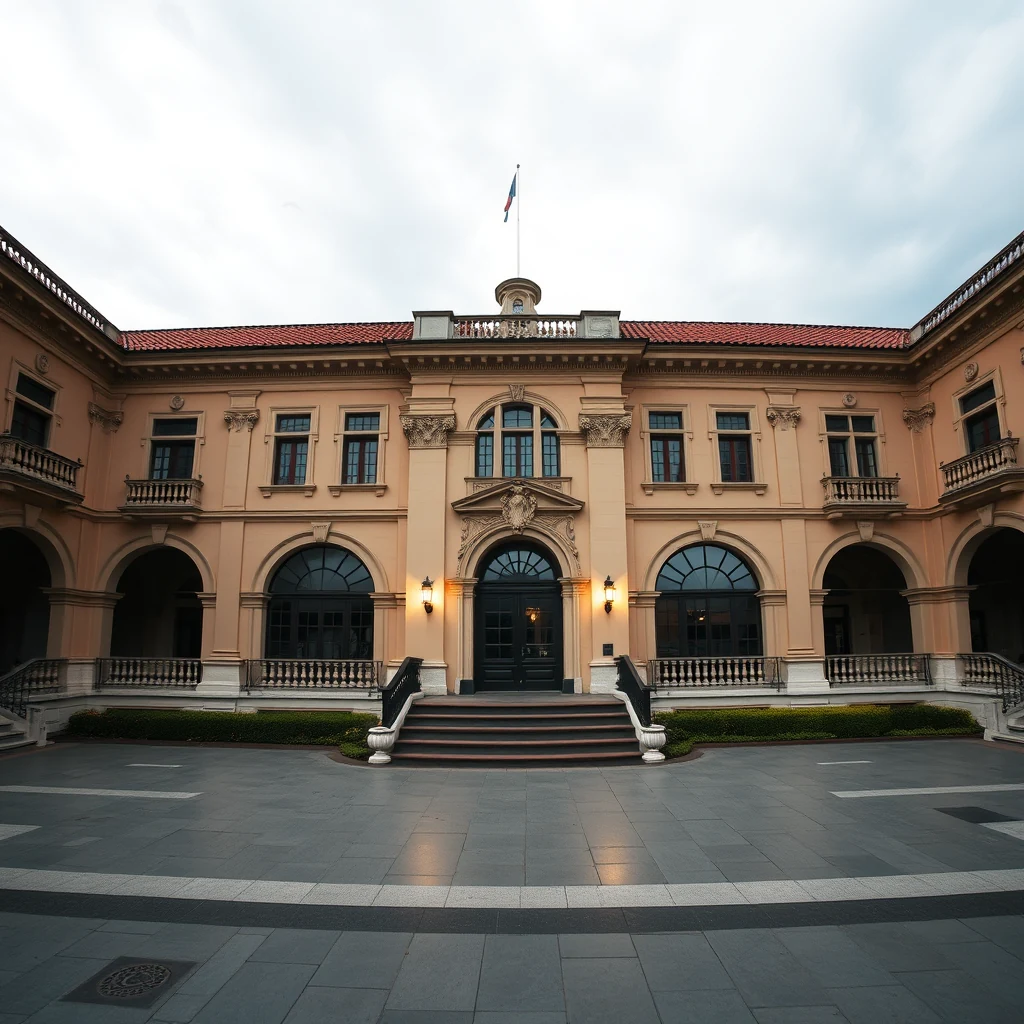
A marine research institute founded in Naples in 1872 by the German zoologist Anton Dohrn, the first of its kind in the world. It pioneered the model of researchers from many countries renting bench space on the Bay of Naples to study Mediterranean fauna. Much of the early twentieth-century work on embryology, regeneration, and invertebrate development came out of its tanks, including the 1996 paper that announced the immortal jellyfish.
那不勒斯海洋显微生物研究所(那不勒斯动物学站)是德国动物学家安东·多尔恩于1872年在那不勒斯创办的海洋研究机构,是世界上首家此类机构。它开创了供多国学者租用Bay of Naples实验台以研究地中海动物群的模式。20世纪初关于胚胎学、再生和无脊椎动物发育的大量研究成果均出自该站,包括1996年宣布发现灯塔水母的论文。
Instituto de investigación marina fundado en Nápoles en 1872 por el zoólogo alemán Anton Dohrn, el primero de su clase en el mundo. Fue pionero en alquilar espacio de laboratorio a científicos de varios países para estudiar la fauna mediterránea. De sus tanques salieron estudios clave sobre embriología y desarrollo, incluida la medusa inmortal en 1996.
محطة علم الحيوان هي معهد أبحاث بحرية تأسس في نابولي عام 1872 على يد عالم الحيوان الألماني أنتون دوهرن، وهو الأول من نوعه في العالم. رادت نموذج استئجار الباحثين من دول متعددة لمساحات عمل على خليج نابولي لدراسة الأحياء البحرية في البحر المتوسط. وصدرت من أحواضها مئات الأبحاث حول الأجنة والتجديد والإعلان عن قنديل البحر الخالد عام 1996.
Um instituto de pesquisa marinha fundado em Nápoles em 1872 pelo zoólogo alemão Anton Dohrn, o primeiro de seu tipo no mundo. Pioneiro no modelo de aluguel de laboratórios para pesquisadores de vários países estudarem a fauna mediterrânea. Grande parte do trabalho de embriologia do século XX e o artigo de 1996 sobre a medusa imortal saíram dali.
जर्मन प्राणीशास्त्री एंटोन दोहरन द्वारा 1872 में नेपल्स में स्थापित एक समुद्री अनुसंधान संस्थान, जो दुनिया में अपनी तरह का पहला संस्थान है, जिसे स्टैज़िओने ज़ूलोगिका (Stazione Zoologica) कहा जाता है। इसने भूमध्यसागरीय जीवों का अध्ययन करने के लिए कई देशों के शोधकर्ताओं को बेंच स्पेस किराए पर देने के मॉडल का बीड़ा उठाया। 1996 में इसी संस्थान से अमर जेलीफिश की घोषणा करने वाला पेपर प्रकाशित हुआ था।
Stazione Zoologica adalah lembaga penelitian laut yang didirikan di Napoli pada 1872 oleh zoolog Jerman Anton Dohrn, menjadikannya yang pertama di dunia. Lembaga ini merintis model penyewaan laboratorium bagi peneliti mancanegara untuk mempelajari fauna Mediterania. Banyak penelitian embriologi dan rilis penemuan ubur-ubur abadi tahun 1996 berasal dari sini.
Institut de recherche marine fondé à Naples en 1872 par le zoologiste allemand Anton Dohrn, le premier de ce type au monde. Il a inauguré le modèle consistant, pour des chercheurs étrangers, à louer un espace de travail sur la baie de Naples pour étudier la faune méditerranéenne. C'est de ses bassins qu'est issue la publication de 1996 sur la méduse immortelle.
那不勒斯海洋生物研究所(動物学研究所)は、ドイツの動物学者アントン・ドールンによって1872年に設立された世界初の海洋研究機関。世界中の研究者が那不勒斯湾のラボスペースを借りて地中海の動物相を研究するビジネスモデルを先駆けて導入した。発生学、再生、無脊椎動物の発達に関する20世紀初頭の先駆的研究の多くがここから生まれ、1996年にはベニクラゲの若返りを示す論文が発表された。
Зоологическая станция в Неаполе — морской исследовательский институт, основанный в 1872 году немецким зоологом Антоном Дорном, первый в своем роде в мире. Он первым предложил ученым из разных стран арендовать места на Неаполитанском заливе для изучения средиземноморской фауны. Из его аквариумов вышла статья 1996 года, объявившая о бессмертной медузе.
Ein meeresbiologisches Forschungsinstitut, das 1872 von dem deutschen Zoologen Anton Dohrn in Neapel gegründet wurde und das erste seiner Art weltweit war. Es leistete Pionierarbeit bei der Vermietung von Arbeitsplätzen an Forscher aus verschiedenen Ländern zur Untersuchung der Mittelmeerfauna. Aus seinen Tanks stammte die Arbeit von 1996 über die unsterbliche Qualle.
독일의 조류학자이자 동물학자인 안톤 도른(Anton Dohrn)이 1872년 나폴리에 건립한 세계 최초의 해양 생물 연구소(Stazione Zoologica)이다. 전 세계 학자들에게 연구 공간을 임대해 주고 나폴리만 일대의 지중해 해양 생태계를 공동 연구하는 플랫폼 모델을 구축했다. 20세기 초 발생학, 조직 재생학 분야의 핵심 연구물들이 이곳에서 양성되었으며, 1996년에는 불멸의 베니해파리를 세상에 알린 역사적인 논문이 이곳에서 발표되었다.
Mentioned in 2 articles
- Biology Immortal Jellyfish A jellyfish the size of a pinky nail, found in harbours from Genoa to Panama, has a trick no other animal can match. When it gets old or injured, it sinks to the seabed and grows backwards into its own childhood.
- Biology Turritopsis dohrnii A transparent bell, barely five millimetres wide, sinks to the Mediterranean sea floor. Instead of dying, it melts into a blob, anchors itself to a rock, and begins to grow backward into its own infancy, resetting its biological clock to zero.