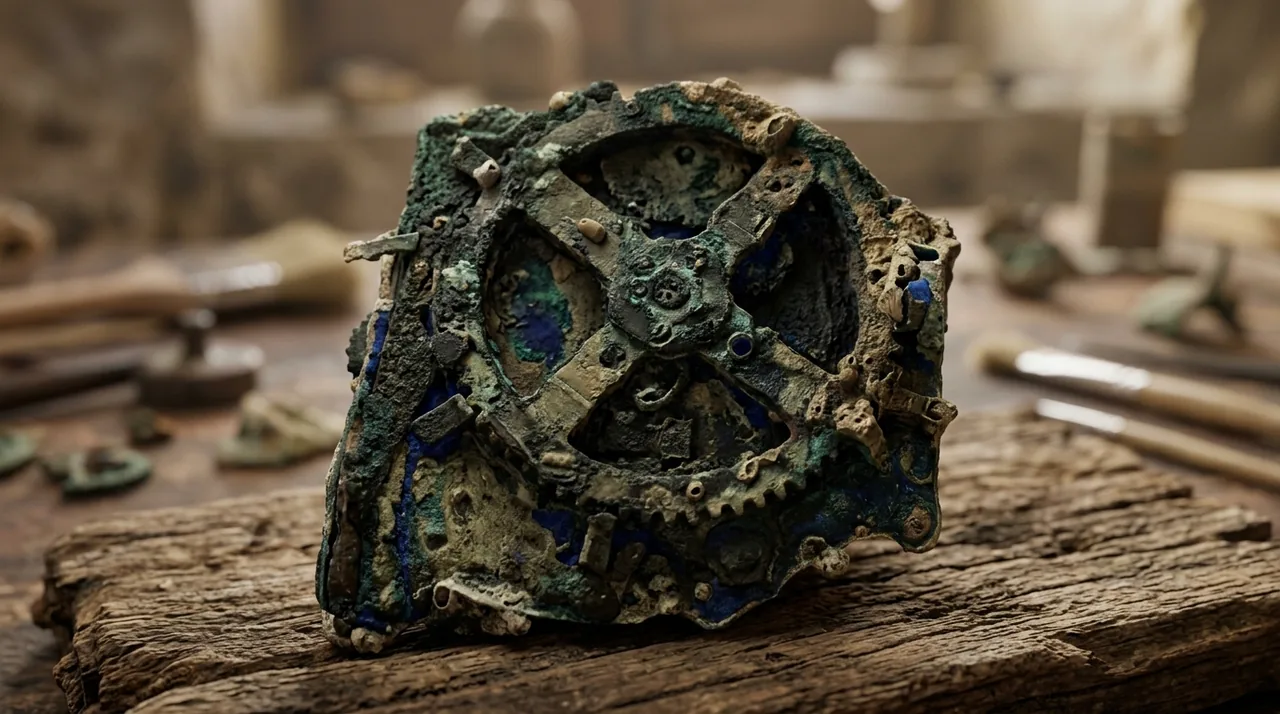
In October 1900, a storm pushed a crew of Greek sponge divers off course and onto the lee side of a small island called Antikythera 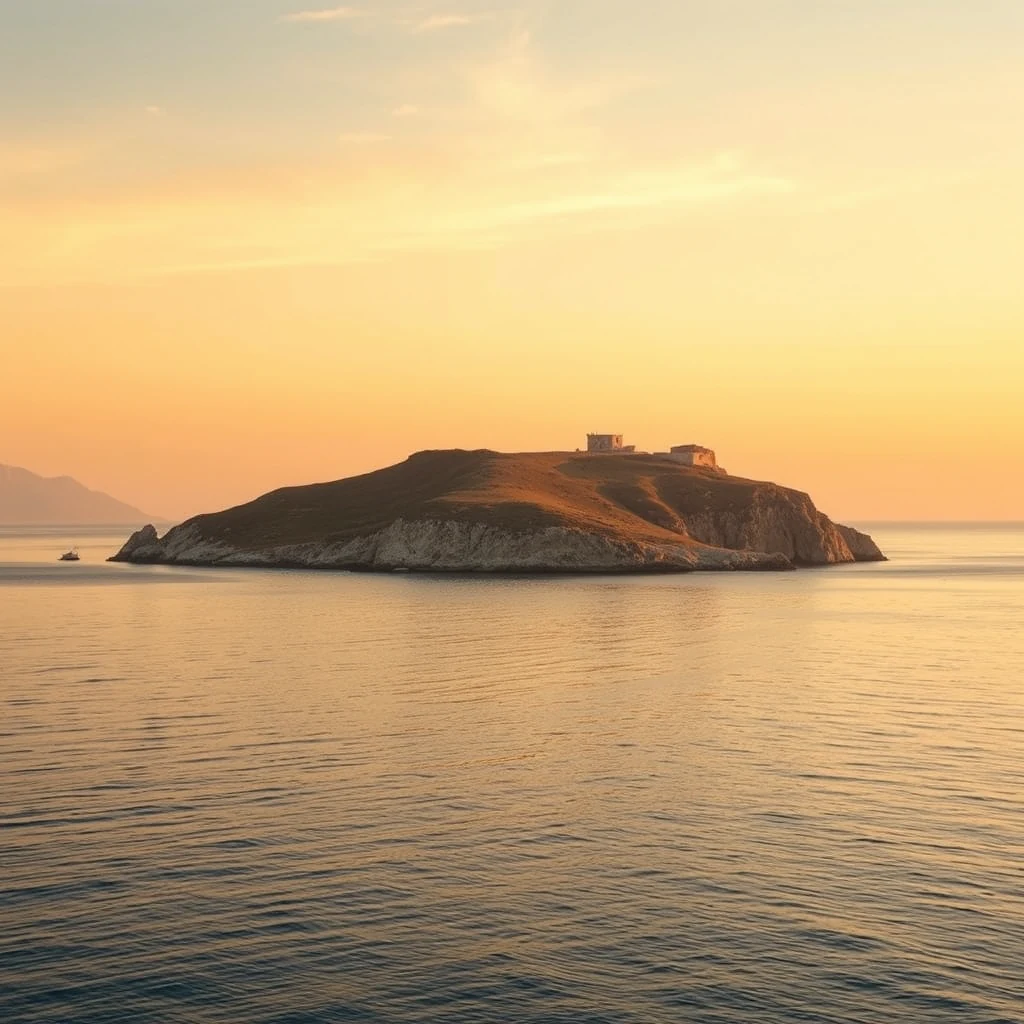 Place Antikythera A small Greek island in the Aegean Sea, lying between Crete and the Peloponnese. Its name simply means "opposite Kythera" — the larger island to its north. Permanent population today is under fifty. It would be a footnote in Mediterranean geography if a Roman cargo ship had not sunk just off its coast around 60 BCE, carrying what turned out to be the most sophisticated surviving artifact of ancient Greek technology.爱琴海中的一个小岛,位于克里特岛和伯罗奔尼撒半岛之间。其名称意为“基西拉岛对面”——即位于其北面较大的那座岛屿。目前常住人口不足五十人。如果不是因为约公元前60年一艘罗马货船在其海岸附近沉没,船上载有后来被证明是古希腊技术现存最复杂文物的装置,该岛在地中海地理中本只会是一个注脚。Una pequeña isla griega en el mar Egeo, situada entre Creta y el Peloponeso. Su nombre significa simplemente «frente a Citera», la isla más grande al norte. Su población permanente actual es inferior a cincuenta personas. Sería una nota a pie de página en la geografía del Mediterráneo si un barco de carga romano no se hubiera hundido justo frente a su costa alrededor del 60 a. C., transportando lo que resultó ser el artefacto superviviente más sofisticado de la tecnología griega antigua.جزيرة يونانية صغيرة في بحر إيجة، تقع بين جزيرة كريت وشبه جزيرة البيلوبونيز. يعني اسمها ببساطة "مقابل كيثيرا" - وهي الجزيرة الأكبر الواقعة إلى الشمال منها. يقل عدد سكانها الدائمون اليوم عن خمسين نسمة. وكانت لتكون مجرد تفصيل هامشي في جغرافيا البحر الأبيض المتوسط لولا غرق سفينة شحن رومانية قبالة سواحلها حوالي عام 60 قبل الميلاد، كانت تحمل ما تبين أنه أكثر القطع الأثرية تعقيداً التي بقيت من التكنولوجيا اليونانية القديمة.Uma pequena ilha grega no Mar Egeu, situada entre Creta e o Peloponeso. O seu nome significa simplesmente "oposta a Citera" — a ilha maior a norte. A população permanente atual é inferior a cinquenta habitantes. Seria apenas uma nota de rodapé na geografia mediterrânea se um navio de carga romano não tivesse naufragado ao largo da sua costa por volta de 60 a.C., transportando o que se revelou ser o artefato de tecnologia grega antiga mais sofisticado que sobreviveu.एजियन सागर में स्थित एक छोटा यूनानी द्वीप, जो क्रीट और पेलोपोनीस के बीच है। इसके नाम का अर्थ है 'किथेरा के विपरीत' — जो इसके उत्तर में स्थित एक बड़ा द्वीप है। आज यहाँ की स्थायी जनसंख्या पचास से कम है। यह भूमध्यसागरीय भूगोल में केवल एक पाद-टिप्पणी बनकर रह जाता, यदि लगभग 60 ईसा पूर्व इसके तट के पास एक रोमन मालवाहक जहाज न डूबा होता, जो प्राचीन यूनानी तकनीक की सबसे परिष्कृत जीवित कलाकृति ले जा रहा था।Sebuah pulau kecil Yunani di Laut Aegea, terletak di antara Kreta dan Semenanjung Peloponnesos. Namanya secara harfiah berarti "di seberang Kythera" — pulau yang lebih besar di sebelah utaranya. Populasi permanen saat ini di bawah lima puluh jiwa. Pulau ini hanya akan menjadi catatan kaki dalam geografi Mediterania jika sebuah kapal kargo Romawi tidak karam di lepas pantainya sekitar tahun 60 SM, yang membawa apa yang ternyata merupakan artefak teknologi Yunani kuno paling canggih yang masih ada.Une petite île grecque de la mer Égée, située entre la Crète et le Péloponnèse. Son nom signifie simplement « en face de Cythère », l'île plus grande située au nord. Sa population permanente est aujourd'hui inférieure à cinquante habitants. Elle ne serait qu'une note de bas de page de la géographie méditerranéenne si un navire marchand romain n'avait pas fait naufrage au large de ses côtes vers 60 av. J.-C., transportant ce qui s'est révélé être l'artefact le plus sophistiqué ayant survécu de la technologie grecque antique.エーゲ海に浮かぶ小さなギリシアの島で、クレタ島とペロポネソス半島の間に位置する。その名は単純に、北方に位置するより大きな島「キュティラ」の「対岸」を意味する。現在の常住人口は50人未満である。もし紀元前60年頃、古代ギリシア技術の現存する最も洗練された遺物となるものを積んだローマの貨物船が、その沖で沈没していなければ、地中海の地理学において単なる脚注に過ぎなかったであろう。Небольшой греческий остров в Эгейском море, расположенный между Критом и Пелопоннесом. Его название буквально означает «напротив Китиры» — более крупного острова, находящегося к северу от него. Постоянное население сегодня составляет менее пятидесяти человек. Он остался бы лишь примечанием в географии Средиземноморья, если бы около 60 года до н. э. у его берегов не затонуло римское грузовое судно, перевозившее то, что оказалось самым сложным из сохранившихся артефактов древнегреческой технологии.Eine kleine griechische Insel in der Ägäis, gelegen zwischen Kreta und dem Peloponnes. Ihr Name bedeutet schlicht „gegenüber Kythira“ – der größeren, nördlich gelegenen Insel. Die ständige Einwohnerzahl liegt heute unter fünfzig. Sie wäre lediglich eine Fußnote in der Geographie des Mittelmeerraums, wenn nicht um 60 v. Chr. vor ihrer Küste ein römisches Frachtschiff gesunken wäre, das das technologisch raffinierteste erhaltene Artefakt der antiken griechischen Welt an Bord hatte.에게해에 위치한 작은 그리스의 섬으로, 크레타와 펠로폰네소스 사이에 있다. 이 섬의 이름은 북쪽에 있는 더 큰 섬인 '키티라의 맞은편'이라는 뜻이다. 현재 상주 인구는 50명 미만이다. 기원전 60년경 이 섬 근해에서 고대 그리스 기술을 보여주는 현존하는 가장 정교한 유물을 싣고 있던 로마 화물선이 침몰하지 않았다면, 이 섬은 지중해 지리에서 그저 각주에 불과했을 것이다. . When the weather cleared they went down to look for sponges. What they found, sixty metres below the surface, was a Roman cargo ship that had sunk sometime around 60 BCE, on its way home from the eastern Mediterranean. The ship was full of looted Greek statues — bronzes, marbles, glassware, coins. Salvage took two years. One diver died of the bends. Two more were paralysed.
Among the haul was an unremarkable lump of corroded bronze, roughly the size of a shoebox, that nobody could make sense of. It went into a drawer at the National Archaeological Museum in Athens, and stayed there.

Half a century later, an English physicist named Derek de Solla Price  Person Derek de Solla Price English-American physicist and historian of science (1922–1983). He spent his career at Yale. In the 1950s he persuaded the National Archaeological Museum in Athens to let him X-ray the Antikythera Mechanism, producing the first published reconstruction of its gear-train in 1959. His monograph "Gears from the Greeks" (1974) remains the foundation of every subsequent study.英裔美国物理学家和科学史学家(1922–1983)。他的职业生涯皆在耶鲁大学度过。20世纪50年代,他曾说服雅典国家考古博物馆允许其对安提基特拉机械进行X射线成像,并于1959年完成了该机械齿轮系的首个公开重建研究。他的专著《来自希腊的齿轮》(1974年)至今仍是后世所有相关研究的基石。Físico e historiador de la ciencia angloestadounidense (1922–1983). Desarrolló su carrera en Yale. En la década de 1950, convenció al Museo Arqueológico Nacional de Atenas para que le permitiera radiografiar el mecanismo de Anticitera, lo que dio lugar a la primera reconstrucción publicada de su tren de engranajes en 1959. Su monografía *Gears from the Greeks* (1974) sigue siendo la base de todo estudio posterior.فيزيائي ومؤرخ علوم إنجليزي-أمريكي (1922–1983). قضى حياته المهنية في جامعة ييل. في خمسينيات القرن العشرين، أقنع المتحف الوطني للآثار في أثينا بالسماح له بفحص "آلية أنتيكيثيرا" بالأشعة السينية، مما أسفر عن نشر أول إعادة بناء لنظام التروس فيها عام 1959. وتظل دراسته "تروس من اليونانيين" (1974) الأساس الذي تستند إليه جميع الدراسات اللاحقة.Físico e historiador da ciência anglo-americano (1922–1983). Passou a sua carreira em Yale. Na década de 1950, persuadiu o Museu Arqueológico Nacional de Atenas a permitir-lhe radiografar o Mecanismo de Anticítera, produzindo a primeira reconstrução publicada do seu sistema de engrenagens em 1959. A sua monografia "Gears from the Greeks" (1974) permanece como a base de todos os estudos subsequentes.आंग्ल-अमेरिकी भौतिक विज्ञानी और विज्ञान इतिहासकार (१९२२–१९८३)। उन्होंने अपना करियर येल में बिताया। १९५० के दशक में, उन्होंने एथेंस स्थित राष्ट्रीय पुरातत्व संग्रहालय को एंटीकाइथेरा यंत्र का एक्स-रे करने की अनुमति देने के लिए सहमत किया, जिसके परिणामस्वरूप १९५९ में इसके गियर-तंत्र का पहला प्रकाशित पुनर्निर्माण तैयार हुआ। उनका मोनोग्राफ 'गियर्स फ्रॉम द ग्रीक्स' (१९७४) बाद के प्रत्येक अध्ययन का आधार बना हुआ है।Fisikawan dan sejarawan sains berkebangsaan Inggris-Amerika (1922–1983). Ia menghabiskan kariernya di Yale. Pada tahun 1950-an, ia meyakinkan Museum Arkeologi Nasional di Athena untuk mengizinkannya melakukan sinar-X pada Mekanisme Antikythera, yang menghasilkan rekonstruksi pertama rangkaian rodagiginya yang diterbitkan pada tahun 1959. Monografnya, "Gears from the Greeks" (1974), tetap menjadi dasar bagi setiap studi selanjutnya.Physicien et historien des sciences anglo-américain (1922-1983). Il mena l'essentiel de sa carrière à Yale. Dans les années 1950, il convainquit le Musée archéologique national d'Athènes de l'autoriser à radiographier la machine d'Anticythère, produisant ainsi la première reconstruction publiée de son train d'engrenages en 1959. Sa monographie « Gears from the Greeks » (1974) demeure le fondement de toute étude ultérieure.英国系アメリカ人の物理学者、科学史家(1922年–1983年)。キャリアの大部分をイェール大学で過ごした。1950年代にアテネ国立考古学博物館を説得してアンティキティラ島の機械のX線撮影を許可させ、1959年にはその歯車列の最初の復元図を発表した。彼の著作『ギリシアの歯車』(1974年)は、その後のあらゆる研究の基礎であり続けている。Англо-американский физик и историк науки (1922–1983). Всю свою карьеру проработал в Йельском университете. В 1950-х годах убедил Национальный археологический музей в Афинах разрешить ему провести рентгеновское исследование Антикитерского механизма, подготовив в 1959 году первую опубликованную реконструкцию его системы зубчатых передач. Его монография «Механизмы греков» (1974) остается основой для всех последующих исследований.Englisch-amerikanischer Physiker und Wissenschaftshistoriker (1922–1983). Er verbrachte seine gesamte Laufbahn an der Yale University. In den 1950er Jahren überzeugte er das Archäologische Nationalmuseum in Athen, ihn den Mechanismus von Antikythera röntgen zu lassen, was 1959 zur ersten veröffentlichten Rekonstruktion seines Räderwerks führte. Seine Monografie „Gears from the Greeks“ (1974) bleibt die Grundlage für alle nachfolgenden Studien.영미계 물리학자이자 과학사학자(1922–1983). 예일 대학교에서 재직했다. 1950년대에 아테네 국립 고고학 박물관을 설득해 안티키테라 기계를 엑스레이로 촬영했고, 1959년 그 기어 체계의 첫 복원도를 발표했다. 그의 저서 《Gears from the Greeks》(1974)는 이후 모든 관련 연구의 토대가 되고 있다. talked the museum into letting him X-ray it.
Thirty gears
The X-rays showed something nobody had any business expecting: an interlocking arrangement of more than thirty precision-cut bronze gears, packed into a wooden case. The teeth were triangular, hand-cut, and accurate to within a tenth of a millimetre. The largest gear had 223 teeth. There were dials on the outside — one for the calendar, one for the position of the Sun and Moon against the zodiac, one that listed the four-year cycle of Panhellenic athletic games  Event Panhellenic athletic games The four ancient Greek festival games held on a rolling four-year schedule: the Olympic, Pythian, Nemean and Isthmian games. Together they formed the periodos that an elite athlete might attempt to win. The Antikythera Mechanism's front face includes a small dial that names the games due in each year of a four-year cycle, suggesting its owner used it to plan travel as well as to read the sky.古希腊四大庆典运动会遵循四年一轮的周期举行,即奥林匹克运动会、皮提亚运动会、尼米亚运动会和地峡运动会。这四项赛事共同构成了精英运动员力争夺冠的“周期”(periodos)。安提基特拉机械装置的正面包含一个小型刻度盘,标注了四年周期中每年举办的运动会,表明其拥有者不仅用它来观测天象,还用于规划行程。Los cuatro antiguos juegos festivos griegos se celebraban según un calendario rotativo de cuatro años: los juegos olímpicos, píticos, nemeos e ístmicos. Juntos formaban los periodos que un atleta de élite podía intentar ganar. La cara frontal del Mecanismo de Anticitera incluye una pequeña esfera que señala los juegos correspondientes a cada año de un ciclo de cuatro años, lo que sugiere que su propietario lo utilizaba tanto para planificar viajes como para leer el cielo.ألعاب المهرجانات اليونانية القديمة الأربع التي كانت تُقام وفق جدول دوري كل أربع سنوات هي: الألعاب الأولمبية، والبيثية، والنيمية، والإيسمية. شكلت هذه الألعاب مجتمعةً الـ "بيريدوس"، والتي كان يسعى رياضي النخبة للفوز بها. تحتوي الواجهة الأمامية لآلية أنتيكيثيرا على قرص صغير يحدد الألعاب المقررة في كل عام من دورة الأربع سنوات، مما يشير إلى أن مالكها كان يستخدمها للتخطيط للسفر، بالإضافة إلى رصد السماء.Os quatro jogos festivos da Grécia Antiga, realizados num ciclo rotativo de quatro anos: os Jogos Olímpicos, Píticos, Nemeus e Ístmicos. Juntos, formavam o periodos que um atleta de elite poderia tentar vencer. A face frontal do Mecanismo de Anticítera inclui um pequeno mostrador que nomeia os jogos previstos para cada ano de um ciclo de quatro anos, sugerindo que o seu proprietário o utilizava tanto para planear viagens quanto para ler o céu.चार प्राचीन यूनानी उत्सव खेल जो चार साल के चक्रीय कार्यक्रम पर आयोजित होते थे: ओलंपिक, पिथियन, नेमियन और इस्थमियन खेल। ये सभी मिलकर 'पीरियडोस' बनाते थे, जिसे जीतने का प्रयास कोई श्रेष्ठ एथलीट कर सकता था। एंटीकाइथेरा मैकेनिज्म के अगले हिस्से में एक छोटा डायल है जो चार साल के चक्र के प्रत्येक वर्ष में होने वाले खेलों का नाम बताता है, जिससे यह संकेत मिलता है कि इसका मालिक इसका उपयोग आकाश को पढ़ने के साथ-साथ यात्रा की योजना बनाने के लिए भी करता था।Keempat pesta olahraga Yunani kuno yang diselenggarakan dalam siklus empat tahunan: Olimpiade, Pitia, Nemea, dan Istmia. Bersama-sama, mereka membentuk *periodos* yang mungkin ingin dimenangkan oleh seorang atlet elit. Bagian depan Mekanisme Antikythera menampilkan sebuah cakram kecil yang menyebutkan perlombaan yang dijadwalkan pada setiap tahun dalam siklus empat tahunan, yang mengisyaratkan bahwa pemiliknya menggunakannya untuk merencanakan perjalanan sekaligus membaca keadaan langit.Les quatre jeux festifs de la Grèce antique organisés selon un cycle quadriennal : les jeux olympiques, pythiques, néméens et isthmiques. Ensemble, ils formaient la periodos qu'un athlète d'élite pouvait tenter de remporter. La face avant du mécanisme d'Anticythère comporte un petit cadran qui indique les jeux prévus chaque année d'un cycle de quatre ans, suggérant que son propriétaire l'utilisait pour planifier ses voyages autant que pour lire le ciel.古代ギリシャにおいて4年周期で順次開催された4大競技祭、すなわちオリンピア祭、ピューティア祭、ネメア祭、イストミア祭である。これらは総称してペリオドス(周期祭)と呼ばれ、エリートアスリートが制覇を目指す対象となった。アンティキティラ島の機械の前面には、4年周期の各年に開催される競技を指し示す小さな文字盤があり、この機械の所有者が天体観測のみならず、旅行計画のためにも用いた可能性を示唆している。Четыре древнегреческие праздничные игры, проводившиеся по четырехлетнему циклу: Олимпийские, Пифийские, Немейские и Истмийские игры. Вместе они составляли «период» — цикл соревнований, победу в которых стремились одержать элитные атлеты. На лицевой стороне Антикитерского механизма расположен небольшой циферблат, указывающий игры, приходящиеся на каждый год четырехлетнего цикла, что позволяет предположить, что владелец использовал его как для планирования поездок, так и для астрономических наблюдений.Die vier antiken griechischen Festspiele, die in einem vierjährigen Turnus stattfanden: die Olympischen, Pythischen, Nemeischen und Isthmischen Spiele. Zusammen bildeten sie den Periodos, den ein Spitzensportler zu gewinnen suchte. Die Vorderseite des Mechanismus von Antikythera enthält ein kleines Zifferblatt, das die in jedem Jahr eines Vierjahreszyklus anstehenden Spiele benennt, was darauf hindeutet, dass sein Besitzer es sowohl zur Reiseplanung als auch zur Himmelsbeobachtung nutzte.고대 그리스의 4대 축제 경기인 올림픽, 피티아, 네메아, 이스트미아 경기는 4년 주기로 순환하며 개최되었다. 이들은 엘리트 운동선수가 우승에 도전하는 순회 경기인 '페리오도스(periodos)'를 형성했다. 안티키테라 기계의 앞면에는 4년 주기의 각 해에 열리는 경기를 명시하는 작은 다이얼이 있는데, 이는 이 기계의 소유자가 천체를 관측할 뿐만 아니라 여행 일정을 계획하는 데에도 이를 사용했음을 시사한다. (the Olympics among them). On the back, a spiral dial wound through 235 lunar months — one full Metonic cycle
 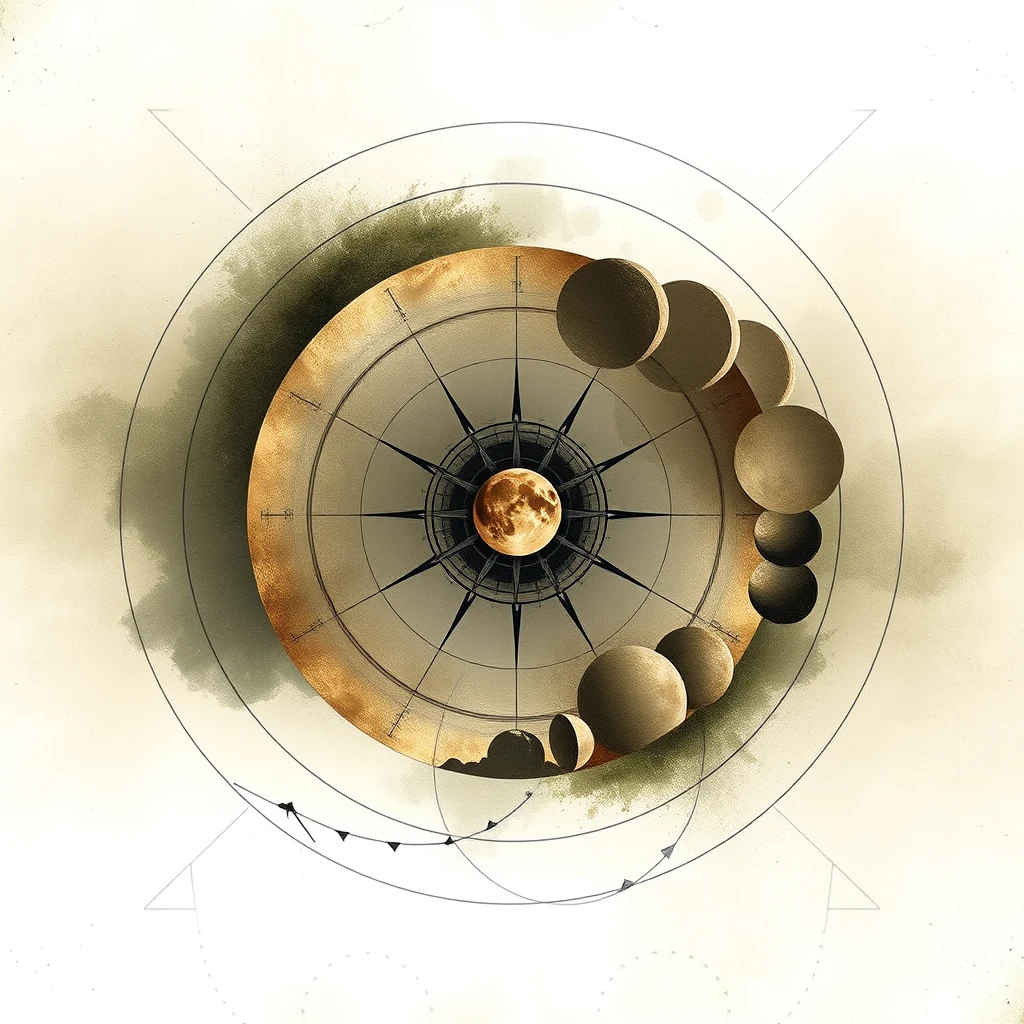 Concept Metonic cycle The astronomical observation, named for the Athenian astronomer Meton (5th century BCE), that 19 solar years equal almost exactly 235 lunar months. The relation lets a single calendar reconcile the Sun and Moon. The Antikythera Mechanism's back face is dominated by a five-turn spiral dial of 235 lunar months — one full Metonic cycle — letting the user read off the date of any new or full moon for nineteen years at a stretch.默冬章是以雅典天文学家默冬(公元前5世纪)命名的一种天文观测结果,即19个太阳年几乎精确地等于235个朔望月。这一关系使得单一历法能够协调太阳历与阴历。安提基特拉机械的背面主体是一个包含235个朔望月(即一个完整的默冬周期)的五圈螺旋刻度盘,使用者借此可读取连续十九年内任意新月或满月的日期。La observación astronómica, que lleva el nombre del astrónomo ateniense Metón (siglo V a. C.), según la cual 19 años solares equivalen casi exactamente a 235 meses lunares. Esta relación permite que un mismo calendario reconcilie el Sol y la Luna. La cara posterior del mecanismo de Anticitera está dominada por un dial espiral de cinco vueltas de 235 meses lunares —un ciclo metónico completo—, que permite al usuario determinar la fecha de cualquier luna nueva o llena durante diecinueve años consecutivos.رصدٌ فلكي، سُمّي تيمّنًا بالفلكي الأثيني ميتون (من القرن الخامس قبل الميلاد)، مفاده أن 19 سنة شمسية تعادل تقريبًا 235 شهرًا قمريًا. تسمح هذه العلاقة لتقويمٍ واحد بالتوفيق بين دورتي الشمس والقمر. يهيمن على الوجه الخلفي لآلية أنتيكيثيرا ميناءٌ لولبيّ ذو خمس لفات يمثّل 235 شهرًا قمريًا -أي دورة ميتونية كاملة- مما يتيح للمستخدم تحديد تاريخ أي محاق أو بدر على مدى تسعة عشر عامًا متتالية.Observação astronómica, com o nome do astrónomo ateniense Meton (século V a.C.), de que 19 anos solares equivalem quase exatamente a 235 meses lunares. Esta relação permite que um único calendário reconcilie o Sol e a Lua. A face posterior do Mecanismo de Anticitera é dominada por um mostrador em espiral de cinco voltas com 235 meses lunares — um ciclo metónico completo — permitindo ao utilizador ler a data de qualquer lua nova ou cheia durante dezanove anos seguidos.एथेंस के खगोलशास्त्री मेटोन (5वीं शताब्दी ईसा पूर्व) के नाम पर नामित यह खगोलीय अवलोकन यह है कि 19 सौर वर्ष लगभग सटीक रूप से 235 चंद्र महीनों के बराबर होते हैं। यह संबंध एक ही कैलेंडर को सूर्य और चंद्रमा के बीच सामंजस्य स्थापित करने की अनुमति देता है। एंटीकाइथेरा मैकेनिज्म के पिछले हिस्से में 235 चंद्र महीनों का पांच-घुमाव वाला एक सर्पिल डायल प्रमुखता से बना है — जो कि एक पूर्ण मेटोनिक चक्र है — जिससे उपयोगकर्ता लगातार उन्नीस वर्षों तक किसी भी अमावस्या या पूर्णिमा की तारीख का पता लगा सकता है।Pengamatan astronomis, yang dinamai berdasarkan astronom Athena Meton (abad ke-5 SM), bahwa 19 tahun surya hampir tepat setara dengan 235 bulan lunar. Hubungan ini memungkinkan satu kalender untuk menyelaraskan Matahari dan Bulan. Bagian belakang Mekanisme Antikythera didominasi oleh piringan spiral lima putaran yang terdiri dari 235 bulan lunar — satu siklus Meton penuh — yang memungkinkan pengguna membaca tanggal bulan baru atau bulan purnama selama sembilan belas tahun berturut-turut.L'observation astronomique, nommée d'après l'astronome athénien Méton (Ve siècle av. J.-C.), selon laquelle 19 années solaires correspondent presque exactement à 235 mois lunaires. Cette relation permet à un calendrier unique de réconcilier le Soleil et la Lune. La face arrière de la machine d'Anticythère est dominée par un cadran en spirale à cinq tours de 235 mois lunaires — un cycle métonique complet — permettant de lire la date de toute nouvelle lune ou pleine lune sur une période ininterrompue de dix-neuf ans.アテナイの天文学者メトン(紀元前5世紀)にちなんで名付けられた、19太陽年が235朔望月にほぼ等しいとする天文学上の知見。この関係により、単一の暦で太陽と月を調和させることが可能となる。アンティキティラ島の機械の背面には、235朔望月(メトン周期1回分)を示す5回転の螺旋状ダイヤルが大きく配置されており、19年間にわたって連続して新月や満月の日付を読み取ることが可能である。Астрономическое наблюдение, названное в честь афинского астронома Метона (V век до н. э.), согласно которому 19 солнечных лет почти точно равны 235 лунным месяцам. Это соотношение позволяет согласовать солнечный и лунный циклы в рамках одного календаря. Заднюю сторону Антикитерского механизма занимает пятивитковый спиральный циферблат, рассчитанный на 235 лунных месяцев — один полный метонов цикл, — что позволяет определять дату любого новолуния или полнолуния на девятнадцать лет вперед.Die nach dem Athener Astronomen Meton (5. Jahrhundert v. Chr.) benannte astronomische Beobachtung, dass 19 Sonnenjahre fast exakt 235 Mondmonaten entsprechen. Dieser Zusammenhang ermöglicht es, Sonne und Mond in einem einzigen Kalender in Einklang zu bringen. Die Rückseite des Mechanismus von Antikythera wird von einem fünfwindigen Spiralzifferblatt für 235 Mondmonate dominiert – einem vollen metonischen Zyklus –, das es dem Anwender ermöglicht, das Datum jedes Neumonds oder Vollmonds über einen Zeitraum von neunzehn Jahren am Stück abzulesen.아테네의 천문학자 메톤(기원전 5세기)의 이름을 딴 천문 관측으로, 19 태양년이 거의 정확하게 235 삭망월과 일치한다는 사실을 의미한다. 이 관계를 통해 단일 역법으로 태양력과 태음력을 조화시킬 수 있다. 안티키테라 기계의 뒷면은 235 삭망월, 즉 완전한 메톤 주기 한 번을 나타내는 5회전 나선형 다이얼이 주를 이루며, 이를 통해 사용자는 19년 동안 연속으로 삭이나 망의 날짜를 읽어낼 수 있다. .

This was not a navigation tool. It was a hand-cranked simulator for the heavens. You set a date, you turned a knob, and the dials told you where the Sun and Moon would be, when the next eclipse was due, and which festival you ought to be packing for. Later reconstructions suggest it also tracked the five planets visible to the naked eye, modelling their irregular motion through a system of pin-and-slot gearing that anticipated Kepler  Person Kepler German astronomer Johannes Kepler (1571–1630). His three laws of planetary motion — published between 1609 and 1619 — were the first quantitative account of why the planets appear to slow down, speed up, and double back across the sky. The Antikythera Mechanism's pin-and-slot gearing models exactly this irregular motion, mechanically, sixteen centuries before Kepler explained it mathematically.德国天文学家约翰内斯·开普勒(1571–1630)。他在1609年至1619年间发表的三大行星运动定律,是人类首次定量地解释了行星在天空中为何会出现减速、加速和逆行现象。安提基特拉机械装置中的销槽齿轮机构,在开普勒通过数学方法解释这一现象的十六个世纪之前,就已经以机械方式精确地模拟了这种不规则运动。Astrónomo alemán Johannes Kepler (1571–1630). Sus tres leyes del movimiento planetario —publicadas entre 1609 y 1619— fueron la primera explicación cuantitativa de por qué los planetas parecen desacelerar, acelerar y retroceder a través del cielo. El engranaje de pasador y ranura del mecanismo de Anticitera modela exactamente este movimiento irregular, mecánicamente, dieciséis siglos antes de que Kepler lo explicara matemáticamente.الفلكي الألماني يوهانس كيبلر (1571–1630). مثّلت قوانينه الثلاثة لحركة الكواكب، التي نُشرت بين عامي 1609 و1619، أول وصف كمّي لسبب ظهور الكواكب وهي تبطئ وتتسارع وتتراجع في السماء. وتعمل آلية أنتيكيثيرا عبر نظام تروس «الدبوس والفتحة» على نمذجة هذه الحركة غير المنتظمة ميكانيكيًا بدقة، وذلك قبل ستة عشر قرنًا من التفسير الرياضي الذي قدمه كيبلر.O astrônomo alemão Johannes Kepler (1571–1630). As suas três leis do movimento planetário — publicadas entre 1609 e 1619 — foram a primeira explicação quantitativa do porquê de os planetas parecerem desacelerar, acelerar e retroceder pelo céu. A engrenagem de pino e ranhura do Mecanismo de Anticítera modela exatamente este movimento irregular, mecanicamente, dezesseis séculos antes de Kepler o ter explicado matematicamente.जर्मन खगोलशास्त्री जोहान्स केपलर (1571–1630)। 1609 और 1619 के बीच प्रकाशित ग्रहीय गति के उनके तीन नियम, इस बात का पहला मात्रात्मक विवरण थे कि ग्रह आकाश में धीमे, तेज और पीछे मुड़ते हुए क्यों दिखाई देते हैं। एंटिकिथेरा यंत्र की पिन-एंड-स्लॉट गियरिंग, केपलर द्वारा इसे गणितीय रूप से समझाने से सोलह शताब्दी पहले, यांत्रिक रूप से ठीक इसी अनियमित गति का मॉडल प्रस्तुत करती है।Astronom Jerman Johannes Kepler (1571–1630). Tiga hukum gerak planetnya — diterbitkan antara tahun 1609 dan 1619 — merupakan penjelasan kuantitatif pertama mengenai mengapa planet tampak melambat, mempercepat, dan berbalik arah melintasi langit. Roda gigi pin-dan-slot pada Mekanisme Antikythera memodelkan gerakan tidak teratur ini secara tepat dan mekanis, enam belas abad sebelum Kepler menjelaskannya secara matematis.L'astronome allemand Johannes Kepler (1571-1630). Ses trois lois du mouvement planétaire — publiées entre 1609 et 1619 — constituent la première description quantitative expliquant pourquoi les planètes semblent ralentir, accélérer et rebrousser chemin dans le ciel. Le mécanisme d'Anticythère, grâce à son engrenage à goupille et fente, modélise exactement ce mouvement irrégulier, mécaniquement, seize siècles avant que Kepler ne l'explique mathématiquement.ドイツの天文学者ヨハネス・ケプラー(1571–1630年)。1609年から1619年にかけて発表された彼の惑星運動の三法則は、惑星が空を横切る際に減速、加速、そして逆行して見える理由を初めて定量的に説明したものである。アンティキティラ島の機械のピン・アンド・スロット機構は、ケプラーが数学的に説明する16世紀も前に、まさにこの不規則な運動を機械的にモデル化していた。Немецкий астроном Иоганн Кеплер (1571–1630). Его три закона движения планет, опубликованные в период между 1609 и 1619 годами, стали первым количественным объяснением того, почему планеты на небосводе кажутся замедляющимися, ускоряющимися и движущимися попятно. Штифтово-пазовая передача Антикитерского механизма в точности моделирует это неравномерное движение механическим путём, за шестнадцать столетий до того, как Кеплер объяснил его математически.Der deutsche Astronom Johannes Kepler (1571–1630). Seine drei Gesetze der Planetenbewegung – veröffentlicht zwischen 1609 und 1619 – bildeten die erste quantitative Erklärung dafür, warum die Planeten am Himmel scheinbar langsamer werden, sich beschleunigen und ihre Richtung umkehren. Das Stift-Schlitz-Getriebe des Mechanismus von Antikythera bildet genau diese unregelmäßige Bewegung mechanisch nach, sechzehn Jahrhunderte bevor Kepler sie mathematisch erklärte.독일의 천문학자 요하네스 케플러(1571–1630). 1609년에서 1619년 사이에 발표된 그의 세 가지 행성 운동 법칙은 행성이 하늘을 가로질러 느려지고, 빨라지고, 역행하는 것처럼 보이는 이유에 대한 최초의 정량적 설명이었다. 안티키테라 기계의 핀-슬롯 기어 장치는 케플러가 이를 수학적으로 설명하기 16세기 전에 이미 이러한 불규칙한 운동을 기계적으로 정확하게 구현했다. by sixteen centuries.

We have an approximate date for it. The style of the lettering on the surviving plates places its construction in the second century BCE, perhaps as late as 100 BCE — within a generation of Archimedes  Person Archimedes Greek mathematician, physicist, engineer and astronomer of Syracuse (c. 287 – c. 212 BCE). His geometric and mechanical work was unmatched in antiquity. Cicero, writing a century after his death, describes a planetarium-like device attributed to Archimedes that displayed the motion of the Sun, Moon and five planets — the closest textual analogue we have to the Antikythera Mechanism.叙拉古的古希腊数学家、物理学家、工程师和天文学家(约公元前287年-约公元前212年)。他在几何学和力学方面的成就,在古代是无与伦比的。他去世一个世纪后,西塞罗曾描述过一种归功于阿基米德的类似天文馆的装置,它能够展示太阳、月球和五大行星的运动——这是我们现存关于安提基特拉机械最接近的文本记录。Matemático, físico, ingeniero y astrónomo griego de Siracusa (c. 287 – c. 212 a. C.). Su obra geométrica y mecánica no tuvo parangón en la antigüedad. Cicerón, escribiendo un siglo después de su muerte, describe un dispositivo similar a un planetario atribuido a Arquímedes que mostraba el movimiento del Sol, la Luna y cinco planetas: el análogo textual más cercano que tenemos al mecanismo de Anticitera.عالم رياضيات وفيزيائي ومهندس وفلكي يوناني من سرقوسة (حوالي 287 - حوالي 212 ق.م.). كانت أعماله الهندسية والميكانيكية لا تضاهى في العصور القديمة. يصف شيشرون، الذي كتب بعد قرن من وفاته، جهازاً يشبه القبة السماوية يُنسب إلى أرخميدس كان يعرض حركة الشمس والقمر والكواكب الخمسة، وهو أقرب نظير نصي لدينا لآلية أنتيكيثيرا.Matemático, físico, engenheiro e astrônomo grego de Siracusa (c. 287 – c. 212 a.C.). A sua obra geométrica e mecânica foi inigualável na antiguidade. Cícero, escrevendo um século após a sua morte, descreve um dispositivo semelhante a um planetário atribuído a Arquimedes que exibia o movimento do Sol, da Lua e de cinco planetas — o análogo textual mais próximo que temos do Mecanismo de Anticítera.सिराक्यूज़ के यूनानी गणितज्ञ, भौतिक विज्ञानी, अभियंता और खगोलशास्त्री (लगभग 287 – लगभग 212 ईसा पूर्व)। प्राचीन काल में उनका ज्यामितीय और यांत्रिक कार्य अद्वितीय था। सिसरो, जिन्होंने उनकी मृत्यु के एक शताब्दी बाद लिखा था, आर्किमिडीज को श्रेय दिए गए एक तारामंडल-जैसे उपकरण का वर्णन करते हैं जो सूर्य, चंद्रमा और पांच ग्रहों की गति को दर्शाता था — यह एंटीकाइथेरा तंत्र (Antikythera Mechanism) के लिए हमारे पास मौजूद सबसे निकटतम पाठ्य साक्ष्य है।Matematikawan, fisikawan, insinyur, dan astronom Yunani dari Sirakusa (sekitar 287 – sekitar 212 SM). Karyanya di bidang geometri dan mekanika tidak tertandingi pada zaman kuno. Cicero, yang menulis seabad setelah kematiannya, menggambarkan perangkat menyerupai planetarium yang dinisbatkan kepada Archimedes yang menampilkan pergerakan Matahari, Bulan, dan lima planet — analog tekstual terdekat yang kita miliki terhadap Mekanisme Antikythera.Mathématicien, physicien, ingénieur et astronome grec de Syracuse (v. 287 – v. 212 av. J.-C.). Ses travaux en géométrie et en mécanique sont restés inégalés dans l'Antiquité. Cicéron, écrivant un siècle après sa mort, décrit un dispositif de type planétaire attribué à Archimède qui reproduisait le mouvement du Soleil, de la Lune et des cinq planètes — l'analogue textuel le plus proche dont nous disposons de la machine d'Anticythère.シラクサ出身のギリシャの数学者、物理学者、技術者、天文学者(紀元前287年頃 - 紀元前212年頃)。幾何学および力学における彼の業績は、古代において比肩するものがない。キケロは没後1世紀を経て記した著作の中で、太陽、月、5つの惑星の動きを示すアルキメデス作とされるプラネタリウムのような装置について言及しており、これはアンティキティラ島の機械に文献上最も近い類似物である。Древнегреческий математик, физик, инженер и астроном из Сиракуз (ок. 287 — ок. 212 гг. до н. э.). Его геометрические и механические работы не имели себе равных в античности. Цицерон, писавший столетие спустя после его смерти, описывает устройство, подобное планетарию, приписываемое Архимеду, которое отображало движение Солнца, Луны и пяти планет — это ближайший из известных нам текстовых аналогов Антикитерского механизма.Griechischer Mathematiker, Physiker, Ingenieur und Astronom aus Syrakus (ca. 287 – ca. 212 v. Chr.). Seine geometrischen und mechanischen Arbeiten waren in der Antike unerreicht. Cicero, der ein Jahrhundert nach dessen Tod schrieb, beschreibt ein Archimedes zugeschriebenes planetariumsartiges Gerät, das die Bewegung der Sonne, des Mondes und der fünf Planeten darstellte – die engste textliche Entsprechung, die wir für den Mechanismus von Antikythera besitzen.시라쿠스 출신의 그리스 수학자이자 물리학자, 공학자, 천문학자(기원전 약 287년 – 기원전 약 212년)이다. 그의 기하학 및 역학 분야의 업적은 고대에 비견할 바가 없었다. 키케로는 아르키메데스가 사망한 지 한 세기 후에, 태양과 달, 그리고 다섯 행성의 움직임을 보여주는 아르키메데스의 것으로 추정되는 천문관 형태의 장치에 대해 서술했는데, 이는 안티키테라 기계와 가장 유사한 문헌적 사례로 꼽힌다. , and within a few hundred miles of Rhodes
  Place Rhodes Greek island in the south-eastern Aegean, and in the Hellenistic period the most important centre of Mediterranean astronomy. Hipparchus worked there. Posidonius, who built his own celestial-motion device, taught there. The cargo on the Antikythera ship is consistent with a route that called at Rhodes, and most modern scholars believe the Mechanism was made on the island, by a workshop attached to one of these schools.罗得岛是爱琴海东南部的一座希腊岛屿,在希腊化时期曾是地中海天文学最重要的中心。喜帕恰斯曾在此工作,建造了个人天体运动装置的波西多尼也曾在此执教。安提基特拉沉船上的货物与途经罗得岛的航线相符,当代大多数学者认为,该机械装置正是由岛上某所学院附属的工坊制造。Isla griega en el sureste del Egeo y, durante el periodo helenístico, el centro más importante de la astronomía mediterránea. Hiparco trabajó allí. Posidonio, que construyó su propio dispositivo de movimiento celeste, enseñó allí. La carga del barco de Anticitera es coherente con una ruta que hacía escala en Rodas, y la mayoría de los estudiosos modernos creen que el mecanismo fue fabricado en la isla, en un taller vinculado a una de estas escuelas.جزيرة يونانية تقع في جنوب شرق بحر إيجة، كانت في العصر الهلنستي المركز الأهم لعلم الفلك في حوض البحر الأبيض المتوسط. عمل فيها هيبارخوس، كما درّس فيها بوسيدونيوس الذي صمم جهازه الخاص لحركة الأجرام السماوية. تتوافق حمولة سفينة "أنتيكيثيرا" مع مسار بحري كان يتوقف في رودس، ويرجح معظم العلماء المعاصرين أن الآلية صُنعت في الجزيرة ذاتها، في ورشة تابعة لإحدى تلك المدارس العلمية.Ilha grega no sudeste do mar Egeu e, no período helenístico, o mais importante centro da astronomia mediterrânea. Hiparco trabalhou lá. Posidônio, que construiu o seu próprio dispositivo de movimento celeste, ensinou lá. A carga do navio de Anticítera é consistente com uma rota que fazia escala em Rodes, e a maioria dos estudiosos modernos acredita que o Mecanismo foi feito na ilha, por uma oficina ligada a uma dessas escolas.दक्षिण-पूर्वी एजियन में स्थित एक यूनानी द्वीप, जो हेलेनिस्टिक काल में भूमध्यसागरीय खगोल विज्ञान का सबसे महत्वपूर्ण केंद्र था। हिपार्कस ने वहाँ कार्य किया था। पोसिडोनियस, जिसने खगोलीय गति का अपना यंत्र बनाया था, ने वहाँ अध्यापन किया था। एंटीकाइथेरा जहाज पर मिला माल उस मार्ग के अनुरूप है जो रोड्स से होकर गुजरता था, और अधिकांश आधुनिक विद्वानों का मानना है कि यह यंत्र इसी द्वीप पर, इन विद्यालयों में से किसी एक से जुड़ी कार्यशाला द्वारा बनाया गया था।Pulau Yunani di tenggara Laut Aegea, dan pada periode Helenistik merupakan pusat astronomi terpenting di Mediterania. Hipparchus bekerja di sana. Posidonius, yang membangun perangkat gerak benda langitnya sendiri, mengajar di sana. Kargo pada kapal Antikythera konsisten dengan rute yang singgah di Rhodes, dan sebagian besar cendekiawan modern meyakini bahwa Mekanisme tersebut dibuat di pulau itu, oleh bengkel yang berafiliasi dengan salah satu sekolah tersebut.Île grecque dans le sud-est de la mer Égée, et à l'époque hellénistique le centre le plus important de l'astronomie méditerranéenne. Hipparque y a travaillé. Posidonios, qui a construit son propre appareil de mouvement céleste, y a enseigné. La cargaison de l'épave d'Anticythère concorde avec une route faisant escale à Rhodes, et la plupart des chercheurs modernes estiment que le mécanisme a été fabriqué sur l'île, dans un atelier rattaché à l'une de ces écoles.エーゲ海南東部に位置するギリシャの島であり、ヘレニズム時代には地中海における天文学の最も重要な中心地であった。ヒッパルコスが同地で活動し、独自の天体運動装置を製作したポセイドニオスもここで教鞭を執った。アンティキティラ島の沈没船の積荷はロードス島に寄港した航路と一致しており、アンティキティラ島の機械は、これらの学派のいずれかに付随する工房において同島で製作されたとする見方が現代の学者の大半を占めている。Греческий остров в юго-восточной части Эгейского моря, в эллинистический период — важнейший центр средиземноморской астрономии. Там работал Гиппарх. Там же преподавал Посидоний, построивший собственный прибор для моделирования небесных движений. Груз антикитерского корабля соответствует маршруту с заходом на Родос, и большинство современных ученых полагают, что Механизм был изготовлен на этом острове в мастерской, относившейся к одной из этих школ.Griechische Insel in der südöstlichen Ägäis und in der hellenistischen Zeit das bedeutendste Zentrum der mediterranen Astronomie. Hipparch wirkte dort. Poseidonios, der sein eigenes Gerät zur Darstellung der Himmelsbewegungen baute, lehrte dort. Die Ladung des Wracks von Antikythera stimmt mit einer Route überein, die über Rhodos führte, und die meisten modernen Forscher gehen davon aus, dass der Mechanismus auf der Insel in einer Werkstatt gefertigt wurde, die einer dieser Schulen angegliedert war.에게해 남동부에 위치한 그리스의 섬으로, 헬레니즘 시대에는 지중해 천문학의 핵심 중심지였다. 히파르코스가 이곳에서 활동했으며, 자신만의 천체 운행 장치를 제작했던 포시도니오스 또한 이곳에서 가르쳤다. 안티키테라 난파선의 화물은 로도스를 경유하는 항로와 일치하며, 대다수의 현대 학자들은 안티키테라 기계가 이 섬에 위치한 학파 중 한 곳에 부속된 공방에서 제작되었을 것으로 추정한다. , then the centre of Mediterranean astronomy.

The forgetting
Here is the part that unsettles people. The gear-train inside the Antikythera Mechanism is more sophisticated than any device known to have existed for the next fourteen hundred years. There is no surviving Greek or Roman text that describes how to build one. Cicero  Person Cicero Roman statesman, lawyer, scholar and writer (106–43 BCE). His surviving works include the only ancient literary reference to a device resembling the Antikythera Mechanism: in "De re publica" he describes a bronze sphere built by Archimedes that modelled the motions of the heavens. He saw it as a curiosity, not as ordinary technology — the strongest evidence that such machines were already rare in Cicero's own time.罗马政治家、律师、学者和作家(公元前106年–公元前43年)。他现存的作品中包含了古代关于一种类似于安提基特拉机械装置的唯一文学记载:在《共和国》一书中,他描述了一个由阿基米德制造的、能够模拟天体运行的青铜球体。他将其视为稀罕之物,而非普通技术,这成为表明此类机器在西塞罗时代已十分罕见的最有力证据。Estadista, abogado, erudito y escritor romano (106–43 a. C.). Sus obras conservadas incluyen la única referencia literaria antigua a un dispositivo similar al mecanismo de Anticitera: en "De re publica" describe una esfera de bronce construida por Arquímedes que modelaba los movimientos de los cielos. La veía como una curiosidad, no como tecnología ordinaria; la prueba más contundente de que tales máquinas ya eran raras en la época del propio Cicerón.رجل دولة روماني، ومحامٍ، وعالم، وكاتب (106–43 ق.م). تتضمن أعماله الباقية المرجع الأدبي القديم الوحيد لجهاز يشبه "آلية أنتيكيثيرا": ففي كتابه "عن الجمهورية" (De re publica)، يصف كرة برونزية بناها أرخميدس كانت تحاكي حركات الأجرام السماوية. لقد نظر إليها باعتبارها مجرد تحفة فنية، لا كتقنية عادية؛ وهو أقوى دليل على أن مثل هذه الآلات كانت نادرة بالفعل في عصر شيشرون نفسه.Estadista, advogado, erudito e escritor romano (106–43 a.C.). Suas obras sobreviventes incluem a única referência literária antiga a um dispositivo semelhante ao Mecanismo de Anticítera: em "De re publica", ele descreve uma esfera de bronze construída por Arquimedes que modelava os movimentos dos céus. Ele a via como uma curiosidade, não como tecnologia comum — a evidência mais forte de que tais máquinas já eram raras na própria época de Cícero.रोमन राजनेता, विधिवेत्ता, विद्वान और लेखक (१०६–४३ ईसा पूर्व)। उनके उपलब्ध कार्यों में एंटीकाइथेरा मैकेनिज्म के समान एक उपकरण का एकमात्र प्राचीन साहित्यिक संदर्भ मिलता है: "दे रे पब्लिका" में उन्होंने आर्किमिडीज द्वारा निर्मित एक कांस्य गोले का वर्णन किया है, जो आकाश की गतियों को प्रतिरूपित करता था। उन्होंने इसे एक कुतूहल के रूप में देखा, न कि सामान्य तकनीक के रूप में — जो इस बात का सबसे पुख्ता सबूत है कि सिसरो के अपने समय में भी ऐसी मशीनें दुर्लभ थीं।Negarawan, ahli hukum, cendekiawan, dan penulis Romawi (106–43 SM). Karya-karyanya yang masih ada mencakup satu-satunya referensi sastra kuno tentang perangkat yang menyerupai Mekanisme Antikythera: dalam "De re publica" ia menggambarkan bola perunggu yang dibuat oleh Archimedes yang memodelkan pergerakan benda-benda langit. Ia menganggapnya sebagai benda langka, bukan sebagai teknologi biasa — bukti terkuat bahwa mesin semacam itu sudah langka pada zaman Cicero sendiri.Homme d'État, avocat, érudit et écrivain romain (106–43 av. J.-C.). Ses œuvres conservées contiennent la seule référence littéraire antique à un dispositif ressemblant à la machine d'Anticythère : dans le De re publica, il décrit une sphère de bronze construite par Archimède qui reproduisait les mouvements célestes. Il la considérait comme une curiosité et non comme une technologie ordinaire — la preuve la plus solide que de telles machines étaient déjà rares à l'époque même de Cicéron.ローマの政治家、法律家、学者、文筆家(紀元前106年–紀元前43年)。彼の現存する著作には、アンティキティラ島の機械に似た装置に関する古代唯一の文献的言及が含まれている。すなわち、『国家論』の中で彼は、アルキメデスが製作した天体の運行を模した青銅製の球体について述べている。彼はそれを一般的な技術ではなく珍奇なものと見なしており、これはキケロの時代においてすでにそのような機械が稀であったことの最も強力な証拠となっている。Римский государственный деятель, юрист, учёный и писатель (106–43 гг. до н. э.). В его сохранившихся трудах содержится единственное в античной литературе упоминание устройства, напоминающего Антикитерский механизм: в трактате «О государстве» он описывает бронзовую сферу, созданную Архимедом и моделирующую движения небесных тел. Он рассматривал её как диковинку, а не как привычный технический инструмент, что служит важнейшим свидетельством того, что подобные механизмы были редкостью уже во времена самого Цицерона.Römischer Staatsmann, Jurist, Gelehrter und Schriftsteller (106–43 v. Chr.). Seine erhaltenen Werke enthalten den einzigen antiken literarischen Verweis auf ein Gerät, das dem Mechanismus von Antikythera ähnelt: In "De re publica" beschreibt er eine von Archimedes gebaute Bronzekugel, die die Bewegungen der Himmelskörper nachbildete. Er betrachtete sie als Kuriosität, nicht als gewöhnliche Technologie – das stärkste Indiz dafür, dass solche Maschinen bereits zu Ciceros eigener Zeit selten waren.로마의 정치가이자 법률가, 학자, 저술가(기원전 106~43년). 현존하는 그의 저작에는 안티키테라 기계와 유사한 장치에 대한 유일한 고대 문헌적 언급이 포함되어 있는데, 그는 『국가론』에서 아르키메데스가 제작한 천체의 움직임을 재현한 청동 구(球)를 묘사하고 있다. 그는 이를 일반적인 기술이 아닌 진기한 물건으로 보았으며, 이는 키케로 생존 당시에도 이미 그러한 기계가 희귀했음을 보여주는 가장 강력한 증거이다. , writing a few decades after the shipwreck, mentions a similar machine attributed to Archimedes — but as a curiosity, not as a thing one could buy. By the time medieval European clockmakers began assembling comparable gear trains in the fourteenth century, nobody alive could have told them the Greeks had already done it.

We have very few objects from antiquity that imply an entire missing tradition. The Mechanism is one of them. Its complexity does not look like a first attempt. It looks like a mature product of a workshop that had been refining the design for generations — a workshop whose other outputs presumably also sat at the bottom of harbours, or were melted down for the bronze.
What we still don't know
We do not know who built it. The leading candidates are a workshop on Rhodes associated with the astronomer Hipparchus  Person Hipparchus Greek astronomer and mathematician (c. 190 – c. 120 BCE), often called the founder of trigonometry. He worked on Rhodes and produced the first known catalogue of stars, measured the precession of the equinoxes, and developed a quantitative theory of the Moon's motion that the Antikythera Mechanism's lunar gear-train appears to embody. The Mechanism is sometimes attributed to his school.希腊天文学家和数学家(约公元前190年-约公元前120年),常被誉为“三角学之父”。他曾在罗得岛工作,编制了已知最早的星表,测量了岁差,并建立了月球运动的定量理论,而安提基特拉机械的月球齿轮系似乎正是该理论的体现。该机械有时被归于他的学派。Astrónomo y matemático griego (c. 190 – c. 120 a. C.), a menudo llamado el fundador de la trigonometría. Trabajó en Rodas y produjo el primer catálogo conocido de estrellas, midió la precesión de los equinoccios y desarrolló una teoría cuantitativa del movimiento de la Luna que el tren de engranajes lunar del mecanismo de Anticitera parece materializar. El mecanismo se atribuye a veces a su escuela.عالم فلك ورياضيات يوناني (عاش تقريبًا بين عامي 190 و120 قبل الميلاد)، يُطلق عليه غالبًا لقب مؤسس علم المثلثات. عمل في جزيرة رودس، ووضع أول فهرس معروف للنجوم، وقاس ظاهرة مبادرة الاعتدالين، وطوّر نظرية كمية لحركة القمر يبدو أن مجموعة التروس القمرية في آلية "أنتيكيثيرا" تُجسّدها. ويُنسب اختراع هذه الآلية أحياناً إلى مدرسته.Astrônomo e matemático grego (c. 190 – c. 120 a.C.), frequentemente considerado o fundador da trigonometria. Trabalhou em Rodes e produziu o primeiro catálogo de estrelas conhecido, mediu a precessão dos equinócios e desenvolveu uma teoria quantitativa do movimento da Lua que o trem de engrenagens lunar do Mecanismo de Anticítera parece incorporar. O Mecanismo é por vezes atribuído à sua escola.यूनानी खगोलशास्त्री और गणितज्ञ (लगभग 190 – लगभग 120 ईसा पूर्व), जिन्हें अक्सर त्रिकोणमिति का जनक कहा जाता है। उन्होंने रोड्स में काम किया और तारों की पहली ज्ञात सूची तैयार की, विषुवों के पुरस्सरण को मापा, और चंद्रमा की गति का एक मात्रात्मक सिद्धांत विकसित किया, जिसे एंटिकिथेरा तंत्र की चंद्र गियर-ट्रेन में समाहित माना जाता है। इस तंत्र का श्रेय कभी-कभी उनके संप्रदाय को दिया जाता है।Astronom dan matematikawan Yunani (sekitar 190 – sekitar 120 SM), sering disebut sebagai pendiri trigonometri. Ia bekerja di Rodos dan menyusun katalog bintang pertama yang diketahui, mengukur presesi ekuinoks, serta mengembangkan teori kuantitatif mengenai gerak Bulan yang tampaknya diwujudkan oleh rangkaian roda gigi lunar pada Mekanisme Antikythera. Mekanisme tersebut terkadang dikaitkan dengan sekolahnya.Astronome et mathématicien grec (v. 190 – v. 120 av. J.-C.), souvent considéré comme le fondateur de la trigonométrie. Il travailla à Rhodes et produisit le premier catalogue d'étoiles connu, mesura la précession des équinoxes et développa une théorie quantitative du mouvement de la Lune que le train d'engrenages lunaire du mécanisme d'Anticythère semble refléter. Le mécanisme est parfois attribué à son école.古代ギリシャの天文学者であり数学者(紀元前190年頃 - 紀元前120年頃)。しばしば「三角法の父」と称される。ロードス島を拠点に活動し、史上初の星表を作成したほか、春分点の歳差を測定し、月の運動に関する定量的理論を構築した。この理論は、アンティキティラ島の機械の月周期歯車列に体現されているとみられる。同機械は、彼の学派によるものとされることもある。Древнегреческий астроном и математик (ок. 190 — ок. 120 гг. до н. э.), которого часто называют основателем тригонометрии. Работал на острове Родос, составил первый известный звёздный каталог, измерил прецессию равноденствий и разработал количественную теорию движения Луны, которая, по-видимому, воплощена в лунной зубчатой передаче Антикитерского механизма. Сам механизм иногда приписывают его школе.Griechischer Astronom und Mathematiker (ca. 190 – ca. 120 v. Chr.), oft als Begründer der Trigonometrie bezeichnet. Er arbeitete auf Rhodos und erstellte den ersten bekannten Sternenkatalog, maß die Präzession der Äquinoktien und entwickelte eine quantitative Theorie der Mondbewegung, die das Mondgetriebe des Antikythera-Mechanismus offenbar verkörpert. Der Mechanismus wird manchmal seiner Schule zugeschrieben.그리스의 천문학자이자 수학자(기원전 190년경 ~ 기원전 120년경)로, 흔히 삼각법의 창시자로 불린다. 그는 로도스에서 활동하며 알려진 최초의 별 목록을 작성하고, 춘분점의 세차운동을 측정했으며, 안티키테라 기계의 달 기어 장치가 구현하고 있는 것으로 보이는 달의 운동에 대한 정량적 이론을 개발했다. 이 기계는 때때로 그의 학파의 작품으로 여겨지기도 한다. , or one in Syracuse descended from Archimedes' circle, but the evidence is circumstantial.

We do not know how many were made. The ship sank carrying one. There may have been hundreds in circulation in the Hellenistic world; there may have been a dozen.

We do not know what the front dial fully displayed. The 2021 reconstruction by the UCL  Institution UCL University College London, founded 1826 — the first English university to admit students regardless of religion. In the 2000s a UCL-led team headed by Tony Freeth used micro-focus X-ray computed tomography to reveal every surviving gear and inscription on the Antikythera Mechanism. Their 2006 paper in Nature and 2021 reconstruction in Scientific Reports are the modern consensus model of how the device worked.伦敦大学学院成立于1826年,是英国第一所不分宗教信仰招收学生的大学。2000年代,由托尼·弗里斯(Tony Freeth)领导的伦敦大学学院团队利用微焦点X射线计算机断层扫描技术,揭示了安提基特拉机械上每一处幸存的齿轮和铭文。他们于2006年在《自然》杂志上发表的论文,以及2021年在《科学报告》上发表的复原研究,是目前学术界关于该装置运作原理的公认模型。University College London, fundado en 1826, fue la primera universidad inglesa en admitir estudiantes independientemente de su religión. En la década de 2000, un equipo liderado por la UCL y dirigido por Tony Freeth utilizó tomografía computarizada por rayos X de microenfoque para revelar todos los engranajes e inscripciones supervivientes del Mecanismo de Anticitera. Su artículo de 2006 en Nature y su reconstrucción de 2021 en Scientific Reports constituyen el modelo de consenso moderno sobre el funcionamiento del dispositivo.تأسست كلية لندن الجامعية عام 1826، وهي أول جامعة إنجليزية تقبل الطلاب بغض النظر عن دينهم. وخلال العقد الأول من القرن الحادي والعشرين، استخدم فريق بقيادة كلية لندن الجامعية وبرئاسة توني فريث التصوير المقطعي المحوسب بالأشعة السينية ذو التركيز الدقيق للكشف عن كل ترس ونقش متبقٍ على آلية أنتيكيثيرا. وتُعد ورقتهم البحثية المنشورة عام 2006 في دورية "نيتشر" وعملية إعادة البناء التي نُشرت عام 2021 في دورية "ساينتفك ريبورتس" النموذج المتوافق عليه حديثاً لكيفية عمل هذا الجهاز.University College London, fundada em 1826 — a primeira universidade inglesa a admitir estudantes independentemente de religião. Na década de 2000, uma equipe liderada pela UCL e chefiada por Tony Freeth usou tomografia computadorizada de raios-X de microfoco para revelar todas as engrenagens e inscrições remanescentes no Mecanismo de Anticítera. O seu artigo de 2006 na Nature e a reconstrução de 2021 na Scientific Reports são o modelo de consenso moderno sobre como o dispositivo funcionava.यूनिवर्सिटी कॉलेज लंदन, जिसकी स्थापना १८२६ में हुई, धर्म की परवाह किए बिना छात्रों को प्रवेश देने वाला पहला अंग्रेज़ी विश्वविद्यालय था। २००० के दशक में टोनी फ्रीथ के नेतृत्व वाली यूसीएल (UCL) की एक टीम ने एंटिकिथेरा यंत्र (Antikythera Mechanism) के प्रत्येक बचे हुए गियर और शिलालेख को प्रकट करने के लिए माइक्रो-फोकस एक्स-रे कंप्यूटेड टोमोग्राफी का उपयोग किया। नेचर (Nature) में प्रकाशित उनका २००६ का शोध पत्र और साइंटिफिक रिपोर्ट्स (Scientific Reports) में २०२१ का पुनर्निर्माण इस बात का आधुनिक सहमति मॉडल है कि यह उपकरण किस प्रकार कार्य करता था।University College London, didirikan pada tahun 1826 — universitas Inggris pertama yang menerima mahasiswa tanpa memandang agama. Pada tahun 2000-an, sebuah tim yang dipimpin oleh UCL di bawah arahan Tony Freeth menggunakan tomografi terkomputasi sinar-X fokus mikro untuk mengungkap setiap roda gigi dan prasasti yang masih bertahan pada Mekanisme Antikythera. Makalah mereka tahun 2006 di Nature dan rekonstruksi tahun 2021 di Scientific Reports merupakan model konsensus modern mengenai cara kerja perangkat tersebut.University College London, fondé en 1826, fut la première université anglaise à admettre des étudiants sans distinction de religion. Dans les années 2000, une équipe dirigée par l'UCL, sous la direction de Tony Freeth, a utilisé la microtomographie par rayons X pour révéler tous les engrenages et inscriptions survivants de la machine d'Anticythère. Leur publication de 2006 dans Nature et leur reconstruction de 2021 dans Scientific Reports constituent le modèle de consensus moderne sur le fonctionnement de l'appareil.ユニバーシティ・カレッジ・ロンドンは1826年に創立された、イングランドで宗教に関係なく学生を受け入れた最初の大学である。2000年代、トニー・フリースが率いるUCLのチームは、マイクロフォーカスX線CT(コンピュータ断層撮影)を用いて、アンティキティラ島の機械の現存する全ての歯車と刻銘を明らかにした。彼らの2006年の『ネイチャー』誌における論文と、2021年の『サイエンティフィック・リポーツ』誌における復元は、この装置の仕組みに関する現代の合意モデルとなっている。Университетский колледж Лондона, основанный в 1826 году — первый английский университет, начавший принимать студентов независимо от их вероисповедания. В 2000-х годах команда из Университетского колледжа Лондона под руководством Тони Фрита использовала микрофокусную рентгеновскую компьютерную томографию для изучения всех сохранившихся шестерен и надписей на Антикитерском механизме. Их статья 2006 года в журнале Nature и реконструкция 2021 года в журнале Scientific Reports представляют собой современную консенсусную модель принципа работы данного устройства.Das University College London, gegründet 1826, war die erste englische Universität, die Studierende unabhängig von ihrer Religion zuließ. In den 2000er Jahren nutzte ein von der UCL geleitetes Team unter der Führung von Tony Freeth die Mikro-Fokus-Röntgen-Computertomographie, um jedes erhaltene Zahnrad und jede Inschrift des Mechanismus von Antikythera sichtbar zu machen. Ihr Artikel von 2006 in Nature sowie die Rekonstruktion von 2021 in Scientific Reports bilden das heutige Konsensmodell über die Funktionsweise des Geräts.유니버시티 칼리지 런던은 1826년에 설립되었으며, 종교와 관계없이 학생을 선발한 최초의 영국 대학이다. 2000년대 토니 프리스가 이끄는 UCL 연구팀은 마이크로 포커스 X선 컴퓨터 단층 촬영을 사용하여 안티키테라 기계에 남아 있는 모든 기어와 비문을 밝혀냈다. 그들이 2006년 네이처에 발표한 논문과 2021년 사이언티픽 리포트에 게재된 복원 연구는 해당 장치의 작동 원리에 대한 현대의 정설로 받아들여지고 있다. team proposes a complete planetarium with concentric rings for the five planets, but large sections of the original mechanism are missing and the reconstruction depends on inference from the surviving gear ratios.

And we do not know what else went down with ships we have not found. The Mediterranean sea floor is, in a real sense, the largest unexcavated archive in the world. The Antikythera wreck 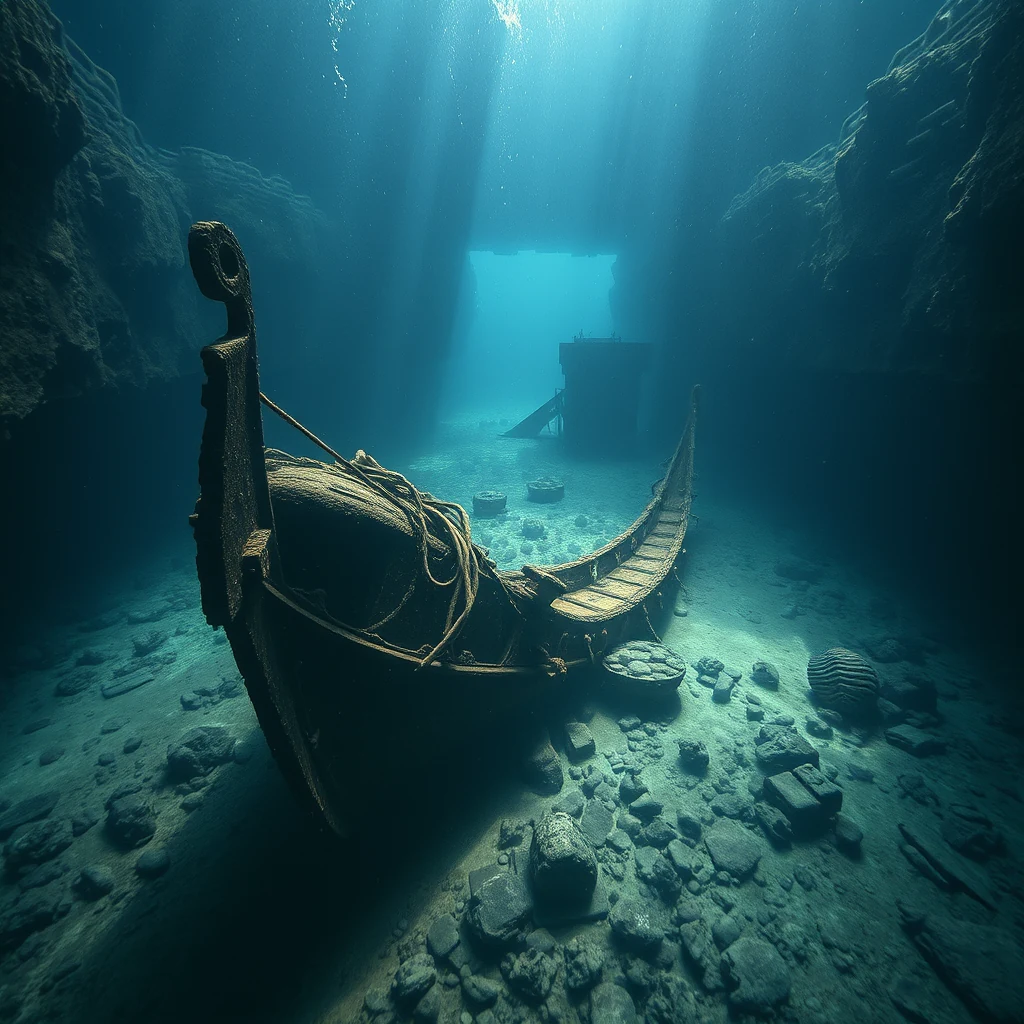 Event Antikythera wreck The Roman-era shipwreck discovered in 1900 by sponge divers off the coast of Antikythera. The ship sank around 60 BCE while carrying looted Greek art and artifacts — bronzes, marbles, glassware, coins — back to Rome. The wreck was the first major underwater archaeological site ever excavated, and it has been re-surveyed repeatedly since, most recently in 2024, with new finds each time.1900年,海绵潜水员在安提基特拉岛沿海发现了这艘罗马时代的沉船。该船约于公元前60年在运送掠夺自希腊的艺术品和文物(包括青铜器、大理石制品、玻璃器皿和硬币)返回罗马的途中沉没。它是人类历史上首个进行发掘的大型水下考古遗址,此后曾多次被重新勘测,最近一次是在2024年,且每次都有新发现。Naufragio de época romana descubierto en 1900 por buzos recolectores de esponjas frente a las costas de Anticitera. El navío se hundió alrededor del año 60 a. C. mientras transportaba arte y artefactos griegos saqueados —bronces, mármoles, cristalería, monedas— con destino a Roma. El pecio constituye el primer yacimiento arqueológico submarino de importancia excavado en la historia y ha sido objeto de sucesivas exploraciones desde entonces; la más reciente tuvo lugar en 2024, arrojando nuevos hallazgos en cada ocasión.حطام سفينة من الحقبة الرومانية اكتشفه غواصو الإسفنج عام 1900 قبالة ساحل أنتيكيثيرا. غرقت السفينة حوالي عام 60 قبل الميلاد أثناء نقلها فنوناً وقطعاً أثرية يونانية منهوبة - برونزيات، ورخاميات، وأوانٍ زجاجية، وعملات معدنية - إلى روما. كان حطام هذه السفينة أول موقع أثري رئيسي تحت الماء يتم التنقيب عنه على الإطلاق، وقد أُعيد مسحه بشكل متكرر منذ ذلك الحين، كان أحدثها في عام 2024، مع العثور على مكتشفات جديدة في كل مرة.O naufrágio da era romana descoberto em 1900 por mergulhadores de esponjas ao largo da costa de Anticítera. O navio afundou por volta de 60 a.C. enquanto transportava arte e artefatos gregos saqueados — bronzes, mármores, objetos de vidro, moedas — para Roma. O naufrágio foi o primeiro grande sítio arqueológico subaquático a ser escavado, e tem sido reexaminado repetidamente desde então, mais recentemente em 2024, com novas descobertas a cada vez.एंटिकिथेरा के तट पर 1900 में स्पंज गोताखोरों द्वारा खोजा गया रोमन-युगीन जहाज का मलबा। यह जहाज लगभग 60 ईसा पूर्व में लूटी गई ग्रीक कला और पुरावशेषों — कांस्य, संगमरमर, कांच की वस्तुओं और सिक्कों — को रोम वापस ले जाते समय डूब गया था। यह मलबा पानी के भीतर उत्खनित किया गया पहला प्रमुख पुरातात्विक स्थल था, और तब से इसका बार-बार पुन: सर्वेक्षण किया गया है, सबसे हाल ही में 2024 में, जिसमें हर बार नई खोजें हुई हैं।Bangkai kapal era Romawi yang ditemukan pada tahun 1900 oleh para penyelam spons di lepas pantai Antikythera. Kapal tersebut tenggelam sekitar tahun 60 SM saat mengangkut seni dan artefak Yunani yang dijarah — perunggu, marmer, peralatan kaca, koin — kembali ke Roma. Bangkai kapal tersebut merupakan situs arkeologi bawah air besar pertama yang pernah diekskavasi, dan telah disurvei ulang berkali-kali sejak saat itu, paling baru pada tahun 2024, dengan temuan baru setiap kalinya.Épave de l'époque romaine découverte en 1900 par des pêcheurs d'éponges au large d'Anticythère. Le navire a fait naufrage vers 60 av. J.-C. alors qu'il transportait vers Rome des œuvres d'art et des artefacts grecs pillés — bronzes, marbres, verrerie, pièces de monnaie. Il s'agit du premier site archéologique sous-marin d'envergure jamais fouillé ; l'épave a été réexaminée à maintes reprises depuis lors, le plus récemment en 2024, donnant lieu à de nouvelles découvertes à chaque fois.1900年にアンティキティラ島沖で海綿採取業者によって発見されたローマ時代の沈没船。この船は、略奪されたギリシアの美術品や工芸品(青銅器、大理石彫刻、ガラス器、貨幣など)をローマへ輸送中に、紀元前60年頃に沈没した。この沈没船は、水中考古学において初めて本格的に発掘調査が行われた遺跡であり、その後も繰り返し再調査が行われている。直近では2024年にも調査が実施され、毎回新たな発見が続いている。Корабль римской эпохи, обнаруженный в 1900 году ловцами губок у берегов Антикитеры. Судно затонуло около 60 года до н. э., перевозя в Рим награбленные произведения греческого искусства и артефакты — изделия из бронзы, мрамора, стекла и монеты. Это место стало первым крупным подводным археологическим объектом, подвергшимся раскопкам, и с тех пор неоднократно исследовалось, в последний раз — в 2024 году, причем каждый раз обнаруживались новые находки.Das römische Schiffswrack wurde 1900 von Schwammtauchern vor der Küste von Antikythera entdeckt. Das Schiff sank um 60 v. Chr., während es geplünderte griechische Kunstwerke und Artefakte – Bronzen, Marmorarbeiten, Glaswaren, Münzen – zurück nach Rom transportierte. Das Wrack war die erste bedeutende unterwasserarchäologische Stätte, die jemals ausgegraben wurde, und wird seither wiederholt erneut untersucht, zuletzt im Jahr 2024, wobei jedes Mal neue Funde gemacht wurden.1900년 안티키테라 해안에서 해면 채취업자들에 의해 발견된 로마 시대 난파선이다. 이 배는 기원전 60년경 약탈한 그리스 예술품과 유물(청동 유물, 대리석 조각품, 유리 제품, 주화 등)을 로마로 운송하던 중 침몰했다. 이 난파선은 최초로 발굴된 대규모 수중 고고학 유적지이며, 이후 반복적인 재조사가 이루어졌고 가장 최근인 2024년을 비롯해 조사가 이루어질 때마다 새로운 유물이 발견되었다. has been re-surveyed as recently as 2024 with new finds each time. The question the Mechanism poses is not really about itself. It is about how much of antiquity we are missing because the things that survived survived by accident.
A 2000-year-old computer is the answer to a question we did not know to ask. There are presumably others.