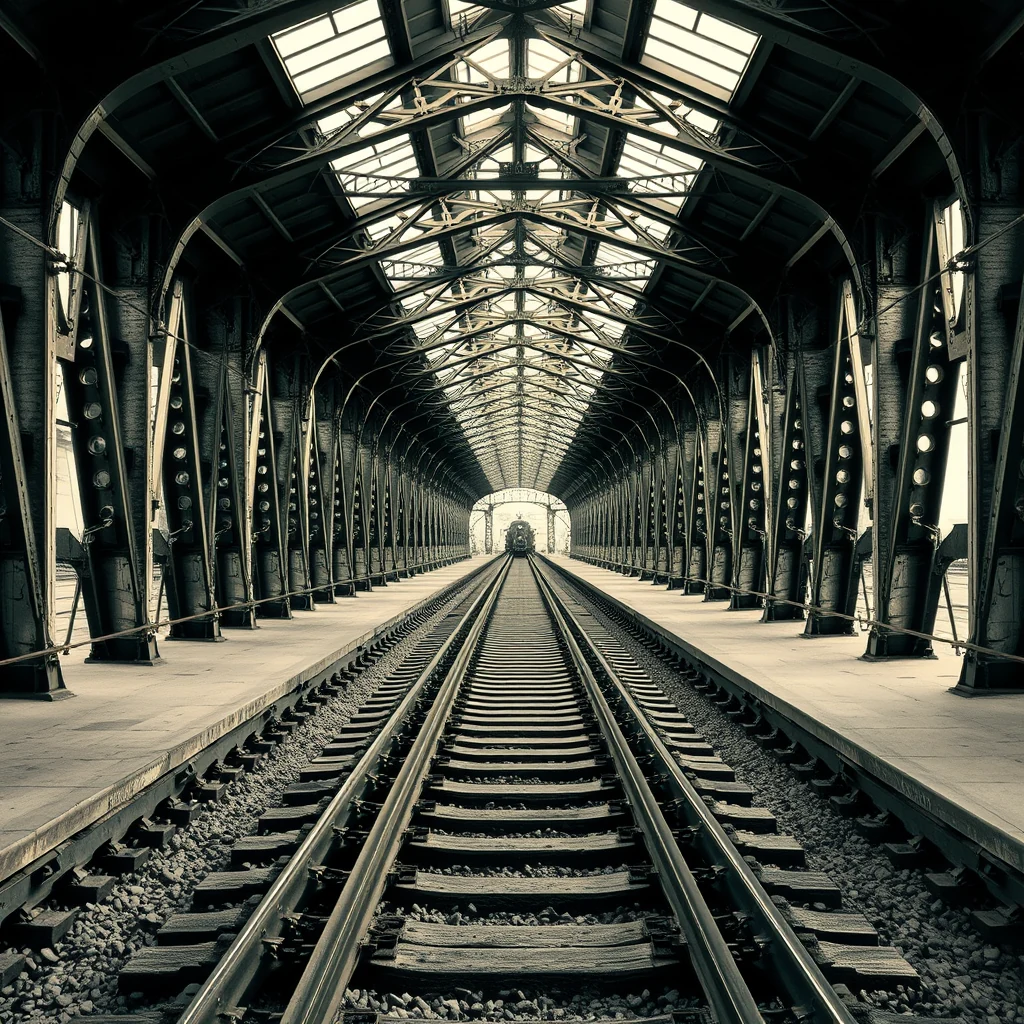
In thirty-six hours on the last day of May 1886, work crews dragged eleven thousand miles of railway track three inches inward and rewrote the economic geography of the United States. The argument that produced the weekend had been running for sixty years on three continents.
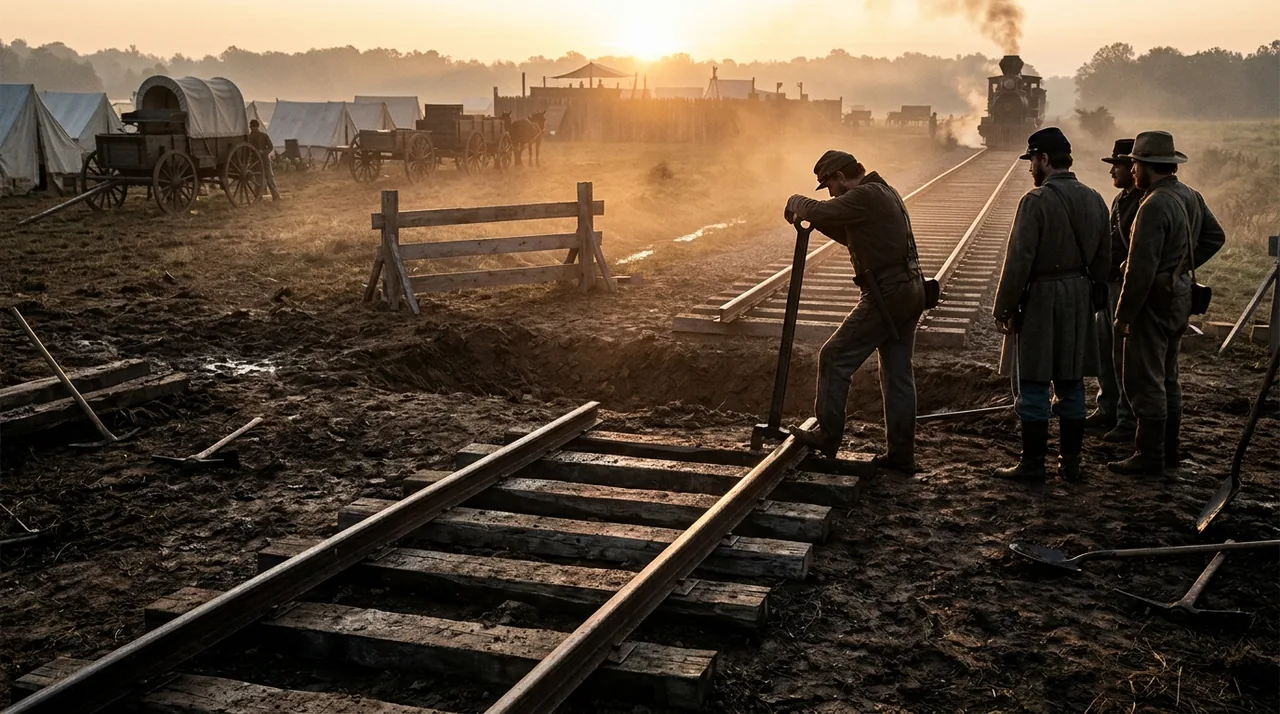
At dawn on 31 May 1886, eleven thousand miles of railway in the American South stood ready and unmoved. By midnight on 1 June it had all been shifted three inches inward. Crews of about ten men per mile, working in shifts by torchlight and rain, unspiked the west rail of every line from the Ohio River to the Gulf, dragged it across the ties to a new mark already chiselled in place, and drove the spikes home. Rolling stock had been pre-jacked and refitted with narrower axles in the weeks before. When traffic resumed on the morning of 2 June, a locomotive that had spent its working life confined to Southern track could, for the first time, run straight through to Philadelphia.
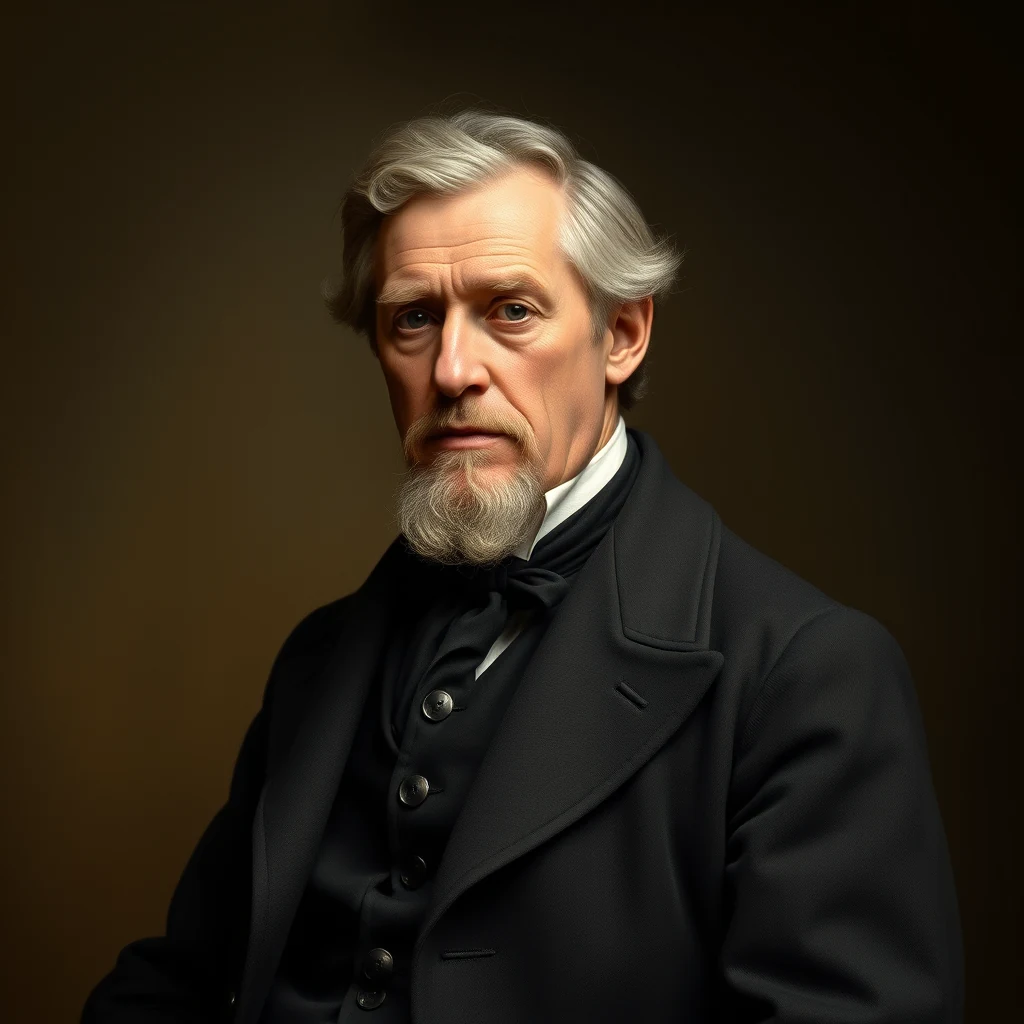
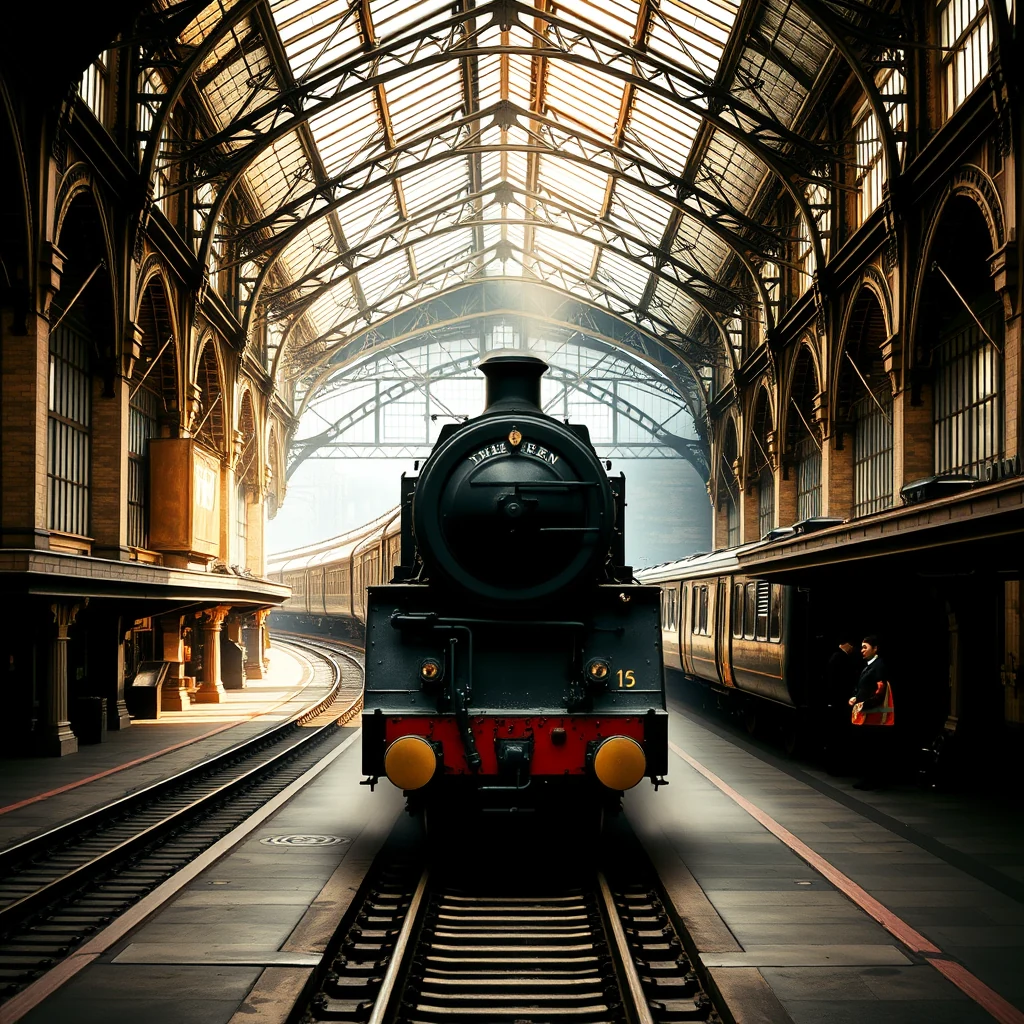
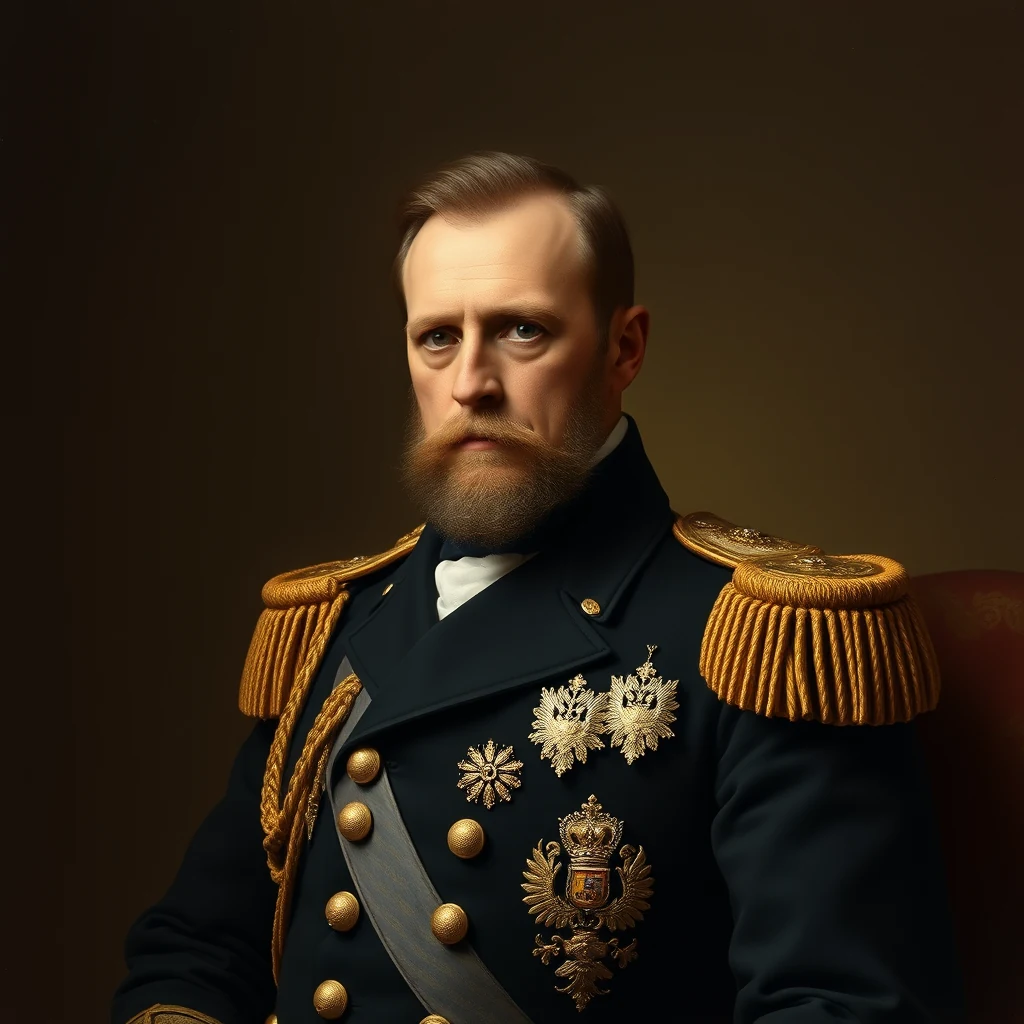
A railway gauge is the distance between the inner faces of the two rails. The number that won, almost everywhere, is four feet eight and a half inches — 1,435 millimetres. It is a peculiar measurement, and the standard story is that George StephensonPersonGeorge StephensonEnglish engineer (1781–1848) who built the world's first inter-city steam railway, the Liverpool and Manchester, in 1830. The son of a colliery fireman, Stephenson learned his trade on the wagonways of north-east England, and the gauge he carried out of them — four feet eight and a half inches — became the global default by accident of being first to scale.英国工程师(1781–1848年),于1830年建造了世界上第一条城际蒸汽铁路——利物浦和曼彻斯特铁路。作为一名煤矿司炉工的儿子,史蒂芬森在英格兰东北部的矿区铁路上学会了手艺,而他从那里沿用出来的轨距(4英尺8.5英寸)因其最先大规模推广而偶然成为全球默认的标准轨距。Ingeniero inglés (1781–1848) que construyó la primera línea ferroviaria de vapor interurbana del mundo, la Liverpool y Mánchester, en 1830. Hijo de un fogonero de mina de carbón, Stephenson aprendió su oficio en las vías mineras del noreste de Inglaterra, y el ancho de vía que adoptó de ellas (cuatro pies, ocho pulgadas y media) se convirtió en el estándar mundial por el hecho fortuito de ser el primero en expandirse.مهندس إنجليزي (1781-1848) بنى أول سكة حديد بخارية بين المدن في العالم، وهي خط ليفربول ومانشستر، عام 1830. ابن عامل إطفاء في منجم فحم، تعلم ستيفنسون حرفته على مسارات العربات في شمال شرق إنجلترا، وأصبح مقياس السكة الذي نقله عنها — أربعة أقدام وثماني بوصات ونصف — هو المقياس العالمي الافتراضي بمحض الصدفة لكونه أول من توسع على نطاق واسع.Engenheiro inglês (1781–1848) que construiu a primeira ferrovia a vapor intercidades do mundo, a Liverpool and Manchester, em 1830. Filho de um bombeiro de mina de carvão, Stephenson aprendeu seu ofício nas ferrovias de transporte de carvão do nordeste da Inglaterra, e a bitola que adotou delas — quatro pés e oito polegadas e meia — tornou-se o padrão global por acidente de ter sido a primeira a se expandir.ब्रिटिश इंजीनियर (1781-1848) जिन्होंने 1830 में दुनिया का पहला अंतर-शहरी स्टीम रेलवे, लिवरपूल और मैनचेस्टर, बनाया था। एक कोयला खदान फायरमैन के बेटे, स्टीफेंसन ने उत्तर-पूर्वी इंग्लैंड के वैगनवे पर अपना काम सीखा, और वहां से अपनाई गई उनकी रेल पटरी की चौड़ाई (गेज) — चार फीट साढ़े आठ इंच — इतिहास में पहली बार बड़े पैमाने पर उपयोग होने के कारण गलती से वैश्विक मानक बन गई।Insinyur Inggris (1781–1848) yang membangun kereta api uap antarkota pertama di dunia, Liverpool dan Manchester, pada tahun 1830. Sebagai putra dari seorang pemadam kebakaran tambang batu bara, Stephenson mempelajari keahliannya di jalur kereta barang di timur laut Inggris, dan lebar rel yang ia bawa dari sana — empat kaki delapan setengah inci — secara tidak sengaja menjadi standar global karena menjadi yang pertama diterapkan dalam skala besar.Ingénieur anglais (1781-1848) qui a construit la première ligne de chemin de fer à vapeur interurbaine au monde, reliant Liverpool et Manchester, en 1830. Fils d'un chauffeur de mine, Stephenson a appris son métier sur les voies de transport de charbon du nord-est de l'Angleterre, et l'écartement de rails qu'il en a tiré — quatre pieds huit pouces et demi — est devenu la norme mondiale par accident de préséance.イギリスの技術者(1781–1848)。1830年に世界初の都市间蒸気鉄道であるリバプール・アンド・マンチェスター鉄道を建設した。炭鉱の火夫の息子として生まれ、イングランド北東部の炭鉱軌道で技術を学び、そこから彼が採用した軌間(4フィート8.5インチ)は、世界で最初に大規模展開されたという理由から、偶然にも世界のデファクトスタンダード(標準軌)となった。Английский инженер (1781–1848), построивший в 1830 году первую в мире междугороднюю паровую железную дорогу Ливерпуль — Манчестер. Сын шахтера, Стефенсон освоил профессию на рельсовых путях северо-восточной Англии, и ширина колеи, которую он перенял оттуда — 4 фута 8,5 дюймов — стала мировым стандартом благодаря тому, что эта система путей первой получила массовое распространение.Englischer Ingenieur (1781–1848), der 1830 mit der Liverpool and Manchester Railway die erste interstädtische Dampfeisenbahn der Welt baute. Als Sohn eines Zechenheizers lernte Stephenson sein Handwerk auf den Grubenbahnen Nordostenglands. Die Spurweite, die er von dort übernahm — vier Fuß, achteinhalb Zoll —, wurde zufällig zum weltweiten Standard, da dieses Schienennetz als erstes in großem Maßstab ausgebaut wurde.영국의 엔지니어(1781~1848)로, 1830년 세계 최초의 도시 간 증기철도인 리버풀-맨체스터 철도를 건설했다. 탄광 화부의 아들로 태어난 스티븐슨은 잉글랜드 북동부의 광산 마차 궤도에서 기술을 배웠으며, 거기서 도입한 4피트 8.5인치(1,435mm)의 궤간은 역사상 최초로 널리 대형화되면서 우연히 전 세계 철도의 표준 궤간이 되었다. copied it from the colliery wagonways of north-east England, which had in turn copied it from the wheel-spacing of horse carts. The cart story is too clean to be entirely true. The colliery part is solid: Stephenson built the Stockton and Darlington in 1825 to roughly that width, and the Liverpool and Manchester after it, and once the locomotives of a new industry were sized to a number, the number became destiny.
Hypothetical concept for placement of rails to achieve five collocated track gaugesTabletop · BY-SA 3.0
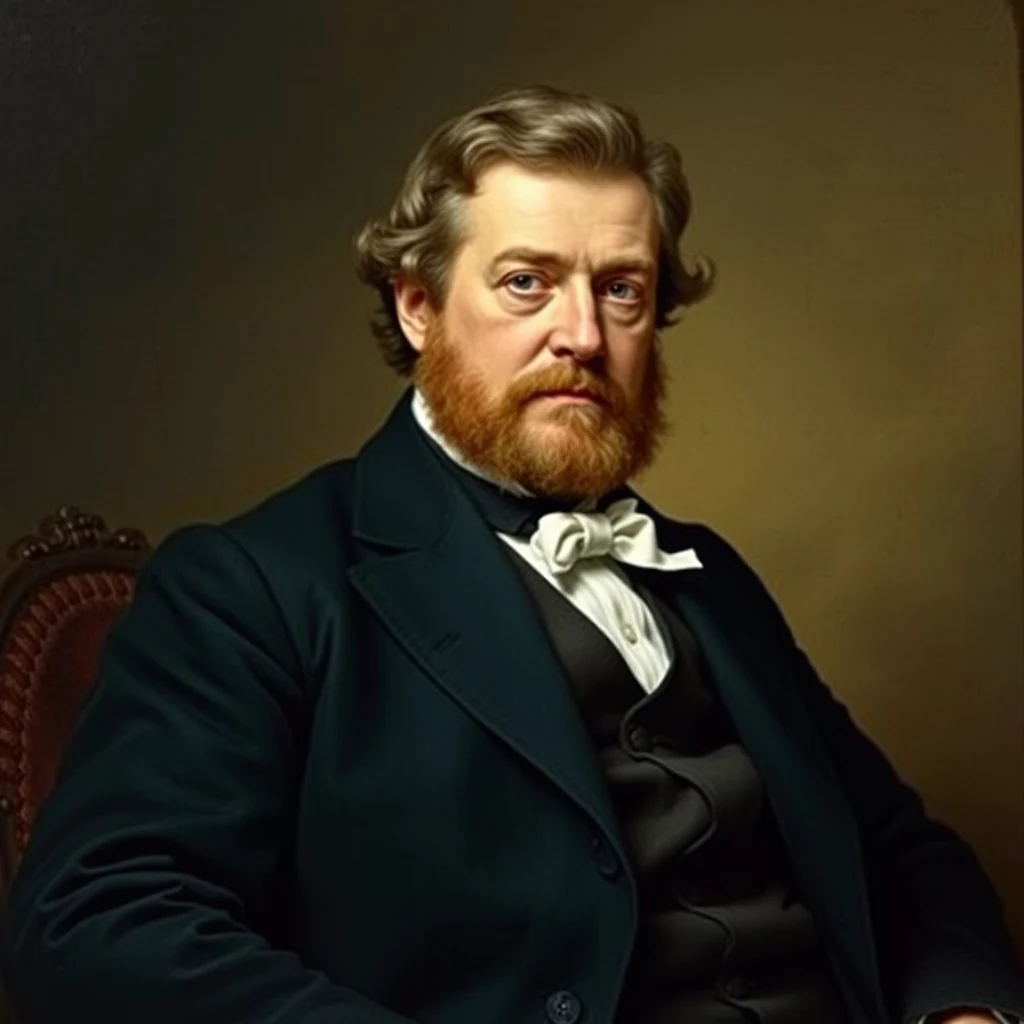
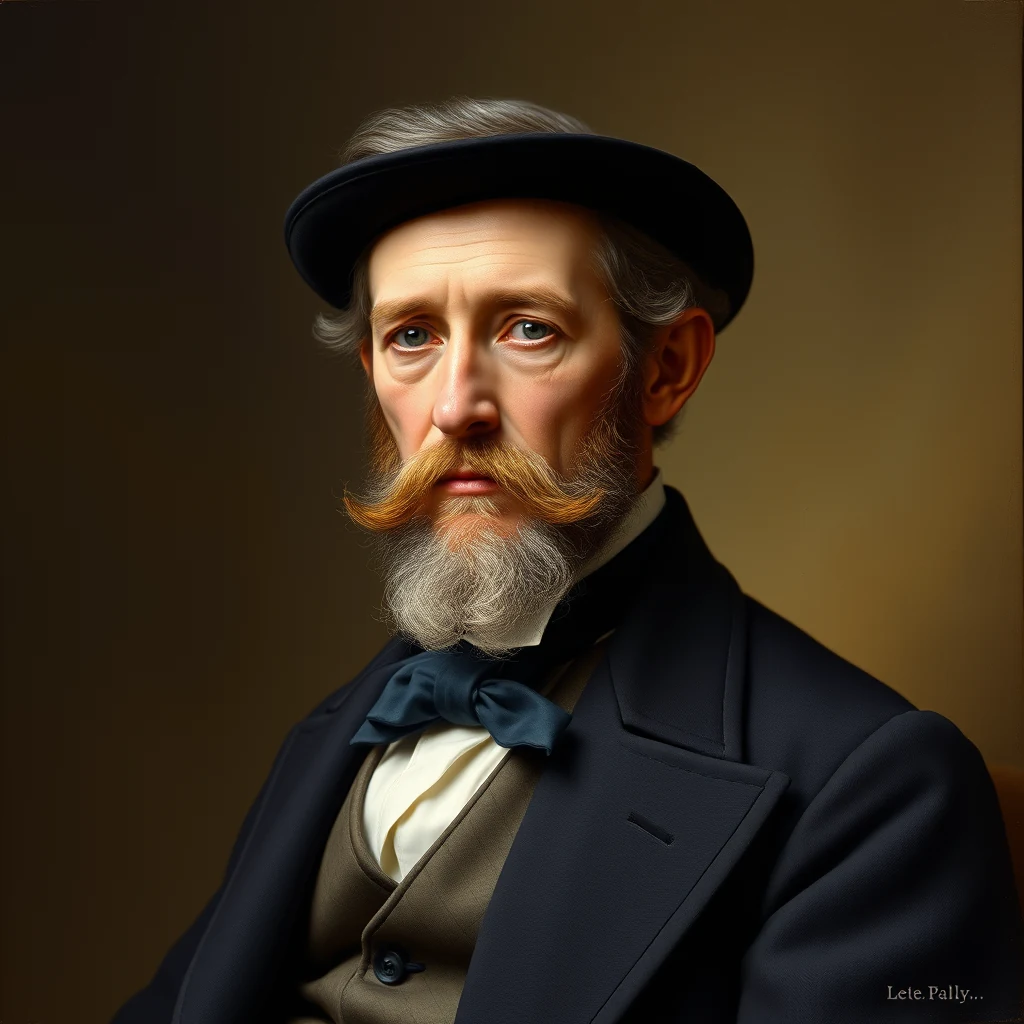
Not everyone followed. Isambard Kingdom BrunelPersonIsambard Kingdom BrunelVictorian engineer (1806–1859) who built the Great Western Railway, the Clifton Suspension Bridge, and the SS Great Eastern. Brunel believed Stephenson's narrow gauge crippled rail speed and stability, and laid the GWR at seven feet to prove it. He was probably right on the engineering and decisively wrong on the politics.维多利亚时代的英国工程师(1806–1859年),他建造了大西部铁路、克利夫顿吊桥以及“大东方号”蒸汽轮船。布鲁内尔认为史蒂芬森的窄轨限制了铁路的速度和稳定性,为此将大西部铁路设计为7英尺的宽轨以证明这一点。他在工程学上可能是对的,但在政治决策上显然是错的。Ingeniero victoriano (1806–1859) que construyó el Great Western Railway, el puente colgante de Clifton y el transatlántico SS Great Eastern. Brunel creía que el ancho de vía estrecho de Stephenson limitaba la velocidad y estabilidad de los trenes, y diseñó el GWR con un ancho de siete pies para demostrarlo. Probablemente tenía razón en el aspecto técnico, pero estaba totalmente equivocado en el político.مهندس من العصر الفيكتوري (1806-1859) بنى سكة حديد الغرب العظيم، وجسر كليفتون المعلق، والسفينة البخارية "جريت إيسترن". كان برونيل يعتقد أن مقياس ستيفنسون الضيق يضر بسرعة القطارات واستقرارها، فأنشأ خط سكة حديد الغرب العظيم بمقياس سبعة أقدام لإثبات ذلك. ربما كان محقاً من الناحية الهندسية، لكنه كان مخطئاً تماماً من الناحية السياسية.Engenheiro vitoriano (1806–1859) que construiu a Great Western Railway, a Ponte Suspensa de Clifton e o navio SS Great Eastern. Brunel acreditava que a bitola estreita de Stephenson limitava a velocidade e a estabilidade dos trens, e assentou a GWR com uma bitola de sete pés para provar isso. Ele provavelmente estava certo na engenharia e decisivamente errado na política.विक्टोरियन युग के इंजीनियर (1806-1859) जिन्होंने ग्रेट वेस्टर्न रेलवे, क्लिफ्टन सस्पेंशन ब्रिज और एसएस ग्रेट ईस्टर्न का निर्माण किया था। ब्रुनेल का मानना था कि स्टीफेंसन का संकरा गेज (नैरो गेज) रेल की गति और स्थिरता को बाधित करता है, और इसे साबित करने के लिए उन्होंने जीडब्ल्यूआर को सात फीट के गेज पर बिछाया। वे इंजीनियरिंग के मामले में शायद सही थे लेकिन राजनीति के मामले में स्पष्ट रूप से गलत थे।Insinyur era Victoria (1806–1859) yang membangun Great Western Railway, Jembatan Gantung Clifton, dan kapal SS Great Eastern. Brunel percaya bahwa rel sempit milik Stephenson menghambat kecepatan dan kestabilan kereta, lalu memasang jalur GWR dengan lebar tujuh kaki untuk membuktikannya. Ia kemungkinan benar secara rekayasa teknik, tetapi sepenuhnya keliru secara politik.Ingénieur de l'époque victorienne (1806-1859) qui a construit le Great Western Railway, le pont suspendu de Clifton et le navire SS Great Eastern. Brunel, estimant que l'écartement étroit de Stephenson nuisait à la vitesse et à la stabilité des trains, choisit un écartement de sept pieds pour le GWR afin de le prouver. Il avait probablement raison sur le plan technique, mais tort sur le plan politique.ヴィクトリア朝のエンジニア(1806–1859)。グレート・ウェスタン鉄道(GWR)、クリフトン吊り橋、巨大蒸気船グレート・イースタン号を建設した。ブルネルは、スティーブンソンの狭軌(標準軌)は列車の速度と安定性を損なうと考え、それを証明するためにGWRの軌間を7フィート(広軌)で敷設した。彼は工学的には正しかったかもしれないが、政治(規格争い)においては決定的に敗北した。Викторианский инженер (1806–1859), построивший Большую западную железную дорогу, Клифтонский подвесной мост и гигантский пароход SS Great Eastern. Брюнель считал, что узкая колея Стефенсона снижает скорость и устойчивость поездов, и в доказательство проложил свою дорогу с колеей 7 футов. Вероятно, он был прав с инженерной точки зрения, но потерпел сокрушительное поражение на политическом поле.Viktorianischer Ingenieur (1806–1859), der die Great Western Railway, die Clifton Suspension Bridge und die SS Great Eastern baute. Brunel glaubte, dass Stephensons Standardspurweite die Geschwindigkeit und Stabilität von Zügen beeinträchtigte, und verlegte die GWR mit einer Spurweite von sieben Fuß, um dies zu beweisen. Er hatte ingenieurtechnisch wahrscheinlich recht, lag aber politisch entscheidend falsch.빅토리나 시대의 영국의 엔지니어(1806~1859)로, 그레이트 웨스턴 철도(GWR), 클리프턴 현수교, 거대 여객선 SS 그레이트 이스턴호를 건설했다. 브루넬은 스티븐슨의 표준 궤간이 열차의 속도와 안정성을 저해한다고 생각했고, 이를 입증하기 위해 GWR의 궤간을 7피트(2,134mm)로 넓게 부설했다. 그는 공학적으로는 옳았을지 몰라도 정치적 규격 경쟁에서는 결정적으로 패배했다. thought Stephenson's gauge was too narrow for the speeds he wanted. He laid the Great Western RailwayInstitutionGreat Western RailwayBritish railway company chartered in 1835 to link London with Bristol. Under Brunel's direction it was built to a unique seven-foot broad gauge, ran some of the fastest trains of the nineteenth century, and was the last major broad-gauge holdout in Britain — the entire remaining network was converted to standard gauge over a single weekend in May 1892.英国铁路公司,于1835年获得特许成立,旨在连接伦敦与布里斯托尔。在布鲁内尔的指导下,它采用独特的7英尺宽轨建造,运营着19世纪一些最快的火车,并且是英国最后一个主要的宽轨坚守者——在1892年5月的一个周末,其剩余的全部铁路网络都被改建为了标准轨距。Compañía ferroviaria británica constituida en 1835 para unir Londres con Brístol. Bajo la dirección de Brunel, se construyó con un ancho de vía ancho exclusivo de siete pies, operó algunos de los trenes más rápidos del siglo XIX y fue el último gran bastión del ancho de vía ancho en Gran Bretaña: toda la red restante se convirtió al ancho estándar en un solo fin de semana en mayo de 1892.شركة السكك الحديدية البريطانية التي تأسست عام 1835 لربط لندن ببريستول. بنيت تحت إشراف برونيل بمقياس عريض فريد يبلغ سبعة أقدام، وشغلت بعضاً من أسرع القطارات في القرن التاسع عشر، وكانت آخر معقل رئيسي للمقياس العريض في بريطانيا — حيث تم تحويل الشبكة المتبقية بالكامل إلى المقياس القياسي خلال عطلة نهاية أسبوع واحدة في مايو 1892.Companhia ferroviária britânica constituída em 1835 para ligar Londres a Bristol. Sob a direção de Brunel, foi construída em uma bitola larga exclusiva de sete pés, operou alguns dos trens mais rápidos do século XIX e foi o último grande reduto de bitola larga na Grã-Bretanha — toda a rede restante foi convertida para bitola padrão em um único fim de semana em maio de 1892.ब्रिटिश रेलवे कंपनी जिसे 1835 में लंदन को ब्रिस्टल से जोड़ने के लिए चार्टर किया गया था। ब्रुनेल के निर्देशन में इसे एक अद्वितीय सात-फीट के ब्रॉड गेज पर बनाया गया था, इसने उन्नीसवीं सदी की कुछ सबसे तेज़ ट्रेनें चलाईं, और यह ब्रिटेन में ब्रॉड-गेज का अंतिम प्रमुख समर्थक था — मई 1892 में एक ही सप्ताहांत (वीकेंड) के दौरान पूरे बचे हुए नेटवर्क को मानक गेज में बदल दिया गया था।Perusahaan kereta api Inggris yang didirikan pada tahun 1835 untuk menghubungkan London dengan Bristol. Di bawah arahan Brunel, jalur ini dibangun dengan lebar rel unik berukuran tujuh kaki, mengoperasikan beberapa kereta tercepat pada abad ke-19, dan merupakan benteng pertahanan rel lebar terakhir di Inggris — seluruh jaringan yang tersisa diubah menjadi standar rel normal dalam satu akhir pekan pada bulan Mei 1892.Compagnie de chemin de fer britannique créée en 1835 pour relier Londres à Bristol. Sous la direction de Brunel, elle fut construite avec un écartement large unique de sept pieds, exploita certains des trains les plus rapides du XIXe siècle et fut le dernier grand bastion de la voie large en Grande-Bretagne — tout son réseau ayant été converti à l'écartement standard en un seul week-end de mai 1892.ロンドンとブリストルを結ぶために1835年に設立されたイギリスの鉄道会社。ブルネルの主導のもと、独特の7フィートという広軌で建設され、19世紀で最も速い部類の列車を運行した。イギリスにおける広軌路線の最後の砦であったが、1892年5月のわずか1週末の間に、残存する全ネットワーク網が標準軌へと一挙に改軌された。Британская железнодорожная компания, основанная в 1835 году для соединения Лондона с Бристолем. Под руководством Брюнеля она была построена с уникальной семифутовой колеей, эксплуатировала одни из самых быстрых поездов XIX века и оставалась последним оплотом широкой колеи в Великобритании: вся сеть была переведена на стандартную колею за одни выходные в мае 1892 года.Britische Eisenbahngesellschaft, die 1835 gegründet wurde, um London mit Bristol zu verbinden. Unter Brunels Leitung mit einer einzigartigen Spurweite von sieben Fuß gebaut, betrieb sie einige der schnellsten Züge des 19. Jahrhunderts und war die letzte große Breitspur-Bastion in Großbritannien — das gesamte verbleibende Netz wurde an einem einzigen Wochenende im Mai 1892 auf Normalspur umgestellt.런던과 브리스틀을 연결하기 위해 1835년 설립된 영국의 철도 회사이다. 브루넬의 주도하에 독특한 7피트 광궤로 건설되었으며, 19세기에 가장 빠른 열차들을 운행했고, 영국의 주요 광궤 철도 중 가장 마지막까지 버틴 노선이었다. 결국 1892년 5월의 단 한 주말 사이에 남아 있던 모든 광궤망이 표준 궤간으로 개궤되었다. in seven feet and a quarter inch, and for thirty years passengers between London and Bristol changed trains at Gloucester because the two networks could not meet. Parliament settled the argument in 1846 in favour of Stephenson. The last of Brunel's broad gauge came up in a single weekend in May 1892, in a foreshadowing of what the American South would do six years earlier and on a far larger scale.
A Civil War rail yard where soldiers and railway workers transfer ammunition crates and waIllustration · AI-generated (FLUX.1-dev)
Tracks as defensive walls
When Tsar Nicholas IPersonTsar Nicholas IEmperor of Russia from 1825 to 1855. A military autocrat fond of straight lines and engineering projects, he personally approved the construction of the Saint Petersburg–Moscow railway in 1842 and hired the American engineer George Washington Whistler to build it. The five-foot gauge that resulted shaped Russian and Soviet rail policy for the next two centuries.1825至1855年在位的俄罗斯帝国皇帝。他是一位偏爱直线和工程项目的军事专制君主,于1842年亲自批准了圣彼得堡-莫斯科铁路的建设,并聘请美国工程师乔治·华盛顿·惠斯勒来建造。由此产生的5英尺轨距塑造了随后两个世纪俄罗斯及苏联的铁路政策。Emperador de Rusia de 1825 a 1855. Autócrata militar aficionado a las líneas rectas y a los proyectos de ingeniería, aprobó personalmente la construcción del ferrocarril San Petersburgo-Moscú en 1842 y contrató al ingeniero estadounidense George Washington Whistler para construirlo. El ancho de vía de cinco pies resultante dio forma a la política ferroviaria rusa y soviética durante los dos siglos siguientes.إمبراطور روسيا من عام 1825 إلى 1855. مستبد عسكري كان يفضل الخطوط المستقيمة والمشاريع الهندسية، وافق شخصياً على بناء خط سكة حديد سانت بطرسبرغ-موسكو عام 1842 واستعان بالمهندس الأمريكي جورج واشنطن ويستلر لبنائه. وقد رسم مقياس الخمسة أقدام الناتج عن ذلك ملامح سياسة السكك الحديدية الروسية والسوفيتية للقرنين التاليين.Imperador da Rússia de 1825 a 1855. Um autócrata militar amante de linhas retas e projetos de engenharia, ele aprovou pessoalmente a construção da ferrovia São Petersburgo-Moscou em 1842 e contratou o engenheiro americano George Washington Whistler para construí-la. A bitola de cinco pés resultante moldou a política ferroviária russa e soviética pelos dois séculos seguintes.1825 से 1855 तक रूस के सम्राट। सीधी रेखाओं और engineering परियोजनाओं के शौकीन एक सैन्य निरंकुश शासक, उन्होंने व्यक्तिगत रूप से 1842 में सेंट पीटर्सबर्ग-मास्को रेलवे के निर्माण को मंजूरी दी और इसे बनाने के लिए अमेरिकी इंजीनियर जॉर्ज वाशिंगटन व्हिस्लर को नियुक्त किया। इसके परिणामस्वरूप अपनाई गई पांच-फीट की पटरी (गेज) ने अगले दो सदियों के लिए रूसी और सोवियत रेल नीति को आकार दिया।Kaisar Rusia dari tahun 1825 hingga 1855. Seorang otokrat militer yang menyukai garis lurus dan proyek rekayasa teknik, ia secara pribadi menyetujui pembangunan kereta api Saint Petersburg–Moskow pada tahun 1842 dan mempekerjakan insinyur Amerika George Washington Whistler untuk membangunnya. Lebar rel lima kaki yang dihasilkan membentuk kebijakan perkeretaapian Rusia dan Soviet selama dua abad berikutnya.Empereur de Russie de 1825 à 1855. Autocrate militaire épris de lignes droites et de grands travaux, il approuva personnellement la construction du chemin de fer Saint-Pétersbourg-Moscou en 1842 et engagea l'ingénieur américain George Washington Whistler pour le bâtir. L'écartement de cinq pieds qui en résulta façonna la politique ferroviaire russe et soviétique pour les deux siècles suivants.1825年から1855年まで在位したロシア皇帝。直线や土木・建築プロジェクトを好んだ軍事専制君主で、1842年にサンクトペテルブルク・モスクワ鉄道の建設を自ら承認し、建設のためにアメリカ人技術者のジョージ・ワシントン・ホイッスラーを招聘した。その結果採用された5フィートの軌間は、その後の2世紀間にわたるロシアおよびソ連の鉄道政策を決定づけた。Император России с 1825 по 1855 год. Военный самодержец, любивший прямые линии и инженерные проекты, он лично утвердил строительство железной дороги Санкт-Петербург — Москва в 1842 году и нанял для этого американского инженера Джорджа Вашингтона Уистлера. Использованная пятифутовая колея определила железнодорожную политику России и СССР на следующие два столетия.Kaiser von Russland von 1825 bis 1855. Als militärischer Autokrat mit einer Vorliebe für gerade Linien und Bauprojekte genehmigte er 1842 persönlich den bau der Eisenbahnlinie Sankt Petersburg–Moskau und stellte den amerikanischen Ingenieur George Washington Whistler für deren Bau ein. Die daraus resultierende Fünf-Fuß-Spurweite prägte die russische und sowjetische Eisenbahnpolitik für die nächsten zwei Jahrhunderte.1825년부터 1855년까지 재위한 러시아 제국의 황제이다. 직선과 토목 공학 프로젝트를 선호했던 군사 전제 군주로, 1842년 상트페테르부르크-모스크바 철도 건설을 직접 승인하고 이를 기획 및 건설하기 위해 미국인 엔지니어 조지 워싱턴 휘슬러를 영입했다. 이 노선에 도입된 5피트(1,524mm)의 궤간은 향후 2세기 동안 러시아와 소련의 철도 정책을 규정지었다. commissioned the line from Saint Petersburg to Moscow in 1842, the engineer he hired was an American: George Washington WhistlerPersonGeorge Washington WhistlerAmerican civil engineer (1800–1849), West Point graduate and veteran of several early US railroads. Recruited by Tsar Nicholas I in 1842 to build the Saint Petersburg–Moscow line, he chose a five-foot gauge that became the Russian standard. He died of cholera in Saint Petersburg. His son, the painter James McNeill Whistler, spent much of his childhood there.美国土木工程师(1800–1849年),西点军校毕业生,修筑过早期多条美国铁路。他于1842年被沙皇尼古拉一世聘请建造圣彼得堡-莫斯科铁路,并选择了后来成为俄罗斯标准的5英尺轨距。他因霍乱在圣彼得堡去世。他的儿子是画家詹姆斯·麦克尼尔·惠斯勒,童年的大部分时间都在那里度过。Ingeniero civil estadounidense (1800–1849), graduado de West Point y veterano de varios ferrocarriles pioneros en EE. UU. Reclutado por el zar Nicolás I en 1842 para construir la línea San Petersburgo-Moscú, eligió un ancho de vía de cinco pies que se convirtió en el estándar ruso. Murió de cólera en San Petersburgo. Su hijo, el pintor James McNeill Whistler, pasó gran parte de su infancia allí.مهندس مدني أمريكي (1800-1849)، تخرج في ويست بوينت وشارك في بناء العديد من السكك الحديدية الأمريكية المبكرة. استدعاه القيصر نيكولاس الأول عام 1842 لبناء خط سانت بطرسبرغ-موسكو، واختار مقياس الخمسة أقدام الذي أصبح المقياس القياسي لروسيا. توفي بالكوليرا في سانت بطرسبرغ، وقضى ابنه الرسام جيمس ماكنيل ويستلر معظم طفولته هناك.Engenheiro civil americano (1800–1849), graduado em West Point e veterano de várias ferrovias pioneiras nos EUA. Recrutado pelo Czar Nicolau I em 1842 para construir a linha São Petersburgo-Moscou, ele escolheu a bitola de cinco pés que se tornou o padrão russo. Morreu de cólera em São Petersburgo. Seu filho, o pintor James McNeill Whistler, passou grande parte de sua infância lá.अमेरिकी सिविल इंजीनियर (1800-1849), वेस्ट पॉइंट से स्नातक और कई शुरुआती अमेरिकी रेलमार्गों के अनुभवी विशेषज्ञ। 1842 में ज़ार निकोलस प्रथम द्वारा सेंट पीटर्सबर्ग-मास्को लाइन के निर्माण के लिए आमंत्रित किए जाने पर, उन्होंने पांच-फीट की पटरी (गेज) को चुना जो रूसी मानक बन गया। सेंट पीटर्सबर्ग में हैजा से उनकी मृत्यु हो गई। उनके बेटे, चित्रकार जेम्स मैकनील व्हिस्लर ने अपने बचपन का एक बड़ा हिस्सा वहीं बिताया था।Insinyur sipil Amerika (1800–1849), lulusan West Point dan veteran di beberapa perkeretaapian awal AS. Direkrut oleh Tsar Nicholas I pada tahun 1842 untuk membangun jalur Saint Petersburg–Moskow, ia memilih lebar rel lima kaki yang kemudian menjadi standar Rusia. Ia meninggal karena kolera di Saint Petersburg. Putranya, pelukis James McNeill Whistler, menghabiskan sebagian besar masa kecilnya di sana.Ingénieur civil américain (1800-1849), diplômé de West Point et pionnier de plusieurs voies ferrées aux États-Unis. Recruté par le tsar Nicolas Ier en 1842 pour construire la ligne Saint-Pétersbourg-Moscou, il opta pour un écartement de cinq pieds qui devint la norme russe. Il mourut du choléra à Saint-Pétersbourg. Son fils, le peintre James McNeill Whistler, y passa une grande partie de son enfance.アメリカの土木技術者(1800–1849)。ウエストポイント(陸軍士官学校)の卒業生で、アメリカ初期のいくつかの鉄道建設に携わった。1842年に皇帝ニコライ1世に招かれサンクトペテルブルク・モスクワ鉄道の建設に着手し、後にロシアの標準規格となる5フィート軌間を選択した。サンクトペテルブルкでコレラにより死去した。息子の画家ジェームズ・マクニール・ホイッスラーは子供時代の多くを同地で過ごした。Американский инженер-строитель (1800–1849), выпускник Вест-Пойнта и ветеран нескольких ранних американских железных дорог. Нанятый царем Николаем I в 1842 году для строительства линии Санкт-Петербург — Москва, он выбрал пятифутовую колею, ставшую российским стандартом. Умер от холеры в Санкт-Петербурге. Его сын, художник Джеймс Макнил Уистлер, провел там значительную часть детства.Amerikanischer Bauingenieur (1800–1849), West-Point-Absolvent und Veteran mehrerer früher US-Eisenbahnen. Er wurde 1842 von Zar Nikolaus I. für den Bau der Verbindung Sankt Petersburg–Moskau angeworben und wählte die Fünf-Fuß-Spurweite, die zum russischen Standard wurde. Er starb in Sankt Petersburg an Cholera. Sein Sohn, der Maler James McNeill Whistler, verbrachte dort einen Großteil seiner Kindheit.개의 토목 엔지니어(1800~1849)로, 웨스트포인트 사관학교를 졸업하고 미국의 여러 초기 철도 건설에 참여한 베테랑이다. 1842년 차르 니콜라이 1세의 부름을 받아 상트페테르부르크-모스크바 노선을 건설하며 5피트 궤간을 선택했고, 이는 러시아 철도의 표준이 되었다. 그는 상트페테르부르크에서 콜레라로 사망했다. 그의 아들인 화가 제임스 맥닐 휘슬러는 유년 시절의 대부분을 그곳에서 보냈다., father of the painter. Whistler chose five feet — 1,524 millimetres — and the choice stuck across the empire. Whether he picked it for military reasons or because the figure simply matched American Southern practice he already knew, historians still argue. What is not in dispute is the result. Russian trains could not run on European track. When the German army drove east in 1941 it found, behind every advance, the wrong rails under its wheels; re-gauging Soviet track became one of the largest engineering tasks of the campaign, and was never finished. Spain made a similar choice for similar reasons with the Iberian gauge of 1,668 millimetres, wider than France's, and impassable to anything rolling south from Paris.
5th & Jackson: location where the other track gauge problem is located (and will soon be corrected)Gordon Werner · BY-SA 2.0
A continent at cross purposes
American railroads grew up without a referee. By 1860 the country had at least seven incompatible gauges in regular use. The Erie ran on six feet. New England favoured Stephenson's standard. Much of the South favoured five feet — the same width Whistler had taken with him to Saint Petersburg.
The morning after the Southern gauge changeIllustration · AI-generated (FLUX.1-dev)
When the Civil War began, the Confederacy controlled around nine thousand miles of railway in five gauges. Supply trains had to stop at every break to unload and reload, a process called transhipment that could consume a day per shipment. The Union was not much better off west of the Appalachians, but it had the resources to build new track and rebuild captured track to a single gauge as it advanced. The United States Military RailroadInstitutionUnited States Military RailroadFederal agency created by Congress in January 1862 to seize, operate, and rebuild railroads in Union-held and captured territory during the Civil War. Under engineer Herman Haupt and his successors it built more than two thousand miles of track to a uniform standard gauge, including the rapid bridge repairs that kept Sherman's army supplied during the march on Atlanta.美国国会于1862年1月成立的联邦机构,旨在南北战争期间扣押、运营并重建联邦控制区和占领区内的铁路。在工程师赫尔曼·豪普特及其继任者的领导下,该机构建造了2000多英里统一标准轨距的铁轨,并完成了快速修复桥梁等工程,从而在谢尔曼向亚特兰大进军期间保证了其军队的补给。Agencia federal creada por el Congreso en enero de 1862 para confiscar, operar y reconstruir ferrocarriles en territorio de la Unión y capturado durante la Guerra Civil. Bajo la dirección del ingeniero Herman Haupt y sus sucesores, construyó más de dos mil millas de vías con un ancho estándar uniforme, incluidas las reparaciones rápidas de puentes que mantuvieron abastecido al ejército de Sherman durante su marcha sobre Atlanta.وكالة اتحادية أنشأها الكونغرس في يناير 1862 للاستيلاء على خطوط السكك الحديدية وتشغيلها وإعادة بنائها في الأراضي الخاضعة للاتحاد والمحتلة خلال الحرب الأهلية. تحت قيادة المهندس هيرمان هوبت وخلفائه، قامت ببناء أكثر من ألفي ميل من المسارات بمقياس قياسي موحد، بما في ذلك الإصلاحات السريعة للجسور التي حافظت على إمداد جيش شيرمان أثناء الزحف إلى أتلانتا.Agência federal criada pelo Congresso em janeiro de 1862 para confiscar, operar e reconstruir ferrovias em território controlado pela União e capturado durante a Guerra Civil. Sob a liderança do engenheiro Herman Haupt e seus sucessores, ela construiu mais de duas mil milhas de linhas em uma bitola padrão uniforme, incluindo os reparos rápidos de pontes que mantiveram o exército de Sherman abastecido durante a marcha sobre Atlanta.अमेरिकी गृहयुद्ध के दौरान संघ के नियंत्रण वाले और कब्ज़ा किए गए क्षेत्रों में रेलमार्गों को जब्त करने, संचालित करने और फिर से बनाने के लिए जनवरी 1862 में कांग्रेस द्वारा बनाई गई एक संघीय एजेंसी। इंजीनियर हरमन हौप्ट और उनके उत्तराधिकारियों के तहत इसने एक समान मानक गेज पर दो हजार मील से अधिक लंबी रेल पटरियों का निर्माण किया, जिसमें तेजी से पुलों की मरम्मत करना शामिल था जिसने अटलांटा पर मार्च के दौरान शेरमेन की सेना को आपूर्ति जारी रखी।Lembaga federal yang dibentuk oleh Kongres pada Januari 1862 untuk menyita, mengoperasikan, dan membangun kembali kereta api di wilayah yang dikuasai dan direbut oleh Uni selama Perang Saudara. Di bawah pimpinan insinyur Herman Haupt dan para penerusnya, badan ini membangun lebih dari dua ribu mil rel dengan standar lebar rel normal yang seragam, termasuk perbaikan jembatan secara cepat guna menjaga pasokan tentara Sherman selama pergerakan ke Atlanta.Organisme fédéral créé par le Congrès en janvier 1862 pour réquisitionner, exploiter et reconstruire les chemins de fer dans les territoires de l'Union ou conquis pendant la guerre de Sécession. Sous la direction de l'ingénieur Herman Haupt et de ses successeurs, il construisit plus de deux mille milles de voies à un écartement standard uniforme, effectuant notamment les réparations rapides de ponts qui ravitaillèrent l'armée de Sherman vers Atlanta.南北戦争中の1862年1月、北軍の占領地域および奪取した地域における鉄道の接収、運営、再建を行うために議会によって設立された連邦機関。技術者のハーマン・ハウプトらの指導のもと、統一された標準軌で2000マイル以上の線路を敷設し、アトランタ進撃の際には迅速な橋梁修復を行うことで、シャーマン将軍の軍隊への補給維持に貢献した。Федеральное агентство, созданное Конгрессом США в январе 1862 года для конфискации, эксплуатации и восстановления железных дорог на удерживаемых Союзом и захваченных территориях во время Гражданской войны. Под руководством инженера Германа Хаупта и его преемников оно построило более 2000 миль путей единого стандарта колеи, включая быструю реконструкцию мостов для снабжения армии Шермана при наступлении на Атланту.Im Januar 1862 vom US-Kongress gegründete Bundesbehörde, um während des Sezessionskrieges Eisenbahnen in von der Union gehaltenen und eroberten Gebieten zu beschlagnahmen, zu betreiben und wiederaufzubauen. Unter dem Ingenieur Herman Haupt und seinen Nachfolgern baute sie mehr als 2000 Meilen Gleise in einheitlicher Normalspur, einschließlich der schnellen Brückenreparaturen, die Shermans Armee beim Marsch auf Atlanta versorgten.남북전쟁 당시 연방군 통제 구역 및 점령지 내의 철도를 몰수, 운영, 재건하기 위해 1862년 1월 의회가 설립한 연방 기관이다. 엔지니어 허먼 훕트와 그의 후임자들의 지휘 아래 통일된 표준궤로 2,000마일 이상의 선로를 신설 및 재건했으며, 애틀랜타 진격 중 셔먼 장군의 군대에 보급품을 계속 전달할 수 있도록 다리 교각을 신속히 복구하는 임무 등을 수행했다., created in 1862, laid or relaid more than two thousand miles of standard-gauge line during the war. Confederate troops moving from Virginia to Mississippi changed trains four times.
Completed First Hill Streetcar track gauge correction at 5th Ave & Jackson StGordon Werner · BY-SA 2.0
After Appomattox the South's railroads were ruined and broke. Rebuilding them to five feet, while every connecting line in the country ran on four feet eight and a half, would have left the region permanently isolated. By the early 1880s every major Northern trunk line was on standard gauge and Southern freight was being lifted onto Northern bogies at the Ohio River. The cost was crushing. In February 1886 the major Southern lines met in Atlanta and set a date.
A Stephenson-era colliery railway sceneIllustration · AI-generated (FLUX.1-dev)
What we still don't know
We do not really know why Stephenson chose four feet eight and a half inches. The colliery-cart story is plausible but unprovable; the Roman-rut story is a flattering myth. The half-inch was added later, on the Liverpool and Manchester, to reduce binding on curves.
Track gaugeI, the copyright holder of this work, hereby publish it unde · CC BY-SA 3.0
We do not know whether Whistler chose Russia's five-foot gauge for military reasons. The argument was first made retrospectively, after the gauge had clearly proved useful in slowing invading armies twice. The contemporary record is thinner than the legend.
A vast 1886 weekend work crew shifts Southern rails inward by handIllustration · AI-generated (FLUX.1-dev)
And we do not know what would have happened if Brunel had won. Broad gauge is more stable at speed. The Great Western expresses of the 1840s touched eighty miles an hour on rails laid through a country where most goods still moved by canal. A network built to that standard would be a different network.
Russian gauge today is 1,520 millimetres, four millimetres narrower than Whistler laid in 1842, retuned in the 1970s for a tolerance the original could not have known to want. The trains that crossed into Ukraine in 2022 still had to stop at the Polish border to swap bogies, a hundred and eighty years after the choice that made them stop.
En treinta y seis horas, el último día de mayo de 1886, cuadrillas de operarios desplazaron once mil millas de vía férrea tres pulgadas hacia el interior y reescribieron la geografía económica de los Estados Unidos. La disputa que dio origen al fin de semana llevaba sesenta años gestándose en tres continentes.
Al alba del 31 de mayo de 1886, once mil millas de vías férreas en el Sur de Estados Unidos permanecían listas e inmóviles. Para la medianoche del 1 de junio, todas se habían desplazado tres pulgadas hacia el interior. Cuadrillas de unos diez hombres por milla, trabajando en turnos bajo la luz de las antorchas y la lluvia, desclavaron el raíl oeste de cada línea desde el río Ohio hasta el Golfo, lo arrastraron sobre las traviesas hasta una nueva marca ya cincelada en su lugar y volvieron a fijar los clavos. El material rodante había sido elevado previamente con gatos y equipado con ejes más estrechos en las semanas anteriores. Cuando el tráfico se reanudó en la mañana del 2 de junio, una locomotora que había pasado su vida útil confinada a las vías del Sur podía, por primera vez, viajar sin interrupciones hasta Filadelfia.
El ancho de vía es la distancia entre las caras internas de los dos raíles. La cifra que se impuso, en casi todas partes, es de cuatro pies y ocho pulgadas y media: 1.435 milímetros. Es una medida peculiar, y la historia oficial cuenta que George StephensonPersonGeorge StephensonEnglish engineer (1781–1848) who built the world's first inter-city steam railway, the Liverpool and Manchester, in 1830. The son of a colliery fireman, Stephenson learned his trade on the wagonways of north-east England, and the gauge he carried out of them — four feet eight and a half inches — became the global default by accident of being first to scale.英国工程师(1781–1848年),于1830年建造了世界上第一条城际蒸汽铁路——利物浦和曼彻斯特铁路。作为一名煤矿司炉工的儿子,史蒂芬森在英格兰东北部的矿区铁路上学会了手艺,而他从那里沿用出来的轨距(4英尺8.5英寸)因其最先大规模推广而偶然成为全球默认的标准轨距。Ingeniero inglés (1781–1848) que construyó la primera línea ferroviaria de vapor interurbana del mundo, la Liverpool y Mánchester, en 1830. Hijo de un fogonero de mina de carbón, Stephenson aprendió su oficio en las vías mineras del noreste de Inglaterra, y el ancho de vía que adoptó de ellas (cuatro pies, ocho pulgadas y media) se convirtió en el estándar mundial por el hecho fortuito de ser el primero en expandirse.مهندس إنجليزي (1781-1848) بنى أول سكة حديد بخارية بين المدن في العالم، وهي خط ليفربول ومانشستر، عام 1830. ابن عامل إطفاء في منجم فحم، تعلم ستيفنسون حرفته على مسارات العربات في شمال شرق إنجلترا، وأصبح مقياس السكة الذي نقله عنها — أربعة أقدام وثماني بوصات ونصف — هو المقياس العالمي الافتراضي بمحض الصدفة لكونه أول من توسع على نطاق واسع.Engenheiro inglês (1781–1848) que construiu a primeira ferrovia a vapor intercidades do mundo, a Liverpool and Manchester, em 1830. Filho de um bombeiro de mina de carvão, Stephenson aprendeu seu ofício nas ferrovias de transporte de carvão do nordeste da Inglaterra, e a bitola que adotou delas — quatro pés e oito polegadas e meia — tornou-se o padrão global por acidente de ter sido a primeira a se expandir.ब्रिटिश इंजीनियर (1781-1848) जिन्होंने 1830 में दुनिया का पहला अंतर-शहरी स्टीम रेलवे, लिवरपूल और मैनचेस्टर, बनाया था। एक कोयला खदान फायरमैन के बेटे, स्टीफेंसन ने उत्तर-पूर्वी इंग्लैंड के वैगनवे पर अपना काम सीखा, और वहां से अपनाई गई उनकी रेल पटरी की चौड़ाई (गेज) — चार फीट साढ़े आठ इंच — इतिहास में पहली बार बड़े पैमाने पर उपयोग होने के कारण गलती से वैश्विक मानक बन गई।Insinyur Inggris (1781–1848) yang membangun kereta api uap antarkota pertama di dunia, Liverpool dan Manchester, pada tahun 1830. Sebagai putra dari seorang pemadam kebakaran tambang batu bara, Stephenson mempelajari keahliannya di jalur kereta barang di timur laut Inggris, dan lebar rel yang ia bawa dari sana — empat kaki delapan setengah inci — secara tidak sengaja menjadi standar global karena menjadi yang pertama diterapkan dalam skala besar.Ingénieur anglais (1781-1848) qui a construit la première ligne de chemin de fer à vapeur interurbaine au monde, reliant Liverpool et Manchester, en 1830. Fils d'un chauffeur de mine, Stephenson a appris son métier sur les voies de transport de charbon du nord-est de l'Angleterre, et l'écartement de rails qu'il en a tiré — quatre pieds huit pouces et demi — est devenu la norme mondiale par accident de préséance.イギリスの技術者(1781–1848)。1830年に世界初の都市间蒸気鉄道であるリバプール・アンド・マンチェスター鉄道を建設した。炭鉱の火夫の息子として生まれ、イングランド北東部の炭鉱軌道で技術を学び、そこから彼が採用した軌間(4フィート8.5インチ)は、世界で最初に大規模展開されたという理由から、偶然にも世界のデファクトスタンダード(標準軌)となった。Английский инженер (1781–1848), построивший в 1830 году первую в мире междугороднюю паровую железную дорогу Ливерпуль — Манчестер. Сын шахтера, Стефенсон освоил профессию на рельсовых путях северо-восточной Англии, и ширина колеи, которую он перенял оттуда — 4 фута 8,5 дюймов — стала мировым стандартом благодаря тому, что эта система путей первой получила массовое распространение.Englischer Ingenieur (1781–1848), der 1830 mit der Liverpool and Manchester Railway die erste interstädtische Dampfeisenbahn der Welt baute. Als Sohn eines Zechenheizers lernte Stephenson sein Handwerk auf den Grubenbahnen Nordostenglands. Die Spurweite, die er von dort übernahm — vier Fuß, achteinhalb Zoll —, wurde zufällig zum weltweiten Standard, da dieses Schienennetz als erstes in großem Maßstab ausgebaut wurde.영국의 엔지니어(1781~1848)로, 1830년 세계 최초의 도시 간 증기철도인 리버풀-맨체스터 철도를 건설했다. 탄광 화부의 아들로 태어난 스티븐슨은 잉글랜드 북동부의 광산 마차 궤도에서 기술을 배웠으며, 거기서 도입한 4피트 8.5인치(1,435mm)의 궤간은 역사상 최초로 널리 대형화되면서 우연히 전 세계 철도의 표준 궤간이 되었다. la copió de las vías para vagonetas de las minas de carbón del noreste de Inglaterra, que a su vez la habían copiado del espaciado entre las ruedas de los carros de caballos. La historia de los carros es demasiado perfecta para ser del todo cierta. La parte de las minas es sólida: Stephenson construyó la línea de Stockton y Darlington en 1825 con aproximadamente esa anchura, y la de Liverpool y Manchester después; una vez que las locomotoras de una industria naciente se ajustaron a un número, el número se convirtió en destino.
Hypothetical concept for placement of rails to achieve five collocated track gaugesTabletop · BY-SA 3.0
No todos siguieron su ejemplo. Isambard Kingdom BrunelPersonIsambard Kingdom BrunelVictorian engineer (1806–1859) who built the Great Western Railway, the Clifton Suspension Bridge, and the SS Great Eastern. Brunel believed Stephenson's narrow gauge crippled rail speed and stability, and laid the GWR at seven feet to prove it. He was probably right on the engineering and decisively wrong on the politics.维多利亚时代的英国工程师(1806–1859年),他建造了大西部铁路、克利夫顿吊桥以及“大东方号”蒸汽轮船。布鲁内尔认为史蒂芬森的窄轨限制了铁路的速度和稳定性,为此将大西部铁路设计为7英尺的宽轨以证明这一点。他在工程学上可能是对的,但在政治决策上显然是错的。Ingeniero victoriano (1806–1859) que construyó el Great Western Railway, el puente colgante de Clifton y el transatlántico SS Great Eastern. Brunel creía que el ancho de vía estrecho de Stephenson limitaba la velocidad y estabilidad de los trenes, y diseñó el GWR con un ancho de siete pies para demostrarlo. Probablemente tenía razón en el aspecto técnico, pero estaba totalmente equivocado en el político.مهندس من العصر الفيكتوري (1806-1859) بنى سكة حديد الغرب العظيم، وجسر كليفتون المعلق، والسفينة البخارية "جريت إيسترن". كان برونيل يعتقد أن مقياس ستيفنسون الضيق يضر بسرعة القطارات واستقرارها، فأنشأ خط سكة حديد الغرب العظيم بمقياس سبعة أقدام لإثبات ذلك. ربما كان محقاً من الناحية الهندسية، لكنه كان مخطئاً تماماً من الناحية السياسية.Engenheiro vitoriano (1806–1859) que construiu a Great Western Railway, a Ponte Suspensa de Clifton e o navio SS Great Eastern. Brunel acreditava que a bitola estreita de Stephenson limitava a velocidade e a estabilidade dos trens, e assentou a GWR com uma bitola de sete pés para provar isso. Ele provavelmente estava certo na engenharia e decisivamente errado na política.विक्टोरियन युग के इंजीनियर (1806-1859) जिन्होंने ग्रेट वेस्टर्न रेलवे, क्लिफ्टन सस्पेंशन ब्रिज और एसएस ग्रेट ईस्टर्न का निर्माण किया था। ब्रुनेल का मानना था कि स्टीफेंसन का संकरा गेज (नैरो गेज) रेल की गति और स्थिरता को बाधित करता है, और इसे साबित करने के लिए उन्होंने जीडब्ल्यूआर को सात फीट के गेज पर बिछाया। वे इंजीनियरिंग के मामले में शायद सही थे लेकिन राजनीति के मामले में स्पष्ट रूप से गलत थे।Insinyur era Victoria (1806–1859) yang membangun Great Western Railway, Jembatan Gantung Clifton, dan kapal SS Great Eastern. Brunel percaya bahwa rel sempit milik Stephenson menghambat kecepatan dan kestabilan kereta, lalu memasang jalur GWR dengan lebar tujuh kaki untuk membuktikannya. Ia kemungkinan benar secara rekayasa teknik, tetapi sepenuhnya keliru secara politik.Ingénieur de l'époque victorienne (1806-1859) qui a construit le Great Western Railway, le pont suspendu de Clifton et le navire SS Great Eastern. Brunel, estimant que l'écartement étroit de Stephenson nuisait à la vitesse et à la stabilité des trains, choisit un écartement de sept pieds pour le GWR afin de le prouver. Il avait probablement raison sur le plan technique, mais tort sur le plan politique.ヴィクトリア朝のエンジニア(1806–1859)。グレート・ウェスタン鉄道(GWR)、クリフトン吊り橋、巨大蒸気船グレート・イースタン号を建設した。ブルネルは、スティーブンソンの狭軌(標準軌)は列車の速度と安定性を損なうと考え、それを証明するためにGWRの軌間を7フィート(広軌)で敷設した。彼は工学的には正しかったかもしれないが、政治(規格争い)においては決定的に敗北した。Викторианский инженер (1806–1859), построивший Большую западную железную дорогу, Клифтонский подвесной мост и гигантский пароход SS Great Eastern. Брюнель считал, что узкая колея Стефенсона снижает скорость и устойчивость поездов, и в доказательство проложил свою дорогу с колеей 7 футов. Вероятно, он был прав с инженерной точки зрения, но потерпел сокрушительное поражение на политическом поле.Viktorianischer Ingenieur (1806–1859), der die Great Western Railway, die Clifton Suspension Bridge und die SS Great Eastern baute. Brunel glaubte, dass Stephensons Standardspurweite die Geschwindigkeit und Stabilität von Zügen beeinträchtigte, und verlegte die GWR mit einer Spurweite von sieben Fuß, um dies zu beweisen. Er hatte ingenieurtechnisch wahrscheinlich recht, lag aber politisch entscheidend falsch.빅토리나 시대의 영국의 엔지니어(1806~1859)로, 그레이트 웨스턴 철도(GWR), 클리프턴 현수교, 거대 여객선 SS 그레이트 이스턴호를 건설했다. 브루넬은 스티븐슨의 표준 궤간이 열차의 속도와 안정성을 저해한다고 생각했고, 이를 입증하기 위해 GWR의 궤간을 7피트(2,134mm)로 넓게 부설했다. 그는 공학적으로는 옳았을지 몰라도 정치적 규격 경쟁에서는 결정적으로 패배했다. pensaba que el ancho de Stephenson era demasiado estrecho para las velocidades que pretendía alcanzar. Tendió la Great Western RailwayInstitutionGreat Western RailwayBritish railway company chartered in 1835 to link London with Bristol. Under Brunel's direction it was built to a unique seven-foot broad gauge, ran some of the fastest trains of the nineteenth century, and was the last major broad-gauge holdout in Britain — the entire remaining network was converted to standard gauge over a single weekend in May 1892.英国铁路公司,于1835年获得特许成立,旨在连接伦敦与布里斯托尔。在布鲁内尔的指导下,它采用独特的7英尺宽轨建造,运营着19世纪一些最快的火车,并且是英国最后一个主要的宽轨坚守者——在1892年5月的一个周末,其剩余的全部铁路网络都被改建为了标准轨距。Compañía ferroviaria británica constituida en 1835 para unir Londres con Brístol. Bajo la dirección de Brunel, se construyó con un ancho de vía ancho exclusivo de siete pies, operó algunos de los trenes más rápidos del siglo XIX y fue el último gran bastión del ancho de vía ancho en Gran Bretaña: toda la red restante se convirtió al ancho estándar en un solo fin de semana en mayo de 1892.شركة السكك الحديدية البريطانية التي تأسست عام 1835 لربط لندن ببريستول. بنيت تحت إشراف برونيل بمقياس عريض فريد يبلغ سبعة أقدام، وشغلت بعضاً من أسرع القطارات في القرن التاسع عشر، وكانت آخر معقل رئيسي للمقياس العريض في بريطانيا — حيث تم تحويل الشبكة المتبقية بالكامل إلى المقياس القياسي خلال عطلة نهاية أسبوع واحدة في مايو 1892.Companhia ferroviária britânica constituída em 1835 para ligar Londres a Bristol. Sob a direção de Brunel, foi construída em uma bitola larga exclusiva de sete pés, operou alguns dos trens mais rápidos do século XIX e foi o último grande reduto de bitola larga na Grã-Bretanha — toda a rede restante foi convertida para bitola padrão em um único fim de semana em maio de 1892.ब्रिटिश रेलवे कंपनी जिसे 1835 में लंदन को ब्रिस्टल से जोड़ने के लिए चार्टर किया गया था। ब्रुनेल के निर्देशन में इसे एक अद्वितीय सात-फीट के ब्रॉड गेज पर बनाया गया था, इसने उन्नीसवीं सदी की कुछ सबसे तेज़ ट्रेनें चलाईं, और यह ब्रिटेन में ब्रॉड-गेज का अंतिम प्रमुख समर्थक था — मई 1892 में एक ही सप्ताहांत (वीकेंड) के दौरान पूरे बचे हुए नेटवर्क को मानक गेज में बदल दिया गया था।Perusahaan kereta api Inggris yang didirikan pada tahun 1835 untuk menghubungkan London dengan Bristol. Di bawah arahan Brunel, jalur ini dibangun dengan lebar rel unik berukuran tujuh kaki, mengoperasikan beberapa kereta tercepat pada abad ke-19, dan merupakan benteng pertahanan rel lebar terakhir di Inggris — seluruh jaringan yang tersisa diubah menjadi standar rel normal dalam satu akhir pekan pada bulan Mei 1892.Compagnie de chemin de fer britannique créée en 1835 pour relier Londres à Bristol. Sous la direction de Brunel, elle fut construite avec un écartement large unique de sept pieds, exploita certains des trains les plus rapides du XIXe siècle et fut le dernier grand bastion de la voie large en Grande-Bretagne — tout son réseau ayant été converti à l'écartement standard en un seul week-end de mai 1892.ロンドンとブリストルを結ぶために1835年に設立されたイギリスの鉄道会社。ブルネルの主導のもと、独特の7フィートという広軌で建設され、19世紀で最も速い部類の列車を運行した。イギリスにおける広軌路線の最後の砦であったが、1892年5月のわずか1週末の間に、残存する全ネットワーク網が標準軌へと一挙に改軌された。Британская железнодорожная компания, основанная в 1835 году для соединения Лондона с Бристолем. Под руководством Брюнеля она была построена с уникальной семифутовой колеей, эксплуатировала одни из самых быстрых поездов XIX века и оставалась последним оплотом широкой колеи в Великобритании: вся сеть была переведена на стандартную колею за одни выходные в мае 1892 года.Britische Eisenbahngesellschaft, die 1835 gegründet wurde, um London mit Bristol zu verbinden. Unter Brunels Leitung mit einer einzigartigen Spurweite von sieben Fuß gebaut, betrieb sie einige der schnellsten Züge des 19. Jahrhunderts und war die letzte große Breitspur-Bastion in Großbritannien — das gesamte verbleibende Netz wurde an einem einzigen Wochenende im Mai 1892 auf Normalspur umgestellt.런던과 브리스틀을 연결하기 위해 1835년 설립된 영국의 철도 회사이다. 브루넬의 주도하에 독특한 7피트 광궤로 건설되었으며, 19세기에 가장 빠른 열차들을 운행했고, 영국의 주요 광궤 철도 중 가장 마지막까지 버틴 노선이었다. 결국 1892년 5월의 단 한 주말 사이에 남아 있던 모든 광궤망이 표준 궤간으로 개궤되었다. con siete pies y un cuarto de pulgada, y durante treinta años los pasajeros que viajaban entre Londres y Bristol cambiaron de tren en Gloucester porque las dos redes no podían encontrarse. El Parlamento zanjó la disputa en 1846 a favor de Stephenson. El último de los tramos de vía ancha de Brunel se levantó en un solo fin de semana de mayo de 1892, en un anticipo de lo que el Sur de Estados Unidos haría seis años antes y a una escala mucho mayor.
A Civil War rail yard where soldiers and railway workers transfer ammunition crates and waIllustration · AI-generated (FLUX.1-dev)
Las vías como muros defensivos
Cuando el Tsar Nicholas IPersonTsar Nicholas IEmperor of Russia from 1825 to 1855. A military autocrat fond of straight lines and engineering projects, he personally approved the construction of the Saint Petersburg–Moscow railway in 1842 and hired the American engineer George Washington Whistler to build it. The five-foot gauge that resulted shaped Russian and Soviet rail policy for the next two centuries.1825至1855年在位的俄罗斯帝国皇帝。他是一位偏爱直线和工程项目的军事专制君主,于1842年亲自批准了圣彼得堡-莫斯科铁路的建设,并聘请美国工程师乔治·华盛顿·惠斯勒来建造。由此产生的5英尺轨距塑造了随后两个世纪俄罗斯及苏联的铁路政策。Emperador de Rusia de 1825 a 1855. Autócrata militar aficionado a las líneas rectas y a los proyectos de ingeniería, aprobó personalmente la construcción del ferrocarril San Petersburgo-Moscú en 1842 y contrató al ingeniero estadounidense George Washington Whistler para construirlo. El ancho de vía de cinco pies resultante dio forma a la política ferroviaria rusa y soviética durante los dos siglos siguientes.إمبراطور روسيا من عام 1825 إلى 1855. مستبد عسكري كان يفضل الخطوط المستقيمة والمشاريع الهندسية، وافق شخصياً على بناء خط سكة حديد سانت بطرسبرغ-موسكو عام 1842 واستعان بالمهندس الأمريكي جورج واشنطن ويستلر لبنائه. وقد رسم مقياس الخمسة أقدام الناتج عن ذلك ملامح سياسة السكك الحديدية الروسية والسوفيتية للقرنين التاليين.Imperador da Rússia de 1825 a 1855. Um autócrata militar amante de linhas retas e projetos de engenharia, ele aprovou pessoalmente a construção da ferrovia São Petersburgo-Moscou em 1842 e contratou o engenheiro americano George Washington Whistler para construí-la. A bitola de cinco pés resultante moldou a política ferroviária russa e soviética pelos dois séculos seguintes.1825 से 1855 तक रूस के सम्राट। सीधी रेखाओं और engineering परियोजनाओं के शौकीन एक सैन्य निरंकुश शासक, उन्होंने व्यक्तिगत रूप से 1842 में सेंट पीटर्सबर्ग-मास्को रेलवे के निर्माण को मंजूरी दी और इसे बनाने के लिए अमेरिकी इंजीनियर जॉर्ज वाशिंगटन व्हिस्लर को नियुक्त किया। इसके परिणामस्वरूप अपनाई गई पांच-फीट की पटरी (गेज) ने अगले दो सदियों के लिए रूसी और सोवियत रेल नीति को आकार दिया।Kaisar Rusia dari tahun 1825 hingga 1855. Seorang otokrat militer yang menyukai garis lurus dan proyek rekayasa teknik, ia secara pribadi menyetujui pembangunan kereta api Saint Petersburg–Moskow pada tahun 1842 dan mempekerjakan insinyur Amerika George Washington Whistler untuk membangunnya. Lebar rel lima kaki yang dihasilkan membentuk kebijakan perkeretaapian Rusia dan Soviet selama dua abad berikutnya.Empereur de Russie de 1825 à 1855. Autocrate militaire épris de lignes droites et de grands travaux, il approuva personnellement la construction du chemin de fer Saint-Pétersbourg-Moscou en 1842 et engagea l'ingénieur américain George Washington Whistler pour le bâtir. L'écartement de cinq pieds qui en résulta façonna la politique ferroviaire russe et soviétique pour les deux siècles suivants.1825年から1855年まで在位したロシア皇帝。直线や土木・建築プロジェクトを好んだ軍事専制君主で、1842年にサンクトペテルブルク・モスクワ鉄道の建設を自ら承認し、建設のためにアメリカ人技術者のジョージ・ワシントン・ホイッスラーを招聘した。その結果採用された5フィートの軌間は、その後の2世紀間にわたるロシアおよびソ連の鉄道政策を決定づけた。Император России с 1825 по 1855 год. Военный самодержец, любивший прямые линии и инженерные проекты, он лично утвердил строительство железной дороги Санкт-Петербург — Москва в 1842 году и нанял для этого американского инженера Джорджа Вашингтона Уистлера. Использованная пятифутовая колея определила железнодорожную политику России и СССР на следующие два столетия.Kaiser von Russland von 1825 bis 1855. Als militärischer Autokrat mit einer Vorliebe für gerade Linien und Bauprojekte genehmigte er 1842 persönlich den bau der Eisenbahnlinie Sankt Petersburg–Moskau und stellte den amerikanischen Ingenieur George Washington Whistler für deren Bau ein. Die daraus resultierende Fünf-Fuß-Spurweite prägte die russische und sowjetische Eisenbahnpolitik für die nächsten zwei Jahrhunderte.1825년부터 1855년까지 재위한 러시아 제국의 황제이다. 직선과 토목 공학 프로젝트를 선호했던 군사 전제 군주로, 1842년 상트페테르부르크-모스크바 철도 건설을 직접 승인하고 이를 기획 및 건설하기 위해 미국인 엔지니어 조지 워싱턴 휘슬러를 영입했다. 이 노선에 도입된 5피트(1,524mm)의 궤간은 향후 2세기 동안 러시아와 소련의 철도 정책을 규정지었다. encargó la línea de San Petersburgo a Moscú en 1842, el ingeniero que contrató fue un estadounidense: George Washington WhistlerPersonGeorge Washington WhistlerAmerican civil engineer (1800–1849), West Point graduate and veteran of several early US railroads. Recruited by Tsar Nicholas I in 1842 to build the Saint Petersburg–Moscow line, he chose a five-foot gauge that became the Russian standard. He died of cholera in Saint Petersburg. His son, the painter James McNeill Whistler, spent much of his childhood there.美国土木工程师(1800–1849年),西点军校毕业生,修筑过早期多条美国铁路。他于1842年被沙皇尼古拉一世聘请建造圣彼得堡-莫斯科铁路,并选择了后来成为俄罗斯标准的5英尺轨距。他因霍乱在圣彼得堡去世。他的儿子是画家詹姆斯·麦克尼尔·惠斯勒,童年的大部分时间都在那里度过。Ingeniero civil estadounidense (1800–1849), graduado de West Point y veterano de varios ferrocarriles pioneros en EE. UU. Reclutado por el zar Nicolás I en 1842 para construir la línea San Petersburgo-Moscú, eligió un ancho de vía de cinco pies que se convirtió en el estándar ruso. Murió de cólera en San Petersburgo. Su hijo, el pintor James McNeill Whistler, pasó gran parte de su infancia allí.مهندس مدني أمريكي (1800-1849)، تخرج في ويست بوينت وشارك في بناء العديد من السكك الحديدية الأمريكية المبكرة. استدعاه القيصر نيكولاس الأول عام 1842 لبناء خط سانت بطرسبرغ-موسكو، واختار مقياس الخمسة أقدام الذي أصبح المقياس القياسي لروسيا. توفي بالكوليرا في سانت بطرسبرغ، وقضى ابنه الرسام جيمس ماكنيل ويستلر معظم طفولته هناك.Engenheiro civil americano (1800–1849), graduado em West Point e veterano de várias ferrovias pioneiras nos EUA. Recrutado pelo Czar Nicolau I em 1842 para construir a linha São Petersburgo-Moscou, ele escolheu a bitola de cinco pés que se tornou o padrão russo. Morreu de cólera em São Petersburgo. Seu filho, o pintor James McNeill Whistler, passou grande parte de sua infância lá.अमेरिकी सिविल इंजीनियर (1800-1849), वेस्ट पॉइंट से स्नातक और कई शुरुआती अमेरिकी रेलमार्गों के अनुभवी विशेषज्ञ। 1842 में ज़ार निकोलस प्रथम द्वारा सेंट पीटर्सबर्ग-मास्को लाइन के निर्माण के लिए आमंत्रित किए जाने पर, उन्होंने पांच-फीट की पटरी (गेज) को चुना जो रूसी मानक बन गया। सेंट पीटर्सबर्ग में हैजा से उनकी मृत्यु हो गई। उनके बेटे, चित्रकार जेम्स मैकनील व्हिस्लर ने अपने बचपन का एक बड़ा हिस्सा वहीं बिताया था।Insinyur sipil Amerika (1800–1849), lulusan West Point dan veteran di beberapa perkeretaapian awal AS. Direkrut oleh Tsar Nicholas I pada tahun 1842 untuk membangun jalur Saint Petersburg–Moskow, ia memilih lebar rel lima kaki yang kemudian menjadi standar Rusia. Ia meninggal karena kolera di Saint Petersburg. Putranya, pelukis James McNeill Whistler, menghabiskan sebagian besar masa kecilnya di sana.Ingénieur civil américain (1800-1849), diplômé de West Point et pionnier de plusieurs voies ferrées aux États-Unis. Recruté par le tsar Nicolas Ier en 1842 pour construire la ligne Saint-Pétersbourg-Moscou, il opta pour un écartement de cinq pieds qui devint la norme russe. Il mourut du choléra à Saint-Pétersbourg. Son fils, le peintre James McNeill Whistler, y passa une grande partie de son enfance.アメリカの土木技術者(1800–1849)。ウエストポイント(陸軍士官学校)の卒業生で、アメリカ初期のいくつかの鉄道建設に携わった。1842年に皇帝ニコライ1世に招かれサンクトペテルブルク・モスクワ鉄道の建設に着手し、後にロシアの標準規格となる5フィート軌間を選択した。サンクトペテルブルкでコレラにより死去した。息子の画家ジェームズ・マクニール・ホイッスラーは子供時代の多くを同地で過ごした。Американский инженер-строитель (1800–1849), выпускник Вест-Пойнта и ветеран нескольких ранних американских железных дорог. Нанятый царем Николаем I в 1842 году для строительства линии Санкт-Петербург — Москва, он выбрал пятифутовую колею, ставшую российским стандартом. Умер от холеры в Санкт-Петербурге. Его сын, художник Джеймс Макнил Уистлер, провел там значительную часть детства.Amerikanischer Bauingenieur (1800–1849), West-Point-Absolvent und Veteran mehrerer früher US-Eisenbahnen. Er wurde 1842 von Zar Nikolaus I. für den Bau der Verbindung Sankt Petersburg–Moskau angeworben und wählte die Fünf-Fuß-Spurweite, die zum russischen Standard wurde. Er starb in Sankt Petersburg an Cholera. Sein Sohn, der Maler James McNeill Whistler, verbrachte dort einen Großteil seiner Kindheit.개의 토목 엔지니어(1800~1849)로, 웨스트포인트 사관학교를 졸업하고 미국의 여러 초기 철도 건설에 참여한 베테랑이다. 1842년 차르 니콜라이 1세의 부름을 받아 상트페테르부르크-모스크바 노선을 건설하며 5피트 궤간을 선택했고, 이는 러시아 철도의 표준이 되었다. 그는 상트페테르부르크에서 콜레라로 사망했다. 그의 아들인 화가 제임스 맥닐 휘슬러는 유년 시절의 대부분을 그곳에서 보냈다., padre del pintor. Whistler eligió cinco pies —1.524 milímetros— y la elección perduró en todo el imperio. Si lo eligió por razones militares o porque la cifra simplemente coincidía con la práctica del Sur de Estados Unidos que ya conocía, es algo que los historiadores aún debaten. Lo que no se discute es el resultado. Los trenes rusos no podían circular por las vías europeas. Cuando el ejército alemán avanzó hacia el este en 1941 se encontró, tras cada avance, con los raíles equivocados bajo sus ruedas; cambiar el ancho de la vía soviética se convirtió en una de las mayores tareas de ingeniería de la campaña, y nunca llegó a completarse. España tomó una decisión similar por motivos parecidos con el ancho ibérico de 1.668 milímetros, más ancho que el de Francia, e infranqueable para cualquier convoy que rodara hacia el sur desde París.
5th & Jackson: location where the other track gauge problem is located (and will soon be corrected)Gordon Werner · BY-SA 2.0
Un continente de intereses encontrados
Los ferrocarriles estadounidenses crecieron sin un árbitro. Para 1860, el país tenía al menos siete anchos incompatibles en uso regular. El Erie funcionaba con seis pies. Nueva Inglaterra favorecía el estándar de Stephenson. Gran parte del Sur prefería los cinco pies, la misma anchura que Whistler se había llevado consigo a San Petersburgo.
The morning after the Southern gauge changeIllustration · AI-generated (FLUX.1-dev)
Cuando comenzó la Guerra Civil, la Confederación controlaba alrededor de nueve mil millas de ferrocarril en cinco anchos distintos. Los trenes de suministros tenían que detenerse en cada ruptura de ancho para descargar y volver a cargar, un proceso llamado transbordo que podía consumir un día entero por envío. La Unión no estaba en una situación mucho mejor al oeste de los Apalaches, pero disponía de los recursos para construir nuevas vías y reconstruir las capturadas bajo un único ancho a medida que avanzaba. La United States Military RailroadInstitutionUnited States Military RailroadFederal agency created by Congress in January 1862 to seize, operate, and rebuild railroads in Union-held and captured territory during the Civil War. Under engineer Herman Haupt and his successors it built more than two thousand miles of track to a uniform standard gauge, including the rapid bridge repairs that kept Sherman's army supplied during the march on Atlanta.美国国会于1862年1月成立的联邦机构,旨在南北战争期间扣押、运营并重建联邦控制区和占领区内的铁路。在工程师赫尔曼·豪普特及其继任者的领导下,该机构建造了2000多英里统一标准轨距的铁轨,并完成了快速修复桥梁等工程,从而在谢尔曼向亚特兰大进军期间保证了其军队的补给。Agencia federal creada por el Congreso en enero de 1862 para confiscar, operar y reconstruir ferrocarriles en territorio de la Unión y capturado durante la Guerra Civil. Bajo la dirección del ingeniero Herman Haupt y sus sucesores, construyó más de dos mil millas de vías con un ancho estándar uniforme, incluidas las reparaciones rápidas de puentes que mantuvieron abastecido al ejército de Sherman durante su marcha sobre Atlanta.وكالة اتحادية أنشأها الكونغرس في يناير 1862 للاستيلاء على خطوط السكك الحديدية وتشغيلها وإعادة بنائها في الأراضي الخاضعة للاتحاد والمحتلة خلال الحرب الأهلية. تحت قيادة المهندس هيرمان هوبت وخلفائه، قامت ببناء أكثر من ألفي ميل من المسارات بمقياس قياسي موحد، بما في ذلك الإصلاحات السريعة للجسور التي حافظت على إمداد جيش شيرمان أثناء الزحف إلى أتلانتا.Agência federal criada pelo Congresso em janeiro de 1862 para confiscar, operar e reconstruir ferrovias em território controlado pela União e capturado durante a Guerra Civil. Sob a liderança do engenheiro Herman Haupt e seus sucessores, ela construiu mais de duas mil milhas de linhas em uma bitola padrão uniforme, incluindo os reparos rápidos de pontes que mantiveram o exército de Sherman abastecido durante a marcha sobre Atlanta.अमेरिकी गृहयुद्ध के दौरान संघ के नियंत्रण वाले और कब्ज़ा किए गए क्षेत्रों में रेलमार्गों को जब्त करने, संचालित करने और फिर से बनाने के लिए जनवरी 1862 में कांग्रेस द्वारा बनाई गई एक संघीय एजेंसी। इंजीनियर हरमन हौप्ट और उनके उत्तराधिकारियों के तहत इसने एक समान मानक गेज पर दो हजार मील से अधिक लंबी रेल पटरियों का निर्माण किया, जिसमें तेजी से पुलों की मरम्मत करना शामिल था जिसने अटलांटा पर मार्च के दौरान शेरमेन की सेना को आपूर्ति जारी रखी।Lembaga federal yang dibentuk oleh Kongres pada Januari 1862 untuk menyita, mengoperasikan, dan membangun kembali kereta api di wilayah yang dikuasai dan direbut oleh Uni selama Perang Saudara. Di bawah pimpinan insinyur Herman Haupt dan para penerusnya, badan ini membangun lebih dari dua ribu mil rel dengan standar lebar rel normal yang seragam, termasuk perbaikan jembatan secara cepat guna menjaga pasokan tentara Sherman selama pergerakan ke Atlanta.Organisme fédéral créé par le Congrès en janvier 1862 pour réquisitionner, exploiter et reconstruire les chemins de fer dans les territoires de l'Union ou conquis pendant la guerre de Sécession. Sous la direction de l'ingénieur Herman Haupt et de ses successeurs, il construisit plus de deux mille milles de voies à un écartement standard uniforme, effectuant notamment les réparations rapides de ponts qui ravitaillèrent l'armée de Sherman vers Atlanta.南北戦争中の1862年1月、北軍の占領地域および奪取した地域における鉄道の接収、運営、再建を行うために議会によって設立された連邦機関。技術者のハーマン・ハウプトらの指導のもと、統一された標準軌で2000マイル以上の線路を敷設し、アトランタ進撃の際には迅速な橋梁修復を行うことで、シャーマン将軍の軍隊への補給維持に貢献した。Федеральное агентство, созданное Конгрессом США в январе 1862 года для конфискации, эксплуатации и восстановления железных дорог на удерживаемых Союзом и захваченных территориях во время Гражданской войны. Под руководством инженера Германа Хаупта и его преемников оно построило более 2000 миль путей единого стандарта колеи, включая быструю реконструкцию мостов для снабжения армии Шермана при наступлении на Атланту.Im Januar 1862 vom US-Kongress gegründete Bundesbehörde, um während des Sezessionskrieges Eisenbahnen in von der Union gehaltenen und eroberten Gebieten zu beschlagnahmen, zu betreiben und wiederaufzubauen. Unter dem Ingenieur Herman Haupt und seinen Nachfolgern baute sie mehr als 2000 Meilen Gleise in einheitlicher Normalspur, einschließlich der schnellen Brückenreparaturen, die Shermans Armee beim Marsch auf Atlanta versorgten.남북전쟁 당시 연방군 통제 구역 및 점령지 내의 철도를 몰수, 운영, 재건하기 위해 1862년 1월 의회가 설립한 연방 기관이다. 엔지니어 허먼 훕트와 그의 후임자들의 지휘 아래 통일된 표준궤로 2,000마일 이상의 선로를 신설 및 재건했으며, 애틀랜타 진격 중 셔먼 장군의 군대에 보급품을 계속 전달할 수 있도록 다리 교각을 신속히 복구하는 임무 등을 수행했다., creada en 1862, tendió o volvió a tender más de dos mil millas de línea de ancho estándar durante la guerra. Las tropas confederadas que se desplazaban de Virginia a Misisipi cambiaban de tren cuatro veces.
Completed First Hill Streetcar track gauge correction at 5th Ave & Jackson StGordon Werner · BY-SA 2.0
Tras Appomattox, los ferrocarriles del Sur estaban arruinados y en quiebra. Reconstruirlos a cinco pies, mientras todas las líneas de conexión del país funcionaban a cuatro pies y ocho pulgadas y media, habría dejado a la región permanentemente aislada. A principios de la década de 1880, todas las grandes líneas troncales del Norte utilizaban el ancho estándar y la carga del Sur era izada sobre bogies del Norte al llegar al río Ohio. El coste era asfixiante. En febrero de 1886, las principales líneas del Sur se reunieron en Atlanta y fijaron una fecha.
A Stephenson-era colliery railway sceneIllustration · AI-generated (FLUX.1-dev)
Lo que aún desconocemos
Realmente no sabemos por qué Stephenson eligió cuatro pies y ocho pulgadas y media. La historia de los carros de mina es plausible pero indemostrable; la historia de los surcos romanos es un mito halagador. La media pulgada se añadió más tarde, en el Liverpool y Manchester, para reducir la fricción en las curvas.
Track gaugeI, the copyright holder of this work, hereby publish it unde · CC BY-SA 3.0
No sabemos si Whistler eligió el ancho de cinco pies para Rusia por razones militares. El argumento se planteó por primera vez de forma retrospectiva, después de que el ancho demostrara claramente su utilidad para frenar a los ejércitos invasores en dos ocasiones. El registro de la época es más escueto que la leyenda.
A vast 1886 weekend work crew shifts Southern rails inward by handIllustration · AI-generated (FLUX.1-dev)
Y no sabemos qué habría pasado si Brunel hubiera ganado. La vía ancha es más estable a gran velocidad. Los expresos de la Great Western de la década de 1840 alcanzaban las ochenta millas por hora sobre raíles tendidos en un país donde la mayoría de las mercancías aún se movían por canales. Una red construida bajo ese estándar sería una red diferente.
El ancho ruso actual es de 1.520 milímetros, cuatro milímetros más estrecho de lo que Whistler estableció en 1842, reajustado en la década de 1970 para una tolerancia que el original no habría sabido que necesitaba. Los trenes que cruzaron hacia Ucrania en 2022 todavía tuvieron que detenerse en la frontera polaca para cambiar los bogies, ciento ochenta años después de la elección que los obligó a parar.
铁路轨距是指两条钢轨内侧之间的距离。在全球绝大多数地方最终胜出的数字是四英尺八英寸半——即1435毫米。这是一个奇特的测量值。标准说法是George StephensonPersonGeorge StephensonEnglish engineer (1781–1848) who built the world's first inter-city steam railway, the Liverpool and Manchester, in 1830. The son of a colliery fireman, Stephenson learned his trade on the wagonways of north-east England, and the gauge he carried out of them — four feet eight and a half inches — became the global default by accident of being first to scale.英国工程师(1781–1848年),于1830年建造了世界上第一条城际蒸汽铁路——利物浦和曼彻斯特铁路。作为一名煤矿司炉工的儿子,史蒂芬森在英格兰东北部的矿区铁路上学会了手艺,而他从那里沿用出来的轨距(4英尺8.5英寸)因其最先大规模推广而偶然成为全球默认的标准轨距。Ingeniero inglés (1781–1848) que construyó la primera línea ferroviaria de vapor interurbana del mundo, la Liverpool y Mánchester, en 1830. Hijo de un fogonero de mina de carbón, Stephenson aprendió su oficio en las vías mineras del noreste de Inglaterra, y el ancho de vía que adoptó de ellas (cuatro pies, ocho pulgadas y media) se convirtió en el estándar mundial por el hecho fortuito de ser el primero en expandirse.مهندس إنجليزي (1781-1848) بنى أول سكة حديد بخارية بين المدن في العالم، وهي خط ليفربول ومانشستر، عام 1830. ابن عامل إطفاء في منجم فحم، تعلم ستيفنسون حرفته على مسارات العربات في شمال شرق إنجلترا، وأصبح مقياس السكة الذي نقله عنها — أربعة أقدام وثماني بوصات ونصف — هو المقياس العالمي الافتراضي بمحض الصدفة لكونه أول من توسع على نطاق واسع.Engenheiro inglês (1781–1848) que construiu a primeira ferrovia a vapor intercidades do mundo, a Liverpool and Manchester, em 1830. Filho de um bombeiro de mina de carvão, Stephenson aprendeu seu ofício nas ferrovias de transporte de carvão do nordeste da Inglaterra, e a bitola que adotou delas — quatro pés e oito polegadas e meia — tornou-se o padrão global por acidente de ter sido a primeira a se expandir.ब्रिटिश इंजीनियर (1781-1848) जिन्होंने 1830 में दुनिया का पहला अंतर-शहरी स्टीम रेलवे, लिवरपूल और मैनचेस्टर, बनाया था। एक कोयला खदान फायरमैन के बेटे, स्टीफेंसन ने उत्तर-पूर्वी इंग्लैंड के वैगनवे पर अपना काम सीखा, और वहां से अपनाई गई उनकी रेल पटरी की चौड़ाई (गेज) — चार फीट साढ़े आठ इंच — इतिहास में पहली बार बड़े पैमाने पर उपयोग होने के कारण गलती से वैश्विक मानक बन गई।Insinyur Inggris (1781–1848) yang membangun kereta api uap antarkota pertama di dunia, Liverpool dan Manchester, pada tahun 1830. Sebagai putra dari seorang pemadam kebakaran tambang batu bara, Stephenson mempelajari keahliannya di jalur kereta barang di timur laut Inggris, dan lebar rel yang ia bawa dari sana — empat kaki delapan setengah inci — secara tidak sengaja menjadi standar global karena menjadi yang pertama diterapkan dalam skala besar.Ingénieur anglais (1781-1848) qui a construit la première ligne de chemin de fer à vapeur interurbaine au monde, reliant Liverpool et Manchester, en 1830. Fils d'un chauffeur de mine, Stephenson a appris son métier sur les voies de transport de charbon du nord-est de l'Angleterre, et l'écartement de rails qu'il en a tiré — quatre pieds huit pouces et demi — est devenu la norme mondiale par accident de préséance.イギリスの技術者(1781–1848)。1830年に世界初の都市间蒸気鉄道であるリバプール・アンド・マンチェスター鉄道を建設した。炭鉱の火夫の息子として生まれ、イングランド北東部の炭鉱軌道で技術を学び、そこから彼が採用した軌間(4フィート8.5インチ)は、世界で最初に大規模展開されたという理由から、偶然にも世界のデファクトスタンダード(標準軌)となった。Английский инженер (1781–1848), построивший в 1830 году первую в мире междугороднюю паровую железную дорогу Ливерпуль — Манчестер. Сын шахтера, Стефенсон освоил профессию на рельсовых путях северо-восточной Англии, и ширина колеи, которую он перенял оттуда — 4 фута 8,5 дюймов — стала мировым стандартом благодаря тому, что эта система путей первой получила массовое распространение.Englischer Ingenieur (1781–1848), der 1830 mit der Liverpool and Manchester Railway die erste interstädtische Dampfeisenbahn der Welt baute. Als Sohn eines Zechenheizers lernte Stephenson sein Handwerk auf den Grubenbahnen Nordostenglands. Die Spurweite, die er von dort übernahm — vier Fuß, achteinhalb Zoll —, wurde zufällig zum weltweiten Standard, da dieses Schienennetz als erstes in großem Maßstab ausgebaut wurde.영국의 엔지니어(1781~1848)로, 1830년 세계 최초의 도시 간 증기철도인 리버풀-맨체스터 철도를 건설했다. 탄광 화부의 아들로 태어난 스티븐슨은 잉글랜드 북동부의 광산 마차 궤도에서 기술을 배웠으며, 거기서 도입한 4피트 8.5인치(1,435mm)의 궤간은 역사상 최초로 널리 대형화되면서 우연히 전 세계 철도의 표준 궤간이 되었다.仿效了英格兰东北部的煤矿货运路,而后者又是仿效了马车的轮距。马车之说流于演义,未必全真;但煤矿的影响却是实实在在的:1825年,史蒂芬森建造斯托克顿与达灵顿铁路时大致采用了这个宽度,随后的利物浦与曼彻斯特铁路亦如法炮制。一旦新兴工业的机车尺寸被定格为某个数字,这个数字便成了命运。
Hypothetical concept for placement of rails to achieve five collocated track gaugesTabletop · BY-SA 3.0
并非所有人都墨守成规。Isambard Kingdom BrunelPersonIsambard Kingdom BrunelVictorian engineer (1806–1859) who built the Great Western Railway, the Clifton Suspension Bridge, and the SS Great Eastern. Brunel believed Stephenson's narrow gauge crippled rail speed and stability, and laid the GWR at seven feet to prove it. He was probably right on the engineering and decisively wrong on the politics.维多利亚时代的英国工程师(1806–1859年),他建造了大西部铁路、克利夫顿吊桥以及“大东方号”蒸汽轮船。布鲁内尔认为史蒂芬森的窄轨限制了铁路的速度和稳定性,为此将大西部铁路设计为7英尺的宽轨以证明这一点。他在工程学上可能是对的,但在政治决策上显然是错的。Ingeniero victoriano (1806–1859) que construyó el Great Western Railway, el puente colgante de Clifton y el transatlántico SS Great Eastern. Brunel creía que el ancho de vía estrecho de Stephenson limitaba la velocidad y estabilidad de los trenes, y diseñó el GWR con un ancho de siete pies para demostrarlo. Probablemente tenía razón en el aspecto técnico, pero estaba totalmente equivocado en el político.مهندس من العصر الفيكتوري (1806-1859) بنى سكة حديد الغرب العظيم، وجسر كليفتون المعلق، والسفينة البخارية "جريت إيسترن". كان برونيل يعتقد أن مقياس ستيفنسون الضيق يضر بسرعة القطارات واستقرارها، فأنشأ خط سكة حديد الغرب العظيم بمقياس سبعة أقدام لإثبات ذلك. ربما كان محقاً من الناحية الهندسية، لكنه كان مخطئاً تماماً من الناحية السياسية.Engenheiro vitoriano (1806–1859) que construiu a Great Western Railway, a Ponte Suspensa de Clifton e o navio SS Great Eastern. Brunel acreditava que a bitola estreita de Stephenson limitava a velocidade e a estabilidade dos trens, e assentou a GWR com uma bitola de sete pés para provar isso. Ele provavelmente estava certo na engenharia e decisivamente errado na política.विक्टोरियन युग के इंजीनियर (1806-1859) जिन्होंने ग्रेट वेस्टर्न रेलवे, क्लिफ्टन सस्पेंशन ब्रिज और एसएस ग्रेट ईस्टर्न का निर्माण किया था। ब्रुनेल का मानना था कि स्टीफेंसन का संकरा गेज (नैरो गेज) रेल की गति और स्थिरता को बाधित करता है, और इसे साबित करने के लिए उन्होंने जीडब्ल्यूआर को सात फीट के गेज पर बिछाया। वे इंजीनियरिंग के मामले में शायद सही थे लेकिन राजनीति के मामले में स्पष्ट रूप से गलत थे।Insinyur era Victoria (1806–1859) yang membangun Great Western Railway, Jembatan Gantung Clifton, dan kapal SS Great Eastern. Brunel percaya bahwa rel sempit milik Stephenson menghambat kecepatan dan kestabilan kereta, lalu memasang jalur GWR dengan lebar tujuh kaki untuk membuktikannya. Ia kemungkinan benar secara rekayasa teknik, tetapi sepenuhnya keliru secara politik.Ingénieur de l'époque victorienne (1806-1859) qui a construit le Great Western Railway, le pont suspendu de Clifton et le navire SS Great Eastern. Brunel, estimant que l'écartement étroit de Stephenson nuisait à la vitesse et à la stabilité des trains, choisit un écartement de sept pieds pour le GWR afin de le prouver. Il avait probablement raison sur le plan technique, mais tort sur le plan politique.ヴィクトリア朝のエンジニア(1806–1859)。グレート・ウェスタン鉄道(GWR)、クリフトン吊り橋、巨大蒸気船グレート・イースタン号を建設した。ブルネルは、スティーブンソンの狭軌(標準軌)は列車の速度と安定性を損なうと考え、それを証明するためにGWRの軌間を7フィート(広軌)で敷設した。彼は工学的には正しかったかもしれないが、政治(規格争い)においては決定的に敗北した。Викторианский инженер (1806–1859), построивший Большую западную железную дорогу, Клифтонский подвесной мост и гигантский пароход SS Great Eastern. Брюнель считал, что узкая колея Стефенсона снижает скорость и устойчивость поездов, и в доказательство проложил свою дорогу с колеей 7 футов. Вероятно, он был прав с инженерной точки зрения, но потерпел сокрушительное поражение на политическом поле.Viktorianischer Ingenieur (1806–1859), der die Great Western Railway, die Clifton Suspension Bridge und die SS Great Eastern baute. Brunel glaubte, dass Stephensons Standardspurweite die Geschwindigkeit und Stabilität von Zügen beeinträchtigte, und verlegte die GWR mit einer Spurweite von sieben Fuß, um dies zu beweisen. Er hatte ingenieurtechnisch wahrscheinlich recht, lag aber politisch entscheidend falsch.빅토리나 시대의 영국의 엔지니어(1806~1859)로, 그레이트 웨스턴 철도(GWR), 클리프턴 현수교, 거대 여객선 SS 그레이트 이스턴호를 건설했다. 브루넬은 스티븐슨의 표준 궤간이 열차의 속도와 안정성을 저해한다고 생각했고, 이를 입증하기 위해 GWR의 궤간을 7피트(2,134mm)로 넓게 부설했다. 그는 공학적으로는 옳았을지 몰라도 정치적 규격 경쟁에서는 결정적으로 패배했다.认为史蒂芬森的轨距太窄,无法承载他追求的速度。他铺设的Great Western RailwayInstitutionGreat Western RailwayBritish railway company chartered in 1835 to link London with Bristol. Under Brunel's direction it was built to a unique seven-foot broad gauge, ran some of the fastest trains of the nineteenth century, and was the last major broad-gauge holdout in Britain — the entire remaining network was converted to standard gauge over a single weekend in May 1892.英国铁路公司,于1835年获得特许成立,旨在连接伦敦与布里斯托尔。在布鲁内尔的指导下,它采用独特的7英尺宽轨建造,运营着19世纪一些最快的火车,并且是英国最后一个主要的宽轨坚守者——在1892年5月的一个周末,其剩余的全部铁路网络都被改建为了标准轨距。Compañía ferroviaria británica constituida en 1835 para unir Londres con Brístol. Bajo la dirección de Brunel, se construyó con un ancho de vía ancho exclusivo de siete pies, operó algunos de los trenes más rápidos del siglo XIX y fue el último gran bastión del ancho de vía ancho en Gran Bretaña: toda la red restante se convirtió al ancho estándar en un solo fin de semana en mayo de 1892.شركة السكك الحديدية البريطانية التي تأسست عام 1835 لربط لندن ببريستول. بنيت تحت إشراف برونيل بمقياس عريض فريد يبلغ سبعة أقدام، وشغلت بعضاً من أسرع القطارات في القرن التاسع عشر، وكانت آخر معقل رئيسي للمقياس العريض في بريطانيا — حيث تم تحويل الشبكة المتبقية بالكامل إلى المقياس القياسي خلال عطلة نهاية أسبوع واحدة في مايو 1892.Companhia ferroviária britânica constituída em 1835 para ligar Londres a Bristol. Sob a direção de Brunel, foi construída em uma bitola larga exclusiva de sete pés, operou alguns dos trens mais rápidos do século XIX e foi o último grande reduto de bitola larga na Grã-Bretanha — toda a rede restante foi convertida para bitola padrão em um único fim de semana em maio de 1892.ब्रिटिश रेलवे कंपनी जिसे 1835 में लंदन को ब्रिस्टल से जोड़ने के लिए चार्टर किया गया था। ब्रुनेल के निर्देशन में इसे एक अद्वितीय सात-फीट के ब्रॉड गेज पर बनाया गया था, इसने उन्नीसवीं सदी की कुछ सबसे तेज़ ट्रेनें चलाईं, और यह ब्रिटेन में ब्रॉड-गेज का अंतिम प्रमुख समर्थक था — मई 1892 में एक ही सप्ताहांत (वीकेंड) के दौरान पूरे बचे हुए नेटवर्क को मानक गेज में बदल दिया गया था।Perusahaan kereta api Inggris yang didirikan pada tahun 1835 untuk menghubungkan London dengan Bristol. Di bawah arahan Brunel, jalur ini dibangun dengan lebar rel unik berukuran tujuh kaki, mengoperasikan beberapa kereta tercepat pada abad ke-19, dan merupakan benteng pertahanan rel lebar terakhir di Inggris — seluruh jaringan yang tersisa diubah menjadi standar rel normal dalam satu akhir pekan pada bulan Mei 1892.Compagnie de chemin de fer britannique créée en 1835 pour relier Londres à Bristol. Sous la direction de Brunel, elle fut construite avec un écartement large unique de sept pieds, exploita certains des trains les plus rapides du XIXe siècle et fut le dernier grand bastion de la voie large en Grande-Bretagne — tout son réseau ayant été converti à l'écartement standard en un seul week-end de mai 1892.ロンドンとブリストルを結ぶために1835年に設立されたイギリスの鉄道会社。ブルネルの主導のもと、独特の7フィートという広軌で建設され、19世紀で最も速い部類の列車を運行した。イギリスにおける広軌路線の最後の砦であったが、1892年5月のわずか1週末の間に、残存する全ネットワーク網が標準軌へと一挙に改軌された。Британская железнодорожная компания, основанная в 1835 году для соединения Лондона с Бристолем. Под руководством Брюнеля она была построена с уникальной семифутовой колеей, эксплуатировала одни из самых быстрых поездов XIX века и оставалась последним оплотом широкой колеи в Великобритании: вся сеть была переведена на стандартную колею за одни выходные в мае 1892 года.Britische Eisenbahngesellschaft, die 1835 gegründet wurde, um London mit Bristol zu verbinden. Unter Brunels Leitung mit einer einzigartigen Spurweite von sieben Fuß gebaut, betrieb sie einige der schnellsten Züge des 19. Jahrhunderts und war die letzte große Breitspur-Bastion in Großbritannien — das gesamte verbleibende Netz wurde an einem einzigen Wochenende im Mai 1892 auf Normalspur umgestellt.런던과 브리스틀을 연결하기 위해 1835년 설립된 영국의 철도 회사이다. 브루넬의 주도하에 독특한 7피트 광궤로 건설되었으며, 19세기에 가장 빠른 열차들을 운행했고, 영국의 주요 광궤 철도 중 가장 마지막까지 버틴 노선이었다. 결국 1892년 5월의 단 한 주말 사이에 남아 있던 모든 광궤망이 표준 궤간으로 개궤되었다.轨距为七英尺四分之一英寸。在长达三十年的时间里,往返于伦敦与布里斯托尔之间的乘客必须在格洛斯特换乘,因为两套网络无法衔接。1846年,议会最终裁定史蒂芬森获胜。1892年5月的一个周末,最后一批布鲁内尔式宽轨被拆除,这成了六年前美国南部那场规模更宏大的轨距变更行动的前奏。
A Civil War rail yard where soldiers and railway workers transfer ammunition crates and waIllustration · AI-generated (FLUX.1-dev)
作为防御工事的轨道
1842年,Tsar Nicholas IPersonTsar Nicholas IEmperor of Russia from 1825 to 1855. A military autocrat fond of straight lines and engineering projects, he personally approved the construction of the Saint Petersburg–Moscow railway in 1842 and hired the American engineer George Washington Whistler to build it. The five-foot gauge that resulted shaped Russian and Soviet rail policy for the next two centuries.1825至1855年在位的俄罗斯帝国皇帝。他是一位偏爱直线和工程项目的军事专制君主,于1842年亲自批准了圣彼得堡-莫斯科铁路的建设,并聘请美国工程师乔治·华盛顿·惠斯勒来建造。由此产生的5英尺轨距塑造了随后两个世纪俄罗斯及苏联的铁路政策。Emperador de Rusia de 1825 a 1855. Autócrata militar aficionado a las líneas rectas y a los proyectos de ingeniería, aprobó personalmente la construcción del ferrocarril San Petersburgo-Moscú en 1842 y contrató al ingeniero estadounidense George Washington Whistler para construirlo. El ancho de vía de cinco pies resultante dio forma a la política ferroviaria rusa y soviética durante los dos siglos siguientes.إمبراطور روسيا من عام 1825 إلى 1855. مستبد عسكري كان يفضل الخطوط المستقيمة والمشاريع الهندسية، وافق شخصياً على بناء خط سكة حديد سانت بطرسبرغ-موسكو عام 1842 واستعان بالمهندس الأمريكي جورج واشنطن ويستلر لبنائه. وقد رسم مقياس الخمسة أقدام الناتج عن ذلك ملامح سياسة السكك الحديدية الروسية والسوفيتية للقرنين التاليين.Imperador da Rússia de 1825 a 1855. Um autócrata militar amante de linhas retas e projetos de engenharia, ele aprovou pessoalmente a construção da ferrovia São Petersburgo-Moscou em 1842 e contratou o engenheiro americano George Washington Whistler para construí-la. A bitola de cinco pés resultante moldou a política ferroviária russa e soviética pelos dois séculos seguintes.1825 से 1855 तक रूस के सम्राट। सीधी रेखाओं और engineering परियोजनाओं के शौकीन एक सैन्य निरंकुश शासक, उन्होंने व्यक्तिगत रूप से 1842 में सेंट पीटर्सबर्ग-मास्को रेलवे के निर्माण को मंजूरी दी और इसे बनाने के लिए अमेरिकी इंजीनियर जॉर्ज वाशिंगटन व्हिस्लर को नियुक्त किया। इसके परिणामस्वरूप अपनाई गई पांच-फीट की पटरी (गेज) ने अगले दो सदियों के लिए रूसी और सोवियत रेल नीति को आकार दिया।Kaisar Rusia dari tahun 1825 hingga 1855. Seorang otokrat militer yang menyukai garis lurus dan proyek rekayasa teknik, ia secara pribadi menyetujui pembangunan kereta api Saint Petersburg–Moskow pada tahun 1842 dan mempekerjakan insinyur Amerika George Washington Whistler untuk membangunnya. Lebar rel lima kaki yang dihasilkan membentuk kebijakan perkeretaapian Rusia dan Soviet selama dua abad berikutnya.Empereur de Russie de 1825 à 1855. Autocrate militaire épris de lignes droites et de grands travaux, il approuva personnellement la construction du chemin de fer Saint-Pétersbourg-Moscou en 1842 et engagea l'ingénieur américain George Washington Whistler pour le bâtir. L'écartement de cinq pieds qui en résulta façonna la politique ferroviaire russe et soviétique pour les deux siècles suivants.1825年から1855年まで在位したロシア皇帝。直线や土木・建築プロジェクトを好んだ軍事専制君主で、1842年にサンクトペテルブルク・モスクワ鉄道の建設を自ら承認し、建設のためにアメリカ人技術者のジョージ・ワシントン・ホイッスラーを招聘した。その結果採用された5フィートの軌間は、その後の2世紀間にわたるロシアおよびソ連の鉄道政策を決定づけた。Император России с 1825 по 1855 год. Военный самодержец, любивший прямые линии и инженерные проекты, он лично утвердил строительство железной дороги Санкт-Петербург — Москва в 1842 году и нанял для этого американского инженера Джорджа Вашингтона Уистлера. Использованная пятифутовая колея определила железнодорожную политику России и СССР на следующие два столетия.Kaiser von Russland von 1825 bis 1855. Als militärischer Autokrat mit einer Vorliebe für gerade Linien und Bauprojekte genehmigte er 1842 persönlich den bau der Eisenbahnlinie Sankt Petersburg–Moskau und stellte den amerikanischen Ingenieur George Washington Whistler für deren Bau ein. Die daraus resultierende Fünf-Fuß-Spurweite prägte die russische und sowjetische Eisenbahnpolitik für die nächsten zwei Jahrhunderte.1825년부터 1855년까지 재위한 러시아 제국의 황제이다. 직선과 토목 공학 프로젝트를 선호했던 군사 전제 군주로, 1842년 상트페테르부르크-모스크바 철도 건설을 직접 승인하고 이를 기획 및 건설하기 위해 미국인 엔지니어 조지 워싱턴 휘슬러를 영입했다. 이 노선에 도입된 5피트(1,524mm)의 궤간은 향후 2세기 동안 러시아와 소련의 철도 정책을 규정지었다.委任建造圣彼得堡至莫斯科的铁路线时,聘请的工程师是美国人George Washington WhistlerPersonGeorge Washington WhistlerAmerican civil engineer (1800–1849), West Point graduate and veteran of several early US railroads. Recruited by Tsar Nicholas I in 1842 to build the Saint Petersburg–Moscow line, he chose a five-foot gauge that became the Russian standard. He died of cholera in Saint Petersburg. His son, the painter James McNeill Whistler, spent much of his childhood there.美国土木工程师(1800–1849年),西点军校毕业生,修筑过早期多条美国铁路。他于1842年被沙皇尼古拉一世聘请建造圣彼得堡-莫斯科铁路,并选择了后来成为俄罗斯标准的5英尺轨距。他因霍乱在圣彼得堡去世。他的儿子是画家詹姆斯·麦克尼尔·惠斯勒,童年的大部分时间都在那里度过。Ingeniero civil estadounidense (1800–1849), graduado de West Point y veterano de varios ferrocarriles pioneros en EE. UU. Reclutado por el zar Nicolás I en 1842 para construir la línea San Petersburgo-Moscú, eligió un ancho de vía de cinco pies que se convirtió en el estándar ruso. Murió de cólera en San Petersburgo. Su hijo, el pintor James McNeill Whistler, pasó gran parte de su infancia allí.مهندس مدني أمريكي (1800-1849)، تخرج في ويست بوينت وشارك في بناء العديد من السكك الحديدية الأمريكية المبكرة. استدعاه القيصر نيكولاس الأول عام 1842 لبناء خط سانت بطرسبرغ-موسكو، واختار مقياس الخمسة أقدام الذي أصبح المقياس القياسي لروسيا. توفي بالكوليرا في سانت بطرسبرغ، وقضى ابنه الرسام جيمس ماكنيل ويستلر معظم طفولته هناك.Engenheiro civil americano (1800–1849), graduado em West Point e veterano de várias ferrovias pioneiras nos EUA. Recrutado pelo Czar Nicolau I em 1842 para construir a linha São Petersburgo-Moscou, ele escolheu a bitola de cinco pés que se tornou o padrão russo. Morreu de cólera em São Petersburgo. Seu filho, o pintor James McNeill Whistler, passou grande parte de sua infância lá.अमेरिकी सिविल इंजीनियर (1800-1849), वेस्ट पॉइंट से स्नातक और कई शुरुआती अमेरिकी रेलमार्गों के अनुभवी विशेषज्ञ। 1842 में ज़ार निकोलस प्रथम द्वारा सेंट पीटर्सबर्ग-मास्को लाइन के निर्माण के लिए आमंत्रित किए जाने पर, उन्होंने पांच-फीट की पटरी (गेज) को चुना जो रूसी मानक बन गया। सेंट पीटर्सबर्ग में हैजा से उनकी मृत्यु हो गई। उनके बेटे, चित्रकार जेम्स मैकनील व्हिस्लर ने अपने बचपन का एक बड़ा हिस्सा वहीं बिताया था।Insinyur sipil Amerika (1800–1849), lulusan West Point dan veteran di beberapa perkeretaapian awal AS. Direkrut oleh Tsar Nicholas I pada tahun 1842 untuk membangun jalur Saint Petersburg–Moskow, ia memilih lebar rel lima kaki yang kemudian menjadi standar Rusia. Ia meninggal karena kolera di Saint Petersburg. Putranya, pelukis James McNeill Whistler, menghabiskan sebagian besar masa kecilnya di sana.Ingénieur civil américain (1800-1849), diplômé de West Point et pionnier de plusieurs voies ferrées aux États-Unis. Recruté par le tsar Nicolas Ier en 1842 pour construire la ligne Saint-Pétersbourg-Moscou, il opta pour un écartement de cinq pieds qui devint la norme russe. Il mourut du choléra à Saint-Pétersbourg. Son fils, le peintre James McNeill Whistler, y passa une grande partie de son enfance.アメリカの土木技術者(1800–1849)。ウエストポイント(陸軍士官学校)の卒業生で、アメリカ初期のいくつかの鉄道建設に携わった。1842年に皇帝ニコライ1世に招かれサンクトペテルブルク・モスクワ鉄道の建設に着手し、後にロシアの標準規格となる5フィート軌間を選択した。サンクトペテルブルкでコレラにより死去した。息子の画家ジェームズ・マクニール・ホイッスラーは子供時代の多くを同地で過ごした。Американский инженер-строитель (1800–1849), выпускник Вест-Пойнта и ветеран нескольких ранних американских железных дорог. Нанятый царем Николаем I в 1842 году для строительства линии Санкт-Петербург — Москва, он выбрал пятифутовую колею, ставшую российским стандартом. Умер от холеры в Санкт-Петербурге. Его сын, художник Джеймс Макнил Уистлер, провел там значительную часть детства.Amerikanischer Bauingenieur (1800–1849), West-Point-Absolvent und Veteran mehrerer früher US-Eisenbahnen. Er wurde 1842 von Zar Nikolaus I. für den Bau der Verbindung Sankt Petersburg–Moskau angeworben und wählte die Fünf-Fuß-Spurweite, die zum russischen Standard wurde. Er starb in Sankt Petersburg an Cholera. Sein Sohn, der Maler James McNeill Whistler, verbrachte dort einen Großteil seiner Kindheit.개의 토목 엔지니어(1800~1849)로, 웨스트포인트 사관학교를 졸업하고 미국의 여러 초기 철도 건설에 참여한 베테랑이다. 1842년 차르 니콜라이 1세의 부름을 받아 상트페테르부르크-모스크바 노선을 건설하며 5피트 궤간을 선택했고, 이는 러시아 철도의 표준이 되었다. 그는 상트페테르부르크에서 콜레라로 사망했다. 그의 아들인 화가 제임스 맥닐 휘슬러는 유년 시절의 대부분을 그곳에서 보냈다.,即那位画家的父亲。惠斯勒选择了五英尺(1524毫米)的轨距,此后这一标准便在整个帝国延续下来。他是出于军事考量,还是仅仅因为习惯了当时已知的美国南方做法,历史学家至今仍有争论。但结果是毋庸置疑的:俄罗斯火车无法在欧洲轨道上行驶。1941年德军东侵时发现,每推进一步,脚下的轨道都格格不入;改建苏联轨距成了那场战役中最庞大的工程任务之一,且从未彻底完工。西班牙出于类似原因选择了1668毫米的伊比利亚轨距,比法国的更宽,令任何从巴黎南下的列车都望轨兴叹。
5th & Jackson: location where the other track gauge problem is located (and will soon be corrected)Gordon Werner · BY-SA 2.0
The morning after the Southern gauge changeIllustration · AI-generated (FLUX.1-dev)
南北战争爆发时,南方邦联控制着约九千英里的铁路,分属五种轨距。补给列车每遇轨距变换就必须停下装卸,这种被称为“转运”的过程每次可能耗费一整天。阿巴拉契亚山脉以西的北方联邦境况也好不到哪儿去,但其资源雄厚,随着战线的推进,能修筑新轨或将缴获的铁路改为统一轨距。成立于1862年的United States Military RailroadInstitutionUnited States Military RailroadFederal agency created by Congress in January 1862 to seize, operate, and rebuild railroads in Union-held and captured territory during the Civil War. Under engineer Herman Haupt and his successors it built more than two thousand miles of track to a uniform standard gauge, including the rapid bridge repairs that kept Sherman's army supplied during the march on Atlanta.美国国会于1862年1月成立的联邦机构,旨在南北战争期间扣押、运营并重建联邦控制区和占领区内的铁路。在工程师赫尔曼·豪普特及其继任者的领导下,该机构建造了2000多英里统一标准轨距的铁轨,并完成了快速修复桥梁等工程,从而在谢尔曼向亚特兰大进军期间保证了其军队的补给。Agencia federal creada por el Congreso en enero de 1862 para confiscar, operar y reconstruir ferrocarriles en territorio de la Unión y capturado durante la Guerra Civil. Bajo la dirección del ingeniero Herman Haupt y sus sucesores, construyó más de dos mil millas de vías con un ancho estándar uniforme, incluidas las reparaciones rápidas de puentes que mantuvieron abastecido al ejército de Sherman durante su marcha sobre Atlanta.وكالة اتحادية أنشأها الكونغرس في يناير 1862 للاستيلاء على خطوط السكك الحديدية وتشغيلها وإعادة بنائها في الأراضي الخاضعة للاتحاد والمحتلة خلال الحرب الأهلية. تحت قيادة المهندس هيرمان هوبت وخلفائه، قامت ببناء أكثر من ألفي ميل من المسارات بمقياس قياسي موحد، بما في ذلك الإصلاحات السريعة للجسور التي حافظت على إمداد جيش شيرمان أثناء الزحف إلى أتلانتا.Agência federal criada pelo Congresso em janeiro de 1862 para confiscar, operar e reconstruir ferrovias em território controlado pela União e capturado durante a Guerra Civil. Sob a liderança do engenheiro Herman Haupt e seus sucessores, ela construiu mais de duas mil milhas de linhas em uma bitola padrão uniforme, incluindo os reparos rápidos de pontes que mantiveram o exército de Sherman abastecido durante a marcha sobre Atlanta.अमेरिकी गृहयुद्ध के दौरान संघ के नियंत्रण वाले और कब्ज़ा किए गए क्षेत्रों में रेलमार्गों को जब्त करने, संचालित करने और फिर से बनाने के लिए जनवरी 1862 में कांग्रेस द्वारा बनाई गई एक संघीय एजेंसी। इंजीनियर हरमन हौप्ट और उनके उत्तराधिकारियों के तहत इसने एक समान मानक गेज पर दो हजार मील से अधिक लंबी रेल पटरियों का निर्माण किया, जिसमें तेजी से पुलों की मरम्मत करना शामिल था जिसने अटलांटा पर मार्च के दौरान शेरमेन की सेना को आपूर्ति जारी रखी।Lembaga federal yang dibentuk oleh Kongres pada Januari 1862 untuk menyita, mengoperasikan, dan membangun kembali kereta api di wilayah yang dikuasai dan direbut oleh Uni selama Perang Saudara. Di bawah pimpinan insinyur Herman Haupt dan para penerusnya, badan ini membangun lebih dari dua ribu mil rel dengan standar lebar rel normal yang seragam, termasuk perbaikan jembatan secara cepat guna menjaga pasokan tentara Sherman selama pergerakan ke Atlanta.Organisme fédéral créé par le Congrès en janvier 1862 pour réquisitionner, exploiter et reconstruire les chemins de fer dans les territoires de l'Union ou conquis pendant la guerre de Sécession. Sous la direction de l'ingénieur Herman Haupt et de ses successeurs, il construisit plus de deux mille milles de voies à un écartement standard uniforme, effectuant notamment les réparations rapides de ponts qui ravitaillèrent l'armée de Sherman vers Atlanta.南北戦争中の1862年1月、北軍の占領地域および奪取した地域における鉄道の接収、運営、再建を行うために議会によって設立された連邦機関。技術者のハーマン・ハウプトらの指導のもと、統一された標準軌で2000マイル以上の線路を敷設し、アトランタ進撃の際には迅速な橋梁修復を行うことで、シャーマン将軍の軍隊への補給維持に貢献した。Федеральное агентство, созданное Конгрессом США в январе 1862 года для конфискации, эксплуатации и восстановления железных дорог на удерживаемых Союзом и захваченных территориях во время Гражданской войны. Под руководством инженера Германа Хаупта и его преемников оно построило более 2000 миль путей единого стандарта колеи, включая быструю реконструкцию мостов для снабжения армии Шермана при наступлении на Атланту.Im Januar 1862 vom US-Kongress gegründete Bundesbehörde, um während des Sezessionskrieges Eisenbahnen in von der Union gehaltenen und eroberten Gebieten zu beschlagnahmen, zu betreiben und wiederaufzubauen. Unter dem Ingenieur Herman Haupt und seinen Nachfolgern baute sie mehr als 2000 Meilen Gleise in einheitlicher Normalspur, einschließlich der schnellen Brückenreparaturen, die Shermans Armee beim Marsch auf Atlanta versorgten.남북전쟁 당시 연방군 통제 구역 및 점령지 내의 철도를 몰수, 운영, 재건하기 위해 1862년 1월 의회가 설립한 연방 기관이다. 엔지니어 허먼 훕트와 그의 후임자들의 지휘 아래 통일된 표준궤로 2,000마일 이상의 선로를 신설 및 재건했으며, 애틀랜타 진격 중 셔먼 장군의 군대에 보급품을 계속 전달할 수 있도록 다리 교각을 신속히 복구하는 임무 등을 수행했다.在战争期间铺设或重铺了两千多英里的标准轨。而从弗吉尼亚州前往密西西比州的邦联士兵,途中竟要换乘四次。
Completed First Hill Streetcar track gauge correction at 5th Ave & Jackson StGordon Werner · BY-SA 2.0
Em trinta e seis horas, no último dia de maio de 1886, equipes de operários arrastaram onze mil milhas de trilhos ferroviários três polegadas para dentro e reescreveram a geografia econômica dos Estados Unidos. O debate que produziu o fim de semana vinha se desenrolando há sessenta anos em três continentes.
Ao amanhecer de 31 de maio de 1886, onze mil milhas de ferrovias no Sul americano permaneciam prontas e imóveis. Até à meia-noite de 1 de junho, tudo havia sido deslocado três polegadas para dentro. Equipes de cerca de dez homens por milha, trabalhando em turnos sob a luz de tochas e chuva, despregaram o trilho oeste de cada linha, do Rio Ohio ao Golfo, arrastaram-no sobre os dormentes até uma nova marca já cinzelada no lugar e cravaram os pregos de volta. O material rodante havia sido previamente elevado por macacos e reajustado com eixos mais estreitos nas semanas anteriores. Quando o tráfego foi retomado na manhã de 2 de junho, uma locomotiva que passara sua vida útil confinada aos trilhos do Sul podia, pela primeira vez, seguir viagem direta até Filadélfia.
A bitola de uma ferrovia é a distância entre as faces internas dos dois trilhos. O número que venceu, em quase todos os lugares, foi quatro pés e oito polegadas e meia — 1.435 milímetros. É uma medida peculiar, e a história consagrada diz que George StephensonPersonGeorge StephensonEnglish engineer (1781–1848) who built the world's first inter-city steam railway, the Liverpool and Manchester, in 1830. The son of a colliery fireman, Stephenson learned his trade on the wagonways of north-east England, and the gauge he carried out of them — four feet eight and a half inches — became the global default by accident of being first to scale.英国工程师(1781–1848年),于1830年建造了世界上第一条城际蒸汽铁路——利物浦和曼彻斯特铁路。作为一名煤矿司炉工的儿子,史蒂芬森在英格兰东北部的矿区铁路上学会了手艺,而他从那里沿用出来的轨距(4英尺8.5英寸)因其最先大规模推广而偶然成为全球默认的标准轨距。Ingeniero inglés (1781–1848) que construyó la primera línea ferroviaria de vapor interurbana del mundo, la Liverpool y Mánchester, en 1830. Hijo de un fogonero de mina de carbón, Stephenson aprendió su oficio en las vías mineras del noreste de Inglaterra, y el ancho de vía que adoptó de ellas (cuatro pies, ocho pulgadas y media) se convirtió en el estándar mundial por el hecho fortuito de ser el primero en expandirse.مهندس إنجليزي (1781-1848) بنى أول سكة حديد بخارية بين المدن في العالم، وهي خط ليفربول ومانشستر، عام 1830. ابن عامل إطفاء في منجم فحم، تعلم ستيفنسون حرفته على مسارات العربات في شمال شرق إنجلترا، وأصبح مقياس السكة الذي نقله عنها — أربعة أقدام وثماني بوصات ونصف — هو المقياس العالمي الافتراضي بمحض الصدفة لكونه أول من توسع على نطاق واسع.Engenheiro inglês (1781–1848) que construiu a primeira ferrovia a vapor intercidades do mundo, a Liverpool and Manchester, em 1830. Filho de um bombeiro de mina de carvão, Stephenson aprendeu seu ofício nas ferrovias de transporte de carvão do nordeste da Inglaterra, e a bitola que adotou delas — quatro pés e oito polegadas e meia — tornou-se o padrão global por acidente de ter sido a primeira a se expandir.ब्रिटिश इंजीनियर (1781-1848) जिन्होंने 1830 में दुनिया का पहला अंतर-शहरी स्टीम रेलवे, लिवरपूल और मैनचेस्टर, बनाया था। एक कोयला खदान फायरमैन के बेटे, स्टीफेंसन ने उत्तर-पूर्वी इंग्लैंड के वैगनवे पर अपना काम सीखा, और वहां से अपनाई गई उनकी रेल पटरी की चौड़ाई (गेज) — चार फीट साढ़े आठ इंच — इतिहास में पहली बार बड़े पैमाने पर उपयोग होने के कारण गलती से वैश्विक मानक बन गई।Insinyur Inggris (1781–1848) yang membangun kereta api uap antarkota pertama di dunia, Liverpool dan Manchester, pada tahun 1830. Sebagai putra dari seorang pemadam kebakaran tambang batu bara, Stephenson mempelajari keahliannya di jalur kereta barang di timur laut Inggris, dan lebar rel yang ia bawa dari sana — empat kaki delapan setengah inci — secara tidak sengaja menjadi standar global karena menjadi yang pertama diterapkan dalam skala besar.Ingénieur anglais (1781-1848) qui a construit la première ligne de chemin de fer à vapeur interurbaine au monde, reliant Liverpool et Manchester, en 1830. Fils d'un chauffeur de mine, Stephenson a appris son métier sur les voies de transport de charbon du nord-est de l'Angleterre, et l'écartement de rails qu'il en a tiré — quatre pieds huit pouces et demi — est devenu la norme mondiale par accident de préséance.イギリスの技術者(1781–1848)。1830年に世界初の都市间蒸気鉄道であるリバプール・アンド・マンチェスター鉄道を建設した。炭鉱の火夫の息子として生まれ、イングランド北東部の炭鉱軌道で技術を学び、そこから彼が採用した軌間(4フィート8.5インチ)は、世界で最初に大規模展開されたという理由から、偶然にも世界のデファクトスタンダード(標準軌)となった。Английский инженер (1781–1848), построивший в 1830 году первую в мире междугороднюю паровую железную дорогу Ливерпуль — Манчестер. Сын шахтера, Стефенсон освоил профессию на рельсовых путях северо-восточной Англии, и ширина колеи, которую он перенял оттуда — 4 фута 8,5 дюймов — стала мировым стандартом благодаря тому, что эта система путей первой получила массовое распространение.Englischer Ingenieur (1781–1848), der 1830 mit der Liverpool and Manchester Railway die erste interstädtische Dampfeisenbahn der Welt baute. Als Sohn eines Zechenheizers lernte Stephenson sein Handwerk auf den Grubenbahnen Nordostenglands. Die Spurweite, die er von dort übernahm — vier Fuß, achteinhalb Zoll —, wurde zufällig zum weltweiten Standard, da dieses Schienennetz als erstes in großem Maßstab ausgebaut wurde.영국의 엔지니어(1781~1848)로, 1830년 세계 최초의 도시 간 증기철도인 리버풀-맨체스터 철도를 건설했다. 탄광 화부의 아들로 태어난 스티븐슨은 잉글랜드 북동부의 광산 마차 궤도에서 기술을 배웠으며, 거기서 도입한 4피트 8.5인치(1,435mm)의 궤간은 역사상 최초로 널리 대형화되면서 우연히 전 세계 철도의 표준 궤간이 되었다. a copiou dos caminhos de vagonetas das minas de carvão do nordeste da Inglaterra, que, por sua vez, a copiaram do espaçamento das rodas das carroças de cavalos. A história da carroça é perfeita demais para ser inteiramente verdadeira. A parte das minas é sólida: Stephenson construiu a Stockton and Darlington em 1825 com aproximadamente essa largura, e a Liverpool and Manchester depois dela; uma vez que as locomotivas de uma nova indústria foram dimensionadas para um número, o número tornou-se destino.
Hypothetical concept for placement of rails to achieve five collocated track gaugesTabletop · BY-SA 3.0
Nem todos concordaram. Isambard Kingdom BrunelPersonIsambard Kingdom BrunelVictorian engineer (1806–1859) who built the Great Western Railway, the Clifton Suspension Bridge, and the SS Great Eastern. Brunel believed Stephenson's narrow gauge crippled rail speed and stability, and laid the GWR at seven feet to prove it. He was probably right on the engineering and decisively wrong on the politics.维多利亚时代的英国工程师(1806–1859年),他建造了大西部铁路、克利夫顿吊桥以及“大东方号”蒸汽轮船。布鲁内尔认为史蒂芬森的窄轨限制了铁路的速度和稳定性,为此将大西部铁路设计为7英尺的宽轨以证明这一点。他在工程学上可能是对的,但在政治决策上显然是错的。Ingeniero victoriano (1806–1859) que construyó el Great Western Railway, el puente colgante de Clifton y el transatlántico SS Great Eastern. Brunel creía que el ancho de vía estrecho de Stephenson limitaba la velocidad y estabilidad de los trenes, y diseñó el GWR con un ancho de siete pies para demostrarlo. Probablemente tenía razón en el aspecto técnico, pero estaba totalmente equivocado en el político.مهندس من العصر الفيكتوري (1806-1859) بنى سكة حديد الغرب العظيم، وجسر كليفتون المعلق، والسفينة البخارية "جريت إيسترن". كان برونيل يعتقد أن مقياس ستيفنسون الضيق يضر بسرعة القطارات واستقرارها، فأنشأ خط سكة حديد الغرب العظيم بمقياس سبعة أقدام لإثبات ذلك. ربما كان محقاً من الناحية الهندسية، لكنه كان مخطئاً تماماً من الناحية السياسية.Engenheiro vitoriano (1806–1859) que construiu a Great Western Railway, a Ponte Suspensa de Clifton e o navio SS Great Eastern. Brunel acreditava que a bitola estreita de Stephenson limitava a velocidade e a estabilidade dos trens, e assentou a GWR com uma bitola de sete pés para provar isso. Ele provavelmente estava certo na engenharia e decisivamente errado na política.विक्टोरियन युग के इंजीनियर (1806-1859) जिन्होंने ग्रेट वेस्टर्न रेलवे, क्लिफ्टन सस्पेंशन ब्रिज और एसएस ग्रेट ईस्टर्न का निर्माण किया था। ब्रुनेल का मानना था कि स्टीफेंसन का संकरा गेज (नैरो गेज) रेल की गति और स्थिरता को बाधित करता है, और इसे साबित करने के लिए उन्होंने जीडब्ल्यूआर को सात फीट के गेज पर बिछाया। वे इंजीनियरिंग के मामले में शायद सही थे लेकिन राजनीति के मामले में स्पष्ट रूप से गलत थे।Insinyur era Victoria (1806–1859) yang membangun Great Western Railway, Jembatan Gantung Clifton, dan kapal SS Great Eastern. Brunel percaya bahwa rel sempit milik Stephenson menghambat kecepatan dan kestabilan kereta, lalu memasang jalur GWR dengan lebar tujuh kaki untuk membuktikannya. Ia kemungkinan benar secara rekayasa teknik, tetapi sepenuhnya keliru secara politik.Ingénieur de l'époque victorienne (1806-1859) qui a construit le Great Western Railway, le pont suspendu de Clifton et le navire SS Great Eastern. Brunel, estimant que l'écartement étroit de Stephenson nuisait à la vitesse et à la stabilité des trains, choisit un écartement de sept pieds pour le GWR afin de le prouver. Il avait probablement raison sur le plan technique, mais tort sur le plan politique.ヴィクトリア朝のエンジニア(1806–1859)。グレート・ウェスタン鉄道(GWR)、クリフトン吊り橋、巨大蒸気船グレート・イースタン号を建設した。ブルネルは、スティーブンソンの狭軌(標準軌)は列車の速度と安定性を損なうと考え、それを証明するためにGWRの軌間を7フィート(広軌)で敷設した。彼は工学的には正しかったかもしれないが、政治(規格争い)においては決定的に敗北した。Викторианский инженер (1806–1859), построивший Большую западную железную дорогу, Клифтонский подвесной мост и гигантский пароход SS Great Eastern. Брюнель считал, что узкая колея Стефенсона снижает скорость и устойчивость поездов, и в доказательство проложил свою дорогу с колеей 7 футов. Вероятно, он был прав с инженерной точки зрения, но потерпел сокрушительное поражение на политическом поле.Viktorianischer Ingenieur (1806–1859), der die Great Western Railway, die Clifton Suspension Bridge und die SS Great Eastern baute. Brunel glaubte, dass Stephensons Standardspurweite die Geschwindigkeit und Stabilität von Zügen beeinträchtigte, und verlegte die GWR mit einer Spurweite von sieben Fuß, um dies zu beweisen. Er hatte ingenieurtechnisch wahrscheinlich recht, lag aber politisch entscheidend falsch.빅토리나 시대의 영국의 엔지니어(1806~1859)로, 그레이트 웨스턴 철도(GWR), 클리프턴 현수교, 거대 여객선 SS 그레이트 이스턴호를 건설했다. 브루넬은 스티븐슨의 표준 궤간이 열차의 속도와 안정성을 저해한다고 생각했고, 이를 입증하기 위해 GWR의 궤간을 7피트(2,134mm)로 넓게 부설했다. 그는 공학적으로는 옳았을지 몰라도 정치적 규격 경쟁에서는 결정적으로 패배했다. achava que a bitola de Stephenson era estreita demais para as velocidades que ele desejava. Ele assentou a Great Western RailwayInstitutionGreat Western RailwayBritish railway company chartered in 1835 to link London with Bristol. Under Brunel's direction it was built to a unique seven-foot broad gauge, ran some of the fastest trains of the nineteenth century, and was the last major broad-gauge holdout in Britain — the entire remaining network was converted to standard gauge over a single weekend in May 1892.英国铁路公司,于1835年获得特许成立,旨在连接伦敦与布里斯托尔。在布鲁内尔的指导下,它采用独特的7英尺宽轨建造,运营着19世纪一些最快的火车,并且是英国最后一个主要的宽轨坚守者——在1892年5月的一个周末,其剩余的全部铁路网络都被改建为了标准轨距。Compañía ferroviaria británica constituida en 1835 para unir Londres con Brístol. Bajo la dirección de Brunel, se construyó con un ancho de vía ancho exclusivo de siete pies, operó algunos de los trenes más rápidos del siglo XIX y fue el último gran bastión del ancho de vía ancho en Gran Bretaña: toda la red restante se convirtió al ancho estándar en un solo fin de semana en mayo de 1892.شركة السكك الحديدية البريطانية التي تأسست عام 1835 لربط لندن ببريستول. بنيت تحت إشراف برونيل بمقياس عريض فريد يبلغ سبعة أقدام، وشغلت بعضاً من أسرع القطارات في القرن التاسع عشر، وكانت آخر معقل رئيسي للمقياس العريض في بريطانيا — حيث تم تحويل الشبكة المتبقية بالكامل إلى المقياس القياسي خلال عطلة نهاية أسبوع واحدة في مايو 1892.Companhia ferroviária britânica constituída em 1835 para ligar Londres a Bristol. Sob a direção de Brunel, foi construída em uma bitola larga exclusiva de sete pés, operou alguns dos trens mais rápidos do século XIX e foi o último grande reduto de bitola larga na Grã-Bretanha — toda a rede restante foi convertida para bitola padrão em um único fim de semana em maio de 1892.ब्रिटिश रेलवे कंपनी जिसे 1835 में लंदन को ब्रिस्टल से जोड़ने के लिए चार्टर किया गया था। ब्रुनेल के निर्देशन में इसे एक अद्वितीय सात-फीट के ब्रॉड गेज पर बनाया गया था, इसने उन्नीसवीं सदी की कुछ सबसे तेज़ ट्रेनें चलाईं, और यह ब्रिटेन में ब्रॉड-गेज का अंतिम प्रमुख समर्थक था — मई 1892 में एक ही सप्ताहांत (वीकेंड) के दौरान पूरे बचे हुए नेटवर्क को मानक गेज में बदल दिया गया था।Perusahaan kereta api Inggris yang didirikan pada tahun 1835 untuk menghubungkan London dengan Bristol. Di bawah arahan Brunel, jalur ini dibangun dengan lebar rel unik berukuran tujuh kaki, mengoperasikan beberapa kereta tercepat pada abad ke-19, dan merupakan benteng pertahanan rel lebar terakhir di Inggris — seluruh jaringan yang tersisa diubah menjadi standar rel normal dalam satu akhir pekan pada bulan Mei 1892.Compagnie de chemin de fer britannique créée en 1835 pour relier Londres à Bristol. Sous la direction de Brunel, elle fut construite avec un écartement large unique de sept pieds, exploita certains des trains les plus rapides du XIXe siècle et fut le dernier grand bastion de la voie large en Grande-Bretagne — tout son réseau ayant été converti à l'écartement standard en un seul week-end de mai 1892.ロンドンとブリストルを結ぶために1835年に設立されたイギリスの鉄道会社。ブルネルの主導のもと、独特の7フィートという広軌で建設され、19世紀で最も速い部類の列車を運行した。イギリスにおける広軌路線の最後の砦であったが、1892年5月のわずか1週末の間に、残存する全ネットワーク網が標準軌へと一挙に改軌された。Британская железнодорожная компания, основанная в 1835 году для соединения Лондона с Бристолем. Под руководством Брюнеля она была построена с уникальной семифутовой колеей, эксплуатировала одни из самых быстрых поездов XIX века и оставалась последним оплотом широкой колеи в Великобритании: вся сеть была переведена на стандартную колею за одни выходные в мае 1892 года.Britische Eisenbahngesellschaft, die 1835 gegründet wurde, um London mit Bristol zu verbinden. Unter Brunels Leitung mit einer einzigartigen Spurweite von sieben Fuß gebaut, betrieb sie einige der schnellsten Züge des 19. Jahrhunderts und war die letzte große Breitspur-Bastion in Großbritannien — das gesamte verbleibende Netz wurde an einem einzigen Wochenende im Mai 1892 auf Normalspur umgestellt.런던과 브리스틀을 연결하기 위해 1835년 설립된 영국의 철도 회사이다. 브루넬의 주도하에 독특한 7피트 광궤로 건설되었으며, 19세기에 가장 빠른 열차들을 운행했고, 영국의 주요 광궤 철도 중 가장 마지막까지 버틴 노선이었다. 결국 1892년 5월의 단 한 주말 사이에 남아 있던 모든 광궤망이 표준 궤간으로 개궤되었다. com sete pés e um quarto de polegada e, durante trinta anos, os passageiros entre Londres e Bristol mudavam de trem em Gloucester porque as duas redes não podiam se encontrar. O Parlamento encerrou a disputa em 1846 a favor de Stephenson. O último trecho da bitola larga de Brunel foi removido em um único fim de semana em maio de 1892, em um prenúncio do que o Sul americano faria seis anos antes e em uma escala muito maior.
A Civil War rail yard where soldiers and railway workers transfer ammunition crates and waIllustration · AI-generated (FLUX.1-dev)
Trilhos como muralhas defensivas
Quando Tsar Nicholas IPersonTsar Nicholas IEmperor of Russia from 1825 to 1855. A military autocrat fond of straight lines and engineering projects, he personally approved the construction of the Saint Petersburg–Moscow railway in 1842 and hired the American engineer George Washington Whistler to build it. The five-foot gauge that resulted shaped Russian and Soviet rail policy for the next two centuries.1825至1855年在位的俄罗斯帝国皇帝。他是一位偏爱直线和工程项目的军事专制君主,于1842年亲自批准了圣彼得堡-莫斯科铁路的建设,并聘请美国工程师乔治·华盛顿·惠斯勒来建造。由此产生的5英尺轨距塑造了随后两个世纪俄罗斯及苏联的铁路政策。Emperador de Rusia de 1825 a 1855. Autócrata militar aficionado a las líneas rectas y a los proyectos de ingeniería, aprobó personalmente la construcción del ferrocarril San Petersburgo-Moscú en 1842 y contrató al ingeniero estadounidense George Washington Whistler para construirlo. El ancho de vía de cinco pies resultante dio forma a la política ferroviaria rusa y soviética durante los dos siglos siguientes.إمبراطور روسيا من عام 1825 إلى 1855. مستبد عسكري كان يفضل الخطوط المستقيمة والمشاريع الهندسية، وافق شخصياً على بناء خط سكة حديد سانت بطرسبرغ-موسكو عام 1842 واستعان بالمهندس الأمريكي جورج واشنطن ويستلر لبنائه. وقد رسم مقياس الخمسة أقدام الناتج عن ذلك ملامح سياسة السكك الحديدية الروسية والسوفيتية للقرنين التاليين.Imperador da Rússia de 1825 a 1855. Um autócrata militar amante de linhas retas e projetos de engenharia, ele aprovou pessoalmente a construção da ferrovia São Petersburgo-Moscou em 1842 e contratou o engenheiro americano George Washington Whistler para construí-la. A bitola de cinco pés resultante moldou a política ferroviária russa e soviética pelos dois séculos seguintes.1825 से 1855 तक रूस के सम्राट। सीधी रेखाओं और engineering परियोजनाओं के शौकीन एक सैन्य निरंकुश शासक, उन्होंने व्यक्तिगत रूप से 1842 में सेंट पीटर्सबर्ग-मास्को रेलवे के निर्माण को मंजूरी दी और इसे बनाने के लिए अमेरिकी इंजीनियर जॉर्ज वाशिंगटन व्हिस्लर को नियुक्त किया। इसके परिणामस्वरूप अपनाई गई पांच-फीट की पटरी (गेज) ने अगले दो सदियों के लिए रूसी और सोवियत रेल नीति को आकार दिया।Kaisar Rusia dari tahun 1825 hingga 1855. Seorang otokrat militer yang menyukai garis lurus dan proyek rekayasa teknik, ia secara pribadi menyetujui pembangunan kereta api Saint Petersburg–Moskow pada tahun 1842 dan mempekerjakan insinyur Amerika George Washington Whistler untuk membangunnya. Lebar rel lima kaki yang dihasilkan membentuk kebijakan perkeretaapian Rusia dan Soviet selama dua abad berikutnya.Empereur de Russie de 1825 à 1855. Autocrate militaire épris de lignes droites et de grands travaux, il approuva personnellement la construction du chemin de fer Saint-Pétersbourg-Moscou en 1842 et engagea l'ingénieur américain George Washington Whistler pour le bâtir. L'écartement de cinq pieds qui en résulta façonna la politique ferroviaire russe et soviétique pour les deux siècles suivants.1825年から1855年まで在位したロシア皇帝。直线や土木・建築プロジェクトを好んだ軍事専制君主で、1842年にサンクトペテルブルク・モスクワ鉄道の建設を自ら承認し、建設のためにアメリカ人技術者のジョージ・ワシントン・ホイッスラーを招聘した。その結果採用された5フィートの軌間は、その後の2世紀間にわたるロシアおよびソ連の鉄道政策を決定づけた。Император России с 1825 по 1855 год. Военный самодержец, любивший прямые линии и инженерные проекты, он лично утвердил строительство железной дороги Санкт-Петербург — Москва в 1842 году и нанял для этого американского инженера Джорджа Вашингтона Уистлера. Использованная пятифутовая колея определила железнодорожную политику России и СССР на следующие два столетия.Kaiser von Russland von 1825 bis 1855. Als militärischer Autokrat mit einer Vorliebe für gerade Linien und Bauprojekte genehmigte er 1842 persönlich den bau der Eisenbahnlinie Sankt Petersburg–Moskau und stellte den amerikanischen Ingenieur George Washington Whistler für deren Bau ein. Die daraus resultierende Fünf-Fuß-Spurweite prägte die russische und sowjetische Eisenbahnpolitik für die nächsten zwei Jahrhunderte.1825년부터 1855년까지 재위한 러시아 제국의 황제이다. 직선과 토목 공학 프로젝트를 선호했던 군사 전제 군주로, 1842년 상트페테르부르크-모스크바 철도 건설을 직접 승인하고 이를 기획 및 건설하기 위해 미국인 엔지니어 조지 워싱턴 휘슬러를 영입했다. 이 노선에 도입된 5피트(1,524mm)의 궤간은 향후 2세기 동안 러시아와 소련의 철도 정책을 규정지었다. encomendou a linha de São Petersburgo a Moscou em 1842, o engenheiro que contratou foi um americano: George Washington WhistlerPersonGeorge Washington WhistlerAmerican civil engineer (1800–1849), West Point graduate and veteran of several early US railroads. Recruited by Tsar Nicholas I in 1842 to build the Saint Petersburg–Moscow line, he chose a five-foot gauge that became the Russian standard. He died of cholera in Saint Petersburg. His son, the painter James McNeill Whistler, spent much of his childhood there.美国土木工程师(1800–1849年),西点军校毕业生,修筑过早期多条美国铁路。他于1842年被沙皇尼古拉一世聘请建造圣彼得堡-莫斯科铁路,并选择了后来成为俄罗斯标准的5英尺轨距。他因霍乱在圣彼得堡去世。他的儿子是画家詹姆斯·麦克尼尔·惠斯勒,童年的大部分时间都在那里度过。Ingeniero civil estadounidense (1800–1849), graduado de West Point y veterano de varios ferrocarriles pioneros en EE. UU. Reclutado por el zar Nicolás I en 1842 para construir la línea San Petersburgo-Moscú, eligió un ancho de vía de cinco pies que se convirtió en el estándar ruso. Murió de cólera en San Petersburgo. Su hijo, el pintor James McNeill Whistler, pasó gran parte de su infancia allí.مهندس مدني أمريكي (1800-1849)، تخرج في ويست بوينت وشارك في بناء العديد من السكك الحديدية الأمريكية المبكرة. استدعاه القيصر نيكولاس الأول عام 1842 لبناء خط سانت بطرسبرغ-موسكو، واختار مقياس الخمسة أقدام الذي أصبح المقياس القياسي لروسيا. توفي بالكوليرا في سانت بطرسبرغ، وقضى ابنه الرسام جيمس ماكنيل ويستلر معظم طفولته هناك.Engenheiro civil americano (1800–1849), graduado em West Point e veterano de várias ferrovias pioneiras nos EUA. Recrutado pelo Czar Nicolau I em 1842 para construir a linha São Petersburgo-Moscou, ele escolheu a bitola de cinco pés que se tornou o padrão russo. Morreu de cólera em São Petersburgo. Seu filho, o pintor James McNeill Whistler, passou grande parte de sua infância lá.अमेरिकी सिविल इंजीनियर (1800-1849), वेस्ट पॉइंट से स्नातक और कई शुरुआती अमेरिकी रेलमार्गों के अनुभवी विशेषज्ञ। 1842 में ज़ार निकोलस प्रथम द्वारा सेंट पीटर्सबर्ग-मास्को लाइन के निर्माण के लिए आमंत्रित किए जाने पर, उन्होंने पांच-फीट की पटरी (गेज) को चुना जो रूसी मानक बन गया। सेंट पीटर्सबर्ग में हैजा से उनकी मृत्यु हो गई। उनके बेटे, चित्रकार जेम्स मैकनील व्हिस्लर ने अपने बचपन का एक बड़ा हिस्सा वहीं बिताया था।Insinyur sipil Amerika (1800–1849), lulusan West Point dan veteran di beberapa perkeretaapian awal AS. Direkrut oleh Tsar Nicholas I pada tahun 1842 untuk membangun jalur Saint Petersburg–Moskow, ia memilih lebar rel lima kaki yang kemudian menjadi standar Rusia. Ia meninggal karena kolera di Saint Petersburg. Putranya, pelukis James McNeill Whistler, menghabiskan sebagian besar masa kecilnya di sana.Ingénieur civil américain (1800-1849), diplômé de West Point et pionnier de plusieurs voies ferrées aux États-Unis. Recruté par le tsar Nicolas Ier en 1842 pour construire la ligne Saint-Pétersbourg-Moscou, il opta pour un écartement de cinq pieds qui devint la norme russe. Il mourut du choléra à Saint-Pétersbourg. Son fils, le peintre James McNeill Whistler, y passa une grande partie de son enfance.アメリカの土木技術者(1800–1849)。ウエストポイント(陸軍士官学校)の卒業生で、アメリカ初期のいくつかの鉄道建設に携わった。1842年に皇帝ニコライ1世に招かれサンクトペテルブルク・モスクワ鉄道の建設に着手し、後にロシアの標準規格となる5フィート軌間を選択した。サンクトペテルブルкでコレラにより死去した。息子の画家ジェームズ・マクニール・ホイッスラーは子供時代の多くを同地で過ごした。Американский инженер-строитель (1800–1849), выпускник Вест-Пойнта и ветеран нескольких ранних американских железных дорог. Нанятый царем Николаем I в 1842 году для строительства линии Санкт-Петербург — Москва, он выбрал пятифутовую колею, ставшую российским стандартом. Умер от холеры в Санкт-Петербурге. Его сын, художник Джеймс Макнил Уистлер, провел там значительную часть детства.Amerikanischer Bauingenieur (1800–1849), West-Point-Absolvent und Veteran mehrerer früher US-Eisenbahnen. Er wurde 1842 von Zar Nikolaus I. für den Bau der Verbindung Sankt Petersburg–Moskau angeworben und wählte die Fünf-Fuß-Spurweite, die zum russischen Standard wurde. Er starb in Sankt Petersburg an Cholera. Sein Sohn, der Maler James McNeill Whistler, verbrachte dort einen Großteil seiner Kindheit.개의 토목 엔지니어(1800~1849)로, 웨스트포인트 사관학교를 졸업하고 미국의 여러 초기 철도 건설에 참여한 베테랑이다. 1842년 차르 니콜라이 1세의 부름을 받아 상트페테르부르크-모스크바 노선을 건설하며 5피트 궤간을 선택했고, 이는 러시아 철도의 표준이 되었다. 그는 상트페테르부르크에서 콜레라로 사망했다. 그의 아들인 화가 제임스 맥닐 휘슬러는 유년 시절의 대부분을 그곳에서 보냈다., pai do pintor. Whistler escolheu cinco pés — 1.524 milímetros — e a escolha se manteve em todo o império. Se ele a selecionou por razões militares ou porque o número simplesmente correspondia à prática do Sul americano que ele já conhecia, os historiadores ainda discutem. O que não se contesta é o resultado. Os trens russos não podiam circular nos trilhos europeus. Quando o exército alemão avançou para o leste em 1941, encontrou, atrás de cada avanço, os trilhos errados sob suas rodas; a rebitolagem das ferrovias soviéticas tornou-se uma das maiores tarefas de engenharia da campanha, e nunca foi concluída. A Espanha fez uma escolha semelhante por razões parecidas com a bitola ibérica de 1.668 milímetros, mais larga que a da França, e intransitável para qualquer coisa que rodasse ao sul de Paris.
5th & Jackson: location where the other track gauge problem is located (and will soon be corrected)Gordon Werner · BY-SA 2.0
Um continente em propósitos divergentes
As ferrovias americanas cresceram sem um árbitro. Em 1860, o país tinha pelo menos sete bitolas incompatíveis em uso regular. A Erie operava com seis pés. A Nova Inglaterra favorecia o padrão de Stephenson. Grande parte do Sul preferia cinco pés — a mesma largura que Whistler levara consigo para São Petersburgo.
The morning after the Southern gauge changeIllustration · AI-generated (FLUX.1-dev)
Quando a Guerra Civil começou, a Confederação controlava cerca de nove mil milhas de ferrovia em cinco bitolas. Os trens de suprimentos precisavam parar em cada interrupção para descarregar e recarregar, um processo chamado transbordo que podia consumir um dia por remessa. A União não estava muito melhor a oeste dos Apalaches, mas tinha os recursos para construir novos trilhos e reconstruir trilhos capturados para uma bitola única à medida que avançava. A United States Military RailroadInstitutionUnited States Military RailroadFederal agency created by Congress in January 1862 to seize, operate, and rebuild railroads in Union-held and captured territory during the Civil War. Under engineer Herman Haupt and his successors it built more than two thousand miles of track to a uniform standard gauge, including the rapid bridge repairs that kept Sherman's army supplied during the march on Atlanta.美国国会于1862年1月成立的联邦机构,旨在南北战争期间扣押、运营并重建联邦控制区和占领区内的铁路。在工程师赫尔曼·豪普特及其继任者的领导下,该机构建造了2000多英里统一标准轨距的铁轨,并完成了快速修复桥梁等工程,从而在谢尔曼向亚特兰大进军期间保证了其军队的补给。Agencia federal creada por el Congreso en enero de 1862 para confiscar, operar y reconstruir ferrocarriles en territorio de la Unión y capturado durante la Guerra Civil. Bajo la dirección del ingeniero Herman Haupt y sus sucesores, construyó más de dos mil millas de vías con un ancho estándar uniforme, incluidas las reparaciones rápidas de puentes que mantuvieron abastecido al ejército de Sherman durante su marcha sobre Atlanta.وكالة اتحادية أنشأها الكونغرس في يناير 1862 للاستيلاء على خطوط السكك الحديدية وتشغيلها وإعادة بنائها في الأراضي الخاضعة للاتحاد والمحتلة خلال الحرب الأهلية. تحت قيادة المهندس هيرمان هوبت وخلفائه، قامت ببناء أكثر من ألفي ميل من المسارات بمقياس قياسي موحد، بما في ذلك الإصلاحات السريعة للجسور التي حافظت على إمداد جيش شيرمان أثناء الزحف إلى أتلانتا.Agência federal criada pelo Congresso em janeiro de 1862 para confiscar, operar e reconstruir ferrovias em território controlado pela União e capturado durante a Guerra Civil. Sob a liderança do engenheiro Herman Haupt e seus sucessores, ela construiu mais de duas mil milhas de linhas em uma bitola padrão uniforme, incluindo os reparos rápidos de pontes que mantiveram o exército de Sherman abastecido durante a marcha sobre Atlanta.अमेरिकी गृहयुद्ध के दौरान संघ के नियंत्रण वाले और कब्ज़ा किए गए क्षेत्रों में रेलमार्गों को जब्त करने, संचालित करने और फिर से बनाने के लिए जनवरी 1862 में कांग्रेस द्वारा बनाई गई एक संघीय एजेंसी। इंजीनियर हरमन हौप्ट और उनके उत्तराधिकारियों के तहत इसने एक समान मानक गेज पर दो हजार मील से अधिक लंबी रेल पटरियों का निर्माण किया, जिसमें तेजी से पुलों की मरम्मत करना शामिल था जिसने अटलांटा पर मार्च के दौरान शेरमेन की सेना को आपूर्ति जारी रखी।Lembaga federal yang dibentuk oleh Kongres pada Januari 1862 untuk menyita, mengoperasikan, dan membangun kembali kereta api di wilayah yang dikuasai dan direbut oleh Uni selama Perang Saudara. Di bawah pimpinan insinyur Herman Haupt dan para penerusnya, badan ini membangun lebih dari dua ribu mil rel dengan standar lebar rel normal yang seragam, termasuk perbaikan jembatan secara cepat guna menjaga pasokan tentara Sherman selama pergerakan ke Atlanta.Organisme fédéral créé par le Congrès en janvier 1862 pour réquisitionner, exploiter et reconstruire les chemins de fer dans les territoires de l'Union ou conquis pendant la guerre de Sécession. Sous la direction de l'ingénieur Herman Haupt et de ses successeurs, il construisit plus de deux mille milles de voies à un écartement standard uniforme, effectuant notamment les réparations rapides de ponts qui ravitaillèrent l'armée de Sherman vers Atlanta.南北戦争中の1862年1月、北軍の占領地域および奪取した地域における鉄道の接収、運営、再建を行うために議会によって設立された連邦機関。技術者のハーマン・ハウプトらの指導のもと、統一された標準軌で2000マイル以上の線路を敷設し、アトランタ進撃の際には迅速な橋梁修復を行うことで、シャーマン将軍の軍隊への補給維持に貢献した。Федеральное агентство, созданное Конгрессом США в январе 1862 года для конфискации, эксплуатации и восстановления железных дорог на удерживаемых Союзом и захваченных территориях во время Гражданской войны. Под руководством инженера Германа Хаупта и его преемников оно построило более 2000 миль путей единого стандарта колеи, включая быструю реконструкцию мостов для снабжения армии Шермана при наступлении на Атланту.Im Januar 1862 vom US-Kongress gegründete Bundesbehörde, um während des Sezessionskrieges Eisenbahnen in von der Union gehaltenen und eroberten Gebieten zu beschlagnahmen, zu betreiben und wiederaufzubauen. Unter dem Ingenieur Herman Haupt und seinen Nachfolgern baute sie mehr als 2000 Meilen Gleise in einheitlicher Normalspur, einschließlich der schnellen Brückenreparaturen, die Shermans Armee beim Marsch auf Atlanta versorgten.남북전쟁 당시 연방군 통제 구역 및 점령지 내의 철도를 몰수, 운영, 재건하기 위해 1862년 1월 의회가 설립한 연방 기관이다. 엔지니어 허먼 훕트와 그의 후임자들의 지휘 아래 통일된 표준궤로 2,000마일 이상의 선로를 신설 및 재건했으며, 애틀랜타 진격 중 셔먼 장군의 군대에 보급품을 계속 전달할 수 있도록 다리 교각을 신속히 복구하는 임무 등을 수행했다., criada em 1862, assentou ou reassentou mais de duas mil milhas de linhas de bitola padrão durante a guerra. As tropas confederadas que se deslocavam da Virgínia para o Mississippi mudavam de trem quatro vezes.
Completed First Hill Streetcar track gauge correction at 5th Ave & Jackson StGordon Werner · BY-SA 2.0
Após Appomattox, as ferrovias do Sul estavam arruinadas e falidas. Reconstruí-las com cinco pés, enquanto todas as linhas de conexão no país operavam com quatro pés e oito polegadas e meia, teria deixado a região permanentemente isolada. No início da década de 1880, todas as principais linhas tronco do Norte estavam na bitola padrão e a carga do Sul estava sendo içada para truques do Norte no Rio Ohio. O custo era esmagador. Em fevereiro de 1886, as principais linhas do Sul reuniram-se em Atlanta e marcaram uma data.
A Stephenson-era colliery railway sceneIllustration · AI-generated (FLUX.1-dev)
O que ainda não sabemos
Não sabemos realmente por que Stephenson escolheu quatro pés e oito polegadas e meia. A história da carroça de mina é plausível, mas improvável de provar; a história dos sulcos romanos é um mito lisonjeiro. A meia polegada foi adicionada mais tarde, na Liverpool and Manchester, para reduzir o atrito nas curvas.
Track gaugeI, the copyright holder of this work, hereby publish it unde · CC BY-SA 3.0
Não sabemos se Whistler escolheu a bitola de cinco pés da Rússia por razões militares. O argumento foi feito inicialmente de forma retrospectiva, depois que a bitola provou ser claramente útil para retardar exércitos invasores por duas vezes. O registro contemporâneo é mais escasso do que a lenda.
A vast 1886 weekend work crew shifts Southern rails inward by handIllustration · AI-generated (FLUX.1-dev)
E não sabemos o que teria acontecido se Brunel tivesse vencido. A bitola larga é mais estável em velocidade. Os expressos da Great Western da década de 1840 atingiam oitenta milhas por hora em trilhos assentados através de um país onde a maioria das mercadorias ainda se movia por canais. Uma rede construída sob esse padrão seria uma rede diferente.
A bitola russa hoje é de 1.520 milímetros, quatro milímetros mais estreita do que a que Whistler assentou em 1842, reajustada na década de 1970 para uma tolerância que o original não poderia saber que precisaria. Os trens que entraram na Ucrânia em 2022 ainda tiveram que parar na fronteira polonesa para trocar os truques, cento e oitenta anos após a escolha que os fez parar.
في ست وثلاثين ساعة من اليوم الأخير من مايو ١٨٨٦، زحزحت فرق العمل أحد عشر ألف ميل من قضبان السكك الحديدية ثلاث بوصات إلى الداخل، لتعيد بذلك كتابة الجغرافيا الاقتصادية للولايات المتحدة. أما السجال الذي تمخضت عنه تلك العطلة، فكان مستمراً منذ ستين عاماً في ثلاث قارات.
عند فجر الحادي والثلاثين من مايو عام 1886، كان أحد عشر ألف ميل من السكك الحديدية في الجنوب الأمريكي يقف مستعدًا وساكنًا، وبحلول منتصف ليل الأول من يونيو، كان المسار كله قد زُحزح ثلاث بوصات نحو الداخل. فبواسطة طواقم عمل تضم قرابة عشرة رجال لكل ميل، يعملون بنوبات متناوبة على ضوء المشاعل وتحت المطر، نُزعت مسامير القضيب الغربي لكل خط من نهر أوهايو إلى الخليج، وجُرَّ عبر العوارض الخشبية إلى علامة جديدة كانت قد نُقشت مسبقًا في مكانها، ثم دُقَّت المسامير لتثبيته. أما المعدات المتحركة فقد رُفعت بالروافع وجُهِّزت بمحاور أضيق خلال الأسابيع السابقة. وعندما استؤنفت حركة المرور في صباح الثاني من يونيو، استطاعت قاطرة قضت حياتها العملية محصورة في مسارات الجنوب أن تنطلق، وللمرة الأولى، مباشرة نحو فيلادلفيا.
اتساع السكة الحديدية هو المسافة بين الأسطح الداخلية للقضيبين المتوازيين. والرقم الذي انتصر، في كل مكان تقريبًا، هو أربعة أقدام وثماني بوصات ونصف — أي 1,435 مليمترًا. إنه قياس غريب، والقصة الشائعة هي أن George StephensonPersonGeorge StephensonEnglish engineer (1781–1848) who built the world's first inter-city steam railway, the Liverpool and Manchester, in 1830. The son of a colliery fireman, Stephenson learned his trade on the wagonways of north-east England, and the gauge he carried out of them — four feet eight and a half inches — became the global default by accident of being first to scale.英国工程师(1781–1848年),于1830年建造了世界上第一条城际蒸汽铁路——利物浦和曼彻斯特铁路。作为一名煤矿司炉工的儿子,史蒂芬森在英格兰东北部的矿区铁路上学会了手艺,而他从那里沿用出来的轨距(4英尺8.5英寸)因其最先大规模推广而偶然成为全球默认的标准轨距。Ingeniero inglés (1781–1848) que construyó la primera línea ferroviaria de vapor interurbana del mundo, la Liverpool y Mánchester, en 1830. Hijo de un fogonero de mina de carbón, Stephenson aprendió su oficio en las vías mineras del noreste de Inglaterra, y el ancho de vía que adoptó de ellas (cuatro pies, ocho pulgadas y media) se convirtió en el estándar mundial por el hecho fortuito de ser el primero en expandirse.مهندس إنجليزي (1781-1848) بنى أول سكة حديد بخارية بين المدن في العالم، وهي خط ليفربول ومانشستر، عام 1830. ابن عامل إطفاء في منجم فحم، تعلم ستيفنسون حرفته على مسارات العربات في شمال شرق إنجلترا، وأصبح مقياس السكة الذي نقله عنها — أربعة أقدام وثماني بوصات ونصف — هو المقياس العالمي الافتراضي بمحض الصدفة لكونه أول من توسع على نطاق واسع.Engenheiro inglês (1781–1848) que construiu a primeira ferrovia a vapor intercidades do mundo, a Liverpool and Manchester, em 1830. Filho de um bombeiro de mina de carvão, Stephenson aprendeu seu ofício nas ferrovias de transporte de carvão do nordeste da Inglaterra, e a bitola que adotou delas — quatro pés e oito polegadas e meia — tornou-se o padrão global por acidente de ter sido a primeira a se expandir.ब्रिटिश इंजीनियर (1781-1848) जिन्होंने 1830 में दुनिया का पहला अंतर-शहरी स्टीम रेलवे, लिवरपूल और मैनचेस्टर, बनाया था। एक कोयला खदान फायरमैन के बेटे, स्टीफेंसन ने उत्तर-पूर्वी इंग्लैंड के वैगनवे पर अपना काम सीखा, और वहां से अपनाई गई उनकी रेल पटरी की चौड़ाई (गेज) — चार फीट साढ़े आठ इंच — इतिहास में पहली बार बड़े पैमाने पर उपयोग होने के कारण गलती से वैश्विक मानक बन गई।Insinyur Inggris (1781–1848) yang membangun kereta api uap antarkota pertama di dunia, Liverpool dan Manchester, pada tahun 1830. Sebagai putra dari seorang pemadam kebakaran tambang batu bara, Stephenson mempelajari keahliannya di jalur kereta barang di timur laut Inggris, dan lebar rel yang ia bawa dari sana — empat kaki delapan setengah inci — secara tidak sengaja menjadi standar global karena menjadi yang pertama diterapkan dalam skala besar.Ingénieur anglais (1781-1848) qui a construit la première ligne de chemin de fer à vapeur interurbaine au monde, reliant Liverpool et Manchester, en 1830. Fils d'un chauffeur de mine, Stephenson a appris son métier sur les voies de transport de charbon du nord-est de l'Angleterre, et l'écartement de rails qu'il en a tiré — quatre pieds huit pouces et demi — est devenu la norme mondiale par accident de préséance.イギリスの技術者(1781–1848)。1830年に世界初の都市间蒸気鉄道であるリバプール・アンド・マンチェスター鉄道を建設した。炭鉱の火夫の息子として生まれ、イングランド北東部の炭鉱軌道で技術を学び、そこから彼が採用した軌間(4フィート8.5インチ)は、世界で最初に大規模展開されたという理由から、偶然にも世界のデファクトスタンダード(標準軌)となった。Английский инженер (1781–1848), построивший в 1830 году первую в мире междугороднюю паровую железную дорогу Ливерпуль — Манчестер. Сын шахтера, Стефенсон освоил профессию на рельсовых путях северо-восточной Англии, и ширина колеи, которую он перенял оттуда — 4 фута 8,5 дюймов — стала мировым стандартом благодаря тому, что эта система путей первой получила массовое распространение.Englischer Ingenieur (1781–1848), der 1830 mit der Liverpool and Manchester Railway die erste interstädtische Dampfeisenbahn der Welt baute. Als Sohn eines Zechenheizers lernte Stephenson sein Handwerk auf den Grubenbahnen Nordostenglands. Die Spurweite, die er von dort übernahm — vier Fuß, achteinhalb Zoll —, wurde zufällig zum weltweiten Standard, da dieses Schienennetz als erstes in großem Maßstab ausgebaut wurde.영국의 엔지니어(1781~1848)로, 1830년 세계 최초의 도시 간 증기철도인 리버풀-맨체스터 철도를 건설했다. 탄광 화부의 아들로 태어난 스티븐슨은 잉글랜드 북동부의 광산 마차 궤도에서 기술을 배웠으며, 거기서 도입한 4피트 8.5인치(1,435mm)의 궤간은 역사상 최초로 널리 대형화되면서 우연히 전 세계 철도의 표준 궤간이 되었다. نقله عن ممرات عربات المناجم في شمال شرق إنجلترا، والتي نقلته بدورها عن تباعد عجلات العربات التي تجرها الخيول. غير أن قصة العربة تبدو مثالية لدرجة يصعب معها تصديق أنها حقيقة كاملة؛ أما الجزء المتعلق بالمناجم فهو حقيقة راسخة: فقد بنى ستيفنسون خط "ستوكتون ودارلينغتون" عام 1825 بهذا العرض تقريبًا، ثم خط "ليفربول ومانشستر" بعده، وبمجرد أن صُممت قاطرات الصناعة الجديدة وفقًا لرقم معين، صار ذلك الرقم قدرًا محتومًا.
Hypothetical concept for placement of rails to achieve five collocated track gaugesTabletop · BY-SA 3.0
ولم يتبع الجميع هذا النهج؛ فقد اعتقد Isambard Kingdom BrunelPersonIsambard Kingdom BrunelVictorian engineer (1806–1859) who built the Great Western Railway, the Clifton Suspension Bridge, and the SS Great Eastern. Brunel believed Stephenson's narrow gauge crippled rail speed and stability, and laid the GWR at seven feet to prove it. He was probably right on the engineering and decisively wrong on the politics.维多利亚时代的英国工程师(1806–1859年),他建造了大西部铁路、克利夫顿吊桥以及“大东方号”蒸汽轮船。布鲁内尔认为史蒂芬森的窄轨限制了铁路的速度和稳定性,为此将大西部铁路设计为7英尺的宽轨以证明这一点。他在工程学上可能是对的,但在政治决策上显然是错的。Ingeniero victoriano (1806–1859) que construyó el Great Western Railway, el puente colgante de Clifton y el transatlántico SS Great Eastern. Brunel creía que el ancho de vía estrecho de Stephenson limitaba la velocidad y estabilidad de los trenes, y diseñó el GWR con un ancho de siete pies para demostrarlo. Probablemente tenía razón en el aspecto técnico, pero estaba totalmente equivocado en el político.مهندس من العصر الفيكتوري (1806-1859) بنى سكة حديد الغرب العظيم، وجسر كليفتون المعلق، والسفينة البخارية "جريت إيسترن". كان برونيل يعتقد أن مقياس ستيفنسون الضيق يضر بسرعة القطارات واستقرارها، فأنشأ خط سكة حديد الغرب العظيم بمقياس سبعة أقدام لإثبات ذلك. ربما كان محقاً من الناحية الهندسية، لكنه كان مخطئاً تماماً من الناحية السياسية.Engenheiro vitoriano (1806–1859) que construiu a Great Western Railway, a Ponte Suspensa de Clifton e o navio SS Great Eastern. Brunel acreditava que a bitola estreita de Stephenson limitava a velocidade e a estabilidade dos trens, e assentou a GWR com uma bitola de sete pés para provar isso. Ele provavelmente estava certo na engenharia e decisivamente errado na política.विक्टोरियन युग के इंजीनियर (1806-1859) जिन्होंने ग्रेट वेस्टर्न रेलवे, क्लिफ्टन सस्पेंशन ब्रिज और एसएस ग्रेट ईस्टर्न का निर्माण किया था। ब्रुनेल का मानना था कि स्टीफेंसन का संकरा गेज (नैरो गेज) रेल की गति और स्थिरता को बाधित करता है, और इसे साबित करने के लिए उन्होंने जीडब्ल्यूआर को सात फीट के गेज पर बिछाया। वे इंजीनियरिंग के मामले में शायद सही थे लेकिन राजनीति के मामले में स्पष्ट रूप से गलत थे।Insinyur era Victoria (1806–1859) yang membangun Great Western Railway, Jembatan Gantung Clifton, dan kapal SS Great Eastern. Brunel percaya bahwa rel sempit milik Stephenson menghambat kecepatan dan kestabilan kereta, lalu memasang jalur GWR dengan lebar tujuh kaki untuk membuktikannya. Ia kemungkinan benar secara rekayasa teknik, tetapi sepenuhnya keliru secara politik.Ingénieur de l'époque victorienne (1806-1859) qui a construit le Great Western Railway, le pont suspendu de Clifton et le navire SS Great Eastern. Brunel, estimant que l'écartement étroit de Stephenson nuisait à la vitesse et à la stabilité des trains, choisit un écartement de sept pieds pour le GWR afin de le prouver. Il avait probablement raison sur le plan technique, mais tort sur le plan politique.ヴィクトリア朝のエンジニア(1806–1859)。グレート・ウェスタン鉄道(GWR)、クリフトン吊り橋、巨大蒸気船グレート・イースタン号を建設した。ブルネルは、スティーブンソンの狭軌(標準軌)は列車の速度と安定性を損なうと考え、それを証明するためにGWRの軌間を7フィート(広軌)で敷設した。彼は工学的には正しかったかもしれないが、政治(規格争い)においては決定的に敗北した。Викторианский инженер (1806–1859), построивший Большую западную железную дорогу, Клифтонский подвесной мост и гигантский пароход SS Great Eastern. Брюнель считал, что узкая колея Стефенсона снижает скорость и устойчивость поездов, и в доказательство проложил свою дорогу с колеей 7 футов. Вероятно, он был прав с инженерной точки зрения, но потерпел сокрушительное поражение на политическом поле.Viktorianischer Ingenieur (1806–1859), der die Great Western Railway, die Clifton Suspension Bridge und die SS Great Eastern baute. Brunel glaubte, dass Stephensons Standardspurweite die Geschwindigkeit und Stabilität von Zügen beeinträchtigte, und verlegte die GWR mit einer Spurweite von sieben Fuß, um dies zu beweisen. Er hatte ingenieurtechnisch wahrscheinlich recht, lag aber politisch entscheidend falsch.빅토리나 시대의 영국의 엔지니어(1806~1859)로, 그레이트 웨스턴 철도(GWR), 클리프턴 현수교, 거대 여객선 SS 그레이트 이스턴호를 건설했다. 브루넬은 스티븐슨의 표준 궤간이 열차의 속도와 안정성을 저해한다고 생각했고, 이를 입증하기 위해 GWR의 궤간을 7피트(2,134mm)로 넓게 부설했다. 그는 공학적으로는 옳았을지 몰라도 정치적 규격 경쟁에서는 결정적으로 패배했다. أن اتساع ستيفنسون كان أضيق مما ينبغي لتحقيق السرعات التي ينشدها، فمد خط Great Western RailwayInstitutionGreat Western RailwayBritish railway company chartered in 1835 to link London with Bristol. Under Brunel's direction it was built to a unique seven-foot broad gauge, ran some of the fastest trains of the nineteenth century, and was the last major broad-gauge holdout in Britain — the entire remaining network was converted to standard gauge over a single weekend in May 1892.英国铁路公司,于1835年获得特许成立,旨在连接伦敦与布里斯托尔。在布鲁内尔的指导下,它采用独特的7英尺宽轨建造,运营着19世纪一些最快的火车,并且是英国最后一个主要的宽轨坚守者——在1892年5月的一个周末,其剩余的全部铁路网络都被改建为了标准轨距。Compañía ferroviaria británica constituida en 1835 para unir Londres con Brístol. Bajo la dirección de Brunel, se construyó con un ancho de vía ancho exclusivo de siete pies, operó algunos de los trenes más rápidos del siglo XIX y fue el último gran bastión del ancho de vía ancho en Gran Bretaña: toda la red restante se convirtió al ancho estándar en un solo fin de semana en mayo de 1892.شركة السكك الحديدية البريطانية التي تأسست عام 1835 لربط لندن ببريستول. بنيت تحت إشراف برونيل بمقياس عريض فريد يبلغ سبعة أقدام، وشغلت بعضاً من أسرع القطارات في القرن التاسع عشر، وكانت آخر معقل رئيسي للمقياس العريض في بريطانيا — حيث تم تحويل الشبكة المتبقية بالكامل إلى المقياس القياسي خلال عطلة نهاية أسبوع واحدة في مايو 1892.Companhia ferroviária britânica constituída em 1835 para ligar Londres a Bristol. Sob a direção de Brunel, foi construída em uma bitola larga exclusiva de sete pés, operou alguns dos trens mais rápidos do século XIX e foi o último grande reduto de bitola larga na Grã-Bretanha — toda a rede restante foi convertida para bitola padrão em um único fim de semana em maio de 1892.ब्रिटिश रेलवे कंपनी जिसे 1835 में लंदन को ब्रिस्टल से जोड़ने के लिए चार्टर किया गया था। ब्रुनेल के निर्देशन में इसे एक अद्वितीय सात-फीट के ब्रॉड गेज पर बनाया गया था, इसने उन्नीसवीं सदी की कुछ सबसे तेज़ ट्रेनें चलाईं, और यह ब्रिटेन में ब्रॉड-गेज का अंतिम प्रमुख समर्थक था — मई 1892 में एक ही सप्ताहांत (वीकेंड) के दौरान पूरे बचे हुए नेटवर्क को मानक गेज में बदल दिया गया था।Perusahaan kereta api Inggris yang didirikan pada tahun 1835 untuk menghubungkan London dengan Bristol. Di bawah arahan Brunel, jalur ini dibangun dengan lebar rel unik berukuran tujuh kaki, mengoperasikan beberapa kereta tercepat pada abad ke-19, dan merupakan benteng pertahanan rel lebar terakhir di Inggris — seluruh jaringan yang tersisa diubah menjadi standar rel normal dalam satu akhir pekan pada bulan Mei 1892.Compagnie de chemin de fer britannique créée en 1835 pour relier Londres à Bristol. Sous la direction de Brunel, elle fut construite avec un écartement large unique de sept pieds, exploita certains des trains les plus rapides du XIXe siècle et fut le dernier grand bastion de la voie large en Grande-Bretagne — tout son réseau ayant été converti à l'écartement standard en un seul week-end de mai 1892.ロンドンとブリストルを結ぶために1835年に設立されたイギリスの鉄道会社。ブルネルの主導のもと、独特の7フィートという広軌で建設され、19世紀で最も速い部類の列車を運行した。イギリスにおける広軌路線の最後の砦であったが、1892年5月のわずか1週末の間に、残存する全ネットワーク網が標準軌へと一挙に改軌された。Британская железнодорожная компания, основанная в 1835 году для соединения Лондона с Бристолем. Под руководством Брюнеля она была построена с уникальной семифутовой колеей, эксплуатировала одни из самых быстрых поездов XIX века и оставалась последним оплотом широкой колеи в Великобритании: вся сеть была переведена на стандартную колею за одни выходные в мае 1892 года.Britische Eisenbahngesellschaft, die 1835 gegründet wurde, um London mit Bristol zu verbinden. Unter Brunels Leitung mit einer einzigartigen Spurweite von sieben Fuß gebaut, betrieb sie einige der schnellsten Züge des 19. Jahrhunderts und war die letzte große Breitspur-Bastion in Großbritannien — das gesamte verbleibende Netz wurde an einem einzigen Wochenende im Mai 1892 auf Normalspur umgestellt.런던과 브리스틀을 연결하기 위해 1835년 설립된 영국의 철도 회사이다. 브루넬의 주도하에 독특한 7피트 광궤로 건설되었으며, 19세기에 가장 빠른 열차들을 운행했고, 영국의 주요 광궤 철도 중 가장 마지막까지 버틴 노선이었다. 결국 1892년 5월의 단 한 주말 사이에 남아 있던 모든 광궤망이 표준 궤간으로 개궤되었다. بعرض سبعة أقدام وربع بوصة. ولمدة ثلاثين عامًا، كان المسافرون بين لندن وبريستول يضطرون لتغيير القطارات في غلوستر لأن الشبكتين لم يكن بإمكانهما الالتقاء. حسم البرلمان الجدال عام 1846 لصالح ستيفنسون، ونُزعت آخر قضبان اتساع برونيل العريض في عطلة نهاية أسبوع واحدة في مايو عام 1892، في مشهد استبق ما سيفعله الجنوب الأمريكي قبل ست سنوات من ذلك، ولكن على نطاق أوسع بكثير.
A Civil War rail yard where soldiers and railway workers transfer ammunition crates and waIllustration · AI-generated (FLUX.1-dev)
القضبان كجدران دفاعية
حين كلف القيصر Tsar Nicholas IPersonTsar Nicholas IEmperor of Russia from 1825 to 1855. A military autocrat fond of straight lines and engineering projects, he personally approved the construction of the Saint Petersburg–Moscow railway in 1842 and hired the American engineer George Washington Whistler to build it. The five-foot gauge that resulted shaped Russian and Soviet rail policy for the next two centuries.1825至1855年在位的俄罗斯帝国皇帝。他是一位偏爱直线和工程项目的军事专制君主,于1842年亲自批准了圣彼得堡-莫斯科铁路的建设,并聘请美国工程师乔治·华盛顿·惠斯勒来建造。由此产生的5英尺轨距塑造了随后两个世纪俄罗斯及苏联的铁路政策。Emperador de Rusia de 1825 a 1855. Autócrata militar aficionado a las líneas rectas y a los proyectos de ingeniería, aprobó personalmente la construcción del ferrocarril San Petersburgo-Moscú en 1842 y contrató al ingeniero estadounidense George Washington Whistler para construirlo. El ancho de vía de cinco pies resultante dio forma a la política ferroviaria rusa y soviética durante los dos siglos siguientes.إمبراطور روسيا من عام 1825 إلى 1855. مستبد عسكري كان يفضل الخطوط المستقيمة والمشاريع الهندسية، وافق شخصياً على بناء خط سكة حديد سانت بطرسبرغ-موسكو عام 1842 واستعان بالمهندس الأمريكي جورج واشنطن ويستلر لبنائه. وقد رسم مقياس الخمسة أقدام الناتج عن ذلك ملامح سياسة السكك الحديدية الروسية والسوفيتية للقرنين التاليين.Imperador da Rússia de 1825 a 1855. Um autócrata militar amante de linhas retas e projetos de engenharia, ele aprovou pessoalmente a construção da ferrovia São Petersburgo-Moscou em 1842 e contratou o engenheiro americano George Washington Whistler para construí-la. A bitola de cinco pés resultante moldou a política ferroviária russa e soviética pelos dois séculos seguintes.1825 से 1855 तक रूस के सम्राट। सीधी रेखाओं और engineering परियोजनाओं के शौकीन एक सैन्य निरंकुश शासक, उन्होंने व्यक्तिगत रूप से 1842 में सेंट पीटर्सबर्ग-मास्को रेलवे के निर्माण को मंजूरी दी और इसे बनाने के लिए अमेरिकी इंजीनियर जॉर्ज वाशिंगटन व्हिस्लर को नियुक्त किया। इसके परिणामस्वरूप अपनाई गई पांच-फीट की पटरी (गेज) ने अगले दो सदियों के लिए रूसी और सोवियत रेल नीति को आकार दिया।Kaisar Rusia dari tahun 1825 hingga 1855. Seorang otokrat militer yang menyukai garis lurus dan proyek rekayasa teknik, ia secara pribadi menyetujui pembangunan kereta api Saint Petersburg–Moskow pada tahun 1842 dan mempekerjakan insinyur Amerika George Washington Whistler untuk membangunnya. Lebar rel lima kaki yang dihasilkan membentuk kebijakan perkeretaapian Rusia dan Soviet selama dua abad berikutnya.Empereur de Russie de 1825 à 1855. Autocrate militaire épris de lignes droites et de grands travaux, il approuva personnellement la construction du chemin de fer Saint-Pétersbourg-Moscou en 1842 et engagea l'ingénieur américain George Washington Whistler pour le bâtir. L'écartement de cinq pieds qui en résulta façonna la politique ferroviaire russe et soviétique pour les deux siècles suivants.1825年から1855年まで在位したロシア皇帝。直线や土木・建築プロジェクトを好んだ軍事専制君主で、1842年にサンクトペテルブルク・モスクワ鉄道の建設を自ら承認し、建設のためにアメリカ人技術者のジョージ・ワシントン・ホイッスラーを招聘した。その結果採用された5フィートの軌間は、その後の2世紀間にわたるロシアおよびソ連の鉄道政策を決定づけた。Император России с 1825 по 1855 год. Военный самодержец, любивший прямые линии и инженерные проекты, он лично утвердил строительство железной дороги Санкт-Петербург — Москва в 1842 году и нанял для этого американского инженера Джорджа Вашингтона Уистлера. Использованная пятифутовая колея определила железнодорожную политику России и СССР на следующие два столетия.Kaiser von Russland von 1825 bis 1855. Als militärischer Autokrat mit einer Vorliebe für gerade Linien und Bauprojekte genehmigte er 1842 persönlich den bau der Eisenbahnlinie Sankt Petersburg–Moskau und stellte den amerikanischen Ingenieur George Washington Whistler für deren Bau ein. Die daraus resultierende Fünf-Fuß-Spurweite prägte die russische und sowjetische Eisenbahnpolitik für die nächsten zwei Jahrhunderte.1825년부터 1855년까지 재위한 러시아 제국의 황제이다. 직선과 토목 공학 프로젝트를 선호했던 군사 전제 군주로, 1842년 상트페테르부르크-모스크바 철도 건설을 직접 승인하고 이를 기획 및 건설하기 위해 미국인 엔지니어 조지 워싱턴 휘슬러를 영입했다. 이 노선에 도입된 5피트(1,524mm)의 궤간은 향후 2세기 동안 러시아와 소련의 철도 정책을 규정지었다. بإنشاء الخط الواصل بين سانت بطرسبرغ وموسكو عام 1842، كان المهندس الذي استأجره أمريكيًا، وهو George Washington WhistlerPersonGeorge Washington WhistlerAmerican civil engineer (1800–1849), West Point graduate and veteran of several early US railroads. Recruited by Tsar Nicholas I in 1842 to build the Saint Petersburg–Moscow line, he chose a five-foot gauge that became the Russian standard. He died of cholera in Saint Petersburg. His son, the painter James McNeill Whistler, spent much of his childhood there.美国土木工程师(1800–1849年),西点军校毕业生,修筑过早期多条美国铁路。他于1842年被沙皇尼古拉一世聘请建造圣彼得堡-莫斯科铁路,并选择了后来成为俄罗斯标准的5英尺轨距。他因霍乱在圣彼得堡去世。他的儿子是画家詹姆斯·麦克尼尔·惠斯勒,童年的大部分时间都在那里度过。Ingeniero civil estadounidense (1800–1849), graduado de West Point y veterano de varios ferrocarriles pioneros en EE. UU. Reclutado por el zar Nicolás I en 1842 para construir la línea San Petersburgo-Moscú, eligió un ancho de vía de cinco pies que se convirtió en el estándar ruso. Murió de cólera en San Petersburgo. Su hijo, el pintor James McNeill Whistler, pasó gran parte de su infancia allí.مهندس مدني أمريكي (1800-1849)، تخرج في ويست بوينت وشارك في بناء العديد من السكك الحديدية الأمريكية المبكرة. استدعاه القيصر نيكولاس الأول عام 1842 لبناء خط سانت بطرسبرغ-موسكو، واختار مقياس الخمسة أقدام الذي أصبح المقياس القياسي لروسيا. توفي بالكوليرا في سانت بطرسبرغ، وقضى ابنه الرسام جيمس ماكنيل ويستلر معظم طفولته هناك.Engenheiro civil americano (1800–1849), graduado em West Point e veterano de várias ferrovias pioneiras nos EUA. Recrutado pelo Czar Nicolau I em 1842 para construir a linha São Petersburgo-Moscou, ele escolheu a bitola de cinco pés que se tornou o padrão russo. Morreu de cólera em São Petersburgo. Seu filho, o pintor James McNeill Whistler, passou grande parte de sua infância lá.अमेरिकी सिविल इंजीनियर (1800-1849), वेस्ट पॉइंट से स्नातक और कई शुरुआती अमेरिकी रेलमार्गों के अनुभवी विशेषज्ञ। 1842 में ज़ार निकोलस प्रथम द्वारा सेंट पीटर्सबर्ग-मास्को लाइन के निर्माण के लिए आमंत्रित किए जाने पर, उन्होंने पांच-फीट की पटरी (गेज) को चुना जो रूसी मानक बन गया। सेंट पीटर्सबर्ग में हैजा से उनकी मृत्यु हो गई। उनके बेटे, चित्रकार जेम्स मैकनील व्हिस्लर ने अपने बचपन का एक बड़ा हिस्सा वहीं बिताया था।Insinyur sipil Amerika (1800–1849), lulusan West Point dan veteran di beberapa perkeretaapian awal AS. Direkrut oleh Tsar Nicholas I pada tahun 1842 untuk membangun jalur Saint Petersburg–Moskow, ia memilih lebar rel lima kaki yang kemudian menjadi standar Rusia. Ia meninggal karena kolera di Saint Petersburg. Putranya, pelukis James McNeill Whistler, menghabiskan sebagian besar masa kecilnya di sana.Ingénieur civil américain (1800-1849), diplômé de West Point et pionnier de plusieurs voies ferrées aux États-Unis. Recruté par le tsar Nicolas Ier en 1842 pour construire la ligne Saint-Pétersbourg-Moscou, il opta pour un écartement de cinq pieds qui devint la norme russe. Il mourut du choléra à Saint-Pétersbourg. Son fils, le peintre James McNeill Whistler, y passa une grande partie de son enfance.アメリカの土木技術者(1800–1849)。ウエストポイント(陸軍士官学校)の卒業生で、アメリカ初期のいくつかの鉄道建設に携わった。1842年に皇帝ニコライ1世に招かれサンクトペテルブルク・モスクワ鉄道の建設に着手し、後にロシアの標準規格となる5フィート軌間を選択した。サンクトペテルブルкでコレラにより死去した。息子の画家ジェームズ・マクニール・ホイッスラーは子供時代の多くを同地で過ごした。Американский инженер-строитель (1800–1849), выпускник Вест-Пойнта и ветеран нескольких ранних американских железных дорог. Нанятый царем Николаем I в 1842 году для строительства линии Санкт-Петербург — Москва, он выбрал пятифутовую колею, ставшую российским стандартом. Умер от холеры в Санкт-Петербурге. Его сын, художник Джеймс Макнил Уистлер, провел там значительную часть детства.Amerikanischer Bauingenieur (1800–1849), West-Point-Absolvent und Veteran mehrerer früher US-Eisenbahnen. Er wurde 1842 von Zar Nikolaus I. für den Bau der Verbindung Sankt Petersburg–Moskau angeworben und wählte die Fünf-Fuß-Spurweite, die zum russischen Standard wurde. Er starb in Sankt Petersburg an Cholera. Sein Sohn, der Maler James McNeill Whistler, verbrachte dort einen Großteil seiner Kindheit.개의 토목 엔지니어(1800~1849)로, 웨스트포인트 사관학교를 졸업하고 미국의 여러 초기 철도 건설에 참여한 베테랑이다. 1842년 차르 니콜라이 1세의 부름을 받아 상트페테르부르크-모스크바 노선을 건설하며 5피트 궤간을 선택했고, 이는 러시아 철도의 표준이 되었다. 그는 상트페테르부르크에서 콜레라로 사망했다. 그의 아들인 화가 제임스 맥닐 휘슬러는 유년 시절의 대부분을 그곳에서 보냈다.، والِد الرسام الشهير. اختار ويستلر خمسة أقدام — 1,524 مليمترًا — واستقر هذا الخيار في أرجاء الإمبراطورية. وما زال المؤرخون يتجادلون حول ما إذا كان قد اختاره لأسباب عسكرية، أم لأن هذا الرقم كان يتوافق ببساطة مع ممارسات الجنوب الأمريكي التي كان يعرفها بالفعل. لكن النتيجة ليست محل خلاف؛ إذ لم يكن بإمكان القطارات الروسية السير على القضبان الأوروبية. وعندما اندفع الجيش الألماني شرقًا عام 1941، وجد خلف كل تقدم يحرزه قضبانًا خاطئة تحت عجلاته؛ فأصبحت عملية إعادة ضبط اتساع المسارات السوفيتية واحدة من أضخم المهام الهندسيّة في تلك الحملة، ولم تكتمل أبدًا. كما اتخذت إسبانيا خيارًا مماثلاً لأسباب مشابهة مع "الاتساع الإيبيري" البالغ 1,668 مليمترًا، وهو أعرض من اتساع فرنسا، مما جعله عصيًا على أي قطار يتجه جنوبًا من باريس.
5th & Jackson: location where the other track gauge problem is located (and will soon be corrected)Gordon Werner · BY-SA 2.0
قارة تتقاطع فيها الأهداف
نمت السكك الحديدية الأمريكية دون حكم يفصل في نزاعاتها؛ فبحلول عام 1860، كان في البلاد ما لا يقل عن سبعة أنواع من الاتساعات غير المتوافقة قيد الاستخدام المنتظم. فخط "إيري" كان يسير على ستة أقدام، بينما فضلت نيو إنجلاند معيار ستيفنسون، وفضل معظم الجنوب خمسة أقدام — وهو العرض نفسه الذي نقله ويستلر معه إلى سانت بطرسبرغ.
The morning after the Southern gauge changeIllustration · AI-generated (FLUX.1-dev)
وعندما بدأت الحرب الأهلية، كانت الكونفدرالية تسيطر على قرابة تسعة آلاف ميل من السكك الحديدية بخمسة اتساعات مختلفة. وكان على قطارات الإمداد التوقف عند كل نقطة اختلاف لتفريغ الحمولات وإعادة شحنها، وهي عملية تُعرف بـ "نقل الشحنة" (transhipment) وقد تستغرق يومًا كاملاً لكل شحنة. ولم يكن وضع الاتحاد أفضل حالاً بكثير غرب جبال الأبالاش، لكنه كان يمتلك الموارد اللازمة لبناء مسارات جديدة وإعادة بناء المسارات التي يتم الاستيلاء عليها وفق اتساع موحد مع تقدم قواته. وقد قامت "سكك حديد جيش الولايات المتحدة" United States Military RailroadInstitutionUnited States Military RailroadFederal agency created by Congress in January 1862 to seize, operate, and rebuild railroads in Union-held and captured territory during the Civil War. Under engineer Herman Haupt and his successors it built more than two thousand miles of track to a uniform standard gauge, including the rapid bridge repairs that kept Sherman's army supplied during the march on Atlanta.美国国会于1862年1月成立的联邦机构,旨在南北战争期间扣押、运营并重建联邦控制区和占领区内的铁路。在工程师赫尔曼·豪普特及其继任者的领导下,该机构建造了2000多英里统一标准轨距的铁轨,并完成了快速修复桥梁等工程,从而在谢尔曼向亚特兰大进军期间保证了其军队的补给。Agencia federal creada por el Congreso en enero de 1862 para confiscar, operar y reconstruir ferrocarriles en territorio de la Unión y capturado durante la Guerra Civil. Bajo la dirección del ingeniero Herman Haupt y sus sucesores, construyó más de dos mil millas de vías con un ancho estándar uniforme, incluidas las reparaciones rápidas de puentes que mantuvieron abastecido al ejército de Sherman durante su marcha sobre Atlanta.وكالة اتحادية أنشأها الكونغرس في يناير 1862 للاستيلاء على خطوط السكك الحديدية وتشغيلها وإعادة بنائها في الأراضي الخاضعة للاتحاد والمحتلة خلال الحرب الأهلية. تحت قيادة المهندس هيرمان هوبت وخلفائه، قامت ببناء أكثر من ألفي ميل من المسارات بمقياس قياسي موحد، بما في ذلك الإصلاحات السريعة للجسور التي حافظت على إمداد جيش شيرمان أثناء الزحف إلى أتلانتا.Agência federal criada pelo Congresso em janeiro de 1862 para confiscar, operar e reconstruir ferrovias em território controlado pela União e capturado durante a Guerra Civil. Sob a liderança do engenheiro Herman Haupt e seus sucessores, ela construiu mais de duas mil milhas de linhas em uma bitola padrão uniforme, incluindo os reparos rápidos de pontes que mantiveram o exército de Sherman abastecido durante a marcha sobre Atlanta.अमेरिकी गृहयुद्ध के दौरान संघ के नियंत्रण वाले और कब्ज़ा किए गए क्षेत्रों में रेलमार्गों को जब्त करने, संचालित करने और फिर से बनाने के लिए जनवरी 1862 में कांग्रेस द्वारा बनाई गई एक संघीय एजेंसी। इंजीनियर हरमन हौप्ट और उनके उत्तराधिकारियों के तहत इसने एक समान मानक गेज पर दो हजार मील से अधिक लंबी रेल पटरियों का निर्माण किया, जिसमें तेजी से पुलों की मरम्मत करना शामिल था जिसने अटलांटा पर मार्च के दौरान शेरमेन की सेना को आपूर्ति जारी रखी।Lembaga federal yang dibentuk oleh Kongres pada Januari 1862 untuk menyita, mengoperasikan, dan membangun kembali kereta api di wilayah yang dikuasai dan direbut oleh Uni selama Perang Saudara. Di bawah pimpinan insinyur Herman Haupt dan para penerusnya, badan ini membangun lebih dari dua ribu mil rel dengan standar lebar rel normal yang seragam, termasuk perbaikan jembatan secara cepat guna menjaga pasokan tentara Sherman selama pergerakan ke Atlanta.Organisme fédéral créé par le Congrès en janvier 1862 pour réquisitionner, exploiter et reconstruire les chemins de fer dans les territoires de l'Union ou conquis pendant la guerre de Sécession. Sous la direction de l'ingénieur Herman Haupt et de ses successeurs, il construisit plus de deux mille milles de voies à un écartement standard uniforme, effectuant notamment les réparations rapides de ponts qui ravitaillèrent l'armée de Sherman vers Atlanta.南北戦争中の1862年1月、北軍の占領地域および奪取した地域における鉄道の接収、運営、再建を行うために議会によって設立された連邦機関。技術者のハーマン・ハウプトらの指導のもと、統一された標準軌で2000マイル以上の線路を敷設し、アトランタ進撃の際には迅速な橋梁修復を行うことで、シャーマン将軍の軍隊への補給維持に貢献した。Федеральное агентство, созданное Конгрессом США в январе 1862 года для конфискации, эксплуатации и восстановления железных дорог на удерживаемых Союзом и захваченных территориях во время Гражданской войны. Под руководством инженера Германа Хаупта и его преемников оно построило более 2000 миль путей единого стандарта колеи, включая быструю реконструкцию мостов для снабжения армии Шермана при наступлении на Атланту.Im Januar 1862 vom US-Kongress gegründete Bundesbehörde, um während des Sezessionskrieges Eisenbahnen in von der Union gehaltenen und eroberten Gebieten zu beschlagnahmen, zu betreiben und wiederaufzubauen. Unter dem Ingenieur Herman Haupt und seinen Nachfolgern baute sie mehr als 2000 Meilen Gleise in einheitlicher Normalspur, einschließlich der schnellen Brückenreparaturen, die Shermans Armee beim Marsch auf Atlanta versorgten.남북전쟁 당시 연방군 통제 구역 및 점령지 내의 철도를 몰수, 운영, 재건하기 위해 1862년 1월 의회가 설립한 연방 기관이다. 엔지니어 허먼 훕트와 그의 후임자들의 지휘 아래 통일된 표준궤로 2,000마일 이상의 선로를 신설 및 재건했으며, 애틀랜타 진격 중 셔먼 장군의 군대에 보급품을 계속 전달할 수 있도록 다리 교각을 신속히 복구하는 임무 등을 수행했다.، التي أُنشئت عام 1862، بمد أو إعادة مد أكثر من ألفي ميل من الخطوط ذات الاتساع القياسي خلال الحرب. أما القوات الكونفدرالية التي كانت تنتقل من فرجينيا إلى ميسيسيبي، فكانت تضطر لتغيير القطارات أربع مرات.
Completed First Hill Streetcar track gauge correction at 5th Ave & Jackson StGordon Werner · BY-SA 2.0
بعد استسلام أبوماتوكس، كانت السكك الحديدية في الجنوب محطمة ومفلسة. وكان من شأن إعادة بنائها على أساس الخمسة أقدام، بينما تسير كافة الخطوط الرابطة في البلاد على أربعة أقدام وثماني بوصات ونصف، أن يترك المنطقة معزولة بشكل دائم. وبحلول أوائل ثمانينيات القرن التاسع عشر، كانت كل الخطوط الرئيسية الكبرى في الشمال تسير وفق الاتساع القياسي، وكان يتم رفع البضائع القادمة من الجنوب ووضعها على عربات جر شمالية عند نهر أوهايو. كانت التكلفة باهظة، وفي فبراير 1886، اجتمع مسؤولو الخطوط الجنوبية الرئيسية في أتلانتا وحددوا موعدًا للتغيير.
A Stephenson-era colliery railway sceneIllustration · AI-generated (FLUX.1-dev)
ما لا نعرفه بعد
لا نعرف حقًا لماذا اختار ستيفنسون أربعة أقدام وثماني بوصات ونصف؛ فقصة عربات المناجم تبدو معقولة ولكن لا يمكن إثباتها، أما قصة الأخاديد الرومانية فهي أسطورة منمقة لا أكثر. وقد أضيفت نصف البوصة لاحقًا، في خط ليفربول ومانشستر، لتقليل الاحتكاك عند المنحنيات.
Track gaugeI, the copyright holder of this work, hereby publish it unde · CC BY-SA 3.0
ولا نعرف ما إذا كان ويستلر قد اختار اتساع الأقدام الخمسة لروسيا لأسباب عسكرية؛ إذ لم يُطرح هذا الجدال إلا لاحقًا، بعد أن أثبت هذا الاتساع فائدته الواضحة في إبطاء الجيوش الغازية مرتين. أما السجلات المعاصرة لتلك الفترة فهي أكثر شحًا من الأسطورة نفسها.
A vast 1886 weekend work crew shifts Southern rails inward by handIllustration · AI-generated (FLUX.1-dev)
كما لا نعرف ماذا كان سيحدث لو انتصر برونيل؛ فالاتساع العريض أكثر استقرارًا عند السرعات العالية. وكانت قطارات "غريت ويسترن" السريعة في أربعينيات القرن التاسع عشر تلامس سرعة ثمانين ميلاً في الساعة على قضبان مُدت عبر بلاد كانت معظم البضائع فيها لا تزال تُنقل عبر القنوات المائية. إن شبكة تُبنى وفقًا لهذا المعيار كانت ستغدو شبكة مختلفة تمامًا.
يبلغ اتساع السكة في روسيا اليوم 1520 مليمترًا، وهو أضيق بأربعة مليمترات مما مده ويستلر عام 1842، بعد أن أُعيد ضبطه في السبعينيات من أجل هامش دقة لم يكن الأصلي ليعرف أنه بحاجة إليه. أما القطارات التي عبرت إلى أوكرانيا في عام 2022، فكان لا يزال عليها التوقف عند الحدود البولندية لاستبدال عربات الجر، بعد مرور مئة وثمانين عامًا على ذلك القرار الذي أجبرها على التوقف.
1886 की मई के अंतिम दिन, छत्तीस घंटों के भीतर, कार्यदलों ने ग्यारह हज़ार मील लंबी रेल पटरियों को तीन इंच अंदर की ओर खींच दिया और संयुक्त राज्य अमेरिका के आर्थिक भूगोल को पुनर्लिखित कर दिया। वह बहस जिसने इस सप्ताहांत को जन्म दिया था, तीन महाद्वीपों पर साठ वर्षों से चली आ रही थी।
३१ मई १८८६ की भोर में, अमेरिकी दक्षिण में ग्यारह हज़ार मील का रेलमार्ग तैयार और स्थिर खड़ा था। १ जून की आधी रात तक, यह सब तीन इंच अंदर की ओर खिसका दिया गया था। मशालों की रोशनी और बारिश में बारी-बारी से काम करने वाले, प्रति मील लगभग दस पुरुषों के दलों ने ओहायो नदी से खाड़ी तक हर लाइन की पश्चिमी पटरी की कीलें उखाड़ीं, उन्हें पहले से चिह्नित निशानों तक घसीटा और फिर से कीलें ठोक दीं। पिछले हफ़्तों में रेल के इंजनों और डिब्बों को पहले से ही जैक पर चढ़ाकर उनकी धुरियों को संकरा कर दिया गया था। जब २ जून की सुबह यातायात फिर से शुरू हुआ, तो एक लोकोमोटिव, जिसने अपना पूरा कामकाजी जीवन दक्षिणी पटरियों तक सीमित रहकर बिताया था, पहली बार सीधे फिलाडेल्फिया तक दौड़ सकता था।
रेलवे गेज दो पटरियों के भीतरी हिस्सों के बीच की दूरी होती है। वह माप जो लगभग हर जगह विजयी हुआ, वह है चार फीट साढ़े आठ इंच — १४३५ मिलीमीटर। यह एक अजीब सा माप है, और प्रचलित कहानी यह है कि George StephensonPersonGeorge StephensonEnglish engineer (1781–1848) who built the world's first inter-city steam railway, the Liverpool and Manchester, in 1830. The son of a colliery fireman, Stephenson learned his trade on the wagonways of north-east England, and the gauge he carried out of them — four feet eight and a half inches — became the global default by accident of being first to scale.英国工程师(1781–1848年),于1830年建造了世界上第一条城际蒸汽铁路——利物浦和曼彻斯特铁路。作为一名煤矿司炉工的儿子,史蒂芬森在英格兰东北部的矿区铁路上学会了手艺,而他从那里沿用出来的轨距(4英尺8.5英寸)因其最先大规模推广而偶然成为全球默认的标准轨距。Ingeniero inglés (1781–1848) que construyó la primera línea ferroviaria de vapor interurbana del mundo, la Liverpool y Mánchester, en 1830. Hijo de un fogonero de mina de carbón, Stephenson aprendió su oficio en las vías mineras del noreste de Inglaterra, y el ancho de vía que adoptó de ellas (cuatro pies, ocho pulgadas y media) se convirtió en el estándar mundial por el hecho fortuito de ser el primero en expandirse.مهندس إنجليزي (1781-1848) بنى أول سكة حديد بخارية بين المدن في العالم، وهي خط ليفربول ومانشستر، عام 1830. ابن عامل إطفاء في منجم فحم، تعلم ستيفنسون حرفته على مسارات العربات في شمال شرق إنجلترا، وأصبح مقياس السكة الذي نقله عنها — أربعة أقدام وثماني بوصات ونصف — هو المقياس العالمي الافتراضي بمحض الصدفة لكونه أول من توسع على نطاق واسع.Engenheiro inglês (1781–1848) que construiu a primeira ferrovia a vapor intercidades do mundo, a Liverpool and Manchester, em 1830. Filho de um bombeiro de mina de carvão, Stephenson aprendeu seu ofício nas ferrovias de transporte de carvão do nordeste da Inglaterra, e a bitola que adotou delas — quatro pés e oito polegadas e meia — tornou-se o padrão global por acidente de ter sido a primeira a se expandir.ब्रिटिश इंजीनियर (1781-1848) जिन्होंने 1830 में दुनिया का पहला अंतर-शहरी स्टीम रेलवे, लिवरपूल और मैनचेस्टर, बनाया था। एक कोयला खदान फायरमैन के बेटे, स्टीफेंसन ने उत्तर-पूर्वी इंग्लैंड के वैगनवे पर अपना काम सीखा, और वहां से अपनाई गई उनकी रेल पटरी की चौड़ाई (गेज) — चार फीट साढ़े आठ इंच — इतिहास में पहली बार बड़े पैमाने पर उपयोग होने के कारण गलती से वैश्विक मानक बन गई।Insinyur Inggris (1781–1848) yang membangun kereta api uap antarkota pertama di dunia, Liverpool dan Manchester, pada tahun 1830. Sebagai putra dari seorang pemadam kebakaran tambang batu bara, Stephenson mempelajari keahliannya di jalur kereta barang di timur laut Inggris, dan lebar rel yang ia bawa dari sana — empat kaki delapan setengah inci — secara tidak sengaja menjadi standar global karena menjadi yang pertama diterapkan dalam skala besar.Ingénieur anglais (1781-1848) qui a construit la première ligne de chemin de fer à vapeur interurbaine au monde, reliant Liverpool et Manchester, en 1830. Fils d'un chauffeur de mine, Stephenson a appris son métier sur les voies de transport de charbon du nord-est de l'Angleterre, et l'écartement de rails qu'il en a tiré — quatre pieds huit pouces et demi — est devenu la norme mondiale par accident de préséance.イギリスの技術者(1781–1848)。1830年に世界初の都市间蒸気鉄道であるリバプール・アンド・マンチェスター鉄道を建設した。炭鉱の火夫の息子として生まれ、イングランド北東部の炭鉱軌道で技術を学び、そこから彼が採用した軌間(4フィート8.5インチ)は、世界で最初に大規模展開されたという理由から、偶然にも世界のデファクトスタンダード(標準軌)となった。Английский инженер (1781–1848), построивший в 1830 году первую в мире междугороднюю паровую железную дорогу Ливерпуль — Манчестер. Сын шахтера, Стефенсон освоил профессию на рельсовых путях северо-восточной Англии, и ширина колеи, которую он перенял оттуда — 4 фута 8,5 дюймов — стала мировым стандартом благодаря тому, что эта система путей первой получила массовое распространение.Englischer Ingenieur (1781–1848), der 1830 mit der Liverpool and Manchester Railway die erste interstädtische Dampfeisenbahn der Welt baute. Als Sohn eines Zechenheizers lernte Stephenson sein Handwerk auf den Grubenbahnen Nordostenglands. Die Spurweite, die er von dort übernahm — vier Fuß, achteinhalb Zoll —, wurde zufällig zum weltweiten Standard, da dieses Schienennetz als erstes in großem Maßstab ausgebaut wurde.영국의 엔지니어(1781~1848)로, 1830년 세계 최초의 도시 간 증기철도인 리버풀-맨체스터 철도를 건설했다. 탄광 화부의 아들로 태어난 스티븐슨은 잉글랜드 북동부의 광산 마차 궤도에서 기술을 배웠으며, 거기서 도입한 4피트 8.5인치(1,435mm)의 궤간은 역사상 최초로 널리 대형화되면서 우연히 전 세계 철도의 표준 궤간이 되었다. ने इसे उत्तर-पूर्वी इंग्लैंड के कोयला खदानों के वैगनवेज़ से लिया था, जिन्होंने बदले में इसे घोड़ागाड़ियों के पहियों के बीच की दूरी से अपनाया था। घोड़ागाड़ी वाली यह कहानी इतनी सुव्यवस्थित है कि इसे पूरी तरह सच मानना कठिन है। कोयला खदान वाला हिस्सा पुख्ता है: स्टीफेंसन ने १८२५ में स्टॉकटन और डार्लिंगटन रेलवे का निर्माण लगभग उसी चौड़ाई पर किया था, और उसके बाद लिवरपूल और मैनचेस्टर का भी। एक बार जब एक नए उद्योग के लोकोमोटिव एक निश्चित संख्या के हिसाब से बनने लगे, तो वह संख्या ही नियति बन गई।
Hypothetical concept for placement of rails to achieve five collocated track gaugesTabletop · BY-SA 3.0
हर किसी ने इसका अनुसरण नहीं किया। Isambard Kingdom BrunelPersonIsambard Kingdom BrunelVictorian engineer (1806–1859) who built the Great Western Railway, the Clifton Suspension Bridge, and the SS Great Eastern. Brunel believed Stephenson's narrow gauge crippled rail speed and stability, and laid the GWR at seven feet to prove it. He was probably right on the engineering and decisively wrong on the politics.维多利亚时代的英国工程师(1806–1859年),他建造了大西部铁路、克利夫顿吊桥以及“大东方号”蒸汽轮船。布鲁内尔认为史蒂芬森的窄轨限制了铁路的速度和稳定性,为此将大西部铁路设计为7英尺的宽轨以证明这一点。他在工程学上可能是对的,但在政治决策上显然是错的。Ingeniero victoriano (1806–1859) que construyó el Great Western Railway, el puente colgante de Clifton y el transatlántico SS Great Eastern. Brunel creía que el ancho de vía estrecho de Stephenson limitaba la velocidad y estabilidad de los trenes, y diseñó el GWR con un ancho de siete pies para demostrarlo. Probablemente tenía razón en el aspecto técnico, pero estaba totalmente equivocado en el político.مهندس من العصر الفيكتوري (1806-1859) بنى سكة حديد الغرب العظيم، وجسر كليفتون المعلق، والسفينة البخارية "جريت إيسترن". كان برونيل يعتقد أن مقياس ستيفنسون الضيق يضر بسرعة القطارات واستقرارها، فأنشأ خط سكة حديد الغرب العظيم بمقياس سبعة أقدام لإثبات ذلك. ربما كان محقاً من الناحية الهندسية، لكنه كان مخطئاً تماماً من الناحية السياسية.Engenheiro vitoriano (1806–1859) que construiu a Great Western Railway, a Ponte Suspensa de Clifton e o navio SS Great Eastern. Brunel acreditava que a bitola estreita de Stephenson limitava a velocidade e a estabilidade dos trens, e assentou a GWR com uma bitola de sete pés para provar isso. Ele provavelmente estava certo na engenharia e decisivamente errado na política.विक्टोरियन युग के इंजीनियर (1806-1859) जिन्होंने ग्रेट वेस्टर्न रेलवे, क्लिफ्टन सस्पेंशन ब्रिज और एसएस ग्रेट ईस्टर्न का निर्माण किया था। ब्रुनेल का मानना था कि स्टीफेंसन का संकरा गेज (नैरो गेज) रेल की गति और स्थिरता को बाधित करता है, और इसे साबित करने के लिए उन्होंने जीडब्ल्यूआर को सात फीट के गेज पर बिछाया। वे इंजीनियरिंग के मामले में शायद सही थे लेकिन राजनीति के मामले में स्पष्ट रूप से गलत थे।Insinyur era Victoria (1806–1859) yang membangun Great Western Railway, Jembatan Gantung Clifton, dan kapal SS Great Eastern. Brunel percaya bahwa rel sempit milik Stephenson menghambat kecepatan dan kestabilan kereta, lalu memasang jalur GWR dengan lebar tujuh kaki untuk membuktikannya. Ia kemungkinan benar secara rekayasa teknik, tetapi sepenuhnya keliru secara politik.Ingénieur de l'époque victorienne (1806-1859) qui a construit le Great Western Railway, le pont suspendu de Clifton et le navire SS Great Eastern. Brunel, estimant que l'écartement étroit de Stephenson nuisait à la vitesse et à la stabilité des trains, choisit un écartement de sept pieds pour le GWR afin de le prouver. Il avait probablement raison sur le plan technique, mais tort sur le plan politique.ヴィクトリア朝のエンジニア(1806–1859)。グレート・ウェスタン鉄道(GWR)、クリフトン吊り橋、巨大蒸気船グレート・イースタン号を建設した。ブルネルは、スティーブンソンの狭軌(標準軌)は列車の速度と安定性を損なうと考え、それを証明するためにGWRの軌間を7フィート(広軌)で敷設した。彼は工学的には正しかったかもしれないが、政治(規格争い)においては決定的に敗北した。Викторианский инженер (1806–1859), построивший Большую западную железную дорогу, Клифтонский подвесной мост и гигантский пароход SS Great Eastern. Брюнель считал, что узкая колея Стефенсона снижает скорость и устойчивость поездов, и в доказательство проложил свою дорогу с колеей 7 футов. Вероятно, он был прав с инженерной точки зрения, но потерпел сокрушительное поражение на политическом поле.Viktorianischer Ingenieur (1806–1859), der die Great Western Railway, die Clifton Suspension Bridge und die SS Great Eastern baute. Brunel glaubte, dass Stephensons Standardspurweite die Geschwindigkeit und Stabilität von Zügen beeinträchtigte, und verlegte die GWR mit einer Spurweite von sieben Fuß, um dies zu beweisen. Er hatte ingenieurtechnisch wahrscheinlich recht, lag aber politisch entscheidend falsch.빅토리나 시대의 영국의 엔지니어(1806~1859)로, 그레이트 웨스턴 철도(GWR), 클리프턴 현수교, 거대 여객선 SS 그레이트 이스턴호를 건설했다. 브루넬은 스티븐슨의 표준 궤간이 열차의 속도와 안정성을 저해한다고 생각했고, 이를 입증하기 위해 GWR의 궤간을 7피트(2,134mm)로 넓게 부설했다. 그는 공학적으로는 옳았을지 몰라도 정치적 규격 경쟁에서는 결정적으로 패배했다. का मानना था कि स्टीफेंसन का गेज उन गतियों के लिए बहुत संकरा था जिन्हें वे हासिल करना चाहते थे। उन्होंने Great Western RailwayInstitutionGreat Western RailwayBritish railway company chartered in 1835 to link London with Bristol. Under Brunel's direction it was built to a unique seven-foot broad gauge, ran some of the fastest trains of the nineteenth century, and was the last major broad-gauge holdout in Britain — the entire remaining network was converted to standard gauge over a single weekend in May 1892.英国铁路公司,于1835年获得特许成立,旨在连接伦敦与布里斯托尔。在布鲁内尔的指导下,它采用独特的7英尺宽轨建造,运营着19世纪一些最快的火车,并且是英国最后一个主要的宽轨坚守者——在1892年5月的一个周末,其剩余的全部铁路网络都被改建为了标准轨距。Compañía ferroviaria británica constituida en 1835 para unir Londres con Brístol. Bajo la dirección de Brunel, se construyó con un ancho de vía ancho exclusivo de siete pies, operó algunos de los trenes más rápidos del siglo XIX y fue el último gran bastión del ancho de vía ancho en Gran Bretaña: toda la red restante se convirtió al ancho estándar en un solo fin de semana en mayo de 1892.شركة السكك الحديدية البريطانية التي تأسست عام 1835 لربط لندن ببريستول. بنيت تحت إشراف برونيل بمقياس عريض فريد يبلغ سبعة أقدام، وشغلت بعضاً من أسرع القطارات في القرن التاسع عشر، وكانت آخر معقل رئيسي للمقياس العريض في بريطانيا — حيث تم تحويل الشبكة المتبقية بالكامل إلى المقياس القياسي خلال عطلة نهاية أسبوع واحدة في مايو 1892.Companhia ferroviária britânica constituída em 1835 para ligar Londres a Bristol. Sob a direção de Brunel, foi construída em uma bitola larga exclusiva de sete pés, operou alguns dos trens mais rápidos do século XIX e foi o último grande reduto de bitola larga na Grã-Bretanha — toda a rede restante foi convertida para bitola padrão em um único fim de semana em maio de 1892.ब्रिटिश रेलवे कंपनी जिसे 1835 में लंदन को ब्रिस्टल से जोड़ने के लिए चार्टर किया गया था। ब्रुनेल के निर्देशन में इसे एक अद्वितीय सात-फीट के ब्रॉड गेज पर बनाया गया था, इसने उन्नीसवीं सदी की कुछ सबसे तेज़ ट्रेनें चलाईं, और यह ब्रिटेन में ब्रॉड-गेज का अंतिम प्रमुख समर्थक था — मई 1892 में एक ही सप्ताहांत (वीकेंड) के दौरान पूरे बचे हुए नेटवर्क को मानक गेज में बदल दिया गया था।Perusahaan kereta api Inggris yang didirikan pada tahun 1835 untuk menghubungkan London dengan Bristol. Di bawah arahan Brunel, jalur ini dibangun dengan lebar rel unik berukuran tujuh kaki, mengoperasikan beberapa kereta tercepat pada abad ke-19, dan merupakan benteng pertahanan rel lebar terakhir di Inggris — seluruh jaringan yang tersisa diubah menjadi standar rel normal dalam satu akhir pekan pada bulan Mei 1892.Compagnie de chemin de fer britannique créée en 1835 pour relier Londres à Bristol. Sous la direction de Brunel, elle fut construite avec un écartement large unique de sept pieds, exploita certains des trains les plus rapides du XIXe siècle et fut le dernier grand bastion de la voie large en Grande-Bretagne — tout son réseau ayant été converti à l'écartement standard en un seul week-end de mai 1892.ロンドンとブリストルを結ぶために1835年に設立されたイギリスの鉄道会社。ブルネルの主導のもと、独特の7フィートという広軌で建設され、19世紀で最も速い部類の列車を運行した。イギリスにおける広軌路線の最後の砦であったが、1892年5月のわずか1週末の間に、残存する全ネットワーク網が標準軌へと一挙に改軌された。Британская железнодорожная компания, основанная в 1835 году для соединения Лондона с Бристолем. Под руководством Брюнеля она была построена с уникальной семифутовой колеей, эксплуатировала одни из самых быстрых поездов XIX века и оставалась последним оплотом широкой колеи в Великобритании: вся сеть была переведена на стандартную колею за одни выходные в мае 1892 года.Britische Eisenbahngesellschaft, die 1835 gegründet wurde, um London mit Bristol zu verbinden. Unter Brunels Leitung mit einer einzigartigen Spurweite von sieben Fuß gebaut, betrieb sie einige der schnellsten Züge des 19. Jahrhunderts und war die letzte große Breitspur-Bastion in Großbritannien — das gesamte verbleibende Netz wurde an einem einzigen Wochenende im Mai 1892 auf Normalspur umgestellt.런던과 브리스틀을 연결하기 위해 1835년 설립된 영국의 철도 회사이다. 브루넬의 주도하에 독특한 7피트 광궤로 건설되었으며, 19세기에 가장 빠른 열차들을 운행했고, 영국의 주요 광궤 철도 중 가장 마지막까지 버틴 노선이었다. 결국 1892년 5월의 단 한 주말 사이에 남아 있던 모든 광궤망이 표준 궤간으로 개궤되었다. को सात फीट और सवा इंच की चौड़ाई पर बिछाया, और तीस वर्षों तक लंदन और ब्रिस्टल के बीच के यात्रियों को ग्लॉस्टर में ट्रेनें बदलनी पड़ती थीं क्योंकि दोनों नेटवर्क आपस में मिल नहीं सकते थे। १८४६ में संसद ने स्टीफेंसन के पक्ष में इस विवाद का निपटारा किया। ब्रुनेल के ब्रॉड गेज की आखिरी पटरियां मई १८९२ के एक सप्ताहांत में उखाड़ दी गईं, जो छह साल पहले अमेरिकी दक्षिण द्वारा किए गए कार्य की एक झलक थी, हालांकि अमेरिकी प्रयास कहीं अधिक बड़े पैमाने पर था।
A Civil War rail yard where soldiers and railway workers transfer ammunition crates and waIllustration · AI-generated (FLUX.1-dev)
रक्षात्मक दीवारों के रूप में रेल की पटरियाँ
जब १८४२ में Tsar Nicholas IPersonTsar Nicholas IEmperor of Russia from 1825 to 1855. A military autocrat fond of straight lines and engineering projects, he personally approved the construction of the Saint Petersburg–Moscow railway in 1842 and hired the American engineer George Washington Whistler to build it. The five-foot gauge that resulted shaped Russian and Soviet rail policy for the next two centuries.1825至1855年在位的俄罗斯帝国皇帝。他是一位偏爱直线和工程项目的军事专制君主,于1842年亲自批准了圣彼得堡-莫斯科铁路的建设,并聘请美国工程师乔治·华盛顿·惠斯勒来建造。由此产生的5英尺轨距塑造了随后两个世纪俄罗斯及苏联的铁路政策。Emperador de Rusia de 1825 a 1855. Autócrata militar aficionado a las líneas rectas y a los proyectos de ingeniería, aprobó personalmente la construcción del ferrocarril San Petersburgo-Moscú en 1842 y contrató al ingeniero estadounidense George Washington Whistler para construirlo. El ancho de vía de cinco pies resultante dio forma a la política ferroviaria rusa y soviética durante los dos siglos siguientes.إمبراطور روسيا من عام 1825 إلى 1855. مستبد عسكري كان يفضل الخطوط المستقيمة والمشاريع الهندسية، وافق شخصياً على بناء خط سكة حديد سانت بطرسبرغ-موسكو عام 1842 واستعان بالمهندس الأمريكي جورج واشنطن ويستلر لبنائه. وقد رسم مقياس الخمسة أقدام الناتج عن ذلك ملامح سياسة السكك الحديدية الروسية والسوفيتية للقرنين التاليين.Imperador da Rússia de 1825 a 1855. Um autócrata militar amante de linhas retas e projetos de engenharia, ele aprovou pessoalmente a construção da ferrovia São Petersburgo-Moscou em 1842 e contratou o engenheiro americano George Washington Whistler para construí-la. A bitola de cinco pés resultante moldou a política ferroviária russa e soviética pelos dois séculos seguintes.1825 से 1855 तक रूस के सम्राट। सीधी रेखाओं और engineering परियोजनाओं के शौकीन एक सैन्य निरंकुश शासक, उन्होंने व्यक्तिगत रूप से 1842 में सेंट पीटर्सबर्ग-मास्को रेलवे के निर्माण को मंजूरी दी और इसे बनाने के लिए अमेरिकी इंजीनियर जॉर्ज वाशिंगटन व्हिस्लर को नियुक्त किया। इसके परिणामस्वरूप अपनाई गई पांच-फीट की पटरी (गेज) ने अगले दो सदियों के लिए रूसी और सोवियत रेल नीति को आकार दिया।Kaisar Rusia dari tahun 1825 hingga 1855. Seorang otokrat militer yang menyukai garis lurus dan proyek rekayasa teknik, ia secara pribadi menyetujui pembangunan kereta api Saint Petersburg–Moskow pada tahun 1842 dan mempekerjakan insinyur Amerika George Washington Whistler untuk membangunnya. Lebar rel lima kaki yang dihasilkan membentuk kebijakan perkeretaapian Rusia dan Soviet selama dua abad berikutnya.Empereur de Russie de 1825 à 1855. Autocrate militaire épris de lignes droites et de grands travaux, il approuva personnellement la construction du chemin de fer Saint-Pétersbourg-Moscou en 1842 et engagea l'ingénieur américain George Washington Whistler pour le bâtir. L'écartement de cinq pieds qui en résulta façonna la politique ferroviaire russe et soviétique pour les deux siècles suivants.1825年から1855年まで在位したロシア皇帝。直线や土木・建築プロジェクトを好んだ軍事専制君主で、1842年にサンクトペテルブルク・モスクワ鉄道の建設を自ら承認し、建設のためにアメリカ人技術者のジョージ・ワシントン・ホイッスラーを招聘した。その結果採用された5フィートの軌間は、その後の2世紀間にわたるロシアおよびソ連の鉄道政策を決定づけた。Император России с 1825 по 1855 год. Военный самодержец, любивший прямые линии и инженерные проекты, он лично утвердил строительство железной дороги Санкт-Петербург — Москва в 1842 году и нанял для этого американского инженера Джорджа Вашингтона Уистлера. Использованная пятифутовая колея определила железнодорожную политику России и СССР на следующие два столетия.Kaiser von Russland von 1825 bis 1855. Als militärischer Autokrat mit einer Vorliebe für gerade Linien und Bauprojekte genehmigte er 1842 persönlich den bau der Eisenbahnlinie Sankt Petersburg–Moskau und stellte den amerikanischen Ingenieur George Washington Whistler für deren Bau ein. Die daraus resultierende Fünf-Fuß-Spurweite prägte die russische und sowjetische Eisenbahnpolitik für die nächsten zwei Jahrhunderte.1825년부터 1855년까지 재위한 러시아 제국의 황제이다. 직선과 토목 공학 프로젝트를 선호했던 군사 전제 군주로, 1842년 상트페테르부르크-모스크바 철도 건설을 직접 승인하고 이를 기획 및 건설하기 위해 미국인 엔지니어 조지 워싱턴 휘슬러를 영입했다. 이 노선에 도입된 5피트(1,524mm)의 궤간은 향후 2세기 동안 러시아와 소련의 철도 정책을 규정지었다. ने सेंट पीटर्सबर्ग से मॉस्को तक की लाइन का काम सौंपा, तो उन्होंने जिस इंजीनियर को नियुक्त किया वह एक अमेरिकी था: George Washington WhistlerPersonGeorge Washington WhistlerAmerican civil engineer (1800–1849), West Point graduate and veteran of several early US railroads. Recruited by Tsar Nicholas I in 1842 to build the Saint Petersburg–Moscow line, he chose a five-foot gauge that became the Russian standard. He died of cholera in Saint Petersburg. His son, the painter James McNeill Whistler, spent much of his childhood there.美国土木工程师(1800–1849年),西点军校毕业生,修筑过早期多条美国铁路。他于1842年被沙皇尼古拉一世聘请建造圣彼得堡-莫斯科铁路,并选择了后来成为俄罗斯标准的5英尺轨距。他因霍乱在圣彼得堡去世。他的儿子是画家詹姆斯·麦克尼尔·惠斯勒,童年的大部分时间都在那里度过。Ingeniero civil estadounidense (1800–1849), graduado de West Point y veterano de varios ferrocarriles pioneros en EE. UU. Reclutado por el zar Nicolás I en 1842 para construir la línea San Petersburgo-Moscú, eligió un ancho de vía de cinco pies que se convirtió en el estándar ruso. Murió de cólera en San Petersburgo. Su hijo, el pintor James McNeill Whistler, pasó gran parte de su infancia allí.مهندس مدني أمريكي (1800-1849)، تخرج في ويست بوينت وشارك في بناء العديد من السكك الحديدية الأمريكية المبكرة. استدعاه القيصر نيكولاس الأول عام 1842 لبناء خط سانت بطرسبرغ-موسكو، واختار مقياس الخمسة أقدام الذي أصبح المقياس القياسي لروسيا. توفي بالكوليرا في سانت بطرسبرغ، وقضى ابنه الرسام جيمس ماكنيل ويستلر معظم طفولته هناك.Engenheiro civil americano (1800–1849), graduado em West Point e veterano de várias ferrovias pioneiras nos EUA. Recrutado pelo Czar Nicolau I em 1842 para construir a linha São Petersburgo-Moscou, ele escolheu a bitola de cinco pés que se tornou o padrão russo. Morreu de cólera em São Petersburgo. Seu filho, o pintor James McNeill Whistler, passou grande parte de sua infância lá.अमेरिकी सिविल इंजीनियर (1800-1849), वेस्ट पॉइंट से स्नातक और कई शुरुआती अमेरिकी रेलमार्गों के अनुभवी विशेषज्ञ। 1842 में ज़ार निकोलस प्रथम द्वारा सेंट पीटर्सबर्ग-मास्को लाइन के निर्माण के लिए आमंत्रित किए जाने पर, उन्होंने पांच-फीट की पटरी (गेज) को चुना जो रूसी मानक बन गया। सेंट पीटर्सबर्ग में हैजा से उनकी मृत्यु हो गई। उनके बेटे, चित्रकार जेम्स मैकनील व्हिस्लर ने अपने बचपन का एक बड़ा हिस्सा वहीं बिताया था।Insinyur sipil Amerika (1800–1849), lulusan West Point dan veteran di beberapa perkeretaapian awal AS. Direkrut oleh Tsar Nicholas I pada tahun 1842 untuk membangun jalur Saint Petersburg–Moskow, ia memilih lebar rel lima kaki yang kemudian menjadi standar Rusia. Ia meninggal karena kolera di Saint Petersburg. Putranya, pelukis James McNeill Whistler, menghabiskan sebagian besar masa kecilnya di sana.Ingénieur civil américain (1800-1849), diplômé de West Point et pionnier de plusieurs voies ferrées aux États-Unis. Recruté par le tsar Nicolas Ier en 1842 pour construire la ligne Saint-Pétersbourg-Moscou, il opta pour un écartement de cinq pieds qui devint la norme russe. Il mourut du choléra à Saint-Pétersbourg. Son fils, le peintre James McNeill Whistler, y passa une grande partie de son enfance.アメリカの土木技術者(1800–1849)。ウエストポイント(陸軍士官学校)の卒業生で、アメリカ初期のいくつかの鉄道建設に携わった。1842年に皇帝ニコライ1世に招かれサンクトペテルブルク・モスクワ鉄道の建設に着手し、後にロシアの標準規格となる5フィート軌間を選択した。サンクトペテルブルкでコレラにより死去した。息子の画家ジェームズ・マクニール・ホイッスラーは子供時代の多くを同地で過ごした。Американский инженер-строитель (1800–1849), выпускник Вест-Пойнта и ветеран нескольких ранних американских железных дорог. Нанятый царем Николаем I в 1842 году для строительства линии Санкт-Петербург — Москва, он выбрал пятифутовую колею, ставшую российским стандартом. Умер от холеры в Санкт-Петербурге. Его сын, художник Джеймс Макнил Уистлер, провел там значительную часть детства.Amerikanischer Bauingenieur (1800–1849), West-Point-Absolvent und Veteran mehrerer früher US-Eisenbahnen. Er wurde 1842 von Zar Nikolaus I. für den Bau der Verbindung Sankt Petersburg–Moskau angeworben und wählte die Fünf-Fuß-Spurweite, die zum russischen Standard wurde. Er starb in Sankt Petersburg an Cholera. Sein Sohn, der Maler James McNeill Whistler, verbrachte dort einen Großteil seiner Kindheit.개의 토목 엔지니어(1800~1849)로, 웨스트포인트 사관학교를 졸업하고 미국의 여러 초기 철도 건설에 참여한 베테랑이다. 1842년 차르 니콜라이 1세의 부름을 받아 상트페테르부르크-모스크바 노선을 건설하며 5피트 궤간을 선택했고, 이는 러시아 철도의 표준이 되었다. 그는 상트페테르부르크에서 콜레라로 사망했다. 그의 아들인 화가 제임스 맥닐 휘슬러는 유년 시절의 대부분을 그곳에서 보냈다., जो प्रसिद्ध चित्रकार के पिता थे। व्हिस्लर ने पांच फीट — १५२४ मिलीमीटर — का चुनाव किया और यह चुनाव पूरे साम्राज्य में कायम रहा। उन्होंने इसे सैन्य कारणों से चुना था या इसलिए कि यह माप उस अमेरिकी दक्षिणी पद्धति से मेल खाता था जिसे वे पहले से जानते थे, इस पर इतिहासकार आज भी बहस करते हैं। जो निर्विवाद है, वह है इसका परिणाम। रूसी ट्रेनें यूरोपीय पटरियों पर नहीं चल सकती थीं। १९४१ में जब जर्मन सेना पूर्व की ओर बढ़ी, तो उसे हर कदम पर अपनी जीत के पीछे गलत पटरियां मिलीं; सोवियत पटरियों का गेज बदलना उस अभियान के सबसे बड़े इंजीनियरिंग कार्यों में से एक बन गया, जो कभी पूरा नहीं हो सका। स्पेन ने भी समान कारणों से १६६८ मिलीमीटर के इबेरियन गेज के साथ ऐसा ही चुनाव किया, जो फ्रांस के गेज से चौड़ा था और पेरिस से दक्षिण की ओर आने वाली किसी भी ट्रेन के लिए अभेद्य था।
5th & Jackson: location where the other track gauge problem is located (and will soon be corrected)Gordon Werner · BY-SA 2.0
अंतर्विरोधों में उलझा एक महाद्वीप
अमेरिकी रेलमार्ग किसी निर्णायक मध्यस्थ के बिना विकसित हुए। १८६० तक देश में नियमित उपयोग में कम से कम सात विसंगत गेज मौजूद थे। एरी रेलवे छह फीट पर चलती थी। न्यू इंग्लैंड ने स्टीफेंसन के मानक गेज को प्राथमिकता दी। दक्षिण का अधिकांश हिस्सा पांच फीट को पसंद करता था — वही चौड़ाई जिसे व्हिस्लर अपने साथ सेंट पीटर्सबर्ग ले गए थे।
The morning after the Southern gauge changeIllustration · AI-generated (FLUX.1-dev)
जब गृहयुद्ध शुरू हुआ, तो कन्फेडरेसी के नियंत्रण में पांच अलग-अलग गेजों वाला लगभग नौ हज़ार मील का रेलमार्ग था। रसद ले जाने वाली ट्रेनों को हर गेज-परिवर्तन पर माल उतारने और लादने के लिए रुकना पड़ता था, जिसे ट्रांशिपमेंट कहा जाता था और इस प्रक्रिया में प्रति खेप एक दिन का समय लग सकता था। अपालाचियन के पश्चिम में यूनियन की स्थिति भी बहुत बेहतर नहीं थी, लेकिन उसके पास नई पटरियां बिछाने और कब्जा की गई पटरियों को आगे बढ़ते हुए एक ही गेज में बदलने के संसाधन थे। १८६२ में बनाए गए United States Military RailroadInstitutionUnited States Military RailroadFederal agency created by Congress in January 1862 to seize, operate, and rebuild railroads in Union-held and captured territory during the Civil War. Under engineer Herman Haupt and his successors it built more than two thousand miles of track to a uniform standard gauge, including the rapid bridge repairs that kept Sherman's army supplied during the march on Atlanta.美国国会于1862年1月成立的联邦机构,旨在南北战争期间扣押、运营并重建联邦控制区和占领区内的铁路。在工程师赫尔曼·豪普特及其继任者的领导下,该机构建造了2000多英里统一标准轨距的铁轨,并完成了快速修复桥梁等工程,从而在谢尔曼向亚特兰大进军期间保证了其军队的补给。Agencia federal creada por el Congreso en enero de 1862 para confiscar, operar y reconstruir ferrocarriles en territorio de la Unión y capturado durante la Guerra Civil. Bajo la dirección del ingeniero Herman Haupt y sus sucesores, construyó más de dos mil millas de vías con un ancho estándar uniforme, incluidas las reparaciones rápidas de puentes que mantuvieron abastecido al ejército de Sherman durante su marcha sobre Atlanta.وكالة اتحادية أنشأها الكونغرس في يناير 1862 للاستيلاء على خطوط السكك الحديدية وتشغيلها وإعادة بنائها في الأراضي الخاضعة للاتحاد والمحتلة خلال الحرب الأهلية. تحت قيادة المهندس هيرمان هوبت وخلفائه، قامت ببناء أكثر من ألفي ميل من المسارات بمقياس قياسي موحد، بما في ذلك الإصلاحات السريعة للجسور التي حافظت على إمداد جيش شيرمان أثناء الزحف إلى أتلانتا.Agência federal criada pelo Congresso em janeiro de 1862 para confiscar, operar e reconstruir ferrovias em território controlado pela União e capturado durante a Guerra Civil. Sob a liderança do engenheiro Herman Haupt e seus sucessores, ela construiu mais de duas mil milhas de linhas em uma bitola padrão uniforme, incluindo os reparos rápidos de pontes que mantiveram o exército de Sherman abastecido durante a marcha sobre Atlanta.अमेरिकी गृहयुद्ध के दौरान संघ के नियंत्रण वाले और कब्ज़ा किए गए क्षेत्रों में रेलमार्गों को जब्त करने, संचालित करने और फिर से बनाने के लिए जनवरी 1862 में कांग्रेस द्वारा बनाई गई एक संघीय एजेंसी। इंजीनियर हरमन हौप्ट और उनके उत्तराधिकारियों के तहत इसने एक समान मानक गेज पर दो हजार मील से अधिक लंबी रेल पटरियों का निर्माण किया, जिसमें तेजी से पुलों की मरम्मत करना शामिल था जिसने अटलांटा पर मार्च के दौरान शेरमेन की सेना को आपूर्ति जारी रखी।Lembaga federal yang dibentuk oleh Kongres pada Januari 1862 untuk menyita, mengoperasikan, dan membangun kembali kereta api di wilayah yang dikuasai dan direbut oleh Uni selama Perang Saudara. Di bawah pimpinan insinyur Herman Haupt dan para penerusnya, badan ini membangun lebih dari dua ribu mil rel dengan standar lebar rel normal yang seragam, termasuk perbaikan jembatan secara cepat guna menjaga pasokan tentara Sherman selama pergerakan ke Atlanta.Organisme fédéral créé par le Congrès en janvier 1862 pour réquisitionner, exploiter et reconstruire les chemins de fer dans les territoires de l'Union ou conquis pendant la guerre de Sécession. Sous la direction de l'ingénieur Herman Haupt et de ses successeurs, il construisit plus de deux mille milles de voies à un écartement standard uniforme, effectuant notamment les réparations rapides de ponts qui ravitaillèrent l'armée de Sherman vers Atlanta.南北戦争中の1862年1月、北軍の占領地域および奪取した地域における鉄道の接収、運営、再建を行うために議会によって設立された連邦機関。技術者のハーマン・ハウプトらの指導のもと、統一された標準軌で2000マイル以上の線路を敷設し、アトランタ進撃の際には迅速な橋梁修復を行うことで、シャーマン将軍の軍隊への補給維持に貢献した。Федеральное агентство, созданное Конгрессом США в январе 1862 года для конфискации, эксплуатации и восстановления железных дорог на удерживаемых Союзом и захваченных территориях во время Гражданской войны. Под руководством инженера Германа Хаупта и его преемников оно построило более 2000 миль путей единого стандарта колеи, включая быструю реконструкцию мостов для снабжения армии Шермана при наступлении на Атланту.Im Januar 1862 vom US-Kongress gegründete Bundesbehörde, um während des Sezessionskrieges Eisenbahnen in von der Union gehaltenen und eroberten Gebieten zu beschlagnahmen, zu betreiben und wiederaufzubauen. Unter dem Ingenieur Herman Haupt und seinen Nachfolgern baute sie mehr als 2000 Meilen Gleise in einheitlicher Normalspur, einschließlich der schnellen Brückenreparaturen, die Shermans Armee beim Marsch auf Atlanta versorgten.남북전쟁 당시 연방군 통제 구역 및 점령지 내의 철도를 몰수, 운영, 재건하기 위해 1862년 1월 의회가 설립한 연방 기관이다. 엔지니어 허먼 훕트와 그의 후임자들의 지휘 아래 통일된 표준궤로 2,000마일 이상의 선로를 신설 및 재건했으며, 애틀랜타 진격 중 셔먼 장군의 군대에 보급품을 계속 전달할 수 있도록 다리 교각을 신속히 복구하는 임무 등을 수행했다. ने युद्ध के दौरान दो हज़ार मील से अधिक की मानक-गेज लाइन बिछाई या दोबारा बिछाई। वर्जीनिया से मिसिसिपी जाने वाले कन्फेडरेट सैनिकों को चार बार ट्रेनें बदलनी पड़ती थीं।
Completed First Hill Streetcar track gauge correction at 5th Ave & Jackson StGordon Werner · BY-SA 2.0
एपोमैटॉक्स के समर्पण के बाद दक्षिण के रेलमार्ग बर्बाद और कंगाल हो चुके थे। उन्हें पांच फीट पर दोबारा बनाना, जबकि देश की हर जोड़ने वाली लाइन चार फीट साढ़े आठ इंच पर चल रही थी, इस क्षेत्र को स्थायी रूप से अलग-थलग कर देता। १८८० के दशक की शुरुआत तक उत्तर की हर प्रमुख ट्रंक लाइन मानक गेज पर थी और ओहायो नदी पर दक्षिणी माल को उत्तरी बोगियों पर चढ़ाया जा रहा था। इसकी लागत कमरतोड़ थी। फरवरी १८८६ में दक्षिण की प्रमुख रेलवे कंपनियों की अटलांटा में बैठक हुई और एक तारीख तय की गई।
A Stephenson-era colliery railway sceneIllustration · AI-generated (FLUX.1-dev)
वह जो हम अब भी नहीं जानते
हम वास्तव में नहीं जानते कि स्टीफेंसन ने चार फीट साढ़े आठ इंच को ही क्यों चुना। कोयला-गाड़ी वाली कहानी प्रशंसनीय है लेकिन अप्रामाणिक; रोमन-रथों के निशानों वाली कहानी एक सुखद मिथक है। आधा इंच बाद में लिवरपूल और मैनचेस्टर रेलवे पर जोड़ा गया था ताकि मोड़ों पर घर्षण कम हो सके।
Track gaugeI, the copyright holder of this work, hereby publish it unde · CC BY-SA 3.0
हम यह नहीं जानते कि व्हिस्लर ने सैन्य कारणों से रूस के पांच-फुट गेज को चुना था या नहीं। यह तर्क पहली बार पिछली घटनाओं के आधार पर तब दिया गया था, जब इस गेज ने दो बार हमलावर सेनाओं को धीमा करने में अपनी उपयोगिता स्पष्ट रूप से सिद्ध कर दी थी। समकालीन रिकॉर्ड इस किंवदंती की तुलना में बहुत कम हैं।
A vast 1886 weekend work crew shifts Southern rails inward by handIllustration · AI-generated (FLUX.1-dev)
और हम यह भी नहीं जानते कि यदि ब्रुनेल की जीत होती तो क्या होता। ब्रॉड गेज उच्च गति पर अधिक स्थिर होता है। १८४० के दशक की ग्रेट वेस्टर्न एक्सप्रेस रेलगाड़ियां ८० मील प्रति घंटे की रफ्तार को छूती थीं, और वे ऐसे देश की पटरियों पर दौड़ती थीं जहां अधिकांश माल अभी भी नहरों के माध्यम से ले जाया जाता था। उस मानक पर बना नेटवर्क आज एक बिल्कुल अलग नेटवर्क होता।
आज रूसी गेज १५२० मिलीमीटर है, जो १८४२ में व्हिस्लर द्वारा बिछाए गए गेज से चार मिलीमीटर संकरा है। इसे १९७० के दशक में उस सटीकता के लिए फिर से समायोजित किया गया था जिसकी आवश्यकता मूल गेज को शायद पता भी नहीं रही होगी। २०२२ में यूक्रेन में दाखिल होने वाली ट्रेनों को पोलिश सीमा पर अब भी अपनी बोगियां बदलने के लिए रुकना पड़ा, उस चुनाव के एक सौ अस्सी साल बाद जिसने उन्हें रुकने पर मजबूर किया था।
Dalam tiga puluh enam jam pada hari terakhir Mei 1886, regu pekerja menyeret sebelas ribu mil rel kereta api tiga inci ke arah dalam dan menulis ulang geografi ekonomi Amerika Serikat. Silang pendapat yang melahirkan akhir pekan tersebut telah bergulir selama enam puluh tahun di tiga benua.
Pada fajar tanggal 31 Mei 1886, sebelas ribu mil jalur kereta api di wilayah Selatan Amerika terbentang siap namun tak bergeming. Menjelang tengah malam tanggal 1 Juni, seluruhnya telah digeser tiga inci ke dalam. Regu-regu yang terdiri dari sekitar sepuluh orang per mil, bekerja bergantian di bawah cahaya obor dan guyuran hujan, mencabut paku rel bagian barat di setiap lini mulai dari Sungai Ohio hingga Teluk, menyeretnya melewati bantalan menuju tanda baru yang telah dipahat di tempatnya, lalu memakukan kembali paku-paku itu hingga kokoh. Sarana perkeretaapian telah didongkrak dan dipasangi as roda yang lebih sempit pada minggu-minggu sebelumnya. Saat lalu lintas kembali dibuka pada pagi hari tanggal 2 Juni, sebuah lokomotif yang selama masa baktinya hanya terkurung di jalur Selatan dapat, untuk pertama kalinya, melaju lurus hingga ke Philadelphia.
Lebar sepur kereta api adalah jarak antara permukaan dalam dari dua rel. Angka yang menang, hampir di mana pun, adalah empat kaki delapan setengah inci — 1.435 milimeter. Ini adalah ukuran yang ganjil, dan kisah standarnya adalah bahwa George StephensonPersonGeorge StephensonEnglish engineer (1781–1848) who built the world's first inter-city steam railway, the Liverpool and Manchester, in 1830. The son of a colliery fireman, Stephenson learned his trade on the wagonways of north-east England, and the gauge he carried out of them — four feet eight and a half inches — became the global default by accident of being first to scale.英国工程师(1781–1848年),于1830年建造了世界上第一条城际蒸汽铁路——利物浦和曼彻斯特铁路。作为一名煤矿司炉工的儿子,史蒂芬森在英格兰东北部的矿区铁路上学会了手艺,而他从那里沿用出来的轨距(4英尺8.5英寸)因其最先大规模推广而偶然成为全球默认的标准轨距。Ingeniero inglés (1781–1848) que construyó la primera línea ferroviaria de vapor interurbana del mundo, la Liverpool y Mánchester, en 1830. Hijo de un fogonero de mina de carbón, Stephenson aprendió su oficio en las vías mineras del noreste de Inglaterra, y el ancho de vía que adoptó de ellas (cuatro pies, ocho pulgadas y media) se convirtió en el estándar mundial por el hecho fortuito de ser el primero en expandirse.مهندس إنجليزي (1781-1848) بنى أول سكة حديد بخارية بين المدن في العالم، وهي خط ليفربول ومانشستر، عام 1830. ابن عامل إطفاء في منجم فحم، تعلم ستيفنسون حرفته على مسارات العربات في شمال شرق إنجلترا، وأصبح مقياس السكة الذي نقله عنها — أربعة أقدام وثماني بوصات ونصف — هو المقياس العالمي الافتراضي بمحض الصدفة لكونه أول من توسع على نطاق واسع.Engenheiro inglês (1781–1848) que construiu a primeira ferrovia a vapor intercidades do mundo, a Liverpool and Manchester, em 1830. Filho de um bombeiro de mina de carvão, Stephenson aprendeu seu ofício nas ferrovias de transporte de carvão do nordeste da Inglaterra, e a bitola que adotou delas — quatro pés e oito polegadas e meia — tornou-se o padrão global por acidente de ter sido a primeira a se expandir.ब्रिटिश इंजीनियर (1781-1848) जिन्होंने 1830 में दुनिया का पहला अंतर-शहरी स्टीम रेलवे, लिवरपूल और मैनचेस्टर, बनाया था। एक कोयला खदान फायरमैन के बेटे, स्टीफेंसन ने उत्तर-पूर्वी इंग्लैंड के वैगनवे पर अपना काम सीखा, और वहां से अपनाई गई उनकी रेल पटरी की चौड़ाई (गेज) — चार फीट साढ़े आठ इंच — इतिहास में पहली बार बड़े पैमाने पर उपयोग होने के कारण गलती से वैश्विक मानक बन गई।Insinyur Inggris (1781–1848) yang membangun kereta api uap antarkota pertama di dunia, Liverpool dan Manchester, pada tahun 1830. Sebagai putra dari seorang pemadam kebakaran tambang batu bara, Stephenson mempelajari keahliannya di jalur kereta barang di timur laut Inggris, dan lebar rel yang ia bawa dari sana — empat kaki delapan setengah inci — secara tidak sengaja menjadi standar global karena menjadi yang pertama diterapkan dalam skala besar.Ingénieur anglais (1781-1848) qui a construit la première ligne de chemin de fer à vapeur interurbaine au monde, reliant Liverpool et Manchester, en 1830. Fils d'un chauffeur de mine, Stephenson a appris son métier sur les voies de transport de charbon du nord-est de l'Angleterre, et l'écartement de rails qu'il en a tiré — quatre pieds huit pouces et demi — est devenu la norme mondiale par accident de préséance.イギリスの技術者(1781–1848)。1830年に世界初の都市间蒸気鉄道であるリバプール・アンド・マンチェスター鉄道を建設した。炭鉱の火夫の息子として生まれ、イングランド北東部の炭鉱軌道で技術を学び、そこから彼が採用した軌間(4フィート8.5インチ)は、世界で最初に大規模展開されたという理由から、偶然にも世界のデファクトスタンダード(標準軌)となった。Английский инженер (1781–1848), построивший в 1830 году первую в мире междугороднюю паровую железную дорогу Ливерпуль — Манчестер. Сын шахтера, Стефенсон освоил профессию на рельсовых путях северо-восточной Англии, и ширина колеи, которую он перенял оттуда — 4 фута 8,5 дюймов — стала мировым стандартом благодаря тому, что эта система путей первой получила массовое распространение.Englischer Ingenieur (1781–1848), der 1830 mit der Liverpool and Manchester Railway die erste interstädtische Dampfeisenbahn der Welt baute. Als Sohn eines Zechenheizers lernte Stephenson sein Handwerk auf den Grubenbahnen Nordostenglands. Die Spurweite, die er von dort übernahm — vier Fuß, achteinhalb Zoll —, wurde zufällig zum weltweiten Standard, da dieses Schienennetz als erstes in großem Maßstab ausgebaut wurde.영국의 엔지니어(1781~1848)로, 1830년 세계 최초의 도시 간 증기철도인 리버풀-맨체스터 철도를 건설했다. 탄광 화부의 아들로 태어난 스티븐슨은 잉글랜드 북동부의 광산 마차 궤도에서 기술을 배웠으며, 거기서 도입한 4피트 8.5인치(1,435mm)의 궤간은 역사상 최초로 널리 대형화되면서 우연히 전 세계 철도의 표준 궤간이 되었다. menirunya dari jalur gerobak tambang di timur laut Inggris, yang pada gilirannya meniru jarak roda kereta kuda. Kisah kereta kuda itu terlalu mulus untuk bisa sepenuhnya benar. Bagian tentang tambang lebih meyakinkan: Stephenson membangun jalur Stockton dan Darlington pada tahun 1825 dengan lebar kira-kira sebesar itu, dan menyusul kemudian jalur Liverpool dan Manchester, dan begitu lokomotif-lokomotif dari industri baru ini ukurannya dipatok pada satu angka, angka tersebut menjadi takdir.
Hypothetical concept for placement of rails to achieve five collocated track gaugesTabletop · BY-SA 3.0
Tidak semua orang mengikuti. Isambard Kingdom BrunelPersonIsambard Kingdom BrunelVictorian engineer (1806–1859) who built the Great Western Railway, the Clifton Suspension Bridge, and the SS Great Eastern. Brunel believed Stephenson's narrow gauge crippled rail speed and stability, and laid the GWR at seven feet to prove it. He was probably right on the engineering and decisively wrong on the politics.维多利亚时代的英国工程师(1806–1859年),他建造了大西部铁路、克利夫顿吊桥以及“大东方号”蒸汽轮船。布鲁内尔认为史蒂芬森的窄轨限制了铁路的速度和稳定性,为此将大西部铁路设计为7英尺的宽轨以证明这一点。他在工程学上可能是对的,但在政治决策上显然是错的。Ingeniero victoriano (1806–1859) que construyó el Great Western Railway, el puente colgante de Clifton y el transatlántico SS Great Eastern. Brunel creía que el ancho de vía estrecho de Stephenson limitaba la velocidad y estabilidad de los trenes, y diseñó el GWR con un ancho de siete pies para demostrarlo. Probablemente tenía razón en el aspecto técnico, pero estaba totalmente equivocado en el político.مهندس من العصر الفيكتوري (1806-1859) بنى سكة حديد الغرب العظيم، وجسر كليفتون المعلق، والسفينة البخارية "جريت إيسترن". كان برونيل يعتقد أن مقياس ستيفنسون الضيق يضر بسرعة القطارات واستقرارها، فأنشأ خط سكة حديد الغرب العظيم بمقياس سبعة أقدام لإثبات ذلك. ربما كان محقاً من الناحية الهندسية، لكنه كان مخطئاً تماماً من الناحية السياسية.Engenheiro vitoriano (1806–1859) que construiu a Great Western Railway, a Ponte Suspensa de Clifton e o navio SS Great Eastern. Brunel acreditava que a bitola estreita de Stephenson limitava a velocidade e a estabilidade dos trens, e assentou a GWR com uma bitola de sete pés para provar isso. Ele provavelmente estava certo na engenharia e decisivamente errado na política.विक्टोरियन युग के इंजीनियर (1806-1859) जिन्होंने ग्रेट वेस्टर्न रेलवे, क्लिफ्टन सस्पेंशन ब्रिज और एसएस ग्रेट ईस्टर्न का निर्माण किया था। ब्रुनेल का मानना था कि स्टीफेंसन का संकरा गेज (नैरो गेज) रेल की गति और स्थिरता को बाधित करता है, और इसे साबित करने के लिए उन्होंने जीडब्ल्यूआर को सात फीट के गेज पर बिछाया। वे इंजीनियरिंग के मामले में शायद सही थे लेकिन राजनीति के मामले में स्पष्ट रूप से गलत थे।Insinyur era Victoria (1806–1859) yang membangun Great Western Railway, Jembatan Gantung Clifton, dan kapal SS Great Eastern. Brunel percaya bahwa rel sempit milik Stephenson menghambat kecepatan dan kestabilan kereta, lalu memasang jalur GWR dengan lebar tujuh kaki untuk membuktikannya. Ia kemungkinan benar secara rekayasa teknik, tetapi sepenuhnya keliru secara politik.Ingénieur de l'époque victorienne (1806-1859) qui a construit le Great Western Railway, le pont suspendu de Clifton et le navire SS Great Eastern. Brunel, estimant que l'écartement étroit de Stephenson nuisait à la vitesse et à la stabilité des trains, choisit un écartement de sept pieds pour le GWR afin de le prouver. Il avait probablement raison sur le plan technique, mais tort sur le plan politique.ヴィクトリア朝のエンジニア(1806–1859)。グレート・ウェスタン鉄道(GWR)、クリフトン吊り橋、巨大蒸気船グレート・イースタン号を建設した。ブルネルは、スティーブンソンの狭軌(標準軌)は列車の速度と安定性を損なうと考え、それを証明するためにGWRの軌間を7フィート(広軌)で敷設した。彼は工学的には正しかったかもしれないが、政治(規格争い)においては決定的に敗北した。Викторианский инженер (1806–1859), построивший Большую западную железную дорогу, Клифтонский подвесной мост и гигантский пароход SS Great Eastern. Брюнель считал, что узкая колея Стефенсона снижает скорость и устойчивость поездов, и в доказательство проложил свою дорогу с колеей 7 футов. Вероятно, он был прав с инженерной точки зрения, но потерпел сокрушительное поражение на политическом поле.Viktorianischer Ingenieur (1806–1859), der die Great Western Railway, die Clifton Suspension Bridge und die SS Great Eastern baute. Brunel glaubte, dass Stephensons Standardspurweite die Geschwindigkeit und Stabilität von Zügen beeinträchtigte, und verlegte die GWR mit einer Spurweite von sieben Fuß, um dies zu beweisen. Er hatte ingenieurtechnisch wahrscheinlich recht, lag aber politisch entscheidend falsch.빅토리나 시대의 영국의 엔지니어(1806~1859)로, 그레이트 웨스턴 철도(GWR), 클리프턴 현수교, 거대 여객선 SS 그레이트 이스턴호를 건설했다. 브루넬은 스티븐슨의 표준 궤간이 열차의 속도와 안정성을 저해한다고 생각했고, 이를 입증하기 위해 GWR의 궤간을 7피트(2,134mm)로 넓게 부설했다. 그는 공학적으로는 옳았을지 몰라도 정치적 규격 경쟁에서는 결정적으로 패배했다. menganggap lebar sepur Stephenson terlalu sempit untuk kecepatan yang ia inginkan. Ia membentangkan Great Western RailwayInstitutionGreat Western RailwayBritish railway company chartered in 1835 to link London with Bristol. Under Brunel's direction it was built to a unique seven-foot broad gauge, ran some of the fastest trains of the nineteenth century, and was the last major broad-gauge holdout in Britain — the entire remaining network was converted to standard gauge over a single weekend in May 1892.英国铁路公司,于1835年获得特许成立,旨在连接伦敦与布里斯托尔。在布鲁内尔的指导下,它采用独特的7英尺宽轨建造,运营着19世纪一些最快的火车,并且是英国最后一个主要的宽轨坚守者——在1892年5月的一个周末,其剩余的全部铁路网络都被改建为了标准轨距。Compañía ferroviaria británica constituida en 1835 para unir Londres con Brístol. Bajo la dirección de Brunel, se construyó con un ancho de vía ancho exclusivo de siete pies, operó algunos de los trenes más rápidos del siglo XIX y fue el último gran bastión del ancho de vía ancho en Gran Bretaña: toda la red restante se convirtió al ancho estándar en un solo fin de semana en mayo de 1892.شركة السكك الحديدية البريطانية التي تأسست عام 1835 لربط لندن ببريستول. بنيت تحت إشراف برونيل بمقياس عريض فريد يبلغ سبعة أقدام، وشغلت بعضاً من أسرع القطارات في القرن التاسع عشر، وكانت آخر معقل رئيسي للمقياس العريض في بريطانيا — حيث تم تحويل الشبكة المتبقية بالكامل إلى المقياس القياسي خلال عطلة نهاية أسبوع واحدة في مايو 1892.Companhia ferroviária britânica constituída em 1835 para ligar Londres a Bristol. Sob a direção de Brunel, foi construída em uma bitola larga exclusiva de sete pés, operou alguns dos trens mais rápidos do século XIX e foi o último grande reduto de bitola larga na Grã-Bretanha — toda a rede restante foi convertida para bitola padrão em um único fim de semana em maio de 1892.ब्रिटिश रेलवे कंपनी जिसे 1835 में लंदन को ब्रिस्टल से जोड़ने के लिए चार्टर किया गया था। ब्रुनेल के निर्देशन में इसे एक अद्वितीय सात-फीट के ब्रॉड गेज पर बनाया गया था, इसने उन्नीसवीं सदी की कुछ सबसे तेज़ ट्रेनें चलाईं, और यह ब्रिटेन में ब्रॉड-गेज का अंतिम प्रमुख समर्थक था — मई 1892 में एक ही सप्ताहांत (वीकेंड) के दौरान पूरे बचे हुए नेटवर्क को मानक गेज में बदल दिया गया था।Perusahaan kereta api Inggris yang didirikan pada tahun 1835 untuk menghubungkan London dengan Bristol. Di bawah arahan Brunel, jalur ini dibangun dengan lebar rel unik berukuran tujuh kaki, mengoperasikan beberapa kereta tercepat pada abad ke-19, dan merupakan benteng pertahanan rel lebar terakhir di Inggris — seluruh jaringan yang tersisa diubah menjadi standar rel normal dalam satu akhir pekan pada bulan Mei 1892.Compagnie de chemin de fer britannique créée en 1835 pour relier Londres à Bristol. Sous la direction de Brunel, elle fut construite avec un écartement large unique de sept pieds, exploita certains des trains les plus rapides du XIXe siècle et fut le dernier grand bastion de la voie large en Grande-Bretagne — tout son réseau ayant été converti à l'écartement standard en un seul week-end de mai 1892.ロンドンとブリストルを結ぶために1835年に設立されたイギリスの鉄道会社。ブルネルの主導のもと、独特の7フィートという広軌で建設され、19世紀で最も速い部類の列車を運行した。イギリスにおける広軌路線の最後の砦であったが、1892年5月のわずか1週末の間に、残存する全ネットワーク網が標準軌へと一挙に改軌された。Британская железнодорожная компания, основанная в 1835 году для соединения Лондона с Бристолем. Под руководством Брюнеля она была построена с уникальной семифутовой колеей, эксплуатировала одни из самых быстрых поездов XIX века и оставалась последним оплотом широкой колеи в Великобритании: вся сеть была переведена на стандартную колею за одни выходные в мае 1892 года.Britische Eisenbahngesellschaft, die 1835 gegründet wurde, um London mit Bristol zu verbinden. Unter Brunels Leitung mit einer einzigartigen Spurweite von sieben Fuß gebaut, betrieb sie einige der schnellsten Züge des 19. Jahrhunderts und war die letzte große Breitspur-Bastion in Großbritannien — das gesamte verbleibende Netz wurde an einem einzigen Wochenende im Mai 1892 auf Normalspur umgestellt.런던과 브리스틀을 연결하기 위해 1835년 설립된 영국의 철도 회사이다. 브루넬의 주도하에 독특한 7피트 광궤로 건설되었으며, 19세기에 가장 빠른 열차들을 운행했고, 영국의 주요 광궤 철도 중 가장 마지막까지 버틴 노선이었다. 결국 1892년 5월의 단 한 주말 사이에 남아 있던 모든 광궤망이 표준 궤간으로 개궤되었다. dengan lebar tujuh kaki seperempat inci, dan selama tiga puluh tahun penumpang antara London dan Bristol harus berganti kereta di Gloucester karena kedua jaringan tersebut tidak dapat bertemu. Parlemen menyelesaikan perdebatan tersebut pada tahun 1846 dengan memenangkan Stephenson. Jalur lebar terakhir milik Brunel dicabut dalam satu akhir pekan di bulan Mei 1892, sebuah bayangan dari apa yang akan dilakukan oleh wilayah Selatan Amerika enam tahun sebelumnya dalam skala yang jauh lebih besar.
A Civil War rail yard where soldiers and railway workers transfer ammunition crates and waIllustration · AI-generated (FLUX.1-dev)
Rel sebagai dinding pertahanan
Saat Tsar Nicholas IPersonTsar Nicholas IEmperor of Russia from 1825 to 1855. A military autocrat fond of straight lines and engineering projects, he personally approved the construction of the Saint Petersburg–Moscow railway in 1842 and hired the American engineer George Washington Whistler to build it. The five-foot gauge that resulted shaped Russian and Soviet rail policy for the next two centuries.1825至1855年在位的俄罗斯帝国皇帝。他是一位偏爱直线和工程项目的军事专制君主,于1842年亲自批准了圣彼得堡-莫斯科铁路的建设,并聘请美国工程师乔治·华盛顿·惠斯勒来建造。由此产生的5英尺轨距塑造了随后两个世纪俄罗斯及苏联的铁路政策。Emperador de Rusia de 1825 a 1855. Autócrata militar aficionado a las líneas rectas y a los proyectos de ingeniería, aprobó personalmente la construcción del ferrocarril San Petersburgo-Moscú en 1842 y contrató al ingeniero estadounidense George Washington Whistler para construirlo. El ancho de vía de cinco pies resultante dio forma a la política ferroviaria rusa y soviética durante los dos siglos siguientes.إمبراطور روسيا من عام 1825 إلى 1855. مستبد عسكري كان يفضل الخطوط المستقيمة والمشاريع الهندسية، وافق شخصياً على بناء خط سكة حديد سانت بطرسبرغ-موسكو عام 1842 واستعان بالمهندس الأمريكي جورج واشنطن ويستلر لبنائه. وقد رسم مقياس الخمسة أقدام الناتج عن ذلك ملامح سياسة السكك الحديدية الروسية والسوفيتية للقرنين التاليين.Imperador da Rússia de 1825 a 1855. Um autócrata militar amante de linhas retas e projetos de engenharia, ele aprovou pessoalmente a construção da ferrovia São Petersburgo-Moscou em 1842 e contratou o engenheiro americano George Washington Whistler para construí-la. A bitola de cinco pés resultante moldou a política ferroviária russa e soviética pelos dois séculos seguintes.1825 से 1855 तक रूस के सम्राट। सीधी रेखाओं और engineering परियोजनाओं के शौकीन एक सैन्य निरंकुश शासक, उन्होंने व्यक्तिगत रूप से 1842 में सेंट पीटर्सबर्ग-मास्को रेलवे के निर्माण को मंजूरी दी और इसे बनाने के लिए अमेरिकी इंजीनियर जॉर्ज वाशिंगटन व्हिस्लर को नियुक्त किया। इसके परिणामस्वरूप अपनाई गई पांच-फीट की पटरी (गेज) ने अगले दो सदियों के लिए रूसी और सोवियत रेल नीति को आकार दिया।Kaisar Rusia dari tahun 1825 hingga 1855. Seorang otokrat militer yang menyukai garis lurus dan proyek rekayasa teknik, ia secara pribadi menyetujui pembangunan kereta api Saint Petersburg–Moskow pada tahun 1842 dan mempekerjakan insinyur Amerika George Washington Whistler untuk membangunnya. Lebar rel lima kaki yang dihasilkan membentuk kebijakan perkeretaapian Rusia dan Soviet selama dua abad berikutnya.Empereur de Russie de 1825 à 1855. Autocrate militaire épris de lignes droites et de grands travaux, il approuva personnellement la construction du chemin de fer Saint-Pétersbourg-Moscou en 1842 et engagea l'ingénieur américain George Washington Whistler pour le bâtir. L'écartement de cinq pieds qui en résulta façonna la politique ferroviaire russe et soviétique pour les deux siècles suivants.1825年から1855年まで在位したロシア皇帝。直线や土木・建築プロジェクトを好んだ軍事専制君主で、1842年にサンクトペテルブルク・モスクワ鉄道の建設を自ら承認し、建設のためにアメリカ人技術者のジョージ・ワシントン・ホイッスラーを招聘した。その結果採用された5フィートの軌間は、その後の2世紀間にわたるロシアおよびソ連の鉄道政策を決定づけた。Император России с 1825 по 1855 год. Военный самодержец, любивший прямые линии и инженерные проекты, он лично утвердил строительство железной дороги Санкт-Петербург — Москва в 1842 году и нанял для этого американского инженера Джорджа Вашингтона Уистлера. Использованная пятифутовая колея определила железнодорожную политику России и СССР на следующие два столетия.Kaiser von Russland von 1825 bis 1855. Als militärischer Autokrat mit einer Vorliebe für gerade Linien und Bauprojekte genehmigte er 1842 persönlich den bau der Eisenbahnlinie Sankt Petersburg–Moskau und stellte den amerikanischen Ingenieur George Washington Whistler für deren Bau ein. Die daraus resultierende Fünf-Fuß-Spurweite prägte die russische und sowjetische Eisenbahnpolitik für die nächsten zwei Jahrhunderte.1825년부터 1855년까지 재위한 러시아 제국의 황제이다. 직선과 토목 공학 프로젝트를 선호했던 군사 전제 군주로, 1842년 상트페테르부르크-모스크바 철도 건설을 직접 승인하고 이를 기획 및 건설하기 위해 미국인 엔지니어 조지 워싱턴 휘슬러를 영입했다. 이 노선에 도입된 5피트(1,524mm)의 궤간은 향후 2세기 동안 러시아와 소련의 철도 정책을 규정지었다. menugaskan pembangunan jalur dari Saint Petersburg ke Moskow pada tahun 1842, insinyur yang ia sewa adalah seorang Amerika: George Washington WhistlerPersonGeorge Washington WhistlerAmerican civil engineer (1800–1849), West Point graduate and veteran of several early US railroads. Recruited by Tsar Nicholas I in 1842 to build the Saint Petersburg–Moscow line, he chose a five-foot gauge that became the Russian standard. He died of cholera in Saint Petersburg. His son, the painter James McNeill Whistler, spent much of his childhood there.美国土木工程师(1800–1849年),西点军校毕业生,修筑过早期多条美国铁路。他于1842年被沙皇尼古拉一世聘请建造圣彼得堡-莫斯科铁路,并选择了后来成为俄罗斯标准的5英尺轨距。他因霍乱在圣彼得堡去世。他的儿子是画家詹姆斯·麦克尼尔·惠斯勒,童年的大部分时间都在那里度过。Ingeniero civil estadounidense (1800–1849), graduado de West Point y veterano de varios ferrocarriles pioneros en EE. UU. Reclutado por el zar Nicolás I en 1842 para construir la línea San Petersburgo-Moscú, eligió un ancho de vía de cinco pies que se convirtió en el estándar ruso. Murió de cólera en San Petersburgo. Su hijo, el pintor James McNeill Whistler, pasó gran parte de su infancia allí.مهندس مدني أمريكي (1800-1849)، تخرج في ويست بوينت وشارك في بناء العديد من السكك الحديدية الأمريكية المبكرة. استدعاه القيصر نيكولاس الأول عام 1842 لبناء خط سانت بطرسبرغ-موسكو، واختار مقياس الخمسة أقدام الذي أصبح المقياس القياسي لروسيا. توفي بالكوليرا في سانت بطرسبرغ، وقضى ابنه الرسام جيمس ماكنيل ويستلر معظم طفولته هناك.Engenheiro civil americano (1800–1849), graduado em West Point e veterano de várias ferrovias pioneiras nos EUA. Recrutado pelo Czar Nicolau I em 1842 para construir a linha São Petersburgo-Moscou, ele escolheu a bitola de cinco pés que se tornou o padrão russo. Morreu de cólera em São Petersburgo. Seu filho, o pintor James McNeill Whistler, passou grande parte de sua infância lá.अमेरिकी सिविल इंजीनियर (1800-1849), वेस्ट पॉइंट से स्नातक और कई शुरुआती अमेरिकी रेलमार्गों के अनुभवी विशेषज्ञ। 1842 में ज़ार निकोलस प्रथम द्वारा सेंट पीटर्सबर्ग-मास्को लाइन के निर्माण के लिए आमंत्रित किए जाने पर, उन्होंने पांच-फीट की पटरी (गेज) को चुना जो रूसी मानक बन गया। सेंट पीटर्सबर्ग में हैजा से उनकी मृत्यु हो गई। उनके बेटे, चित्रकार जेम्स मैकनील व्हिस्लर ने अपने बचपन का एक बड़ा हिस्सा वहीं बिताया था।Insinyur sipil Amerika (1800–1849), lulusan West Point dan veteran di beberapa perkeretaapian awal AS. Direkrut oleh Tsar Nicholas I pada tahun 1842 untuk membangun jalur Saint Petersburg–Moskow, ia memilih lebar rel lima kaki yang kemudian menjadi standar Rusia. Ia meninggal karena kolera di Saint Petersburg. Putranya, pelukis James McNeill Whistler, menghabiskan sebagian besar masa kecilnya di sana.Ingénieur civil américain (1800-1849), diplômé de West Point et pionnier de plusieurs voies ferrées aux États-Unis. Recruté par le tsar Nicolas Ier en 1842 pour construire la ligne Saint-Pétersbourg-Moscou, il opta pour un écartement de cinq pieds qui devint la norme russe. Il mourut du choléra à Saint-Pétersbourg. Son fils, le peintre James McNeill Whistler, y passa une grande partie de son enfance.アメリカの土木技術者(1800–1849)。ウエストポイント(陸軍士官学校)の卒業生で、アメリカ初期のいくつかの鉄道建設に携わった。1842年に皇帝ニコライ1世に招かれサンクトペテルブルク・モスクワ鉄道の建設に着手し、後にロシアの標準規格となる5フィート軌間を選択した。サンクトペテルブルкでコレラにより死去した。息子の画家ジェームズ・マクニール・ホイッスラーは子供時代の多くを同地で過ごした。Американский инженер-строитель (1800–1849), выпускник Вест-Пойнта и ветеран нескольких ранних американских железных дорог. Нанятый царем Николаем I в 1842 году для строительства линии Санкт-Петербург — Москва, он выбрал пятифутовую колею, ставшую российским стандартом. Умер от холеры в Санкт-Петербурге. Его сын, художник Джеймс Макнил Уистлер, провел там значительную часть детства.Amerikanischer Bauingenieur (1800–1849), West-Point-Absolvent und Veteran mehrerer früher US-Eisenbahnen. Er wurde 1842 von Zar Nikolaus I. für den Bau der Verbindung Sankt Petersburg–Moskau angeworben und wählte die Fünf-Fuß-Spurweite, die zum russischen Standard wurde. Er starb in Sankt Petersburg an Cholera. Sein Sohn, der Maler James McNeill Whistler, verbrachte dort einen Großteil seiner Kindheit.개의 토목 엔지니어(1800~1849)로, 웨스트포인트 사관학교를 졸업하고 미국의 여러 초기 철도 건설에 참여한 베테랑이다. 1842년 차르 니콜라이 1세의 부름을 받아 상트페테르부르크-모스크바 노선을 건설하며 5피트 궤간을 선택했고, 이는 러시아 철도의 표준이 되었다. 그는 상트페테르부르크에서 콜레라로 사망했다. 그의 아들인 화가 제임스 맥닐 휘슬러는 유년 시절의 대부분을 그곳에서 보냈다., ayah dari sang pelukis. Whistler memilih lima kaki — 1.524 milimeter — dan pilihan itu bertahan di seluruh kekaisaran. Apakah ia memilihnya karena alasan militer atau karena angka tersebut sekadar cocok dengan praktik di Selatan Amerika yang sudah ia kenal, para sejarawan masih memperdebatkannya. Apa yang tidak terbantahkan adalah hasilnya. Kereta-kereta Rusia tidak dapat berjalan di jalur Eropa. Ketika tentara Jerman menyerbu ke timur pada tahun 1941, mereka menemukan di setiap kemajuannya, rel yang salah di bawah roda mereka; mengubah lebar sepur rel Soviet menjadi salah satu tugas rekayasa terbesar dalam kampanye militer tersebut, dan tidak pernah selesai. Spanyol membuat pilihan serupa karena alasan yang sama dengan lebar sepur Iberia 1.668 milimeter, lebih lebar dari Prancis, dan tidak dapat dilewati oleh apa pun yang bergulir ke selatan dari Paris.
5th & Jackson: location where the other track gauge problem is located (and will soon be corrected)Gordon Werner · BY-SA 2.0
Sebuah benua dengan tujuan yang saling bertentangan
Jalur kereta api Amerika tumbuh tanpa wasit. Pada tahun 1860, negara tersebut setidaknya memiliki tujuh lebar sepur yang tidak kompatibel dalam penggunaan reguler. Jalur Erie berjalan di atas enam kaki. New England lebih menyukai standar Stephenson. Sebagian besar wilayah Selatan lebih menyukai lima kaki — lebar yang sama dengan yang dibawa Whistler ke Saint Petersburg.
The morning after the Southern gauge changeIllustration · AI-generated (FLUX.1-dev)
Ketika Perang Saudara dimulai, Konfederasi menguasai sekitar sembilan ribu mil jalur kereta api dalam lima lebar sepur. Kereta pasokan harus berhenti di setiap pemutusan jalur untuk bongkar muat, sebuah proses yang disebut pindah muat yang dapat memakan waktu satu hari per pengiriman. Persatuan tidak jauh lebih baik di sebelah barat Appalachia, tetapi mereka memiliki sumber daya untuk membangun jalur baru dan membangun kembali jalur yang direbut ke satu lebar sepur standar seiring kemajuan mereka. United States Military RailroadInstitutionUnited States Military RailroadFederal agency created by Congress in January 1862 to seize, operate, and rebuild railroads in Union-held and captured territory during the Civil War. Under engineer Herman Haupt and his successors it built more than two thousand miles of track to a uniform standard gauge, including the rapid bridge repairs that kept Sherman's army supplied during the march on Atlanta.美国国会于1862年1月成立的联邦机构,旨在南北战争期间扣押、运营并重建联邦控制区和占领区内的铁路。在工程师赫尔曼·豪普特及其继任者的领导下,该机构建造了2000多英里统一标准轨距的铁轨,并完成了快速修复桥梁等工程,从而在谢尔曼向亚特兰大进军期间保证了其军队的补给。Agencia federal creada por el Congreso en enero de 1862 para confiscar, operar y reconstruir ferrocarriles en territorio de la Unión y capturado durante la Guerra Civil. Bajo la dirección del ingeniero Herman Haupt y sus sucesores, construyó más de dos mil millas de vías con un ancho estándar uniforme, incluidas las reparaciones rápidas de puentes que mantuvieron abastecido al ejército de Sherman durante su marcha sobre Atlanta.وكالة اتحادية أنشأها الكونغرس في يناير 1862 للاستيلاء على خطوط السكك الحديدية وتشغيلها وإعادة بنائها في الأراضي الخاضعة للاتحاد والمحتلة خلال الحرب الأهلية. تحت قيادة المهندس هيرمان هوبت وخلفائه، قامت ببناء أكثر من ألفي ميل من المسارات بمقياس قياسي موحد، بما في ذلك الإصلاحات السريعة للجسور التي حافظت على إمداد جيش شيرمان أثناء الزحف إلى أتلانتا.Agência federal criada pelo Congresso em janeiro de 1862 para confiscar, operar e reconstruir ferrovias em território controlado pela União e capturado durante a Guerra Civil. Sob a liderança do engenheiro Herman Haupt e seus sucessores, ela construiu mais de duas mil milhas de linhas em uma bitola padrão uniforme, incluindo os reparos rápidos de pontes que mantiveram o exército de Sherman abastecido durante a marcha sobre Atlanta.अमेरिकी गृहयुद्ध के दौरान संघ के नियंत्रण वाले और कब्ज़ा किए गए क्षेत्रों में रेलमार्गों को जब्त करने, संचालित करने और फिर से बनाने के लिए जनवरी 1862 में कांग्रेस द्वारा बनाई गई एक संघीय एजेंसी। इंजीनियर हरमन हौप्ट और उनके उत्तराधिकारियों के तहत इसने एक समान मानक गेज पर दो हजार मील से अधिक लंबी रेल पटरियों का निर्माण किया, जिसमें तेजी से पुलों की मरम्मत करना शामिल था जिसने अटलांटा पर मार्च के दौरान शेरमेन की सेना को आपूर्ति जारी रखी।Lembaga federal yang dibentuk oleh Kongres pada Januari 1862 untuk menyita, mengoperasikan, dan membangun kembali kereta api di wilayah yang dikuasai dan direbut oleh Uni selama Perang Saudara. Di bawah pimpinan insinyur Herman Haupt dan para penerusnya, badan ini membangun lebih dari dua ribu mil rel dengan standar lebar rel normal yang seragam, termasuk perbaikan jembatan secara cepat guna menjaga pasokan tentara Sherman selama pergerakan ke Atlanta.Organisme fédéral créé par le Congrès en janvier 1862 pour réquisitionner, exploiter et reconstruire les chemins de fer dans les territoires de l'Union ou conquis pendant la guerre de Sécession. Sous la direction de l'ingénieur Herman Haupt et de ses successeurs, il construisit plus de deux mille milles de voies à un écartement standard uniforme, effectuant notamment les réparations rapides de ponts qui ravitaillèrent l'armée de Sherman vers Atlanta.南北戦争中の1862年1月、北軍の占領地域および奪取した地域における鉄道の接収、運営、再建を行うために議会によって設立された連邦機関。技術者のハーマン・ハウプトらの指導のもと、統一された標準軌で2000マイル以上の線路を敷設し、アトランタ進撃の際には迅速な橋梁修復を行うことで、シャーマン将軍の軍隊への補給維持に貢献した。Федеральное агентство, созданное Конгрессом США в январе 1862 года для конфискации, эксплуатации и восстановления железных дорог на удерживаемых Союзом и захваченных территориях во время Гражданской войны. Под руководством инженера Германа Хаупта и его преемников оно построило более 2000 миль путей единого стандарта колеи, включая быструю реконструкцию мостов для снабжения армии Шермана при наступлении на Атланту.Im Januar 1862 vom US-Kongress gegründete Bundesbehörde, um während des Sezessionskrieges Eisenbahnen in von der Union gehaltenen und eroberten Gebieten zu beschlagnahmen, zu betreiben und wiederaufzubauen. Unter dem Ingenieur Herman Haupt und seinen Nachfolgern baute sie mehr als 2000 Meilen Gleise in einheitlicher Normalspur, einschließlich der schnellen Brückenreparaturen, die Shermans Armee beim Marsch auf Atlanta versorgten.남북전쟁 당시 연방군 통제 구역 및 점령지 내의 철도를 몰수, 운영, 재건하기 위해 1862년 1월 의회가 설립한 연방 기관이다. 엔지니어 허먼 훕트와 그의 후임자들의 지휘 아래 통일된 표준궤로 2,000마일 이상의 선로를 신설 및 재건했으며, 애틀랜타 진격 중 셔먼 장군의 군대에 보급품을 계속 전달할 수 있도록 다리 교각을 신속히 복구하는 임무 등을 수행했다., yang dibentuk pada tahun 1862, membangun atau membangun kembali lebih dari dua ribu mil jalur lebar standar selama perang. Pasukan Konfederasi yang bergerak dari Virginia ke Mississippi harus berganti kereta sebanyak empat kali.
Completed First Hill Streetcar track gauge correction at 5th Ave & Jackson StGordon Werner · BY-SA 2.0
Setelah Appomattox, jalur kereta api wilayah Selatan hancur dan bangkrut. Membangunnya kembali dengan lebar lima kaki, sementara setiap jalur penghubung di negara itu menggunakan empat kaki delapan setengah inci, akan membuat wilayah tersebut terisolasi secara permanen. Pada awal 1880-an, setiap jalur utama Utara telah menggunakan lebar standar dan muatan dari Selatan diangkat ke atas bogie Utara di Sungai Ohio. Biayanya sangat mencekik. Pada Februari 1886, perusahaan-perusahaan jalur utama Selatan bertemu di Atlanta dan menetapkan sebuah tanggal.
A Stephenson-era colliery railway sceneIllustration · AI-generated (FLUX.1-dev)
Apa yang masih belum kita ketahui
Kita tidak benar-benar tahu mengapa Stephenson memilih empat kaki delapan setengah inci. Kisah gerobak tambang itu masuk akal tetapi tidak dapat dibuktikan; kisah bekas roda Romawi adalah mitos yang menyanjung. Tambahan setengah inci tersebut diberikan kemudian, pada jalur Liverpool dan Manchester, untuk mengurangi gesekan pada tikungan.
Track gaugeI, the copyright holder of this work, hereby publish it unde · CC BY-SA 3.0
Kita tidak tahu apakah Whistler memilih lebar sepur lima kaki milik Rusia karena alasan militer. Argumen tersebut pertama kali dikemukakan secara retrospektif, setelah lebar sepur itu jelas terbukti berguna dalam memperlambat tentara penyerang sebanyak dua kali. Catatan kontemporer jauh lebih tipis daripada legenda yang ada.
A vast 1886 weekend work crew shifts Southern rails inward by handIllustration · AI-generated (FLUX.1-dev)
Dan kita tidak tahu apa yang akan terjadi jika Brunel yang menang. Lebar sepur lebar lebih stabil pada kecepatan tinggi. Kereta ekspres Great Western tahun 1840-an menyentuh kecepatan delapan puluh mil per jam di atas rel yang dibentangkan melintasi negeri di mana sebagian besar barang masih dipindahkan melalui kanal. Jaringan yang dibangun dengan standar itu akan menjadi jaringan yang berbeda.
Lebar sepur Rusia hari ini adalah 1.520 milimeter, empat milimeter lebih sempit daripada yang dipasang Whistler pada tahun 1842, diselaraskan kembali pada tahun 1970-an untuk toleransi yang tidak terpikirkan oleh aslinya. Kereta-kereta yang menyeberang ke Ukraina pada tahun 2022 masih harus berhenti di perbatasan Polandia untuk bertukar bogie, seratus delapan puluh tahun setelah pilihan yang membuat mereka harus berhenti.
鉄道の軌間(ゲージ)とは、2本のレールの内側の面と面の間の距離のことである。世界中のほぼどこでも採用されている勝利の数字は、4フィート8.5インチ、すなわち1435ミリメートルだ。これは奇妙な測定値であり、一般的な説では、George StephensonPersonGeorge StephensonEnglish engineer (1781–1848) who built the world's first inter-city steam railway, the Liverpool and Manchester, in 1830. The son of a colliery fireman, Stephenson learned his trade on the wagonways of north-east England, and the gauge he carried out of them — four feet eight and a half inches — became the global default by accident of being first to scale.英国工程师(1781–1848年),于1830年建造了世界上第一条城际蒸汽铁路——利物浦和曼彻斯特铁路。作为一名煤矿司炉工的儿子,史蒂芬森在英格兰东北部的矿区铁路上学会了手艺,而他从那里沿用出来的轨距(4英尺8.5英寸)因其最先大规模推广而偶然成为全球默认的标准轨距。Ingeniero inglés (1781–1848) que construyó la primera línea ferroviaria de vapor interurbana del mundo, la Liverpool y Mánchester, en 1830. Hijo de un fogonero de mina de carbón, Stephenson aprendió su oficio en las vías mineras del noreste de Inglaterra, y el ancho de vía que adoptó de ellas (cuatro pies, ocho pulgadas y media) se convirtió en el estándar mundial por el hecho fortuito de ser el primero en expandirse.مهندس إنجليزي (1781-1848) بنى أول سكة حديد بخارية بين المدن في العالم، وهي خط ليفربول ومانشستر، عام 1830. ابن عامل إطفاء في منجم فحم، تعلم ستيفنسون حرفته على مسارات العربات في شمال شرق إنجلترا، وأصبح مقياس السكة الذي نقله عنها — أربعة أقدام وثماني بوصات ونصف — هو المقياس العالمي الافتراضي بمحض الصدفة لكونه أول من توسع على نطاق واسع.Engenheiro inglês (1781–1848) que construiu a primeira ferrovia a vapor intercidades do mundo, a Liverpool and Manchester, em 1830. Filho de um bombeiro de mina de carvão, Stephenson aprendeu seu ofício nas ferrovias de transporte de carvão do nordeste da Inglaterra, e a bitola que adotou delas — quatro pés e oito polegadas e meia — tornou-se o padrão global por acidente de ter sido a primeira a se expandir.ब्रिटिश इंजीनियर (1781-1848) जिन्होंने 1830 में दुनिया का पहला अंतर-शहरी स्टीम रेलवे, लिवरपूल और मैनचेस्टर, बनाया था। एक कोयला खदान फायरमैन के बेटे, स्टीफेंसन ने उत्तर-पूर्वी इंग्लैंड के वैगनवे पर अपना काम सीखा, और वहां से अपनाई गई उनकी रेल पटरी की चौड़ाई (गेज) — चार फीट साढ़े आठ इंच — इतिहास में पहली बार बड़े पैमाने पर उपयोग होने के कारण गलती से वैश्विक मानक बन गई।Insinyur Inggris (1781–1848) yang membangun kereta api uap antarkota pertama di dunia, Liverpool dan Manchester, pada tahun 1830. Sebagai putra dari seorang pemadam kebakaran tambang batu bara, Stephenson mempelajari keahliannya di jalur kereta barang di timur laut Inggris, dan lebar rel yang ia bawa dari sana — empat kaki delapan setengah inci — secara tidak sengaja menjadi standar global karena menjadi yang pertama diterapkan dalam skala besar.Ingénieur anglais (1781-1848) qui a construit la première ligne de chemin de fer à vapeur interurbaine au monde, reliant Liverpool et Manchester, en 1830. Fils d'un chauffeur de mine, Stephenson a appris son métier sur les voies de transport de charbon du nord-est de l'Angleterre, et l'écartement de rails qu'il en a tiré — quatre pieds huit pouces et demi — est devenu la norme mondiale par accident de préséance.イギリスの技術者(1781–1848)。1830年に世界初の都市间蒸気鉄道であるリバプール・アンド・マンチェスター鉄道を建設した。炭鉱の火夫の息子として生まれ、イングランド北東部の炭鉱軌道で技術を学び、そこから彼が採用した軌間(4フィート8.5インチ)は、世界で最初に大規模展開されたという理由から、偶然にも世界のデファクトスタンダード(標準軌)となった。Английский инженер (1781–1848), построивший в 1830 году первую в мире междугороднюю паровую железную дорогу Ливерпуль — Манчестер. Сын шахтера, Стефенсон освоил профессию на рельсовых путях северо-восточной Англии, и ширина колеи, которую он перенял оттуда — 4 фута 8,5 дюймов — стала мировым стандартом благодаря тому, что эта система путей первой получила массовое распространение.Englischer Ingenieur (1781–1848), der 1830 mit der Liverpool and Manchester Railway die erste interstädtische Dampfeisenbahn der Welt baute. Als Sohn eines Zechenheizers lernte Stephenson sein Handwerk auf den Grubenbahnen Nordostenglands. Die Spurweite, die er von dort übernahm — vier Fuß, achteinhalb Zoll —, wurde zufällig zum weltweiten Standard, da dieses Schienennetz als erstes in großem Maßstab ausgebaut wurde.영국의 엔지니어(1781~1848)로, 1830년 세계 최초의 도시 간 증기철도인 리버풀-맨체스터 철도를 건설했다. 탄광 화부의 아들로 태어난 스티븐슨은 잉글랜드 북동부의 광산 마차 궤도에서 기술을 배웠으며, 거기서 도입한 4피트 8.5인치(1,435mm)의 궤간은 역사상 최초로 널리 대형화되면서 우연히 전 세계 철도의 표준 궤간이 되었다.がイングランド北東部の炭鉱鉄道の幅を模倣し、その炭鉱鉄道もまた馬車の車輪の間隔を模倣したものだとされている。馬車の話は話ができすぎている感があるが、炭鉱については確かな根拠がある。スチーブンソンは1825年、ストックトン・アンド・ダーリントン鉄道をほぼその幅で建設し、その後にリバプール・アンド・マンチェスター鉄道を建設した。新産業の機関車がある特定の数字に合わせて設計されると、その数字が宿命となったのである。
Hypothetical concept for placement of rails to achieve five collocated track gaugesTabletop · BY-SA 3.0
全員がそれに従ったわけではない。Isambard Kingdom BrunelPersonIsambard Kingdom BrunelVictorian engineer (1806–1859) who built the Great Western Railway, the Clifton Suspension Bridge, and the SS Great Eastern. Brunel believed Stephenson's narrow gauge crippled rail speed and stability, and laid the GWR at seven feet to prove it. He was probably right on the engineering and decisively wrong on the politics.维多利亚时代的英国工程师(1806–1859年),他建造了大西部铁路、克利夫顿吊桥以及“大东方号”蒸汽轮船。布鲁内尔认为史蒂芬森的窄轨限制了铁路的速度和稳定性,为此将大西部铁路设计为7英尺的宽轨以证明这一点。他在工程学上可能是对的,但在政治决策上显然是错的。Ingeniero victoriano (1806–1859) que construyó el Great Western Railway, el puente colgante de Clifton y el transatlántico SS Great Eastern. Brunel creía que el ancho de vía estrecho de Stephenson limitaba la velocidad y estabilidad de los trenes, y diseñó el GWR con un ancho de siete pies para demostrarlo. Probablemente tenía razón en el aspecto técnico, pero estaba totalmente equivocado en el político.مهندس من العصر الفيكتوري (1806-1859) بنى سكة حديد الغرب العظيم، وجسر كليفتون المعلق، والسفينة البخارية "جريت إيسترن". كان برونيل يعتقد أن مقياس ستيفنسون الضيق يضر بسرعة القطارات واستقرارها، فأنشأ خط سكة حديد الغرب العظيم بمقياس سبعة أقدام لإثبات ذلك. ربما كان محقاً من الناحية الهندسية، لكنه كان مخطئاً تماماً من الناحية السياسية.Engenheiro vitoriano (1806–1859) que construiu a Great Western Railway, a Ponte Suspensa de Clifton e o navio SS Great Eastern. Brunel acreditava que a bitola estreita de Stephenson limitava a velocidade e a estabilidade dos trens, e assentou a GWR com uma bitola de sete pés para provar isso. Ele provavelmente estava certo na engenharia e decisivamente errado na política.विक्टोरियन युग के इंजीनियर (1806-1859) जिन्होंने ग्रेट वेस्टर्न रेलवे, क्लिफ्टन सस्पेंशन ब्रिज और एसएस ग्रेट ईस्टर्न का निर्माण किया था। ब्रुनेल का मानना था कि स्टीफेंसन का संकरा गेज (नैरो गेज) रेल की गति और स्थिरता को बाधित करता है, और इसे साबित करने के लिए उन्होंने जीडब्ल्यूआर को सात फीट के गेज पर बिछाया। वे इंजीनियरिंग के मामले में शायद सही थे लेकिन राजनीति के मामले में स्पष्ट रूप से गलत थे।Insinyur era Victoria (1806–1859) yang membangun Great Western Railway, Jembatan Gantung Clifton, dan kapal SS Great Eastern. Brunel percaya bahwa rel sempit milik Stephenson menghambat kecepatan dan kestabilan kereta, lalu memasang jalur GWR dengan lebar tujuh kaki untuk membuktikannya. Ia kemungkinan benar secara rekayasa teknik, tetapi sepenuhnya keliru secara politik.Ingénieur de l'époque victorienne (1806-1859) qui a construit le Great Western Railway, le pont suspendu de Clifton et le navire SS Great Eastern. Brunel, estimant que l'écartement étroit de Stephenson nuisait à la vitesse et à la stabilité des trains, choisit un écartement de sept pieds pour le GWR afin de le prouver. Il avait probablement raison sur le plan technique, mais tort sur le plan politique.ヴィクトリア朝のエンジニア(1806–1859)。グレート・ウェスタン鉄道(GWR)、クリフトン吊り橋、巨大蒸気船グレート・イースタン号を建設した。ブルネルは、スティーブンソンの狭軌(標準軌)は列車の速度と安定性を損なうと考え、それを証明するためにGWRの軌間を7フィート(広軌)で敷設した。彼は工学的には正しかったかもしれないが、政治(規格争い)においては決定的に敗北した。Викторианский инженер (1806–1859), построивший Большую западную железную дорогу, Клифтонский подвесной мост и гигантский пароход SS Great Eastern. Брюнель считал, что узкая колея Стефенсона снижает скорость и устойчивость поездов, и в доказательство проложил свою дорогу с колеей 7 футов. Вероятно, он был прав с инженерной точки зрения, но потерпел сокрушительное поражение на политическом поле.Viktorianischer Ingenieur (1806–1859), der die Great Western Railway, die Clifton Suspension Bridge und die SS Great Eastern baute. Brunel glaubte, dass Stephensons Standardspurweite die Geschwindigkeit und Stabilität von Zügen beeinträchtigte, und verlegte die GWR mit einer Spurweite von sieben Fuß, um dies zu beweisen. Er hatte ingenieurtechnisch wahrscheinlich recht, lag aber politisch entscheidend falsch.빅토리나 시대의 영국의 엔지니어(1806~1859)로, 그레이트 웨스턴 철도(GWR), 클리프턴 현수교, 거대 여객선 SS 그레이트 이스턴호를 건설했다. 브루넬은 스티븐슨의 표준 궤간이 열차의 속도와 안정성을 저해한다고 생각했고, 이를 입증하기 위해 GWR의 궤간을 7피트(2,134mm)로 넓게 부설했다. 그는 공학적으로는 옳았을지 몰라도 정치적 규격 경쟁에서는 결정적으로 패배했다.は、スチーブンソンの軌間では自分が求める速度には狭すぎると考えた。彼はGreat Western RailwayInstitutionGreat Western RailwayBritish railway company chartered in 1835 to link London with Bristol. Under Brunel's direction it was built to a unique seven-foot broad gauge, ran some of the fastest trains of the nineteenth century, and was the last major broad-gauge holdout in Britain — the entire remaining network was converted to standard gauge over a single weekend in May 1892.英国铁路公司,于1835年获得特许成立,旨在连接伦敦与布里斯托尔。在布鲁内尔的指导下,它采用独特的7英尺宽轨建造,运营着19世纪一些最快的火车,并且是英国最后一个主要的宽轨坚守者——在1892年5月的一个周末,其剩余的全部铁路网络都被改建为了标准轨距。Compañía ferroviaria británica constituida en 1835 para unir Londres con Brístol. Bajo la dirección de Brunel, se construyó con un ancho de vía ancho exclusivo de siete pies, operó algunos de los trenes más rápidos del siglo XIX y fue el último gran bastión del ancho de vía ancho en Gran Bretaña: toda la red restante se convirtió al ancho estándar en un solo fin de semana en mayo de 1892.شركة السكك الحديدية البريطانية التي تأسست عام 1835 لربط لندن ببريستول. بنيت تحت إشراف برونيل بمقياس عريض فريد يبلغ سبعة أقدام، وشغلت بعضاً من أسرع القطارات في القرن التاسع عشر، وكانت آخر معقل رئيسي للمقياس العريض في بريطانيا — حيث تم تحويل الشبكة المتبقية بالكامل إلى المقياس القياسي خلال عطلة نهاية أسبوع واحدة في مايو 1892.Companhia ferroviária britânica constituída em 1835 para ligar Londres a Bristol. Sob a direção de Brunel, foi construída em uma bitola larga exclusiva de sete pés, operou alguns dos trens mais rápidos do século XIX e foi o último grande reduto de bitola larga na Grã-Bretanha — toda a rede restante foi convertida para bitola padrão em um único fim de semana em maio de 1892.ब्रिटिश रेलवे कंपनी जिसे 1835 में लंदन को ब्रिस्टल से जोड़ने के लिए चार्टर किया गया था। ब्रुनेल के निर्देशन में इसे एक अद्वितीय सात-फीट के ब्रॉड गेज पर बनाया गया था, इसने उन्नीसवीं सदी की कुछ सबसे तेज़ ट्रेनें चलाईं, और यह ब्रिटेन में ब्रॉड-गेज का अंतिम प्रमुख समर्थक था — मई 1892 में एक ही सप्ताहांत (वीकेंड) के दौरान पूरे बचे हुए नेटवर्क को मानक गेज में बदल दिया गया था।Perusahaan kereta api Inggris yang didirikan pada tahun 1835 untuk menghubungkan London dengan Bristol. Di bawah arahan Brunel, jalur ini dibangun dengan lebar rel unik berukuran tujuh kaki, mengoperasikan beberapa kereta tercepat pada abad ke-19, dan merupakan benteng pertahanan rel lebar terakhir di Inggris — seluruh jaringan yang tersisa diubah menjadi standar rel normal dalam satu akhir pekan pada bulan Mei 1892.Compagnie de chemin de fer britannique créée en 1835 pour relier Londres à Bristol. Sous la direction de Brunel, elle fut construite avec un écartement large unique de sept pieds, exploita certains des trains les plus rapides du XIXe siècle et fut le dernier grand bastion de la voie large en Grande-Bretagne — tout son réseau ayant été converti à l'écartement standard en un seul week-end de mai 1892.ロンドンとブリストルを結ぶために1835年に設立されたイギリスの鉄道会社。ブルネルの主導のもと、独特の7フィートという広軌で建設され、19世紀で最も速い部類の列車を運行した。イギリスにおける広軌路線の最後の砦であったが、1892年5月のわずか1週末の間に、残存する全ネットワーク網が標準軌へと一挙に改軌された。Британская железнодорожная компания, основанная в 1835 году для соединения Лондона с Бристолем. Под руководством Брюнеля она была построена с уникальной семифутовой колеей, эксплуатировала одни из самых быстрых поездов XIX века и оставалась последним оплотом широкой колеи в Великобритании: вся сеть была переведена на стандартную колею за одни выходные в мае 1892 года.Britische Eisenbahngesellschaft, die 1835 gegründet wurde, um London mit Bristol zu verbinden. Unter Brunels Leitung mit einer einzigartigen Spurweite von sieben Fuß gebaut, betrieb sie einige der schnellsten Züge des 19. Jahrhunderts und war die letzte große Breitspur-Bastion in Großbritannien — das gesamte verbleibende Netz wurde an einem einzigen Wochenende im Mai 1892 auf Normalspur umgestellt.런던과 브리스틀을 연결하기 위해 1835년 설립된 영국의 철도 회사이다. 브루넬의 주도하에 독특한 7피트 광궤로 건설되었으며, 19세기에 가장 빠른 열차들을 운행했고, 영국의 주요 광궤 철도 중 가장 마지막까지 버틴 노선이었다. 결국 1892년 5월의 단 한 주말 사이에 남아 있던 모든 광궤망이 표준 궤간으로 개궤되었다.を7フィート4分の1インチの幅で敷設した。その結果、30年間にわたりロンドン・ブリストル間の乗客は、2つのネットワークが接続できないためにグロスターで乗り換えを余儀なくされた。1846年、議会はこの論争に終止符を打ち、スチーブンソンに軍配を上げた。ブルネルの広軌が最後に撤去されたのは1892年5月のある週末のことであり、それは6年前にアメリカ南部が行ったことの、より大規模な先駆けとなった。
A Civil War rail yard where soldiers and railway workers transfer ammunition crates and waIllustration · AI-generated (FLUX.1-dev)
防壁としての線路
Tsar Nicholas IPersonTsar Nicholas IEmperor of Russia from 1825 to 1855. A military autocrat fond of straight lines and engineering projects, he personally approved the construction of the Saint Petersburg–Moscow railway in 1842 and hired the American engineer George Washington Whistler to build it. The five-foot gauge that resulted shaped Russian and Soviet rail policy for the next two centuries.1825至1855年在位的俄罗斯帝国皇帝。他是一位偏爱直线和工程项目的军事专制君主,于1842年亲自批准了圣彼得堡-莫斯科铁路的建设,并聘请美国工程师乔治·华盛顿·惠斯勒来建造。由此产生的5英尺轨距塑造了随后两个世纪俄罗斯及苏联的铁路政策。Emperador de Rusia de 1825 a 1855. Autócrata militar aficionado a las líneas rectas y a los proyectos de ingeniería, aprobó personalmente la construcción del ferrocarril San Petersburgo-Moscú en 1842 y contrató al ingeniero estadounidense George Washington Whistler para construirlo. El ancho de vía de cinco pies resultante dio forma a la política ferroviaria rusa y soviética durante los dos siglos siguientes.إمبراطور روسيا من عام 1825 إلى 1855. مستبد عسكري كان يفضل الخطوط المستقيمة والمشاريع الهندسية، وافق شخصياً على بناء خط سكة حديد سانت بطرسبرغ-موسكو عام 1842 واستعان بالمهندس الأمريكي جورج واشنطن ويستلر لبنائه. وقد رسم مقياس الخمسة أقدام الناتج عن ذلك ملامح سياسة السكك الحديدية الروسية والسوفيتية للقرنين التاليين.Imperador da Rússia de 1825 a 1855. Um autócrata militar amante de linhas retas e projetos de engenharia, ele aprovou pessoalmente a construção da ferrovia São Petersburgo-Moscou em 1842 e contratou o engenheiro americano George Washington Whistler para construí-la. A bitola de cinco pés resultante moldou a política ferroviária russa e soviética pelos dois séculos seguintes.1825 से 1855 तक रूस के सम्राट। सीधी रेखाओं और engineering परियोजनाओं के शौकीन एक सैन्य निरंकुश शासक, उन्होंने व्यक्तिगत रूप से 1842 में सेंट पीटर्सबर्ग-मास्को रेलवे के निर्माण को मंजूरी दी और इसे बनाने के लिए अमेरिकी इंजीनियर जॉर्ज वाशिंगटन व्हिस्लर को नियुक्त किया। इसके परिणामस्वरूप अपनाई गई पांच-फीट की पटरी (गेज) ने अगले दो सदियों के लिए रूसी और सोवियत रेल नीति को आकार दिया।Kaisar Rusia dari tahun 1825 hingga 1855. Seorang otokrat militer yang menyukai garis lurus dan proyek rekayasa teknik, ia secara pribadi menyetujui pembangunan kereta api Saint Petersburg–Moskow pada tahun 1842 dan mempekerjakan insinyur Amerika George Washington Whistler untuk membangunnya. Lebar rel lima kaki yang dihasilkan membentuk kebijakan perkeretaapian Rusia dan Soviet selama dua abad berikutnya.Empereur de Russie de 1825 à 1855. Autocrate militaire épris de lignes droites et de grands travaux, il approuva personnellement la construction du chemin de fer Saint-Pétersbourg-Moscou en 1842 et engagea l'ingénieur américain George Washington Whistler pour le bâtir. L'écartement de cinq pieds qui en résulta façonna la politique ferroviaire russe et soviétique pour les deux siècles suivants.1825年から1855年まで在位したロシア皇帝。直线や土木・建築プロジェクトを好んだ軍事専制君主で、1842年にサンクトペテルブルク・モスクワ鉄道の建設を自ら承認し、建設のためにアメリカ人技術者のジョージ・ワシントン・ホイッスラーを招聘した。その結果採用された5フィートの軌間は、その後の2世紀間にわたるロシアおよびソ連の鉄道政策を決定づけた。Император России с 1825 по 1855 год. Военный самодержец, любивший прямые линии и инженерные проекты, он лично утвердил строительство железной дороги Санкт-Петербург — Москва в 1842 году и нанял для этого американского инженера Джорджа Вашингтона Уистлера. Использованная пятифутовая колея определила железнодорожную политику России и СССР на следующие два столетия.Kaiser von Russland von 1825 bis 1855. Als militärischer Autokrat mit einer Vorliebe für gerade Linien und Bauprojekte genehmigte er 1842 persönlich den bau der Eisenbahnlinie Sankt Petersburg–Moskau und stellte den amerikanischen Ingenieur George Washington Whistler für deren Bau ein. Die daraus resultierende Fünf-Fuß-Spurweite prägte die russische und sowjetische Eisenbahnpolitik für die nächsten zwei Jahrhunderte.1825년부터 1855년까지 재위한 러시아 제국의 황제이다. 직선과 토목 공학 프로젝트를 선호했던 군사 전제 군주로, 1842년 상트페테르부르크-모스크바 철도 건설을 직접 승인하고 이를 기획 및 건설하기 위해 미국인 엔지니어 조지 워싱턴 휘슬러를 영입했다. 이 노선에 도입된 5피트(1,524mm)의 궤간은 향후 2세기 동안 러시아와 소련의 철도 정책을 규정지었다.が1842年にサンクトペテルブルクからモスクワへの路線を依頼したとき、彼が雇った技師はアメリカ人のGeorge Washington WhistlerPersonGeorge Washington WhistlerAmerican civil engineer (1800–1849), West Point graduate and veteran of several early US railroads. Recruited by Tsar Nicholas I in 1842 to build the Saint Petersburg–Moscow line, he chose a five-foot gauge that became the Russian standard. He died of cholera in Saint Petersburg. His son, the painter James McNeill Whistler, spent much of his childhood there.美国土木工程师(1800–1849年),西点军校毕业生,修筑过早期多条美国铁路。他于1842年被沙皇尼古拉一世聘请建造圣彼得堡-莫斯科铁路,并选择了后来成为俄罗斯标准的5英尺轨距。他因霍乱在圣彼得堡去世。他的儿子是画家詹姆斯·麦克尼尔·惠斯勒,童年的大部分时间都在那里度过。Ingeniero civil estadounidense (1800–1849), graduado de West Point y veterano de varios ferrocarriles pioneros en EE. UU. Reclutado por el zar Nicolás I en 1842 para construir la línea San Petersburgo-Moscú, eligió un ancho de vía de cinco pies que se convirtió en el estándar ruso. Murió de cólera en San Petersburgo. Su hijo, el pintor James McNeill Whistler, pasó gran parte de su infancia allí.مهندس مدني أمريكي (1800-1849)، تخرج في ويست بوينت وشارك في بناء العديد من السكك الحديدية الأمريكية المبكرة. استدعاه القيصر نيكولاس الأول عام 1842 لبناء خط سانت بطرسبرغ-موسكو، واختار مقياس الخمسة أقدام الذي أصبح المقياس القياسي لروسيا. توفي بالكوليرا في سانت بطرسبرغ، وقضى ابنه الرسام جيمس ماكنيل ويستلر معظم طفولته هناك.Engenheiro civil americano (1800–1849), graduado em West Point e veterano de várias ferrovias pioneiras nos EUA. Recrutado pelo Czar Nicolau I em 1842 para construir a linha São Petersburgo-Moscou, ele escolheu a bitola de cinco pés que se tornou o padrão russo. Morreu de cólera em São Petersburgo. Seu filho, o pintor James McNeill Whistler, passou grande parte de sua infância lá.अमेरिकी सिविल इंजीनियर (1800-1849), वेस्ट पॉइंट से स्नातक और कई शुरुआती अमेरिकी रेलमार्गों के अनुभवी विशेषज्ञ। 1842 में ज़ार निकोलस प्रथम द्वारा सेंट पीटर्सबर्ग-मास्को लाइन के निर्माण के लिए आमंत्रित किए जाने पर, उन्होंने पांच-फीट की पटरी (गेज) को चुना जो रूसी मानक बन गया। सेंट पीटर्सबर्ग में हैजा से उनकी मृत्यु हो गई। उनके बेटे, चित्रकार जेम्स मैकनील व्हिस्लर ने अपने बचपन का एक बड़ा हिस्सा वहीं बिताया था।Insinyur sipil Amerika (1800–1849), lulusan West Point dan veteran di beberapa perkeretaapian awal AS. Direkrut oleh Tsar Nicholas I pada tahun 1842 untuk membangun jalur Saint Petersburg–Moskow, ia memilih lebar rel lima kaki yang kemudian menjadi standar Rusia. Ia meninggal karena kolera di Saint Petersburg. Putranya, pelukis James McNeill Whistler, menghabiskan sebagian besar masa kecilnya di sana.Ingénieur civil américain (1800-1849), diplômé de West Point et pionnier de plusieurs voies ferrées aux États-Unis. Recruté par le tsar Nicolas Ier en 1842 pour construire la ligne Saint-Pétersbourg-Moscou, il opta pour un écartement de cinq pieds qui devint la norme russe. Il mourut du choléra à Saint-Pétersbourg. Son fils, le peintre James McNeill Whistler, y passa une grande partie de son enfance.アメリカの土木技術者(1800–1849)。ウエストポイント(陸軍士官学校)の卒業生で、アメリカ初期のいくつかの鉄道建設に携わった。1842年に皇帝ニコライ1世に招かれサンクトペテルブルク・モスクワ鉄道の建設に着手し、後にロシアの標準規格となる5フィート軌間を選択した。サンクトペテルブルкでコレラにより死去した。息子の画家ジェームズ・マクニール・ホイッスラーは子供時代の多くを同地で過ごした。Американский инженер-строитель (1800–1849), выпускник Вест-Пойнта и ветеран нескольких ранних американских железных дорог. Нанятый царем Николаем I в 1842 году для строительства линии Санкт-Петербург — Москва, он выбрал пятифутовую колею, ставшую российским стандартом. Умер от холеры в Санкт-Петербурге. Его сын, художник Джеймс Макнил Уистлер, провел там значительную часть детства.Amerikanischer Bauingenieur (1800–1849), West-Point-Absolvent und Veteran mehrerer früher US-Eisenbahnen. Er wurde 1842 von Zar Nikolaus I. für den Bau der Verbindung Sankt Petersburg–Moskau angeworben und wählte die Fünf-Fuß-Spurweite, die zum russischen Standard wurde. Er starb in Sankt Petersburg an Cholera. Sein Sohn, der Maler James McNeill Whistler, verbrachte dort einen Großteil seiner Kindheit.개의 토목 엔지니어(1800~1849)로, 웨스트포인트 사관학교를 졸업하고 미국의 여러 초기 철도 건설에 참여한 베테랑이다. 1842년 차르 니콜라이 1세의 부름을 받아 상트페테르부르크-모스크바 노선을 건설하며 5피트 궤간을 선택했고, 이는 러시아 철도의 표준이 되었다. 그는 상트페테르부르크에서 콜레라로 사망했다. 그의 아들인 화가 제임스 맥닐 휘슬러는 유년 시절의 대부분을 그곳에서 보냈다.、あの画家の父親だった。ウィスラーは5フィート(1524ミリメートル)を選び、その選択は帝国全土に定着した。彼が軍事的な理由でそれを選んだのか、あるいは単に彼がすでに知っていたアメリカ南部の慣習に合わせただけなのか、歴史家の間では今も議論が続いている。議論の余地がないのはその結果である。ロシアの列車はヨーロッパの線路を走ることができなかった。1941年にドイツ軍が東進したとき、進軍の先々で車輪の下にあるのが不適合なレールであることを思い知らされた。ソビエトの線路の改軌は、その遠征における最大の工学的任務の一つとなったが、ついに完成することはなかった。スペインも同様の理由で同様の選択をし、フランスのそれよりも広く、パリから南下してくるいかなる車両も通さない1668ミリメートルのイベリア軌間を採用したのである。
5th & Jackson: location where the other track gauge problem is located (and will soon be corrected)Gordon Werner · BY-SA 2.0
The morning after the Southern gauge changeIllustration · AI-generated (FLUX.1-dev)
南北戦争が始まったとき、連合国側は5つの軌間にまたがる約9000マイルの鉄道を支配していた。補給列車は接続点ごとに停止して積み降ろしを行わなければならず、この「積み替え」と呼ばれるプロセスには、1回の輸送につき丸一日を要することもあった。合衆国側もアパラチア山脈以西では状況はそれほど良くなかったが、北部には進軍に合わせて新しい線路を敷設し、占領した線路を単一の軌間に改修するだけの資源があった。1862年に創設されたUnited States Military RailroadInstitutionUnited States Military RailroadFederal agency created by Congress in January 1862 to seize, operate, and rebuild railroads in Union-held and captured territory during the Civil War. Under engineer Herman Haupt and his successors it built more than two thousand miles of track to a uniform standard gauge, including the rapid bridge repairs that kept Sherman's army supplied during the march on Atlanta.美国国会于1862年1月成立的联邦机构,旨在南北战争期间扣押、运营并重建联邦控制区和占领区内的铁路。在工程师赫尔曼·豪普特及其继任者的领导下,该机构建造了2000多英里统一标准轨距的铁轨,并完成了快速修复桥梁等工程,从而在谢尔曼向亚特兰大进军期间保证了其军队的补给。Agencia federal creada por el Congreso en enero de 1862 para confiscar, operar y reconstruir ferrocarriles en territorio de la Unión y capturado durante la Guerra Civil. Bajo la dirección del ingeniero Herman Haupt y sus sucesores, construyó más de dos mil millas de vías con un ancho estándar uniforme, incluidas las reparaciones rápidas de puentes que mantuvieron abastecido al ejército de Sherman durante su marcha sobre Atlanta.وكالة اتحادية أنشأها الكونغرس في يناير 1862 للاستيلاء على خطوط السكك الحديدية وتشغيلها وإعادة بنائها في الأراضي الخاضعة للاتحاد والمحتلة خلال الحرب الأهلية. تحت قيادة المهندس هيرمان هوبت وخلفائه، قامت ببناء أكثر من ألفي ميل من المسارات بمقياس قياسي موحد، بما في ذلك الإصلاحات السريعة للجسور التي حافظت على إمداد جيش شيرمان أثناء الزحف إلى أتلانتا.Agência federal criada pelo Congresso em janeiro de 1862 para confiscar, operar e reconstruir ferrovias em território controlado pela União e capturado durante a Guerra Civil. Sob a liderança do engenheiro Herman Haupt e seus sucessores, ela construiu mais de duas mil milhas de linhas em uma bitola padrão uniforme, incluindo os reparos rápidos de pontes que mantiveram o exército de Sherman abastecido durante a marcha sobre Atlanta.अमेरिकी गृहयुद्ध के दौरान संघ के नियंत्रण वाले और कब्ज़ा किए गए क्षेत्रों में रेलमार्गों को जब्त करने, संचालित करने और फिर से बनाने के लिए जनवरी 1862 में कांग्रेस द्वारा बनाई गई एक संघीय एजेंसी। इंजीनियर हरमन हौप्ट और उनके उत्तराधिकारियों के तहत इसने एक समान मानक गेज पर दो हजार मील से अधिक लंबी रेल पटरियों का निर्माण किया, जिसमें तेजी से पुलों की मरम्मत करना शामिल था जिसने अटलांटा पर मार्च के दौरान शेरमेन की सेना को आपूर्ति जारी रखी।Lembaga federal yang dibentuk oleh Kongres pada Januari 1862 untuk menyita, mengoperasikan, dan membangun kembali kereta api di wilayah yang dikuasai dan direbut oleh Uni selama Perang Saudara. Di bawah pimpinan insinyur Herman Haupt dan para penerusnya, badan ini membangun lebih dari dua ribu mil rel dengan standar lebar rel normal yang seragam, termasuk perbaikan jembatan secara cepat guna menjaga pasokan tentara Sherman selama pergerakan ke Atlanta.Organisme fédéral créé par le Congrès en janvier 1862 pour réquisitionner, exploiter et reconstruire les chemins de fer dans les territoires de l'Union ou conquis pendant la guerre de Sécession. Sous la direction de l'ingénieur Herman Haupt et de ses successeurs, il construisit plus de deux mille milles de voies à un écartement standard uniforme, effectuant notamment les réparations rapides de ponts qui ravitaillèrent l'armée de Sherman vers Atlanta.南北戦争中の1862年1月、北軍の占領地域および奪取した地域における鉄道の接収、運営、再建を行うために議会によって設立された連邦機関。技術者のハーマン・ハウプトらの指導のもと、統一された標準軌で2000マイル以上の線路を敷設し、アトランタ進撃の際には迅速な橋梁修復を行うことで、シャーマン将軍の軍隊への補給維持に貢献した。Федеральное агентство, созданное Конгрессом США в январе 1862 года для конфискации, эксплуатации и восстановления железных дорог на удерживаемых Союзом и захваченных территориях во время Гражданской войны. Под руководством инженера Германа Хаупта и его преемников оно построило более 2000 миль путей единого стандарта колеи, включая быструю реконструкцию мостов для снабжения армии Шермана при наступлении на Атланту.Im Januar 1862 vom US-Kongress gegründete Bundesbehörde, um während des Sezessionskrieges Eisenbahnen in von der Union gehaltenen und eroberten Gebieten zu beschlagnahmen, zu betreiben und wiederaufzubauen. Unter dem Ingenieur Herman Haupt und seinen Nachfolgern baute sie mehr als 2000 Meilen Gleise in einheitlicher Normalspur, einschließlich der schnellen Brückenreparaturen, die Shermans Armee beim Marsch auf Atlanta versorgten.남북전쟁 당시 연방군 통제 구역 및 점령지 내의 철도를 몰수, 운영, 재건하기 위해 1862년 1월 의회가 설립한 연방 기관이다. 엔지니어 허먼 훕트와 그의 후임자들의 지휘 아래 통일된 표준궤로 2,000마일 이상의 선로를 신설 및 재건했으며, 애틀랜타 진격 중 셔먼 장군의 군대에 보급품을 계속 전달할 수 있도록 다리 교각을 신속히 복구하는 임무 등을 수행했다.は、戦時中に2000マイル以上の路線を標準軌で敷設または敷設し直した。バージニアからミシシッピへ移動する南部軍の兵士は、4回も列車を乗り換えなければならなかった。
Completed First Hill Streetcar track gauge correction at 5th Ave & Jackson StGordon Werner · BY-SA 2.0
En trente-six heures, en ce dernier jour de mai 1886, des brigades d’ouvriers ont déplacé onze mille milles de voies ferrées de trois pouces vers l’intérieur, réécrivant la géographie économique des États-Unis. Le débat qui a enfanté le week-end durait depuis soixante ans sur trois continents.
À l’aube du 31 mai 1886, onze mille milles de voies ferrées dans le Sud américain demeuraient prêtes et immobiles. À minuit, le 1er juin, tout avait été déplacé de trois pouces vers l’intérieur. Des équipes d’environ dix hommes par mille, travaillant par roulements à la lueur des torches et sous la pluie, déchaussèrent le rail ouest de chaque ligne, de la rivière Ohio jusqu’au Golfe, le traînèrent sur les traverses jusqu’à un nouveau repère déjà gravé au burin, et fixèrent à nouveau les tirefonds. Le matériel roulant avait été préalablement soulevé par des vérins et doté d’essieux plus étroits au cours des semaines précédentes. Lorsque le trafic reprit au matin du 2 juin, une locomotive qui avait passé sa vie active confinée aux voies du Sud pouvait, pour la première fois, rouler sans interruption jusqu'à Philadelphie.
L’écartement d’une voie ferrée est la distance séparant les faces internes des deux rails. Le chiffre qui l’emporta, presque partout, est de quatre pieds huit pouces et demi — soit 1 435 millimètres. C’est une mesure singulière, et la version classique veut que George StephensonPersonGeorge StephensonEnglish engineer (1781–1848) who built the world's first inter-city steam railway, the Liverpool and Manchester, in 1830. The son of a colliery fireman, Stephenson learned his trade on the wagonways of north-east England, and the gauge he carried out of them — four feet eight and a half inches — became the global default by accident of being first to scale.英国工程师(1781–1848年),于1830年建造了世界上第一条城际蒸汽铁路——利物浦和曼彻斯特铁路。作为一名煤矿司炉工的儿子,史蒂芬森在英格兰东北部的矿区铁路上学会了手艺,而他从那里沿用出来的轨距(4英尺8.5英寸)因其最先大规模推广而偶然成为全球默认的标准轨距。Ingeniero inglés (1781–1848) que construyó la primera línea ferroviaria de vapor interurbana del mundo, la Liverpool y Mánchester, en 1830. Hijo de un fogonero de mina de carbón, Stephenson aprendió su oficio en las vías mineras del noreste de Inglaterra, y el ancho de vía que adoptó de ellas (cuatro pies, ocho pulgadas y media) se convirtió en el estándar mundial por el hecho fortuito de ser el primero en expandirse.مهندس إنجليزي (1781-1848) بنى أول سكة حديد بخارية بين المدن في العالم، وهي خط ليفربول ومانشستر، عام 1830. ابن عامل إطفاء في منجم فحم، تعلم ستيفنسون حرفته على مسارات العربات في شمال شرق إنجلترا، وأصبح مقياس السكة الذي نقله عنها — أربعة أقدام وثماني بوصات ونصف — هو المقياس العالمي الافتراضي بمحض الصدفة لكونه أول من توسع على نطاق واسع.Engenheiro inglês (1781–1848) que construiu a primeira ferrovia a vapor intercidades do mundo, a Liverpool and Manchester, em 1830. Filho de um bombeiro de mina de carvão, Stephenson aprendeu seu ofício nas ferrovias de transporte de carvão do nordeste da Inglaterra, e a bitola que adotou delas — quatro pés e oito polegadas e meia — tornou-se o padrão global por acidente de ter sido a primeira a se expandir.ब्रिटिश इंजीनियर (1781-1848) जिन्होंने 1830 में दुनिया का पहला अंतर-शहरी स्टीम रेलवे, लिवरपूल और मैनचेस्टर, बनाया था। एक कोयला खदान फायरमैन के बेटे, स्टीफेंसन ने उत्तर-पूर्वी इंग्लैंड के वैगनवे पर अपना काम सीखा, और वहां से अपनाई गई उनकी रेल पटरी की चौड़ाई (गेज) — चार फीट साढ़े आठ इंच — इतिहास में पहली बार बड़े पैमाने पर उपयोग होने के कारण गलती से वैश्विक मानक बन गई।Insinyur Inggris (1781–1848) yang membangun kereta api uap antarkota pertama di dunia, Liverpool dan Manchester, pada tahun 1830. Sebagai putra dari seorang pemadam kebakaran tambang batu bara, Stephenson mempelajari keahliannya di jalur kereta barang di timur laut Inggris, dan lebar rel yang ia bawa dari sana — empat kaki delapan setengah inci — secara tidak sengaja menjadi standar global karena menjadi yang pertama diterapkan dalam skala besar.Ingénieur anglais (1781-1848) qui a construit la première ligne de chemin de fer à vapeur interurbaine au monde, reliant Liverpool et Manchester, en 1830. Fils d'un chauffeur de mine, Stephenson a appris son métier sur les voies de transport de charbon du nord-est de l'Angleterre, et l'écartement de rails qu'il en a tiré — quatre pieds huit pouces et demi — est devenu la norme mondiale par accident de préséance.イギリスの技術者(1781–1848)。1830年に世界初の都市间蒸気鉄道であるリバプール・アンド・マンチェスター鉄道を建設した。炭鉱の火夫の息子として生まれ、イングランド北東部の炭鉱軌道で技術を学び、そこから彼が採用した軌間(4フィート8.5インチ)は、世界で最初に大規模展開されたという理由から、偶然にも世界のデファクトスタンダード(標準軌)となった。Английский инженер (1781–1848), построивший в 1830 году первую в мире междугороднюю паровую железную дорогу Ливерпуль — Манчестер. Сын шахтера, Стефенсон освоил профессию на рельсовых путях северо-восточной Англии, и ширина колеи, которую он перенял оттуда — 4 фута 8,5 дюймов — стала мировым стандартом благодаря тому, что эта система путей первой получила массовое распространение.Englischer Ingenieur (1781–1848), der 1830 mit der Liverpool and Manchester Railway die erste interstädtische Dampfeisenbahn der Welt baute. Als Sohn eines Zechenheizers lernte Stephenson sein Handwerk auf den Grubenbahnen Nordostenglands. Die Spurweite, die er von dort übernahm — vier Fuß, achteinhalb Zoll —, wurde zufällig zum weltweiten Standard, da dieses Schienennetz als erstes in großem Maßstab ausgebaut wurde.영국의 엔지니어(1781~1848)로, 1830년 세계 최초의 도시 간 증기철도인 리버풀-맨체스터 철도를 건설했다. 탄광 화부의 아들로 태어난 스티븐슨은 잉글랜드 북동부의 광산 마차 궤도에서 기술을 배웠으며, 거기서 도입한 4피트 8.5인치(1,435mm)의 궤간은 역사상 최초로 널리 대형화되면서 우연히 전 세계 철도의 표준 궤간이 되었다. l’ait copiée sur les voies de roulage des houillères du nord-est de l’Angleterre, lesquelles s’étaient elles-mêmes calquées sur l’écartement des roues des charrettes à chevaux. L’histoire de la charrette est trop parfaite pour être tout à fait vraie. La part minière, en revanche, est solide : Stephenson construisit le Stockton and Darlington en 1825 à peu près à cette largeur, puis le Liverpool and Manchester ; dès lors que les locomotives d’une industrie naissante furent dimensionnées selon un nombre, ce nombre devint un destin.
Hypothetical concept for placement of rails to achieve five collocated track gaugesTabletop · BY-SA 3.0
Tous ne suivirent pas. Isambard Kingdom BrunelPersonIsambard Kingdom BrunelVictorian engineer (1806–1859) who built the Great Western Railway, the Clifton Suspension Bridge, and the SS Great Eastern. Brunel believed Stephenson's narrow gauge crippled rail speed and stability, and laid the GWR at seven feet to prove it. He was probably right on the engineering and decisively wrong on the politics.维多利亚时代的英国工程师(1806–1859年),他建造了大西部铁路、克利夫顿吊桥以及“大东方号”蒸汽轮船。布鲁内尔认为史蒂芬森的窄轨限制了铁路的速度和稳定性,为此将大西部铁路设计为7英尺的宽轨以证明这一点。他在工程学上可能是对的,但在政治决策上显然是错的。Ingeniero victoriano (1806–1859) que construyó el Great Western Railway, el puente colgante de Clifton y el transatlántico SS Great Eastern. Brunel creía que el ancho de vía estrecho de Stephenson limitaba la velocidad y estabilidad de los trenes, y diseñó el GWR con un ancho de siete pies para demostrarlo. Probablemente tenía razón en el aspecto técnico, pero estaba totalmente equivocado en el político.مهندس من العصر الفيكتوري (1806-1859) بنى سكة حديد الغرب العظيم، وجسر كليفتون المعلق، والسفينة البخارية "جريت إيسترن". كان برونيل يعتقد أن مقياس ستيفنسون الضيق يضر بسرعة القطارات واستقرارها، فأنشأ خط سكة حديد الغرب العظيم بمقياس سبعة أقدام لإثبات ذلك. ربما كان محقاً من الناحية الهندسية، لكنه كان مخطئاً تماماً من الناحية السياسية.Engenheiro vitoriano (1806–1859) que construiu a Great Western Railway, a Ponte Suspensa de Clifton e o navio SS Great Eastern. Brunel acreditava que a bitola estreita de Stephenson limitava a velocidade e a estabilidade dos trens, e assentou a GWR com uma bitola de sete pés para provar isso. Ele provavelmente estava certo na engenharia e decisivamente errado na política.विक्टोरियन युग के इंजीनियर (1806-1859) जिन्होंने ग्रेट वेस्टर्न रेलवे, क्लिफ्टन सस्पेंशन ब्रिज और एसएस ग्रेट ईस्टर्न का निर्माण किया था। ब्रुनेल का मानना था कि स्टीफेंसन का संकरा गेज (नैरो गेज) रेल की गति और स्थिरता को बाधित करता है, और इसे साबित करने के लिए उन्होंने जीडब्ल्यूआर को सात फीट के गेज पर बिछाया। वे इंजीनियरिंग के मामले में शायद सही थे लेकिन राजनीति के मामले में स्पष्ट रूप से गलत थे।Insinyur era Victoria (1806–1859) yang membangun Great Western Railway, Jembatan Gantung Clifton, dan kapal SS Great Eastern. Brunel percaya bahwa rel sempit milik Stephenson menghambat kecepatan dan kestabilan kereta, lalu memasang jalur GWR dengan lebar tujuh kaki untuk membuktikannya. Ia kemungkinan benar secara rekayasa teknik, tetapi sepenuhnya keliru secara politik.Ingénieur de l'époque victorienne (1806-1859) qui a construit le Great Western Railway, le pont suspendu de Clifton et le navire SS Great Eastern. Brunel, estimant que l'écartement étroit de Stephenson nuisait à la vitesse et à la stabilité des trains, choisit un écartement de sept pieds pour le GWR afin de le prouver. Il avait probablement raison sur le plan technique, mais tort sur le plan politique.ヴィクトリア朝のエンジニア(1806–1859)。グレート・ウェスタン鉄道(GWR)、クリフトン吊り橋、巨大蒸気船グレート・イースタン号を建設した。ブルネルは、スティーブンソンの狭軌(標準軌)は列車の速度と安定性を損なうと考え、それを証明するためにGWRの軌間を7フィート(広軌)で敷設した。彼は工学的には正しかったかもしれないが、政治(規格争い)においては決定的に敗北した。Викторианский инженер (1806–1859), построивший Большую западную железную дорогу, Клифтонский подвесной мост и гигантский пароход SS Great Eastern. Брюнель считал, что узкая колея Стефенсона снижает скорость и устойчивость поездов, и в доказательство проложил свою дорогу с колеей 7 футов. Вероятно, он был прав с инженерной точки зрения, но потерпел сокрушительное поражение на политическом поле.Viktorianischer Ingenieur (1806–1859), der die Great Western Railway, die Clifton Suspension Bridge und die SS Great Eastern baute. Brunel glaubte, dass Stephensons Standardspurweite die Geschwindigkeit und Stabilität von Zügen beeinträchtigte, und verlegte die GWR mit einer Spurweite von sieben Fuß, um dies zu beweisen. Er hatte ingenieurtechnisch wahrscheinlich recht, lag aber politisch entscheidend falsch.빅토리나 시대의 영국의 엔지니어(1806~1859)로, 그레이트 웨스턴 철도(GWR), 클리프턴 현수교, 거대 여객선 SS 그레이트 이스턴호를 건설했다. 브루넬은 스티븐슨의 표준 궤간이 열차의 속도와 안정성을 저해한다고 생각했고, 이를 입증하기 위해 GWR의 궤간을 7피트(2,134mm)로 넓게 부설했다. 그는 공학적으로는 옳았을지 몰라도 정치적 규격 경쟁에서는 결정적으로 패배했다. jugeait l’écartement de Stephenson trop étroit pour les vitesses qu’il ambitionnait. Il posa la Great Western RailwayInstitutionGreat Western RailwayBritish railway company chartered in 1835 to link London with Bristol. Under Brunel's direction it was built to a unique seven-foot broad gauge, ran some of the fastest trains of the nineteenth century, and was the last major broad-gauge holdout in Britain — the entire remaining network was converted to standard gauge over a single weekend in May 1892.英国铁路公司,于1835年获得特许成立,旨在连接伦敦与布里斯托尔。在布鲁内尔的指导下,它采用独特的7英尺宽轨建造,运营着19世纪一些最快的火车,并且是英国最后一个主要的宽轨坚守者——在1892年5月的一个周末,其剩余的全部铁路网络都被改建为了标准轨距。Compañía ferroviaria británica constituida en 1835 para unir Londres con Brístol. Bajo la dirección de Brunel, se construyó con un ancho de vía ancho exclusivo de siete pies, operó algunos de los trenes más rápidos del siglo XIX y fue el último gran bastión del ancho de vía ancho en Gran Bretaña: toda la red restante se convirtió al ancho estándar en un solo fin de semana en mayo de 1892.شركة السكك الحديدية البريطانية التي تأسست عام 1835 لربط لندن ببريستول. بنيت تحت إشراف برونيل بمقياس عريض فريد يبلغ سبعة أقدام، وشغلت بعضاً من أسرع القطارات في القرن التاسع عشر، وكانت آخر معقل رئيسي للمقياس العريض في بريطانيا — حيث تم تحويل الشبكة المتبقية بالكامل إلى المقياس القياسي خلال عطلة نهاية أسبوع واحدة في مايو 1892.Companhia ferroviária britânica constituída em 1835 para ligar Londres a Bristol. Sob a direção de Brunel, foi construída em uma bitola larga exclusiva de sete pés, operou alguns dos trens mais rápidos do século XIX e foi o último grande reduto de bitola larga na Grã-Bretanha — toda a rede restante foi convertida para bitola padrão em um único fim de semana em maio de 1892.ब्रिटिश रेलवे कंपनी जिसे 1835 में लंदन को ब्रिस्टल से जोड़ने के लिए चार्टर किया गया था। ब्रुनेल के निर्देशन में इसे एक अद्वितीय सात-फीट के ब्रॉड गेज पर बनाया गया था, इसने उन्नीसवीं सदी की कुछ सबसे तेज़ ट्रेनें चलाईं, और यह ब्रिटेन में ब्रॉड-गेज का अंतिम प्रमुख समर्थक था — मई 1892 में एक ही सप्ताहांत (वीकेंड) के दौरान पूरे बचे हुए नेटवर्क को मानक गेज में बदल दिया गया था।Perusahaan kereta api Inggris yang didirikan pada tahun 1835 untuk menghubungkan London dengan Bristol. Di bawah arahan Brunel, jalur ini dibangun dengan lebar rel unik berukuran tujuh kaki, mengoperasikan beberapa kereta tercepat pada abad ke-19, dan merupakan benteng pertahanan rel lebar terakhir di Inggris — seluruh jaringan yang tersisa diubah menjadi standar rel normal dalam satu akhir pekan pada bulan Mei 1892.Compagnie de chemin de fer britannique créée en 1835 pour relier Londres à Bristol. Sous la direction de Brunel, elle fut construite avec un écartement large unique de sept pieds, exploita certains des trains les plus rapides du XIXe siècle et fut le dernier grand bastion de la voie large en Grande-Bretagne — tout son réseau ayant été converti à l'écartement standard en un seul week-end de mai 1892.ロンドンとブリストルを結ぶために1835年に設立されたイギリスの鉄道会社。ブルネルの主導のもと、独特の7フィートという広軌で建設され、19世紀で最も速い部類の列車を運行した。イギリスにおける広軌路線の最後の砦であったが、1892年5月のわずか1週末の間に、残存する全ネットワーク網が標準軌へと一挙に改軌された。Британская железнодорожная компания, основанная в 1835 году для соединения Лондона с Бристолем. Под руководством Брюнеля она была построена с уникальной семифутовой колеей, эксплуатировала одни из самых быстрых поездов XIX века и оставалась последним оплотом широкой колеи в Великобритании: вся сеть была переведена на стандартную колею за одни выходные в мае 1892 года.Britische Eisenbahngesellschaft, die 1835 gegründet wurde, um London mit Bristol zu verbinden. Unter Brunels Leitung mit einer einzigartigen Spurweite von sieben Fuß gebaut, betrieb sie einige der schnellsten Züge des 19. Jahrhunderts und war die letzte große Breitspur-Bastion in Großbritannien — das gesamte verbleibende Netz wurde an einem einzigen Wochenende im Mai 1892 auf Normalspur umgestellt.런던과 브리스틀을 연결하기 위해 1835년 설립된 영국의 철도 회사이다. 브루넬의 주도하에 독특한 7피트 광궤로 건설되었으며, 19세기에 가장 빠른 열차들을 운행했고, 영국의 주요 광궤 철도 중 가장 마지막까지 버틴 노선이었다. 결국 1892년 5월의 단 한 주말 사이에 남아 있던 모든 광궤망이 표준 궤간으로 개궤되었다. à sept pieds et un quart de pouce, et durant trente ans, les passagers voyageant entre Londres et Bristol durent changer de train à Gloucester car les deux réseaux ne pouvaient se rejoindre. Le Parlement trancha le débat en 1846 en faveur de Stephenson. Les derniers rails de la voie large de Brunel furent arrachés en un seul week-end de mai 1892, préfigurant ce que le Sud américain avait accompli six ans plus tôt, et à une échelle bien plus vaste.
A Civil War rail yard where soldiers and railway workers transfer ammunition crates and waIllustration · AI-generated (FLUX.1-dev)
Les rails comme remparts
Lorsque le Tsar Nicholas IPersonTsar Nicholas IEmperor of Russia from 1825 to 1855. A military autocrat fond of straight lines and engineering projects, he personally approved the construction of the Saint Petersburg–Moscow railway in 1842 and hired the American engineer George Washington Whistler to build it. The five-foot gauge that resulted shaped Russian and Soviet rail policy for the next two centuries.1825至1855年在位的俄罗斯帝国皇帝。他是一位偏爱直线和工程项目的军事专制君主,于1842年亲自批准了圣彼得堡-莫斯科铁路的建设,并聘请美国工程师乔治·华盛顿·惠斯勒来建造。由此产生的5英尺轨距塑造了随后两个世纪俄罗斯及苏联的铁路政策。Emperador de Rusia de 1825 a 1855. Autócrata militar aficionado a las líneas rectas y a los proyectos de ingeniería, aprobó personalmente la construcción del ferrocarril San Petersburgo-Moscú en 1842 y contrató al ingeniero estadounidense George Washington Whistler para construirlo. El ancho de vía de cinco pies resultante dio forma a la política ferroviaria rusa y soviética durante los dos siglos siguientes.إمبراطور روسيا من عام 1825 إلى 1855. مستبد عسكري كان يفضل الخطوط المستقيمة والمشاريع الهندسية، وافق شخصياً على بناء خط سكة حديد سانت بطرسبرغ-موسكو عام 1842 واستعان بالمهندس الأمريكي جورج واشنطن ويستلر لبنائه. وقد رسم مقياس الخمسة أقدام الناتج عن ذلك ملامح سياسة السكك الحديدية الروسية والسوفيتية للقرنين التاليين.Imperador da Rússia de 1825 a 1855. Um autócrata militar amante de linhas retas e projetos de engenharia, ele aprovou pessoalmente a construção da ferrovia São Petersburgo-Moscou em 1842 e contratou o engenheiro americano George Washington Whistler para construí-la. A bitola de cinco pés resultante moldou a política ferroviária russa e soviética pelos dois séculos seguintes.1825 से 1855 तक रूस के सम्राट। सीधी रेखाओं और engineering परियोजनाओं के शौकीन एक सैन्य निरंकुश शासक, उन्होंने व्यक्तिगत रूप से 1842 में सेंट पीटर्सबर्ग-मास्को रेलवे के निर्माण को मंजूरी दी और इसे बनाने के लिए अमेरिकी इंजीनियर जॉर्ज वाशिंगटन व्हिस्लर को नियुक्त किया। इसके परिणामस्वरूप अपनाई गई पांच-फीट की पटरी (गेज) ने अगले दो सदियों के लिए रूसी और सोवियत रेल नीति को आकार दिया।Kaisar Rusia dari tahun 1825 hingga 1855. Seorang otokrat militer yang menyukai garis lurus dan proyek rekayasa teknik, ia secara pribadi menyetujui pembangunan kereta api Saint Petersburg–Moskow pada tahun 1842 dan mempekerjakan insinyur Amerika George Washington Whistler untuk membangunnya. Lebar rel lima kaki yang dihasilkan membentuk kebijakan perkeretaapian Rusia dan Soviet selama dua abad berikutnya.Empereur de Russie de 1825 à 1855. Autocrate militaire épris de lignes droites et de grands travaux, il approuva personnellement la construction du chemin de fer Saint-Pétersbourg-Moscou en 1842 et engagea l'ingénieur américain George Washington Whistler pour le bâtir. L'écartement de cinq pieds qui en résulta façonna la politique ferroviaire russe et soviétique pour les deux siècles suivants.1825年から1855年まで在位したロシア皇帝。直线や土木・建築プロジェクトを好んだ軍事専制君主で、1842年にサンクトペテルブルク・モスクワ鉄道の建設を自ら承認し、建設のためにアメリカ人技術者のジョージ・ワシントン・ホイッスラーを招聘した。その結果採用された5フィートの軌間は、その後の2世紀間にわたるロシアおよびソ連の鉄道政策を決定づけた。Император России с 1825 по 1855 год. Военный самодержец, любивший прямые линии и инженерные проекты, он лично утвердил строительство железной дороги Санкт-Петербург — Москва в 1842 году и нанял для этого американского инженера Джорджа Вашингтона Уистлера. Использованная пятифутовая колея определила железнодорожную политику России и СССР на следующие два столетия.Kaiser von Russland von 1825 bis 1855. Als militärischer Autokrat mit einer Vorliebe für gerade Linien und Bauprojekte genehmigte er 1842 persönlich den bau der Eisenbahnlinie Sankt Petersburg–Moskau und stellte den amerikanischen Ingenieur George Washington Whistler für deren Bau ein. Die daraus resultierende Fünf-Fuß-Spurweite prägte die russische und sowjetische Eisenbahnpolitik für die nächsten zwei Jahrhunderte.1825년부터 1855년까지 재위한 러시아 제국의 황제이다. 직선과 토목 공학 프로젝트를 선호했던 군사 전제 군주로, 1842년 상트페테르부르크-모스크바 철도 건설을 직접 승인하고 이를 기획 및 건설하기 위해 미국인 엔지니어 조지 워싱턴 휘슬러를 영입했다. 이 노선에 도입된 5피트(1,524mm)의 궤간은 향후 2세기 동안 러시아와 소련의 철도 정책을 규정지었다. commanda la ligne de Saint-Pétersbourg à Moscou en 1842, l’ingénieur qu’il engagea était un Américain : George Washington WhistlerPersonGeorge Washington WhistlerAmerican civil engineer (1800–1849), West Point graduate and veteran of several early US railroads. Recruited by Tsar Nicholas I in 1842 to build the Saint Petersburg–Moscow line, he chose a five-foot gauge that became the Russian standard. He died of cholera in Saint Petersburg. His son, the painter James McNeill Whistler, spent much of his childhood there.美国土木工程师(1800–1849年),西点军校毕业生,修筑过早期多条美国铁路。他于1842年被沙皇尼古拉一世聘请建造圣彼得堡-莫斯科铁路,并选择了后来成为俄罗斯标准的5英尺轨距。他因霍乱在圣彼得堡去世。他的儿子是画家詹姆斯·麦克尼尔·惠斯勒,童年的大部分时间都在那里度过。Ingeniero civil estadounidense (1800–1849), graduado de West Point y veterano de varios ferrocarriles pioneros en EE. UU. Reclutado por el zar Nicolás I en 1842 para construir la línea San Petersburgo-Moscú, eligió un ancho de vía de cinco pies que se convirtió en el estándar ruso. Murió de cólera en San Petersburgo. Su hijo, el pintor James McNeill Whistler, pasó gran parte de su infancia allí.مهندس مدني أمريكي (1800-1849)، تخرج في ويست بوينت وشارك في بناء العديد من السكك الحديدية الأمريكية المبكرة. استدعاه القيصر نيكولاس الأول عام 1842 لبناء خط سانت بطرسبرغ-موسكو، واختار مقياس الخمسة أقدام الذي أصبح المقياس القياسي لروسيا. توفي بالكوليرا في سانت بطرسبرغ، وقضى ابنه الرسام جيمس ماكنيل ويستلر معظم طفولته هناك.Engenheiro civil americano (1800–1849), graduado em West Point e veterano de várias ferrovias pioneiras nos EUA. Recrutado pelo Czar Nicolau I em 1842 para construir a linha São Petersburgo-Moscou, ele escolheu a bitola de cinco pés que se tornou o padrão russo. Morreu de cólera em São Petersburgo. Seu filho, o pintor James McNeill Whistler, passou grande parte de sua infância lá.अमेरिकी सिविल इंजीनियर (1800-1849), वेस्ट पॉइंट से स्नातक और कई शुरुआती अमेरिकी रेलमार्गों के अनुभवी विशेषज्ञ। 1842 में ज़ार निकोलस प्रथम द्वारा सेंट पीटर्सबर्ग-मास्को लाइन के निर्माण के लिए आमंत्रित किए जाने पर, उन्होंने पांच-फीट की पटरी (गेज) को चुना जो रूसी मानक बन गया। सेंट पीटर्सबर्ग में हैजा से उनकी मृत्यु हो गई। उनके बेटे, चित्रकार जेम्स मैकनील व्हिस्लर ने अपने बचपन का एक बड़ा हिस्सा वहीं बिताया था।Insinyur sipil Amerika (1800–1849), lulusan West Point dan veteran di beberapa perkeretaapian awal AS. Direkrut oleh Tsar Nicholas I pada tahun 1842 untuk membangun jalur Saint Petersburg–Moskow, ia memilih lebar rel lima kaki yang kemudian menjadi standar Rusia. Ia meninggal karena kolera di Saint Petersburg. Putranya, pelukis James McNeill Whistler, menghabiskan sebagian besar masa kecilnya di sana.Ingénieur civil américain (1800-1849), diplômé de West Point et pionnier de plusieurs voies ferrées aux États-Unis. Recruté par le tsar Nicolas Ier en 1842 pour construire la ligne Saint-Pétersbourg-Moscou, il opta pour un écartement de cinq pieds qui devint la norme russe. Il mourut du choléra à Saint-Pétersbourg. Son fils, le peintre James McNeill Whistler, y passa une grande partie de son enfance.アメリカの土木技術者(1800–1849)。ウエストポイント(陸軍士官学校)の卒業生で、アメリカ初期のいくつかの鉄道建設に携わった。1842年に皇帝ニコライ1世に招かれサンクトペテルブルク・モスクワ鉄道の建設に着手し、後にロシアの標準規格となる5フィート軌間を選択した。サンクトペテルブルкでコレラにより死去した。息子の画家ジェームズ・マクニール・ホイッスラーは子供時代の多くを同地で過ごした。Американский инженер-строитель (1800–1849), выпускник Вест-Пойнта и ветеран нескольких ранних американских железных дорог. Нанятый царем Николаем I в 1842 году для строительства линии Санкт-Петербург — Москва, он выбрал пятифутовую колею, ставшую российским стандартом. Умер от холеры в Санкт-Петербурге. Его сын, художник Джеймс Макнил Уистлер, провел там значительную часть детства.Amerikanischer Bauingenieur (1800–1849), West-Point-Absolvent und Veteran mehrerer früher US-Eisenbahnen. Er wurde 1842 von Zar Nikolaus I. für den Bau der Verbindung Sankt Petersburg–Moskau angeworben und wählte die Fünf-Fuß-Spurweite, die zum russischen Standard wurde. Er starb in Sankt Petersburg an Cholera. Sein Sohn, der Maler James McNeill Whistler, verbrachte dort einen Großteil seiner Kindheit.개의 토목 엔지니어(1800~1849)로, 웨스트포인트 사관학교를 졸업하고 미국의 여러 초기 철도 건설에 참여한 베테랑이다. 1842년 차르 니콜라이 1세의 부름을 받아 상트페테르부르크-모스크바 노선을 건설하며 5피트 궤간을 선택했고, 이는 러시아 철도의 표준이 되었다. 그는 상트페테르부르크에서 콜레라로 사망했다. 그의 아들인 화가 제임스 맥닐 휘슬러는 유년 시절의 대부분을 그곳에서 보냈다., père du peintre. Whistler choisit cinq pieds — 1 524 millimètres — et ce choix s’imposa dans tout l’empire. Qu’il l’ait retenu pour des raisons militaires ou parce que ce chiffre correspondait simplement aux pratiques du Sud américain qu’il connaissait déjà, les historiens en débattent encore. Ce qui n’est pas contesté, c’est le résultat. Les trains russes ne pouvaient pas rouler sur les voies européennes. Lorsque l’armée allemande poussa vers l’est en 1941, elle trouva, derrière chaque avancée, les mauvais rails sous ses roues ; le changement d’écartement des voies soviétiques devint l’une des tâches d’ingénierie les plus colossales de la campagne, et ne fut jamais achevé. L’Espagne fit un choix similaire pour des raisons analogues avec l’écartement ibérique de 1 668 millimètres, plus large que celui de la France, et infranchissable pour tout convoi roulant vers le sud depuis Paris.
5th & Jackson: location where the other track gauge problem is located (and will soon be corrected)Gordon Werner · BY-SA 2.0
Un continent aux desseins contraires
Les chemins de fer américains crûrent sans arbitre. En 1860, le pays comptait au moins sept écartements incompatibles en usage régulier. L’Erie roulait sur six pieds. La Nouvelle-Angleterre privilégiait le standard de Stephenson. Une grande partie du Sud préférait les cinq pieds — la largeur même que Whistler avait emportée avec lui à Saint-Pétersbourg.
The morning after the Southern gauge changeIllustration · AI-generated (FLUX.1-dev)
Quand la guerre de Sécession éclata, la Confédération contrôlait environ neuf mille milles de voies ferrées réparties en cinq écartements. Les trains de ravitaillement devaient s’arrêter à chaque rupture pour décharger et recharger, un processus appelé transbordement qui pouvait consommer une journée par cargaison. L’Union n’était guère mieux lotie à l’ouest des Appalaches, mais elle disposait des ressources nécessaires pour construire de nouvelles voies et reconstruire les lignes capturées selon un écartement unique au fil de son avance. L’United States Military RailroadInstitutionUnited States Military RailroadFederal agency created by Congress in January 1862 to seize, operate, and rebuild railroads in Union-held and captured territory during the Civil War. Under engineer Herman Haupt and his successors it built more than two thousand miles of track to a uniform standard gauge, including the rapid bridge repairs that kept Sherman's army supplied during the march on Atlanta.美国国会于1862年1月成立的联邦机构,旨在南北战争期间扣押、运营并重建联邦控制区和占领区内的铁路。在工程师赫尔曼·豪普特及其继任者的领导下,该机构建造了2000多英里统一标准轨距的铁轨,并完成了快速修复桥梁等工程,从而在谢尔曼向亚特兰大进军期间保证了其军队的补给。Agencia federal creada por el Congreso en enero de 1862 para confiscar, operar y reconstruir ferrocarriles en territorio de la Unión y capturado durante la Guerra Civil. Bajo la dirección del ingeniero Herman Haupt y sus sucesores, construyó más de dos mil millas de vías con un ancho estándar uniforme, incluidas las reparaciones rápidas de puentes que mantuvieron abastecido al ejército de Sherman durante su marcha sobre Atlanta.وكالة اتحادية أنشأها الكونغرس في يناير 1862 للاستيلاء على خطوط السكك الحديدية وتشغيلها وإعادة بنائها في الأراضي الخاضعة للاتحاد والمحتلة خلال الحرب الأهلية. تحت قيادة المهندس هيرمان هوبت وخلفائه، قامت ببناء أكثر من ألفي ميل من المسارات بمقياس قياسي موحد، بما في ذلك الإصلاحات السريعة للجسور التي حافظت على إمداد جيش شيرمان أثناء الزحف إلى أتلانتا.Agência federal criada pelo Congresso em janeiro de 1862 para confiscar, operar e reconstruir ferrovias em território controlado pela União e capturado durante a Guerra Civil. Sob a liderança do engenheiro Herman Haupt e seus sucessores, ela construiu mais de duas mil milhas de linhas em uma bitola padrão uniforme, incluindo os reparos rápidos de pontes que mantiveram o exército de Sherman abastecido durante a marcha sobre Atlanta.अमेरिकी गृहयुद्ध के दौरान संघ के नियंत्रण वाले और कब्ज़ा किए गए क्षेत्रों में रेलमार्गों को जब्त करने, संचालित करने और फिर से बनाने के लिए जनवरी 1862 में कांग्रेस द्वारा बनाई गई एक संघीय एजेंसी। इंजीनियर हरमन हौप्ट और उनके उत्तराधिकारियों के तहत इसने एक समान मानक गेज पर दो हजार मील से अधिक लंबी रेल पटरियों का निर्माण किया, जिसमें तेजी से पुलों की मरम्मत करना शामिल था जिसने अटलांटा पर मार्च के दौरान शेरमेन की सेना को आपूर्ति जारी रखी।Lembaga federal yang dibentuk oleh Kongres pada Januari 1862 untuk menyita, mengoperasikan, dan membangun kembali kereta api di wilayah yang dikuasai dan direbut oleh Uni selama Perang Saudara. Di bawah pimpinan insinyur Herman Haupt dan para penerusnya, badan ini membangun lebih dari dua ribu mil rel dengan standar lebar rel normal yang seragam, termasuk perbaikan jembatan secara cepat guna menjaga pasokan tentara Sherman selama pergerakan ke Atlanta.Organisme fédéral créé par le Congrès en janvier 1862 pour réquisitionner, exploiter et reconstruire les chemins de fer dans les territoires de l'Union ou conquis pendant la guerre de Sécession. Sous la direction de l'ingénieur Herman Haupt et de ses successeurs, il construisit plus de deux mille milles de voies à un écartement standard uniforme, effectuant notamment les réparations rapides de ponts qui ravitaillèrent l'armée de Sherman vers Atlanta.南北戦争中の1862年1月、北軍の占領地域および奪取した地域における鉄道の接収、運営、再建を行うために議会によって設立された連邦機関。技術者のハーマン・ハウプトらの指導のもと、統一された標準軌で2000マイル以上の線路を敷設し、アトランタ進撃の際には迅速な橋梁修復を行うことで、シャーマン将軍の軍隊への補給維持に貢献した。Федеральное агентство, созданное Конгрессом США в январе 1862 года для конфискации, эксплуатации и восстановления железных дорог на удерживаемых Союзом и захваченных территориях во время Гражданской войны. Под руководством инженера Германа Хаупта и его преемников оно построило более 2000 миль путей единого стандарта колеи, включая быструю реконструкцию мостов для снабжения армии Шермана при наступлении на Атланту.Im Januar 1862 vom US-Kongress gegründete Bundesbehörde, um während des Sezessionskrieges Eisenbahnen in von der Union gehaltenen und eroberten Gebieten zu beschlagnahmen, zu betreiben und wiederaufzubauen. Unter dem Ingenieur Herman Haupt und seinen Nachfolgern baute sie mehr als 2000 Meilen Gleise in einheitlicher Normalspur, einschließlich der schnellen Brückenreparaturen, die Shermans Armee beim Marsch auf Atlanta versorgten.남북전쟁 당시 연방군 통제 구역 및 점령지 내의 철도를 몰수, 운영, 재건하기 위해 1862년 1월 의회가 설립한 연방 기관이다. 엔지니어 허먼 훕트와 그의 후임자들의 지휘 아래 통일된 표준궤로 2,000마일 이상의 선로를 신설 및 재건했으며, 애틀랜타 진격 중 셔먼 장군의 군대에 보급품을 계속 전달할 수 있도록 다리 교각을 신속히 복구하는 임무 등을 수행했다., créé en 1862, posa ou reposa plus de deux mille milles de voies à l’écartement standard pendant la guerre. Les troupes confédérées se déplaçant de la Virginie vers le Mississippi durent changer de train quatre fois.
Completed First Hill Streetcar track gauge correction at 5th Ave & Jackson StGordon Werner · BY-SA 2.0
Après Appomattox, les chemins de fer du Sud étaient ruinés et en faillite. Les reconstruire à cinq pieds, alors que toutes les lignes de raccordement du pays passaient aux quatre pieds huit pouces et demi, aurait laissé la région condamnée à l’isolement. Au début des années 1880, toutes les grandes lignes du Nord utilisaient l’écartement standard, et le fret du Sud devait être hissé sur des bogies du Nord à la rivière Ohio. Le coût était écrasant. En février 1886, les principales lignes du Sud se réunirent à Atlanta et fixèrent une date.
A Stephenson-era colliery railway sceneIllustration · AI-generated (FLUX.1-dev)
Ce que nous ignorons encore
Nous ne savons pas réellement pourquoi Stephenson a choisi quatre pieds huit pouces et demi. L’histoire de la charrette de mine est plausible mais indémontrable ; celle des ornières romaines est un mythe flatteur. Le demi-pouce fut ajouté plus tard, sur le Liverpool and Manchester, afin de réduire les frottements dans les courbes.
Track gaugeI, the copyright holder of this work, hereby publish it unde · CC BY-SA 3.0
Nous ignorons si Whistler a choisi l’écartement de cinq pieds pour la Russie pour des motifs militaires. L’argument ne fut avancé qu’a posteriori, après que l’écartement eut manifestement prouvé son utilité pour ralentir par deux fois des armées d’invasion. Les archives de l’époque sont bien plus minces que la légende.
A vast 1886 weekend work crew shifts Southern rails inward by handIllustration · AI-generated (FLUX.1-dev)
Et nous ne savons pas ce qui serait advenu si Brunel l’avait emporté. La voie large est plus stable à haute vitesse. Les express de la Great Western des années 1840 atteignaient les quatre-vingts milles à l’heure sur des rails posés à travers un pays où l’essentiel des marchandises circulait encore par canal. Un réseau construit selon cette norme serait un réseau bien différent.
L’écartement russe est aujourd’hui de 1 520 millimètres, soit quatre millimètres de moins que ce que Whistler avait posé en 1842, réajusté dans les années 1970 pour une tolérance dont l’original n’aurait pu soupçonner le besoin. Les trains qui sont entrés en Ukraine en 2022 ont encore dû s’arrêter à la frontière polonaise pour changer de bogies, cent quatre-vingts ans après le choix qui les y a contraints.
1886년 5월의 마지막 날, 작업반원들은 단 36시간 만에 1만 1천 마일의 철로를 안쪽으로 3인치씩 옮기며 미국의 경제 지형을 새로 썼다. 그 주말을 탄생시킨 논쟁은 세 대륙에 걸쳐 60년 동안 이어져 온 것이었다.
1886년 5월 31일 새벽, 미국 남부의 11,000마일에 달하는 철도는 고요히 멈춰 서 있었다. 하지만 6월 1일 자정이 되었을 때, 이 모든 선로는 안쪽으로 3인치씩 옮겨져 있었다. 1마일당 약 10명씩 배치된 작업반은 횃불을 밝히고 빗속에서 교대 근무를 하며, 오하이오 강에서 멕시코만까지 이르는 모든 노선의 서쪽 레일을 뽑아냈다. 그리고 이미 정해진 위치에 표시해 둔 곳으로 레일을 끌어당겨 다시 못을 박았다. 철도 차량들은 이미 몇 주 전부터 잭으로 들어 올려져 더 좁은 차축으로 교체된 상태였다. 6월 2일 아침 운행이 재개되었을 때, 평생 남부 선로에만 갇혀 지내던 기관차는 사상 처음으로 필라델피아까지 곧장 달릴 수 있었다.
철도 궤간이란 두 레일 안쪽 면 사이의 거리를 말한다. 거의 모든 곳에서 승리를 거둔 수치는 4피트 8.5인치, 즉 1,435밀리미터였다. 이는 참으로 기묘한 수치인데, 통설에 따르면 George StephensonPersonGeorge StephensonEnglish engineer (1781–1848) who built the world's first inter-city steam railway, the Liverpool and Manchester, in 1830. The son of a colliery fireman, Stephenson learned his trade on the wagonways of north-east England, and the gauge he carried out of them — four feet eight and a half inches — became the global default by accident of being first to scale.英国工程师(1781–1848年),于1830年建造了世界上第一条城际蒸汽铁路——利物浦和曼彻斯特铁路。作为一名煤矿司炉工的儿子,史蒂芬森在英格兰东北部的矿区铁路上学会了手艺,而他从那里沿用出来的轨距(4英尺8.5英寸)因其最先大规模推广而偶然成为全球默认的标准轨距。Ingeniero inglés (1781–1848) que construyó la primera línea ferroviaria de vapor interurbana del mundo, la Liverpool y Mánchester, en 1830. Hijo de un fogonero de mina de carbón, Stephenson aprendió su oficio en las vías mineras del noreste de Inglaterra, y el ancho de vía que adoptó de ellas (cuatro pies, ocho pulgadas y media) se convirtió en el estándar mundial por el hecho fortuito de ser el primero en expandirse.مهندس إنجليزي (1781-1848) بنى أول سكة حديد بخارية بين المدن في العالم، وهي خط ليفربول ومانشستر، عام 1830. ابن عامل إطفاء في منجم فحم، تعلم ستيفنسون حرفته على مسارات العربات في شمال شرق إنجلترا، وأصبح مقياس السكة الذي نقله عنها — أربعة أقدام وثماني بوصات ونصف — هو المقياس العالمي الافتراضي بمحض الصدفة لكونه أول من توسع على نطاق واسع.Engenheiro inglês (1781–1848) que construiu a primeira ferrovia a vapor intercidades do mundo, a Liverpool and Manchester, em 1830. Filho de um bombeiro de mina de carvão, Stephenson aprendeu seu ofício nas ferrovias de transporte de carvão do nordeste da Inglaterra, e a bitola que adotou delas — quatro pés e oito polegadas e meia — tornou-se o padrão global por acidente de ter sido a primeira a se expandir.ब्रिटिश इंजीनियर (1781-1848) जिन्होंने 1830 में दुनिया का पहला अंतर-शहरी स्टीम रेलवे, लिवरपूल और मैनचेस्टर, बनाया था। एक कोयला खदान फायरमैन के बेटे, स्टीफेंसन ने उत्तर-पूर्वी इंग्लैंड के वैगनवे पर अपना काम सीखा, और वहां से अपनाई गई उनकी रेल पटरी की चौड़ाई (गेज) — चार फीट साढ़े आठ इंच — इतिहास में पहली बार बड़े पैमाने पर उपयोग होने के कारण गलती से वैश्विक मानक बन गई।Insinyur Inggris (1781–1848) yang membangun kereta api uap antarkota pertama di dunia, Liverpool dan Manchester, pada tahun 1830. Sebagai putra dari seorang pemadam kebakaran tambang batu bara, Stephenson mempelajari keahliannya di jalur kereta barang di timur laut Inggris, dan lebar rel yang ia bawa dari sana — empat kaki delapan setengah inci — secara tidak sengaja menjadi standar global karena menjadi yang pertama diterapkan dalam skala besar.Ingénieur anglais (1781-1848) qui a construit la première ligne de chemin de fer à vapeur interurbaine au monde, reliant Liverpool et Manchester, en 1830. Fils d'un chauffeur de mine, Stephenson a appris son métier sur les voies de transport de charbon du nord-est de l'Angleterre, et l'écartement de rails qu'il en a tiré — quatre pieds huit pouces et demi — est devenu la norme mondiale par accident de préséance.イギリスの技術者(1781–1848)。1830年に世界初の都市间蒸気鉄道であるリバプール・アンド・マンチェスター鉄道を建設した。炭鉱の火夫の息子として生まれ、イングランド北東部の炭鉱軌道で技術を学び、そこから彼が採用した軌間(4フィート8.5インチ)は、世界で最初に大規模展開されたという理由から、偶然にも世界のデファクトスタンダード(標準軌)となった。Английский инженер (1781–1848), построивший в 1830 году первую в мире междугороднюю паровую железную дорогу Ливерпуль — Манчестер. Сын шахтера, Стефенсон освоил профессию на рельсовых путях северо-восточной Англии, и ширина колеи, которую он перенял оттуда — 4 фута 8,5 дюймов — стала мировым стандартом благодаря тому, что эта система путей первой получила массовое распространение.Englischer Ingenieur (1781–1848), der 1830 mit der Liverpool and Manchester Railway die erste interstädtische Dampfeisenbahn der Welt baute. Als Sohn eines Zechenheizers lernte Stephenson sein Handwerk auf den Grubenbahnen Nordostenglands. Die Spurweite, die er von dort übernahm — vier Fuß, achteinhalb Zoll —, wurde zufällig zum weltweiten Standard, da dieses Schienennetz als erstes in großem Maßstab ausgebaut wurde.영국의 엔지니어(1781~1848)로, 1830년 세계 최초의 도시 간 증기철도인 리버풀-맨체스터 철도를 건설했다. 탄광 화부의 아들로 태어난 스티븐슨은 잉글랜드 북동부의 광산 마차 궤도에서 기술을 배웠으며, 거기서 도입한 4피트 8.5인치(1,435mm)의 궤간은 역사상 최초로 널리 대형화되면서 우연히 전 세계 철도의 표준 궤간이 되었다.이 잉글랜드 북동부의 탄광 마차 길에서 이를 따왔고, 탄광 길은 다시 마차의 바퀴 간격에서 이를 따왔다고 한다. 마차 이야기는 너무 매끄러워서 전적으로 믿기 어렵다. 하지만 탄광 부분은 확실하다. 스티븐슨은 1825년 스톡턴-달링턴 철도를 대략 그 너비로 건설했고, 리버풀-맨체스터 철도도 그 뒤를 따랐다. 신생 산업의 기관차 규격이 특정 숫자에 맞춰지자, 그 숫자는 곧 운명이 되었다.
Hypothetical concept for placement of rails to achieve five collocated track gaugesTabletop · BY-SA 3.0
모두가 이를 따른 것은 아니었다. Isambard Kingdom BrunelPersonIsambard Kingdom BrunelVictorian engineer (1806–1859) who built the Great Western Railway, the Clifton Suspension Bridge, and the SS Great Eastern. Brunel believed Stephenson's narrow gauge crippled rail speed and stability, and laid the GWR at seven feet to prove it. He was probably right on the engineering and decisively wrong on the politics.维多利亚时代的英国工程师(1806–1859年),他建造了大西部铁路、克利夫顿吊桥以及“大东方号”蒸汽轮船。布鲁内尔认为史蒂芬森的窄轨限制了铁路的速度和稳定性,为此将大西部铁路设计为7英尺的宽轨以证明这一点。他在工程学上可能是对的,但在政治决策上显然是错的。Ingeniero victoriano (1806–1859) que construyó el Great Western Railway, el puente colgante de Clifton y el transatlántico SS Great Eastern. Brunel creía que el ancho de vía estrecho de Stephenson limitaba la velocidad y estabilidad de los trenes, y diseñó el GWR con un ancho de siete pies para demostrarlo. Probablemente tenía razón en el aspecto técnico, pero estaba totalmente equivocado en el político.مهندس من العصر الفيكتوري (1806-1859) بنى سكة حديد الغرب العظيم، وجسر كليفتون المعلق، والسفينة البخارية "جريت إيسترن". كان برونيل يعتقد أن مقياس ستيفنسون الضيق يضر بسرعة القطارات واستقرارها، فأنشأ خط سكة حديد الغرب العظيم بمقياس سبعة أقدام لإثبات ذلك. ربما كان محقاً من الناحية الهندسية، لكنه كان مخطئاً تماماً من الناحية السياسية.Engenheiro vitoriano (1806–1859) que construiu a Great Western Railway, a Ponte Suspensa de Clifton e o navio SS Great Eastern. Brunel acreditava que a bitola estreita de Stephenson limitava a velocidade e a estabilidade dos trens, e assentou a GWR com uma bitola de sete pés para provar isso. Ele provavelmente estava certo na engenharia e decisivamente errado na política.विक्टोरियन युग के इंजीनियर (1806-1859) जिन्होंने ग्रेट वेस्टर्न रेलवे, क्लिफ्टन सस्पेंशन ब्रिज और एसएस ग्रेट ईस्टर्न का निर्माण किया था। ब्रुनेल का मानना था कि स्टीफेंसन का संकरा गेज (नैरो गेज) रेल की गति और स्थिरता को बाधित करता है, और इसे साबित करने के लिए उन्होंने जीडब्ल्यूआर को सात फीट के गेज पर बिछाया। वे इंजीनियरिंग के मामले में शायद सही थे लेकिन राजनीति के मामले में स्पष्ट रूप से गलत थे।Insinyur era Victoria (1806–1859) yang membangun Great Western Railway, Jembatan Gantung Clifton, dan kapal SS Great Eastern. Brunel percaya bahwa rel sempit milik Stephenson menghambat kecepatan dan kestabilan kereta, lalu memasang jalur GWR dengan lebar tujuh kaki untuk membuktikannya. Ia kemungkinan benar secara rekayasa teknik, tetapi sepenuhnya keliru secara politik.Ingénieur de l'époque victorienne (1806-1859) qui a construit le Great Western Railway, le pont suspendu de Clifton et le navire SS Great Eastern. Brunel, estimant que l'écartement étroit de Stephenson nuisait à la vitesse et à la stabilité des trains, choisit un écartement de sept pieds pour le GWR afin de le prouver. Il avait probablement raison sur le plan technique, mais tort sur le plan politique.ヴィクトリア朝のエンジニア(1806–1859)。グレート・ウェスタン鉄道(GWR)、クリフトン吊り橋、巨大蒸気船グレート・イースタン号を建設した。ブルネルは、スティーブンソンの狭軌(標準軌)は列車の速度と安定性を損なうと考え、それを証明するためにGWRの軌間を7フィート(広軌)で敷設した。彼は工学的には正しかったかもしれないが、政治(規格争い)においては決定的に敗北した。Викторианский инженер (1806–1859), построивший Большую западную железную дорогу, Клифтонский подвесной мост и гигантский пароход SS Great Eastern. Брюнель считал, что узкая колея Стефенсона снижает скорость и устойчивость поездов, и в доказательство проложил свою дорогу с колеей 7 футов. Вероятно, он был прав с инженерной точки зрения, но потерпел сокрушительное поражение на политическом поле.Viktorianischer Ingenieur (1806–1859), der die Great Western Railway, die Clifton Suspension Bridge und die SS Great Eastern baute. Brunel glaubte, dass Stephensons Standardspurweite die Geschwindigkeit und Stabilität von Zügen beeinträchtigte, und verlegte die GWR mit einer Spurweite von sieben Fuß, um dies zu beweisen. Er hatte ingenieurtechnisch wahrscheinlich recht, lag aber politisch entscheidend falsch.빅토리나 시대의 영국의 엔지니어(1806~1859)로, 그레이트 웨스턴 철도(GWR), 클리프턴 현수교, 거대 여객선 SS 그레이트 이스턴호를 건설했다. 브루넬은 스티븐슨의 표준 궤간이 열차의 속도와 안정성을 저해한다고 생각했고, 이를 입증하기 위해 GWR의 궤간을 7피트(2,134mm)로 넓게 부설했다. 그는 공학적으로는 옳았을지 몰라도 정치적 규격 경쟁에서는 결정적으로 패배했다.은 스티븐슨의 궤간이 자신이 원하는 속도를 내기에는 너무 좁다고 생각했다. 그는 Great Western RailwayInstitutionGreat Western RailwayBritish railway company chartered in 1835 to link London with Bristol. Under Brunel's direction it was built to a unique seven-foot broad gauge, ran some of the fastest trains of the nineteenth century, and was the last major broad-gauge holdout in Britain — the entire remaining network was converted to standard gauge over a single weekend in May 1892.英国铁路公司,于1835年获得特许成立,旨在连接伦敦与布里斯托尔。在布鲁内尔的指导下,它采用独特的7英尺宽轨建造,运营着19世纪一些最快的火车,并且是英国最后一个主要的宽轨坚守者——在1892年5月的一个周末,其剩余的全部铁路网络都被改建为了标准轨距。Compañía ferroviaria británica constituida en 1835 para unir Londres con Brístol. Bajo la dirección de Brunel, se construyó con un ancho de vía ancho exclusivo de siete pies, operó algunos de los trenes más rápidos del siglo XIX y fue el último gran bastión del ancho de vía ancho en Gran Bretaña: toda la red restante se convirtió al ancho estándar en un solo fin de semana en mayo de 1892.شركة السكك الحديدية البريطانية التي تأسست عام 1835 لربط لندن ببريستول. بنيت تحت إشراف برونيل بمقياس عريض فريد يبلغ سبعة أقدام، وشغلت بعضاً من أسرع القطارات في القرن التاسع عشر، وكانت آخر معقل رئيسي للمقياس العريض في بريطانيا — حيث تم تحويل الشبكة المتبقية بالكامل إلى المقياس القياسي خلال عطلة نهاية أسبوع واحدة في مايو 1892.Companhia ferroviária britânica constituída em 1835 para ligar Londres a Bristol. Sob a direção de Brunel, foi construída em uma bitola larga exclusiva de sete pés, operou alguns dos trens mais rápidos do século XIX e foi o último grande reduto de bitola larga na Grã-Bretanha — toda a rede restante foi convertida para bitola padrão em um único fim de semana em maio de 1892.ब्रिटिश रेलवे कंपनी जिसे 1835 में लंदन को ब्रिस्टल से जोड़ने के लिए चार्टर किया गया था। ब्रुनेल के निर्देशन में इसे एक अद्वितीय सात-फीट के ब्रॉड गेज पर बनाया गया था, इसने उन्नीसवीं सदी की कुछ सबसे तेज़ ट्रेनें चलाईं, और यह ब्रिटेन में ब्रॉड-गेज का अंतिम प्रमुख समर्थक था — मई 1892 में एक ही सप्ताहांत (वीकेंड) के दौरान पूरे बचे हुए नेटवर्क को मानक गेज में बदल दिया गया था।Perusahaan kereta api Inggris yang didirikan pada tahun 1835 untuk menghubungkan London dengan Bristol. Di bawah arahan Brunel, jalur ini dibangun dengan lebar rel unik berukuran tujuh kaki, mengoperasikan beberapa kereta tercepat pada abad ke-19, dan merupakan benteng pertahanan rel lebar terakhir di Inggris — seluruh jaringan yang tersisa diubah menjadi standar rel normal dalam satu akhir pekan pada bulan Mei 1892.Compagnie de chemin de fer britannique créée en 1835 pour relier Londres à Bristol. Sous la direction de Brunel, elle fut construite avec un écartement large unique de sept pieds, exploita certains des trains les plus rapides du XIXe siècle et fut le dernier grand bastion de la voie large en Grande-Bretagne — tout son réseau ayant été converti à l'écartement standard en un seul week-end de mai 1892.ロンドンとブリストルを結ぶために1835年に設立されたイギリスの鉄道会社。ブルネルの主導のもと、独特の7フィートという広軌で建設され、19世紀で最も速い部類の列車を運行した。イギリスにおける広軌路線の最後の砦であったが、1892年5月のわずか1週末の間に、残存する全ネットワーク網が標準軌へと一挙に改軌された。Британская железнодорожная компания, основанная в 1835 году для соединения Лондона с Бристолем. Под руководством Брюнеля она была построена с уникальной семифутовой колеей, эксплуатировала одни из самых быстрых поездов XIX века и оставалась последним оплотом широкой колеи в Великобритании: вся сеть была переведена на стандартную колею за одни выходные в мае 1892 года.Britische Eisenbahngesellschaft, die 1835 gegründet wurde, um London mit Bristol zu verbinden. Unter Brunels Leitung mit einer einzigartigen Spurweite von sieben Fuß gebaut, betrieb sie einige der schnellsten Züge des 19. Jahrhunderts und war die letzte große Breitspur-Bastion in Großbritannien — das gesamte verbleibende Netz wurde an einem einzigen Wochenende im Mai 1892 auf Normalspur umgestellt.런던과 브리스틀을 연결하기 위해 1835년 설립된 영국의 철도 회사이다. 브루넬의 주도하에 독특한 7피트 광궤로 건설되었으며, 19세기에 가장 빠른 열차들을 운행했고, 영국의 주요 광궤 철도 중 가장 마지막까지 버틴 노선이었다. 결국 1892년 5월의 단 한 주말 사이에 남아 있던 모든 광궤망이 표준 궤간으로 개궤되었다.를 7피트 0.25인치로 가설했고, 이 때문에 런던과 브리스틀 사이의 승객들은 두 네트워크가 서로 연결되지 않아 글로스터에서 30년 동안이나 기차를 갈아타야 했다. 의회는 1846년 스티븐슨의 손을 들어주며 논란을 종식시켰다. 브루넬의 광궤 중 마지막 구간은 1892년 5월의 어느 주말에 단번에 철거되었는데, 이는 6년 전 미국 남부가 훨씬 더 큰 규모로 단행했던 일의 전조였다.
A Civil War rail yard where soldiers and railway workers transfer ammunition crates and waIllustration · AI-generated (FLUX.1-dev)
방어벽으로서의 철로
Tsar Nicholas IPersonTsar Nicholas IEmperor of Russia from 1825 to 1855. A military autocrat fond of straight lines and engineering projects, he personally approved the construction of the Saint Petersburg–Moscow railway in 1842 and hired the American engineer George Washington Whistler to build it. The five-foot gauge that resulted shaped Russian and Soviet rail policy for the next two centuries.1825至1855年在位的俄罗斯帝国皇帝。他是一位偏爱直线和工程项目的军事专制君主,于1842年亲自批准了圣彼得堡-莫斯科铁路的建设,并聘请美国工程师乔治·华盛顿·惠斯勒来建造。由此产生的5英尺轨距塑造了随后两个世纪俄罗斯及苏联的铁路政策。Emperador de Rusia de 1825 a 1855. Autócrata militar aficionado a las líneas rectas y a los proyectos de ingeniería, aprobó personalmente la construcción del ferrocarril San Petersburgo-Moscú en 1842 y contrató al ingeniero estadounidense George Washington Whistler para construirlo. El ancho de vía de cinco pies resultante dio forma a la política ferroviaria rusa y soviética durante los dos siglos siguientes.إمبراطور روسيا من عام 1825 إلى 1855. مستبد عسكري كان يفضل الخطوط المستقيمة والمشاريع الهندسية، وافق شخصياً على بناء خط سكة حديد سانت بطرسبرغ-موسكو عام 1842 واستعان بالمهندس الأمريكي جورج واشنطن ويستلر لبنائه. وقد رسم مقياس الخمسة أقدام الناتج عن ذلك ملامح سياسة السكك الحديدية الروسية والسوفيتية للقرنين التاليين.Imperador da Rússia de 1825 a 1855. Um autócrata militar amante de linhas retas e projetos de engenharia, ele aprovou pessoalmente a construção da ferrovia São Petersburgo-Moscou em 1842 e contratou o engenheiro americano George Washington Whistler para construí-la. A bitola de cinco pés resultante moldou a política ferroviária russa e soviética pelos dois séculos seguintes.1825 से 1855 तक रूस के सम्राट। सीधी रेखाओं और engineering परियोजनाओं के शौकीन एक सैन्य निरंकुश शासक, उन्होंने व्यक्तिगत रूप से 1842 में सेंट पीटर्सबर्ग-मास्को रेलवे के निर्माण को मंजूरी दी और इसे बनाने के लिए अमेरिकी इंजीनियर जॉर्ज वाशिंगटन व्हिस्लर को नियुक्त किया। इसके परिणामस्वरूप अपनाई गई पांच-फीट की पटरी (गेज) ने अगले दो सदियों के लिए रूसी और सोवियत रेल नीति को आकार दिया।Kaisar Rusia dari tahun 1825 hingga 1855. Seorang otokrat militer yang menyukai garis lurus dan proyek rekayasa teknik, ia secara pribadi menyetujui pembangunan kereta api Saint Petersburg–Moskow pada tahun 1842 dan mempekerjakan insinyur Amerika George Washington Whistler untuk membangunnya. Lebar rel lima kaki yang dihasilkan membentuk kebijakan perkeretaapian Rusia dan Soviet selama dua abad berikutnya.Empereur de Russie de 1825 à 1855. Autocrate militaire épris de lignes droites et de grands travaux, il approuva personnellement la construction du chemin de fer Saint-Pétersbourg-Moscou en 1842 et engagea l'ingénieur américain George Washington Whistler pour le bâtir. L'écartement de cinq pieds qui en résulta façonna la politique ferroviaire russe et soviétique pour les deux siècles suivants.1825年から1855年まで在位したロシア皇帝。直线や土木・建築プロジェクトを好んだ軍事専制君主で、1842年にサンクトペテルブルク・モスクワ鉄道の建設を自ら承認し、建設のためにアメリカ人技術者のジョージ・ワシントン・ホイッスラーを招聘した。その結果採用された5フィートの軌間は、その後の2世紀間にわたるロシアおよびソ連の鉄道政策を決定づけた。Император России с 1825 по 1855 год. Военный самодержец, любивший прямые линии и инженерные проекты, он лично утвердил строительство железной дороги Санкт-Петербург — Москва в 1842 году и нанял для этого американского инженера Джорджа Вашингтона Уистлера. Использованная пятифутовая колея определила железнодорожную политику России и СССР на следующие два столетия.Kaiser von Russland von 1825 bis 1855. Als militärischer Autokrat mit einer Vorliebe für gerade Linien und Bauprojekte genehmigte er 1842 persönlich den bau der Eisenbahnlinie Sankt Petersburg–Moskau und stellte den amerikanischen Ingenieur George Washington Whistler für deren Bau ein. Die daraus resultierende Fünf-Fuß-Spurweite prägte die russische und sowjetische Eisenbahnpolitik für die nächsten zwei Jahrhunderte.1825년부터 1855년까지 재위한 러시아 제국의 황제이다. 직선과 토목 공학 프로젝트를 선호했던 군사 전제 군주로, 1842년 상트페테르부르크-모스크바 철도 건설을 직접 승인하고 이를 기획 및 건설하기 위해 미국인 엔지니어 조지 워싱턴 휘슬러를 영입했다. 이 노선에 도입된 5피트(1,524mm)의 궤간은 향후 2세기 동안 러시아와 소련의 철도 정책을 규정지었다.이 1842년 상트페테르부르크에서 모스크바에 이르는 노선을 발주했을 때, 그가 고용한 엔지니어는 미국인 George Washington WhistlerPersonGeorge Washington WhistlerAmerican civil engineer (1800–1849), West Point graduate and veteran of several early US railroads. Recruited by Tsar Nicholas I in 1842 to build the Saint Petersburg–Moscow line, he chose a five-foot gauge that became the Russian standard. He died of cholera in Saint Petersburg. His son, the painter James McNeill Whistler, spent much of his childhood there.美国土木工程师(1800–1849年),西点军校毕业生,修筑过早期多条美国铁路。他于1842年被沙皇尼古拉一世聘请建造圣彼得堡-莫斯科铁路,并选择了后来成为俄罗斯标准的5英尺轨距。他因霍乱在圣彼得堡去世。他的儿子是画家詹姆斯·麦克尼尔·惠斯勒,童年的大部分时间都在那里度过。Ingeniero civil estadounidense (1800–1849), graduado de West Point y veterano de varios ferrocarriles pioneros en EE. UU. Reclutado por el zar Nicolás I en 1842 para construir la línea San Petersburgo-Moscú, eligió un ancho de vía de cinco pies que se convirtió en el estándar ruso. Murió de cólera en San Petersburgo. Su hijo, el pintor James McNeill Whistler, pasó gran parte de su infancia allí.مهندس مدني أمريكي (1800-1849)، تخرج في ويست بوينت وشارك في بناء العديد من السكك الحديدية الأمريكية المبكرة. استدعاه القيصر نيكولاس الأول عام 1842 لبناء خط سانت بطرسبرغ-موسكو، واختار مقياس الخمسة أقدام الذي أصبح المقياس القياسي لروسيا. توفي بالكوليرا في سانت بطرسبرغ، وقضى ابنه الرسام جيمس ماكنيل ويستلر معظم طفولته هناك.Engenheiro civil americano (1800–1849), graduado em West Point e veterano de várias ferrovias pioneiras nos EUA. Recrutado pelo Czar Nicolau I em 1842 para construir a linha São Petersburgo-Moscou, ele escolheu a bitola de cinco pés que se tornou o padrão russo. Morreu de cólera em São Petersburgo. Seu filho, o pintor James McNeill Whistler, passou grande parte de sua infância lá.अमेरिकी सिविल इंजीनियर (1800-1849), वेस्ट पॉइंट से स्नातक और कई शुरुआती अमेरिकी रेलमार्गों के अनुभवी विशेषज्ञ। 1842 में ज़ार निकोलस प्रथम द्वारा सेंट पीटर्सबर्ग-मास्को लाइन के निर्माण के लिए आमंत्रित किए जाने पर, उन्होंने पांच-फीट की पटरी (गेज) को चुना जो रूसी मानक बन गया। सेंट पीटर्सबर्ग में हैजा से उनकी मृत्यु हो गई। उनके बेटे, चित्रकार जेम्स मैकनील व्हिस्लर ने अपने बचपन का एक बड़ा हिस्सा वहीं बिताया था।Insinyur sipil Amerika (1800–1849), lulusan West Point dan veteran di beberapa perkeretaapian awal AS. Direkrut oleh Tsar Nicholas I pada tahun 1842 untuk membangun jalur Saint Petersburg–Moskow, ia memilih lebar rel lima kaki yang kemudian menjadi standar Rusia. Ia meninggal karena kolera di Saint Petersburg. Putranya, pelukis James McNeill Whistler, menghabiskan sebagian besar masa kecilnya di sana.Ingénieur civil américain (1800-1849), diplômé de West Point et pionnier de plusieurs voies ferrées aux États-Unis. Recruté par le tsar Nicolas Ier en 1842 pour construire la ligne Saint-Pétersbourg-Moscou, il opta pour un écartement de cinq pieds qui devint la norme russe. Il mourut du choléra à Saint-Pétersbourg. Son fils, le peintre James McNeill Whistler, y passa une grande partie de son enfance.アメリカの土木技術者(1800–1849)。ウエストポイント(陸軍士官学校)の卒業生で、アメリカ初期のいくつかの鉄道建設に携わった。1842年に皇帝ニコライ1世に招かれサンクトペテルブルク・モスクワ鉄道の建設に着手し、後にロシアの標準規格となる5フィート軌間を選択した。サンクトペテルブルкでコレラにより死去した。息子の画家ジェームズ・マクニール・ホイッスラーは子供時代の多くを同地で過ごした。Американский инженер-строитель (1800–1849), выпускник Вест-Пойнта и ветеран нескольких ранних американских железных дорог. Нанятый царем Николаем I в 1842 году для строительства линии Санкт-Петербург — Москва, он выбрал пятифутовую колею, ставшую российским стандартом. Умер от холеры в Санкт-Петербурге. Его сын, художник Джеймс Макнил Уистлер, провел там значительную часть детства.Amerikanischer Bauingenieur (1800–1849), West-Point-Absolvent und Veteran mehrerer früher US-Eisenbahnen. Er wurde 1842 von Zar Nikolaus I. für den Bau der Verbindung Sankt Petersburg–Moskau angeworben und wählte die Fünf-Fuß-Spurweite, die zum russischen Standard wurde. Er starb in Sankt Petersburg an Cholera. Sein Sohn, der Maler James McNeill Whistler, verbrachte dort einen Großteil seiner Kindheit.개의 토목 엔지니어(1800~1849)로, 웨스트포인트 사관학교를 졸업하고 미국의 여러 초기 철도 건설에 참여한 베테랑이다. 1842년 차르 니콜라이 1세의 부름을 받아 상트페테르부르크-모스크바 노선을 건설하며 5피트 궤간을 선택했고, 이는 러시아 철도의 표준이 되었다. 그는 상트페테르부르크에서 콜레라로 사망했다. 그의 아들인 화가 제임스 맥닐 휘슬러는 유년 시절의 대부분을 그곳에서 보냈다.였다. 그는 화가 휘슬러의 아버지이기도 했다. 휘슬러는 5피트(1,524밀리미터)를 선택했고, 이 수치는 제국 전역에 고착되었다. 그가 군사적 이유로 이 수치를 선택했는지, 아니면 단순히 그가 이미 알고 있던 미국 남부의 관행에 맞춘 것인지는 역사학자들 사이에서 여전히 논쟁 중이다. 분명한 것은 그 결과다. 러시아 기차는 유럽 선로 위를 달릴 수 없었다. 1941년 독일군이 동부로 진격했을 때, 그들은 진격로마다 자신들의 바퀴에 맞지 않는 잘못된 레일을 마주해야 했다. 소련 선로의 궤간을 변경하는 일은 당시 작전 중 가장 거대한 공학적 과제 중 하나가 되었으며, 결코 마무리되지 못했다. 스페인 또한 유사한 이유로 프랑스보다 넓은 1,668밀리미터의 이베리아 궤간을 선택했고, 이로 인해 파리에서 남쪽으로 내려오는 그 어떤 차량도 통과할 수 없게 되었다.
5th & Jackson: location where the other track gauge problem is located (and will soon be corrected)Gordon Werner · BY-SA 2.0
엇갈린 목적으로 세워진 대륙
미국의 철도는 중재자 없이 성장했다. 1860년 무렵 미국에는 적어도 7개의 호환되지 않는 궤간이 일상적으로 사용되고 있었다. 이리 철도는 6피트로 달렸고, 뉴잉글랜드는 스티븐슨의 표준 궤간을 선호했다. 남부의 상당수는 휘슬러가 상트페테르부르크로 가져갔던 것과 같은 너비인 5피트를 선호했다.
The morning after the Southern gauge changeIllustration · AI-generated (FLUX.1-dev)
남북전쟁이 시작되었을 때, 남부 연합은 5가지 궤간으로 이루어진 약 9,000마일의 철도를 통제하고 있었다. 보급 열차는 궤간이 바뀔 때마다 멈춰 서서 짐을 내리고 다시 실어야 했으며, ‘환적’이라 불리는 이 과정은 화물 하나당 하루를 꼬박 잡아먹기도 했다. 애팔래치아 산맥 서쪽의 북부군 사정도 그리 나을 것은 없었으나, 북부는 진격하면서 새로운 선로를 깔고 점령한 선로를 단일 궤간으로 개축할 자원을 가지고 있었다. 1862년 창설된 United States Military RailroadInstitutionUnited States Military RailroadFederal agency created by Congress in January 1862 to seize, operate, and rebuild railroads in Union-held and captured territory during the Civil War. Under engineer Herman Haupt and his successors it built more than two thousand miles of track to a uniform standard gauge, including the rapid bridge repairs that kept Sherman's army supplied during the march on Atlanta.美国国会于1862年1月成立的联邦机构,旨在南北战争期间扣押、运营并重建联邦控制区和占领区内的铁路。在工程师赫尔曼·豪普特及其继任者的领导下,该机构建造了2000多英里统一标准轨距的铁轨,并完成了快速修复桥梁等工程,从而在谢尔曼向亚特兰大进军期间保证了其军队的补给。Agencia federal creada por el Congreso en enero de 1862 para confiscar, operar y reconstruir ferrocarriles en territorio de la Unión y capturado durante la Guerra Civil. Bajo la dirección del ingeniero Herman Haupt y sus sucesores, construyó más de dos mil millas de vías con un ancho estándar uniforme, incluidas las reparaciones rápidas de puentes que mantuvieron abastecido al ejército de Sherman durante su marcha sobre Atlanta.وكالة اتحادية أنشأها الكونغرس في يناير 1862 للاستيلاء على خطوط السكك الحديدية وتشغيلها وإعادة بنائها في الأراضي الخاضعة للاتحاد والمحتلة خلال الحرب الأهلية. تحت قيادة المهندس هيرمان هوبت وخلفائه، قامت ببناء أكثر من ألفي ميل من المسارات بمقياس قياسي موحد، بما في ذلك الإصلاحات السريعة للجسور التي حافظت على إمداد جيش شيرمان أثناء الزحف إلى أتلانتا.Agência federal criada pelo Congresso em janeiro de 1862 para confiscar, operar e reconstruir ferrovias em território controlado pela União e capturado durante a Guerra Civil. Sob a liderança do engenheiro Herman Haupt e seus sucessores, ela construiu mais de duas mil milhas de linhas em uma bitola padrão uniforme, incluindo os reparos rápidos de pontes que mantiveram o exército de Sherman abastecido durante a marcha sobre Atlanta.अमेरिकी गृहयुद्ध के दौरान संघ के नियंत्रण वाले और कब्ज़ा किए गए क्षेत्रों में रेलमार्गों को जब्त करने, संचालित करने और फिर से बनाने के लिए जनवरी 1862 में कांग्रेस द्वारा बनाई गई एक संघीय एजेंसी। इंजीनियर हरमन हौप्ट और उनके उत्तराधिकारियों के तहत इसने एक समान मानक गेज पर दो हजार मील से अधिक लंबी रेल पटरियों का निर्माण किया, जिसमें तेजी से पुलों की मरम्मत करना शामिल था जिसने अटलांटा पर मार्च के दौरान शेरमेन की सेना को आपूर्ति जारी रखी।Lembaga federal yang dibentuk oleh Kongres pada Januari 1862 untuk menyita, mengoperasikan, dan membangun kembali kereta api di wilayah yang dikuasai dan direbut oleh Uni selama Perang Saudara. Di bawah pimpinan insinyur Herman Haupt dan para penerusnya, badan ini membangun lebih dari dua ribu mil rel dengan standar lebar rel normal yang seragam, termasuk perbaikan jembatan secara cepat guna menjaga pasokan tentara Sherman selama pergerakan ke Atlanta.Organisme fédéral créé par le Congrès en janvier 1862 pour réquisitionner, exploiter et reconstruire les chemins de fer dans les territoires de l'Union ou conquis pendant la guerre de Sécession. Sous la direction de l'ingénieur Herman Haupt et de ses successeurs, il construisit plus de deux mille milles de voies à un écartement standard uniforme, effectuant notamment les réparations rapides de ponts qui ravitaillèrent l'armée de Sherman vers Atlanta.南北戦争中の1862年1月、北軍の占領地域および奪取した地域における鉄道の接収、運営、再建を行うために議会によって設立された連邦機関。技術者のハーマン・ハウプトらの指導のもと、統一された標準軌で2000マイル以上の線路を敷設し、アトランタ進撃の際には迅速な橋梁修復を行うことで、シャーマン将軍の軍隊への補給維持に貢献した。Федеральное агентство, созданное Конгрессом США в январе 1862 года для конфискации, эксплуатации и восстановления железных дорог на удерживаемых Союзом и захваченных территориях во время Гражданской войны. Под руководством инженера Германа Хаупта и его преемников оно построило более 2000 миль путей единого стандарта колеи, включая быструю реконструкцию мостов для снабжения армии Шермана при наступлении на Атланту.Im Januar 1862 vom US-Kongress gegründete Bundesbehörde, um während des Sezessionskrieges Eisenbahnen in von der Union gehaltenen und eroberten Gebieten zu beschlagnahmen, zu betreiben und wiederaufzubauen. Unter dem Ingenieur Herman Haupt und seinen Nachfolgern baute sie mehr als 2000 Meilen Gleise in einheitlicher Normalspur, einschließlich der schnellen Brückenreparaturen, die Shermans Armee beim Marsch auf Atlanta versorgten.남북전쟁 당시 연방군 통제 구역 및 점령지 내의 철도를 몰수, 운영, 재건하기 위해 1862년 1월 의회가 설립한 연방 기관이다. 엔지니어 허먼 훕트와 그의 후임자들의 지휘 아래 통일된 표준궤로 2,000마일 이상의 선로를 신설 및 재건했으며, 애틀랜타 진격 중 셔먼 장군의 군대에 보급품을 계속 전달할 수 있도록 다리 교각을 신속히 복구하는 임무 등을 수행했다.는 전쟁 기간 동안 2,000마일 이상의 표준 궤간 선로를 신설하거나 개축했다. 버지니아에서 미시시피로 이동하는 남부군 부대는 기차를 네 번이나 갈아타야 했다.
Completed First Hill Streetcar track gauge correction at 5th Ave & Jackson StGordon Werner · BY-SA 2.0
애퍼매토믹스 항복 이후, 남부의 철도는 파산하고 황폐해졌다. 전국의 모든 연결 노선이 4피트 8.5인치로 달리는 상황에서 철도를 5피트로 복구하는 것은 이 지역을 영구적으로 고립시키는 일이었다. 1880년대 초에 이르러 북부의 모든 주요 간선은 표준 궤간을 사용하게 되었고, 남부의 화물은 오하이오 강에서 북부용 대차(bogie)로 옮겨 실어야 했다. 그 비용은 감당하기 힘든 수준이었다. 1886년 2월, 남부의 주요 철도 회사들은 애틀랜타에서 회동하여 날짜를 정했다.
A Stephenson-era colliery railway sceneIllustration · AI-generated (FLUX.1-dev)
우리가 여전히 알지 못하는 것들
우리는 스티븐슨이 왜 4피트 8.5인치를 선택했는지 정확히 알지 못한다. 탄광 마차 이야기는 그럴듯하지만 증명할 수 없으며, 로마 시대의 수레바퀴 자국에서 유래했다는 설은 미화된 신화에 불과하다. 0.5인치는 나중에 리버풀-맨체스터 철도에서 곡선 구간의 마찰을 줄이기 위해 추가된 것이다.
Track gaugeI, the copyright holder of this work, hereby publish it unde · CC BY-SA 3.0
우리는 휘슬러가 러시아의 5피트 궤간을 군사적인 이유로 선택했는지 알지 못한다. 그러한 주장은 궤간이 침략군의 진격을 늦추는 데 두 번이나 유용하다는 사실이 증명된 이후에야 사후적으로 제기된 것이다. 당시의 기록은 전설보다 빈약하다.
A vast 1886 weekend work crew shifts Southern rails inward by handIllustration · AI-generated (FLUX.1-dev)
또한 우리는 브루넬이 승리했다면 어떤 일이 벌어졌을지도 알지 못한다. 광궤는 고속 주행 시 더 안정적이다. 1840년대 그레이트 웨스턴 급행열차는 여전히 대부분의 물자가 운하로 운송되던 나라에서 시속 80마일에 도달했다. 그 기준에 맞춰 구축된 네트워크는 지금과는 다른 모습이었을 것이다.
오늘날 러시아 궤간은 1,520밀리미터로, 휘슬러가 1842년에 가설했던 것보다 4밀리미터 좁다. 이는 1970년대에 당시로서는 필요성조차 몰랐을 미세한 허용 오차를 위해 조정된 결과다. 2022년 우크라이나로 진격했던 열차들은 여전히 폴란드 국경에서 대차를 교체하기 위해 멈춰 서야 했다. 그들을 멈추게 만든 그 선택이 내려진 지 180년이 지난 후에도 말이다.
In sechsunddreißig Stunden am letzten Maitag 1886 rückten Bautrupps elftausend Meilen Schienenwege um drei Zoll nach innen und schrieben die Wirtschaftsgeografie der Vereinigten Staaten neu. Das Ringen, aus dem das Wochenende hervorging, währte bereits seit sechzig Jahren auf drei Kontinenten.
Im Morgengrauen des 31. Mai 1886 harrten elftausend Meilen Eisenbahnstrecke im amerikanischen Süden bereit und unbewegt aus. Bis Mitternacht am 1. Juni war alles um drei Zoll nach innen verschoben worden. Trupps von etwa zehn Mann pro Meile, die im Fackelschein und im Regen in Schichten arbeiteten, lösten die Schienennägel der westlichen Schiene jeder Strecke vom Ohio River bis zum Golf, zogen sie über die Schwellen zu einer neuen Markierung, die bereits eingemeißelt war, und trieben die Nägel wieder ein. Das Rollmaterial war in den Wochen zuvor bereits aufgebockt und mit schmaleren Achsen nachgerüstet worden. Als der Verkehr am Morgen des 2. Juni wieder aufgenommen wurde, konnte eine Lokomotive, die ihr Arbeitsleben lang auf Gleise der Südstaaten beschränkt gewesen war, zum ersten Mal direkt bis nach Philadelphia durchfahren.
Eine Spurweite ist der Abstand zwischen den Innenkanten der beiden Schienen. Die Zahl, die fast überall siegte, ist vier Fuß acht-einhalb Zoll – 1.435 Millimeter. Es ist ein eigenartiges Maß, und die Standarderzählung besagt, dass George StephensonPersonGeorge StephensonEnglish engineer (1781–1848) who built the world's first inter-city steam railway, the Liverpool and Manchester, in 1830. The son of a colliery fireman, Stephenson learned his trade on the wagonways of north-east England, and the gauge he carried out of them — four feet eight and a half inches — became the global default by accident of being first to scale.英国工程师(1781–1848年),于1830年建造了世界上第一条城际蒸汽铁路——利物浦和曼彻斯特铁路。作为一名煤矿司炉工的儿子,史蒂芬森在英格兰东北部的矿区铁路上学会了手艺,而他从那里沿用出来的轨距(4英尺8.5英寸)因其最先大规模推广而偶然成为全球默认的标准轨距。Ingeniero inglés (1781–1848) que construyó la primera línea ferroviaria de vapor interurbana del mundo, la Liverpool y Mánchester, en 1830. Hijo de un fogonero de mina de carbón, Stephenson aprendió su oficio en las vías mineras del noreste de Inglaterra, y el ancho de vía que adoptó de ellas (cuatro pies, ocho pulgadas y media) se convirtió en el estándar mundial por el hecho fortuito de ser el primero en expandirse.مهندس إنجليزي (1781-1848) بنى أول سكة حديد بخارية بين المدن في العالم، وهي خط ليفربول ومانشستر، عام 1830. ابن عامل إطفاء في منجم فحم، تعلم ستيفنسون حرفته على مسارات العربات في شمال شرق إنجلترا، وأصبح مقياس السكة الذي نقله عنها — أربعة أقدام وثماني بوصات ونصف — هو المقياس العالمي الافتراضي بمحض الصدفة لكونه أول من توسع على نطاق واسع.Engenheiro inglês (1781–1848) que construiu a primeira ferrovia a vapor intercidades do mundo, a Liverpool and Manchester, em 1830. Filho de um bombeiro de mina de carvão, Stephenson aprendeu seu ofício nas ferrovias de transporte de carvão do nordeste da Inglaterra, e a bitola que adotou delas — quatro pés e oito polegadas e meia — tornou-se o padrão global por acidente de ter sido a primeira a se expandir.ब्रिटिश इंजीनियर (1781-1848) जिन्होंने 1830 में दुनिया का पहला अंतर-शहरी स्टीम रेलवे, लिवरपूल और मैनचेस्टर, बनाया था। एक कोयला खदान फायरमैन के बेटे, स्टीफेंसन ने उत्तर-पूर्वी इंग्लैंड के वैगनवे पर अपना काम सीखा, और वहां से अपनाई गई उनकी रेल पटरी की चौड़ाई (गेज) — चार फीट साढ़े आठ इंच — इतिहास में पहली बार बड़े पैमाने पर उपयोग होने के कारण गलती से वैश्विक मानक बन गई।Insinyur Inggris (1781–1848) yang membangun kereta api uap antarkota pertama di dunia, Liverpool dan Manchester, pada tahun 1830. Sebagai putra dari seorang pemadam kebakaran tambang batu bara, Stephenson mempelajari keahliannya di jalur kereta barang di timur laut Inggris, dan lebar rel yang ia bawa dari sana — empat kaki delapan setengah inci — secara tidak sengaja menjadi standar global karena menjadi yang pertama diterapkan dalam skala besar.Ingénieur anglais (1781-1848) qui a construit la première ligne de chemin de fer à vapeur interurbaine au monde, reliant Liverpool et Manchester, en 1830. Fils d'un chauffeur de mine, Stephenson a appris son métier sur les voies de transport de charbon du nord-est de l'Angleterre, et l'écartement de rails qu'il en a tiré — quatre pieds huit pouces et demi — est devenu la norme mondiale par accident de préséance.イギリスの技術者(1781–1848)。1830年に世界初の都市间蒸気鉄道であるリバプール・アンド・マンチェスター鉄道を建設した。炭鉱の火夫の息子として生まれ、イングランド北東部の炭鉱軌道で技術を学び、そこから彼が採用した軌間(4フィート8.5インチ)は、世界で最初に大規模展開されたという理由から、偶然にも世界のデファクトスタンダード(標準軌)となった。Английский инженер (1781–1848), построивший в 1830 году первую в мире междугороднюю паровую железную дорогу Ливерпуль — Манчестер. Сын шахтера, Стефенсон освоил профессию на рельсовых путях северо-восточной Англии, и ширина колеи, которую он перенял оттуда — 4 фута 8,5 дюймов — стала мировым стандартом благодаря тому, что эта система путей первой получила массовое распространение.Englischer Ingenieur (1781–1848), der 1830 mit der Liverpool and Manchester Railway die erste interstädtische Dampfeisenbahn der Welt baute. Als Sohn eines Zechenheizers lernte Stephenson sein Handwerk auf den Grubenbahnen Nordostenglands. Die Spurweite, die er von dort übernahm — vier Fuß, achteinhalb Zoll —, wurde zufällig zum weltweiten Standard, da dieses Schienennetz als erstes in großem Maßstab ausgebaut wurde.영국의 엔지니어(1781~1848)로, 1830년 세계 최초의 도시 간 증기철도인 리버풀-맨체스터 철도를 건설했다. 탄광 화부의 아들로 태어난 스티븐슨은 잉글랜드 북동부의 광산 마차 궤도에서 기술을 배웠으며, 거기서 도입한 4피트 8.5인치(1,435mm)의 궤간은 역사상 최초로 널리 대형화되면서 우연히 전 세계 철도의 표준 궤간이 되었다. es von den Grubenbahnen im Nordosten Englands übernahm, die es wiederum vom Radabstand der Pferdewagen kopiert hatten. Die Geschichte mit den Wagen ist zu glatt, um völlig wahr zu sein. Der Teil mit den Zechen ist hingegen solide: Stephenson baute die Stockton and Darlington im Jahr 1825 in etwa dieser Breite und danach die Liverpool and Manchester; und sobald die Lokomotiven einer neuen Industrie auf ein Maß festgelegt waren, wurde dieses Maß zum Schicksal.
Hypothetical concept for placement of rails to achieve five collocated track gaugesTabletop · BY-SA 3.0
Nicht jeder folgte diesem Beispiel. Isambard Kingdom BrunelPersonIsambard Kingdom BrunelVictorian engineer (1806–1859) who built the Great Western Railway, the Clifton Suspension Bridge, and the SS Great Eastern. Brunel believed Stephenson's narrow gauge crippled rail speed and stability, and laid the GWR at seven feet to prove it. He was probably right on the engineering and decisively wrong on the politics.维多利亚时代的英国工程师(1806–1859年),他建造了大西部铁路、克利夫顿吊桥以及“大东方号”蒸汽轮船。布鲁内尔认为史蒂芬森的窄轨限制了铁路的速度和稳定性,为此将大西部铁路设计为7英尺的宽轨以证明这一点。他在工程学上可能是对的,但在政治决策上显然是错的。Ingeniero victoriano (1806–1859) que construyó el Great Western Railway, el puente colgante de Clifton y el transatlántico SS Great Eastern. Brunel creía que el ancho de vía estrecho de Stephenson limitaba la velocidad y estabilidad de los trenes, y diseñó el GWR con un ancho de siete pies para demostrarlo. Probablemente tenía razón en el aspecto técnico, pero estaba totalmente equivocado en el político.مهندس من العصر الفيكتوري (1806-1859) بنى سكة حديد الغرب العظيم، وجسر كليفتون المعلق، والسفينة البخارية "جريت إيسترن". كان برونيل يعتقد أن مقياس ستيفنسون الضيق يضر بسرعة القطارات واستقرارها، فأنشأ خط سكة حديد الغرب العظيم بمقياس سبعة أقدام لإثبات ذلك. ربما كان محقاً من الناحية الهندسية، لكنه كان مخطئاً تماماً من الناحية السياسية.Engenheiro vitoriano (1806–1859) que construiu a Great Western Railway, a Ponte Suspensa de Clifton e o navio SS Great Eastern. Brunel acreditava que a bitola estreita de Stephenson limitava a velocidade e a estabilidade dos trens, e assentou a GWR com uma bitola de sete pés para provar isso. Ele provavelmente estava certo na engenharia e decisivamente errado na política.विक्टोरियन युग के इंजीनियर (1806-1859) जिन्होंने ग्रेट वेस्टर्न रेलवे, क्लिफ्टन सस्पेंशन ब्रिज और एसएस ग्रेट ईस्टर्न का निर्माण किया था। ब्रुनेल का मानना था कि स्टीफेंसन का संकरा गेज (नैरो गेज) रेल की गति और स्थिरता को बाधित करता है, और इसे साबित करने के लिए उन्होंने जीडब्ल्यूआर को सात फीट के गेज पर बिछाया। वे इंजीनियरिंग के मामले में शायद सही थे लेकिन राजनीति के मामले में स्पष्ट रूप से गलत थे।Insinyur era Victoria (1806–1859) yang membangun Great Western Railway, Jembatan Gantung Clifton, dan kapal SS Great Eastern. Brunel percaya bahwa rel sempit milik Stephenson menghambat kecepatan dan kestabilan kereta, lalu memasang jalur GWR dengan lebar tujuh kaki untuk membuktikannya. Ia kemungkinan benar secara rekayasa teknik, tetapi sepenuhnya keliru secara politik.Ingénieur de l'époque victorienne (1806-1859) qui a construit le Great Western Railway, le pont suspendu de Clifton et le navire SS Great Eastern. Brunel, estimant que l'écartement étroit de Stephenson nuisait à la vitesse et à la stabilité des trains, choisit un écartement de sept pieds pour le GWR afin de le prouver. Il avait probablement raison sur le plan technique, mais tort sur le plan politique.ヴィクトリア朝のエンジニア(1806–1859)。グレート・ウェスタン鉄道(GWR)、クリフトン吊り橋、巨大蒸気船グレート・イースタン号を建設した。ブルネルは、スティーブンソンの狭軌(標準軌)は列車の速度と安定性を損なうと考え、それを証明するためにGWRの軌間を7フィート(広軌)で敷設した。彼は工学的には正しかったかもしれないが、政治(規格争い)においては決定的に敗北した。Викторианский инженер (1806–1859), построивший Большую западную железную дорогу, Клифтонский подвесной мост и гигантский пароход SS Great Eastern. Брюнель считал, что узкая колея Стефенсона снижает скорость и устойчивость поездов, и в доказательство проложил свою дорогу с колеей 7 футов. Вероятно, он был прав с инженерной точки зрения, но потерпел сокрушительное поражение на политическом поле.Viktorianischer Ingenieur (1806–1859), der die Great Western Railway, die Clifton Suspension Bridge und die SS Great Eastern baute. Brunel glaubte, dass Stephensons Standardspurweite die Geschwindigkeit und Stabilität von Zügen beeinträchtigte, und verlegte die GWR mit einer Spurweite von sieben Fuß, um dies zu beweisen. Er hatte ingenieurtechnisch wahrscheinlich recht, lag aber politisch entscheidend falsch.빅토리나 시대의 영국의 엔지니어(1806~1859)로, 그레이트 웨스턴 철도(GWR), 클리프턴 현수교, 거대 여객선 SS 그레이트 이스턴호를 건설했다. 브루넬은 스티븐슨의 표준 궤간이 열차의 속도와 안정성을 저해한다고 생각했고, 이를 입증하기 위해 GWR의 궤간을 7피트(2,134mm)로 넓게 부설했다. 그는 공학적으로는 옳았을지 몰라도 정치적 규격 경쟁에서는 결정적으로 패배했다. war der Meinung, dass Stephensons Spurweite für die von ihm angestrebten Geschwindigkeiten zu schmal sei. Er verlegte die Great Western RailwayInstitutionGreat Western RailwayBritish railway company chartered in 1835 to link London with Bristol. Under Brunel's direction it was built to a unique seven-foot broad gauge, ran some of the fastest trains of the nineteenth century, and was the last major broad-gauge holdout in Britain — the entire remaining network was converted to standard gauge over a single weekend in May 1892.英国铁路公司,于1835年获得特许成立,旨在连接伦敦与布里斯托尔。在布鲁内尔的指导下,它采用独特的7英尺宽轨建造,运营着19世纪一些最快的火车,并且是英国最后一个主要的宽轨坚守者——在1892年5月的一个周末,其剩余的全部铁路网络都被改建为了标准轨距。Compañía ferroviaria británica constituida en 1835 para unir Londres con Brístol. Bajo la dirección de Brunel, se construyó con un ancho de vía ancho exclusivo de siete pies, operó algunos de los trenes más rápidos del siglo XIX y fue el último gran bastión del ancho de vía ancho en Gran Bretaña: toda la red restante se convirtió al ancho estándar en un solo fin de semana en mayo de 1892.شركة السكك الحديدية البريطانية التي تأسست عام 1835 لربط لندن ببريستول. بنيت تحت إشراف برونيل بمقياس عريض فريد يبلغ سبعة أقدام، وشغلت بعضاً من أسرع القطارات في القرن التاسع عشر، وكانت آخر معقل رئيسي للمقياس العريض في بريطانيا — حيث تم تحويل الشبكة المتبقية بالكامل إلى المقياس القياسي خلال عطلة نهاية أسبوع واحدة في مايو 1892.Companhia ferroviária britânica constituída em 1835 para ligar Londres a Bristol. Sob a direção de Brunel, foi construída em uma bitola larga exclusiva de sete pés, operou alguns dos trens mais rápidos do século XIX e foi o último grande reduto de bitola larga na Grã-Bretanha — toda a rede restante foi convertida para bitola padrão em um único fim de semana em maio de 1892.ब्रिटिश रेलवे कंपनी जिसे 1835 में लंदन को ब्रिस्टल से जोड़ने के लिए चार्टर किया गया था। ब्रुनेल के निर्देशन में इसे एक अद्वितीय सात-फीट के ब्रॉड गेज पर बनाया गया था, इसने उन्नीसवीं सदी की कुछ सबसे तेज़ ट्रेनें चलाईं, और यह ब्रिटेन में ब्रॉड-गेज का अंतिम प्रमुख समर्थक था — मई 1892 में एक ही सप्ताहांत (वीकेंड) के दौरान पूरे बचे हुए नेटवर्क को मानक गेज में बदल दिया गया था।Perusahaan kereta api Inggris yang didirikan pada tahun 1835 untuk menghubungkan London dengan Bristol. Di bawah arahan Brunel, jalur ini dibangun dengan lebar rel unik berukuran tujuh kaki, mengoperasikan beberapa kereta tercepat pada abad ke-19, dan merupakan benteng pertahanan rel lebar terakhir di Inggris — seluruh jaringan yang tersisa diubah menjadi standar rel normal dalam satu akhir pekan pada bulan Mei 1892.Compagnie de chemin de fer britannique créée en 1835 pour relier Londres à Bristol. Sous la direction de Brunel, elle fut construite avec un écartement large unique de sept pieds, exploita certains des trains les plus rapides du XIXe siècle et fut le dernier grand bastion de la voie large en Grande-Bretagne — tout son réseau ayant été converti à l'écartement standard en un seul week-end de mai 1892.ロンドンとブリストルを結ぶために1835年に設立されたイギリスの鉄道会社。ブルネルの主導のもと、独特の7フィートという広軌で建設され、19世紀で最も速い部類の列車を運行した。イギリスにおける広軌路線の最後の砦であったが、1892年5月のわずか1週末の間に、残存する全ネットワーク網が標準軌へと一挙に改軌された。Британская железнодорожная компания, основанная в 1835 году для соединения Лондона с Бристолем. Под руководством Брюнеля она была построена с уникальной семифутовой колеей, эксплуатировала одни из самых быстрых поездов XIX века и оставалась последним оплотом широкой колеи в Великобритании: вся сеть была переведена на стандартную колею за одни выходные в мае 1892 года.Britische Eisenbahngesellschaft, die 1835 gegründet wurde, um London mit Bristol zu verbinden. Unter Brunels Leitung mit einer einzigartigen Spurweite von sieben Fuß gebaut, betrieb sie einige der schnellsten Züge des 19. Jahrhunderts und war die letzte große Breitspur-Bastion in Großbritannien — das gesamte verbleibende Netz wurde an einem einzigen Wochenende im Mai 1892 auf Normalspur umgestellt.런던과 브리스틀을 연결하기 위해 1835년 설립된 영국의 철도 회사이다. 브루넬의 주도하에 독특한 7피트 광궤로 건설되었으며, 19세기에 가장 빠른 열차들을 운행했고, 영국의 주요 광궤 철도 중 가장 마지막까지 버틴 노선이었다. 결국 1892년 5월의 단 한 주말 사이에 남아 있던 모든 광궤망이 표준 궤간으로 개궤되었다. in sieben Fuß und einem Viertel Zoll, und dreißig Jahre lang stiegen Passagiere zwischen London und Bristol in Gloucester um, weil die beiden Netze nicht zusammenfanden. Das Parlament entschied den Streit im Jahr 1846 zugunsten von Stephenson. Das letzte Stück von Brunels Breitspur wurde an einem einzigen Wochenende im Mai 1892 entfernt – ein Vorbote dessen, was der amerikanische Süden sechs Jahre zuvor und in weitaus größerem Umfang getan hatte.
A Civil War rail yard where soldiers and railway workers transfer ammunition crates and waIllustration · AI-generated (FLUX.1-dev)
Schienen als Verteidigungswälle
Als Tsar Nicholas IPersonTsar Nicholas IEmperor of Russia from 1825 to 1855. A military autocrat fond of straight lines and engineering projects, he personally approved the construction of the Saint Petersburg–Moscow railway in 1842 and hired the American engineer George Washington Whistler to build it. The five-foot gauge that resulted shaped Russian and Soviet rail policy for the next two centuries.1825至1855年在位的俄罗斯帝国皇帝。他是一位偏爱直线和工程项目的军事专制君主,于1842年亲自批准了圣彼得堡-莫斯科铁路的建设,并聘请美国工程师乔治·华盛顿·惠斯勒来建造。由此产生的5英尺轨距塑造了随后两个世纪俄罗斯及苏联的铁路政策。Emperador de Rusia de 1825 a 1855. Autócrata militar aficionado a las líneas rectas y a los proyectos de ingeniería, aprobó personalmente la construcción del ferrocarril San Petersburgo-Moscú en 1842 y contrató al ingeniero estadounidense George Washington Whistler para construirlo. El ancho de vía de cinco pies resultante dio forma a la política ferroviaria rusa y soviética durante los dos siglos siguientes.إمبراطور روسيا من عام 1825 إلى 1855. مستبد عسكري كان يفضل الخطوط المستقيمة والمشاريع الهندسية، وافق شخصياً على بناء خط سكة حديد سانت بطرسبرغ-موسكو عام 1842 واستعان بالمهندس الأمريكي جورج واشنطن ويستلر لبنائه. وقد رسم مقياس الخمسة أقدام الناتج عن ذلك ملامح سياسة السكك الحديدية الروسية والسوفيتية للقرنين التاليين.Imperador da Rússia de 1825 a 1855. Um autócrata militar amante de linhas retas e projetos de engenharia, ele aprovou pessoalmente a construção da ferrovia São Petersburgo-Moscou em 1842 e contratou o engenheiro americano George Washington Whistler para construí-la. A bitola de cinco pés resultante moldou a política ferroviária russa e soviética pelos dois séculos seguintes.1825 से 1855 तक रूस के सम्राट। सीधी रेखाओं और engineering परियोजनाओं के शौकीन एक सैन्य निरंकुश शासक, उन्होंने व्यक्तिगत रूप से 1842 में सेंट पीटर्सबर्ग-मास्को रेलवे के निर्माण को मंजूरी दी और इसे बनाने के लिए अमेरिकी इंजीनियर जॉर्ज वाशिंगटन व्हिस्लर को नियुक्त किया। इसके परिणामस्वरूप अपनाई गई पांच-फीट की पटरी (गेज) ने अगले दो सदियों के लिए रूसी और सोवियत रेल नीति को आकार दिया।Kaisar Rusia dari tahun 1825 hingga 1855. Seorang otokrat militer yang menyukai garis lurus dan proyek rekayasa teknik, ia secara pribadi menyetujui pembangunan kereta api Saint Petersburg–Moskow pada tahun 1842 dan mempekerjakan insinyur Amerika George Washington Whistler untuk membangunnya. Lebar rel lima kaki yang dihasilkan membentuk kebijakan perkeretaapian Rusia dan Soviet selama dua abad berikutnya.Empereur de Russie de 1825 à 1855. Autocrate militaire épris de lignes droites et de grands travaux, il approuva personnellement la construction du chemin de fer Saint-Pétersbourg-Moscou en 1842 et engagea l'ingénieur américain George Washington Whistler pour le bâtir. L'écartement de cinq pieds qui en résulta façonna la politique ferroviaire russe et soviétique pour les deux siècles suivants.1825年から1855年まで在位したロシア皇帝。直线や土木・建築プロジェクトを好んだ軍事専制君主で、1842年にサンクトペテルブルク・モスクワ鉄道の建設を自ら承認し、建設のためにアメリカ人技術者のジョージ・ワシントン・ホイッスラーを招聘した。その結果採用された5フィートの軌間は、その後の2世紀間にわたるロシアおよびソ連の鉄道政策を決定づけた。Император России с 1825 по 1855 год. Военный самодержец, любивший прямые линии и инженерные проекты, он лично утвердил строительство железной дороги Санкт-Петербург — Москва в 1842 году и нанял для этого американского инженера Джорджа Вашингтона Уистлера. Использованная пятифутовая колея определила железнодорожную политику России и СССР на следующие два столетия.Kaiser von Russland von 1825 bis 1855. Als militärischer Autokrat mit einer Vorliebe für gerade Linien und Bauprojekte genehmigte er 1842 persönlich den bau der Eisenbahnlinie Sankt Petersburg–Moskau und stellte den amerikanischen Ingenieur George Washington Whistler für deren Bau ein. Die daraus resultierende Fünf-Fuß-Spurweite prägte die russische und sowjetische Eisenbahnpolitik für die nächsten zwei Jahrhunderte.1825년부터 1855년까지 재위한 러시아 제국의 황제이다. 직선과 토목 공학 프로젝트를 선호했던 군사 전제 군주로, 1842년 상트페테르부르크-모스크바 철도 건설을 직접 승인하고 이를 기획 및 건설하기 위해 미국인 엔지니어 조지 워싱턴 휘슬러를 영입했다. 이 노선에 도입된 5피트(1,524mm)의 궤간은 향후 2세기 동안 러시아와 소련의 철도 정책을 규정지었다. im Jahr 1842 die Strecke von Sankt Petersburg nach Moskau in Auftrag gab, war der von ihm angeheuerte Ingenieur ein Amerikaner: George Washington WhistlerPersonGeorge Washington WhistlerAmerican civil engineer (1800–1849), West Point graduate and veteran of several early US railroads. Recruited by Tsar Nicholas I in 1842 to build the Saint Petersburg–Moscow line, he chose a five-foot gauge that became the Russian standard. He died of cholera in Saint Petersburg. His son, the painter James McNeill Whistler, spent much of his childhood there.美国土木工程师(1800–1849年),西点军校毕业生,修筑过早期多条美国铁路。他于1842年被沙皇尼古拉一世聘请建造圣彼得堡-莫斯科铁路,并选择了后来成为俄罗斯标准的5英尺轨距。他因霍乱在圣彼得堡去世。他的儿子是画家詹姆斯·麦克尼尔·惠斯勒,童年的大部分时间都在那里度过。Ingeniero civil estadounidense (1800–1849), graduado de West Point y veterano de varios ferrocarriles pioneros en EE. UU. Reclutado por el zar Nicolás I en 1842 para construir la línea San Petersburgo-Moscú, eligió un ancho de vía de cinco pies que se convirtió en el estándar ruso. Murió de cólera en San Petersburgo. Su hijo, el pintor James McNeill Whistler, pasó gran parte de su infancia allí.مهندس مدني أمريكي (1800-1849)، تخرج في ويست بوينت وشارك في بناء العديد من السكك الحديدية الأمريكية المبكرة. استدعاه القيصر نيكولاس الأول عام 1842 لبناء خط سانت بطرسبرغ-موسكو، واختار مقياس الخمسة أقدام الذي أصبح المقياس القياسي لروسيا. توفي بالكوليرا في سانت بطرسبرغ، وقضى ابنه الرسام جيمس ماكنيل ويستلر معظم طفولته هناك.Engenheiro civil americano (1800–1849), graduado em West Point e veterano de várias ferrovias pioneiras nos EUA. Recrutado pelo Czar Nicolau I em 1842 para construir a linha São Petersburgo-Moscou, ele escolheu a bitola de cinco pés que se tornou o padrão russo. Morreu de cólera em São Petersburgo. Seu filho, o pintor James McNeill Whistler, passou grande parte de sua infância lá.अमेरिकी सिविल इंजीनियर (1800-1849), वेस्ट पॉइंट से स्नातक और कई शुरुआती अमेरिकी रेलमार्गों के अनुभवी विशेषज्ञ। 1842 में ज़ार निकोलस प्रथम द्वारा सेंट पीटर्सबर्ग-मास्को लाइन के निर्माण के लिए आमंत्रित किए जाने पर, उन्होंने पांच-फीट की पटरी (गेज) को चुना जो रूसी मानक बन गया। सेंट पीटर्सबर्ग में हैजा से उनकी मृत्यु हो गई। उनके बेटे, चित्रकार जेम्स मैकनील व्हिस्लर ने अपने बचपन का एक बड़ा हिस्सा वहीं बिताया था।Insinyur sipil Amerika (1800–1849), lulusan West Point dan veteran di beberapa perkeretaapian awal AS. Direkrut oleh Tsar Nicholas I pada tahun 1842 untuk membangun jalur Saint Petersburg–Moskow, ia memilih lebar rel lima kaki yang kemudian menjadi standar Rusia. Ia meninggal karena kolera di Saint Petersburg. Putranya, pelukis James McNeill Whistler, menghabiskan sebagian besar masa kecilnya di sana.Ingénieur civil américain (1800-1849), diplômé de West Point et pionnier de plusieurs voies ferrées aux États-Unis. Recruté par le tsar Nicolas Ier en 1842 pour construire la ligne Saint-Pétersbourg-Moscou, il opta pour un écartement de cinq pieds qui devint la norme russe. Il mourut du choléra à Saint-Pétersbourg. Son fils, le peintre James McNeill Whistler, y passa une grande partie de son enfance.アメリカの土木技術者(1800–1849)。ウエストポイント(陸軍士官学校)の卒業生で、アメリカ初期のいくつかの鉄道建設に携わった。1842年に皇帝ニコライ1世に招かれサンクトペテルブルク・モスクワ鉄道の建設に着手し、後にロシアの標準規格となる5フィート軌間を選択した。サンクトペテルブルкでコレラにより死去した。息子の画家ジェームズ・マクニール・ホイッスラーは子供時代の多くを同地で過ごした。Американский инженер-строитель (1800–1849), выпускник Вест-Пойнта и ветеран нескольких ранних американских железных дорог. Нанятый царем Николаем I в 1842 году для строительства линии Санкт-Петербург — Москва, он выбрал пятифутовую колею, ставшую российским стандартом. Умер от холеры в Санкт-Петербурге. Его сын, художник Джеймс Макнил Уистлер, провел там значительную часть детства.Amerikanischer Bauingenieur (1800–1849), West-Point-Absolvent und Veteran mehrerer früher US-Eisenbahnen. Er wurde 1842 von Zar Nikolaus I. für den Bau der Verbindung Sankt Petersburg–Moskau angeworben und wählte die Fünf-Fuß-Spurweite, die zum russischen Standard wurde. Er starb in Sankt Petersburg an Cholera. Sein Sohn, der Maler James McNeill Whistler, verbrachte dort einen Großteil seiner Kindheit.개의 토목 엔지니어(1800~1849)로, 웨스트포인트 사관학교를 졸업하고 미국의 여러 초기 철도 건설에 참여한 베테랑이다. 1842년 차르 니콜라이 1세의 부름을 받아 상트페테르부르크-모스크바 노선을 건설하며 5피트 궤간을 선택했고, 이는 러시아 철도의 표준이 되었다. 그는 상트페테르부르크에서 콜레라로 사망했다. 그의 아들인 화가 제임스 맥닐 휘슬러는 유년 시절의 대부분을 그곳에서 보냈다., der Vater des Malers. Whistler wählte fünf Fuß – 1.524 Millimeter – und diese Wahl setzte sich im gesamten Reich fest. Ob er sie aus militärischen Gründen traf oder weil die Zahl schlicht der Praxis im amerikanischen Süden entsprach, die er bereits kannte, ist unter Historikern noch immer umstritten. Was nicht zur Debatte steht, ist das Ergebnis. Russische Züge konnten nicht auf europäischen Gleisen fahren. Als die deutsche Wehrmacht 1941 nach Osten vorstieß, fand sie hinter jedem Vorrücken die falschen Schienen unter ihren Rädern vor; die Umspurung sowjetischer Gleise wurde zu einer der größten technischen Aufgaben des Feldzugs und wurde nie vollendet. Spanien traf aus ähnlichen Gründen eine vergleichbare Wahl mit der iberischen Breitspur von 1.668 Millimetern, breiter als die französische und unpassierbar für alles, was von Paris aus nach Süden rollte.
5th & Jackson: location where the other track gauge problem is located (and will soon be corrected)Gordon Werner · BY-SA 2.0
Ein Kontinent aneinander vorbei
Die amerikanischen Eisenbahnen wuchsen ohne Schiedsrichter auf. Bis 1860 waren im Land mindestens sieben inkompatible Spurweiten im regulären Betrieb. Die Erie fuhr auf sechs Fuß. Neuengland bevorzugte Stephensons Normalspur. Ein Großteil des Südens bevorzugte fünf Fuß – dieselbe Breite, die Whistler mit nach Sankt Petersburg genommen hatte.
The morning after the Southern gauge changeIllustration · AI-generated (FLUX.1-dev)
Als der Bürgerkrieg begann, kontrollierten die Konföderierten Staaten rund neuntausend Meilen Eisenbahn in fünf Spurweiten. Versorgungshilfszüge mussten an jeder Unterbrechung halten, um aus- und wieder einzuladen – ein Vorgang, der als Umladung bezeichnet wurde und pro Sendung einen Tag in Anspruch nehmen konnte. Der Union erging es westlich der Appalachen nicht viel besser, aber sie verfügte über die Ressourcen, im Zuge ihres Vormarsches neue Gleise zu verlegen und erbeutete Strecken auf eine einheitliche Spurweite umzubauen. Die United States Military RailroadInstitutionUnited States Military RailroadFederal agency created by Congress in January 1862 to seize, operate, and rebuild railroads in Union-held and captured territory during the Civil War. Under engineer Herman Haupt and his successors it built more than two thousand miles of track to a uniform standard gauge, including the rapid bridge repairs that kept Sherman's army supplied during the march on Atlanta.美国国会于1862年1月成立的联邦机构,旨在南北战争期间扣押、运营并重建联邦控制区和占领区内的铁路。在工程师赫尔曼·豪普特及其继任者的领导下,该机构建造了2000多英里统一标准轨距的铁轨,并完成了快速修复桥梁等工程,从而在谢尔曼向亚特兰大进军期间保证了其军队的补给。Agencia federal creada por el Congreso en enero de 1862 para confiscar, operar y reconstruir ferrocarriles en territorio de la Unión y capturado durante la Guerra Civil. Bajo la dirección del ingeniero Herman Haupt y sus sucesores, construyó más de dos mil millas de vías con un ancho estándar uniforme, incluidas las reparaciones rápidas de puentes que mantuvieron abastecido al ejército de Sherman durante su marcha sobre Atlanta.وكالة اتحادية أنشأها الكونغرس في يناير 1862 للاستيلاء على خطوط السكك الحديدية وتشغيلها وإعادة بنائها في الأراضي الخاضعة للاتحاد والمحتلة خلال الحرب الأهلية. تحت قيادة المهندس هيرمان هوبت وخلفائه، قامت ببناء أكثر من ألفي ميل من المسارات بمقياس قياسي موحد، بما في ذلك الإصلاحات السريعة للجسور التي حافظت على إمداد جيش شيرمان أثناء الزحف إلى أتلانتا.Agência federal criada pelo Congresso em janeiro de 1862 para confiscar, operar e reconstruir ferrovias em território controlado pela União e capturado durante a Guerra Civil. Sob a liderança do engenheiro Herman Haupt e seus sucessores, ela construiu mais de duas mil milhas de linhas em uma bitola padrão uniforme, incluindo os reparos rápidos de pontes que mantiveram o exército de Sherman abastecido durante a marcha sobre Atlanta.अमेरिकी गृहयुद्ध के दौरान संघ के नियंत्रण वाले और कब्ज़ा किए गए क्षेत्रों में रेलमार्गों को जब्त करने, संचालित करने और फिर से बनाने के लिए जनवरी 1862 में कांग्रेस द्वारा बनाई गई एक संघीय एजेंसी। इंजीनियर हरमन हौप्ट और उनके उत्तराधिकारियों के तहत इसने एक समान मानक गेज पर दो हजार मील से अधिक लंबी रेल पटरियों का निर्माण किया, जिसमें तेजी से पुलों की मरम्मत करना शामिल था जिसने अटलांटा पर मार्च के दौरान शेरमेन की सेना को आपूर्ति जारी रखी।Lembaga federal yang dibentuk oleh Kongres pada Januari 1862 untuk menyita, mengoperasikan, dan membangun kembali kereta api di wilayah yang dikuasai dan direbut oleh Uni selama Perang Saudara. Di bawah pimpinan insinyur Herman Haupt dan para penerusnya, badan ini membangun lebih dari dua ribu mil rel dengan standar lebar rel normal yang seragam, termasuk perbaikan jembatan secara cepat guna menjaga pasokan tentara Sherman selama pergerakan ke Atlanta.Organisme fédéral créé par le Congrès en janvier 1862 pour réquisitionner, exploiter et reconstruire les chemins de fer dans les territoires de l'Union ou conquis pendant la guerre de Sécession. Sous la direction de l'ingénieur Herman Haupt et de ses successeurs, il construisit plus de deux mille milles de voies à un écartement standard uniforme, effectuant notamment les réparations rapides de ponts qui ravitaillèrent l'armée de Sherman vers Atlanta.南北戦争中の1862年1月、北軍の占領地域および奪取した地域における鉄道の接収、運営、再建を行うために議会によって設立された連邦機関。技術者のハーマン・ハウプトらの指導のもと、統一された標準軌で2000マイル以上の線路を敷設し、アトランタ進撃の際には迅速な橋梁修復を行うことで、シャーマン将軍の軍隊への補給維持に貢献した。Федеральное агентство, созданное Конгрессом США в январе 1862 года для конфискации, эксплуатации и восстановления железных дорог на удерживаемых Союзом и захваченных территориях во время Гражданской войны. Под руководством инженера Германа Хаупта и его преемников оно построило более 2000 миль путей единого стандарта колеи, включая быструю реконструкцию мостов для снабжения армии Шермана при наступлении на Атланту.Im Januar 1862 vom US-Kongress gegründete Bundesbehörde, um während des Sezessionskrieges Eisenbahnen in von der Union gehaltenen und eroberten Gebieten zu beschlagnahmen, zu betreiben und wiederaufzubauen. Unter dem Ingenieur Herman Haupt und seinen Nachfolgern baute sie mehr als 2000 Meilen Gleise in einheitlicher Normalspur, einschließlich der schnellen Brückenreparaturen, die Shermans Armee beim Marsch auf Atlanta versorgten.남북전쟁 당시 연방군 통제 구역 및 점령지 내의 철도를 몰수, 운영, 재건하기 위해 1862년 1월 의회가 설립한 연방 기관이다. 엔지니어 허먼 훕트와 그의 후임자들의 지휘 아래 통일된 표준궤로 2,000마일 이상의 선로를 신설 및 재건했으며, 애틀랜타 진격 중 셔먼 장군의 군대에 보급품을 계속 전달할 수 있도록 다리 교각을 신속히 복구하는 임무 등을 수행했다., die 1862 gegründet wurde, verlegte oder erneuerte während des Krieges mehr als zweitausend Meilen Normalspurstrecke. Konföderierte Truppen, die von Virginia nach Mississippi verlegt wurden, mussten viermal den Zug wechseln.
Completed First Hill Streetcar track gauge correction at 5th Ave & Jackson StGordon Werner · BY-SA 2.0
Nach Appomattox waren die Eisenbahnen des Südens ruiniert und pleite. Ein Wiederaufbau auf fünf Fuß, während jede Anschlussstrecke im Land auf vier Fuß acht-einhalb Zoll verlief, hätte die Region dauerhaft isoliert. Bis zu den frühen 1880er Jahren nutzte jede große nördliche Hauptstrecke die Normalspur, und Fracht aus dem Süden wurde am Ohio River auf nördliche Drehgestelle gehoben. Die Kosten waren erdrückend. Im Februar 1886 trafen sich die großen Südstaaten-Bahnen in Atlanta und legten ein Datum fest.
A Stephenson-era colliery railway sceneIllustration · AI-generated (FLUX.1-dev)
Was wir noch immer nicht wissen
Wir wissen nicht wirklich, warum Stephenson vier Fuß acht-einhalb Zoll wählte. Die Geschichte mit den Grubenwagen ist plausibel, aber nicht beweisbar; die Geschichte mit den römischen Wagenspuren ist ein schmeichelhafter Mythos. Das halbe Zoll wurde erst später bei der Liverpool and Manchester hinzugefügt, um das Klemmen in Kurven zu verringern.
Track gaugeI, the copyright holder of this work, hereby publish it unde · CC BY-SA 3.0
Wir wissen nicht, ob Whistler Russlands Fünf-Fuß-Spur aus militärischen Gründen wählte. Dieses Argument wurde erst nachträglich vorgebracht, nachdem die Spurweite sich eindeutig als nützlich erwiesen hatte, um einfallende Armeen gleich zweimal zu verlangsamen. Die zeitgenössischen Aufzeichnungen sind spärlicher als die Legende.
A vast 1886 weekend work crew shifts Southern rails inward by handIllustration · AI-generated (FLUX.1-dev)
Und wir wissen nicht, was passiert wäre, wenn Brunel gesiegt hätte. Die Breitspur ist bei hoher Geschwindigkeit stabiler. Die Expresszüge der Great Western in den 1840er Jahren erreichten achtzig Meilen pro Stunde auf Schienen, die durch ein Land führten, in dem die meisten Güter noch per Kanal transportiert wurden. Ein nach diesem Standard gebautes Netz wäre ein völlig anderes Netz.
Die russische Spurweite beträgt heute 1.520 Millimeter, vier Millimeter schmaler als die von Whistler im Jahr 1842 verlegte, und wurde in den 1970er Jahren für eine Toleranz nachjustiert, von der das Original noch nichts wissen konnte. Die Züge, die 2022 in die Ukraine einfuhren, mussten an der polnischen Grenze immer noch halten, um die Drehgestelle zu tauschen – einhundertachtzig Jahre nach jener Entscheidung, die sie zum Anhalten zwang.
За тридцать шесть часов в последний день мая 1886 года рабочие бригады сдвинули одиннадцать тысяч миль железнодорожного полотна на три дюйма внутрь, переписав экономическую географию Соединенных Штатов. Спор, результатом которого стали те выходные, длился шестьдесят лет на трех континентах.
На рассвете 31 мая 1886 года одиннадцать тысяч миль железных дорог на американском Юге замерли в ожидании. К полуночи 1 июня все они были сдвинуты на три дюйма внутрь. Бригады численностью около десяти человек на милю, работая сменами при свете факелов под дождем, вырывали костыли из западного рельса на каждой линии от реки Огайо до Мексиканского залива, перетаскивали его по шпалам к новой, уже выбитой отметке и забивали костыли обратно. Подвижной состав в предшествующие недели был заранее поднят на домкратах и оснащен более узкими осями. Когда утром 2 июня движение возобновилось, локомотив, который всю свою службу был заперт на южных путях, смог впервые пройти напрямую до самой Филадельфии.
Железнодорожная колея — это расстояние между внутренними гранями двух рельсов. Числом, победившим почти повсеместно, стало четыре фута и восемь с половиной дюймов — 1435 миллиметров. Это странная величина, и, согласно официальной версии, George StephensonPersonGeorge StephensonEnglish engineer (1781–1848) who built the world's first inter-city steam railway, the Liverpool and Manchester, in 1830. The son of a colliery fireman, Stephenson learned his trade on the wagonways of north-east England, and the gauge he carried out of them — four feet eight and a half inches — became the global default by accident of being first to scale.英国工程师(1781–1848年),于1830年建造了世界上第一条城际蒸汽铁路——利物浦和曼彻斯特铁路。作为一名煤矿司炉工的儿子,史蒂芬森在英格兰东北部的矿区铁路上学会了手艺,而他从那里沿用出来的轨距(4英尺8.5英寸)因其最先大规模推广而偶然成为全球默认的标准轨距。Ingeniero inglés (1781–1848) que construyó la primera línea ferroviaria de vapor interurbana del mundo, la Liverpool y Mánchester, en 1830. Hijo de un fogonero de mina de carbón, Stephenson aprendió su oficio en las vías mineras del noreste de Inglaterra, y el ancho de vía que adoptó de ellas (cuatro pies, ocho pulgadas y media) se convirtió en el estándar mundial por el hecho fortuito de ser el primero en expandirse.مهندس إنجليزي (1781-1848) بنى أول سكة حديد بخارية بين المدن في العالم، وهي خط ليفربول ومانشستر، عام 1830. ابن عامل إطفاء في منجم فحم، تعلم ستيفنسون حرفته على مسارات العربات في شمال شرق إنجلترا، وأصبح مقياس السكة الذي نقله عنها — أربعة أقدام وثماني بوصات ونصف — هو المقياس العالمي الافتراضي بمحض الصدفة لكونه أول من توسع على نطاق واسع.Engenheiro inglês (1781–1848) que construiu a primeira ferrovia a vapor intercidades do mundo, a Liverpool and Manchester, em 1830. Filho de um bombeiro de mina de carvão, Stephenson aprendeu seu ofício nas ferrovias de transporte de carvão do nordeste da Inglaterra, e a bitola que adotou delas — quatro pés e oito polegadas e meia — tornou-se o padrão global por acidente de ter sido a primeira a se expandir.ब्रिटिश इंजीनियर (1781-1848) जिन्होंने 1830 में दुनिया का पहला अंतर-शहरी स्टीम रेलवे, लिवरपूल और मैनचेस्टर, बनाया था। एक कोयला खदान फायरमैन के बेटे, स्टीफेंसन ने उत्तर-पूर्वी इंग्लैंड के वैगनवे पर अपना काम सीखा, और वहां से अपनाई गई उनकी रेल पटरी की चौड़ाई (गेज) — चार फीट साढ़े आठ इंच — इतिहास में पहली बार बड़े पैमाने पर उपयोग होने के कारण गलती से वैश्विक मानक बन गई।Insinyur Inggris (1781–1848) yang membangun kereta api uap antarkota pertama di dunia, Liverpool dan Manchester, pada tahun 1830. Sebagai putra dari seorang pemadam kebakaran tambang batu bara, Stephenson mempelajari keahliannya di jalur kereta barang di timur laut Inggris, dan lebar rel yang ia bawa dari sana — empat kaki delapan setengah inci — secara tidak sengaja menjadi standar global karena menjadi yang pertama diterapkan dalam skala besar.Ingénieur anglais (1781-1848) qui a construit la première ligne de chemin de fer à vapeur interurbaine au monde, reliant Liverpool et Manchester, en 1830. Fils d'un chauffeur de mine, Stephenson a appris son métier sur les voies de transport de charbon du nord-est de l'Angleterre, et l'écartement de rails qu'il en a tiré — quatre pieds huit pouces et demi — est devenu la norme mondiale par accident de préséance.イギリスの技術者(1781–1848)。1830年に世界初の都市间蒸気鉄道であるリバプール・アンド・マンチェスター鉄道を建設した。炭鉱の火夫の息子として生まれ、イングランド北東部の炭鉱軌道で技術を学び、そこから彼が採用した軌間(4フィート8.5インチ)は、世界で最初に大規模展開されたという理由から、偶然にも世界のデファクトスタンダード(標準軌)となった。Английский инженер (1781–1848), построивший в 1830 году первую в мире междугороднюю паровую железную дорогу Ливерпуль — Манчестер. Сын шахтера, Стефенсон освоил профессию на рельсовых путях северо-восточной Англии, и ширина колеи, которую он перенял оттуда — 4 фута 8,5 дюймов — стала мировым стандартом благодаря тому, что эта система путей первой получила массовое распространение.Englischer Ingenieur (1781–1848), der 1830 mit der Liverpool and Manchester Railway die erste interstädtische Dampfeisenbahn der Welt baute. Als Sohn eines Zechenheizers lernte Stephenson sein Handwerk auf den Grubenbahnen Nordostenglands. Die Spurweite, die er von dort übernahm — vier Fuß, achteinhalb Zoll —, wurde zufällig zum weltweiten Standard, da dieses Schienennetz als erstes in großem Maßstab ausgebaut wurde.영국의 엔지니어(1781~1848)로, 1830년 세계 최초의 도시 간 증기철도인 리버풀-맨체스터 철도를 건설했다. 탄광 화부의 아들로 태어난 스티븐슨은 잉글랜드 북동부의 광산 마차 궤도에서 기술을 배웠으며, 거기서 도입한 4피트 8.5인치(1,435mm)의 궤간은 역사상 최초로 널리 대형화되면서 우연히 전 세계 철도의 표준 궤간이 되었다. заимствовал её у угольных колей на северо-востоке Англии, которые, в свою очередь, повторяли расстояние между колесами конных повозок. История с повозками слишком складна, чтобы быть чистой правдой. Версия с шахтами куда основательнее: Стивенсон построил дорогу Стоктон — Дарлингтон в 1825 году примерно такой ширины, а затем и линию Ливерпуль — Манчестер; как только локомотивы новой индустрии были подогнаны под определенное число, это число стало судьбой.
Hypothetical concept for placement of rails to achieve five collocated track gaugesTabletop · BY-SA 3.0
Далеко не все последовали этому примеру. Isambard Kingdom BrunelPersonIsambard Kingdom BrunelVictorian engineer (1806–1859) who built the Great Western Railway, the Clifton Suspension Bridge, and the SS Great Eastern. Brunel believed Stephenson's narrow gauge crippled rail speed and stability, and laid the GWR at seven feet to prove it. He was probably right on the engineering and decisively wrong on the politics.维多利亚时代的英国工程师(1806–1859年),他建造了大西部铁路、克利夫顿吊桥以及“大东方号”蒸汽轮船。布鲁内尔认为史蒂芬森的窄轨限制了铁路的速度和稳定性,为此将大西部铁路设计为7英尺的宽轨以证明这一点。他在工程学上可能是对的,但在政治决策上显然是错的。Ingeniero victoriano (1806–1859) que construyó el Great Western Railway, el puente colgante de Clifton y el transatlántico SS Great Eastern. Brunel creía que el ancho de vía estrecho de Stephenson limitaba la velocidad y estabilidad de los trenes, y diseñó el GWR con un ancho de siete pies para demostrarlo. Probablemente tenía razón en el aspecto técnico, pero estaba totalmente equivocado en el político.مهندس من العصر الفيكتوري (1806-1859) بنى سكة حديد الغرب العظيم، وجسر كليفتون المعلق، والسفينة البخارية "جريت إيسترن". كان برونيل يعتقد أن مقياس ستيفنسون الضيق يضر بسرعة القطارات واستقرارها، فأنشأ خط سكة حديد الغرب العظيم بمقياس سبعة أقدام لإثبات ذلك. ربما كان محقاً من الناحية الهندسية، لكنه كان مخطئاً تماماً من الناحية السياسية.Engenheiro vitoriano (1806–1859) que construiu a Great Western Railway, a Ponte Suspensa de Clifton e o navio SS Great Eastern. Brunel acreditava que a bitola estreita de Stephenson limitava a velocidade e a estabilidade dos trens, e assentou a GWR com uma bitola de sete pés para provar isso. Ele provavelmente estava certo na engenharia e decisivamente errado na política.विक्टोरियन युग के इंजीनियर (1806-1859) जिन्होंने ग्रेट वेस्टर्न रेलवे, क्लिफ्टन सस्पेंशन ब्रिज और एसएस ग्रेट ईस्टर्न का निर्माण किया था। ब्रुनेल का मानना था कि स्टीफेंसन का संकरा गेज (नैरो गेज) रेल की गति और स्थिरता को बाधित करता है, और इसे साबित करने के लिए उन्होंने जीडब्ल्यूआर को सात फीट के गेज पर बिछाया। वे इंजीनियरिंग के मामले में शायद सही थे लेकिन राजनीति के मामले में स्पष्ट रूप से गलत थे।Insinyur era Victoria (1806–1859) yang membangun Great Western Railway, Jembatan Gantung Clifton, dan kapal SS Great Eastern. Brunel percaya bahwa rel sempit milik Stephenson menghambat kecepatan dan kestabilan kereta, lalu memasang jalur GWR dengan lebar tujuh kaki untuk membuktikannya. Ia kemungkinan benar secara rekayasa teknik, tetapi sepenuhnya keliru secara politik.Ingénieur de l'époque victorienne (1806-1859) qui a construit le Great Western Railway, le pont suspendu de Clifton et le navire SS Great Eastern. Brunel, estimant que l'écartement étroit de Stephenson nuisait à la vitesse et à la stabilité des trains, choisit un écartement de sept pieds pour le GWR afin de le prouver. Il avait probablement raison sur le plan technique, mais tort sur le plan politique.ヴィクトリア朝のエンジニア(1806–1859)。グレート・ウェスタン鉄道(GWR)、クリフトン吊り橋、巨大蒸気船グレート・イースタン号を建設した。ブルネルは、スティーブンソンの狭軌(標準軌)は列車の速度と安定性を損なうと考え、それを証明するためにGWRの軌間を7フィート(広軌)で敷設した。彼は工学的には正しかったかもしれないが、政治(規格争い)においては決定的に敗北した。Викторианский инженер (1806–1859), построивший Большую западную железную дорогу, Клифтонский подвесной мост и гигантский пароход SS Great Eastern. Брюнель считал, что узкая колея Стефенсона снижает скорость и устойчивость поездов, и в доказательство проложил свою дорогу с колеей 7 футов. Вероятно, он был прав с инженерной точки зрения, но потерпел сокрушительное поражение на политическом поле.Viktorianischer Ingenieur (1806–1859), der die Great Western Railway, die Clifton Suspension Bridge und die SS Great Eastern baute. Brunel glaubte, dass Stephensons Standardspurweite die Geschwindigkeit und Stabilität von Zügen beeinträchtigte, und verlegte die GWR mit einer Spurweite von sieben Fuß, um dies zu beweisen. Er hatte ingenieurtechnisch wahrscheinlich recht, lag aber politisch entscheidend falsch.빅토리나 시대의 영국의 엔지니어(1806~1859)로, 그레이트 웨스턴 철도(GWR), 클리프턴 현수교, 거대 여객선 SS 그레이트 이스턴호를 건설했다. 브루넬은 스티븐슨의 표준 궤간이 열차의 속도와 안정성을 저해한다고 생각했고, 이를 입증하기 위해 GWR의 궤간을 7피트(2,134mm)로 넓게 부설했다. 그는 공학적으로는 옳았을지 몰라도 정치적 규격 경쟁에서는 결정적으로 패배했다. считал колею Стивенсона слишком узкой для скоростей, которых он желал достичь. Он проложил Great Western RailwayInstitutionGreat Western RailwayBritish railway company chartered in 1835 to link London with Bristol. Under Brunel's direction it was built to a unique seven-foot broad gauge, ran some of the fastest trains of the nineteenth century, and was the last major broad-gauge holdout in Britain — the entire remaining network was converted to standard gauge over a single weekend in May 1892.英国铁路公司,于1835年获得特许成立,旨在连接伦敦与布里斯托尔。在布鲁内尔的指导下,它采用独特的7英尺宽轨建造,运营着19世纪一些最快的火车,并且是英国最后一个主要的宽轨坚守者——在1892年5月的一个周末,其剩余的全部铁路网络都被改建为了标准轨距。Compañía ferroviaria británica constituida en 1835 para unir Londres con Brístol. Bajo la dirección de Brunel, se construyó con un ancho de vía ancho exclusivo de siete pies, operó algunos de los trenes más rápidos del siglo XIX y fue el último gran bastión del ancho de vía ancho en Gran Bretaña: toda la red restante se convirtió al ancho estándar en un solo fin de semana en mayo de 1892.شركة السكك الحديدية البريطانية التي تأسست عام 1835 لربط لندن ببريستول. بنيت تحت إشراف برونيل بمقياس عريض فريد يبلغ سبعة أقدام، وشغلت بعضاً من أسرع القطارات في القرن التاسع عشر، وكانت آخر معقل رئيسي للمقياس العريض في بريطانيا — حيث تم تحويل الشبكة المتبقية بالكامل إلى المقياس القياسي خلال عطلة نهاية أسبوع واحدة في مايو 1892.Companhia ferroviária britânica constituída em 1835 para ligar Londres a Bristol. Sob a direção de Brunel, foi construída em uma bitola larga exclusiva de sete pés, operou alguns dos trens mais rápidos do século XIX e foi o último grande reduto de bitola larga na Grã-Bretanha — toda a rede restante foi convertida para bitola padrão em um único fim de semana em maio de 1892.ब्रिटिश रेलवे कंपनी जिसे 1835 में लंदन को ब्रिस्टल से जोड़ने के लिए चार्टर किया गया था। ब्रुनेल के निर्देशन में इसे एक अद्वितीय सात-फीट के ब्रॉड गेज पर बनाया गया था, इसने उन्नीसवीं सदी की कुछ सबसे तेज़ ट्रेनें चलाईं, और यह ब्रिटेन में ब्रॉड-गेज का अंतिम प्रमुख समर्थक था — मई 1892 में एक ही सप्ताहांत (वीकेंड) के दौरान पूरे बचे हुए नेटवर्क को मानक गेज में बदल दिया गया था।Perusahaan kereta api Inggris yang didirikan pada tahun 1835 untuk menghubungkan London dengan Bristol. Di bawah arahan Brunel, jalur ini dibangun dengan lebar rel unik berukuran tujuh kaki, mengoperasikan beberapa kereta tercepat pada abad ke-19, dan merupakan benteng pertahanan rel lebar terakhir di Inggris — seluruh jaringan yang tersisa diubah menjadi standar rel normal dalam satu akhir pekan pada bulan Mei 1892.Compagnie de chemin de fer britannique créée en 1835 pour relier Londres à Bristol. Sous la direction de Brunel, elle fut construite avec un écartement large unique de sept pieds, exploita certains des trains les plus rapides du XIXe siècle et fut le dernier grand bastion de la voie large en Grande-Bretagne — tout son réseau ayant été converti à l'écartement standard en un seul week-end de mai 1892.ロンドンとブリストルを結ぶために1835年に設立されたイギリスの鉄道会社。ブルネルの主導のもと、独特の7フィートという広軌で建設され、19世紀で最も速い部類の列車を運行した。イギリスにおける広軌路線の最後の砦であったが、1892年5月のわずか1週末の間に、残存する全ネットワーク網が標準軌へと一挙に改軌された。Британская железнодорожная компания, основанная в 1835 году для соединения Лондона с Бристолем. Под руководством Брюнеля она была построена с уникальной семифутовой колеей, эксплуатировала одни из самых быстрых поездов XIX века и оставалась последним оплотом широкой колеи в Великобритании: вся сеть была переведена на стандартную колею за одни выходные в мае 1892 года.Britische Eisenbahngesellschaft, die 1835 gegründet wurde, um London mit Bristol zu verbinden. Unter Brunels Leitung mit einer einzigartigen Spurweite von sieben Fuß gebaut, betrieb sie einige der schnellsten Züge des 19. Jahrhunderts und war die letzte große Breitspur-Bastion in Großbritannien — das gesamte verbleibende Netz wurde an einem einzigen Wochenende im Mai 1892 auf Normalspur umgestellt.런던과 브리스틀을 연결하기 위해 1835년 설립된 영국의 철도 회사이다. 브루넬의 주도하에 독특한 7피트 광궤로 건설되었으며, 19세기에 가장 빠른 열차들을 운행했고, 영국의 주요 광궤 철도 중 가장 마지막까지 버틴 노선이었다. 결국 1892년 5월의 단 한 주말 사이에 남아 있던 모든 광궤망이 표준 궤간으로 개궤되었다. шириной в семь футов и четверть дюйма, и в течение тридцати лет пассажиры, следующие из Лондона в Бристоль, делали пересадку в Глостере, потому что две сети не могли состыковаться. В 1846 году парламент разрешил спор в пользу Стивенсона. Последние участки широкой колеи Брюнеля были демонтированы за одни выходные в мае 1892 года — став своего рода напоминанием о том, что на американском Юге произошло шестью годами ранее и в гораздо большем масштабе.
A Civil War rail yard where soldiers and railway workers transfer ammunition crates and waIllustration · AI-generated (FLUX.1-dev)
Колея как крепостная стена
Когда Tsar Nicholas IPersonTsar Nicholas IEmperor of Russia from 1825 to 1855. A military autocrat fond of straight lines and engineering projects, he personally approved the construction of the Saint Petersburg–Moscow railway in 1842 and hired the American engineer George Washington Whistler to build it. The five-foot gauge that resulted shaped Russian and Soviet rail policy for the next two centuries.1825至1855年在位的俄罗斯帝国皇帝。他是一位偏爱直线和工程项目的军事专制君主,于1842年亲自批准了圣彼得堡-莫斯科铁路的建设,并聘请美国工程师乔治·华盛顿·惠斯勒来建造。由此产生的5英尺轨距塑造了随后两个世纪俄罗斯及苏联的铁路政策。Emperador de Rusia de 1825 a 1855. Autócrata militar aficionado a las líneas rectas y a los proyectos de ingeniería, aprobó personalmente la construcción del ferrocarril San Petersburgo-Moscú en 1842 y contrató al ingeniero estadounidense George Washington Whistler para construirlo. El ancho de vía de cinco pies resultante dio forma a la política ferroviaria rusa y soviética durante los dos siglos siguientes.إمبراطور روسيا من عام 1825 إلى 1855. مستبد عسكري كان يفضل الخطوط المستقيمة والمشاريع الهندسية، وافق شخصياً على بناء خط سكة حديد سانت بطرسبرغ-موسكو عام 1842 واستعان بالمهندس الأمريكي جورج واشنطن ويستلر لبنائه. وقد رسم مقياس الخمسة أقدام الناتج عن ذلك ملامح سياسة السكك الحديدية الروسية والسوفيتية للقرنين التاليين.Imperador da Rússia de 1825 a 1855. Um autócrata militar amante de linhas retas e projetos de engenharia, ele aprovou pessoalmente a construção da ferrovia São Petersburgo-Moscou em 1842 e contratou o engenheiro americano George Washington Whistler para construí-la. A bitola de cinco pés resultante moldou a política ferroviária russa e soviética pelos dois séculos seguintes.1825 से 1855 तक रूस के सम्राट। सीधी रेखाओं और engineering परियोजनाओं के शौकीन एक सैन्य निरंकुश शासक, उन्होंने व्यक्तिगत रूप से 1842 में सेंट पीटर्सबर्ग-मास्को रेलवे के निर्माण को मंजूरी दी और इसे बनाने के लिए अमेरिकी इंजीनियर जॉर्ज वाशिंगटन व्हिस्लर को नियुक्त किया। इसके परिणामस्वरूप अपनाई गई पांच-फीट की पटरी (गेज) ने अगले दो सदियों के लिए रूसी और सोवियत रेल नीति को आकार दिया।Kaisar Rusia dari tahun 1825 hingga 1855. Seorang otokrat militer yang menyukai garis lurus dan proyek rekayasa teknik, ia secara pribadi menyetujui pembangunan kereta api Saint Petersburg–Moskow pada tahun 1842 dan mempekerjakan insinyur Amerika George Washington Whistler untuk membangunnya. Lebar rel lima kaki yang dihasilkan membentuk kebijakan perkeretaapian Rusia dan Soviet selama dua abad berikutnya.Empereur de Russie de 1825 à 1855. Autocrate militaire épris de lignes droites et de grands travaux, il approuva personnellement la construction du chemin de fer Saint-Pétersbourg-Moscou en 1842 et engagea l'ingénieur américain George Washington Whistler pour le bâtir. L'écartement de cinq pieds qui en résulta façonna la politique ferroviaire russe et soviétique pour les deux siècles suivants.1825年から1855年まで在位したロシア皇帝。直线や土木・建築プロジェクトを好んだ軍事専制君主で、1842年にサンクトペテルブルク・モスクワ鉄道の建設を自ら承認し、建設のためにアメリカ人技術者のジョージ・ワシントン・ホイッスラーを招聘した。その結果採用された5フィートの軌間は、その後の2世紀間にわたるロシアおよびソ連の鉄道政策を決定づけた。Император России с 1825 по 1855 год. Военный самодержец, любивший прямые линии и инженерные проекты, он лично утвердил строительство железной дороги Санкт-Петербург — Москва в 1842 году и нанял для этого американского инженера Джорджа Вашингтона Уистлера. Использованная пятифутовая колея определила железнодорожную политику России и СССР на следующие два столетия.Kaiser von Russland von 1825 bis 1855. Als militärischer Autokrat mit einer Vorliebe für gerade Linien und Bauprojekte genehmigte er 1842 persönlich den bau der Eisenbahnlinie Sankt Petersburg–Moskau und stellte den amerikanischen Ingenieur George Washington Whistler für deren Bau ein. Die daraus resultierende Fünf-Fuß-Spurweite prägte die russische und sowjetische Eisenbahnpolitik für die nächsten zwei Jahrhunderte.1825년부터 1855년까지 재위한 러시아 제국의 황제이다. 직선과 토목 공학 프로젝트를 선호했던 군사 전제 군주로, 1842년 상트페테르부르크-모스크바 철도 건설을 직접 승인하고 이를 기획 및 건설하기 위해 미국인 엔지니어 조지 워싱턴 휘슬러를 영입했다. 이 노선에 도입된 5피트(1,524mm)의 궤간은 향후 2세기 동안 러시아와 소련의 철도 정책을 규정지었다. в 1842 году заказал строительство линии Санкт-Петербург — Москва, нанятый им инженер был американцем: им стал George Washington WhistlerPersonGeorge Washington WhistlerAmerican civil engineer (1800–1849), West Point graduate and veteran of several early US railroads. Recruited by Tsar Nicholas I in 1842 to build the Saint Petersburg–Moscow line, he chose a five-foot gauge that became the Russian standard. He died of cholera in Saint Petersburg. His son, the painter James McNeill Whistler, spent much of his childhood there.美国土木工程师(1800–1849年),西点军校毕业生,修筑过早期多条美国铁路。他于1842年被沙皇尼古拉一世聘请建造圣彼得堡-莫斯科铁路,并选择了后来成为俄罗斯标准的5英尺轨距。他因霍乱在圣彼得堡去世。他的儿子是画家詹姆斯·麦克尼尔·惠斯勒,童年的大部分时间都在那里度过。Ingeniero civil estadounidense (1800–1849), graduado de West Point y veterano de varios ferrocarriles pioneros en EE. UU. Reclutado por el zar Nicolás I en 1842 para construir la línea San Petersburgo-Moscú, eligió un ancho de vía de cinco pies que se convirtió en el estándar ruso. Murió de cólera en San Petersburgo. Su hijo, el pintor James McNeill Whistler, pasó gran parte de su infancia allí.مهندس مدني أمريكي (1800-1849)، تخرج في ويست بوينت وشارك في بناء العديد من السكك الحديدية الأمريكية المبكرة. استدعاه القيصر نيكولاس الأول عام 1842 لبناء خط سانت بطرسبرغ-موسكو، واختار مقياس الخمسة أقدام الذي أصبح المقياس القياسي لروسيا. توفي بالكوليرا في سانت بطرسبرغ، وقضى ابنه الرسام جيمس ماكنيل ويستلر معظم طفولته هناك.Engenheiro civil americano (1800–1849), graduado em West Point e veterano de várias ferrovias pioneiras nos EUA. Recrutado pelo Czar Nicolau I em 1842 para construir a linha São Petersburgo-Moscou, ele escolheu a bitola de cinco pés que se tornou o padrão russo. Morreu de cólera em São Petersburgo. Seu filho, o pintor James McNeill Whistler, passou grande parte de sua infância lá.अमेरिकी सिविल इंजीनियर (1800-1849), वेस्ट पॉइंट से स्नातक और कई शुरुआती अमेरिकी रेलमार्गों के अनुभवी विशेषज्ञ। 1842 में ज़ार निकोलस प्रथम द्वारा सेंट पीटर्सबर्ग-मास्को लाइन के निर्माण के लिए आमंत्रित किए जाने पर, उन्होंने पांच-फीट की पटरी (गेज) को चुना जो रूसी मानक बन गया। सेंट पीटर्सबर्ग में हैजा से उनकी मृत्यु हो गई। उनके बेटे, चित्रकार जेम्स मैकनील व्हिस्लर ने अपने बचपन का एक बड़ा हिस्सा वहीं बिताया था।Insinyur sipil Amerika (1800–1849), lulusan West Point dan veteran di beberapa perkeretaapian awal AS. Direkrut oleh Tsar Nicholas I pada tahun 1842 untuk membangun jalur Saint Petersburg–Moskow, ia memilih lebar rel lima kaki yang kemudian menjadi standar Rusia. Ia meninggal karena kolera di Saint Petersburg. Putranya, pelukis James McNeill Whistler, menghabiskan sebagian besar masa kecilnya di sana.Ingénieur civil américain (1800-1849), diplômé de West Point et pionnier de plusieurs voies ferrées aux États-Unis. Recruté par le tsar Nicolas Ier en 1842 pour construire la ligne Saint-Pétersbourg-Moscou, il opta pour un écartement de cinq pieds qui devint la norme russe. Il mourut du choléra à Saint-Pétersbourg. Son fils, le peintre James McNeill Whistler, y passa une grande partie de son enfance.アメリカの土木技術者(1800–1849)。ウエストポイント(陸軍士官学校)の卒業生で、アメリカ初期のいくつかの鉄道建設に携わった。1842年に皇帝ニコライ1世に招かれサンクトペテルブルク・モスクワ鉄道の建設に着手し、後にロシアの標準規格となる5フィート軌間を選択した。サンクトペテルブルкでコレラにより死去した。息子の画家ジェームズ・マクニール・ホイッスラーは子供時代の多くを同地で過ごした。Американский инженер-строитель (1800–1849), выпускник Вест-Пойнта и ветеран нескольких ранних американских железных дорог. Нанятый царем Николаем I в 1842 году для строительства линии Санкт-Петербург — Москва, он выбрал пятифутовую колею, ставшую российским стандартом. Умер от холеры в Санкт-Петербурге. Его сын, художник Джеймс Макнил Уистлер, провел там значительную часть детства.Amerikanischer Bauingenieur (1800–1849), West-Point-Absolvent und Veteran mehrerer früher US-Eisenbahnen. Er wurde 1842 von Zar Nikolaus I. für den Bau der Verbindung Sankt Petersburg–Moskau angeworben und wählte die Fünf-Fuß-Spurweite, die zum russischen Standard wurde. Er starb in Sankt Petersburg an Cholera. Sein Sohn, der Maler James McNeill Whistler, verbrachte dort einen Großteil seiner Kindheit.개의 토목 엔지니어(1800~1849)로, 웨스트포인트 사관학교를 졸업하고 미국의 여러 초기 철도 건설에 참여한 베테랑이다. 1842년 차르 니콜라이 1세의 부름을 받아 상트페테르부르크-모스크바 노선을 건설하며 5피트 궤간을 선택했고, 이는 러시아 철도의 표준이 되었다. 그는 상트페테르부르크에서 콜레라로 사망했다. 그의 아들인 화가 제임스 맥닐 휘슬러는 유년 시절의 대부분을 그곳에서 보냈다., отец знаменитого художника. Уистлер выбрал пять футов — 1524 миллиметра, — и этот выбор закрепился во всей империи. О том, выбрал ли он её по военным соображениям или потому, что эта цифра просто соответствовала практике американского Юга, с которой он был знаком, историки спорят до сих пор. Неоспоримым остается результат: российские поезда не могли ходить по европейским путям. Когда в 1941 году германская армия двинулась на восток, после каждого наступления она обнаруживала под колесами неподходящие рельсы; перешивка советской колеи стала одной из крупнейших инженерных задач кампании и так и не была завершена. Испания сделала аналогичный выбор по схожим причинам, введя иберийскую колею шириной 1668 миллиметров — шире французской и непроходимую для всего, что катилось на юг из Парижа.
5th & Jackson: location where the other track gauge problem is located (and will soon be corrected)Gordon Werner · BY-SA 2.0
Континент, идущий вразнобой
Американские железные дороги развивались без надзора единого арбитра. К 1860 году в стране регулярно использовалось как минимум семь несовместимых друг с другом колей. Дорога Эри использовала шестифутовую колею. Новая Англия отдавала предпочтение стандарту Стивенсона. Большая часть Юга предпочитала пять футов — ту самую ширину, которую Уистлер увез с собой в Санкт-Петербург.
The morning after the Southern gauge changeIllustration · AI-generated (FLUX.1-dev)
Когда началась Гражданская война, Конфедерация контролировала около девяти тысяч миль железных дорог с пятью разными колеями. Поезда со снабжением были вынуждены останавливаться на каждом стыке для разгрузки и погрузки — этот процесс, называемый перевалкой, мог занимать целый день на одну партию груза. К западу от Аппалачей дела у Союза обстояли ненамного лучше, но у него были ресурсы, чтобы по мере продвижения строить новые пути и перешивать захваченные под единый стандарт. Созданная в 1862 году United States Military RailroadInstitutionUnited States Military RailroadFederal agency created by Congress in January 1862 to seize, operate, and rebuild railroads in Union-held and captured territory during the Civil War. Under engineer Herman Haupt and his successors it built more than two thousand miles of track to a uniform standard gauge, including the rapid bridge repairs that kept Sherman's army supplied during the march on Atlanta.美国国会于1862年1月成立的联邦机构,旨在南北战争期间扣押、运营并重建联邦控制区和占领区内的铁路。在工程师赫尔曼·豪普特及其继任者的领导下,该机构建造了2000多英里统一标准轨距的铁轨,并完成了快速修复桥梁等工程,从而在谢尔曼向亚特兰大进军期间保证了其军队的补给。Agencia federal creada por el Congreso en enero de 1862 para confiscar, operar y reconstruir ferrocarriles en territorio de la Unión y capturado durante la Guerra Civil. Bajo la dirección del ingeniero Herman Haupt y sus sucesores, construyó más de dos mil millas de vías con un ancho estándar uniforme, incluidas las reparaciones rápidas de puentes que mantuvieron abastecido al ejército de Sherman durante su marcha sobre Atlanta.وكالة اتحادية أنشأها الكونغرس في يناير 1862 للاستيلاء على خطوط السكك الحديدية وتشغيلها وإعادة بنائها في الأراضي الخاضعة للاتحاد والمحتلة خلال الحرب الأهلية. تحت قيادة المهندس هيرمان هوبت وخلفائه، قامت ببناء أكثر من ألفي ميل من المسارات بمقياس قياسي موحد، بما في ذلك الإصلاحات السريعة للجسور التي حافظت على إمداد جيش شيرمان أثناء الزحف إلى أتلانتا.Agência federal criada pelo Congresso em janeiro de 1862 para confiscar, operar e reconstruir ferrovias em território controlado pela União e capturado durante a Guerra Civil. Sob a liderança do engenheiro Herman Haupt e seus sucessores, ela construiu mais de duas mil milhas de linhas em uma bitola padrão uniforme, incluindo os reparos rápidos de pontes que mantiveram o exército de Sherman abastecido durante a marcha sobre Atlanta.अमेरिकी गृहयुद्ध के दौरान संघ के नियंत्रण वाले और कब्ज़ा किए गए क्षेत्रों में रेलमार्गों को जब्त करने, संचालित करने और फिर से बनाने के लिए जनवरी 1862 में कांग्रेस द्वारा बनाई गई एक संघीय एजेंसी। इंजीनियर हरमन हौप्ट और उनके उत्तराधिकारियों के तहत इसने एक समान मानक गेज पर दो हजार मील से अधिक लंबी रेल पटरियों का निर्माण किया, जिसमें तेजी से पुलों की मरम्मत करना शामिल था जिसने अटलांटा पर मार्च के दौरान शेरमेन की सेना को आपूर्ति जारी रखी।Lembaga federal yang dibentuk oleh Kongres pada Januari 1862 untuk menyita, mengoperasikan, dan membangun kembali kereta api di wilayah yang dikuasai dan direbut oleh Uni selama Perang Saudara. Di bawah pimpinan insinyur Herman Haupt dan para penerusnya, badan ini membangun lebih dari dua ribu mil rel dengan standar lebar rel normal yang seragam, termasuk perbaikan jembatan secara cepat guna menjaga pasokan tentara Sherman selama pergerakan ke Atlanta.Organisme fédéral créé par le Congrès en janvier 1862 pour réquisitionner, exploiter et reconstruire les chemins de fer dans les territoires de l'Union ou conquis pendant la guerre de Sécession. Sous la direction de l'ingénieur Herman Haupt et de ses successeurs, il construisit plus de deux mille milles de voies à un écartement standard uniforme, effectuant notamment les réparations rapides de ponts qui ravitaillèrent l'armée de Sherman vers Atlanta.南北戦争中の1862年1月、北軍の占領地域および奪取した地域における鉄道の接収、運営、再建を行うために議会によって設立された連邦機関。技術者のハーマン・ハウプトらの指導のもと、統一された標準軌で2000マイル以上の線路を敷設し、アトランタ進撃の際には迅速な橋梁修復を行うことで、シャーマン将軍の軍隊への補給維持に貢献した。Федеральное агентство, созданное Конгрессом США в январе 1862 года для конфискации, эксплуатации и восстановления железных дорог на удерживаемых Союзом и захваченных территориях во время Гражданской войны. Под руководством инженера Германа Хаупта и его преемников оно построило более 2000 миль путей единого стандарта колеи, включая быструю реконструкцию мостов для снабжения армии Шермана при наступлении на Атланту.Im Januar 1862 vom US-Kongress gegründete Bundesbehörde, um während des Sezessionskrieges Eisenbahnen in von der Union gehaltenen und eroberten Gebieten zu beschlagnahmen, zu betreiben und wiederaufzubauen. Unter dem Ingenieur Herman Haupt und seinen Nachfolgern baute sie mehr als 2000 Meilen Gleise in einheitlicher Normalspur, einschließlich der schnellen Brückenreparaturen, die Shermans Armee beim Marsch auf Atlanta versorgten.남북전쟁 당시 연방군 통제 구역 및 점령지 내의 철도를 몰수, 운영, 재건하기 위해 1862년 1월 의회가 설립한 연방 기관이다. 엔지니어 허먼 훕트와 그의 후임자들의 지휘 아래 통일된 표준궤로 2,000마일 이상의 선로를 신설 및 재건했으며, 애틀랜타 진격 중 셔먼 장군의 군대에 보급품을 계속 전달할 수 있도록 다리 교각을 신속히 복구하는 임무 등을 수행했다. за время войны проложила или перестроила более двух тысяч миль путей стандартной колеи. Войска Конфедерации, перебрасываемые из Виргинии в Миссисипи, делали четыре пересадки.
Completed First Hill Streetcar track gauge correction at 5th Ave & Jackson StGordon Werner · BY-SA 2.0
После Аппоматтокса железные дороги Юга лежали в руинах и были разорены. Восстановление их по пятифутовому стандарту, в то время как все связующие линии страны перешли на четыре фута и восемь с половиной дюймов, обрекло бы регион на вечную изоляцию. К началу 1880-х годов все основные магистрали Севера имели стандартную колею, а южные грузы на реке Огайо приходилось переставлять на северные тележки. Расходы были непомерными. В феврале 1886 года представители крупнейших южных дорог встретились в Атланте и назначили дату.
A Stephenson-era colliery railway sceneIllustration · AI-generated (FLUX.1-dev)
Чего мы до сих пор не знаем
Мы на самом деле не знаем, почему Стивенсон выбрал именно четыре фута и восемь с половиной дюймов. История с шахтными повозками правдоподобна, но недоказуема; легенда о римской колее — лишь льстящий самолюбию миф. Лишние полдюйма были добавлены позже, на линии Ливерпуль — Манчестер, чтобы уменьшить сопротивление в кривых.
Track gaugeI, the copyright holder of this work, hereby publish it unde · CC BY-SA 3.0
Мы не знаем, выбрал ли Уистлер пятифутовую колею для России по военным соображениям. Этот аргумент впервые прозвучал уже задним числом, после того как колея дважды наглядно доказала свою полезность в замедлении армий захватчиков. Свидетельства современников куда скуднее, чем гласит легенда.
A vast 1886 weekend work crew shifts Southern rails inward by handIllustration · AI-generated (FLUX.1-dev)
И мы не знаем, что бы произошло, если бы победил Брюнель. Широкая колея более устойчива на высоких скоростях. Экспрессы Great Western в 1840-х годах развивали скорость до восьмидесяти миль в час на рельсах, проложенных по стране, где большая часть грузов всё еще перевозилась по каналам. Сеть, построенная по такому стандарту, была бы совсем иной.
Российская колея сегодня составляет 1520 миллиметров — на четыре миллиметра уже той, что проложил Уистлер в 1842 году; её скорректировали в 1970-х ради допусков, о необходимости которых создатели оригинала и не подозревали. Поезда, вошедшие в Украину в 2022 году, всё так же были вынуждены останавливаться на польской границе для смены тележек — спустя сто восемьдесят лет после того выбора, который обрек их на эту остановку.
Image sources & licenses (7)
Hypothetical concept for placement of rails to achieve five collocated track gauges — Tabletop, BY-SA 3.0. Source (openverse)
5th & Jackson: location where the other track gauge problem is located (and will soon be corrected) — Gordon Werner, BY-SA 2.0. Source (openverse)
Completed First Hill Streetcar track gauge correction at 5th Ave & Jackson St — Gordon Werner, BY-SA 2.0. Source (openverse)
Track gauge — I, the copyright holder of this work, hereby publish it under the following lice, CC BY-SA 3.0. Source (wikipedia)
Comparison of various railway track gauges. — HTML2011, Public domain. Source (commons)
Cross-section diagram of Australian dual-gauge (1600 mm and 1435 mm) railway track — SCHolar44, CC0. Source (commons)
Comparison of Eight Different Track Gauges at the Finnish Railway Museum. Numbered from the farthest to the nearest: 1. 600 mm Narrow gauge — Unnerving duck, CC BY-SA 4.0. Source (commons)
Puffert, Douglas J. (2009). Tracks Across Continents, Paths Through History: The Economic Dynamics of Standardization in Railway Gauge. University of Chicago Press.
Black, Robert C. III (1952). The Railroads of the Confederacy. University of North Carolina Press.
Westwood, J. N. (1964). A History of Russian Railways. George Allen & Unwin.
Vance, James E. (1995). The North American Railroad: Its Origin, Evolution, and Geography. Johns Hopkins University Press.
Taylor, George R. and Neu, Irene D. (1956). The American Railroad Network, 1861–1890. Harvard University Press.
Production storyboard
The 90-second video script behind this article.
EN script
The American Civil War was partly won because trains couldn't cross enemy territory. Different track widths were used as weapons of war. When railroads first appeared, nobody agreed on how wide the tracks should be. Britain used one width. Russia chose a wider one specifically so enemy trains couldn't invade. America? It was chaos - different railroads used whatever they wanted. The Southern states deliberately used different gauges from the North. When the Civil War started, this became a massive problem. Union supplies had to be unloaded and reloaded at every gauge change. But here's the strategic genius: the Confederacy thought their different gauge would protect them from Northern trains. Instead, it destroyed them. They couldn't efficiently move troops and supplies across their own territory. The South's railroads became a logistical nightmare. After the war, America faced a choice: standardize or stagnate. On May 31, 1886, Southern railroads performed the impossible. In just 36 hours, work crews shifted 11,500 miles of track by three inches. They called it the 'Great Gauge Change.' The mind-blowing truth? Russia still uses a wider gauge today - specifically to slow any invasion. Track width isn't just engineering. It's national security. It's economic power. It's proof that the most boring-seeming standards can shape the fate of nations.
HI script
American Civil War partially isliye jeeta gaya kyunki trains enemy territory cross nahi kar sakti thin. Different track widths war ke weapons ki tarah use hue.
American Civil War partially isliye jeeta gaya kyunki trains enemy territory cross nahi kar sakti thin. Different track widths war ke weapons ki tarah use hue. Jab railroads pehli baar aaye, koi agree nahi tha tracks kitne wide hone chahiye. Britain ek width use karta tha. Russia ne specifically wider choose kiya taaki enemy trains invade na kar sakein. America? Yeh chaos tha - different railroads jo chahein wo use karte the. Southern states ne deliberately North se different gauges use kiye. Jab Civil War start hua, yeh massive problem ban gaya. Union supplies har gauge change par unload aur reload karne padte the. Par yeh strategic genius tha: Confederacy sochti thi unka different gauge unhe Northern trains se protect karega. Instead, isne unhe destroy kiya. Wo efficiently apni territory mein troops aur supplies move nahi kar sakte the. South ke railroads logistical nightmare ban gaye. War ke baad, America ke paas choice thi: standardize karo ya stagnate. May 31, 1886 ko, Southern railroads ne impossible kar dikaya. Sirf 36 hours mein, work crews ne 11,500 miles track teen inch shift kar diya. Unhone ise 'Great Gauge Change' kaha. Mind-blowing sach? Russia aaj bhi wider gauge use karta hai - specifically kisi bhi invasion ko slow karne ke liye. Track width sirf engineering nahi hai. Yeh national security hai. Yeh economic power hai. Yeh proof hai ki sabse boring-seeming standards nations ki fate shape kar sakte hain.
01
Civil War rail yard with soldiers transferring cargo between trains of different gauges
02
Steam locomotive rolling smoothly after Southern gauge change
03
Stephenson-era colliery railway with early locomotive and coal wagons
04
1886 work crew shifting Southern rails inward by hand
05
Union engineers rebuilding a captured rail line west of the Appalachians
06
1892 Great Western broad-gauge conversion to standard gauge