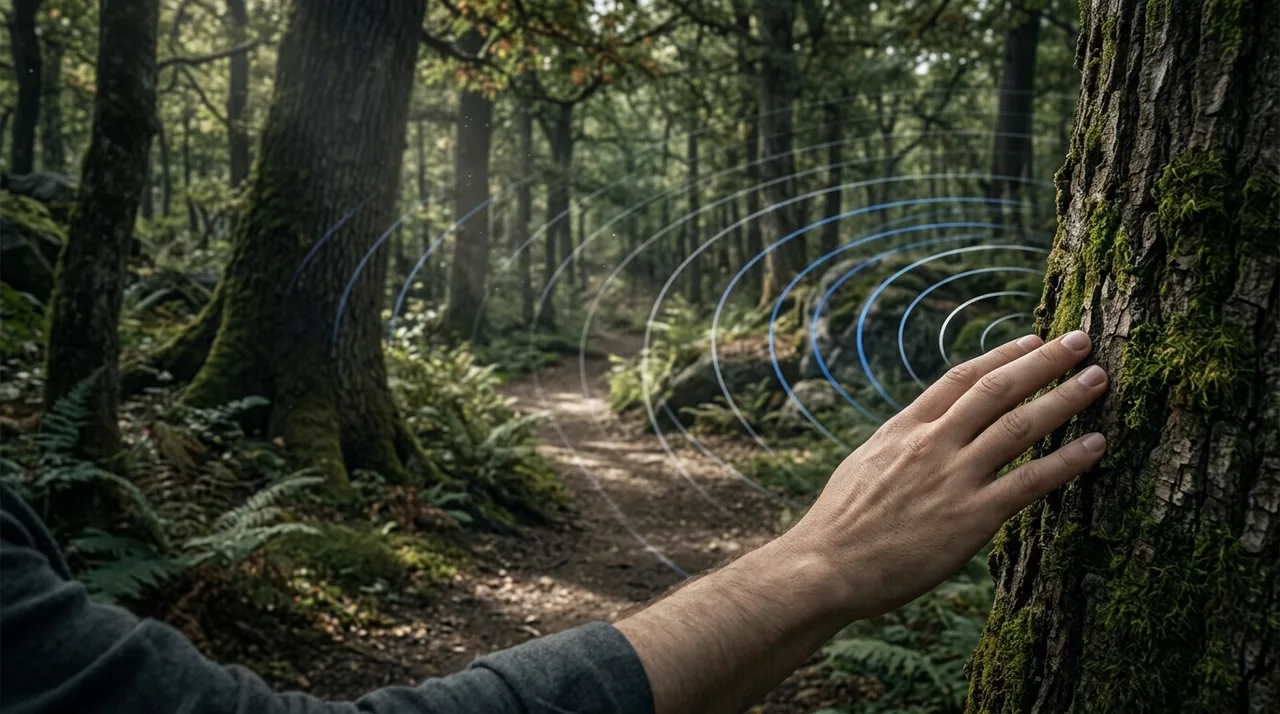
A man with no eyes rides a mountain bike along a forest trail in California, clicking his tongue twice a second. The clicks come back to him as shape, distance, texture. He calls it seeing. Brain scans suggest his visual cortex agrees.
Daniel KishPersonDaniel KishAmerican educator born 1966, blind from infancy after retinoblastoma took both eyes. Self-taught echolocator from toddlerhood. Holds graduate degrees in developmental psychology and special education. Founded World Access for the Blind in 2000 and codified a training method he calls FlashSonar. Known for riding bicycles, hiking solo, and giving the 2015 TED talk that brought human echolocation to a general audience.丹尼尔·基什(Daniel Kish)是出生于1966年的美国教育家,因视网膜母细胞瘤夺去双眼,自婴儿期起失明。他从幼儿起便自学人类回声定位技术,拥有发展心理学 and 特殊教育硕士学位。他于2000年创立了世界盲人无障碍组织,并规范了一套名为“闪光声呐”的训练方法。他以骑自行车、独自远足以及在2015年TED演讲中向大众展示回声定位而闻名。Educador estadounidense nacido en 1966, ciego desde la infancia tras perder ambos ojos por retinoblastoma. Ecoalizador autodidacta desde que era niño. Tiene maestrías en psicología del desarrollo y educación especial. Fundó World Access for the Blind en 2000 y codificó un método de entrenamiento que llama FlashSonar. Conocido por montar en bicicleta, hacer senderismo solo y dar la charla TED de 2015 que popularizó la ecolocalización humana.دانيال كيش هو معلم أمريكي ولد عام 1966، وأصيب بالعمى منذ طفولته بعد أن استأصل ورم أرومة الشبكية عينيه. تعلم تحديد المواقع بالصدى ذاتياً منذ صغره، ويحمل درجات علمية عليا في علم نفس النمو والتربية الخاصة. أسس منظمة (World Access for the Blind) عام 2000 وقنّن طريقة تدريب يطلق عليها اسم (FlashSonar). يشتهر كيش بركوب الدراجات، والمشي لمسافات طويلة بمفرده، وإلقاء محاضرة TED عام 2015 التي عرّفت الجمهور بمفهوم تحديد المواقع بالصدى البشري.Educador americano nascido em 1966, cego desde a infância após um retinoblastoma levar seus dois olhos. Ecolocalizador autodidata desde os primeiros passos. Possui pós-graduação em psicologia do desenvolvimento e educação especial. Fundou a World Access for the Blind em 2000 e codificou o método de treinamento FlashSonar. Conhecido por andar de bicicleta, fazer trilhas sozinho e dar a palestra TED de 2015 que popularizou a ecolocalização humana.1966 में जन्मे एक अमेरिकी शिक्षक जो रेटिनोब्लास्टोमा के कारण दोनों आँखें खोने के बाद बचपन से ही अंधे थे, जिन्हें डैनियल किश (Daniel Kish) कहा जाता है। उन्होंने बचपन से ही स्वयं को इकोलोकेशन (प्रतिध्वनि निर्धारण) सिखाया। उन्होंने 2000 में वर्ल्ड एक्सेस फॉर द ब्लाइंड की स्थापना की और 'फ्लैशसोनार' नामक प्रशिक्षण पद्धति को संहिताबद्ध किया। वे साइकिल चलाने, अकेले लंबी पैदल यात्रा करने और 2015 में टेड टॉक देने के लिए जाने जाते हैं।Daniel Kish adalah pendidik Amerika kelahiran tahun 1966, mengalami kebutaan sejak bayi karena retinoblastoma merenggut kedua matanya. Ia belajar ekolokasi secara mandiri sejak balita. Menyandang gelar master di bidang psikologi perkembangan dan pendidikan luar biasa. Ia mendirikan World Access for the Blind pada tahun 2000 dan membakukan metode pelatihan FlashSonar. Ia dikenal karena bersepeda, mendaki solo, dan membawakan TED Talk 2015.Éducateur américain né en 1966, aveugle depuis l'enfance après que le rétinoblastome lui a coûté ses deux yeux. Écholocateur autodidacte depuis l'enfance, il est diplômé en psychologie du développement et en éducation spécialisée. Il a fondé World Access for the Blind en 2000 et a formalisé une méthode d'apprentissage appelée FlashSonar. Connu pour faire du vélo, randonner seul et avoir présenté en 2015 une conférence TED sur l'écholocalisation humaine.1966年生まれの米国の教育者であり、網膜芽細胞腫により両目を摘出し乳児期から失明した。幼児期から独学で回響定位(エコーロケーション)を習得。発達心理学と特別支援教育の修士号を取得。2000年に「ワールド・アクセス・フォー・ザ・ブラインド」を設立し、「フラッシュソナー」と呼ぶ訓練法を確立した。自転車走行や単独登山、回響定位を紹介した2015年のTEDトークで知られる。Американский тифлопедагог (родился в 1966 году), ослепший в младенчестве после удаления обоих глаз из-за ретинобластомы. Самостоятельно освоил эхолокацию в раннем детстве. Имеет ученые степени по возрастной психологии и специальному образованию. Основал в 2000 году организацию World Access for the Blind и кодифицировал метод обучения FlashSonar. Известен ездой на велосипеде, одиночными походами и выступлением на TED в 2015 году.Ein 1966 geborener amerikanischer Pädagoge, der seit seiner Kindheit blind ist, nachdem ein Retinoblastom ihm beide Augen raubte. Er erlernte die Echolokation im Kleinkindalter autodidaktisch. Er hält Abschlüsse in Entwicklungspsychologie und Sonderpädagogik. Im Jahr 2000 gründete er World Access for the Blind und kodifizierte eine Trainingsmethode namens FlashSonar. Bekannt für Solowanderungen, Radfahren und seinen TED-Talk 2015.1966년생 미국의 교육자이자 사회운동가(Daniel Kish)로, 유아기 때 망막모세포종으로 양안을 적출하여 시력을 잃었다. 걸음마 시절부터 스스로 반향위치측정(echolocation) 기술을 독학했다. 발달심리학 및 특수교육 석사 학위를 보유했다. 2000년에 월드 액세스 포 더 블라인드를 설립했고 '플래시소나'로 명명한 훈련 기법을 정립했다. 혼자 자전거를 타고 단독 하이킹을 하며 반향위치측정을 널리 대중에게 알린 2015년 TED 강연으로 명성을 얻었다. lost both eyes to retinoblastomaConceptRetinoblastomaAn aggressive cancer of the developing retina, almost always diagnosed before age five. It arises from mutations in the RB1 tumour-suppressor gene. Until the late twentieth century, treatment in advanced cases meant removing the affected eye to keep the cancer from spreading along the optic nerve. Modern chemotherapy and laser protocols often save the eye, but enucleation remains standard when the tumour is large or bilateral.视网膜母细胞瘤是一种侵袭性的视网膜发育期癌症,几乎总是在五岁之前确诊。它由RB1抑癌基因的突变引起。直到20世纪晚期,对于晚期病例的治疗意味着切除受影响的眼球,以防止癌症沿视神经扩散。现代化学疗法和激光疗法通常可以挽救眼球,但当肿瘤巨大或双侧发病时,眼球摘除术仍是标准疗法。Cáncer agresivo de la retina en desarrollo, diagnosticado casi siempre antes de los cinco años. Se origina por mutaciones en el gen supresor de tumores RB1. Hasta finales del siglo XX, el tratamiento en casos avanzados consistía en extirpar el ojo afectado para evitar que el cáncer se extendiera por el nervio óptico. Los protocolos modernos de quimioterapia y láser suelen salvar el ojo, pero la enucleación sigue siendo habitual si el tumor es grande o bilateral.ورم أرومة الشبكية هو سرطان هجومي يصيب الشبكية النامية، ويتم تشخيصه دائماً تقريباً قبل سن الخامسة. ينشأ هذا الورم من طفرات في الجين المثبط للأورام (RB1). وحتى أواخر القرن العشرين، كان علاج الحالات المتقدمة يعني إزالة العين المصابة لمنع انتشار السرطان على طول العصب البصري. غالباً ما تنقذ بروتوكولات العلاج الكيميائي والليزر الحديثة العين، ولكن يظل استئصال العين معياراً عندما يكون الورم كبيراً أو ثنائياً.Um câncer agressivo da retina em desenvolvimento, quase sempre conhecido (diagnosticado) antes dos cinco anos de idade. Ele surge a partir de mutações no gen supressor de tumor RB1. Até o final do século XX, o tratamento em casos avançados consistia na remoção do olho afetado para evitar a propagação do câncer pelo nervo óptico. Protocolos modernos de quimioterapia e laser costumam salvar o olho, mas a enucleação continua sendo o padrão se o tumor for grande ou bilateral.विकासशील रेटिना का एक आक्रामक कैंसर, जिसका निदान लगभग हमेशा पांच वर्ष की आयु से पहले किया जाता है, जिसे रेटिनोब्लास्टोमा (retinoblastoma) कहा जाता है। यह RB1 ट्यूमर-दबाने वाले जीन में म्यूटेशन के कारण उत्पन्न होता है। बीसवीं शताब्दी के अंत तक, गंभीर मामलों में उपचार का अर्थ प्रभावित आँख को निकालना था। आधुनिक कीमोथेरेपी और लेजर प्रोटोकॉल अक्सर आंख को बचा लेते हैं, लेकिन जब ट्यूमर बड़ा या दोनों आँखों में हो, तो आंख निकालना ही मानक उपाय रहता है।Retinoblastoma adalah kanker agresif pada retina yang sedang berkembang, hampir selalu didiagnosis sebelum usia lima tahun. Kanker ini disebabkan oleh mutasi pada gen penekan tumor RB1. Hingga akhir abad ke-20, pengobatan pada kasus stadium lanjut berarti mengangkat mata yang terkena untuk mencegah penyebaran kanker di sepanjang saraf optik. Protokol kemoterapi dan laser modern sering kali dapat menyelamatkan mata, tetapi enukleasi tetap menjadi standar jika tumornya besar atau bilateral.Le rétinoblastome est un cancer agressif de la rétine en développement, presque toujours diagnostiqué avant l'âge de cinq ans. Il découle de mutations du gène suppresseur de tumeur RB1. Jusqu'à la fin du XXe siècle, le traitement des cas avancés consistait à retirer l'œil atteint pour empêcher la propagation du cancer le long du nerf optique. La chimiothérapie moderne et les protocoles laser permettent souvent de sauver l'œil, mais l'énucléation reste la règle en cas de tumeur volumineuse ou bilatérale.発達途上の網膜に発生する悪性腫瘍であり、ほぼ例外なく5歳未満で診断される。がん抑制遺伝子であるRB1の変異によって引き起こされる。20世紀後半までは、進行例の治療はがんが視神経に沿って転移するのを防ぐために眼球を摘出することを意味していた。現代の化学療法やレーザー治療は眼球を温存できることが多いが、腫瘍が大きい場合や両側性の場合は、現在でも眼球摘出術が標準治療である。Ретинобластома — злокачественная опухоль развивающейся сетчатки, почти всегда диагностируемая в возрасте до пяти лет. Она возникает в результате мутаций в гене-супрессоре опухолей RB1. До конца XX века лечение в запущенных случаях означало удаление пораженного глаза, чтобы предотвратить распространение рака по зрительному нерву. Современные протоколы химиотерапии и лазерного лечения часто позволяют сохранить глаз, но энуклеация остается стандартом при крупных или двусторонних опухолях.Ein aggressiver Krebs der sich entwickelnden Netzhaut, der fast immer vor dem fünften Lebensjahr diagnostiziert wird. Er entsteht durch Mutationen im RB1-Tumorsuppressorgen. Bis ins späte 20. Jahrhundert bedeutete die Behandlung in fortgeschrittenen Fällen die Entfernung des betroffenen Auges, um eine Ausbreitung des Krebses entlang des Sehnervs zu verhindern. Moderne Chemotherapie- und Laserprotokolle retten das Auge oft, doch bei großen oder beidseitigen Tumoren bleibt die Enukleation Standard.성장기 망막에 발생하는 공격적인 악성 종양(retinoblastoma)으로, 거의 항상 5세 이전에 진단된다. 종양 억제 유전자인 RB1의 변이로 인해 유발된다. 20세기 후반까지 진행성 암 환자의 치료법은 시신경을 타고 암이 전이되는 것을 막기 위해 안구를 적출하는 것이었다. 현대 화학요법과 레이저 치료법으로 안구를 보존하는 경우가 많아졌으나, 종양이 크거나 양측성인 경우에는 안구 적출 수술이 여전히 표준 요법이다. before he was two years old. He has no memory of light. By the time he was a toddler he had started making a sharp, dry click with his tongue — a sound like a small stone dropped on tile — and reading the echoes that came back. Nobody taught him. His mother, against the standing advice of the time, let him climb trees and ride bicycles. He bumped into things and learned what they sounded like before he hit them. He is now in his late fifties and runs an organisation called World Access for the BlindInstitutionWorld Access for the BlindCalifornia non-profit founded by Daniel Kish in 2000, headquartered in Long Beach. It teaches blind students, mostly children, to navigate independently using click-based echolocation, long-cane technique and what Kish calls perceptual mobility. Instructors work in more than forty countries. The organisation has supplied subjects for nearly every published fMRI study of expert human echolocation.世界盲人无障碍组织是丹尼尔·基什于2000年创立的加州非营利组织,总部设在长滩。它教导盲人学生(主要是儿童)使用基于声响的回声定位、长白手杖技术以及基什所称的“知觉移动能力”进行独立导航。其导师在四十多个国家工作。该组织为几乎所有已发表的关于人类回声定位专家的fMRI研究提供了受试者。Organización sin fines de lucro de California fundada por Daniel Kish en 2000, con sede en Long Beach. Enseña a estudiantes ciegos, en su mayoría niños, a navegar de forma independiente mediante ecolocalización basada en chasquidos, la técnica del bastón largo y lo que Kish llama movilidad perceptiva. Los instructores trabajan en más de cuarenta países. La organización ha aportado sujetos para casi todos los estudios de fMRI publicados sobre ecolocalización humana experta.منظمة (World Access for the Blind) هي منظمة كاليفورنية غير ربحية أسسها دانيال كيش عام 2000، ويقع مقرها الرئيسي في لونغ بيتش. تعلم المنظمة الطلاب المكفوفين، ومعظمهم من الأطفال، التنقل بشكل مستقل باستخدام تحديد المواقع بالصوت القائم على النقر، وتقنية العصا الطويلة، وما يسميه كيش الحركة الإدراكية. يعمل مدربوها في أكثر من أربعين دولة، وقدمت المنظمة متطوعين لكل دراسة رنين مغناطيسي وظيفي (fMRI) منشورة تقريباً حول تحديد المواقع بالصدى البشري الخبير.Organização sem fins lucrativos da Califórnia fundada por Daniel Kish em 2000, com sede em Long Beach. Ela ensina estudantes cegos, em sua maioria crianças, a navegar de forma independente usando ecolocalização baseada em cliques, técnica de bengala longa e o que Kish chama de mobilidade perceptual. Os instrutores atuam em mais de quarenta países. A organização forneceu voluntários para quase todos os estudos de fMRI publicados sobre ecolocalização humana experiente.कैलिफोर्निया का गैर-लाभकारी संगठन जिसकी स्थापना 2000 में डैनियल किश द्वारा की गई थी और जिसका मुख्यालय लॉन्ग बीच में है, जिसे वर्ल्ड एक्सेस फॉर द Blind (World Access for the Blind) कहा जाता है। यह नेत्रहीन छात्रों, विशेष रूप से बच्चों को, क्लिक-आधारित इकोलोकेशन, लॉन्ग-केन तकनीक और अवधारणात्मक गतिशीलता का उपयोग करके स्वतंत्र रूप से नेविगेट करना सिखाता है। इस संगठन ने मानव प्रतिध्वनि निर्धारण पर लगभग हर प्रकाशित fMRI अध्ययन के लिए विषय प्रदान किए हैं।Lembaga nirlaba California yang didirikan oleh Daniel Kish pada tahun 2000, berpusat di Long Beach. Lembaga ini mengajarkan siswa tunanetra, sebagian besar anak-anak, untuk bernavigasi secara mandiri menggunakan ekolokasi berbasis klik, teknik tongkat panjang, dan apa yang disebut Kish sebagai mobilitas persepsi. Para pengajarnya bekerja di lebih dari empat puluh negara. Organisasi ini telah menyediakan subjek untuk hampir setiap studi fMRI ekolokasi manusia yang dipublikasikan.Organisme à but non lucratif de Californie fondé par Daniel Kish en 2000, basé à Long Beach. Il apprend aux étudiants aveugles, surtout des enfants, à se déplacer de manière autonome grâce à l'écholocalisation par cliquetis, à la technique de la canne longue et à ce que Kish appelle la mobilité perceptuelle. Ses instructeurs interviennent dans plus de quarante pays. L'organisation a fourni des sujets pour presque toutes les études IRMf publiées sur l'écholocalisation humaine.ダニエル・キッシュが2000年に設立した、ロングビーチに本部を置くカリフォルニア州の非営利団体。視覚障害のある学生(主に子供)を対象に、クリック音を用いた回響定位、白杖技術、およびキッシュが「知覚的移動性」と呼ぶ方法を用いて自立して歩行することを教えている。指導員は40カ国以上で活動しており、同団体は熟練者の回響定位に関するほぼすべてのfMRI研究に被験者を提供してきた。Калифорнийская некоммерческая организация, основанная Дэниелом Кишем в 2000 году со штаб-квартирой в Лонг-Бич. Она обучает незрячих студентов, в основном детей, самостоятельной навигации с помощью щелчковой эхолокации, техники длинной трости и того, что Киш называет перцептивной мобильностью. Инструкторы работают более чем в 40 странах. Организация предоставляла испытуемых почти для всех опубликованных фМРТ-исследований эхолокации у людей.Eine im Jahr 2000 von Daniel Kish gegründete kalifornische gemeinnützige Organisation mit Hauptsitz in Long Beach. Sie bringt blinden Schülern, meist Kindern, bei, sich mithilfe von klickbasierter Echolokation, Langstocktechnik und einer von Kish als perzeptive Mobilität bezeichneten Methode selbstständig zu bewegen. Die Ausbilder arbeiten in über vierzig Ländern. Die Organisation stellte Probanden für fast jede veröffentlichte fMRT-Studie zur Echolokation beim Menschen.대니얼 키시가 2000년에 설립한 캘리포니아의 비영리 단체(World Access for the Blind)로, 롱비치에 본부를 두고 있다. 시각장애인 학생(주로 어린이)들에게 클릭음을 활용한 반향위치측정, 흰지팡이 보행 기술, 그리고 키시가 '지각적 이동성'이라 칭한 기법을 교육하여 독립적인 보행을 돕는다. 40여 개국에서 지도사들이 활동 중이며, 이 단체는 시각장애인 반향위치측정 전문가 대상의 거의 모든 fMRI 연구에 피험자를 지원해 왔다., which has trained more than five hundred blind students to do the same.
The clicks are short — about three milliseconds — and aimed deliberately, like the beam of a flashlight. A trained echolocator sweeps the click across a scene the way a sighted person sweeps their gaze. A flat brick wall returns a hard, bright echo. A hedge returns a soft, scattered one. A doorway returns nothing where the wall used to be. Kish can tell a parked van from a parked sedan at twenty paces, distinguish a chain-link fence from a wooden one, and walk into an unfamiliar building and know roughly where the ceiling is.
Smile for the CameraFurryscaly · BY-SA 2.0
What the brain does with the sound
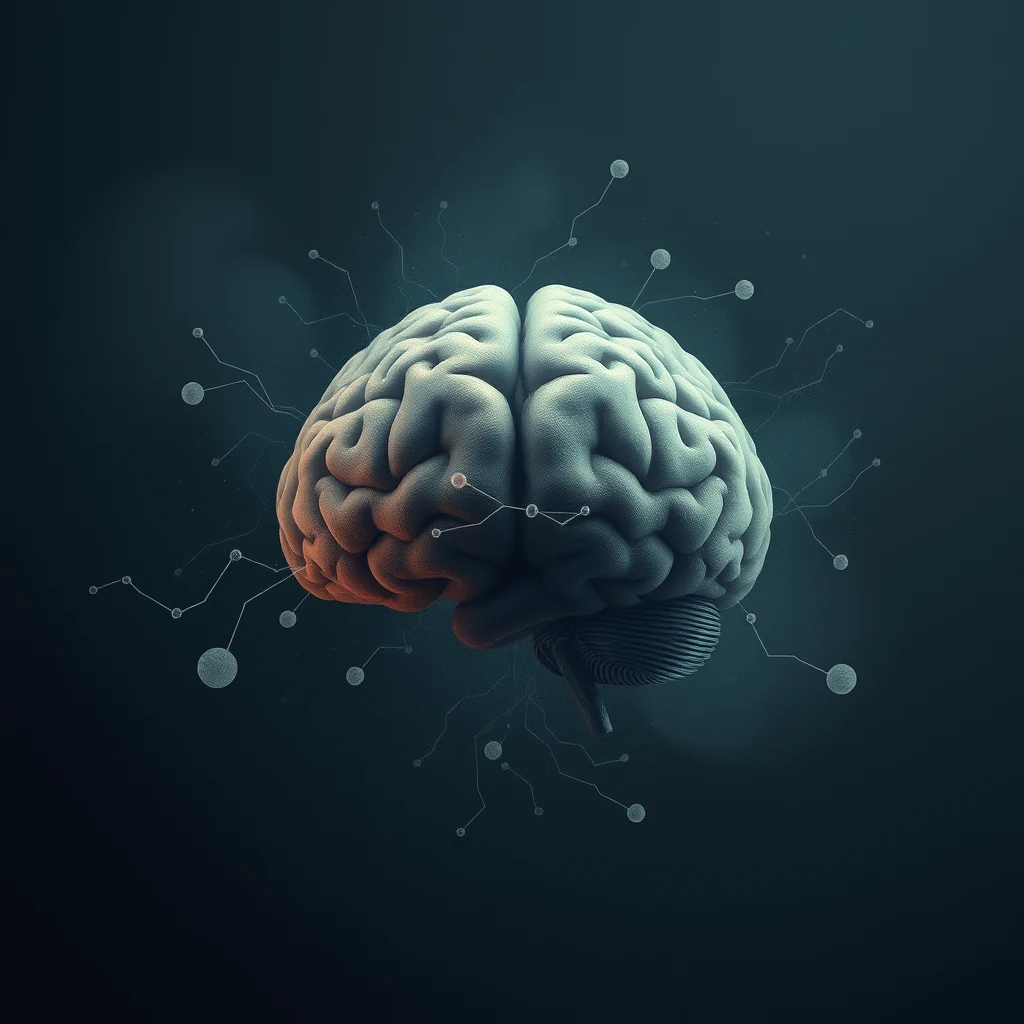
In 2011 the neuroscientist Lore ThalerPersonLore ThalerCognitive neuroscientist at Durham University, originally trained in Germany and Canada. Since the late 2000s she has led most of the rigorous experimental work on human echolocation: the first fMRI studies of blind experts, acuity measurements, training trials with sighted volunteers. Her lab provides the empirical backbone for the claim that clicking is a learnable skill rather than a rare gift.洛尔·塞勒(Lore Thaler)是杜伦大学的认知神经科学家,起初在德国和加拿大接受学术训练。自2000年代后期以来,她领导了关于人类回声定位的大多数严谨的实验工作:首次针对盲人专家开展的fMRI研究、敏锐度测量,以及针对视力正常志愿者的训练实验。她的实验室为“发出声响是一门可学技能而非罕见天赋”的观点提供了经验性的事实支撑。Neurocientífica cognitiva de la Universidad de Durham, formada originalmente en Alemania y Canadá. Desde finales de la década de 2000, ha liderado la mayor parte del trabajo experimental riguroso sobre la ecolocalización humana: los primeros estudios de fMRI en expertos ciegos, mediciones de agudeza y ensayos de entrenamiento con voluntarios videntes. Su laboratorio proporciona la base empírica para afirmar que los chasquidos son una habilidad adquirida y no un don raro.لور ثالر هي عالمة أعصاب إدراكية في جامعة دورهام، تدربت في الأصل في ألمانيا وكندا. تقود ثالر منذ أواخر العقد الأول من القرن الحادي والعشرين معظم العمل التجريبي الدقيق حول تحديد المواقع بالصدى البشري: كأولى دراسات الرنين المغناطيسي الوظيفي للمكفوفين الخبراء، وقياسات حدة السمع، وتجارب التدريب مع متطوعين مبصرين. يوفر مختبرها الدعامة التجريبية للادعاء بأن النقر باللسان مهارة يمكن تعلمها وليس موهبة نادرة.Neurocientista cognitiva da Durham University, originalmente formada na Alemanha e no Canadá. Desde o final dos anos 2000, ela lidera a maior parte do trabalho experimental rigoroso sobre ecolocalização humana: os primeiros estudos de fMRI com especialistas cegos, medições de acuidade e testes de treinamento com voluntários videntes. Seu laboratório fornece a base empírica para a afirmação de que clicar é uma habilidade que se pode aprender, e não um dom raro.डरहम विश्वविद्यालय में संज्ञानात्मक न्यूरोसाइंटिस्ट, जिन्होंने मूल रूप से जर्मनी और कनाडा में प्रशिक्षण प्राप्त किया था, जिन्हें लोर थेलर (Lore Thaler) कहा जाता है। 2000 के दशक के अंत से उन्होंने मानव प्रतिध्वनि निर्धारण पर अधिकांश प्रयोगात्मक कार्य का नेतृत्व किया है: नेत्रहीन विशेषज्ञों का पहला fMRI अध्ययन, तीक्ष्णता माप और देखने वाले स्वयंसेवकों के साथ प्रशिक्षण परीक्षण। उनकी प्रयोगशाला इस दावे के लिए अनुभवजन्य आधार प्रदान करती है कि क्लिक करना एक सीखने योग्य कौशल है।Lore Thaler adalah ahli neurosains kognitif di Durham University, awalnya menempuh pendidikan di Jerman dan Kanada. Sejak akhir 2000-an, ia memimpin sebagian besar eksperimen ketat tentang ekolokasi manusia: studi fMRI pertama pada ahli tunanetra, pengukuran ketajaman, dan uji pelatihan dengan sukarelawan awas. Laboratoriumnya menyediakan bukti empiris bahwa ekolokasi berbasis klik merupakan keterampilan yang dapat dipelajari, bukan bakat langka.Lore Thaler est une chercheuse en neurosciences cognitives à l'université de Durham, formée en Allemagne et au Canada. Depuis la fin des années 2000, elle a dirigé la majeure partie des travaux de mesure et expérimentaux rigoureux sur l'écholocalisation humaine : premières études IRMf d'experts aveugles, mesures d'acuité, essais d'entraînement avec des volontaires voyants. Son laboratoire apporte les preuves empiriques que le cliquetis est une compétence qui s'apprend et non un don rare.ダラム大学の認知神経科学者であり、当初ドイツとカナダで研鑽を積んだ。2000年代後半以降、盲目の専門家を対象とした初のfMRI研究、解像度の測定、晴眼者ボランティアを用いた訓練試験など、人間の回響定位に関する厳密な実験研究の大部分を主導してきた。彼女の研究室は、クリック音の送出が稀有な才能ではなく習得可能な技術であるという主張の、実証的な支柱となっている。Когнитивный нейробиолог из Даремского университета, получившая образование в Германии и Канаде. С конца 2000-х годов она руководит большей частью экспериментальных работ по эхолокации у людей: первыми исследованиями фМРТ у незрячих экспертов, измерениями остроты локации, тренировками зрячих волонтеров. Ее лаборатория доказывает, что щелчковая эхолокация — это приобретаемый навык, а не редкий дар.Eine kognitive Neurowissenschaftlerin an der Durham University, die in Deutschland und Kanada ausgebildet wurde. Seit den späten 2000er Jahren leitet sie den Großteil der experimentellen Arbeiten zur Echolokation beim Menschen: die ersten fMRT-Studien an blinden Experten, Sehschärfemessungen und Trainingsstudien mit sehenden Freiwilligen. Ihr Labor liefert die empirische Basis für die These, dass Echolokation eine erlernbare Fähigkeit ist.더럼 대학교 소속 인지신경과학자(Lore Thaler)로, 독일과 캐나다에서 학술 훈련을 거쳤다. 2000년대 후반부터 시각장애인 전문가 대상의 최초 fMRI 연구, 분해능 측정, 정안인 자원자 대상 훈련 실험 등 인간 반향위치측정에 관한 엄격한 실험 연구를 선도적으로 이끌었다. 그녀의 연구실은 클릭음 측정 기술이 타고난 희귀한 재능이 아니라 훈련 가능한 기술임을 입증하는 실증적인 물리 과학적 기초를 제공한다., then at Western University in Ontario with Mel GoodalePersonMel GoodaleCanadian neuroscientist, founding director of the Brain and Mind Institute at Western University in Ontario. Best known for the two-streams hypothesis of vision, developed with David Milner, which split visual processing into a ventral 'what' pathway and a dorsal 'how' pathway. In the 2010s he collaborated with Lore Thaler on the first brain-imaging studies of human echolocators.梅尔·古德尔(Mel Goodale)是加拿大神经科学家,安大略省西方大学大脑与心灵研究所的创始所长。他与大卫·米尔纳共同提出了著名的视觉双流假说,将视觉信息处理划分为腹侧“什么”通路和背侧“如何”通路。在2010年代,他与洛尔·塞勒合作,开展了针对人类回声定位者的首次大脑成像研究。Neurocientífico canadiense, director fundador del Instituto del Cerebro y la Mente de la Universidad Western en Ontario. Conocido por la hipótesis de las dos vías de la visión, desarrollada con David Milner, que divide el procesamiento visual en una vía ventral (del «qué») y una vía dorsal (del «cómo»). En la década de 2010 colaboró con Lore Thaler en los primeros estudios de imagen cerebral en ecoalizadores humanos.ميل غودال هو عالم أعصاب كندي والمدير المؤسس لمعهد الدماغ والعقل في جامعة ويسترن في أونتاريو. يشتهر غودال بفرضية المسارين للرؤية، التي طورها مع ديفيد ميلنر، والتي قسمت المعالجة البصرية إلى مسار بطني ("ماذا") ومسار ظهري ("كيف"). تعاون غودال في العقد الثاني من القرن الحالي مع لور ثالر في أولى دراسات تصوير الدماغ لمحددي المواقع بالصدى البشري.Neurocientista canadense, diretor fundador do Brain and Mind Institute da Western University em Ontário. Mais conhecido pela hipótese das duas vias da visão, desenvolvida com David Milner, que dividiu o processamento visual em uma via ventral do 'o quê' e uma via dorsal do 'como'. Nos anos 2010, ele colaborou com Lore Thaler nos primeiros estudos de imagem cerebral de ecolocalizadores humanos.कनाडाई न्यूरोसाइंटिस्ट, ओंटारियो में वेस्टर्न यूनिवर्सिटी में ब्रेन एंड माइंड इंस्टीट्यूट के संस्थापक निदेशक, जिन्हें मेल गुडले (Mel Goodale) कहा जाता है। वे डेविड मिल्नर के साथ विकसित दृष्टि के दो-धाराओं के परिकल्पना (टू-स्ट्रीम्स हाइपोथिसिस) के लिए जाने जाते हैं, जिसने दृश्य प्रसंस्करण को वेंट्रल 'व्हाट' पाथवे और डोर्सल 'हाउ' पाथवे में विभाजित किया था। 2010 के दशक में उन्होंने मानव प्रतिध्वनि निर्धारकों के पहले मस्तिष्क-इमेजिंग अध्ययनों पर लोर थेलर के साथ सहयोग किया।Mel Goodale adalah ahli neurosains Kanada, direktur pendiri Brain and Mind Institute di Western University di Ontario. Ia terkenal karena hipotesis dua jalur visi yang dikembangkan bersama David Milner, membagi pemrosesan visual menjadi jalur ventral 'apa' dan jalur dorsal 'bagaimana'. Pada tahun 2010-an, ia berkolaborasi dengan Lore Thaler dalam studi pencitraan otak pertama terhadap para praktisi ekolokasi manusia.Chercheur en neurosciences canadien, directeur fondateur du Brain and Mind Institute de l'université Western en Ontario. Connu pour l'hypothèse des deux voies de la vision, développée avec David Milner, qui divise le traitement visuel en une voie ventrale (« quoi ») et une voie dorsale (« comment »). Dans les années 2010, il a collaboré avec Lore Thaler pour les premières études d'imagerie cérébrale sur des écholocateurs.カナダの神経科学者であり、オンタリオ州ウェスタン大学の脳・心研究所の初代所長。デヴィッド・ミルナーと共同開発した、視覚処理を腹側の「何(What)」経路と背側の「どのように(How)」経路に分ける「視覚の2つの経路仮説」で最もよく知られる。2010年代にはロア・タラーと共同で、人間の回響定位実践者を対象とした初の脳機能イメージング研究を行った。Канадский нейробиолог, директор-основатель Института мозга и разума при Западном университете в Онтарио. Наиболее известен гипотезой двух зрительных путей, разработанной совместно с Дэвидом Милнером, которая разделяет обработку зрительной информации на вентральный путь («что») и дорсальный путь («как»). В 2010-х годах сотрудничал с Лор Талер в рамках первых фМРТ-исследований мозга у эхолокаторов.Ein kanadischer Neurowissenschaftler und Gründungsdirektor des Brain and Mind Institute an der Western University in Ontario. Bekannt für die mit David Milner entwickelte Zwei-Pfade-Hypothese der visuellen Verarbeitung, die diese in einen ventralen „Was“-Pfad und einen dorsalen „Wie“-Pfad unterteilt. In den 2010er Jahren arbeitete er mit Lore Thaler an den ersten Bildgebungsstudien des Gehirns von Echolokations-Experten.캐나다의 신경과학자이자 온타리오주 웨스턴 대학교 뇌·마음 연구소의 초대 소장(Mel Goodale)이다. 데이비드 밀너와 공동 정립한 '두 경로 시각 이론'으로 유명하며, 시각 정보 처리가 복측의 '무엇(What)' 경로와 등측의 '어떻게(How)' 경로로 분화되어 일어남을 입증했다. 2010년대에는 로어 탈러와 협력하여 인체 반향위치측정 전문가 대상의 최초 뇌 영상 분석 연구를 수행했다., put Kish and a second expert echolocator into an fMRI scanner. They played back recordings the men had made earlier of their own clicks bouncing off real-world objects: trees, cars, lamp posts. The scientists expected the auditory cortex to light up. It did, faintly. What lit up brightly was the visual cortex — the calcarine sulcus and surrounding tissue that, in a sighted brain, processes the image coming off the retina. The echolocators were not just hearing the world. The visual system was doing real work on the sound.
A blind mountain biker rides a forest trail with confident postureIllustration · AI-generated (FLUX.1-dev)
Follow-up studies sharpened the picture. The region that handles motion in sighted brains handled moving echoes in blind ones. The region that distinguishes faces from objects appeared to distinguish material from material. Resolution experiments by Thaler's group put expert angular discrimination at around 1.2 degrees — coarse compared to vision, but fine enough to detect a pole at arm's length or notice a person standing in a doorway across a room. Kish has described the effect as something like seeing in flashes: each click illuminates the scene briefly, and the brain integrates the flashes into a stable picture.
Spotted Batmypubliclands · BY 2.0
A skill, not a gift
The temptation is to file this under exceptional ability and move on. The data refuse. In a 2021 study Thaler's group took twenty-six volunteers, twelve sighted and fourteen blind, none with prior experience, and ran them through ten weeks of click-based training. By the end, both groups could navigate virtual mazes by sound alone, and several were performing at the level of long-time practitioners. Age did not matter much. Blindness did not matter much. What mattered was practice, and the training curve was surprisingly gentle.
A quiet room set up for echolocation practiceIllustration · AI-generated (FLUX.1-dev)
This is consistent with what is known about neuroplasticityConceptNeuroplasticityThe brain's capacity to rewire itself in response to experience, injury or sustained training. In early-blind adults, the most dramatic example is cross-modal reassignment: visual cortex, deprived of input from the eyes, gets recruited for touch, hearing, language and spatial tasks. The phenomenon is well documented but its limits are not. Adult brains plainly reorganise; how far, how fast and under what conditions remain active research questions.神经塑性是指大脑在应对经历、损伤或持续训练时重新布线的能力。在早期失明成人中,最引人注目的例子是跨感觉通道重新分配:失去来自眼睛的信号输入的视觉皮层,被征用来处理触觉、听觉、语言和空间任务。这一现象已被大量文献证实,但其极限尚未明确。成人大脑显然能够重组;重组能达到何种程度、多快以及在什么条件下进行,依然是活跃的研究课题。Capacidad del cerebro para reorganizarse en respuesta a la experiencia, lesiones o entrenamiento constante. En adultos con ceguera temprana, el ejemplo más drástico es la reasignación multimodal: la corteza visual, privada de estímulos de los ojos, es reclutada para tareas táctiles, auditivas, del lenguaje y espaciales. El fenómeno está muy documentado, pero sus límites no. Los cerebros adultos se reorganizan; cuánto, a qué velocidad y en qué condiciones son preguntas activas.اللدونة العصبية (Neuroplasticity) هي قدرة الدماغ على إعادة تشكيل روابطه استجابة للتجربة أو الإصابة أو التدريب المستمر. في البالغين الذين أصيبوا بالعمى المبكر، فإن المثال الأكثر إثارة هو إعادة التعيين متعدد الوسائط: فالقشرة البصرية، المحرومة من مدخلات العينين، يتم تجنيدها للقيام بمهام اللمس والسمع واللغة والمهام المكانية. هذه الظاهرة موثقة جيداً ولكن حدودها ليست كذلك. من الواضح أن أدمغة البالغين تعيد تنظيم نفسها؛ ولكن إلى أي مدى وبأي سرعة وتحت أي ظروف تظل أسئلة بحثية نشطة.A capacidade do cérebro de se reorganizar em resposta à experiência, lesões ou treinamento contínuo. Em adultos que ficaram cegos precocemente, o exemplo mais dramático é a reatribuição cross-modal: o córtex visual, privado de estímulos dos olhos, passa a ser recrutado para tarefas de tato, audição, linguagem e espaço. O fenômeno é bem documentado, mas seus limites não são. Cérebros adultos se reorganizam; quão longe, quão rápido e sob quais condições são questões abertas.अनुभव, चोट या निरंतर प्रशिक्षण के जवाब में मस्तिष्क की स्वयं को पुनर्गठित करने की क्षमता, जिसे न्यूरोप्लास्टिकिटी (neuroplasticity) कहा जाता है। कम उम्र में अंधे होने वाले वयस्कों में, सबसे नाटकीय उदाहरण क्रॉस-मोडल पुनर्नियोजन है: दृश्य प्रांतस्था (विजुअल कॉर्टेक्स), जो आँखों से इनपुट से वंचित होती है, स्पर्श, श्रवण, भाषा और स्थानिक कार्यों के लिए भर्ती की जाती है। यह घटना अच्छी तरह से प्रलेखित है लेकिन इसकी सीमाएं नहीं हैं।Neuroplastisitas adalah kemampuan otak untuk menata ulang strukturnya sebagai respons terhadap pengalaman, cedera, atau pelatihan berkelanjutan. Pada orang dewasa yang buta sejak dini, contoh yang paling dramatis adalah pengalihan lintas moda (cross-modal reassignment): korteks visual yang tidak menerima input dari mata dialihkan untuk memproses tugas sentuhan, pendengaran, bahasa, dan spasial. Fenomena ini terdokumentasi dengan baik, tetapi batasannya belum diketahui pasti.La neuroplasticité est la capacité du cerveau à se remodeler en réponse à l'expérience, à une blessure ou à un entraînement soutenu. Chez les adultes aveugles précoces, l'exemple le plus spectaculaire est la réaffectation cross-modale : le cortex visuel, privé des informations des yeux, est recruté pour le toucher, l'ouïe, le langage et les tâches spatiales. Le phénomène est documenté, mais pas ses limites. Le cerveau adulte se réorganise ; jusqu'où, à quelle vitesse et à quelles conditions restent des questions ouvertes.経験、傷害、または継続的な訓練に反応して、脳が自身の神経回路を再編成する能力。早期失明の成人における最も劇的な例は、感覚間再配置である。眼球からの入力信号を奪われた視覚野が、触覚、聴覚、言語、空間認知タスクのために動員される。この現象は十分に文書化されているが、その限界は明らかではない。成人の脳が再編成されることは明白だが、どこまで、どれほど速く、どのような条件下で起こるかは、現在も活発な研究テーマである。Нейропластичность — способность мозга перестраивать свои связи в ответ на опыт, травму или длительное обучение. У ослепших в раннем возрасте взрослых наиболее ярким примером является кросс-модальная реорганизация: зрительная кора, лишенная сигналов от глаз, задействуется для осязания, слуха, речи и пространственного ориентирования. Феномен хорошо документирован, но его пределы неясны. Взрослый мозг явно перестраивается; насколько далеко, быстро и при каких условиях — остается открытым вопросом.Die Fähigkeit des Gehirns, sich als Reaktion auf Erfahrungen, Verletzungen oder anhaltendes Training neu zu vernetzen. Bei früh Erblindeten ist das dramatischste Beispiel die crossmodale Plastizität: Die Sehrinde, die keine Reize von den Augen erhält, wird für Tast-, Hör-, Sprach- und räumliche Aufgaben rekrutiert. Das Phänomen ist gut dokumentiert, seine Grenzen jedoch nicht. Das erwachsene Gehirn organisiert sich neu; wie weit, wie schnell und unter welchen Bedingungen, sind aktive Forschungsfragen.경험, 부상, 또는 집중적 훈련에 반응하여 스스로 뇌 회로를 재구성하는 뇌의 능력(neuroplasticity)이다. 조기 시각장애 성인에게서 발견되는 가장 극적인 예는 교차 감각 재할당(cross-modal reassignment)이다. 안구로부터의 감각 입력을 받지 못하게 된 시각 피질이 촉각, 청각, 언어, 공간 인지 업무를 수행하도록 동원된다. 이 현상은 수많은 문헌으로 고찰되었으나 한계치는 아직 밝혀지지 않았다. 성인의 뇌도 분명히 재구성되지만 그 범위, 속도, 조건은 여전히 활발한 연구 과제이다. in early-blind adults: the visual cortex does not sit idle when the eyes go quiet. It gets recruited for braille reading, for spatial memory, even for verb generation. Echolocation is one more job it takes on. In sighted echolocators the same cortex appears to be borrowed part-time — running while the clicks are active, returned to ordinary vision afterwards.
Little brown bat hanging in caveUnknown · BY-SA 4.0
What we still don't know
We do not know where the ceiling is. Kish and a handful of others have decades of practice; the published resolution figures may reflect what has been measured so far rather than what is biologically possible.
A neuroscience lab during a human echolocation studyIllustration · AI-generated (FLUX.1-dev)
We do not know why some learners pick it up in days and others stall for months. Personality, attentional control, the consistency of the click itself, the acoustics of the training room — all have been proposed, none cleanly isolated.
Little brown bat hanging from wood plankUnknown · BY-SA 4.0
We do not know whether the visual cortex in a sighted echolocator is performing the same computation as in a blind one, or only producing a similar fMRI signature. The maps look alike. The underlying circuitry may not be.
A first-person-like street corner rendered through ordinary physical cues: a blind echolocIllustration · AI-generated (FLUX.1-dev)
And we do not know how much of ordinary spatial perception in sighted people already runs on quiet, unattended echo cues. Close your eyes in a bathroom and then in a bedroom and the difference is obvious. Nobody has fully mapped what the brain is doing with that information when no one is paying attention to it.
A late student of Kish's, asked what the world sounded like to him after a year of training, said it sounded like a room with the lights on.
رجلٌ بلا عينين يقود دراجة جبلية عبر مسار غابوي في كاليفورنيا، مطقطقاً بلسانه مرتين في الثانية. تعود إليه الطقطقات في صورة شكل، ومسافة، وملمس. هو يسمي ذلك رؤية، وتشير فحوصات الدماغ إلى أن قشرته البصرية توافقه الرأي.
فقد Daniel KishPersonDaniel KishAmerican educator born 1966, blind from infancy after retinoblastoma took both eyes. Self-taught echolocator from toddlerhood. Holds graduate degrees in developmental psychology and special education. Founded World Access for the Blind in 2000 and codified a training method he calls FlashSonar. Known for riding bicycles, hiking solo, and giving the 2015 TED talk that brought human echolocation to a general audience.丹尼尔·基什(Daniel Kish)是出生于1966年的美国教育家,因视网膜母细胞瘤夺去双眼,自婴儿期起失明。他从幼儿起便自学人类回声定位技术,拥有发展心理学 and 特殊教育硕士学位。他于2000年创立了世界盲人无障碍组织,并规范了一套名为“闪光声呐”的训练方法。他以骑自行车、独自远足以及在2015年TED演讲中向大众展示回声定位而闻名。Educador estadounidense nacido en 1966, ciego desde la infancia tras perder ambos ojos por retinoblastoma. Ecoalizador autodidacta desde que era niño. Tiene maestrías en psicología del desarrollo y educación especial. Fundó World Access for the Blind en 2000 y codificó un método de entrenamiento que llama FlashSonar. Conocido por montar en bicicleta, hacer senderismo solo y dar la charla TED de 2015 que popularizó la ecolocalización humana.دانيال كيش هو معلم أمريكي ولد عام 1966، وأصيب بالعمى منذ طفولته بعد أن استأصل ورم أرومة الشبكية عينيه. تعلم تحديد المواقع بالصدى ذاتياً منذ صغره، ويحمل درجات علمية عليا في علم نفس النمو والتربية الخاصة. أسس منظمة (World Access for the Blind) عام 2000 وقنّن طريقة تدريب يطلق عليها اسم (FlashSonar). يشتهر كيش بركوب الدراجات، والمشي لمسافات طويلة بمفرده، وإلقاء محاضرة TED عام 2015 التي عرّفت الجمهور بمفهوم تحديد المواقع بالصدى البشري.Educador americano nascido em 1966, cego desde a infância após um retinoblastoma levar seus dois olhos. Ecolocalizador autodidata desde os primeiros passos. Possui pós-graduação em psicologia do desenvolvimento e educação especial. Fundou a World Access for the Blind em 2000 e codificou o método de treinamento FlashSonar. Conhecido por andar de bicicleta, fazer trilhas sozinho e dar a palestra TED de 2015 que popularizou a ecolocalização humana.1966 में जन्मे एक अमेरिकी शिक्षक जो रेटिनोब्लास्टोमा के कारण दोनों आँखें खोने के बाद बचपन से ही अंधे थे, जिन्हें डैनियल किश (Daniel Kish) कहा जाता है। उन्होंने बचपन से ही स्वयं को इकोलोकेशन (प्रतिध्वनि निर्धारण) सिखाया। उन्होंने 2000 में वर्ल्ड एक्सेस फॉर द ब्लाइंड की स्थापना की और 'फ्लैशसोनार' नामक प्रशिक्षण पद्धति को संहिताबद्ध किया। वे साइकिल चलाने, अकेले लंबी पैदल यात्रा करने और 2015 में टेड टॉक देने के लिए जाने जाते हैं।Daniel Kish adalah pendidik Amerika kelahiran tahun 1966, mengalami kebutaan sejak bayi karena retinoblastoma merenggut kedua matanya. Ia belajar ekolokasi secara mandiri sejak balita. Menyandang gelar master di bidang psikologi perkembangan dan pendidikan luar biasa. Ia mendirikan World Access for the Blind pada tahun 2000 dan membakukan metode pelatihan FlashSonar. Ia dikenal karena bersepeda, mendaki solo, dan membawakan TED Talk 2015.Éducateur américain né en 1966, aveugle depuis l'enfance après que le rétinoblastome lui a coûté ses deux yeux. Écholocateur autodidacte depuis l'enfance, il est diplômé en psychologie du développement et en éducation spécialisée. Il a fondé World Access for the Blind en 2000 et a formalisé une méthode d'apprentissage appelée FlashSonar. Connu pour faire du vélo, randonner seul et avoir présenté en 2015 une conférence TED sur l'écholocalisation humaine.1966年生まれの米国の教育者であり、網膜芽細胞腫により両目を摘出し乳児期から失明した。幼児期から独学で回響定位(エコーロケーション)を習得。発達心理学と特別支援教育の修士号を取得。2000年に「ワールド・アクセス・フォー・ザ・ブラインド」を設立し、「フラッシュソナー」と呼ぶ訓練法を確立した。自転車走行や単独登山、回響定位を紹介した2015年のTEDトークで知られる。Американский тифлопедагог (родился в 1966 году), ослепший в младенчестве после удаления обоих глаз из-за ретинобластомы. Самостоятельно освоил эхолокацию в раннем детстве. Имеет ученые степени по возрастной психологии и специальному образованию. Основал в 2000 году организацию World Access for the Blind и кодифицировал метод обучения FlashSonar. Известен ездой на велосипеде, одиночными походами и выступлением на TED в 2015 году.Ein 1966 geborener amerikanischer Pädagoge, der seit seiner Kindheit blind ist, nachdem ein Retinoblastom ihm beide Augen raubte. Er erlernte die Echolokation im Kleinkindalter autodidaktisch. Er hält Abschlüsse in Entwicklungspsychologie und Sonderpädagogik. Im Jahr 2000 gründete er World Access for the Blind und kodifizierte eine Trainingsmethode namens FlashSonar. Bekannt für Solowanderungen, Radfahren und seinen TED-Talk 2015.1966년생 미국의 교육자이자 사회운동가(Daniel Kish)로, 유아기 때 망막모세포종으로 양안을 적출하여 시력을 잃었다. 걸음마 시절부터 스스로 반향위치측정(echolocation) 기술을 독학했다. 발달심리학 및 특수교육 석사 학위를 보유했다. 2000년에 월드 액세스 포 더 블라인드를 설립했고 '플래시소나'로 명명한 훈련 기법을 정립했다. 혼자 자전거를 타고 단독 하이킹을 하며 반향위치측정을 널리 대중에게 알린 2015년 TED 강연으로 명성을 얻었다. كلتا عينيه بسبب retinoblastomaConceptRetinoblastomaAn aggressive cancer of the developing retina, almost always diagnosed before age five. It arises from mutations in the RB1 tumour-suppressor gene. Until the late twentieth century, treatment in advanced cases meant removing the affected eye to keep the cancer from spreading along the optic nerve. Modern chemotherapy and laser protocols often save the eye, but enucleation remains standard when the tumour is large or bilateral.视网膜母细胞瘤是一种侵袭性的视网膜发育期癌症,几乎总是在五岁之前确诊。它由RB1抑癌基因的突变引起。直到20世纪晚期,对于晚期病例的治疗意味着切除受影响的眼球,以防止癌症沿视神经扩散。现代化学疗法和激光疗法通常可以挽救眼球,但当肿瘤巨大或双侧发病时,眼球摘除术仍是标准疗法。Cáncer agresivo de la retina en desarrollo, diagnosticado casi siempre antes de los cinco años. Se origina por mutaciones en el gen supresor de tumores RB1. Hasta finales del siglo XX, el tratamiento en casos avanzados consistía en extirpar el ojo afectado para evitar que el cáncer se extendiera por el nervio óptico. Los protocolos modernos de quimioterapia y láser suelen salvar el ojo, pero la enucleación sigue siendo habitual si el tumor es grande o bilateral.ورم أرومة الشبكية هو سرطان هجومي يصيب الشبكية النامية، ويتم تشخيصه دائماً تقريباً قبل سن الخامسة. ينشأ هذا الورم من طفرات في الجين المثبط للأورام (RB1). وحتى أواخر القرن العشرين، كان علاج الحالات المتقدمة يعني إزالة العين المصابة لمنع انتشار السرطان على طول العصب البصري. غالباً ما تنقذ بروتوكولات العلاج الكيميائي والليزر الحديثة العين، ولكن يظل استئصال العين معياراً عندما يكون الورم كبيراً أو ثنائياً.Um câncer agressivo da retina em desenvolvimento, quase sempre conhecido (diagnosticado) antes dos cinco anos de idade. Ele surge a partir de mutações no gen supressor de tumor RB1. Até o final do século XX, o tratamento em casos avançados consistia na remoção do olho afetado para evitar a propagação do câncer pelo nervo óptico. Protocolos modernos de quimioterapia e laser costumam salvar o olho, mas a enucleação continua sendo o padrão se o tumor for grande ou bilateral.विकासशील रेटिना का एक आक्रामक कैंसर, जिसका निदान लगभग हमेशा पांच वर्ष की आयु से पहले किया जाता है, जिसे रेटिनोब्लास्टोमा (retinoblastoma) कहा जाता है। यह RB1 ट्यूमर-दबाने वाले जीन में म्यूटेशन के कारण उत्पन्न होता है। बीसवीं शताब्दी के अंत तक, गंभीर मामलों में उपचार का अर्थ प्रभावित आँख को निकालना था। आधुनिक कीमोथेरेपी और लेजर प्रोटोकॉल अक्सर आंख को बचा लेते हैं, लेकिन जब ट्यूमर बड़ा या दोनों आँखों में हो, तो आंख निकालना ही मानक उपाय रहता है।Retinoblastoma adalah kanker agresif pada retina yang sedang berkembang, hampir selalu didiagnosis sebelum usia lima tahun. Kanker ini disebabkan oleh mutasi pada gen penekan tumor RB1. Hingga akhir abad ke-20, pengobatan pada kasus stadium lanjut berarti mengangkat mata yang terkena untuk mencegah penyebaran kanker di sepanjang saraf optik. Protokol kemoterapi dan laser modern sering kali dapat menyelamatkan mata, tetapi enukleasi tetap menjadi standar jika tumornya besar atau bilateral.Le rétinoblastome est un cancer agressif de la rétine en développement, presque toujours diagnostiqué avant l'âge de cinq ans. Il découle de mutations du gène suppresseur de tumeur RB1. Jusqu'à la fin du XXe siècle, le traitement des cas avancés consistait à retirer l'œil atteint pour empêcher la propagation du cancer le long du nerf optique. La chimiothérapie moderne et les protocoles laser permettent souvent de sauver l'œil, mais l'énucléation reste la règle en cas de tumeur volumineuse ou bilatérale.発達途上の網膜に発生する悪性腫瘍であり、ほぼ例外なく5歳未満で診断される。がん抑制遺伝子であるRB1の変異によって引き起こされる。20世紀後半までは、進行例の治療はがんが視神経に沿って転移するのを防ぐために眼球を摘出することを意味していた。現代の化学療法やレーザー治療は眼球を温存できることが多いが、腫瘍が大きい場合や両側性の場合は、現在でも眼球摘出術が標準治療である。Ретинобластома — злокачественная опухоль развивающейся сетчатки, почти всегда диагностируемая в возрасте до пяти лет. Она возникает в результате мутаций в гене-супрессоре опухолей RB1. До конца XX века лечение в запущенных случаях означало удаление пораженного глаза, чтобы предотвратить распространение рака по зрительному нерву. Современные протоколы химиотерапии и лазерного лечения часто позволяют сохранить глаз, но энуклеация остается стандартом при крупных или двусторонних опухолях.Ein aggressiver Krebs der sich entwickelnden Netzhaut, der fast immer vor dem fünften Lebensjahr diagnostiziert wird. Er entsteht durch Mutationen im RB1-Tumorsuppressorgen. Bis ins späte 20. Jahrhundert bedeutete die Behandlung in fortgeschrittenen Fällen die Entfernung des betroffenen Auges, um eine Ausbreitung des Krebses entlang des Sehnervs zu verhindern. Moderne Chemotherapie- und Laserprotokolle retten das Auge oft, doch bei großen oder beidseitigen Tumoren bleibt die Enukleation Standard.성장기 망막에 발생하는 공격적인 악성 종양(retinoblastoma)으로, 거의 항상 5세 이전에 진단된다. 종양 억제 유전자인 RB1의 변이로 인해 유발된다. 20세기 후반까지 진행성 암 환자의 치료법은 시신경을 타고 암이 전이되는 것을 막기 위해 안구를 적출하는 것이었다. 현대 화학요법과 레이저 치료법으로 안구를 보존하는 경우가 많아졌으나, 종양이 크거나 양측성인 경우에는 안구 적출 수술이 여전히 표준 요법이다. قبل أن يبلغ الثانية من عمره. لا يحمل في ذاكرته أي أثر للضوء. وبحلول الوقت الذي بدأ فيه بالمشي، شرع في إصدار نقرات حادة وجافة بلسانه — صوت يشبه سقوط حجر صغير على البلاط — وقراءة الأصداء التي تعود إليه. لم يعلمه أحد. سمحت له والدته، خلافاً للنصائح السائدة في ذلك الوقت، بتسلق الأشجار وركوب الدراجات. كان يصطدم بالأشياء ويتعلم كيف تبدو أصواتها قبل أن يرتطم بها. هو الآن في أواخر الخمسينيات من عمره، ويدير منظمة تسمى World Access for the BlindInstitutionWorld Access for the BlindCalifornia non-profit founded by Daniel Kish in 2000, headquartered in Long Beach. It teaches blind students, mostly children, to navigate independently using click-based echolocation, long-cane technique and what Kish calls perceptual mobility. Instructors work in more than forty countries. The organisation has supplied subjects for nearly every published fMRI study of expert human echolocation.世界盲人无障碍组织是丹尼尔·基什于2000年创立的加州非营利组织,总部设在长滩。它教导盲人学生(主要是儿童)使用基于声响的回声定位、长白手杖技术以及基什所称的“知觉移动能力”进行独立导航。其导师在四十多个国家工作。该组织为几乎所有已发表的关于人类回声定位专家的fMRI研究提供了受试者。Organización sin fines de lucro de California fundada por Daniel Kish en 2000, con sede en Long Beach. Enseña a estudiantes ciegos, en su mayoría niños, a navegar de forma independiente mediante ecolocalización basada en chasquidos, la técnica del bastón largo y lo que Kish llama movilidad perceptiva. Los instructores trabajan en más de cuarenta países. La organización ha aportado sujetos para casi todos los estudios de fMRI publicados sobre ecolocalización humana experta.منظمة (World Access for the Blind) هي منظمة كاليفورنية غير ربحية أسسها دانيال كيش عام 2000، ويقع مقرها الرئيسي في لونغ بيتش. تعلم المنظمة الطلاب المكفوفين، ومعظمهم من الأطفال، التنقل بشكل مستقل باستخدام تحديد المواقع بالصوت القائم على النقر، وتقنية العصا الطويلة، وما يسميه كيش الحركة الإدراكية. يعمل مدربوها في أكثر من أربعين دولة، وقدمت المنظمة متطوعين لكل دراسة رنين مغناطيسي وظيفي (fMRI) منشورة تقريباً حول تحديد المواقع بالصدى البشري الخبير.Organização sem fins lucrativos da Califórnia fundada por Daniel Kish em 2000, com sede em Long Beach. Ela ensina estudantes cegos, em sua maioria crianças, a navegar de forma independente usando ecolocalização baseada em cliques, técnica de bengala longa e o que Kish chama de mobilidade perceptual. Os instrutores atuam em mais de quarenta países. A organização forneceu voluntários para quase todos os estudos de fMRI publicados sobre ecolocalização humana experiente.कैलिफोर्निया का गैर-लाभकारी संगठन जिसकी स्थापना 2000 में डैनियल किश द्वारा की गई थी और जिसका मुख्यालय लॉन्ग बीच में है, जिसे वर्ल्ड एक्सेस फॉर द Blind (World Access for the Blind) कहा जाता है। यह नेत्रहीन छात्रों, विशेष रूप से बच्चों को, क्लिक-आधारित इकोलोकेशन, लॉन्ग-केन तकनीक और अवधारणात्मक गतिशीलता का उपयोग करके स्वतंत्र रूप से नेविगेट करना सिखाता है। इस संगठन ने मानव प्रतिध्वनि निर्धारण पर लगभग हर प्रकाशित fMRI अध्ययन के लिए विषय प्रदान किए हैं।Lembaga nirlaba California yang didirikan oleh Daniel Kish pada tahun 2000, berpusat di Long Beach. Lembaga ini mengajarkan siswa tunanetra, sebagian besar anak-anak, untuk bernavigasi secara mandiri menggunakan ekolokasi berbasis klik, teknik tongkat panjang, dan apa yang disebut Kish sebagai mobilitas persepsi. Para pengajarnya bekerja di lebih dari empat puluh negara. Organisasi ini telah menyediakan subjek untuk hampir setiap studi fMRI ekolokasi manusia yang dipublikasikan.Organisme à but non lucratif de Californie fondé par Daniel Kish en 2000, basé à Long Beach. Il apprend aux étudiants aveugles, surtout des enfants, à se déplacer de manière autonome grâce à l'écholocalisation par cliquetis, à la technique de la canne longue et à ce que Kish appelle la mobilité perceptuelle. Ses instructeurs interviennent dans plus de quarante pays. L'organisation a fourni des sujets pour presque toutes les études IRMf publiées sur l'écholocalisation humaine.ダニエル・キッシュが2000年に設立した、ロングビーチに本部を置くカリフォルニア州の非営利団体。視覚障害のある学生(主に子供)を対象に、クリック音を用いた回響定位、白杖技術、およびキッシュが「知覚的移動性」と呼ぶ方法を用いて自立して歩行することを教えている。指導員は40カ国以上で活動しており、同団体は熟練者の回響定位に関するほぼすべてのfMRI研究に被験者を提供してきた。Калифорнийская некоммерческая организация, основанная Дэниелом Кишем в 2000 году со штаб-квартирой в Лонг-Бич. Она обучает незрячих студентов, в основном детей, самостоятельной навигации с помощью щелчковой эхолокации, техники длинной трости и того, что Киш называет перцептивной мобильностью. Инструкторы работают более чем в 40 странах. Организация предоставляла испытуемых почти для всех опубликованных фМРТ-исследований эхолокации у людей.Eine im Jahr 2000 von Daniel Kish gegründete kalifornische gemeinnützige Organisation mit Hauptsitz in Long Beach. Sie bringt blinden Schülern, meist Kindern, bei, sich mithilfe von klickbasierter Echolokation, Langstocktechnik und einer von Kish als perzeptive Mobilität bezeichneten Methode selbstständig zu bewegen. Die Ausbilder arbeiten in über vierzig Ländern. Die Organisation stellte Probanden für fast jede veröffentlichte fMRT-Studie zur Echolokation beim Menschen.대니얼 키시가 2000년에 설립한 캘리포니아의 비영리 단체(World Access for the Blind)로, 롱비치에 본부를 두고 있다. 시각장애인 학생(주로 어린이)들에게 클릭음을 활용한 반향위치측정, 흰지팡이 보행 기술, 그리고 키시가 '지각적 이동성'이라 칭한 기법을 교육하여 독립적인 보행을 돕는다. 40여 개국에서 지도사들이 활동 중이며, 이 단체는 시각장애인 반향위치측정 전문가 대상의 거의 모든 fMRI 연구에 피험자를 지원해 왔다.، والتي دربت أكثر من خمسمائة طالب كفيف على فعل الشيء نفسه.
النقرات قصيرة — حوالي ثلاثة أجزاء من الألف من الثانية — وموجهة بدقة، كشعاع مصباح يدوي. يقوم ممارس تحديد الموقع بالصدى بمسح النقرة عبر المشهد كما يمسح المبصر بصره. جدار الطوب المسطح يعيد صدى صلباً ساطعاً. والتحوط النباتي يعيد صدى ناعماً مشتتاً. أما فتحة الباب فلا تعيد شيئاً حيث كان الجدار موجوداً. يستطيع كيش التمييز بين شاحنة متوقفة وسيارة صالون على بعد عشرين خطوة، والتمييز بين سياج شبكي وآخر خشبي، والدخول إلى مبنى غير مألوف ومعرفة مكان السقف تقريباً.
Smile for the CameraFurryscaly · BY-SA 2.0
ماذا يفعل الدماغ بالصوت
في عام 2011، وضعت عالمة الأعصاب Lore ThalerPersonLore ThalerCognitive neuroscientist at Durham University, originally trained in Germany and Canada. Since the late 2000s she has led most of the rigorous experimental work on human echolocation: the first fMRI studies of blind experts, acuity measurements, training trials with sighted volunteers. Her lab provides the empirical backbone for the claim that clicking is a learnable skill rather than a rare gift.洛尔·塞勒(Lore Thaler)是杜伦大学的认知神经科学家,起初在德国和加拿大接受学术训练。自2000年代后期以来,她领导了关于人类回声定位的大多数严谨的实验工作:首次针对盲人专家开展的fMRI研究、敏锐度测量,以及针对视力正常志愿者的训练实验。她的实验室为“发出声响是一门可学技能而非罕见天赋”的观点提供了经验性的事实支撑。Neurocientífica cognitiva de la Universidad de Durham, formada originalmente en Alemania y Canadá. Desde finales de la década de 2000, ha liderado la mayor parte del trabajo experimental riguroso sobre la ecolocalización humana: los primeros estudios de fMRI en expertos ciegos, mediciones de agudeza y ensayos de entrenamiento con voluntarios videntes. Su laboratorio proporciona la base empírica para afirmar que los chasquidos son una habilidad adquirida y no un don raro.لور ثالر هي عالمة أعصاب إدراكية في جامعة دورهام، تدربت في الأصل في ألمانيا وكندا. تقود ثالر منذ أواخر العقد الأول من القرن الحادي والعشرين معظم العمل التجريبي الدقيق حول تحديد المواقع بالصدى البشري: كأولى دراسات الرنين المغناطيسي الوظيفي للمكفوفين الخبراء، وقياسات حدة السمع، وتجارب التدريب مع متطوعين مبصرين. يوفر مختبرها الدعامة التجريبية للادعاء بأن النقر باللسان مهارة يمكن تعلمها وليس موهبة نادرة.Neurocientista cognitiva da Durham University, originalmente formada na Alemanha e no Canadá. Desde o final dos anos 2000, ela lidera a maior parte do trabalho experimental rigoroso sobre ecolocalização humana: os primeiros estudos de fMRI com especialistas cegos, medições de acuidade e testes de treinamento com voluntários videntes. Seu laboratório fornece a base empírica para a afirmação de que clicar é uma habilidade que se pode aprender, e não um dom raro.डरहम विश्वविद्यालय में संज्ञानात्मक न्यूरोसाइंटिस्ट, जिन्होंने मूल रूप से जर्मनी और कनाडा में प्रशिक्षण प्राप्त किया था, जिन्हें लोर थेलर (Lore Thaler) कहा जाता है। 2000 के दशक के अंत से उन्होंने मानव प्रतिध्वनि निर्धारण पर अधिकांश प्रयोगात्मक कार्य का नेतृत्व किया है: नेत्रहीन विशेषज्ञों का पहला fMRI अध्ययन, तीक्ष्णता माप और देखने वाले स्वयंसेवकों के साथ प्रशिक्षण परीक्षण। उनकी प्रयोगशाला इस दावे के लिए अनुभवजन्य आधार प्रदान करती है कि क्लिक करना एक सीखने योग्य कौशल है।Lore Thaler adalah ahli neurosains kognitif di Durham University, awalnya menempuh pendidikan di Jerman dan Kanada. Sejak akhir 2000-an, ia memimpin sebagian besar eksperimen ketat tentang ekolokasi manusia: studi fMRI pertama pada ahli tunanetra, pengukuran ketajaman, dan uji pelatihan dengan sukarelawan awas. Laboratoriumnya menyediakan bukti empiris bahwa ekolokasi berbasis klik merupakan keterampilan yang dapat dipelajari, bukan bakat langka.Lore Thaler est une chercheuse en neurosciences cognitives à l'université de Durham, formée en Allemagne et au Canada. Depuis la fin des années 2000, elle a dirigé la majeure partie des travaux de mesure et expérimentaux rigoureux sur l'écholocalisation humaine : premières études IRMf d'experts aveugles, mesures d'acuité, essais d'entraînement avec des volontaires voyants. Son laboratoire apporte les preuves empiriques que le cliquetis est une compétence qui s'apprend et non un don rare.ダラム大学の認知神経科学者であり、当初ドイツとカナダで研鑽を積んだ。2000年代後半以降、盲目の専門家を対象とした初のfMRI研究、解像度の測定、晴眼者ボランティアを用いた訓練試験など、人間の回響定位に関する厳密な実験研究の大部分を主導してきた。彼女の研究室は、クリック音の送出が稀有な才能ではなく習得可能な技術であるという主張の、実証的な支柱となっている。Когнитивный нейробиолог из Даремского университета, получившая образование в Германии и Канаде. С конца 2000-х годов она руководит большей частью экспериментальных работ по эхолокации у людей: первыми исследованиями фМРТ у незрячих экспертов, измерениями остроты локации, тренировками зрячих волонтеров. Ее лаборатория доказывает, что щелчковая эхолокация — это приобретаемый навык, а не редкий дар.Eine kognitive Neurowissenschaftlerin an der Durham University, die in Deutschland und Kanada ausgebildet wurde. Seit den späten 2000er Jahren leitet sie den Großteil der experimentellen Arbeiten zur Echolokation beim Menschen: die ersten fMRT-Studien an blinden Experten, Sehschärfemessungen und Trainingsstudien mit sehenden Freiwilligen. Ihr Labor liefert die empirische Basis für die These, dass Echolokation eine erlernbare Fähigkeit ist.더럼 대학교 소속 인지신경과학자(Lore Thaler)로, 독일과 캐나다에서 학술 훈련을 거쳤다. 2000년대 후반부터 시각장애인 전문가 대상의 최초 fMRI 연구, 분해능 측정, 정안인 자원자 대상 훈련 실험 등 인간 반향위치측정에 관한 엄격한 실험 연구를 선도적으로 이끌었다. 그녀의 연구실은 클릭음 측정 기술이 타고난 희귀한 재능이 아니라 훈련 가능한 기술임을 입증하는 실증적인 물리 과학적 기초를 제공한다.، التي كانت حينها في جامعة ويسترن في أونتاريو مع Mel GoodalePersonMel GoodaleCanadian neuroscientist, founding director of the Brain and Mind Institute at Western University in Ontario. Best known for the two-streams hypothesis of vision, developed with David Milner, which split visual processing into a ventral 'what' pathway and a dorsal 'how' pathway. In the 2010s he collaborated with Lore Thaler on the first brain-imaging studies of human echolocators.梅尔·古德尔(Mel Goodale)是加拿大神经科学家,安大略省西方大学大脑与心灵研究所的创始所长。他与大卫·米尔纳共同提出了著名的视觉双流假说,将视觉信息处理划分为腹侧“什么”通路和背侧“如何”通路。在2010年代,他与洛尔·塞勒合作,开展了针对人类回声定位者的首次大脑成像研究。Neurocientífico canadiense, director fundador del Instituto del Cerebro y la Mente de la Universidad Western en Ontario. Conocido por la hipótesis de las dos vías de la visión, desarrollada con David Milner, que divide el procesamiento visual en una vía ventral (del «qué») y una vía dorsal (del «cómo»). En la década de 2010 colaboró con Lore Thaler en los primeros estudios de imagen cerebral en ecoalizadores humanos.ميل غودال هو عالم أعصاب كندي والمدير المؤسس لمعهد الدماغ والعقل في جامعة ويسترن في أونتاريو. يشتهر غودال بفرضية المسارين للرؤية، التي طورها مع ديفيد ميلنر، والتي قسمت المعالجة البصرية إلى مسار بطني ("ماذا") ومسار ظهري ("كيف"). تعاون غودال في العقد الثاني من القرن الحالي مع لور ثالر في أولى دراسات تصوير الدماغ لمحددي المواقع بالصدى البشري.Neurocientista canadense, diretor fundador do Brain and Mind Institute da Western University em Ontário. Mais conhecido pela hipótese das duas vias da visão, desenvolvida com David Milner, que dividiu o processamento visual em uma via ventral do 'o quê' e uma via dorsal do 'como'. Nos anos 2010, ele colaborou com Lore Thaler nos primeiros estudos de imagem cerebral de ecolocalizadores humanos.कनाडाई न्यूरोसाइंटिस्ट, ओंटारियो में वेस्टर्न यूनिवर्सिटी में ब्रेन एंड माइंड इंस्टीट्यूट के संस्थापक निदेशक, जिन्हें मेल गुडले (Mel Goodale) कहा जाता है। वे डेविड मिल्नर के साथ विकसित दृष्टि के दो-धाराओं के परिकल्पना (टू-स्ट्रीम्स हाइपोथिसिस) के लिए जाने जाते हैं, जिसने दृश्य प्रसंस्करण को वेंट्रल 'व्हाट' पाथवे और डोर्सल 'हाउ' पाथवे में विभाजित किया था। 2010 के दशक में उन्होंने मानव प्रतिध्वनि निर्धारकों के पहले मस्तिष्क-इमेजिंग अध्ययनों पर लोर थेलर के साथ सहयोग किया।Mel Goodale adalah ahli neurosains Kanada, direktur pendiri Brain and Mind Institute di Western University di Ontario. Ia terkenal karena hipotesis dua jalur visi yang dikembangkan bersama David Milner, membagi pemrosesan visual menjadi jalur ventral 'apa' dan jalur dorsal 'bagaimana'. Pada tahun 2010-an, ia berkolaborasi dengan Lore Thaler dalam studi pencitraan otak pertama terhadap para praktisi ekolokasi manusia.Chercheur en neurosciences canadien, directeur fondateur du Brain and Mind Institute de l'université Western en Ontario. Connu pour l'hypothèse des deux voies de la vision, développée avec David Milner, qui divise le traitement visuel en une voie ventrale (« quoi ») et une voie dorsale (« comment »). Dans les années 2010, il a collaboré avec Lore Thaler pour les premières études d'imagerie cérébrale sur des écholocateurs.カナダの神経科学者であり、オンタリオ州ウェスタン大学の脳・心研究所の初代所長。デヴィッド・ミルナーと共同開発した、視覚処理を腹側の「何(What)」経路と背側の「どのように(How)」経路に分ける「視覚の2つの経路仮説」で最もよく知られる。2010年代にはロア・タラーと共同で、人間の回響定位実践者を対象とした初の脳機能イメージング研究を行った。Канадский нейробиолог, директор-основатель Института мозга и разума при Западном университете в Онтарио. Наиболее известен гипотезой двух зрительных путей, разработанной совместно с Дэвидом Милнером, которая разделяет обработку зрительной информации на вентральный путь («что») и дорсальный путь («как»). В 2010-х годах сотрудничал с Лор Талер в рамках первых фМРТ-исследований мозга у эхолокаторов.Ein kanadischer Neurowissenschaftler und Gründungsdirektor des Brain and Mind Institute an der Western University in Ontario. Bekannt für die mit David Milner entwickelte Zwei-Pfade-Hypothese der visuellen Verarbeitung, die diese in einen ventralen „Was“-Pfad und einen dorsalen „Wie“-Pfad unterteilt. In den 2010er Jahren arbeitete er mit Lore Thaler an den ersten Bildgebungsstudien des Gehirns von Echolokations-Experten.캐나다의 신경과학자이자 온타리오주 웨스턴 대학교 뇌·마음 연구소의 초대 소장(Mel Goodale)이다. 데이비드 밀너와 공동 정립한 '두 경로 시각 이론'으로 유명하며, 시각 정보 처리가 복측의 '무엇(What)' 경로와 등측의 '어떻게(How)' 경로로 분화되어 일어남을 입증했다. 2010년대에는 로어 탈러와 협력하여 인체 반향위치측정 전문가 대상의 최초 뇌 영상 분석 연구를 수행했다.، كيش وخبيراً آخراً في تحديد الموقع بالصدى في جهاز التصوير بالرنين المغناطيسي الوظيفي. قاموا بتشغيل تسجيلات كان الرجلان قد صنعاها سابقاً لنقراتهما وهي ترتد عن أشياء من العالم الحقيقي: أشجار، سيارات، أعمدة إنارة. توقع العلماء أن تضاء القشرة السمعية، وحدث ذلك بشكل خافت. لكن ما أضاء بوضوح هو القشرة البصرية — التلم المهمزي والأنسجة المحيطة التي تعالج في دماغ المبصر الصورة القادمة من الشبكية. لم يكن الممارسون يكتفون بسماع العالم فحسب، بل كان النظام البصري يؤدي عملاً حقيقياً على الصوت.
A blind mountain biker rides a forest trail with confident postureIllustration · AI-generated (FLUX.1-dev)
أدت الدراسات اللاحقة إلى توضيح الصورة. فالمنطقة التي تتعامل مع الحركة في أدمغة المبصرين كانت تتعامل مع الأصداء المتحركة في أدمغة المكفوفين. والمنطقة التي تميز الوجوه عن الأشياء بدت وكأنها تميز مادة عن أخرى. وضعت تجارب الدقة التي أجرتها مجموعة ثالر التمييز الزاوي للخبير عند حوالي 1.2 درجة — وهو تمييز خشن مقارنة بالرؤية، ولكنه دقيق بما يكفي لاكتشاف عمود على مسافة ذراع أو ملاحظة شخص يقف في مدخل غرفة عبر الغرفة. وصف كيش التأثير بأنه يشبه الرؤية عبر ومضات: كل نقرة تضيء المشهد لفترة وجيزة، ويقوم الدماغ بدمج الومضات في صورة مستقرة.
Spotted Batmypubliclands · BY 2.0
مهارة لا موهبة
يكمن الإغراء في تصنيف هذا الأمر تحت بند القدرة الاستثنائية والمضي قدماً، لكن البيانات تأبى ذلك. ففي دراسة أجرتها مجموعة ثالر عام 2021، استعانت بستة وعشرين متطوعاً، اثنا عشر مبصراً وأربعة عشر كفيفاً، لم يكن لدى أي منهم خبرة سابقة، وأخضعتهم لتدريب يعتمد على النقرات لمدة عشرة أسابيع. وبحلول النهاية، تمكنت المجموعتان من التنقل في متاهات افتراضية بالصوت وحده، وكان العديد منهم يؤدون بمستوى الممارسين القدامى. لم يكن العمر مهماً كثيراً، ولا فقدان البصر. ما كان يهم هو الممارسة، وكان منحنى التدريب سلساً بشكل مدهش.
A quiet room set up for echolocation practiceIllustration · AI-generated (FLUX.1-dev)
يتفق هذا مع ما هو معروف عن neuroplasticityConceptNeuroplasticityThe brain's capacity to rewire itself in response to experience, injury or sustained training. In early-blind adults, the most dramatic example is cross-modal reassignment: visual cortex, deprived of input from the eyes, gets recruited for touch, hearing, language and spatial tasks. The phenomenon is well documented but its limits are not. Adult brains plainly reorganise; how far, how fast and under what conditions remain active research questions.神经塑性是指大脑在应对经历、损伤或持续训练时重新布线的能力。在早期失明成人中,最引人注目的例子是跨感觉通道重新分配:失去来自眼睛的信号输入的视觉皮层,被征用来处理触觉、听觉、语言和空间任务。这一现象已被大量文献证实,但其极限尚未明确。成人大脑显然能够重组;重组能达到何种程度、多快以及在什么条件下进行,依然是活跃的研究课题。Capacidad del cerebro para reorganizarse en respuesta a la experiencia, lesiones o entrenamiento constante. En adultos con ceguera temprana, el ejemplo más drástico es la reasignación multimodal: la corteza visual, privada de estímulos de los ojos, es reclutada para tareas táctiles, auditivas, del lenguaje y espaciales. El fenómeno está muy documentado, pero sus límites no. Los cerebros adultos se reorganizan; cuánto, a qué velocidad y en qué condiciones son preguntas activas.اللدونة العصبية (Neuroplasticity) هي قدرة الدماغ على إعادة تشكيل روابطه استجابة للتجربة أو الإصابة أو التدريب المستمر. في البالغين الذين أصيبوا بالعمى المبكر، فإن المثال الأكثر إثارة هو إعادة التعيين متعدد الوسائط: فالقشرة البصرية، المحرومة من مدخلات العينين، يتم تجنيدها للقيام بمهام اللمس والسمع واللغة والمهام المكانية. هذه الظاهرة موثقة جيداً ولكن حدودها ليست كذلك. من الواضح أن أدمغة البالغين تعيد تنظيم نفسها؛ ولكن إلى أي مدى وبأي سرعة وتحت أي ظروف تظل أسئلة بحثية نشطة.A capacidade do cérebro de se reorganizar em resposta à experiência, lesões ou treinamento contínuo. Em adultos que ficaram cegos precocemente, o exemplo mais dramático é a reatribuição cross-modal: o córtex visual, privado de estímulos dos olhos, passa a ser recrutado para tarefas de tato, audição, linguagem e espaço. O fenômeno é bem documentado, mas seus limites não são. Cérebros adultos se reorganizam; quão longe, quão rápido e sob quais condições são questões abertas.अनुभव, चोट या निरंतर प्रशिक्षण के जवाब में मस्तिष्क की स्वयं को पुनर्गठित करने की क्षमता, जिसे न्यूरोप्लास्टिकिटी (neuroplasticity) कहा जाता है। कम उम्र में अंधे होने वाले वयस्कों में, सबसे नाटकीय उदाहरण क्रॉस-मोडल पुनर्नियोजन है: दृश्य प्रांतस्था (विजुअल कॉर्टेक्स), जो आँखों से इनपुट से वंचित होती है, स्पर्श, श्रवण, भाषा और स्थानिक कार्यों के लिए भर्ती की जाती है। यह घटना अच्छी तरह से प्रलेखित है लेकिन इसकी सीमाएं नहीं हैं।Neuroplastisitas adalah kemampuan otak untuk menata ulang strukturnya sebagai respons terhadap pengalaman, cedera, atau pelatihan berkelanjutan. Pada orang dewasa yang buta sejak dini, contoh yang paling dramatis adalah pengalihan lintas moda (cross-modal reassignment): korteks visual yang tidak menerima input dari mata dialihkan untuk memproses tugas sentuhan, pendengaran, bahasa, dan spasial. Fenomena ini terdokumentasi dengan baik, tetapi batasannya belum diketahui pasti.La neuroplasticité est la capacité du cerveau à se remodeler en réponse à l'expérience, à une blessure ou à un entraînement soutenu. Chez les adultes aveugles précoces, l'exemple le plus spectaculaire est la réaffectation cross-modale : le cortex visuel, privé des informations des yeux, est recruté pour le toucher, l'ouïe, le langage et les tâches spatiales. Le phénomène est documenté, mais pas ses limites. Le cerveau adulte se réorganise ; jusqu'où, à quelle vitesse et à quelles conditions restent des questions ouvertes.経験、傷害、または継続的な訓練に反応して、脳が自身の神経回路を再編成する能力。早期失明の成人における最も劇的な例は、感覚間再配置である。眼球からの入力信号を奪われた視覚野が、触覚、聴覚、言語、空間認知タスクのために動員される。この現象は十分に文書化されているが、その限界は明らかではない。成人の脳が再編成されることは明白だが、どこまで、どれほど速く、どのような条件下で起こるかは、現在も活発な研究テーマである。Нейропластичность — способность мозга перестраивать свои связи в ответ на опыт, травму или длительное обучение. У ослепших в раннем возрасте взрослых наиболее ярким примером является кросс-модальная реорганизация: зрительная кора, лишенная сигналов от глаз, задействуется для осязания, слуха, речи и пространственного ориентирования. Феномен хорошо документирован, но его пределы неясны. Взрослый мозг явно перестраивается; насколько далеко, быстро и при каких условиях — остается открытым вопросом.Die Fähigkeit des Gehirns, sich als Reaktion auf Erfahrungen, Verletzungen oder anhaltendes Training neu zu vernetzen. Bei früh Erblindeten ist das dramatischste Beispiel die crossmodale Plastizität: Die Sehrinde, die keine Reize von den Augen erhält, wird für Tast-, Hör-, Sprach- und räumliche Aufgaben rekrutiert. Das Phänomen ist gut dokumentiert, seine Grenzen jedoch nicht. Das erwachsene Gehirn organisiert sich neu; wie weit, wie schnell und unter welchen Bedingungen, sind aktive Forschungsfragen.경험, 부상, 또는 집중적 훈련에 반응하여 스스로 뇌 회로를 재구성하는 뇌의 능력(neuroplasticity)이다. 조기 시각장애 성인에게서 발견되는 가장 극적인 예는 교차 감각 재할당(cross-modal reassignment)이다. 안구로부터의 감각 입력을 받지 못하게 된 시각 피질이 촉각, 청각, 언어, 공간 인지 업무를 수행하도록 동원된다. 이 현상은 수많은 문헌으로 고찰되었으나 한계치는 아직 밝혀지지 않았다. 성인의 뇌도 분명히 재구성되지만 그 범위, 속도, 조건은 여전히 활발한 연구 과제이다. لدى البالغين الذين فقدوا بصرهم في وقت مبكر: القشرة البصرية لا تظل خاملة عندما تسكن العينان، بل يتم توظيفها لقراءة لغة بريل، وللذاكرة المكانية، وحتى لتوليد الأفعال. تحديد الموقع بالصدى هو مهمة إضافية تضطلع بها. وفي حالة المبصرين الذين يستخدمون تحديد الموقع بالصدى، يبدو أن القشرة نفسها يتم استعارتها لبعض الوقت — حيث تعمل أثناء تفعيل النقرات، وتعود إلى الرؤية العادية بعد ذلك.
Little brown bat hanging in caveUnknown · BY-SA 4.0
ما لا نزال نجهله
لا نعرف أين يكمن سقف هذه المهارة. فكيش وحفنة من الآخرين لديهم عقود من الممارسة؛ وقد تعكس أرقام الدقة المنشورة ما تم قياسه حتى الآن بدلاً مما هو ممكن بيولوجياً.
A neuroscience lab during a human echolocation studyIllustration · AI-generated (FLUX.1-dev)
لا نعرف لماذا يتعلمها بعض المتعلمين في أيام بينما يتعثر آخرون لأشهر. الشخصية، والتحكم في الانتباه، واتساق النقرة نفسها، وصوتيات غرفة التدريب — كلها أسباب تم اقتراحها، ولكن لم يتم عزل أي منها بشكل قاطع.
Little brown bat hanging from wood plankUnknown · BY-SA 4.0
لا نعرف ما إذا كانت القشرة البصرية لدى المبصر الذي يستخدم تحديد الموقع بالصدى تؤدي نفس الحسابات التي تؤديها لدى الكفيف، أم أنها تنتج فقط بصمة مماثلة في الرنين المغناطيسي الوظيفي. الخرائط تبدو متشابهة، لكن الدوائر الأساسية قد لا تكون كذلك.
A first-person-like street corner rendered through ordinary physical cues: a blind echolocIllustration · AI-generated (FLUX.1-dev)
ولا نعرف مدى اعتماد الإدراك المكان العادي لدى المبصرين بالفعل على إشارات صدى هادئة وغير ملحوظة. أغمض عينيك في الحمام ثم في غرفة النوم وسيكون الفرق واضحاً. لم يقم أحد بعد بمسح شامل لما يفعله الدماغ بهذه المعلومات عندما لا ينتبه إليها أحد.
سُئل أحد طلاب كيش المتأخرين عما كان يبدو عليه العالم بالنسبة له بعد عام من التدريب، فقال إنه يبدو مثل غرفة أضيئت مصابيحها.
Um homem sem olhos percorre um trilho florestal na Califórnia numa bicicleta de montanha, estalando a língua duas vezes por segundo. Os estalidos regressam a ele como forma, distância, textura. Ele chama-lhe ver. Exames cerebrais sugerem que o seu córtex visual concorda.
Daniel KishPersonDaniel KishAmerican educator born 1966, blind from infancy after retinoblastoma took both eyes. Self-taught echolocator from toddlerhood. Holds graduate degrees in developmental psychology and special education. Founded World Access for the Blind in 2000 and codified a training method he calls FlashSonar. Known for riding bicycles, hiking solo, and giving the 2015 TED talk that brought human echolocation to a general audience.丹尼尔·基什(Daniel Kish)是出生于1966年的美国教育家,因视网膜母细胞瘤夺去双眼,自婴儿期起失明。他从幼儿起便自学人类回声定位技术,拥有发展心理学 and 特殊教育硕士学位。他于2000年创立了世界盲人无障碍组织,并规范了一套名为“闪光声呐”的训练方法。他以骑自行车、独自远足以及在2015年TED演讲中向大众展示回声定位而闻名。Educador estadounidense nacido en 1966, ciego desde la infancia tras perder ambos ojos por retinoblastoma. Ecoalizador autodidacta desde que era niño. Tiene maestrías en psicología del desarrollo y educación especial. Fundó World Access for the Blind en 2000 y codificó un método de entrenamiento que llama FlashSonar. Conocido por montar en bicicleta, hacer senderismo solo y dar la charla TED de 2015 que popularizó la ecolocalización humana.دانيال كيش هو معلم أمريكي ولد عام 1966، وأصيب بالعمى منذ طفولته بعد أن استأصل ورم أرومة الشبكية عينيه. تعلم تحديد المواقع بالصدى ذاتياً منذ صغره، ويحمل درجات علمية عليا في علم نفس النمو والتربية الخاصة. أسس منظمة (World Access for the Blind) عام 2000 وقنّن طريقة تدريب يطلق عليها اسم (FlashSonar). يشتهر كيش بركوب الدراجات، والمشي لمسافات طويلة بمفرده، وإلقاء محاضرة TED عام 2015 التي عرّفت الجمهور بمفهوم تحديد المواقع بالصدى البشري.Educador americano nascido em 1966, cego desde a infância após um retinoblastoma levar seus dois olhos. Ecolocalizador autodidata desde os primeiros passos. Possui pós-graduação em psicologia do desenvolvimento e educação especial. Fundou a World Access for the Blind em 2000 e codificou o método de treinamento FlashSonar. Conhecido por andar de bicicleta, fazer trilhas sozinho e dar a palestra TED de 2015 que popularizou a ecolocalização humana.1966 में जन्मे एक अमेरिकी शिक्षक जो रेटिनोब्लास्टोमा के कारण दोनों आँखें खोने के बाद बचपन से ही अंधे थे, जिन्हें डैनियल किश (Daniel Kish) कहा जाता है। उन्होंने बचपन से ही स्वयं को इकोलोकेशन (प्रतिध्वनि निर्धारण) सिखाया। उन्होंने 2000 में वर्ल्ड एक्सेस फॉर द ब्लाइंड की स्थापना की और 'फ्लैशसोनार' नामक प्रशिक्षण पद्धति को संहिताबद्ध किया। वे साइकिल चलाने, अकेले लंबी पैदल यात्रा करने और 2015 में टेड टॉक देने के लिए जाने जाते हैं।Daniel Kish adalah pendidik Amerika kelahiran tahun 1966, mengalami kebutaan sejak bayi karena retinoblastoma merenggut kedua matanya. Ia belajar ekolokasi secara mandiri sejak balita. Menyandang gelar master di bidang psikologi perkembangan dan pendidikan luar biasa. Ia mendirikan World Access for the Blind pada tahun 2000 dan membakukan metode pelatihan FlashSonar. Ia dikenal karena bersepeda, mendaki solo, dan membawakan TED Talk 2015.Éducateur américain né en 1966, aveugle depuis l'enfance après que le rétinoblastome lui a coûté ses deux yeux. Écholocateur autodidacte depuis l'enfance, il est diplômé en psychologie du développement et en éducation spécialisée. Il a fondé World Access for the Blind en 2000 et a formalisé une méthode d'apprentissage appelée FlashSonar. Connu pour faire du vélo, randonner seul et avoir présenté en 2015 une conférence TED sur l'écholocalisation humaine.1966年生まれの米国の教育者であり、網膜芽細胞腫により両目を摘出し乳児期から失明した。幼児期から独学で回響定位(エコーロケーション)を習得。発達心理学と特別支援教育の修士号を取得。2000年に「ワールド・アクセス・フォー・ザ・ブラインド」を設立し、「フラッシュソナー」と呼ぶ訓練法を確立した。自転車走行や単独登山、回響定位を紹介した2015年のTEDトークで知られる。Американский тифлопедагог (родился в 1966 году), ослепший в младенчестве после удаления обоих глаз из-за ретинобластомы. Самостоятельно освоил эхолокацию в раннем детстве. Имеет ученые степени по возрастной психологии и специальному образованию. Основал в 2000 году организацию World Access for the Blind и кодифицировал метод обучения FlashSonar. Известен ездой на велосипеде, одиночными походами и выступлением на TED в 2015 году.Ein 1966 geborener amerikanischer Pädagoge, der seit seiner Kindheit blind ist, nachdem ein Retinoblastom ihm beide Augen raubte. Er erlernte die Echolokation im Kleinkindalter autodidaktisch. Er hält Abschlüsse in Entwicklungspsychologie und Sonderpädagogik. Im Jahr 2000 gründete er World Access for the Blind und kodifizierte eine Trainingsmethode namens FlashSonar. Bekannt für Solowanderungen, Radfahren und seinen TED-Talk 2015.1966년생 미국의 교육자이자 사회운동가(Daniel Kish)로, 유아기 때 망막모세포종으로 양안을 적출하여 시력을 잃었다. 걸음마 시절부터 스스로 반향위치측정(echolocation) 기술을 독학했다. 발달심리학 및 특수교육 석사 학위를 보유했다. 2000년에 월드 액세스 포 더 블라인드를 설립했고 '플래시소나'로 명명한 훈련 기법을 정립했다. 혼자 자전거를 타고 단독 하이킹을 하며 반향위치측정을 널리 대중에게 알린 2015년 TED 강연으로 명성을 얻었다. perdeu ambos os olhos devido ao retinoblastomaConceptRetinoblastomaAn aggressive cancer of the developing retina, almost always diagnosed before age five. It arises from mutations in the RB1 tumour-suppressor gene. Until the late twentieth century, treatment in advanced cases meant removing the affected eye to keep the cancer from spreading along the optic nerve. Modern chemotherapy and laser protocols often save the eye, but enucleation remains standard when the tumour is large or bilateral.视网膜母细胞瘤是一种侵袭性的视网膜发育期癌症,几乎总是在五岁之前确诊。它由RB1抑癌基因的突变引起。直到20世纪晚期,对于晚期病例的治疗意味着切除受影响的眼球,以防止癌症沿视神经扩散。现代化学疗法和激光疗法通常可以挽救眼球,但当肿瘤巨大或双侧发病时,眼球摘除术仍是标准疗法。Cáncer agresivo de la retina en desarrollo, diagnosticado casi siempre antes de los cinco años. Se origina por mutaciones en el gen supresor de tumores RB1. Hasta finales del siglo XX, el tratamiento en casos avanzados consistía en extirpar el ojo afectado para evitar que el cáncer se extendiera por el nervio óptico. Los protocolos modernos de quimioterapia y láser suelen salvar el ojo, pero la enucleación sigue siendo habitual si el tumor es grande o bilateral.ورم أرومة الشبكية هو سرطان هجومي يصيب الشبكية النامية، ويتم تشخيصه دائماً تقريباً قبل سن الخامسة. ينشأ هذا الورم من طفرات في الجين المثبط للأورام (RB1). وحتى أواخر القرن العشرين، كان علاج الحالات المتقدمة يعني إزالة العين المصابة لمنع انتشار السرطان على طول العصب البصري. غالباً ما تنقذ بروتوكولات العلاج الكيميائي والليزر الحديثة العين، ولكن يظل استئصال العين معياراً عندما يكون الورم كبيراً أو ثنائياً.Um câncer agressivo da retina em desenvolvimento, quase sempre conhecido (diagnosticado) antes dos cinco anos de idade. Ele surge a partir de mutações no gen supressor de tumor RB1. Até o final do século XX, o tratamento em casos avançados consistia na remoção do olho afetado para evitar a propagação do câncer pelo nervo óptico. Protocolos modernos de quimioterapia e laser costumam salvar o olho, mas a enucleação continua sendo o padrão se o tumor for grande ou bilateral.विकासशील रेटिना का एक आक्रामक कैंसर, जिसका निदान लगभग हमेशा पांच वर्ष की आयु से पहले किया जाता है, जिसे रेटिनोब्लास्टोमा (retinoblastoma) कहा जाता है। यह RB1 ट्यूमर-दबाने वाले जीन में म्यूटेशन के कारण उत्पन्न होता है। बीसवीं शताब्दी के अंत तक, गंभीर मामलों में उपचार का अर्थ प्रभावित आँख को निकालना था। आधुनिक कीमोथेरेपी और लेजर प्रोटोकॉल अक्सर आंख को बचा लेते हैं, लेकिन जब ट्यूमर बड़ा या दोनों आँखों में हो, तो आंख निकालना ही मानक उपाय रहता है।Retinoblastoma adalah kanker agresif pada retina yang sedang berkembang, hampir selalu didiagnosis sebelum usia lima tahun. Kanker ini disebabkan oleh mutasi pada gen penekan tumor RB1. Hingga akhir abad ke-20, pengobatan pada kasus stadium lanjut berarti mengangkat mata yang terkena untuk mencegah penyebaran kanker di sepanjang saraf optik. Protokol kemoterapi dan laser modern sering kali dapat menyelamatkan mata, tetapi enukleasi tetap menjadi standar jika tumornya besar atau bilateral.Le rétinoblastome est un cancer agressif de la rétine en développement, presque toujours diagnostiqué avant l'âge de cinq ans. Il découle de mutations du gène suppresseur de tumeur RB1. Jusqu'à la fin du XXe siècle, le traitement des cas avancés consistait à retirer l'œil atteint pour empêcher la propagation du cancer le long du nerf optique. La chimiothérapie moderne et les protocoles laser permettent souvent de sauver l'œil, mais l'énucléation reste la règle en cas de tumeur volumineuse ou bilatérale.発達途上の網膜に発生する悪性腫瘍であり、ほぼ例外なく5歳未満で診断される。がん抑制遺伝子であるRB1の変異によって引き起こされる。20世紀後半までは、進行例の治療はがんが視神経に沿って転移するのを防ぐために眼球を摘出することを意味していた。現代の化学療法やレーザー治療は眼球を温存できることが多いが、腫瘍が大きい場合や両側性の場合は、現在でも眼球摘出術が標準治療である。Ретинобластома — злокачественная опухоль развивающейся сетчатки, почти всегда диагностируемая в возрасте до пяти лет. Она возникает в результате мутаций в гене-супрессоре опухолей RB1. До конца XX века лечение в запущенных случаях означало удаление пораженного глаза, чтобы предотвратить распространение рака по зрительному нерву. Современные протоколы химиотерапии и лазерного лечения часто позволяют сохранить глаз, но энуклеация остается стандартом при крупных или двусторонних опухолях.Ein aggressiver Krebs der sich entwickelnden Netzhaut, der fast immer vor dem fünften Lebensjahr diagnostiziert wird. Er entsteht durch Mutationen im RB1-Tumorsuppressorgen. Bis ins späte 20. Jahrhundert bedeutete die Behandlung in fortgeschrittenen Fällen die Entfernung des betroffenen Auges, um eine Ausbreitung des Krebses entlang des Sehnervs zu verhindern. Moderne Chemotherapie- und Laserprotokolle retten das Auge oft, doch bei großen oder beidseitigen Tumoren bleibt die Enukleation Standard.성장기 망막에 발생하는 공격적인 악성 종양(retinoblastoma)으로, 거의 항상 5세 이전에 진단된다. 종양 억제 유전자인 RB1의 변이로 인해 유발된다. 20세기 후반까지 진행성 암 환자의 치료법은 시신경을 타고 암이 전이되는 것을 막기 위해 안구를 적출하는 것이었다. 현대 화학요법과 레이저 치료법으로 안구를 보존하는 경우가 많아졌으나, 종양이 크거나 양측성인 경우에는 안구 적출 수술이 여전히 표준 요법이다. antes de completar dois anos de idade. Ele não tem memória da luz. Quando ainda era uma criança pequena, começou a produzir um estalido seco e agudo com a língua — um som parecido com o de uma pequena pedra caindo sobre azulejos — e a ler os ecos que retornavam. Ninguém o ensinou. Sua mãe, contrariando os conselhos vigentes na época, deixou-o subir em árvores e andar de bicicleta. Ele esbarrava nas coisas e aprendia como elas soavam antes de atingi-las. Hoje, ele está perto dos sessenta anos e dirige uma organização chamada World Access for the BlindInstitutionWorld Access for the BlindCalifornia non-profit founded by Daniel Kish in 2000, headquartered in Long Beach. It teaches blind students, mostly children, to navigate independently using click-based echolocation, long-cane technique and what Kish calls perceptual mobility. Instructors work in more than forty countries. The organisation has supplied subjects for nearly every published fMRI study of expert human echolocation.世界盲人无障碍组织是丹尼尔·基什于2000年创立的加州非营利组织,总部设在长滩。它教导盲人学生(主要是儿童)使用基于声响的回声定位、长白手杖技术以及基什所称的“知觉移动能力”进行独立导航。其导师在四十多个国家工作。该组织为几乎所有已发表的关于人类回声定位专家的fMRI研究提供了受试者。Organización sin fines de lucro de California fundada por Daniel Kish en 2000, con sede en Long Beach. Enseña a estudiantes ciegos, en su mayoría niños, a navegar de forma independiente mediante ecolocalización basada en chasquidos, la técnica del bastón largo y lo que Kish llama movilidad perceptiva. Los instructores trabajan en más de cuarenta países. La organización ha aportado sujetos para casi todos los estudios de fMRI publicados sobre ecolocalización humana experta.منظمة (World Access for the Blind) هي منظمة كاليفورنية غير ربحية أسسها دانيال كيش عام 2000، ويقع مقرها الرئيسي في لونغ بيتش. تعلم المنظمة الطلاب المكفوفين، ومعظمهم من الأطفال، التنقل بشكل مستقل باستخدام تحديد المواقع بالصوت القائم على النقر، وتقنية العصا الطويلة، وما يسميه كيش الحركة الإدراكية. يعمل مدربوها في أكثر من أربعين دولة، وقدمت المنظمة متطوعين لكل دراسة رنين مغناطيسي وظيفي (fMRI) منشورة تقريباً حول تحديد المواقع بالصدى البشري الخبير.Organização sem fins lucrativos da Califórnia fundada por Daniel Kish em 2000, com sede em Long Beach. Ela ensina estudantes cegos, em sua maioria crianças, a navegar de forma independente usando ecolocalização baseada em cliques, técnica de bengala longa e o que Kish chama de mobilidade perceptual. Os instrutores atuam em mais de quarenta países. A organização forneceu voluntários para quase todos os estudos de fMRI publicados sobre ecolocalização humana experiente.कैलिफोर्निया का गैर-लाभकारी संगठन जिसकी स्थापना 2000 में डैनियल किश द्वारा की गई थी और जिसका मुख्यालय लॉन्ग बीच में है, जिसे वर्ल्ड एक्सेस फॉर द Blind (World Access for the Blind) कहा जाता है। यह नेत्रहीन छात्रों, विशेष रूप से बच्चों को, क्लिक-आधारित इकोलोकेशन, लॉन्ग-केन तकनीक और अवधारणात्मक गतिशीलता का उपयोग करके स्वतंत्र रूप से नेविगेट करना सिखाता है। इस संगठन ने मानव प्रतिध्वनि निर्धारण पर लगभग हर प्रकाशित fMRI अध्ययन के लिए विषय प्रदान किए हैं।Lembaga nirlaba California yang didirikan oleh Daniel Kish pada tahun 2000, berpusat di Long Beach. Lembaga ini mengajarkan siswa tunanetra, sebagian besar anak-anak, untuk bernavigasi secara mandiri menggunakan ekolokasi berbasis klik, teknik tongkat panjang, dan apa yang disebut Kish sebagai mobilitas persepsi. Para pengajarnya bekerja di lebih dari empat puluh negara. Organisasi ini telah menyediakan subjek untuk hampir setiap studi fMRI ekolokasi manusia yang dipublikasikan.Organisme à but non lucratif de Californie fondé par Daniel Kish en 2000, basé à Long Beach. Il apprend aux étudiants aveugles, surtout des enfants, à se déplacer de manière autonome grâce à l'écholocalisation par cliquetis, à la technique de la canne longue et à ce que Kish appelle la mobilité perceptuelle. Ses instructeurs interviennent dans plus de quarante pays. L'organisation a fourni des sujets pour presque toutes les études IRMf publiées sur l'écholocalisation humaine.ダニエル・キッシュが2000年に設立した、ロングビーチに本部を置くカリフォルニア州の非営利団体。視覚障害のある学生(主に子供)を対象に、クリック音を用いた回響定位、白杖技術、およびキッシュが「知覚的移動性」と呼ぶ方法を用いて自立して歩行することを教えている。指導員は40カ国以上で活動しており、同団体は熟練者の回響定位に関するほぼすべてのfMRI研究に被験者を提供してきた。Калифорнийская некоммерческая организация, основанная Дэниелом Кишем в 2000 году со штаб-квартирой в Лонг-Бич. Она обучает незрячих студентов, в основном детей, самостоятельной навигации с помощью щелчковой эхолокации, техники длинной трости и того, что Киш называет перцептивной мобильностью. Инструкторы работают более чем в 40 странах. Организация предоставляла испытуемых почти для всех опубликованных фМРТ-исследований эхолокации у людей.Eine im Jahr 2000 von Daniel Kish gegründete kalifornische gemeinnützige Organisation mit Hauptsitz in Long Beach. Sie bringt blinden Schülern, meist Kindern, bei, sich mithilfe von klickbasierter Echolokation, Langstocktechnik und einer von Kish als perzeptive Mobilität bezeichneten Methode selbstständig zu bewegen. Die Ausbilder arbeiten in über vierzig Ländern. Die Organisation stellte Probanden für fast jede veröffentlichte fMRT-Studie zur Echolokation beim Menschen.대니얼 키시가 2000년에 설립한 캘리포니아의 비영리 단체(World Access for the Blind)로, 롱비치에 본부를 두고 있다. 시각장애인 학생(주로 어린이)들에게 클릭음을 활용한 반향위치측정, 흰지팡이 보행 기술, 그리고 키시가 '지각적 이동성'이라 칭한 기법을 교육하여 독립적인 보행을 돕는다. 40여 개국에서 지도사들이 활동 중이며, 이 단체는 시각장애인 반향위치측정 전문가 대상의 거의 모든 fMRI 연구에 피험자를 지원해 왔다., que já treinou mais de quinhentos alunos cegos para fazerem o mesmo.
Os estalidos são curtos — cerca de três milissegundos — e direcionados de forma deliberada, como o feixe de uma lanterna. Um ecolocalizador treinado varre o cenário com o estalido da mesma forma que uma pessoa vidente varre com o olhar. Uma parede de tijolos plana devolve um eco duro e nítido. Uma sebe devolve um eco suave e disperso. Um vão de porta não devolve nada onde antes havia a parede. Kish consegue distinguir uma van estacionada de um sedã a vinte passos, diferenciar uma cerca de arame de uma de madeira, e entrar em um edifício desconhecido sabendo aproximadamente onde está o teto.
Smile for the CameraFurryscaly · BY-SA 2.0
O que o cérebro faz com o som
Em 2011, a neurocientista Lore ThalerPersonLore ThalerCognitive neuroscientist at Durham University, originally trained in Germany and Canada. Since the late 2000s she has led most of the rigorous experimental work on human echolocation: the first fMRI studies of blind experts, acuity measurements, training trials with sighted volunteers. Her lab provides the empirical backbone for the claim that clicking is a learnable skill rather than a rare gift.洛尔·塞勒(Lore Thaler)是杜伦大学的认知神经科学家,起初在德国和加拿大接受学术训练。自2000年代后期以来,她领导了关于人类回声定位的大多数严谨的实验工作:首次针对盲人专家开展的fMRI研究、敏锐度测量,以及针对视力正常志愿者的训练实验。她的实验室为“发出声响是一门可学技能而非罕见天赋”的观点提供了经验性的事实支撑。Neurocientífica cognitiva de la Universidad de Durham, formada originalmente en Alemania y Canadá. Desde finales de la década de 2000, ha liderado la mayor parte del trabajo experimental riguroso sobre la ecolocalización humana: los primeros estudios de fMRI en expertos ciegos, mediciones de agudeza y ensayos de entrenamiento con voluntarios videntes. Su laboratorio proporciona la base empírica para afirmar que los chasquidos son una habilidad adquirida y no un don raro.لور ثالر هي عالمة أعصاب إدراكية في جامعة دورهام، تدربت في الأصل في ألمانيا وكندا. تقود ثالر منذ أواخر العقد الأول من القرن الحادي والعشرين معظم العمل التجريبي الدقيق حول تحديد المواقع بالصدى البشري: كأولى دراسات الرنين المغناطيسي الوظيفي للمكفوفين الخبراء، وقياسات حدة السمع، وتجارب التدريب مع متطوعين مبصرين. يوفر مختبرها الدعامة التجريبية للادعاء بأن النقر باللسان مهارة يمكن تعلمها وليس موهبة نادرة.Neurocientista cognitiva da Durham University, originalmente formada na Alemanha e no Canadá. Desde o final dos anos 2000, ela lidera a maior parte do trabalho experimental rigoroso sobre ecolocalização humana: os primeiros estudos de fMRI com especialistas cegos, medições de acuidade e testes de treinamento com voluntários videntes. Seu laboratório fornece a base empírica para a afirmação de que clicar é uma habilidade que se pode aprender, e não um dom raro.डरहम विश्वविद्यालय में संज्ञानात्मक न्यूरोसाइंटिस्ट, जिन्होंने मूल रूप से जर्मनी और कनाडा में प्रशिक्षण प्राप्त किया था, जिन्हें लोर थेलर (Lore Thaler) कहा जाता है। 2000 के दशक के अंत से उन्होंने मानव प्रतिध्वनि निर्धारण पर अधिकांश प्रयोगात्मक कार्य का नेतृत्व किया है: नेत्रहीन विशेषज्ञों का पहला fMRI अध्ययन, तीक्ष्णता माप और देखने वाले स्वयंसेवकों के साथ प्रशिक्षण परीक्षण। उनकी प्रयोगशाला इस दावे के लिए अनुभवजन्य आधार प्रदान करती है कि क्लिक करना एक सीखने योग्य कौशल है।Lore Thaler adalah ahli neurosains kognitif di Durham University, awalnya menempuh pendidikan di Jerman dan Kanada. Sejak akhir 2000-an, ia memimpin sebagian besar eksperimen ketat tentang ekolokasi manusia: studi fMRI pertama pada ahli tunanetra, pengukuran ketajaman, dan uji pelatihan dengan sukarelawan awas. Laboratoriumnya menyediakan bukti empiris bahwa ekolokasi berbasis klik merupakan keterampilan yang dapat dipelajari, bukan bakat langka.Lore Thaler est une chercheuse en neurosciences cognitives à l'université de Durham, formée en Allemagne et au Canada. Depuis la fin des années 2000, elle a dirigé la majeure partie des travaux de mesure et expérimentaux rigoureux sur l'écholocalisation humaine : premières études IRMf d'experts aveugles, mesures d'acuité, essais d'entraînement avec des volontaires voyants. Son laboratoire apporte les preuves empiriques que le cliquetis est une compétence qui s'apprend et non un don rare.ダラム大学の認知神経科学者であり、当初ドイツとカナダで研鑽を積んだ。2000年代後半以降、盲目の専門家を対象とした初のfMRI研究、解像度の測定、晴眼者ボランティアを用いた訓練試験など、人間の回響定位に関する厳密な実験研究の大部分を主導してきた。彼女の研究室は、クリック音の送出が稀有な才能ではなく習得可能な技術であるという主張の、実証的な支柱となっている。Когнитивный нейробиолог из Даремского университета, получившая образование в Германии и Канаде. С конца 2000-х годов она руководит большей частью экспериментальных работ по эхолокации у людей: первыми исследованиями фМРТ у незрячих экспертов, измерениями остроты локации, тренировками зрячих волонтеров. Ее лаборатория доказывает, что щелчковая эхолокация — это приобретаемый навык, а не редкий дар.Eine kognitive Neurowissenschaftlerin an der Durham University, die in Deutschland und Kanada ausgebildet wurde. Seit den späten 2000er Jahren leitet sie den Großteil der experimentellen Arbeiten zur Echolokation beim Menschen: die ersten fMRT-Studien an blinden Experten, Sehschärfemessungen und Trainingsstudien mit sehenden Freiwilligen. Ihr Labor liefert die empirische Basis für die These, dass Echolokation eine erlernbare Fähigkeit ist.더럼 대학교 소속 인지신경과학자(Lore Thaler)로, 독일과 캐나다에서 학술 훈련을 거쳤다. 2000년대 후반부터 시각장애인 전문가 대상의 최초 fMRI 연구, 분해능 측정, 정안인 자원자 대상 훈련 실험 등 인간 반향위치측정에 관한 엄격한 실험 연구를 선도적으로 이끌었다. 그녀의 연구실은 클릭음 측정 기술이 타고난 희귀한 재능이 아니라 훈련 가능한 기술임을 입증하는 실증적인 물리 과학적 기초를 제공한다., então na Western University em Ontário com Mel GoodalePersonMel GoodaleCanadian neuroscientist, founding director of the Brain and Mind Institute at Western University in Ontario. Best known for the two-streams hypothesis of vision, developed with David Milner, which split visual processing into a ventral 'what' pathway and a dorsal 'how' pathway. In the 2010s he collaborated with Lore Thaler on the first brain-imaging studies of human echolocators.梅尔·古德尔(Mel Goodale)是加拿大神经科学家,安大略省西方大学大脑与心灵研究所的创始所长。他与大卫·米尔纳共同提出了著名的视觉双流假说,将视觉信息处理划分为腹侧“什么”通路和背侧“如何”通路。在2010年代,他与洛尔·塞勒合作,开展了针对人类回声定位者的首次大脑成像研究。Neurocientífico canadiense, director fundador del Instituto del Cerebro y la Mente de la Universidad Western en Ontario. Conocido por la hipótesis de las dos vías de la visión, desarrollada con David Milner, que divide el procesamiento visual en una vía ventral (del «qué») y una vía dorsal (del «cómo»). En la década de 2010 colaboró con Lore Thaler en los primeros estudios de imagen cerebral en ecoalizadores humanos.ميل غودال هو عالم أعصاب كندي والمدير المؤسس لمعهد الدماغ والعقل في جامعة ويسترن في أونتاريو. يشتهر غودال بفرضية المسارين للرؤية، التي طورها مع ديفيد ميلنر، والتي قسمت المعالجة البصرية إلى مسار بطني ("ماذا") ومسار ظهري ("كيف"). تعاون غودال في العقد الثاني من القرن الحالي مع لور ثالر في أولى دراسات تصوير الدماغ لمحددي المواقع بالصدى البشري.Neurocientista canadense, diretor fundador do Brain and Mind Institute da Western University em Ontário. Mais conhecido pela hipótese das duas vias da visão, desenvolvida com David Milner, que dividiu o processamento visual em uma via ventral do 'o quê' e uma via dorsal do 'como'. Nos anos 2010, ele colaborou com Lore Thaler nos primeiros estudos de imagem cerebral de ecolocalizadores humanos.कनाडाई न्यूरोसाइंटिस्ट, ओंटारियो में वेस्टर्न यूनिवर्सिटी में ब्रेन एंड माइंड इंस्टीट्यूट के संस्थापक निदेशक, जिन्हें मेल गुडले (Mel Goodale) कहा जाता है। वे डेविड मिल्नर के साथ विकसित दृष्टि के दो-धाराओं के परिकल्पना (टू-स्ट्रीम्स हाइपोथिसिस) के लिए जाने जाते हैं, जिसने दृश्य प्रसंस्करण को वेंट्रल 'व्हाट' पाथवे और डोर्सल 'हाउ' पाथवे में विभाजित किया था। 2010 के दशक में उन्होंने मानव प्रतिध्वनि निर्धारकों के पहले मस्तिष्क-इमेजिंग अध्ययनों पर लोर थेलर के साथ सहयोग किया।Mel Goodale adalah ahli neurosains Kanada, direktur pendiri Brain and Mind Institute di Western University di Ontario. Ia terkenal karena hipotesis dua jalur visi yang dikembangkan bersama David Milner, membagi pemrosesan visual menjadi jalur ventral 'apa' dan jalur dorsal 'bagaimana'. Pada tahun 2010-an, ia berkolaborasi dengan Lore Thaler dalam studi pencitraan otak pertama terhadap para praktisi ekolokasi manusia.Chercheur en neurosciences canadien, directeur fondateur du Brain and Mind Institute de l'université Western en Ontario. Connu pour l'hypothèse des deux voies de la vision, développée avec David Milner, qui divise le traitement visuel en une voie ventrale (« quoi ») et une voie dorsale (« comment »). Dans les années 2010, il a collaboré avec Lore Thaler pour les premières études d'imagerie cérébrale sur des écholocateurs.カナダの神経科学者であり、オンタリオ州ウェスタン大学の脳・心研究所の初代所長。デヴィッド・ミルナーと共同開発した、視覚処理を腹側の「何(What)」経路と背側の「どのように(How)」経路に分ける「視覚の2つの経路仮説」で最もよく知られる。2010年代にはロア・タラーと共同で、人間の回響定位実践者を対象とした初の脳機能イメージング研究を行った。Канадский нейробиолог, директор-основатель Института мозга и разума при Западном университете в Онтарио. Наиболее известен гипотезой двух зрительных путей, разработанной совместно с Дэвидом Милнером, которая разделяет обработку зрительной информации на вентральный путь («что») и дорсальный путь («как»). В 2010-х годах сотрудничал с Лор Талер в рамках первых фМРТ-исследований мозга у эхолокаторов.Ein kanadischer Neurowissenschaftler und Gründungsdirektor des Brain and Mind Institute an der Western University in Ontario. Bekannt für die mit David Milner entwickelte Zwei-Pfade-Hypothese der visuellen Verarbeitung, die diese in einen ventralen „Was“-Pfad und einen dorsalen „Wie“-Pfad unterteilt. In den 2010er Jahren arbeitete er mit Lore Thaler an den ersten Bildgebungsstudien des Gehirns von Echolokations-Experten.캐나다의 신경과학자이자 온타리오주 웨스턴 대학교 뇌·마음 연구소의 초대 소장(Mel Goodale)이다. 데이비드 밀너와 공동 정립한 '두 경로 시각 이론'으로 유명하며, 시각 정보 처리가 복측의 '무엇(What)' 경로와 등측의 '어떻게(How)' 경로로 분화되어 일어남을 입증했다. 2010년대에는 로어 탈러와 협력하여 인체 반향위치측정 전문가 대상의 최초 뇌 영상 분석 연구를 수행했다., colocou Kish e um segundo especialista em ecolocalização em um scanner de fMRI. Eles reproduziram gravações que os homens haviam feito anteriormente de seus próprios estalidos ricocheteando em objetos do mundo real: árvores, carros, postes de luz. Os cientistas esperavam que o córtex auditivo se iluminasse. Isso aconteceu, mas de forma tênue. O que brilhou intensamente foi o córtex visual — o sulco calcarino e o tecido circundante que, em um cérebro vidente, processa a imagem vinda da retina. Os ecolocalizadores não estavam apenas ouvindo o mundo. O sistema visual estava realizando um trabalho real sobre o som.
A blind mountain biker rides a forest trail with confident postureIllustration · AI-generated (FLUX.1-dev)
Estudos subsequentes detalharam ainda mais esse quadro. A região que lida com o movimento em cérebros videntes lidava com ecos em movimento nos cegos. A região que distingue rostos de objetos parecia distinguir material de material. Experimentos de resolução realizados pelo grupo de Thaler situaram a discriminação angular especializada em cerca de 1,2 graus — grosseira em comparação com a visão, mas refinada o suficiente para detectar um poste ao alcance do braço ou notar uma pessoa parada em um vão de porta do outro lado de uma sala. Kish descreveu o efeito como algo parecido com enxergar em flashes: cada estalido ilumina brevemente a cena, e o cérebro integra os flashes em uma imagem estável.
Spotted Batmypubliclands · BY 2.0
Uma habilidade, não um dom
A tentação é classificar isso como uma habilidade excepcional e seguir adiante. Os dados se recusam a aceitar essa conclusão. Em um estudo de 2021, o grupo de Thaler reuniu vinte e seis voluntários, doze videntes e quatorze cegos, nenhum com experiência prévia, e submeteu-os a dez semanas de treinamento baseado em estalidos. Ao final, ambos os grupos conseguiam navegar por labirintos virtuais apenas pelo som, e vários apresentavam um desempenho ao nível de praticantes de longa data. A idade não importou muito. A cegueira não importou muito. O que importou foi a prática, e a curva de aprendizado foi surpreendentemente suave.
A quiet room set up for echolocation practiceIllustration · AI-generated (FLUX.1-dev)
Isso é consistente com o que se sabe sobre a neuroplasticityConceptNeuroplasticityThe brain's capacity to rewire itself in response to experience, injury or sustained training. In early-blind adults, the most dramatic example is cross-modal reassignment: visual cortex, deprived of input from the eyes, gets recruited for touch, hearing, language and spatial tasks. The phenomenon is well documented but its limits are not. Adult brains plainly reorganise; how far, how fast and under what conditions remain active research questions.神经塑性是指大脑在应对经历、损伤或持续训练时重新布线的能力。在早期失明成人中,最引人注目的例子是跨感觉通道重新分配:失去来自眼睛的信号输入的视觉皮层,被征用来处理触觉、听觉、语言和空间任务。这一现象已被大量文献证实,但其极限尚未明确。成人大脑显然能够重组;重组能达到何种程度、多快以及在什么条件下进行,依然是活跃的研究课题。Capacidad del cerebro para reorganizarse en respuesta a la experiencia, lesiones o entrenamiento constante. En adultos con ceguera temprana, el ejemplo más drástico es la reasignación multimodal: la corteza visual, privada de estímulos de los ojos, es reclutada para tareas táctiles, auditivas, del lenguaje y espaciales. El fenómeno está muy documentado, pero sus límites no. Los cerebros adultos se reorganizan; cuánto, a qué velocidad y en qué condiciones son preguntas activas.اللدونة العصبية (Neuroplasticity) هي قدرة الدماغ على إعادة تشكيل روابطه استجابة للتجربة أو الإصابة أو التدريب المستمر. في البالغين الذين أصيبوا بالعمى المبكر، فإن المثال الأكثر إثارة هو إعادة التعيين متعدد الوسائط: فالقشرة البصرية، المحرومة من مدخلات العينين، يتم تجنيدها للقيام بمهام اللمس والسمع واللغة والمهام المكانية. هذه الظاهرة موثقة جيداً ولكن حدودها ليست كذلك. من الواضح أن أدمغة البالغين تعيد تنظيم نفسها؛ ولكن إلى أي مدى وبأي سرعة وتحت أي ظروف تظل أسئلة بحثية نشطة.A capacidade do cérebro de se reorganizar em resposta à experiência, lesões ou treinamento contínuo. Em adultos que ficaram cegos precocemente, o exemplo mais dramático é a reatribuição cross-modal: o córtex visual, privado de estímulos dos olhos, passa a ser recrutado para tarefas de tato, audição, linguagem e espaço. O fenômeno é bem documentado, mas seus limites não são. Cérebros adultos se reorganizam; quão longe, quão rápido e sob quais condições são questões abertas.अनुभव, चोट या निरंतर प्रशिक्षण के जवाब में मस्तिष्क की स्वयं को पुनर्गठित करने की क्षमता, जिसे न्यूरोप्लास्टिकिटी (neuroplasticity) कहा जाता है। कम उम्र में अंधे होने वाले वयस्कों में, सबसे नाटकीय उदाहरण क्रॉस-मोडल पुनर्नियोजन है: दृश्य प्रांतस्था (विजुअल कॉर्टेक्स), जो आँखों से इनपुट से वंचित होती है, स्पर्श, श्रवण, भाषा और स्थानिक कार्यों के लिए भर्ती की जाती है। यह घटना अच्छी तरह से प्रलेखित है लेकिन इसकी सीमाएं नहीं हैं।Neuroplastisitas adalah kemampuan otak untuk menata ulang strukturnya sebagai respons terhadap pengalaman, cedera, atau pelatihan berkelanjutan. Pada orang dewasa yang buta sejak dini, contoh yang paling dramatis adalah pengalihan lintas moda (cross-modal reassignment): korteks visual yang tidak menerima input dari mata dialihkan untuk memproses tugas sentuhan, pendengaran, bahasa, dan spasial. Fenomena ini terdokumentasi dengan baik, tetapi batasannya belum diketahui pasti.La neuroplasticité est la capacité du cerveau à se remodeler en réponse à l'expérience, à une blessure ou à un entraînement soutenu. Chez les adultes aveugles précoces, l'exemple le plus spectaculaire est la réaffectation cross-modale : le cortex visuel, privé des informations des yeux, est recruté pour le toucher, l'ouïe, le langage et les tâches spatiales. Le phénomène est documenté, mais pas ses limites. Le cerveau adulte se réorganise ; jusqu'où, à quelle vitesse et à quelles conditions restent des questions ouvertes.経験、傷害、または継続的な訓練に反応して、脳が自身の神経回路を再編成する能力。早期失明の成人における最も劇的な例は、感覚間再配置である。眼球からの入力信号を奪われた視覚野が、触覚、聴覚、言語、空間認知タスクのために動員される。この現象は十分に文書化されているが、その限界は明らかではない。成人の脳が再編成されることは明白だが、どこまで、どれほど速く、どのような条件下で起こるかは、現在も活発な研究テーマである。Нейропластичность — способность мозга перестраивать свои связи в ответ на опыт, травму или длительное обучение. У ослепших в раннем возрасте взрослых наиболее ярким примером является кросс-модальная реорганизация: зрительная кора, лишенная сигналов от глаз, задействуется для осязания, слуха, речи и пространственного ориентирования. Феномен хорошо документирован, но его пределы неясны. Взрослый мозг явно перестраивается; насколько далеко, быстро и при каких условиях — остается открытым вопросом.Die Fähigkeit des Gehirns, sich als Reaktion auf Erfahrungen, Verletzungen oder anhaltendes Training neu zu vernetzen. Bei früh Erblindeten ist das dramatischste Beispiel die crossmodale Plastizität: Die Sehrinde, die keine Reize von den Augen erhält, wird für Tast-, Hör-, Sprach- und räumliche Aufgaben rekrutiert. Das Phänomen ist gut dokumentiert, seine Grenzen jedoch nicht. Das erwachsene Gehirn organisiert sich neu; wie weit, wie schnell und unter welchen Bedingungen, sind aktive Forschungsfragen.경험, 부상, 또는 집중적 훈련에 반응하여 스스로 뇌 회로를 재구성하는 뇌의 능력(neuroplasticity)이다. 조기 시각장애 성인에게서 발견되는 가장 극적인 예는 교차 감각 재할당(cross-modal reassignment)이다. 안구로부터의 감각 입력을 받지 못하게 된 시각 피질이 촉각, 청각, 언어, 공간 인지 업무를 수행하도록 동원된다. 이 현상은 수많은 문헌으로 고찰되었으나 한계치는 아직 밝혀지지 않았다. 성인의 뇌도 분명히 재구성되지만 그 범위, 속도, 조건은 여전히 활발한 연구 과제이다. em adultos cegos desde a infância: o córtex visual não fica ocioso quando os olhos silenciam. Ele é recrutado para a leitura em braille, para a memória espacial e até mesmo para a geração de verbos. A ecolocalização é mais uma tarefa que ele assume. Em ecolocalizadores videntes, o mesmo córtex parece ser tomado por empréstimo em tempo parcial — funcionando enquanto os estalidos estão ativos e retornando à visão comum depois.
Little brown bat hanging in caveUnknown · BY-SA 4.0
O que ainda não sabemos
Não sabemos qual é o limite dessa capacidade. Kish e alguns outros possuem décadas de prática; os números de resolução publicados podem refletir o que foi medido até agora, em vez do que é biologicamente possível.
A neuroscience lab during a human echolocation studyIllustration · AI-generated (FLUX.1-dev)
Não sabemos por que alguns aprendizes dominam a técnica em dias e outros estagnam por meses. Personalidade, controle de atenção, a consistência do próprio estalido, a acústica da sala de treinamento — tudo isso foi proposto, mas nada foi isoladamente comprovado.
Little brown bat hanging from wood plankUnknown · BY-SA 4.0
Não sabemos se o córtex visual em um ecolocalizador vidente está realizando a mesma computação que em um cego, ou apenas produzindo uma assinatura de fMRI semelhante. Os mapas se parecem. O circuito subjacente pode não ser o mesmo.
A first-person-like street corner rendered through ordinary physical cues: a blind echolocIllustration · AI-generated (FLUX.1-dev)
E não sabemos quanto da percepção espacial comum em pessoas videntes já depende de pistas de eco silenciosas e negligenciadas. Feche os olhos em um banheiro e depois em um quarto e a diferença será óbvia. Ninguém mapeou totalmente o que o cérebro faz com essa informação quando ninguém está prestando atenção nela.
Um aluno tardio de Kish, questionado sobre como o mundo soava para ele após um ano de treinamento, disse que soava como uma sala com as luzes acesas.
Seorang pria tanpa mata mengayuh sepeda gunung menyusuri setapak hutan di California, mendecakkan lidahnya dua kali sedetik. Decakan itu kembali kepadanya sebagai bentuk, jarak, dan tekstur. Ia menyebutnya melihat. Pemindaian otak mengisyaratkan bahwa korteks visualnya sependapat.
Daniel KishPersonDaniel KishAmerican educator born 1966, blind from infancy after retinoblastoma took both eyes. Self-taught echolocator from toddlerhood. Holds graduate degrees in developmental psychology and special education. Founded World Access for the Blind in 2000 and codified a training method he calls FlashSonar. Known for riding bicycles, hiking solo, and giving the 2015 TED talk that brought human echolocation to a general audience.丹尼尔·基什(Daniel Kish)是出生于1966年的美国教育家,因视网膜母细胞瘤夺去双眼,自婴儿期起失明。他从幼儿起便自学人类回声定位技术,拥有发展心理学 and 特殊教育硕士学位。他于2000年创立了世界盲人无障碍组织,并规范了一套名为“闪光声呐”的训练方法。他以骑自行车、独自远足以及在2015年TED演讲中向大众展示回声定位而闻名。Educador estadounidense nacido en 1966, ciego desde la infancia tras perder ambos ojos por retinoblastoma. Ecoalizador autodidacta desde que era niño. Tiene maestrías en psicología del desarrollo y educación especial. Fundó World Access for the Blind en 2000 y codificó un método de entrenamiento que llama FlashSonar. Conocido por montar en bicicleta, hacer senderismo solo y dar la charla TED de 2015 que popularizó la ecolocalización humana.دانيال كيش هو معلم أمريكي ولد عام 1966، وأصيب بالعمى منذ طفولته بعد أن استأصل ورم أرومة الشبكية عينيه. تعلم تحديد المواقع بالصدى ذاتياً منذ صغره، ويحمل درجات علمية عليا في علم نفس النمو والتربية الخاصة. أسس منظمة (World Access for the Blind) عام 2000 وقنّن طريقة تدريب يطلق عليها اسم (FlashSonar). يشتهر كيش بركوب الدراجات، والمشي لمسافات طويلة بمفرده، وإلقاء محاضرة TED عام 2015 التي عرّفت الجمهور بمفهوم تحديد المواقع بالصدى البشري.Educador americano nascido em 1966, cego desde a infância após um retinoblastoma levar seus dois olhos. Ecolocalizador autodidata desde os primeiros passos. Possui pós-graduação em psicologia do desenvolvimento e educação especial. Fundou a World Access for the Blind em 2000 e codificou o método de treinamento FlashSonar. Conhecido por andar de bicicleta, fazer trilhas sozinho e dar a palestra TED de 2015 que popularizou a ecolocalização humana.1966 में जन्मे एक अमेरिकी शिक्षक जो रेटिनोब्लास्टोमा के कारण दोनों आँखें खोने के बाद बचपन से ही अंधे थे, जिन्हें डैनियल किश (Daniel Kish) कहा जाता है। उन्होंने बचपन से ही स्वयं को इकोलोकेशन (प्रतिध्वनि निर्धारण) सिखाया। उन्होंने 2000 में वर्ल्ड एक्सेस फॉर द ब्लाइंड की स्थापना की और 'फ्लैशसोनार' नामक प्रशिक्षण पद्धति को संहिताबद्ध किया। वे साइकिल चलाने, अकेले लंबी पैदल यात्रा करने और 2015 में टेड टॉक देने के लिए जाने जाते हैं।Daniel Kish adalah pendidik Amerika kelahiran tahun 1966, mengalami kebutaan sejak bayi karena retinoblastoma merenggut kedua matanya. Ia belajar ekolokasi secara mandiri sejak balita. Menyandang gelar master di bidang psikologi perkembangan dan pendidikan luar biasa. Ia mendirikan World Access for the Blind pada tahun 2000 dan membakukan metode pelatihan FlashSonar. Ia dikenal karena bersepeda, mendaki solo, dan membawakan TED Talk 2015.Éducateur américain né en 1966, aveugle depuis l'enfance après que le rétinoblastome lui a coûté ses deux yeux. Écholocateur autodidacte depuis l'enfance, il est diplômé en psychologie du développement et en éducation spécialisée. Il a fondé World Access for the Blind en 2000 et a formalisé une méthode d'apprentissage appelée FlashSonar. Connu pour faire du vélo, randonner seul et avoir présenté en 2015 une conférence TED sur l'écholocalisation humaine.1966年生まれの米国の教育者であり、網膜芽細胞腫により両目を摘出し乳児期から失明した。幼児期から独学で回響定位(エコーロケーション)を習得。発達心理学と特別支援教育の修士号を取得。2000年に「ワールド・アクセス・フォー・ザ・ブラインド」を設立し、「フラッシュソナー」と呼ぶ訓練法を確立した。自転車走行や単独登山、回響定位を紹介した2015年のTEDトークで知られる。Американский тифлопедагог (родился в 1966 году), ослепший в младенчестве после удаления обоих глаз из-за ретинобластомы. Самостоятельно освоил эхолокацию в раннем детстве. Имеет ученые степени по возрастной психологии и специальному образованию. Основал в 2000 году организацию World Access for the Blind и кодифицировал метод обучения FlashSonar. Известен ездой на велосипеде, одиночными походами и выступлением на TED в 2015 году.Ein 1966 geborener amerikanischer Pädagoge, der seit seiner Kindheit blind ist, nachdem ein Retinoblastom ihm beide Augen raubte. Er erlernte die Echolokation im Kleinkindalter autodidaktisch. Er hält Abschlüsse in Entwicklungspsychologie und Sonderpädagogik. Im Jahr 2000 gründete er World Access for the Blind und kodifizierte eine Trainingsmethode namens FlashSonar. Bekannt für Solowanderungen, Radfahren und seinen TED-Talk 2015.1966년생 미국의 교육자이자 사회운동가(Daniel Kish)로, 유아기 때 망막모세포종으로 양안을 적출하여 시력을 잃었다. 걸음마 시절부터 스스로 반향위치측정(echolocation) 기술을 독학했다. 발달심리학 및 특수교육 석사 학위를 보유했다. 2000년에 월드 액세스 포 더 블라인드를 설립했고 '플래시소나'로 명명한 훈련 기법을 정립했다. 혼자 자전거를 타고 단독 하이킹을 하며 반향위치측정을 널리 대중에게 알린 2015년 TED 강연으로 명성을 얻었다. kehilangan kedua matanya karena retinoblastomaConceptRetinoblastomaAn aggressive cancer of the developing retina, almost always diagnosed before age five. It arises from mutations in the RB1 tumour-suppressor gene. Until the late twentieth century, treatment in advanced cases meant removing the affected eye to keep the cancer from spreading along the optic nerve. Modern chemotherapy and laser protocols often save the eye, but enucleation remains standard when the tumour is large or bilateral.视网膜母细胞瘤是一种侵袭性的视网膜发育期癌症,几乎总是在五岁之前确诊。它由RB1抑癌基因的突变引起。直到20世纪晚期,对于晚期病例的治疗意味着切除受影响的眼球,以防止癌症沿视神经扩散。现代化学疗法和激光疗法通常可以挽救眼球,但当肿瘤巨大或双侧发病时,眼球摘除术仍是标准疗法。Cáncer agresivo de la retina en desarrollo, diagnosticado casi siempre antes de los cinco años. Se origina por mutaciones en el gen supresor de tumores RB1. Hasta finales del siglo XX, el tratamiento en casos avanzados consistía en extirpar el ojo afectado para evitar que el cáncer se extendiera por el nervio óptico. Los protocolos modernos de quimioterapia y láser suelen salvar el ojo, pero la enucleación sigue siendo habitual si el tumor es grande o bilateral.ورم أرومة الشبكية هو سرطان هجومي يصيب الشبكية النامية، ويتم تشخيصه دائماً تقريباً قبل سن الخامسة. ينشأ هذا الورم من طفرات في الجين المثبط للأورام (RB1). وحتى أواخر القرن العشرين، كان علاج الحالات المتقدمة يعني إزالة العين المصابة لمنع انتشار السرطان على طول العصب البصري. غالباً ما تنقذ بروتوكولات العلاج الكيميائي والليزر الحديثة العين، ولكن يظل استئصال العين معياراً عندما يكون الورم كبيراً أو ثنائياً.Um câncer agressivo da retina em desenvolvimento, quase sempre conhecido (diagnosticado) antes dos cinco anos de idade. Ele surge a partir de mutações no gen supressor de tumor RB1. Até o final do século XX, o tratamento em casos avançados consistia na remoção do olho afetado para evitar a propagação do câncer pelo nervo óptico. Protocolos modernos de quimioterapia e laser costumam salvar o olho, mas a enucleação continua sendo o padrão se o tumor for grande ou bilateral.विकासशील रेटिना का एक आक्रामक कैंसर, जिसका निदान लगभग हमेशा पांच वर्ष की आयु से पहले किया जाता है, जिसे रेटिनोब्लास्टोमा (retinoblastoma) कहा जाता है। यह RB1 ट्यूमर-दबाने वाले जीन में म्यूटेशन के कारण उत्पन्न होता है। बीसवीं शताब्दी के अंत तक, गंभीर मामलों में उपचार का अर्थ प्रभावित आँख को निकालना था। आधुनिक कीमोथेरेपी और लेजर प्रोटोकॉल अक्सर आंख को बचा लेते हैं, लेकिन जब ट्यूमर बड़ा या दोनों आँखों में हो, तो आंख निकालना ही मानक उपाय रहता है।Retinoblastoma adalah kanker agresif pada retina yang sedang berkembang, hampir selalu didiagnosis sebelum usia lima tahun. Kanker ini disebabkan oleh mutasi pada gen penekan tumor RB1. Hingga akhir abad ke-20, pengobatan pada kasus stadium lanjut berarti mengangkat mata yang terkena untuk mencegah penyebaran kanker di sepanjang saraf optik. Protokol kemoterapi dan laser modern sering kali dapat menyelamatkan mata, tetapi enukleasi tetap menjadi standar jika tumornya besar atau bilateral.Le rétinoblastome est un cancer agressif de la rétine en développement, presque toujours diagnostiqué avant l'âge de cinq ans. Il découle de mutations du gène suppresseur de tumeur RB1. Jusqu'à la fin du XXe siècle, le traitement des cas avancés consistait à retirer l'œil atteint pour empêcher la propagation du cancer le long du nerf optique. La chimiothérapie moderne et les protocoles laser permettent souvent de sauver l'œil, mais l'énucléation reste la règle en cas de tumeur volumineuse ou bilatérale.発達途上の網膜に発生する悪性腫瘍であり、ほぼ例外なく5歳未満で診断される。がん抑制遺伝子であるRB1の変異によって引き起こされる。20世紀後半までは、進行例の治療はがんが視神経に沿って転移するのを防ぐために眼球を摘出することを意味していた。現代の化学療法やレーザー治療は眼球を温存できることが多いが、腫瘍が大きい場合や両側性の場合は、現在でも眼球摘出術が標準治療である。Ретинобластома — злокачественная опухоль развивающейся сетчатки, почти всегда диагностируемая в возрасте до пяти лет. Она возникает в результате мутаций в гене-супрессоре опухолей RB1. До конца XX века лечение в запущенных случаях означало удаление пораженного глаза, чтобы предотвратить распространение рака по зрительному нерву. Современные протоколы химиотерапии и лазерного лечения часто позволяют сохранить глаз, но энуклеация остается стандартом при крупных или двусторонних опухолях.Ein aggressiver Krebs der sich entwickelnden Netzhaut, der fast immer vor dem fünften Lebensjahr diagnostiziert wird. Er entsteht durch Mutationen im RB1-Tumorsuppressorgen. Bis ins späte 20. Jahrhundert bedeutete die Behandlung in fortgeschrittenen Fällen die Entfernung des betroffenen Auges, um eine Ausbreitung des Krebses entlang des Sehnervs zu verhindern. Moderne Chemotherapie- und Laserprotokolle retten das Auge oft, doch bei großen oder beidseitigen Tumoren bleibt die Enukleation Standard.성장기 망막에 발생하는 공격적인 악성 종양(retinoblastoma)으로, 거의 항상 5세 이전에 진단된다. 종양 억제 유전자인 RB1의 변이로 인해 유발된다. 20세기 후반까지 진행성 암 환자의 치료법은 시신경을 타고 암이 전이되는 것을 막기 위해 안구를 적출하는 것이었다. 현대 화학요법과 레이저 치료법으로 안구를 보존하는 경우가 많아졌으나, 종양이 크거나 양측성인 경우에는 안구 적출 수술이 여전히 표준 요법이다. sebelum ia berusia dua tahun. Ia tidak memiliki ingatan tentang cahaya. Sejak balita, ia mulai menghasilkan bunyi decakan yang tajam dan kering dengan lidahnya — suara seperti batu kecil yang jatuh di atas ubin — dan membaca gema yang kembali. Tak ada yang mengajarinya. Ibunya, melawan saran umum pada masa itu, membiarkannya memanjat pohon dan mengendarai sepeda. Ia menabrak berbagai hal dan mempelajari bunyinya sebelum ia membentur mereka. Ia kini berada di akhir usia lima puluhan dan memimpin sebuah organisasi bernama World Access for the BlindInstitutionWorld Access for the BlindCalifornia non-profit founded by Daniel Kish in 2000, headquartered in Long Beach. It teaches blind students, mostly children, to navigate independently using click-based echolocation, long-cane technique and what Kish calls perceptual mobility. Instructors work in more than forty countries. The organisation has supplied subjects for nearly every published fMRI study of expert human echolocation.世界盲人无障碍组织是丹尼尔·基什于2000年创立的加州非营利组织,总部设在长滩。它教导盲人学生(主要是儿童)使用基于声响的回声定位、长白手杖技术以及基什所称的“知觉移动能力”进行独立导航。其导师在四十多个国家工作。该组织为几乎所有已发表的关于人类回声定位专家的fMRI研究提供了受试者。Organización sin fines de lucro de California fundada por Daniel Kish en 2000, con sede en Long Beach. Enseña a estudiantes ciegos, en su mayoría niños, a navegar de forma independiente mediante ecolocalización basada en chasquidos, la técnica del bastón largo y lo que Kish llama movilidad perceptiva. Los instructores trabajan en más de cuarenta países. La organización ha aportado sujetos para casi todos los estudios de fMRI publicados sobre ecolocalización humana experta.منظمة (World Access for the Blind) هي منظمة كاليفورنية غير ربحية أسسها دانيال كيش عام 2000، ويقع مقرها الرئيسي في لونغ بيتش. تعلم المنظمة الطلاب المكفوفين، ومعظمهم من الأطفال، التنقل بشكل مستقل باستخدام تحديد المواقع بالصوت القائم على النقر، وتقنية العصا الطويلة، وما يسميه كيش الحركة الإدراكية. يعمل مدربوها في أكثر من أربعين دولة، وقدمت المنظمة متطوعين لكل دراسة رنين مغناطيسي وظيفي (fMRI) منشورة تقريباً حول تحديد المواقع بالصدى البشري الخبير.Organização sem fins lucrativos da Califórnia fundada por Daniel Kish em 2000, com sede em Long Beach. Ela ensina estudantes cegos, em sua maioria crianças, a navegar de forma independente usando ecolocalização baseada em cliques, técnica de bengala longa e o que Kish chama de mobilidade perceptual. Os instrutores atuam em mais de quarenta países. A organização forneceu voluntários para quase todos os estudos de fMRI publicados sobre ecolocalização humana experiente.कैलिफोर्निया का गैर-लाभकारी संगठन जिसकी स्थापना 2000 में डैनियल किश द्वारा की गई थी और जिसका मुख्यालय लॉन्ग बीच में है, जिसे वर्ल्ड एक्सेस फॉर द Blind (World Access for the Blind) कहा जाता है। यह नेत्रहीन छात्रों, विशेष रूप से बच्चों को, क्लिक-आधारित इकोलोकेशन, लॉन्ग-केन तकनीक और अवधारणात्मक गतिशीलता का उपयोग करके स्वतंत्र रूप से नेविगेट करना सिखाता है। इस संगठन ने मानव प्रतिध्वनि निर्धारण पर लगभग हर प्रकाशित fMRI अध्ययन के लिए विषय प्रदान किए हैं।Lembaga nirlaba California yang didirikan oleh Daniel Kish pada tahun 2000, berpusat di Long Beach. Lembaga ini mengajarkan siswa tunanetra, sebagian besar anak-anak, untuk bernavigasi secara mandiri menggunakan ekolokasi berbasis klik, teknik tongkat panjang, dan apa yang disebut Kish sebagai mobilitas persepsi. Para pengajarnya bekerja di lebih dari empat puluh negara. Organisasi ini telah menyediakan subjek untuk hampir setiap studi fMRI ekolokasi manusia yang dipublikasikan.Organisme à but non lucratif de Californie fondé par Daniel Kish en 2000, basé à Long Beach. Il apprend aux étudiants aveugles, surtout des enfants, à se déplacer de manière autonome grâce à l'écholocalisation par cliquetis, à la technique de la canne longue et à ce que Kish appelle la mobilité perceptuelle. Ses instructeurs interviennent dans plus de quarante pays. L'organisation a fourni des sujets pour presque toutes les études IRMf publiées sur l'écholocalisation humaine.ダニエル・キッシュが2000年に設立した、ロングビーチに本部を置くカリフォルニア州の非営利団体。視覚障害のある学生(主に子供)を対象に、クリック音を用いた回響定位、白杖技術、およびキッシュが「知覚的移動性」と呼ぶ方法を用いて自立して歩行することを教えている。指導員は40カ国以上で活動しており、同団体は熟練者の回響定位に関するほぼすべてのfMRI研究に被験者を提供してきた。Калифорнийская некоммерческая организация, основанная Дэниелом Кишем в 2000 году со штаб-квартирой в Лонг-Бич. Она обучает незрячих студентов, в основном детей, самостоятельной навигации с помощью щелчковой эхолокации, техники длинной трости и того, что Киш называет перцептивной мобильностью. Инструкторы работают более чем в 40 странах. Организация предоставляла испытуемых почти для всех опубликованных фМРТ-исследований эхолокации у людей.Eine im Jahr 2000 von Daniel Kish gegründete kalifornische gemeinnützige Organisation mit Hauptsitz in Long Beach. Sie bringt blinden Schülern, meist Kindern, bei, sich mithilfe von klickbasierter Echolokation, Langstocktechnik und einer von Kish als perzeptive Mobilität bezeichneten Methode selbstständig zu bewegen. Die Ausbilder arbeiten in über vierzig Ländern. Die Organisation stellte Probanden für fast jede veröffentlichte fMRT-Studie zur Echolokation beim Menschen.대니얼 키시가 2000년에 설립한 캘리포니아의 비영리 단체(World Access for the Blind)로, 롱비치에 본부를 두고 있다. 시각장애인 학생(주로 어린이)들에게 클릭음을 활용한 반향위치측정, 흰지팡이 보행 기술, 그리고 키시가 '지각적 이동성'이라 칭한 기법을 교육하여 독립적인 보행을 돕는다. 40여 개국에서 지도사들이 활동 중이며, 이 단체는 시각장애인 반향위치측정 전문가 대상의 거의 모든 fMRI 연구에 피험자를 지원해 왔다., yang telah melatih lebih dari lima ratus siswa tunanetra untuk melakukan hal yang sama.
Decakan-decakan itu pendek — sekitar tiga milidetik — dan diarahkan dengan sengaja, layaknya sorot lampu senter. Seorang pelaku ekolokasi yang terlatih menyapukan decakannya ke seluruh pemandangan sebagaimana orang berpenglihatan menyapukan pandangan mereka. Dinding bata yang datar mengembalikan gema yang keras dan terang. Pagar tanaman mengembalikan gema yang lembut dan menyebar. Sebuah ambang pintu tidak mengembalikan apa pun di tempat yang dulunya adalah dinding. Kish dapat membedakan mobil van yang terparkir dari sedan yang terparkir pada jarak dua puluh langkah, membedakan pagar kawat dari pagar kayu, dan berjalan ke dalam gedung asing serta mengetahui secara kasar di mana langit-langitnya berada.
Smile for the CameraFurryscaly · BY-SA 2.0
Apa yang dilakukan otak terhadap suara itu
Pada tahun 2011, ahli saraf Lore ThalerPersonLore ThalerCognitive neuroscientist at Durham University, originally trained in Germany and Canada. Since the late 2000s she has led most of the rigorous experimental work on human echolocation: the first fMRI studies of blind experts, acuity measurements, training trials with sighted volunteers. Her lab provides the empirical backbone for the claim that clicking is a learnable skill rather than a rare gift.洛尔·塞勒(Lore Thaler)是杜伦大学的认知神经科学家,起初在德国和加拿大接受学术训练。自2000年代后期以来,她领导了关于人类回声定位的大多数严谨的实验工作:首次针对盲人专家开展的fMRI研究、敏锐度测量,以及针对视力正常志愿者的训练实验。她的实验室为“发出声响是一门可学技能而非罕见天赋”的观点提供了经验性的事实支撑。Neurocientífica cognitiva de la Universidad de Durham, formada originalmente en Alemania y Canadá. Desde finales de la década de 2000, ha liderado la mayor parte del trabajo experimental riguroso sobre la ecolocalización humana: los primeros estudios de fMRI en expertos ciegos, mediciones de agudeza y ensayos de entrenamiento con voluntarios videntes. Su laboratorio proporciona la base empírica para afirmar que los chasquidos son una habilidad adquirida y no un don raro.لور ثالر هي عالمة أعصاب إدراكية في جامعة دورهام، تدربت في الأصل في ألمانيا وكندا. تقود ثالر منذ أواخر العقد الأول من القرن الحادي والعشرين معظم العمل التجريبي الدقيق حول تحديد المواقع بالصدى البشري: كأولى دراسات الرنين المغناطيسي الوظيفي للمكفوفين الخبراء، وقياسات حدة السمع، وتجارب التدريب مع متطوعين مبصرين. يوفر مختبرها الدعامة التجريبية للادعاء بأن النقر باللسان مهارة يمكن تعلمها وليس موهبة نادرة.Neurocientista cognitiva da Durham University, originalmente formada na Alemanha e no Canadá. Desde o final dos anos 2000, ela lidera a maior parte do trabalho experimental rigoroso sobre ecolocalização humana: os primeiros estudos de fMRI com especialistas cegos, medições de acuidade e testes de treinamento com voluntários videntes. Seu laboratório fornece a base empírica para a afirmação de que clicar é uma habilidade que se pode aprender, e não um dom raro.डरहम विश्वविद्यालय में संज्ञानात्मक न्यूरोसाइंटिस्ट, जिन्होंने मूल रूप से जर्मनी और कनाडा में प्रशिक्षण प्राप्त किया था, जिन्हें लोर थेलर (Lore Thaler) कहा जाता है। 2000 के दशक के अंत से उन्होंने मानव प्रतिध्वनि निर्धारण पर अधिकांश प्रयोगात्मक कार्य का नेतृत्व किया है: नेत्रहीन विशेषज्ञों का पहला fMRI अध्ययन, तीक्ष्णता माप और देखने वाले स्वयंसेवकों के साथ प्रशिक्षण परीक्षण। उनकी प्रयोगशाला इस दावे के लिए अनुभवजन्य आधार प्रदान करती है कि क्लिक करना एक सीखने योग्य कौशल है।Lore Thaler adalah ahli neurosains kognitif di Durham University, awalnya menempuh pendidikan di Jerman dan Kanada. Sejak akhir 2000-an, ia memimpin sebagian besar eksperimen ketat tentang ekolokasi manusia: studi fMRI pertama pada ahli tunanetra, pengukuran ketajaman, dan uji pelatihan dengan sukarelawan awas. Laboratoriumnya menyediakan bukti empiris bahwa ekolokasi berbasis klik merupakan keterampilan yang dapat dipelajari, bukan bakat langka.Lore Thaler est une chercheuse en neurosciences cognitives à l'université de Durham, formée en Allemagne et au Canada. Depuis la fin des années 2000, elle a dirigé la majeure partie des travaux de mesure et expérimentaux rigoureux sur l'écholocalisation humaine : premières études IRMf d'experts aveugles, mesures d'acuité, essais d'entraînement avec des volontaires voyants. Son laboratoire apporte les preuves empiriques que le cliquetis est une compétence qui s'apprend et non un don rare.ダラム大学の認知神経科学者であり、当初ドイツとカナダで研鑽を積んだ。2000年代後半以降、盲目の専門家を対象とした初のfMRI研究、解像度の測定、晴眼者ボランティアを用いた訓練試験など、人間の回響定位に関する厳密な実験研究の大部分を主導してきた。彼女の研究室は、クリック音の送出が稀有な才能ではなく習得可能な技術であるという主張の、実証的な支柱となっている。Когнитивный нейробиолог из Даремского университета, получившая образование в Германии и Канаде. С конца 2000-х годов она руководит большей частью экспериментальных работ по эхолокации у людей: первыми исследованиями фМРТ у незрячих экспертов, измерениями остроты локации, тренировками зрячих волонтеров. Ее лаборатория доказывает, что щелчковая эхолокация — это приобретаемый навык, а не редкий дар.Eine kognitive Neurowissenschaftlerin an der Durham University, die in Deutschland und Kanada ausgebildet wurde. Seit den späten 2000er Jahren leitet sie den Großteil der experimentellen Arbeiten zur Echolokation beim Menschen: die ersten fMRT-Studien an blinden Experten, Sehschärfemessungen und Trainingsstudien mit sehenden Freiwilligen. Ihr Labor liefert die empirische Basis für die These, dass Echolokation eine erlernbare Fähigkeit ist.더럼 대학교 소속 인지신경과학자(Lore Thaler)로, 독일과 캐나다에서 학술 훈련을 거쳤다. 2000년대 후반부터 시각장애인 전문가 대상의 최초 fMRI 연구, 분해능 측정, 정안인 자원자 대상 훈련 실험 등 인간 반향위치측정에 관한 엄격한 실험 연구를 선도적으로 이끌었다. 그녀의 연구실은 클릭음 측정 기술이 타고난 희귀한 재능이 아니라 훈련 가능한 기술임을 입증하는 실증적인 물리 과학적 기초를 제공한다., yang saat itu berada di Universitas Western di Ontario bersama Mel GoodalePersonMel GoodaleCanadian neuroscientist, founding director of the Brain and Mind Institute at Western University in Ontario. Best known for the two-streams hypothesis of vision, developed with David Milner, which split visual processing into a ventral 'what' pathway and a dorsal 'how' pathway. In the 2010s he collaborated with Lore Thaler on the first brain-imaging studies of human echolocators.梅尔·古德尔(Mel Goodale)是加拿大神经科学家,安大略省西方大学大脑与心灵研究所的创始所长。他与大卫·米尔纳共同提出了著名的视觉双流假说,将视觉信息处理划分为腹侧“什么”通路和背侧“如何”通路。在2010年代,他与洛尔·塞勒合作,开展了针对人类回声定位者的首次大脑成像研究。Neurocientífico canadiense, director fundador del Instituto del Cerebro y la Mente de la Universidad Western en Ontario. Conocido por la hipótesis de las dos vías de la visión, desarrollada con David Milner, que divide el procesamiento visual en una vía ventral (del «qué») y una vía dorsal (del «cómo»). En la década de 2010 colaboró con Lore Thaler en los primeros estudios de imagen cerebral en ecoalizadores humanos.ميل غودال هو عالم أعصاب كندي والمدير المؤسس لمعهد الدماغ والعقل في جامعة ويسترن في أونتاريو. يشتهر غودال بفرضية المسارين للرؤية، التي طورها مع ديفيد ميلنر، والتي قسمت المعالجة البصرية إلى مسار بطني ("ماذا") ومسار ظهري ("كيف"). تعاون غودال في العقد الثاني من القرن الحالي مع لور ثالر في أولى دراسات تصوير الدماغ لمحددي المواقع بالصدى البشري.Neurocientista canadense, diretor fundador do Brain and Mind Institute da Western University em Ontário. Mais conhecido pela hipótese das duas vias da visão, desenvolvida com David Milner, que dividiu o processamento visual em uma via ventral do 'o quê' e uma via dorsal do 'como'. Nos anos 2010, ele colaborou com Lore Thaler nos primeiros estudos de imagem cerebral de ecolocalizadores humanos.कनाडाई न्यूरोसाइंटिस्ट, ओंटारियो में वेस्टर्न यूनिवर्सिटी में ब्रेन एंड माइंड इंस्टीट्यूट के संस्थापक निदेशक, जिन्हें मेल गुडले (Mel Goodale) कहा जाता है। वे डेविड मिल्नर के साथ विकसित दृष्टि के दो-धाराओं के परिकल्पना (टू-स्ट्रीम्स हाइपोथिसिस) के लिए जाने जाते हैं, जिसने दृश्य प्रसंस्करण को वेंट्रल 'व्हाट' पाथवे और डोर्सल 'हाउ' पाथवे में विभाजित किया था। 2010 के दशक में उन्होंने मानव प्रतिध्वनि निर्धारकों के पहले मस्तिष्क-इमेजिंग अध्ययनों पर लोर थेलर के साथ सहयोग किया।Mel Goodale adalah ahli neurosains Kanada, direktur pendiri Brain and Mind Institute di Western University di Ontario. Ia terkenal karena hipotesis dua jalur visi yang dikembangkan bersama David Milner, membagi pemrosesan visual menjadi jalur ventral 'apa' dan jalur dorsal 'bagaimana'. Pada tahun 2010-an, ia berkolaborasi dengan Lore Thaler dalam studi pencitraan otak pertama terhadap para praktisi ekolokasi manusia.Chercheur en neurosciences canadien, directeur fondateur du Brain and Mind Institute de l'université Western en Ontario. Connu pour l'hypothèse des deux voies de la vision, développée avec David Milner, qui divise le traitement visuel en une voie ventrale (« quoi ») et une voie dorsale (« comment »). Dans les années 2010, il a collaboré avec Lore Thaler pour les premières études d'imagerie cérébrale sur des écholocateurs.カナダの神経科学者であり、オンタリオ州ウェスタン大学の脳・心研究所の初代所長。デヴィッド・ミルナーと共同開発した、視覚処理を腹側の「何(What)」経路と背側の「どのように(How)」経路に分ける「視覚の2つの経路仮説」で最もよく知られる。2010年代にはロア・タラーと共同で、人間の回響定位実践者を対象とした初の脳機能イメージング研究を行った。Канадский нейробиолог, директор-основатель Института мозга и разума при Западном университете в Онтарио. Наиболее известен гипотезой двух зрительных путей, разработанной совместно с Дэвидом Милнером, которая разделяет обработку зрительной информации на вентральный путь («что») и дорсальный путь («как»). В 2010-х годах сотрудничал с Лор Талер в рамках первых фМРТ-исследований мозга у эхолокаторов.Ein kanadischer Neurowissenschaftler und Gründungsdirektor des Brain and Mind Institute an der Western University in Ontario. Bekannt für die mit David Milner entwickelte Zwei-Pfade-Hypothese der visuellen Verarbeitung, die diese in einen ventralen „Was“-Pfad und einen dorsalen „Wie“-Pfad unterteilt. In den 2010er Jahren arbeitete er mit Lore Thaler an den ersten Bildgebungsstudien des Gehirns von Echolokations-Experten.캐나다의 신경과학자이자 온타리오주 웨스턴 대학교 뇌·마음 연구소의 초대 소장(Mel Goodale)이다. 데이비드 밀너와 공동 정립한 '두 경로 시각 이론'으로 유명하며, 시각 정보 처리가 복측의 '무엇(What)' 경로와 등측의 '어떻게(How)' 경로로 분화되어 일어남을 입증했다. 2010년대에는 로어 탈러와 협력하여 인체 반향위치측정 전문가 대상의 최초 뇌 영상 분석 연구를 수행했다., memasukkan Kish dan seorang pakar ekolokasi kedua ke dalam pemindai fMRI. Mereka memutar ulang rekaman yang dibuat kedua pria itu sebelumnya tentang decakan mereka sendiri yang memantul dari benda-benda di dunia nyata: pohon, mobil, tiang lampu. Para ilmuwan memperkirakan korteks auditori akan menyala. Hal itu terjadi, namun samar. Yang menyala dengan terang adalah korteks visual — sulkus kalkarin dan jaringan di sekitarnya yang, pada otak orang berpenglihatan, memproses citra yang datang dari retina. Para pelaku ekolokasi tidak sekadar mendengar dunia. Sistem visual mereka sedang melakukan kerja nyata terhadap suara tersebut.
A blind mountain biker rides a forest trail with confident postureIllustration · AI-generated (FLUX.1-dev)
Studi lanjutan memperjelas gambaran ini. Wilayah yang menangani gerakan pada otak orang berpenglihatan menangani gema yang bergerak pada otak penyandang tunanetra. Wilayah yang membedakan wajah dari objek tampak membedakan material dari material lainnya. Eksperimen resolusi oleh kelompok Thaler menetapkan diskriminasi sudut pakar pada sekitar 1,2 derajat — kasar dibandingkan penglihatan, namun cukup halus untuk mendeteksi tiang pada jarak sejangkauan lengan atau menyadari seseorang yang berdiri di ambang pintu di seberang ruangan. Kish menggambarkan efeknya seperti melihat dalam kilatan cahaya: setiap decakan menerangi pemandangan secara singkat, dan otak mengintegrasikan kilatan-kilatan tersebut menjadi gambaran yang stabil.
Spotted Batmypubliclands · BY 2.0
Sebuah keterampilan, bukan anugerah
Ada godaan untuk mengategorikan hal ini sebagai kemampuan luar biasa lalu mengabaikannya. Namun data menolak hal itu. Dalam sebuah studi tahun 2021, kelompok Thaler melibatkan dua puluh enam sukarelawan, dua belas orang berpenglihatan dan empat belas orang tunanetra, yang semuanya tidak memiliki pengalaman sebelumnya, dan membimbing mereka melalui pelatihan berbasis decakan selama sepuluh minggu. Pada akhirnya, kedua kelompok tersebut dapat menavigasi labirin virtual hanya dengan suara, dan beberapa di antaranya menunjukkan performa setara dengan praktisi lama. Usia tidak menjadi masalah besar. Kebutaan pun tidak menjadi masalah besar. Yang penting adalah latihan, dan kurva pelatihannya ternyata sangat landai.
A quiet room set up for echolocation practiceIllustration · AI-generated (FLUX.1-dev)
Hal ini konsisten dengan apa yang diketahui tentang neuroplasticityConceptNeuroplasticityThe brain's capacity to rewire itself in response to experience, injury or sustained training. In early-blind adults, the most dramatic example is cross-modal reassignment: visual cortex, deprived of input from the eyes, gets recruited for touch, hearing, language and spatial tasks. The phenomenon is well documented but its limits are not. Adult brains plainly reorganise; how far, how fast and under what conditions remain active research questions.神经塑性是指大脑在应对经历、损伤或持续训练时重新布线的能力。在早期失明成人中,最引人注目的例子是跨感觉通道重新分配:失去来自眼睛的信号输入的视觉皮层,被征用来处理触觉、听觉、语言和空间任务。这一现象已被大量文献证实,但其极限尚未明确。成人大脑显然能够重组;重组能达到何种程度、多快以及在什么条件下进行,依然是活跃的研究课题。Capacidad del cerebro para reorganizarse en respuesta a la experiencia, lesiones o entrenamiento constante. En adultos con ceguera temprana, el ejemplo más drástico es la reasignación multimodal: la corteza visual, privada de estímulos de los ojos, es reclutada para tareas táctiles, auditivas, del lenguaje y espaciales. El fenómeno está muy documentado, pero sus límites no. Los cerebros adultos se reorganizan; cuánto, a qué velocidad y en qué condiciones son preguntas activas.اللدونة العصبية (Neuroplasticity) هي قدرة الدماغ على إعادة تشكيل روابطه استجابة للتجربة أو الإصابة أو التدريب المستمر. في البالغين الذين أصيبوا بالعمى المبكر، فإن المثال الأكثر إثارة هو إعادة التعيين متعدد الوسائط: فالقشرة البصرية، المحرومة من مدخلات العينين، يتم تجنيدها للقيام بمهام اللمس والسمع واللغة والمهام المكانية. هذه الظاهرة موثقة جيداً ولكن حدودها ليست كذلك. من الواضح أن أدمغة البالغين تعيد تنظيم نفسها؛ ولكن إلى أي مدى وبأي سرعة وتحت أي ظروف تظل أسئلة بحثية نشطة.A capacidade do cérebro de se reorganizar em resposta à experiência, lesões ou treinamento contínuo. Em adultos que ficaram cegos precocemente, o exemplo mais dramático é a reatribuição cross-modal: o córtex visual, privado de estímulos dos olhos, passa a ser recrutado para tarefas de tato, audição, linguagem e espaço. O fenômeno é bem documentado, mas seus limites não são. Cérebros adultos se reorganizam; quão longe, quão rápido e sob quais condições são questões abertas.अनुभव, चोट या निरंतर प्रशिक्षण के जवाब में मस्तिष्क की स्वयं को पुनर्गठित करने की क्षमता, जिसे न्यूरोप्लास्टिकिटी (neuroplasticity) कहा जाता है। कम उम्र में अंधे होने वाले वयस्कों में, सबसे नाटकीय उदाहरण क्रॉस-मोडल पुनर्नियोजन है: दृश्य प्रांतस्था (विजुअल कॉर्टेक्स), जो आँखों से इनपुट से वंचित होती है, स्पर्श, श्रवण, भाषा और स्थानिक कार्यों के लिए भर्ती की जाती है। यह घटना अच्छी तरह से प्रलेखित है लेकिन इसकी सीमाएं नहीं हैं।Neuroplastisitas adalah kemampuan otak untuk menata ulang strukturnya sebagai respons terhadap pengalaman, cedera, atau pelatihan berkelanjutan. Pada orang dewasa yang buta sejak dini, contoh yang paling dramatis adalah pengalihan lintas moda (cross-modal reassignment): korteks visual yang tidak menerima input dari mata dialihkan untuk memproses tugas sentuhan, pendengaran, bahasa, dan spasial. Fenomena ini terdokumentasi dengan baik, tetapi batasannya belum diketahui pasti.La neuroplasticité est la capacité du cerveau à se remodeler en réponse à l'expérience, à une blessure ou à un entraînement soutenu. Chez les adultes aveugles précoces, l'exemple le plus spectaculaire est la réaffectation cross-modale : le cortex visuel, privé des informations des yeux, est recruté pour le toucher, l'ouïe, le langage et les tâches spatiales. Le phénomène est documenté, mais pas ses limites. Le cerveau adulte se réorganise ; jusqu'où, à quelle vitesse et à quelles conditions restent des questions ouvertes.経験、傷害、または継続的な訓練に反応して、脳が自身の神経回路を再編成する能力。早期失明の成人における最も劇的な例は、感覚間再配置である。眼球からの入力信号を奪われた視覚野が、触覚、聴覚、言語、空間認知タスクのために動員される。この現象は十分に文書化されているが、その限界は明らかではない。成人の脳が再編成されることは明白だが、どこまで、どれほど速く、どのような条件下で起こるかは、現在も活発な研究テーマである。Нейропластичность — способность мозга перестраивать свои связи в ответ на опыт, травму или длительное обучение. У ослепших в раннем возрасте взрослых наиболее ярким примером является кросс-модальная реорганизация: зрительная кора, лишенная сигналов от глаз, задействуется для осязания, слуха, речи и пространственного ориентирования. Феномен хорошо документирован, но его пределы неясны. Взрослый мозг явно перестраивается; насколько далеко, быстро и при каких условиях — остается открытым вопросом.Die Fähigkeit des Gehirns, sich als Reaktion auf Erfahrungen, Verletzungen oder anhaltendes Training neu zu vernetzen. Bei früh Erblindeten ist das dramatischste Beispiel die crossmodale Plastizität: Die Sehrinde, die keine Reize von den Augen erhält, wird für Tast-, Hör-, Sprach- und räumliche Aufgaben rekrutiert. Das Phänomen ist gut dokumentiert, seine Grenzen jedoch nicht. Das erwachsene Gehirn organisiert sich neu; wie weit, wie schnell und unter welchen Bedingungen, sind aktive Forschungsfragen.경험, 부상, 또는 집중적 훈련에 반응하여 스스로 뇌 회로를 재구성하는 뇌의 능력(neuroplasticity)이다. 조기 시각장애 성인에게서 발견되는 가장 극적인 예는 교차 감각 재할당(cross-modal reassignment)이다. 안구로부터의 감각 입력을 받지 못하게 된 시각 피질이 촉각, 청각, 언어, 공간 인지 업무를 수행하도록 동원된다. 이 현상은 수많은 문헌으로 고찰되었으나 한계치는 아직 밝혀지지 않았다. 성인의 뇌도 분명히 재구성되지만 그 범위, 속도, 조건은 여전히 활발한 연구 과제이다. pada orang dewasa yang buta sejak dini: korteks visual tidak berdiam diri saat mata berhenti berfungsi. Bagian ini direkrut untuk membaca braille, untuk ingatan spasial, bahkan untuk pembentukan kata kerja. Ekolokasi adalah satu lagi tugas yang diambil alih. Pada pelaku ekolokasi yang berpenglihatan, korteks yang sama tampaknya dipinjam paruh waktu — bekerja saat decakan aktif, dan kembali ke penglihatan biasa setelahnya.
Little brown bat hanging in caveUnknown · BY-SA 4.0
Apa yang masih belum kita ketahui
Kita tidak tahu di mana batas tertingginya. Kish dan segelintir orang lainnya telah berlatih selama puluhan tahun; angka resolusi yang dipublikasikan mungkin mencerminkan apa yang telah diukur sejauh ini, alih-alih apa yang secara biologis dimungkinkan.
A neuroscience lab during a human echolocation studyIllustration · AI-generated (FLUX.1-dev)
Kita tidak tahu mengapa beberapa pelajar memahaminya dalam hitungan hari sementara yang lain terhenti selama berbulan-bulan. Kepribadian, kontrol perhatian, konsistensi decakan itu sendiri, akustik ruang pelatihan — semuanya telah diusulkan, namun belum ada yang berhasil diisolasi secara jelas.
Little brown bat hanging from wood plankUnknown · BY-SA 4.0
Kita tidak tahu apakah korteks visual pada pelaku ekolokasi berpenglihatan melakukan komputasi yang sama dengan penyandang tunanetra, atau hanya menghasilkan tanda fMRI yang serupa. Pemetaannya terlihat mirip, namun sirkuit dasarnya mungkin tidak demikian.
A first-person-like street corner rendered through ordinary physical cues: a blind echolocIllustration · AI-generated (FLUX.1-dev)
Dan kita tidak tahu seberapa banyak persepsi spasial biasa pada orang berpenglihatan yang sebenarnya sudah bergantung pada isyarat gema yang pelan dan tidak diperhatikan. Tutup mata Anda di kamar mandi dan kemudian di kamar tidur, maka perbedaannya akan terlihat nyata. Belum ada yang memetakan sepenuhnya apa yang dilakukan otak dengan informasi tersebut ketika tidak ada yang memperhatikannya.
Seorang murid Kish yang baru, saat ditanya bagaimana dunia terdengar baginya setelah satu tahun pelatihan, mengatakan bahwa dunia terdengar seperti ruangan dengan lampu yang menyala.
Un hombre sin ojos recorre un sendero forestal en California en bicicleta de montaña, chasqueando la lengua dos veces por segundo. Los chasquidos regresan a él como forma, distancia, textura. Él lo llama ver. Los escaneos cerebrales sugieren que su corteza visual está de acuerdo.
Daniel KishPersonDaniel KishAmerican educator born 1966, blind from infancy after retinoblastoma took both eyes. Self-taught echolocator from toddlerhood. Holds graduate degrees in developmental psychology and special education. Founded World Access for the Blind in 2000 and codified a training method he calls FlashSonar. Known for riding bicycles, hiking solo, and giving the 2015 TED talk that brought human echolocation to a general audience.丹尼尔·基什(Daniel Kish)是出生于1966年的美国教育家,因视网膜母细胞瘤夺去双眼,自婴儿期起失明。他从幼儿起便自学人类回声定位技术,拥有发展心理学 and 特殊教育硕士学位。他于2000年创立了世界盲人无障碍组织,并规范了一套名为“闪光声呐”的训练方法。他以骑自行车、独自远足以及在2015年TED演讲中向大众展示回声定位而闻名。Educador estadounidense nacido en 1966, ciego desde la infancia tras perder ambos ojos por retinoblastoma. Ecoalizador autodidacta desde que era niño. Tiene maestrías en psicología del desarrollo y educación especial. Fundó World Access for the Blind en 2000 y codificó un método de entrenamiento que llama FlashSonar. Conocido por montar en bicicleta, hacer senderismo solo y dar la charla TED de 2015 que popularizó la ecolocalización humana.دانيال كيش هو معلم أمريكي ولد عام 1966، وأصيب بالعمى منذ طفولته بعد أن استأصل ورم أرومة الشبكية عينيه. تعلم تحديد المواقع بالصدى ذاتياً منذ صغره، ويحمل درجات علمية عليا في علم نفس النمو والتربية الخاصة. أسس منظمة (World Access for the Blind) عام 2000 وقنّن طريقة تدريب يطلق عليها اسم (FlashSonar). يشتهر كيش بركوب الدراجات، والمشي لمسافات طويلة بمفرده، وإلقاء محاضرة TED عام 2015 التي عرّفت الجمهور بمفهوم تحديد المواقع بالصدى البشري.Educador americano nascido em 1966, cego desde a infância após um retinoblastoma levar seus dois olhos. Ecolocalizador autodidata desde os primeiros passos. Possui pós-graduação em psicologia do desenvolvimento e educação especial. Fundou a World Access for the Blind em 2000 e codificou o método de treinamento FlashSonar. Conhecido por andar de bicicleta, fazer trilhas sozinho e dar a palestra TED de 2015 que popularizou a ecolocalização humana.1966 में जन्मे एक अमेरिकी शिक्षक जो रेटिनोब्लास्टोमा के कारण दोनों आँखें खोने के बाद बचपन से ही अंधे थे, जिन्हें डैनियल किश (Daniel Kish) कहा जाता है। उन्होंने बचपन से ही स्वयं को इकोलोकेशन (प्रतिध्वनि निर्धारण) सिखाया। उन्होंने 2000 में वर्ल्ड एक्सेस फॉर द ब्लाइंड की स्थापना की और 'फ्लैशसोनार' नामक प्रशिक्षण पद्धति को संहिताबद्ध किया। वे साइकिल चलाने, अकेले लंबी पैदल यात्रा करने और 2015 में टेड टॉक देने के लिए जाने जाते हैं।Daniel Kish adalah pendidik Amerika kelahiran tahun 1966, mengalami kebutaan sejak bayi karena retinoblastoma merenggut kedua matanya. Ia belajar ekolokasi secara mandiri sejak balita. Menyandang gelar master di bidang psikologi perkembangan dan pendidikan luar biasa. Ia mendirikan World Access for the Blind pada tahun 2000 dan membakukan metode pelatihan FlashSonar. Ia dikenal karena bersepeda, mendaki solo, dan membawakan TED Talk 2015.Éducateur américain né en 1966, aveugle depuis l'enfance après que le rétinoblastome lui a coûté ses deux yeux. Écholocateur autodidacte depuis l'enfance, il est diplômé en psychologie du développement et en éducation spécialisée. Il a fondé World Access for the Blind en 2000 et a formalisé une méthode d'apprentissage appelée FlashSonar. Connu pour faire du vélo, randonner seul et avoir présenté en 2015 une conférence TED sur l'écholocalisation humaine.1966年生まれの米国の教育者であり、網膜芽細胞腫により両目を摘出し乳児期から失明した。幼児期から独学で回響定位(エコーロケーション)を習得。発達心理学と特別支援教育の修士号を取得。2000年に「ワールド・アクセス・フォー・ザ・ブラインド」を設立し、「フラッシュソナー」と呼ぶ訓練法を確立した。自転車走行や単独登山、回響定位を紹介した2015年のTEDトークで知られる。Американский тифлопедагог (родился в 1966 году), ослепший в младенчестве после удаления обоих глаз из-за ретинобластомы. Самостоятельно освоил эхолокацию в раннем детстве. Имеет ученые степени по возрастной психологии и специальному образованию. Основал в 2000 году организацию World Access for the Blind и кодифицировал метод обучения FlashSonar. Известен ездой на велосипеде, одиночными походами и выступлением на TED в 2015 году.Ein 1966 geborener amerikanischer Pädagoge, der seit seiner Kindheit blind ist, nachdem ein Retinoblastom ihm beide Augen raubte. Er erlernte die Echolokation im Kleinkindalter autodidaktisch. Er hält Abschlüsse in Entwicklungspsychologie und Sonderpädagogik. Im Jahr 2000 gründete er World Access for the Blind und kodifizierte eine Trainingsmethode namens FlashSonar. Bekannt für Solowanderungen, Radfahren und seinen TED-Talk 2015.1966년생 미국의 교육자이자 사회운동가(Daniel Kish)로, 유아기 때 망막모세포종으로 양안을 적출하여 시력을 잃었다. 걸음마 시절부터 스스로 반향위치측정(echolocation) 기술을 독학했다. 발달심리학 및 특수교육 석사 학위를 보유했다. 2000년에 월드 액세스 포 더 블라인드를 설립했고 '플래시소나'로 명명한 훈련 기법을 정립했다. 혼자 자전거를 타고 단독 하이킹을 하며 반향위치측정을 널리 대중에게 알린 2015년 TED 강연으로 명성을 얻었다. perdió ambos ojos a causa del retinoblastomaConceptRetinoblastomaAn aggressive cancer of the developing retina, almost always diagnosed before age five. It arises from mutations in the RB1 tumour-suppressor gene. Until the late twentieth century, treatment in advanced cases meant removing the affected eye to keep the cancer from spreading along the optic nerve. Modern chemotherapy and laser protocols often save the eye, but enucleation remains standard when the tumour is large or bilateral.视网膜母细胞瘤是一种侵袭性的视网膜发育期癌症,几乎总是在五岁之前确诊。它由RB1抑癌基因的突变引起。直到20世纪晚期,对于晚期病例的治疗意味着切除受影响的眼球,以防止癌症沿视神经扩散。现代化学疗法和激光疗法通常可以挽救眼球,但当肿瘤巨大或双侧发病时,眼球摘除术仍是标准疗法。Cáncer agresivo de la retina en desarrollo, diagnosticado casi siempre antes de los cinco años. Se origina por mutaciones en el gen supresor de tumores RB1. Hasta finales del siglo XX, el tratamiento en casos avanzados consistía en extirpar el ojo afectado para evitar que el cáncer se extendiera por el nervio óptico. Los protocolos modernos de quimioterapia y láser suelen salvar el ojo, pero la enucleación sigue siendo habitual si el tumor es grande o bilateral.ورم أرومة الشبكية هو سرطان هجومي يصيب الشبكية النامية، ويتم تشخيصه دائماً تقريباً قبل سن الخامسة. ينشأ هذا الورم من طفرات في الجين المثبط للأورام (RB1). وحتى أواخر القرن العشرين، كان علاج الحالات المتقدمة يعني إزالة العين المصابة لمنع انتشار السرطان على طول العصب البصري. غالباً ما تنقذ بروتوكولات العلاج الكيميائي والليزر الحديثة العين، ولكن يظل استئصال العين معياراً عندما يكون الورم كبيراً أو ثنائياً.Um câncer agressivo da retina em desenvolvimento, quase sempre conhecido (diagnosticado) antes dos cinco anos de idade. Ele surge a partir de mutações no gen supressor de tumor RB1. Até o final do século XX, o tratamento em casos avançados consistia na remoção do olho afetado para evitar a propagação do câncer pelo nervo óptico. Protocolos modernos de quimioterapia e laser costumam salvar o olho, mas a enucleação continua sendo o padrão se o tumor for grande ou bilateral.विकासशील रेटिना का एक आक्रामक कैंसर, जिसका निदान लगभग हमेशा पांच वर्ष की आयु से पहले किया जाता है, जिसे रेटिनोब्लास्टोमा (retinoblastoma) कहा जाता है। यह RB1 ट्यूमर-दबाने वाले जीन में म्यूटेशन के कारण उत्पन्न होता है। बीसवीं शताब्दी के अंत तक, गंभीर मामलों में उपचार का अर्थ प्रभावित आँख को निकालना था। आधुनिक कीमोथेरेपी और लेजर प्रोटोकॉल अक्सर आंख को बचा लेते हैं, लेकिन जब ट्यूमर बड़ा या दोनों आँखों में हो, तो आंख निकालना ही मानक उपाय रहता है।Retinoblastoma adalah kanker agresif pada retina yang sedang berkembang, hampir selalu didiagnosis sebelum usia lima tahun. Kanker ini disebabkan oleh mutasi pada gen penekan tumor RB1. Hingga akhir abad ke-20, pengobatan pada kasus stadium lanjut berarti mengangkat mata yang terkena untuk mencegah penyebaran kanker di sepanjang saraf optik. Protokol kemoterapi dan laser modern sering kali dapat menyelamatkan mata, tetapi enukleasi tetap menjadi standar jika tumornya besar atau bilateral.Le rétinoblastome est un cancer agressif de la rétine en développement, presque toujours diagnostiqué avant l'âge de cinq ans. Il découle de mutations du gène suppresseur de tumeur RB1. Jusqu'à la fin du XXe siècle, le traitement des cas avancés consistait à retirer l'œil atteint pour empêcher la propagation du cancer le long du nerf optique. La chimiothérapie moderne et les protocoles laser permettent souvent de sauver l'œil, mais l'énucléation reste la règle en cas de tumeur volumineuse ou bilatérale.発達途上の網膜に発生する悪性腫瘍であり、ほぼ例外なく5歳未満で診断される。がん抑制遺伝子であるRB1の変異によって引き起こされる。20世紀後半までは、進行例の治療はがんが視神経に沿って転移するのを防ぐために眼球を摘出することを意味していた。現代の化学療法やレーザー治療は眼球を温存できることが多いが、腫瘍が大きい場合や両側性の場合は、現在でも眼球摘出術が標準治療である。Ретинобластома — злокачественная опухоль развивающейся сетчатки, почти всегда диагностируемая в возрасте до пяти лет. Она возникает в результате мутаций в гене-супрессоре опухолей RB1. До конца XX века лечение в запущенных случаях означало удаление пораженного глаза, чтобы предотвратить распространение рака по зрительному нерву. Современные протоколы химиотерапии и лазерного лечения часто позволяют сохранить глаз, но энуклеация остается стандартом при крупных или двусторонних опухолях.Ein aggressiver Krebs der sich entwickelnden Netzhaut, der fast immer vor dem fünften Lebensjahr diagnostiziert wird. Er entsteht durch Mutationen im RB1-Tumorsuppressorgen. Bis ins späte 20. Jahrhundert bedeutete die Behandlung in fortgeschrittenen Fällen die Entfernung des betroffenen Auges, um eine Ausbreitung des Krebses entlang des Sehnervs zu verhindern. Moderne Chemotherapie- und Laserprotokolle retten das Auge oft, doch bei großen oder beidseitigen Tumoren bleibt die Enukleation Standard.성장기 망막에 발생하는 공격적인 악성 종양(retinoblastoma)으로, 거의 항상 5세 이전에 진단된다. 종양 억제 유전자인 RB1의 변이로 인해 유발된다. 20세기 후반까지 진행성 암 환자의 치료법은 시신경을 타고 암이 전이되는 것을 막기 위해 안구를 적출하는 것이었다. 현대 화학요법과 레이저 치료법으로 안구를 보존하는 경우가 많아졌으나, 종양이 크거나 양측성인 경우에는 안구 적출 수술이 여전히 표준 요법이다. antes de cumplir los dos años. No conserva ningún recuerdo de la luz. Cuando aún era un niño pequeño, empezó a producir un chasquido seco y agudo con la lengua —un sonido similar al de una piedra al caer sobre una baldosa— e interpretaba los ecos que regresaban a él. Nadie le enseñó. Su madre, contraviniendo los consejos habituales de la época, le permitió trepar a los árboles y montar en bicicleta. Chocaba con las cosas y aprendía cómo sonaban antes de golpearse con ellas. Actualmente se encuentra en la segunda mitad de sus cincuenta años y dirige una organización llamada World Access for the BlindInstitutionWorld Access for the BlindCalifornia non-profit founded by Daniel Kish in 2000, headquartered in Long Beach. It teaches blind students, mostly children, to navigate independently using click-based echolocation, long-cane technique and what Kish calls perceptual mobility. Instructors work in more than forty countries. The organisation has supplied subjects for nearly every published fMRI study of expert human echolocation.世界盲人无障碍组织是丹尼尔·基什于2000年创立的加州非营利组织,总部设在长滩。它教导盲人学生(主要是儿童)使用基于声响的回声定位、长白手杖技术以及基什所称的“知觉移动能力”进行独立导航。其导师在四十多个国家工作。该组织为几乎所有已发表的关于人类回声定位专家的fMRI研究提供了受试者。Organización sin fines de lucro de California fundada por Daniel Kish en 2000, con sede en Long Beach. Enseña a estudiantes ciegos, en su mayoría niños, a navegar de forma independiente mediante ecolocalización basada en chasquidos, la técnica del bastón largo y lo que Kish llama movilidad perceptiva. Los instructores trabajan en más de cuarenta países. La organización ha aportado sujetos para casi todos los estudios de fMRI publicados sobre ecolocalización humana experta.منظمة (World Access for the Blind) هي منظمة كاليفورنية غير ربحية أسسها دانيال كيش عام 2000، ويقع مقرها الرئيسي في لونغ بيتش. تعلم المنظمة الطلاب المكفوفين، ومعظمهم من الأطفال، التنقل بشكل مستقل باستخدام تحديد المواقع بالصوت القائم على النقر، وتقنية العصا الطويلة، وما يسميه كيش الحركة الإدراكية. يعمل مدربوها في أكثر من أربعين دولة، وقدمت المنظمة متطوعين لكل دراسة رنين مغناطيسي وظيفي (fMRI) منشورة تقريباً حول تحديد المواقع بالصدى البشري الخبير.Organização sem fins lucrativos da Califórnia fundada por Daniel Kish em 2000, com sede em Long Beach. Ela ensina estudantes cegos, em sua maioria crianças, a navegar de forma independente usando ecolocalização baseada em cliques, técnica de bengala longa e o que Kish chama de mobilidade perceptual. Os instrutores atuam em mais de quarenta países. A organização forneceu voluntários para quase todos os estudos de fMRI publicados sobre ecolocalização humana experiente.कैलिफोर्निया का गैर-लाभकारी संगठन जिसकी स्थापना 2000 में डैनियल किश द्वारा की गई थी और जिसका मुख्यालय लॉन्ग बीच में है, जिसे वर्ल्ड एक्सेस फॉर द Blind (World Access for the Blind) कहा जाता है। यह नेत्रहीन छात्रों, विशेष रूप से बच्चों को, क्लिक-आधारित इकोलोकेशन, लॉन्ग-केन तकनीक और अवधारणात्मक गतिशीलता का उपयोग करके स्वतंत्र रूप से नेविगेट करना सिखाता है। इस संगठन ने मानव प्रतिध्वनि निर्धारण पर लगभग हर प्रकाशित fMRI अध्ययन के लिए विषय प्रदान किए हैं।Lembaga nirlaba California yang didirikan oleh Daniel Kish pada tahun 2000, berpusat di Long Beach. Lembaga ini mengajarkan siswa tunanetra, sebagian besar anak-anak, untuk bernavigasi secara mandiri menggunakan ekolokasi berbasis klik, teknik tongkat panjang, dan apa yang disebut Kish sebagai mobilitas persepsi. Para pengajarnya bekerja di lebih dari empat puluh negara. Organisasi ini telah menyediakan subjek untuk hampir setiap studi fMRI ekolokasi manusia yang dipublikasikan.Organisme à but non lucratif de Californie fondé par Daniel Kish en 2000, basé à Long Beach. Il apprend aux étudiants aveugles, surtout des enfants, à se déplacer de manière autonome grâce à l'écholocalisation par cliquetis, à la technique de la canne longue et à ce que Kish appelle la mobilité perceptuelle. Ses instructeurs interviennent dans plus de quarante pays. L'organisation a fourni des sujets pour presque toutes les études IRMf publiées sur l'écholocalisation humaine.ダニエル・キッシュが2000年に設立した、ロングビーチに本部を置くカリフォルニア州の非営利団体。視覚障害のある学生(主に子供)を対象に、クリック音を用いた回響定位、白杖技術、およびキッシュが「知覚的移動性」と呼ぶ方法を用いて自立して歩行することを教えている。指導員は40カ国以上で活動しており、同団体は熟練者の回響定位に関するほぼすべてのfMRI研究に被験者を提供してきた。Калифорнийская некоммерческая организация, основанная Дэниелом Кишем в 2000 году со штаб-квартирой в Лонг-Бич. Она обучает незрячих студентов, в основном детей, самостоятельной навигации с помощью щелчковой эхолокации, техники длинной трости и того, что Киш называет перцептивной мобильностью. Инструкторы работают более чем в 40 странах. Организация предоставляла испытуемых почти для всех опубликованных фМРТ-исследований эхолокации у людей.Eine im Jahr 2000 von Daniel Kish gegründete kalifornische gemeinnützige Organisation mit Hauptsitz in Long Beach. Sie bringt blinden Schülern, meist Kindern, bei, sich mithilfe von klickbasierter Echolokation, Langstocktechnik und einer von Kish als perzeptive Mobilität bezeichneten Methode selbstständig zu bewegen. Die Ausbilder arbeiten in über vierzig Ländern. Die Organisation stellte Probanden für fast jede veröffentlichte fMRT-Studie zur Echolokation beim Menschen.대니얼 키시가 2000년에 설립한 캘리포니아의 비영리 단체(World Access for the Blind)로, 롱비치에 본부를 두고 있다. 시각장애인 학생(주로 어린이)들에게 클릭음을 활용한 반향위치측정, 흰지팡이 보행 기술, 그리고 키시가 '지각적 이동성'이라 칭한 기법을 교육하여 독립적인 보행을 돕는다. 40여 개국에서 지도사들이 활동 중이며, 이 단체는 시각장애인 반향위치측정 전문가 대상의 거의 모든 fMRI 연구에 피험자를 지원해 왔다., que ha entrenado a más de quinientos estudiantes ciegos para hacer lo mismo.
Los chasquidos son breves —de unos tres milisegundos— y se emiten de forma deliberada, como el haz de una linterna. Un experto en ecolocalización barre una escena con el chasquido del mismo modo que una persona vidente lo hace con la mirada. Una pared de ladrillo lisa devuelve un eco duro y brillante. Un seto devuelve uno suave y disperso. El hueco de una puerta no devuelve nada donde antes estaba la pared. Kish es capaz de distinguir una furgoneta de un sedán estacionados a veinte pasos, diferenciar una valla de tela metálica de una de madera, y entrar en un edificio desconocido sabiendo, aproximadamente, a qué altura se encuentra el techo.
Smile for the CameraFurryscaly · BY-SA 2.0
Lo que el cerebro hace con el sonido
En 2011, la neurocientífica Lore ThalerPersonLore ThalerCognitive neuroscientist at Durham University, originally trained in Germany and Canada. Since the late 2000s she has led most of the rigorous experimental work on human echolocation: the first fMRI studies of blind experts, acuity measurements, training trials with sighted volunteers. Her lab provides the empirical backbone for the claim that clicking is a learnable skill rather than a rare gift.洛尔·塞勒(Lore Thaler)是杜伦大学的认知神经科学家,起初在德国和加拿大接受学术训练。自2000年代后期以来,她领导了关于人类回声定位的大多数严谨的实验工作:首次针对盲人专家开展的fMRI研究、敏锐度测量,以及针对视力正常志愿者的训练实验。她的实验室为“发出声响是一门可学技能而非罕见天赋”的观点提供了经验性的事实支撑。Neurocientífica cognitiva de la Universidad de Durham, formada originalmente en Alemania y Canadá. Desde finales de la década de 2000, ha liderado la mayor parte del trabajo experimental riguroso sobre la ecolocalización humana: los primeros estudios de fMRI en expertos ciegos, mediciones de agudeza y ensayos de entrenamiento con voluntarios videntes. Su laboratorio proporciona la base empírica para afirmar que los chasquidos son una habilidad adquirida y no un don raro.لور ثالر هي عالمة أعصاب إدراكية في جامعة دورهام، تدربت في الأصل في ألمانيا وكندا. تقود ثالر منذ أواخر العقد الأول من القرن الحادي والعشرين معظم العمل التجريبي الدقيق حول تحديد المواقع بالصدى البشري: كأولى دراسات الرنين المغناطيسي الوظيفي للمكفوفين الخبراء، وقياسات حدة السمع، وتجارب التدريب مع متطوعين مبصرين. يوفر مختبرها الدعامة التجريبية للادعاء بأن النقر باللسان مهارة يمكن تعلمها وليس موهبة نادرة.Neurocientista cognitiva da Durham University, originalmente formada na Alemanha e no Canadá. Desde o final dos anos 2000, ela lidera a maior parte do trabalho experimental rigoroso sobre ecolocalização humana: os primeiros estudos de fMRI com especialistas cegos, medições de acuidade e testes de treinamento com voluntários videntes. Seu laboratório fornece a base empírica para a afirmação de que clicar é uma habilidade que se pode aprender, e não um dom raro.डरहम विश्वविद्यालय में संज्ञानात्मक न्यूरोसाइंटिस्ट, जिन्होंने मूल रूप से जर्मनी और कनाडा में प्रशिक्षण प्राप्त किया था, जिन्हें लोर थेलर (Lore Thaler) कहा जाता है। 2000 के दशक के अंत से उन्होंने मानव प्रतिध्वनि निर्धारण पर अधिकांश प्रयोगात्मक कार्य का नेतृत्व किया है: नेत्रहीन विशेषज्ञों का पहला fMRI अध्ययन, तीक्ष्णता माप और देखने वाले स्वयंसेवकों के साथ प्रशिक्षण परीक्षण। उनकी प्रयोगशाला इस दावे के लिए अनुभवजन्य आधार प्रदान करती है कि क्लिक करना एक सीखने योग्य कौशल है।Lore Thaler adalah ahli neurosains kognitif di Durham University, awalnya menempuh pendidikan di Jerman dan Kanada. Sejak akhir 2000-an, ia memimpin sebagian besar eksperimen ketat tentang ekolokasi manusia: studi fMRI pertama pada ahli tunanetra, pengukuran ketajaman, dan uji pelatihan dengan sukarelawan awas. Laboratoriumnya menyediakan bukti empiris bahwa ekolokasi berbasis klik merupakan keterampilan yang dapat dipelajari, bukan bakat langka.Lore Thaler est une chercheuse en neurosciences cognitives à l'université de Durham, formée en Allemagne et au Canada. Depuis la fin des années 2000, elle a dirigé la majeure partie des travaux de mesure et expérimentaux rigoureux sur l'écholocalisation humaine : premières études IRMf d'experts aveugles, mesures d'acuité, essais d'entraînement avec des volontaires voyants. Son laboratoire apporte les preuves empiriques que le cliquetis est une compétence qui s'apprend et non un don rare.ダラム大学の認知神経科学者であり、当初ドイツとカナダで研鑽を積んだ。2000年代後半以降、盲目の専門家を対象とした初のfMRI研究、解像度の測定、晴眼者ボランティアを用いた訓練試験など、人間の回響定位に関する厳密な実験研究の大部分を主導してきた。彼女の研究室は、クリック音の送出が稀有な才能ではなく習得可能な技術であるという主張の、実証的な支柱となっている。Когнитивный нейробиолог из Даремского университета, получившая образование в Германии и Канаде. С конца 2000-х годов она руководит большей частью экспериментальных работ по эхолокации у людей: первыми исследованиями фМРТ у незрячих экспертов, измерениями остроты локации, тренировками зрячих волонтеров. Ее лаборатория доказывает, что щелчковая эхолокация — это приобретаемый навык, а не редкий дар.Eine kognitive Neurowissenschaftlerin an der Durham University, die in Deutschland und Kanada ausgebildet wurde. Seit den späten 2000er Jahren leitet sie den Großteil der experimentellen Arbeiten zur Echolokation beim Menschen: die ersten fMRT-Studien an blinden Experten, Sehschärfemessungen und Trainingsstudien mit sehenden Freiwilligen. Ihr Labor liefert die empirische Basis für die These, dass Echolokation eine erlernbare Fähigkeit ist.더럼 대학교 소속 인지신경과학자(Lore Thaler)로, 독일과 캐나다에서 학술 훈련을 거쳤다. 2000년대 후반부터 시각장애인 전문가 대상의 최초 fMRI 연구, 분해능 측정, 정안인 자원자 대상 훈련 실험 등 인간 반향위치측정에 관한 엄격한 실험 연구를 선도적으로 이끌었다. 그녀의 연구실은 클릭음 측정 기술이 타고난 희귀한 재능이 아니라 훈련 가능한 기술임을 입증하는 실증적인 물리 과학적 기초를 제공한다., que entonces trabajaba en la Western University de Ontario con Mel GoodalePersonMel GoodaleCanadian neuroscientist, founding director of the Brain and Mind Institute at Western University in Ontario. Best known for the two-streams hypothesis of vision, developed with David Milner, which split visual processing into a ventral 'what' pathway and a dorsal 'how' pathway. In the 2010s he collaborated with Lore Thaler on the first brain-imaging studies of human echolocators.梅尔·古德尔(Mel Goodale)是加拿大神经科学家,安大略省西方大学大脑与心灵研究所的创始所长。他与大卫·米尔纳共同提出了著名的视觉双流假说,将视觉信息处理划分为腹侧“什么”通路和背侧“如何”通路。在2010年代,他与洛尔·塞勒合作,开展了针对人类回声定位者的首次大脑成像研究。Neurocientífico canadiense, director fundador del Instituto del Cerebro y la Mente de la Universidad Western en Ontario. Conocido por la hipótesis de las dos vías de la visión, desarrollada con David Milner, que divide el procesamiento visual en una vía ventral (del «qué») y una vía dorsal (del «cómo»). En la década de 2010 colaboró con Lore Thaler en los primeros estudios de imagen cerebral en ecoalizadores humanos.ميل غودال هو عالم أعصاب كندي والمدير المؤسس لمعهد الدماغ والعقل في جامعة ويسترن في أونتاريو. يشتهر غودال بفرضية المسارين للرؤية، التي طورها مع ديفيد ميلنر، والتي قسمت المعالجة البصرية إلى مسار بطني ("ماذا") ومسار ظهري ("كيف"). تعاون غودال في العقد الثاني من القرن الحالي مع لور ثالر في أولى دراسات تصوير الدماغ لمحددي المواقع بالصدى البشري.Neurocientista canadense, diretor fundador do Brain and Mind Institute da Western University em Ontário. Mais conhecido pela hipótese das duas vias da visão, desenvolvida com David Milner, que dividiu o processamento visual em uma via ventral do 'o quê' e uma via dorsal do 'como'. Nos anos 2010, ele colaborou com Lore Thaler nos primeiros estudos de imagem cerebral de ecolocalizadores humanos.कनाडाई न्यूरोसाइंटिस्ट, ओंटारियो में वेस्टर्न यूनिवर्सिटी में ब्रेन एंड माइंड इंस्टीट्यूट के संस्थापक निदेशक, जिन्हें मेल गुडले (Mel Goodale) कहा जाता है। वे डेविड मिल्नर के साथ विकसित दृष्टि के दो-धाराओं के परिकल्पना (टू-स्ट्रीम्स हाइपोथिसिस) के लिए जाने जाते हैं, जिसने दृश्य प्रसंस्करण को वेंट्रल 'व्हाट' पाथवे और डोर्सल 'हाउ' पाथवे में विभाजित किया था। 2010 के दशक में उन्होंने मानव प्रतिध्वनि निर्धारकों के पहले मस्तिष्क-इमेजिंग अध्ययनों पर लोर थेलर के साथ सहयोग किया।Mel Goodale adalah ahli neurosains Kanada, direktur pendiri Brain and Mind Institute di Western University di Ontario. Ia terkenal karena hipotesis dua jalur visi yang dikembangkan bersama David Milner, membagi pemrosesan visual menjadi jalur ventral 'apa' dan jalur dorsal 'bagaimana'. Pada tahun 2010-an, ia berkolaborasi dengan Lore Thaler dalam studi pencitraan otak pertama terhadap para praktisi ekolokasi manusia.Chercheur en neurosciences canadien, directeur fondateur du Brain and Mind Institute de l'université Western en Ontario. Connu pour l'hypothèse des deux voies de la vision, développée avec David Milner, qui divise le traitement visuel en une voie ventrale (« quoi ») et une voie dorsale (« comment »). Dans les années 2010, il a collaboré avec Lore Thaler pour les premières études d'imagerie cérébrale sur des écholocateurs.カナダの神経科学者であり、オンタリオ州ウェスタン大学の脳・心研究所の初代所長。デヴィッド・ミルナーと共同開発した、視覚処理を腹側の「何(What)」経路と背側の「どのように(How)」経路に分ける「視覚の2つの経路仮説」で最もよく知られる。2010年代にはロア・タラーと共同で、人間の回響定位実践者を対象とした初の脳機能イメージング研究を行った。Канадский нейробиолог, директор-основатель Института мозга и разума при Западном университете в Онтарио. Наиболее известен гипотезой двух зрительных путей, разработанной совместно с Дэвидом Милнером, которая разделяет обработку зрительной информации на вентральный путь («что») и дорсальный путь («как»). В 2010-х годах сотрудничал с Лор Талер в рамках первых фМРТ-исследований мозга у эхолокаторов.Ein kanadischer Neurowissenschaftler und Gründungsdirektor des Brain and Mind Institute an der Western University in Ontario. Bekannt für die mit David Milner entwickelte Zwei-Pfade-Hypothese der visuellen Verarbeitung, die diese in einen ventralen „Was“-Pfad und einen dorsalen „Wie“-Pfad unterteilt. In den 2010er Jahren arbeitete er mit Lore Thaler an den ersten Bildgebungsstudien des Gehirns von Echolokations-Experten.캐나다의 신경과학자이자 온타리오주 웨스턴 대학교 뇌·마음 연구소의 초대 소장(Mel Goodale)이다. 데이비드 밀너와 공동 정립한 '두 경로 시각 이론'으로 유명하며, 시각 정보 처리가 복측의 '무엇(What)' 경로와 등측의 '어떻게(How)' 경로로 분화되어 일어남을 입증했다. 2010년대에는 로어 탈러와 협력하여 인체 반향위치측정 전문가 대상의 최초 뇌 영상 분석 연구를 수행했다., introdujo a Kish y a un segundo experto en ecolocalización en un escáner de resonancia magnética funcional (fMRI). Reprodujeron grabaciones que los hombres habían realizado previamente de sus propios chasquidos rebotando en objetos del mundo real: árboles, coches, farolas. Los científicos esperaban que la corteza auditiva se iluminara. Así ocurrió, aunque débilmente. Lo que se activó con intensidad fue la corteza visual —el surco calcarino y el tejido circundante que, en un cerebro vidente, procesa la imagen proveniente de la retina—. Los expertos en ecolocalización no estaban simplemente oyendo el mundo; el sistema visual realizaba un trabajo real con el sonido.
A blind mountain biker rides a forest trail with confident postureIllustration · AI-generated (FLUX.1-dev)
Estudios posteriores precisaron el panorama. La región que gestiona el movimiento en los cerebros videntes se encargaba de los ecos en movimiento en los de las personas ciegas. La región que distingue los rostros de los objetos parecía distinguir un material de otro. Los experimentos de resolución del grupo de Thaler situaron la discriminación angular experta en torno a los 1,2 grados; una resolución tosca comparada con la visión, pero lo suficientemente fina como para detectar un poste al alcance de la mano o notar la presencia de una persona en el umbral de una puerta al otro lado de una habitación. Kish ha descrito el efecto como algo parecido a ver mediante ráfagas: cada chasquido ilumina la escena brevemente y el cerebro integra esos destellos en una imagen estable.
Spotted Batmypubliclands · BY 2.0
Una habilidad, no un don
La tentación es archivar esto como una capacidad excepcional y pasar a otra cosa. Los datos se niegan a ello. En un estudio de 2021, el grupo de Thaler seleccionó a veintiséis voluntarios —doce videntes y catorce ciegos, ninguno con experiencia previa— y los sometió a diez semanas de entrenamiento basado en chasquidos. Al finalizar, ambos grupos eran capaces de navegar por laberintos virtuales guiándose únicamente por el sonido, y varios de ellos mostraban un nivel similar al de practicantes veteranos. La edad no influyó demasiado. La ceguera tampoco. Lo que importaba era la práctica, y la curva de aprendizaje resultó ser sorprendentemente suave.
A quiet room set up for echolocation practiceIllustration · AI-generated (FLUX.1-dev)
Esto concuerda con lo que se sabe sobre la neuroplasticityConceptNeuroplasticityThe brain's capacity to rewire itself in response to experience, injury or sustained training. In early-blind adults, the most dramatic example is cross-modal reassignment: visual cortex, deprived of input from the eyes, gets recruited for touch, hearing, language and spatial tasks. The phenomenon is well documented but its limits are not. Adult brains plainly reorganise; how far, how fast and under what conditions remain active research questions.神经塑性是指大脑在应对经历、损伤或持续训练时重新布线的能力。在早期失明成人中,最引人注目的例子是跨感觉通道重新分配:失去来自眼睛的信号输入的视觉皮层,被征用来处理触觉、听觉、语言和空间任务。这一现象已被大量文献证实,但其极限尚未明确。成人大脑显然能够重组;重组能达到何种程度、多快以及在什么条件下进行,依然是活跃的研究课题。Capacidad del cerebro para reorganizarse en respuesta a la experiencia, lesiones o entrenamiento constante. En adultos con ceguera temprana, el ejemplo más drástico es la reasignación multimodal: la corteza visual, privada de estímulos de los ojos, es reclutada para tareas táctiles, auditivas, del lenguaje y espaciales. El fenómeno está muy documentado, pero sus límites no. Los cerebros adultos se reorganizan; cuánto, a qué velocidad y en qué condiciones son preguntas activas.اللدونة العصبية (Neuroplasticity) هي قدرة الدماغ على إعادة تشكيل روابطه استجابة للتجربة أو الإصابة أو التدريب المستمر. في البالغين الذين أصيبوا بالعمى المبكر، فإن المثال الأكثر إثارة هو إعادة التعيين متعدد الوسائط: فالقشرة البصرية، المحرومة من مدخلات العينين، يتم تجنيدها للقيام بمهام اللمس والسمع واللغة والمهام المكانية. هذه الظاهرة موثقة جيداً ولكن حدودها ليست كذلك. من الواضح أن أدمغة البالغين تعيد تنظيم نفسها؛ ولكن إلى أي مدى وبأي سرعة وتحت أي ظروف تظل أسئلة بحثية نشطة.A capacidade do cérebro de se reorganizar em resposta à experiência, lesões ou treinamento contínuo. Em adultos que ficaram cegos precocemente, o exemplo mais dramático é a reatribuição cross-modal: o córtex visual, privado de estímulos dos olhos, passa a ser recrutado para tarefas de tato, audição, linguagem e espaço. O fenômeno é bem documentado, mas seus limites não são. Cérebros adultos se reorganizam; quão longe, quão rápido e sob quais condições são questões abertas.अनुभव, चोट या निरंतर प्रशिक्षण के जवाब में मस्तिष्क की स्वयं को पुनर्गठित करने की क्षमता, जिसे न्यूरोप्लास्टिकिटी (neuroplasticity) कहा जाता है। कम उम्र में अंधे होने वाले वयस्कों में, सबसे नाटकीय उदाहरण क्रॉस-मोडल पुनर्नियोजन है: दृश्य प्रांतस्था (विजुअल कॉर्टेक्स), जो आँखों से इनपुट से वंचित होती है, स्पर्श, श्रवण, भाषा और स्थानिक कार्यों के लिए भर्ती की जाती है। यह घटना अच्छी तरह से प्रलेखित है लेकिन इसकी सीमाएं नहीं हैं।Neuroplastisitas adalah kemampuan otak untuk menata ulang strukturnya sebagai respons terhadap pengalaman, cedera, atau pelatihan berkelanjutan. Pada orang dewasa yang buta sejak dini, contoh yang paling dramatis adalah pengalihan lintas moda (cross-modal reassignment): korteks visual yang tidak menerima input dari mata dialihkan untuk memproses tugas sentuhan, pendengaran, bahasa, dan spasial. Fenomena ini terdokumentasi dengan baik, tetapi batasannya belum diketahui pasti.La neuroplasticité est la capacité du cerveau à se remodeler en réponse à l'expérience, à une blessure ou à un entraînement soutenu. Chez les adultes aveugles précoces, l'exemple le plus spectaculaire est la réaffectation cross-modale : le cortex visuel, privé des informations des yeux, est recruté pour le toucher, l'ouïe, le langage et les tâches spatiales. Le phénomène est documenté, mais pas ses limites. Le cerveau adulte se réorganise ; jusqu'où, à quelle vitesse et à quelles conditions restent des questions ouvertes.経験、傷害、または継続的な訓練に反応して、脳が自身の神経回路を再編成する能力。早期失明の成人における最も劇的な例は、感覚間再配置である。眼球からの入力信号を奪われた視覚野が、触覚、聴覚、言語、空間認知タスクのために動員される。この現象は十分に文書化されているが、その限界は明らかではない。成人の脳が再編成されることは明白だが、どこまで、どれほど速く、どのような条件下で起こるかは、現在も活発な研究テーマである。Нейропластичность — способность мозга перестраивать свои связи в ответ на опыт, травму или длительное обучение. У ослепших в раннем возрасте взрослых наиболее ярким примером является кросс-модальная реорганизация: зрительная кора, лишенная сигналов от глаз, задействуется для осязания, слуха, речи и пространственного ориентирования. Феномен хорошо документирован, но его пределы неясны. Взрослый мозг явно перестраивается; насколько далеко, быстро и при каких условиях — остается открытым вопросом.Die Fähigkeit des Gehirns, sich als Reaktion auf Erfahrungen, Verletzungen oder anhaltendes Training neu zu vernetzen. Bei früh Erblindeten ist das dramatischste Beispiel die crossmodale Plastizität: Die Sehrinde, die keine Reize von den Augen erhält, wird für Tast-, Hör-, Sprach- und räumliche Aufgaben rekrutiert. Das Phänomen ist gut dokumentiert, seine Grenzen jedoch nicht. Das erwachsene Gehirn organisiert sich neu; wie weit, wie schnell und unter welchen Bedingungen, sind aktive Forschungsfragen.경험, 부상, 또는 집중적 훈련에 반응하여 스스로 뇌 회로를 재구성하는 뇌의 능력(neuroplasticity)이다. 조기 시각장애 성인에게서 발견되는 가장 극적인 예는 교차 감각 재할당(cross-modal reassignment)이다. 안구로부터의 감각 입력을 받지 못하게 된 시각 피질이 촉각, 청각, 언어, 공간 인지 업무를 수행하도록 동원된다. 이 현상은 수많은 문헌으로 고찰되었으나 한계치는 아직 밝혀지지 않았다. 성인의 뇌도 분명히 재구성되지만 그 범위, 속도, 조건은 여전히 활발한 연구 과제이다. en adultos con ceguera temprana: la corteza visual no se queda inactiva cuando los ojos se apagan. Es reclutada para la lectura en braille, para la memoria espacial e incluso para la generación de verbos. La ecolocalización es una tarea más que asume. En los sujetos videntes que practican la ecolocalización, la misma corteza parece ser tomada en préstamo a tiempo parcial: funciona mientras los chasquidos están activos y regresa a la visión ordinaria después.
Little brown bat hanging in caveUnknown · BY-SA 4.0
Lo que aún no sabemos
No sabemos dónde está el techo. Kish y un puñado de personas más cuentan con décadas de práctica; las cifras de resolución publicadas podrían reflejar lo que se ha medido hasta ahora, más que lo que es biológicamente posible.
A neuroscience lab during a human echolocation studyIllustration · AI-generated (FLUX.1-dev)
No sabemos por qué algunos aprendices lo asimilan en cuestión de días mientras otros se estancan durante meses. Se han propuesto la personalidad, el control de la atención, la consistencia del propio chasquido o la acústica de la sala de entrenamiento, pero nada de ello se ha logrado aislar con claridad.
Little brown bat hanging from wood plankUnknown · BY-SA 4.0
Ignoramos si la corteza visual de una persona vidente que utiliza la ecolocalización realiza el mismo cálculo que la de una persona ciega, o si solo produce un patrón de fMRI similar. Los mapas se parecen; los circuitos subyacentes podrían no hacerlo.
A first-person-like street corner rendered through ordinary physical cues: a blind echolocIllustration · AI-generated (FLUX.1-dev)
And no sabemos cuánta de la percepción espacial ordinaria en las personas videntes depende ya de señales de eco sutiles y desatendidas. Si uno cierra los ojos en un cuarto de baño y luego en un dormitorio, la diferencia resulta evidente. Nadie ha cartografiado por completo qué hace el cerebro con esa información cuando nadie le presta atención.
Un antiguo alumno de Kish, al ser preguntado cómo le sonaba el mundo tras un año de entrenamiento, respondió que sonaba como una habitación con las luces encendidas.
Человек без глаз едет на горном велосипеде по лесной тропе в Калифорнии, дважды в секунду щелкая языком. Щелчки возвращаются к нему формой, расстоянием, текстурой. Он называет это зрением. Сканирование мозга подтверждает: его зрительная кора с этим согласна.
Daniel KishPersonDaniel KishAmerican educator born 1966, blind from infancy after retinoblastoma took both eyes. Self-taught echolocator from toddlerhood. Holds graduate degrees in developmental psychology and special education. Founded World Access for the Blind in 2000 and codified a training method he calls FlashSonar. Known for riding bicycles, hiking solo, and giving the 2015 TED talk that brought human echolocation to a general audience.丹尼尔·基什(Daniel Kish)是出生于1966年的美国教育家,因视网膜母细胞瘤夺去双眼,自婴儿期起失明。他从幼儿起便自学人类回声定位技术,拥有发展心理学 and 特殊教育硕士学位。他于2000年创立了世界盲人无障碍组织,并规范了一套名为“闪光声呐”的训练方法。他以骑自行车、独自远足以及在2015年TED演讲中向大众展示回声定位而闻名。Educador estadounidense nacido en 1966, ciego desde la infancia tras perder ambos ojos por retinoblastoma. Ecoalizador autodidacta desde que era niño. Tiene maestrías en psicología del desarrollo y educación especial. Fundó World Access for the Blind en 2000 y codificó un método de entrenamiento que llama FlashSonar. Conocido por montar en bicicleta, hacer senderismo solo y dar la charla TED de 2015 que popularizó la ecolocalización humana.دانيال كيش هو معلم أمريكي ولد عام 1966، وأصيب بالعمى منذ طفولته بعد أن استأصل ورم أرومة الشبكية عينيه. تعلم تحديد المواقع بالصدى ذاتياً منذ صغره، ويحمل درجات علمية عليا في علم نفس النمو والتربية الخاصة. أسس منظمة (World Access for the Blind) عام 2000 وقنّن طريقة تدريب يطلق عليها اسم (FlashSonar). يشتهر كيش بركوب الدراجات، والمشي لمسافات طويلة بمفرده، وإلقاء محاضرة TED عام 2015 التي عرّفت الجمهور بمفهوم تحديد المواقع بالصدى البشري.Educador americano nascido em 1966, cego desde a infância após um retinoblastoma levar seus dois olhos. Ecolocalizador autodidata desde os primeiros passos. Possui pós-graduação em psicologia do desenvolvimento e educação especial. Fundou a World Access for the Blind em 2000 e codificou o método de treinamento FlashSonar. Conhecido por andar de bicicleta, fazer trilhas sozinho e dar a palestra TED de 2015 que popularizou a ecolocalização humana.1966 में जन्मे एक अमेरिकी शिक्षक जो रेटिनोब्लास्टोमा के कारण दोनों आँखें खोने के बाद बचपन से ही अंधे थे, जिन्हें डैनियल किश (Daniel Kish) कहा जाता है। उन्होंने बचपन से ही स्वयं को इकोलोकेशन (प्रतिध्वनि निर्धारण) सिखाया। उन्होंने 2000 में वर्ल्ड एक्सेस फॉर द ब्लाइंड की स्थापना की और 'फ्लैशसोनार' नामक प्रशिक्षण पद्धति को संहिताबद्ध किया। वे साइकिल चलाने, अकेले लंबी पैदल यात्रा करने और 2015 में टेड टॉक देने के लिए जाने जाते हैं।Daniel Kish adalah pendidik Amerika kelahiran tahun 1966, mengalami kebutaan sejak bayi karena retinoblastoma merenggut kedua matanya. Ia belajar ekolokasi secara mandiri sejak balita. Menyandang gelar master di bidang psikologi perkembangan dan pendidikan luar biasa. Ia mendirikan World Access for the Blind pada tahun 2000 dan membakukan metode pelatihan FlashSonar. Ia dikenal karena bersepeda, mendaki solo, dan membawakan TED Talk 2015.Éducateur américain né en 1966, aveugle depuis l'enfance après que le rétinoblastome lui a coûté ses deux yeux. Écholocateur autodidacte depuis l'enfance, il est diplômé en psychologie du développement et en éducation spécialisée. Il a fondé World Access for the Blind en 2000 et a formalisé une méthode d'apprentissage appelée FlashSonar. Connu pour faire du vélo, randonner seul et avoir présenté en 2015 une conférence TED sur l'écholocalisation humaine.1966年生まれの米国の教育者であり、網膜芽細胞腫により両目を摘出し乳児期から失明した。幼児期から独学で回響定位(エコーロケーション)を習得。発達心理学と特別支援教育の修士号を取得。2000年に「ワールド・アクセス・フォー・ザ・ブラインド」を設立し、「フラッシュソナー」と呼ぶ訓練法を確立した。自転車走行や単独登山、回響定位を紹介した2015年のTEDトークで知られる。Американский тифлопедагог (родился в 1966 году), ослепший в младенчестве после удаления обоих глаз из-за ретинобластомы. Самостоятельно освоил эхолокацию в раннем детстве. Имеет ученые степени по возрастной психологии и специальному образованию. Основал в 2000 году организацию World Access for the Blind и кодифицировал метод обучения FlashSonar. Известен ездой на велосипеде, одиночными походами и выступлением на TED в 2015 году.Ein 1966 geborener amerikanischer Pädagoge, der seit seiner Kindheit blind ist, nachdem ein Retinoblastom ihm beide Augen raubte. Er erlernte die Echolokation im Kleinkindalter autodidaktisch. Er hält Abschlüsse in Entwicklungspsychologie und Sonderpädagogik. Im Jahr 2000 gründete er World Access for the Blind und kodifizierte eine Trainingsmethode namens FlashSonar. Bekannt für Solowanderungen, Radfahren und seinen TED-Talk 2015.1966년생 미국의 교육자이자 사회운동가(Daniel Kish)로, 유아기 때 망막모세포종으로 양안을 적출하여 시력을 잃었다. 걸음마 시절부터 스스로 반향위치측정(echolocation) 기술을 독학했다. 발달심리학 및 특수교육 석사 학위를 보유했다. 2000년에 월드 액세스 포 더 블라인드를 설립했고 '플래시소나'로 명명한 훈련 기법을 정립했다. 혼자 자전거를 타고 단독 하이킹을 하며 반향위치측정을 널리 대중에게 알린 2015년 TED 강연으로 명성을 얻었다. потерял оба глаза из-за retinoblastomaConceptRetinoblastomaAn aggressive cancer of the developing retina, almost always diagnosed before age five. It arises from mutations in the RB1 tumour-suppressor gene. Until the late twentieth century, treatment in advanced cases meant removing the affected eye to keep the cancer from spreading along the optic nerve. Modern chemotherapy and laser protocols often save the eye, but enucleation remains standard when the tumour is large or bilateral.视网膜母细胞瘤是一种侵袭性的视网膜发育期癌症,几乎总是在五岁之前确诊。它由RB1抑癌基因的突变引起。直到20世纪晚期,对于晚期病例的治疗意味着切除受影响的眼球,以防止癌症沿视神经扩散。现代化学疗法和激光疗法通常可以挽救眼球,但当肿瘤巨大或双侧发病时,眼球摘除术仍是标准疗法。Cáncer agresivo de la retina en desarrollo, diagnosticado casi siempre antes de los cinco años. Se origina por mutaciones en el gen supresor de tumores RB1. Hasta finales del siglo XX, el tratamiento en casos avanzados consistía en extirpar el ojo afectado para evitar que el cáncer se extendiera por el nervio óptico. Los protocolos modernos de quimioterapia y láser suelen salvar el ojo, pero la enucleación sigue siendo habitual si el tumor es grande o bilateral.ورم أرومة الشبكية هو سرطان هجومي يصيب الشبكية النامية، ويتم تشخيصه دائماً تقريباً قبل سن الخامسة. ينشأ هذا الورم من طفرات في الجين المثبط للأورام (RB1). وحتى أواخر القرن العشرين، كان علاج الحالات المتقدمة يعني إزالة العين المصابة لمنع انتشار السرطان على طول العصب البصري. غالباً ما تنقذ بروتوكولات العلاج الكيميائي والليزر الحديثة العين، ولكن يظل استئصال العين معياراً عندما يكون الورم كبيراً أو ثنائياً.Um câncer agressivo da retina em desenvolvimento, quase sempre conhecido (diagnosticado) antes dos cinco anos de idade. Ele surge a partir de mutações no gen supressor de tumor RB1. Até o final do século XX, o tratamento em casos avançados consistia na remoção do olho afetado para evitar a propagação do câncer pelo nervo óptico. Protocolos modernos de quimioterapia e laser costumam salvar o olho, mas a enucleação continua sendo o padrão se o tumor for grande ou bilateral.विकासशील रेटिना का एक आक्रामक कैंसर, जिसका निदान लगभग हमेशा पांच वर्ष की आयु से पहले किया जाता है, जिसे रेटिनोब्लास्टोमा (retinoblastoma) कहा जाता है। यह RB1 ट्यूमर-दबाने वाले जीन में म्यूटेशन के कारण उत्पन्न होता है। बीसवीं शताब्दी के अंत तक, गंभीर मामलों में उपचार का अर्थ प्रभावित आँख को निकालना था। आधुनिक कीमोथेरेपी और लेजर प्रोटोकॉल अक्सर आंख को बचा लेते हैं, लेकिन जब ट्यूमर बड़ा या दोनों आँखों में हो, तो आंख निकालना ही मानक उपाय रहता है।Retinoblastoma adalah kanker agresif pada retina yang sedang berkembang, hampir selalu didiagnosis sebelum usia lima tahun. Kanker ini disebabkan oleh mutasi pada gen penekan tumor RB1. Hingga akhir abad ke-20, pengobatan pada kasus stadium lanjut berarti mengangkat mata yang terkena untuk mencegah penyebaran kanker di sepanjang saraf optik. Protokol kemoterapi dan laser modern sering kali dapat menyelamatkan mata, tetapi enukleasi tetap menjadi standar jika tumornya besar atau bilateral.Le rétinoblastome est un cancer agressif de la rétine en développement, presque toujours diagnostiqué avant l'âge de cinq ans. Il découle de mutations du gène suppresseur de tumeur RB1. Jusqu'à la fin du XXe siècle, le traitement des cas avancés consistait à retirer l'œil atteint pour empêcher la propagation du cancer le long du nerf optique. La chimiothérapie moderne et les protocoles laser permettent souvent de sauver l'œil, mais l'énucléation reste la règle en cas de tumeur volumineuse ou bilatérale.発達途上の網膜に発生する悪性腫瘍であり、ほぼ例外なく5歳未満で診断される。がん抑制遺伝子であるRB1の変異によって引き起こされる。20世紀後半までは、進行例の治療はがんが視神経に沿って転移するのを防ぐために眼球を摘出することを意味していた。現代の化学療法やレーザー治療は眼球を温存できることが多いが、腫瘍が大きい場合や両側性の場合は、現在でも眼球摘出術が標準治療である。Ретинобластома — злокачественная опухоль развивающейся сетчатки, почти всегда диагностируемая в возрасте до пяти лет. Она возникает в результате мутаций в гене-супрессоре опухолей RB1. До конца XX века лечение в запущенных случаях означало удаление пораженного глаза, чтобы предотвратить распространение рака по зрительному нерву. Современные протоколы химиотерапии и лазерного лечения часто позволяют сохранить глаз, но энуклеация остается стандартом при крупных или двусторонних опухолях.Ein aggressiver Krebs der sich entwickelnden Netzhaut, der fast immer vor dem fünften Lebensjahr diagnostiziert wird. Er entsteht durch Mutationen im RB1-Tumorsuppressorgen. Bis ins späte 20. Jahrhundert bedeutete die Behandlung in fortgeschrittenen Fällen die Entfernung des betroffenen Auges, um eine Ausbreitung des Krebses entlang des Sehnervs zu verhindern. Moderne Chemotherapie- und Laserprotokolle retten das Auge oft, doch bei großen oder beidseitigen Tumoren bleibt die Enukleation Standard.성장기 망막에 발생하는 공격적인 악성 종양(retinoblastoma)으로, 거의 항상 5세 이전에 진단된다. 종양 억제 유전자인 RB1의 변이로 인해 유발된다. 20세기 후반까지 진행성 암 환자의 치료법은 시신경을 타고 암이 전이되는 것을 막기 위해 안구를 적출하는 것이었다. 현대 화학요법과 레이저 치료법으로 안구를 보존하는 경우가 많아졌으나, 종양이 크거나 양측성인 경우에는 안구 적출 수술이 여전히 표준 요법이다., когда ему не было и двух лет. Он не помнит, что такое свет. Еще в ясельном возрасте он начал издавать языком резкий, сухой щелчок — звук, похожий на стук камешка о кафель, — и считывать возвращающееся эхо. Его никто этому не учил. Мать, вопреки общепринятым в то время советам, позволяла ему лазать по деревьям и кататься на велосипеде. Он натыкался на предметы и узнавал, как они «звучат», еще до того, как столкнуться с ними. Сейчас ему под шестьдесят, и он руководит организацией под названием World Access for the BlindInstitutionWorld Access for the BlindCalifornia non-profit founded by Daniel Kish in 2000, headquartered in Long Beach. It teaches blind students, mostly children, to navigate independently using click-based echolocation, long-cane technique and what Kish calls perceptual mobility. Instructors work in more than forty countries. The organisation has supplied subjects for nearly every published fMRI study of expert human echolocation.世界盲人无障碍组织是丹尼尔·基什于2000年创立的加州非营利组织,总部设在长滩。它教导盲人学生(主要是儿童)使用基于声响的回声定位、长白手杖技术以及基什所称的“知觉移动能力”进行独立导航。其导师在四十多个国家工作。该组织为几乎所有已发表的关于人类回声定位专家的fMRI研究提供了受试者。Organización sin fines de lucro de California fundada por Daniel Kish en 2000, con sede en Long Beach. Enseña a estudiantes ciegos, en su mayoría niños, a navegar de forma independiente mediante ecolocalización basada en chasquidos, la técnica del bastón largo y lo que Kish llama movilidad perceptiva. Los instructores trabajan en más de cuarenta países. La organización ha aportado sujetos para casi todos los estudios de fMRI publicados sobre ecolocalización humana experta.منظمة (World Access for the Blind) هي منظمة كاليفورنية غير ربحية أسسها دانيال كيش عام 2000، ويقع مقرها الرئيسي في لونغ بيتش. تعلم المنظمة الطلاب المكفوفين، ومعظمهم من الأطفال، التنقل بشكل مستقل باستخدام تحديد المواقع بالصوت القائم على النقر، وتقنية العصا الطويلة، وما يسميه كيش الحركة الإدراكية. يعمل مدربوها في أكثر من أربعين دولة، وقدمت المنظمة متطوعين لكل دراسة رنين مغناطيسي وظيفي (fMRI) منشورة تقريباً حول تحديد المواقع بالصدى البشري الخبير.Organização sem fins lucrativos da Califórnia fundada por Daniel Kish em 2000, com sede em Long Beach. Ela ensina estudantes cegos, em sua maioria crianças, a navegar de forma independente usando ecolocalização baseada em cliques, técnica de bengala longa e o que Kish chama de mobilidade perceptual. Os instrutores atuam em mais de quarenta países. A organização forneceu voluntários para quase todos os estudos de fMRI publicados sobre ecolocalização humana experiente.कैलिफोर्निया का गैर-लाभकारी संगठन जिसकी स्थापना 2000 में डैनियल किश द्वारा की गई थी और जिसका मुख्यालय लॉन्ग बीच में है, जिसे वर्ल्ड एक्सेस फॉर द Blind (World Access for the Blind) कहा जाता है। यह नेत्रहीन छात्रों, विशेष रूप से बच्चों को, क्लिक-आधारित इकोलोकेशन, लॉन्ग-केन तकनीक और अवधारणात्मक गतिशीलता का उपयोग करके स्वतंत्र रूप से नेविगेट करना सिखाता है। इस संगठन ने मानव प्रतिध्वनि निर्धारण पर लगभग हर प्रकाशित fMRI अध्ययन के लिए विषय प्रदान किए हैं।Lembaga nirlaba California yang didirikan oleh Daniel Kish pada tahun 2000, berpusat di Long Beach. Lembaga ini mengajarkan siswa tunanetra, sebagian besar anak-anak, untuk bernavigasi secara mandiri menggunakan ekolokasi berbasis klik, teknik tongkat panjang, dan apa yang disebut Kish sebagai mobilitas persepsi. Para pengajarnya bekerja di lebih dari empat puluh negara. Organisasi ini telah menyediakan subjek untuk hampir setiap studi fMRI ekolokasi manusia yang dipublikasikan.Organisme à but non lucratif de Californie fondé par Daniel Kish en 2000, basé à Long Beach. Il apprend aux étudiants aveugles, surtout des enfants, à se déplacer de manière autonome grâce à l'écholocalisation par cliquetis, à la technique de la canne longue et à ce que Kish appelle la mobilité perceptuelle. Ses instructeurs interviennent dans plus de quarante pays. L'organisation a fourni des sujets pour presque toutes les études IRMf publiées sur l'écholocalisation humaine.ダニエル・キッシュが2000年に設立した、ロングビーチに本部を置くカリフォルニア州の非営利団体。視覚障害のある学生(主に子供)を対象に、クリック音を用いた回響定位、白杖技術、およびキッシュが「知覚的移動性」と呼ぶ方法を用いて自立して歩行することを教えている。指導員は40カ国以上で活動しており、同団体は熟練者の回響定位に関するほぼすべてのfMRI研究に被験者を提供してきた。Калифорнийская некоммерческая организация, основанная Дэниелом Кишем в 2000 году со штаб-квартирой в Лонг-Бич. Она обучает незрячих студентов, в основном детей, самостоятельной навигации с помощью щелчковой эхолокации, техники длинной трости и того, что Киш называет перцептивной мобильностью. Инструкторы работают более чем в 40 странах. Организация предоставляла испытуемых почти для всех опубликованных фМРТ-исследований эхолокации у людей.Eine im Jahr 2000 von Daniel Kish gegründete kalifornische gemeinnützige Organisation mit Hauptsitz in Long Beach. Sie bringt blinden Schülern, meist Kindern, bei, sich mithilfe von klickbasierter Echolokation, Langstocktechnik und einer von Kish als perzeptive Mobilität bezeichneten Methode selbstständig zu bewegen. Die Ausbilder arbeiten in über vierzig Ländern. Die Organisation stellte Probanden für fast jede veröffentlichte fMRT-Studie zur Echolokation beim Menschen.대니얼 키시가 2000년에 설립한 캘리포니아의 비영리 단체(World Access for the Blind)로, 롱비치에 본부를 두고 있다. 시각장애인 학생(주로 어린이)들에게 클릭음을 활용한 반향위치측정, 흰지팡이 보행 기술, 그리고 키시가 '지각적 이동성'이라 칭한 기법을 교육하여 독립적인 보행을 돕는다. 40여 개국에서 지도사들이 활동 중이며, 이 단체는 시각장애인 반향위치측정 전문가 대상의 거의 모든 fMRI 연구에 피험자를 지원해 왔다., которая обучила тому же самому более пятисот незрячих студентов.
Щелчки коротки — около трех миллисекунд — и направлены целенаправленно, подобно лучу фонарика. Опытный эхолокатор сканирует щелчком пространство так же, как зрячий человек сканирует его взглядом. Плоская кирпичная стена дает жесткое, отчетливое эхо. Живая изгородь — мягкое, рассеянное. Дверной проем не возвращает ничего там, где раньше была стена. Киш может отличить припаркованный фургон от седана с двадцати шагов, отличить сетчатый забор от деревянного, а войдя в незнакомое здание, примерно определить, где находится потолок.
Smile for the CameraFurryscaly · BY-SA 2.0
Что мозг делает со звуком
В 2011 году нейробиолог Lore ThalerPersonLore ThalerCognitive neuroscientist at Durham University, originally trained in Germany and Canada. Since the late 2000s she has led most of the rigorous experimental work on human echolocation: the first fMRI studies of blind experts, acuity measurements, training trials with sighted volunteers. Her lab provides the empirical backbone for the claim that clicking is a learnable skill rather than a rare gift.洛尔·塞勒(Lore Thaler)是杜伦大学的认知神经科学家,起初在德国和加拿大接受学术训练。自2000年代后期以来,她领导了关于人类回声定位的大多数严谨的实验工作:首次针对盲人专家开展的fMRI研究、敏锐度测量,以及针对视力正常志愿者的训练实验。她的实验室为“发出声响是一门可学技能而非罕见天赋”的观点提供了经验性的事实支撑。Neurocientífica cognitiva de la Universidad de Durham, formada originalmente en Alemania y Canadá. Desde finales de la década de 2000, ha liderado la mayor parte del trabajo experimental riguroso sobre la ecolocalización humana: los primeros estudios de fMRI en expertos ciegos, mediciones de agudeza y ensayos de entrenamiento con voluntarios videntes. Su laboratorio proporciona la base empírica para afirmar que los chasquidos son una habilidad adquirida y no un don raro.لور ثالر هي عالمة أعصاب إدراكية في جامعة دورهام، تدربت في الأصل في ألمانيا وكندا. تقود ثالر منذ أواخر العقد الأول من القرن الحادي والعشرين معظم العمل التجريبي الدقيق حول تحديد المواقع بالصدى البشري: كأولى دراسات الرنين المغناطيسي الوظيفي للمكفوفين الخبراء، وقياسات حدة السمع، وتجارب التدريب مع متطوعين مبصرين. يوفر مختبرها الدعامة التجريبية للادعاء بأن النقر باللسان مهارة يمكن تعلمها وليس موهبة نادرة.Neurocientista cognitiva da Durham University, originalmente formada na Alemanha e no Canadá. Desde o final dos anos 2000, ela lidera a maior parte do trabalho experimental rigoroso sobre ecolocalização humana: os primeiros estudos de fMRI com especialistas cegos, medições de acuidade e testes de treinamento com voluntários videntes. Seu laboratório fornece a base empírica para a afirmação de que clicar é uma habilidade que se pode aprender, e não um dom raro.डरहम विश्वविद्यालय में संज्ञानात्मक न्यूरोसाइंटिस्ट, जिन्होंने मूल रूप से जर्मनी और कनाडा में प्रशिक्षण प्राप्त किया था, जिन्हें लोर थेलर (Lore Thaler) कहा जाता है। 2000 के दशक के अंत से उन्होंने मानव प्रतिध्वनि निर्धारण पर अधिकांश प्रयोगात्मक कार्य का नेतृत्व किया है: नेत्रहीन विशेषज्ञों का पहला fMRI अध्ययन, तीक्ष्णता माप और देखने वाले स्वयंसेवकों के साथ प्रशिक्षण परीक्षण। उनकी प्रयोगशाला इस दावे के लिए अनुभवजन्य आधार प्रदान करती है कि क्लिक करना एक सीखने योग्य कौशल है।Lore Thaler adalah ahli neurosains kognitif di Durham University, awalnya menempuh pendidikan di Jerman dan Kanada. Sejak akhir 2000-an, ia memimpin sebagian besar eksperimen ketat tentang ekolokasi manusia: studi fMRI pertama pada ahli tunanetra, pengukuran ketajaman, dan uji pelatihan dengan sukarelawan awas. Laboratoriumnya menyediakan bukti empiris bahwa ekolokasi berbasis klik merupakan keterampilan yang dapat dipelajari, bukan bakat langka.Lore Thaler est une chercheuse en neurosciences cognitives à l'université de Durham, formée en Allemagne et au Canada. Depuis la fin des années 2000, elle a dirigé la majeure partie des travaux de mesure et expérimentaux rigoureux sur l'écholocalisation humaine : premières études IRMf d'experts aveugles, mesures d'acuité, essais d'entraînement avec des volontaires voyants. Son laboratoire apporte les preuves empiriques que le cliquetis est une compétence qui s'apprend et non un don rare.ダラム大学の認知神経科学者であり、当初ドイツとカナダで研鑽を積んだ。2000年代後半以降、盲目の専門家を対象とした初のfMRI研究、解像度の測定、晴眼者ボランティアを用いた訓練試験など、人間の回響定位に関する厳密な実験研究の大部分を主導してきた。彼女の研究室は、クリック音の送出が稀有な才能ではなく習得可能な技術であるという主張の、実証的な支柱となっている。Когнитивный нейробиолог из Даремского университета, получившая образование в Германии и Канаде. С конца 2000-х годов она руководит большей частью экспериментальных работ по эхолокации у людей: первыми исследованиями фМРТ у незрячих экспертов, измерениями остроты локации, тренировками зрячих волонтеров. Ее лаборатория доказывает, что щелчковая эхолокация — это приобретаемый навык, а не редкий дар.Eine kognitive Neurowissenschaftlerin an der Durham University, die in Deutschland und Kanada ausgebildet wurde. Seit den späten 2000er Jahren leitet sie den Großteil der experimentellen Arbeiten zur Echolokation beim Menschen: die ersten fMRT-Studien an blinden Experten, Sehschärfemessungen und Trainingsstudien mit sehenden Freiwilligen. Ihr Labor liefert die empirische Basis für die These, dass Echolokation eine erlernbare Fähigkeit ist.더럼 대학교 소속 인지신경과학자(Lore Thaler)로, 독일과 캐나다에서 학술 훈련을 거쳤다. 2000년대 후반부터 시각장애인 전문가 대상의 최초 fMRI 연구, 분해능 측정, 정안인 자원자 대상 훈련 실험 등 인간 반향위치측정에 관한 엄격한 실험 연구를 선도적으로 이끌었다. 그녀의 연구실은 클릭음 측정 기술이 타고난 희귀한 재능이 아니라 훈련 가능한 기술임을 입증하는 실증적인 물리 과학적 기초를 제공한다., работавшая тогда в Университете Западного Онтарио вместе с Mel GoodalePersonMel GoodaleCanadian neuroscientist, founding director of the Brain and Mind Institute at Western University in Ontario. Best known for the two-streams hypothesis of vision, developed with David Milner, which split visual processing into a ventral 'what' pathway and a dorsal 'how' pathway. In the 2010s he collaborated with Lore Thaler on the first brain-imaging studies of human echolocators.梅尔·古德尔(Mel Goodale)是加拿大神经科学家,安大略省西方大学大脑与心灵研究所的创始所长。他与大卫·米尔纳共同提出了著名的视觉双流假说,将视觉信息处理划分为腹侧“什么”通路和背侧“如何”通路。在2010年代,他与洛尔·塞勒合作,开展了针对人类回声定位者的首次大脑成像研究。Neurocientífico canadiense, director fundador del Instituto del Cerebro y la Mente de la Universidad Western en Ontario. Conocido por la hipótesis de las dos vías de la visión, desarrollada con David Milner, que divide el procesamiento visual en una vía ventral (del «qué») y una vía dorsal (del «cómo»). En la década de 2010 colaboró con Lore Thaler en los primeros estudios de imagen cerebral en ecoalizadores humanos.ميل غودال هو عالم أعصاب كندي والمدير المؤسس لمعهد الدماغ والعقل في جامعة ويسترن في أونتاريو. يشتهر غودال بفرضية المسارين للرؤية، التي طورها مع ديفيد ميلنر، والتي قسمت المعالجة البصرية إلى مسار بطني ("ماذا") ومسار ظهري ("كيف"). تعاون غودال في العقد الثاني من القرن الحالي مع لور ثالر في أولى دراسات تصوير الدماغ لمحددي المواقع بالصدى البشري.Neurocientista canadense, diretor fundador do Brain and Mind Institute da Western University em Ontário. Mais conhecido pela hipótese das duas vias da visão, desenvolvida com David Milner, que dividiu o processamento visual em uma via ventral do 'o quê' e uma via dorsal do 'como'. Nos anos 2010, ele colaborou com Lore Thaler nos primeiros estudos de imagem cerebral de ecolocalizadores humanos.कनाडाई न्यूरोसाइंटिस्ट, ओंटारियो में वेस्टर्न यूनिवर्सिटी में ब्रेन एंड माइंड इंस्टीट्यूट के संस्थापक निदेशक, जिन्हें मेल गुडले (Mel Goodale) कहा जाता है। वे डेविड मिल्नर के साथ विकसित दृष्टि के दो-धाराओं के परिकल्पना (टू-स्ट्रीम्स हाइपोथिसिस) के लिए जाने जाते हैं, जिसने दृश्य प्रसंस्करण को वेंट्रल 'व्हाट' पाथवे और डोर्सल 'हाउ' पाथवे में विभाजित किया था। 2010 के दशक में उन्होंने मानव प्रतिध्वनि निर्धारकों के पहले मस्तिष्क-इमेजिंग अध्ययनों पर लोर थेलर के साथ सहयोग किया।Mel Goodale adalah ahli neurosains Kanada, direktur pendiri Brain and Mind Institute di Western University di Ontario. Ia terkenal karena hipotesis dua jalur visi yang dikembangkan bersama David Milner, membagi pemrosesan visual menjadi jalur ventral 'apa' dan jalur dorsal 'bagaimana'. Pada tahun 2010-an, ia berkolaborasi dengan Lore Thaler dalam studi pencitraan otak pertama terhadap para praktisi ekolokasi manusia.Chercheur en neurosciences canadien, directeur fondateur du Brain and Mind Institute de l'université Western en Ontario. Connu pour l'hypothèse des deux voies de la vision, développée avec David Milner, qui divise le traitement visuel en une voie ventrale (« quoi ») et une voie dorsale (« comment »). Dans les années 2010, il a collaboré avec Lore Thaler pour les premières études d'imagerie cérébrale sur des écholocateurs.カナダの神経科学者であり、オンタリオ州ウェスタン大学の脳・心研究所の初代所長。デヴィッド・ミルナーと共同開発した、視覚処理を腹側の「何(What)」経路と背側の「どのように(How)」経路に分ける「視覚の2つの経路仮説」で最もよく知られる。2010年代にはロア・タラーと共同で、人間の回響定位実践者を対象とした初の脳機能イメージング研究を行った。Канадский нейробиолог, директор-основатель Института мозга и разума при Западном университете в Онтарио. Наиболее известен гипотезой двух зрительных путей, разработанной совместно с Дэвидом Милнером, которая разделяет обработку зрительной информации на вентральный путь («что») и дорсальный путь («как»). В 2010-х годах сотрудничал с Лор Талер в рамках первых фМРТ-исследований мозга у эхолокаторов.Ein kanadischer Neurowissenschaftler und Gründungsdirektor des Brain and Mind Institute an der Western University in Ontario. Bekannt für die mit David Milner entwickelte Zwei-Pfade-Hypothese der visuellen Verarbeitung, die diese in einen ventralen „Was“-Pfad und einen dorsalen „Wie“-Pfad unterteilt. In den 2010er Jahren arbeitete er mit Lore Thaler an den ersten Bildgebungsstudien des Gehirns von Echolokations-Experten.캐나다의 신경과학자이자 온타리오주 웨스턴 대학교 뇌·마음 연구소의 초대 소장(Mel Goodale)이다. 데이비드 밀너와 공동 정립한 '두 경로 시각 이론'으로 유명하며, 시각 정보 처리가 복측의 '무엇(What)' 경로와 등측의 '어떻게(How)' 경로로 분화되어 일어남을 입증했다. 2010년대에는 로어 탈러와 협력하여 인체 반향위치측정 전문가 대상의 최초 뇌 영상 분석 연구를 수행했다., поместила Киша и еще одного эксперта по эхолокации в МРТ-сканер. Им проигрывали записи их собственных щелчков, отражающихся от реальных объектов: деревьев, машин, фонарных столбов. Ученые ожидали, что активируется слуховая кора. Так и произошло, но слабо. Зато ярко «засветилась» зрительная кора — шпорная борозда и окружающие ткани, которые в мозгу зрячего человека обрабатывают изображение, поступающее от сетчатки. Эхолокаторы не просто слышали мир. Зрительная система проводила реальную работу над звуком.
A blind mountain biker rides a forest trail with confident postureIllustration · AI-generated (FLUX.1-dev)
Последующие исследования уточнили картину. Область, отвечающая за движение в мозгу зрячих, обрабатывала движущееся эхо у незрячих. Область, разграничивающая лица и объекты, по-видимому, различала материалы. Эксперименты группы Талер по определению разрешающей способности показали, что точность углового различения у экспертов составляет около 1,2 градуса — это грубо по сравнению со зрением, но достаточно, чтобы обнаружить столб на расстоянии вытянутой руки или заметить человека, стоящего в дверном проеме на другом конце комнаты. Киш описывал этот эффект как нечто похожее на видение в проблесках: каждый щелчок на мгновение освещает сцену, а мозг объединяет эти вспышки в устойчивую картину.
Spotted Batmypubliclands · BY 2.0
Навык, а не дар
Велик соблазн списать это на исключительные способности и двигаться дальше. Но данные говорят об обратном. В исследовании 2021 года группа Талер набрала двадцать шесть добровольцев — двенадцать зрячих и четырнадцать незрячих, ни один из которых не имел предварительного опыта, — и провела для них десятинедельный курс обучения на основе щелчков. К концу курса обе группы могли ориентироваться в виртуальных лабиринтах только по звуку, а некоторые участники достигли уровня многолетних практиков. Возраст не имел большого значения. Слепота не имела большого значения. Важна была практика, и кривая обучения оказалась на удивление пологой.
A quiet room set up for echolocation practiceIllustration · AI-generated (FLUX.1-dev)
Это согласуется с тем, что известно о neuroplasticityConceptNeuroplasticityThe brain's capacity to rewire itself in response to experience, injury or sustained training. In early-blind adults, the most dramatic example is cross-modal reassignment: visual cortex, deprived of input from the eyes, gets recruited for touch, hearing, language and spatial tasks. The phenomenon is well documented but its limits are not. Adult brains plainly reorganise; how far, how fast and under what conditions remain active research questions.神经塑性是指大脑在应对经历、损伤或持续训练时重新布线的能力。在早期失明成人中,最引人注目的例子是跨感觉通道重新分配:失去来自眼睛的信号输入的视觉皮层,被征用来处理触觉、听觉、语言和空间任务。这一现象已被大量文献证实,但其极限尚未明确。成人大脑显然能够重组;重组能达到何种程度、多快以及在什么条件下进行,依然是活跃的研究课题。Capacidad del cerebro para reorganizarse en respuesta a la experiencia, lesiones o entrenamiento constante. En adultos con ceguera temprana, el ejemplo más drástico es la reasignación multimodal: la corteza visual, privada de estímulos de los ojos, es reclutada para tareas táctiles, auditivas, del lenguaje y espaciales. El fenómeno está muy documentado, pero sus límites no. Los cerebros adultos se reorganizan; cuánto, a qué velocidad y en qué condiciones son preguntas activas.اللدونة العصبية (Neuroplasticity) هي قدرة الدماغ على إعادة تشكيل روابطه استجابة للتجربة أو الإصابة أو التدريب المستمر. في البالغين الذين أصيبوا بالعمى المبكر، فإن المثال الأكثر إثارة هو إعادة التعيين متعدد الوسائط: فالقشرة البصرية، المحرومة من مدخلات العينين، يتم تجنيدها للقيام بمهام اللمس والسمع واللغة والمهام المكانية. هذه الظاهرة موثقة جيداً ولكن حدودها ليست كذلك. من الواضح أن أدمغة البالغين تعيد تنظيم نفسها؛ ولكن إلى أي مدى وبأي سرعة وتحت أي ظروف تظل أسئلة بحثية نشطة.A capacidade do cérebro de se reorganizar em resposta à experiência, lesões ou treinamento contínuo. Em adultos que ficaram cegos precocemente, o exemplo mais dramático é a reatribuição cross-modal: o córtex visual, privado de estímulos dos olhos, passa a ser recrutado para tarefas de tato, audição, linguagem e espaço. O fenômeno é bem documentado, mas seus limites não são. Cérebros adultos se reorganizam; quão longe, quão rápido e sob quais condições são questões abertas.अनुभव, चोट या निरंतर प्रशिक्षण के जवाब में मस्तिष्क की स्वयं को पुनर्गठित करने की क्षमता, जिसे न्यूरोप्लास्टिकिटी (neuroplasticity) कहा जाता है। कम उम्र में अंधे होने वाले वयस्कों में, सबसे नाटकीय उदाहरण क्रॉस-मोडल पुनर्नियोजन है: दृश्य प्रांतस्था (विजुअल कॉर्टेक्स), जो आँखों से इनपुट से वंचित होती है, स्पर्श, श्रवण, भाषा और स्थानिक कार्यों के लिए भर्ती की जाती है। यह घटना अच्छी तरह से प्रलेखित है लेकिन इसकी सीमाएं नहीं हैं।Neuroplastisitas adalah kemampuan otak untuk menata ulang strukturnya sebagai respons terhadap pengalaman, cedera, atau pelatihan berkelanjutan. Pada orang dewasa yang buta sejak dini, contoh yang paling dramatis adalah pengalihan lintas moda (cross-modal reassignment): korteks visual yang tidak menerima input dari mata dialihkan untuk memproses tugas sentuhan, pendengaran, bahasa, dan spasial. Fenomena ini terdokumentasi dengan baik, tetapi batasannya belum diketahui pasti.La neuroplasticité est la capacité du cerveau à se remodeler en réponse à l'expérience, à une blessure ou à un entraînement soutenu. Chez les adultes aveugles précoces, l'exemple le plus spectaculaire est la réaffectation cross-modale : le cortex visuel, privé des informations des yeux, est recruté pour le toucher, l'ouïe, le langage et les tâches spatiales. Le phénomène est documenté, mais pas ses limites. Le cerveau adulte se réorganise ; jusqu'où, à quelle vitesse et à quelles conditions restent des questions ouvertes.経験、傷害、または継続的な訓練に反応して、脳が自身の神経回路を再編成する能力。早期失明の成人における最も劇的な例は、感覚間再配置である。眼球からの入力信号を奪われた視覚野が、触覚、聴覚、言語、空間認知タスクのために動員される。この現象は十分に文書化されているが、その限界は明らかではない。成人の脳が再編成されることは明白だが、どこまで、どれほど速く、どのような条件下で起こるかは、現在も活発な研究テーマである。Нейропластичность — способность мозга перестраивать свои связи в ответ на опыт, травму или длительное обучение. У ослепших в раннем возрасте взрослых наиболее ярким примером является кросс-модальная реорганизация: зрительная кора, лишенная сигналов от глаз, задействуется для осязания, слуха, речи и пространственного ориентирования. Феномен хорошо документирован, но его пределы неясны. Взрослый мозг явно перестраивается; насколько далеко, быстро и при каких условиях — остается открытым вопросом.Die Fähigkeit des Gehirns, sich als Reaktion auf Erfahrungen, Verletzungen oder anhaltendes Training neu zu vernetzen. Bei früh Erblindeten ist das dramatischste Beispiel die crossmodale Plastizität: Die Sehrinde, die keine Reize von den Augen erhält, wird für Tast-, Hör-, Sprach- und räumliche Aufgaben rekrutiert. Das Phänomen ist gut dokumentiert, seine Grenzen jedoch nicht. Das erwachsene Gehirn organisiert sich neu; wie weit, wie schnell und unter welchen Bedingungen, sind aktive Forschungsfragen.경험, 부상, 또는 집중적 훈련에 반응하여 스스로 뇌 회로를 재구성하는 뇌의 능력(neuroplasticity)이다. 조기 시각장애 성인에게서 발견되는 가장 극적인 예는 교차 감각 재할당(cross-modal reassignment)이다. 안구로부터의 감각 입력을 받지 못하게 된 시각 피질이 촉각, 청각, 언어, 공간 인지 업무를 수행하도록 동원된다. 이 현상은 수많은 문헌으로 고찰되었으나 한계치는 아직 밝혀지지 않았다. 성인의 뇌도 분명히 재구성되지만 그 범위, 속도, 조건은 여전히 활발한 연구 과제이다. у взрослых, ослепших в раннем возрасте: зрительная кора не бездействует, когда глаза замолкают. Она задействуется для чтения шрифта Брайля, для пространственной памяти и даже для подбора глаголов. Эхолокация — еще одна задача, которую она берет на себя. У зрячих эхолокаторов та же кора, судя по всему, «заимствуется» на время: она работает, пока активны щелчки, и возвращается к обычному зрению после.
Little brown bat hanging in caveUnknown · BY-SA 4.0
Чего мы до сих пор не знаем
Мы не знаем, каков предел этих возможностей. Киш и еще несколько человек практикуются десятилетиями; опубликованные данные о разрешающей способности могут отражать лишь то, что удалось измерить на данный момент, а не то, что биологически возможно.
A neuroscience lab during a human echolocation studyIllustration · AI-generated (FLUX.1-dev)
Мы не знаем, почему одни ученики осваивают метод за считанные дни, а другие буксуют месяцами. Характер, контроль внимания, стабильность самого щелчка, акустика тренировочного зала — предлагалось всё, но ни один фактор не был выделен в чистом виде.
Little brown bat hanging from wood plankUnknown · BY-SA 4.0
Мы не знаем, выполняет ли зрительная кора зрячего эхолокатора те же вычисления, что и кора незрячего, или же она просто выдает похожий МРТ-отклик. Карты выглядят одинаково. Лежащие в их основе нейронные связи могут различаться.
A first-person-like street corner rendered through ordinary physical cues: a blind echolocIllustration · AI-generated (FLUX.1-dev)
И мы не знаем, какая часть обычного пространственного восприятия у зрячих людей уже опирается на тихие, неосознанные сигналы эха. Закройте глаза в ванной, а затем в спальне — разница будет очевидна. Никто еще полностью не составил карту того, что мозг делает с этой информацией, когда на нее никто не обращает внимания.
Один из недавних учеников Киша, когда его спросили, каким стал для него мир после года тренировок, ответил: он звучит так, будто в комнате включили свет.
Un homme sans yeux parcourt un sentier forestier de Californie à VTT, faisant claquer sa langue deux fois par seconde. Les clics lui reviennent sous forme de relief, de distance, de texture. Il appelle cela voir. L’imagerie cérébrale suggère que son cortex visuel est du même avis.
Daniel KishPersonDaniel KishAmerican educator born 1966, blind from infancy after retinoblastoma took both eyes. Self-taught echolocator from toddlerhood. Holds graduate degrees in developmental psychology and special education. Founded World Access for the Blind in 2000 and codified a training method he calls FlashSonar. Known for riding bicycles, hiking solo, and giving the 2015 TED talk that brought human echolocation to a general audience.丹尼尔·基什(Daniel Kish)是出生于1966年的美国教育家,因视网膜母细胞瘤夺去双眼,自婴儿期起失明。他从幼儿起便自学人类回声定位技术,拥有发展心理学 and 特殊教育硕士学位。他于2000年创立了世界盲人无障碍组织,并规范了一套名为“闪光声呐”的训练方法。他以骑自行车、独自远足以及在2015年TED演讲中向大众展示回声定位而闻名。Educador estadounidense nacido en 1966, ciego desde la infancia tras perder ambos ojos por retinoblastoma. Ecoalizador autodidacta desde que era niño. Tiene maestrías en psicología del desarrollo y educación especial. Fundó World Access for the Blind en 2000 y codificó un método de entrenamiento que llama FlashSonar. Conocido por montar en bicicleta, hacer senderismo solo y dar la charla TED de 2015 que popularizó la ecolocalización humana.دانيال كيش هو معلم أمريكي ولد عام 1966، وأصيب بالعمى منذ طفولته بعد أن استأصل ورم أرومة الشبكية عينيه. تعلم تحديد المواقع بالصدى ذاتياً منذ صغره، ويحمل درجات علمية عليا في علم نفس النمو والتربية الخاصة. أسس منظمة (World Access for the Blind) عام 2000 وقنّن طريقة تدريب يطلق عليها اسم (FlashSonar). يشتهر كيش بركوب الدراجات، والمشي لمسافات طويلة بمفرده، وإلقاء محاضرة TED عام 2015 التي عرّفت الجمهور بمفهوم تحديد المواقع بالصدى البشري.Educador americano nascido em 1966, cego desde a infância após um retinoblastoma levar seus dois olhos. Ecolocalizador autodidata desde os primeiros passos. Possui pós-graduação em psicologia do desenvolvimento e educação especial. Fundou a World Access for the Blind em 2000 e codificou o método de treinamento FlashSonar. Conhecido por andar de bicicleta, fazer trilhas sozinho e dar a palestra TED de 2015 que popularizou a ecolocalização humana.1966 में जन्मे एक अमेरिकी शिक्षक जो रेटिनोब्लास्टोमा के कारण दोनों आँखें खोने के बाद बचपन से ही अंधे थे, जिन्हें डैनियल किश (Daniel Kish) कहा जाता है। उन्होंने बचपन से ही स्वयं को इकोलोकेशन (प्रतिध्वनि निर्धारण) सिखाया। उन्होंने 2000 में वर्ल्ड एक्सेस फॉर द ब्लाइंड की स्थापना की और 'फ्लैशसोनार' नामक प्रशिक्षण पद्धति को संहिताबद्ध किया। वे साइकिल चलाने, अकेले लंबी पैदल यात्रा करने और 2015 में टेड टॉक देने के लिए जाने जाते हैं।Daniel Kish adalah pendidik Amerika kelahiran tahun 1966, mengalami kebutaan sejak bayi karena retinoblastoma merenggut kedua matanya. Ia belajar ekolokasi secara mandiri sejak balita. Menyandang gelar master di bidang psikologi perkembangan dan pendidikan luar biasa. Ia mendirikan World Access for the Blind pada tahun 2000 dan membakukan metode pelatihan FlashSonar. Ia dikenal karena bersepeda, mendaki solo, dan membawakan TED Talk 2015.Éducateur américain né en 1966, aveugle depuis l'enfance après que le rétinoblastome lui a coûté ses deux yeux. Écholocateur autodidacte depuis l'enfance, il est diplômé en psychologie du développement et en éducation spécialisée. Il a fondé World Access for the Blind en 2000 et a formalisé une méthode d'apprentissage appelée FlashSonar. Connu pour faire du vélo, randonner seul et avoir présenté en 2015 une conférence TED sur l'écholocalisation humaine.1966年生まれの米国の教育者であり、網膜芽細胞腫により両目を摘出し乳児期から失明した。幼児期から独学で回響定位(エコーロケーション)を習得。発達心理学と特別支援教育の修士号を取得。2000年に「ワールド・アクセス・フォー・ザ・ブラインド」を設立し、「フラッシュソナー」と呼ぶ訓練法を確立した。自転車走行や単独登山、回響定位を紹介した2015年のTEDトークで知られる。Американский тифлопедагог (родился в 1966 году), ослепший в младенчестве после удаления обоих глаз из-за ретинобластомы. Самостоятельно освоил эхолокацию в раннем детстве. Имеет ученые степени по возрастной психологии и специальному образованию. Основал в 2000 году организацию World Access for the Blind и кодифицировал метод обучения FlashSonar. Известен ездой на велосипеде, одиночными походами и выступлением на TED в 2015 году.Ein 1966 geborener amerikanischer Pädagoge, der seit seiner Kindheit blind ist, nachdem ein Retinoblastom ihm beide Augen raubte. Er erlernte die Echolokation im Kleinkindalter autodidaktisch. Er hält Abschlüsse in Entwicklungspsychologie und Sonderpädagogik. Im Jahr 2000 gründete er World Access for the Blind und kodifizierte eine Trainingsmethode namens FlashSonar. Bekannt für Solowanderungen, Radfahren und seinen TED-Talk 2015.1966년생 미국의 교육자이자 사회운동가(Daniel Kish)로, 유아기 때 망막모세포종으로 양안을 적출하여 시력을 잃었다. 걸음마 시절부터 스스로 반향위치측정(echolocation) 기술을 독학했다. 발달심리학 및 특수교육 석사 학위를 보유했다. 2000년에 월드 액세스 포 더 블라인드를 설립했고 '플래시소나'로 명명한 훈련 기법을 정립했다. 혼자 자전거를 타고 단독 하이킹을 하며 반향위치측정을 널리 대중에게 알린 2015년 TED 강연으로 명성을 얻었다. a perdu ses deux yeux des suites d'un retinoblastomaConceptRetinoblastomaAn aggressive cancer of the developing retina, almost always diagnosed before age five. It arises from mutations in the RB1 tumour-suppressor gene. Until the late twentieth century, treatment in advanced cases meant removing the affected eye to keep the cancer from spreading along the optic nerve. Modern chemotherapy and laser protocols often save the eye, but enucleation remains standard when the tumour is large or bilateral.视网膜母细胞瘤是一种侵袭性的视网膜发育期癌症,几乎总是在五岁之前确诊。它由RB1抑癌基因的突变引起。直到20世纪晚期,对于晚期病例的治疗意味着切除受影响的眼球,以防止癌症沿视神经扩散。现代化学疗法和激光疗法通常可以挽救眼球,但当肿瘤巨大或双侧发病时,眼球摘除术仍是标准疗法。Cáncer agresivo de la retina en desarrollo, diagnosticado casi siempre antes de los cinco años. Se origina por mutaciones en el gen supresor de tumores RB1. Hasta finales del siglo XX, el tratamiento en casos avanzados consistía en extirpar el ojo afectado para evitar que el cáncer se extendiera por el nervio óptico. Los protocolos modernos de quimioterapia y láser suelen salvar el ojo, pero la enucleación sigue siendo habitual si el tumor es grande o bilateral.ورم أرومة الشبكية هو سرطان هجومي يصيب الشبكية النامية، ويتم تشخيصه دائماً تقريباً قبل سن الخامسة. ينشأ هذا الورم من طفرات في الجين المثبط للأورام (RB1). وحتى أواخر القرن العشرين، كان علاج الحالات المتقدمة يعني إزالة العين المصابة لمنع انتشار السرطان على طول العصب البصري. غالباً ما تنقذ بروتوكولات العلاج الكيميائي والليزر الحديثة العين، ولكن يظل استئصال العين معياراً عندما يكون الورم كبيراً أو ثنائياً.Um câncer agressivo da retina em desenvolvimento, quase sempre conhecido (diagnosticado) antes dos cinco anos de idade. Ele surge a partir de mutações no gen supressor de tumor RB1. Até o final do século XX, o tratamento em casos avançados consistia na remoção do olho afetado para evitar a propagação do câncer pelo nervo óptico. Protocolos modernos de quimioterapia e laser costumam salvar o olho, mas a enucleação continua sendo o padrão se o tumor for grande ou bilateral.विकासशील रेटिना का एक आक्रामक कैंसर, जिसका निदान लगभग हमेशा पांच वर्ष की आयु से पहले किया जाता है, जिसे रेटिनोब्लास्टोमा (retinoblastoma) कहा जाता है। यह RB1 ट्यूमर-दबाने वाले जीन में म्यूटेशन के कारण उत्पन्न होता है। बीसवीं शताब्दी के अंत तक, गंभीर मामलों में उपचार का अर्थ प्रभावित आँख को निकालना था। आधुनिक कीमोथेरेपी और लेजर प्रोटोकॉल अक्सर आंख को बचा लेते हैं, लेकिन जब ट्यूमर बड़ा या दोनों आँखों में हो, तो आंख निकालना ही मानक उपाय रहता है।Retinoblastoma adalah kanker agresif pada retina yang sedang berkembang, hampir selalu didiagnosis sebelum usia lima tahun. Kanker ini disebabkan oleh mutasi pada gen penekan tumor RB1. Hingga akhir abad ke-20, pengobatan pada kasus stadium lanjut berarti mengangkat mata yang terkena untuk mencegah penyebaran kanker di sepanjang saraf optik. Protokol kemoterapi dan laser modern sering kali dapat menyelamatkan mata, tetapi enukleasi tetap menjadi standar jika tumornya besar atau bilateral.Le rétinoblastome est un cancer agressif de la rétine en développement, presque toujours diagnostiqué avant l'âge de cinq ans. Il découle de mutations du gène suppresseur de tumeur RB1. Jusqu'à la fin du XXe siècle, le traitement des cas avancés consistait à retirer l'œil atteint pour empêcher la propagation du cancer le long du nerf optique. La chimiothérapie moderne et les protocoles laser permettent souvent de sauver l'œil, mais l'énucléation reste la règle en cas de tumeur volumineuse ou bilatérale.発達途上の網膜に発生する悪性腫瘍であり、ほぼ例外なく5歳未満で診断される。がん抑制遺伝子であるRB1の変異によって引き起こされる。20世紀後半までは、進行例の治療はがんが視神経に沿って転移するのを防ぐために眼球を摘出することを意味していた。現代の化学療法やレーザー治療は眼球を温存できることが多いが、腫瘍が大きい場合や両側性の場合は、現在でも眼球摘出術が標準治療である。Ретинобластома — злокачественная опухоль развивающейся сетчатки, почти всегда диагностируемая в возрасте до пяти лет. Она возникает в результате мутаций в гене-супрессоре опухолей RB1. До конца XX века лечение в запущенных случаях означало удаление пораженного глаза, чтобы предотвратить распространение рака по зрительному нерву. Современные протоколы химиотерапии и лазерного лечения часто позволяют сохранить глаз, но энуклеация остается стандартом при крупных или двусторонних опухолях.Ein aggressiver Krebs der sich entwickelnden Netzhaut, der fast immer vor dem fünften Lebensjahr diagnostiziert wird. Er entsteht durch Mutationen im RB1-Tumorsuppressorgen. Bis ins späte 20. Jahrhundert bedeutete die Behandlung in fortgeschrittenen Fällen die Entfernung des betroffenen Auges, um eine Ausbreitung des Krebses entlang des Sehnervs zu verhindern. Moderne Chemotherapie- und Laserprotokolle retten das Auge oft, doch bei großen oder beidseitigen Tumoren bleibt die Enukleation Standard.성장기 망막에 발생하는 공격적인 악성 종양(retinoblastoma)으로, 거의 항상 5세 이전에 진단된다. 종양 억제 유전자인 RB1의 변이로 인해 유발된다. 20세기 후반까지 진행성 암 환자의 치료법은 시신경을 타고 암이 전이되는 것을 막기 위해 안구를 적출하는 것이었다. 현대 화학요법과 레이저 치료법으로 안구를 보존하는 경우가 많아졌으나, 종양이 크거나 양측성인 경우에는 안구 적출 수술이 여전히 표준 요법이다. avant l'âge de deux ans. Il n'a aucun souvenir de la lumière. Dès ses premières années, il a commencé à produire un clic sec et sonore avec sa langue — un bruit semblable à celui d'un petit caillou tombant sur du carrelage — pour en déchiffrer les échos. Personne ne le lui avait appris. Sa mère, bravant les recommandations de l'époque, le laissait grimper aux arbres et faire du vélo. Il se cognait aux objets et apprenait ainsi leur sonorité avant de les heurter. Aujourd'hui en fin de cinquantaine, il dirige une organisation nommée World Access for the BlindInstitutionWorld Access for the BlindCalifornia non-profit founded by Daniel Kish in 2000, headquartered in Long Beach. It teaches blind students, mostly children, to navigate independently using click-based echolocation, long-cane technique and what Kish calls perceptual mobility. Instructors work in more than forty countries. The organisation has supplied subjects for nearly every published fMRI study of expert human echolocation.世界盲人无障碍组织是丹尼尔·基什于2000年创立的加州非营利组织,总部设在长滩。它教导盲人学生(主要是儿童)使用基于声响的回声定位、长白手杖技术以及基什所称的“知觉移动能力”进行独立导航。其导师在四十多个国家工作。该组织为几乎所有已发表的关于人类回声定位专家的fMRI研究提供了受试者。Organización sin fines de lucro de California fundada por Daniel Kish en 2000, con sede en Long Beach. Enseña a estudiantes ciegos, en su mayoría niños, a navegar de forma independiente mediante ecolocalización basada en chasquidos, la técnica del bastón largo y lo que Kish llama movilidad perceptiva. Los instructores trabajan en más de cuarenta países. La organización ha aportado sujetos para casi todos los estudios de fMRI publicados sobre ecolocalización humana experta.منظمة (World Access for the Blind) هي منظمة كاليفورنية غير ربحية أسسها دانيال كيش عام 2000، ويقع مقرها الرئيسي في لونغ بيتش. تعلم المنظمة الطلاب المكفوفين، ومعظمهم من الأطفال، التنقل بشكل مستقل باستخدام تحديد المواقع بالصوت القائم على النقر، وتقنية العصا الطويلة، وما يسميه كيش الحركة الإدراكية. يعمل مدربوها في أكثر من أربعين دولة، وقدمت المنظمة متطوعين لكل دراسة رنين مغناطيسي وظيفي (fMRI) منشورة تقريباً حول تحديد المواقع بالصدى البشري الخبير.Organização sem fins lucrativos da Califórnia fundada por Daniel Kish em 2000, com sede em Long Beach. Ela ensina estudantes cegos, em sua maioria crianças, a navegar de forma independente usando ecolocalização baseada em cliques, técnica de bengala longa e o que Kish chama de mobilidade perceptual. Os instrutores atuam em mais de quarenta países. A organização forneceu voluntários para quase todos os estudos de fMRI publicados sobre ecolocalização humana experiente.कैलिफोर्निया का गैर-लाभकारी संगठन जिसकी स्थापना 2000 में डैनियल किश द्वारा की गई थी और जिसका मुख्यालय लॉन्ग बीच में है, जिसे वर्ल्ड एक्सेस फॉर द Blind (World Access for the Blind) कहा जाता है। यह नेत्रहीन छात्रों, विशेष रूप से बच्चों को, क्लिक-आधारित इकोलोकेशन, लॉन्ग-केन तकनीक और अवधारणात्मक गतिशीलता का उपयोग करके स्वतंत्र रूप से नेविगेट करना सिखाता है। इस संगठन ने मानव प्रतिध्वनि निर्धारण पर लगभग हर प्रकाशित fMRI अध्ययन के लिए विषय प्रदान किए हैं।Lembaga nirlaba California yang didirikan oleh Daniel Kish pada tahun 2000, berpusat di Long Beach. Lembaga ini mengajarkan siswa tunanetra, sebagian besar anak-anak, untuk bernavigasi secara mandiri menggunakan ekolokasi berbasis klik, teknik tongkat panjang, dan apa yang disebut Kish sebagai mobilitas persepsi. Para pengajarnya bekerja di lebih dari empat puluh negara. Organisasi ini telah menyediakan subjek untuk hampir setiap studi fMRI ekolokasi manusia yang dipublikasikan.Organisme à but non lucratif de Californie fondé par Daniel Kish en 2000, basé à Long Beach. Il apprend aux étudiants aveugles, surtout des enfants, à se déplacer de manière autonome grâce à l'écholocalisation par cliquetis, à la technique de la canne longue et à ce que Kish appelle la mobilité perceptuelle. Ses instructeurs interviennent dans plus de quarante pays. L'organisation a fourni des sujets pour presque toutes les études IRMf publiées sur l'écholocalisation humaine.ダニエル・キッシュが2000年に設立した、ロングビーチに本部を置くカリフォルニア州の非営利団体。視覚障害のある学生(主に子供)を対象に、クリック音を用いた回響定位、白杖技術、およびキッシュが「知覚的移動性」と呼ぶ方法を用いて自立して歩行することを教えている。指導員は40カ国以上で活動しており、同団体は熟練者の回響定位に関するほぼすべてのfMRI研究に被験者を提供してきた。Калифорнийская некоммерческая организация, основанная Дэниелом Кишем в 2000 году со штаб-квартирой в Лонг-Бич. Она обучает незрячих студентов, в основном детей, самостоятельной навигации с помощью щелчковой эхолокации, техники длинной трости и того, что Киш называет перцептивной мобильностью. Инструкторы работают более чем в 40 странах. Организация предоставляла испытуемых почти для всех опубликованных фМРТ-исследований эхолокации у людей.Eine im Jahr 2000 von Daniel Kish gegründete kalifornische gemeinnützige Organisation mit Hauptsitz in Long Beach. Sie bringt blinden Schülern, meist Kindern, bei, sich mithilfe von klickbasierter Echolokation, Langstocktechnik und einer von Kish als perzeptive Mobilität bezeichneten Methode selbstständig zu bewegen. Die Ausbilder arbeiten in über vierzig Ländern. Die Organisation stellte Probanden für fast jede veröffentlichte fMRT-Studie zur Echolokation beim Menschen.대니얼 키시가 2000년에 설립한 캘리포니아의 비영리 단체(World Access for the Blind)로, 롱비치에 본부를 두고 있다. 시각장애인 학생(주로 어린이)들에게 클릭음을 활용한 반향위치측정, 흰지팡이 보행 기술, 그리고 키시가 '지각적 이동성'이라 칭한 기법을 교육하여 독립적인 보행을 돕는다. 40여 개국에서 지도사들이 활동 중이며, 이 단체는 시각장애인 반향위치측정 전문가 대상의 거의 모든 fMRI 연구에 피험자를 지원해 왔다., qui a formé plus de cinq cents étudiants aveugles à faire de même.
Les clics sont brefs — environ trois millisecondes — et dirigés avec précision, tel le faisceau d'une lampe de poche. Un expert en écholocalisation balaie une scène du regard sonore comme un voyant le ferait de ses yeux. Un mur de briques plat renvoie un écho dur et clair. Une haie produit un retour mou et diffus. Une embrasure de porte ne renvoie rien là où se trouvait le mur. Kish est capable de distinguer une camionnette d'une berline à vingt pas, de différencier un grillage d'une clôture en bois, ou encore d'entrer dans un bâtiment inconnu et de situer approximativement la hauteur du plafond.
Smile for the CameraFurryscaly · BY-SA 2.0
Ce que le cerveau fait du son
En 2011, la neuroscientifique Lore ThalerPersonLore ThalerCognitive neuroscientist at Durham University, originally trained in Germany and Canada. Since the late 2000s she has led most of the rigorous experimental work on human echolocation: the first fMRI studies of blind experts, acuity measurements, training trials with sighted volunteers. Her lab provides the empirical backbone for the claim that clicking is a learnable skill rather than a rare gift.洛尔·塞勒(Lore Thaler)是杜伦大学的认知神经科学家,起初在德国和加拿大接受学术训练。自2000年代后期以来,她领导了关于人类回声定位的大多数严谨的实验工作:首次针对盲人专家开展的fMRI研究、敏锐度测量,以及针对视力正常志愿者的训练实验。她的实验室为“发出声响是一门可学技能而非罕见天赋”的观点提供了经验性的事实支撑。Neurocientífica cognitiva de la Universidad de Durham, formada originalmente en Alemania y Canadá. Desde finales de la década de 2000, ha liderado la mayor parte del trabajo experimental riguroso sobre la ecolocalización humana: los primeros estudios de fMRI en expertos ciegos, mediciones de agudeza y ensayos de entrenamiento con voluntarios videntes. Su laboratorio proporciona la base empírica para afirmar que los chasquidos son una habilidad adquirida y no un don raro.لور ثالر هي عالمة أعصاب إدراكية في جامعة دورهام، تدربت في الأصل في ألمانيا وكندا. تقود ثالر منذ أواخر العقد الأول من القرن الحادي والعشرين معظم العمل التجريبي الدقيق حول تحديد المواقع بالصدى البشري: كأولى دراسات الرنين المغناطيسي الوظيفي للمكفوفين الخبراء، وقياسات حدة السمع، وتجارب التدريب مع متطوعين مبصرين. يوفر مختبرها الدعامة التجريبية للادعاء بأن النقر باللسان مهارة يمكن تعلمها وليس موهبة نادرة.Neurocientista cognitiva da Durham University, originalmente formada na Alemanha e no Canadá. Desde o final dos anos 2000, ela lidera a maior parte do trabalho experimental rigoroso sobre ecolocalização humana: os primeiros estudos de fMRI com especialistas cegos, medições de acuidade e testes de treinamento com voluntários videntes. Seu laboratório fornece a base empírica para a afirmação de que clicar é uma habilidade que se pode aprender, e não um dom raro.डरहम विश्वविद्यालय में संज्ञानात्मक न्यूरोसाइंटिस्ट, जिन्होंने मूल रूप से जर्मनी और कनाडा में प्रशिक्षण प्राप्त किया था, जिन्हें लोर थेलर (Lore Thaler) कहा जाता है। 2000 के दशक के अंत से उन्होंने मानव प्रतिध्वनि निर्धारण पर अधिकांश प्रयोगात्मक कार्य का नेतृत्व किया है: नेत्रहीन विशेषज्ञों का पहला fMRI अध्ययन, तीक्ष्णता माप और देखने वाले स्वयंसेवकों के साथ प्रशिक्षण परीक्षण। उनकी प्रयोगशाला इस दावे के लिए अनुभवजन्य आधार प्रदान करती है कि क्लिक करना एक सीखने योग्य कौशल है।Lore Thaler adalah ahli neurosains kognitif di Durham University, awalnya menempuh pendidikan di Jerman dan Kanada. Sejak akhir 2000-an, ia memimpin sebagian besar eksperimen ketat tentang ekolokasi manusia: studi fMRI pertama pada ahli tunanetra, pengukuran ketajaman, dan uji pelatihan dengan sukarelawan awas. Laboratoriumnya menyediakan bukti empiris bahwa ekolokasi berbasis klik merupakan keterampilan yang dapat dipelajari, bukan bakat langka.Lore Thaler est une chercheuse en neurosciences cognitives à l'université de Durham, formée en Allemagne et au Canada. Depuis la fin des années 2000, elle a dirigé la majeure partie des travaux de mesure et expérimentaux rigoureux sur l'écholocalisation humaine : premières études IRMf d'experts aveugles, mesures d'acuité, essais d'entraînement avec des volontaires voyants. Son laboratoire apporte les preuves empiriques que le cliquetis est une compétence qui s'apprend et non un don rare.ダラム大学の認知神経科学者であり、当初ドイツとカナダで研鑽を積んだ。2000年代後半以降、盲目の専門家を対象とした初のfMRI研究、解像度の測定、晴眼者ボランティアを用いた訓練試験など、人間の回響定位に関する厳密な実験研究の大部分を主導してきた。彼女の研究室は、クリック音の送出が稀有な才能ではなく習得可能な技術であるという主張の、実証的な支柱となっている。Когнитивный нейробиолог из Даремского университета, получившая образование в Германии и Канаде. С конца 2000-х годов она руководит большей частью экспериментальных работ по эхолокации у людей: первыми исследованиями фМРТ у незрячих экспертов, измерениями остроты локации, тренировками зрячих волонтеров. Ее лаборатория доказывает, что щелчковая эхолокация — это приобретаемый навык, а не редкий дар.Eine kognitive Neurowissenschaftlerin an der Durham University, die in Deutschland und Kanada ausgebildet wurde. Seit den späten 2000er Jahren leitet sie den Großteil der experimentellen Arbeiten zur Echolokation beim Menschen: die ersten fMRT-Studien an blinden Experten, Sehschärfemessungen und Trainingsstudien mit sehenden Freiwilligen. Ihr Labor liefert die empirische Basis für die These, dass Echolokation eine erlernbare Fähigkeit ist.더럼 대학교 소속 인지신경과학자(Lore Thaler)로, 독일과 캐나다에서 학술 훈련을 거쳤다. 2000년대 후반부터 시각장애인 전문가 대상의 최초 fMRI 연구, 분해능 측정, 정안인 자원자 대상 훈련 실험 등 인간 반향위치측정에 관한 엄격한 실험 연구를 선도적으로 이끌었다. 그녀의 연구실은 클릭음 측정 기술이 타고난 희귀한 재능이 아니라 훈련 가능한 기술임을 입증하는 실증적인 물리 과학적 기초를 제공한다., alors à l'Université Western en Ontario aux côtés de Mel GoodalePersonMel GoodaleCanadian neuroscientist, founding director of the Brain and Mind Institute at Western University in Ontario. Best known for the two-streams hypothesis of vision, developed with David Milner, which split visual processing into a ventral 'what' pathway and a dorsal 'how' pathway. In the 2010s he collaborated with Lore Thaler on the first brain-imaging studies of human echolocators.梅尔·古德尔(Mel Goodale)是加拿大神经科学家,安大略省西方大学大脑与心灵研究所的创始所长。他与大卫·米尔纳共同提出了著名的视觉双流假说,将视觉信息处理划分为腹侧“什么”通路和背侧“如何”通路。在2010年代,他与洛尔·塞勒合作,开展了针对人类回声定位者的首次大脑成像研究。Neurocientífico canadiense, director fundador del Instituto del Cerebro y la Mente de la Universidad Western en Ontario. Conocido por la hipótesis de las dos vías de la visión, desarrollada con David Milner, que divide el procesamiento visual en una vía ventral (del «qué») y una vía dorsal (del «cómo»). En la década de 2010 colaboró con Lore Thaler en los primeros estudios de imagen cerebral en ecoalizadores humanos.ميل غودال هو عالم أعصاب كندي والمدير المؤسس لمعهد الدماغ والعقل في جامعة ويسترن في أونتاريو. يشتهر غودال بفرضية المسارين للرؤية، التي طورها مع ديفيد ميلنر، والتي قسمت المعالجة البصرية إلى مسار بطني ("ماذا") ومسار ظهري ("كيف"). تعاون غودال في العقد الثاني من القرن الحالي مع لور ثالر في أولى دراسات تصوير الدماغ لمحددي المواقع بالصدى البشري.Neurocientista canadense, diretor fundador do Brain and Mind Institute da Western University em Ontário. Mais conhecido pela hipótese das duas vias da visão, desenvolvida com David Milner, que dividiu o processamento visual em uma via ventral do 'o quê' e uma via dorsal do 'como'. Nos anos 2010, ele colaborou com Lore Thaler nos primeiros estudos de imagem cerebral de ecolocalizadores humanos.कनाडाई न्यूरोसाइंटिस्ट, ओंटारियो में वेस्टर्न यूनिवर्सिटी में ब्रेन एंड माइंड इंस्टीट्यूट के संस्थापक निदेशक, जिन्हें मेल गुडले (Mel Goodale) कहा जाता है। वे डेविड मिल्नर के साथ विकसित दृष्टि के दो-धाराओं के परिकल्पना (टू-स्ट्रीम्स हाइपोथिसिस) के लिए जाने जाते हैं, जिसने दृश्य प्रसंस्करण को वेंट्रल 'व्हाट' पाथवे और डोर्सल 'हाउ' पाथवे में विभाजित किया था। 2010 के दशक में उन्होंने मानव प्रतिध्वनि निर्धारकों के पहले मस्तिष्क-इमेजिंग अध्ययनों पर लोर थेलर के साथ सहयोग किया।Mel Goodale adalah ahli neurosains Kanada, direktur pendiri Brain and Mind Institute di Western University di Ontario. Ia terkenal karena hipotesis dua jalur visi yang dikembangkan bersama David Milner, membagi pemrosesan visual menjadi jalur ventral 'apa' dan jalur dorsal 'bagaimana'. Pada tahun 2010-an, ia berkolaborasi dengan Lore Thaler dalam studi pencitraan otak pertama terhadap para praktisi ekolokasi manusia.Chercheur en neurosciences canadien, directeur fondateur du Brain and Mind Institute de l'université Western en Ontario. Connu pour l'hypothèse des deux voies de la vision, développée avec David Milner, qui divise le traitement visuel en une voie ventrale (« quoi ») et une voie dorsale (« comment »). Dans les années 2010, il a collaboré avec Lore Thaler pour les premières études d'imagerie cérébrale sur des écholocateurs.カナダの神経科学者であり、オンタリオ州ウェスタン大学の脳・心研究所の初代所長。デヴィッド・ミルナーと共同開発した、視覚処理を腹側の「何(What)」経路と背側の「どのように(How)」経路に分ける「視覚の2つの経路仮説」で最もよく知られる。2010年代にはロア・タラーと共同で、人間の回響定位実践者を対象とした初の脳機能イメージング研究を行った。Канадский нейробиолог, директор-основатель Института мозга и разума при Западном университете в Онтарио. Наиболее известен гипотезой двух зрительных путей, разработанной совместно с Дэвидом Милнером, которая разделяет обработку зрительной информации на вентральный путь («что») и дорсальный путь («как»). В 2010-х годах сотрудничал с Лор Талер в рамках первых фМРТ-исследований мозга у эхолокаторов.Ein kanadischer Neurowissenschaftler und Gründungsdirektor des Brain and Mind Institute an der Western University in Ontario. Bekannt für die mit David Milner entwickelte Zwei-Pfade-Hypothese der visuellen Verarbeitung, die diese in einen ventralen „Was“-Pfad und einen dorsalen „Wie“-Pfad unterteilt. In den 2010er Jahren arbeitete er mit Lore Thaler an den ersten Bildgebungsstudien des Gehirns von Echolokations-Experten.캐나다의 신경과학자이자 온타리오주 웨스턴 대학교 뇌·마음 연구소의 초대 소장(Mel Goodale)이다. 데이비드 밀너와 공동 정립한 '두 경로 시각 이론'으로 유명하며, 시각 정보 처리가 복측의 '무엇(What)' 경로와 등측의 '어떻게(How)' 경로로 분화되어 일어남을 입증했다. 2010년대에는 로어 탈러와 협력하여 인체 반향위치측정 전문가 대상의 최초 뇌 영상 분석 연구를 수행했다., a placé Kish et un second expert en écholocalisation dans un appareil d'IRMf. Ils ont diffusé des enregistrements que les deux hommes avaient préalablement réalisés de leurs propres clics rebondissant sur des objets réels : arbres, voitures, lampadaires. Les chercheurs s'attendaient à ce que l'écorce auditive s'active. Ce fut le cas, mais faiblement. Ce qui s'est illuminé intensément, c'est le cortex visuel — le sillon calcarin et les tissus environnants qui, chez un voyant, traitent l'image provenant de la rétine. Les écholocateurs ne se contentaient pas d'entendre le monde. Le système visuel effectuait un véritable travail sur le son.
A blind mountain biker rides a forest trail with confident postureIllustration · AI-generated (FLUX.1-dev)
Des études complémentaires ont affiné ce portrait. La région gérant le mouvement dans le cerveau des voyants traitait les échos mobiles chez les non-voyants. Celle qui distingue les visages des objets semblait ici différencier les matériaux entre eux. Les expériences de résolution menées par le groupe de Thaler ont établi la discrimination angulaire experte à environ 1,2 degré — une mesure grossière comparée à la vision, mais suffisante pour détecter un poteau à bout de bras ou remarquer une personne immobile dans l'encadrement d'une porte à l'autre bout d'une pièce. Kish a décrit cet effet comme une vision par éclairs : chaque clic illumine brièvement la scène, et le cerveau intègre ces flashs pour former une image stable.
Spotted Batmypubliclands · BY 2.0
Une compétence, pas un don
On est tenté de classer cela au rayon des capacités exceptionnelles et d'en rester là. Les données s'y refusent. Dans une étude de 2021, l'équipe de Thaler a recruté vingt-six volontaires, douze voyants et quatorze aveugles, tous sans expérience préalable, pour les soumettre à dix semaines d'entraînement au clic. À l'issue du programme, les deux groupes parvenaient à naviguer dans des labyrinthes virtuels uniquement au son, et plusieurs d'entre eux affichaient des performances comparables à celles de pratiquants de longue date. L'âge n'avait guère d'importance. La cécité non plus. Ce qui comptait, c'était la pratique, et la courbe d'apprentissage s'est avérée étonnamment douce.
A quiet room set up for echolocation practiceIllustration · AI-generated (FLUX.1-dev)
Ceci concorde avec ce que l'on sait de la neuroplasticityConceptNeuroplasticityThe brain's capacity to rewire itself in response to experience, injury or sustained training. In early-blind adults, the most dramatic example is cross-modal reassignment: visual cortex, deprived of input from the eyes, gets recruited for touch, hearing, language and spatial tasks. The phenomenon is well documented but its limits are not. Adult brains plainly reorganise; how far, how fast and under what conditions remain active research questions.神经塑性是指大脑在应对经历、损伤或持续训练时重新布线的能力。在早期失明成人中,最引人注目的例子是跨感觉通道重新分配:失去来自眼睛的信号输入的视觉皮层,被征用来处理触觉、听觉、语言和空间任务。这一现象已被大量文献证实,但其极限尚未明确。成人大脑显然能够重组;重组能达到何种程度、多快以及在什么条件下进行,依然是活跃的研究课题。Capacidad del cerebro para reorganizarse en respuesta a la experiencia, lesiones o entrenamiento constante. En adultos con ceguera temprana, el ejemplo más drástico es la reasignación multimodal: la corteza visual, privada de estímulos de los ojos, es reclutada para tareas táctiles, auditivas, del lenguaje y espaciales. El fenómeno está muy documentado, pero sus límites no. Los cerebros adultos se reorganizan; cuánto, a qué velocidad y en qué condiciones son preguntas activas.اللدونة العصبية (Neuroplasticity) هي قدرة الدماغ على إعادة تشكيل روابطه استجابة للتجربة أو الإصابة أو التدريب المستمر. في البالغين الذين أصيبوا بالعمى المبكر، فإن المثال الأكثر إثارة هو إعادة التعيين متعدد الوسائط: فالقشرة البصرية، المحرومة من مدخلات العينين، يتم تجنيدها للقيام بمهام اللمس والسمع واللغة والمهام المكانية. هذه الظاهرة موثقة جيداً ولكن حدودها ليست كذلك. من الواضح أن أدمغة البالغين تعيد تنظيم نفسها؛ ولكن إلى أي مدى وبأي سرعة وتحت أي ظروف تظل أسئلة بحثية نشطة.A capacidade do cérebro de se reorganizar em resposta à experiência, lesões ou treinamento contínuo. Em adultos que ficaram cegos precocemente, o exemplo mais dramático é a reatribuição cross-modal: o córtex visual, privado de estímulos dos olhos, passa a ser recrutado para tarefas de tato, audição, linguagem e espaço. O fenômeno é bem documentado, mas seus limites não são. Cérebros adultos se reorganizam; quão longe, quão rápido e sob quais condições são questões abertas.अनुभव, चोट या निरंतर प्रशिक्षण के जवाब में मस्तिष्क की स्वयं को पुनर्गठित करने की क्षमता, जिसे न्यूरोप्लास्टिकिटी (neuroplasticity) कहा जाता है। कम उम्र में अंधे होने वाले वयस्कों में, सबसे नाटकीय उदाहरण क्रॉस-मोडल पुनर्नियोजन है: दृश्य प्रांतस्था (विजुअल कॉर्टेक्स), जो आँखों से इनपुट से वंचित होती है, स्पर्श, श्रवण, भाषा और स्थानिक कार्यों के लिए भर्ती की जाती है। यह घटना अच्छी तरह से प्रलेखित है लेकिन इसकी सीमाएं नहीं हैं।Neuroplastisitas adalah kemampuan otak untuk menata ulang strukturnya sebagai respons terhadap pengalaman, cedera, atau pelatihan berkelanjutan. Pada orang dewasa yang buta sejak dini, contoh yang paling dramatis adalah pengalihan lintas moda (cross-modal reassignment): korteks visual yang tidak menerima input dari mata dialihkan untuk memproses tugas sentuhan, pendengaran, bahasa, dan spasial. Fenomena ini terdokumentasi dengan baik, tetapi batasannya belum diketahui pasti.La neuroplasticité est la capacité du cerveau à se remodeler en réponse à l'expérience, à une blessure ou à un entraînement soutenu. Chez les adultes aveugles précoces, l'exemple le plus spectaculaire est la réaffectation cross-modale : le cortex visuel, privé des informations des yeux, est recruté pour le toucher, l'ouïe, le langage et les tâches spatiales. Le phénomène est documenté, mais pas ses limites. Le cerveau adulte se réorganise ; jusqu'où, à quelle vitesse et à quelles conditions restent des questions ouvertes.経験、傷害、または継続的な訓練に反応して、脳が自身の神経回路を再編成する能力。早期失明の成人における最も劇的な例は、感覚間再配置である。眼球からの入力信号を奪われた視覚野が、触覚、聴覚、言語、空間認知タスクのために動員される。この現象は十分に文書化されているが、その限界は明らかではない。成人の脳が再編成されることは明白だが、どこまで、どれほど速く、どのような条件下で起こるかは、現在も活発な研究テーマである。Нейропластичность — способность мозга перестраивать свои связи в ответ на опыт, травму или длительное обучение. У ослепших в раннем возрасте взрослых наиболее ярким примером является кросс-модальная реорганизация: зрительная кора, лишенная сигналов от глаз, задействуется для осязания, слуха, речи и пространственного ориентирования. Феномен хорошо документирован, но его пределы неясны. Взрослый мозг явно перестраивается; насколько далеко, быстро и при каких условиях — остается открытым вопросом.Die Fähigkeit des Gehirns, sich als Reaktion auf Erfahrungen, Verletzungen oder anhaltendes Training neu zu vernetzen. Bei früh Erblindeten ist das dramatischste Beispiel die crossmodale Plastizität: Die Sehrinde, die keine Reize von den Augen erhält, wird für Tast-, Hör-, Sprach- und räumliche Aufgaben rekrutiert. Das Phänomen ist gut dokumentiert, seine Grenzen jedoch nicht. Das erwachsene Gehirn organisiert sich neu; wie weit, wie schnell und unter welchen Bedingungen, sind aktive Forschungsfragen.경험, 부상, 또는 집중적 훈련에 반응하여 스스로 뇌 회로를 재구성하는 뇌의 능력(neuroplasticity)이다. 조기 시각장애 성인에게서 발견되는 가장 극적인 예는 교차 감각 재할당(cross-modal reassignment)이다. 안구로부터의 감각 입력을 받지 못하게 된 시각 피질이 촉각, 청각, 언어, 공간 인지 업무를 수행하도록 동원된다. 이 현상은 수많은 문헌으로 고찰되었으나 한계치는 아직 밝혀지지 않았다. 성인의 뇌도 분명히 재구성되지만 그 범위, 속도, 조건은 여전히 활발한 연구 과제이다. chez les adultes aveugles de naissance : le cortex visuel ne reste pas oisif lorsque les yeux s'éteignent. Il est réquisitionné pour la lecture du braille, la mémoire spatiale, voire la génération de verbes. L'écholocalisation est une tâche supplémentaire qu'il assume. Chez les voyants pratiquant l'écholocalisation, ce même cortex semble être emprunté à temps partiel — il s'active le temps des clics avant de retourner à ses fonctions visuelles ordinaires.
Little brown bat hanging in caveUnknown · BY-SA 4.0
Ce que nous ignorons encore
Nous ne connaissons pas les limites de cette capacité. Kish et quelques autres ont des décennies de pratique ; les chiffres de résolution publiés reflètent peut-être ce qui a été mesuré jusqu'à présent plutôt que ce qui est biologiquement possible.
A neuroscience lab during a human echolocation studyIllustration · AI-generated (FLUX.1-dev)
Nous ignorons pourquoi certains élèves maîtrisent la technique en quelques jours tandis que d'autres stagnent pendant des mois. La personnalité, le contrôle attentionnel, la régularité du clic lui-même, l'acoustique de la salle d'entraînement — toutes ces pistes ont été avancées, mais aucune n'a été isolée de façon nette.
Little brown bat hanging from wood plankUnknown · BY-SA 4.0
Nous ne savons pas si le cortex visuel d'un voyant pratiquant l'écholocalisation effectue le même calcul que celui d'un non-voyant, ou s'il produit seulement une signature IRMf similaire. Les cartes se ressemblent. Les circuits sous-jacents pourraient différer.
A first-person-like street corner rendered through ordinary physical cues: a blind echolocIllustration · AI-generated (FLUX.1-dev)
Et nous ignorons dans quelle mesure la perception spatiale ordinaire chez les voyants repose déjà sur des indices sonores discrets et inconscients. Fermez les yeux dans une salle de bains, puis dans une chambre à coucher : la différence est flagrante. Personne n'a encore cartographié précisément ce que le cerveau fait de ces informations quand nul n'y prête attention.
Un ancien élève de Kish, à qui l'on demandait comment le monde sonnait pour lui après un an d'entraînement, répondit qu'il sonnait comme une pièce où la lumière est allumée.
Daniel KishPersonDaniel KishAmerican educator born 1966, blind from infancy after retinoblastoma took both eyes. Self-taught echolocator from toddlerhood. Holds graduate degrees in developmental psychology and special education. Founded World Access for the Blind in 2000 and codified a training method he calls FlashSonar. Known for riding bicycles, hiking solo, and giving the 2015 TED talk that brought human echolocation to a general audience.丹尼尔·基什(Daniel Kish)是出生于1966年的美国教育家,因视网膜母细胞瘤夺去双眼,自婴儿期起失明。他从幼儿起便自学人类回声定位技术,拥有发展心理学 and 特殊教育硕士学位。他于2000年创立了世界盲人无障碍组织,并规范了一套名为“闪光声呐”的训练方法。他以骑自行车、独自远足以及在2015年TED演讲中向大众展示回声定位而闻名。Educador estadounidense nacido en 1966, ciego desde la infancia tras perder ambos ojos por retinoblastoma. Ecoalizador autodidacta desde que era niño. Tiene maestrías en psicología del desarrollo y educación especial. Fundó World Access for the Blind en 2000 y codificó un método de entrenamiento que llama FlashSonar. Conocido por montar en bicicleta, hacer senderismo solo y dar la charla TED de 2015 que popularizó la ecolocalización humana.دانيال كيش هو معلم أمريكي ولد عام 1966، وأصيب بالعمى منذ طفولته بعد أن استأصل ورم أرومة الشبكية عينيه. تعلم تحديد المواقع بالصدى ذاتياً منذ صغره، ويحمل درجات علمية عليا في علم نفس النمو والتربية الخاصة. أسس منظمة (World Access for the Blind) عام 2000 وقنّن طريقة تدريب يطلق عليها اسم (FlashSonar). يشتهر كيش بركوب الدراجات، والمشي لمسافات طويلة بمفرده، وإلقاء محاضرة TED عام 2015 التي عرّفت الجمهور بمفهوم تحديد المواقع بالصدى البشري.Educador americano nascido em 1966, cego desde a infância após um retinoblastoma levar seus dois olhos. Ecolocalizador autodidata desde os primeiros passos. Possui pós-graduação em psicologia do desenvolvimento e educação especial. Fundou a World Access for the Blind em 2000 e codificou o método de treinamento FlashSonar. Conhecido por andar de bicicleta, fazer trilhas sozinho e dar a palestra TED de 2015 que popularizou a ecolocalização humana.1966 में जन्मे एक अमेरिकी शिक्षक जो रेटिनोब्लास्टोमा के कारण दोनों आँखें खोने के बाद बचपन से ही अंधे थे, जिन्हें डैनियल किश (Daniel Kish) कहा जाता है। उन्होंने बचपन से ही स्वयं को इकोलोकेशन (प्रतिध्वनि निर्धारण) सिखाया। उन्होंने 2000 में वर्ल्ड एक्सेस फॉर द ब्लाइंड की स्थापना की और 'फ्लैशसोनार' नामक प्रशिक्षण पद्धति को संहिताबद्ध किया। वे साइकिल चलाने, अकेले लंबी पैदल यात्रा करने और 2015 में टेड टॉक देने के लिए जाने जाते हैं।Daniel Kish adalah pendidik Amerika kelahiran tahun 1966, mengalami kebutaan sejak bayi karena retinoblastoma merenggut kedua matanya. Ia belajar ekolokasi secara mandiri sejak balita. Menyandang gelar master di bidang psikologi perkembangan dan pendidikan luar biasa. Ia mendirikan World Access for the Blind pada tahun 2000 dan membakukan metode pelatihan FlashSonar. Ia dikenal karena bersepeda, mendaki solo, dan membawakan TED Talk 2015.Éducateur américain né en 1966, aveugle depuis l'enfance après que le rétinoblastome lui a coûté ses deux yeux. Écholocateur autodidacte depuis l'enfance, il est diplômé en psychologie du développement et en éducation spécialisée. Il a fondé World Access for the Blind en 2000 et a formalisé une méthode d'apprentissage appelée FlashSonar. Connu pour faire du vélo, randonner seul et avoir présenté en 2015 une conférence TED sur l'écholocalisation humaine.1966年生まれの米国の教育者であり、網膜芽細胞腫により両目を摘出し乳児期から失明した。幼児期から独学で回響定位(エコーロケーション)を習得。発達心理学と特別支援教育の修士号を取得。2000年に「ワールド・アクセス・フォー・ザ・ブラインド」を設立し、「フラッシュソナー」と呼ぶ訓練法を確立した。自転車走行や単独登山、回響定位を紹介した2015年のTEDトークで知られる。Американский тифлопедагог (родился в 1966 году), ослепший в младенчестве после удаления обоих глаз из-за ретинобластомы. Самостоятельно освоил эхолокацию в раннем детстве. Имеет ученые степени по возрастной психологии и специальному образованию. Основал в 2000 году организацию World Access for the Blind и кодифицировал метод обучения FlashSonar. Известен ездой на велосипеде, одиночными походами и выступлением на TED в 2015 году.Ein 1966 geborener amerikanischer Pädagoge, der seit seiner Kindheit blind ist, nachdem ein Retinoblastom ihm beide Augen raubte. Er erlernte die Echolokation im Kleinkindalter autodidaktisch. Er hält Abschlüsse in Entwicklungspsychologie und Sonderpädagogik. Im Jahr 2000 gründete er World Access for the Blind und kodifizierte eine Trainingsmethode namens FlashSonar. Bekannt für Solowanderungen, Radfahren und seinen TED-Talk 2015.1966년생 미국의 교육자이자 사회운동가(Daniel Kish)로, 유아기 때 망막모세포종으로 양안을 적출하여 시력을 잃었다. 걸음마 시절부터 스스로 반향위치측정(echolocation) 기술을 독학했다. 발달심리학 및 특수교육 석사 학위를 보유했다. 2000년에 월드 액세스 포 더 블라인드를 설립했고 '플래시소나'로 명명한 훈련 기법을 정립했다. 혼자 자전거를 타고 단독 하이킹을 하며 반향위치측정을 널리 대중에게 알린 2015년 TED 강연으로 명성을 얻었다.は2歳になる前に、retinoblastomaConceptRetinoblastomaAn aggressive cancer of the developing retina, almost always diagnosed before age five. It arises from mutations in the RB1 tumour-suppressor gene. Until the late twentieth century, treatment in advanced cases meant removing the affected eye to keep the cancer from spreading along the optic nerve. Modern chemotherapy and laser protocols often save the eye, but enucleation remains standard when the tumour is large or bilateral.视网膜母细胞瘤是一种侵袭性的视网膜发育期癌症,几乎总是在五岁之前确诊。它由RB1抑癌基因的突变引起。直到20世纪晚期,对于晚期病例的治疗意味着切除受影响的眼球,以防止癌症沿视神经扩散。现代化学疗法和激光疗法通常可以挽救眼球,但当肿瘤巨大或双侧发病时,眼球摘除术仍是标准疗法。Cáncer agresivo de la retina en desarrollo, diagnosticado casi siempre antes de los cinco años. Se origina por mutaciones en el gen supresor de tumores RB1. Hasta finales del siglo XX, el tratamiento en casos avanzados consistía en extirpar el ojo afectado para evitar que el cáncer se extendiera por el nervio óptico. Los protocolos modernos de quimioterapia y láser suelen salvar el ojo, pero la enucleación sigue siendo habitual si el tumor es grande o bilateral.ورم أرومة الشبكية هو سرطان هجومي يصيب الشبكية النامية، ويتم تشخيصه دائماً تقريباً قبل سن الخامسة. ينشأ هذا الورم من طفرات في الجين المثبط للأورام (RB1). وحتى أواخر القرن العشرين، كان علاج الحالات المتقدمة يعني إزالة العين المصابة لمنع انتشار السرطان على طول العصب البصري. غالباً ما تنقذ بروتوكولات العلاج الكيميائي والليزر الحديثة العين، ولكن يظل استئصال العين معياراً عندما يكون الورم كبيراً أو ثنائياً.Um câncer agressivo da retina em desenvolvimento, quase sempre conhecido (diagnosticado) antes dos cinco anos de idade. Ele surge a partir de mutações no gen supressor de tumor RB1. Até o final do século XX, o tratamento em casos avançados consistia na remoção do olho afetado para evitar a propagação do câncer pelo nervo óptico. Protocolos modernos de quimioterapia e laser costumam salvar o olho, mas a enucleação continua sendo o padrão se o tumor for grande ou bilateral.विकासशील रेटिना का एक आक्रामक कैंसर, जिसका निदान लगभग हमेशा पांच वर्ष की आयु से पहले किया जाता है, जिसे रेटिनोब्लास्टोमा (retinoblastoma) कहा जाता है। यह RB1 ट्यूमर-दबाने वाले जीन में म्यूटेशन के कारण उत्पन्न होता है। बीसवीं शताब्दी के अंत तक, गंभीर मामलों में उपचार का अर्थ प्रभावित आँख को निकालना था। आधुनिक कीमोथेरेपी और लेजर प्रोटोकॉल अक्सर आंख को बचा लेते हैं, लेकिन जब ट्यूमर बड़ा या दोनों आँखों में हो, तो आंख निकालना ही मानक उपाय रहता है।Retinoblastoma adalah kanker agresif pada retina yang sedang berkembang, hampir selalu didiagnosis sebelum usia lima tahun. Kanker ini disebabkan oleh mutasi pada gen penekan tumor RB1. Hingga akhir abad ke-20, pengobatan pada kasus stadium lanjut berarti mengangkat mata yang terkena untuk mencegah penyebaran kanker di sepanjang saraf optik. Protokol kemoterapi dan laser modern sering kali dapat menyelamatkan mata, tetapi enukleasi tetap menjadi standar jika tumornya besar atau bilateral.Le rétinoblastome est un cancer agressif de la rétine en développement, presque toujours diagnostiqué avant l'âge de cinq ans. Il découle de mutations du gène suppresseur de tumeur RB1. Jusqu'à la fin du XXe siècle, le traitement des cas avancés consistait à retirer l'œil atteint pour empêcher la propagation du cancer le long du nerf optique. La chimiothérapie moderne et les protocoles laser permettent souvent de sauver l'œil, mais l'énucléation reste la règle en cas de tumeur volumineuse ou bilatérale.発達途上の網膜に発生する悪性腫瘍であり、ほぼ例外なく5歳未満で診断される。がん抑制遺伝子であるRB1の変異によって引き起こされる。20世紀後半までは、進行例の治療はがんが視神経に沿って転移するのを防ぐために眼球を摘出することを意味していた。現代の化学療法やレーザー治療は眼球を温存できることが多いが、腫瘍が大きい場合や両側性の場合は、現在でも眼球摘出術が標準治療である。Ретинобластома — злокачественная опухоль развивающейся сетчатки, почти всегда диагностируемая в возрасте до пяти лет. Она возникает в результате мутаций в гене-супрессоре опухолей RB1. До конца XX века лечение в запущенных случаях означало удаление пораженного глаза, чтобы предотвратить распространение рака по зрительному нерву. Современные протоколы химиотерапии и лазерного лечения часто позволяют сохранить глаз, но энуклеация остается стандартом при крупных или двусторонних опухолях.Ein aggressiver Krebs der sich entwickelnden Netzhaut, der fast immer vor dem fünften Lebensjahr diagnostiziert wird. Er entsteht durch Mutationen im RB1-Tumorsuppressorgen. Bis ins späte 20. Jahrhundert bedeutete die Behandlung in fortgeschrittenen Fällen die Entfernung des betroffenen Auges, um eine Ausbreitung des Krebses entlang des Sehnervs zu verhindern. Moderne Chemotherapie- und Laserprotokolle retten das Auge oft, doch bei großen oder beidseitigen Tumoren bleibt die Enukleation Standard.성장기 망막에 발생하는 공격적인 악성 종양(retinoblastoma)으로, 거의 항상 5세 이전에 진단된다. 종양 억제 유전자인 RB1의 변이로 인해 유발된다. 20세기 후반까지 진행성 암 환자의 치료법은 시신경을 타고 암이 전이되는 것을 막기 위해 안구를 적출하는 것이었다. 현대 화학요법과 레이저 치료법으로 안구를 보존하는 경우가 많아졌으나, 종양이 크거나 양측성인 경우에는 안구 적출 수술이 여전히 표준 요법이다.(網膜芽細胞腫)によって両目の視力を失った。彼には光の記憶がまったくない。よちよち歩きの頃にはすでに、舌を使って鋭く乾いたクリック音——タイルの上に小石を落としたような音——を発し始め、そこから返ってくる反響(エコー)を読み取っていた。誰に教わったわけでもない。当時の常識的な助言に反して、母親は彼に木登りをさせ、自転車に乗らせた。彼は物にぶつかり、それがどんな音を出すのかを、衝突する前に学んでいった。現在、50代後半となった彼は、World Access for the BlindInstitutionWorld Access for the BlindCalifornia non-profit founded by Daniel Kish in 2000, headquartered in Long Beach. It teaches blind students, mostly children, to navigate independently using click-based echolocation, long-cane technique and what Kish calls perceptual mobility. Instructors work in more than forty countries. The organisation has supplied subjects for nearly every published fMRI study of expert human echolocation.世界盲人无障碍组织是丹尼尔·基什于2000年创立的加州非营利组织,总部设在长滩。它教导盲人学生(主要是儿童)使用基于声响的回声定位、长白手杖技术以及基什所称的“知觉移动能力”进行独立导航。其导师在四十多个国家工作。该组织为几乎所有已发表的关于人类回声定位专家的fMRI研究提供了受试者。Organización sin fines de lucro de California fundada por Daniel Kish en 2000, con sede en Long Beach. Enseña a estudiantes ciegos, en su mayoría niños, a navegar de forma independiente mediante ecolocalización basada en chasquidos, la técnica del bastón largo y lo que Kish llama movilidad perceptiva. Los instructores trabajan en más de cuarenta países. La organización ha aportado sujetos para casi todos los estudios de fMRI publicados sobre ecolocalización humana experta.منظمة (World Access for the Blind) هي منظمة كاليفورنية غير ربحية أسسها دانيال كيش عام 2000، ويقع مقرها الرئيسي في لونغ بيتش. تعلم المنظمة الطلاب المكفوفين، ومعظمهم من الأطفال، التنقل بشكل مستقل باستخدام تحديد المواقع بالصوت القائم على النقر، وتقنية العصا الطويلة، وما يسميه كيش الحركة الإدراكية. يعمل مدربوها في أكثر من أربعين دولة، وقدمت المنظمة متطوعين لكل دراسة رنين مغناطيسي وظيفي (fMRI) منشورة تقريباً حول تحديد المواقع بالصدى البشري الخبير.Organização sem fins lucrativos da Califórnia fundada por Daniel Kish em 2000, com sede em Long Beach. Ela ensina estudantes cegos, em sua maioria crianças, a navegar de forma independente usando ecolocalização baseada em cliques, técnica de bengala longa e o que Kish chama de mobilidade perceptual. Os instrutores atuam em mais de quarenta países. A organização forneceu voluntários para quase todos os estudos de fMRI publicados sobre ecolocalização humana experiente.कैलिफोर्निया का गैर-लाभकारी संगठन जिसकी स्थापना 2000 में डैनियल किश द्वारा की गई थी और जिसका मुख्यालय लॉन्ग बीच में है, जिसे वर्ल्ड एक्सेस फॉर द Blind (World Access for the Blind) कहा जाता है। यह नेत्रहीन छात्रों, विशेष रूप से बच्चों को, क्लिक-आधारित इकोलोकेशन, लॉन्ग-केन तकनीक और अवधारणात्मक गतिशीलता का उपयोग करके स्वतंत्र रूप से नेविगेट करना सिखाता है। इस संगठन ने मानव प्रतिध्वनि निर्धारण पर लगभग हर प्रकाशित fMRI अध्ययन के लिए विषय प्रदान किए हैं।Lembaga nirlaba California yang didirikan oleh Daniel Kish pada tahun 2000, berpusat di Long Beach. Lembaga ini mengajarkan siswa tunanetra, sebagian besar anak-anak, untuk bernavigasi secara mandiri menggunakan ekolokasi berbasis klik, teknik tongkat panjang, dan apa yang disebut Kish sebagai mobilitas persepsi. Para pengajarnya bekerja di lebih dari empat puluh negara. Organisasi ini telah menyediakan subjek untuk hampir setiap studi fMRI ekolokasi manusia yang dipublikasikan.Organisme à but non lucratif de Californie fondé par Daniel Kish en 2000, basé à Long Beach. Il apprend aux étudiants aveugles, surtout des enfants, à se déplacer de manière autonome grâce à l'écholocalisation par cliquetis, à la technique de la canne longue et à ce que Kish appelle la mobilité perceptuelle. Ses instructeurs interviennent dans plus de quarante pays. L'organisation a fourni des sujets pour presque toutes les études IRMf publiées sur l'écholocalisation humaine.ダニエル・キッシュが2000年に設立した、ロングビーチに本部を置くカリフォルニア州の非営利団体。視覚障害のある学生(主に子供)を対象に、クリック音を用いた回響定位、白杖技術、およびキッシュが「知覚的移動性」と呼ぶ方法を用いて自立して歩行することを教えている。指導員は40カ国以上で活動しており、同団体は熟練者の回響定位に関するほぼすべてのfMRI研究に被験者を提供してきた。Калифорнийская некоммерческая организация, основанная Дэниелом Кишем в 2000 году со штаб-квартирой в Лонг-Бич. Она обучает незрячих студентов, в основном детей, самостоятельной навигации с помощью щелчковой эхолокации, техники длинной трости и того, что Киш называет перцептивной мобильностью. Инструкторы работают более чем в 40 странах. Организация предоставляла испытуемых почти для всех опубликованных фМРТ-исследований эхолокации у людей.Eine im Jahr 2000 von Daniel Kish gegründete kalifornische gemeinnützige Organisation mit Hauptsitz in Long Beach. Sie bringt blinden Schülern, meist Kindern, bei, sich mithilfe von klickbasierter Echolokation, Langstocktechnik und einer von Kish als perzeptive Mobilität bezeichneten Methode selbstständig zu bewegen. Die Ausbilder arbeiten in über vierzig Ländern. Die Organisation stellte Probanden für fast jede veröffentlichte fMRT-Studie zur Echolokation beim Menschen.대니얼 키시가 2000년에 설립한 캘리포니아의 비영리 단체(World Access for the Blind)로, 롱비치에 본부를 두고 있다. 시각장애인 학생(주로 어린이)들에게 클릭음을 활용한 반향위치측정, 흰지팡이 보행 기술, 그리고 키시가 '지각적 이동성'이라 칭한 기법을 교육하여 독립적인 보행을 돕는다. 40여 개국에서 지도사들이 활동 중이며, 이 단체는 시각장애인 반향위치측정 전문가 대상의 거의 모든 fMRI 연구에 피험자를 지원해 왔다.という組織を運営し、500人以上の盲目の学生たちに同じ技術を教えている。
2011年、当時オンタリオ州のウェスタン大学にいた神経科学者のLore ThalerPersonLore ThalerCognitive neuroscientist at Durham University, originally trained in Germany and Canada. Since the late 2000s she has led most of the rigorous experimental work on human echolocation: the first fMRI studies of blind experts, acuity measurements, training trials with sighted volunteers. Her lab provides the empirical backbone for the claim that clicking is a learnable skill rather than a rare gift.洛尔·塞勒(Lore Thaler)是杜伦大学的认知神经科学家,起初在德国和加拿大接受学术训练。自2000年代后期以来,她领导了关于人类回声定位的大多数严谨的实验工作:首次针对盲人专家开展的fMRI研究、敏锐度测量,以及针对视力正常志愿者的训练实验。她的实验室为“发出声响是一门可学技能而非罕见天赋”的观点提供了经验性的事实支撑。Neurocientífica cognitiva de la Universidad de Durham, formada originalmente en Alemania y Canadá. Desde finales de la década de 2000, ha liderado la mayor parte del trabajo experimental riguroso sobre la ecolocalización humana: los primeros estudios de fMRI en expertos ciegos, mediciones de agudeza y ensayos de entrenamiento con voluntarios videntes. Su laboratorio proporciona la base empírica para afirmar que los chasquidos son una habilidad adquirida y no un don raro.لور ثالر هي عالمة أعصاب إدراكية في جامعة دورهام، تدربت في الأصل في ألمانيا وكندا. تقود ثالر منذ أواخر العقد الأول من القرن الحادي والعشرين معظم العمل التجريبي الدقيق حول تحديد المواقع بالصدى البشري: كأولى دراسات الرنين المغناطيسي الوظيفي للمكفوفين الخبراء، وقياسات حدة السمع، وتجارب التدريب مع متطوعين مبصرين. يوفر مختبرها الدعامة التجريبية للادعاء بأن النقر باللسان مهارة يمكن تعلمها وليس موهبة نادرة.Neurocientista cognitiva da Durham University, originalmente formada na Alemanha e no Canadá. Desde o final dos anos 2000, ela lidera a maior parte do trabalho experimental rigoroso sobre ecolocalização humana: os primeiros estudos de fMRI com especialistas cegos, medições de acuidade e testes de treinamento com voluntários videntes. Seu laboratório fornece a base empírica para a afirmação de que clicar é uma habilidade que se pode aprender, e não um dom raro.डरहम विश्वविद्यालय में संज्ञानात्मक न्यूरोसाइंटिस्ट, जिन्होंने मूल रूप से जर्मनी और कनाडा में प्रशिक्षण प्राप्त किया था, जिन्हें लोर थेलर (Lore Thaler) कहा जाता है। 2000 के दशक के अंत से उन्होंने मानव प्रतिध्वनि निर्धारण पर अधिकांश प्रयोगात्मक कार्य का नेतृत्व किया है: नेत्रहीन विशेषज्ञों का पहला fMRI अध्ययन, तीक्ष्णता माप और देखने वाले स्वयंसेवकों के साथ प्रशिक्षण परीक्षण। उनकी प्रयोगशाला इस दावे के लिए अनुभवजन्य आधार प्रदान करती है कि क्लिक करना एक सीखने योग्य कौशल है।Lore Thaler adalah ahli neurosains kognitif di Durham University, awalnya menempuh pendidikan di Jerman dan Kanada. Sejak akhir 2000-an, ia memimpin sebagian besar eksperimen ketat tentang ekolokasi manusia: studi fMRI pertama pada ahli tunanetra, pengukuran ketajaman, dan uji pelatihan dengan sukarelawan awas. Laboratoriumnya menyediakan bukti empiris bahwa ekolokasi berbasis klik merupakan keterampilan yang dapat dipelajari, bukan bakat langka.Lore Thaler est une chercheuse en neurosciences cognitives à l'université de Durham, formée en Allemagne et au Canada. Depuis la fin des années 2000, elle a dirigé la majeure partie des travaux de mesure et expérimentaux rigoureux sur l'écholocalisation humaine : premières études IRMf d'experts aveugles, mesures d'acuité, essais d'entraînement avec des volontaires voyants. Son laboratoire apporte les preuves empiriques que le cliquetis est une compétence qui s'apprend et non un don rare.ダラム大学の認知神経科学者であり、当初ドイツとカナダで研鑽を積んだ。2000年代後半以降、盲目の専門家を対象とした初のfMRI研究、解像度の測定、晴眼者ボランティアを用いた訓練試験など、人間の回響定位に関する厳密な実験研究の大部分を主導してきた。彼女の研究室は、クリック音の送出が稀有な才能ではなく習得可能な技術であるという主張の、実証的な支柱となっている。Когнитивный нейробиолог из Даремского университета, получившая образование в Германии и Канаде. С конца 2000-х годов она руководит большей частью экспериментальных работ по эхолокации у людей: первыми исследованиями фМРТ у незрячих экспертов, измерениями остроты локации, тренировками зрячих волонтеров. Ее лаборатория доказывает, что щелчковая эхолокация — это приобретаемый навык, а не редкий дар.Eine kognitive Neurowissenschaftlerin an der Durham University, die in Deutschland und Kanada ausgebildet wurde. Seit den späten 2000er Jahren leitet sie den Großteil der experimentellen Arbeiten zur Echolokation beim Menschen: die ersten fMRT-Studien an blinden Experten, Sehschärfemessungen und Trainingsstudien mit sehenden Freiwilligen. Ihr Labor liefert die empirische Basis für die These, dass Echolokation eine erlernbare Fähigkeit ist.더럼 대학교 소속 인지신경과학자(Lore Thaler)로, 독일과 캐나다에서 학술 훈련을 거쳤다. 2000년대 후반부터 시각장애인 전문가 대상의 최초 fMRI 연구, 분해능 측정, 정안인 자원자 대상 훈련 실험 등 인간 반향위치측정에 관한 엄격한 실험 연구를 선도적으로 이끌었다. 그녀의 연구실은 클릭음 측정 기술이 타고난 희귀한 재능이 아니라 훈련 가능한 기술임을 입증하는 실증적인 물리 과학적 기초를 제공한다.は、Mel GoodalePersonMel GoodaleCanadian neuroscientist, founding director of the Brain and Mind Institute at Western University in Ontario. Best known for the two-streams hypothesis of vision, developed with David Milner, which split visual processing into a ventral 'what' pathway and a dorsal 'how' pathway. In the 2010s he collaborated with Lore Thaler on the first brain-imaging studies of human echolocators.梅尔·古德尔(Mel Goodale)是加拿大神经科学家,安大略省西方大学大脑与心灵研究所的创始所长。他与大卫·米尔纳共同提出了著名的视觉双流假说,将视觉信息处理划分为腹侧“什么”通路和背侧“如何”通路。在2010年代,他与洛尔·塞勒合作,开展了针对人类回声定位者的首次大脑成像研究。Neurocientífico canadiense, director fundador del Instituto del Cerebro y la Mente de la Universidad Western en Ontario. Conocido por la hipótesis de las dos vías de la visión, desarrollada con David Milner, que divide el procesamiento visual en una vía ventral (del «qué») y una vía dorsal (del «cómo»). En la década de 2010 colaboró con Lore Thaler en los primeros estudios de imagen cerebral en ecoalizadores humanos.ميل غودال هو عالم أعصاب كندي والمدير المؤسس لمعهد الدماغ والعقل في جامعة ويسترن في أونتاريو. يشتهر غودال بفرضية المسارين للرؤية، التي طورها مع ديفيد ميلنر، والتي قسمت المعالجة البصرية إلى مسار بطني ("ماذا") ومسار ظهري ("كيف"). تعاون غودال في العقد الثاني من القرن الحالي مع لور ثالر في أولى دراسات تصوير الدماغ لمحددي المواقع بالصدى البشري.Neurocientista canadense, diretor fundador do Brain and Mind Institute da Western University em Ontário. Mais conhecido pela hipótese das duas vias da visão, desenvolvida com David Milner, que dividiu o processamento visual em uma via ventral do 'o quê' e uma via dorsal do 'como'. Nos anos 2010, ele colaborou com Lore Thaler nos primeiros estudos de imagem cerebral de ecolocalizadores humanos.कनाडाई न्यूरोसाइंटिस्ट, ओंटारियो में वेस्टर्न यूनिवर्सिटी में ब्रेन एंड माइंड इंस्टीट्यूट के संस्थापक निदेशक, जिन्हें मेल गुडले (Mel Goodale) कहा जाता है। वे डेविड मिल्नर के साथ विकसित दृष्टि के दो-धाराओं के परिकल्पना (टू-स्ट्रीम्स हाइपोथिसिस) के लिए जाने जाते हैं, जिसने दृश्य प्रसंस्करण को वेंट्रल 'व्हाट' पाथवे और डोर्सल 'हाउ' पाथवे में विभाजित किया था। 2010 के दशक में उन्होंने मानव प्रतिध्वनि निर्धारकों के पहले मस्तिष्क-इमेजिंग अध्ययनों पर लोर थेलर के साथ सहयोग किया।Mel Goodale adalah ahli neurosains Kanada, direktur pendiri Brain and Mind Institute di Western University di Ontario. Ia terkenal karena hipotesis dua jalur visi yang dikembangkan bersama David Milner, membagi pemrosesan visual menjadi jalur ventral 'apa' dan jalur dorsal 'bagaimana'. Pada tahun 2010-an, ia berkolaborasi dengan Lore Thaler dalam studi pencitraan otak pertama terhadap para praktisi ekolokasi manusia.Chercheur en neurosciences canadien, directeur fondateur du Brain and Mind Institute de l'université Western en Ontario. Connu pour l'hypothèse des deux voies de la vision, développée avec David Milner, qui divise le traitement visuel en une voie ventrale (« quoi ») et une voie dorsale (« comment »). Dans les années 2010, il a collaboré avec Lore Thaler pour les premières études d'imagerie cérébrale sur des écholocateurs.カナダの神経科学者であり、オンタリオ州ウェスタン大学の脳・心研究所の初代所長。デヴィッド・ミルナーと共同開発した、視覚処理を腹側の「何(What)」経路と背側の「どのように(How)」経路に分ける「視覚の2つの経路仮説」で最もよく知られる。2010年代にはロア・タラーと共同で、人間の回響定位実践者を対象とした初の脳機能イメージング研究を行った。Канадский нейробиолог, директор-основатель Института мозга и разума при Западном университете в Онтарио. Наиболее известен гипотезой двух зрительных путей, разработанной совместно с Дэвидом Милнером, которая разделяет обработку зрительной информации на вентральный путь («что») и дорсальный путь («как»). В 2010-х годах сотрудничал с Лор Талер в рамках первых фМРТ-исследований мозга у эхолокаторов.Ein kanadischer Neurowissenschaftler und Gründungsdirektor des Brain and Mind Institute an der Western University in Ontario. Bekannt für die mit David Milner entwickelte Zwei-Pfade-Hypothese der visuellen Verarbeitung, die diese in einen ventralen „Was“-Pfad und einen dorsalen „Wie“-Pfad unterteilt. In den 2010er Jahren arbeitete er mit Lore Thaler an den ersten Bildgebungsstudien des Gehirns von Echolokations-Experten.캐나다의 신경과학자이자 온타리오주 웨스턴 대학교 뇌·마음 연구소의 초대 소장(Mel Goodale)이다. 데이비드 밀너와 공동 정립한 '두 경로 시각 이론'으로 유명하며, 시각 정보 처리가 복측의 '무엇(What)' 경로와 등측의 '어떻게(How)' 경로로 분화되어 일어남을 입증했다. 2010년대에는 로어 탈러와 협력하여 인체 반향위치측정 전문가 대상의 최초 뇌 영상 분석 연구를 수행했다.とともに、キッシュともう一人の熟練したエコーロケーターをfMRIスキャナーに入れた。彼らは、木や車、街灯といった現実世界の物体にクリック音が反射する様子を事前に録音しておき、それを本人たちに聞かせた。科学者たちは、聴覚野が活性化することを予想していた。確かにかすかな反応は見られたが、鮮やかに反応したのは視覚野だった。晴眼者の脳において網膜からの画像を処理する部位である鳥距溝とその周辺組織が、強く活性化したのである。エコーロケーターたちは、ただ世界を「聞いて」いたわけではない。視覚システムがその音に対して実質的な処理を行っていたのだ。
A blind mountain biker rides a forest trail with confident postureIllustration · AI-generated (FLUX.1-dev)
A quiet room set up for echolocation practiceIllustration · AI-generated (FLUX.1-dev)
これは、早期に失明した成人のneuroplasticityConceptNeuroplasticityThe brain's capacity to rewire itself in response to experience, injury or sustained training. In early-blind adults, the most dramatic example is cross-modal reassignment: visual cortex, deprived of input from the eyes, gets recruited for touch, hearing, language and spatial tasks. The phenomenon is well documented but its limits are not. Adult brains plainly reorganise; how far, how fast and under what conditions remain active research questions.神经塑性是指大脑在应对经历、损伤或持续训练时重新布线的能力。在早期失明成人中,最引人注目的例子是跨感觉通道重新分配:失去来自眼睛的信号输入的视觉皮层,被征用来处理触觉、听觉、语言和空间任务。这一现象已被大量文献证实,但其极限尚未明确。成人大脑显然能够重组;重组能达到何种程度、多快以及在什么条件下进行,依然是活跃的研究课题。Capacidad del cerebro para reorganizarse en respuesta a la experiencia, lesiones o entrenamiento constante. En adultos con ceguera temprana, el ejemplo más drástico es la reasignación multimodal: la corteza visual, privada de estímulos de los ojos, es reclutada para tareas táctiles, auditivas, del lenguaje y espaciales. El fenómeno está muy documentado, pero sus límites no. Los cerebros adultos se reorganizan; cuánto, a qué velocidad y en qué condiciones son preguntas activas.اللدونة العصبية (Neuroplasticity) هي قدرة الدماغ على إعادة تشكيل روابطه استجابة للتجربة أو الإصابة أو التدريب المستمر. في البالغين الذين أصيبوا بالعمى المبكر، فإن المثال الأكثر إثارة هو إعادة التعيين متعدد الوسائط: فالقشرة البصرية، المحرومة من مدخلات العينين، يتم تجنيدها للقيام بمهام اللمس والسمع واللغة والمهام المكانية. هذه الظاهرة موثقة جيداً ولكن حدودها ليست كذلك. من الواضح أن أدمغة البالغين تعيد تنظيم نفسها؛ ولكن إلى أي مدى وبأي سرعة وتحت أي ظروف تظل أسئلة بحثية نشطة.A capacidade do cérebro de se reorganizar em resposta à experiência, lesões ou treinamento contínuo. Em adultos que ficaram cegos precocemente, o exemplo mais dramático é a reatribuição cross-modal: o córtex visual, privado de estímulos dos olhos, passa a ser recrutado para tarefas de tato, audição, linguagem e espaço. O fenômeno é bem documentado, mas seus limites não são. Cérebros adultos se reorganizam; quão longe, quão rápido e sob quais condições são questões abertas.अनुभव, चोट या निरंतर प्रशिक्षण के जवाब में मस्तिष्क की स्वयं को पुनर्गठित करने की क्षमता, जिसे न्यूरोप्लास्टिकिटी (neuroplasticity) कहा जाता है। कम उम्र में अंधे होने वाले वयस्कों में, सबसे नाटकीय उदाहरण क्रॉस-मोडल पुनर्नियोजन है: दृश्य प्रांतस्था (विजुअल कॉर्टेक्स), जो आँखों से इनपुट से वंचित होती है, स्पर्श, श्रवण, भाषा और स्थानिक कार्यों के लिए भर्ती की जाती है। यह घटना अच्छी तरह से प्रलेखित है लेकिन इसकी सीमाएं नहीं हैं।Neuroplastisitas adalah kemampuan otak untuk menata ulang strukturnya sebagai respons terhadap pengalaman, cedera, atau pelatihan berkelanjutan. Pada orang dewasa yang buta sejak dini, contoh yang paling dramatis adalah pengalihan lintas moda (cross-modal reassignment): korteks visual yang tidak menerima input dari mata dialihkan untuk memproses tugas sentuhan, pendengaran, bahasa, dan spasial. Fenomena ini terdokumentasi dengan baik, tetapi batasannya belum diketahui pasti.La neuroplasticité est la capacité du cerveau à se remodeler en réponse à l'expérience, à une blessure ou à un entraînement soutenu. Chez les adultes aveugles précoces, l'exemple le plus spectaculaire est la réaffectation cross-modale : le cortex visuel, privé des informations des yeux, est recruté pour le toucher, l'ouïe, le langage et les tâches spatiales. Le phénomène est documenté, mais pas ses limites. Le cerveau adulte se réorganise ; jusqu'où, à quelle vitesse et à quelles conditions restent des questions ouvertes.経験、傷害、または継続的な訓練に反応して、脳が自身の神経回路を再編成する能力。早期失明の成人における最も劇的な例は、感覚間再配置である。眼球からの入力信号を奪われた視覚野が、触覚、聴覚、言語、空間認知タスクのために動員される。この現象は十分に文書化されているが、その限界は明らかではない。成人の脳が再編成されることは明白だが、どこまで、どれほど速く、どのような条件下で起こるかは、現在も活発な研究テーマである。Нейропластичность — способность мозга перестраивать свои связи в ответ на опыт, травму или длительное обучение. У ослепших в раннем возрасте взрослых наиболее ярким примером является кросс-модальная реорганизация: зрительная кора, лишенная сигналов от глаз, задействуется для осязания, слуха, речи и пространственного ориентирования. Феномен хорошо документирован, но его пределы неясны. Взрослый мозг явно перестраивается; насколько далеко, быстро и при каких условиях — остается открытым вопросом.Die Fähigkeit des Gehirns, sich als Reaktion auf Erfahrungen, Verletzungen oder anhaltendes Training neu zu vernetzen. Bei früh Erblindeten ist das dramatischste Beispiel die crossmodale Plastizität: Die Sehrinde, die keine Reize von den Augen erhält, wird für Tast-, Hör-, Sprach- und räumliche Aufgaben rekrutiert. Das Phänomen ist gut dokumentiert, seine Grenzen jedoch nicht. Das erwachsene Gehirn organisiert sich neu; wie weit, wie schnell und unter welchen Bedingungen, sind aktive Forschungsfragen.경험, 부상, 또는 집중적 훈련에 반응하여 스스로 뇌 회로를 재구성하는 뇌의 능력(neuroplasticity)이다. 조기 시각장애 성인에게서 발견되는 가장 극적인 예는 교차 감각 재할당(cross-modal reassignment)이다. 안구로부터의 감각 입력을 받지 못하게 된 시각 피질이 촉각, 청각, 언어, 공간 인지 업무를 수행하도록 동원된다. 이 현상은 수많은 문헌으로 고찰되었으나 한계치는 아직 밝혀지지 않았다. 성인의 뇌도 분명히 재구성되지만 그 범위, 속도, 조건은 여전히 활발한 연구 과제이다.(神経可塑性)について知られている知見と一致する。目が機能しなくなったとき、視覚野はただ遊んでいるわけではない。点字の読解や空間記憶、さらには動詞の生成といった役割に転用されるのだ。エコーロケーションもまた、視覚野が引き受ける仕事の一つに過ぎない。晴眼者のエコーロケーターの場合、同じ視覚野が「パートタイム」で借り出されているようだ。クリック音が発せられている間は機能し、その後は通常の視覚へと戻るのである。
Little brown bat hanging in caveUnknown · BY-SA 4.0
बिना आँखों वाला एक आदमी कैलिफ़ोर्निया के एक जंगली रास्ते पर माउंटेन बाइक चलाता है, हर सेकंड दो बार अपनी जीभ चटखाता हुआ। वे चटकारें उसके पास आकार, दूरी और बुनावट बनकर लौटती हैं। वह इसे देखना कहता है। ब्रेन स्कैन बताते हैं कि उसका विज़ुअल कॉर्टेक्स भी सहमत है।
Daniel KishPersonDaniel KishAmerican educator born 1966, blind from infancy after retinoblastoma took both eyes. Self-taught echolocator from toddlerhood. Holds graduate degrees in developmental psychology and special education. Founded World Access for the Blind in 2000 and codified a training method he calls FlashSonar. Known for riding bicycles, hiking solo, and giving the 2015 TED talk that brought human echolocation to a general audience.丹尼尔·基什(Daniel Kish)是出生于1966年的美国教育家,因视网膜母细胞瘤夺去双眼,自婴儿期起失明。他从幼儿起便自学人类回声定位技术,拥有发展心理学 and 特殊教育硕士学位。他于2000年创立了世界盲人无障碍组织,并规范了一套名为“闪光声呐”的训练方法。他以骑自行车、独自远足以及在2015年TED演讲中向大众展示回声定位而闻名。Educador estadounidense nacido en 1966, ciego desde la infancia tras perder ambos ojos por retinoblastoma. Ecoalizador autodidacta desde que era niño. Tiene maestrías en psicología del desarrollo y educación especial. Fundó World Access for the Blind en 2000 y codificó un método de entrenamiento que llama FlashSonar. Conocido por montar en bicicleta, hacer senderismo solo y dar la charla TED de 2015 que popularizó la ecolocalización humana.دانيال كيش هو معلم أمريكي ولد عام 1966، وأصيب بالعمى منذ طفولته بعد أن استأصل ورم أرومة الشبكية عينيه. تعلم تحديد المواقع بالصدى ذاتياً منذ صغره، ويحمل درجات علمية عليا في علم نفس النمو والتربية الخاصة. أسس منظمة (World Access for the Blind) عام 2000 وقنّن طريقة تدريب يطلق عليها اسم (FlashSonar). يشتهر كيش بركوب الدراجات، والمشي لمسافات طويلة بمفرده، وإلقاء محاضرة TED عام 2015 التي عرّفت الجمهور بمفهوم تحديد المواقع بالصدى البشري.Educador americano nascido em 1966, cego desde a infância após um retinoblastoma levar seus dois olhos. Ecolocalizador autodidata desde os primeiros passos. Possui pós-graduação em psicologia do desenvolvimento e educação especial. Fundou a World Access for the Blind em 2000 e codificou o método de treinamento FlashSonar. Conhecido por andar de bicicleta, fazer trilhas sozinho e dar a palestra TED de 2015 que popularizou a ecolocalização humana.1966 में जन्मे एक अमेरिकी शिक्षक जो रेटिनोब्लास्टोमा के कारण दोनों आँखें खोने के बाद बचपन से ही अंधे थे, जिन्हें डैनियल किश (Daniel Kish) कहा जाता है। उन्होंने बचपन से ही स्वयं को इकोलोकेशन (प्रतिध्वनि निर्धारण) सिखाया। उन्होंने 2000 में वर्ल्ड एक्सेस फॉर द ब्लाइंड की स्थापना की और 'फ्लैशसोनार' नामक प्रशिक्षण पद्धति को संहिताबद्ध किया। वे साइकिल चलाने, अकेले लंबी पैदल यात्रा करने और 2015 में टेड टॉक देने के लिए जाने जाते हैं।Daniel Kish adalah pendidik Amerika kelahiran tahun 1966, mengalami kebutaan sejak bayi karena retinoblastoma merenggut kedua matanya. Ia belajar ekolokasi secara mandiri sejak balita. Menyandang gelar master di bidang psikologi perkembangan dan pendidikan luar biasa. Ia mendirikan World Access for the Blind pada tahun 2000 dan membakukan metode pelatihan FlashSonar. Ia dikenal karena bersepeda, mendaki solo, dan membawakan TED Talk 2015.Éducateur américain né en 1966, aveugle depuis l'enfance après que le rétinoblastome lui a coûté ses deux yeux. Écholocateur autodidacte depuis l'enfance, il est diplômé en psychologie du développement et en éducation spécialisée. Il a fondé World Access for the Blind en 2000 et a formalisé une méthode d'apprentissage appelée FlashSonar. Connu pour faire du vélo, randonner seul et avoir présenté en 2015 une conférence TED sur l'écholocalisation humaine.1966年生まれの米国の教育者であり、網膜芽細胞腫により両目を摘出し乳児期から失明した。幼児期から独学で回響定位(エコーロケーション)を習得。発達心理学と特別支援教育の修士号を取得。2000年に「ワールド・アクセス・フォー・ザ・ブラインド」を設立し、「フラッシュソナー」と呼ぶ訓練法を確立した。自転車走行や単独登山、回響定位を紹介した2015年のTEDトークで知られる。Американский тифлопедагог (родился в 1966 году), ослепший в младенчестве после удаления обоих глаз из-за ретинобластомы. Самостоятельно освоил эхолокацию в раннем детстве. Имеет ученые степени по возрастной психологии и специальному образованию. Основал в 2000 году организацию World Access for the Blind и кодифицировал метод обучения FlashSonar. Известен ездой на велосипеде, одиночными походами и выступлением на TED в 2015 году.Ein 1966 geborener amerikanischer Pädagoge, der seit seiner Kindheit blind ist, nachdem ein Retinoblastom ihm beide Augen raubte. Er erlernte die Echolokation im Kleinkindalter autodidaktisch. Er hält Abschlüsse in Entwicklungspsychologie und Sonderpädagogik. Im Jahr 2000 gründete er World Access for the Blind und kodifizierte eine Trainingsmethode namens FlashSonar. Bekannt für Solowanderungen, Radfahren und seinen TED-Talk 2015.1966년생 미국의 교육자이자 사회운동가(Daniel Kish)로, 유아기 때 망막모세포종으로 양안을 적출하여 시력을 잃었다. 걸음마 시절부터 스스로 반향위치측정(echolocation) 기술을 독학했다. 발달심리학 및 특수교육 석사 학위를 보유했다. 2000년에 월드 액세스 포 더 블라인드를 설립했고 '플래시소나'로 명명한 훈련 기법을 정립했다. 혼자 자전거를 타고 단독 하이킹을 하며 반향위치측정을 널리 대중에게 알린 2015년 TED 강연으로 명성을 얻었다. ने दो साल की उम्र से पहले ही retinoblastomaConceptRetinoblastomaAn aggressive cancer of the developing retina, almost always diagnosed before age five. It arises from mutations in the RB1 tumour-suppressor gene. Until the late twentieth century, treatment in advanced cases meant removing the affected eye to keep the cancer from spreading along the optic nerve. Modern chemotherapy and laser protocols often save the eye, but enucleation remains standard when the tumour is large or bilateral.视网膜母细胞瘤是一种侵袭性的视网膜发育期癌症,几乎总是在五岁之前确诊。它由RB1抑癌基因的突变引起。直到20世纪晚期,对于晚期病例的治疗意味着切除受影响的眼球,以防止癌症沿视神经扩散。现代化学疗法和激光疗法通常可以挽救眼球,但当肿瘤巨大或双侧发病时,眼球摘除术仍是标准疗法。Cáncer agresivo de la retina en desarrollo, diagnosticado casi siempre antes de los cinco años. Se origina por mutaciones en el gen supresor de tumores RB1. Hasta finales del siglo XX, el tratamiento en casos avanzados consistía en extirpar el ojo afectado para evitar que el cáncer se extendiera por el nervio óptico. Los protocolos modernos de quimioterapia y láser suelen salvar el ojo, pero la enucleación sigue siendo habitual si el tumor es grande o bilateral.ورم أرومة الشبكية هو سرطان هجومي يصيب الشبكية النامية، ويتم تشخيصه دائماً تقريباً قبل سن الخامسة. ينشأ هذا الورم من طفرات في الجين المثبط للأورام (RB1). وحتى أواخر القرن العشرين، كان علاج الحالات المتقدمة يعني إزالة العين المصابة لمنع انتشار السرطان على طول العصب البصري. غالباً ما تنقذ بروتوكولات العلاج الكيميائي والليزر الحديثة العين، ولكن يظل استئصال العين معياراً عندما يكون الورم كبيراً أو ثنائياً.Um câncer agressivo da retina em desenvolvimento, quase sempre conhecido (diagnosticado) antes dos cinco anos de idade. Ele surge a partir de mutações no gen supressor de tumor RB1. Até o final do século XX, o tratamento em casos avançados consistia na remoção do olho afetado para evitar a propagação do câncer pelo nervo óptico. Protocolos modernos de quimioterapia e laser costumam salvar o olho, mas a enucleação continua sendo o padrão se o tumor for grande ou bilateral.विकासशील रेटिना का एक आक्रामक कैंसर, जिसका निदान लगभग हमेशा पांच वर्ष की आयु से पहले किया जाता है, जिसे रेटिनोब्लास्टोमा (retinoblastoma) कहा जाता है। यह RB1 ट्यूमर-दबाने वाले जीन में म्यूटेशन के कारण उत्पन्न होता है। बीसवीं शताब्दी के अंत तक, गंभीर मामलों में उपचार का अर्थ प्रभावित आँख को निकालना था। आधुनिक कीमोथेरेपी और लेजर प्रोटोकॉल अक्सर आंख को बचा लेते हैं, लेकिन जब ट्यूमर बड़ा या दोनों आँखों में हो, तो आंख निकालना ही मानक उपाय रहता है।Retinoblastoma adalah kanker agresif pada retina yang sedang berkembang, hampir selalu didiagnosis sebelum usia lima tahun. Kanker ini disebabkan oleh mutasi pada gen penekan tumor RB1. Hingga akhir abad ke-20, pengobatan pada kasus stadium lanjut berarti mengangkat mata yang terkena untuk mencegah penyebaran kanker di sepanjang saraf optik. Protokol kemoterapi dan laser modern sering kali dapat menyelamatkan mata, tetapi enukleasi tetap menjadi standar jika tumornya besar atau bilateral.Le rétinoblastome est un cancer agressif de la rétine en développement, presque toujours diagnostiqué avant l'âge de cinq ans. Il découle de mutations du gène suppresseur de tumeur RB1. Jusqu'à la fin du XXe siècle, le traitement des cas avancés consistait à retirer l'œil atteint pour empêcher la propagation du cancer le long du nerf optique. La chimiothérapie moderne et les protocoles laser permettent souvent de sauver l'œil, mais l'énucléation reste la règle en cas de tumeur volumineuse ou bilatérale.発達途上の網膜に発生する悪性腫瘍であり、ほぼ例外なく5歳未満で診断される。がん抑制遺伝子であるRB1の変異によって引き起こされる。20世紀後半までは、進行例の治療はがんが視神経に沿って転移するのを防ぐために眼球を摘出することを意味していた。現代の化学療法やレーザー治療は眼球を温存できることが多いが、腫瘍が大きい場合や両側性の場合は、現在でも眼球摘出術が標準治療である。Ретинобластома — злокачественная опухоль развивающейся сетчатки, почти всегда диагностируемая в возрасте до пяти лет. Она возникает в результате мутаций в гене-супрессоре опухолей RB1. До конца XX века лечение в запущенных случаях означало удаление пораженного глаза, чтобы предотвратить распространение рака по зрительному нерву. Современные протоколы химиотерапии и лазерного лечения часто позволяют сохранить глаз, но энуклеация остается стандартом при крупных или двусторонних опухолях.Ein aggressiver Krebs der sich entwickelnden Netzhaut, der fast immer vor dem fünften Lebensjahr diagnostiziert wird. Er entsteht durch Mutationen im RB1-Tumorsuppressorgen. Bis ins späte 20. Jahrhundert bedeutete die Behandlung in fortgeschrittenen Fällen die Entfernung des betroffenen Auges, um eine Ausbreitung des Krebses entlang des Sehnervs zu verhindern. Moderne Chemotherapie- und Laserprotokolle retten das Auge oft, doch bei großen oder beidseitigen Tumoren bleibt die Enukleation Standard.성장기 망막에 발생하는 공격적인 악성 종양(retinoblastoma)으로, 거의 항상 5세 이전에 진단된다. 종양 억제 유전자인 RB1의 변이로 인해 유발된다. 20세기 후반까지 진행성 암 환자의 치료법은 시신경을 타고 암이 전이되는 것을 막기 위해 안구를 적출하는 것이었다. 현대 화학요법과 레이저 치료법으로 안구를 보존하는 경우가 많아졌으나, 종양이 크거나 양측성인 경우에는 안구 적출 수술이 여전히 표준 요법이다. के कारण अपनी दोनों आँखें खो दी थीं। उन्हें रोशनी की कोई धुंधली याद भी नहीं है। जब वे नन्हे बच्चे ही थे, तभी उन्होंने अपनी जीभ से एक तीखी और सूखी 'क्लिक' की आवाज़ निकालनी शुरू कर दी थी — एक ऐसी आवाज़ जैसे टाइल पर कोई छोटा पत्थर गिरा हो — और उससे लौटकर आने वाली प्रतिध्वनियों को पढ़ना शुरू कर दिया था। उन्हें यह किसी ने नहीं सिखाया था। उनकी माँ ने, उस दौर की प्रचलित सलाह के विपरीत, उन्हें पेड़ों पर चढ़ने और साइकिल चलाने की पूरी आज़ादी दी। वे चीज़ों से टकराते थे और उनसे भिड़ने से पहले ही यह जान लेते थे कि वे कैसी आवाज़ करती हैं। अब वे अपने पचास के दशक के उत्तरार्ध में हैं और World Access for the BlindInstitutionWorld Access for the BlindCalifornia non-profit founded by Daniel Kish in 2000, headquartered in Long Beach. It teaches blind students, mostly children, to navigate independently using click-based echolocation, long-cane technique and what Kish calls perceptual mobility. Instructors work in more than forty countries. The organisation has supplied subjects for nearly every published fMRI study of expert human echolocation.世界盲人无障碍组织是丹尼尔·基什于2000年创立的加州非营利组织,总部设在长滩。它教导盲人学生(主要是儿童)使用基于声响的回声定位、长白手杖技术以及基什所称的“知觉移动能力”进行独立导航。其导师在四十多个国家工作。该组织为几乎所有已发表的关于人类回声定位专家的fMRI研究提供了受试者。Organización sin fines de lucro de California fundada por Daniel Kish en 2000, con sede en Long Beach. Enseña a estudiantes ciegos, en su mayoría niños, a navegar de forma independiente mediante ecolocalización basada en chasquidos, la técnica del bastón largo y lo que Kish llama movilidad perceptiva. Los instructores trabajan en más de cuarenta países. La organización ha aportado sujetos para casi todos los estudios de fMRI publicados sobre ecolocalización humana experta.منظمة (World Access for the Blind) هي منظمة كاليفورنية غير ربحية أسسها دانيال كيش عام 2000، ويقع مقرها الرئيسي في لونغ بيتش. تعلم المنظمة الطلاب المكفوفين، ومعظمهم من الأطفال، التنقل بشكل مستقل باستخدام تحديد المواقع بالصوت القائم على النقر، وتقنية العصا الطويلة، وما يسميه كيش الحركة الإدراكية. يعمل مدربوها في أكثر من أربعين دولة، وقدمت المنظمة متطوعين لكل دراسة رنين مغناطيسي وظيفي (fMRI) منشورة تقريباً حول تحديد المواقع بالصدى البشري الخبير.Organização sem fins lucrativos da Califórnia fundada por Daniel Kish em 2000, com sede em Long Beach. Ela ensina estudantes cegos, em sua maioria crianças, a navegar de forma independente usando ecolocalização baseada em cliques, técnica de bengala longa e o que Kish chama de mobilidade perceptual. Os instrutores atuam em mais de quarenta países. A organização forneceu voluntários para quase todos os estudos de fMRI publicados sobre ecolocalização humana experiente.कैलिफोर्निया का गैर-लाभकारी संगठन जिसकी स्थापना 2000 में डैनियल किश द्वारा की गई थी और जिसका मुख्यालय लॉन्ग बीच में है, जिसे वर्ल्ड एक्सेस फॉर द Blind (World Access for the Blind) कहा जाता है। यह नेत्रहीन छात्रों, विशेष रूप से बच्चों को, क्लिक-आधारित इकोलोकेशन, लॉन्ग-केन तकनीक और अवधारणात्मक गतिशीलता का उपयोग करके स्वतंत्र रूप से नेविगेट करना सिखाता है। इस संगठन ने मानव प्रतिध्वनि निर्धारण पर लगभग हर प्रकाशित fMRI अध्ययन के लिए विषय प्रदान किए हैं।Lembaga nirlaba California yang didirikan oleh Daniel Kish pada tahun 2000, berpusat di Long Beach. Lembaga ini mengajarkan siswa tunanetra, sebagian besar anak-anak, untuk bernavigasi secara mandiri menggunakan ekolokasi berbasis klik, teknik tongkat panjang, dan apa yang disebut Kish sebagai mobilitas persepsi. Para pengajarnya bekerja di lebih dari empat puluh negara. Organisasi ini telah menyediakan subjek untuk hampir setiap studi fMRI ekolokasi manusia yang dipublikasikan.Organisme à but non lucratif de Californie fondé par Daniel Kish en 2000, basé à Long Beach. Il apprend aux étudiants aveugles, surtout des enfants, à se déplacer de manière autonome grâce à l'écholocalisation par cliquetis, à la technique de la canne longue et à ce que Kish appelle la mobilité perceptuelle. Ses instructeurs interviennent dans plus de quarante pays. L'organisation a fourni des sujets pour presque toutes les études IRMf publiées sur l'écholocalisation humaine.ダニエル・キッシュが2000年に設立した、ロングビーチに本部を置くカリフォルニア州の非営利団体。視覚障害のある学生(主に子供)を対象に、クリック音を用いた回響定位、白杖技術、およびキッシュが「知覚的移動性」と呼ぶ方法を用いて自立して歩行することを教えている。指導員は40カ国以上で活動しており、同団体は熟練者の回響定位に関するほぼすべてのfMRI研究に被験者を提供してきた。Калифорнийская некоммерческая организация, основанная Дэниелом Кишем в 2000 году со штаб-квартирой в Лонг-Бич. Она обучает незрячих студентов, в основном детей, самостоятельной навигации с помощью щелчковой эхолокации, техники длинной трости и того, что Киш называет перцептивной мобильностью. Инструкторы работают более чем в 40 странах. Организация предоставляла испытуемых почти для всех опубликованных фМРТ-исследований эхолокации у людей.Eine im Jahr 2000 von Daniel Kish gegründete kalifornische gemeinnützige Organisation mit Hauptsitz in Long Beach. Sie bringt blinden Schülern, meist Kindern, bei, sich mithilfe von klickbasierter Echolokation, Langstocktechnik und einer von Kish als perzeptive Mobilität bezeichneten Methode selbstständig zu bewegen. Die Ausbilder arbeiten in über vierzig Ländern. Die Organisation stellte Probanden für fast jede veröffentlichte fMRT-Studie zur Echolokation beim Menschen.대니얼 키시가 2000년에 설립한 캘리포니아의 비영리 단체(World Access for the Blind)로, 롱비치에 본부를 두고 있다. 시각장애인 학생(주로 어린이)들에게 클릭음을 활용한 반향위치측정, 흰지팡이 보행 기술, 그리고 키시가 '지각적 이동성'이라 칭한 기법을 교육하여 독립적인 보행을 돕는다. 40여 개국에서 지도사들이 활동 중이며, 이 단체는 시각장애인 반향위치측정 전문가 대상의 거의 모든 fMRI 연구에 피험자를 지원해 왔다. नामक एक संस्था चलाते हैं, जिसने पाँच सौ से अधिक नेत्रहीन छात्रों को यही कौशल सिखाया है।
ये क्लिक बहुत संक्षिप्त होती हैं — लगभग तीन मिलीसेकंड की — और इन्हें किसी टॉर्च की रोशनी की तरह जान-बूझकर एक दिशा में छोड़ा जाता है। एक प्रशिक्षित 'इकोलोकेटर' किसी दृश्य पर अपनी क्लिक को उसी तरह घुमाता है जैसे कोई देख सकने वाला व्यक्ति अपनी नज़रें फिराता है। ईंट की एक सपाट दीवार से एक कठोर और स्पष्ट प्रतिध्वनि लौटती है। झाड़ियों से टकराकर आने वाली आवाज़ नरम और बिखरी हुई होती है। जहाँ पहले दीवार थी, वहाँ दरवाज़ा होने पर कुछ भी वापस नहीं आता। किश बीस कदमों की दूरी से एक खड़ी हुई वैन और सेडान कार के बीच का अंतर बता सकते हैं, तार वाली जाली और लकड़ी की बाड़ में भेद कर सकते हैं, और किसी अपरिचित इमारत में कदम रखते ही अंदाज़ा लगा सकते हैं कि उसकी छत लगभग कितनी ऊँची है।
Smile for the CameraFurryscaly · BY-SA 2.0
मस्तिष्क ध्वनि के साथ क्या करता है
2011 में तंत्रिका विज्ञानी Lore ThalerPersonLore ThalerCognitive neuroscientist at Durham University, originally trained in Germany and Canada. Since the late 2000s she has led most of the rigorous experimental work on human echolocation: the first fMRI studies of blind experts, acuity measurements, training trials with sighted volunteers. Her lab provides the empirical backbone for the claim that clicking is a learnable skill rather than a rare gift.洛尔·塞勒(Lore Thaler)是杜伦大学的认知神经科学家,起初在德国和加拿大接受学术训练。自2000年代后期以来,她领导了关于人类回声定位的大多数严谨的实验工作:首次针对盲人专家开展的fMRI研究、敏锐度测量,以及针对视力正常志愿者的训练实验。她的实验室为“发出声响是一门可学技能而非罕见天赋”的观点提供了经验性的事实支撑。Neurocientífica cognitiva de la Universidad de Durham, formada originalmente en Alemania y Canadá. Desde finales de la década de 2000, ha liderado la mayor parte del trabajo experimental riguroso sobre la ecolocalización humana: los primeros estudios de fMRI en expertos ciegos, mediciones de agudeza y ensayos de entrenamiento con voluntarios videntes. Su laboratorio proporciona la base empírica para afirmar que los chasquidos son una habilidad adquirida y no un don raro.لور ثالر هي عالمة أعصاب إدراكية في جامعة دورهام، تدربت في الأصل في ألمانيا وكندا. تقود ثالر منذ أواخر العقد الأول من القرن الحادي والعشرين معظم العمل التجريبي الدقيق حول تحديد المواقع بالصدى البشري: كأولى دراسات الرنين المغناطيسي الوظيفي للمكفوفين الخبراء، وقياسات حدة السمع، وتجارب التدريب مع متطوعين مبصرين. يوفر مختبرها الدعامة التجريبية للادعاء بأن النقر باللسان مهارة يمكن تعلمها وليس موهبة نادرة.Neurocientista cognitiva da Durham University, originalmente formada na Alemanha e no Canadá. Desde o final dos anos 2000, ela lidera a maior parte do trabalho experimental rigoroso sobre ecolocalização humana: os primeiros estudos de fMRI com especialistas cegos, medições de acuidade e testes de treinamento com voluntários videntes. Seu laboratório fornece a base empírica para a afirmação de que clicar é uma habilidade que se pode aprender, e não um dom raro.डरहम विश्वविद्यालय में संज्ञानात्मक न्यूरोसाइंटिस्ट, जिन्होंने मूल रूप से जर्मनी और कनाडा में प्रशिक्षण प्राप्त किया था, जिन्हें लोर थेलर (Lore Thaler) कहा जाता है। 2000 के दशक के अंत से उन्होंने मानव प्रतिध्वनि निर्धारण पर अधिकांश प्रयोगात्मक कार्य का नेतृत्व किया है: नेत्रहीन विशेषज्ञों का पहला fMRI अध्ययन, तीक्ष्णता माप और देखने वाले स्वयंसेवकों के साथ प्रशिक्षण परीक्षण। उनकी प्रयोगशाला इस दावे के लिए अनुभवजन्य आधार प्रदान करती है कि क्लिक करना एक सीखने योग्य कौशल है।Lore Thaler adalah ahli neurosains kognitif di Durham University, awalnya menempuh pendidikan di Jerman dan Kanada. Sejak akhir 2000-an, ia memimpin sebagian besar eksperimen ketat tentang ekolokasi manusia: studi fMRI pertama pada ahli tunanetra, pengukuran ketajaman, dan uji pelatihan dengan sukarelawan awas. Laboratoriumnya menyediakan bukti empiris bahwa ekolokasi berbasis klik merupakan keterampilan yang dapat dipelajari, bukan bakat langka.Lore Thaler est une chercheuse en neurosciences cognitives à l'université de Durham, formée en Allemagne et au Canada. Depuis la fin des années 2000, elle a dirigé la majeure partie des travaux de mesure et expérimentaux rigoureux sur l'écholocalisation humaine : premières études IRMf d'experts aveugles, mesures d'acuité, essais d'entraînement avec des volontaires voyants. Son laboratoire apporte les preuves empiriques que le cliquetis est une compétence qui s'apprend et non un don rare.ダラム大学の認知神経科学者であり、当初ドイツとカナダで研鑽を積んだ。2000年代後半以降、盲目の専門家を対象とした初のfMRI研究、解像度の測定、晴眼者ボランティアを用いた訓練試験など、人間の回響定位に関する厳密な実験研究の大部分を主導してきた。彼女の研究室は、クリック音の送出が稀有な才能ではなく習得可能な技術であるという主張の、実証的な支柱となっている。Когнитивный нейробиолог из Даремского университета, получившая образование в Германии и Канаде. С конца 2000-х годов она руководит большей частью экспериментальных работ по эхолокации у людей: первыми исследованиями фМРТ у незрячих экспертов, измерениями остроты локации, тренировками зрячих волонтеров. Ее лаборатория доказывает, что щелчковая эхолокация — это приобретаемый навык, а не редкий дар.Eine kognitive Neurowissenschaftlerin an der Durham University, die in Deutschland und Kanada ausgebildet wurde. Seit den späten 2000er Jahren leitet sie den Großteil der experimentellen Arbeiten zur Echolokation beim Menschen: die ersten fMRT-Studien an blinden Experten, Sehschärfemessungen und Trainingsstudien mit sehenden Freiwilligen. Ihr Labor liefert die empirische Basis für die These, dass Echolokation eine erlernbare Fähigkeit ist.더럼 대학교 소속 인지신경과학자(Lore Thaler)로, 독일과 캐나다에서 학술 훈련을 거쳤다. 2000년대 후반부터 시각장애인 전문가 대상의 최초 fMRI 연구, 분해능 측정, 정안인 자원자 대상 훈련 실험 등 인간 반향위치측정에 관한 엄격한 실험 연구를 선도적으로 이끌었다. 그녀의 연구실은 클릭음 측정 기술이 타고난 희귀한 재능이 아니라 훈련 가능한 기술임을 입증하는 실증적인 물리 과학적 기초를 제공한다. ने, जो उस समय ओंटारियो की वेस्टर्न यूनिवर्सिटी में Mel GoodalePersonMel GoodaleCanadian neuroscientist, founding director of the Brain and Mind Institute at Western University in Ontario. Best known for the two-streams hypothesis of vision, developed with David Milner, which split visual processing into a ventral 'what' pathway and a dorsal 'how' pathway. In the 2010s he collaborated with Lore Thaler on the first brain-imaging studies of human echolocators.梅尔·古德尔(Mel Goodale)是加拿大神经科学家,安大略省西方大学大脑与心灵研究所的创始所长。他与大卫·米尔纳共同提出了著名的视觉双流假说,将视觉信息处理划分为腹侧“什么”通路和背侧“如何”通路。在2010年代,他与洛尔·塞勒合作,开展了针对人类回声定位者的首次大脑成像研究。Neurocientífico canadiense, director fundador del Instituto del Cerebro y la Mente de la Universidad Western en Ontario. Conocido por la hipótesis de las dos vías de la visión, desarrollada con David Milner, que divide el procesamiento visual en una vía ventral (del «qué») y una vía dorsal (del «cómo»). En la década de 2010 colaboró con Lore Thaler en los primeros estudios de imagen cerebral en ecoalizadores humanos.ميل غودال هو عالم أعصاب كندي والمدير المؤسس لمعهد الدماغ والعقل في جامعة ويسترن في أونتاريو. يشتهر غودال بفرضية المسارين للرؤية، التي طورها مع ديفيد ميلنر، والتي قسمت المعالجة البصرية إلى مسار بطني ("ماذا") ومسار ظهري ("كيف"). تعاون غودال في العقد الثاني من القرن الحالي مع لور ثالر في أولى دراسات تصوير الدماغ لمحددي المواقع بالصدى البشري.Neurocientista canadense, diretor fundador do Brain and Mind Institute da Western University em Ontário. Mais conhecido pela hipótese das duas vias da visão, desenvolvida com David Milner, que dividiu o processamento visual em uma via ventral do 'o quê' e uma via dorsal do 'como'. Nos anos 2010, ele colaborou com Lore Thaler nos primeiros estudos de imagem cerebral de ecolocalizadores humanos.कनाडाई न्यूरोसाइंटिस्ट, ओंटारियो में वेस्टर्न यूनिवर्सिटी में ब्रेन एंड माइंड इंस्टीट्यूट के संस्थापक निदेशक, जिन्हें मेल गुडले (Mel Goodale) कहा जाता है। वे डेविड मिल्नर के साथ विकसित दृष्टि के दो-धाराओं के परिकल्पना (टू-स्ट्रीम्स हाइपोथिसिस) के लिए जाने जाते हैं, जिसने दृश्य प्रसंस्करण को वेंट्रल 'व्हाट' पाथवे और डोर्सल 'हाउ' पाथवे में विभाजित किया था। 2010 के दशक में उन्होंने मानव प्रतिध्वनि निर्धारकों के पहले मस्तिष्क-इमेजिंग अध्ययनों पर लोर थेलर के साथ सहयोग किया।Mel Goodale adalah ahli neurosains Kanada, direktur pendiri Brain and Mind Institute di Western University di Ontario. Ia terkenal karena hipotesis dua jalur visi yang dikembangkan bersama David Milner, membagi pemrosesan visual menjadi jalur ventral 'apa' dan jalur dorsal 'bagaimana'. Pada tahun 2010-an, ia berkolaborasi dengan Lore Thaler dalam studi pencitraan otak pertama terhadap para praktisi ekolokasi manusia.Chercheur en neurosciences canadien, directeur fondateur du Brain and Mind Institute de l'université Western en Ontario. Connu pour l'hypothèse des deux voies de la vision, développée avec David Milner, qui divise le traitement visuel en une voie ventrale (« quoi ») et une voie dorsale (« comment »). Dans les années 2010, il a collaboré avec Lore Thaler pour les premières études d'imagerie cérébrale sur des écholocateurs.カナダの神経科学者であり、オンタリオ州ウェスタン大学の脳・心研究所の初代所長。デヴィッド・ミルナーと共同開発した、視覚処理を腹側の「何(What)」経路と背側の「どのように(How)」経路に分ける「視覚の2つの経路仮説」で最もよく知られる。2010年代にはロア・タラーと共同で、人間の回響定位実践者を対象とした初の脳機能イメージング研究を行った。Канадский нейробиолог, директор-основатель Института мозга и разума при Западном университете в Онтарио. Наиболее известен гипотезой двух зрительных путей, разработанной совместно с Дэвидом Милнером, которая разделяет обработку зрительной информации на вентральный путь («что») и дорсальный путь («как»). В 2010-х годах сотрудничал с Лор Талер в рамках первых фМРТ-исследований мозга у эхолокаторов.Ein kanadischer Neurowissenschaftler und Gründungsdirektor des Brain and Mind Institute an der Western University in Ontario. Bekannt für die mit David Milner entwickelte Zwei-Pfade-Hypothese der visuellen Verarbeitung, die diese in einen ventralen „Was“-Pfad und einen dorsalen „Wie“-Pfad unterteilt. In den 2010er Jahren arbeitete er mit Lore Thaler an den ersten Bildgebungsstudien des Gehirns von Echolokations-Experten.캐나다의 신경과학자이자 온타리오주 웨스턴 대학교 뇌·마음 연구소의 초대 소장(Mel Goodale)이다. 데이비드 밀너와 공동 정립한 '두 경로 시각 이론'으로 유명하며, 시각 정보 처리가 복측의 '무엇(What)' 경로와 등측의 '어떻게(How)' 경로로 분화되어 일어남을 입증했다. 2010년대에는 로어 탈러와 협력하여 인체 반향위치측정 전문가 대상의 최초 뇌 영상 분석 연구를 수행했다. के साथ काम कर रही थीं, किश और एक अन्य विशेषज्ञ इकोलोकेटर को fMRI स्कैनर में रखा। उन्होंने इन लोगों को उनकी अपनी ही उन आवाज़ों की रिकॉर्डिंग सुनाई जो पेड़ों, कारों और बिजली के खंभों जैसी वास्तविक चीज़ों से टकराकर वापस आई थीं। वैज्ञानिकों का अनुमान था कि इससे मस्तिष्क का 'श्रवण प्रांतस्था' (auditory cortex) सक्रिय होगा। वह हुआ भी, लेकिन बहुत कम। जिस हिस्से में सबसे ज़्यादा हलचल देखी गई, वह था 'दृश्य प्रांतस्था' (visual cortex) — कैलकेराइन सल्कस और उसके आसपास के वे ऊतक जो एक सामान्य मस्तिष्क में रेटिना से मिलने वाले चित्रों को संसाधित करते हैं। ये इकोलोकेटर्स केवल दुनिया को सुन नहीं रहे थे; उनका दृश्य तंत्र उस ध्वनि पर सक्रिय रूप से काम कर रहा था।
A blind mountain biker rides a forest trail with confident postureIllustration · AI-generated (FLUX.1-dev)
बाद के अध्ययनों ने इस तस्वीर को और भी साफ़ किया। देख सकने वाले मस्तिष्कों में जो हिस्सा गति (motion) को समझता है, वही हिस्सा नेत्रहीन लोगों में गतिशील प्रतिध्वनियों को संभाल रहा था। जो क्षेत्र चेहरों और वस्तुओं के बीच फर्क करता है, वह अलग-अलग पदार्थों की पहचान करता पाया गया। थेलर के समूह द्वारा किए गए रेज़ोल्यूशन प्रयोगों ने विशेषज्ञ कोणीय विभेदन (angular discrimination) को लगभग 1.2 डिग्री पर आंका — दृष्टि की तुलना में यह काफी धुंधला है, लेकिन हाथ की दूरी पर रखे खंभे को भांपने या कमरे के दूसरी ओर दरवाज़े पर खड़े किसी व्यक्ति को पहचानने के लिए पर्याप्त है। किश ने इस अनुभव को कुछ-कुछ चमक (flashes) में देखने जैसा बताया है: हर क्लिक दृश्य को पल भर के लिए रोशन करती है और मस्तिष्क इन कड़ियों को जोड़कर एक स्थिर चित्र तैयार कर लेता है।
Spotted Batmypubliclands · BY 2.0
एक कौशल, न कि कोई दैवीय उपहार
अक्सर हमारा मन इसे एक 'असाधारण क्षमता' के खाते में डालकर आगे बढ़ जाने का होता है, लेकिन आँकड़े ऐसा नहीं मानते। 2021 के एक अध्ययन में थेलर के समूह ने छब्बीस स्वयंसेवकों को शामिल किया, जिनमें बारह देख सकने वाले और चौदह नेत्रहीन थे। इनमें से किसी को भी पहले का कोई अनुभव नहीं था। उन्हें दस हफ़्तों तक क्लिक-आधारित प्रशिक्षण दिया गया। अंत तक, दोनों समूह केवल ध्वनि की मदद से आभासी भूलभुलैया (virtual mazes) में रास्ता खोजने में सक्षम थे, और कई तो पुराने जानकारों के स्तर पर पहुँच चुके थे। इसमें उम्र का कोई ख़ास असर नहीं दिखा, न ही अंधेपन से कोई बड़ा फर्क पड़ा। जो चीज़ सबसे महत्वपूर्ण थी, वह था अभ्यास; और सीखने की प्रक्रिया उम्मीद से कहीं ज़्यादा आसान रही।
A quiet room set up for echolocation practiceIllustration · AI-generated (FLUX.1-dev)
यह उन तथ्यों के अनुरूप है जो हमें जन्मजात या बचपन से नेत्रहीन वयस्कों की 'न्यूरोप्लास्टिसिटी' (neuroplasticityConceptNeuroplasticityThe brain's capacity to rewire itself in response to experience, injury or sustained training. In early-blind adults, the most dramatic example is cross-modal reassignment: visual cortex, deprived of input from the eyes, gets recruited for touch, hearing, language and spatial tasks. The phenomenon is well documented but its limits are not. Adult brains plainly reorganise; how far, how fast and under what conditions remain active research questions.神经塑性是指大脑在应对经历、损伤或持续训练时重新布线的能力。在早期失明成人中,最引人注目的例子是跨感觉通道重新分配:失去来自眼睛的信号输入的视觉皮层,被征用来处理触觉、听觉、语言和空间任务。这一现象已被大量文献证实,但其极限尚未明确。成人大脑显然能够重组;重组能达到何种程度、多快以及在什么条件下进行,依然是活跃的研究课题。Capacidad del cerebro para reorganizarse en respuesta a la experiencia, lesiones o entrenamiento constante. En adultos con ceguera temprana, el ejemplo más drástico es la reasignación multimodal: la corteza visual, privada de estímulos de los ojos, es reclutada para tareas táctiles, auditivas, del lenguaje y espaciales. El fenómeno está muy documentado, pero sus límites no. Los cerebros adultos se reorganizan; cuánto, a qué velocidad y en qué condiciones son preguntas activas.اللدونة العصبية (Neuroplasticity) هي قدرة الدماغ على إعادة تشكيل روابطه استجابة للتجربة أو الإصابة أو التدريب المستمر. في البالغين الذين أصيبوا بالعمى المبكر، فإن المثال الأكثر إثارة هو إعادة التعيين متعدد الوسائط: فالقشرة البصرية، المحرومة من مدخلات العينين، يتم تجنيدها للقيام بمهام اللمس والسمع واللغة والمهام المكانية. هذه الظاهرة موثقة جيداً ولكن حدودها ليست كذلك. من الواضح أن أدمغة البالغين تعيد تنظيم نفسها؛ ولكن إلى أي مدى وبأي سرعة وتحت أي ظروف تظل أسئلة بحثية نشطة.A capacidade do cérebro de se reorganizar em resposta à experiência, lesões ou treinamento contínuo. Em adultos que ficaram cegos precocemente, o exemplo mais dramático é a reatribuição cross-modal: o córtex visual, privado de estímulos dos olhos, passa a ser recrutado para tarefas de tato, audição, linguagem e espaço. O fenômeno é bem documentado, mas seus limites não são. Cérebros adultos se reorganizam; quão longe, quão rápido e sob quais condições são questões abertas.अनुभव, चोट या निरंतर प्रशिक्षण के जवाब में मस्तिष्क की स्वयं को पुनर्गठित करने की क्षमता, जिसे न्यूरोप्लास्टिकिटी (neuroplasticity) कहा जाता है। कम उम्र में अंधे होने वाले वयस्कों में, सबसे नाटकीय उदाहरण क्रॉस-मोडल पुनर्नियोजन है: दृश्य प्रांतस्था (विजुअल कॉर्टेक्स), जो आँखों से इनपुट से वंचित होती है, स्पर्श, श्रवण, भाषा और स्थानिक कार्यों के लिए भर्ती की जाती है। यह घटना अच्छी तरह से प्रलेखित है लेकिन इसकी सीमाएं नहीं हैं।Neuroplastisitas adalah kemampuan otak untuk menata ulang strukturnya sebagai respons terhadap pengalaman, cedera, atau pelatihan berkelanjutan. Pada orang dewasa yang buta sejak dini, contoh yang paling dramatis adalah pengalihan lintas moda (cross-modal reassignment): korteks visual yang tidak menerima input dari mata dialihkan untuk memproses tugas sentuhan, pendengaran, bahasa, dan spasial. Fenomena ini terdokumentasi dengan baik, tetapi batasannya belum diketahui pasti.La neuroplasticité est la capacité du cerveau à se remodeler en réponse à l'expérience, à une blessure ou à un entraînement soutenu. Chez les adultes aveugles précoces, l'exemple le plus spectaculaire est la réaffectation cross-modale : le cortex visuel, privé des informations des yeux, est recruté pour le toucher, l'ouïe, le langage et les tâches spatiales. Le phénomène est documenté, mais pas ses limites. Le cerveau adulte se réorganise ; jusqu'où, à quelle vitesse et à quelles conditions restent des questions ouvertes.経験、傷害、または継続的な訓練に反応して、脳が自身の神経回路を再編成する能力。早期失明の成人における最も劇的な例は、感覚間再配置である。眼球からの入力信号を奪われた視覚野が、触覚、聴覚、言語、空間認知タスクのために動員される。この現象は十分に文書化されているが、その限界は明らかではない。成人の脳が再編成されることは明白だが、どこまで、どれほど速く、どのような条件下で起こるかは、現在も活発な研究テーマである。Нейропластичность — способность мозга перестраивать свои связи в ответ на опыт, травму или длительное обучение. У ослепших в раннем возрасте взрослых наиболее ярким примером является кросс-модальная реорганизация: зрительная кора, лишенная сигналов от глаз, задействуется для осязания, слуха, речи и пространственного ориентирования. Феномен хорошо документирован, но его пределы неясны. Взрослый мозг явно перестраивается; насколько далеко, быстро и при каких условиях — остается открытым вопросом.Die Fähigkeit des Gehirns, sich als Reaktion auf Erfahrungen, Verletzungen oder anhaltendes Training neu zu vernetzen. Bei früh Erblindeten ist das dramatischste Beispiel die crossmodale Plastizität: Die Sehrinde, die keine Reize von den Augen erhält, wird für Tast-, Hör-, Sprach- und räumliche Aufgaben rekrutiert. Das Phänomen ist gut dokumentiert, seine Grenzen jedoch nicht. Das erwachsene Gehirn organisiert sich neu; wie weit, wie schnell und unter welchen Bedingungen, sind aktive Forschungsfragen.경험, 부상, 또는 집중적 훈련에 반응하여 스스로 뇌 회로를 재구성하는 뇌의 능력(neuroplasticity)이다. 조기 시각장애 성인에게서 발견되는 가장 극적인 예는 교차 감각 재할당(cross-modal reassignment)이다. 안구로부터의 감각 입력을 받지 못하게 된 시각 피질이 촉각, 청각, 언어, 공간 인지 업무를 수행하도록 동원된다. 이 현상은 수많은 문헌으로 고찰되었으나 한계치는 아직 밝혀지지 않았다. 성인의 뇌도 분명히 재구성되지만 그 범위, 속도, 조건은 여전히 활발한 연구 과제이다.) के बारे में पता हैं: जब आँखें काम करना बंद कर देती हैं, तो दृश्य प्रांतस्था खाली नहीं बैठी रहती। उसे ब्रेल पढ़ने, स्थानिक स्मृति (spatial memory), और यहाँ तक कि शब्दों के चयन जैसे कामों में लगा दिया जाता है। इकोलोकेशन एक और ज़िम्मेदारी है जिसे वह अपना लेती है। देख सकने वाले इकोलोकेटर्स में भी यही प्रांतस्था अंशकालिक रूप से काम करती नज़र आती है — जब तक क्लिक जारी रहती है यह सक्रिय रहती है, और उसके बाद वापस सामान्य दृष्टि के काम पर लौट जाती है।
Little brown bat hanging in caveUnknown · BY-SA 4.0
हम अब भी क्या नहीं जानते
हम नहीं जानते कि इसकी अधिकतम सीमा कहाँ है। किश और कुछ अन्य लोगों के पास दशकों का अभ्यास है; प्रकाशित आँकड़े शायद केवल अब तक की मापी गई क्षमता को दर्शाते हैं, न कि उस चरम को जो जैविक रूप से संभव है।
A neuroscience lab during a human echolocation studyIllustration · AI-generated (FLUX.1-dev)
हम नहीं जानते कि क्यों कुछ लोग इसे कुछ ही दिनों में सीख लेते हैं जबकि अन्य महीनों तक संघर्ष करते रहते हैं। व्यक्तित्व, ध्यान केंद्रित करने की क्षमता, स्वयं क्लिक की निरंतरता और प्रशिक्षण कक्ष की बनावट — ये सभी तर्क दिए गए हैं, लेकिन किसी एक को भी निर्णायक कारण नहीं माना जा सका है।
Little brown bat hanging from wood plankUnknown · BY-SA 4.0
हम यह भी नहीं जानते कि क्या किसी देख सकने वाले इकोलोकेटर की दृश्य प्रांतस्था वही गणना कर रही है जो एक नेत्रहीन व्यक्ति की, या वह केवल एक जैसा fMRI संकेत दे रही है। उनके मस्तिष्क के मानचित्र भले ही एक जैसे दिखें, लेकिन उनके पीछे का आंतरिक तंत्र अलग हो सकता है।
A first-person-like street corner rendered through ordinary physical cues: a blind echolocIllustration · AI-generated (FLUX.1-dev)
और हमें यह भी अंदाज़ा नहीं है कि देख सकने वाले लोगों की सामान्य स्थानिक समझ (spatial perception) का कितना हिस्सा उन दबी हुई और अनसुनी प्रतिध्वनियों पर टिका है जिन पर हमारा ध्यान ही नहीं जाता। किसी बाथरूम में और फिर किसी बेडरूम में अपनी आँखें बंद करके देखें, अंतर तुरंत साफ़ हो जाता है। मस्तिष्क उस जानकारी का क्या करता है जब कोई उस पर सचेत रूप से ध्यान नहीं दे रहा होता, इसका अभी तक कोई पूर्ण खाका तैयार नहीं किया गया है।
किश के एक दिवंगत छात्र से जब पूछा गया कि एक साल के प्रशिक्षण के बाद उसे दुनिया कैसी सुनाई देती है, तो उसने कहा कि यह 'रोशनी वाले कमरे' की तरह लगती है।
Ein Mann ohne Augen fährt mit dem Mountainbike einen Waldpfad in Kalifornien entlang; zweimal pro Sekunde schnalzt er mit der Zunge. Die Klicks kehren als Form, Distanz und Textur zu ihm zurück. Er nennt es Sehen. Hirnscans legen nahe, dass sein visueller Kortex ihm beipflichtet.
Daniel KishPersonDaniel KishAmerican educator born 1966, blind from infancy after retinoblastoma took both eyes. Self-taught echolocator from toddlerhood. Holds graduate degrees in developmental psychology and special education. Founded World Access for the Blind in 2000 and codified a training method he calls FlashSonar. Known for riding bicycles, hiking solo, and giving the 2015 TED talk that brought human echolocation to a general audience.丹尼尔·基什(Daniel Kish)是出生于1966年的美国教育家,因视网膜母细胞瘤夺去双眼,自婴儿期起失明。他从幼儿起便自学人类回声定位技术,拥有发展心理学 and 特殊教育硕士学位。他于2000年创立了世界盲人无障碍组织,并规范了一套名为“闪光声呐”的训练方法。他以骑自行车、独自远足以及在2015年TED演讲中向大众展示回声定位而闻名。Educador estadounidense nacido en 1966, ciego desde la infancia tras perder ambos ojos por retinoblastoma. Ecoalizador autodidacta desde que era niño. Tiene maestrías en psicología del desarrollo y educación especial. Fundó World Access for the Blind en 2000 y codificó un método de entrenamiento que llama FlashSonar. Conocido por montar en bicicleta, hacer senderismo solo y dar la charla TED de 2015 que popularizó la ecolocalización humana.دانيال كيش هو معلم أمريكي ولد عام 1966، وأصيب بالعمى منذ طفولته بعد أن استأصل ورم أرومة الشبكية عينيه. تعلم تحديد المواقع بالصدى ذاتياً منذ صغره، ويحمل درجات علمية عليا في علم نفس النمو والتربية الخاصة. أسس منظمة (World Access for the Blind) عام 2000 وقنّن طريقة تدريب يطلق عليها اسم (FlashSonar). يشتهر كيش بركوب الدراجات، والمشي لمسافات طويلة بمفرده، وإلقاء محاضرة TED عام 2015 التي عرّفت الجمهور بمفهوم تحديد المواقع بالصدى البشري.Educador americano nascido em 1966, cego desde a infância após um retinoblastoma levar seus dois olhos. Ecolocalizador autodidata desde os primeiros passos. Possui pós-graduação em psicologia do desenvolvimento e educação especial. Fundou a World Access for the Blind em 2000 e codificou o método de treinamento FlashSonar. Conhecido por andar de bicicleta, fazer trilhas sozinho e dar a palestra TED de 2015 que popularizou a ecolocalização humana.1966 में जन्मे एक अमेरिकी शिक्षक जो रेटिनोब्लास्टोमा के कारण दोनों आँखें खोने के बाद बचपन से ही अंधे थे, जिन्हें डैनियल किश (Daniel Kish) कहा जाता है। उन्होंने बचपन से ही स्वयं को इकोलोकेशन (प्रतिध्वनि निर्धारण) सिखाया। उन्होंने 2000 में वर्ल्ड एक्सेस फॉर द ब्लाइंड की स्थापना की और 'फ्लैशसोनार' नामक प्रशिक्षण पद्धति को संहिताबद्ध किया। वे साइकिल चलाने, अकेले लंबी पैदल यात्रा करने और 2015 में टेड टॉक देने के लिए जाने जाते हैं।Daniel Kish adalah pendidik Amerika kelahiran tahun 1966, mengalami kebutaan sejak bayi karena retinoblastoma merenggut kedua matanya. Ia belajar ekolokasi secara mandiri sejak balita. Menyandang gelar master di bidang psikologi perkembangan dan pendidikan luar biasa. Ia mendirikan World Access for the Blind pada tahun 2000 dan membakukan metode pelatihan FlashSonar. Ia dikenal karena bersepeda, mendaki solo, dan membawakan TED Talk 2015.Éducateur américain né en 1966, aveugle depuis l'enfance après que le rétinoblastome lui a coûté ses deux yeux. Écholocateur autodidacte depuis l'enfance, il est diplômé en psychologie du développement et en éducation spécialisée. Il a fondé World Access for the Blind en 2000 et a formalisé une méthode d'apprentissage appelée FlashSonar. Connu pour faire du vélo, randonner seul et avoir présenté en 2015 une conférence TED sur l'écholocalisation humaine.1966年生まれの米国の教育者であり、網膜芽細胞腫により両目を摘出し乳児期から失明した。幼児期から独学で回響定位(エコーロケーション)を習得。発達心理学と特別支援教育の修士号を取得。2000年に「ワールド・アクセス・フォー・ザ・ブラインド」を設立し、「フラッシュソナー」と呼ぶ訓練法を確立した。自転車走行や単独登山、回響定位を紹介した2015年のTEDトークで知られる。Американский тифлопедагог (родился в 1966 году), ослепший в младенчестве после удаления обоих глаз из-за ретинобластомы. Самостоятельно освоил эхолокацию в раннем детстве. Имеет ученые степени по возрастной психологии и специальному образованию. Основал в 2000 году организацию World Access for the Blind и кодифицировал метод обучения FlashSonar. Известен ездой на велосипеде, одиночными походами и выступлением на TED в 2015 году.Ein 1966 geborener amerikanischer Pädagoge, der seit seiner Kindheit blind ist, nachdem ein Retinoblastom ihm beide Augen raubte. Er erlernte die Echolokation im Kleinkindalter autodidaktisch. Er hält Abschlüsse in Entwicklungspsychologie und Sonderpädagogik. Im Jahr 2000 gründete er World Access for the Blind und kodifizierte eine Trainingsmethode namens FlashSonar. Bekannt für Solowanderungen, Radfahren und seinen TED-Talk 2015.1966년생 미국의 교육자이자 사회운동가(Daniel Kish)로, 유아기 때 망막모세포종으로 양안을 적출하여 시력을 잃었다. 걸음마 시절부터 스스로 반향위치측정(echolocation) 기술을 독학했다. 발달심리학 및 특수교육 석사 학위를 보유했다. 2000년에 월드 액세스 포 더 블라인드를 설립했고 '플래시소나'로 명명한 훈련 기법을 정립했다. 혼자 자전거를 타고 단독 하이킹을 하며 반향위치측정을 널리 대중에게 알린 2015년 TED 강연으로 명성을 얻었다. verlor beide Augen durch ein retinoblastomaConceptRetinoblastomaAn aggressive cancer of the developing retina, almost always diagnosed before age five. It arises from mutations in the RB1 tumour-suppressor gene. Until the late twentieth century, treatment in advanced cases meant removing the affected eye to keep the cancer from spreading along the optic nerve. Modern chemotherapy and laser protocols often save the eye, but enucleation remains standard when the tumour is large or bilateral.视网膜母细胞瘤是一种侵袭性的视网膜发育期癌症,几乎总是在五岁之前确诊。它由RB1抑癌基因的突变引起。直到20世纪晚期,对于晚期病例的治疗意味着切除受影响的眼球,以防止癌症沿视神经扩散。现代化学疗法和激光疗法通常可以挽救眼球,但当肿瘤巨大或双侧发病时,眼球摘除术仍是标准疗法。Cáncer agresivo de la retina en desarrollo, diagnosticado casi siempre antes de los cinco años. Se origina por mutaciones en el gen supresor de tumores RB1. Hasta finales del siglo XX, el tratamiento en casos avanzados consistía en extirpar el ojo afectado para evitar que el cáncer se extendiera por el nervio óptico. Los protocolos modernos de quimioterapia y láser suelen salvar el ojo, pero la enucleación sigue siendo habitual si el tumor es grande o bilateral.ورم أرومة الشبكية هو سرطان هجومي يصيب الشبكية النامية، ويتم تشخيصه دائماً تقريباً قبل سن الخامسة. ينشأ هذا الورم من طفرات في الجين المثبط للأورام (RB1). وحتى أواخر القرن العشرين، كان علاج الحالات المتقدمة يعني إزالة العين المصابة لمنع انتشار السرطان على طول العصب البصري. غالباً ما تنقذ بروتوكولات العلاج الكيميائي والليزر الحديثة العين، ولكن يظل استئصال العين معياراً عندما يكون الورم كبيراً أو ثنائياً.Um câncer agressivo da retina em desenvolvimento, quase sempre conhecido (diagnosticado) antes dos cinco anos de idade. Ele surge a partir de mutações no gen supressor de tumor RB1. Até o final do século XX, o tratamento em casos avançados consistia na remoção do olho afetado para evitar a propagação do câncer pelo nervo óptico. Protocolos modernos de quimioterapia e laser costumam salvar o olho, mas a enucleação continua sendo o padrão se o tumor for grande ou bilateral.विकासशील रेटिना का एक आक्रामक कैंसर, जिसका निदान लगभग हमेशा पांच वर्ष की आयु से पहले किया जाता है, जिसे रेटिनोब्लास्टोमा (retinoblastoma) कहा जाता है। यह RB1 ट्यूमर-दबाने वाले जीन में म्यूटेशन के कारण उत्पन्न होता है। बीसवीं शताब्दी के अंत तक, गंभीर मामलों में उपचार का अर्थ प्रभावित आँख को निकालना था। आधुनिक कीमोथेरेपी और लेजर प्रोटोकॉल अक्सर आंख को बचा लेते हैं, लेकिन जब ट्यूमर बड़ा या दोनों आँखों में हो, तो आंख निकालना ही मानक उपाय रहता है।Retinoblastoma adalah kanker agresif pada retina yang sedang berkembang, hampir selalu didiagnosis sebelum usia lima tahun. Kanker ini disebabkan oleh mutasi pada gen penekan tumor RB1. Hingga akhir abad ke-20, pengobatan pada kasus stadium lanjut berarti mengangkat mata yang terkena untuk mencegah penyebaran kanker di sepanjang saraf optik. Protokol kemoterapi dan laser modern sering kali dapat menyelamatkan mata, tetapi enukleasi tetap menjadi standar jika tumornya besar atau bilateral.Le rétinoblastome est un cancer agressif de la rétine en développement, presque toujours diagnostiqué avant l'âge de cinq ans. Il découle de mutations du gène suppresseur de tumeur RB1. Jusqu'à la fin du XXe siècle, le traitement des cas avancés consistait à retirer l'œil atteint pour empêcher la propagation du cancer le long du nerf optique. La chimiothérapie moderne et les protocoles laser permettent souvent de sauver l'œil, mais l'énucléation reste la règle en cas de tumeur volumineuse ou bilatérale.発達途上の網膜に発生する悪性腫瘍であり、ほぼ例外なく5歳未満で診断される。がん抑制遺伝子であるRB1の変異によって引き起こされる。20世紀後半までは、進行例の治療はがんが視神経に沿って転移するのを防ぐために眼球を摘出することを意味していた。現代の化学療法やレーザー治療は眼球を温存できることが多いが、腫瘍が大きい場合や両側性の場合は、現在でも眼球摘出術が標準治療である。Ретинобластома — злокачественная опухоль развивающейся сетчатки, почти всегда диагностируемая в возрасте до пяти лет. Она возникает в результате мутаций в гене-супрессоре опухолей RB1. До конца XX века лечение в запущенных случаях означало удаление пораженного глаза, чтобы предотвратить распространение рака по зрительному нерву. Современные протоколы химиотерапии и лазерного лечения часто позволяют сохранить глаз, но энуклеация остается стандартом при крупных или двусторонних опухолях.Ein aggressiver Krebs der sich entwickelnden Netzhaut, der fast immer vor dem fünften Lebensjahr diagnostiziert wird. Er entsteht durch Mutationen im RB1-Tumorsuppressorgen. Bis ins späte 20. Jahrhundert bedeutete die Behandlung in fortgeschrittenen Fällen die Entfernung des betroffenen Auges, um eine Ausbreitung des Krebses entlang des Sehnervs zu verhindern. Moderne Chemotherapie- und Laserprotokolle retten das Auge oft, doch bei großen oder beidseitigen Tumoren bleibt die Enukleation Standard.성장기 망막에 발생하는 공격적인 악성 종양(retinoblastoma)으로, 거의 항상 5세 이전에 진단된다. 종양 억제 유전자인 RB1의 변이로 인해 유발된다. 20세기 후반까지 진행성 암 환자의 치료법은 시신경을 타고 암이 전이되는 것을 막기 위해 안구를 적출하는 것이었다. 현대 화학요법과 레이저 치료법으로 안구를 보존하는 경우가 많아졌으나, 종양이 크거나 양측성인 경우에는 안구 적출 수술이 여전히 표준 요법이다., bevor er zwei Jahre alt war. Er hat keine Erinnerung an Licht. Schon als Kleinkind begann er, mit der Zunge ein scharfes, trockenes Klicken zu erzeugen – ein Geräusch, wie wenn ein kleiner Stein auf Fliesen fällt – und die zurückkehrenden Echos zu lesen. Niemand brachte es ihm bei. Seine Mutter ließ ihn entgegen der damals üblichen Ratschläge auf Bäume klettern und Fahrrad fahren. Er stieß gegen Dinge und lernte, wie sie klangen, bevor er sie berührte. Heute ist er Ende fünfzig und leitet eine Organisation namens World Access for the BlindInstitutionWorld Access for the BlindCalifornia non-profit founded by Daniel Kish in 2000, headquartered in Long Beach. It teaches blind students, mostly children, to navigate independently using click-based echolocation, long-cane technique and what Kish calls perceptual mobility. Instructors work in more than forty countries. The organisation has supplied subjects for nearly every published fMRI study of expert human echolocation.世界盲人无障碍组织是丹尼尔·基什于2000年创立的加州非营利组织,总部设在长滩。它教导盲人学生(主要是儿童)使用基于声响的回声定位、长白手杖技术以及基什所称的“知觉移动能力”进行独立导航。其导师在四十多个国家工作。该组织为几乎所有已发表的关于人类回声定位专家的fMRI研究提供了受试者。Organización sin fines de lucro de California fundada por Daniel Kish en 2000, con sede en Long Beach. Enseña a estudiantes ciegos, en su mayoría niños, a navegar de forma independiente mediante ecolocalización basada en chasquidos, la técnica del bastón largo y lo que Kish llama movilidad perceptiva. Los instructores trabajan en más de cuarenta países. La organización ha aportado sujetos para casi todos los estudios de fMRI publicados sobre ecolocalización humana experta.منظمة (World Access for the Blind) هي منظمة كاليفورنية غير ربحية أسسها دانيال كيش عام 2000، ويقع مقرها الرئيسي في لونغ بيتش. تعلم المنظمة الطلاب المكفوفين، ومعظمهم من الأطفال، التنقل بشكل مستقل باستخدام تحديد المواقع بالصوت القائم على النقر، وتقنية العصا الطويلة، وما يسميه كيش الحركة الإدراكية. يعمل مدربوها في أكثر من أربعين دولة، وقدمت المنظمة متطوعين لكل دراسة رنين مغناطيسي وظيفي (fMRI) منشورة تقريباً حول تحديد المواقع بالصدى البشري الخبير.Organização sem fins lucrativos da Califórnia fundada por Daniel Kish em 2000, com sede em Long Beach. Ela ensina estudantes cegos, em sua maioria crianças, a navegar de forma independente usando ecolocalização baseada em cliques, técnica de bengala longa e o que Kish chama de mobilidade perceptual. Os instrutores atuam em mais de quarenta países. A organização forneceu voluntários para quase todos os estudos de fMRI publicados sobre ecolocalização humana experiente.कैलिफोर्निया का गैर-लाभकारी संगठन जिसकी स्थापना 2000 में डैनियल किश द्वारा की गई थी और जिसका मुख्यालय लॉन्ग बीच में है, जिसे वर्ल्ड एक्सेस फॉर द Blind (World Access for the Blind) कहा जाता है। यह नेत्रहीन छात्रों, विशेष रूप से बच्चों को, क्लिक-आधारित इकोलोकेशन, लॉन्ग-केन तकनीक और अवधारणात्मक गतिशीलता का उपयोग करके स्वतंत्र रूप से नेविगेट करना सिखाता है। इस संगठन ने मानव प्रतिध्वनि निर्धारण पर लगभग हर प्रकाशित fMRI अध्ययन के लिए विषय प्रदान किए हैं।Lembaga nirlaba California yang didirikan oleh Daniel Kish pada tahun 2000, berpusat di Long Beach. Lembaga ini mengajarkan siswa tunanetra, sebagian besar anak-anak, untuk bernavigasi secara mandiri menggunakan ekolokasi berbasis klik, teknik tongkat panjang, dan apa yang disebut Kish sebagai mobilitas persepsi. Para pengajarnya bekerja di lebih dari empat puluh negara. Organisasi ini telah menyediakan subjek untuk hampir setiap studi fMRI ekolokasi manusia yang dipublikasikan.Organisme à but non lucratif de Californie fondé par Daniel Kish en 2000, basé à Long Beach. Il apprend aux étudiants aveugles, surtout des enfants, à se déplacer de manière autonome grâce à l'écholocalisation par cliquetis, à la technique de la canne longue et à ce que Kish appelle la mobilité perceptuelle. Ses instructeurs interviennent dans plus de quarante pays. L'organisation a fourni des sujets pour presque toutes les études IRMf publiées sur l'écholocalisation humaine.ダニエル・キッシュが2000年に設立した、ロングビーチに本部を置くカリフォルニア州の非営利団体。視覚障害のある学生(主に子供)を対象に、クリック音を用いた回響定位、白杖技術、およびキッシュが「知覚的移動性」と呼ぶ方法を用いて自立して歩行することを教えている。指導員は40カ国以上で活動しており、同団体は熟練者の回響定位に関するほぼすべてのfMRI研究に被験者を提供してきた。Калифорнийская некоммерческая организация, основанная Дэниелом Кишем в 2000 году со штаб-квартирой в Лонг-Бич. Она обучает незрячих студентов, в основном детей, самостоятельной навигации с помощью щелчковой эхолокации, техники длинной трости и того, что Киш называет перцептивной мобильностью. Инструкторы работают более чем в 40 странах. Организация предоставляла испытуемых почти для всех опубликованных фМРТ-исследований эхолокации у людей.Eine im Jahr 2000 von Daniel Kish gegründete kalifornische gemeinnützige Organisation mit Hauptsitz in Long Beach. Sie bringt blinden Schülern, meist Kindern, bei, sich mithilfe von klickbasierter Echolokation, Langstocktechnik und einer von Kish als perzeptive Mobilität bezeichneten Methode selbstständig zu bewegen. Die Ausbilder arbeiten in über vierzig Ländern. Die Organisation stellte Probanden für fast jede veröffentlichte fMRT-Studie zur Echolokation beim Menschen.대니얼 키시가 2000년에 설립한 캘리포니아의 비영리 단체(World Access for the Blind)로, 롱비치에 본부를 두고 있다. 시각장애인 학생(주로 어린이)들에게 클릭음을 활용한 반향위치측정, 흰지팡이 보행 기술, 그리고 키시가 '지각적 이동성'이라 칭한 기법을 교육하여 독립적인 보행을 돕는다. 40여 개국에서 지도사들이 활동 중이며, 이 단체는 시각장애인 반향위치측정 전문가 대상의 거의 모든 fMRI 연구에 피험자를 지원해 왔다., die bereits mehr als fünfhundert blinde Schüler darin geschult hat, es ihm gleichzutun.
Die Klicklaute sind kurz – etwa drei Millisekunden – und werden gezielt ausgesandt, wie der Strahl einer Taschenlampe. Ein geschulter Echolokalisierer lässt das Klicken über eine Szenerie schweifen, so wie ein Sehender seinen Blick schweifen lässt. Eine flache Ziegelwand wirft ein hartes, helles Echo zurück. Eine Hecke liefert ein weiches, zerstreutes. Ein Türrahmen gibt dort, wo zuvor die Wand war, gar kein Echo zurück. Kish kann einen geparkten Lieferwagen aus zwanzig Schritten Entfernung von einer Limousine unterscheiden, einen Maschendrahtzaun von einem Holzzaun differenzieren und ein fremdes Gebäude betreten und grob wissen, wo sich die Decke befindet.
Smile for the CameraFurryscaly · BY-SA 2.0
Was das Gehirn mit dem Schall macht
Im Jahr 2011 untersuchte die Neurowissenschaftlerin Lore ThalerPersonLore ThalerCognitive neuroscientist at Durham University, originally trained in Germany and Canada. Since the late 2000s she has led most of the rigorous experimental work on human echolocation: the first fMRI studies of blind experts, acuity measurements, training trials with sighted volunteers. Her lab provides the empirical backbone for the claim that clicking is a learnable skill rather than a rare gift.洛尔·塞勒(Lore Thaler)是杜伦大学的认知神经科学家,起初在德国和加拿大接受学术训练。自2000年代后期以来,她领导了关于人类回声定位的大多数严谨的实验工作:首次针对盲人专家开展的fMRI研究、敏锐度测量,以及针对视力正常志愿者的训练实验。她的实验室为“发出声响是一门可学技能而非罕见天赋”的观点提供了经验性的事实支撑。Neurocientífica cognitiva de la Universidad de Durham, formada originalmente en Alemania y Canadá. Desde finales de la década de 2000, ha liderado la mayor parte del trabajo experimental riguroso sobre la ecolocalización humana: los primeros estudios de fMRI en expertos ciegos, mediciones de agudeza y ensayos de entrenamiento con voluntarios videntes. Su laboratorio proporciona la base empírica para afirmar que los chasquidos son una habilidad adquirida y no un don raro.لور ثالر هي عالمة أعصاب إدراكية في جامعة دورهام، تدربت في الأصل في ألمانيا وكندا. تقود ثالر منذ أواخر العقد الأول من القرن الحادي والعشرين معظم العمل التجريبي الدقيق حول تحديد المواقع بالصدى البشري: كأولى دراسات الرنين المغناطيسي الوظيفي للمكفوفين الخبراء، وقياسات حدة السمع، وتجارب التدريب مع متطوعين مبصرين. يوفر مختبرها الدعامة التجريبية للادعاء بأن النقر باللسان مهارة يمكن تعلمها وليس موهبة نادرة.Neurocientista cognitiva da Durham University, originalmente formada na Alemanha e no Canadá. Desde o final dos anos 2000, ela lidera a maior parte do trabalho experimental rigoroso sobre ecolocalização humana: os primeiros estudos de fMRI com especialistas cegos, medições de acuidade e testes de treinamento com voluntários videntes. Seu laboratório fornece a base empírica para a afirmação de que clicar é uma habilidade que se pode aprender, e não um dom raro.डरहम विश्वविद्यालय में संज्ञानात्मक न्यूरोसाइंटिस्ट, जिन्होंने मूल रूप से जर्मनी और कनाडा में प्रशिक्षण प्राप्त किया था, जिन्हें लोर थेलर (Lore Thaler) कहा जाता है। 2000 के दशक के अंत से उन्होंने मानव प्रतिध्वनि निर्धारण पर अधिकांश प्रयोगात्मक कार्य का नेतृत्व किया है: नेत्रहीन विशेषज्ञों का पहला fMRI अध्ययन, तीक्ष्णता माप और देखने वाले स्वयंसेवकों के साथ प्रशिक्षण परीक्षण। उनकी प्रयोगशाला इस दावे के लिए अनुभवजन्य आधार प्रदान करती है कि क्लिक करना एक सीखने योग्य कौशल है।Lore Thaler adalah ahli neurosains kognitif di Durham University, awalnya menempuh pendidikan di Jerman dan Kanada. Sejak akhir 2000-an, ia memimpin sebagian besar eksperimen ketat tentang ekolokasi manusia: studi fMRI pertama pada ahli tunanetra, pengukuran ketajaman, dan uji pelatihan dengan sukarelawan awas. Laboratoriumnya menyediakan bukti empiris bahwa ekolokasi berbasis klik merupakan keterampilan yang dapat dipelajari, bukan bakat langka.Lore Thaler est une chercheuse en neurosciences cognitives à l'université de Durham, formée en Allemagne et au Canada. Depuis la fin des années 2000, elle a dirigé la majeure partie des travaux de mesure et expérimentaux rigoureux sur l'écholocalisation humaine : premières études IRMf d'experts aveugles, mesures d'acuité, essais d'entraînement avec des volontaires voyants. Son laboratoire apporte les preuves empiriques que le cliquetis est une compétence qui s'apprend et non un don rare.ダラム大学の認知神経科学者であり、当初ドイツとカナダで研鑽を積んだ。2000年代後半以降、盲目の専門家を対象とした初のfMRI研究、解像度の測定、晴眼者ボランティアを用いた訓練試験など、人間の回響定位に関する厳密な実験研究の大部分を主導してきた。彼女の研究室は、クリック音の送出が稀有な才能ではなく習得可能な技術であるという主張の、実証的な支柱となっている。Когнитивный нейробиолог из Даремского университета, получившая образование в Германии и Канаде. С конца 2000-х годов она руководит большей частью экспериментальных работ по эхолокации у людей: первыми исследованиями фМРТ у незрячих экспертов, измерениями остроты локации, тренировками зрячих волонтеров. Ее лаборатория доказывает, что щелчковая эхолокация — это приобретаемый навык, а не редкий дар.Eine kognitive Neurowissenschaftlerin an der Durham University, die in Deutschland und Kanada ausgebildet wurde. Seit den späten 2000er Jahren leitet sie den Großteil der experimentellen Arbeiten zur Echolokation beim Menschen: die ersten fMRT-Studien an blinden Experten, Sehschärfemessungen und Trainingsstudien mit sehenden Freiwilligen. Ihr Labor liefert die empirische Basis für die These, dass Echolokation eine erlernbare Fähigkeit ist.더럼 대학교 소속 인지신경과학자(Lore Thaler)로, 독일과 캐나다에서 학술 훈련을 거쳤다. 2000년대 후반부터 시각장애인 전문가 대상의 최초 fMRI 연구, 분해능 측정, 정안인 자원자 대상 훈련 실험 등 인간 반향위치측정에 관한 엄격한 실험 연구를 선도적으로 이끌었다. 그녀의 연구실은 클릭음 측정 기술이 타고난 희귀한 재능이 아니라 훈련 가능한 기술임을 입증하는 실증적인 물리 과학적 기초를 제공한다., damals an der Western University in Ontario zusammen mit Mel GoodalePersonMel GoodaleCanadian neuroscientist, founding director of the Brain and Mind Institute at Western University in Ontario. Best known for the two-streams hypothesis of vision, developed with David Milner, which split visual processing into a ventral 'what' pathway and a dorsal 'how' pathway. In the 2010s he collaborated with Lore Thaler on the first brain-imaging studies of human echolocators.梅尔·古德尔(Mel Goodale)是加拿大神经科学家,安大略省西方大学大脑与心灵研究所的创始所长。他与大卫·米尔纳共同提出了著名的视觉双流假说,将视觉信息处理划分为腹侧“什么”通路和背侧“如何”通路。在2010年代,他与洛尔·塞勒合作,开展了针对人类回声定位者的首次大脑成像研究。Neurocientífico canadiense, director fundador del Instituto del Cerebro y la Mente de la Universidad Western en Ontario. Conocido por la hipótesis de las dos vías de la visión, desarrollada con David Milner, que divide el procesamiento visual en una vía ventral (del «qué») y una vía dorsal (del «cómo»). En la década de 2010 colaboró con Lore Thaler en los primeros estudios de imagen cerebral en ecoalizadores humanos.ميل غودال هو عالم أعصاب كندي والمدير المؤسس لمعهد الدماغ والعقل في جامعة ويسترن في أونتاريو. يشتهر غودال بفرضية المسارين للرؤية، التي طورها مع ديفيد ميلنر، والتي قسمت المعالجة البصرية إلى مسار بطني ("ماذا") ومسار ظهري ("كيف"). تعاون غودال في العقد الثاني من القرن الحالي مع لور ثالر في أولى دراسات تصوير الدماغ لمحددي المواقع بالصدى البشري.Neurocientista canadense, diretor fundador do Brain and Mind Institute da Western University em Ontário. Mais conhecido pela hipótese das duas vias da visão, desenvolvida com David Milner, que dividiu o processamento visual em uma via ventral do 'o quê' e uma via dorsal do 'como'. Nos anos 2010, ele colaborou com Lore Thaler nos primeiros estudos de imagem cerebral de ecolocalizadores humanos.कनाडाई न्यूरोसाइंटिस्ट, ओंटारियो में वेस्टर्न यूनिवर्सिटी में ब्रेन एंड माइंड इंस्टीट्यूट के संस्थापक निदेशक, जिन्हें मेल गुडले (Mel Goodale) कहा जाता है। वे डेविड मिल्नर के साथ विकसित दृष्टि के दो-धाराओं के परिकल्पना (टू-स्ट्रीम्स हाइपोथिसिस) के लिए जाने जाते हैं, जिसने दृश्य प्रसंस्करण को वेंट्रल 'व्हाट' पाथवे और डोर्सल 'हाउ' पाथवे में विभाजित किया था। 2010 के दशक में उन्होंने मानव प्रतिध्वनि निर्धारकों के पहले मस्तिष्क-इमेजिंग अध्ययनों पर लोर थेलर के साथ सहयोग किया।Mel Goodale adalah ahli neurosains Kanada, direktur pendiri Brain and Mind Institute di Western University di Ontario. Ia terkenal karena hipotesis dua jalur visi yang dikembangkan bersama David Milner, membagi pemrosesan visual menjadi jalur ventral 'apa' dan jalur dorsal 'bagaimana'. Pada tahun 2010-an, ia berkolaborasi dengan Lore Thaler dalam studi pencitraan otak pertama terhadap para praktisi ekolokasi manusia.Chercheur en neurosciences canadien, directeur fondateur du Brain and Mind Institute de l'université Western en Ontario. Connu pour l'hypothèse des deux voies de la vision, développée avec David Milner, qui divise le traitement visuel en une voie ventrale (« quoi ») et une voie dorsale (« comment »). Dans les années 2010, il a collaboré avec Lore Thaler pour les premières études d'imagerie cérébrale sur des écholocateurs.カナダの神経科学者であり、オンタリオ州ウェスタン大学の脳・心研究所の初代所長。デヴィッド・ミルナーと共同開発した、視覚処理を腹側の「何(What)」経路と背側の「どのように(How)」経路に分ける「視覚の2つの経路仮説」で最もよく知られる。2010年代にはロア・タラーと共同で、人間の回響定位実践者を対象とした初の脳機能イメージング研究を行った。Канадский нейробиолог, директор-основатель Института мозга и разума при Западном университете в Онтарио. Наиболее известен гипотезой двух зрительных путей, разработанной совместно с Дэвидом Милнером, которая разделяет обработку зрительной информации на вентральный путь («что») и дорсальный путь («как»). В 2010-х годах сотрудничал с Лор Талер в рамках первых фМРТ-исследований мозга у эхолокаторов.Ein kanadischer Neurowissenschaftler und Gründungsdirektor des Brain and Mind Institute an der Western University in Ontario. Bekannt für die mit David Milner entwickelte Zwei-Pfade-Hypothese der visuellen Verarbeitung, die diese in einen ventralen „Was“-Pfad und einen dorsalen „Wie“-Pfad unterteilt. In den 2010er Jahren arbeitete er mit Lore Thaler an den ersten Bildgebungsstudien des Gehirns von Echolokations-Experten.캐나다의 신경과학자이자 온타리오주 웨스턴 대학교 뇌·마음 연구소의 초대 소장(Mel Goodale)이다. 데이비드 밀너와 공동 정립한 '두 경로 시각 이론'으로 유명하며, 시각 정보 처리가 복측의 '무엇(What)' 경로와 등측의 '어떻게(How)' 경로로 분화되어 일어남을 입증했다. 2010년대에는 로어 탈러와 협력하여 인체 반향위치측정 전문가 대상의 최초 뇌 영상 분석 연구를 수행했다., Kish und einen zweiten Experten für Echolokation in einem fMRT-Scanner. Sie spielten Aufnahmen ab, die die Männer zuvor von ihren eigenen Klicklauten gemacht hatten, während diese von realen Objekten abprallten: Bäumen, Autos, Laternenpfählen. Die Wissenschaftler erwarteten, dass der auditive Kortex aufleuchten würde. Das tat er, wenn auch schwach. Was jedoch hell aufleuchtete, war der visuelle Kortex – der Sulcus calcarinus und das umliegende Gewebe, das in einem sehenden Gehirn das Bild verarbeitet, das von der Netzhaut kommt. Die Echolokalisierer hörten die Welt nicht bloß. Das visuelle System leistete echte Arbeit am Schall.
A blind mountain biker rides a forest trail with confident postureIllustration · AI-generated (FLUX.1-dev)
Folgestudien schärften das Bild. Die Region, die in sehenden Gehirnen Bewegungen verarbeitet, verarbeitete in blinden Gehirnen bewegte Echos. Die Region, die Gesichter von Objekten unterscheidet, schien hier Materialien voneinander zu unterscheiden. Experimente zur Auflösung durch Thalers Gruppe bezifferten die Winkelauflösung von Experten auf etwa 1,2 Grad – grob im Vergleich zum Sehvermögen, aber fein genug, um einen Pfosten in Armreichweite zu erkennen oder eine Person zu bemerken, die in einem Türrahmen am anderen Ende des Raumes steht. Kish hat den Effekt als etwas beschrieben, das dem Sehen in Blitzen ähnelt: Jedes Klicken erhellt die Szene kurzzeitig, und das Gehirn integriert diese Blitze zu einem stabilen Bild.
Spotted Batmypubliclands · BY 2.0
Eine Fertigkeit, kein Geschenk
Die Versuchung ist groß, dies unter außergewöhnlichen Begabungen abzuheften und zur Tagesordnung überzugehen. Doch die Datenlage widerspricht dem. In einer Studie aus dem Jahr 2021 nahm Thalers Gruppe sechsundzwanzig Freiwillige – zwölf Sehende und vierzehn Blinde, alle ohne Vorerfahrung – und unterzog sie einem zehnwöchigen Klicktraining. Am Ende konnten beide Gruppen allein durch Schall durch virtuelle Labyrinthe navigieren, und einige von ihnen erbrachten Leistungen auf dem Niveau langjähriger Praktiker. Das Alter spielte kaum eine Rolle. Blindheit spielte kaum eine Rolle. Was zählte, war Übung, und die Lernkurve war überraschend sanft.
A quiet room set up for echolocation practiceIllustration · AI-generated (FLUX.1-dev)
Dies deckt sich mit dem, was über die neuroplasticityConceptNeuroplasticityThe brain's capacity to rewire itself in response to experience, injury or sustained training. In early-blind adults, the most dramatic example is cross-modal reassignment: visual cortex, deprived of input from the eyes, gets recruited for touch, hearing, language and spatial tasks. The phenomenon is well documented but its limits are not. Adult brains plainly reorganise; how far, how fast and under what conditions remain active research questions.神经塑性是指大脑在应对经历、损伤或持续训练时重新布线的能力。在早期失明成人中,最引人注目的例子是跨感觉通道重新分配:失去来自眼睛的信号输入的视觉皮层,被征用来处理触觉、听觉、语言和空间任务。这一现象已被大量文献证实,但其极限尚未明确。成人大脑显然能够重组;重组能达到何种程度、多快以及在什么条件下进行,依然是活跃的研究课题。Capacidad del cerebro para reorganizarse en respuesta a la experiencia, lesiones o entrenamiento constante. En adultos con ceguera temprana, el ejemplo más drástico es la reasignación multimodal: la corteza visual, privada de estímulos de los ojos, es reclutada para tareas táctiles, auditivas, del lenguaje y espaciales. El fenómeno está muy documentado, pero sus límites no. Los cerebros adultos se reorganizan; cuánto, a qué velocidad y en qué condiciones son preguntas activas.اللدونة العصبية (Neuroplasticity) هي قدرة الدماغ على إعادة تشكيل روابطه استجابة للتجربة أو الإصابة أو التدريب المستمر. في البالغين الذين أصيبوا بالعمى المبكر، فإن المثال الأكثر إثارة هو إعادة التعيين متعدد الوسائط: فالقشرة البصرية، المحرومة من مدخلات العينين، يتم تجنيدها للقيام بمهام اللمس والسمع واللغة والمهام المكانية. هذه الظاهرة موثقة جيداً ولكن حدودها ليست كذلك. من الواضح أن أدمغة البالغين تعيد تنظيم نفسها؛ ولكن إلى أي مدى وبأي سرعة وتحت أي ظروف تظل أسئلة بحثية نشطة.A capacidade do cérebro de se reorganizar em resposta à experiência, lesões ou treinamento contínuo. Em adultos que ficaram cegos precocemente, o exemplo mais dramático é a reatribuição cross-modal: o córtex visual, privado de estímulos dos olhos, passa a ser recrutado para tarefas de tato, audição, linguagem e espaço. O fenômeno é bem documentado, mas seus limites não são. Cérebros adultos se reorganizam; quão longe, quão rápido e sob quais condições são questões abertas.अनुभव, चोट या निरंतर प्रशिक्षण के जवाब में मस्तिष्क की स्वयं को पुनर्गठित करने की क्षमता, जिसे न्यूरोप्लास्टिकिटी (neuroplasticity) कहा जाता है। कम उम्र में अंधे होने वाले वयस्कों में, सबसे नाटकीय उदाहरण क्रॉस-मोडल पुनर्नियोजन है: दृश्य प्रांतस्था (विजुअल कॉर्टेक्स), जो आँखों से इनपुट से वंचित होती है, स्पर्श, श्रवण, भाषा और स्थानिक कार्यों के लिए भर्ती की जाती है। यह घटना अच्छी तरह से प्रलेखित है लेकिन इसकी सीमाएं नहीं हैं।Neuroplastisitas adalah kemampuan otak untuk menata ulang strukturnya sebagai respons terhadap pengalaman, cedera, atau pelatihan berkelanjutan. Pada orang dewasa yang buta sejak dini, contoh yang paling dramatis adalah pengalihan lintas moda (cross-modal reassignment): korteks visual yang tidak menerima input dari mata dialihkan untuk memproses tugas sentuhan, pendengaran, bahasa, dan spasial. Fenomena ini terdokumentasi dengan baik, tetapi batasannya belum diketahui pasti.La neuroplasticité est la capacité du cerveau à se remodeler en réponse à l'expérience, à une blessure ou à un entraînement soutenu. Chez les adultes aveugles précoces, l'exemple le plus spectaculaire est la réaffectation cross-modale : le cortex visuel, privé des informations des yeux, est recruté pour le toucher, l'ouïe, le langage et les tâches spatiales. Le phénomène est documenté, mais pas ses limites. Le cerveau adulte se réorganise ; jusqu'où, à quelle vitesse et à quelles conditions restent des questions ouvertes.経験、傷害、または継続的な訓練に反応して、脳が自身の神経回路を再編成する能力。早期失明の成人における最も劇的な例は、感覚間再配置である。眼球からの入力信号を奪われた視覚野が、触覚、聴覚、言語、空間認知タスクのために動員される。この現象は十分に文書化されているが、その限界は明らかではない。成人の脳が再編成されることは明白だが、どこまで、どれほど速く、どのような条件下で起こるかは、現在も活発な研究テーマである。Нейропластичность — способность мозга перестраивать свои связи в ответ на опыт, травму или длительное обучение. У ослепших в раннем возрасте взрослых наиболее ярким примером является кросс-модальная реорганизация: зрительная кора, лишенная сигналов от глаз, задействуется для осязания, слуха, речи и пространственного ориентирования. Феномен хорошо документирован, но его пределы неясны. Взрослый мозг явно перестраивается; насколько далеко, быстро и при каких условиях — остается открытым вопросом.Die Fähigkeit des Gehirns, sich als Reaktion auf Erfahrungen, Verletzungen oder anhaltendes Training neu zu vernetzen. Bei früh Erblindeten ist das dramatischste Beispiel die crossmodale Plastizität: Die Sehrinde, die keine Reize von den Augen erhält, wird für Tast-, Hör-, Sprach- und räumliche Aufgaben rekrutiert. Das Phänomen ist gut dokumentiert, seine Grenzen jedoch nicht. Das erwachsene Gehirn organisiert sich neu; wie weit, wie schnell und unter welchen Bedingungen, sind aktive Forschungsfragen.경험, 부상, 또는 집중적 훈련에 반응하여 스스로 뇌 회로를 재구성하는 뇌의 능력(neuroplasticity)이다. 조기 시각장애 성인에게서 발견되는 가장 극적인 예는 교차 감각 재할당(cross-modal reassignment)이다. 안구로부터의 감각 입력을 받지 못하게 된 시각 피질이 촉각, 청각, 언어, 공간 인지 업무를 수행하도록 동원된다. 이 현상은 수많은 문헌으로 고찰되었으나 한계치는 아직 밝혀지지 않았다. 성인의 뇌도 분명히 재구성되지만 그 범위, 속도, 조건은 여전히 활발한 연구 과제이다. bei früh erblindeten Erwachsenen bekannt ist: Der visuelle Kortex liegt nicht brach, wenn die Augen verstummen. Er wird für das Lesen der Brailleschrift, für das räumliche Gedächtnis und sogar für die Bildung von Verben rekrutiert. Echolokation ist eine weitere Aufgabe, die er übernimmt. Bei sehenden Echolokalisierern scheint derselbe Kortex stundenweise ausgeliehen zu werden – er arbeitet, solange die Klicks aktiv sind, und kehrt danach zum gewöhnlichen Sehen zurück.
Little brown bat hanging in caveUnknown · BY-SA 4.0
Was wir noch nicht wissen
Wir wissen nicht, wo die Obergrenze liegt. Kish und eine Handvoll anderer verfügen über jahrzehntelange Übung; die veröffentlichten Auflösungswerte spiegeln möglicherweise eher das wider, was bisher gemessen wurde, als das, was biologisch möglich ist.
A neuroscience lab during a human echolocation studyIllustration · AI-generated (FLUX.1-dev)
Wir wissen nicht, warum manche Lernende die Technik innerhalb von Tagen begreifen und andere monatelang stagnieren. Persönlichkeit, Aufmerksamkeitssteuerung, die Konsistenz des Klicklauts selbst, die Akustik des Trainingsraums – all das wurde vorgeschlagen, aber nichts davon eindeutig isoliert.
Little brown bat hanging from wood plankUnknown · BY-SA 4.0
Wir wissen nicht, ob der visuelle Kortex bei einem sehenden Echolokalisierer dieselbe Rechenleistung erbringt wie bei einem blinden, oder ob er lediglich eine ähnliche fMRT-Signatur erzeugt. Die Karten sehen gleich aus. Die zugrundeliegende Verschaltung muss es nicht sein.
A first-person-like street corner rendered through ordinary physical cues: a blind echolocIllustration · AI-generated (FLUX.1-dev)
Und wir wissen nicht, wie viel der gewöhnlichen räumlichen Wahrnehmung bei Sehenden bereits auf leisen, unbeachteten Echo-Hinweisen beruht. Schließen Sie die Augen in einem Badezimmer und dann in einem Schlafzimmer, und der Unterschied ist offensichtlich. Niemand hat bisher vollständig kartiert, was das Gehirn mit dieser Information anstellt, wenn niemand darauf achtet.
Ein später Schüler von Kish wurde gefragt, wie die Welt nach einem Jahr Training für ihn klinge. Er sagte, sie klinge wie ein Raum mit eingeschaltetem Licht.
두 눈을 잃은 한 남자가 캘리포니아의 숲길을 따라 산악자전거를 달린다. 초당 두 번, 혀를 차는 소리를 내며. 그 소리는 형태와 거리, 질감이 되어 그에게 되돌아온다. 그는 이를 '본다'고 말한다. 뇌 스캔 결과는 그의 시각 피질 또한 그 말에 동의하고 있음을 시사한다.
Daniel KishPersonDaniel KishAmerican educator born 1966, blind from infancy after retinoblastoma took both eyes. Self-taught echolocator from toddlerhood. Holds graduate degrees in developmental psychology and special education. Founded World Access for the Blind in 2000 and codified a training method he calls FlashSonar. Known for riding bicycles, hiking solo, and giving the 2015 TED talk that brought human echolocation to a general audience.丹尼尔·基什(Daniel Kish)是出生于1966年的美国教育家,因视网膜母细胞瘤夺去双眼,自婴儿期起失明。他从幼儿起便自学人类回声定位技术,拥有发展心理学 and 特殊教育硕士学位。他于2000年创立了世界盲人无障碍组织,并规范了一套名为“闪光声呐”的训练方法。他以骑自行车、独自远足以及在2015年TED演讲中向大众展示回声定位而闻名。Educador estadounidense nacido en 1966, ciego desde la infancia tras perder ambos ojos por retinoblastoma. Ecoalizador autodidacta desde que era niño. Tiene maestrías en psicología del desarrollo y educación especial. Fundó World Access for the Blind en 2000 y codificó un método de entrenamiento que llama FlashSonar. Conocido por montar en bicicleta, hacer senderismo solo y dar la charla TED de 2015 que popularizó la ecolocalización humana.دانيال كيش هو معلم أمريكي ولد عام 1966، وأصيب بالعمى منذ طفولته بعد أن استأصل ورم أرومة الشبكية عينيه. تعلم تحديد المواقع بالصدى ذاتياً منذ صغره، ويحمل درجات علمية عليا في علم نفس النمو والتربية الخاصة. أسس منظمة (World Access for the Blind) عام 2000 وقنّن طريقة تدريب يطلق عليها اسم (FlashSonar). يشتهر كيش بركوب الدراجات، والمشي لمسافات طويلة بمفرده، وإلقاء محاضرة TED عام 2015 التي عرّفت الجمهور بمفهوم تحديد المواقع بالصدى البشري.Educador americano nascido em 1966, cego desde a infância após um retinoblastoma levar seus dois olhos. Ecolocalizador autodidata desde os primeiros passos. Possui pós-graduação em psicologia do desenvolvimento e educação especial. Fundou a World Access for the Blind em 2000 e codificou o método de treinamento FlashSonar. Conhecido por andar de bicicleta, fazer trilhas sozinho e dar a palestra TED de 2015 que popularizou a ecolocalização humana.1966 में जन्मे एक अमेरिकी शिक्षक जो रेटिनोब्लास्टोमा के कारण दोनों आँखें खोने के बाद बचपन से ही अंधे थे, जिन्हें डैनियल किश (Daniel Kish) कहा जाता है। उन्होंने बचपन से ही स्वयं को इकोलोकेशन (प्रतिध्वनि निर्धारण) सिखाया। उन्होंने 2000 में वर्ल्ड एक्सेस फॉर द ब्लाइंड की स्थापना की और 'फ्लैशसोनार' नामक प्रशिक्षण पद्धति को संहिताबद्ध किया। वे साइकिल चलाने, अकेले लंबी पैदल यात्रा करने और 2015 में टेड टॉक देने के लिए जाने जाते हैं।Daniel Kish adalah pendidik Amerika kelahiran tahun 1966, mengalami kebutaan sejak bayi karena retinoblastoma merenggut kedua matanya. Ia belajar ekolokasi secara mandiri sejak balita. Menyandang gelar master di bidang psikologi perkembangan dan pendidikan luar biasa. Ia mendirikan World Access for the Blind pada tahun 2000 dan membakukan metode pelatihan FlashSonar. Ia dikenal karena bersepeda, mendaki solo, dan membawakan TED Talk 2015.Éducateur américain né en 1966, aveugle depuis l'enfance après que le rétinoblastome lui a coûté ses deux yeux. Écholocateur autodidacte depuis l'enfance, il est diplômé en psychologie du développement et en éducation spécialisée. Il a fondé World Access for the Blind en 2000 et a formalisé une méthode d'apprentissage appelée FlashSonar. Connu pour faire du vélo, randonner seul et avoir présenté en 2015 une conférence TED sur l'écholocalisation humaine.1966年生まれの米国の教育者であり、網膜芽細胞腫により両目を摘出し乳児期から失明した。幼児期から独学で回響定位(エコーロケーション)を習得。発達心理学と特別支援教育の修士号を取得。2000年に「ワールド・アクセス・フォー・ザ・ブラインド」を設立し、「フラッシュソナー」と呼ぶ訓練法を確立した。自転車走行や単独登山、回響定位を紹介した2015年のTEDトークで知られる。Американский тифлопедагог (родился в 1966 году), ослепший в младенчестве после удаления обоих глаз из-за ретинобластомы. Самостоятельно освоил эхолокацию в раннем детстве. Имеет ученые степени по возрастной психологии и специальному образованию. Основал в 2000 году организацию World Access for the Blind и кодифицировал метод обучения FlashSonar. Известен ездой на велосипеде, одиночными походами и выступлением на TED в 2015 году.Ein 1966 geborener amerikanischer Pädagoge, der seit seiner Kindheit blind ist, nachdem ein Retinoblastom ihm beide Augen raubte. Er erlernte die Echolokation im Kleinkindalter autodidaktisch. Er hält Abschlüsse in Entwicklungspsychologie und Sonderpädagogik. Im Jahr 2000 gründete er World Access for the Blind und kodifizierte eine Trainingsmethode namens FlashSonar. Bekannt für Solowanderungen, Radfahren und seinen TED-Talk 2015.1966년생 미국의 교육자이자 사회운동가(Daniel Kish)로, 유아기 때 망막모세포종으로 양안을 적출하여 시력을 잃었다. 걸음마 시절부터 스스로 반향위치측정(echolocation) 기술을 독학했다. 발달심리학 및 특수교육 석사 학위를 보유했다. 2000년에 월드 액세스 포 더 블라인드를 설립했고 '플래시소나'로 명명한 훈련 기법을 정립했다. 혼자 자전거를 타고 단독 하이킹을 하며 반향위치측정을 널리 대중에게 알린 2015년 TED 강연으로 명성을 얻었다.는 두 살이 되기 전 retinoblastomaConceptRetinoblastomaAn aggressive cancer of the developing retina, almost always diagnosed before age five. It arises from mutations in the RB1 tumour-suppressor gene. Until the late twentieth century, treatment in advanced cases meant removing the affected eye to keep the cancer from spreading along the optic nerve. Modern chemotherapy and laser protocols often save the eye, but enucleation remains standard when the tumour is large or bilateral.视网膜母细胞瘤是一种侵袭性的视网膜发育期癌症,几乎总是在五岁之前确诊。它由RB1抑癌基因的突变引起。直到20世纪晚期,对于晚期病例的治疗意味着切除受影响的眼球,以防止癌症沿视神经扩散。现代化学疗法和激光疗法通常可以挽救眼球,但当肿瘤巨大或双侧发病时,眼球摘除术仍是标准疗法。Cáncer agresivo de la retina en desarrollo, diagnosticado casi siempre antes de los cinco años. Se origina por mutaciones en el gen supresor de tumores RB1. Hasta finales del siglo XX, el tratamiento en casos avanzados consistía en extirpar el ojo afectado para evitar que el cáncer se extendiera por el nervio óptico. Los protocolos modernos de quimioterapia y láser suelen salvar el ojo, pero la enucleación sigue siendo habitual si el tumor es grande o bilateral.ورم أرومة الشبكية هو سرطان هجومي يصيب الشبكية النامية، ويتم تشخيصه دائماً تقريباً قبل سن الخامسة. ينشأ هذا الورم من طفرات في الجين المثبط للأورام (RB1). وحتى أواخر القرن العشرين، كان علاج الحالات المتقدمة يعني إزالة العين المصابة لمنع انتشار السرطان على طول العصب البصري. غالباً ما تنقذ بروتوكولات العلاج الكيميائي والليزر الحديثة العين، ولكن يظل استئصال العين معياراً عندما يكون الورم كبيراً أو ثنائياً.Um câncer agressivo da retina em desenvolvimento, quase sempre conhecido (diagnosticado) antes dos cinco anos de idade. Ele surge a partir de mutações no gen supressor de tumor RB1. Até o final do século XX, o tratamento em casos avançados consistia na remoção do olho afetado para evitar a propagação do câncer pelo nervo óptico. Protocolos modernos de quimioterapia e laser costumam salvar o olho, mas a enucleação continua sendo o padrão se o tumor for grande ou bilateral.विकासशील रेटिना का एक आक्रामक कैंसर, जिसका निदान लगभग हमेशा पांच वर्ष की आयु से पहले किया जाता है, जिसे रेटिनोब्लास्टोमा (retinoblastoma) कहा जाता है। यह RB1 ट्यूमर-दबाने वाले जीन में म्यूटेशन के कारण उत्पन्न होता है। बीसवीं शताब्दी के अंत तक, गंभीर मामलों में उपचार का अर्थ प्रभावित आँख को निकालना था। आधुनिक कीमोथेरेपी और लेजर प्रोटोकॉल अक्सर आंख को बचा लेते हैं, लेकिन जब ट्यूमर बड़ा या दोनों आँखों में हो, तो आंख निकालना ही मानक उपाय रहता है।Retinoblastoma adalah kanker agresif pada retina yang sedang berkembang, hampir selalu didiagnosis sebelum usia lima tahun. Kanker ini disebabkan oleh mutasi pada gen penekan tumor RB1. Hingga akhir abad ke-20, pengobatan pada kasus stadium lanjut berarti mengangkat mata yang terkena untuk mencegah penyebaran kanker di sepanjang saraf optik. Protokol kemoterapi dan laser modern sering kali dapat menyelamatkan mata, tetapi enukleasi tetap menjadi standar jika tumornya besar atau bilateral.Le rétinoblastome est un cancer agressif de la rétine en développement, presque toujours diagnostiqué avant l'âge de cinq ans. Il découle de mutations du gène suppresseur de tumeur RB1. Jusqu'à la fin du XXe siècle, le traitement des cas avancés consistait à retirer l'œil atteint pour empêcher la propagation du cancer le long du nerf optique. La chimiothérapie moderne et les protocoles laser permettent souvent de sauver l'œil, mais l'énucléation reste la règle en cas de tumeur volumineuse ou bilatérale.発達途上の網膜に発生する悪性腫瘍であり、ほぼ例外なく5歳未満で診断される。がん抑制遺伝子であるRB1の変異によって引き起こされる。20世紀後半までは、進行例の治療はがんが視神経に沿って転移するのを防ぐために眼球を摘出することを意味していた。現代の化学療法やレーザー治療は眼球を温存できることが多いが、腫瘍が大きい場合や両側性の場合は、現在でも眼球摘出術が標準治療である。Ретинобластома — злокачественная опухоль развивающейся сетчатки, почти всегда диагностируемая в возрасте до пяти лет. Она возникает в результате мутаций в гене-супрессоре опухолей RB1. До конца XX века лечение в запущенных случаях означало удаление пораженного глаза, чтобы предотвратить распространение рака по зрительному нерву. Современные протоколы химиотерапии и лазерного лечения часто позволяют сохранить глаз, но энуклеация остается стандартом при крупных или двусторонних опухолях.Ein aggressiver Krebs der sich entwickelnden Netzhaut, der fast immer vor dem fünften Lebensjahr diagnostiziert wird. Er entsteht durch Mutationen im RB1-Tumorsuppressorgen. Bis ins späte 20. Jahrhundert bedeutete die Behandlung in fortgeschrittenen Fällen die Entfernung des betroffenen Auges, um eine Ausbreitung des Krebses entlang des Sehnervs zu verhindern. Moderne Chemotherapie- und Laserprotokolle retten das Auge oft, doch bei großen oder beidseitigen Tumoren bleibt die Enukleation Standard.성장기 망막에 발생하는 공격적인 악성 종양(retinoblastoma)으로, 거의 항상 5세 이전에 진단된다. 종양 억제 유전자인 RB1의 변이로 인해 유발된다. 20세기 후반까지 진행성 암 환자의 치료법은 시신경을 타고 암이 전이되는 것을 막기 위해 안구를 적출하는 것이었다. 현대 화학요법과 레이저 치료법으로 안구를 보존하는 경우가 많아졌으나, 종양이 크거나 양측성인 경우에는 안구 적출 수술이 여전히 표준 요법이다.로 인해 양쪽 시력을 모두 잃었다. 그에게 빛에 대한 기억은 전혀 남아 있지 않다. 걸음마를 뗄 무렵부터 그는 혀로 날카롭고 건조한 클릭 소리를 내기 시작했다. 타일 바닥에 떨어진 작은 돌멩이 소리처럼 딱딱 끊어지는 그 소리의 반향을 읽어내는 법을 그는 누구에게도 배우지 않고 스스로 터득했다. 당시의 일반적인 조언과는 반대로, 그의 어머니는 아들이 나무에 오르고 자전거를 타도록 내버려 두었다. 그는 사물에 부딪혔고, 실제로 부딪히기 전에 그것들이 어떤 소리를 내는지 배웠다. 현재 50대 후반인 그는 World Access for the BlindInstitutionWorld Access for the BlindCalifornia non-profit founded by Daniel Kish in 2000, headquartered in Long Beach. It teaches blind students, mostly children, to navigate independently using click-based echolocation, long-cane technique and what Kish calls perceptual mobility. Instructors work in more than forty countries. The organisation has supplied subjects for nearly every published fMRI study of expert human echolocation.世界盲人无障碍组织是丹尼尔·基什于2000年创立的加州非营利组织,总部设在长滩。它教导盲人学生(主要是儿童)使用基于声响的回声定位、长白手杖技术以及基什所称的“知觉移动能力”进行独立导航。其导师在四十多个国家工作。该组织为几乎所有已发表的关于人类回声定位专家的fMRI研究提供了受试者。Organización sin fines de lucro de California fundada por Daniel Kish en 2000, con sede en Long Beach. Enseña a estudiantes ciegos, en su mayoría niños, a navegar de forma independiente mediante ecolocalización basada en chasquidos, la técnica del bastón largo y lo que Kish llama movilidad perceptiva. Los instructores trabajan en más de cuarenta países. La organización ha aportado sujetos para casi todos los estudios de fMRI publicados sobre ecolocalización humana experta.منظمة (World Access for the Blind) هي منظمة كاليفورنية غير ربحية أسسها دانيال كيش عام 2000، ويقع مقرها الرئيسي في لونغ بيتش. تعلم المنظمة الطلاب المكفوفين، ومعظمهم من الأطفال، التنقل بشكل مستقل باستخدام تحديد المواقع بالصوت القائم على النقر، وتقنية العصا الطويلة، وما يسميه كيش الحركة الإدراكية. يعمل مدربوها في أكثر من أربعين دولة، وقدمت المنظمة متطوعين لكل دراسة رنين مغناطيسي وظيفي (fMRI) منشورة تقريباً حول تحديد المواقع بالصدى البشري الخبير.Organização sem fins lucrativos da Califórnia fundada por Daniel Kish em 2000, com sede em Long Beach. Ela ensina estudantes cegos, em sua maioria crianças, a navegar de forma independente usando ecolocalização baseada em cliques, técnica de bengala longa e o que Kish chama de mobilidade perceptual. Os instrutores atuam em mais de quarenta países. A organização forneceu voluntários para quase todos os estudos de fMRI publicados sobre ecolocalização humana experiente.कैलिफोर्निया का गैर-लाभकारी संगठन जिसकी स्थापना 2000 में डैनियल किश द्वारा की गई थी और जिसका मुख्यालय लॉन्ग बीच में है, जिसे वर्ल्ड एक्सेस फॉर द Blind (World Access for the Blind) कहा जाता है। यह नेत्रहीन छात्रों, विशेष रूप से बच्चों को, क्लिक-आधारित इकोलोकेशन, लॉन्ग-केन तकनीक और अवधारणात्मक गतिशीलता का उपयोग करके स्वतंत्र रूप से नेविगेट करना सिखाता है। इस संगठन ने मानव प्रतिध्वनि निर्धारण पर लगभग हर प्रकाशित fMRI अध्ययन के लिए विषय प्रदान किए हैं।Lembaga nirlaba California yang didirikan oleh Daniel Kish pada tahun 2000, berpusat di Long Beach. Lembaga ini mengajarkan siswa tunanetra, sebagian besar anak-anak, untuk bernavigasi secara mandiri menggunakan ekolokasi berbasis klik, teknik tongkat panjang, dan apa yang disebut Kish sebagai mobilitas persepsi. Para pengajarnya bekerja di lebih dari empat puluh negara. Organisasi ini telah menyediakan subjek untuk hampir setiap studi fMRI ekolokasi manusia yang dipublikasikan.Organisme à but non lucratif de Californie fondé par Daniel Kish en 2000, basé à Long Beach. Il apprend aux étudiants aveugles, surtout des enfants, à se déplacer de manière autonome grâce à l'écholocalisation par cliquetis, à la technique de la canne longue et à ce que Kish appelle la mobilité perceptuelle. Ses instructeurs interviennent dans plus de quarante pays. L'organisation a fourni des sujets pour presque toutes les études IRMf publiées sur l'écholocalisation humaine.ダニエル・キッシュが2000年に設立した、ロングビーチに本部を置くカリフォルニア州の非営利団体。視覚障害のある学生(主に子供)を対象に、クリック音を用いた回響定位、白杖技術、およびキッシュが「知覚的移動性」と呼ぶ方法を用いて自立して歩行することを教えている。指導員は40カ国以上で活動しており、同団体は熟練者の回響定位に関するほぼすべてのfMRI研究に被験者を提供してきた。Калифорнийская некоммерческая организация, основанная Дэниелом Кишем в 2000 году со штаб-квартирой в Лонг-Бич. Она обучает незрячих студентов, в основном детей, самостоятельной навигации с помощью щелчковой эхолокации, техники длинной трости и того, что Киш называет перцептивной мобильностью. Инструкторы работают более чем в 40 странах. Организация предоставляла испытуемых почти для всех опубликованных фМРТ-исследований эхолокации у людей.Eine im Jahr 2000 von Daniel Kish gegründete kalifornische gemeinnützige Organisation mit Hauptsitz in Long Beach. Sie bringt blinden Schülern, meist Kindern, bei, sich mithilfe von klickbasierter Echolokation, Langstocktechnik und einer von Kish als perzeptive Mobilität bezeichneten Methode selbstständig zu bewegen. Die Ausbilder arbeiten in über vierzig Ländern. Die Organisation stellte Probanden für fast jede veröffentlichte fMRT-Studie zur Echolokation beim Menschen.대니얼 키시가 2000년에 설립한 캘리포니아의 비영리 단체(World Access for the Blind)로, 롱비치에 본부를 두고 있다. 시각장애인 학생(주로 어린이)들에게 클릭음을 활용한 반향위치측정, 흰지팡이 보행 기술, 그리고 키시가 '지각적 이동성'이라 칭한 기법을 교육하여 독립적인 보행을 돕는다. 40여 개국에서 지도사들이 활동 중이며, 이 단체는 시각장애인 반향위치측정 전문가 대상의 거의 모든 fMRI 연구에 피험자를 지원해 왔다.라는 단체를 운영하며, 500명이 넘는 시각장애인 학생들에게 그와 같은 기술을 가르쳐 왔다.
클릭 소리는 약 3밀리초 정도로 짧으며, 손전등의 불빛처럼 의도된 방향을 향한다. 훈련된 반향 정위 사용자는 정안인이 시선을 옮기듯 클릭 소리로 주변 장면을 훑는다. 평평한 벽돌 담장은 단단하고 선명한 반향을 돌려준다. 울타리는 부드럽고 흩어지는 반향을 보낸다. 문이 있던 자리는 벽이 사라진 곳에서 아무런 소리도 돌아오지 않는다. 키시는 스무 걸음 거리에서 주차된 밴과 세단을 구분하고, 그물망 울타리와 나무 울타리를 구별하며, 낯선 건물에 들어가 천장의 위치를 대략적으로 파악할 수 있다.
Smile for the CameraFurryscaly · BY-SA 2.0
뇌가 소리로 하는 일
2011년, 당시 온타리오주 웨스턴 대학교에 재직 중이던 뇌과학자 Lore ThalerPersonLore ThalerCognitive neuroscientist at Durham University, originally trained in Germany and Canada. Since the late 2000s she has led most of the rigorous experimental work on human echolocation: the first fMRI studies of blind experts, acuity measurements, training trials with sighted volunteers. Her lab provides the empirical backbone for the claim that clicking is a learnable skill rather than a rare gift.洛尔·塞勒(Lore Thaler)是杜伦大学的认知神经科学家,起初在德国和加拿大接受学术训练。自2000年代后期以来,她领导了关于人类回声定位的大多数严谨的实验工作:首次针对盲人专家开展的fMRI研究、敏锐度测量,以及针对视力正常志愿者的训练实验。她的实验室为“发出声响是一门可学技能而非罕见天赋”的观点提供了经验性的事实支撑。Neurocientífica cognitiva de la Universidad de Durham, formada originalmente en Alemania y Canadá. Desde finales de la década de 2000, ha liderado la mayor parte del trabajo experimental riguroso sobre la ecolocalización humana: los primeros estudios de fMRI en expertos ciegos, mediciones de agudeza y ensayos de entrenamiento con voluntarios videntes. Su laboratorio proporciona la base empírica para afirmar que los chasquidos son una habilidad adquirida y no un don raro.لور ثالر هي عالمة أعصاب إدراكية في جامعة دورهام، تدربت في الأصل في ألمانيا وكندا. تقود ثالر منذ أواخر العقد الأول من القرن الحادي والعشرين معظم العمل التجريبي الدقيق حول تحديد المواقع بالصدى البشري: كأولى دراسات الرنين المغناطيسي الوظيفي للمكفوفين الخبراء، وقياسات حدة السمع، وتجارب التدريب مع متطوعين مبصرين. يوفر مختبرها الدعامة التجريبية للادعاء بأن النقر باللسان مهارة يمكن تعلمها وليس موهبة نادرة.Neurocientista cognitiva da Durham University, originalmente formada na Alemanha e no Canadá. Desde o final dos anos 2000, ela lidera a maior parte do trabalho experimental rigoroso sobre ecolocalização humana: os primeiros estudos de fMRI com especialistas cegos, medições de acuidade e testes de treinamento com voluntários videntes. Seu laboratório fornece a base empírica para a afirmação de que clicar é uma habilidade que se pode aprender, e não um dom raro.डरहम विश्वविद्यालय में संज्ञानात्मक न्यूरोसाइंटिस्ट, जिन्होंने मूल रूप से जर्मनी और कनाडा में प्रशिक्षण प्राप्त किया था, जिन्हें लोर थेलर (Lore Thaler) कहा जाता है। 2000 के दशक के अंत से उन्होंने मानव प्रतिध्वनि निर्धारण पर अधिकांश प्रयोगात्मक कार्य का नेतृत्व किया है: नेत्रहीन विशेषज्ञों का पहला fMRI अध्ययन, तीक्ष्णता माप और देखने वाले स्वयंसेवकों के साथ प्रशिक्षण परीक्षण। उनकी प्रयोगशाला इस दावे के लिए अनुभवजन्य आधार प्रदान करती है कि क्लिक करना एक सीखने योग्य कौशल है।Lore Thaler adalah ahli neurosains kognitif di Durham University, awalnya menempuh pendidikan di Jerman dan Kanada. Sejak akhir 2000-an, ia memimpin sebagian besar eksperimen ketat tentang ekolokasi manusia: studi fMRI pertama pada ahli tunanetra, pengukuran ketajaman, dan uji pelatihan dengan sukarelawan awas. Laboratoriumnya menyediakan bukti empiris bahwa ekolokasi berbasis klik merupakan keterampilan yang dapat dipelajari, bukan bakat langka.Lore Thaler est une chercheuse en neurosciences cognitives à l'université de Durham, formée en Allemagne et au Canada. Depuis la fin des années 2000, elle a dirigé la majeure partie des travaux de mesure et expérimentaux rigoureux sur l'écholocalisation humaine : premières études IRMf d'experts aveugles, mesures d'acuité, essais d'entraînement avec des volontaires voyants. Son laboratoire apporte les preuves empiriques que le cliquetis est une compétence qui s'apprend et non un don rare.ダラム大学の認知神経科学者であり、当初ドイツとカナダで研鑽を積んだ。2000年代後半以降、盲目の専門家を対象とした初のfMRI研究、解像度の測定、晴眼者ボランティアを用いた訓練試験など、人間の回響定位に関する厳密な実験研究の大部分を主導してきた。彼女の研究室は、クリック音の送出が稀有な才能ではなく習得可能な技術であるという主張の、実証的な支柱となっている。Когнитивный нейробиолог из Даремского университета, получившая образование в Германии и Канаде. С конца 2000-х годов она руководит большей частью экспериментальных работ по эхолокации у людей: первыми исследованиями фМРТ у незрячих экспертов, измерениями остроты локации, тренировками зрячих волонтеров. Ее лаборатория доказывает, что щелчковая эхолокация — это приобретаемый навык, а не редкий дар.Eine kognitive Neurowissenschaftlerin an der Durham University, die in Deutschland und Kanada ausgebildet wurde. Seit den späten 2000er Jahren leitet sie den Großteil der experimentellen Arbeiten zur Echolokation beim Menschen: die ersten fMRT-Studien an blinden Experten, Sehschärfemessungen und Trainingsstudien mit sehenden Freiwilligen. Ihr Labor liefert die empirische Basis für die These, dass Echolokation eine erlernbare Fähigkeit ist.더럼 대학교 소속 인지신경과학자(Lore Thaler)로, 독일과 캐나다에서 학술 훈련을 거쳤다. 2000년대 후반부터 시각장애인 전문가 대상의 최초 fMRI 연구, 분해능 측정, 정안인 자원자 대상 훈련 실험 등 인간 반향위치측정에 관한 엄격한 실험 연구를 선도적으로 이끌었다. 그녀의 연구실은 클릭음 측정 기술이 타고난 희귀한 재능이 아니라 훈련 가능한 기술임을 입증하는 실증적인 물리 과학적 기초를 제공한다.는 Mel GoodalePersonMel GoodaleCanadian neuroscientist, founding director of the Brain and Mind Institute at Western University in Ontario. Best known for the two-streams hypothesis of vision, developed with David Milner, which split visual processing into a ventral 'what' pathway and a dorsal 'how' pathway. In the 2010s he collaborated with Lore Thaler on the first brain-imaging studies of human echolocators.梅尔·古德尔(Mel Goodale)是加拿大神经科学家,安大略省西方大学大脑与心灵研究所的创始所长。他与大卫·米尔纳共同提出了著名的视觉双流假说,将视觉信息处理划分为腹侧“什么”通路和背侧“如何”通路。在2010年代,他与洛尔·塞勒合作,开展了针对人类回声定位者的首次大脑成像研究。Neurocientífico canadiense, director fundador del Instituto del Cerebro y la Mente de la Universidad Western en Ontario. Conocido por la hipótesis de las dos vías de la visión, desarrollada con David Milner, que divide el procesamiento visual en una vía ventral (del «qué») y una vía dorsal (del «cómo»). En la década de 2010 colaboró con Lore Thaler en los primeros estudios de imagen cerebral en ecoalizadores humanos.ميل غودال هو عالم أعصاب كندي والمدير المؤسس لمعهد الدماغ والعقل في جامعة ويسترن في أونتاريو. يشتهر غودال بفرضية المسارين للرؤية، التي طورها مع ديفيد ميلنر، والتي قسمت المعالجة البصرية إلى مسار بطني ("ماذا") ومسار ظهري ("كيف"). تعاون غودال في العقد الثاني من القرن الحالي مع لور ثالر في أولى دراسات تصوير الدماغ لمحددي المواقع بالصدى البشري.Neurocientista canadense, diretor fundador do Brain and Mind Institute da Western University em Ontário. Mais conhecido pela hipótese das duas vias da visão, desenvolvida com David Milner, que dividiu o processamento visual em uma via ventral do 'o quê' e uma via dorsal do 'como'. Nos anos 2010, ele colaborou com Lore Thaler nos primeiros estudos de imagem cerebral de ecolocalizadores humanos.कनाडाई न्यूरोसाइंटिस्ट, ओंटारियो में वेस्टर्न यूनिवर्सिटी में ब्रेन एंड माइंड इंस्टीट्यूट के संस्थापक निदेशक, जिन्हें मेल गुडले (Mel Goodale) कहा जाता है। वे डेविड मिल्नर के साथ विकसित दृष्टि के दो-धाराओं के परिकल्पना (टू-स्ट्रीम्स हाइपोथिसिस) के लिए जाने जाते हैं, जिसने दृश्य प्रसंस्करण को वेंट्रल 'व्हाट' पाथवे और डोर्सल 'हाउ' पाथवे में विभाजित किया था। 2010 के दशक में उन्होंने मानव प्रतिध्वनि निर्धारकों के पहले मस्तिष्क-इमेजिंग अध्ययनों पर लोर थेलर के साथ सहयोग किया।Mel Goodale adalah ahli neurosains Kanada, direktur pendiri Brain and Mind Institute di Western University di Ontario. Ia terkenal karena hipotesis dua jalur visi yang dikembangkan bersama David Milner, membagi pemrosesan visual menjadi jalur ventral 'apa' dan jalur dorsal 'bagaimana'. Pada tahun 2010-an, ia berkolaborasi dengan Lore Thaler dalam studi pencitraan otak pertama terhadap para praktisi ekolokasi manusia.Chercheur en neurosciences canadien, directeur fondateur du Brain and Mind Institute de l'université Western en Ontario. Connu pour l'hypothèse des deux voies de la vision, développée avec David Milner, qui divise le traitement visuel en une voie ventrale (« quoi ») et une voie dorsale (« comment »). Dans les années 2010, il a collaboré avec Lore Thaler pour les premières études d'imagerie cérébrale sur des écholocateurs.カナダの神経科学者であり、オンタリオ州ウェスタン大学の脳・心研究所の初代所長。デヴィッド・ミルナーと共同開発した、視覚処理を腹側の「何(What)」経路と背側の「どのように(How)」経路に分ける「視覚の2つの経路仮説」で最もよく知られる。2010年代にはロア・タラーと共同で、人間の回響定位実践者を対象とした初の脳機能イメージング研究を行った。Канадский нейробиолог, директор-основатель Института мозга и разума при Западном университете в Онтарио. Наиболее известен гипотезой двух зрительных путей, разработанной совместно с Дэвидом Милнером, которая разделяет обработку зрительной информации на вентральный путь («что») и дорсальный путь («как»). В 2010-х годах сотрудничал с Лор Талер в рамках первых фМРТ-исследований мозга у эхолокаторов.Ein kanadischer Neurowissenschaftler und Gründungsdirektor des Brain and Mind Institute an der Western University in Ontario. Bekannt für die mit David Milner entwickelte Zwei-Pfade-Hypothese der visuellen Verarbeitung, die diese in einen ventralen „Was“-Pfad und einen dorsalen „Wie“-Pfad unterteilt. In den 2010er Jahren arbeitete er mit Lore Thaler an den ersten Bildgebungsstudien des Gehirns von Echolokations-Experten.캐나다의 신경과학자이자 온타리오주 웨스턴 대학교 뇌·마음 연구소의 초대 소장(Mel Goodale)이다. 데이비드 밀너와 공동 정립한 '두 경로 시각 이론'으로 유명하며, 시각 정보 처리가 복측의 '무엇(What)' 경로와 등측의 '어떻게(How)' 경로로 분화되어 일어남을 입증했다. 2010년대에는 로어 탈러와 협력하여 인체 반향위치측정 전문가 대상의 최초 뇌 영상 분석 연구를 수행했다.와 함께 키시와 또 다른 반향 정위 전문가를 fMRI 스캐너에 넣었다. 연구진은 두 사람이 이전에 나무, 자동차, 가로등 같은 실제 사물에 대고 직접 녹음했던 클릭 소리의 반향을 들려주었다. 과학자들은 청각 피질이 활성화될 것이라 예상했다. 실제로 청각 피질은 희미하게 반응했다. 하지만 밝게 빛난 곳은 시각 피질이었다. 정안인의 뇌에서 망막을 통해 들어온 이미지를 처리하는 영역인 조강구와 주변 조직이 활성화된 것이다. 반향 정위 사용자들은 세상을 그저 듣고만 있는 것이 아니었다. 시각 체계가 소리를 바탕으로 실질적인 작업을 수행하고 있었던 것이다.
A blind mountain biker rides a forest trail with confident postureIllustration · AI-generated (FLUX.1-dev)
후속 연구들은 이 그림을 더욱 구체화했다. 정안인의 뇌에서 움직임을 담당하는 영역은 시각장애인의 뇌에서 움직이는 반향을 처리했다. 얼굴과 사물을 구분하는 영역은 재질과 재질을 구분하는 업무를 맡은 것으로 보였다. 테일러 연구팀의 해상도 실험에 따르면, 전문가의 각도 분별력은 약 1.2도였다. 시각에 비하면 거칠지만, 팔 길이 정도 거리의 기둥을 감지하거나 방 건너편 문가에 서 있는 사람을 알아차리기에는 충분한 수준이다. 키시는 이 효과를 마치 섬광 속에서 세상을 보는 것과 같다고 설명했다. 각 클릭 소리가 장면을 짧게 비추면, 뇌가 그 섬광들을 통합해 안정적인 그림으로 만들어낸다는 것이다.
Spotted Batmypubliclands · BY 2.0
천부적 재능이 아닌 기술
이 사례를 그저 예외적인 능력 중 하나로 치부하고 넘어가고 싶은 유혹이 생길 수도 있다. 하지만 데이터는 이를 거부한다. 2021년 테일러 연구팀은 반향 정위 경험이 없는 정안인 12명과 시각장애인 14명을 자원봉사자로 모집하여 10주간의 클릭 기반 훈련을 진행했다. 실험이 끝날 무렵, 두 그룹 모두 소리만으로 가상 미로를 탐색할 수 있었으며, 몇몇은 오랜 숙련자 수준의 성과를 보였다. 나이는 큰 문제가 되지 않았다. 시각 장애 여부도 중요하지 않았다. 중요한 것은 연습이었고, 학습 곡선은 놀라울 정도로 완만했다.
A quiet room set up for echolocation practiceIllustration · AI-generated (FLUX.1-dev)
이는 조기 실명 성인의 neuroplasticityConceptNeuroplasticityThe brain's capacity to rewire itself in response to experience, injury or sustained training. In early-blind adults, the most dramatic example is cross-modal reassignment: visual cortex, deprived of input from the eyes, gets recruited for touch, hearing, language and spatial tasks. The phenomenon is well documented but its limits are not. Adult brains plainly reorganise; how far, how fast and under what conditions remain active research questions.神经塑性是指大脑在应对经历、损伤或持续训练时重新布线的能力。在早期失明成人中,最引人注目的例子是跨感觉通道重新分配:失去来自眼睛的信号输入的视觉皮层,被征用来处理触觉、听觉、语言和空间任务。这一现象已被大量文献证实,但其极限尚未明确。成人大脑显然能够重组;重组能达到何种程度、多快以及在什么条件下进行,依然是活跃的研究课题。Capacidad del cerebro para reorganizarse en respuesta a la experiencia, lesiones o entrenamiento constante. En adultos con ceguera temprana, el ejemplo más drástico es la reasignación multimodal: la corteza visual, privada de estímulos de los ojos, es reclutada para tareas táctiles, auditivas, del lenguaje y espaciales. El fenómeno está muy documentado, pero sus límites no. Los cerebros adultos se reorganizan; cuánto, a qué velocidad y en qué condiciones son preguntas activas.اللدونة العصبية (Neuroplasticity) هي قدرة الدماغ على إعادة تشكيل روابطه استجابة للتجربة أو الإصابة أو التدريب المستمر. في البالغين الذين أصيبوا بالعمى المبكر، فإن المثال الأكثر إثارة هو إعادة التعيين متعدد الوسائط: فالقشرة البصرية، المحرومة من مدخلات العينين، يتم تجنيدها للقيام بمهام اللمس والسمع واللغة والمهام المكانية. هذه الظاهرة موثقة جيداً ولكن حدودها ليست كذلك. من الواضح أن أدمغة البالغين تعيد تنظيم نفسها؛ ولكن إلى أي مدى وبأي سرعة وتحت أي ظروف تظل أسئلة بحثية نشطة.A capacidade do cérebro de se reorganizar em resposta à experiência, lesões ou treinamento contínuo. Em adultos que ficaram cegos precocemente, o exemplo mais dramático é a reatribuição cross-modal: o córtex visual, privado de estímulos dos olhos, passa a ser recrutado para tarefas de tato, audição, linguagem e espaço. O fenômeno é bem documentado, mas seus limites não são. Cérebros adultos se reorganizam; quão longe, quão rápido e sob quais condições são questões abertas.अनुभव, चोट या निरंतर प्रशिक्षण के जवाब में मस्तिष्क की स्वयं को पुनर्गठित करने की क्षमता, जिसे न्यूरोप्लास्टिकिटी (neuroplasticity) कहा जाता है। कम उम्र में अंधे होने वाले वयस्कों में, सबसे नाटकीय उदाहरण क्रॉस-मोडल पुनर्नियोजन है: दृश्य प्रांतस्था (विजुअल कॉर्टेक्स), जो आँखों से इनपुट से वंचित होती है, स्पर्श, श्रवण, भाषा और स्थानिक कार्यों के लिए भर्ती की जाती है। यह घटना अच्छी तरह से प्रलेखित है लेकिन इसकी सीमाएं नहीं हैं।Neuroplastisitas adalah kemampuan otak untuk menata ulang strukturnya sebagai respons terhadap pengalaman, cedera, atau pelatihan berkelanjutan. Pada orang dewasa yang buta sejak dini, contoh yang paling dramatis adalah pengalihan lintas moda (cross-modal reassignment): korteks visual yang tidak menerima input dari mata dialihkan untuk memproses tugas sentuhan, pendengaran, bahasa, dan spasial. Fenomena ini terdokumentasi dengan baik, tetapi batasannya belum diketahui pasti.La neuroplasticité est la capacité du cerveau à se remodeler en réponse à l'expérience, à une blessure ou à un entraînement soutenu. Chez les adultes aveugles précoces, l'exemple le plus spectaculaire est la réaffectation cross-modale : le cortex visuel, privé des informations des yeux, est recruté pour le toucher, l'ouïe, le langage et les tâches spatiales. Le phénomène est documenté, mais pas ses limites. Le cerveau adulte se réorganise ; jusqu'où, à quelle vitesse et à quelles conditions restent des questions ouvertes.経験、傷害、または継続的な訓練に反応して、脳が自身の神経回路を再編成する能力。早期失明の成人における最も劇的な例は、感覚間再配置である。眼球からの入力信号を奪われた視覚野が、触覚、聴覚、言語、空間認知タスクのために動員される。この現象は十分に文書化されているが、その限界は明らかではない。成人の脳が再編成されることは明白だが、どこまで、どれほど速く、どのような条件下で起こるかは、現在も活発な研究テーマである。Нейропластичность — способность мозга перестраивать свои связи в ответ на опыт, травму или длительное обучение. У ослепших в раннем возрасте взрослых наиболее ярким примером является кросс-модальная реорганизация: зрительная кора, лишенная сигналов от глаз, задействуется для осязания, слуха, речи и пространственного ориентирования. Феномен хорошо документирован, но его пределы неясны. Взрослый мозг явно перестраивается; насколько далеко, быстро и при каких условиях — остается открытым вопросом.Die Fähigkeit des Gehirns, sich als Reaktion auf Erfahrungen, Verletzungen oder anhaltendes Training neu zu vernetzen. Bei früh Erblindeten ist das dramatischste Beispiel die crossmodale Plastizität: Die Sehrinde, die keine Reize von den Augen erhält, wird für Tast-, Hör-, Sprach- und räumliche Aufgaben rekrutiert. Das Phänomen ist gut dokumentiert, seine Grenzen jedoch nicht. Das erwachsene Gehirn organisiert sich neu; wie weit, wie schnell und unter welchen Bedingungen, sind aktive Forschungsfragen.경험, 부상, 또는 집중적 훈련에 반응하여 스스로 뇌 회로를 재구성하는 뇌의 능력(neuroplasticity)이다. 조기 시각장애 성인에게서 발견되는 가장 극적인 예는 교차 감각 재할당(cross-modal reassignment)이다. 안구로부터의 감각 입력을 받지 못하게 된 시각 피질이 촉각, 청각, 언어, 공간 인지 업무를 수행하도록 동원된다. 이 현상은 수많은 문헌으로 고찰되었으나 한계치는 아직 밝혀지지 않았다. 성인의 뇌도 분명히 재구성되지만 그 범위, 속도, 조건은 여전히 활발한 연구 과제이다.에 대해 알려진 바와 일치한다. 눈이 침묵한다고 해서 시각 피질이 한가하게 놀고 있는 것은 아니다. 시각 피질은 점자 읽기나 공간 기억, 심지어 동사 생성 작업에 동원된다. 반향 정위는 시각 피질이 맡게 된 또 하나의 업무일 뿐이다. 정안인 반향 정위 사용자의 경우, 동일한 피질을 파트타임으로 빌려 쓰는 것으로 보인다. 클릭 소리가 활성화되는 동안 작동하다가, 그 후에는 다시 일상적인 시각 작업으로 복귀하는 식이다.
Little brown bat hanging in caveUnknown · BY-SA 4.0
우리가 아직 모르는 것들
우리는 그 한계가 어디인지 모른다. 키시와 극소수의 전문가들은 수십 년간 연습해 왔다. 지금까지 발표된 해상도 수치는 생물학적으로 도달 가능한 한계가 아니라, 단지 현재까지 측정된 결과만을 반영하고 있을지도 모른다.
A neuroscience lab during a human echolocation studyIllustration · AI-generated (FLUX.1-dev)
왜 어떤 학습자는 며칠 만에 이를 습득하고, 어떤 이들은 몇 달씩 정체되는지도 알지 못한다. 성격, 주의력 조절, 클릭 소리 자체의 일관성, 훈련실의 음향 조건 등이 가설로 제시되었으나, 어느 하나도 명확히 독립된 변인으로 입증되지 않았다.
Little brown bat hanging from wood plankUnknown · BY-SA 4.0
정안인 반향 정위 사용자의 시각 피질이 시각장애인과 동일한 연산을 수행하는지, 아니면 단지 유사한 fMRI 신호만을 내보내는 것인지도 불확실하다. 뇌 지도는 비슷해 보일지 몰라도, 그 바탕이 되는 신경 회로는 그렇지 않을 수도 있다.
A first-person-like street corner rendered through ordinary physical cues: a blind echolocIllustration · AI-generated (FLUX.1-dev)
또한 정안인이 일상적으로 공간을 지각할 때, 본인이 의식하지 못하는 고요한 반향 단서에 얼마나 의존하고 있는지도 알 수 없다. 욕실에서 눈을 감았을 때와 침실에서 감았을 때 느껴지는 차이는 명확하다. 아무도 주목하지 않을 때 뇌가 그 정보를 어떻게 처리하는지에 대해서는 아직 완전한 연구가 이루어지지 않았다.
1년간의 훈련을 마친 키시의 한 늦깎이 학생은 세상이 어떻게 들리느냐는 질문에, 불이 켜진 방 안에 있는 것처럼 들린다고 답했다.
Daniel KishPersonDaniel KishAmerican educator born 1966, blind from infancy after retinoblastoma took both eyes. Self-taught echolocator from toddlerhood. Holds graduate degrees in developmental psychology and special education. Founded World Access for the Blind in 2000 and codified a training method he calls FlashSonar. Known for riding bicycles, hiking solo, and giving the 2015 TED talk that brought human echolocation to a general audience.丹尼尔·基什(Daniel Kish)是出生于1966年的美国教育家,因视网膜母细胞瘤夺去双眼,自婴儿期起失明。他从幼儿起便自学人类回声定位技术,拥有发展心理学 and 特殊教育硕士学位。他于2000年创立了世界盲人无障碍组织,并规范了一套名为“闪光声呐”的训练方法。他以骑自行车、独自远足以及在2015年TED演讲中向大众展示回声定位而闻名。Educador estadounidense nacido en 1966, ciego desde la infancia tras perder ambos ojos por retinoblastoma. Ecoalizador autodidacta desde que era niño. Tiene maestrías en psicología del desarrollo y educación especial. Fundó World Access for the Blind en 2000 y codificó un método de entrenamiento que llama FlashSonar. Conocido por montar en bicicleta, hacer senderismo solo y dar la charla TED de 2015 que popularizó la ecolocalización humana.دانيال كيش هو معلم أمريكي ولد عام 1966، وأصيب بالعمى منذ طفولته بعد أن استأصل ورم أرومة الشبكية عينيه. تعلم تحديد المواقع بالصدى ذاتياً منذ صغره، ويحمل درجات علمية عليا في علم نفس النمو والتربية الخاصة. أسس منظمة (World Access for the Blind) عام 2000 وقنّن طريقة تدريب يطلق عليها اسم (FlashSonar). يشتهر كيش بركوب الدراجات، والمشي لمسافات طويلة بمفرده، وإلقاء محاضرة TED عام 2015 التي عرّفت الجمهور بمفهوم تحديد المواقع بالصدى البشري.Educador americano nascido em 1966, cego desde a infância após um retinoblastoma levar seus dois olhos. Ecolocalizador autodidata desde os primeiros passos. Possui pós-graduação em psicologia do desenvolvimento e educação especial. Fundou a World Access for the Blind em 2000 e codificou o método de treinamento FlashSonar. Conhecido por andar de bicicleta, fazer trilhas sozinho e dar a palestra TED de 2015 que popularizou a ecolocalização humana.1966 में जन्मे एक अमेरिकी शिक्षक जो रेटिनोब्लास्टोमा के कारण दोनों आँखें खोने के बाद बचपन से ही अंधे थे, जिन्हें डैनियल किश (Daniel Kish) कहा जाता है। उन्होंने बचपन से ही स्वयं को इकोलोकेशन (प्रतिध्वनि निर्धारण) सिखाया। उन्होंने 2000 में वर्ल्ड एक्सेस फॉर द ब्लाइंड की स्थापना की और 'फ्लैशसोनार' नामक प्रशिक्षण पद्धति को संहिताबद्ध किया। वे साइकिल चलाने, अकेले लंबी पैदल यात्रा करने और 2015 में टेड टॉक देने के लिए जाने जाते हैं।Daniel Kish adalah pendidik Amerika kelahiran tahun 1966, mengalami kebutaan sejak bayi karena retinoblastoma merenggut kedua matanya. Ia belajar ekolokasi secara mandiri sejak balita. Menyandang gelar master di bidang psikologi perkembangan dan pendidikan luar biasa. Ia mendirikan World Access for the Blind pada tahun 2000 dan membakukan metode pelatihan FlashSonar. Ia dikenal karena bersepeda, mendaki solo, dan membawakan TED Talk 2015.Éducateur américain né en 1966, aveugle depuis l'enfance après que le rétinoblastome lui a coûté ses deux yeux. Écholocateur autodidacte depuis l'enfance, il est diplômé en psychologie du développement et en éducation spécialisée. Il a fondé World Access for the Blind en 2000 et a formalisé une méthode d'apprentissage appelée FlashSonar. Connu pour faire du vélo, randonner seul et avoir présenté en 2015 une conférence TED sur l'écholocalisation humaine.1966年生まれの米国の教育者であり、網膜芽細胞腫により両目を摘出し乳児期から失明した。幼児期から独学で回響定位(エコーロケーション)を習得。発達心理学と特別支援教育の修士号を取得。2000年に「ワールド・アクセス・フォー・ザ・ブラインド」を設立し、「フラッシュソナー」と呼ぶ訓練法を確立した。自転車走行や単独登山、回響定位を紹介した2015年のTEDトークで知られる。Американский тифлопедагог (родился в 1966 году), ослепший в младенчестве после удаления обоих глаз из-за ретинобластомы. Самостоятельно освоил эхолокацию в раннем детстве. Имеет ученые степени по возрастной психологии и специальному образованию. Основал в 2000 году организацию World Access for the Blind и кодифицировал метод обучения FlashSonar. Известен ездой на велосипеде, одиночными походами и выступлением на TED в 2015 году.Ein 1966 geborener amerikanischer Pädagoge, der seit seiner Kindheit blind ist, nachdem ein Retinoblastom ihm beide Augen raubte. Er erlernte die Echolokation im Kleinkindalter autodidaktisch. Er hält Abschlüsse in Entwicklungspsychologie und Sonderpädagogik. Im Jahr 2000 gründete er World Access for the Blind und kodifizierte eine Trainingsmethode namens FlashSonar. Bekannt für Solowanderungen, Radfahren und seinen TED-Talk 2015.1966년생 미국의 교육자이자 사회운동가(Daniel Kish)로, 유아기 때 망막모세포종으로 양안을 적출하여 시력을 잃었다. 걸음마 시절부터 스스로 반향위치측정(echolocation) 기술을 독학했다. 발달심리학 및 특수교육 석사 학위를 보유했다. 2000년에 월드 액세스 포 더 블라인드를 설립했고 '플래시소나'로 명명한 훈련 기법을 정립했다. 혼자 자전거를 타고 단독 하이킹을 하며 반향위치측정을 널리 대중에게 알린 2015년 TED 강연으로 명성을 얻었다. 在两岁前因 retinoblastomaConceptRetinoblastomaAn aggressive cancer of the developing retina, almost always diagnosed before age five. It arises from mutations in the RB1 tumour-suppressor gene. Until the late twentieth century, treatment in advanced cases meant removing the affected eye to keep the cancer from spreading along the optic nerve. Modern chemotherapy and laser protocols often save the eye, but enucleation remains standard when the tumour is large or bilateral.视网膜母细胞瘤是一种侵袭性的视网膜发育期癌症,几乎总是在五岁之前确诊。它由RB1抑癌基因的突变引起。直到20世纪晚期,对于晚期病例的治疗意味着切除受影响的眼球,以防止癌症沿视神经扩散。现代化学疗法和激光疗法通常可以挽救眼球,但当肿瘤巨大或双侧发病时,眼球摘除术仍是标准疗法。Cáncer agresivo de la retina en desarrollo, diagnosticado casi siempre antes de los cinco años. Se origina por mutaciones en el gen supresor de tumores RB1. Hasta finales del siglo XX, el tratamiento en casos avanzados consistía en extirpar el ojo afectado para evitar que el cáncer se extendiera por el nervio óptico. Los protocolos modernos de quimioterapia y láser suelen salvar el ojo, pero la enucleación sigue siendo habitual si el tumor es grande o bilateral.ورم أرومة الشبكية هو سرطان هجومي يصيب الشبكية النامية، ويتم تشخيصه دائماً تقريباً قبل سن الخامسة. ينشأ هذا الورم من طفرات في الجين المثبط للأورام (RB1). وحتى أواخر القرن العشرين، كان علاج الحالات المتقدمة يعني إزالة العين المصابة لمنع انتشار السرطان على طول العصب البصري. غالباً ما تنقذ بروتوكولات العلاج الكيميائي والليزر الحديثة العين، ولكن يظل استئصال العين معياراً عندما يكون الورم كبيراً أو ثنائياً.Um câncer agressivo da retina em desenvolvimento, quase sempre conhecido (diagnosticado) antes dos cinco anos de idade. Ele surge a partir de mutações no gen supressor de tumor RB1. Até o final do século XX, o tratamento em casos avançados consistia na remoção do olho afetado para evitar a propagação do câncer pelo nervo óptico. Protocolos modernos de quimioterapia e laser costumam salvar o olho, mas a enucleação continua sendo o padrão se o tumor for grande ou bilateral.विकासशील रेटिना का एक आक्रामक कैंसर, जिसका निदान लगभग हमेशा पांच वर्ष की आयु से पहले किया जाता है, जिसे रेटिनोब्लास्टोमा (retinoblastoma) कहा जाता है। यह RB1 ट्यूमर-दबाने वाले जीन में म्यूटेशन के कारण उत्पन्न होता है। बीसवीं शताब्दी के अंत तक, गंभीर मामलों में उपचार का अर्थ प्रभावित आँख को निकालना था। आधुनिक कीमोथेरेपी और लेजर प्रोटोकॉल अक्सर आंख को बचा लेते हैं, लेकिन जब ट्यूमर बड़ा या दोनों आँखों में हो, तो आंख निकालना ही मानक उपाय रहता है।Retinoblastoma adalah kanker agresif pada retina yang sedang berkembang, hampir selalu didiagnosis sebelum usia lima tahun. Kanker ini disebabkan oleh mutasi pada gen penekan tumor RB1. Hingga akhir abad ke-20, pengobatan pada kasus stadium lanjut berarti mengangkat mata yang terkena untuk mencegah penyebaran kanker di sepanjang saraf optik. Protokol kemoterapi dan laser modern sering kali dapat menyelamatkan mata, tetapi enukleasi tetap menjadi standar jika tumornya besar atau bilateral.Le rétinoblastome est un cancer agressif de la rétine en développement, presque toujours diagnostiqué avant l'âge de cinq ans. Il découle de mutations du gène suppresseur de tumeur RB1. Jusqu'à la fin du XXe siècle, le traitement des cas avancés consistait à retirer l'œil atteint pour empêcher la propagation du cancer le long du nerf optique. La chimiothérapie moderne et les protocoles laser permettent souvent de sauver l'œil, mais l'énucléation reste la règle en cas de tumeur volumineuse ou bilatérale.発達途上の網膜に発生する悪性腫瘍であり、ほぼ例外なく5歳未満で診断される。がん抑制遺伝子であるRB1の変異によって引き起こされる。20世紀後半までは、進行例の治療はがんが視神経に沿って転移するのを防ぐために眼球を摘出することを意味していた。現代の化学療法やレーザー治療は眼球を温存できることが多いが、腫瘍が大きい場合や両側性の場合は、現在でも眼球摘出術が標準治療である。Ретинобластома — злокачественная опухоль развивающейся сетчатки, почти всегда диагностируемая в возрасте до пяти лет. Она возникает в результате мутаций в гене-супрессоре опухолей RB1. До конца XX века лечение в запущенных случаях означало удаление пораженного глаза, чтобы предотвратить распространение рака по зрительному нерву. Современные протоколы химиотерапии и лазерного лечения часто позволяют сохранить глаз, но энуклеация остается стандартом при крупных или двусторонних опухолях.Ein aggressiver Krebs der sich entwickelnden Netzhaut, der fast immer vor dem fünften Lebensjahr diagnostiziert wird. Er entsteht durch Mutationen im RB1-Tumorsuppressorgen. Bis ins späte 20. Jahrhundert bedeutete die Behandlung in fortgeschrittenen Fällen die Entfernung des betroffenen Auges, um eine Ausbreitung des Krebses entlang des Sehnervs zu verhindern. Moderne Chemotherapie- und Laserprotokolle retten das Auge oft, doch bei großen oder beidseitigen Tumoren bleibt die Enukleation Standard.성장기 망막에 발생하는 공격적인 악성 종양(retinoblastoma)으로, 거의 항상 5세 이전에 진단된다. 종양 억제 유전자인 RB1의 변이로 인해 유발된다. 20세기 후반까지 진행성 암 환자의 치료법은 시신경을 타고 암이 전이되는 것을 막기 위해 안구를 적출하는 것이었다. 현대 화학요법과 레이저 치료법으로 안구를 보존하는 경우가 많아졌으나, 종양이 크거나 양측성인 경우에는 안구 적출 수술이 여전히 표준 요법이다. 失去了双眼。他对光没有任何记忆。还是个蹒跚学步的孩子时,他就开始用舌头发出一种尖锐、干促的“哒哒”声——听起来就像小石子落在瓷砖上的声音——并读取传回的回声。没有人教过他。他的母亲违背了当时的常规建议,让他爬树、骑自行车。他曾四处磕碰,但在撞上物体之前,他先学会了它们听起来是什么样的。他现在五十多岁,运营着一个名为 World Access for the BlindInstitutionWorld Access for the BlindCalifornia non-profit founded by Daniel Kish in 2000, headquartered in Long Beach. It teaches blind students, mostly children, to navigate independently using click-based echolocation, long-cane technique and what Kish calls perceptual mobility. Instructors work in more than forty countries. The organisation has supplied subjects for nearly every published fMRI study of expert human echolocation.世界盲人无障碍组织是丹尼尔·基什于2000年创立的加州非营利组织,总部设在长滩。它教导盲人学生(主要是儿童)使用基于声响的回声定位、长白手杖技术以及基什所称的“知觉移动能力”进行独立导航。其导师在四十多个国家工作。该组织为几乎所有已发表的关于人类回声定位专家的fMRI研究提供了受试者。Organización sin fines de lucro de California fundada por Daniel Kish en 2000, con sede en Long Beach. Enseña a estudiantes ciegos, en su mayoría niños, a navegar de forma independiente mediante ecolocalización basada en chasquidos, la técnica del bastón largo y lo que Kish llama movilidad perceptiva. Los instructores trabajan en más de cuarenta países. La organización ha aportado sujetos para casi todos los estudios de fMRI publicados sobre ecolocalización humana experta.منظمة (World Access for the Blind) هي منظمة كاليفورنية غير ربحية أسسها دانيال كيش عام 2000، ويقع مقرها الرئيسي في لونغ بيتش. تعلم المنظمة الطلاب المكفوفين، ومعظمهم من الأطفال، التنقل بشكل مستقل باستخدام تحديد المواقع بالصوت القائم على النقر، وتقنية العصا الطويلة، وما يسميه كيش الحركة الإدراكية. يعمل مدربوها في أكثر من أربعين دولة، وقدمت المنظمة متطوعين لكل دراسة رنين مغناطيسي وظيفي (fMRI) منشورة تقريباً حول تحديد المواقع بالصدى البشري الخبير.Organização sem fins lucrativos da Califórnia fundada por Daniel Kish em 2000, com sede em Long Beach. Ela ensina estudantes cegos, em sua maioria crianças, a navegar de forma independente usando ecolocalização baseada em cliques, técnica de bengala longa e o que Kish chama de mobilidade perceptual. Os instrutores atuam em mais de quarenta países. A organização forneceu voluntários para quase todos os estudos de fMRI publicados sobre ecolocalização humana experiente.कैलिफोर्निया का गैर-लाभकारी संगठन जिसकी स्थापना 2000 में डैनियल किश द्वारा की गई थी और जिसका मुख्यालय लॉन्ग बीच में है, जिसे वर्ल्ड एक्सेस फॉर द Blind (World Access for the Blind) कहा जाता है। यह नेत्रहीन छात्रों, विशेष रूप से बच्चों को, क्लिक-आधारित इकोलोकेशन, लॉन्ग-केन तकनीक और अवधारणात्मक गतिशीलता का उपयोग करके स्वतंत्र रूप से नेविगेट करना सिखाता है। इस संगठन ने मानव प्रतिध्वनि निर्धारण पर लगभग हर प्रकाशित fMRI अध्ययन के लिए विषय प्रदान किए हैं।Lembaga nirlaba California yang didirikan oleh Daniel Kish pada tahun 2000, berpusat di Long Beach. Lembaga ini mengajarkan siswa tunanetra, sebagian besar anak-anak, untuk bernavigasi secara mandiri menggunakan ekolokasi berbasis klik, teknik tongkat panjang, dan apa yang disebut Kish sebagai mobilitas persepsi. Para pengajarnya bekerja di lebih dari empat puluh negara. Organisasi ini telah menyediakan subjek untuk hampir setiap studi fMRI ekolokasi manusia yang dipublikasikan.Organisme à but non lucratif de Californie fondé par Daniel Kish en 2000, basé à Long Beach. Il apprend aux étudiants aveugles, surtout des enfants, à se déplacer de manière autonome grâce à l'écholocalisation par cliquetis, à la technique de la canne longue et à ce que Kish appelle la mobilité perceptuelle. Ses instructeurs interviennent dans plus de quarante pays. L'organisation a fourni des sujets pour presque toutes les études IRMf publiées sur l'écholocalisation humaine.ダニエル・キッシュが2000年に設立した、ロングビーチに本部を置くカリフォルニア州の非営利団体。視覚障害のある学生(主に子供)を対象に、クリック音を用いた回響定位、白杖技術、およびキッシュが「知覚的移動性」と呼ぶ方法を用いて自立して歩行することを教えている。指導員は40カ国以上で活動しており、同団体は熟練者の回響定位に関するほぼすべてのfMRI研究に被験者を提供してきた。Калифорнийская некоммерческая организация, основанная Дэниелом Кишем в 2000 году со штаб-квартирой в Лонг-Бич. Она обучает незрячих студентов, в основном детей, самостоятельной навигации с помощью щелчковой эхолокации, техники длинной трости и того, что Киш называет перцептивной мобильностью. Инструкторы работают более чем в 40 странах. Организация предоставляла испытуемых почти для всех опубликованных фМРТ-исследований эхолокации у людей.Eine im Jahr 2000 von Daniel Kish gegründete kalifornische gemeinnützige Organisation mit Hauptsitz in Long Beach. Sie bringt blinden Schülern, meist Kindern, bei, sich mithilfe von klickbasierter Echolokation, Langstocktechnik und einer von Kish als perzeptive Mobilität bezeichneten Methode selbstständig zu bewegen. Die Ausbilder arbeiten in über vierzig Ländern. Die Organisation stellte Probanden für fast jede veröffentlichte fMRT-Studie zur Echolokation beim Menschen.대니얼 키시가 2000년에 설립한 캘리포니아의 비영리 단체(World Access for the Blind)로, 롱비치에 본부를 두고 있다. 시각장애인 학생(주로 어린이)들에게 클릭음을 활용한 반향위치측정, 흰지팡이 보행 기술, 그리고 키시가 '지각적 이동성'이라 칭한 기법을 교육하여 독립적인 보행을 돕는다. 40여 개국에서 지도사들이 활동 중이며, 이 단체는 시각장애인 반향위치측정 전문가 대상의 거의 모든 fMRI 연구에 피험자를 지원해 왔다. 的组织,该组织已经训练了五百多名盲人学生掌握这项技能。
2011年,当时在安大略省西安大略大学与 Mel GoodalePersonMel GoodaleCanadian neuroscientist, founding director of the Brain and Mind Institute at Western University in Ontario. Best known for the two-streams hypothesis of vision, developed with David Milner, which split visual processing into a ventral 'what' pathway and a dorsal 'how' pathway. In the 2010s he collaborated with Lore Thaler on the first brain-imaging studies of human echolocators.梅尔·古德尔(Mel Goodale)是加拿大神经科学家,安大略省西方大学大脑与心灵研究所的创始所长。他与大卫·米尔纳共同提出了著名的视觉双流假说,将视觉信息处理划分为腹侧“什么”通路和背侧“如何”通路。在2010年代,他与洛尔·塞勒合作,开展了针对人类回声定位者的首次大脑成像研究。Neurocientífico canadiense, director fundador del Instituto del Cerebro y la Mente de la Universidad Western en Ontario. Conocido por la hipótesis de las dos vías de la visión, desarrollada con David Milner, que divide el procesamiento visual en una vía ventral (del «qué») y una vía dorsal (del «cómo»). En la década de 2010 colaboró con Lore Thaler en los primeros estudios de imagen cerebral en ecoalizadores humanos.ميل غودال هو عالم أعصاب كندي والمدير المؤسس لمعهد الدماغ والعقل في جامعة ويسترن في أونتاريو. يشتهر غودال بفرضية المسارين للرؤية، التي طورها مع ديفيد ميلنر، والتي قسمت المعالجة البصرية إلى مسار بطني ("ماذا") ومسار ظهري ("كيف"). تعاون غودال في العقد الثاني من القرن الحالي مع لور ثالر في أولى دراسات تصوير الدماغ لمحددي المواقع بالصدى البشري.Neurocientista canadense, diretor fundador do Brain and Mind Institute da Western University em Ontário. Mais conhecido pela hipótese das duas vias da visão, desenvolvida com David Milner, que dividiu o processamento visual em uma via ventral do 'o quê' e uma via dorsal do 'como'. Nos anos 2010, ele colaborou com Lore Thaler nos primeiros estudos de imagem cerebral de ecolocalizadores humanos.कनाडाई न्यूरोसाइंटिस्ट, ओंटारियो में वेस्टर्न यूनिवर्सिटी में ब्रेन एंड माइंड इंस्टीट्यूट के संस्थापक निदेशक, जिन्हें मेल गुडले (Mel Goodale) कहा जाता है। वे डेविड मिल्नर के साथ विकसित दृष्टि के दो-धाराओं के परिकल्पना (टू-स्ट्रीम्स हाइपोथिसिस) के लिए जाने जाते हैं, जिसने दृश्य प्रसंस्करण को वेंट्रल 'व्हाट' पाथवे और डोर्सल 'हाउ' पाथवे में विभाजित किया था। 2010 के दशक में उन्होंने मानव प्रतिध्वनि निर्धारकों के पहले मस्तिष्क-इमेजिंग अध्ययनों पर लोर थेलर के साथ सहयोग किया।Mel Goodale adalah ahli neurosains Kanada, direktur pendiri Brain and Mind Institute di Western University di Ontario. Ia terkenal karena hipotesis dua jalur visi yang dikembangkan bersama David Milner, membagi pemrosesan visual menjadi jalur ventral 'apa' dan jalur dorsal 'bagaimana'. Pada tahun 2010-an, ia berkolaborasi dengan Lore Thaler dalam studi pencitraan otak pertama terhadap para praktisi ekolokasi manusia.Chercheur en neurosciences canadien, directeur fondateur du Brain and Mind Institute de l'université Western en Ontario. Connu pour l'hypothèse des deux voies de la vision, développée avec David Milner, qui divise le traitement visuel en une voie ventrale (« quoi ») et une voie dorsale (« comment »). Dans les années 2010, il a collaboré avec Lore Thaler pour les premières études d'imagerie cérébrale sur des écholocateurs.カナダの神経科学者であり、オンタリオ州ウェスタン大学の脳・心研究所の初代所長。デヴィッド・ミルナーと共同開発した、視覚処理を腹側の「何(What)」経路と背側の「どのように(How)」経路に分ける「視覚の2つの経路仮説」で最もよく知られる。2010年代にはロア・タラーと共同で、人間の回響定位実践者を対象とした初の脳機能イメージング研究を行った。Канадский нейробиолог, директор-основатель Института мозга и разума при Западном университете в Онтарио. Наиболее известен гипотезой двух зрительных путей, разработанной совместно с Дэвидом Милнером, которая разделяет обработку зрительной информации на вентральный путь («что») и дорсальный путь («как»). В 2010-х годах сотрудничал с Лор Талер в рамках первых фМРТ-исследований мозга у эхолокаторов.Ein kanadischer Neurowissenschaftler und Gründungsdirektor des Brain and Mind Institute an der Western University in Ontario. Bekannt für die mit David Milner entwickelte Zwei-Pfade-Hypothese der visuellen Verarbeitung, die diese in einen ventralen „Was“-Pfad und einen dorsalen „Wie“-Pfad unterteilt. In den 2010er Jahren arbeitete er mit Lore Thaler an den ersten Bildgebungsstudien des Gehirns von Echolokations-Experten.캐나다의 신경과학자이자 온타리오주 웨스턴 대학교 뇌·마음 연구소의 초대 소장(Mel Goodale)이다. 데이비드 밀너와 공동 정립한 '두 경로 시각 이론'으로 유명하며, 시각 정보 처리가 복측의 '무엇(What)' 경로와 등측의 '어떻게(How)' 경로로 분화되어 일어남을 입증했다. 2010년대에는 로어 탈러와 협력하여 인체 반향위치측정 전문가 대상의 최초 뇌 영상 분석 연구를 수행했다. 共事的神经科学家 Lore ThalerPersonLore ThalerCognitive neuroscientist at Durham University, originally trained in Germany and Canada. Since the late 2000s she has led most of the rigorous experimental work on human echolocation: the first fMRI studies of blind experts, acuity measurements, training trials with sighted volunteers. Her lab provides the empirical backbone for the claim that clicking is a learnable skill rather than a rare gift.洛尔·塞勒(Lore Thaler)是杜伦大学的认知神经科学家,起初在德国和加拿大接受学术训练。自2000年代后期以来,她领导了关于人类回声定位的大多数严谨的实验工作:首次针对盲人专家开展的fMRI研究、敏锐度测量,以及针对视力正常志愿者的训练实验。她的实验室为“发出声响是一门可学技能而非罕见天赋”的观点提供了经验性的事实支撑。Neurocientífica cognitiva de la Universidad de Durham, formada originalmente en Alemania y Canadá. Desde finales de la década de 2000, ha liderado la mayor parte del trabajo experimental riguroso sobre la ecolocalización humana: los primeros estudios de fMRI en expertos ciegos, mediciones de agudeza y ensayos de entrenamiento con voluntarios videntes. Su laboratorio proporciona la base empírica para afirmar que los chasquidos son una habilidad adquirida y no un don raro.لور ثالر هي عالمة أعصاب إدراكية في جامعة دورهام، تدربت في الأصل في ألمانيا وكندا. تقود ثالر منذ أواخر العقد الأول من القرن الحادي والعشرين معظم العمل التجريبي الدقيق حول تحديد المواقع بالصدى البشري: كأولى دراسات الرنين المغناطيسي الوظيفي للمكفوفين الخبراء، وقياسات حدة السمع، وتجارب التدريب مع متطوعين مبصرين. يوفر مختبرها الدعامة التجريبية للادعاء بأن النقر باللسان مهارة يمكن تعلمها وليس موهبة نادرة.Neurocientista cognitiva da Durham University, originalmente formada na Alemanha e no Canadá. Desde o final dos anos 2000, ela lidera a maior parte do trabalho experimental rigoroso sobre ecolocalização humana: os primeiros estudos de fMRI com especialistas cegos, medições de acuidade e testes de treinamento com voluntários videntes. Seu laboratório fornece a base empírica para a afirmação de que clicar é uma habilidade que se pode aprender, e não um dom raro.डरहम विश्वविद्यालय में संज्ञानात्मक न्यूरोसाइंटिस्ट, जिन्होंने मूल रूप से जर्मनी और कनाडा में प्रशिक्षण प्राप्त किया था, जिन्हें लोर थेलर (Lore Thaler) कहा जाता है। 2000 के दशक के अंत से उन्होंने मानव प्रतिध्वनि निर्धारण पर अधिकांश प्रयोगात्मक कार्य का नेतृत्व किया है: नेत्रहीन विशेषज्ञों का पहला fMRI अध्ययन, तीक्ष्णता माप और देखने वाले स्वयंसेवकों के साथ प्रशिक्षण परीक्षण। उनकी प्रयोगशाला इस दावे के लिए अनुभवजन्य आधार प्रदान करती है कि क्लिक करना एक सीखने योग्य कौशल है।Lore Thaler adalah ahli neurosains kognitif di Durham University, awalnya menempuh pendidikan di Jerman dan Kanada. Sejak akhir 2000-an, ia memimpin sebagian besar eksperimen ketat tentang ekolokasi manusia: studi fMRI pertama pada ahli tunanetra, pengukuran ketajaman, dan uji pelatihan dengan sukarelawan awas. Laboratoriumnya menyediakan bukti empiris bahwa ekolokasi berbasis klik merupakan keterampilan yang dapat dipelajari, bukan bakat langka.Lore Thaler est une chercheuse en neurosciences cognitives à l'université de Durham, formée en Allemagne et au Canada. Depuis la fin des années 2000, elle a dirigé la majeure partie des travaux de mesure et expérimentaux rigoureux sur l'écholocalisation humaine : premières études IRMf d'experts aveugles, mesures d'acuité, essais d'entraînement avec des volontaires voyants. Son laboratoire apporte les preuves empiriques que le cliquetis est une compétence qui s'apprend et non un don rare.ダラム大学の認知神経科学者であり、当初ドイツとカナダで研鑽を積んだ。2000年代後半以降、盲目の専門家を対象とした初のfMRI研究、解像度の測定、晴眼者ボランティアを用いた訓練試験など、人間の回響定位に関する厳密な実験研究の大部分を主導してきた。彼女の研究室は、クリック音の送出が稀有な才能ではなく習得可能な技術であるという主張の、実証的な支柱となっている。Когнитивный нейробиолог из Даремского университета, получившая образование в Германии и Канаде. С конца 2000-х годов она руководит большей частью экспериментальных работ по эхолокации у людей: первыми исследованиями фМРТ у незрячих экспертов, измерениями остроты локации, тренировками зрячих волонтеров. Ее лаборатория доказывает, что щелчковая эхолокация — это приобретаемый навык, а не редкий дар.Eine kognitive Neurowissenschaftlerin an der Durham University, die in Deutschland und Kanada ausgebildet wurde. Seit den späten 2000er Jahren leitet sie den Großteil der experimentellen Arbeiten zur Echolokation beim Menschen: die ersten fMRT-Studien an blinden Experten, Sehschärfemessungen und Trainingsstudien mit sehenden Freiwilligen. Ihr Labor liefert die empirische Basis für die These, dass Echolokation eine erlernbare Fähigkeit ist.더럼 대학교 소속 인지신경과학자(Lore Thaler)로, 독일과 캐나다에서 학술 훈련을 거쳤다. 2000년대 후반부터 시각장애인 전문가 대상의 최초 fMRI 연구, 분해능 측정, 정안인 자원자 대상 훈련 실험 등 인간 반향위치측정에 관한 엄격한 실험 연구를 선도적으로 이끌었다. 그녀의 연구실은 클릭음 측정 기술이 타고난 희귀한 재능이 아니라 훈련 가능한 기술임을 입증하는 실증적인 물리 과학적 기초를 제공한다.,将基什和另一位回声定位专家送入功能性磁共振成像(fMRI)扫描仪。他们播放了这两位男士早前录制的自己发出的咔哒声,这些声音在现实物体(树木、汽车、灯柱)上发生了反弹。科学家们预期听觉皮层会亮起。确实亮了,但很微弱。明亮闪烁的是视觉皮层——即距状沟及其周围组织,在视力正常的大脑中,这里负责处理来自视网膜的图像。回声定位者不仅仅是在倾听世界,其视觉系统也在对声音进行实质性的处理。
A blind mountain biker rides a forest trail with confident postureIllustration · AI-generated (FLUX.1-dev)
A quiet room set up for echolocation practiceIllustration · AI-generated (FLUX.1-dev)
这与关于早期失明成年人 neuroplasticityConceptNeuroplasticityThe brain's capacity to rewire itself in response to experience, injury or sustained training. In early-blind adults, the most dramatic example is cross-modal reassignment: visual cortex, deprived of input from the eyes, gets recruited for touch, hearing, language and spatial tasks. The phenomenon is well documented but its limits are not. Adult brains plainly reorganise; how far, how fast and under what conditions remain active research questions.神经塑性是指大脑在应对经历、损伤或持续训练时重新布线的能力。在早期失明成人中,最引人注目的例子是跨感觉通道重新分配:失去来自眼睛的信号输入的视觉皮层,被征用来处理触觉、听觉、语言和空间任务。这一现象已被大量文献证实,但其极限尚未明确。成人大脑显然能够重组;重组能达到何种程度、多快以及在什么条件下进行,依然是活跃的研究课题。Capacidad del cerebro para reorganizarse en respuesta a la experiencia, lesiones o entrenamiento constante. En adultos con ceguera temprana, el ejemplo más drástico es la reasignación multimodal: la corteza visual, privada de estímulos de los ojos, es reclutada para tareas táctiles, auditivas, del lenguaje y espaciales. El fenómeno está muy documentado, pero sus límites no. Los cerebros adultos se reorganizan; cuánto, a qué velocidad y en qué condiciones son preguntas activas.اللدونة العصبية (Neuroplasticity) هي قدرة الدماغ على إعادة تشكيل روابطه استجابة للتجربة أو الإصابة أو التدريب المستمر. في البالغين الذين أصيبوا بالعمى المبكر، فإن المثال الأكثر إثارة هو إعادة التعيين متعدد الوسائط: فالقشرة البصرية، المحرومة من مدخلات العينين، يتم تجنيدها للقيام بمهام اللمس والسمع واللغة والمهام المكانية. هذه الظاهرة موثقة جيداً ولكن حدودها ليست كذلك. من الواضح أن أدمغة البالغين تعيد تنظيم نفسها؛ ولكن إلى أي مدى وبأي سرعة وتحت أي ظروف تظل أسئلة بحثية نشطة.A capacidade do cérebro de se reorganizar em resposta à experiência, lesões ou treinamento contínuo. Em adultos que ficaram cegos precocemente, o exemplo mais dramático é a reatribuição cross-modal: o córtex visual, privado de estímulos dos olhos, passa a ser recrutado para tarefas de tato, audição, linguagem e espaço. O fenômeno é bem documentado, mas seus limites não são. Cérebros adultos se reorganizam; quão longe, quão rápido e sob quais condições são questões abertas.अनुभव, चोट या निरंतर प्रशिक्षण के जवाब में मस्तिष्क की स्वयं को पुनर्गठित करने की क्षमता, जिसे न्यूरोप्लास्टिकिटी (neuroplasticity) कहा जाता है। कम उम्र में अंधे होने वाले वयस्कों में, सबसे नाटकीय उदाहरण क्रॉस-मोडल पुनर्नियोजन है: दृश्य प्रांतस्था (विजुअल कॉर्टेक्स), जो आँखों से इनपुट से वंचित होती है, स्पर्श, श्रवण, भाषा और स्थानिक कार्यों के लिए भर्ती की जाती है। यह घटना अच्छी तरह से प्रलेखित है लेकिन इसकी सीमाएं नहीं हैं।Neuroplastisitas adalah kemampuan otak untuk menata ulang strukturnya sebagai respons terhadap pengalaman, cedera, atau pelatihan berkelanjutan. Pada orang dewasa yang buta sejak dini, contoh yang paling dramatis adalah pengalihan lintas moda (cross-modal reassignment): korteks visual yang tidak menerima input dari mata dialihkan untuk memproses tugas sentuhan, pendengaran, bahasa, dan spasial. Fenomena ini terdokumentasi dengan baik, tetapi batasannya belum diketahui pasti.La neuroplasticité est la capacité du cerveau à se remodeler en réponse à l'expérience, à une blessure ou à un entraînement soutenu. Chez les adultes aveugles précoces, l'exemple le plus spectaculaire est la réaffectation cross-modale : le cortex visuel, privé des informations des yeux, est recruté pour le toucher, l'ouïe, le langage et les tâches spatiales. Le phénomène est documenté, mais pas ses limites. Le cerveau adulte se réorganise ; jusqu'où, à quelle vitesse et à quelles conditions restent des questions ouvertes.経験、傷害、または継続的な訓練に反応して、脳が自身の神経回路を再編成する能力。早期失明の成人における最も劇的な例は、感覚間再配置である。眼球からの入力信号を奪われた視覚野が、触覚、聴覚、言語、空間認知タスクのために動員される。この現象は十分に文書化されているが、その限界は明らかではない。成人の脳が再編成されることは明白だが、どこまで、どれほど速く、どのような条件下で起こるかは、現在も活発な研究テーマである。Нейропластичность — способность мозга перестраивать свои связи в ответ на опыт, травму или длительное обучение. У ослепших в раннем возрасте взрослых наиболее ярким примером является кросс-модальная реорганизация: зрительная кора, лишенная сигналов от глаз, задействуется для осязания, слуха, речи и пространственного ориентирования. Феномен хорошо документирован, но его пределы неясны. Взрослый мозг явно перестраивается; насколько далеко, быстро и при каких условиях — остается открытым вопросом.Die Fähigkeit des Gehirns, sich als Reaktion auf Erfahrungen, Verletzungen oder anhaltendes Training neu zu vernetzen. Bei früh Erblindeten ist das dramatischste Beispiel die crossmodale Plastizität: Die Sehrinde, die keine Reize von den Augen erhält, wird für Tast-, Hör-, Sprach- und räumliche Aufgaben rekrutiert. Das Phänomen ist gut dokumentiert, seine Grenzen jedoch nicht. Das erwachsene Gehirn organisiert sich neu; wie weit, wie schnell und unter welchen Bedingungen, sind aktive Forschungsfragen.경험, 부상, 또는 집중적 훈련에 반응하여 스스로 뇌 회로를 재구성하는 뇌의 능력(neuroplasticity)이다. 조기 시각장애 성인에게서 발견되는 가장 극적인 예는 교차 감각 재할당(cross-modal reassignment)이다. 안구로부터의 감각 입력을 받지 못하게 된 시각 피질이 촉각, 청각, 언어, 공간 인지 업무를 수행하도록 동원된다. 이 현상은 수많은 문헌으로 고찰되었으나 한계치는 아직 밝혀지지 않았다. 성인의 뇌도 분명히 재구성되지만 그 범위, 속도, 조건은 여전히 활발한 연구 과제이다. 的已知研究一致:当双眼沉寂时,视觉皮层并不会无所事事。它被征调去处理盲文阅读、空间记忆,甚至是动词生成。回声定位只是它承担的又一项工作。在视力正常的回声定位者身上,同一片皮层似乎是被“兼职”借用的——在发出咔哒声时运行,之后又回归普通的视觉功能。
Little brown bat hanging in caveUnknown · BY-SA 4.0
Thaler, L., Arnott, S. R., & Goodale, M. A. (2011). "Neural Correlates of Natural Human Echolocation in Early and Late Blind Echolocation Experts." PLOS ONE 6(5): e20162.
Thaler, L., & Goodale, M. A. (2016). "Echolocation in humans: an overview." Wiley Interdisciplinary Reviews: Cognitive Science 7(6), 382–393.
Norman, L. J., Dodsworth, C., Foresteire, D., & Thaler, L. (2021). "Human click-based echolocation: Effects of blindness and age, and real-life implications in a 10-week training programme." PLOS ONE 16(6): e0252330.
Teng, S., Puri, A., & Whitney, D. (2012). "Ultrafine spatial acuity of blind expert human echolocators." Experimental Brain Research 216(4), 483–488.
Kish, D. (2015). "How I use sonar to navigate the world." TED Talk recording and transcript.
Production storyboard
The 90-second video script behind this article.
EN script
Some blind people can ride bikes, play basketball, and navigate forests. They see with sound - clicking their tongues to create a mental map of the world. This is human echolocation - and it proves your brain can learn to see without eyes. Daniel Kish lost his eyes to cancer at thirteen months old. Today, he mountain bikes through wilderness trails. He clicks his tongue and listens to how the sound bounces back. Buildings feel solid. Trees feel soft. Open doorways feel empty. He can distinguish a car from a van, a metal fence from a wooden one. And he's not unique - he's trained hundreds of blind people to do the same. Here's what brain scans reveal. When echolocators process click echoes, their visual cortex lights up - the same region sighted people use to process images. Their brains have repurposed the visual processing center for sound-based seeing. They're not hearing the world - they're seeing it through a different sensory channel. The precision is remarkable. Expert echolocators can detect objects as thin as poles. They can navigate new environments without ever having visited them. Some can even sense the emotional state of a room - whether it's crowded or empty, tense or relaxed. This isn't a superhuman ability. Brain imaging shows that sighted people trained in echolocation for just a few weeks begin developing similar neural patterns. Your brain has this potential right now. Here's the profound insight. We think of our senses as fixed - you have vision or you don't. But human echolocators prove that perception is software, not hardware. Your brain can learn entirely new ways to experience reality.
HI script
Kuch blind log bikes chala sakte hain, basketball khel sakte hain, aur forests navigate kar sakte hain. Woh sound se dekhte hain - apni tongue click karke duniya ka mental map banate hain.
Kuch blind log bikes chala sakte hain, basketball khel sakte hain, aur forests navigate kar sakte hain. Woh sound se dekhte hain - apni tongue click karke duniya ka mental map banate hain. Yeh human echolocation hai - aur yeh prove karta hai ki aapka brain bina eyes ke dekhna seekh sakta hai. Daniel Kish ne terah mahine ki umar mein cancer se apni eyes khoyin. Aaj, woh wilderness trails mein mountain biking karta hai. Woh apni tongue click karta hai aur sunta hai sound kaise bounce back hoti hai. Buildings solid feel hoti hain. Trees soft feel hote hain. Open doorways empty feel hoti hain. Woh car ko van se, metal fence ko wooden se distinguish kar sakta hai. Aur woh unique nahi hai - usne saikdon blind logon ko same karna sikhaaya hai. Brain scans kya reveal karte hain suniye. Jab echolocators click echoes process karte hain, unka visual cortex light up hota hai - same region jo sighted log images process karne ke liye use karte hain. Unke brains ne visual processing center ko sound-based seeing ke liye repurpose kar liya hai. Woh duniya sun nahi rahe - woh ise ek different sensory channel ke through dekh rahe hain. Precision remarkable hai. Expert echolocators poles jitni patli objects detect kar sakte hain. Woh new environments navigate kar sakte hain bina kabhi visit kiye. Kuch toh room ka emotional state bhi sense kar sakte hain - crowded hai ya empty, tense hai ya relaxed. Yeh superhuman ability nahi hai. Brain imaging dikhati hai ki sighted log jo sirf kuch hafton ke liye echolocation mein trained hain similar neural patterns develop karna shuru kar dete hain. Aapke brain mein yeh potential abhi hai. Yeh profound insight hai. Hum apne senses ko fixed samajhte hain - ya toh vision hai ya nahi. Lekin human echolocators prove karte hain ki perception software hai, hardware nahi. Aapka brain reality experience karne ke bilkul naye tarike seekh sakta hai.
01
Blind mountain biker navigating a forest trail with confidence
02
Acoustic practice room with varied objects for echolocation
03
Neuroscience lab with participant in fMRI scanner
04
Street corner viewed through physical depth and material contrast
05
Training class practicing echolocation in a community room
06
Echolocator detecting a pole and person across a room