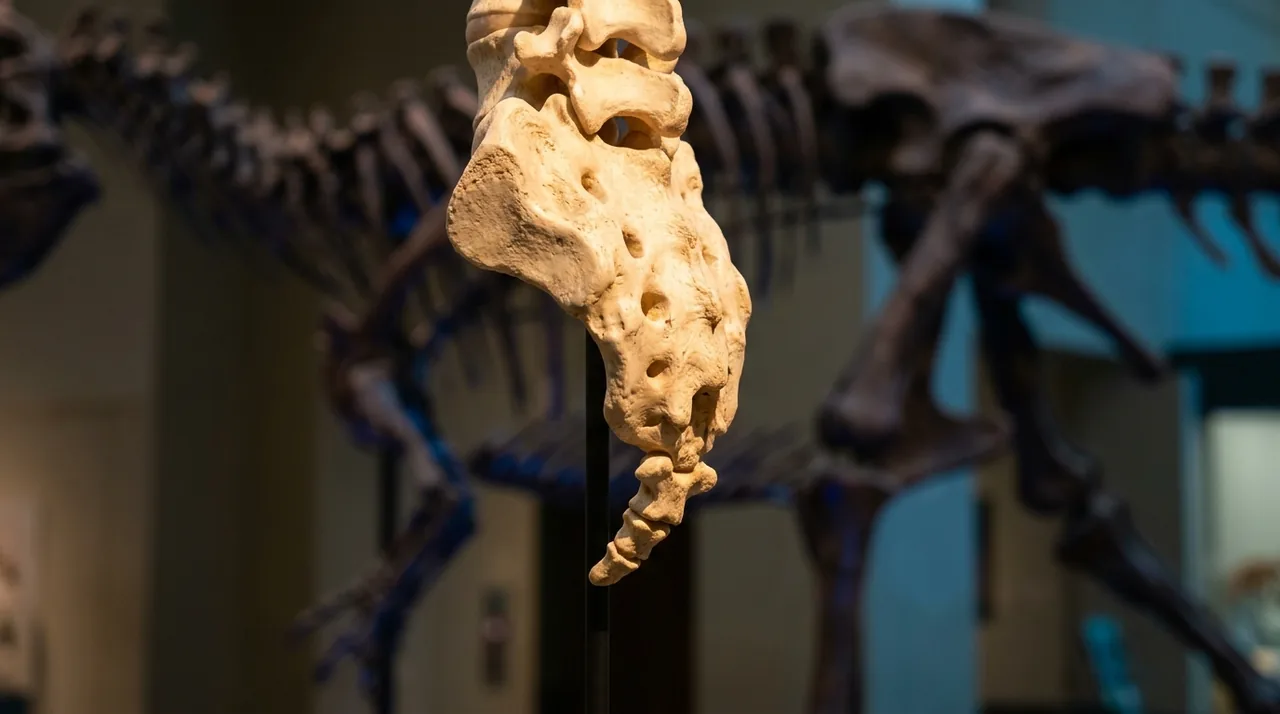
Stand in front of a mirror and pull down your lower eyelid. In the inner corner of the eye, against the bridge of the nose, there is a small pink fold of tissue. It does nothing. It is called the plica semilunaris 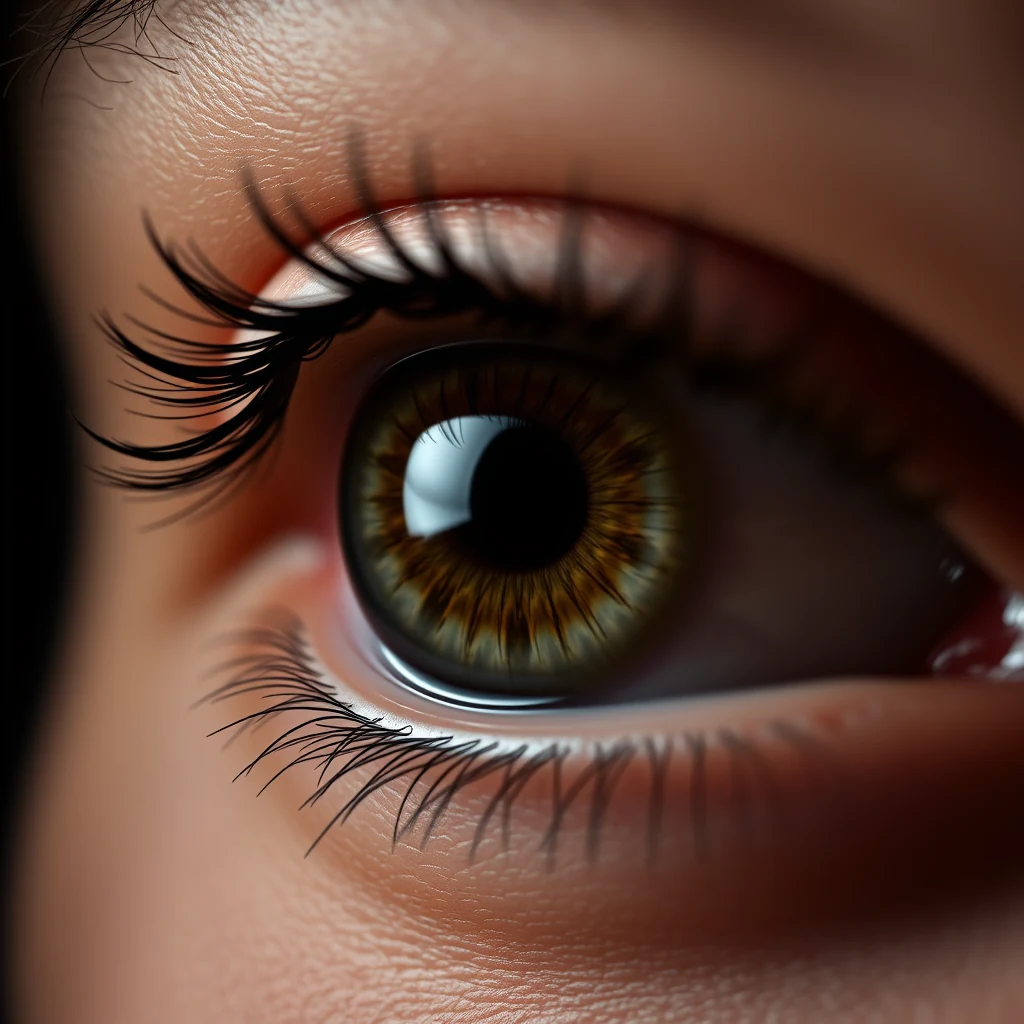 Object Plica semilunaris A small crescent fold of conjunctiva in the inner corner of the human eye, against the nose. In reptiles, birds, and many mammals the equivalent structure is a working third eyelid — the nictitating membrane — that sweeps sideways across the cornea to clean and protect it. In humans it has shrunk to a pink sliver of tissue with no remaining function, kept in place largely because nothing has selected against it.人眼内眦处一小块新月形的结膜皱褶,紧贴鼻侧。在爬行动物、鸟类及许多哺乳动物中,与之同源的结构是一片功能完好的第三眼睑——瞬膜——能横向扫过角膜以清洁和保护之。在人类身上它已退化为一小片粉色组织,不再具有任何功能,之所以仍然保留,主要是因为没有任何选择压力将其淘汰。Pequeño pliegue semilunar de conjuntiva situado en el ángulo interno del ojo humano, junto a la nariz. En reptiles, aves y muchos mamíferos la estructura equivalente es un tercer párpado funcional —la membrana nictitante— que se desliza lateralmente sobre la córnea para limpiarla y protegerla. En el ser humano ha quedado reducida a una franja rosada de tejido sin función residual, conservada en gran medida porque nada ha seleccionado en su contra.طيّة هلالية صغيرة من الملتحمة تقع في الزاوية الداخلية للعين البشرية، في الجهة المقابلة للأنف. في الزواحف والطيور وكثير من الثدييات، يقابل هذه البنية جفنٌ ثالث وظيفي — الغشاء الرامش — يمتدّ جانبيًّا عبر القرنية لتنظيفها وحمايتها. أما في الإنسان فقد تقلّصت إلى شريحة وردية من النسيج لا وظيفة لها، وبقيت في موضعها أساسًا لأن لا شيء انتقى ضدّها.Uma pequena prega em forma de crescente da conjuntiva no canto interno do olho humano, voltada para o nariz. Em répteis, aves e muitos mamíferos, a estrutura equivalente é uma terceira pálpebra funcional — a membrana nictitante — que se desloca lateralmente sobre a córnea para limpá-la e protegê-la. No ser humano, reduziu-se a uma fina lâmina rosada de tecido sem função remanescente, mantida em grande parte porque nada selecionou contra ela.मानव आँख के भीतरी कोने में, नाक की ओर, कंजंक्टाइवा का एक छोटा अर्धचंद्राकार वलन। सरीसृपों, पक्षियों और कई स्तनधारियों में इसके समतुल्य संरचना एक कार्यशील तीसरी पलक होती है — निक्टिटेटिंग झिल्ली — जो कॉर्निया पर बगल से फिसलकर उसे साफ करने और सुरक्षा देने का काम करती है। मनुष्यों में यह सिकुड़कर ऊतक की एक गुलाबी पतली परत रह गई है, जिसका कोई शेष कार्य नहीं है, और यह मुख्यतः इसलिए बनी हुई है क्योंकि किसी भी चयनात्मक दबाव ने इसके विरुद्ध कार्य नहीं किया।Lipatan kecil berbentuk sabit pada konjungtiva di sudut dalam mata manusia, menghadap hidung. Pada reptil, burung, dan banyak mamalia, struktur yang setara berfungsi sebagai kelopak mata ketiga — membran niktitans — yang menyapu menyamping melintasi kornea untuk membersihkan dan melindunginya. Pada manusia, struktur ini telah menyusut menjadi sebilah kecil jaringan berwarna merah muda tanpa fungsi yang tersisa, dan tetap bertahan sebagian besar karena tidak ada tekanan seleksi yang menentangnya.Petit repli semi-lunaire de la conjonctive situé au coin interne de l'œil humain, du côté du nez. Chez les reptiles, les oiseaux et de nombreux mammifères, la structure équivalente constitue une véritable troisième paupière — la membrane nictitante — qui balaie latéralement la cornée pour la nettoyer et la protéger. Chez l'humain, elle s'est réduite à une mince languette de tissu rose dépourvue de toute fonction, maintenue en place essentiellement parce qu'aucune pression sélective ne s'est exercée contre elle.ヒトの目頭の鼻側にある、結膜の小さな三日月状のひだ。爬虫類、鳥類、および多くの哺乳類においては、これに相当する構造は機能的な第三のまぶた——瞬膜——であり、角膜上を横方向に掃くように動いて清掃と保護を行う。ヒトではピンク色の組織片にまで退縮しており、機能は残されておらず、これを排除する選択圧が働いていないために残存しているにすぎない。Небольшая полулунная складка конъюнктивы во внутреннем углу человеческого глаза, со стороны носа. У рептилий, птиц и многих млекопитающих гомологичная структура представляет собой функционирующее третье веко — мигательную перепонку, — которая движется в горизонтальной плоскости поперёк роговицы, очищая и защищая её. У человека она редуцировалась до розовой полоски ткани, лишённой какой-либо функции и сохраняющейся главным образом потому, что отбор не действовал против неё.Eine kleine sichelförmige Bindehautfalte im inneren Augenwinkel des menschlichen Auges, zur Nase hin. Bei Reptilien, Vögeln und vielen Säugetieren ist die entsprechende Struktur ein funktionsfähiges drittes Augenlid – die Nickhaut –, die seitlich über die Hornhaut streicht, um sie zu reinigen und zu schützen. Beim Menschen ist sie auf einen rosafarbenen Gewebsstreifen ohne verbleibende Funktion zurückgebildet und bleibt im Wesentlichen deshalb erhalten, weil nichts gegen sie selektiert hat.사람 눈의 안쪽 구석, 코 쪽으로 자리한 결막의 작은 초승달 모양 주름. 파충류, 조류, 그리고 많은 포유류에서 이에 해당하는 구조는 실제로 작동하는 제3안검, 즉 순막(瞬膜)으로, 각막을 가로질러 옆으로 쓸어내며 이를 씻어내고 보호한다. 사람에게서는 어떠한 기능도 남아 있지 않은 분홍빛 조직의 얇은 조각으로 축소되었으며, 이를 도태시킬 만한 선택압이 없었던 탓에 자리만 유지되고 있다. , and it is what is left of a third eyelid. Reptiles still have a working version — a translucent membrane that sweeps sideways across the cornea to keep it wet and clean. Birds use theirs in flight. Sharks close them when they bite. In humans the membrane has shrunk to a sliver of conjunctiva you would never notice if nobody pointed it out.
It is one of the cleaner pieces of evidence for common descent. There is no design reason for a primate to carry the rudiment of a nictitating membrane. There is an evolutionary reason: somewhere back along the line, our ancestors had one, and the genetic instructions to build it were never fully deleted — only switched mostly off.

The formal name for this kind of leftover is a vestigial structure 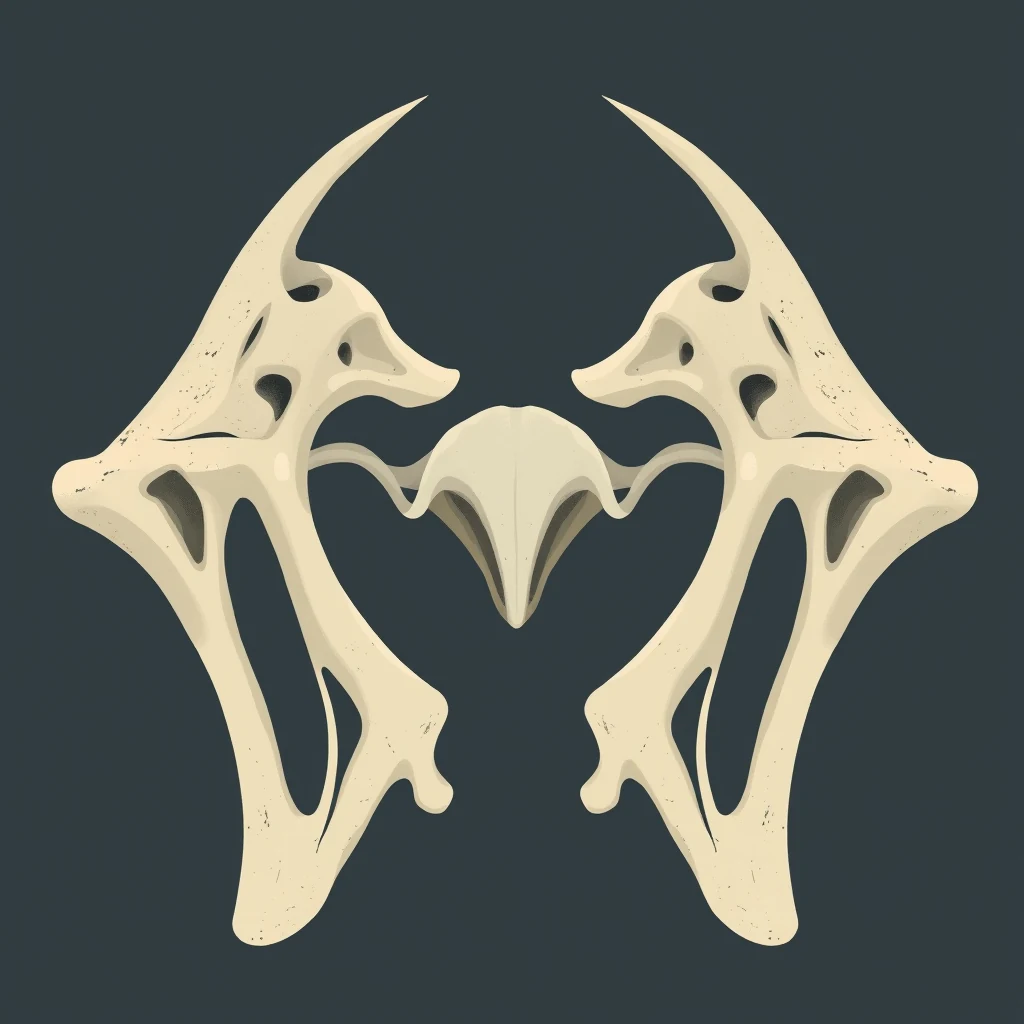 Concept vestigial structure A body part that has lost most or all of its original function over evolutionary time but persists in reduced form. The term covers everything from the human appendix to the eyes of cave-dwelling fish to the hip bones of whales. Vestigial does not always mean useless — some structures have been quietly repurposed — but it does mean the part no longer does what it evolved to do.在演化过程中已丧失大部分或全部原有功能、但仍以退化形式保留下来的身体部位。该术语涵盖范围广泛,从人类的阑尾,到穴居鱼类的眼睛,再到鲸类的髋骨。"痕迹器官"并不总是意味着毫无用处——某些结构已被悄然改作他用——但它确实表明该部位不再执行其演化之初所承担的功能。Parte del cuerpo que ha perdido la mayor parte o la totalidad de su función original a lo largo del tiempo evolutivo, pero que persiste en forma reducida. El término abarca desde el apéndice humano hasta los ojos de los peces cavernícolas o los huesos de la cadera de las ballenas. Vestigial no siempre significa inútil —algunas estructuras han sido discretamente reutilizadas—, pero sí indica que la parte ya no cumple la función para la que evolucionó.عضوٌ في الجسم فقدَ معظم أو كامل وظيفته الأصلية عبر الزمن التطوري، لكنه لا يزال موجوداً في صورة مُقلَّصة. يشمل المصطلح كل شيء من الزائدة الدودية البشرية إلى عيون الأسماك الساكنة في الكهوف وعظام الورك لدى الحيتان. لا يعني الأثري دائماً أنه عديم الفائدة — فبعض البنى أُعيد توظيفها بهدوء — لكنه يعني أن العضو لم يعد يؤدي ما تطوّر من أجله.Uma parte do corpo que perdeu a maior parte ou a totalidade de sua função original ao longo do tempo evolutivo, mas que persiste em forma reduzida. O termo abrange desde o apêndice humano até os olhos de peixes cavernícolas e os ossos do quadril das baleias. Vestigial nem sempre significa inútil — algumas estruturas foram discretamente reaproveitadas —, mas significa que a parte já não desempenha a função para a qual evoluiu.शरीर का एक ऐसा अंग जिसने विकासात्मक समय के दौरान अपना अधिकांश या समस्त मूल कार्य खो दिया है, परंतु जो अब भी संकुचित रूप में बना रहता है। यह शब्द मनुष्य के अपेंडिक्स से लेकर गुफा-निवासी मछलियों की आँखों और व्हेल की कूल्हे की हड्डियों तक सब कुछ अपने दायरे में लेता है। अवशेषी का अर्थ हमेशा निरुपयोगी नहीं होता — कुछ संरचनाओं को चुपचाप किसी अन्य कार्य के लिए ढाल लिया गया है — परंतु इसका अर्थ यह अवश्य है कि वह अंग अब वह कार्य नहीं करता जिसके लिए वह विकसित हुआ था।Bagian tubuh yang telah kehilangan sebagian besar atau seluruh fungsi aslinya dalam rentang waktu evolusi, tetapi tetap bertahan dalam bentuk yang menyusut. Istilah ini mencakup berbagai hal, mulai dari apendiks manusia, mata ikan penghuni gua, hingga tulang panggul paus. Vestigial tidak selalu berarti tidak berguna — sebagian struktur diam-diam dialihfungsikan — tetapi istilah ini memang menandakan bahwa bagian tersebut tidak lagi menjalankan peran yang menjadi alasan evolusinya.Partie du corps ayant perdu tout ou partie de sa fonction d'origine au cours de l'évolution, mais qui subsiste sous une forme réduite. Le terme englobe aussi bien l'appendice humain que les yeux des poissons cavernicoles ou les os du bassin des baleines. Vestigial ne signifie pas toujours inutile — certaines structures ont été discrètement reconverties —, mais cela implique que l'organe n'assure plus la fonction pour laquelle il avait évolué.進化の過程で本来の機能の大半あるいはすべてを失いながらも、縮小した形で残存している身体部位。この用語は、ヒトの虫垂から洞窟に棲む魚の眼、クジラの寛骨に至るまで、あらゆるものを含む。「痕跡的」とは必ずしも無用を意味せず、ひそかに別用途へ転用された構造もあるが、いずれにせよその部位はもはや進化上本来担っていた働きを果たしていない。Часть тела, утратившая большую часть или всю свою исходную функцию в ходе эволюции, но сохраняющаяся в редуцированном виде. Под это понятие подпадает всё — от человеческого аппендикса до глаз пещерных рыб и тазовых костей китов. Рудиментарный не всегда означает бесполезный: некоторые структуры были незаметно перепрофилированы, — но это означает, что орган больше не выполняет той функции, ради которой он сформировался.Ein Körperteil, das im Laufe der Evolution den Großteil oder die gesamte ursprüngliche Funktion verloren hat, aber in reduzierter Form fortbesteht. Der Begriff umfasst alles vom menschlichen Blinddarm über die Augen höhlenbewohnender Fische bis zu den Hüftknochen der Wale. Rudimentär bedeutet nicht zwangsläufig nutzlos – manche Strukturen wurden stillschweigend umfunktioniert –, wohl aber, dass der betreffende Teil nicht mehr das tut, wofür er einst evolviert ist.진화의 시간을 거치며 원래 기능의 대부분 또는 전부를 상실했으나 축소된 형태로 잔존하는 신체 부위. 인간의 충수, 동굴에 사는 물고기의 눈, 고래의 골반뼈에 이르기까지 모든 사례가 이 용어에 포함된다. 흔적기관이라고 해서 반드시 쓸모없다는 뜻은 아니며, 일부 구조는 다른 용도로 조용히 전용되기도 했다. 다만 해당 부위가 본래 진화시킨 기능을 더 이상 수행하지 않는다는 점만은 분명하다. . Charles Darwin
  Person Charles Darwin English naturalist (1809–1882) whose theory of evolution by natural selection, set out in On the Origin of Species in 1859, became the organising principle of modern biology. Darwin gathered evidence for common descent from comparative anatomy, embryology, fossils, biogeography, and domestic breeding. He paid particular attention to vestigial organs, which he treated as some of the cleanest signatures of evolutionary history written into living bodies.英国博物学家(1809—1882),其于1859年在《物种起源》中提出的自然选择进化论成为现代生物学的组织原理。达尔文从比较解剖学、胚胎学、化石、生物地理学和家养驯化中收集共同祖先的证据。他尤其关注退化器官,将其视为铭刻在生物体内、最为清晰的进化史印记之一。Naturalista inglés (1809-1882) cuya teoría de la evolución por selección natural, expuesta en El origen de las especies en 1859, se convirtió en el principio organizador de la biología moderna. Darwin reunió pruebas de la ascendencia común a partir de la anatomía comparada, la embriología, los fósiles, la biogeografía y la cría doméstica. Prestó especial atención a los órganos vestigiales, a los que consideraba algunas de las huellas más nítidas de la historia evolutiva inscritas en los cuerpos vivos.عالم طبيعة إنجليزي (1809–1882)، أصبحت نظريته في التطور بالانتقاء الطبيعي، التي عرضها في كتاب «أصل الأنواع» عام 1859، المبدأ الناظم لعلم الأحياء الحديث. جمع داروين الأدلة على الأصل المشترك من علم التشريح المقارن وعلم الأجنّة والمستحاثات والجغرافيا الحيوية والتربية المنزلية. وأولى اهتماماً خاصاً بالأعضاء الأثرية، التي عدّها من أوضح بصمات التاريخ التطوري المسطورة في أجساد الكائنات الحية.Naturalista inglês (1809–1882) cuja teoria da evolução por seleção natural, exposta em A Origem das Espécies em 1859, tornou-se o princípio organizador da biologia moderna. Darwin reuniu evidências da descendência comum a partir da anatomia comparada, da embriologia, dos fósseis, da biogeografia e da criação doméstica. Dedicou particular atenção aos órgãos vestigiais, que tratou como algumas das mais nítidas assinaturas da história evolutiva inscritas nos corpos vivos.अंग्रेज़ प्रकृतिविद् (1809–1882) जिनका प्राकृतिक वरण द्वारा विकास का सिद्धांत, 1859 में *ऑन द ओरिजिन ऑफ़ स्पीशीज़* में प्रस्तुत किया गया, आधुनिक जीव विज्ञान का संगठनकारी सिद्धांत बन गया। डार्विन ने सामान्य वंशक्रम के प्रमाण तुलनात्मक शारीरिकी, भ्रूणविज्ञान, जीवाश्मों, जैवभूगोल और पालतू प्रजनन से एकत्र किए। उन्होंने अवशेषी अंगों पर विशेष ध्यान दिया, जिन्हें वे जीवित शरीरों में अंकित विकासात्मक इतिहास के सबसे स्पष्ट चिह्नों में से कुछ मानते थे।Naturalis Inggris (1809–1882) yang teorinya tentang evolusi melalui seleksi alam, yang dipaparkan dalam On the Origin of Species pada tahun 1859, menjadi prinsip pengorganisasi biologi modern. Darwin mengumpulkan bukti bagi keturunan bersama dari anatomi perbandingan, embriologi, fosil, biogeografi, dan pembiakan domestik. Ia menaruh perhatian khusus pada organ vestigial, yang ia perlakukan sebagai salah satu jejak sejarah evolusi paling jernih yang tertulis pada tubuh makhluk hidup.Naturaliste anglais (1809-1882) dont la théorie de l'évolution par sélection naturelle, exposée dans *De l'origine des espèces* en 1859, devint le principe organisateur de la biologie moderne. Darwin réunit les preuves de la descendance commune à partir de l'anatomie comparée, de l'embryologie, des fossiles, de la biogéographie et de l'élevage domestique. Il accorda une attention particulière aux organes vestigiaux, qu'il considérait comme l'une des signatures les plus nettes de l'histoire évolutive inscrites dans les corps vivants.イギリスの博物学者(1809–1882)。1859年刊行の『種の起源』で示した自然選択による進化論は、近代生物学の組織原理となった。ダーウィンは比較解剖学、発生学、化石、生物地理学、家畜の品種改良から共通祖先の証拠を集めた。とりわけ痕跡器官に注目し、これを生体に刻まれた進化史の最も明瞭な徴のひとつとして扱った。Английский натуралист (1809–1882), чья теория эволюции путём естественного отбора, изложенная в труде «Происхождение видов» в 1859 году, стала организующим принципом современной биологии. Дарвин собирал свидетельства общего происхождения, опираясь на сравнительную анатомию, эмбриологию, ископаемые остатки, биогеографию и одомашненное разведение. Особое внимание он уделял рудиментарным органам, которые рассматривал как одни из наиболее отчётливых отпечатков эволюционной истории, запечатлённых в живых организмах.Englischer Naturforscher (1809–1882), dessen in „Über die Entstehung der Arten" 1859 dargelegte Theorie der Evolution durch natürliche Auslese zum Ordnungsprinzip der modernen Biologie wurde. Darwin trug Belege für die gemeinsame Abstammung aus vergleichender Anatomie, Embryologie, Fossilien, Biogeographie und Haustierzüchtung zusammen. Besondere Aufmerksamkeit widmete er rudimentären Organen, die er als einige der deutlichsten Spuren der Evolutionsgeschichte ansah, die in lebende Körper eingeschrieben sind.1859년 『종의 기원』에서 제시한 자연선택에 의한 진화론으로 현대 생물학의 조직 원리를 마련한 영국의 박물학자(1809~1882). 다윈은 비교해부학, 발생학, 화석, 생물지리학, 가축 육종에서 공통 조상의 증거를 수집했다. 그는 특히 흔적기관에 주목했으며, 이를 살아 있는 신체에 새겨진 진화사의 가장 분명한 흔적 가운데 하나로 다루었다. devoted a chapter of *On the Origin of Species* to them in 1859, and a longer treatment in *The Descent of Man* twelve years later. He counted, in human anatomy alone, more than a dozen organs and reflexes that made sense only as inheritance.
A walking museum
The tailbone is the obvious one. Four — sometimes five — fused vertebrae at the base of the spine, attached to nothing useful, occasionally fractured by a hard fall on the stairs. The coccyx 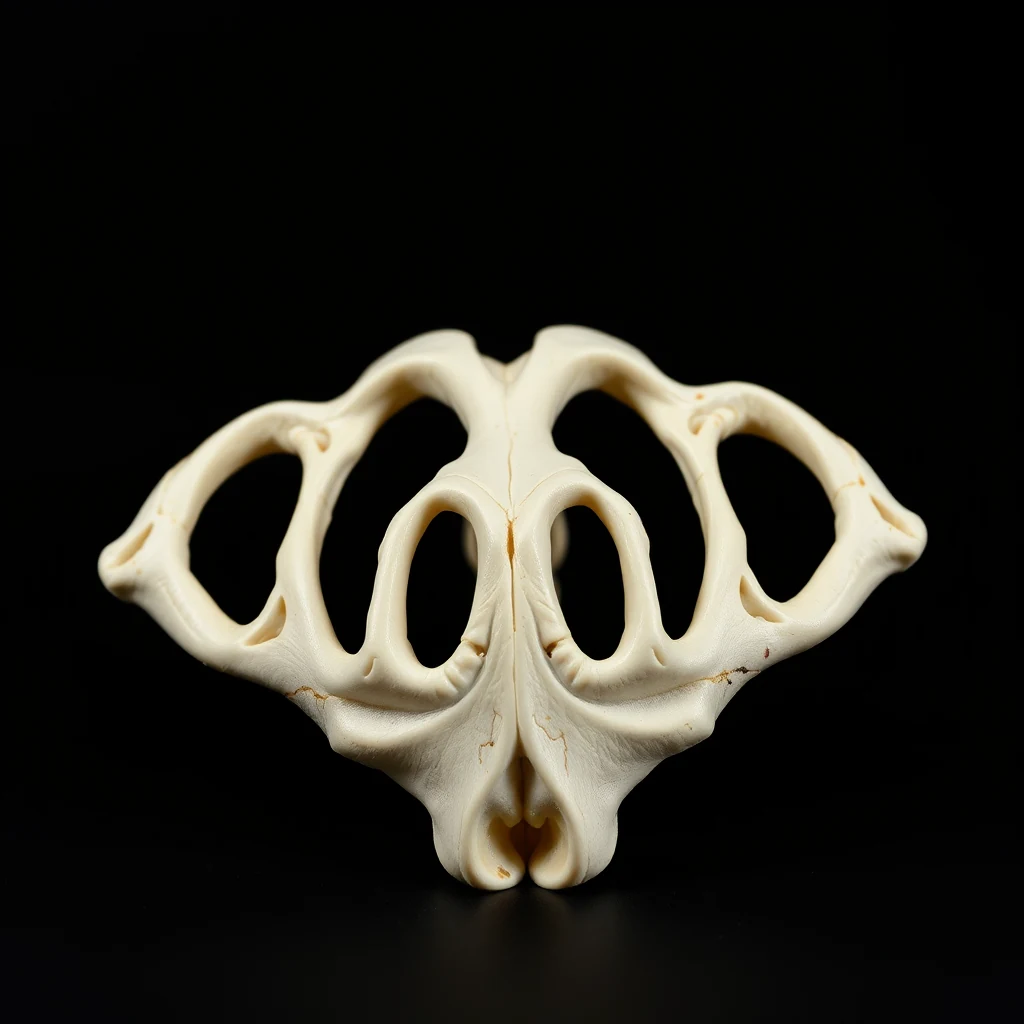 Object coccyx The tailbone: a small triangular stack of three to five fused vertebrae at the base of the human spine. It is the residue of the tail that every mammalian embryo briefly grows in the womb before resorbing it. The coccyx anchors several pelvic muscles and ligaments but no longer projects beyond the body. Fractures and bruises of the coccyx are common after falls and notoriously slow to heal.尾骨:位于人体脊柱末端的小型三角形骨块,由三至五节融合椎骨构成。它是每个哺乳动物胚胎在子宫内短暂生长、随后被吸收的尾巴的遗迹。尾骨为若干盆腔肌肉和韧带提供附着点,但不再向体外突出。摔倒后尾骨骨折和挫伤十分常见,且以愈合缓慢著称。El cóccix: un pequeño apilamiento triangular de tres a cinco vértebras fusionadas situado en la base de la columna vertebral humana. Es el vestigio de la cola que todo embrión de mamífero desarrolla brevemente en el útero antes de reabsorberla. El cóccix sirve de anclaje a varios músculos y ligamentos pélvicos, pero ya no se proyecta más allá del cuerpo. Las fracturas y contusiones del cóccix son frecuentes tras las caídas y notoriamente lentas de curar.العُصْعُص: كومة مثلثة صغيرة مؤلفة من ثلاث إلى خمس فقرات ملتحمة تقع في قاعدة العمود الفقري البشري. وهو ما تبقى من الذيل الذي ينمو لفترة وجيزة لدى كل جنين ثديي في الرحم قبل أن يُعاد امتصاصه. يُثبّت العُصْعُص عدداً من عضلات الحوض وأربطته، غير أنه لم يعد يبرز خارج الجسم. وكسور العُصْعُص ورضوضه شائعة بعد السقوط، ومعروفة ببطء التئامها الشديد.O cóccix: uma pequena pilha triangular de três a cinco vértebras fundidas na base da coluna vertebral humana. É o resíduo da cauda que todo embrião de mamífero brevemente desenvolve no útero antes de reabsorvê-la. O cóccix ancora diversos músculos e ligamentos pélvicos, mas já não se projeta para além do corpo. Fraturas e contusões do cóccix são comuns após quedas e notoriamente lentas a cicatrizar.पुच्छास्थि: मानव रीढ़ के आधार पर तीन से पाँच जुड़ी हुई कशेरुकाओं का एक छोटा त्रिकोणीय ढेर। यह उस पूँछ का अवशेष है जिसे प्रत्येक स्तनधारी भ्रूण गर्भ में संक्षेप में उगाता है और फिर पुनः अवशोषित कर लेता है। पुच्छास्थि श्रोणि की कई मांसपेशियों और स्नायुबंधों को आधार देती है, परंतु अब शरीर से बाहर नहीं निकलती। गिरने के बाद पुच्छास्थि में फ्रैक्चर और चोटें आम हैं और कुख्यात रूप से धीरे-धीरे भरती हैं।Tulang ekor: tumpukan kecil berbentuk segitiga terdiri atas tiga hingga lima vertebra yang menyatu di dasar tulang belakang manusia. Ia merupakan sisa dari ekor yang sempat tumbuh sebentar pada setiap embrio mamalia di dalam rahim sebelum diserap kembali. Koksiks menjadi tempat melekatnya beberapa otot dan ligamen panggul, tetapi tidak lagi menonjol keluar dari tubuh. Patah dan memar pada koksiks lazim terjadi setelah terjatuh dan terkenal lambat untuk sembuh.Le coccyx : petite pile triangulaire de trois à cinq vertèbres soudées à la base de la colonne vertébrale humaine. Il est le vestige de la queue que tout embryon de mammifère développe brièvement dans l'utérus avant de la résorber. Le coccyx ancre plusieurs muscles et ligaments pelviens, mais ne fait plus saillie au-delà du corps. Les fractures et contusions du coccyx sont fréquentes à la suite de chutes et notoirement longues à guérir.尾骨——人間の脊柱の基部にある、三〜五個の癒合した椎骨からなる小さな三角形の構造。哺乳類の胎児が子宮内で一時的に形成し、その後再吸収する尾の名残である。尾骨は骨盤の筋肉や靭帯のいくつかを固定する役割を担うが、もはや体外に突出することはない。尾骨の骨折や打撲は転倒によって生じることが多く、治癒が著しく遅いことで知られている。Копчик: небольшая треугольная структура из трёх–пяти сросшихся позвонков в основании человеческого позвоночника. Это остаток хвоста, который кратковременно отрастает у каждого зародыша млекопитающего в утробе матери, прежде чем рассосаться. Копчик служит точкой прикрепления для нескольких тазовых мышц и связок, но больше не выступает за пределы тела. Переломы и ушибы копчика часто случаются при падениях и, как известно, заживают крайне медленно.Das Steißbein: ein kleiner, dreieckiger Stapel aus drei bis fünf verschmolzenen Wirbeln am unteren Ende der menschlichen Wirbelsäule. Es ist das Überbleibsel jenes Schwanzes, den jeder Säugetierembryo im Mutterleib kurzzeitig ausbildet, bevor er ihn wieder zurückbildet. Das Os coccygis dient als Ansatzpunkt für mehrere Muskeln und Bänder des Beckens, ragt jedoch nicht mehr über den Körper hinaus. Frakturen und Prellungen des Steißbeins treten häufig nach Stürzen auf und sind dafür bekannt, nur langsam zu heilen.꼬리뼈: 인간 척추 맨 아래쪽에 위치한, 3~5개의 융합된 척추뼈로 이루어진 작은 삼각형 구조물. 모든 포유류 배아가 자궁 속에서 잠시 발달시켰다가 다시 흡수해 버리는 꼬리의 흔적이다. 미골은 여러 골반 근육과 인대를 고정하는 역할을 하지만, 더 이상 몸 밖으로 돌출되지는 않는다. 미골의 골절과 타박상은 낙상 이후 흔히 발생하며, 회복이 더디기로 악명이 높다. is what remains of the tail that every mammalian embryo still grows in the womb and then resorbs around the eighth week. About one in every few tens of thousands of babies is born with the resorption incomplete — a soft, fleshy human tail
 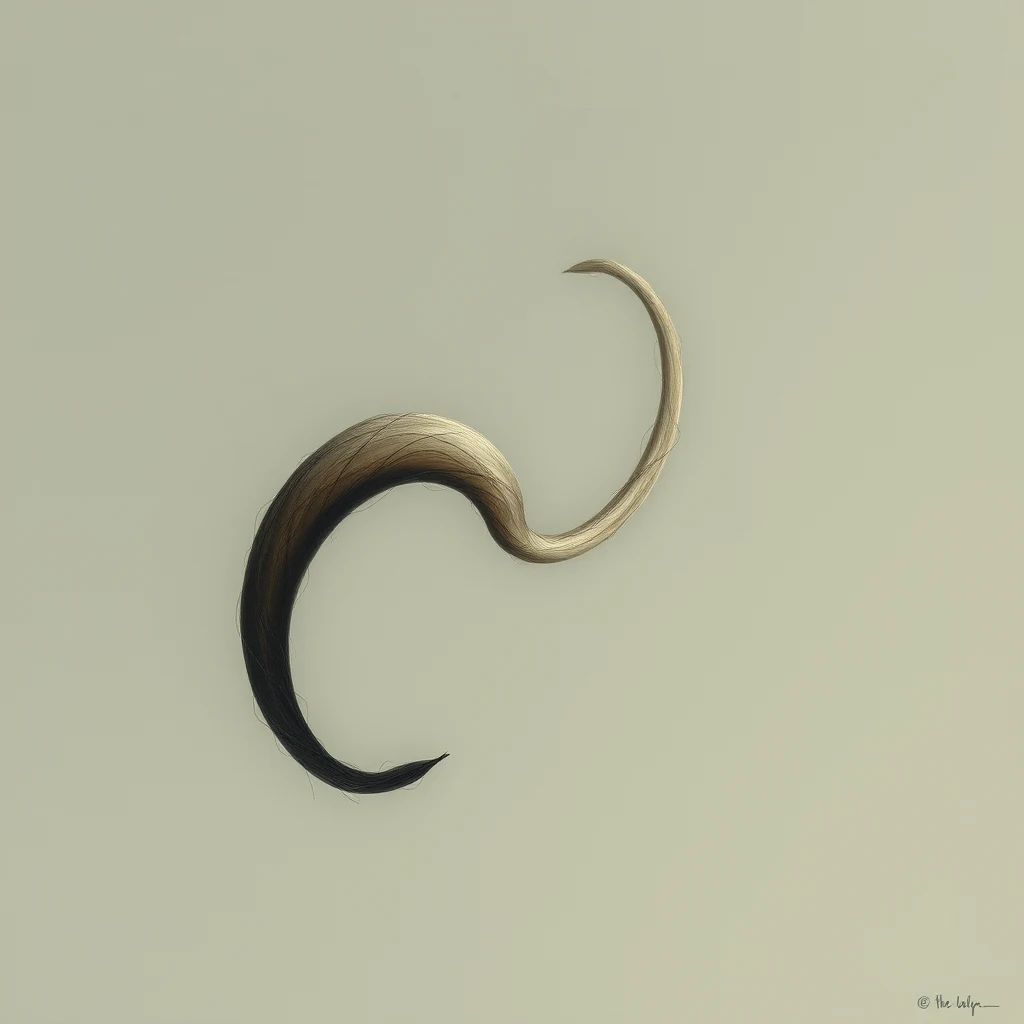 Concept human tail A rare congenital condition in which a newborn retains the embryonic tail that should have been resorbed in the womb. True human tails contain skin, connective tissue, muscle and nerves but no vertebrae; pseudotails may contain bone or cartilage. Around two hundred cases are recorded in the modern medical literature. They are almost always removed surgically in infancy and rarely cause lasting complications.一种罕见的先天性疾病,新生儿保留了本应在子宫内被重新吸收的胚胎尾部。真性人类尾巴含有皮肤、结缔组织、肌肉和神经,但不含椎骨;假性尾巴则可能含有骨或软骨。现代医学文献记载的病例约有两百例。此类尾巴几乎都会在婴儿期通过外科手术切除,极少引起持久的并发症。Afección congénita poco frecuente en la que un recién nacido conserva la cola embrionaria que debió haberse reabsorbido en el útero. Las verdaderas colas humanas contienen piel, tejido conectivo, músculo y nervios, pero carecen de vértebras; las pseudocolas pueden contener hueso o cartílago. En la literatura médica moderna se han registrado alrededor de doscientos casos. Casi siempre se extirpan quirúrgicamente durante la lactancia y rara vez ocasionan complicaciones duraderas.حالة خِلقية نادرة يحتفظ فيها المولود بالذيل الجنيني الذي كان يُفترض أن تُعاد امتصاصه في الرحم. تحتوي الذيول البشرية الحقيقية على جلد ونسيج ضام وعضلات وأعصاب، لكنها تخلو من الفقرات؛ أما الذيول الكاذبة فقد تحتوي على عظم أو غضروف. سُجِّل في الأدبيات الطبية الحديثة نحو مئتي حالة. وتُستأصل هذه الذيول جراحيًا في مرحلة الرضاعة في معظم الحالات، ونادرًا ما تُسبِّب مضاعفات دائمة.Condição congênita rara em que o recém-nascido conserva a cauda embrionária que deveria ter sido reabsorvida no útero. As caudas humanas verdadeiras contêm pele, tecido conjuntivo, músculo e nervos, mas nenhuma vértebra; as pseudocaudas podem conter osso ou cartilagem. Cerca de duzentos casos estão registrados na literatura médica moderna. São quase sempre removidas cirurgicamente na infância e raramente causam complicações duradouras.एक दुर्लभ जन्मजात स्थिति जिसमें नवजात शिशु में वह भ्रूणीय पूँछ बनी रहती है, जिसे गर्भ में ही पुनः अवशोषित हो जाना चाहिए था। वास्तविक मानव पूँछों में त्वचा, संयोजी ऊतक, मांसपेशियाँ और तंत्रिकाएँ होती हैं, परंतु कशेरुकाएँ नहीं होतीं; छद्म-पूँछों में हड्डी या उपास्थि हो सकती है। आधुनिक चिकित्सा साहित्य में लगभग दो सौ मामले दर्ज हैं। इन्हें लगभग हमेशा शैशवावस्था में शल्यक्रिया द्वारा हटा दिया जाता है और इनसे शायद ही कभी दीर्घकालिक जटिलताएँ उत्पन्न होती हैं।Kondisi bawaan langka di mana bayi yang baru lahir mempertahankan ekor embrionik yang seharusnya telah diserap kembali di dalam rahim. Ekor manusia sejati mengandung kulit, jaringan ikat, otot, dan saraf tetapi tidak memiliki tulang belakang; pseudoekor dapat mengandung tulang atau tulang rawan. Sekitar dua ratus kasus telah tercatat dalam literatur medis modern. Hampir selalu diangkat melalui pembedahan pada masa bayi dan jarang menimbulkan komplikasi yang berkepanjangan.Affection congénitale rare dans laquelle un nouveau-né conserve la queue embryonnaire qui aurait dû être résorbée dans l'utérus. Les véritables queues humaines contiennent de la peau, du tissu conjonctif, du muscle et des nerfs, mais aucune vertèbre ; les pseudo-queues peuvent contenir de l'os ou du cartilage. Environ deux cents cas sont recensés dans la littérature médicale moderne. Elles sont presque toujours retirées chirurgicalement durant la petite enfance et provoquent rarement des complications durables.まれな先天性疾患で、本来は胎内で吸収されるはずの胚性尾部が新生児に残存したもの。真性の人尾は皮膚、結合組織、筋肉、神経からなるが椎骨を含まない。一方、偽尾には骨や軟骨が含まれることがある。近代医学文献には約二百例が記録されている。ほぼ例外なく乳児期に外科的に切除され、後遺症を残すことはまれである。Редкое врождённое состояние, при котором новорождённый сохраняет эмбриональный хвост, который должен был резорбироваться во внутриутробном периоде. Истинные человеческие хвосты содержат кожу, соединительную ткань, мышцы и нервы, но не содержат позвонков; псевдохвосты могут включать кость или хрящ. В современной медицинской литературе зарегистрировано около двухсот случаев. Они почти всегда удаляются хирургически в младенчестве и редко приводят к стойким осложнениям.Eine seltene angeborene Erkrankung, bei der ein Neugeborenes den embryonalen Schwanz behält, der im Mutterleib hätte resorbiert werden sollen. Echte menschliche Schwänze enthalten Haut, Bindegewebe, Muskeln und Nerven, aber keine Wirbel; Pseudoschwänze können Knochen oder Knorpel enthalten. In der modernen medizinischen Literatur sind etwa zweihundert Fälle dokumentiert. Sie werden fast immer im Säuglingsalter operativ entfernt und verursachen selten bleibende Komplikationen.자궁 내에서 흡수되었어야 할 배아 꼬리가 신생아에게 그대로 남아 있는 희귀 선천 질환. 진성 인간 꼬리는 피부, 결합조직, 근육, 신경으로 구성되며 척추뼈는 없고, 가성 꼬리에는 뼈나 연골이 포함될 수 있다. 현대 의학 문헌에 보고된 사례는 약 200건이다. 거의 대부분 영아기에 외과적으로 제거되며, 지속적인 합병증을 일으키는 경우는 드물다. up to several centimetres long, almost always removed in the first weeks of life. There are roughly two hundred such cases documented in the modern medical literature.

The goosebumps reflex is another. The technical name is piloerection 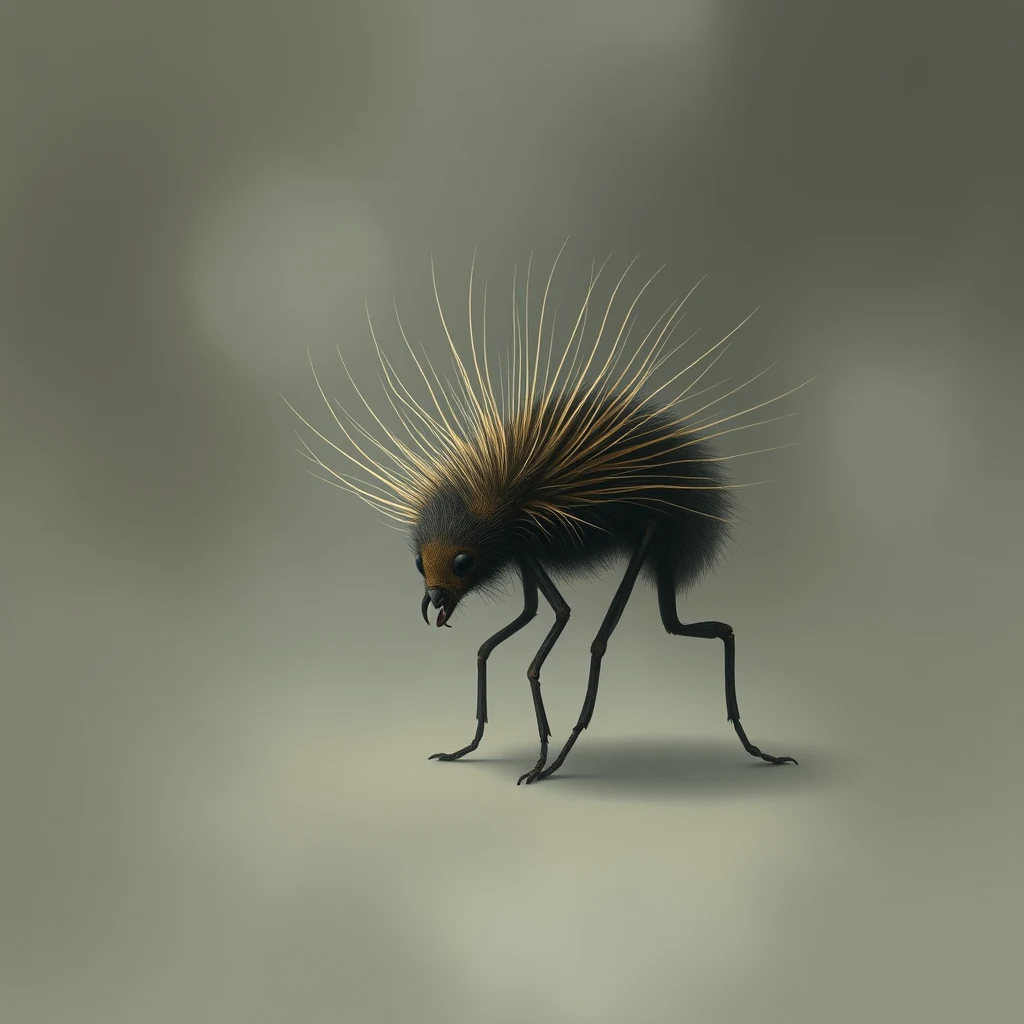 Concept piloerection The involuntary contraction of the arrector pili muscles, tiny strands of smooth muscle anchored to each hair follicle, which pulls hairs upright. In furred mammals this traps an insulating layer of air against the skin or makes the animal look larger to threats. In modern humans, with negligible body hair, the reflex produces only the dimpled skin known as goosebumps, triggered by cold, fear, or strong emotion.立毛肌的不自主收缩。立毛肌是附着于每个毛囊上的微小平滑肌纤维束,收缩时将毛发竖起。在有毛哺乳动物体内,这一反射可在皮肤表面截留一层具有保温作用的空气,或使动物在受到威胁时显得体型更大。现代人类体毛稀少,该反射仅在皮肤上形成称为鸡皮疙瘩的颗粒状凸起,由寒冷、恐惧或强烈情绪所触发。La contracción involuntaria de los músculos erectores del pelo, diminutos haces de músculo liso anclados a cada folículo piloso, que tira de los pelos hasta ponerlos erguidos. En los mamíferos provistos de pelaje, esto atrapa una capa aislante de aire contra la piel o hace que el animal parezca más grande ante las amenazas. En los seres humanos modernos, con un vello corporal insignificante, el reflejo produce únicamente la piel moteada conocida como carne de gallina, desencadenada por el frío, el miedo o una emoción intensa.الانقباض اللاإرادي لعضلات ناصبة الشعرة، وهي خيوط دقيقة من العضلات الملساء مرتبطة بكل بصيلة شعر، والتي تشد الشعر إلى وضع منتصب. في الثدييات ذات الفراء، يحبس هذا انقباضًا طبقةً عازلة من الهواء على البشرة أو يُظهر الحيوان أكبر حجمًا في مواجهة التهديدات. أما في الإنسان الحديث، الذي يكاد يخلو من شعر الجسم، فلا ينتج عن هذه الاستجابة الانعكاسية سوى تنقّط الجلد المعروف بالقشعريرة، الذي تستثيره البرودة أو الخوف أو الانفعال الشديد.A contração involuntária dos músculos eretores do pelo, minúsculas fibras de músculo liso ancoradas a cada folículo piloso, que ergue os pelos. Em mamíferos peludos, isso retém uma camada isolante de ar junto à pele ou faz o animal parecer maior diante de ameaças. Nos humanos modernos, com pelagem corporal insignificante, o reflexo produz apenas o enrugamento da pele conhecido como arrepio, desencadeado pelo frio, pelo medo ou por emoção intensa.प्रत्येक रोमकूप से जुड़ी चिकनी पेशी की सूक्ष्म लड़ियों, अर्थात् अरेक्टर पिली पेशियों का अनैच्छिक संकुचन, जो रोमों को सीधा खड़ा कर देता है। रोमयुक्त स्तनधारियों में यह त्वचा के विरुद्ध वायु की एक ऊष्मारोधी परत को बाँध लेता है अथवा पशु को संकटों के समक्ष बड़ा दिखाने का कार्य करता है। आधुनिक मनुष्यों में, जिनके शरीर पर नगण्य रोम होते हैं, यह प्रतिवर्त केवल त्वचा पर वे गड्ढेदार उभार उत्पन्न करता है जिन्हें रोमांच या रोंगटे कहा जाता है, और जो शीत, भय अथवा प्रबल भावावेग से प्रेरित होते हैं।Kontraksi tak sadar otot arrector pili, untaian halus otot polos yang terjangkar pada setiap folikel rambut, yang menarik rambut hingga tegak. Pada mamalia berbulu, hal ini memerangkap lapisan udara penyekat di permukaan kulit atau membuat hewan tampak lebih besar di hadapan ancaman. Pada manusia modern, yang nyaris tak berbulu, refleks ini hanya menghasilkan kulit berbintil yang dikenal sebagai merinding, dipicu oleh dingin, rasa takut, atau emosi yang kuat.La contraction involontaire des muscles arrecteurs des poils, minces fibres de muscle lisse fixées à chaque follicule pileux, qui redresse les poils. Chez les mammifères poilus, elle emprisonne une couche d'air isolante contre la peau ou fait paraître l'animal plus imposant face aux menaces. Chez l'humain moderne, dont la pilosité corporelle est négligeable, le réflexe ne produit que la peau granuleuse dite chair de poule, déclenchée par le froid, la peur ou une émotion intense.各毛包に結びついた平滑筋の微細な線維である立毛筋が不随意に収縮し、毛を直立させる現象。有毛哺乳類ではこれにより皮膚に断熱用の空気層を閉じ込めたり、外敵に対して体を大きく見せたりする。体毛がほとんど退化した現代人では、この反射は鳥肌として知られる小さな皮膚の隆起を生じさせるのみで、寒さ、恐怖、強い情動によって引き起こされる。Непроизвольное сокращение мышц, поднимающих волос (arrector pili), — крошечных пучков гладкой мускулатуры, прикреплённых к каждому волосяному фолликулу, — которое поднимает волосы вертикально. У покрытых шерстью млекопитающих это удерживает изолирующий слой воздуха у кожи или делает животное визуально крупнее перед угрозой. У современного человека, с ничтожным волосяным покровом, рефлекс вызывает лишь бугристую кожу, известную как «гусиная кожа», и запускается холодом, страхом или сильной эмоцией.Die unwillkürliche Kontraktion der Musculi arrectores pilorum, winziger Stränge glatter Muskulatur, die an jedem Haarfollikel verankert sind und die Haare aufrichten. Bei behaarten Säugetieren wird dadurch eine isolierende Luftschicht an der Haut eingeschlossen oder das Tier erscheint Bedrohungen gegenüber größer. Beim modernen Menschen, dessen Körperbehaarung vernachlässigbar ist, erzeugt der Reflex lediglich die als Gänsehaut bekannte genoppte Hautoberfläche, ausgelöst durch Kälte, Furcht oder starke Gefühlsregungen.각 모낭에 부착된 작은 평활근 가닥인 입모근이 불수의적으로 수축하여 털을 곧추세우는 반사 작용. 털이 많은 포유류에서는 이로 인해 피부에 단열 공기층이 형성되거나 위협 대상에게 몸집이 더 커 보이게 한다. 체모가 거의 없는 현대 인류에서는 추위, 공포, 강한 감정에 의해 유발되어 소름이라 불리는 오톨도톨한 피부 변화만을 일으킨다. : tiny muscles called arrector pili, one attached to each hair follicle, contract and tug the hair upright. In a cat or a rat or a chimpanzee this puffs out the coat — trapping a layer of warm air against the skin, or making the animal look larger to a rival. In a human it produces dimpled skin and not much else, because we lost most of our fur somewhere between one and three million years ago and the muscles never got the memo.

Then there are the ears. The three auriculares muscles 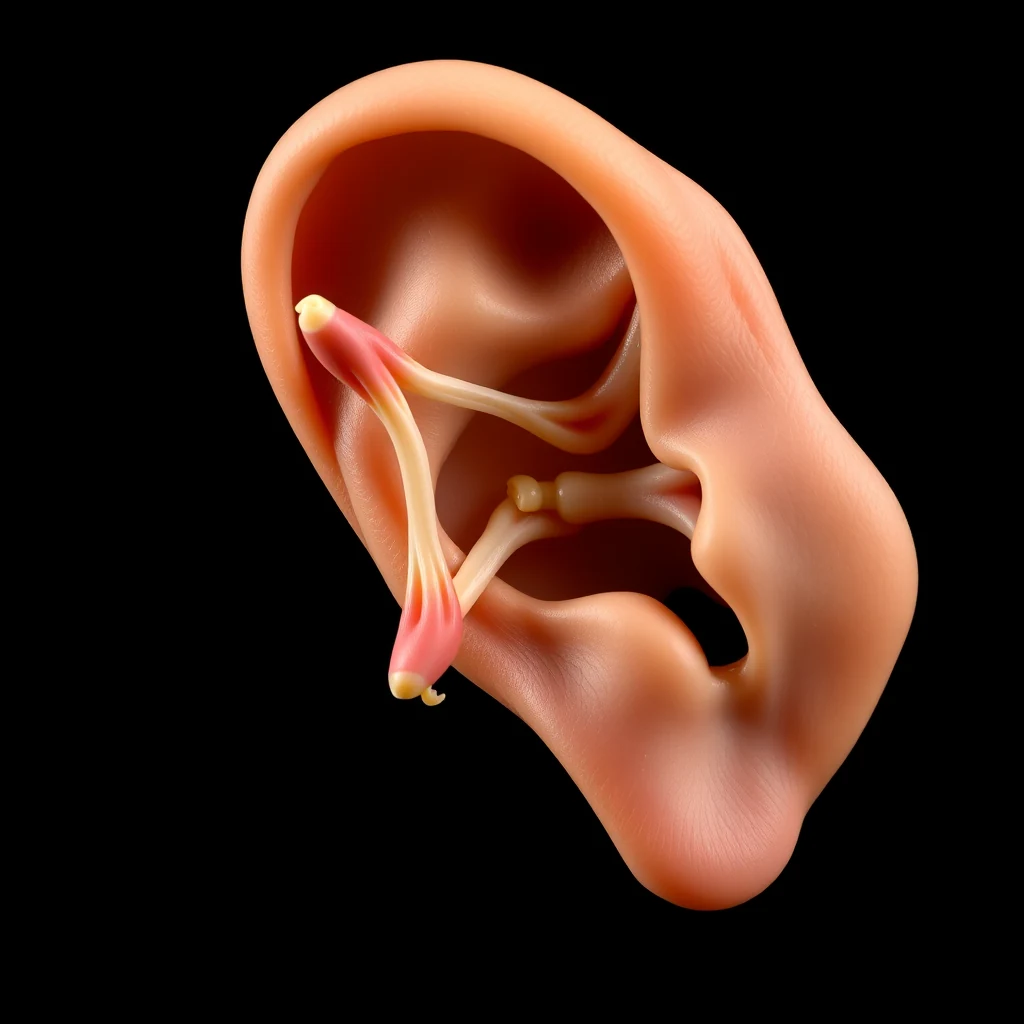 Object auriculares muscles Three small muscles — anterior, superior, and posterior — surrounding each external human ear. In cats, dogs, horses, and most other mammals their equivalents rotate the outer ear toward a sound source. In humans the muscles are still present, still innervated by the facial nerve, and still produce faint reflex twitches in response to unexpected sounds, but they no longer move the ear in any useful way.围绕人类每只外耳的三块小肌肉——耳前肌、耳上肌和耳后肌。在猫、狗、马及大多数其他哺乳动物身上,与之对应的肌肉可使外耳朝向声源转动。在人体内,这些肌肉依然存在,仍由面神经支配,并在听到突如其来的声响时仍会产生微弱的反射性抽动,但已无法以任何有效方式带动耳朵活动。Tres pequeños músculos —anterior, superior y posterior— que rodean cada oreja externa humana. En gatos, perros, caballos y la mayoría de los demás mamíferos, sus equivalentes orientan el pabellón auricular hacia la fuente de un sonido. En los seres humanos, los músculos siguen presentes, siguen inervados por el nervio facial y aún producen leves contracciones reflejas ante sonidos inesperados, pero ya no mueven la oreja de manera útil.ثلاث عضلات صغيرة — أمامية وعلوية وخلفية — تحيط بكل أذن خارجية لدى الإنسان. وفي القطط والكلاب والخيول ومعظم الثدييات الأخرى، تعمل نظائرها على تدوير الأذن الخارجية باتجاه مصدر الصوت. أما في الإنسان فلا تزال هذه العضلات موجودة، ولا يزال العصب الوجهي يغذّيها، ولا تزال تُحدث ارتعاشات انعكاسية خفيفة استجابةً للأصوات المباغتة، غير أنها لم تعد تحرّك الأذن أي حركة ذات نفع.Três pequenos músculos — anterior, superior e posterior — que circundam cada orelha externa humana. Em gatos, cães, cavalos e na maioria dos demais mamíferos, seus equivalentes giram a orelha externa em direção à fonte sonora. Nos humanos, esses músculos ainda estão presentes, ainda são inervados pelo nervo facial e ainda produzem leves contrações reflexas em resposta a sons inesperados, mas já não movem a orelha de maneira útil.प्रत्येक मानव बाह्य कर्ण के चारों ओर स्थित तीन छोटी मांसपेशियाँ — अग्र, ऊर्ध्व और पश्च। बिल्लियों, कुत्तों, घोड़ों तथा अधिकांश अन्य स्तनधारियों में इनके समतुल्य अंग बाह्य कर्ण को ध्वनि के स्रोत की ओर घुमाते हैं। मनुष्यों में ये मांसपेशियाँ अब भी विद्यमान हैं, अब भी फेशियल तंत्रिका द्वारा अन्तर्वेशित होती हैं, और अप्रत्याशित ध्वनियों के प्रत्युत्तर में अब भी हल्की प्रतिवर्ती फड़कन उत्पन्न करती हैं, परन्तु वे कान को किसी उपयोगी ढंग से हिला नहीं पातीं।Tiga otot kecil — anterior, superior, dan posterior — yang mengelilingi setiap telinga luar manusia. Pada kucing, anjing, kuda, dan kebanyakan mamalia lain, padanannya memutar telinga luar ke arah sumber suara. Pada manusia otot-otot ini masih ada, masih dipersarafi oleh saraf wajah, dan masih menghasilkan kedutan refleks samar sebagai respons terhadap suara tak terduga, tetapi tidak lagi menggerakkan telinga secara berguna.Trois petits muscles — antérieur, supérieur et postérieur — entourent chaque oreille externe humaine. Chez le chat, le chien, le cheval et la plupart des autres mammifères, leurs équivalents font pivoter le pavillon auriculaire vers une source sonore. Chez l'humain, ces muscles sont toujours présents, toujours innervés par le nerf facial, et produisent encore de faibles contractions réflexes en réponse à des sons inattendus, mais ils ne meuvent plus l'oreille de façon utile.ヒトの外耳一つ一つを取り囲む三つの小さな筋肉――前耳介筋、上耳介筋、後耳介筋。ネコ、イヌ、ウマをはじめとする多くの哺乳類では、これらに相当する筋肉が外耳を音源の方向へ回転させる働きをもつ。ヒトにおいてもこれらの筋肉は依然として存在し、顔面神経による支配を受けており、不意の音に反応してかすかな反射性の収縮を起こすが、もはや耳を有効に動かすことはない。Три небольшие мышцы — передняя, верхняя и задняя — окружающие каждое наружное ухо человека. У кошек, собак, лошадей и большинства других млекопитающих их аналоги поворачивают наружное ухо в сторону источника звука. У человека эти мышцы по-прежнему присутствуют, по-прежнему иннервируются лицевым нервом и по-прежнему дают слабые рефлекторные подёргивания в ответ на неожиданные звуки, но ухом сколько-нибудь полезным образом уже не двигают.Drei kleine Muskeln — der vordere, obere und hintere — umgeben jedes äußere menschliche Ohr. Bei Katzen, Hunden, Pferden und den meisten anderen Säugetieren drehen ihre Entsprechungen das Außenohr zur Schallquelle hin. Beim Menschen sind die Muskeln noch vorhanden, weiterhin vom Gesichtsnerv innerviert und erzeugen bei unerwarteten Geräuschen nach wie vor schwache Reflexzuckungen, bewegen das Ohr jedoch nicht mehr in irgendeiner nützlichen Weise.사람의 양쪽 바깥귀를 둘러싼 세 개의 작은 근육 — 앞귓바퀴근, 위귓바퀴근, 뒤귓바퀴근. 고양이, 개, 말을 비롯한 대부분의 포유류에서 이에 해당하는 근육들은 바깥귀를 소리가 나는 쪽으로 돌리는 역할을 한다. 사람에게도 이 근육들은 그대로 남아 있고 안면신경의 지배를 받으며, 예기치 못한 소리에 반응해 희미한 반사적 경련을 일으키지만, 더 이상 귀를 의미 있게 움직이지는 못한다. — anterior, superior, and posterior — sit around each external ear and, in cats and dogs and horses, swivel the pinna toward a sound. In humans they are still innervated by the facial nerve and still twitch when a sudden noise comes from the side. A 2020 study at Saarland University placed electrodes over the auriculares and found measurable activity within tens of milliseconds of an unexpected sound, even in people who cannot consciously move their ears at all. The wiring is intact. The hardware it once controlled is gone.

The ones that still bite back
Not every vestige is harmless. The appendix 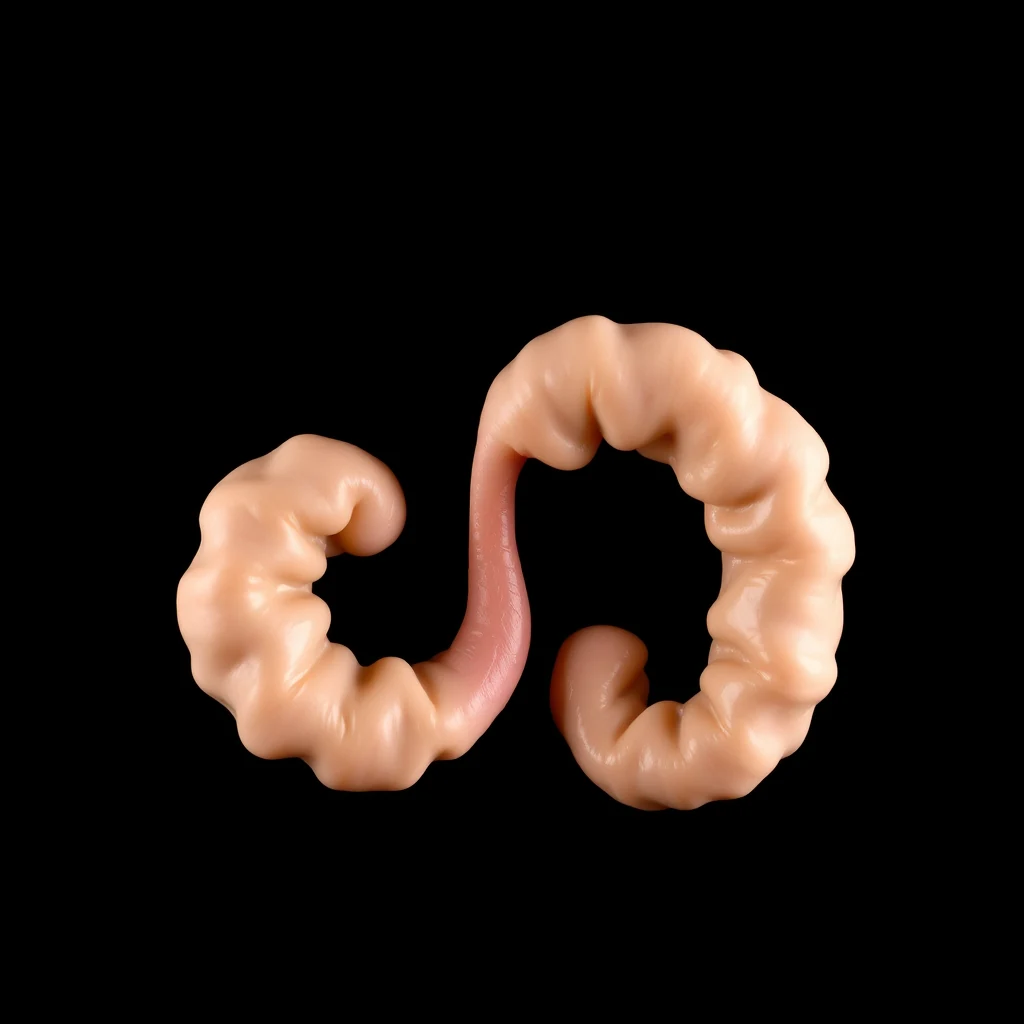 Object appendix A narrow, blind-ended tube branching off the cecum at the start of the large intestine, around five to ten centimetres long in adults. Once thought to be wholly vestigial, the appendix is now suspected of acting as a reservoir for beneficial gut bacteria, repopulating the intestine after illness. It is best known clinically for appendicitis, a sudden inflammation that, if untreated, can rupture and kill within days.一条狭窄的盲端管状结构,自盲肠分出,位于大肠起始端,成人长约五至十厘米。曾被认为完全是退化器官,如今阑尾被怀疑充当有益肠道菌群的储存库,在患病后帮助肠道重新定植菌群。其临床上最为人熟知的是阑尾炎,一种突发的炎症,若不及时治疗,可在数日内穿孔并致命。Tubo estrecho y de extremo ciego que se ramifica del ciego al inicio del intestino grueso, de unos cinco a diez centímetros de longitud en el adulto. Considerado en su momento como completamente vestigial, hoy se sospecha que el apéndice actúa como reservorio de bacterias intestinales beneficiosas, repoblando el intestino tras una enfermedad. Clínicamente se le conoce sobre todo por la apendicitis, una inflamación súbita que, de no ser tratada, puede romperse y causar la muerte en cuestión de días.أنبوبٌ ضيّقٌ مغلَق الطرف يتفرّع من الأعور عند بداية الأمعاء الغليظة، يبلغ طوله لدى البالغين نحو خمسة إلى عشرة سنتيمترات. كان يُعتقد سابقًا أنه عضو أثري بلا وظيفة، غير أنه يُشتبه اليوم في أن الزائدة الدودية تعمل خزّانًا للبكتيريا النافعة في الأمعاء، فتُعيد توطين الأمعاء بها بعد المرض. وتُعرف سريريًا قبل كل شيء بالتهاب الزائدة الدودية، وهو التهابٌ مفاجئ قد يؤدي، إن أُهمل علاجه، إلى انفجارها والوفاة في غضون أيام.Um tubo estreito, em fundo cego, que se ramifica do ceco no início do intestino grosso, com cerca de cinco a dez centímetros de comprimento no adulto. Outrora considerado inteiramente vestigial, suspeita-se hoje que o apêndice atue como reservatório de bactérias intestinais benéficas, repovoando o intestino após doenças. É mais conhecido clinicamente pela apendicite, uma inflamação súbita que, se não tratada, pode romper-se e matar em poucos dias.बड़ी आंत के प्रारंभ में अंधनाल (सीकम) से निकलने वाली एक संकरी, बंद-सिरे वाली नली, जो वयस्कों में लगभग पाँच से दस सेंटीमीटर लंबी होती है। पहले इसे पूर्णतः अवशेषी अंग माना जाता था, किंतु अब संदेह है कि अपेंडिक्स लाभकारी आंत्र जीवाणुओं के भंडार के रूप में कार्य करता है, जो बीमारी के बाद आंत में इनकी पुनःस्थापना करता है। चिकित्सकीय दृष्टि से यह अपेंडिसाइटिस के लिए सर्वाधिक प्रसिद्ध है—एक आकस्मिक सूजन जो उपचार न होने पर फट सकती है और कुछ ही दिनों में जानलेवा सिद्ध हो सकती है।Sebuah tabung sempit dan berujung buntu yang bercabang dari sekum di awal usus besar, dengan panjang sekitar lima hingga sepuluh sentimeter pada orang dewasa. Pernah dianggap sepenuhnya vestigial, apendiks kini diduga berperan sebagai reservoir bagi bakteri usus yang menguntungkan, mengisi kembali populasi usus setelah sakit. Secara klinis, ia paling dikenal karena apendisitis, suatu peradangan mendadak yang, jika tidak ditangani, dapat pecah dan menyebabkan kematian dalam beberapa hari.Tube étroit en cul-de-sac se ramifiant à partir du cæcum au début du gros intestin, mesurant environ cinq à dix centimètres chez l'adulte. Longtemps considéré comme entièrement vestigial, l'appendice est aujourd'hui soupçonné de servir de réservoir pour les bactéries bénéfiques de l'intestin, repeuplant ce dernier après une maladie. Il est surtout connu cliniquement pour l'appendicite, une inflammation soudaine qui, non traitée, peut se rompre et entraîner la mort en quelques jours.大腸の起始部にある盲腸から分岐する細長い盲端の管で、成人では長さおよそ5〜10センチメートル。かつては完全な痕跡器官と考えられていたが、現在では有益な腸内細菌の貯蔵庫として機能し、病気の後に腸内細菌叢を再増殖させる役割を担うのではないかと推測されている。臨床的には虫垂炎で最もよく知られ、これは急性の炎症で、治療されなければ穿孔し、数日のうちに死に至ることがある。Узкая трубка со слепым концом, отходящая от слепой кишки в начале толстого кишечника; у взрослых её длина составляет от пяти до десяти сантиметров. Прежде считавшийся полностью рудиментарным, аппендикс ныне рассматривается как резервуар полезной кишечной микрофлоры, восстанавливающий её после перенесённых заболеваний. В клинической практике он известен прежде всего как причина аппендицита — острого воспаления, способного при отсутствии лечения привести к прободению и смерти в течение нескольких суток.Eine schmale, blind endende Röhre, die am Beginn des Dickdarms vom Blinddarm abzweigt und beim Erwachsenen etwa fünf bis zehn Zentimeter lang ist. Einst für gänzlich rudimentär gehalten, wird dem Wurmfortsatz heute zugeschrieben, als Reservoir nützlicher Darmbakterien zu dienen und den Darm nach Erkrankungen wieder zu besiedeln. Klinisch ist er vor allem für die Appendizitis bekannt, eine plötzliche Entzündung, die unbehandelt zur Ruptur führen und binnen weniger Tage tödlich enden kann.대장이 시작되는 부위에서 맹장으로부터 뻗어 나온 좁고 한쪽 끝이 막힌 관 모양의 구조로, 성인의 경우 길이는 약 5~10센티미터이다. 한때 완전한 흔적기관으로 여겨졌으나, 현재는 유익한 장내 세균의 저장소 역할을 하여 질병 이후 장내 미생물군을 재정착시키는 것으로 추정된다. 임상적으로는 충수염으로 가장 잘 알려져 있는데, 이는 갑작스러운 염증으로 치료하지 않으면 천공되어 며칠 내에 사망에 이를 수 있다. is a worm-shaped pouch hanging off the cecum, the first part of the large intestine. In herbivores it is large and packed with cellulose-digesting bacteria; in koalas it can reach two metres. In humans it is shorter than a finger, and roughly one person in fifteen will have it inflame catastrophically at some point in their life. Until antibiotics and surgery, appendicitis was routinely fatal. Recent work suggests the human appendix may serve as a reservoir for gut flora after illness, which would make it not entirely vestigial — but it is plainly not what it used to be.

Wisdom teeth tell the same story from the other end. Our ancestors' jaws were longer and held thirty-two teeth comfortably. Modern jaws, shrunk by a cooked and softer diet, often cannot. The result is impaction, infection, and a multi-billion-dollar oral surgery industry. Roughly a third of people are now born without one or more wisdom teeth at all — a trait getting commoner, generation by generation, in real time.
There are subtler ones. The palmaris longus, a thin tendon you can see flick up in your wrist when you press thumb and little finger together, is absent in about fourteen per cent of people with no functional consequence. Pyramidalis, a small triangular muscle in the lower abdomen, is missing in perhaps a fifth of the population. And some people carry Darwin's tubercle 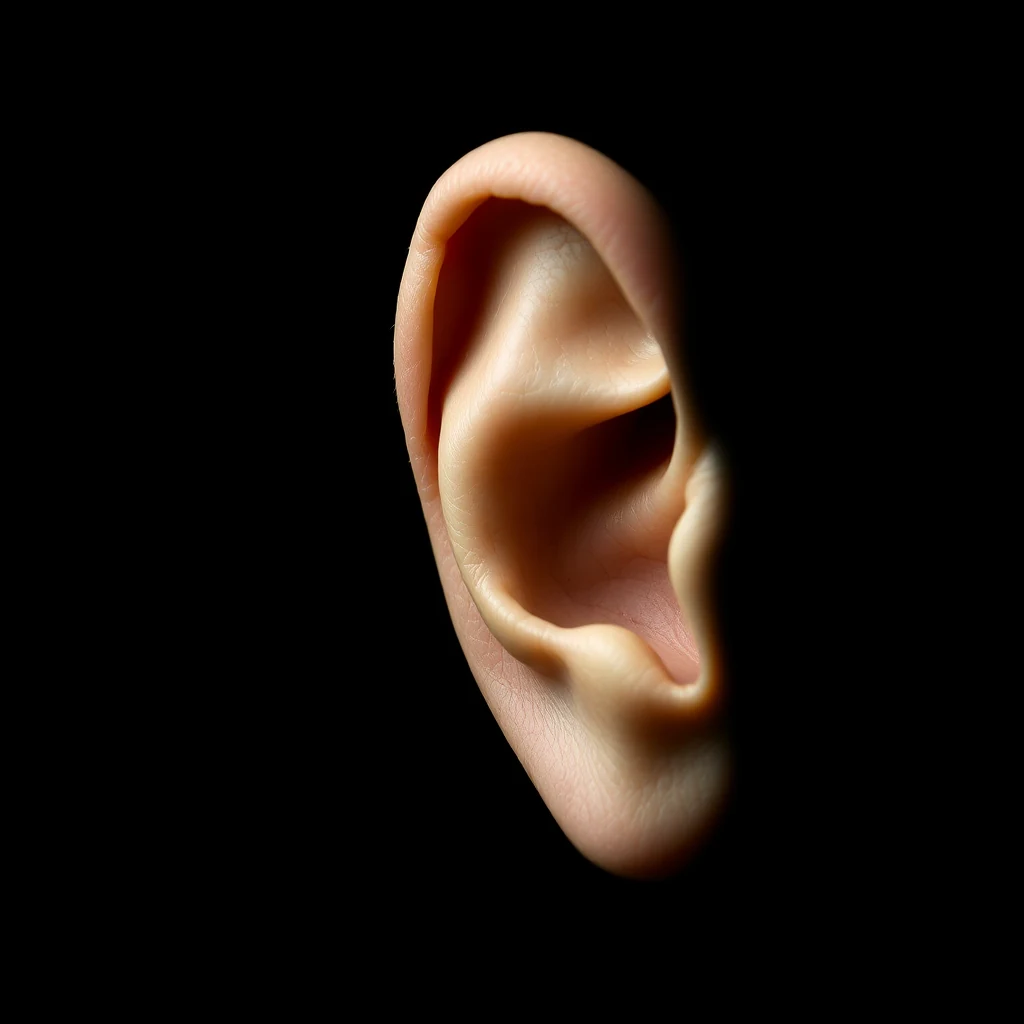 Object Darwin's tubercle A small, pointed thickening on the upper rim of the human ear, present in roughly ten per cent of people. Named for Charles Darwin, who illustrated it in The Descent of Man, the tubercle is thought to be a remnant of the pointed ear tip seen in many other primates such as macaques. It has no known function and is inherited as a simple genetic trait.人耳上缘一处细小而明显的隆起,约见于百分之十的人群。此结节以查尔斯·达尔文之名命名,他曾在《人类的由来》中对其加以描绘。一般认为,它是猕猴等许多其他灵长类动物所具有的尖耳尖端的遗迹。该结节无已知功能,作为一种简单的遗传性状遗传。Un pequeño engrosamiento puntiagudo en el borde superior de la oreja humana, presente en aproximadamente el diez por ciento de las personas. Llamado así por Charles Darwin, quien lo ilustró en El origen del hombre, se cree que el tubérculo es un vestigio de la punta aguzada de la oreja presente en muchos otros primates, como los macacos. No se le conoce función alguna y se hereda como un rasgo genético simple.نُتوءٌ صغيرٌ ومدبَّبٌ يقع على الحافة العليا لأذن الإنسان، ويظهر لدى نحو عشرة بالمئة من الناس. سُمِّيت هذه الحُدَيبة باسم تشارلز داروين الذي رسمها في كتابه «أصل الإنسان»، ويُعتقد أنها بقيةٌ أثريةٌ من طرف الأذن المدبَّب الذي يُشاهَد لدى كثيرٍ من الرئيسيات الأخرى كقرود المكاك. ولا تؤدي وظيفةً معروفةً، وتُورَّث بوصفها صفةً وراثيةً بسيطة.Uma pequena e pontiaguda saliência na borda superior da orelha humana, presente em cerca de dez por cento das pessoas. Nomeado em homenagem a Charles Darwin, que o ilustrou em A Origem do Homem, o tubérculo é considerado um vestígio da ponta pontiaguda da orelha observada em muitos outros primatas, como os macacos. Não possui função conhecida e é herdado como um traço genético simples.मानव कान के ऊपरी किनारे पर एक छोटा, नुकीला उभार, जो लगभग दस प्रतिशत लोगों में पाया जाता है। चार्ल्स डार्विन के नाम पर रखा गया, जिन्होंने इसे *द डिसेंट ऑफ मैन* में चित्रित किया था, यह उभार मकाक जैसे कई अन्य प्राइमेट्स में दिखाई देने वाले नुकीले कान के सिरे का अवशेष माना जाता है। इसका कोई ज्ञात कार्य नहीं है और यह एक साधारण आनुवंशिक लक्षण के रूप में विरासत में मिलता है।Penebalan kecil yang menonjol pada tepi atas daun telinga manusia, terdapat pada kira-kira sepuluh persen orang. Dinamai menurut Charles Darwin, yang menggambarkannya dalam The Descent of Man, tuberkel ini diduga merupakan sisa dari ujung telinga runcing yang dijumpai pada banyak primata lain seperti makaka. Ia tidak memiliki fungsi yang diketahui dan diwariskan sebagai sifat genetik sederhana.Petit épaississement pointu situé sur le bord supérieur de l'oreille humaine, présent chez environ dix pour cent des individus. Nommé d'après Charles Darwin, qui l'illustra dans La Filiation de l'homme, ce tubercule est considéré comme un vestige de la pointe auriculaire que l'on observe chez de nombreux autres primates, tels que les macaques. Il ne remplit aucune fonction connue et se transmet comme un caractère génétique simple.ヒトの耳介上縁にみられる小さく尖った肥厚で、約10パーセントの人に認められる。チャールズ・ダーウィンが『人間の由来』で図示したことから命名されたこの結節は、マカクなど他の多くの霊長類に見られる尖った耳端の名残と考えられている。既知の機能はなく、単純な遺伝形質として受け継がれる。Небольшое заострённое утолщение на верхнем крае ушной раковины человека, встречающееся примерно у десяти процентов людей. Назван в честь Чарльза Дарвина, который изобразил его в «Происхождении человека»; считается, что бугорок представляет собой остаток заострённой верхушки уха, наблюдаемой у многих других приматов, например у макак. Не имеет известной функции и наследуется как простой генетический признак.Eine kleine, spitze Verdickung am oberen Rand der menschlichen Ohrmuschel, die bei etwa zehn Prozent der Menschen vorkommt. Benannt nach Charles Darwin, der es in Die Abstammung des Menschen abbildete, gilt das Tuberkel als Überrest der spitzen Ohrspitze, wie sie bei vielen anderen Primaten, etwa Makaken, zu sehen ist. Es hat keine bekannte Funktion und wird als einfaches genetisches Merkmal vererbt.사람 귓바퀴 윗부분 가장자리에 자리한 작고 뾰족한 두툼한 돌기로, 인구의 약 10퍼센트에게서 관찰된다. 찰스 다윈이 『인간의 유래』에서 도해한 데서 이름을 따왔으며, 마카크원숭이를 비롯한 여러 영장류에서 보이는 뾰족한 귀끝의 흔적으로 여겨진다. 알려진 기능은 없으며, 단순한 유전 형질로 대물림된다. on the upper rim of the ear, a small folded point that lines up neatly with the pointed ears of macaques.

What we still don't know
We do not know how long it takes a structure to disappear entirely once selection stops maintaining it. The fossil record is too coarse and the molecular clock too noisy to give a clean answer. Estimates for full loss of a vertebrate trait range from a few hundred thousand years to several million, and the variance is the interesting part.

We do not always know whether a given structure is truly useless or just demoted. The appendix was textbook-vestigial for a century until immunological work in the 2000s turned up evidence for its role in gut flora. The same may be true of other quiet little organs we have written off.

We do not know why human evolution has kept some vestiges so faithfully — the auriculares wiring is essentially unchanged from our shared ancestor with cats — while erasing others so thoroughly that only the gene fragments remain. The genome is littered with pseudogenes 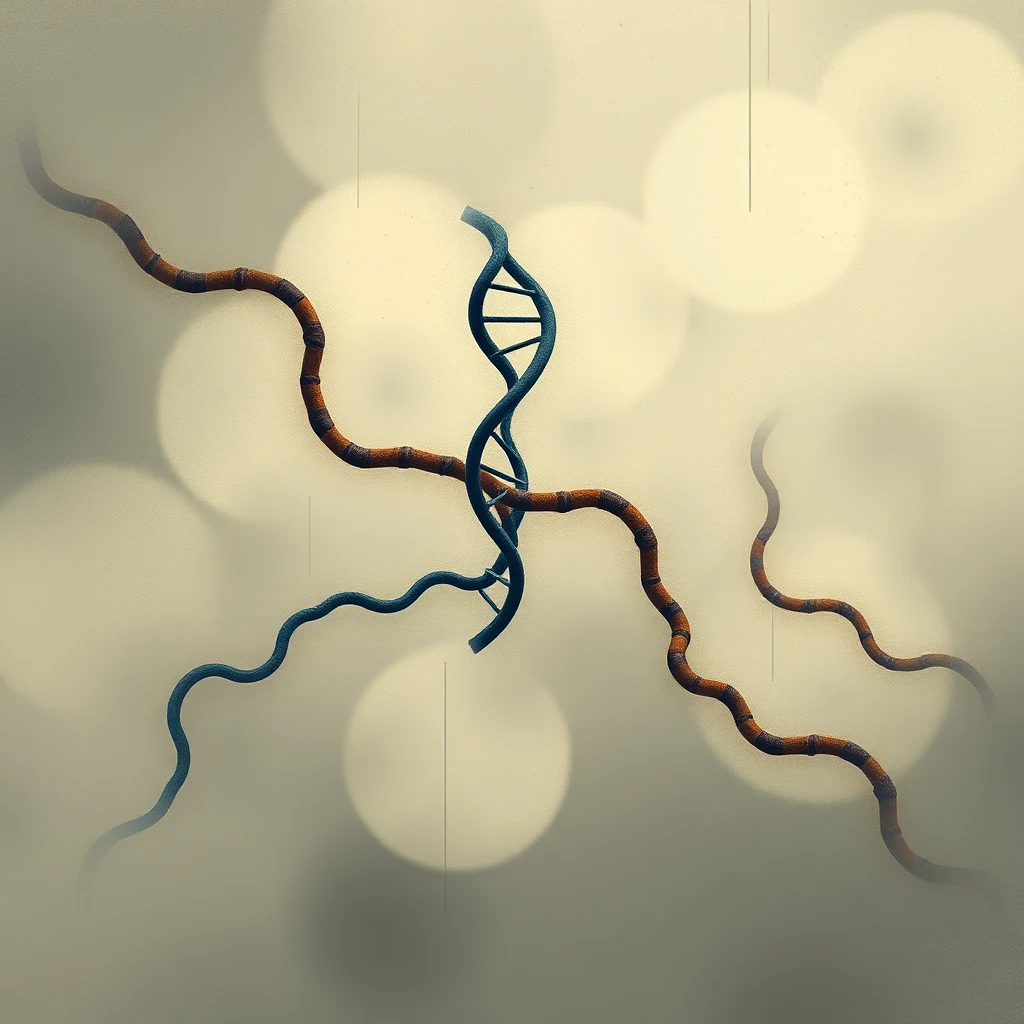 Concept pseudogenes Broken or silenced genetic sequences that closely resemble functional genes but no longer produce a working protein. The human genome carries thousands of them, including disabled versions of genes that other mammals still use — to manufacture vitamin C, to detect a wider range of smells, to build a longer tail. Pseudogenes are molecular fossils, preserving the wreckage of capabilities our ancestors once had.与功能基因高度相似、但已无法产生有效蛋白质的破损或沉默的遗传序列。人类基因组中携带着数以千计的此类序列,包括其他哺乳动物仍在使用的基因的失活版本——用于合成维生素C、辨识更广泛气味、生长更长尾巴的基因。假基因是分子化石,保留着我们祖先曾经拥有的种种能力的残骸。Secuencias genéticas rotas o silenciadas que se parecen mucho a genes funcionales, pero que ya no producen una proteína operativa. El genoma humano contiene miles de ellas, incluidas versiones inhabilitadas de genes que otros mamíferos aún utilizan: para fabricar vitamina C, para detectar una gama más amplia de olores, para desarrollar una cola más larga. Los pseudogenes son fósiles moleculares, que conservan los restos de capacidades que nuestros antepasados alguna vez tuvieron.متواليات جينية معطَّلة أو مُسكَتة تشبه إلى حدٍّ بعيد الجينات الوظيفية لكنها لم تعد تُنتج بروتيناً عاملاً. يحمل الجينوم البشري آلافاً منها، بما في ذلك نسخ معطَّلة من جينات لا تزال ثدييات أخرى تستخدمها — لتصنيع فيتامين C، ولالتقاط نطاق أوسع من الروائح، ولبناء ذيل أطول. الجينات الكاذبة أحافير جزيئية، تحفظ حُطام قدراتٍ كان يمتلكها أسلافنا في زمنٍ مضى.Sequências genéticas quebradas ou silenciadas que se assemelham bastante a genes funcionais, mas que já não produzem uma proteína operante. O genoma humano carrega milhares delas, incluindo versões desativadas de genes que outros mamíferos ainda usam — para fabricar vitamina C, para detectar uma gama mais ampla de odores, para construir uma cauda mais longa. Os pseudogenes são fósseis moleculares, preservando os destroços de capacidades que nossos ancestrais um dia tiveram.टूटे या निष्क्रिय किए गए आनुवंशिक अनुक्रम जो कार्यशील जीनों से बहुत मिलते-जुलते हैं, परंतु अब कोई कार्यशील प्रोटीन नहीं बनाते। मानव जीनोम में ऐसे हज़ारों अनुक्रम मौजूद हैं, जिनमें उन जीनों के निष्क्रिय रूप भी शामिल हैं जिनका उपयोग अन्य स्तनधारी आज भी करते हैं — विटामिन सी बनाने के लिए, गंधों की व्यापक श्रेणी सूँघने के लिए, और लंबी पूँछ बनाने के लिए। स्यूडोजीन आणविक जीवाश्म हैं, जो उन क्षमताओं के मलबे को सहेजे हुए हैं जो कभी हमारे पूर्वजों के पास थीं।Sekuens genetik yang rusak atau dibungkam yang sangat menyerupai gen fungsional tetapi tidak lagi menghasilkan protein yang bekerja. Genom manusia membawa ribuan sekuens semacam itu, termasuk versi nonaktif dari gen yang masih digunakan mamalia lain — untuk memproduksi vitamin C, untuk mendeteksi rentang bau yang lebih luas, untuk membangun ekor yang lebih panjang. Pseudogen adalah fosil molekuler, mengawetkan puing-puing kemampuan yang dulu dimiliki nenek moyang kita.Séquences génétiques brisées ou rendues silencieuses qui ressemblent étroitement à des gènes fonctionnels mais ne produisent plus de protéine opérationnelle. Le génome humain en contient des milliers, parmi lesquels des versions désactivées de gènes que d'autres mammifères utilisent encore — pour fabriquer la vitamine C, pour détecter une gamme plus étendue d'odeurs, pour construire une queue plus longue. Les pseudogènes sont des fossiles moléculaires, préservant les vestiges de capacités que nos ancêtres possédaient autrefois.機能遺伝子に酷似しているが、もはや働くタンパク質を産生しない、壊れた、あるいは沈黙した遺伝子配列。ヒトゲノムにはそうした配列が数千個存在し、他の哺乳類では今なお用いられている遺伝子の不活性化された型——ビタミンCを合成するもの、より広範な匂いを感知するもの、より長い尾を形成するもの——も含まれる。偽遺伝子は分子の化石であり、祖先がかつて備えていた能力の残骸を留めている。Сломанные или заглушённые генетические последовательности, которые внешне напоминают функциональные гены, но больше не производят работоспособный белок. Геном человека содержит их тысячи, в том числе отключённые версии генов, которыми по-прежнему пользуются другие млекопитающие, — для синтеза витамина C, для распознавания более широкого диапазона запахов, для формирования более длинного хвоста. Псевдогены — это молекулярные окаменелости, сохраняющие обломки способностей, которыми когда-то обладали наши предки.Defekte oder stillgelegte Gensequenzen, die funktionsfähigen Genen stark ähneln, aber kein funktionierendes Protein mehr hervorbringen. Das menschliche Genom enthält Tausende davon, darunter abgeschaltete Versionen von Genen, die andere Säugetiere noch nutzen – um Vitamin C herzustellen, ein breiteres Spektrum an Gerüchen wahrzunehmen oder einen längeren Schwanz auszubilden. Pseudogene sind molekulare Fossilien und bewahren die Trümmer von Fähigkeiten, über die unsere Vorfahren einst verfügten.기능성 유전자와 매우 흡사하지만 더 이상 작동하는 단백질을 만들어내지 못하는, 망가지거나 침묵된 유전자 서열. 인간 게놈에는 이러한 서열이 수천 개나 존재하며, 비타민 C를 합성하거나 더 넓은 범위의 냄새를 감지하거나 더 긴 꼬리를 형성하기 위해 다른 포유류들이 여전히 사용하는 유전자들의 불활성화된 형태도 포함된다. 위유전자는 분자 화석으로서, 우리 조상이 한때 지녔던 능력의 잔해를 보존하고 있다. : broken copies of working genes in other animals, including the ones that would let us synthesise our own vitamin C, or smell as well as a dog.
No design hand would have built any of this. An honest engineer, given a clean sheet, would have removed the appendix, finished resorbing the tail, and either deleted the ear muscles or wired them to something useful. What the body looks like instead is what you would expect from three and a half billion years of patches on patches, with nothing ever quite thrown away.