Person
Thomas Young
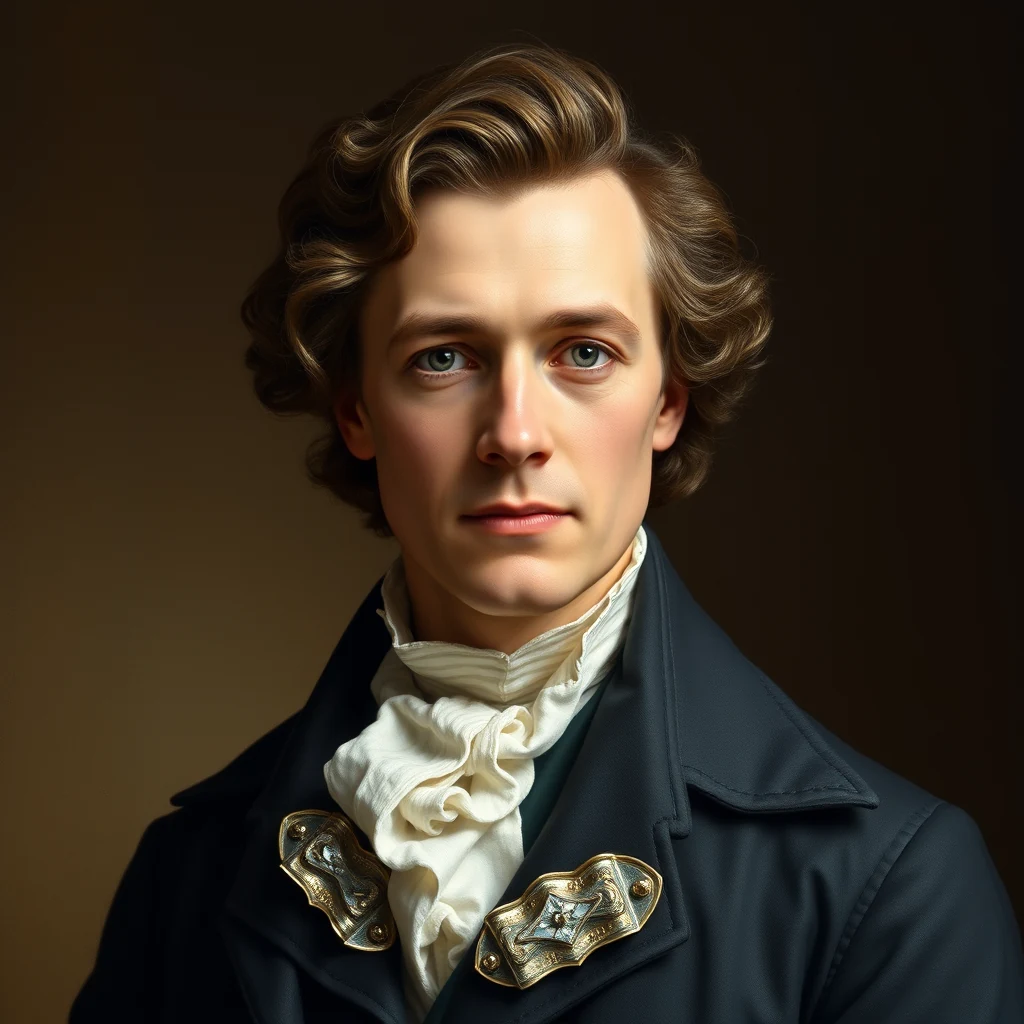
English physician, physicist, and Egyptologist (1773–1829) who in 1801 demonstrated the interference of light passing through two slits, providing the strongest argument for the wave theory of light against Newton's corpuscular picture. Young also helped decipher the Rosetta Stone, formulated a measure of material stiffness still called Young's modulus, and made early contributions to colour vision.
英国医师、物理学家、埃及学家(1773—1829),他于1801年演示了光穿过双缝时的干涉现象,为光的波动说提供了最有力的证据,从而驳斥了牛顿的光微粒说。扬还协助破译了罗塞塔石碑,提出了至今仍被称为杨氏模量的材料刚度量度,并在色觉研究方面做出了早期贡献。
Médico, físico y egiptólogo inglés (1773-1829) quien en 1801 demostró la interferencia de la luz al pasar por dos rendijas, proporcionando el argumento más sólido para la teoría ondulatoria de la luz contra la concepción corpuscular de Newton. Young también ayudó a descifrar la Piedra de Rosetta, formuló una medida de rigidez de los materiales aún llamada módulo de Young, e hizo contribuciones tempranas a la visión del color.
طبيب وفيزيائي وعالم مصريات إنجليزي (1773-1829) أثبت في عام 1801 تداخل الضوء عند مروره عبر شقين، مقدماً أقوى حجة لنظرية الضوء الموجية في مواجهة التصور الجسيمي لنيوتن. كما ساعد يونغ أيضاً في فك رموز حجر رشيد، وصاغ مقياساً لصلابة المواد لا يزال يعرف باسم معامل يونغ، وقدم إسهامات مبكرة في مجال رؤية الألوان.
Médico, físico e egiptólogo inglês (1773–1829) que em 1801 demonstrou a interferência da luz passando por duas fendas, constituindo o argumento mais forte a favor da teoria ondulatória da luz contra a concepção corpuscular de Newton. Young também ajudou a decifrar a Pedra de Roseta, formulou uma medida da rigidez dos materiais ainda hoje chamada de módulo de Young, e fez contribuições iniciais para a visão de cores.
अंग्रेज़ चिकित्सक, भौतिक विज्ञानी और मिस्रविद् (१७७३-१८२९) जिन्होंने १८०१ में दो झिर्रियों से गुजरते हुए प्रकाश के व्यतिकरण को प्रदर्शित किया, जो न्यूटन के कणिका सिद्धांत के विरुद्ध प्रकाश के तरंग सिद्धांत के पक्ष में सबसे सशक्त तर्क था। यंग ने रोज़ेटा स्टोन के पाठोद्घाटन में भी मदद की, पदार्थ की कठोरता का एक माप सूत्रबद्ध किया जिसे आज भी यंग मापांक कहा जाता है, और रंग दृष्टि के क्षेत्र में प्रारंभिक योगदान दिया।
Dokter, fisikawan, dan Egiptolog Inggris (1773–1829) yang pada tahun 1801 mendemonstrasikan interferensi cahaya yang melewati dua celah, memberikan argumen terkuat untuk teori gelombang cahaya melawan gambaran korpuskular Newton. Young juga membantu menguraikan Batu Rosetta, merumuskan ukuran kekakuan material yang masih disebut modulus Young, dan memberikan kontribusi awal pada penglihatan warna.
Anglicus medicus, physicus, et Aegyptologus (1773–1829), qui anno 1801 lucis interferentiam per duas fissuras transeuntis demonstravit, argumentum validissimum pro theoria undulatoria lucis contra theoriam corpuscularem Newtoni praebens. Young quoque ad scripta Lapidis Rosettani explicanda adiuvit, mensuram rigiditatis materialis, quae adhuc modulus Youngianus appellatur, formulavit, et initia ad visionem colorum contulit.
イギリスの医師、物理学者、エジプト学者(1773-1829)。1801年に二重スリットを通過する光の干渉を実証し、ニュートンの微粒子説に対抗する光の波動説の最も強力な論拠を提示した。ヤングはまた、ロゼッタストーンの解読に貢献し、現在もヤング率と呼ばれる材料の剛性を示す尺度を定式化し、色覚に関する初期の貢献も行った。
Английский врач, физик и египтолог (1773–1829), который в 1801 году продемонстрировал интерференцию света, проходящего через две щели, предоставив тем самым сильнейший аргумент в пользу волновой теории света против ньютоновской корпускулярной теории. Янг также помог расшифровать Розеттский камень, сформулировал меру жесткости материала, до сих пор называемую модулем Юнга, и внес ранний вклад в изучение цветового зрения.
Englischer Arzt, Physiker und Ägyptologe (1773–1829), der 1801 die Interferenz des Lichts beim Durchgang durch zwei Spalte demonstrierte und damit das stärkste Argument für die Wellentheorie des Lichts gegen Newtons Korpuskulartheorie lieferte. Young half auch bei der Entzifferung des Rosettasteins, formulierte ein Maß für die Materialsteifigkeit, das noch immer als Youngscher Modul bezeichnet wird, und leistete frühe Beiträge zum Farbensehen.
영국의 의사이자 물리학자, 이집트학자(1773년~1829년)로, 1801년 두 개의 슬릿을 통과하는 빛의 간섭을 입증하여 뉴턴의 입자설에 대항하는 빛의 파동설에 대한 가장 강력한 논거를 제시했다. 영은 또한 로제타석 해독에 기여했으며, 여전히 영률이라 불리는 재료 강성 측정 단위를 정립했고, 색각 연구에도 초기 기여를 했다.
Mentioned in 3 articles
- Physics Double-Slit Experiment Fire electrons one at a time at a barrier with two slits, and they build up an interference pattern like waves. Watch which slit they go through, and the pattern collapses. A century later, nobody can say why.
- Physics The Coandă Effect A stream of fluid pouring from a tap will follow the curve of a spoon held against it, defying the expectation of a straight fall. This 'sticky' behavior of air and water, first observed in a burning airplane in 1910, allows heavy cargo jets to land on impossibly short runways.
- History The Rosetta Stone A black granodiorite slab, discovered by chance during a military campaign in 1799, presented three ancient scripts. For over a millennium, the voices of pharaohs and priests were silent; this stone held the key to their resurrection, unlocking the lost language of ancient Egypt.