In late December 2021, an Ariane 5 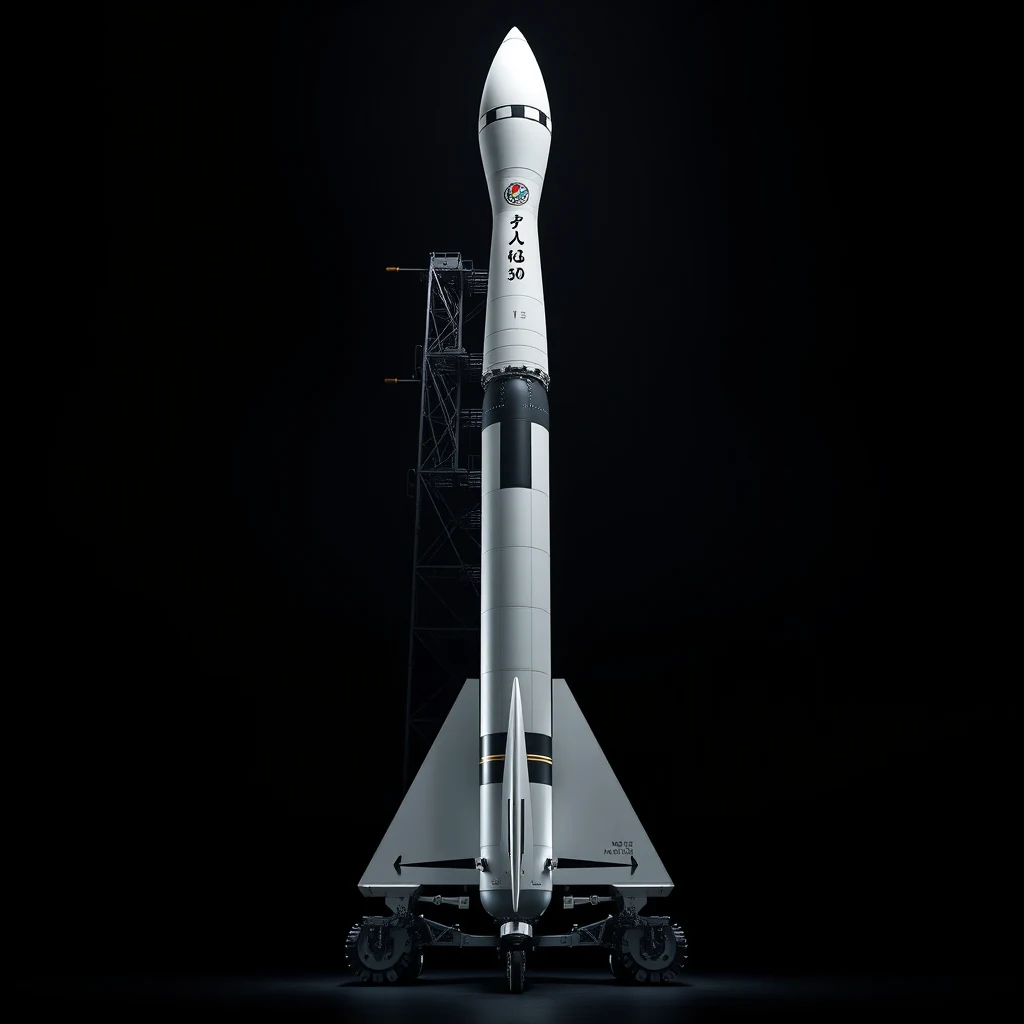 Object Ariane 5 A European heavy-lift rocket built by ArianeGroup and operated by Arianespace from the Guiana Space Centre. Between 1996 and 2023 it flew 117 missions, with the launch of Webb on 25 December 2021 widely considered its most consequential payload. The launch was so accurate that Webb's onboard propellant budget for station-keeping was nearly doubled.阿里安5号是由阿里安集团建造、由阿丽亚娜航天公司在圭亚那航天中心运营的欧洲重型运载火箭。在1996至2023年间,它共执行了117次任务,其中2021年12月25日发射韦布空间望远镜被广泛认为是其最重要的一次有效载荷任务。那次发射极为精准,几乎使韦布用于保持轨道的机载推进剂预算增加了一倍。Cohete europeo de carga pesada construido por ArianeGroup y operado por Arianespace desde el Centro Espacial de Guayana. Entre 1996 y 2023 realizó 117 misiones, considerándose el lanzamiento de Webb el 25 de diciembre de 2021 su carga más importante. El lanzamiento fue tan preciso que casi se duplicó el presupuesto de propelente a bordo de Webb para el mantenimiento de su posición orbital.أريان 5 هو صاروخ نقل ثقيل أوروبي بنته شركة أريان جروب وتشغله شركة أريان سبيس من مركز غيانا الفضائي. طار الصاروخ في 117 مهمة بين عامي 1996 و2023، ويُعتبر إطلاق تلسكوب ويب في 25 ديسمبر 2021 الحمولة الأكثر أهمية له على الإطلاق. كان الإطلاق دقيقاً للغاية لدرجة أن ميزانية الوقود على متن ويب للحفاظ على موقعه في المدار تضاعفت تقريباً.Um foguete europeu de carga pesada construído pelo ArianeGroup e operado pela Arianespace a partir do Centro Espacial da Guiana. Entre 1996 e 2023, ele voou em 117 missões, sendo o lançamento do Webb em 25 de dezembro de 2021 considerado sua carga útil de maior impacto. O lançamento foi tão preciso que a vida útil do propelente a bordo do Webb para manutenção de órbita foi quase duplicada.अरियानग्रुप द्वारा निर्मित और गुयाना अंतरिक्ष केंद्र से अरियानस्पेस द्वारा संचालित एक यूरोपीय हेवी-लिफ्ट रॉकेट, जिसे अरियान 5 (Ariane 5) कहा जाता है। 1996 और 2023 के बीच इसने 117 मिशनों में उड़ान भरी, जिसमें 25 दिसंबर 2021 को वेब (Webb) का प्रक्षेपण इसका सबसे महत्वपूर्ण पेलोड माना जाता है। प्रक्षेपण इतना सटीक था कि स्टेशन-कीपिंग के लिए वेब के ऑनबोर्ड प्रणोदक (propellant) बजट को लगभग दोगुना कर दिया गया।Roket angkut berat Eropa yang dibangun oleh ArianeGroup und dioperasikan oleh Arianespace dari Guyana Space Centre. Antara tahun 1996 dan 2023, roket ini menerbangkan 117 misi, dengan peluncuran Webb pada 25 Desember 2021 dianggap sebagai muatan paling penting. Peluncuran tersebut sangat akurat sehingga anggaran propelan internal Webb untuk mempertahankan posisi orbitnya hampir berlipat ganda.Fusée européenne de transport lourd construite par ArianeGroup et exploitée par Arianespace depuis le Centre spatial guyanais. Entre 1996 et 2023, elle a effectué 117 missions, le lancement de Webb le 25 décembre de 2021 étant considéré comme sa charge utile la plus importante. Le lancement fut si précis que les réserves d'ergols de Webb pour le maintien en position ont été presque doublées.アリアングループが製造し、アリアンスペースがギアナ宇宙センターから運用した欧州の大型ロケット。1996年から2023年の間に117回飛行し、2021年12月25日のジェームズ・ウェッブ宇宙望遠鏡の打ち上げが最も重要なミッションとされる。打ち上げ精度が非常に高かったため、ウェッブの軌道維持用燃料が节约され、ミッションの推定寿命が約2倍に延びることになった。Европейская ракета-носитель тяжелого класса, разработанная ArianeGroup и эксплуатируемая Arianespace с космодрома Куру в Гвиане. С 1996 по 2023 год она совершила 117 полетов, при этом запуск телескопа Уэбба 25 декабря 2021 года считается ее важнейшей миссией. Вывод на орбиту был настолько точным, что запас топлива на борту Уэбба для удержания станции был увеличен почти вдвое.Eine europäische Trägerrakete für schwere Lasten, die von der ArianeGroup gebaut und von Arianespace vom Guiana Space Centre aus betrieben wurde. Zwischen 1996 und 2023 flog sie 117 Missionen, wobei der Start von Webb am 25. Dezember 2021 als wichtigste Nutzlast gilt. Der Start war so präzise, dass Webbs Treibstoffbudget für die Positionskorrektur im Orbit fast verdoppelt werden konnte.아리안그룹이 제작하고 아리안스페이스가 기아나 우주센터에서 운용한 유럽의 대형 로켓(Ariane 5)이다. 1996년부터 2023년까지 117회의 임무를 수행했으며, 그중 2021년 12월 25일 제임스 웹 우주 망원경 발사는 역사상 가장 중요한 적하물로 꼽힌다. 당시 궤도 투입이 매우 정밀하여 제임스 웹이 궤도 유지용으로 사용하는 온보드 추진제 소모량을 절반가량 아끼게 되었다. rocket cleared the pad at Kourou
 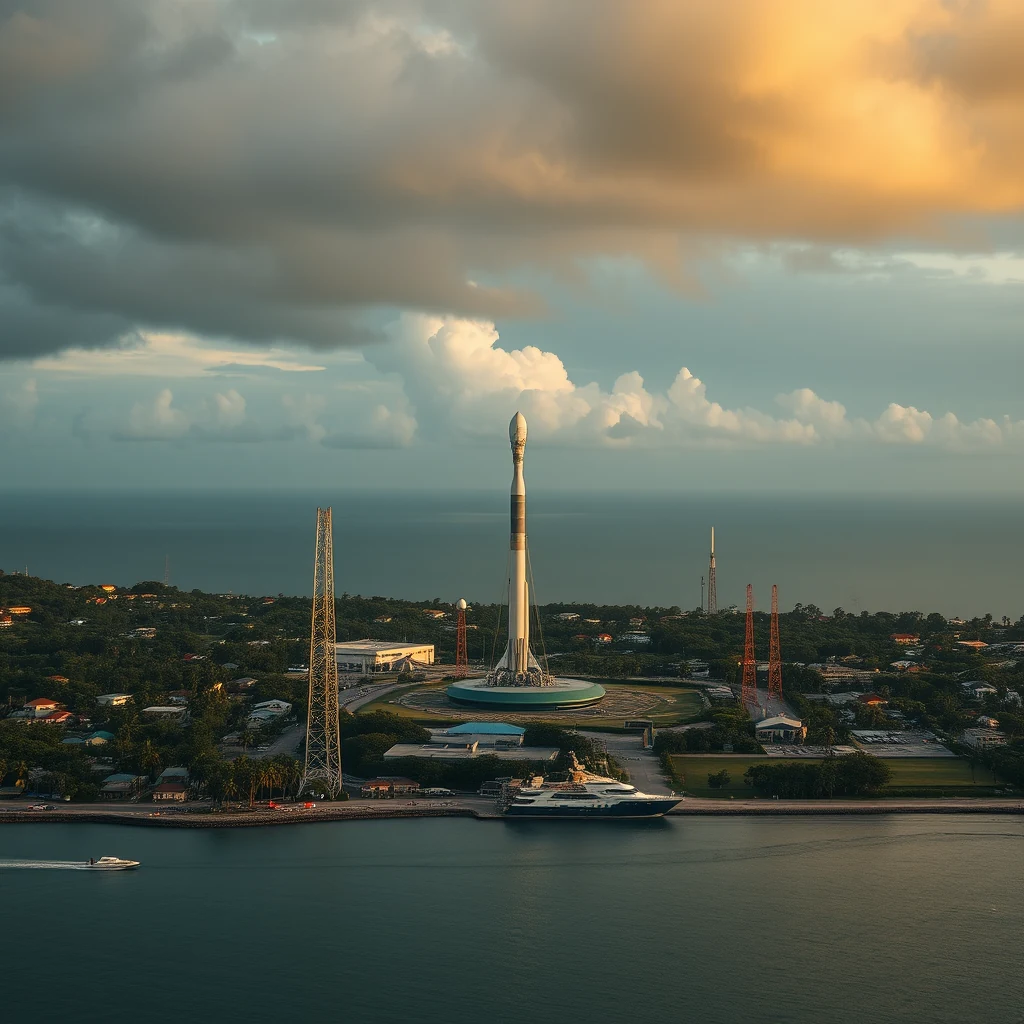 Place Kourou A coastal town in French Guiana, on the northern shoulder of South America, that hosts the Guiana Space Centre. Its low latitude — about five degrees north — gives rockets a useful boost from Earth's rotation, which is why the European Space Agency, Arianespace, and several commercial operators launch from there rather than from continental Europe.库鲁是法属圭亚那的一个沿海城镇,位于南美洲的北部边缘,是圭亚那航天中心的所在地。它的低纬度——大约北纬五度——为火箭提供了来自地球自转的有用推力助推,这也是为什么欧洲空间局、阿丽亚娜航天公司以及数家商业运营商选择从这里发射火箭,而不是从欧洲大陆发射的原因。Ciudad costera de la Guayana Francesa, en el extremo norte de Sudamérica, que alberga el Centro Espacial de Guayana. Su baja latitud (unos cinco grados norte) proporciona a los cohetes un útil impulso de la rotación de la Tierra, razón por la cual la Agencia Espacial Europea, Arianespace y varios operadores comerciales lanzan desde allí en lugar de desde Europa continental.كورو هي بلدة ساحلية في غيانا الفرنسية، تقع على الكتف الشمالي لأمريكا الجنوبية، وتضم مركز غيانا الفضائي. يمنحها خط عرضها المنخفض - حوالي خمس درجات شمالاً - دفعاً مفيداً للصواريخ من دوران الأرض، وهو السبب في أن وكالة الفضاء الأوروبية وأريان سبيس والعديد من المشغلين التجاريين يطلقون صواريخهم من هناك بدلاً من أوروبا القارية.Uma cidade costeira na Guiana Francesa, no extremo norte da América do Sul, que abriga o Centro Espacial da Guiana. Sua baixa latitude — cerca de cinco graus norte — dá aos foguetes um impulso útil da rotação da Terra, e é por isso que a Agência Espacial Europeia, a Arianespace e vários operadores comerciais lançam de lá em vez de da Europa continental.फ्रेंच गुयाना में दक्षिण अमेरिका के उत्तरी हिस्से पर स्थित एक तटीय शहर, जो गुयाना अंतरिक्ष केंद्र की मेजबानी करता है, जिसे कूरू (Kourou) कहा जाता है। इसका निम्न अक्षांश — लगभग पांच डिग्री उत्तर — रॉकेटों को पृथ्वी के घूर्णन से एक उपयोगी बढ़ावा देता है, यही कारण है कि यूरोपीय अंतरिक्ष एजेंसी, अरियानस्पेस और कई वाणिज्यिक ऑपरेटर महाद्वीपीय यूरोप के बजाय वहाँ से लॉन्च करते हैं।Kota pesisir di Guyana Prancis, di bagian utara Amerika Selatan, yang menjadi lokasi Guyana Space Centre. Lintangnya yang rendah — sekitar lima derajat utara — memberi roket dorongan tambahan yang berguna dari rotasi Bumi, itulah sebabnya Badan Antariksa Eropa, Arianespace, dan beberapa operator komersial meluncurkan roket dari sana ketimbang dari benua Eropa.Ville côtière de Guyane française, sur la façade nord de l'Amérique du Sud, qui abrite le Centre spatial guyanais. Sa basse latitude — environ sept degrés nord — donne aux fusées un élan utile grâce à la rotation de la Terre, c'est pourquoi l'Agence spatiale européenne, Arianespace et plusieurs opérateurs commerciaux y lancent leurs fusées plutôt que depuis l'Europe.南米北東部に位置する仏領ギアナの沿岸都市であり、ギアナ宇宙センターの所在地。北緯约5度という低緯度に位置するため、打ち上げられるロケットは地球の自転による速度アシストを有効に得ることができる。このため、欧州宇宙機関(ESA)やアリアンスペース、多くの民間打ち上げ事業者は、欧州本土ではなくここから打ち上げを行う。Прибрежный город во Французской Гвиане на севере Южной Америки, где расположен космодром Куру. Его низкая широта — около пяти градусов к северу — дает ракетам полезное ускорение за счет вращения Земли. Именно поэтому Европейское космическое агентство, Arianespace и другие коммерческие операторы проводят запуски отсюда, а не из континентальной Европы.Eine Küstenstadt in Französisch-Guayana im Norden Südamerikas, die das Guiana Space Centre beherbergt. Ihre geringe geografische Breite von etwa fünf Grad Nord verleiht Raketen einen nützlichen Schub durch die Erdrotation. Aus diesem Grund starten die Europäische Weltraumorganisation, Arianespace und mehrere kommerzielle Betreiber ihre Raketen von dort und nicht vom europäischen Festland.남미의 북쪽 연안에 위치한 프랑스령 기아나의 해안 마을로, 기아나 우주센터가 소재해 있다. 북위 5도 근처의 낮은 위도 덕분에 발사되는 로켓이 지구 자전력을 이용한 가속 효과(회전 추력)를 누릴 수 있으며, 이로 인해 유럽우주국(ESA), 아리안스페이스 등 상업용 발사 운용체들이 유럽 본토가 아닌 이곳에서 로켓을 발사하고 있다. , carrying a ten-billion-dollar gamble. Inside the fairing sat the James Webb Space Telescope
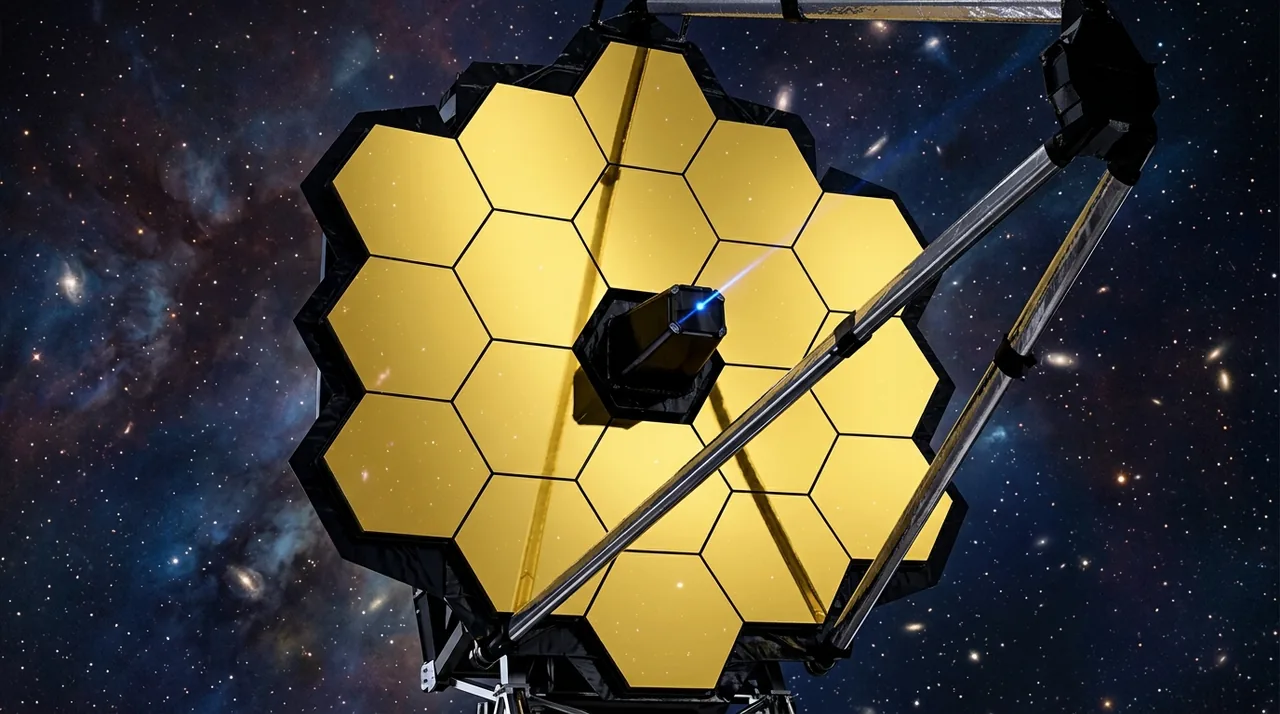
  Object James Webb Space Telescope An infrared space observatory launched in December 2021 and operated jointly by NASA, the European Space Agency, and the Canadian Space Agency. Webb's 6.5-metre segmented mirror and tennis-court-sized sunshield were designed to fold for launch and unfurl in space. It orbits the Sun-Earth L2 point, 1.5 million kilometres from Earth, observing in the near and mid infrared.詹姆斯·韦布空间望远镜是一座红外空间天文台,于2021年12月发射,由美国国家航空航天局(NASA)、欧洲空间局(ESA)和加拿大空间局(CSA)共同运营。韦布的6.5米口径拼接镜面和网球场大小的遮阳罩在设计上能够折叠发射并在空间中展开。它绕日地拉格朗日L2点运行,距离地球150万公里,用于在近红外和中红外波段进行观测。Observatorio espacial de infrarrojos lanzado en diciembre de 2021 y operado conjuntamente por la NASA, la Agencia Espacial Europea y la Agencia Espacial Canadiense. El espejo segmentado de 6,5 metros de Webb y su parasol del tamaño de una pista de tenis se diseñaron para plegarse para el lanzamiento y desplegarse en el espacio. Orbita el punto L2 de la Tierra-Sol, a 1,5 millones de kilómetros.تلسكوب جيمس ويب الفضائي هو مرصد فضائي للأشعة تحت الحمراء أُطلق في ديسمبر 2021 ويتم تشغيله بشكل مشترك من قبل وكالة ناسا ووكالة الفضاء الأوروبية ووكالة الفضاء الكندية. تم تصميم مرآة ويب المقسمة بطول 6.5 أمتار وحاجبه الشمسي بحجم ملعب التنس للطي عند الإطلاق والفتح في الفضاء. يدور التلسكوب حول نقطة لاغرانج الثانية (L2) لنظام الشمس والأرض على بعد 1.5 مليون كيلومتر.Um observatório espacial infravermelho lançado em dezembro de 2021 e operado conjuntamente pela NASA, pela Agência Espacial Europeia e pela Agência Espacial Canadense. O espelho segmentado de 6,5 metros do Webb e o escudo solar do tamanho de uma quadra de tênis foram projetados para se dobrarem para o lançamento e se desdobrarem no espaço. Ele orbita o ponto L2 do sistema Sol-Terra, a 1,5 milhão de quilômetros da Terra.एक इन्फ्रारेड अंतरिक्ष वेधशाला जिसे दिसंबर 2021 में लॉन्च किया गया था और नासा (NASA), यूरोपीय अंतरिक्ष एजेंसी और कनाडाई अंतरिक्ष एजेंसी द्वारा संयुक्त रूप से संचालित किया जाता है, जिसे जेम्स वेब स्पेस टेलिस्कोप (JWST) कहा जाता है। वेब के 6.5-मीटर खंडित दर्पण और टेनिस-कोर्ट के आकार के सनशील्ड को लॉन्च के लिए मोड़ने और अंतरिक्ष में खोलने के लिए डिज़ाइन किया गया था। यह पृथ्वी से 1.5 मिलियन किमी दूर सन-अर्थ L2 बिंदु की परिक्रमा करता है।Observatorium luar angkasa inframerah yang diluncurkan pada Desember 2021 dan dioperasikan bersama oleh NASA, Badan Antariksa Eropa (ESA), dan Badan Antariksa Kanada (CSA). Cermin tersegmentasi Webb sepanjang 6,5 meter dan pelindung matahari seukuran lapangan tenis dirancang untuk dilipat saat peluncuran dan dibentangkan di luar angkasa. Ia mengorbit titik L2 Bumi-Matahari, 1,5 juta kilometer dari Bumi.Observatoire spatial infrarouge lancé en décembre de 2021 et exploité conjointement par la NASA, l'Agence spatiale européenne et l'Agence spatiale canadienne. Le miroir segmenté de 6,5 mètres de Webb et son pare-soleil de la taille d'un court de tennis ont été conçus pour se replier au lancement et se déployer dans l'espace. Il orbite autour du point L2 Terre-Soleil, à 1,5 million de kilomètres de la Terre.2021年12月に打ち上げられ、NASA、欧州宇宙機関(ESA)、カナダ宇宙機関(CSA)が共同で運用する赤外線宇宙天文台。ウェブの直径6.5メートルの主鏡(分割鏡)とテニスコート大の遮光シールドは、打ち上げ時には折りたたまれ、宇宙空間で展開するよう設計された。地球から150万キロメートル離れた日地L2点を周回し、近・中間赤外線領域での観測を行う。Инфракрасная космическая обсерватория, запущенная в декабре 2021 года и совместно управляемая НАСА, Европейским и Канадским космическими агентствами. 6,5-метровое сегментированное зеркало Уэбба и солнцезащитный экран размером с теннисный корт были разработаны так, чтобы складываться при запуске и раскрываться в космосе. Он обращается вокруг точки L2 Солнце-Земля в 1,5 миллионах километров от Земли.Ein Infrarot-Weltraumteleskop, das im Dezember 2021 gestartet wurde und gemeinsam von der NASA, der Europäischen Weltraumorganisation und der Kanadischen Weltraumorganisation betrieben wird. Webbs 6,5-Meter-Segmentspiegel und das tennisplatzgroße Hitzeschild wurden so konzipiert, dass sie sich für den Start zusammenfalten und im All entfalten. Es umkreist den Sonne-Erde-L2-Punkt in 1,5 Millionen Kilometern Entfernung.2021년 12월 발사되어 NASA, 유럽우주국(ESA), 캐나다우주국(CSA)이 공동 운영하는 적외선 우주 망원경(JWST)이다. 제임스 웹의 6.5미터짜리 분할 주경과 테니스 코트 크기의 차광막은 발사 시 접혔다가 우주에서 펼쳐지도록 설계되었다. 지구로부터 150만 킬로미터 떨어진 태양-지구 L2 지점을 주회하며 적외선 대역의 우주 관측을 담당한다. , a machine too large to fly in its working configuration. Its primary mirror, designed to catch infrared photons that have been travelling for 13.5 billion years, spans 6.5 metres. The largest payload fairing available was 5.4 metres wide.
The solution engineered by NASA 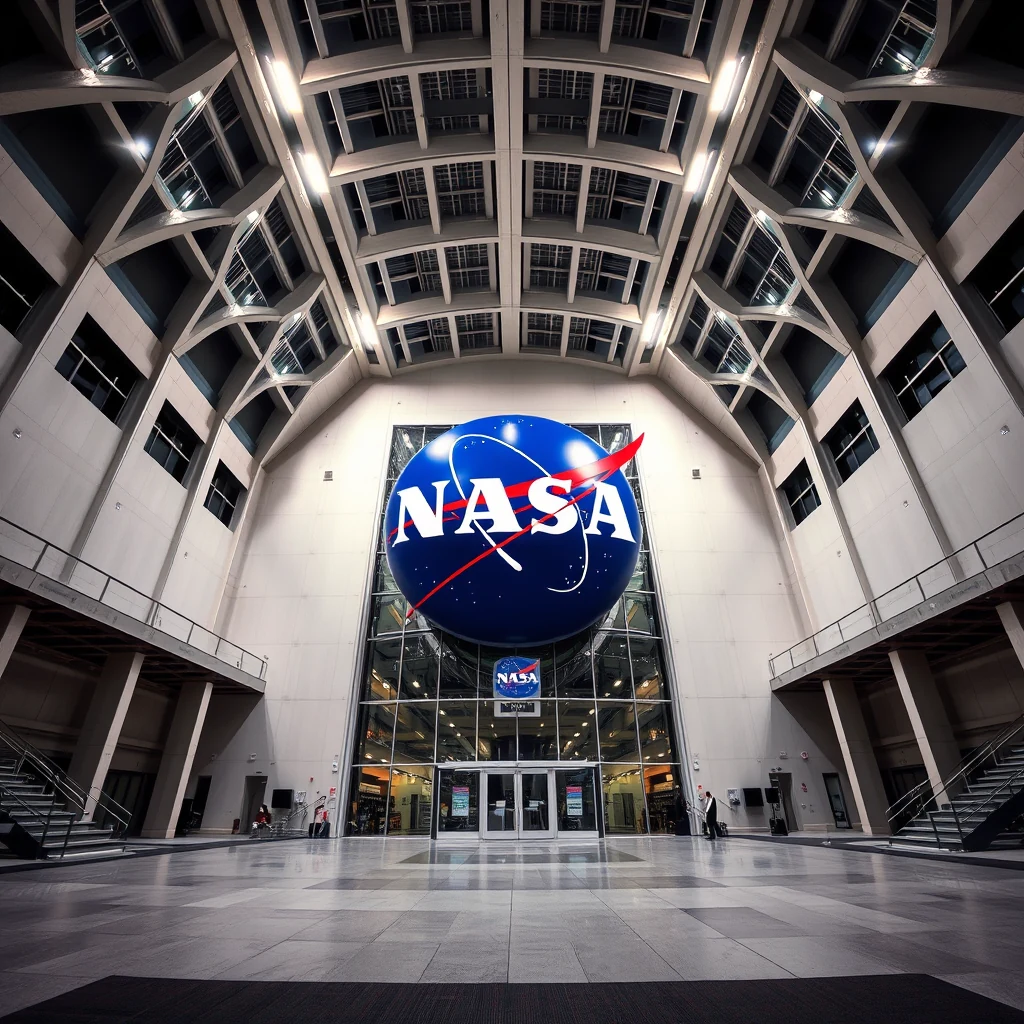 Institution NASA The United States civil space agency, founded in 1958 in response to Sputnik. NASA led the Webb program in partnership with ESA and CSA, with day-to-day science operations handled by the Space Telescope Science Institute in Baltimore. The agency's Goddard Space Flight Center managed the development, integration, and testing of the spacecraft.美国国家航空航天局(NASA)是成立于1958年的美国民用航天机构,旨在应对苏联发射人造卫星(Sputnik)的挑战。NASA与欧空局(ESA)及加拿大空间局(CSA)合作领导了韦布计划,日常的科学运营由位于巴尔的摩的空间望远镜科学研究所(STScI)负责。该机构的戈达德空间飞行中心负责管理航天器的开发、集成和测试。Agencia espacial civil de los Estados Unidos, fundada en 1958 en respuesta al Sputnik. La NASA dirigió el programa Webb en asociación con la ESA y la CSA, y las operaciones científicas diarias corren a cargo del Instituto de Ciencias del Telescopio Espacial en Baltimore. El Centro de Vuelo Espacial Goddard de la agencia gestionó el desarrollo, integración y pruebas de la nave.وكالة ناسا هي وكالة الفضاء المدنية التابعة للولايات المتحدة، تأسست عام 1958 استجابة لإطلاق الاتحاد السوفيتي للقمر الصناعي سبوتنيك. قادت ناسا برنامج ويب بالشراكة مع وكالتي الفضاء الأوروبية والكندية، بينما يتولى معهد علوم تلسكوب الفضاء في بالتيمور العمليات العلمية اليومية. أدار مركز غودارد لرحلات الفضاء التابع للوكالة عمليات تطوير المركبة وتجميعها واختبارها.A agência espacial civil dos Estados Unidos, fundada em 1958 em resposta ao Sputnik. A NASA liderou o programa Webb em parceria com a ESA e a CSA, com as operações científicas diárias coordenadas pelo Space Telescope Science Institute em Baltimore. O Goddard Space Flight Center da agência gerenciou o desenvolvimento, a integração e os testes da espaçonave.संयुक्त राज्य अमेरिका की नागरिक अंतरिक्ष एजेंसी, जिसकी स्थापना 1958 में स्पुतनिक (Sputnik) के जवाब में की गई थी, जिसे नासा (NASA) कहा जाता है। नासा ने ईएसए (ESA) और सीएसए (CSA) के साथ साझेदारी में जेम्स वेब कार्यक्रम का नेतृत्व किया, जिसमें बाल्टीमोर में स्पेस टेलीस्कोप साइंस इंस्टीट्यूट दैनिक विज्ञान संचालन संभालता है। एजेंसी के गोडार्ड स्पेस फ्लाइट सेंटर ने यान के विकास का प्रबंधन किया।Lembaga antariksa sipil Amerika Serikat, didirikan pada tahun 1958 sebagai tanggapan atas peluncuran Sputnik oleh Uni Soviet. NASA memimpin program Webb dalam kemitraan dengan ESA dan CSA, dengan operasi sains sehari-hari ditangani oleh Space Telescope Science Institute di Baltimore. Goddard Space Flight Center mengelola pengembangan, integrasi, dan pengujian wahana.Agence spatiale civile des États-Unis, fondée en 1958 en réponse au lancement de Spoutnik. La NASA a dirigé le programme Webb en partenariat avec l'ESA et la CSA, les opérations scientifiques quotidiennes étant gérées par le Space Telescope Science Institute à Baltimore. Le centre de vol spatial Goddard de l'agence a supervisé le développement, l'intégration et les tests de la sonde.スプートニク・ショックに対応して1958年に設立されたアメリカ合衆国の政府機関。ESA(欧州宇宙機関)およびCSA(カナダ宇宙機関)と提携してウェブ計画を主導し、日々の科学運用はボルチモアの宇宙望遠鏡科学研究所(STScI)が担当している。同機関のゴダード宇宙飛行センターが宇宙船の開発、統合、およびテストを管理した。Гражданское космическое агентство США, основанное в 1958 году в ответ на запуск советского «Спутника». НАСА возглавило программу «Уэбб» в партнерстве с ЕКА и ККА, при этом повседневной научной работой занимается Научный институт космического телескопа в Балтиморе. Центр космических полетов имени Годдарда руководил проектированием, сборкой и испытаниями аппарата.Die zivile Weltraumbehörde der Vereinigten Staaten, gegründet 1958 als Reaktion auf den Start von Sputnik. Die NASA leitete das Webb-Programm in Partnerschaft mit der ESA und der CSA, wobei der tägliche Wissenschaftsbetrieb vom Space Telescope Science Institute in Baltimore abgewickelt wird. Das Goddard Space Flight Center der Behörde verwaltete die Entwicklung, Integration und Erprobung der Sonde.1958년 소련의 스푸트니크 발사에 대응하여 설립된 미국의 민간 우주 기관(NASA)이다. 유럽우주국(ESA), 캐나다우주국(CSA)과의 파트너십 하에 제임스 웹 망원경 프로젝트를 총괄했으며, 일상적인 과학 관측 업무는 볼티모어의 우주망원경과학연구소(STScI)에서 수행한다. NASA 산하 고다드 우주비행센터가 우주선 설계 개발, 통합 및 조립 테스트 과정을 관리했다. and Northrop Grumman
 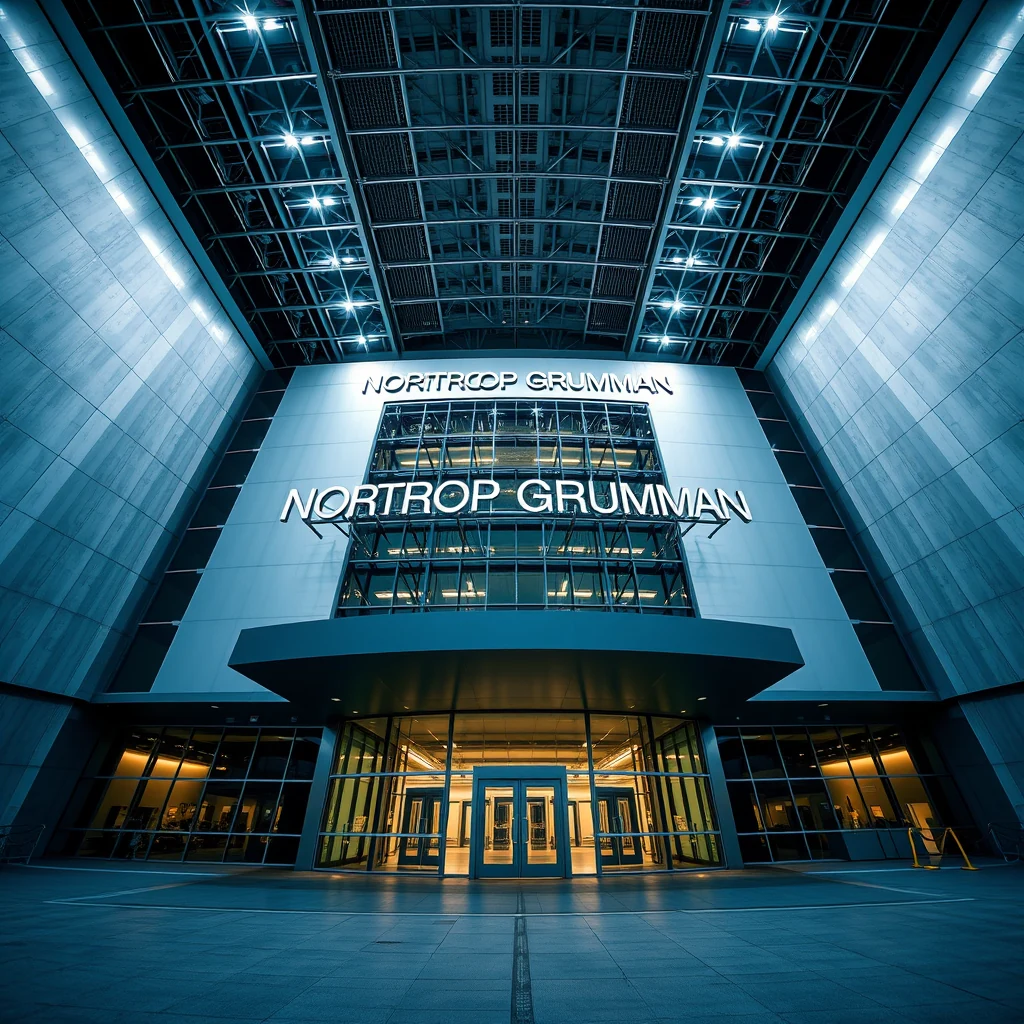 Institution Northrop Grumman An American aerospace and defence contractor that served as the prime contractor for the James Webb Space Telescope. The company led the design of the spacecraft bus and the sunshield, integrating components from dozens of subcontractors. Its predecessor TRW won the original contract in 2002; Northrop Grumman absorbed TRW later that year and inherited the program.诺斯罗普·格鲁曼是美国航空航天和国防承包商,曾担任詹姆斯·韦布空间望远镜的主承包商。该公司领导了航天器平台和遮阳罩的设计,整合了数十家分包商的组件。其前身TRW公司于2002年赢得了原始合同;诺斯罗普·格鲁曼于同年晚些时候收购了TRW,并继承了该项目。Contratista aeroespacial y de defensa estadounidense que actuó como contratista principal del telescopio espacial James Webb. La empresa dirigió el diseño del bus espacial y del parasol, integrando componentes de docenas de subcontratistas. Su predecesora TRW ganó el contrato original en 2002; Northrop Grumman absorbió TRW a finales de ese año y heredó el programa.نورثروب غرومان هي شركة أمريكية متخصصة في مقاولات الطيران والدفاع عملت كمقاول رئيسي لتلسكوب جيمس ويب الفضائي. قادت الشركة تصميم ناقل المركبة الفضائية والحاجب الشمسي، ودمجت المكونات من عشرات المقاولين من الباطن. فازت سابقتها (TRW) بالعقد الأصلي عام 2002؛ واستحوذت نورثروب غرومان على (TRW) في وقت لاحق من ذلك العام وورثت البرنامج.Uma empreiteira aeroespacial e de defesa americana que atuou como a contratante principal do Telescópio Espacial James Webb. A empresa liderou o projeto do barramento da espaçonave e do escudo solar, integrando componentes de dezenas de subcontratados. Sua predecessora TRW venceu o contrato original em 2002; a Northrop Grumman absorveu a TRW no final daquele ano e herdou o programa.एक अमेरिकी एयरोस्पेस और रक्षा ठेकेदार कंपनी जिसने जेम्स वेब स्पेस टेलीस्कोप के लिए मुख्य ठेकेदार (prime contractor) के रूप में कार्य किया, जिसे नॉर्थरोप ग्रुम्मन (Northrop Grumman) कहा जाता है। कंपनी ने अंतरिक्ष यान बस और सनशील्ड के डिजाइन का नेतृत्व किया, जिसमें दर्जनों उपठेकेदारों के घटकों को एकीकृत किया गया। इसकी पूर्ववर्ती टीआरडब्ल्यू (TRW) ने 2002 में मूल अनुबंध जीता था।Kontraktor pertahanan dan dirgantara Amerika yang menjadi kontraktor utama Proyek Teleskop Luar Angkasa James Webb. Perusahaan memimpin desain sasis pesawat antariksa dan pelindung matahari, mengintegrasikan komponen dari puluhan subkontraktor. Pendahulunya, TRW, memenangkan kontrak awal pada 2002; Northrop Grumman mengakuisisi TRW pada akhir tahun itu dan mewarisi programnya.Constructeur aérospatial et de défense américain qui a été le maître d'œuvre du télescope spatial James Webb. L'entreprise a dirigé la conception de la plateforme de la sonde et du pare-soleil, intégrant des composants de dizaines de sous-traitants. Son prédécesseur TRW avait remporté le contrat initial en 2002 ; Northrop Grumman a absorbé TRW plus tard cette année-là et a hérité du programme.ジェームズ・ウェッブ宇宙望遠鏡の主契約企業を務めたアメリカの航空宇宙・防衛製造企業。望遠鏡のバス(基盤部)と遮光シールドの設計を主導し、数十もの下請け企業の部品を統合した。前身であるTRW社が2002年に当初の契約を獲得したが、同年末にノースロップ・グラマンがTRW社を吸収合併したため計画を引き継いだ。Американский аэрокосмический и оборонный подрядчик, выступивший главным подрядчиком при создании космического телескопа имени Джеймса Уэбба. Компания руководила проектированием служебного борта космического аппарата и солнцезащитного экрана, интегрируя компоненты десятков субподрядчиков. Ее предшественник TRW выиграл контракт в 2002 году, а Northrop Grumman поглотила TRW в том же году.Ein US-amerikanisches Rüstungs- und Luftfahrtunternehmen, das als Hauptauftragnehmer für das James-Webb-Weltraumteleskop fungierte. Das Unternehmen leitete den Entwurf des Satellitenbusses und des Hitzeschilds und integrierte Komponenten von Dutzenden von Unterauftragnehmern. Das Vorgängerunternehmen TRW gewann 2002 den ursprünglichen Vertrag; Northrop Grumman übernahm TRW noch im selben Jahr.제임스 웹 우주 망원경 프로젝트의 주계약자 역할을 담당한 미국의 방산 및 항공우주 기업(Northrop Grumman)이다. 수십 개의 하청업체 부품을 통합하여 우주선 버스(기본 본체)와 차광막 설계를 주도했다. 전신인 TRW사가 2002년에 최초로 계약을 수주했으나, 같은 해 말 노스롭 그루먼이 TRW를 인수하면서 개발 프로그램을 고스란히 승계했다. was to build the mirror in pieces. They cast eighteen hexagonal segments from beryllium
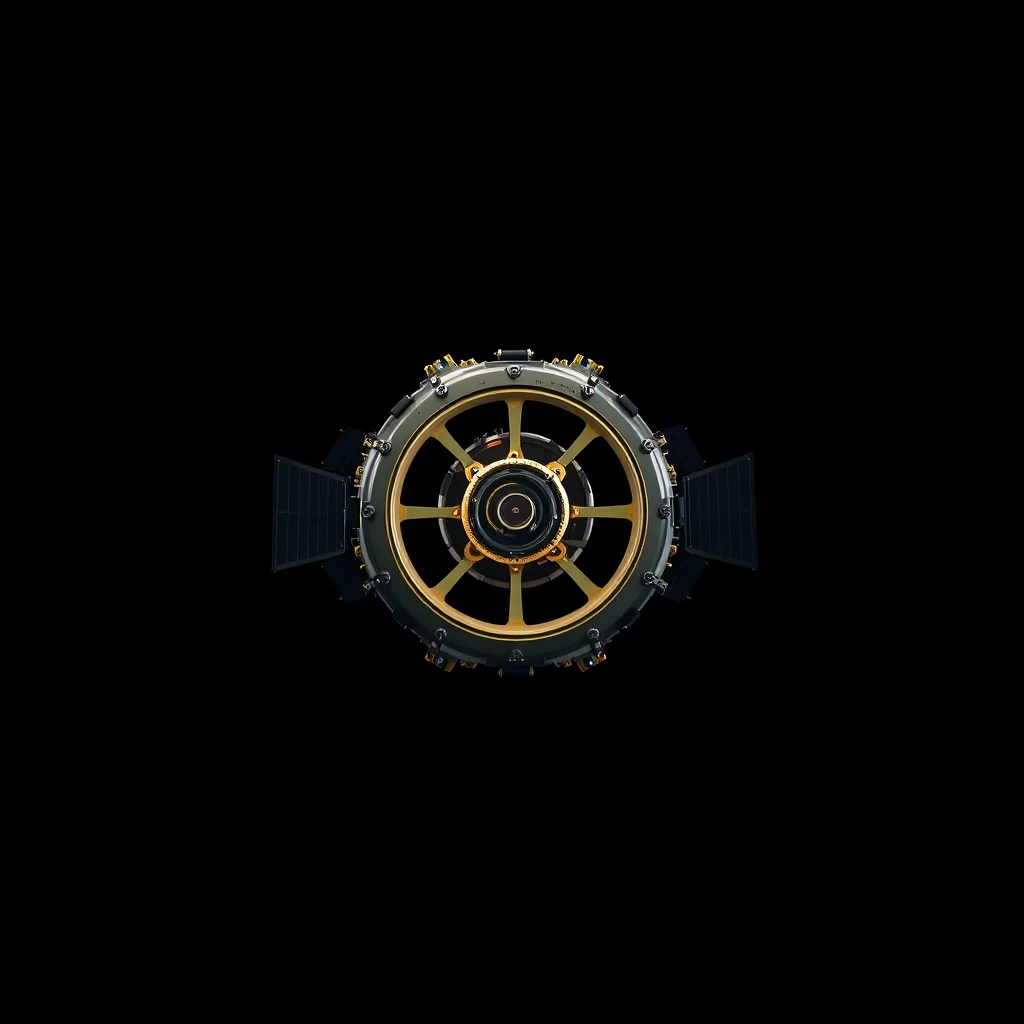
  Concept Beryllium A rare, lightweight alkaline earth metal prized in aerospace engineering for its high stiffness-to-weight ratio and dimensional stability over wide temperature ranges. Because it retains its shape at cryogenic temperatures, it is the material of choice for space-based infrared telescope mirrors.一种稀有、轻质的碱土金属,因其极高的刚度重量比以及在宽温区内的尺寸稳定性而备受航空航天工程青睐。由于它在极低温下仍能保持形状,故成为太空红外望远镜镜面的首选材料。Un metal alcalinotérreo raro y ligero, apreciado en la ingeniería aeroespacial por su elevada relación rigidez-peso y su estabilidad dimensional en amplios rangos de temperatura. Como conserva su forma a temperaturas criogénicas, es el material predilecto para los espejos de telescopios infrarrojos espaciales.فلز قلوي ترابي نادر وخفيف الوزن، يحظى بتقدير كبير في هندسة الفضاء الجوي لنسبة الصلابة إلى الوزن العالية لديه ولثباته البُعدي عبر نطاقات حرارية واسعة. ولأنه يحافظ على شكله في درجات الحرارة شديدة البرودة، فهو المادة المفضّلة لمرايا التلسكوبات الفضائية العاملة بالأشعة تحت الحمراء.Um metal alcalinoterroso raro e leve, valorizado na engenharia aeroespacial por sua elevada razão rigidez-peso e estabilidade dimensional ao longo de amplas faixas de temperatura. Por manter sua forma em temperaturas criogênicas, é o material preferido para espelhos de telescópios infravermelhos espaciais.एक दुर्लभ, हल्की क्षारीय-मृदा धातु, जिसे एयरोस्पेस अभियांत्रिकी में इसके उच्च कठोरता-से-भार अनुपात और व्यापक तापमान-परासों में आयामी स्थिरता के लिए अत्यधिक महत्व दिया जाता है। चूँकि यह क्रायोजेनिक तापमानों पर अपना आकार बनाए रखती है, इसलिए यह अंतरिक्ष-आधारित अवरक्त दूरबीन दर्पणों के लिए पसंदीदा सामग्री है।Sebuah logam alkali tanah yang langka dan ringan, sangat dihargai dalam rekayasa dirgantara karena rasio kekakuan terhadap beratnya yang tinggi serta kestabilan dimensinya pada rentang suhu yang luas. Karena mempertahankan bentuknya pada suhu kriogenik, logam ini menjadi pilihan utama untuk cermin teleskop inframerah berbasis ruang angkasa.Un métal alcalino-terreux rare et léger, prisé en ingénierie aérospatiale pour son rapport rigidité/poids élevé et sa stabilité dimensionnelle sur de larges plages de température. Comme il conserve sa forme à des températures cryogéniques, c'est le matériau de prédilection pour les miroirs des télescopes infrarouges spatiaux.希少で軽量なアルカリ土類金属であり、高い剛性対重量比と幅広い温度域にわたる寸法安定性ゆえに航空宇宙工学で重宝される。極低温でも形状を保つため、宇宙に置かれる赤外線望遠鏡の鏡には最適の素材とされている。Редкий лёгкий щёлочноземельный металл, ценимый в аэрокосмической технике за высокое отношение жёсткости к массе и стабильность размеров в широком диапазоне температур. Поскольку он сохраняет форму при криогенных температурах, он является предпочтительным материалом для зеркал космических инфракрасных телескопов.Ein seltenes, leichtes Erdalkalimetall, das in der Luft- und Raumfahrttechnik wegen seines hohen Verhältnisses von Steifigkeit zu Gewicht und seiner Formstabilität über weite Temperaturbereiche geschätzt wird. Da es seine Form auch bei kryogenen Temperaturen beibehält, ist es das bevorzugte Material für die Spiegel weltraumgestützter Infrarotteleskope.높은 강성 대 중량비와 넓은 온도 범위에서의 치수 안정성으로 항공우주 공학에서 귀하게 여겨지는, 희귀하고 가벼운 알칼리 토금속. 극저온에서도 형태를 유지하기 때문에 우주에서 운용되는 적외선 망원경 거울의 재료로 선택된다. , a lightweight metal that holds its shape in extreme cold. The central section held twelve mirrors. Two hinged wings held three segments each, folded backward to clear the rocket's aerodynamic shroud. For the telescope to work, those eighteen distinct mirrors had to be deployed a million miles from Earth at the Sun-Earth L2
  Concept Sun-Earth L2 The second Lagrange point of the Sun-Earth system, about 1.5 million kilometres beyond Earth on the line away from the Sun. A spacecraft there can hold a roughly stable position relative to both bodies using small station-keeping burns. The geometry lets Webb keep its sunshield pointed permanently at the Sun, Earth, and Moon simultaneously, with the cold instruments looking outward into deep space.第二拉格朗日点是日地系统的拉格朗日点之一,位于地球轨道外侧约150万公里处,与太阳和地球处于同一直线上。航天器在这一点可以使用少量的轨道维持发动机点火,保持相对于这两个天体的约略稳定位置。这种几何构型使韦布能够让遮阳罩永久且同时指向太阳、地球和月球,而其低温仪器则向外看向深空。El segundo punto de Lagrange del sistema Sol-Tierra, a unos 1,5 millones de kilómetros más allá de la Tierra en la línea opuesta al Sol. Una nave puede mantener una posición estable relativa a ambos cuerpos usando pequeños encendidos de mantenimiento. La geometría permite a Webb mantener su parasol apuntando permanentemente al Sol, la Tierra y la Luna a la vez.نقطة لاغرانج الثانية (L2) لنظام الشمس والأرض هي نقطة تبعد حوالي 1.5 مليون كيلومتر خارج مدار الأرض على الخط الواصل من الشمس عبر الأرض. يمكن لمركبة فضائية هناك الحفاظ على موقع مستقر نسبياً مقارنة بكلا الجرمين باستخدام حرق وقود صغير لتصحيح المسار. تسمح هذه الهندسة لويب بإبقاء حاجبه الشمسي موجهاً بشكل دائم نحو الشمس والأرض والقمر في آن واحد.O segundo ponto de Lagrange do sistema Sol-Terra, cerca de 1,5 milhão de quilômetros além da Terra, na linha oposta ao Sol. Uma espaçonave lá pode manter uma posição aproximadamente estável em relação a ambos os corpos usando pequenas queimas de correção. A geometria permite ao Webb manter seu escudo solar apontado permanentemente para o Sol, a Terra e a Lua simultaneamente.सूर्य-पृथ्वी प्रणाली का दूसरा लैग्रेंज बिंदु, जो सूर्य से दूर जाने वाली रेखा पर पृथ्वी से लगभग 1.5 मिलियन किलोमीटर आगे स्थित है, जिसे L2 बिंदु (L2 point) कहा जाता है। वहाँ एक अंतरिक्ष यान छोटे स्टेशन-कीपिंग बर्न का उपयोग करके दोनों पिंडों के सापेक्ष लगभग स्थिर स्थिति बनाए रख सकता है। यह ज्यामिति वेब को अपने सनशील्ड को सूर्य, पृथ्वी और चंद्रमा की ओर स्थायी रूप से इंगित रखने देती है।Titik Lagrange kedua dari sistem Matahari-Bumi, sekitar 1,5 juta kilometer di luar Bumi pada garis lurus menjauhi Matahari. Pesawat antariksa di sana dapat mempertahankan posisi yang stabil terhadap kedua benda dengan pembakaran koreksi kecil. Geometri ini memungkinkan Webb mengarahkan pelindung mataharinya secara permanen ke Matahari, Bumi, dan Bulan secara bersamaan.Le deuxième point de Lagrange du système Soleil-Terre, situé à environ 1,5 million de kilomètres au-delà de la Terre, sur l'axe Soleil-Terre. Un engin spatial peut y maintenir une position stable par rapport aux deux corps à l'aide de légères corrections de trajectoire. Cette géométrie permet à Webb de garder son pare-soleil pointé en permanence vers le Soleil, la Terre et la Lune.日地系の第2ラグランジュ点。地球の公転軌道外側約150万キロメートルの太陽と地球を結ぶ直线上に位置する。この点に配置された宇宙船は、微小な軌道維持噴射を行うことで、双方の天体に対してほぼ安定した相対位置を保つことができる。この幾何学的配置により、ウェッブは遮光シールドを太陽、地球、月に常時向けつつ、観測機器を冷却した状態で深宇宙へと向けられる。Вторая точка Лагранжа системы Солнце-Земля, расположенная примерно в 1,5 млн км от Земли на линии, соединяющей Солнце и Землю, за орбитой Земли. Космический аппарат в этой точке может сохранять стабильное положение относительно обоих тел с минимальным расходом топлива. Такая геометрия позволяет Уэббу держать солнцезащитный экран направленным к Солнцу, Земле и Луне.Der zweite Lagrange-Punkt des Sonne-Erde-Systems, etwa 1,5 Millionen Kilometer außerhalb der Erdbahn auf der Linie von der Sonne weg. Ein Raumschiff kann dort durch kleine Triebwerkszündungen eine stabile Position relativ zu beiden Körpern halten. Die Geometrie ermöglicht es Webb, sein Hitzeschild permanent gleichzeitig auf Sonne, Erde und Mond auszurichten, während die Instrumente ins All blicken.태양-지구계의 두 번째 라그랑주 점(L2 point)으로, 지구 공전 궤도 바깥쪽으로 태양-지구 일직선상에서 약 150만 킬로미터 떨어진 지점이다. 이곳에 위치한 우주선은 미세한 궤도 유지 분사를 통해 두 천체에 대해 대략적으로 안정된 위치를 점할 수 있다. 이 기하학적 배치는 제임스 웹이 차광막을 항상 태양, 지구, 달 쪽으로 향하게 유도하고, 차갑게 유지되는 관성 탐지 장치들은 성간 심우주 방향으로 고정시킬 수 있도록 돕는다. and manipulated until they functioned as a single, unbroken optical surface.

If one segment remained out of alignment, the telescope would return blurred, overlapping images. The margin for error was ten nanometres—roughly one ten-thousandth the width of a human hair, or a fraction of the wavelength of the light it was designed to capture.
Seven stages of alignment
The alignment process took three months. Behind each beryllium hexagon sit six mechanical actuators 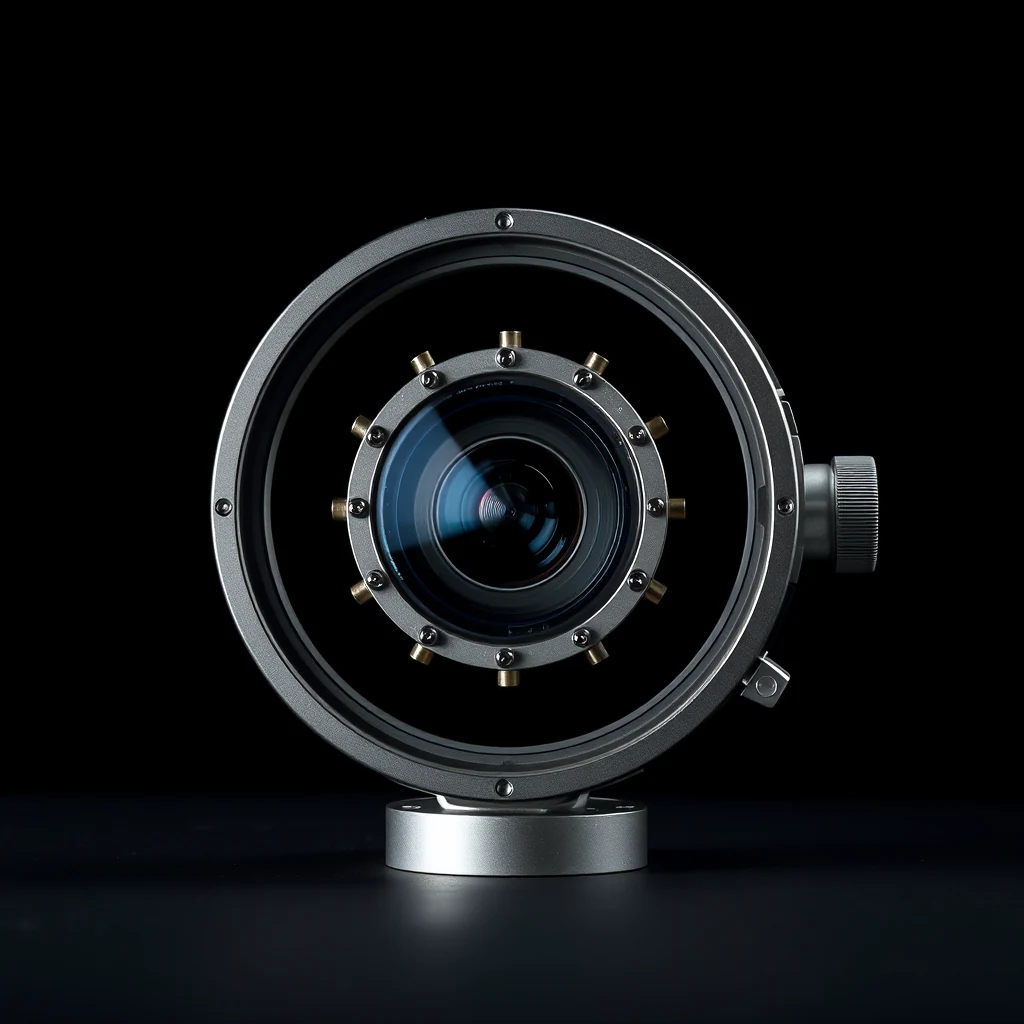 Object Actuator A mechanical device that converts energy into precise physical motion. In spaceborne optics, fine-guidance actuators often use stepper motors or piezoelectric materials to make microscopic adjustments to a mirror's position, tilt, or curvature, compensating for launch stress or thermal expansion.一种将能量转换为精确物理运动的机械装置。在太空光学系统中,精导致动器常采用步进电机或压电材料,对镜面的位置、倾角或曲率进行微观调节,以补偿发射时的应力或热膨胀。Un dispositivo mecánico que convierte la energía en movimiento físico preciso. En la óptica espacial, los actuadores de guiado fino suelen emplear motores paso a paso o materiales piezoeléctricos para realizar ajustes microscópicos en la posición, la inclinación o la curvatura de un espejo, compensando el estrés del lanzamiento o la dilatación térmica.جهاز ميكانيكي يحوّل الطاقة إلى حركة فيزيائية دقيقة. وفي البصريات الفضائية، تستخدم المشغّلات الدقيقة للتوجيه غالباً محركات خطوية أو مواد كهرضغطية لإجراء تعديلات مجهرية على موضع المرآة أو ميلها أو انحنائها، تعويضاً عن إجهاد الإطلاق أو التمدد الحراري.Um dispositivo mecânico que converte energia em movimento físico preciso. Na óptica espacial, os atuadores de orientação fina costumam usar motores de passo ou materiais piezoelétricos para fazer ajustes microscópicos na posição, inclinação ou curvatura de um espelho, compensando o estresse do lançamento ou a expansão térmica.एक यांत्रिक उपकरण जो ऊर्जा को सटीक भौतिक गति में बदलता है। अंतरिक्ष-जनित प्रकाशिकी में, सूक्ष्म-निर्देशन प्रवर्तक प्रायः स्टेपर मोटरों या दाबविद्युत सामग्रियों का उपयोग करके दर्पण की स्थिति, झुकाव या वक्रता में सूक्ष्मदर्शीय समायोजन करते हैं, जिससे प्रक्षेपण-तनाव या तापीय प्रसार की भरपाई होती है।Aktuator adalah piranti mekanis yang mengubah energi menjadi gerak fisik yang presisi. Dalam optika antariksa, aktuator pemandu halus (fine-guidance) sering menggunakan motor stepper atau bahan piezoelektrik untuk melakukan penyesuaian mikroskopis terhadap posisi, kemiringan, atau kelengkungan cermin, mengompensasi tegangan akibat peluncuran atau pemuaian termal.Un dispositif mécanique qui convertit l'énergie en un mouvement physique précis. Dans l'optique spatiale, les actionneurs de guidage fin recourent souvent à des moteurs pas à pas ou à des matériaux piézoélectriques pour effectuer des ajustements microscopiques de la position, de l'inclinaison ou de la courbure d'un miroir, compensant les contraintes du lancement ou la dilatation thermique.エネルギーを精密な物理的運動に変換する機械装置。宇宙搭載の光学系では、精密誘導アクチュエータがステッピングモーターや圧電材料を用いて、鏡の位置、傾き、曲率に微細な調整を加え、打ち上げ時の応力や熱膨張を補正することが多い。Механическое устройство, преобразующее энергию в точное физическое движение. В космической оптике приводы точного наведения часто используют шаговые двигатели или пьезоэлектрические материалы для микроскопической регулировки положения, наклона или кривизны зеркала, компенсируя стартовые нагрузки или тепловое расширение.Ein mechanisches Gerät, das Energie in präzise physische Bewegung umwandelt. In der Weltraumoptik nutzen Feinausrichtungsaktoren häufig Schrittmotoren oder piezoelektrische Materialien, um mikroskopisch kleine Anpassungen an Position, Neigung oder Krümmung eines Spiegels vorzunehmen und so Startbelastungen oder thermische Ausdehnung auszugleichen.포착 보정용 액추에이터처럼 에너지를 정밀한 물리적 운동으로 변환하는 기계 장치. 우주용 광학계에서 정밀 유도 액추에이터는 흔히 스테퍼 모터나 압전 재료를 사용해 거울의 위치, 기울기, 곡률을 미세하게 조정하며, 발사 시의 응력이나 열팽창을 보정한다. that control its physical position and tip-tilt angle, plus a seventh at the centre to adjust its exact curvature. These motors move via gears in steps of just seven nanometres.

When the telescope first opened its eye in early 2022, it pointed at a bright, isolated star in Ursa Major named HD 84406 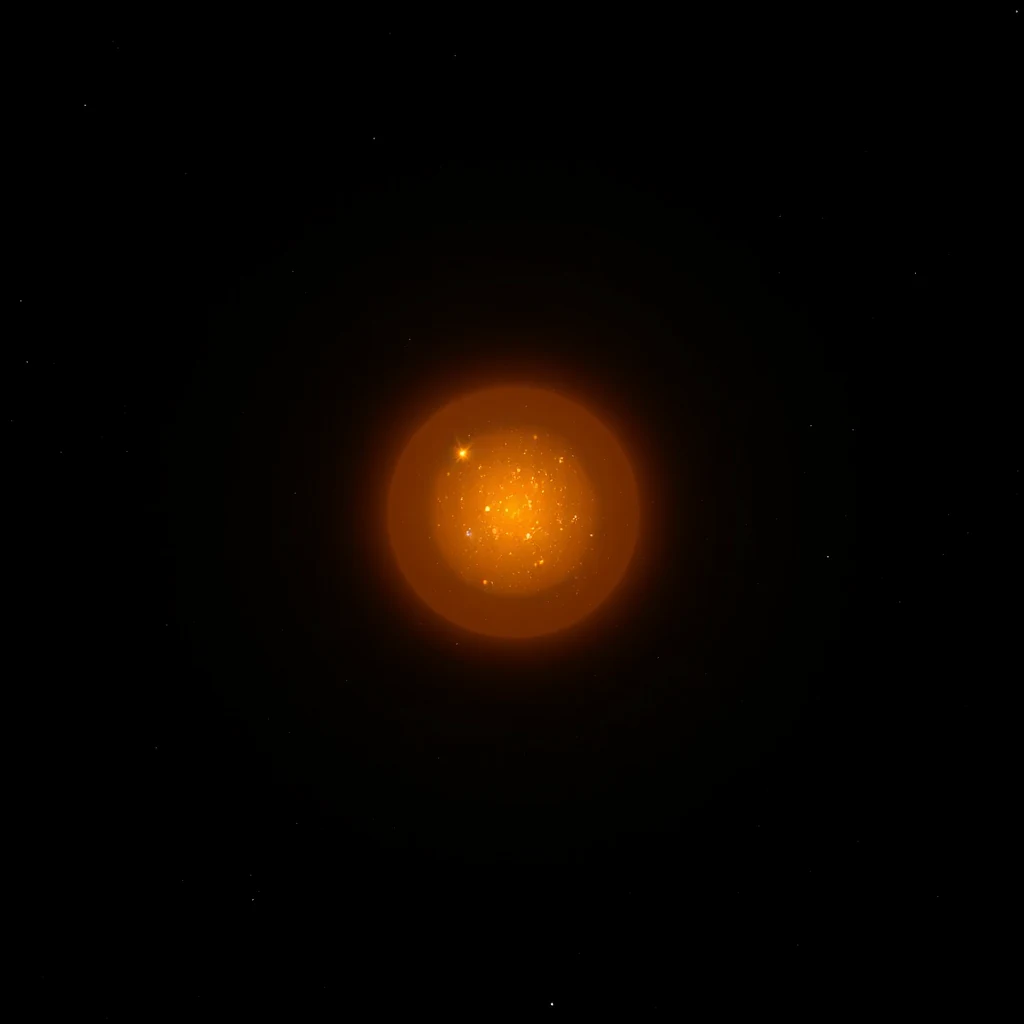 Object HD 84406 An unremarkable G-type star in Ursa Major, about 260 light-years away, visible only through a telescope. It was chosen as Webb's first alignment target because of its isolation: bright enough to image easily, with no comparably bright neighbours to confuse the eighteen separate mirror reflections. Over February 2022 its light was used to walk the segments into a single coherent image.HD 84406是存在于大熊座中的一颗普通的G型恒星,距离我们约260光年,只有通过望远镜才能看到。它被选为韦布空间望远镜的第一个对准目标,是因为它的孤立性:足够亮以易于成像,且周围没有类似亮度的邻近恒星来干扰18个独立的镜面反射。在2022年2月期间,它的光线被用于将镜面段校准为单个协同的图像。Estrella común de tipo G en la Osa Mayor, a unos 260 años luz de distancia, visible sólo con telescopio. Fue elegida como primer objetivo de alineación de Webb por su aislamiento: lo bastante brillante para fotografiarse fácilmente, sin vecinas de brillo comparable que confundieran las dieciocho reflexiones de los espejos. En febrero de 2022 se usó su luz para alinear los segmentos.(HD 84406) هو نجم عادي من النوع G في كوكبة الدب الأكبر، يبعد حوالي 260 سنة ضوئية، ولا يمكن رؤيته إلا عبر التلسكوب. تم اختياره كأول هدف لمحاذاة ويب الفضائي بسبب عزلته: فهو ساطع بما يكفي لتصويره بسهولة، ولا توجد نجوم مجاورة بسطوع مماثل لتشويش انعكاسات المرآة الثمانية عشر المنفصلة. استُخدم ضوؤه في فبراير 2022 لضبط محاذاة أجزاء المرآة.Uma estrela comum do tipo G na constelação de Ursa Maior, a cerca de 260 anos-luz de distância, visível apenas por telescópio. Foi escolhida como o primeiro alvo de alinhamento do Webb devido ao seu isolamento: brilhante o suficiente para ser fotografada facilmente, sem vizinhas de brilho comparável para confundir as dezoito reflexões separadas dos espelhos.उरसा मेजर (Ursa Major) में स्थित एक सामान्य G-प्रकार का तारा, जो लगभग 260 प्रकाश-वर्ष दूर है और केवल दूरबीन के माध्यम से दिखाई देता है, जिसे HD 84406 कहा जाता है। इसे इसके अलगाव के कारण वेब के पहले संरेखण लक्ष्य के रूप में चुना गया था: आसानी से छवि बनाने के लिए पर्याप्त चमकीला, जिसमें अठारह अलग-अलग दर्पण प्रतिबिंबों को भ्रमित करने के लिए कोई तुलनीय चमकीला पड़ोसी नहीं था।Bintang tipe G biasa di rasi bintang Ursa Mayor, berjarak sekitar 260 tahun cahaya, hanya terlihat melalui teleskop. Bintang ini dipilih sebagai target penyelarasan pertama Webb karena isolasinya: cukup terang untuk dicitrakan dengan mudah, tanpa tetangga terang yang sebanding yang membingungkan delapan belas pantulan cermin terpisah. Cahayanya digunakan untuk menyelaraskan segmen cermin.Étoile ordinaire de type G dans la Grande Ourse, située à environ 260 années-lumière et visible seulement au télescope. Elle a été choisie comme première cible d'alignement de Webb en raison de son isolement : assez brillante pour être photographiée facilement, sans voisine de luminosité comparable qui perturberait les dix-sept reflets des miroirs. Son éclat a servi à aligner les segments en février 2022.おおぐま座の方向にある約260光年離れた変哲のないG型主系列星であり、望遠鏡でのみ観測可能。周囲に比較対象となる明るい星が存在しないという孤立性から、ウェッブの最初の光軸調整ターゲットに選ばれた。これにより18枚の主反射鏡セグメントからの反射光が混同されるのを防ぎ、2022年2月を通じてセグメントを調整して単一の像に統合するのに使用された。Ничем не примечательная звезда спектрального класса G в созвездии Большой Медведицы, находящаяся на расстоянии около 260 световых лет, видимая только в телескоп. Она была выбрана в качестве первой цели для юстировки Уэбба из-за ее изолированности: достаточно яркая, чтобы ее можно было легко сфотографировать, и без сравнимых по яркости соседей. В феврале 2022 года ее свет использовался для настройки сегментов.Ein unauffälliger Stern vom G-Typ im Großen Bären, etwa 260 Lichtjahre entfernt und nur durch ein Teleskop sichtbar. Er wurde aufgrund seiner Isolation als Webbs erstes Ausrichtungsziel ausgewählt: hell genug, um leicht abgebildet zu werden, ohne vergleichbar helle Nachbarn, die die achtzehn separaten Spiegelreflexionen verwirren könnten. Im Februar 2022 wurde sein Licht genutzt, um die Segmente auszurichten.큰곰자리에 위치하고 지구로부터 약 260광년 떨어져 있으며 망원경으로만 관측할 수 있는 평범한 G형 항성(HD 84406)이다. 제임스 웹의 첫 번째 광축 정렬 대상으로 선정된 이유는 주변에 광도가 비슷한 항성이 없는 고립성 때문이다. 18개의 분할 거울에서 반사되는 빛이 엉키지 않아, 2022년 2월에 이 별빛을 기준으로 각 분할 주경들을 조절해 단일 이미지로 결상할 수 있었다. . The initial image beamed back to the Space Telescope Science Institute
  Institution Space Telescope Science Institute An astronomical research centre on the Johns Hopkins University campus in Baltimore that operates the science programs of the Hubble and James Webb Space Telescopes. Founded in 1981, it allocates observing time, processes data, and runs the public archive. Mission operations for Webb's commissioning and deployment were conducted from its Mission Operations Center.空间望远镜科学研究所是位于巴尔的摩约翰斯·霍普金斯大学校园内的天文研究中心,负责运营哈勃和詹姆斯·韦布空间望远镜的科学项目。它成立于1981年,负责分配观测时间、处理数据并运营公共档案馆。韦布调试和部署阶段的任务运营是在其任务运营中心进行的。Centro de investigación astronómica en el campus de la Universidad Johns Hopkins en Baltimore que gestiona los programas científicos de los telescopios espaciales Hubble y James Webb. Fundado en 1981, asigna tiempo de observación, procesa datos y gestiona el archivo público. Las operaciones de misión para la puesta en servicio y despliegue de Webb se realizaron desde su Centro de Operaciones.معهد علوم تلسكوب الفضاء (STScI) هو مركز أبحاث فلكية يقع في حرم جامعة جونز هوبكنز في بالتيمور، ويقوم بتشغيل البرامج العلمية لتلسكوبي هابل وجيمس ويب الفضائيين. تأسس المعهد عام 1981، وهو يوزع وقت المراقبة، ويعالج البيانات، ويدير الأرشيف العام. وقد أُديرت عمليات تشغيل ونشر تلسكوب ويب من مركز عمليات المهمة التابع للمعهد.Um centro de pesquisa astronômica no campus da Johns Hopkins University em Baltimore que coordena os programas científicos dos telescópios espaciais Hubble e James Webb. Fundado em 1981, ele aloca tempo de observação, processa dados e gerencia o arquivo público. As operações de comissionamento e implantação do Webb foram conduzidas a partir de seu Centro de Operações de Missão.बाल्टीमोर में जॉन्स हॉपकिन्स विश्वविद्यालय परिसर में स्थित एक खगोलीय अनुसंधान केंद्र जो हबल और जेम्स वेब स्पेस टेलिस्कोप के विज्ञान कार्यक्रमों का संचालन करता है, जिसे स्पेस टेलीस्कोप साइंस इंस्टीट्यूट (STScI) कहा जाता है। 1981 में स्थापित, यह अवलोकन समय आवंटित करता है, डेटा संसाधित करता है, और सार्वजनिक संग्रह चलाता है।Pusat penelitian astronomi di kampus Johns Hopkins University di Baltimore yang mengoperasikan program sains Teleskop Luar Angkasa Hubble dan James Webb. Didirikan pada tahun 1981, lembaga ini mengalokasikan waktu pengamatan, memproses data, dan mengelola arsip publik. Operasi misi untuk komisioning dan penyebaran Webb dilakukan dari Mission Operations Center-nya.Centre de recherche astronomique situé sur le campus de l'université Johns Hopkins à Baltimore, qui gère les programmes scientifiques des télescopes spatiaux Hubble et James Webb. Fondé en 1981, il attribue le temps d'observation, traite les données et gère les archives publiques. Les opérations de déploiement et de mise en service de Webb ont été menées depuis son centre de contrôle.ボルチモアのジョンズ・ホプキンス大学キャンパス内にある天文学研究センターであり、ハッブルおよびジェームズ・ウェッブ宇宙望遠鏡の科学計画を運営している。1981年に設立され、観測時間の割り当て、データ処理、公開アーカイブの管理を行っている。ウェッブの初期調整と展開作業のためのミッション運用は、同所のミッション運用センターから実施された。Астрономический научно-исследовательский центр в кампусе Университета Джонса Хопкинса в Балтиморе, который управляет научными программами космических телескопов «Хаббл» и «Джеймс Уэбб». Основанный в 1981 году, он распределяет наблюдательное время, обрабатывает данные и ведет публичный архив. Операции по развертыванию Уэбба велись из его Центра управления полетами.Ein astronomisches Forschungszentrum auf dem Campus der Johns Hopkins University in Baltimore, das die wissenschaftlichen Programme der Weltraumteleskope Hubble und James Webb betreibt. Es wurde 1981 gegründet und teilt Beobachtungszeit zu, verarbeitet Daten und betreibt das öffentliche Archiv. Die Missionsoperationen für die Inbetriebnahme von Webb wurden von seinem Kontrollzentrum aus durchgeführt.볼티모어의 존스 홉킨스 대학교 캠퍼스 내에 위치하고 허블 및 제임스 웹 우주 망원경의 과학 프로그램을 운용하는 천문 연구 센터(STScI)이다. 1981년에 설립되어 관측 시간 배정, 데이터 처리 및 공공 아카이브 운영을 총괄한다. 제임스 웹의 우주 배치 및 초기 조정 단계의 관제 임무는 연구소 내부의 미션 운영 센터(MOC)에서 수행되었다. in Baltimore was a chaotic scatter of eighteen separate stars. The segments were acting as individual, uncoordinated telescopes.

Through a technique called wavefront sensing and control  Concept Wavefront sensing An optical technique used to measure aberrations in an incoming light wave. By analysing how a wavefront deviates from a perfect plane, engineers can compute the exact physical corrections needed for an active mirror to restore a sharp, focused image.波前传感(wavefront sensing)是一种用于测量入射光波像差的光学技术。通过分析波前与理想平面的偏离程度,工程师能够计算出主动镜面所需的精确物理校正量,从而恢复清晰、聚焦的图像。Detección de frente de onda
Una técnica óptica utilizada para medir las aberraciones de una onda de luz entrante. Al analizar cómo un frente de onda se desvía de un plano perfecto, los ingenieros pueden calcular las correcciones físicas exactas que necesita un espejo activo para restaurar una imagen nítida y enfocada.المعطيات الواردة أدناه قد تكون ذات صلة أو لا تكون. سأقوم فقط بالترجمة المطلوبة دون أي مقدمات.
تقنية بصرية تُستخدم لقياس الزيغ في موجة ضوئية واردة. فمن خلال تحليل كيفية انحراف الجبهة الموجية عن المستوى المثالي، يستطيع المهندسون حساب التصحيحات الفيزيائية الدقيقة اللازمة لمرآة نشطة كي تستعيد صورة حادة ومركَّزة.Uma técnica óptica usada para medir aberrações em uma onda de luz incidente. Ao analisar como uma frente de onda se desvia de um plano perfeito, os engenheiros podem calcular as correções físicas exatas necessárias para que um espelho ativo restaure uma imagem nítida e focalizada.वेवफ़्रंट सेंसिंग (तरंगाग्र संवेदन)
आती हुई प्रकाश तरंग में विपथन (aberrations) मापने के लिए प्रयुक्त एक प्रकाशिक तकनीक। यह विश्लेषण करके कि कोई तरंगाग्र (wavefront) एक पूर्ण समतल से कितना विचलित होता है, अभियंता वे यथार्थ भौतिक संशोधन परिकलित कर सकते हैं जो किसी सक्रिय दर्पण को स्पष्ट, केंद्रित प्रतिबिंब पुनर्स्थापित करने के लिए आवश्यक होते हैं।Teknik optik yang digunakan untuk mengukur aberasi pada gelombang cahaya yang datang. Dengan menganalisis seberapa jauh suatu muka gelombang menyimpang dari bidang yang sempurna, para insinyur dapat menghitung koreksi fisik yang tepat yang diperlukan oleh cermin aktif untuk memulihkan citra yang tajam dan terfokus.Réfraction du front d'onde
Une technique optique utilisée pour mesurer les aberrations d'une onde lumineuse incidente. En analysant la manière dont un front d'onde s'écarte d'un plan parfait, les ingénieurs peuvent calculer les corrections physiques exactes requises pour qu'un miroir actif restitue une image nette et focalisée.波面センサー(波面計測法)は、入射する光波の収差を測定するために用いられる光学的手法である。波面が完全な平面からどのように偏差しているかを解析することで、技術者は鮮明で焦点の合った像を回復させるために能動鏡へ加えるべき正確な物理的補正量を算出できる。Датчик волнового фронта (вавефронтный сенсор) —
Wait, let me produce the proper translation.Ein optisches Verfahren zur Messung von Aberrationen in einer einfallenden Lichtwelle. Indem analysiert wird, wie eine Wellenfront von einer perfekten Ebene abweicht, können Ingenieure die genauen physischen Korrekturen berechnen, die ein aktiver Spiegel benötigt, um ein scharfes, fokussiertes Bild wiederherzustellen.들어오는 빛의 파동에 담긴 수차를 측정하는 광학 기법. 파면이 완벽한 평면에서 얼마나 벗어나는지를 분석함으로써, 기술자들은 능동 거울이 선명하고 초점이 맞은 상을 되찾기 위해 가해야 할 정확한 물리적 보정량을 계산할 수 있다. , engineers mapped the distortions in the starlight. They commanded the actuators to tip and tilt each segment, identifying which dot of light belonged to which physical mirror. Slowly, they brought the eighteen dots into a hexagonal array. Then they focused them, segment by segment, until the array merged into a single sharp point. Finally, they phased the mirrors. In this step, they shifted the segments by microscopic increments so the crests and troughs of the incoming light waves aligned perfectly across the gaps between the hexagons. The eighteen discrete reflections locked together into a single wavefront.
Concept Wavefront sensing An optical technique used to measure aberrations in an incoming light wave. By analysing how a wavefront deviates from a perfect plane, engineers can compute the exact physical corrections needed for an active mirror to restore a sharp, focused image.波前传感(wavefront sensing)是一种用于测量入射光波像差的光学技术。通过分析波前与理想平面的偏离程度,工程师能够计算出主动镜面所需的精确物理校正量,从而恢复清晰、聚焦的图像。Detección de frente de onda
Una técnica óptica utilizada para medir las aberraciones de una onda de luz entrante. Al analizar cómo un frente de onda se desvía de un plano perfecto, los ingenieros pueden calcular las correcciones físicas exactas que necesita un espejo activo para restaurar una imagen nítida y enfocada.المعطيات الواردة أدناه قد تكون ذات صلة أو لا تكون. سأقوم فقط بالترجمة المطلوبة دون أي مقدمات.
تقنية بصرية تُستخدم لقياس الزيغ في موجة ضوئية واردة. فمن خلال تحليل كيفية انحراف الجبهة الموجية عن المستوى المثالي، يستطيع المهندسون حساب التصحيحات الفيزيائية الدقيقة اللازمة لمرآة نشطة كي تستعيد صورة حادة ومركَّزة.Uma técnica óptica usada para medir aberrações em uma onda de luz incidente. Ao analisar como uma frente de onda se desvia de um plano perfeito, os engenheiros podem calcular as correções físicas exatas necessárias para que um espelho ativo restaure uma imagem nítida e focalizada.वेवफ़्रंट सेंसिंग (तरंगाग्र संवेदन)
आती हुई प्रकाश तरंग में विपथन (aberrations) मापने के लिए प्रयुक्त एक प्रकाशिक तकनीक। यह विश्लेषण करके कि कोई तरंगाग्र (wavefront) एक पूर्ण समतल से कितना विचलित होता है, अभियंता वे यथार्थ भौतिक संशोधन परिकलित कर सकते हैं जो किसी सक्रिय दर्पण को स्पष्ट, केंद्रित प्रतिबिंब पुनर्स्थापित करने के लिए आवश्यक होते हैं।Teknik optik yang digunakan untuk mengukur aberasi pada gelombang cahaya yang datang. Dengan menganalisis seberapa jauh suatu muka gelombang menyimpang dari bidang yang sempurna, para insinyur dapat menghitung koreksi fisik yang tepat yang diperlukan oleh cermin aktif untuk memulihkan citra yang tajam dan terfokus.Réfraction du front d'onde
Une technique optique utilisée pour mesurer les aberrations d'une onde lumineuse incidente. En analysant la manière dont un front d'onde s'écarte d'un plan parfait, les ingénieurs peuvent calculer les corrections physiques exactes requises pour qu'un miroir actif restitue une image nette et focalisée.波面センサー(波面計測法)は、入射する光波の収差を測定するために用いられる光学的手法である。波面が完全な平面からどのように偏差しているかを解析することで、技術者は鮮明で焦点の合った像を回復させるために能動鏡へ加えるべき正確な物理的補正量を算出できる。Датчик волнового фронта (вавефронтный сенсор) —
Wait, let me produce the proper translation.Ein optisches Verfahren zur Messung von Aberrationen in einer einfallenden Lichtwelle. Indem analysiert wird, wie eine Wellenfront von einer perfekten Ebene abweicht, können Ingenieure die genauen physischen Korrekturen berechnen, die ein aktiver Spiegel benötigt, um ein scharfes, fokussiertes Bild wiederherzustellen.들어오는 빛의 파동에 담긴 수차를 측정하는 광학 기법. 파면이 완벽한 평면에서 얼마나 벗어나는지를 분석함으로써, 기술자들은 능동 거울이 선명하고 초점이 맞은 상을 되찾기 위해 가해야 할 정확한 물리적 보정량을 계산할 수 있다. , engineers mapped the distortions in the starlight. They commanded the actuators to tip and tilt each segment, identifying which dot of light belonged to which physical mirror. Slowly, they brought the eighteen dots into a hexagonal array. Then they focused them, segment by segment, until the array merged into a single sharp point. Finally, they phased the mirrors. In this step, they shifted the segments by microscopic increments so the crests and troughs of the incoming light waves aligned perfectly across the gaps between the hexagons. The eighteen discrete reflections locked together into a single wavefront.

A film of gold
The raw beryllium surface is not what catches the light. Beryllium is highly reflective in some wavelengths but absorbs infrared. To see the ancient, red-shifted universe, the mirrors required a different surface.

Inside a vacuum chamber on Earth, engineers vaporised a tiny amount of pure gold and let it settle over the polished beryllium. The resulting gold coating on each segment is exactly 100 nanometres thick—about one thousand atoms deep. Across the entire 25-square-metre surface of the primary mirror, there is roughly fifty grams of gold, equivalent to the mass of a golf ball. Gold reflects 99 per cent of infrared light, making it the perfect trap for faint thermal emissions from the early universe. A thin layer of amorphous glass sits over the gold to protect it from micrometeoroid strikes.
The choice of infrared meant the telescope had to operate at -233 degrees Celsius. Any ambient heat from the spacecraft's own electronics would blind the sensors. To maintain this deep freeze, Webb unfurled a five-layer sunshield the size of a tennis court, permanently blocking the thermal radiation of the Sun, Earth, and Moon.

What we still don't know
We do not know the absolute limit of the mirror's survivability over decades. The sunshield and the orbit protect the optics from major thermal shocks, but the primary mirror is exposed to the ambient micro-debris of the solar system. In May 2022, a larger-than-expected micrometeoroid struck segment C3, leaving a permanent, measurable dimple in the optical data.

We do not fully understand how long the structural stability of the composite backplane will remain within the strict tolerances required, as materials outgas and settle in a prolonged vacuum environment. Webb carries enough propellant to maintain its halo orbit for over twenty years, far exceeding initial estimates, meaning the physical degradation of the optics and sunshield will likely dictate the mission's ultimate end.

We also do not know what the next generation of segmented space mirrors will demand. The Habitable Worlds Observatory 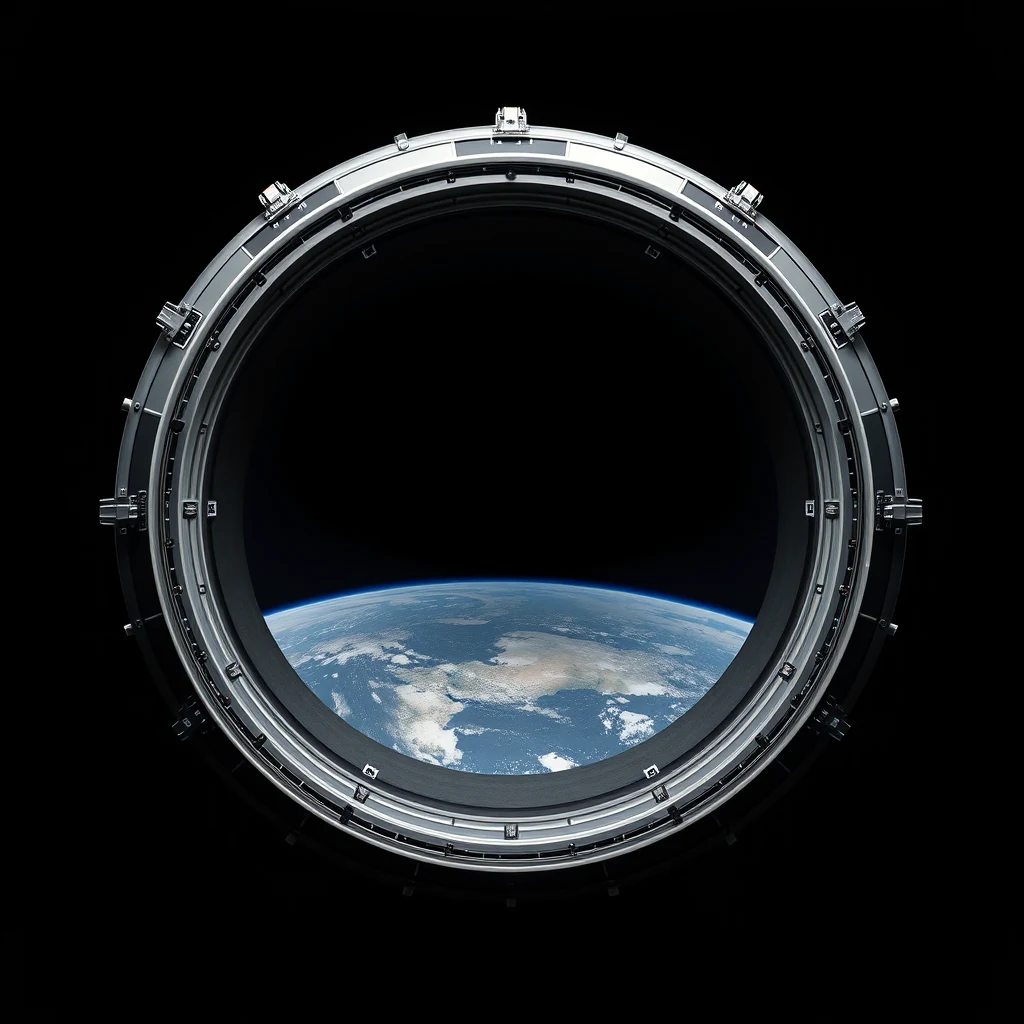 Object Habitable Worlds Observatory A proposed NASA flagship astrophysics mission designed to directly image Earth-like exoplanets and search for chemical signatures of life. Scheduled for the 2040s, it will require an ultra-stable optical system with active coronagraphy and wavefront control orders of magnitude more precise than Webb.美国国家航空航天局提出的一项旗舰天体物理任务,旨在直接对类地系外行星成像,并搜寻生命的化学特征。该任务计划于二十一世纪四十年代实施,将需要一套超稳定的光学系统,其主动日冕成像与波前控制的精度要比韦伯望远镜高出几个数量级。Una propuesta de misión insignia de astrofísica de la NASA diseñada para obtener imágenes directas de exoplanetas similares a la Tierra y buscar firmas químicas de vida. Prevista para la década de 2040, requerirá un sistema óptico ultraestable con coronografía activa y control de frente de onda con una precisión varios órdenes de magnitud mayor que la del Webb.مهمة فيزياء فلكية رائدة مقترحة من ناسا، صُمّمت لتصوير الكواكب الخارجية الشبيهة بالأرض مباشرة والبحث عن البصمات الكيميائية للحياة. ومن المقرّر إطلاقها في أربعينيات هذا القرن، وستتطلّب نظاماً بصرياً فائق الثبات مع تصوير إكليلي نشط وتحكّم في جبهة الموجة أكثر دقة من تلسكوب ويب بمقادير هائلة.Uma proposta de missão emblemática de astrofísica da NASA, concebida para captar imagens diretas de exoplanetas semelhantes à Terra e procurar assinaturas químicas de vida. Prevista para a década de 2040, exigirá um sistema óptico ultraestável, com coronografia ativa e controle de frente de onda ordens de magnitude mais preciso que o do Webb.एक प्रस्तावित नासा प्रमुख खगोलभौतिकी मिशन, जिसे पृथ्वी-सदृश बाह्यग्रहों का प्रत्यक्ष चित्रांकन करने और जीवन के रासायनिक चिह्नों की खोज के लिए अभिकल्पित किया गया है। 2040 के दशक के लिए नियोजित, इसके लिए सक्रिय कोरोनाग्राफी और तरंगाग्र-नियंत्रण वाली एक अति-स्थिर प्रकाशीय प्रणाली की आवश्यकता होगी, जो वेब से कई गुना अधिक सटीक होगी।Sebuah misi astrofisika unggulan NASA yang diusulkan, dirancang untuk secara langsung mencitrakan eksoplanet serupa Bumi dan mencari tanda-tanda kimiawi kehidupan. Dijadwalkan untuk dekade 2040-an, misi ini akan memerlukan sistem optik yang ultra-stabil dengan koronagrafi aktif dan kendali muka gelombang yang lebih presisi berkali-kali lipat dibanding Webb.Une mission phare d'astrophysique proposée par la NASA, conçue pour imager directement des exoplanètes semblables à la Terre et rechercher les signatures chimiques de la vie. Prévue pour les années 2040, elle nécessitera un système optique ultra-stable doté d'une coronographie active et d'un contrôle du front d'onde d'une précision supérieure de plusieurs ordres de grandeur à celle de Webb.地球に似た太陽系外惑星を直接撮像し、生命の化学的痕跡を探すために構想されているNASAの旗艦的天体物理ミッション。二〇四〇年代に予定されており、能動的なコロナグラフと、ウェッブよりも桁違いに精密な波面制御を備えた、極めて安定した光学系を必要とする。Предложенная флагманская астрофизическая миссия NASA, предназначенная для прямого получения изображений землеподобных экзопланет и поиска химических признаков жизни. Запуск запланирован на 2040-е годы; миссия потребует сверхстабильной оптической системы с активной коронографией и контролем волнового фронта на порядки точнее, чем у «Уэбба».Eine geplante astrophysikalische Flaggschiff-Mission der NASA, die darauf ausgelegt ist, erdähnliche Exoplaneten direkt abzubilden und nach chemischen Signaturen von Leben zu suchen. Geplant für die 2040er Jahre, wird sie ein ultrastabiles optisches System mit aktiver Koronografie und einer Wellenfrontkontrolle erfordern, die um Größenordnungen präziser ist als beim Webb-Teleskop.지구형 외계행성을 직접 촬영하고 생명의 화학적 징후를 탐색하기 위해 설계된 NASA의 기함급 천체물리학 미션 제안. 2040년대에 예정되어 있으며, 능동 코로나그래피와 웹보다 수십 배에서 수백 배 더 정밀한 파면 제어를 갖춘 초안정 광학계가 필요하다. , NASA's proposed successor to Webb, will require even tighter alignment tolerances—measured in picometres rather than nanometres—to block out starlight entirely and directly image Earth-sized exoplanets.
For now, the eighteen segments hold their shape in the cold dark. They are a fractured surface forced into perfection, catching light that left its source before the Earth existed.