A Major League baseball requires exactly 108 stitches, sewn by hand in about fifteen minutes. While the rest of the sport has been quantified, modeled, and optimized, the ball itself relies on human touch to hold its shape.
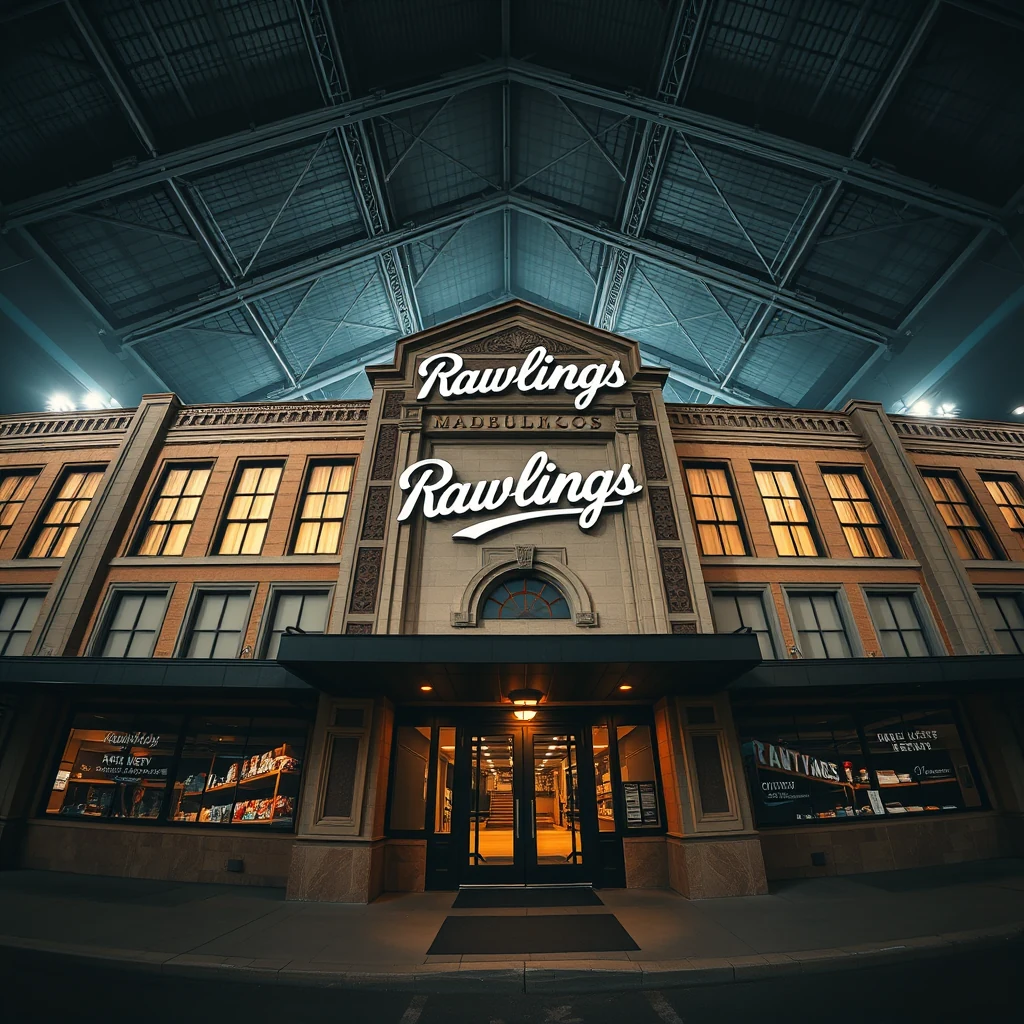
Inside a RawlingsInstitutionRawlingsAn American sports equipment manufacturer founded in 1887 in St. Louis, Missouri. The company introduced the first baseball glove with a web between the thumb and index finger, and has been the exclusive supplier of baseballs to the Major Leagues since 1977.罗林斯(Rawlings),一家美国体育用品制造商,1887年创立于密苏里州圣路易斯。该公司推出了首款在拇指与食指之间带有网兜的棒球手套,并自1977年起一直是美国职业棒球大联盟棒球的独家供应商。Rawlings, fabricante estadounidense de equipamiento deportivo fundado en 1887 en San Luis, Misuri. La compañía introdujo el primer guante de béisbol con una red entre el pulgar y el dedo índice, y ha sido el proveedor exclusivo de pelotas de béisbol de las Grandes Ligas desde 1977.الشركة الأمريكية المصنّعة للمعدات الرياضية تأسست عام 1887 في مدينة سانت لويس بولاية ميزوري. قدّمت الشركة أول قفاز بيسبول مزوّد بشبكة بين الإبهام والسبابة، وهي المورّد الحصري لكرات البيسبول لدوريات البيسبول الكبرى منذ عام 1977.Wilson Sporting Goods é uma fabricante norte-americana de equipamentos esportivos fundada em 1887 em St. Louis, Missouri. A empresa introduziu a primeira luva de beisebol com uma rede entre o polegar e o dedo indicador e, desde 1977, é a fornecedora exclusiva de bolas de beisebol para as Grandes Ligas.रोआर
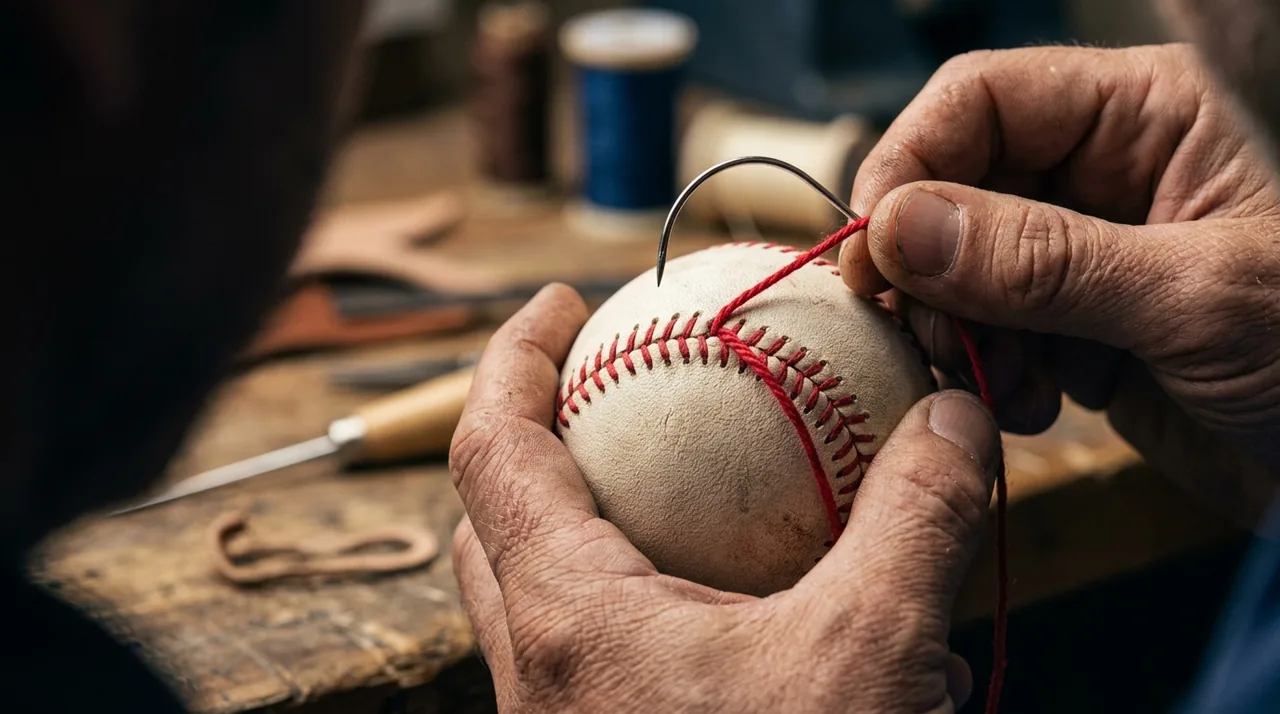
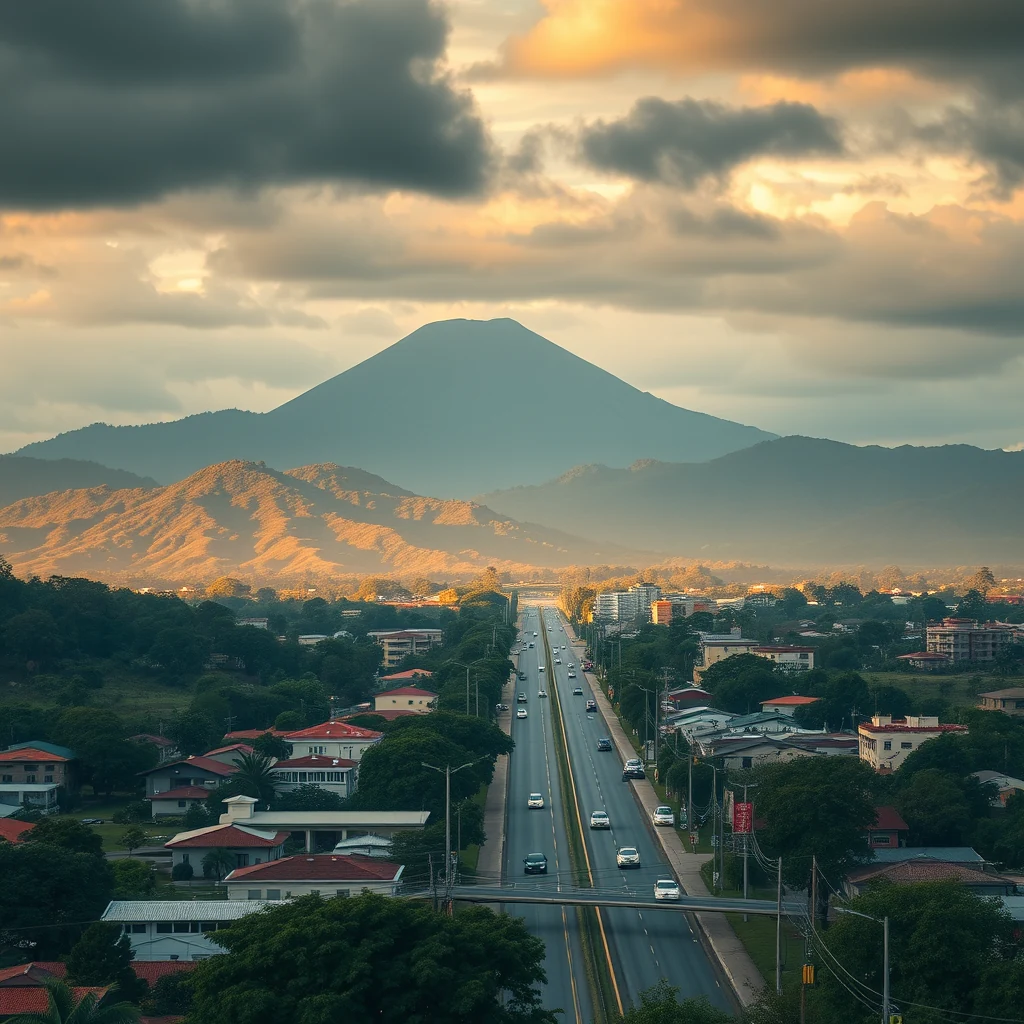
बैट और गेंद बनाने वाली एक अमेरिकी खेल उपकरण निर्माता कंपनी, जिसकी स्थापना 1887 में सेंट लुइस, मिज़ूरी में हुई थी। कंपनी ने अंगूठे और तर्जनी के बीच जाली वाला पहला बेसबॉल दस्ताना पेश किया, और 1977 से मेजर लीग्स को बेसबॉल की एकमात्र आपूर्तिकर्ता रही है।Sebuah produsen perlengkapan olahraga asal Amerika yang didirikan pada 1887 di St. Louis, Missouri. Perusahaan ini memperkenalkan sarung tangan bisbol pertama dengan anyaman di antara ibu jari dan telunjuk, dan telah menjadi pemasok eksklusif bola bisbol untuk Major Leagues sejak 1977.Un fabricant américain d'équipements sportifs fondé en 1887 à Saint-Louis, dans le Missouri. L'entreprise introduisit le premier gant de baseball doté d'une toile entre le pouce et l'index, et elle est le fournisseur exclusif de balles des ligues majeures depuis 1977.一八八七年にミズーリ州セントルイスで創業したアメリカのスポーツ用品メーカー。同社は親指と人差し指の間に網を備えた初の野球用グラブを世に送り出し、一九七七年以降メジャーリーグへの公式球の独占供給元となっている。Американский производитель спортивного инвентаря, основанный в 1887 году в Сент-Луисе, штат Миссури. Компания выпустила первую бейсбольную перчатку с перепонкой между большим и указательным пальцами и является эксклюзивным поставщиком бейсбольных мячей в Главную лигу с 1977 года.Ein amerikanischer Hersteller von Sportausrüstung, der 1887 in St. Louis, Missouri, gegründet wurde. Das Unternehmen führte den ersten Baseballhandschuh mit einer Verbindung zwischen Daumen und Zeigefinger ein und ist seit 1977 der exklusive Lieferant von Basebällen für die Major Leagues.1887년 미주리주 세인트루이스에서 설립된 미국의 스포츠 용품 제조사. 이 회사는 엄지와 검지 사이에 그물망을 댄 최초의 야구 글러브를 선보였으며, 1977년 이래 메이저 리그에 야구공을 독점 공급해 왔다. factory in TurrialbaPlaceTurrialbaA city in the Cartago Province of Costa Rica, known primarily for its agricultural output and proximity to the Turrialba Volcano. Since the late twentieth century, it has been the exclusive manufacturing site for official Major League Baseballs, housing the facility where millions of balls are hand-stitched.哥斯达黎加卡塔戈省的一座城市,主要以其农业产出以及邻近图里亚尔瓦火山而闻名。自二十世纪末以来,它一直是美国职业棒球大联盟官方用球的唯一生产地,数以百万计的棒球就在这里的工厂中手工缝制。Una ciudad de la provincia de Cartago, en Costa Rica, conocida principalmente por su producción agrícola y su proximidad al volcán Turrialba. Desde finales del siglo XX, ha sido el único lugar de fabricación de las pelotas oficiales de las Grandes Ligas de Béisbol, y alberga la planta donde se cosen a mano millones de pelotas.مدينة في مقاطعة كارتاغو بكوستاريكا، تُعرف أساساً بإنتاجها الزراعي وقربها من بركان توريالبا. ومنذ أواخر القرن العشرين، باتت الموقع الحصري لتصنيع كرات البيسبول الرسمية لدوري البيسبول الرئيسي، إذ تضم المنشأة التي تُخاط فيها ملايين الكرات يدوياً.Uma cidade da província de Cartago, na Costa Rica, conhecida sobretudo por sua produção agrícola e pela proximidade do vulcão Turrialba. Desde o fim do século XX, é o local exclusivo de fabricação das bolas oficiais da Major League Baseball, abrigando a fábrica onde milhões de bolas são costuradas à mão.कोस्टा रिका के कार्टागो प्रांत का एक नगर, जो मुख्यतः अपने कृषि-उत्पादन और टुरियालबा ज्वालामुखी की निकटता के लिए जाना जाता है। बीसवीं सदी के उत्तरार्ध से, यह आधिकारिक मेजर लीग बेसबॉल का एकमात्र निर्माण-स्थल रहा है, जहाँ वह कारख़ाना स्थित है जिसमें लाखों गेंदें हाथ से सिली जाती हैं।Sebuah kota di Provinsi Cartago, Kosta Rika, yang dikenal terutama karena hasil pertaniannya dan kedekatannya dengan Gunung Berapi Turrialba. Sejak akhir abad kedua puluh, kota ini menjadi satu-satunya lokasi pembuatan bola bisbol resmi Major League, menampung fasilitas tempat jutaan bola dijahit dengan tangan.Une ville de la province de Cartago, au Costa Rica, connue principalement pour sa production agricole et sa proximité avec le volcan Turrialba. Depuis la fin du vingtième siècle, c'est le seul site de fabrication des balles officielles de la Major League Baseball, abritant l'usine où des millions de balles sont cousues à la main.コスタリカのカルタゴ州にある都市で、主にその農業生産とトゥリアルバ火山への近さで知られる。二十世紀後半以降、メジャーリーグ公式球の唯一の製造拠点となっており、何百万もの球が手縫いされる施設を擁している。Город в провинции Картаго в Коста-Рике, известный главным образом своей сельскохозяйственной продукцией и близостью к вулкану Турриальба. С конца двадцатого века он является единственным местом производства официальных мячей Главной лиги бейсбола: здесь расположено предприятие, где вручную сшиваются миллионы мячей.Eine Stadt in der Provinz Cartago in Costa Rica, vor allem bekannt für ihre landwirtschaftliche Produktion und ihre Nähe zum Vulkan Turrialba. Seit dem späten zwanzigsten Jahrhundert ist sie der ausschließliche Produktionsstandort für offizielle Major-League-Baseballbälle und beherbergt die Anlage, in der Millionen Bälle von Hand genäht werden.코스타리카 카르타고주에 있는 도시로, 주로 농업 생산과 투리알바 화산과의 인접성으로 알려져 있다. 20세기 후반 이래 이곳은 공식 메이저 리그 야구공의 유일한 제조지로서, 수백만 개의 공이 손으로 꿰매어지는 시설을 품고 있다., Costa Rica, a worker sits at a wooden stitching horse with two pieces of figure-eight-cut cowhide and eighty-eight inches of waxed red thread. Over the next fifteen minutes, they will drive a pair of needles through the leather exactly 108 times, pulling the thread taut by feel.
Major League Baseball consumes approximately 900,000 baseballs in a single season. Every one of them is assembled by hand. The core of the ball—a pill of cork encased in two layers of rubber, wrapped in three distinct plies of wool yarn and a finishing layer of cotton—is manufactured with industrial consistency. The exterior is resolutely organic.
Baseball Stitching and PBR DrinkingHey Paul Studios · BY 2.0
Until 1974, baseballs were covered in horsehide. Today, they use alum-tanned cowhide, typically sourced from Holstein cattle. The hides are inspected for blemishes, cut into the interlocking covers, and dampened to make them pliable. When the worker begins sewing, the leather is soft. As it dries, it shrinks, tightening around the yarn core.
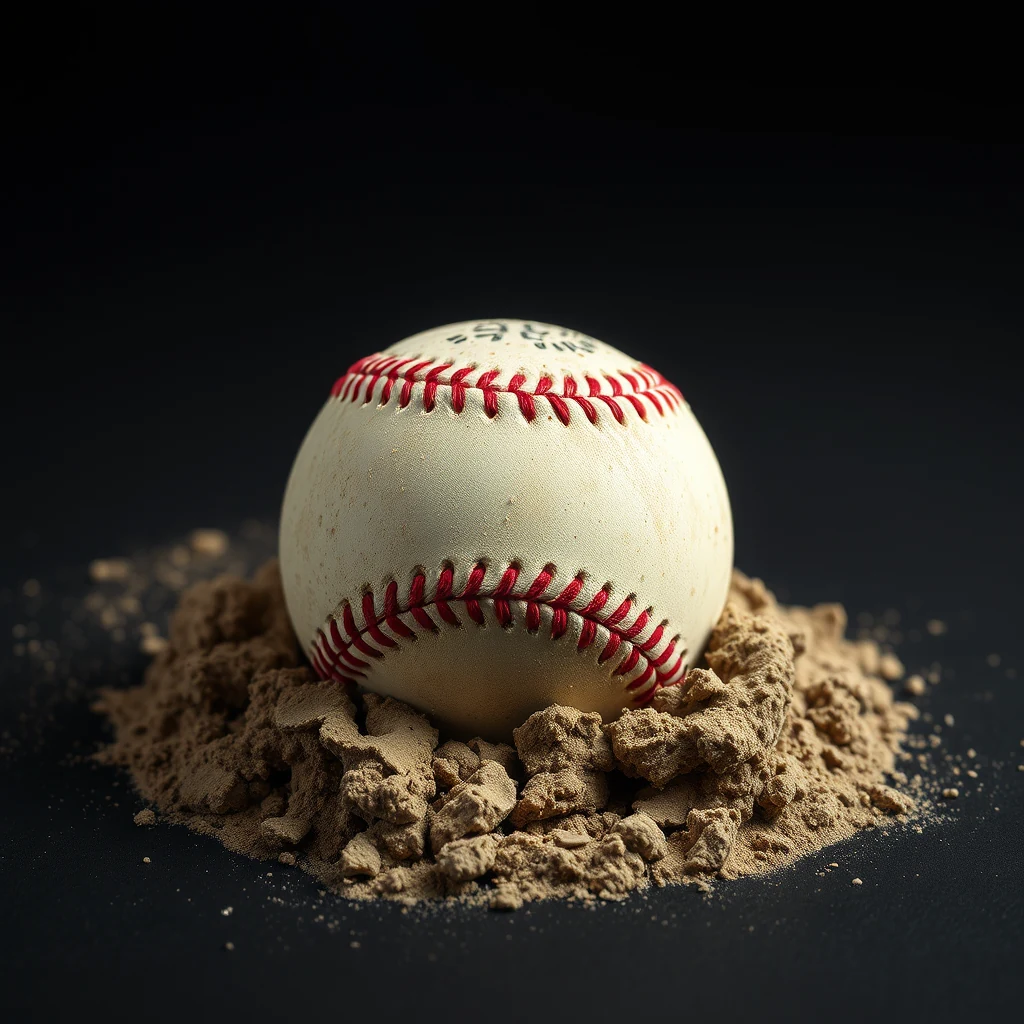
An extreme close-up of a regulation baseball resting on dark leatherIllustration · AI-generated (FLUX.1-dev)
The limits of static tension
If you build a machine to sew a baseball, the ball will fail. Engineering a robotic arm to pass a needle through pre-punched holes is a solved problem. Applying static tension to a natural material is not. A mechanical apparatus pulls with identical, uniform force on every stitch. Because cowhide possesses microscopic variations in thickness, density, and elasticity, uniform tension creates a warped sphere. The seams bulge unpredictably, and the finished ball wobbles in flight.
Baseball StitchingKE Design · BY-SA 2.0
Human hands adapt to the resistance. The workers in Costa Rica, who train for months before working on official game balls, constantly read the tactile feedback of the waxed thread as it bites into the hide. They loosen their pull where the leather gives and apply more force where it holds firm. They adjust for the humidity in the room and the specific stretch of the cut in front of them. The result is a mathematically irregular process that yields a dynamically stable object.
The boundary layer
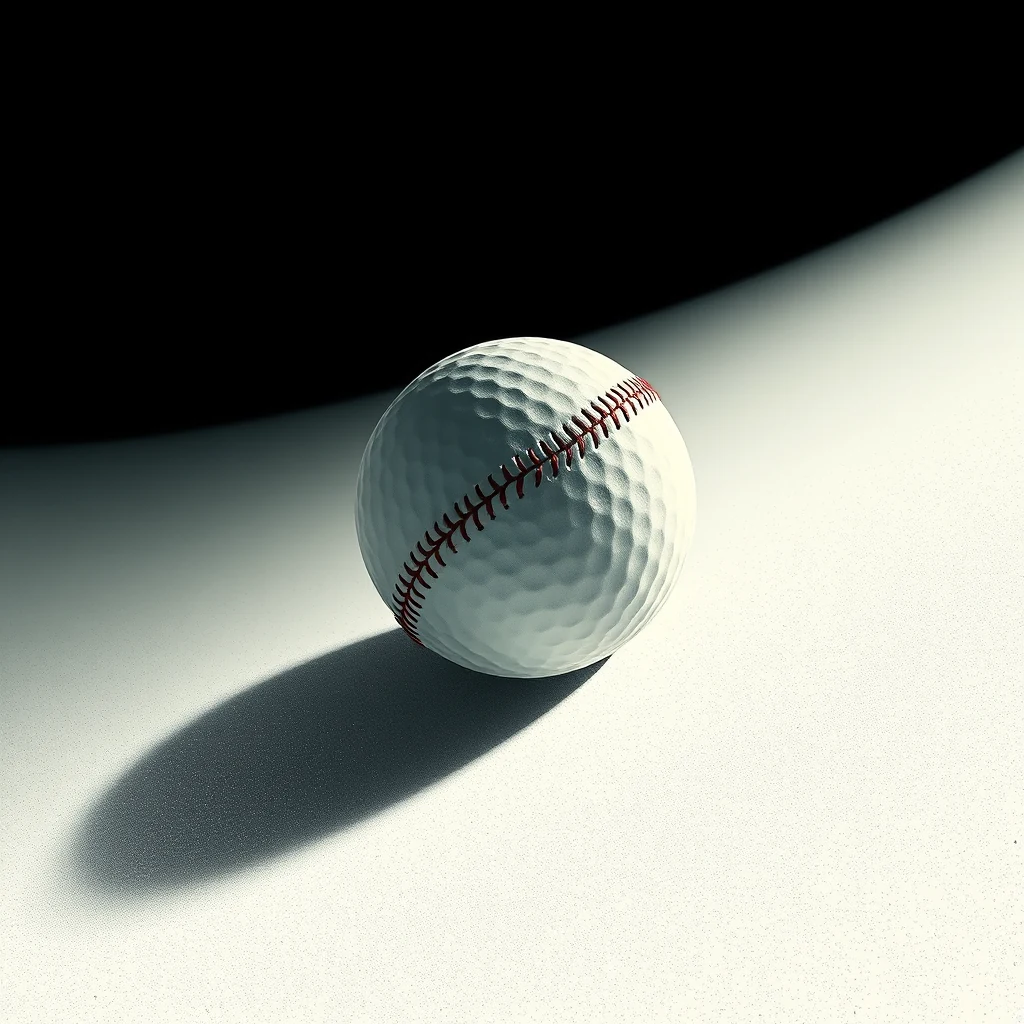
The 108 red stitches are not decorative holding mechanisms. They are the functional architecture of the game. A perfectly smooth sphere thrown at ninety-five miles per hour experiences massive aerodynamic drag, creating a wide wake that bleeds its forward momentum. The raised profile of the thread trips the air flowing over the ball, creating a thin boundary layerConceptboundary layerIn fluid mechanics, the thin layer of fluid in the immediate vicinity of a bounding surface where the effects of viscosity are significant. The manipulation of this layer—such as through the dimples on a golf ball or the stitches on a baseball—drastically alters aerodynamic drag and trajectory.在流体力学中,指紧贴边界表面的那一薄层流体,黏性效应在此处显著。对这一边界层的操控,比如高尔夫球上的凹坑或棒球上的缝线,会大幅改变气动阻力与飞行轨迹。En mecánica de fluidos, la fina capa de fluido en las inmediaciones de una superficie limitante, donde los efectos de la viscosidad son significativos. La manipulación de esta capa, como mediante los hoyuelos de una pelota de golf o las costuras de una pelota de béisbol, altera drásticamente la resistencia aerodinámica y la trayectoria.في ميكانيكا الموائع، هي الطبقة الرقيقة من المائع الملاصقة لسطح حدّي حيث تكون آثار اللزوجة كبيرة. والتلاعب بهذه الطبقة، كما يحدث عبر الغمّازات على كرة الغولف أو الغُرز على كرة البيسبول، يغيّر بشدة المقاومة الديناميكية الهوائية والمسار.Na mecânica dos fluidos, a fina camada de fluido nas imediações de uma superfície limitante, onde os efeitos da viscosidade são significativos. A manipulação dessa camada, como por meio das covinhas de uma bola de golfe ou das costuras de uma bola de beisebol, altera drasticamente o arrasto aerodinâmico e a trajetória.तरल यांत्रिकी में, किसी परिसीमक सतह के एकदम समीप उपस्थित तरल की वह पतली परत जहाँ श्यानता का प्रभाव महत्वपूर्ण होता है। इस परत का परिचालन, जैसे कि गोल्फ की गेंद पर गड्ढों या बेसबॉल पर सिलाई के माध्यम से, वायुगतिकीय कर्षण और प्रक्षेप-पथ को नाटकीय रूप से बदल देता है।Dalam mekanika fluida, lapisan tipis fluida di sekitar permukaan pembatas tempat efek kekentalan menjadi signifikan. Manipulasi lapisan ini, seperti melalui lekukan pada bola golf atau jahitan pada bola bisbol, secara drastis mengubah hambatan aerodinamis dan lintasan.La couche limite.
En mécanique des fluides, la fine couche de fluide située au voisinage immédiat d'une surface limite, où les effets de la viscosité sont significatifs. La manipulation de cette couche — par exemple au moyen des alvéoles d'une balle de golf ou des coutures d'une balle de baseball — modifie radicalement la traînée aérodynamique et la trajectoire.流体力学において、粘性の影響が顕著となる、境界面のすぐ近傍の薄い流体の層。ゴルフボールのディンプルや野球の縫い目などによってこの層を操作することで、空力抵抗と軌道は大きく変化する。В механике жидкостей и газов — тонкий слой среды в непосредственной близости от ограничивающей поверхности, где эффекты вязкости значимы. Манипулирование этим слоем, например через ямочки на мяче для гольфа или швы на бейсбольном мяче, резко изменяет аэродинамическое сопротивление и траекторию.In der Strömungsmechanik die dünne Fluidschicht in unmittelbarer Nähe einer begrenzenden Oberfläche, in der die Auswirkungen der Viskosität bedeutsam sind. Die Beeinflussung dieser Schicht, etwa durch die Vertiefungen eines Golfballs oder die Nähte eines Baseballs, verändert den aerodynamischen Widerstand und die Flugbahn drastisch.유체역학에서 경계면 바로 가까이에 있어 점성의 영향이 두드러지는 얇은 유체층. 골프공의 딤플이나 야구공의 솔기처럼 이 층을 조작하면 공기역학적 항력과 궤적이 크게 달라진다. of turbulence. Paradoxically, this rough air hugs the contour of the ball longer than smooth air would, narrowing the wake and reducing the overall pressure drag. The stitches allow the ball to carry.
A Costa Rica factory workbench where a worker's hands sew a baseball with two curved needlIllustration · AI-generated (FLUX.1-dev)
More importantly, the seams give the pitcher control. By gripping the ball across or along the seams, and applying differential pressure with the index and middle fingers at the point of release, a pitcher dictates the spin axis. The Magnus effectConceptMagnus effectThe observable phenomenon in which a spinning object moving through a fluid creates a whirlpool of fluid around itself, resulting in a force perpendicular to the line of motion. This effect explains why curveballs curve, topspin tennis shots drop abruptly, and artillery shells drift in crosswinds.一种可观测的现象:旋转的物体在流体中运动时,会在自身周围形成一个流体涡旋,进而产生一个垂直于运动方向的力。这一效应解释了曲线球为何会拐弯、上旋网球为何会骤然下坠,以及炮弹为何会在侧风中偏移。El fenómeno observable en el que un objeto que gira mientras se desplaza a través de un fluido genera un remolino de fluido a su alrededor, lo que produce una fuerza perpendicular a la línea de movimiento. Este efecto explica por qué las bolas con efecto se curvan, por qué los golpes de tenis con liftado caen de forma abrupta y por qué los proyectiles de artillería se desvían con los vientos cruzados.تأثير ماغنوس هو الظاهرة المرصودة التي يُنشئ فيها جسمٌ دوّار يتحرك خلال مائع دوّامةً من المائع حول نفسه، ما ينتج عنه قوة عمودية على خط الحركة. يفسّر هذا التأثير سبب انحناء الكرات المنحنية، والهبوط المفاجئ لضربات التنس ذات الدوران الأمامي، وانجراف قذائف المدفعية في الرياح المتقاطعة.O fenômeno observável em que um objeto em rotação que se desloca através de um fluido cria um turbilhão de fluido ao seu redor, resultando numa força perpendicular à linha de movimento. Esse efeito explica por que as bolas de beisebol com efeito fazem curva, as tacadas de tênis com topspin caem abruptamente e os projéteis de artilharia desviam-se sob ventos cruzados.जिस प्रेक्षणीय परिघटना में किसी तरल माध्यम से होकर गतिमान कोई घूर्णन करता हुआ पिंड अपने चारों ओर तरल का भंवर उत्पन्न कर देता है, जिसके परिणामस्वरूप गति की रेखा के लंबवत एक बल उत्पन्न होता है। यह प्रभाव बताता है कि कर्वबॉल क्यों मुड़ती हैं, टॉपस्पिन वाले टेनिस शॉट अचानक नीचे क्यों गिरते हैं, और तोप के गोले आड़ी हवाओं में क्यों भटक जाते हैं।Fenomena yang dapat diamati di mana sebuah benda berputar yang bergerak melalui fluida menciptakan pusaran fluida di sekelilingnya, sehingga menghasilkan gaya yang tegak lurus terhadap garis gerak. Efek ini menjelaskan mengapa lemparan curveball melengkung, pukulan tenis dengan topspin tiba-tiba jatuh, dan peluru artileri menyimpang dalam angin samping.Effet Magnus.
Le phénomène observable selon lequel un objet en rotation se déplaçant dans un fluide crée autour de lui un tourbillon de fluide, engendrant une force perpendiculaire à la ligne de déplacement. Cet effet explique pourquoi les balles à effet dévient de leur trajectoire, pourquoi les coups de tennis liftés retombent brusquement et pourquoi les obus d'artillerie dérivent par vent de travers.マグヌス効果
流体中を移動する回転物体が周囲に流体の渦を生じさせ、その結果として運動方向に対し垂直な力が発生する観測可能な現象。この効果により、カーブボールが曲がる理由、トップスピンをかけたテニスのショットが急激に落下する理由、そして横風の中で砲弾が横にそれる理由が説明される。Наблюдаемое явление, при котором вращающийся объект, движущийся сквозь среду, создаёт вокруг себя завихрение, что приводит к возникновению силы, перпендикулярной направлению движения. Этот эффект объясняет, почему крученые подачи изгибаются, теннисные удары с верхним вращением резко падают, а артиллерийские снаряды отклоняются при боковом ветре.Magnus-Effekt
Das beobachtbare Phänomen, bei dem ein rotierendes Objekt, das sich durch ein Fluid bewegt, einen Wirbel des Fluids um sich herum erzeugt, woraus eine Kraft senkrecht zur Bewegungsrichtung resultiert. Dieser Effekt erklärt, warum Curveballs eine gekrümmte Bahn beschreiben, Tennisbälle mit Topspin abrupt abfallen und Artilleriegeschosse bei Seitenwind abdriften.마그누스 효과
회전하는 물체가 유체 속을 이동할 때 그 주위에 유체의 소용돌이를 만들어내어, 운동 방향에 수직인 힘이 발생하는 관측 현상. 이 효과는 커브볼이 휘어지는 이유, 톱스핀을 건 테니스 샷이 급격히 떨어지는 이유, 그리고 포탄이 측풍 속에서 빗나가는 이유를 설명한다.—the aerodynamic force that causes a spinning object to deviate from a straight path—turns a four-seam fastball into a rising illusion and a curveball into a sudden drop. Pitchers build their careers on the microscopic calluses that interface with the thread.
Baseball Stitchingslgckgc · BY 2.0
What we still don't know
We do not have a complete predictive model for the flight of a baseball. While high-speed optical tracking systems map the trajectory and spin rate of every pitch thrown in professional stadiums, the exact fluid dynamics of a seam transitioning through the air at 2,500 revolutions per minute remain difficult to model computationally.
A half-finished baseball on a plain workbench shows why stitch tension cannot be static: oIllustration · AI-generated (FLUX.1-dev)
We do not fully understand the mechanics of the seam-shifted wake. Recent aerodynamic research suggests that the orientation of the seams as they rotate can cause asymmetric boundary layer separation. This generates lateral forces entirely independent of the Magnus effect, explaining why certain pitches move horizontally in ways classical physics models fail to predict.
Baseball pitchesUnknown · CC BY-SA 3.0
We do not know the true macroscopic impact of minor manufacturing tolerances. Between 2017 and 2019, home run rates spiked dramatically. Subsequent investigations by a physicist-led committee revealed that the baseballs had fractionally lower seam heights and smoother leather. These imperceptible changes reduced drag enough to add critical feet to the flight of deep fly balls, but the exact mechanism of how the manufacturing floor introduced these changes remains debated.
A pitched baseball hangs in a wind-tunnel test sectionIllustration · AI-generated (FLUX.1-dev)
Finally, we do not know if the game will ever standardize the surface friction of the ball. Currently, every baseball is rubbed with a specific mud from the Delaware River basin—baseball rubbing mudObjectbaseball rubbing mudA fine, clay-like mud harvested from a secret location along the New Jersey side of the Delaware River. Since the 1930s, it has been used by every Major League Baseball team to rub down new baseballs, removing the slick factory gloss and providing pitchers with a consistent grip without damaging the leather.泥球泥(Rubbing Mud)是一种细腻的黏土状泥浆,采自特拉华河新泽西一侧某处保密地点。自20世纪30年代以来,美国职业棒球大联盟的每支球队都用它来擦拭新棒球,去除工厂出厂时光滑的表层,使投手获得稳定的握感,同时又不损伤皮革。Barro fino, semejante a arcilla, extraído de un lugar secreto en la orilla del río Delaware del lado de Nueva Jersey. Desde la década de 1930, todos los equipos de las Grandes Ligas de Béisbol lo han utilizado para frotar las pelotas nuevas, eliminando el lustre resbaladizo de fábrica y proporcionando a los lanzadores un agarre uniforme sin dañar el cuero.طينٌ ناعمٌ شبيهٌ بالصلصال يُستخرج من موقعٍ سرّيٍّ على الضفّة التابعة لولاية نيو جيرسي من نهر ديلاوير. ومنذ ثلاثينيات القرن العشرين، استخدمه كلّ فريقٍ في دوري البيسبول الرئيسي لفرك الكرات الجديدة، إذ يزيل اللمعان المصنعيّ الزَّلِق ويمنح الرُّماة قبضةً ثابتةً دون الإضرار بالجلد.Areia fina e argilosa extraída de um local secreto ao longo da margem de Nova Jérsei do rio Delaware. Desde a década de 1930, é usada por todas as equipes da Major League Baseball para esfregar as bolas de beisebol novas, removendo o brilho lustroso de fábrica e proporcionando aos arremessadores uma pegada consistente sem danificar o couro.देलावेयर नदी के न्यू जर्सी की ओर स्थित एक गुप्त स्थान से निकाली जाने वाली एक महीन, चिकनी मिट्टी जैसी कीचड़। 1930 के दशक से इसका उपयोग मेजर लीग बेसबॉल की हर टीम द्वारा नई बेसबॉल गेंदों को रगड़ने के लिए किया जाता रहा है, जिससे फैक्ट्री की चिकनी चमक हट जाती है और चमड़े को नुकसान पहुँचाए बिना पिचरों को एकसमान पकड़ मिलती है।Lumpur halus mirip lempung yang dipanen dari lokasi rahasia di sisi New Jersey Sungai Delaware. Sejak tahun 1930-an, lumpur ini digunakan oleh setiap tim Major League Baseball untuk menggosok bola bisbol baru, menghilangkan kilap licin dari pabrik dan memberi pelempar cengkeraman yang konsisten tanpa merusak kulitnya.Une boue fine, semblable à de l'argile, récoltée en un lieu tenu secret sur la rive du fleuve Delaware côté New Jersey. Depuis les années 1930, toutes les équipes de la Ligue majeure de baseball l'utilisent pour frotter les balles neuves, afin d'éliminer le vernis glissant d'usine et d'offrir aux lanceurs une prise constante sans endommager le cuir.泥にも秘密がある。ニュージャージー州側のデラウェア川沿いの非公開の場所から採取される、粘土のようなきめ細かい泥。1930年代以降、メジャーリーグベースボールの全球団が新品の野球ボールを擦り込むのに使用しており、工場出荷時の滑りやすい光沢を取り除き、革を傷めることなく投手に安定したグリップを提供している。Тонкая глинистая грязь, добываемая в секретном месте на нью-джерсийском берегу реки Делавэр. С 1930-х годов её используют все команды Главной лиги бейсбола для натирания новых мячей, удаляя скользкий заводской глянец и обеспечивая питчерам устойчивый захват без повреждения кожи.Ein feiner, tonartiger Schlamm, der an einem geheimen Ort an der New-Jersey-Seite des Delaware River gewonnen wird. Seit den 1930er Jahren verwendet ihn jedes Team der Major League Baseball, um neue Bälle einzureiben, den glatten Werksglanz zu entfernen und den Werfern einen gleichmäßigen Griff zu verschaffen, ohne das Leder zu beschädigen.델라웨어강 뉴저지 쪽 강변의 비밀스러운 장소에서 채취하는 점토질의 고운 진흙. 1930년대 이래 모든 메이저 리그 야구단이 새 공을 문질러 닦는 데 이 진흙을 써 왔는데, 공장에서 묻어 나온 미끈한 광택을 벗겨 내고 가죽을 상하게 하지 않으면서 투수에게 한결같은 그립을 안겨 준다.—to remove the factory sheen before use. Efforts to engineer a pre-tacked, synthetic alternative have consistently met resistance from pitchers who rely on the organic inconsistency of cowhide.
A modern stadium is a laboratory of analytics, capturing exit velocities to the tenth of a mile per hour and biomechanical angles to the degree. Yet the object at the centre of the field is a piece of nineteenth-century craft, holding its shape through the quiet, unrecorded tension of a human hand.
Una pelota de Grandes Ligas requiere exactamente 108 costuras, cosidas a mano en unos quince minutos. Mientras el resto del deporte ha sido cuantificado, modelado y optimizado, la propia pelota depende del tacto humano para conservar su forma.
En una fábrica de RawlingsInstitutionRawlingsAn American sports equipment manufacturer founded in 1887 in St. Louis, Missouri. The company introduced the first baseball glove with a web between the thumb and index finger, and has been the exclusive supplier of baseballs to the Major Leagues since 1977.罗林斯(Rawlings),一家美国体育用品制造商,1887年创立于密苏里州圣路易斯。该公司推出了首款在拇指与食指之间带有网兜的棒球手套,并自1977年起一直是美国职业棒球大联盟棒球的独家供应商。Rawlings, fabricante estadounidense de equipamiento deportivo fundado en 1887 en San Luis, Misuri. La compañía introdujo el primer guante de béisbol con una red entre el pulgar y el dedo índice, y ha sido el proveedor exclusivo de pelotas de béisbol de las Grandes Ligas desde 1977.الشركة الأمريكية المصنّعة للمعدات الرياضية تأسست عام 1887 في مدينة سانت لويس بولاية ميزوري. قدّمت الشركة أول قفاز بيسبول مزوّد بشبكة بين الإبهام والسبابة، وهي المورّد الحصري لكرات البيسبول لدوريات البيسبول الكبرى منذ عام 1977.Wilson Sporting Goods é uma fabricante norte-americana de equipamentos esportivos fundada em 1887 em St. Louis, Missouri. A empresa introduziu a primeira luva de beisebol com uma rede entre o polegar e o dedo indicador e, desde 1977, é a fornecedora exclusiva de bolas de beisebol para as Grandes Ligas.रोआर
बैट और गेंद बनाने वाली एक अमेरिकी खेल उपकरण निर्माता कंपनी, जिसकी स्थापना 1887 में सेंट लुइस, मिज़ूरी में हुई थी। कंपनी ने अंगूठे और तर्जनी के बीच जाली वाला पहला बेसबॉल दस्ताना पेश किया, और 1977 से मेजर लीग्स को बेसबॉल की एकमात्र आपूर्तिकर्ता रही है।Sebuah produsen perlengkapan olahraga asal Amerika yang didirikan pada 1887 di St. Louis, Missouri. Perusahaan ini memperkenalkan sarung tangan bisbol pertama dengan anyaman di antara ibu jari dan telunjuk, dan telah menjadi pemasok eksklusif bola bisbol untuk Major Leagues sejak 1977.Un fabricant américain d'équipements sportifs fondé en 1887 à Saint-Louis, dans le Missouri. L'entreprise introduisit le premier gant de baseball doté d'une toile entre le pouce et l'index, et elle est le fournisseur exclusif de balles des ligues majeures depuis 1977.一八八七年にミズーリ州セントルイスで創業したアメリカのスポーツ用品メーカー。同社は親指と人差し指の間に網を備えた初の野球用グラブを世に送り出し、一九七七年以降メジャーリーグへの公式球の独占供給元となっている。Американский производитель спортивного инвентаря, основанный в 1887 году в Сент-Луисе, штат Миссури. Компания выпустила первую бейсбольную перчатку с перепонкой между большим и указательным пальцами и является эксклюзивным поставщиком бейсбольных мячей в Главную лигу с 1977 года.Ein amerikanischer Hersteller von Sportausrüstung, der 1887 in St. Louis, Missouri, gegründet wurde. Das Unternehmen führte den ersten Baseballhandschuh mit einer Verbindung zwischen Daumen und Zeigefinger ein und ist seit 1977 der exklusive Lieferant von Basebällen für die Major Leagues.1887년 미주리주 세인트루이스에서 설립된 미국의 스포츠 용품 제조사. 이 회사는 엄지와 검지 사이에 그물망을 댄 최초의 야구 글러브를 선보였으며, 1977년 이래 메이저 리그에 야구공을 독점 공급해 왔다. en TurrialbaPlaceTurrialbaA city in the Cartago Province of Costa Rica, known primarily for its agricultural output and proximity to the Turrialba Volcano. Since the late twentieth century, it has been the exclusive manufacturing site for official Major League Baseballs, housing the facility where millions of balls are hand-stitched.哥斯达黎加卡塔戈省的一座城市,主要以其农业产出以及邻近图里亚尔瓦火山而闻名。自二十世纪末以来,它一直是美国职业棒球大联盟官方用球的唯一生产地,数以百万计的棒球就在这里的工厂中手工缝制。Una ciudad de la provincia de Cartago, en Costa Rica, conocida principalmente por su producción agrícola y su proximidad al volcán Turrialba. Desde finales del siglo XX, ha sido el único lugar de fabricación de las pelotas oficiales de las Grandes Ligas de Béisbol, y alberga la planta donde se cosen a mano millones de pelotas.مدينة في مقاطعة كارتاغو بكوستاريكا، تُعرف أساساً بإنتاجها الزراعي وقربها من بركان توريالبا. ومنذ أواخر القرن العشرين، باتت الموقع الحصري لتصنيع كرات البيسبول الرسمية لدوري البيسبول الرئيسي، إذ تضم المنشأة التي تُخاط فيها ملايين الكرات يدوياً.Uma cidade da província de Cartago, na Costa Rica, conhecida sobretudo por sua produção agrícola e pela proximidade do vulcão Turrialba. Desde o fim do século XX, é o local exclusivo de fabricação das bolas oficiais da Major League Baseball, abrigando a fábrica onde milhões de bolas são costuradas à mão.कोस्टा रिका के कार्टागो प्रांत का एक नगर, जो मुख्यतः अपने कृषि-उत्पादन और टुरियालबा ज्वालामुखी की निकटता के लिए जाना जाता है। बीसवीं सदी के उत्तरार्ध से, यह आधिकारिक मेजर लीग बेसबॉल का एकमात्र निर्माण-स्थल रहा है, जहाँ वह कारख़ाना स्थित है जिसमें लाखों गेंदें हाथ से सिली जाती हैं।Sebuah kota di Provinsi Cartago, Kosta Rika, yang dikenal terutama karena hasil pertaniannya dan kedekatannya dengan Gunung Berapi Turrialba. Sejak akhir abad kedua puluh, kota ini menjadi satu-satunya lokasi pembuatan bola bisbol resmi Major League, menampung fasilitas tempat jutaan bola dijahit dengan tangan.Une ville de la province de Cartago, au Costa Rica, connue principalement pour sa production agricole et sa proximité avec le volcan Turrialba. Depuis la fin du vingtième siècle, c'est le seul site de fabrication des balles officielles de la Major League Baseball, abritant l'usine où des millions de balles sont cousues à la main.コスタリカのカルタゴ州にある都市で、主にその農業生産とトゥリアルバ火山への近さで知られる。二十世紀後半以降、メジャーリーグ公式球の唯一の製造拠点となっており、何百万もの球が手縫いされる施設を擁している。Город в провинции Картаго в Коста-Рике, известный главным образом своей сельскохозяйственной продукцией и близостью к вулкану Турриальба. С конца двадцатого века он является единственным местом производства официальных мячей Главной лиги бейсбола: здесь расположено предприятие, где вручную сшиваются миллионы мячей.Eine Stadt in der Provinz Cartago in Costa Rica, vor allem bekannt für ihre landwirtschaftliche Produktion und ihre Nähe zum Vulkan Turrialba. Seit dem späten zwanzigsten Jahrhundert ist sie der ausschließliche Produktionsstandort für offizielle Major-League-Baseballbälle und beherbergt die Anlage, in der Millionen Bälle von Hand genäht werden.코스타리카 카르타고주에 있는 도시로, 주로 농업 생산과 투리알바 화산과의 인접성으로 알려져 있다. 20세기 후반 이래 이곳은 공식 메이저 리그 야구공의 유일한 제조지로서, 수백만 개의 공이 손으로 꿰매어지는 시설을 품고 있다., Costa Rica, un trabajador se sienta ante un caballete de costura de madera con dos piezas de cuero de vaca cortadas en forma de ocho y ochenta y ocho pulgadas de hilo rojo encerado. Durante los siguientes quince minutos, pasará un par de agujas a través del cuero exactamente 108 veces, tensando el hilo al tacto.
Las Grandes Ligas de Béisbol consumen aproximadamente 900.000 pelotas en una sola temporada. Cada una de ellas se ensambla a mano. El núcleo de la pelota —una pequeña esfera de corcho recubierta por dos capas de caucho, envuelta en tres estratos distintos de hilo de lana y una capa final de algodón— se fabrica con consistencia industrial. El exterior es decididamente orgánico.
Baseball Stitching and PBR DrinkingHey Paul Studios · BY 2.0
Hasta 1974, las pelotas de béisbol se cubrían con piel de caballo. Hoy en día se utiliza cuero de vaca curtido al alumbre, generalmente procedente de ganado Holstein. Las pieles se inspeccionan en busca de imperfecciones, se cortan en las cubiertas entrelazadas y se humedecen para que sean flexibles. Cuando el trabajador comienza a coser, el cuero está blando. Al secarse, se encoge, tensándose alrededor del núcleo de hilo.
An extreme close-up of a regulation baseball resting on dark leatherIllustration · AI-generated (FLUX.1-dev)
Los límites de la tensión estática
Si se construye una máquina para coser una pelota de béisbol, la pelota fallará. Diseñar un brazo robótico para pasar una aguja por agujeros ya perforados es un problema resuelto. Aplicar una tensión estática a un material natural, no lo es. Un aparato mecánico tira con una fuerza idéntica y uniforme en cada puntada. Dado que el cuero de vaca posee variaciones microscópicas en grosor, densidad y elasticidad, una tensión uniforme crea una esfera deformada. Las costuras sobresalen de forma impredecible y la pelota terminada oscila en pleno vuelo.
Baseball StitchingKE Design · BY-SA 2.0
Las manos humanas se adaptan a la resistencia. Los trabajadores de Costa Rica, que se entrenan durante meses antes de trabajar en las pelotas oficiales de juego, interpretan constantemente la retroalimentación táctil del hilo encerado mientras este muerde la piel. Aflojan el tirón donde el cuero cede y aplican más fuerza donde se mantiene firme. Se ajustan a la humedad de la sala y a la elasticidad específica del corte que tienen delante. El resultado es un proceso matemáticamente irregular que produce un objeto dinámicamente estable.
La capa límite
Las 108 puntadas rojas no son mecanismos de sujeción decorativos. Son la arquitectura funcional del juego. Una esfera perfectamente lisa lanzada a noventa y cinco millas por hora experimenta una resistencia aerodinámica masiva, creando una estela ancha que drena su impulso hacia adelante. El perfil elevado del hilo interrumpe el flujo de aire sobre la pelota, creando una delgada boundary layerConceptboundary layerIn fluid mechanics, the thin layer of fluid in the immediate vicinity of a bounding surface where the effects of viscosity are significant. The manipulation of this layer—such as through the dimples on a golf ball or the stitches on a baseball—drastically alters aerodynamic drag and trajectory.在流体力学中,指紧贴边界表面的那一薄层流体,黏性效应在此处显著。对这一边界层的操控,比如高尔夫球上的凹坑或棒球上的缝线,会大幅改变气动阻力与飞行轨迹。En mecánica de fluidos, la fina capa de fluido en las inmediaciones de una superficie limitante, donde los efectos de la viscosidad son significativos. La manipulación de esta capa, como mediante los hoyuelos de una pelota de golf o las costuras de una pelota de béisbol, altera drásticamente la resistencia aerodinámica y la trayectoria.في ميكانيكا الموائع، هي الطبقة الرقيقة من المائع الملاصقة لسطح حدّي حيث تكون آثار اللزوجة كبيرة. والتلاعب بهذه الطبقة، كما يحدث عبر الغمّازات على كرة الغولف أو الغُرز على كرة البيسبول، يغيّر بشدة المقاومة الديناميكية الهوائية والمسار.Na mecânica dos fluidos, a fina camada de fluido nas imediações de uma superfície limitante, onde os efeitos da viscosidade são significativos. A manipulação dessa camada, como por meio das covinhas de uma bola de golfe ou das costuras de uma bola de beisebol, altera drasticamente o arrasto aerodinâmico e a trajetória.तरल यांत्रिकी में, किसी परिसीमक सतह के एकदम समीप उपस्थित तरल की वह पतली परत जहाँ श्यानता का प्रभाव महत्वपूर्ण होता है। इस परत का परिचालन, जैसे कि गोल्फ की गेंद पर गड्ढों या बेसबॉल पर सिलाई के माध्यम से, वायुगतिकीय कर्षण और प्रक्षेप-पथ को नाटकीय रूप से बदल देता है।Dalam mekanika fluida, lapisan tipis fluida di sekitar permukaan pembatas tempat efek kekentalan menjadi signifikan. Manipulasi lapisan ini, seperti melalui lekukan pada bola golf atau jahitan pada bola bisbol, secara drastis mengubah hambatan aerodinamis dan lintasan.La couche limite.
En mécanique des fluides, la fine couche de fluide située au voisinage immédiat d'une surface limite, où les effets de la viscosité sont significatifs. La manipulation de cette couche — par exemple au moyen des alvéoles d'une balle de golf ou des coutures d'une balle de baseball — modifie radicalement la traînée aérodynamique et la trajectoire.流体力学において、粘性の影響が顕著となる、境界面のすぐ近傍の薄い流体の層。ゴルフボールのディンプルや野球の縫い目などによってこの層を操作することで、空力抵抗と軌道は大きく変化する。В механике жидкостей и газов — тонкий слой среды в непосредственной близости от ограничивающей поверхности, где эффекты вязкости значимы. Манипулирование этим слоем, например через ямочки на мяче для гольфа или швы на бейсбольном мяче, резко изменяет аэродинамическое сопротивление и траекторию.In der Strömungsmechanik die dünne Fluidschicht in unmittelbarer Nähe einer begrenzenden Oberfläche, in der die Auswirkungen der Viskosität bedeutsam sind. Die Beeinflussung dieser Schicht, etwa durch die Vertiefungen eines Golfballs oder die Nähte eines Baseballs, verändert den aerodynamischen Widerstand und die Flugbahn drastisch.유체역학에서 경계면 바로 가까이에 있어 점성의 영향이 두드러지는 얇은 유체층. 골프공의 딤플이나 야구공의 솔기처럼 이 층을 조작하면 공기역학적 항력과 궤적이 크게 달라진다. de turbulencia. Paradójicamente, este aire rugoso se ciñe al contorno de la pelota durante más tiempo que el aire liso, estrechando la estela y reduciendo la resistencia por presión general. Las costuras permiten que la pelota vuele más lejos.
A Costa Rica factory workbench where a worker's hands sew a baseball with two curved needlIllustration · AI-generated (FLUX.1-dev)
Más importante aún, las costuras le otorgan control al lanzador. Al sujetar la pelota a través o a lo largo de las costuras, y aplicar una presión diferencial con los dedos índice y corazón en el momento del lanzamiento, el lanzador determina el eje de rotación. El Magnus effectConceptMagnus effectThe observable phenomenon in which a spinning object moving through a fluid creates a whirlpool of fluid around itself, resulting in a force perpendicular to the line of motion. This effect explains why curveballs curve, topspin tennis shots drop abruptly, and artillery shells drift in crosswinds.一种可观测的现象:旋转的物体在流体中运动时,会在自身周围形成一个流体涡旋,进而产生一个垂直于运动方向的力。这一效应解释了曲线球为何会拐弯、上旋网球为何会骤然下坠,以及炮弹为何会在侧风中偏移。El fenómeno observable en el que un objeto que gira mientras se desplaza a través de un fluido genera un remolino de fluido a su alrededor, lo que produce una fuerza perpendicular a la línea de movimiento. Este efecto explica por qué las bolas con efecto se curvan, por qué los golpes de tenis con liftado caen de forma abrupta y por qué los proyectiles de artillería se desvían con los vientos cruzados.تأثير ماغنوس هو الظاهرة المرصودة التي يُنشئ فيها جسمٌ دوّار يتحرك خلال مائع دوّامةً من المائع حول نفسه، ما ينتج عنه قوة عمودية على خط الحركة. يفسّر هذا التأثير سبب انحناء الكرات المنحنية، والهبوط المفاجئ لضربات التنس ذات الدوران الأمامي، وانجراف قذائف المدفعية في الرياح المتقاطعة.O fenômeno observável em que um objeto em rotação que se desloca através de um fluido cria um turbilhão de fluido ao seu redor, resultando numa força perpendicular à linha de movimento. Esse efeito explica por que as bolas de beisebol com efeito fazem curva, as tacadas de tênis com topspin caem abruptamente e os projéteis de artilharia desviam-se sob ventos cruzados.जिस प्रेक्षणीय परिघटना में किसी तरल माध्यम से होकर गतिमान कोई घूर्णन करता हुआ पिंड अपने चारों ओर तरल का भंवर उत्पन्न कर देता है, जिसके परिणामस्वरूप गति की रेखा के लंबवत एक बल उत्पन्न होता है। यह प्रभाव बताता है कि कर्वबॉल क्यों मुड़ती हैं, टॉपस्पिन वाले टेनिस शॉट अचानक नीचे क्यों गिरते हैं, और तोप के गोले आड़ी हवाओं में क्यों भटक जाते हैं।Fenomena yang dapat diamati di mana sebuah benda berputar yang bergerak melalui fluida menciptakan pusaran fluida di sekelilingnya, sehingga menghasilkan gaya yang tegak lurus terhadap garis gerak. Efek ini menjelaskan mengapa lemparan curveball melengkung, pukulan tenis dengan topspin tiba-tiba jatuh, dan peluru artileri menyimpang dalam angin samping.Effet Magnus.
Le phénomène observable selon lequel un objet en rotation se déplaçant dans un fluide crée autour de lui un tourbillon de fluide, engendrant une force perpendiculaire à la ligne de déplacement. Cet effet explique pourquoi les balles à effet dévient de leur trajectoire, pourquoi les coups de tennis liftés retombent brusquement et pourquoi les obus d'artillerie dérivent par vent de travers.マグヌス効果
流体中を移動する回転物体が周囲に流体の渦を生じさせ、その結果として運動方向に対し垂直な力が発生する観測可能な現象。この効果により、カーブボールが曲がる理由、トップスピンをかけたテニスのショットが急激に落下する理由、そして横風の中で砲弾が横にそれる理由が説明される。Наблюдаемое явление, при котором вращающийся объект, движущийся сквозь среду, создаёт вокруг себя завихрение, что приводит к возникновению силы, перпендикулярной направлению движения. Этот эффект объясняет, почему крученые подачи изгибаются, теннисные удары с верхним вращением резко падают, а артиллерийские снаряды отклоняются при боковом ветре.Magnus-Effekt
Das beobachtbare Phänomen, bei dem ein rotierendes Objekt, das sich durch ein Fluid bewegt, einen Wirbel des Fluids um sich herum erzeugt, woraus eine Kraft senkrecht zur Bewegungsrichtung resultiert. Dieser Effekt erklärt, warum Curveballs eine gekrümmte Bahn beschreiben, Tennisbälle mit Topspin abrupt abfallen und Artilleriegeschosse bei Seitenwind abdriften.마그누스 효과
회전하는 물체가 유체 속을 이동할 때 그 주위에 유체의 소용돌이를 만들어내어, 운동 방향에 수직인 힘이 발생하는 관측 현상. 이 효과는 커브볼이 휘어지는 이유, 톱스핀을 건 테니스 샷이 급격히 떨어지는 이유, 그리고 포탄이 측풍 속에서 빗나가는 이유를 설명한다. —la fuerza aerodinámica que hace que un objeto en rotación se desvíe de una trayectoria recta— convierte una recta de cuatro costuras en una ilusión ascendente y una curva en una caída repentina. Los lanzadores forjan sus carreras sobre las callosidades microscópicas que entran en contacto con el hilo.
Baseball Stitchingslgckgc · BY 2.0
Lo que aún desconocemos
No disponemos de un modelo predictivo completo para el vuelo de una pelota de béisbol. Aunque los sistemas de seguimiento óptico de alta velocidad mapean la trayectoria y la tasa de rotación de cada lanzamiento en los estadios profesionales, la dinámica de fluidos exacta de una costura atravesando el aire a 2.500 revoluciones por minuto sigue siendo difícil de modelar computacionalmente.
A half-finished baseball on a plain workbench shows why stitch tension cannot be static: oIllustration · AI-generated (FLUX.1-dev)
No comprendemos del todo la mecánica de la estela desplazada por las costuras. Investigaciones aerodinámicas recientes sugieren que la orientación de las costuras al rotar puede provocar una separación asimétrica de la capa límite. Esto genera fuerzas laterales totalmente independientes del efecto Magnus, lo que explica por qué ciertos lanzamientos se mueven horizontalmente de formas que los modelos de física clásica no logran predecir.
Baseball pitchesUnknown · CC BY-SA 3.0
Desconocemos el verdadero impacto macroscópico de las pequeñas tolerancias de fabricación. Entre 2017 y 2019, las tasas de jonrones se dispararon drásticamente. Investigaciones posteriores realizadas por un comité liderado por físicos revelaron que las pelotas tenían alturas de costura fraccionalmente menores y un cuero más liso. Estos cambios imperceptibles redujeron la resistencia lo suficiente como para añadir pies cruciales al vuelo de los elevados profundos, pero el mecanismo exacto de cómo la línea de producción introdujo estos cambios sigue siendo objeto de debate.
A pitched baseball hangs in a wind-tunnel test sectionIllustration · AI-generated (FLUX.1-dev)
Finalmente, no sabemos si el deporte estandarizará alguna vez la fricción superficial de la pelota. Actualmente, cada pelota se frota con un fango específico de la cuenca del río Delaware —baseball rubbing mudObjectbaseball rubbing mudA fine, clay-like mud harvested from a secret location along the New Jersey side of the Delaware River. Since the 1930s, it has been used by every Major League Baseball team to rub down new baseballs, removing the slick factory gloss and providing pitchers with a consistent grip without damaging the leather.泥球泥(Rubbing Mud)是一种细腻的黏土状泥浆,采自特拉华河新泽西一侧某处保密地点。自20世纪30年代以来,美国职业棒球大联盟的每支球队都用它来擦拭新棒球,去除工厂出厂时光滑的表层,使投手获得稳定的握感,同时又不损伤皮革。Barro fino, semejante a arcilla, extraído de un lugar secreto en la orilla del río Delaware del lado de Nueva Jersey. Desde la década de 1930, todos los equipos de las Grandes Ligas de Béisbol lo han utilizado para frotar las pelotas nuevas, eliminando el lustre resbaladizo de fábrica y proporcionando a los lanzadores un agarre uniforme sin dañar el cuero.طينٌ ناعمٌ شبيهٌ بالصلصال يُستخرج من موقعٍ سرّيٍّ على الضفّة التابعة لولاية نيو جيرسي من نهر ديلاوير. ومنذ ثلاثينيات القرن العشرين، استخدمه كلّ فريقٍ في دوري البيسبول الرئيسي لفرك الكرات الجديدة، إذ يزيل اللمعان المصنعيّ الزَّلِق ويمنح الرُّماة قبضةً ثابتةً دون الإضرار بالجلد.Areia fina e argilosa extraída de um local secreto ao longo da margem de Nova Jérsei do rio Delaware. Desde a década de 1930, é usada por todas as equipes da Major League Baseball para esfregar as bolas de beisebol novas, removendo o brilho lustroso de fábrica e proporcionando aos arremessadores uma pegada consistente sem danificar o couro.देलावेयर नदी के न्यू जर्सी की ओर स्थित एक गुप्त स्थान से निकाली जाने वाली एक महीन, चिकनी मिट्टी जैसी कीचड़। 1930 के दशक से इसका उपयोग मेजर लीग बेसबॉल की हर टीम द्वारा नई बेसबॉल गेंदों को रगड़ने के लिए किया जाता रहा है, जिससे फैक्ट्री की चिकनी चमक हट जाती है और चमड़े को नुकसान पहुँचाए बिना पिचरों को एकसमान पकड़ मिलती है।Lumpur halus mirip lempung yang dipanen dari lokasi rahasia di sisi New Jersey Sungai Delaware. Sejak tahun 1930-an, lumpur ini digunakan oleh setiap tim Major League Baseball untuk menggosok bola bisbol baru, menghilangkan kilap licin dari pabrik dan memberi pelempar cengkeraman yang konsisten tanpa merusak kulitnya.Une boue fine, semblable à de l'argile, récoltée en un lieu tenu secret sur la rive du fleuve Delaware côté New Jersey. Depuis les années 1930, toutes les équipes de la Ligue majeure de baseball l'utilisent pour frotter les balles neuves, afin d'éliminer le vernis glissant d'usine et d'offrir aux lanceurs une prise constante sans endommager le cuir.泥にも秘密がある。ニュージャージー州側のデラウェア川沿いの非公開の場所から採取される、粘土のようなきめ細かい泥。1930年代以降、メジャーリーグベースボールの全球団が新品の野球ボールを擦り込むのに使用しており、工場出荷時の滑りやすい光沢を取り除き、革を傷めることなく投手に安定したグリップを提供している。Тонкая глинистая грязь, добываемая в секретном месте на нью-джерсийском берегу реки Делавэр. С 1930-х годов её используют все команды Главной лиги бейсбола для натирания новых мячей, удаляя скользкий заводской глянец и обеспечивая питчерам устойчивый захват без повреждения кожи.Ein feiner, tonartiger Schlamm, der an einem geheimen Ort an der New-Jersey-Seite des Delaware River gewonnen wird. Seit den 1930er Jahren verwendet ihn jedes Team der Major League Baseball, um neue Bälle einzureiben, den glatten Werksglanz zu entfernen und den Werfern einen gleichmäßigen Griff zu verschaffen, ohne das Leder zu beschädigen.델라웨어강 뉴저지 쪽 강변의 비밀스러운 장소에서 채취하는 점토질의 고운 진흙. 1930년대 이래 모든 메이저 리그 야구단이 새 공을 문질러 닦는 데 이 진흙을 써 왔는데, 공장에서 묻어 나온 미끈한 광택을 벗겨 내고 가죽을 상하게 하지 않으면서 투수에게 한결같은 그립을 안겨 준다.— para eliminar el brillo de fábrica antes de su uso. Los esfuerzos por diseñar una alternativa sintética preadherente han chocado sistemáticamente con la resistencia de los lanzadores, quienes confían en la inconsistencia orgánica del cuero de vaca.
Un estadio moderno es un laboratorio de analítica que captura velocidades de salida hasta la décima de milla por hora y ángulos biomecánicos hasta el grado. Sin embargo, el objeto en el centro del campo es una pieza de artesanía del siglo XIX, que mantiene su forma gracias a la tensión silenciosa y no registrada de una mano humana.
Une balle de baseball de la Ligue majeure nécessite précisément 108 points de couture, cousus à la main en une quinzaine de minutes. Tandis que le reste de ce sport a été quantifié, modélisé et optimisé, la balle elle-même s’en remet au toucher humain pour garder sa forme.
À l'intérieur d'une usine RawlingsInstitutionRawlingsAn American sports equipment manufacturer founded in 1887 in St. Louis, Missouri. The company introduced the first baseball glove with a web between the thumb and index finger, and has been the exclusive supplier of baseballs to the Major Leagues since 1977.罗林斯(Rawlings),一家美国体育用品制造商,1887年创立于密苏里州圣路易斯。该公司推出了首款在拇指与食指之间带有网兜的棒球手套,并自1977年起一直是美国职业棒球大联盟棒球的独家供应商。Rawlings, fabricante estadounidense de equipamiento deportivo fundado en 1887 en San Luis, Misuri. La compañía introdujo el primer guante de béisbol con una red entre el pulgar y el dedo índice, y ha sido el proveedor exclusivo de pelotas de béisbol de las Grandes Ligas desde 1977.الشركة الأمريكية المصنّعة للمعدات الرياضية تأسست عام 1887 في مدينة سانت لويس بولاية ميزوري. قدّمت الشركة أول قفاز بيسبول مزوّد بشبكة بين الإبهام والسبابة، وهي المورّد الحصري لكرات البيسبول لدوريات البيسبول الكبرى منذ عام 1977.Wilson Sporting Goods é uma fabricante norte-americana de equipamentos esportivos fundada em 1887 em St. Louis, Missouri. A empresa introduziu a primeira luva de beisebol com uma rede entre o polegar e o dedo indicador e, desde 1977, é a fornecedora exclusiva de bolas de beisebol para as Grandes Ligas.रोआर
बैट और गेंद बनाने वाली एक अमेरिकी खेल उपकरण निर्माता कंपनी, जिसकी स्थापना 1887 में सेंट लुइस, मिज़ूरी में हुई थी। कंपनी ने अंगूठे और तर्जनी के बीच जाली वाला पहला बेसबॉल दस्ताना पेश किया, और 1977 से मेजर लीग्स को बेसबॉल की एकमात्र आपूर्तिकर्ता रही है।Sebuah produsen perlengkapan olahraga asal Amerika yang didirikan pada 1887 di St. Louis, Missouri. Perusahaan ini memperkenalkan sarung tangan bisbol pertama dengan anyaman di antara ibu jari dan telunjuk, dan telah menjadi pemasok eksklusif bola bisbol untuk Major Leagues sejak 1977.Un fabricant américain d'équipements sportifs fondé en 1887 à Saint-Louis, dans le Missouri. L'entreprise introduisit le premier gant de baseball doté d'une toile entre le pouce et l'index, et elle est le fournisseur exclusif de balles des ligues majeures depuis 1977.一八八七年にミズーリ州セントルイスで創業したアメリカのスポーツ用品メーカー。同社は親指と人差し指の間に網を備えた初の野球用グラブを世に送り出し、一九七七年以降メジャーリーグへの公式球の独占供給元となっている。Американский производитель спортивного инвентаря, основанный в 1887 году в Сент-Луисе, штат Миссури. Компания выпустила первую бейсбольную перчатку с перепонкой между большим и указательным пальцами и является эксклюзивным поставщиком бейсбольных мячей в Главную лигу с 1977 года.Ein amerikanischer Hersteller von Sportausrüstung, der 1887 in St. Louis, Missouri, gegründet wurde. Das Unternehmen führte den ersten Baseballhandschuh mit einer Verbindung zwischen Daumen und Zeigefinger ein und ist seit 1977 der exklusive Lieferant von Basebällen für die Major Leagues.1887년 미주리주 세인트루이스에서 설립된 미국의 스포츠 용품 제조사. 이 회사는 엄지와 검지 사이에 그물망을 댄 최초의 야구 글러브를 선보였으며, 1977년 이래 메이저 리그에 야구공을 독점 공급해 왔다. à TurrialbaPlaceTurrialbaA city in the Cartago Province of Costa Rica, known primarily for its agricultural output and proximity to the Turrialba Volcano. Since the late twentieth century, it has been the exclusive manufacturing site for official Major League Baseballs, housing the facility where millions of balls are hand-stitched.哥斯达黎加卡塔戈省的一座城市,主要以其农业产出以及邻近图里亚尔瓦火山而闻名。自二十世纪末以来,它一直是美国职业棒球大联盟官方用球的唯一生产地,数以百万计的棒球就在这里的工厂中手工缝制。Una ciudad de la provincia de Cartago, en Costa Rica, conocida principalmente por su producción agrícola y su proximidad al volcán Turrialba. Desde finales del siglo XX, ha sido el único lugar de fabricación de las pelotas oficiales de las Grandes Ligas de Béisbol, y alberga la planta donde se cosen a mano millones de pelotas.مدينة في مقاطعة كارتاغو بكوستاريكا، تُعرف أساساً بإنتاجها الزراعي وقربها من بركان توريالبا. ومنذ أواخر القرن العشرين، باتت الموقع الحصري لتصنيع كرات البيسبول الرسمية لدوري البيسبول الرئيسي، إذ تضم المنشأة التي تُخاط فيها ملايين الكرات يدوياً.Uma cidade da província de Cartago, na Costa Rica, conhecida sobretudo por sua produção agrícola e pela proximidade do vulcão Turrialba. Desde o fim do século XX, é o local exclusivo de fabricação das bolas oficiais da Major League Baseball, abrigando a fábrica onde milhões de bolas são costuradas à mão.कोस्टा रिका के कार्टागो प्रांत का एक नगर, जो मुख्यतः अपने कृषि-उत्पादन और टुरियालबा ज्वालामुखी की निकटता के लिए जाना जाता है। बीसवीं सदी के उत्तरार्ध से, यह आधिकारिक मेजर लीग बेसबॉल का एकमात्र निर्माण-स्थल रहा है, जहाँ वह कारख़ाना स्थित है जिसमें लाखों गेंदें हाथ से सिली जाती हैं।Sebuah kota di Provinsi Cartago, Kosta Rika, yang dikenal terutama karena hasil pertaniannya dan kedekatannya dengan Gunung Berapi Turrialba. Sejak akhir abad kedua puluh, kota ini menjadi satu-satunya lokasi pembuatan bola bisbol resmi Major League, menampung fasilitas tempat jutaan bola dijahit dengan tangan.Une ville de la province de Cartago, au Costa Rica, connue principalement pour sa production agricole et sa proximité avec le volcan Turrialba. Depuis la fin du vingtième siècle, c'est le seul site de fabrication des balles officielles de la Major League Baseball, abritant l'usine où des millions de balles sont cousues à la main.コスタリカのカルタゴ州にある都市で、主にその農業生産とトゥリアルバ火山への近さで知られる。二十世紀後半以降、メジャーリーグ公式球の唯一の製造拠点となっており、何百万もの球が手縫いされる施設を擁している。Город в провинции Картаго в Коста-Рике, известный главным образом своей сельскохозяйственной продукцией и близостью к вулкану Турриальба. С конца двадцатого века он является единственным местом производства официальных мячей Главной лиги бейсбола: здесь расположено предприятие, где вручную сшиваются миллионы мячей.Eine Stadt in der Provinz Cartago in Costa Rica, vor allem bekannt für ihre landwirtschaftliche Produktion und ihre Nähe zum Vulkan Turrialba. Seit dem späten zwanzigsten Jahrhundert ist sie der ausschließliche Produktionsstandort für offizielle Major-League-Baseballbälle und beherbergt die Anlage, in der Millionen Bälle von Hand genäht werden.코스타리카 카르타고주에 있는 도시로, 주로 농업 생산과 투리알바 화산과의 인접성으로 알려져 있다. 20세기 후반 이래 이곳은 공식 메이저 리그 야구공의 유일한 제조지로서, 수백만 개의 공이 손으로 꿰매어지는 시설을 품고 있다., au Costa Rica, un ouvrier est assis devant un chevalet de couture en bois, muni de deux pièces de cuir de vache découpées en forme de huit et de quatre-vingt-huit pouces de fil rouge poissé. Au cours des quinze minutes suivantes, il passera une paire d'aiguilles à travers le cuir exactement 108 fois, tendant le fil au jugé.
La Ligue majeure de baseball consomme environ 900 000 balles au cours d'une seule saison. Chacune d'entre elles est assemblée à la main. Le noyau de la balle — un bouchon de liège enchâssé dans deux couches de caoutchouc, enveloppé dans trois épaisseurs distinctes de fil de laine et une couche de finition en coton — est fabriqué avec une régularité industrielle. L'extérieur, lui, est résolument organique.
Baseball Stitching and PBR DrinkingHey Paul Studios · BY 2.0
Jusqu'en 1974, les balles de baseball étaient recouvertes de peau de cheval. Aujourd'hui, on utilise du cuir de vache tanné à l'alun, provenant généralement de bétail Holstein. Les peaux sont inspectées pour déceler d'éventuelles imperfections, découpées pour former les couvertures imbriquées, puis humidifiées pour les rendre malléables. Lorsque l'ouvrier commence la couture, le cuir est souple. En séchant, il se rétracte, se resserrant autour du noyau de laine.
An extreme close-up of a regulation baseball resting on dark leatherIllustration · AI-generated (FLUX.1-dev)
Les limites de la tension statique
Si vous construisez une machine pour coudre une balle de baseball, la balle échouera. Concevoir un bras robotique capable de passer une aiguille dans des trous pré-percés est un problème résolu. Appliquer une tension statique à un matériau naturel ne l'est pas. Un appareil mécanique tire avec une force identique et uniforme sur chaque point. Parce que le cuir de vache possède des variations microscopiques d'épaisseur, de densité et d'élasticité, une tension uniforme crée une sphère déformée. Les coutures gonflent de manière imprévisible et la balle finie oscille en vol.
Baseball StitchingKE Design · BY-SA 2.0
La main humaine s'adapte à la résistance. Les ouvriers du Costa Rica, qui s'entraînent pendant des mois avant de travailler sur les balles officielles de match, lisent constamment le retour tactile du fil poissé à mesure qu'il mord dans la peau. Ils relâchent leur traction là où le cuir cède et appliquent plus de force là où il résiste. Ils s'ajustent à l'humidité de la pièce et à l'élasticité spécifique de la coupe qu'ils ont devant eux. Le résultat est un processus mathématiquement irrégulier qui produit un objet dynamiquement stable.
La couche limite
Les 108 points de suture rouges ne sont pas de simples mécanismes de maintien décoratifs. Ils constituent l'architecture fonctionnelle du jeu. Une sphère parfaitement lisse lancée à quatre-vingt-quinze milles à l'heure subit une traînée aérodynamique massive, créant un large sillage qui dissipe son élan vers l'avant. Le profil surélevé du fil perturbe l'air circulant sur la balle, créant une fine boundary layerConceptboundary layerIn fluid mechanics, the thin layer of fluid in the immediate vicinity of a bounding surface where the effects of viscosity are significant. The manipulation of this layer—such as through the dimples on a golf ball or the stitches on a baseball—drastically alters aerodynamic drag and trajectory.在流体力学中,指紧贴边界表面的那一薄层流体,黏性效应在此处显著。对这一边界层的操控,比如高尔夫球上的凹坑或棒球上的缝线,会大幅改变气动阻力与飞行轨迹。En mecánica de fluidos, la fina capa de fluido en las inmediaciones de una superficie limitante, donde los efectos de la viscosidad son significativos. La manipulación de esta capa, como mediante los hoyuelos de una pelota de golf o las costuras de una pelota de béisbol, altera drásticamente la resistencia aerodinámica y la trayectoria.في ميكانيكا الموائع، هي الطبقة الرقيقة من المائع الملاصقة لسطح حدّي حيث تكون آثار اللزوجة كبيرة. والتلاعب بهذه الطبقة، كما يحدث عبر الغمّازات على كرة الغولف أو الغُرز على كرة البيسبول، يغيّر بشدة المقاومة الديناميكية الهوائية والمسار.Na mecânica dos fluidos, a fina camada de fluido nas imediações de uma superfície limitante, onde os efeitos da viscosidade são significativos. A manipulação dessa camada, como por meio das covinhas de uma bola de golfe ou das costuras de uma bola de beisebol, altera drasticamente o arrasto aerodinâmico e a trajetória.तरल यांत्रिकी में, किसी परिसीमक सतह के एकदम समीप उपस्थित तरल की वह पतली परत जहाँ श्यानता का प्रभाव महत्वपूर्ण होता है। इस परत का परिचालन, जैसे कि गोल्फ की गेंद पर गड्ढों या बेसबॉल पर सिलाई के माध्यम से, वायुगतिकीय कर्षण और प्रक्षेप-पथ को नाटकीय रूप से बदल देता है।Dalam mekanika fluida, lapisan tipis fluida di sekitar permukaan pembatas tempat efek kekentalan menjadi signifikan. Manipulasi lapisan ini, seperti melalui lekukan pada bola golf atau jahitan pada bola bisbol, secara drastis mengubah hambatan aerodinamis dan lintasan.La couche limite.
En mécanique des fluides, la fine couche de fluide située au voisinage immédiat d'une surface limite, où les effets de la viscosité sont significatifs. La manipulation de cette couche — par exemple au moyen des alvéoles d'une balle de golf ou des coutures d'une balle de baseball — modifie radicalement la traînée aérodynamique et la trajectoire.流体力学において、粘性の影響が顕著となる、境界面のすぐ近傍の薄い流体の層。ゴルフボールのディンプルや野球の縫い目などによってこの層を操作することで、空力抵抗と軌道は大きく変化する。В механике жидкостей и газов — тонкий слой среды в непосредственной близости от ограничивающей поверхности, где эффекты вязкости значимы. Манипулирование этим слоем, например через ямочки на мяче для гольфа или швы на бейсбольном мяче, резко изменяет аэродинамическое сопротивление и траекторию.In der Strömungsmechanik die dünne Fluidschicht in unmittelbarer Nähe einer begrenzenden Oberfläche, in der die Auswirkungen der Viskosität bedeutsam sind. Die Beeinflussung dieser Schicht, etwa durch die Vertiefungen eines Golfballs oder die Nähte eines Baseballs, verändert den aerodynamischen Widerstand und die Flugbahn drastisch.유체역학에서 경계면 바로 가까이에 있어 점성의 영향이 두드러지는 얇은 유체층. 골프공의 딤플이나 야구공의 솔기처럼 이 층을 조작하면 공기역학적 항력과 궤적이 크게 달라진다. de turbulence. Paradoxalement, cet air turbulent épouse le contour de la balle plus longtemps que ne le ferait un air laminaire, rétrécissant le sillage et réduisant la traînée de pression globale. Les coutures permettent à la balle de porter.
A Costa Rica factory workbench where a worker's hands sew a baseball with two curved needlIllustration · AI-generated (FLUX.1-dev)
Plus important encore, les coutures donnent le contrôle au lanceur. En saisissant la balle perpendiculairement ou parallèlement aux coutures, et en appliquant une pression différentielle avec l'index et le majeur au moment du lâcher, un lanceur dicte l'axe de rotation. L'Magnus effectConceptMagnus effectThe observable phenomenon in which a spinning object moving through a fluid creates a whirlpool of fluid around itself, resulting in a force perpendicular to the line of motion. This effect explains why curveballs curve, topspin tennis shots drop abruptly, and artillery shells drift in crosswinds.一种可观测的现象:旋转的物体在流体中运动时,会在自身周围形成一个流体涡旋,进而产生一个垂直于运动方向的力。这一效应解释了曲线球为何会拐弯、上旋网球为何会骤然下坠,以及炮弹为何会在侧风中偏移。El fenómeno observable en el que un objeto que gira mientras se desplaza a través de un fluido genera un remolino de fluido a su alrededor, lo que produce una fuerza perpendicular a la línea de movimiento. Este efecto explica por qué las bolas con efecto se curvan, por qué los golpes de tenis con liftado caen de forma abrupta y por qué los proyectiles de artillería se desvían con los vientos cruzados.تأثير ماغنوس هو الظاهرة المرصودة التي يُنشئ فيها جسمٌ دوّار يتحرك خلال مائع دوّامةً من المائع حول نفسه، ما ينتج عنه قوة عمودية على خط الحركة. يفسّر هذا التأثير سبب انحناء الكرات المنحنية، والهبوط المفاجئ لضربات التنس ذات الدوران الأمامي، وانجراف قذائف المدفعية في الرياح المتقاطعة.O fenômeno observável em que um objeto em rotação que se desloca através de um fluido cria um turbilhão de fluido ao seu redor, resultando numa força perpendicular à linha de movimento. Esse efeito explica por que as bolas de beisebol com efeito fazem curva, as tacadas de tênis com topspin caem abruptamente e os projéteis de artilharia desviam-se sob ventos cruzados.जिस प्रेक्षणीय परिघटना में किसी तरल माध्यम से होकर गतिमान कोई घूर्णन करता हुआ पिंड अपने चारों ओर तरल का भंवर उत्पन्न कर देता है, जिसके परिणामस्वरूप गति की रेखा के लंबवत एक बल उत्पन्न होता है। यह प्रभाव बताता है कि कर्वबॉल क्यों मुड़ती हैं, टॉपस्पिन वाले टेनिस शॉट अचानक नीचे क्यों गिरते हैं, और तोप के गोले आड़ी हवाओं में क्यों भटक जाते हैं।Fenomena yang dapat diamati di mana sebuah benda berputar yang bergerak melalui fluida menciptakan pusaran fluida di sekelilingnya, sehingga menghasilkan gaya yang tegak lurus terhadap garis gerak. Efek ini menjelaskan mengapa lemparan curveball melengkung, pukulan tenis dengan topspin tiba-tiba jatuh, dan peluru artileri menyimpang dalam angin samping.Effet Magnus.
Le phénomène observable selon lequel un objet en rotation se déplaçant dans un fluide crée autour de lui un tourbillon de fluide, engendrant une force perpendiculaire à la ligne de déplacement. Cet effet explique pourquoi les balles à effet dévient de leur trajectoire, pourquoi les coups de tennis liftés retombent brusquement et pourquoi les obus d'artillerie dérivent par vent de travers.マグヌス効果
流体中を移動する回転物体が周囲に流体の渦を生じさせ、その結果として運動方向に対し垂直な力が発生する観測可能な現象。この効果により、カーブボールが曲がる理由、トップスピンをかけたテニスのショットが急激に落下する理由、そして横風の中で砲弾が横にそれる理由が説明される。Наблюдаемое явление, при котором вращающийся объект, движущийся сквозь среду, создаёт вокруг себя завихрение, что приводит к возникновению силы, перпендикулярной направлению движения. Этот эффект объясняет, почему крученые подачи изгибаются, теннисные удары с верхним вращением резко падают, а артиллерийские снаряды отклоняются при боковом ветре.Magnus-Effekt
Das beobachtbare Phänomen, bei dem ein rotierendes Objekt, das sich durch ein Fluid bewegt, einen Wirbel des Fluids um sich herum erzeugt, woraus eine Kraft senkrecht zur Bewegungsrichtung resultiert. Dieser Effekt erklärt, warum Curveballs eine gekrümmte Bahn beschreiben, Tennisbälle mit Topspin abrupt abfallen und Artilleriegeschosse bei Seitenwind abdriften.마그누스 효과
회전하는 물체가 유체 속을 이동할 때 그 주위에 유체의 소용돌이를 만들어내어, 운동 방향에 수직인 힘이 발생하는 관측 현상. 이 효과는 커브볼이 휘어지는 이유, 톱스핀을 건 테니스 샷이 급격히 떨어지는 이유, 그리고 포탄이 측풍 속에서 빗나가는 이유를 설명한다. — la force aérodynamique qui fait dévier un objet en rotation d'une trajectoire rectiligne — transforme une balle rapide à quatre coutures en une illusion montante et une balle courbe en une chute soudaine. Les lanceurs bâtissent leur carrière sur les callosités microscopiques qui font l'interface avec le fil.
Baseball Stitchingslgckgc · BY 2.0
Ce que nous ignorons encore
Nous ne disposons pas d'un modèle prédictif complet pour la trajectoire d'une balle de baseball. Bien que des systèmes de suivi optique à haute vitesse cartographient la trajectoire et le taux de rotation de chaque lancer dans les stades professionnels, la dynamique des fluides exacte d'une couture fendant l'air à 2 500 tours par minute reste difficile à modéliser par ordinateur.
A half-finished baseball on a plain workbench shows why stitch tension cannot be static: oIllustration · AI-generated (FLUX.1-dev)
Nous ne comprenons pas non plus totalement la mécanique du sillage dévié par les coutures (*seam-shifted wake*). Des recherches aérodynamiques récentes suggèrent que l'orientation des coutures lors de leur rotation peut provoquer un décollement asymétrique de la couche limite. Cela génère des forces latérales entièrement indépendantes de l'effet Magnus, expliquant pourquoi certains lancers se déplacent horizontalement d'une manière que les modèles de physique classique ne parviennent pas à prédire.
Baseball pitchesUnknown · CC BY-SA 3.0
Nous ignorons l'impact macroscopique réel des mineures tolérances de fabrication. Entre 2017 et 2019, les taux de coups de circuit ont grimpé en flèche de façon spectaculaire. Des enquêtes ultérieures menées par un comité de physiciens ont révélé que les balles de baseball présentaient des hauteurs de couture légèrement inférieures et un cuir plus lisse. Ces changements imperceptibles ont réduit la traînée suffisamment pour ajouter quelques pieds cruciaux à la trajectoire des hautes balles, mais le mécanisme exact par lequel l'atelier de fabrication a introduit ces changements reste débattu.
A pitched baseball hangs in a wind-tunnel test sectionIllustration · AI-generated (FLUX.1-dev)
Enfin, nous ne savons pas si le sport standardisera un jour la friction de surface de la balle. Actuellement, chaque balle de baseball est frottée avec une boue spécifique provenant du bassin du fleuve Delaware — la baseball rubbing mudObjectbaseball rubbing mudA fine, clay-like mud harvested from a secret location along the New Jersey side of the Delaware River. Since the 1930s, it has been used by every Major League Baseball team to rub down new baseballs, removing the slick factory gloss and providing pitchers with a consistent grip without damaging the leather.泥球泥(Rubbing Mud)是一种细腻的黏土状泥浆,采自特拉华河新泽西一侧某处保密地点。自20世纪30年代以来,美国职业棒球大联盟的每支球队都用它来擦拭新棒球,去除工厂出厂时光滑的表层,使投手获得稳定的握感,同时又不损伤皮革。Barro fino, semejante a arcilla, extraído de un lugar secreto en la orilla del río Delaware del lado de Nueva Jersey. Desde la década de 1930, todos los equipos de las Grandes Ligas de Béisbol lo han utilizado para frotar las pelotas nuevas, eliminando el lustre resbaladizo de fábrica y proporcionando a los lanzadores un agarre uniforme sin dañar el cuero.طينٌ ناعمٌ شبيهٌ بالصلصال يُستخرج من موقعٍ سرّيٍّ على الضفّة التابعة لولاية نيو جيرسي من نهر ديلاوير. ومنذ ثلاثينيات القرن العشرين، استخدمه كلّ فريقٍ في دوري البيسبول الرئيسي لفرك الكرات الجديدة، إذ يزيل اللمعان المصنعيّ الزَّلِق ويمنح الرُّماة قبضةً ثابتةً دون الإضرار بالجلد.Areia fina e argilosa extraída de um local secreto ao longo da margem de Nova Jérsei do rio Delaware. Desde a década de 1930, é usada por todas as equipes da Major League Baseball para esfregar as bolas de beisebol novas, removendo o brilho lustroso de fábrica e proporcionando aos arremessadores uma pegada consistente sem danificar o couro.देलावेयर नदी के न्यू जर्सी की ओर स्थित एक गुप्त स्थान से निकाली जाने वाली एक महीन, चिकनी मिट्टी जैसी कीचड़। 1930 के दशक से इसका उपयोग मेजर लीग बेसबॉल की हर टीम द्वारा नई बेसबॉल गेंदों को रगड़ने के लिए किया जाता रहा है, जिससे फैक्ट्री की चिकनी चमक हट जाती है और चमड़े को नुकसान पहुँचाए बिना पिचरों को एकसमान पकड़ मिलती है।Lumpur halus mirip lempung yang dipanen dari lokasi rahasia di sisi New Jersey Sungai Delaware. Sejak tahun 1930-an, lumpur ini digunakan oleh setiap tim Major League Baseball untuk menggosok bola bisbol baru, menghilangkan kilap licin dari pabrik dan memberi pelempar cengkeraman yang konsisten tanpa merusak kulitnya.Une boue fine, semblable à de l'argile, récoltée en un lieu tenu secret sur la rive du fleuve Delaware côté New Jersey. Depuis les années 1930, toutes les équipes de la Ligue majeure de baseball l'utilisent pour frotter les balles neuves, afin d'éliminer le vernis glissant d'usine et d'offrir aux lanceurs une prise constante sans endommager le cuir.泥にも秘密がある。ニュージャージー州側のデラウェア川沿いの非公開の場所から採取される、粘土のようなきめ細かい泥。1930年代以降、メジャーリーグベースボールの全球団が新品の野球ボールを擦り込むのに使用しており、工場出荷時の滑りやすい光沢を取り除き、革を傷めることなく投手に安定したグリップを提供している。Тонкая глинистая грязь, добываемая в секретном месте на нью-джерсийском берегу реки Делавэр. С 1930-х годов её используют все команды Главной лиги бейсбола для натирания новых мячей, удаляя скользкий заводской глянец и обеспечивая питчерам устойчивый захват без повреждения кожи.Ein feiner, tonartiger Schlamm, der an einem geheimen Ort an der New-Jersey-Seite des Delaware River gewonnen wird. Seit den 1930er Jahren verwendet ihn jedes Team der Major League Baseball, um neue Bälle einzureiben, den glatten Werksglanz zu entfernen und den Werfern einen gleichmäßigen Griff zu verschaffen, ohne das Leder zu beschädigen.델라웨어강 뉴저지 쪽 강변의 비밀스러운 장소에서 채취하는 점토질의 고운 진흙. 1930년대 이래 모든 메이저 리그 야구단이 새 공을 문질러 닦는 데 이 진흙을 써 왔는데, 공장에서 묻어 나온 미끈한 광택을 벗겨 내고 가죽을 상하게 하지 않으면서 투수에게 한결같은 그립을 안겨 준다. — pour éliminer l'éclat d'usine avant usage. Les efforts pour concevoir une alternative synthétique pré-adhérente se sont systématiquement heurtés à la résistance des lanceurs, qui comptent sur l'inconsistance organique du cuir de vache.
Un stade moderne est un laboratoire d'analyse, capturant les vitesses de sortie au dixième de mille à l'heure près et les angles biomécaniques au degré près. Pourtant, l'objet au centre du terrain demeure une pièce d'artisanat du XIXe siècle, préservant sa forme grâce à la tension silencieuse et non consignée d'une main humaine.
Sebuah bola bisbol Major League memerlukan tepat 108 jahitan, dijahit dengan tangan dalam waktu sekitar lima belas menit. Di saat aspek lain dari olahraga ini telah dikuantifikasi, dimodelkan, dan dioptimalkan, bola itu sendiri tetap mengandalkan sentuhan manusia untuk mempertahankan bentuknya.
Di dalam sebuah pabrik RawlingsInstitutionRawlingsAn American sports equipment manufacturer founded in 1887 in St. Louis, Missouri. The company introduced the first baseball glove with a web between the thumb and index finger, and has been the exclusive supplier of baseballs to the Major Leagues since 1977.罗林斯(Rawlings),一家美国体育用品制造商,1887年创立于密苏里州圣路易斯。该公司推出了首款在拇指与食指之间带有网兜的棒球手套,并自1977年起一直是美国职业棒球大联盟棒球的独家供应商。Rawlings, fabricante estadounidense de equipamiento deportivo fundado en 1887 en San Luis, Misuri. La compañía introdujo el primer guante de béisbol con una red entre el pulgar y el dedo índice, y ha sido el proveedor exclusivo de pelotas de béisbol de las Grandes Ligas desde 1977.الشركة الأمريكية المصنّعة للمعدات الرياضية تأسست عام 1887 في مدينة سانت لويس بولاية ميزوري. قدّمت الشركة أول قفاز بيسبول مزوّد بشبكة بين الإبهام والسبابة، وهي المورّد الحصري لكرات البيسبول لدوريات البيسبول الكبرى منذ عام 1977.Wilson Sporting Goods é uma fabricante norte-americana de equipamentos esportivos fundada em 1887 em St. Louis, Missouri. A empresa introduziu a primeira luva de beisebol com uma rede entre o polegar e o dedo indicador e, desde 1977, é a fornecedora exclusiva de bolas de beisebol para as Grandes Ligas.रोआर
बैट और गेंद बनाने वाली एक अमेरिकी खेल उपकरण निर्माता कंपनी, जिसकी स्थापना 1887 में सेंट लुइस, मिज़ूरी में हुई थी। कंपनी ने अंगूठे और तर्जनी के बीच जाली वाला पहला बेसबॉल दस्ताना पेश किया, और 1977 से मेजर लीग्स को बेसबॉल की एकमात्र आपूर्तिकर्ता रही है।Sebuah produsen perlengkapan olahraga asal Amerika yang didirikan pada 1887 di St. Louis, Missouri. Perusahaan ini memperkenalkan sarung tangan bisbol pertama dengan anyaman di antara ibu jari dan telunjuk, dan telah menjadi pemasok eksklusif bola bisbol untuk Major Leagues sejak 1977.Un fabricant américain d'équipements sportifs fondé en 1887 à Saint-Louis, dans le Missouri. L'entreprise introduisit le premier gant de baseball doté d'une toile entre le pouce et l'index, et elle est le fournisseur exclusif de balles des ligues majeures depuis 1977.一八八七年にミズーリ州セントルイスで創業したアメリカのスポーツ用品メーカー。同社は親指と人差し指の間に網を備えた初の野球用グラブを世に送り出し、一九七七年以降メジャーリーグへの公式球の独占供給元となっている。Американский производитель спортивного инвентаря, основанный в 1887 году в Сент-Луисе, штат Миссури. Компания выпустила первую бейсбольную перчатку с перепонкой между большим и указательным пальцами и является эксклюзивным поставщиком бейсбольных мячей в Главную лигу с 1977 года.Ein amerikanischer Hersteller von Sportausrüstung, der 1887 in St. Louis, Missouri, gegründet wurde. Das Unternehmen führte den ersten Baseballhandschuh mit einer Verbindung zwischen Daumen und Zeigefinger ein und ist seit 1977 der exklusive Lieferant von Basebällen für die Major Leagues.1887년 미주리주 세인트루이스에서 설립된 미국의 스포츠 용품 제조사. 이 회사는 엄지와 검지 사이에 그물망을 댄 최초의 야구 글러브를 선보였으며, 1977년 이래 메이저 리그에 야구공을 독점 공급해 왔다. di TurrialbaPlaceTurrialbaA city in the Cartago Province of Costa Rica, known primarily for its agricultural output and proximity to the Turrialba Volcano. Since the late twentieth century, it has been the exclusive manufacturing site for official Major League Baseballs, housing the facility where millions of balls are hand-stitched.哥斯达黎加卡塔戈省的一座城市,主要以其农业产出以及邻近图里亚尔瓦火山而闻名。自二十世纪末以来,它一直是美国职业棒球大联盟官方用球的唯一生产地,数以百万计的棒球就在这里的工厂中手工缝制。Una ciudad de la provincia de Cartago, en Costa Rica, conocida principalmente por su producción agrícola y su proximidad al volcán Turrialba. Desde finales del siglo XX, ha sido el único lugar de fabricación de las pelotas oficiales de las Grandes Ligas de Béisbol, y alberga la planta donde se cosen a mano millones de pelotas.مدينة في مقاطعة كارتاغو بكوستاريكا، تُعرف أساساً بإنتاجها الزراعي وقربها من بركان توريالبا. ومنذ أواخر القرن العشرين، باتت الموقع الحصري لتصنيع كرات البيسبول الرسمية لدوري البيسبول الرئيسي، إذ تضم المنشأة التي تُخاط فيها ملايين الكرات يدوياً.Uma cidade da província de Cartago, na Costa Rica, conhecida sobretudo por sua produção agrícola e pela proximidade do vulcão Turrialba. Desde o fim do século XX, é o local exclusivo de fabricação das bolas oficiais da Major League Baseball, abrigando a fábrica onde milhões de bolas são costuradas à mão.कोस्टा रिका के कार्टागो प्रांत का एक नगर, जो मुख्यतः अपने कृषि-उत्पादन और टुरियालबा ज्वालामुखी की निकटता के लिए जाना जाता है। बीसवीं सदी के उत्तरार्ध से, यह आधिकारिक मेजर लीग बेसबॉल का एकमात्र निर्माण-स्थल रहा है, जहाँ वह कारख़ाना स्थित है जिसमें लाखों गेंदें हाथ से सिली जाती हैं।Sebuah kota di Provinsi Cartago, Kosta Rika, yang dikenal terutama karena hasil pertaniannya dan kedekatannya dengan Gunung Berapi Turrialba. Sejak akhir abad kedua puluh, kota ini menjadi satu-satunya lokasi pembuatan bola bisbol resmi Major League, menampung fasilitas tempat jutaan bola dijahit dengan tangan.Une ville de la province de Cartago, au Costa Rica, connue principalement pour sa production agricole et sa proximité avec le volcan Turrialba. Depuis la fin du vingtième siècle, c'est le seul site de fabrication des balles officielles de la Major League Baseball, abritant l'usine où des millions de balles sont cousues à la main.コスタリカのカルタゴ州にある都市で、主にその農業生産とトゥリアルバ火山への近さで知られる。二十世紀後半以降、メジャーリーグ公式球の唯一の製造拠点となっており、何百万もの球が手縫いされる施設を擁している。Город в провинции Картаго в Коста-Рике, известный главным образом своей сельскохозяйственной продукцией и близостью к вулкану Турриальба. С конца двадцатого века он является единственным местом производства официальных мячей Главной лиги бейсбола: здесь расположено предприятие, где вручную сшиваются миллионы мячей.Eine Stadt in der Provinz Cartago in Costa Rica, vor allem bekannt für ihre landwirtschaftliche Produktion und ihre Nähe zum Vulkan Turrialba. Seit dem späten zwanzigsten Jahrhundert ist sie der ausschließliche Produktionsstandort für offizielle Major-League-Baseballbälle und beherbergt die Anlage, in der Millionen Bälle von Hand genäht werden.코스타리카 카르타고주에 있는 도시로, 주로 농업 생산과 투리알바 화산과의 인접성으로 알려져 있다. 20세기 후반 이래 이곳은 공식 메이저 리그 야구공의 유일한 제조지로서, 수백만 개의 공이 손으로 꿰매어지는 시설을 품고 있다., Kosta Rika, seorang pekerja duduk di bangku jahit kayu dengan dua keping kulit sapi berpola angka delapan dan delapan puluh delapan inci benang merah berlapis lilin. Selama lima belas menit ke depan, mereka akan menusukkan sepasang jarum menembus kulit tepat sebanyak 108 kali, menarik benang hingga kencang hanya dengan mengandalkan perasaan.
Major League Baseball menghabiskan sekitar 900.000 bola bisbol dalam satu musim. Semuanya dirakit dengan tangan. Inti bola tersebut—sebutir gabus yang terbungkus dalam dua lapisan karet, dibalut dengan tiga lapis benang wol yang berbeda dan lapisan penutup dari katun—dibuat dengan konsistensi industri. Bagian luarnya benar-benar organik.
Baseball Stitching and PBR DrinkingHey Paul Studios · BY 2.0
Hingga tahun 1974, bola bisbol dilapisi kulit kuda. Saat ini, mereka menggunakan kulit sapi yang disamak tawas, biasanya berasal dari sapi Holstein. Kulit-kulit tersebut diperiksa apakah ada cacatnya, dipotong menjadi penutup yang saling mengunci, dan dilembapkan agar lentur. Saat pekerja mulai menjahit, kulitnya masih lembut. Begitu mengering, kulit tersebut menyusut dan mengencang di sekeliling inti benang.
An extreme close-up of a regulation baseball resting on dark leatherIllustration · AI-generated (FLUX.1-dev)
Batasan tegangan statis
Jika Anda membuat mesin untuk menjahit bola bisbol, bola itu akan gagal. Merancang lengan robot untuk memasukkan jarum melalui lubang yang sudah dilubangi sebelumnya adalah masalah yang sudah terpecahkan. Namun, menerapkan tegangan statis pada bahan alami bukanlah hal yang mudah. Aparatus mekanis menarik dengan kekuatan yang identik dan seragam pada setiap jahitan. Karena kulit sapi memiliki variasi mikroskopis dalam ketebalan, kepadatan, dan elastisitas, tegangan yang seragam justru menciptakan bola yang melintir. Jahitannya menonjol secara tidak terduga, dan bola yang sudah jadi akan bergoyang saat melayang.
Baseball StitchingKE Design · BY-SA 2.0
Tangan manusia beradaptasi dengan hambatan tersebut. Para pekerja di Kosta Rika, yang berlatih selama berbulan-bulan sebelum mengerjakan bola pertandingan resmi, terus-menerus membaca umpan balik taktil dari benang berlapis lilin saat benang itu menggigit kulit. Mereka melonggarkan tarikan saat kulit terasa empuk dan memberikan lebih banyak tenaga saat kulit terasa kaku. Mereka menyesuaikan diri dengan kelembapan ruangan dan elastisitas spesifik dari potongan kulit di hadapan mereka. Hasilnya adalah proses yang secara matematis tidak teratur namun menghasilkan objek yang stabil secara dinamis.
Lapisan batas
108 jahitan merah itu bukan sekadar mekanisme penahan yang dekoratif. Mereka adalah arsitektur fungsional dari permainan ini. Sebuah bola mulus sempurna yang dilempar dengan kecepatan sembilan puluh lima mil per jam akan mengalami hambatan aerodinamis yang sangat besar, menciptakan jejak udara lebar yang menguras momentum majunya. Profil jahitan yang menonjol itu memicu aliran udara di atas bola, menciptakan boundary layerConceptboundary layerIn fluid mechanics, the thin layer of fluid in the immediate vicinity of a bounding surface where the effects of viscosity are significant. The manipulation of this layer—such as through the dimples on a golf ball or the stitches on a baseball—drastically alters aerodynamic drag and trajectory.在流体力学中,指紧贴边界表面的那一薄层流体,黏性效应在此处显著。对这一边界层的操控,比如高尔夫球上的凹坑或棒球上的缝线,会大幅改变气动阻力与飞行轨迹。En mecánica de fluidos, la fina capa de fluido en las inmediaciones de una superficie limitante, donde los efectos de la viscosidad son significativos. La manipulación de esta capa, como mediante los hoyuelos de una pelota de golf o las costuras de una pelota de béisbol, altera drásticamente la resistencia aerodinámica y la trayectoria.في ميكانيكا الموائع، هي الطبقة الرقيقة من المائع الملاصقة لسطح حدّي حيث تكون آثار اللزوجة كبيرة. والتلاعب بهذه الطبقة، كما يحدث عبر الغمّازات على كرة الغولف أو الغُرز على كرة البيسبول، يغيّر بشدة المقاومة الديناميكية الهوائية والمسار.Na mecânica dos fluidos, a fina camada de fluido nas imediações de uma superfície limitante, onde os efeitos da viscosidade são significativos. A manipulação dessa camada, como por meio das covinhas de uma bola de golfe ou das costuras de uma bola de beisebol, altera drasticamente o arrasto aerodinâmico e a trajetória.तरल यांत्रिकी में, किसी परिसीमक सतह के एकदम समीप उपस्थित तरल की वह पतली परत जहाँ श्यानता का प्रभाव महत्वपूर्ण होता है। इस परत का परिचालन, जैसे कि गोल्फ की गेंद पर गड्ढों या बेसबॉल पर सिलाई के माध्यम से, वायुगतिकीय कर्षण और प्रक्षेप-पथ को नाटकीय रूप से बदल देता है।Dalam mekanika fluida, lapisan tipis fluida di sekitar permukaan pembatas tempat efek kekentalan menjadi signifikan. Manipulasi lapisan ini, seperti melalui lekukan pada bola golf atau jahitan pada bola bisbol, secara drastis mengubah hambatan aerodinamis dan lintasan.La couche limite.
En mécanique des fluides, la fine couche de fluide située au voisinage immédiat d'une surface limite, où les effets de la viscosité sont significatifs. La manipulation de cette couche — par exemple au moyen des alvéoles d'une balle de golf ou des coutures d'une balle de baseball — modifie radicalement la traînée aérodynamique et la trajectoire.流体力学において、粘性の影響が顕著となる、境界面のすぐ近傍の薄い流体の層。ゴルフボールのディンプルや野球の縫い目などによってこの層を操作することで、空力抵抗と軌道は大きく変化する。В механике жидкостей и газов — тонкий слой среды в непосредственной близости от ограничивающей поверхности, где эффекты вязкости значимы. Манипулирование этим слоем, например через ямочки на мяче для гольфа или швы на бейсбольном мяче, резко изменяет аэродинамическое сопротивление и траекторию.In der Strömungsmechanik die dünne Fluidschicht in unmittelbarer Nähe einer begrenzenden Oberfläche, in der die Auswirkungen der Viskosität bedeutsam sind. Die Beeinflussung dieser Schicht, etwa durch die Vertiefungen eines Golfballs oder die Nähte eines Baseballs, verändert den aerodynamischen Widerstand und die Flugbahn drastisch.유체역학에서 경계면 바로 가까이에 있어 점성의 영향이 두드러지는 얇은 유체층. 골프공의 딤플이나 야구공의 솔기처럼 이 층을 조작하면 공기역학적 항력과 궤적이 크게 달라진다. turbulensi yang tipis. Secara paradoks, udara kasar ini memeluk kontur bola lebih lama daripada udara tenang, sehingga mempersempit jejak udara dan mengurangi hambatan tekanan secara keseluruhan. Jahitan-jahitan inilah yang memungkinkan bola melaju jauh.
A Costa Rica factory workbench where a worker's hands sew a baseball with two curved needlIllustration · AI-generated (FLUX.1-dev)
Yang lebih penting lagi, jahitan memberikan kendali bagi pelempar. Dengan mencengkeram bola melintasi atau sepanjang jahitan, dan memberikan tekanan yang berbeda dengan jari telunjuk dan jari tengah pada saat pelepasan, seorang pelempar menentukan sumbu putaran. Magnus effectConceptMagnus effectThe observable phenomenon in which a spinning object moving through a fluid creates a whirlpool of fluid around itself, resulting in a force perpendicular to the line of motion. This effect explains why curveballs curve, topspin tennis shots drop abruptly, and artillery shells drift in crosswinds.一种可观测的现象:旋转的物体在流体中运动时,会在自身周围形成一个流体涡旋,进而产生一个垂直于运动方向的力。这一效应解释了曲线球为何会拐弯、上旋网球为何会骤然下坠,以及炮弹为何会在侧风中偏移。El fenómeno observable en el que un objeto que gira mientras se desplaza a través de un fluido genera un remolino de fluido a su alrededor, lo que produce una fuerza perpendicular a la línea de movimiento. Este efecto explica por qué las bolas con efecto se curvan, por qué los golpes de tenis con liftado caen de forma abrupta y por qué los proyectiles de artillería se desvían con los vientos cruzados.تأثير ماغنوس هو الظاهرة المرصودة التي يُنشئ فيها جسمٌ دوّار يتحرك خلال مائع دوّامةً من المائع حول نفسه، ما ينتج عنه قوة عمودية على خط الحركة. يفسّر هذا التأثير سبب انحناء الكرات المنحنية، والهبوط المفاجئ لضربات التنس ذات الدوران الأمامي، وانجراف قذائف المدفعية في الرياح المتقاطعة.O fenômeno observável em que um objeto em rotação que se desloca através de um fluido cria um turbilhão de fluido ao seu redor, resultando numa força perpendicular à linha de movimento. Esse efeito explica por que as bolas de beisebol com efeito fazem curva, as tacadas de tênis com topspin caem abruptamente e os projéteis de artilharia desviam-se sob ventos cruzados.जिस प्रेक्षणीय परिघटना में किसी तरल माध्यम से होकर गतिमान कोई घूर्णन करता हुआ पिंड अपने चारों ओर तरल का भंवर उत्पन्न कर देता है, जिसके परिणामस्वरूप गति की रेखा के लंबवत एक बल उत्पन्न होता है। यह प्रभाव बताता है कि कर्वबॉल क्यों मुड़ती हैं, टॉपस्पिन वाले टेनिस शॉट अचानक नीचे क्यों गिरते हैं, और तोप के गोले आड़ी हवाओं में क्यों भटक जाते हैं।Fenomena yang dapat diamati di mana sebuah benda berputar yang bergerak melalui fluida menciptakan pusaran fluida di sekelilingnya, sehingga menghasilkan gaya yang tegak lurus terhadap garis gerak. Efek ini menjelaskan mengapa lemparan curveball melengkung, pukulan tenis dengan topspin tiba-tiba jatuh, dan peluru artileri menyimpang dalam angin samping.Effet Magnus.
Le phénomène observable selon lequel un objet en rotation se déplaçant dans un fluide crée autour de lui un tourbillon de fluide, engendrant une force perpendiculaire à la ligne de déplacement. Cet effet explique pourquoi les balles à effet dévient de leur trajectoire, pourquoi les coups de tennis liftés retombent brusquement et pourquoi les obus d'artillerie dérivent par vent de travers.マグヌス効果
流体中を移動する回転物体が周囲に流体の渦を生じさせ、その結果として運動方向に対し垂直な力が発生する観測可能な現象。この効果により、カーブボールが曲がる理由、トップスピンをかけたテニスのショットが急激に落下する理由、そして横風の中で砲弾が横にそれる理由が説明される。Наблюдаемое явление, при котором вращающийся объект, движущийся сквозь среду, создаёт вокруг себя завихрение, что приводит к возникновению силы, перпендикулярной направлению движения. Этот эффект объясняет, почему крученые подачи изгибаются, теннисные удары с верхним вращением резко падают, а артиллерийские снаряды отклоняются при боковом ветре.Magnus-Effekt
Das beobachtbare Phänomen, bei dem ein rotierendes Objekt, das sich durch ein Fluid bewegt, einen Wirbel des Fluids um sich herum erzeugt, woraus eine Kraft senkrecht zur Bewegungsrichtung resultiert. Dieser Effekt erklärt, warum Curveballs eine gekrümmte Bahn beschreiben, Tennisbälle mit Topspin abrupt abfallen und Artilleriegeschosse bei Seitenwind abdriften.마그누스 효과
회전하는 물체가 유체 속을 이동할 때 그 주위에 유체의 소용돌이를 만들어내어, 운동 방향에 수직인 힘이 발생하는 관측 현상. 이 효과는 커브볼이 휘어지는 이유, 톱스핀을 건 테니스 샷이 급격히 떨어지는 이유, 그리고 포탄이 측풍 속에서 빗나가는 이유를 설명한다.—gaya aerodinamis yang menyebabkan objek berputar menyimpang dari jalur lurus—mengubah lemparan *four-seam fastball* menjadi ilusi bola yang naik dan *curveball* menjadi bola yang menukik tiba-tiba. Para pelempar membangun karier mereka di atas kapalan mikroskopis yang berinteraksi langsung dengan benang jahitan tersebut.
Baseball Stitchingslgckgc · BY 2.0
Apa yang masih belum kita ketahui
Kita tidak memiliki model prediktif yang lengkap untuk lintasan bola bisbol. Meskipun sistem pelacakan optik berkecepatan tinggi memetakan lintasan dan tingkat putaran setiap lemparan di stadion profesional, dinamika fluida yang tepat dari sebuah jahitan yang melesat di udara pada kecepatan 2.500 putaran per menit tetap sulit untuk dimodelkan secara komputasi.
A half-finished baseball on a plain workbench shows why stitch tension cannot be static: oIllustration · AI-generated (FLUX.1-dev)
Kita belum sepenuhnya memahami mekanika dari *seam-shifted wake* (jejak udara yang bergeser karena jahitan). Penelitian aerodinamika terbaru menunjukkan bahwa orientasi jahitan saat berputar dapat menyebabkan pemisahan lapisan batas yang asimetris. Hal ini menghasilkan gaya lateral yang sepenuhnya independen dari efek Magnus, menjelaskan mengapa lemparan tertentu bergerak secara horizontal dengan cara yang gagal diprediksi oleh model fisika klasik.
Baseball pitchesUnknown · CC BY-SA 3.0
Kita tidak mengetahui dampak makroskopis yang sebenarnya dari toleransi manufaktur yang kecil. Antara tahun 2017 dan 2019, tingkat *home run* melonjak drastis. Penyelidikan selanjutnya oleh komite yang dipimpin ahli fisika mengungkapkan bahwa bola bisbol tersebut memiliki tinggi jahitan yang sedikit lebih rendah dan kulit yang lebih halus. Perubahan yang tidak kasat mata ini mengurangi hambatan udara yang cukup untuk menambah jarak krusial pada lintasan bola lambung yang jauh, tetapi mekanisme pasti bagaimana lantai pabrik menghasilkan perubahan ini tetap menjadi perdebatan.
A pitched baseball hangs in a wind-tunnel test sectionIllustration · AI-generated (FLUX.1-dev)
Akhirnya, kita tidak tahu apakah permainan ini akan menstandarisasi gesekan permukaan bola. Saat ini, setiap bola bisbol digosok dengan lumpur khusus dari daerah aliran sungai Delaware—baseball rubbing mudObjectbaseball rubbing mudA fine, clay-like mud harvested from a secret location along the New Jersey side of the Delaware River. Since the 1930s, it has been used by every Major League Baseball team to rub down new baseballs, removing the slick factory gloss and providing pitchers with a consistent grip without damaging the leather.泥球泥(Rubbing Mud)是一种细腻的黏土状泥浆,采自特拉华河新泽西一侧某处保密地点。自20世纪30年代以来,美国职业棒球大联盟的每支球队都用它来擦拭新棒球,去除工厂出厂时光滑的表层,使投手获得稳定的握感,同时又不损伤皮革。Barro fino, semejante a arcilla, extraído de un lugar secreto en la orilla del río Delaware del lado de Nueva Jersey. Desde la década de 1930, todos los equipos de las Grandes Ligas de Béisbol lo han utilizado para frotar las pelotas nuevas, eliminando el lustre resbaladizo de fábrica y proporcionando a los lanzadores un agarre uniforme sin dañar el cuero.طينٌ ناعمٌ شبيهٌ بالصلصال يُستخرج من موقعٍ سرّيٍّ على الضفّة التابعة لولاية نيو جيرسي من نهر ديلاوير. ومنذ ثلاثينيات القرن العشرين، استخدمه كلّ فريقٍ في دوري البيسبول الرئيسي لفرك الكرات الجديدة، إذ يزيل اللمعان المصنعيّ الزَّلِق ويمنح الرُّماة قبضةً ثابتةً دون الإضرار بالجلد.Areia fina e argilosa extraída de um local secreto ao longo da margem de Nova Jérsei do rio Delaware. Desde a década de 1930, é usada por todas as equipes da Major League Baseball para esfregar as bolas de beisebol novas, removendo o brilho lustroso de fábrica e proporcionando aos arremessadores uma pegada consistente sem danificar o couro.देलावेयर नदी के न्यू जर्सी की ओर स्थित एक गुप्त स्थान से निकाली जाने वाली एक महीन, चिकनी मिट्टी जैसी कीचड़। 1930 के दशक से इसका उपयोग मेजर लीग बेसबॉल की हर टीम द्वारा नई बेसबॉल गेंदों को रगड़ने के लिए किया जाता रहा है, जिससे फैक्ट्री की चिकनी चमक हट जाती है और चमड़े को नुकसान पहुँचाए बिना पिचरों को एकसमान पकड़ मिलती है।Lumpur halus mirip lempung yang dipanen dari lokasi rahasia di sisi New Jersey Sungai Delaware. Sejak tahun 1930-an, lumpur ini digunakan oleh setiap tim Major League Baseball untuk menggosok bola bisbol baru, menghilangkan kilap licin dari pabrik dan memberi pelempar cengkeraman yang konsisten tanpa merusak kulitnya.Une boue fine, semblable à de l'argile, récoltée en un lieu tenu secret sur la rive du fleuve Delaware côté New Jersey. Depuis les années 1930, toutes les équipes de la Ligue majeure de baseball l'utilisent pour frotter les balles neuves, afin d'éliminer le vernis glissant d'usine et d'offrir aux lanceurs une prise constante sans endommager le cuir.泥にも秘密がある。ニュージャージー州側のデラウェア川沿いの非公開の場所から採取される、粘土のようなきめ細かい泥。1930年代以降、メジャーリーグベースボールの全球団が新品の野球ボールを擦り込むのに使用しており、工場出荷時の滑りやすい光沢を取り除き、革を傷めることなく投手に安定したグリップを提供している。Тонкая глинистая грязь, добываемая в секретном месте на нью-джерсийском берегу реки Делавэр. С 1930-х годов её используют все команды Главной лиги бейсбола для натирания новых мячей, удаляя скользкий заводской глянец и обеспечивая питчерам устойчивый захват без повреждения кожи.Ein feiner, tonartiger Schlamm, der an einem geheimen Ort an der New-Jersey-Seite des Delaware River gewonnen wird. Seit den 1930er Jahren verwendet ihn jedes Team der Major League Baseball, um neue Bälle einzureiben, den glatten Werksglanz zu entfernen und den Werfern einen gleichmäßigen Griff zu verschaffen, ohne das Leder zu beschädigen.델라웨어강 뉴저지 쪽 강변의 비밀스러운 장소에서 채취하는 점토질의 고운 진흙. 1930년대 이래 모든 메이저 리그 야구단이 새 공을 문질러 닦는 데 이 진흙을 써 왔는데, 공장에서 묻어 나온 미끈한 광택을 벗겨 내고 가죽을 상하게 하지 않으면서 투수에게 한결같은 그립을 안겨 준다.—untuk menghilangkan kilau pabrik sebelum digunakan. Upaya untuk merancang alternatif sintetis yang sudah memiliki daya cengkeram secara konsisten menemui hambatan dari para pelempar yang mengandalkan ketidakkonsistenan organik dari kulit sapi.
Stadion modern adalah laboratorium analitik yang menangkap kecepatan pantulan hingga sepersepuluh mil per jam dan sudut biomekanis hingga tingkat derajat. Namun, objek di pusat lapangan tersebut adalah sepotong kerajinan abad kesembilan belas, yang mempertahankan bentuknya melalui tegangan yang tenang dan tak terekam dari tangan manusia.
在哥斯达黎加TurrialbaPlaceTurrialbaA city in the Cartago Province of Costa Rica, known primarily for its agricultural output and proximity to the Turrialba Volcano. Since the late twentieth century, it has been the exclusive manufacturing site for official Major League Baseballs, housing the facility where millions of balls are hand-stitched.哥斯达黎加卡塔戈省的一座城市,主要以其农业产出以及邻近图里亚尔瓦火山而闻名。自二十世纪末以来,它一直是美国职业棒球大联盟官方用球的唯一生产地,数以百万计的棒球就在这里的工厂中手工缝制。Una ciudad de la provincia de Cartago, en Costa Rica, conocida principalmente por su producción agrícola y su proximidad al volcán Turrialba. Desde finales del siglo XX, ha sido el único lugar de fabricación de las pelotas oficiales de las Grandes Ligas de Béisbol, y alberga la planta donde se cosen a mano millones de pelotas.مدينة في مقاطعة كارتاغو بكوستاريكا، تُعرف أساساً بإنتاجها الزراعي وقربها من بركان توريالبا. ومنذ أواخر القرن العشرين، باتت الموقع الحصري لتصنيع كرات البيسبول الرسمية لدوري البيسبول الرئيسي، إذ تضم المنشأة التي تُخاط فيها ملايين الكرات يدوياً.Uma cidade da província de Cartago, na Costa Rica, conhecida sobretudo por sua produção agrícola e pela proximidade do vulcão Turrialba. Desde o fim do século XX, é o local exclusivo de fabricação das bolas oficiais da Major League Baseball, abrigando a fábrica onde milhões de bolas são costuradas à mão.कोस्टा रिका के कार्टागो प्रांत का एक नगर, जो मुख्यतः अपने कृषि-उत्पादन और टुरियालबा ज्वालामुखी की निकटता के लिए जाना जाता है। बीसवीं सदी के उत्तरार्ध से, यह आधिकारिक मेजर लीग बेसबॉल का एकमात्र निर्माण-स्थल रहा है, जहाँ वह कारख़ाना स्थित है जिसमें लाखों गेंदें हाथ से सिली जाती हैं।Sebuah kota di Provinsi Cartago, Kosta Rika, yang dikenal terutama karena hasil pertaniannya dan kedekatannya dengan Gunung Berapi Turrialba. Sejak akhir abad kedua puluh, kota ini menjadi satu-satunya lokasi pembuatan bola bisbol resmi Major League, menampung fasilitas tempat jutaan bola dijahit dengan tangan.Une ville de la province de Cartago, au Costa Rica, connue principalement pour sa production agricole et sa proximité avec le volcan Turrialba. Depuis la fin du vingtième siècle, c'est le seul site de fabrication des balles officielles de la Major League Baseball, abritant l'usine où des millions de balles sont cousues à la main.コスタリカのカルタゴ州にある都市で、主にその農業生産とトゥリアルバ火山への近さで知られる。二十世紀後半以降、メジャーリーグ公式球の唯一の製造拠点となっており、何百万もの球が手縫いされる施設を擁している。Город в провинции Картаго в Коста-Рике, известный главным образом своей сельскохозяйственной продукцией и близостью к вулкану Турриальба. С конца двадцатого века он является единственным местом производства официальных мячей Главной лиги бейсбола: здесь расположено предприятие, где вручную сшиваются миллионы мячей.Eine Stadt in der Provinz Cartago in Costa Rica, vor allem bekannt für ihre landwirtschaftliche Produktion und ihre Nähe zum Vulkan Turrialba. Seit dem späten zwanzigsten Jahrhundert ist sie der ausschließliche Produktionsstandort für offizielle Major-League-Baseballbälle und beherbergt die Anlage, in der Millionen Bälle von Hand genäht werden.코스타리카 카르타고주에 있는 도시로, 주로 농업 생산과 투리알바 화산과의 인접성으로 알려져 있다. 20세기 후반 이래 이곳은 공식 메이저 리그 야구공의 유일한 제조지로서, 수백만 개의 공이 손으로 꿰매어지는 시설을 품고 있다.的一家RawlingsInstitutionRawlingsAn American sports equipment manufacturer founded in 1887 in St. Louis, Missouri. The company introduced the first baseball glove with a web between the thumb and index finger, and has been the exclusive supplier of baseballs to the Major Leagues since 1977.罗林斯(Rawlings),一家美国体育用品制造商,1887年创立于密苏里州圣路易斯。该公司推出了首款在拇指与食指之间带有网兜的棒球手套,并自1977年起一直是美国职业棒球大联盟棒球的独家供应商。Rawlings, fabricante estadounidense de equipamiento deportivo fundado en 1887 en San Luis, Misuri. La compañía introdujo el primer guante de béisbol con una red entre el pulgar y el dedo índice, y ha sido el proveedor exclusivo de pelotas de béisbol de las Grandes Ligas desde 1977.الشركة الأمريكية المصنّعة للمعدات الرياضية تأسست عام 1887 في مدينة سانت لويس بولاية ميزوري. قدّمت الشركة أول قفاز بيسبول مزوّد بشبكة بين الإبهام والسبابة، وهي المورّد الحصري لكرات البيسبول لدوريات البيسبول الكبرى منذ عام 1977.Wilson Sporting Goods é uma fabricante norte-americana de equipamentos esportivos fundada em 1887 em St. Louis, Missouri. A empresa introduziu a primeira luva de beisebol com uma rede entre o polegar e o dedo indicador e, desde 1977, é a fornecedora exclusiva de bolas de beisebol para as Grandes Ligas.रोआर
बैट और गेंद बनाने वाली एक अमेरिकी खेल उपकरण निर्माता कंपनी, जिसकी स्थापना 1887 में सेंट लुइस, मिज़ूरी में हुई थी। कंपनी ने अंगूठे और तर्जनी के बीच जाली वाला पहला बेसबॉल दस्ताना पेश किया, और 1977 से मेजर लीग्स को बेसबॉल की एकमात्र आपूर्तिकर्ता रही है।Sebuah produsen perlengkapan olahraga asal Amerika yang didirikan pada 1887 di St. Louis, Missouri. Perusahaan ini memperkenalkan sarung tangan bisbol pertama dengan anyaman di antara ibu jari dan telunjuk, dan telah menjadi pemasok eksklusif bola bisbol untuk Major Leagues sejak 1977.Un fabricant américain d'équipements sportifs fondé en 1887 à Saint-Louis, dans le Missouri. L'entreprise introduisit le premier gant de baseball doté d'une toile entre le pouce et l'index, et elle est le fournisseur exclusif de balles des ligues majeures depuis 1977.一八八七年にミズーリ州セントルイスで創業したアメリカのスポーツ用品メーカー。同社は親指と人差し指の間に網を備えた初の野球用グラブを世に送り出し、一九七七年以降メジャーリーグへの公式球の独占供給元となっている。Американский производитель спортивного инвентаря, основанный в 1887 году в Сент-Луисе, штат Миссури. Компания выпустила первую бейсбольную перчатку с перепонкой между большим и указательным пальцами и является эксклюзивным поставщиком бейсбольных мячей в Главную лигу с 1977 года.Ein amerikanischer Hersteller von Sportausrüstung, der 1887 in St. Louis, Missouri, gegründet wurde. Das Unternehmen führte den ersten Baseballhandschuh mit einer Verbindung zwischen Daumen und Zeigefinger ein und ist seit 1977 der exklusive Lieferant von Basebällen für die Major Leagues.1887년 미주리주 세인트루이스에서 설립된 미국의 스포츠 용품 제조사. 이 회사는 엄지와 검지 사이에 그물망을 댄 최초의 야구 글러브를 선보였으며, 1977년 이래 메이저 리그에 야구공을 독점 공급해 왔다.工厂里,一名工人坐在一张木制的缝球凳前,手里拿着两片呈“8”字形剪裁的牛皮和八十八英寸长的红色蜡线。在接下来的十五分钟里,他们将驱动双针穿透皮革整整108次,仅凭手感将缝线拉紧。
这108针红色缝线并非装饰性的固定装置,而是棒球运动的功能性架构。一个以每小时九十五英里的速度投出的完美光滑球体,会承受巨大的空气动力阻力,产生宽大的尾流并削弱其前进动能。而凸起的缝线轮廓会搅动流过球面的空气,形成一层薄薄的湍流boundary layerConceptboundary layerIn fluid mechanics, the thin layer of fluid in the immediate vicinity of a bounding surface where the effects of viscosity are significant. The manipulation of this layer—such as through the dimples on a golf ball or the stitches on a baseball—drastically alters aerodynamic drag and trajectory.在流体力学中,指紧贴边界表面的那一薄层流体,黏性效应在此处显著。对这一边界层的操控,比如高尔夫球上的凹坑或棒球上的缝线,会大幅改变气动阻力与飞行轨迹。En mecánica de fluidos, la fina capa de fluido en las inmediaciones de una superficie limitante, donde los efectos de la viscosidad son significativos. La manipulación de esta capa, como mediante los hoyuelos de una pelota de golf o las costuras de una pelota de béisbol, altera drásticamente la resistencia aerodinámica y la trayectoria.في ميكانيكا الموائع، هي الطبقة الرقيقة من المائع الملاصقة لسطح حدّي حيث تكون آثار اللزوجة كبيرة. والتلاعب بهذه الطبقة، كما يحدث عبر الغمّازات على كرة الغولف أو الغُرز على كرة البيسبول، يغيّر بشدة المقاومة الديناميكية الهوائية والمسار.Na mecânica dos fluidos, a fina camada de fluido nas imediações de uma superfície limitante, onde os efeitos da viscosidade são significativos. A manipulação dessa camada, como por meio das covinhas de uma bola de golfe ou das costuras de uma bola de beisebol, altera drasticamente o arrasto aerodinâmico e a trajetória.तरल यांत्रिकी में, किसी परिसीमक सतह के एकदम समीप उपस्थित तरल की वह पतली परत जहाँ श्यानता का प्रभाव महत्वपूर्ण होता है। इस परत का परिचालन, जैसे कि गोल्फ की गेंद पर गड्ढों या बेसबॉल पर सिलाई के माध्यम से, वायुगतिकीय कर्षण और प्रक्षेप-पथ को नाटकीय रूप से बदल देता है।Dalam mekanika fluida, lapisan tipis fluida di sekitar permukaan pembatas tempat efek kekentalan menjadi signifikan. Manipulasi lapisan ini, seperti melalui lekukan pada bola golf atau jahitan pada bola bisbol, secara drastis mengubah hambatan aerodinamis dan lintasan.La couche limite.
En mécanique des fluides, la fine couche de fluide située au voisinage immédiat d'une surface limite, où les effets de la viscosité sont significatifs. La manipulation de cette couche — par exemple au moyen des alvéoles d'une balle de golf ou des coutures d'une balle de baseball — modifie radicalement la traînée aérodynamique et la trajectoire.流体力学において、粘性の影響が顕著となる、境界面のすぐ近傍の薄い流体の層。ゴルフボールのディンプルや野球の縫い目などによってこの層を操作することで、空力抵抗と軌道は大きく変化する。В механике жидкостей и газов — тонкий слой среды в непосредственной близости от ограничивающей поверхности, где эффекты вязкости значимы. Манипулирование этим слоем, например через ямочки на мяче для гольфа или швы на бейсбольном мяче, резко изменяет аэродинамическое сопротивление и траекторию.In der Strömungsmechanik die dünne Fluidschicht in unmittelbarer Nähe einer begrenzenden Oberfläche, in der die Auswirkungen der Viskosität bedeutsam sind. Die Beeinflussung dieser Schicht, etwa durch die Vertiefungen eines Golfballs oder die Nähte eines Baseballs, verändert den aerodynamischen Widerstand und die Flugbahn drastisch.유체역학에서 경계면 바로 가까이에 있어 점성의 영향이 두드러지는 얇은 유체층. 골프공의 딤플이나 야구공의 솔기처럼 이 층을 조작하면 공기역학적 항력과 궤적이 크게 달라진다.。吊诡的是,这层粗糙的空气比平滑的空气更能贴合球体的轮廓,从而缩小了尾流,降低了整体的压差阻力。正是这些缝线,让棒球飞得更远。
A Costa Rica factory workbench where a worker's hands sew a baseball with two curved needlIllustration · AI-generated (FLUX.1-dev)
更为关键的是,接缝赋予了投手控制力。通过横向或纵向握住缝线,并在出手瞬间用食指和中指施加不同的压力,投手便能掌控球的转轴。Magnus effectConceptMagnus effectThe observable phenomenon in which a spinning object moving through a fluid creates a whirlpool of fluid around itself, resulting in a force perpendicular to the line of motion. This effect explains why curveballs curve, topspin tennis shots drop abruptly, and artillery shells drift in crosswinds.一种可观测的现象:旋转的物体在流体中运动时,会在自身周围形成一个流体涡旋,进而产生一个垂直于运动方向的力。这一效应解释了曲线球为何会拐弯、上旋网球为何会骤然下坠,以及炮弹为何会在侧风中偏移。El fenómeno observable en el que un objeto que gira mientras se desplaza a través de un fluido genera un remolino de fluido a su alrededor, lo que produce una fuerza perpendicular a la línea de movimiento. Este efecto explica por qué las bolas con efecto se curvan, por qué los golpes de tenis con liftado caen de forma abrupta y por qué los proyectiles de artillería se desvían con los vientos cruzados.تأثير ماغنوس هو الظاهرة المرصودة التي يُنشئ فيها جسمٌ دوّار يتحرك خلال مائع دوّامةً من المائع حول نفسه، ما ينتج عنه قوة عمودية على خط الحركة. يفسّر هذا التأثير سبب انحناء الكرات المنحنية، والهبوط المفاجئ لضربات التنس ذات الدوران الأمامي، وانجراف قذائف المدفعية في الرياح المتقاطعة.O fenômeno observável em que um objeto em rotação que se desloca através de um fluido cria um turbilhão de fluido ao seu redor, resultando numa força perpendicular à linha de movimento. Esse efeito explica por que as bolas de beisebol com efeito fazem curva, as tacadas de tênis com topspin caem abruptamente e os projéteis de artilharia desviam-se sob ventos cruzados.जिस प्रेक्षणीय परिघटना में किसी तरल माध्यम से होकर गतिमान कोई घूर्णन करता हुआ पिंड अपने चारों ओर तरल का भंवर उत्पन्न कर देता है, जिसके परिणामस्वरूप गति की रेखा के लंबवत एक बल उत्पन्न होता है। यह प्रभाव बताता है कि कर्वबॉल क्यों मुड़ती हैं, टॉपस्पिन वाले टेनिस शॉट अचानक नीचे क्यों गिरते हैं, और तोप के गोले आड़ी हवाओं में क्यों भटक जाते हैं।Fenomena yang dapat diamati di mana sebuah benda berputar yang bergerak melalui fluida menciptakan pusaran fluida di sekelilingnya, sehingga menghasilkan gaya yang tegak lurus terhadap garis gerak. Efek ini menjelaskan mengapa lemparan curveball melengkung, pukulan tenis dengan topspin tiba-tiba jatuh, dan peluru artileri menyimpang dalam angin samping.Effet Magnus.
Le phénomène observable selon lequel un objet en rotation se déplaçant dans un fluide crée autour de lui un tourbillon de fluide, engendrant une force perpendiculaire à la ligne de déplacement. Cet effet explique pourquoi les balles à effet dévient de leur trajectoire, pourquoi les coups de tennis liftés retombent brusquement et pourquoi les obus d'artillerie dérivent par vent de travers.マグヌス効果
流体中を移動する回転物体が周囲に流体の渦を生じさせ、その結果として運動方向に対し垂直な力が発生する観測可能な現象。この効果により、カーブボールが曲がる理由、トップスピンをかけたテニスのショットが急激に落下する理由、そして横風の中で砲弾が横にそれる理由が説明される。Наблюдаемое явление, при котором вращающийся объект, движущийся сквозь среду, создаёт вокруг себя завихрение, что приводит к возникновению силы, перпендикулярной направлению движения. Этот эффект объясняет, почему крученые подачи изгибаются, теннисные удары с верхним вращением резко падают, а артиллерийские снаряды отклоняются при боковом ветре.Magnus-Effekt
Das beobachtbare Phänomen, bei dem ein rotierendes Objekt, das sich durch ein Fluid bewegt, einen Wirbel des Fluids um sich herum erzeugt, woraus eine Kraft senkrecht zur Bewegungsrichtung resultiert. Dieser Effekt erklärt, warum Curveballs eine gekrümmte Bahn beschreiben, Tennisbälle mit Topspin abrupt abfallen und Artilleriegeschosse bei Seitenwind abdriften.마그누스 효과
회전하는 물체가 유체 속을 이동할 때 그 주위에 유체의 소용돌이를 만들어내어, 운동 방향에 수직인 힘이 발생하는 관측 현상. 이 효과는 커브볼이 휘어지는 이유, 톱스핀을 건 테니스 샷이 급격히 떨어지는 이유, 그리고 포탄이 측풍 속에서 빗나가는 이유를 설명한다.——即导致旋转物体偏离直线路径的空气动力——能让四缝线快球产生“上浮”的错觉,也能让曲球突然下坠。投手的职业生涯就建立在那些与缝线交接的微小老茧之上。
A pitched baseball hangs in a wind-tunnel test sectionIllustration · AI-generated (FLUX.1-dev)
最后,我们不知道这项运动是否会实现球体表面摩擦力的标准化。目前,每一颗棒球在使用前都会涂抹一种产自特拉华河流域的特定污泥——baseball rubbing mudObjectbaseball rubbing mudA fine, clay-like mud harvested from a secret location along the New Jersey side of the Delaware River. Since the 1930s, it has been used by every Major League Baseball team to rub down new baseballs, removing the slick factory gloss and providing pitchers with a consistent grip without damaging the leather.泥球泥(Rubbing Mud)是一种细腻的黏土状泥浆,采自特拉华河新泽西一侧某处保密地点。自20世纪30年代以来,美国职业棒球大联盟的每支球队都用它来擦拭新棒球,去除工厂出厂时光滑的表层,使投手获得稳定的握感,同时又不损伤皮革。Barro fino, semejante a arcilla, extraído de un lugar secreto en la orilla del río Delaware del lado de Nueva Jersey. Desde la década de 1930, todos los equipos de las Grandes Ligas de Béisbol lo han utilizado para frotar las pelotas nuevas, eliminando el lustre resbaladizo de fábrica y proporcionando a los lanzadores un agarre uniforme sin dañar el cuero.طينٌ ناعمٌ شبيهٌ بالصلصال يُستخرج من موقعٍ سرّيٍّ على الضفّة التابعة لولاية نيو جيرسي من نهر ديلاوير. ومنذ ثلاثينيات القرن العشرين، استخدمه كلّ فريقٍ في دوري البيسبول الرئيسي لفرك الكرات الجديدة، إذ يزيل اللمعان المصنعيّ الزَّلِق ويمنح الرُّماة قبضةً ثابتةً دون الإضرار بالجلد.Areia fina e argilosa extraída de um local secreto ao longo da margem de Nova Jérsei do rio Delaware. Desde a década de 1930, é usada por todas as equipes da Major League Baseball para esfregar as bolas de beisebol novas, removendo o brilho lustroso de fábrica e proporcionando aos arremessadores uma pegada consistente sem danificar o couro.देलावेयर नदी के न्यू जर्सी की ओर स्थित एक गुप्त स्थान से निकाली जाने वाली एक महीन, चिकनी मिट्टी जैसी कीचड़। 1930 के दशक से इसका उपयोग मेजर लीग बेसबॉल की हर टीम द्वारा नई बेसबॉल गेंदों को रगड़ने के लिए किया जाता रहा है, जिससे फैक्ट्री की चिकनी चमक हट जाती है और चमड़े को नुकसान पहुँचाए बिना पिचरों को एकसमान पकड़ मिलती है।Lumpur halus mirip lempung yang dipanen dari lokasi rahasia di sisi New Jersey Sungai Delaware. Sejak tahun 1930-an, lumpur ini digunakan oleh setiap tim Major League Baseball untuk menggosok bola bisbol baru, menghilangkan kilap licin dari pabrik dan memberi pelempar cengkeraman yang konsisten tanpa merusak kulitnya.Une boue fine, semblable à de l'argile, récoltée en un lieu tenu secret sur la rive du fleuve Delaware côté New Jersey. Depuis les années 1930, toutes les équipes de la Ligue majeure de baseball l'utilisent pour frotter les balles neuves, afin d'éliminer le vernis glissant d'usine et d'offrir aux lanceurs une prise constante sans endommager le cuir.泥にも秘密がある。ニュージャージー州側のデラウェア川沿いの非公開の場所から採取される、粘土のようなきめ細かい泥。1930年代以降、メジャーリーグベースボールの全球団が新品の野球ボールを擦り込むのに使用しており、工場出荷時の滑りやすい光沢を取り除き、革を傷めることなく投手に安定したグリップを提供している。Тонкая глинистая грязь, добываемая в секретном месте на нью-джерсийском берегу реки Делавэр. С 1930-х годов её используют все команды Главной лиги бейсбола для натирания новых мячей, удаляя скользкий заводской глянец и обеспечивая питчерам устойчивый захват без повреждения кожи.Ein feiner, tonartiger Schlamm, der an einem geheimen Ort an der New-Jersey-Seite des Delaware River gewonnen wird. Seit den 1930er Jahren verwendet ihn jedes Team der Major League Baseball, um neue Bälle einzureiben, den glatten Werksglanz zu entfernen und den Werfern einen gleichmäßigen Griff zu verschaffen, ohne das Leder zu beschädigen.델라웨어강 뉴저지 쪽 강변의 비밀스러운 장소에서 채취하는 점토질의 고운 진흙. 1930년대 이래 모든 메이저 리그 야구단이 새 공을 문질러 닦는 데 이 진흙을 써 왔는데, 공장에서 묻어 나온 미끈한 광택을 벗겨 내고 가죽을 상하게 하지 않으면서 투수에게 한결같은 그립을 안겨 준다.——以去除出厂时的光泽。曾有尝试研发预涂胶的合成替代品,但始终遭到投手的抵制,因为他们依赖于牛皮那种天然的不稳定性。
मेजर लीग की एक बेसबॉल में ठीक १०८ टांके होते हैं, जिन्हें करीब पंद्रह मिनट में हाथों से सिया जाता है। जहाँ इस खेल के बाकी तमाम पहलुओं को आंकड़ों में समेटा, मॉडल किया और तराशा जा चुका है, वहीं यह गेंद अपना स्वरूप बनाए रखने के लिए आज भी मानवीय स्पर्श पर निर्भर है।
कोस्टा रिका के TurrialbaPlaceTurrialbaA city in the Cartago Province of Costa Rica, known primarily for its agricultural output and proximity to the Turrialba Volcano. Since the late twentieth century, it has been the exclusive manufacturing site for official Major League Baseballs, housing the facility where millions of balls are hand-stitched.哥斯达黎加卡塔戈省的一座城市,主要以其农业产出以及邻近图里亚尔瓦火山而闻名。自二十世纪末以来,它一直是美国职业棒球大联盟官方用球的唯一生产地,数以百万计的棒球就在这里的工厂中手工缝制。Una ciudad de la provincia de Cartago, en Costa Rica, conocida principalmente por su producción agrícola y su proximidad al volcán Turrialba. Desde finales del siglo XX, ha sido el único lugar de fabricación de las pelotas oficiales de las Grandes Ligas de Béisbol, y alberga la planta donde se cosen a mano millones de pelotas.مدينة في مقاطعة كارتاغو بكوستاريكا، تُعرف أساساً بإنتاجها الزراعي وقربها من بركان توريالبا. ومنذ أواخر القرن العشرين، باتت الموقع الحصري لتصنيع كرات البيسبول الرسمية لدوري البيسبول الرئيسي، إذ تضم المنشأة التي تُخاط فيها ملايين الكرات يدوياً.Uma cidade da província de Cartago, na Costa Rica, conhecida sobretudo por sua produção agrícola e pela proximidade do vulcão Turrialba. Desde o fim do século XX, é o local exclusivo de fabricação das bolas oficiais da Major League Baseball, abrigando a fábrica onde milhões de bolas são costuradas à mão.कोस्टा रिका के कार्टागो प्रांत का एक नगर, जो मुख्यतः अपने कृषि-उत्पादन और टुरियालबा ज्वालामुखी की निकटता के लिए जाना जाता है। बीसवीं सदी के उत्तरार्ध से, यह आधिकारिक मेजर लीग बेसबॉल का एकमात्र निर्माण-स्थल रहा है, जहाँ वह कारख़ाना स्थित है जिसमें लाखों गेंदें हाथ से सिली जाती हैं।Sebuah kota di Provinsi Cartago, Kosta Rika, yang dikenal terutama karena hasil pertaniannya dan kedekatannya dengan Gunung Berapi Turrialba. Sejak akhir abad kedua puluh, kota ini menjadi satu-satunya lokasi pembuatan bola bisbol resmi Major League, menampung fasilitas tempat jutaan bola dijahit dengan tangan.Une ville de la province de Cartago, au Costa Rica, connue principalement pour sa production agricole et sa proximité avec le volcan Turrialba. Depuis la fin du vingtième siècle, c'est le seul site de fabrication des balles officielles de la Major League Baseball, abritant l'usine où des millions de balles sont cousues à la main.コスタリカのカルタゴ州にある都市で、主にその農業生産とトゥリアルバ火山への近さで知られる。二十世紀後半以降、メジャーリーグ公式球の唯一の製造拠点となっており、何百万もの球が手縫いされる施設を擁している。Город в провинции Картаго в Коста-Рике, известный главным образом своей сельскохозяйственной продукцией и близостью к вулкану Турриальба. С конца двадцатого века он является единственным местом производства официальных мячей Главной лиги бейсбола: здесь расположено предприятие, где вручную сшиваются миллионы мячей.Eine Stadt in der Provinz Cartago in Costa Rica, vor allem bekannt für ihre landwirtschaftliche Produktion und ihre Nähe zum Vulkan Turrialba. Seit dem späten zwanzigsten Jahrhundert ist sie der ausschließliche Produktionsstandort für offizielle Major-League-Baseballbälle und beherbergt die Anlage, in der Millionen Bälle von Hand genäht werden.코스타리카 카르타고주에 있는 도시로, 주로 농업 생산과 투리알바 화산과의 인접성으로 알려져 있다. 20세기 후반 이래 이곳은 공식 메이저 리그 야구공의 유일한 제조지로서, 수백만 개의 공이 손으로 꿰매어지는 시설을 품고 있다. स्थित RawlingsInstitutionRawlingsAn American sports equipment manufacturer founded in 1887 in St. Louis, Missouri. The company introduced the first baseball glove with a web between the thumb and index finger, and has been the exclusive supplier of baseballs to the Major Leagues since 1977.罗林斯(Rawlings),一家美国体育用品制造商,1887年创立于密苏里州圣路易斯。该公司推出了首款在拇指与食指之间带有网兜的棒球手套,并自1977年起一直是美国职业棒球大联盟棒球的独家供应商。Rawlings, fabricante estadounidense de equipamiento deportivo fundado en 1887 en San Luis, Misuri. La compañía introdujo el primer guante de béisbol con una red entre el pulgar y el dedo índice, y ha sido el proveedor exclusivo de pelotas de béisbol de las Grandes Ligas desde 1977.الشركة الأمريكية المصنّعة للمعدات الرياضية تأسست عام 1887 في مدينة سانت لويس بولاية ميزوري. قدّمت الشركة أول قفاز بيسبول مزوّد بشبكة بين الإبهام والسبابة، وهي المورّد الحصري لكرات البيسبول لدوريات البيسبول الكبرى منذ عام 1977.Wilson Sporting Goods é uma fabricante norte-americana de equipamentos esportivos fundada em 1887 em St. Louis, Missouri. A empresa introduziu a primeira luva de beisebol com uma rede entre o polegar e o dedo indicador e, desde 1977, é a fornecedora exclusiva de bolas de beisebol para as Grandes Ligas.रोआर
बैट और गेंद बनाने वाली एक अमेरिकी खेल उपकरण निर्माता कंपनी, जिसकी स्थापना 1887 में सेंट लुइस, मिज़ूरी में हुई थी। कंपनी ने अंगूठे और तर्जनी के बीच जाली वाला पहला बेसबॉल दस्ताना पेश किया, और 1977 से मेजर लीग्स को बेसबॉल की एकमात्र आपूर्तिकर्ता रही है।Sebuah produsen perlengkapan olahraga asal Amerika yang didirikan pada 1887 di St. Louis, Missouri. Perusahaan ini memperkenalkan sarung tangan bisbol pertama dengan anyaman di antara ibu jari dan telunjuk, dan telah menjadi pemasok eksklusif bola bisbol untuk Major Leagues sejak 1977.Un fabricant américain d'équipements sportifs fondé en 1887 à Saint-Louis, dans le Missouri. L'entreprise introduisit le premier gant de baseball doté d'une toile entre le pouce et l'index, et elle est le fournisseur exclusif de balles des ligues majeures depuis 1977.一八八七年にミズーリ州セントルイスで創業したアメリカのスポーツ用品メーカー。同社は親指と人差し指の間に網を備えた初の野球用グラブを世に送り出し、一九七七年以降メジャーリーグへの公式球の独占供給元となっている。Американский производитель спортивного инвентаря, основанный в 1887 году в Сент-Луисе, штат Миссури. Компания выпустила первую бейсбольную перчатку с перепонкой между большим и указательным пальцами и является эксклюзивным поставщиком бейсбольных мячей в Главную лигу с 1977 года.Ein amerikanischer Hersteller von Sportausrüstung, der 1887 in St. Louis, Missouri, gegründet wurde. Das Unternehmen führte den ersten Baseballhandschuh mit einer Verbindung zwischen Daumen und Zeigefinger ein und ist seit 1977 der exklusive Lieferant von Basebällen für die Major Leagues.1887년 미주리주 세인트루이스에서 설립된 미국의 스포츠 용품 제조사. 이 회사는 엄지와 검지 사이에 그물망을 댄 최초의 야구 글러브를 선보였으며, 1977년 이래 메이저 리그에 야구공을 독점 공급해 왔다. के एक कारखाने के भीतर, एक कारीगर लकड़ी के स्टिचिंग हॉर्स पर बैठा है, जिसके पास गाय की खाल के 'आठ' के आकार में कटे हुए दो टुकड़े और अठासी इंच का मोम लगा हुआ लाल धागा है। अगले पंद्रह मिनटों में, वे चमड़े के आर-पार ठीक 108 बार सुइयों की एक जोड़ी को ले जाएंगे, और केवल अपने अहसास से धागे को पूरी ताकत से खींचकर कसते जाएंगे।
मेजर लीग बेसबॉल में एक ही सीज़न में लगभग 9,00,000 बेसबॉल की खपत होती है। उनमें से हर एक गेंद हाथों से तैयार की जाती है। गेंद का मध्य भाग—रबड़ की दो परतों में लिपटी कॉर्क की एक गोली, जो ऊनी धागे की तीन अलग-अलग परतों और सूती धागे की एक अंतिम परत से ढकी होती है—औद्योगिक निरंतरता के साथ निर्मित किया जाता है। इसका बाहरी हिस्सा पूरी तरह से जैविक है।
Baseball Stitching and PBR DrinkingHey Paul Studios · BY 2.0
1974 तक, बेसबॉल घोड़े की खाल से ढके होते थे। आज, उनमें फिटकरी से उपचारित (अलम-टैन्ड) गाय की खाल का उपयोग किया जाता है, जो आमतौर पर होल्स्टीन नस्ल के मवेशियों से प्राप्त होती है। खालों की खामियों के लिए जांच की जाती है, उन्हें आपस में जुड़ने वाले आवरणों में काटा जाता है, और लचीला बनाने के लिए उन्हें गीला किया जाता है। जब कारीगर सिलाई शुरू करता है, तो चमड़ा नरम होता है। जैसे-जैसे यह सूखता है, यह सिकुड़ता जाता है और ऊनी धागे वाले कोर के चारों ओर कसता चला जाता है।
An extreme close-up of a regulation baseball resting on dark leatherIllustration · AI-generated (FLUX.1-dev)
स्थिर तनाव की सीमाएं
यदि आप बेसबॉल सिलने के लिए कोई मशीन बनाते हैं, तो वह गेंद विफल हो जाएगी। पहले से किए गए छेदों के माध्यम से सुई गुजारने के लिए एक रोबोटिक हाथ तैयार करना एक सुलझी हुई समस्या है। लेकिन किसी प्राकृतिक सामग्री पर स्थिर तनाव लागू करना ऐसी समस्या नहीं है। एक यांत्रिक उपकरण हर टांके पर एकसमान बल लगाता है। चूंकि गाय की खाल की मोटाई, घनत्व और लचीलेपन में सूक्ष्म भिन्नताएं होती हैं, इसलिए एकसमान तनाव इसे एक टेढ़ा-मेढ़ा गोला बना देता है। इसके टांके अप्रत्याशित रूप से उभर आते हैं, और तैयार गेंद हवा में लड़खड़ाने लगती है।
Baseball StitchingKE Design · BY-SA 2.0
मानवीय हाथ इस प्रतिरोध के अनुरूप ढल जाते हैं। कोस्टा रिका के ये कारीगर, जो आधिकारिक खेल की गेंदों पर काम करने से पहले महीनों तक प्रशिक्षण लेते हैं, मोम लगे धागे के खाल में धंसते ही उससे मिलने वाले स्पर्श-संकेतों को लगातार पढ़ते रहते हैं। जहां चमड़ा ढीला होता है, वहां वे अपनी पकड़ कम कर देते हैं और जहां वह सख्त होता है, वहां अधिक बल लगाते हैं। वे कमरे की नमी और अपने सामने रखे कटे हुए टुकड़े के विशिष्ट खिंचाव के अनुसार खुद को समायोजित करते हैं। इसका परिणाम एक गणितीय रूप से अनियमित प्रक्रिया है जो एक गतिशील रूप से स्थिर वस्तु प्रदान करती है।
सीमावर्ती परत
ये 108 लाल टांके महज़ सजावटी जोड़ नहीं हैं। वे इस खेल की कार्यात्मक वास्तुकला हैं। पचानवे मील प्रति घंटे की गति से फेंका गया एक बिल्कुल चिकना गोला भारी वायुगतिकीय खिंचाव का अनुभव करता है, जिससे एक चौड़ा विक्षोभ क्षेत्र बनता है जो इसकी आगे बढ़ने की गति को कम कर देता है। धागे की उभरी हुई रूपरेखा गेंद के ऊपर से बहने वाली हवा को बाधित करती है, जिससे विक्षोभ की एक पतली boundary layerConceptboundary layerIn fluid mechanics, the thin layer of fluid in the immediate vicinity of a bounding surface where the effects of viscosity are significant. The manipulation of this layer—such as through the dimples on a golf ball or the stitches on a baseball—drastically alters aerodynamic drag and trajectory.在流体力学中,指紧贴边界表面的那一薄层流体,黏性效应在此处显著。对这一边界层的操控,比如高尔夫球上的凹坑或棒球上的缝线,会大幅改变气动阻力与飞行轨迹。En mecánica de fluidos, la fina capa de fluido en las inmediaciones de una superficie limitante, donde los efectos de la viscosidad son significativos. La manipulación de esta capa, como mediante los hoyuelos de una pelota de golf o las costuras de una pelota de béisbol, altera drásticamente la resistencia aerodinámica y la trayectoria.في ميكانيكا الموائع، هي الطبقة الرقيقة من المائع الملاصقة لسطح حدّي حيث تكون آثار اللزوجة كبيرة. والتلاعب بهذه الطبقة، كما يحدث عبر الغمّازات على كرة الغولف أو الغُرز على كرة البيسبول، يغيّر بشدة المقاومة الديناميكية الهوائية والمسار.Na mecânica dos fluidos, a fina camada de fluido nas imediações de uma superfície limitante, onde os efeitos da viscosidade são significativos. A manipulação dessa camada, como por meio das covinhas de uma bola de golfe ou das costuras de uma bola de beisebol, altera drasticamente o arrasto aerodinâmico e a trajetória.तरल यांत्रिकी में, किसी परिसीमक सतह के एकदम समीप उपस्थित तरल की वह पतली परत जहाँ श्यानता का प्रभाव महत्वपूर्ण होता है। इस परत का परिचालन, जैसे कि गोल्फ की गेंद पर गड्ढों या बेसबॉल पर सिलाई के माध्यम से, वायुगतिकीय कर्षण और प्रक्षेप-पथ को नाटकीय रूप से बदल देता है।Dalam mekanika fluida, lapisan tipis fluida di sekitar permukaan pembatas tempat efek kekentalan menjadi signifikan. Manipulasi lapisan ini, seperti melalui lekukan pada bola golf atau jahitan pada bola bisbol, secara drastis mengubah hambatan aerodinamis dan lintasan.La couche limite.
En mécanique des fluides, la fine couche de fluide située au voisinage immédiat d'une surface limite, où les effets de la viscosité sont significatifs. La manipulation de cette couche — par exemple au moyen des alvéoles d'une balle de golf ou des coutures d'une balle de baseball — modifie radicalement la traînée aérodynamique et la trajectoire.流体力学において、粘性の影響が顕著となる、境界面のすぐ近傍の薄い流体の層。ゴルフボールのディンプルや野球の縫い目などによってこの層を操作することで、空力抵抗と軌道は大きく変化する。В механике жидкостей и газов — тонкий слой среды в непосредственной близости от ограничивающей поверхности, где эффекты вязкости значимы. Манипулирование этим слоем, например через ямочки на мяче для гольфа или швы на бейсбольном мяче, резко изменяет аэродинамическое сопротивление и траекторию.In der Strömungsmechanik die dünne Fluidschicht in unmittelbarer Nähe einer begrenzenden Oberfläche, in der die Auswirkungen der Viskosität bedeutsam sind. Die Beeinflussung dieser Schicht, etwa durch die Vertiefungen eines Golfballs oder die Nähte eines Baseballs, verändert den aerodynamischen Widerstand und die Flugbahn drastisch.유체역학에서 경계면 바로 가까이에 있어 점성의 영향이 두드러지는 얇은 유체층. 골프공의 딤플이나 야구공의 솔기처럼 이 층을 조작하면 공기역학적 항력과 궤적이 크게 달라진다. बन जाती है। विरोधाभासी रूप से, यह खुरदरी हवा चिकनी हवा की तुलना में गेंद के आकार से अधिक समय तक चिपकी रहती है, जिससे विक्षोभ का क्षेत्र संकरा हो जाता है और कुल दबाव का खिंचाव कम हो जाता है। ये टांके गेंद को दूर तक जाने में मदद करते हैं।
A Costa Rica factory workbench where a worker's hands sew a baseball with two curved needlIllustration · AI-generated (FLUX.1-dev)
इससे भी महत्वपूर्ण बात यह है कि ये टांके पिचर को नियंत्रण प्रदान करते हैं। गेंद को टांकों के आर-पार या उनके साथ पकड़कर, और छोड़ते समय तर्जनी और मध्यमा उंगलियों से अलग-अलग दबाव डालकर, एक पिचर गेंद की घूर्णन धुरी निर्धारित करता है। Magnus effectConceptMagnus effectThe observable phenomenon in which a spinning object moving through a fluid creates a whirlpool of fluid around itself, resulting in a force perpendicular to the line of motion. This effect explains why curveballs curve, topspin tennis shots drop abruptly, and artillery shells drift in crosswinds.一种可观测的现象:旋转的物体在流体中运动时,会在自身周围形成一个流体涡旋,进而产生一个垂直于运动方向的力。这一效应解释了曲线球为何会拐弯、上旋网球为何会骤然下坠,以及炮弹为何会在侧风中偏移。El fenómeno observable en el que un objeto que gira mientras se desplaza a través de un fluido genera un remolino de fluido a su alrededor, lo que produce una fuerza perpendicular a la línea de movimiento. Este efecto explica por qué las bolas con efecto se curvan, por qué los golpes de tenis con liftado caen de forma abrupta y por qué los proyectiles de artillería se desvían con los vientos cruzados.تأثير ماغنوس هو الظاهرة المرصودة التي يُنشئ فيها جسمٌ دوّار يتحرك خلال مائع دوّامةً من المائع حول نفسه، ما ينتج عنه قوة عمودية على خط الحركة. يفسّر هذا التأثير سبب انحناء الكرات المنحنية، والهبوط المفاجئ لضربات التنس ذات الدوران الأمامي، وانجراف قذائف المدفعية في الرياح المتقاطعة.O fenômeno observável em que um objeto em rotação que se desloca através de um fluido cria um turbilhão de fluido ao seu redor, resultando numa força perpendicular à linha de movimento. Esse efeito explica por que as bolas de beisebol com efeito fazem curva, as tacadas de tênis com topspin caem abruptamente e os projéteis de artilharia desviam-se sob ventos cruzados.जिस प्रेक्षणीय परिघटना में किसी तरल माध्यम से होकर गतिमान कोई घूर्णन करता हुआ पिंड अपने चारों ओर तरल का भंवर उत्पन्न कर देता है, जिसके परिणामस्वरूप गति की रेखा के लंबवत एक बल उत्पन्न होता है। यह प्रभाव बताता है कि कर्वबॉल क्यों मुड़ती हैं, टॉपस्पिन वाले टेनिस शॉट अचानक नीचे क्यों गिरते हैं, और तोप के गोले आड़ी हवाओं में क्यों भटक जाते हैं।Fenomena yang dapat diamati di mana sebuah benda berputar yang bergerak melalui fluida menciptakan pusaran fluida di sekelilingnya, sehingga menghasilkan gaya yang tegak lurus terhadap garis gerak. Efek ini menjelaskan mengapa lemparan curveball melengkung, pukulan tenis dengan topspin tiba-tiba jatuh, dan peluru artileri menyimpang dalam angin samping.Effet Magnus.
Le phénomène observable selon lequel un objet en rotation se déplaçant dans un fluide crée autour de lui un tourbillon de fluide, engendrant une force perpendiculaire à la ligne de déplacement. Cet effet explique pourquoi les balles à effet dévient de leur trajectoire, pourquoi les coups de tennis liftés retombent brusquement et pourquoi les obus d'artillerie dérivent par vent de travers.マグヌス効果
流体中を移動する回転物体が周囲に流体の渦を生じさせ、その結果として運動方向に対し垂直な力が発生する観測可能な現象。この効果により、カーブボールが曲がる理由、トップスピンをかけたテニスのショットが急激に落下する理由、そして横風の中で砲弾が横にそれる理由が説明される。Наблюдаемое явление, при котором вращающийся объект, движущийся сквозь среду, создаёт вокруг себя завихрение, что приводит к возникновению силы, перпендикулярной направлению движения. Этот эффект объясняет, почему крученые подачи изгибаются, теннисные удары с верхним вращением резко падают, а артиллерийские снаряды отклоняются при боковом ветре.Magnus-Effekt
Das beobachtbare Phänomen, bei dem ein rotierendes Objekt, das sich durch ein Fluid bewegt, einen Wirbel des Fluids um sich herum erzeugt, woraus eine Kraft senkrecht zur Bewegungsrichtung resultiert. Dieser Effekt erklärt, warum Curveballs eine gekrümmte Bahn beschreiben, Tennisbälle mit Topspin abrupt abfallen und Artilleriegeschosse bei Seitenwind abdriften.마그누스 효과
회전하는 물체가 유체 속을 이동할 때 그 주위에 유체의 소용돌이를 만들어내어, 운동 방향에 수직인 힘이 발생하는 관측 현상. 이 효과는 커브볼이 휘어지는 이유, 톱스핀을 건 테니스 샷이 급격히 떨어지는 이유, 그리고 포탄이 측풍 속에서 빗나가는 이유를 설명한다.—वह वायुगतिकीय बल जिसके कारण घूमती हुई वस्तु सीधे रास्ते से भटक जाती है—एक 'फोर-सीम फास्टबॉल' को ऊपर उठने के भ्रम में बदल देता है और एक 'कर्वबॉल' को अचानक नीचे गिरा देता है। पिचरों का करियर उन सूक्ष्म घट्टों पर टिका होता है जो इन धागों के साथ संपर्क बनाते हैं।
Baseball Stitchingslgckgc · BY 2.0
वह जो हम अब भी नहीं जानते
हमारे पास बेसबॉल की उड़ान का कोई पूर्ण भविष्य बताने वाला मॉडल नहीं है। हालांकि हाई-स्पीड ऑप्टिकल ट्रैकिंग सिस्टम पेशेवर स्टेडियमों में फेंकी गई हर गेंद के प्रक्षेप पथ और स्पिन दर का मानचित्रण करते हैं, लेकिन 2,500 चक्कर प्रति मिनट की गति से हवा में घूमते हुए टांकों के सटीक तरल गतिकी को कंप्यूटर पर समझना अब भी कठिन है।
A half-finished baseball on a plain workbench shows why stitch tension cannot be static: oIllustration · AI-generated (FLUX.1-dev)
हम 'सीम-शिफ्टेड वेक' की कार्यप्रणाली को पूरी तरह से नहीं समझते हैं। हाल के वायुगतिकीय शोधों से पता चलता है कि घूमते समय टांकों का अभिविन्यास सीमावर्ती परत के विषम अलगाव का कारण बन सकता है। यह मैग्नस प्रभाव से पूरी तरह स्वतंत्र पार्श्व बल पैदा करता है, जो यह बताता है कि क्यों कुछ गेंदें क्षैतिज रूप से इस तरह मुड़ती हैं जिनका पूर्वानुमान लगाने में शास्त्रीय भौतिकी के मॉडल विफल रहते हैं।
Baseball pitchesUnknown · CC BY-SA 3.0
हम निर्माण के मामूली अंतरों के वास्तविक व्यापक प्रभाव को नहीं जानते हैं। 2017 और 2019 के बीच, होम रन की दरों में भारी उछाल आया। भौतिकविदों की एक समिति द्वारा की गई बाद की जांचों से पता चला कि उन बेसबॉल के टांकों की ऊंचाई थोड़ी कम थी और उनका चमड़ा अधिक चिकना था। इन अगोचर परिवर्तनों ने हवा के खिंचाव को इतना कम कर दिया कि ऊंची उड़ान भरने वाली गेंदों की दूरी में कुछ महत्वपूर्ण फुट जुड़ गए, लेकिन निर्माण के दौरान ये बदलाव वास्तव में कैसे आए, यह आज भी बहस का विषय है।
A pitched baseball hangs in a wind-tunnel test sectionIllustration · AI-generated (FLUX.1-dev)
अंत में, हम नहीं जानते कि क्या यह खेल कभी गेंद की सतह के घर्षण को मानकीकृत करेगा। वर्तमान में, हर बेसबॉल को उपयोग से पहले कारखाने की चमक हटाने के लिए डेलावेयर नदी घाटी की एक विशिष्ट मिट्टी—baseball rubbing mudObjectbaseball rubbing mudA fine, clay-like mud harvested from a secret location along the New Jersey side of the Delaware River. Since the 1930s, it has been used by every Major League Baseball team to rub down new baseballs, removing the slick factory gloss and providing pitchers with a consistent grip without damaging the leather.泥球泥(Rubbing Mud)是一种细腻的黏土状泥浆,采自特拉华河新泽西一侧某处保密地点。自20世纪30年代以来,美国职业棒球大联盟的每支球队都用它来擦拭新棒球,去除工厂出厂时光滑的表层,使投手获得稳定的握感,同时又不损伤皮革。Barro fino, semejante a arcilla, extraído de un lugar secreto en la orilla del río Delaware del lado de Nueva Jersey. Desde la década de 1930, todos los equipos de las Grandes Ligas de Béisbol lo han utilizado para frotar las pelotas nuevas, eliminando el lustre resbaladizo de fábrica y proporcionando a los lanzadores un agarre uniforme sin dañar el cuero.طينٌ ناعمٌ شبيهٌ بالصلصال يُستخرج من موقعٍ سرّيٍّ على الضفّة التابعة لولاية نيو جيرسي من نهر ديلاوير. ومنذ ثلاثينيات القرن العشرين، استخدمه كلّ فريقٍ في دوري البيسبول الرئيسي لفرك الكرات الجديدة، إذ يزيل اللمعان المصنعيّ الزَّلِق ويمنح الرُّماة قبضةً ثابتةً دون الإضرار بالجلد.Areia fina e argilosa extraída de um local secreto ao longo da margem de Nova Jérsei do rio Delaware. Desde a década de 1930, é usada por todas as equipes da Major League Baseball para esfregar as bolas de beisebol novas, removendo o brilho lustroso de fábrica e proporcionando aos arremessadores uma pegada consistente sem danificar o couro.देलावेयर नदी के न्यू जर्सी की ओर स्थित एक गुप्त स्थान से निकाली जाने वाली एक महीन, चिकनी मिट्टी जैसी कीचड़। 1930 के दशक से इसका उपयोग मेजर लीग बेसबॉल की हर टीम द्वारा नई बेसबॉल गेंदों को रगड़ने के लिए किया जाता रहा है, जिससे फैक्ट्री की चिकनी चमक हट जाती है और चमड़े को नुकसान पहुँचाए बिना पिचरों को एकसमान पकड़ मिलती है।Lumpur halus mirip lempung yang dipanen dari lokasi rahasia di sisi New Jersey Sungai Delaware. Sejak tahun 1930-an, lumpur ini digunakan oleh setiap tim Major League Baseball untuk menggosok bola bisbol baru, menghilangkan kilap licin dari pabrik dan memberi pelempar cengkeraman yang konsisten tanpa merusak kulitnya.Une boue fine, semblable à de l'argile, récoltée en un lieu tenu secret sur la rive du fleuve Delaware côté New Jersey. Depuis les années 1930, toutes les équipes de la Ligue majeure de baseball l'utilisent pour frotter les balles neuves, afin d'éliminer le vernis glissant d'usine et d'offrir aux lanceurs une prise constante sans endommager le cuir.泥にも秘密がある。ニュージャージー州側のデラウェア川沿いの非公開の場所から採取される、粘土のようなきめ細かい泥。1930年代以降、メジャーリーグベースボールの全球団が新品の野球ボールを擦り込むのに使用しており、工場出荷時の滑りやすい光沢を取り除き、革を傷めることなく投手に安定したグリップを提供している。Тонкая глинистая грязь, добываемая в секретном месте на нью-джерсийском берегу реки Делавэр. С 1930-х годов её используют все команды Главной лиги бейсбола для натирания новых мячей, удаляя скользкий заводской глянец и обеспечивая питчерам устойчивый захват без повреждения кожи.Ein feiner, tonartiger Schlamm, der an einem geheimen Ort an der New-Jersey-Seite des Delaware River gewonnen wird. Seit den 1930er Jahren verwendet ihn jedes Team der Major League Baseball, um neue Bälle einzureiben, den glatten Werksglanz zu entfernen und den Werfern einen gleichmäßigen Griff zu verschaffen, ohne das Leder zu beschädigen.델라웨어강 뉴저지 쪽 강변의 비밀스러운 장소에서 채취하는 점토질의 고운 진흙. 1930년대 이래 모든 메이저 리그 야구단이 새 공을 문질러 닦는 데 이 진흙을 써 왔는데, 공장에서 묻어 나온 미끈한 광택을 벗겨 내고 가죽을 상하게 하지 않으면서 투수에게 한결같은 그립을 안겨 준다.—से रगड़ा जाता है। पहले से चिपचिपे, कृत्रिम विकल्पों को तैयार करने के प्रयासों का पिचरों ने हमेशा विरोध किया है, जो गाय की खाल की इस प्राकृतिक असमानता पर भरोसा करते हैं।
एक आधुनिक स्टेडियम विश्लेषण की प्रयोगशाला है, जो मील प्रति घंटे के दसवें हिस्से तक की निकास गति और डिग्री के अंश तक बायोमैकेनिकल कोणों को दर्ज करता है। फिर भी मैदान के केंद्र में स्थित वह वस्तु उन्नीसवीं सदी की कारीगरी का एक नमूना है, जो मानवीय हाथों के उस शांत और अनकहे तनाव के कारण अपना आकार बनाए रखती है।
コスタリカのTurrialbaPlaceTurrialbaA city in the Cartago Province of Costa Rica, known primarily for its agricultural output and proximity to the Turrialba Volcano. Since the late twentieth century, it has been the exclusive manufacturing site for official Major League Baseballs, housing the facility where millions of balls are hand-stitched.哥斯达黎加卡塔戈省的一座城市,主要以其农业产出以及邻近图里亚尔瓦火山而闻名。自二十世纪末以来,它一直是美国职业棒球大联盟官方用球的唯一生产地,数以百万计的棒球就在这里的工厂中手工缝制。Una ciudad de la provincia de Cartago, en Costa Rica, conocida principalmente por su producción agrícola y su proximidad al volcán Turrialba. Desde finales del siglo XX, ha sido el único lugar de fabricación de las pelotas oficiales de las Grandes Ligas de Béisbol, y alberga la planta donde se cosen a mano millones de pelotas.مدينة في مقاطعة كارتاغو بكوستاريكا، تُعرف أساساً بإنتاجها الزراعي وقربها من بركان توريالبا. ومنذ أواخر القرن العشرين، باتت الموقع الحصري لتصنيع كرات البيسبول الرسمية لدوري البيسبول الرئيسي، إذ تضم المنشأة التي تُخاط فيها ملايين الكرات يدوياً.Uma cidade da província de Cartago, na Costa Rica, conhecida sobretudo por sua produção agrícola e pela proximidade do vulcão Turrialba. Desde o fim do século XX, é o local exclusivo de fabricação das bolas oficiais da Major League Baseball, abrigando a fábrica onde milhões de bolas são costuradas à mão.कोस्टा रिका के कार्टागो प्रांत का एक नगर, जो मुख्यतः अपने कृषि-उत्पादन और टुरियालबा ज्वालामुखी की निकटता के लिए जाना जाता है। बीसवीं सदी के उत्तरार्ध से, यह आधिकारिक मेजर लीग बेसबॉल का एकमात्र निर्माण-स्थल रहा है, जहाँ वह कारख़ाना स्थित है जिसमें लाखों गेंदें हाथ से सिली जाती हैं।Sebuah kota di Provinsi Cartago, Kosta Rika, yang dikenal terutama karena hasil pertaniannya dan kedekatannya dengan Gunung Berapi Turrialba. Sejak akhir abad kedua puluh, kota ini menjadi satu-satunya lokasi pembuatan bola bisbol resmi Major League, menampung fasilitas tempat jutaan bola dijahit dengan tangan.Une ville de la province de Cartago, au Costa Rica, connue principalement pour sa production agricole et sa proximité avec le volcan Turrialba. Depuis la fin du vingtième siècle, c'est le seul site de fabrication des balles officielles de la Major League Baseball, abritant l'usine où des millions de balles sont cousues à la main.コスタリカのカルタゴ州にある都市で、主にその農業生産とトゥリアルバ火山への近さで知られる。二十世紀後半以降、メジャーリーグ公式球の唯一の製造拠点となっており、何百万もの球が手縫いされる施設を擁している。Город в провинции Картаго в Коста-Рике, известный главным образом своей сельскохозяйственной продукцией и близостью к вулкану Турриальба. С конца двадцатого века он является единственным местом производства официальных мячей Главной лиги бейсбола: здесь расположено предприятие, где вручную сшиваются миллионы мячей.Eine Stadt in der Provinz Cartago in Costa Rica, vor allem bekannt für ihre landwirtschaftliche Produktion und ihre Nähe zum Vulkan Turrialba. Seit dem späten zwanzigsten Jahrhundert ist sie der ausschließliche Produktionsstandort für offizielle Major-League-Baseballbälle und beherbergt die Anlage, in der Millionen Bälle von Hand genäht werden.코스타리카 카르타고주에 있는 도시로, 주로 농업 생산과 투리알바 화산과의 인접성으로 알려져 있다. 20세기 후반 이래 이곳은 공식 메이저 리그 야구공의 유일한 제조지로서, 수백만 개의 공이 손으로 꿰매어지는 시설을 품고 있다.にあるRawlingsInstitutionRawlingsAn American sports equipment manufacturer founded in 1887 in St. Louis, Missouri. The company introduced the first baseball glove with a web between the thumb and index finger, and has been the exclusive supplier of baseballs to the Major Leagues since 1977.罗林斯(Rawlings),一家美国体育用品制造商,1887年创立于密苏里州圣路易斯。该公司推出了首款在拇指与食指之间带有网兜的棒球手套,并自1977年起一直是美国职业棒球大联盟棒球的独家供应商。Rawlings, fabricante estadounidense de equipamiento deportivo fundado en 1887 en San Luis, Misuri. La compañía introdujo el primer guante de béisbol con una red entre el pulgar y el dedo índice, y ha sido el proveedor exclusivo de pelotas de béisbol de las Grandes Ligas desde 1977.الشركة الأمريكية المصنّعة للمعدات الرياضية تأسست عام 1887 في مدينة سانت لويس بولاية ميزوري. قدّمت الشركة أول قفاز بيسبول مزوّد بشبكة بين الإبهام والسبابة، وهي المورّد الحصري لكرات البيسبول لدوريات البيسبول الكبرى منذ عام 1977.Wilson Sporting Goods é uma fabricante norte-americana de equipamentos esportivos fundada em 1887 em St. Louis, Missouri. A empresa introduziu a primeira luva de beisebol com uma rede entre o polegar e o dedo indicador e, desde 1977, é a fornecedora exclusiva de bolas de beisebol para as Grandes Ligas.रोआर
बैट और गेंद बनाने वाली एक अमेरिकी खेल उपकरण निर्माता कंपनी, जिसकी स्थापना 1887 में सेंट लुइस, मिज़ूरी में हुई थी। कंपनी ने अंगूठे और तर्जनी के बीच जाली वाला पहला बेसबॉल दस्ताना पेश किया, और 1977 से मेजर लीग्स को बेसबॉल की एकमात्र आपूर्तिकर्ता रही है।Sebuah produsen perlengkapan olahraga asal Amerika yang didirikan pada 1887 di St. Louis, Missouri. Perusahaan ini memperkenalkan sarung tangan bisbol pertama dengan anyaman di antara ibu jari dan telunjuk, dan telah menjadi pemasok eksklusif bola bisbol untuk Major Leagues sejak 1977.Un fabricant américain d'équipements sportifs fondé en 1887 à Saint-Louis, dans le Missouri. L'entreprise introduisit le premier gant de baseball doté d'une toile entre le pouce et l'index, et elle est le fournisseur exclusif de balles des ligues majeures depuis 1977.一八八七年にミズーリ州セントルイスで創業したアメリカのスポーツ用品メーカー。同社は親指と人差し指の間に網を備えた初の野球用グラブを世に送り出し、一九七七年以降メジャーリーグへの公式球の独占供給元となっている。Американский производитель спортивного инвентаря, основанный в 1887 году в Сент-Луисе, штат Миссури. Компания выпустила первую бейсбольную перчатку с перепонкой между большим и указательным пальцами и является эксклюзивным поставщиком бейсбольных мячей в Главную лигу с 1977 года.Ein amerikanischer Hersteller von Sportausrüstung, der 1887 in St. Louis, Missouri, gegründet wurde. Das Unternehmen führte den ersten Baseballhandschuh mit einer Verbindung zwischen Daumen und Zeigefinger ein und ist seit 1977 der exklusive Lieferant von Basebällen für die Major Leagues.1887년 미주리주 세인트루이스에서 설립된 미국의 스포츠 용품 제조사. 이 회사는 엄지와 검지 사이에 그물망을 댄 최초의 야구 글러브를 선보였으며, 1977년 이래 메이저 리그에 야구공을 독점 공급해 왔다.の工場内では、一人の職人が木製の縫製台に跨り、8の字型に裁断された2枚の牛革と、88インチの蝋引きされた赤い糸を前にしている。これからの15分間で、彼らは革に正確に108回針を通し、指先の感覚を頼りに糸をピンと張り詰めていく。
108本の赤いステッチは、単なる装飾的な保持機構ではない。それらは野球というゲームの機能的アーキテクチャそのものである。時速95マイルで投げられた完全に滑らかな球体は、巨大な空気抵抗を受け、前進する勢いを削ぐ広大な後流を生み出す。糸の盛り上がった輪郭はボールの上を流れる空気をかき乱し、薄いboundary layerConceptboundary layerIn fluid mechanics, the thin layer of fluid in the immediate vicinity of a bounding surface where the effects of viscosity are significant. The manipulation of this layer—such as through the dimples on a golf ball or the stitches on a baseball—drastically alters aerodynamic drag and trajectory.在流体力学中,指紧贴边界表面的那一薄层流体,黏性效应在此处显著。对这一边界层的操控,比如高尔夫球上的凹坑或棒球上的缝线,会大幅改变气动阻力与飞行轨迹。En mecánica de fluidos, la fina capa de fluido en las inmediaciones de una superficie limitante, donde los efectos de la viscosidad son significativos. La manipulación de esta capa, como mediante los hoyuelos de una pelota de golf o las costuras de una pelota de béisbol, altera drásticamente la resistencia aerodinámica y la trayectoria.في ميكانيكا الموائع، هي الطبقة الرقيقة من المائع الملاصقة لسطح حدّي حيث تكون آثار اللزوجة كبيرة. والتلاعب بهذه الطبقة، كما يحدث عبر الغمّازات على كرة الغولف أو الغُرز على كرة البيسبول، يغيّر بشدة المقاومة الديناميكية الهوائية والمسار.Na mecânica dos fluidos, a fina camada de fluido nas imediações de uma superfície limitante, onde os efeitos da viscosidade são significativos. A manipulação dessa camada, como por meio das covinhas de uma bola de golfe ou das costuras de uma bola de beisebol, altera drasticamente o arrasto aerodinâmico e a trajetória.तरल यांत्रिकी में, किसी परिसीमक सतह के एकदम समीप उपस्थित तरल की वह पतली परत जहाँ श्यानता का प्रभाव महत्वपूर्ण होता है। इस परत का परिचालन, जैसे कि गोल्फ की गेंद पर गड्ढों या बेसबॉल पर सिलाई के माध्यम से, वायुगतिकीय कर्षण और प्रक्षेप-पथ को नाटकीय रूप से बदल देता है।Dalam mekanika fluida, lapisan tipis fluida di sekitar permukaan pembatas tempat efek kekentalan menjadi signifikan. Manipulasi lapisan ini, seperti melalui lekukan pada bola golf atau jahitan pada bola bisbol, secara drastis mengubah hambatan aerodinamis dan lintasan.La couche limite.
En mécanique des fluides, la fine couche de fluide située au voisinage immédiat d'une surface limite, où les effets de la viscosité sont significatifs. La manipulation de cette couche — par exemple au moyen des alvéoles d'une balle de golf ou des coutures d'une balle de baseball — modifie radicalement la traînée aérodynamique et la trajectoire.流体力学において、粘性の影響が顕著となる、境界面のすぐ近傍の薄い流体の層。ゴルフボールのディンプルや野球の縫い目などによってこの層を操作することで、空力抵抗と軌道は大きく変化する。В механике жидкостей и газов — тонкий слой среды в непосредственной близости от ограничивающей поверхности, где эффекты вязкости значимы. Манипулирование этим слоем, например через ямочки на мяче для гольфа или швы на бейсбольном мяче, резко изменяет аэродинамическое сопротивление и траекторию.In der Strömungsmechanik die dünne Fluidschicht in unmittelbarer Nähe einer begrenzenden Oberfläche, in der die Auswirkungen der Viskosität bedeutsam sind. Die Beeinflussung dieser Schicht, etwa durch die Vertiefungen eines Golfballs oder die Nähte eines Baseballs, verändert den aerodynamischen Widerstand und die Flugbahn drastisch.유체역학에서 경계면 바로 가까이에 있어 점성의 영향이 두드러지는 얇은 유체층. 골프공의 딤플이나 야구공의 솔기처럼 이 층을 조작하면 공기역학적 항력과 궤적이 크게 달라진다.(境界層)の乱流を作り出す。逆説的だが、この乱れた空気は滑らかな空気よりも長くボールの輪郭に沿って流れ、後流を狭めて全体の圧力抗力を減少させる。このステッチこそが、ボールを遠くへと運ぶのである。
A Costa Rica factory workbench where a worker's hands sew a baseball with two curved needlIllustration · AI-generated (FLUX.1-dev)
さらに重要なのは、縫い目が投手にコントロールを与えることだ。縫い目をまたぐように、あるいは沿うようにボールを握り、リリース時に人差し指と中指で異なる圧力を加えることで、投手は回転軸を決定する。回転する物体が直線軌道から逸れる空気力学的な力であるMagnus effectConceptMagnus effectThe observable phenomenon in which a spinning object moving through a fluid creates a whirlpool of fluid around itself, resulting in a force perpendicular to the line of motion. This effect explains why curveballs curve, topspin tennis shots drop abruptly, and artillery shells drift in crosswinds.一种可观测的现象:旋转的物体在流体中运动时,会在自身周围形成一个流体涡旋,进而产生一个垂直于运动方向的力。这一效应解释了曲线球为何会拐弯、上旋网球为何会骤然下坠,以及炮弹为何会在侧风中偏移。El fenómeno observable en el que un objeto que gira mientras se desplaza a través de un fluido genera un remolino de fluido a su alrededor, lo que produce una fuerza perpendicular a la línea de movimiento. Este efecto explica por qué las bolas con efecto se curvan, por qué los golpes de tenis con liftado caen de forma abrupta y por qué los proyectiles de artillería se desvían con los vientos cruzados.تأثير ماغنوس هو الظاهرة المرصودة التي يُنشئ فيها جسمٌ دوّار يتحرك خلال مائع دوّامةً من المائع حول نفسه، ما ينتج عنه قوة عمودية على خط الحركة. يفسّر هذا التأثير سبب انحناء الكرات المنحنية، والهبوط المفاجئ لضربات التنس ذات الدوران الأمامي، وانجراف قذائف المدفعية في الرياح المتقاطعة.O fenômeno observável em que um objeto em rotação que se desloca através de um fluido cria um turbilhão de fluido ao seu redor, resultando numa força perpendicular à linha de movimento. Esse efeito explica por que as bolas de beisebol com efeito fazem curva, as tacadas de tênis com topspin caem abruptamente e os projéteis de artilharia desviam-se sob ventos cruzados.जिस प्रेक्षणीय परिघटना में किसी तरल माध्यम से होकर गतिमान कोई घूर्णन करता हुआ पिंड अपने चारों ओर तरल का भंवर उत्पन्न कर देता है, जिसके परिणामस्वरूप गति की रेखा के लंबवत एक बल उत्पन्न होता है। यह प्रभाव बताता है कि कर्वबॉल क्यों मुड़ती हैं, टॉपस्पिन वाले टेनिस शॉट अचानक नीचे क्यों गिरते हैं, और तोप के गोले आड़ी हवाओं में क्यों भटक जाते हैं।Fenomena yang dapat diamati di mana sebuah benda berputar yang bergerak melalui fluida menciptakan pusaran fluida di sekelilingnya, sehingga menghasilkan gaya yang tegak lurus terhadap garis gerak. Efek ini menjelaskan mengapa lemparan curveball melengkung, pukulan tenis dengan topspin tiba-tiba jatuh, dan peluru artileri menyimpang dalam angin samping.Effet Magnus.
Le phénomène observable selon lequel un objet en rotation se déplaçant dans un fluide crée autour de lui un tourbillon de fluide, engendrant une force perpendiculaire à la ligne de déplacement. Cet effet explique pourquoi les balles à effet dévient de leur trajectoire, pourquoi les coups de tennis liftés retombent brusquement et pourquoi les obus d'artillerie dérivent par vent de travers.マグヌス効果
流体中を移動する回転物体が周囲に流体の渦を生じさせ、その結果として運動方向に対し垂直な力が発生する観測可能な現象。この効果により、カーブボールが曲がる理由、トップスピンをかけたテニスのショットが急激に落下する理由、そして横風の中で砲弾が横にそれる理由が説明される。Наблюдаемое явление, при котором вращающийся объект, движущийся сквозь среду, создаёт вокруг себя завихрение, что приводит к возникновению силы, перпендикулярной направлению движения. Этот эффект объясняет, почему крученые подачи изгибаются, теннисные удары с верхним вращением резко падают, а артиллерийские снаряды отклоняются при боковом ветре.Magnus-Effekt
Das beobachtbare Phänomen, bei dem ein rotierendes Objekt, das sich durch ein Fluid bewegt, einen Wirbel des Fluids um sich herum erzeugt, woraus eine Kraft senkrecht zur Bewegungsrichtung resultiert. Dieser Effekt erklärt, warum Curveballs eine gekrümmte Bahn beschreiben, Tennisbälle mit Topspin abrupt abfallen und Artilleriegeschosse bei Seitenwind abdriften.마그누스 효과
회전하는 물체가 유체 속을 이동할 때 그 주위에 유체의 소용돌이를 만들어내어, 운동 방향에 수직인 힘이 발생하는 관측 현상. 이 효과는 커브볼이 휘어지는 이유, 톱스핀을 건 테니스 샷이 급격히 떨어지는 이유, 그리고 포탄이 측풍 속에서 빗나가는 이유를 설명한다.(マグヌス効果)によって、フォーシーム・ファストボールは浮き上がるような錯覚を与え、カーブボールは急激に落下する。投手たちのキャリアは、糸と接する指先の微細なタコの上に築かれている。
A pitched baseball hangs in a wind-tunnel test sectionIllustration · AI-generated (FLUX.1-dev)
そして最後に、ボールの表面摩擦が標準化される日が来るのかも未知数である。現在、すべての野球ボールは使用前に工場出荷時の光沢を落とすため、デラウェア川流域の特定の泥——baseball rubbing mudObjectbaseball rubbing mudA fine, clay-like mud harvested from a secret location along the New Jersey side of the Delaware River. Since the 1930s, it has been used by every Major League Baseball team to rub down new baseballs, removing the slick factory gloss and providing pitchers with a consistent grip without damaging the leather.泥球泥(Rubbing Mud)是一种细腻的黏土状泥浆,采自特拉华河新泽西一侧某处保密地点。自20世纪30年代以来,美国职业棒球大联盟的每支球队都用它来擦拭新棒球,去除工厂出厂时光滑的表层,使投手获得稳定的握感,同时又不损伤皮革。Barro fino, semejante a arcilla, extraído de un lugar secreto en la orilla del río Delaware del lado de Nueva Jersey. Desde la década de 1930, todos los equipos de las Grandes Ligas de Béisbol lo han utilizado para frotar las pelotas nuevas, eliminando el lustre resbaladizo de fábrica y proporcionando a los lanzadores un agarre uniforme sin dañar el cuero.طينٌ ناعمٌ شبيهٌ بالصلصال يُستخرج من موقعٍ سرّيٍّ على الضفّة التابعة لولاية نيو جيرسي من نهر ديلاوير. ومنذ ثلاثينيات القرن العشرين، استخدمه كلّ فريقٍ في دوري البيسبول الرئيسي لفرك الكرات الجديدة، إذ يزيل اللمعان المصنعيّ الزَّلِق ويمنح الرُّماة قبضةً ثابتةً دون الإضرار بالجلد.Areia fina e argilosa extraída de um local secreto ao longo da margem de Nova Jérsei do rio Delaware. Desde a década de 1930, é usada por todas as equipes da Major League Baseball para esfregar as bolas de beisebol novas, removendo o brilho lustroso de fábrica e proporcionando aos arremessadores uma pegada consistente sem danificar o couro.देलावेयर नदी के न्यू जर्सी की ओर स्थित एक गुप्त स्थान से निकाली जाने वाली एक महीन, चिकनी मिट्टी जैसी कीचड़। 1930 के दशक से इसका उपयोग मेजर लीग बेसबॉल की हर टीम द्वारा नई बेसबॉल गेंदों को रगड़ने के लिए किया जाता रहा है, जिससे फैक्ट्री की चिकनी चमक हट जाती है और चमड़े को नुकसान पहुँचाए बिना पिचरों को एकसमान पकड़ मिलती है।Lumpur halus mirip lempung yang dipanen dari lokasi rahasia di sisi New Jersey Sungai Delaware. Sejak tahun 1930-an, lumpur ini digunakan oleh setiap tim Major League Baseball untuk menggosok bola bisbol baru, menghilangkan kilap licin dari pabrik dan memberi pelempar cengkeraman yang konsisten tanpa merusak kulitnya.Une boue fine, semblable à de l'argile, récoltée en un lieu tenu secret sur la rive du fleuve Delaware côté New Jersey. Depuis les années 1930, toutes les équipes de la Ligue majeure de baseball l'utilisent pour frotter les balles neuves, afin d'éliminer le vernis glissant d'usine et d'offrir aux lanceurs une prise constante sans endommager le cuir.泥にも秘密がある。ニュージャージー州側のデラウェア川沿いの非公開の場所から採取される、粘土のようなきめ細かい泥。1930年代以降、メジャーリーグベースボールの全球団が新品の野球ボールを擦り込むのに使用しており、工場出荷時の滑りやすい光沢を取り除き、革を傷めることなく投手に安定したグリップを提供している。Тонкая глинистая грязь, добываемая в секретном месте на нью-джерсийском берегу реки Делавэр. С 1930-х годов её используют все команды Главной лиги бейсбола для натирания новых мячей, удаляя скользкий заводской глянец и обеспечивая питчерам устойчивый захват без повреждения кожи.Ein feiner, tonartiger Schlamm, der an einem geheimen Ort an der New-Jersey-Seite des Delaware River gewonnen wird. Seit den 1930er Jahren verwendet ihn jedes Team der Major League Baseball, um neue Bälle einzureiben, den glatten Werksglanz zu entfernen und den Werfern einen gleichmäßigen Griff zu verschaffen, ohne das Leder zu beschädigen.델라웨어강 뉴저지 쪽 강변의 비밀스러운 장소에서 채취하는 점토질의 고운 진흙. 1930년대 이래 모든 메이저 리그 야구단이 새 공을 문질러 닦는 데 이 진흙을 써 왔는데, 공장에서 묻어 나온 미끈한 광택을 벗겨 내고 가죽을 상하게 하지 않으면서 투수에게 한결같은 그립을 안겨 준다.(野球用こすり泥)——で磨かれている。あらかじめ粘着性を持たせた合成素材の代替品を開発しようとする試みは、牛革が持つ「有機的な不均一さ」を頼りにする投手たちの根強い抵抗に常に直面している。
Uma bola de beisebol da Major League exige exatamente 108 pontos, costurados à mão em cerca de quinze minutos. Enquanto o restante do esporte foi quantificado, modelado e otimizado, a própria bola depende do toque humano para manter sua forma.
No interior de uma fábrica da RawlingsInstitutionRawlingsAn American sports equipment manufacturer founded in 1887 in St. Louis, Missouri. The company introduced the first baseball glove with a web between the thumb and index finger, and has been the exclusive supplier of baseballs to the Major Leagues since 1977.罗林斯(Rawlings),一家美国体育用品制造商,1887年创立于密苏里州圣路易斯。该公司推出了首款在拇指与食指之间带有网兜的棒球手套,并自1977年起一直是美国职业棒球大联盟棒球的独家供应商。Rawlings, fabricante estadounidense de equipamiento deportivo fundado en 1887 en San Luis, Misuri. La compañía introdujo el primer guante de béisbol con una red entre el pulgar y el dedo índice, y ha sido el proveedor exclusivo de pelotas de béisbol de las Grandes Ligas desde 1977.الشركة الأمريكية المصنّعة للمعدات الرياضية تأسست عام 1887 في مدينة سانت لويس بولاية ميزوري. قدّمت الشركة أول قفاز بيسبول مزوّد بشبكة بين الإبهام والسبابة، وهي المورّد الحصري لكرات البيسبول لدوريات البيسبول الكبرى منذ عام 1977.Wilson Sporting Goods é uma fabricante norte-americana de equipamentos esportivos fundada em 1887 em St. Louis, Missouri. A empresa introduziu a primeira luva de beisebol com uma rede entre o polegar e o dedo indicador e, desde 1977, é a fornecedora exclusiva de bolas de beisebol para as Grandes Ligas.रोआर
बैट और गेंद बनाने वाली एक अमेरिकी खेल उपकरण निर्माता कंपनी, जिसकी स्थापना 1887 में सेंट लुइस, मिज़ूरी में हुई थी। कंपनी ने अंगूठे और तर्जनी के बीच जाली वाला पहला बेसबॉल दस्ताना पेश किया, और 1977 से मेजर लीग्स को बेसबॉल की एकमात्र आपूर्तिकर्ता रही है।Sebuah produsen perlengkapan olahraga asal Amerika yang didirikan pada 1887 di St. Louis, Missouri. Perusahaan ini memperkenalkan sarung tangan bisbol pertama dengan anyaman di antara ibu jari dan telunjuk, dan telah menjadi pemasok eksklusif bola bisbol untuk Major Leagues sejak 1977.Un fabricant américain d'équipements sportifs fondé en 1887 à Saint-Louis, dans le Missouri. L'entreprise introduisit le premier gant de baseball doté d'une toile entre le pouce et l'index, et elle est le fournisseur exclusif de balles des ligues majeures depuis 1977.一八八七年にミズーリ州セントルイスで創業したアメリカのスポーツ用品メーカー。同社は親指と人差し指の間に網を備えた初の野球用グラブを世に送り出し、一九七七年以降メジャーリーグへの公式球の独占供給元となっている。Американский производитель спортивного инвентаря, основанный в 1887 году в Сент-Луисе, штат Миссури. Компания выпустила первую бейсбольную перчатку с перепонкой между большим и указательным пальцами и является эксклюзивным поставщиком бейсбольных мячей в Главную лигу с 1977 года.Ein amerikanischer Hersteller von Sportausrüstung, der 1887 in St. Louis, Missouri, gegründet wurde. Das Unternehmen führte den ersten Baseballhandschuh mit einer Verbindung zwischen Daumen und Zeigefinger ein und ist seit 1977 der exklusive Lieferant von Basebällen für die Major Leagues.1887년 미주리주 세인트루이스에서 설립된 미국의 스포츠 용품 제조사. 이 회사는 엄지와 검지 사이에 그물망을 댄 최초의 야구 글러브를 선보였으며, 1977년 이래 메이저 리그에 야구공을 독점 공급해 왔다. em TurrialbaPlaceTurrialbaA city in the Cartago Province of Costa Rica, known primarily for its agricultural output and proximity to the Turrialba Volcano. Since the late twentieth century, it has been the exclusive manufacturing site for official Major League Baseballs, housing the facility where millions of balls are hand-stitched.哥斯达黎加卡塔戈省的一座城市,主要以其农业产出以及邻近图里亚尔瓦火山而闻名。自二十世纪末以来,它一直是美国职业棒球大联盟官方用球的唯一生产地,数以百万计的棒球就在这里的工厂中手工缝制。Una ciudad de la provincia de Cartago, en Costa Rica, conocida principalmente por su producción agrícola y su proximidad al volcán Turrialba. Desde finales del siglo XX, ha sido el único lugar de fabricación de las pelotas oficiales de las Grandes Ligas de Béisbol, y alberga la planta donde se cosen a mano millones de pelotas.مدينة في مقاطعة كارتاغو بكوستاريكا، تُعرف أساساً بإنتاجها الزراعي وقربها من بركان توريالبا. ومنذ أواخر القرن العشرين، باتت الموقع الحصري لتصنيع كرات البيسبول الرسمية لدوري البيسبول الرئيسي، إذ تضم المنشأة التي تُخاط فيها ملايين الكرات يدوياً.Uma cidade da província de Cartago, na Costa Rica, conhecida sobretudo por sua produção agrícola e pela proximidade do vulcão Turrialba. Desde o fim do século XX, é o local exclusivo de fabricação das bolas oficiais da Major League Baseball, abrigando a fábrica onde milhões de bolas são costuradas à mão.कोस्टा रिका के कार्टागो प्रांत का एक नगर, जो मुख्यतः अपने कृषि-उत्पादन और टुरियालबा ज्वालामुखी की निकटता के लिए जाना जाता है। बीसवीं सदी के उत्तरार्ध से, यह आधिकारिक मेजर लीग बेसबॉल का एकमात्र निर्माण-स्थल रहा है, जहाँ वह कारख़ाना स्थित है जिसमें लाखों गेंदें हाथ से सिली जाती हैं।Sebuah kota di Provinsi Cartago, Kosta Rika, yang dikenal terutama karena hasil pertaniannya dan kedekatannya dengan Gunung Berapi Turrialba. Sejak akhir abad kedua puluh, kota ini menjadi satu-satunya lokasi pembuatan bola bisbol resmi Major League, menampung fasilitas tempat jutaan bola dijahit dengan tangan.Une ville de la province de Cartago, au Costa Rica, connue principalement pour sa production agricole et sa proximité avec le volcan Turrialba. Depuis la fin du vingtième siècle, c'est le seul site de fabrication des balles officielles de la Major League Baseball, abritant l'usine où des millions de balles sont cousues à la main.コスタリカのカルタゴ州にある都市で、主にその農業生産とトゥリアルバ火山への近さで知られる。二十世紀後半以降、メジャーリーグ公式球の唯一の製造拠点となっており、何百万もの球が手縫いされる施設を擁している。Город в провинции Картаго в Коста-Рике, известный главным образом своей сельскохозяйственной продукцией и близостью к вулкану Турриальба. С конца двадцатого века он является единственным местом производства официальных мячей Главной лиги бейсбола: здесь расположено предприятие, где вручную сшиваются миллионы мячей.Eine Stadt in der Provinz Cartago in Costa Rica, vor allem bekannt für ihre landwirtschaftliche Produktion und ihre Nähe zum Vulkan Turrialba. Seit dem späten zwanzigsten Jahrhundert ist sie der ausschließliche Produktionsstandort für offizielle Major-League-Baseballbälle und beherbergt die Anlage, in der Millionen Bälle von Hand genäht werden.코스타리카 카르타고주에 있는 도시로, 주로 농업 생산과 투리알바 화산과의 인접성으로 알려져 있다. 20세기 후반 이래 이곳은 공식 메이저 리그 야구공의 유일한 제조지로서, 수백만 개의 공이 손으로 꿰매어지는 시설을 품고 있다., na Costa Rica, um trabalhador senta-se num banco de costura de madeira com dois pedaços de couro bovino cortados em forma de oito e oitenta e oito polegadas de fio encerado vermelho. Ao longo dos quinze minutos seguintes, passará um par de agulhas pelo couro exatamente 108 vezes, retesando o fio por instinto tátil.
A Major League Baseball consome aproximadamente 900.000 bolas de basebol numa única temporada. Cada uma delas é montada à mão. O núcleo da bola — uma pastilha de cortiça envolta em duas camadas de borracha, envolvida por três camadas distintas de fio de lã e uma camada final de algodão — é fabricado com consistência industrial. O exterior é resolutamente orgânico.
Baseball Stitching and PBR DrinkingHey Paul Studios · BY 2.0
Até 1974, as bolas de basebol eram cobertas por pele de cavalo. Hoje, utiliza-se couro bovino curtido ao alumínio, geralmente proveniente de gado Holstein. As peles são inspecionadas em busca de imperfeições, cortadas nas coberturas que se encaixam e humedecidas para as tornar maleáveis. Quando o trabalhador começa a costurar, o couro está macio. À medida que seca, encolhe, apertando-se em torno do núcleo de fios.
An extreme close-up of a regulation baseball resting on dark leatherIllustration · AI-generated (FLUX.1-dev)
Os limites da tensão estática
Se construir uma máquina para costurar uma bola de basebol, a bola falhará. Projetar um braço robótico para passar uma agulha por orifícios pré-perfurados é um problema resolvido. Aplicar tensão estática a um material natural não o é. Um aparelho mecânico puxa com uma força idêntica e uniforme em cada ponto. Como o couro bovino possui variações microscópicas de espessura, densidade e elasticidade, a tensão uniforme cria uma esfera deformada. As costuras sobressaem de forma imprevisível e a bola acabada oscila em pleno voo.
Baseball StitchingKE Design · BY-SA 2.0
As mãos humanas adaptam-se à resistência. Os trabalhadores na Costa Rica, que treinam durante meses antes de trabalharem em bolas oficiais de jogo, interpretam constantemente o feedback tátil do fio encerado à medida que este penetra no couro. Afrouxam a tração onde o couro cede e aplicam mais força onde este se mantém firme. Ajustam-se à humidade da sala e à elasticidade específica do corte que têm diante de si. O resultado é um processo matematicamente irregular que gera um objeto dinamicamente estável.
A camada limite
Os 108 pontos vermelhos não são mecanismos de fixação decorativos. São a arquitetura funcional do jogo. Uma esfera perfeitamente lisa lançada a noventa e cinco milhas por hora sofre um enorme arrasto aerodinâmico, criando uma esteira larga que drena o seu momento linear. O perfil elevado do fio agita o ar que flui sobre a bola, criando uma fina boundary layerConceptboundary layerIn fluid mechanics, the thin layer of fluid in the immediate vicinity of a bounding surface where the effects of viscosity are significant. The manipulation of this layer—such as through the dimples on a golf ball or the stitches on a baseball—drastically alters aerodynamic drag and trajectory.在流体力学中,指紧贴边界表面的那一薄层流体,黏性效应在此处显著。对这一边界层的操控,比如高尔夫球上的凹坑或棒球上的缝线,会大幅改变气动阻力与飞行轨迹。En mecánica de fluidos, la fina capa de fluido en las inmediaciones de una superficie limitante, donde los efectos de la viscosidad son significativos. La manipulación de esta capa, como mediante los hoyuelos de una pelota de golf o las costuras de una pelota de béisbol, altera drásticamente la resistencia aerodinámica y la trayectoria.في ميكانيكا الموائع، هي الطبقة الرقيقة من المائع الملاصقة لسطح حدّي حيث تكون آثار اللزوجة كبيرة. والتلاعب بهذه الطبقة، كما يحدث عبر الغمّازات على كرة الغولف أو الغُرز على كرة البيسبول، يغيّر بشدة المقاومة الديناميكية الهوائية والمسار.Na mecânica dos fluidos, a fina camada de fluido nas imediações de uma superfície limitante, onde os efeitos da viscosidade são significativos. A manipulação dessa camada, como por meio das covinhas de uma bola de golfe ou das costuras de uma bola de beisebol, altera drasticamente o arrasto aerodinâmico e a trajetória.तरल यांत्रिकी में, किसी परिसीमक सतह के एकदम समीप उपस्थित तरल की वह पतली परत जहाँ श्यानता का प्रभाव महत्वपूर्ण होता है। इस परत का परिचालन, जैसे कि गोल्फ की गेंद पर गड्ढों या बेसबॉल पर सिलाई के माध्यम से, वायुगतिकीय कर्षण और प्रक्षेप-पथ को नाटकीय रूप से बदल देता है।Dalam mekanika fluida, lapisan tipis fluida di sekitar permukaan pembatas tempat efek kekentalan menjadi signifikan. Manipulasi lapisan ini, seperti melalui lekukan pada bola golf atau jahitan pada bola bisbol, secara drastis mengubah hambatan aerodinamis dan lintasan.La couche limite.
En mécanique des fluides, la fine couche de fluide située au voisinage immédiat d'une surface limite, où les effets de la viscosité sont significatifs. La manipulation de cette couche — par exemple au moyen des alvéoles d'une balle de golf ou des coutures d'une balle de baseball — modifie radicalement la traînée aérodynamique et la trajectoire.流体力学において、粘性の影響が顕著となる、境界面のすぐ近傍の薄い流体の層。ゴルフボールのディンプルや野球の縫い目などによってこの層を操作することで、空力抵抗と軌道は大きく変化する。В механике жидкостей и газов — тонкий слой среды в непосредственной близости от ограничивающей поверхности, где эффекты вязкости значимы. Манипулирование этим слоем, например через ямочки на мяче для гольфа или швы на бейсбольном мяче, резко изменяет аэродинамическое сопротивление и траекторию.In der Strömungsmechanik die dünne Fluidschicht in unmittelbarer Nähe einer begrenzenden Oberfläche, in der die Auswirkungen der Viskosität bedeutsam sind. Die Beeinflussung dieser Schicht, etwa durch die Vertiefungen eines Golfballs oder die Nähte eines Baseballs, verändert den aerodynamischen Widerstand und die Flugbahn drastisch.유체역학에서 경계면 바로 가까이에 있어 점성의 영향이 두드러지는 얇은 유체층. 골프공의 딤플이나 야구공의 솔기처럼 이 층을 조작하면 공기역학적 항력과 궤적이 크게 달라진다. de turbulência. Paradoxalmente, este ar agitado adere ao contorno da bola por mais tempo do que o ar liso faria, estreitando a esteira e reduzindo o arrasto de pressão global. Os pontos permitem que a bola ganhe alcance.
A Costa Rica factory workbench where a worker's hands sew a baseball with two curved needlIllustration · AI-generated (FLUX.1-dev)
Mais importante ainda, as costuras dão controlo ao lançador. Ao segurar a bola através ou ao longo das costuras, e ao aplicar pressão diferencial com os dedos indicador e médio no momento do lançamento, o lançador dita o eixo de rotação. O Magnus effectConceptMagnus effectThe observable phenomenon in which a spinning object moving through a fluid creates a whirlpool of fluid around itself, resulting in a force perpendicular to the line of motion. This effect explains why curveballs curve, topspin tennis shots drop abruptly, and artillery shells drift in crosswinds.一种可观测的现象:旋转的物体在流体中运动时,会在自身周围形成一个流体涡旋,进而产生一个垂直于运动方向的力。这一效应解释了曲线球为何会拐弯、上旋网球为何会骤然下坠,以及炮弹为何会在侧风中偏移。El fenómeno observable en el que un objeto que gira mientras se desplaza a través de un fluido genera un remolino de fluido a su alrededor, lo que produce una fuerza perpendicular a la línea de movimiento. Este efecto explica por qué las bolas con efecto se curvan, por qué los golpes de tenis con liftado caen de forma abrupta y por qué los proyectiles de artillería se desvían con los vientos cruzados.تأثير ماغنوس هو الظاهرة المرصودة التي يُنشئ فيها جسمٌ دوّار يتحرك خلال مائع دوّامةً من المائع حول نفسه، ما ينتج عنه قوة عمودية على خط الحركة. يفسّر هذا التأثير سبب انحناء الكرات المنحنية، والهبوط المفاجئ لضربات التنس ذات الدوران الأمامي، وانجراف قذائف المدفعية في الرياح المتقاطعة.O fenômeno observável em que um objeto em rotação que se desloca através de um fluido cria um turbilhão de fluido ao seu redor, resultando numa força perpendicular à linha de movimento. Esse efeito explica por que as bolas de beisebol com efeito fazem curva, as tacadas de tênis com topspin caem abruptamente e os projéteis de artilharia desviam-se sob ventos cruzados.जिस प्रेक्षणीय परिघटना में किसी तरल माध्यम से होकर गतिमान कोई घूर्णन करता हुआ पिंड अपने चारों ओर तरल का भंवर उत्पन्न कर देता है, जिसके परिणामस्वरूप गति की रेखा के लंबवत एक बल उत्पन्न होता है। यह प्रभाव बताता है कि कर्वबॉल क्यों मुड़ती हैं, टॉपस्पिन वाले टेनिस शॉट अचानक नीचे क्यों गिरते हैं, और तोप के गोले आड़ी हवाओं में क्यों भटक जाते हैं।Fenomena yang dapat diamati di mana sebuah benda berputar yang bergerak melalui fluida menciptakan pusaran fluida di sekelilingnya, sehingga menghasilkan gaya yang tegak lurus terhadap garis gerak. Efek ini menjelaskan mengapa lemparan curveball melengkung, pukulan tenis dengan topspin tiba-tiba jatuh, dan peluru artileri menyimpang dalam angin samping.Effet Magnus.
Le phénomène observable selon lequel un objet en rotation se déplaçant dans un fluide crée autour de lui un tourbillon de fluide, engendrant une force perpendiculaire à la ligne de déplacement. Cet effet explique pourquoi les balles à effet dévient de leur trajectoire, pourquoi les coups de tennis liftés retombent brusquement et pourquoi les obus d'artillerie dérivent par vent de travers.マグヌス効果
流体中を移動する回転物体が周囲に流体の渦を生じさせ、その結果として運動方向に対し垂直な力が発生する観測可能な現象。この効果により、カーブボールが曲がる理由、トップスピンをかけたテニスのショットが急激に落下する理由、そして横風の中で砲弾が横にそれる理由が説明される。Наблюдаемое явление, при котором вращающийся объект, движущийся сквозь среду, создаёт вокруг себя завихрение, что приводит к возникновению силы, перпендикулярной направлению движения. Этот эффект объясняет, почему крученые подачи изгибаются, теннисные удары с верхним вращением резко падают, а артиллерийские снаряды отклоняются при боковом ветре.Magnus-Effekt
Das beobachtbare Phänomen, bei dem ein rotierendes Objekt, das sich durch ein Fluid bewegt, einen Wirbel des Fluids um sich herum erzeugt, woraus eine Kraft senkrecht zur Bewegungsrichtung resultiert. Dieser Effekt erklärt, warum Curveballs eine gekrümmte Bahn beschreiben, Tennisbälle mit Topspin abrupt abfallen und Artilleriegeschosse bei Seitenwind abdriften.마그누스 효과
회전하는 물체가 유체 속을 이동할 때 그 주위에 유체의 소용돌이를 만들어내어, 운동 방향에 수직인 힘이 발생하는 관측 현상. 이 효과는 커브볼이 휘어지는 이유, 톱스핀을 건 테니스 샷이 급격히 떨어지는 이유, 그리고 포탄이 측풍 속에서 빗나가는 이유를 설명한다. — a força aerodinâmica que faz com que um objeto em rotação se desvie de uma trajetória retilínea — transforma uma bola rápida de quatro costuras numa ilusão ascendente e uma bola curva numa queda súbita. Os lançadores constroem as suas carreiras sobre os calos microscópicos que fazem a interface com o fio.
Baseball Stitchingslgckgc · BY 2.0
O que ainda não sabemos
Não dispomos de um modelo preditivo completo para o voo de uma bola de basebol. Embora sistemas de rastreamento ótico de alta velocidade mapeiem a trajetória e a taxa de rotação de cada lançamento efetuado em estádios profissionais, a dinâmica de fluidos exata de uma costura em transição pelo ar a 2.500 rotações por minuto permanece difícil de modelar computacionalmente.
A half-finished baseball on a plain workbench shows why stitch tension cannot be static: oIllustration · AI-generated (FLUX.1-dev)
Não compreendemos totalmente a mecânica da esteira desviada pelas costuras. Investigações aerodinâmicas recentes sugerem que a orientação das costuras enquanto rodam pode causar uma separação assimétrica da camada limite. Isto gera forças laterais inteiramente independentes do efeito Magnus, explicando por que certos lançamentos se movem horizontalmente de formas que os modelos da física clássica não conseguem prever.
Baseball pitchesUnknown · CC BY-SA 3.0
Desconhecemos o verdadeiro impacto macroscópico de pequenas tolerâncias de fabrico. Entre 2017 e 2019, as taxas de home runs dispararam dramaticamente. Investigações subsequentes de um comité liderado por físicos revelaram que as bolas de basebol tinham alturas de costura ligeiramente menores e um couro mais liso. Estas mudanças impercetíveis reduziram o arrasto o suficiente para adicionar pés críticos ao voo de bolas batidas para o campo profundo, mas o mecanismo exato de como a linha de produção introduziu estas alterações continua a ser debatido.
A pitched baseball hangs in a wind-tunnel test sectionIllustration · AI-generated (FLUX.1-dev)
Finalmente, não sabemos se o desporto algum dia padronizará a fricção superficial da bola. Atualmente, cada bola de basebol é esfregada com uma lama específica da bacia do rio Delaware — baseball rubbing mudObjectbaseball rubbing mudA fine, clay-like mud harvested from a secret location along the New Jersey side of the Delaware River. Since the 1930s, it has been used by every Major League Baseball team to rub down new baseballs, removing the slick factory gloss and providing pitchers with a consistent grip without damaging the leather.泥球泥(Rubbing Mud)是一种细腻的黏土状泥浆,采自特拉华河新泽西一侧某处保密地点。自20世纪30年代以来,美国职业棒球大联盟的每支球队都用它来擦拭新棒球,去除工厂出厂时光滑的表层,使投手获得稳定的握感,同时又不损伤皮革。Barro fino, semejante a arcilla, extraído de un lugar secreto en la orilla del río Delaware del lado de Nueva Jersey. Desde la década de 1930, todos los equipos de las Grandes Ligas de Béisbol lo han utilizado para frotar las pelotas nuevas, eliminando el lustre resbaladizo de fábrica y proporcionando a los lanzadores un agarre uniforme sin dañar el cuero.طينٌ ناعمٌ شبيهٌ بالصلصال يُستخرج من موقعٍ سرّيٍّ على الضفّة التابعة لولاية نيو جيرسي من نهر ديلاوير. ومنذ ثلاثينيات القرن العشرين، استخدمه كلّ فريقٍ في دوري البيسبول الرئيسي لفرك الكرات الجديدة، إذ يزيل اللمعان المصنعيّ الزَّلِق ويمنح الرُّماة قبضةً ثابتةً دون الإضرار بالجلد.Areia fina e argilosa extraída de um local secreto ao longo da margem de Nova Jérsei do rio Delaware. Desde a década de 1930, é usada por todas as equipes da Major League Baseball para esfregar as bolas de beisebol novas, removendo o brilho lustroso de fábrica e proporcionando aos arremessadores uma pegada consistente sem danificar o couro.देलावेयर नदी के न्यू जर्सी की ओर स्थित एक गुप्त स्थान से निकाली जाने वाली एक महीन, चिकनी मिट्टी जैसी कीचड़। 1930 के दशक से इसका उपयोग मेजर लीग बेसबॉल की हर टीम द्वारा नई बेसबॉल गेंदों को रगड़ने के लिए किया जाता रहा है, जिससे फैक्ट्री की चिकनी चमक हट जाती है और चमड़े को नुकसान पहुँचाए बिना पिचरों को एकसमान पकड़ मिलती है।Lumpur halus mirip lempung yang dipanen dari lokasi rahasia di sisi New Jersey Sungai Delaware. Sejak tahun 1930-an, lumpur ini digunakan oleh setiap tim Major League Baseball untuk menggosok bola bisbol baru, menghilangkan kilap licin dari pabrik dan memberi pelempar cengkeraman yang konsisten tanpa merusak kulitnya.Une boue fine, semblable à de l'argile, récoltée en un lieu tenu secret sur la rive du fleuve Delaware côté New Jersey. Depuis les années 1930, toutes les équipes de la Ligue majeure de baseball l'utilisent pour frotter les balles neuves, afin d'éliminer le vernis glissant d'usine et d'offrir aux lanceurs une prise constante sans endommager le cuir.泥にも秘密がある。ニュージャージー州側のデラウェア川沿いの非公開の場所から採取される、粘土のようなきめ細かい泥。1930年代以降、メジャーリーグベースボールの全球団が新品の野球ボールを擦り込むのに使用しており、工場出荷時の滑りやすい光沢を取り除き、革を傷めることなく投手に安定したグリップを提供している。Тонкая глинистая грязь, добываемая в секретном месте на нью-джерсийском берегу реки Делавэр. С 1930-х годов её используют все команды Главной лиги бейсбола для натирания новых мячей, удаляя скользкий заводской глянец и обеспечивая питчерам устойчивый захват без повреждения кожи.Ein feiner, tonartiger Schlamm, der an einem geheimen Ort an der New-Jersey-Seite des Delaware River gewonnen wird. Seit den 1930er Jahren verwendet ihn jedes Team der Major League Baseball, um neue Bälle einzureiben, den glatten Werksglanz zu entfernen und den Werfern einen gleichmäßigen Griff zu verschaffen, ohne das Leder zu beschädigen.델라웨어강 뉴저지 쪽 강변의 비밀스러운 장소에서 채취하는 점토질의 고운 진흙. 1930년대 이래 모든 메이저 리그 야구단이 새 공을 문질러 닦는 데 이 진흙을 써 왔는데, 공장에서 묻어 나온 미끈한 광택을 벗겨 내고 가죽을 상하게 하지 않으면서 투수에게 한결같은 그립을 안겨 준다. — para remover o brilho de fábrica antes da utilização. Os esforços para projetar uma alternativa sintética pré-aderente têm encontrado resistência constante por parte dos lançadores, que dependem da inconsistência orgânica do couro bovino.
Um estádio moderno é um laboratório de análise de dados, capturando velocidades de saída até à décima de milha por hora e ângulos biomecânicos até ao grau. No entanto, o objeto no centro do campo é uma peça de artesanato do século XIX, mantendo a sua forma através da tensão silenciosa e não registada de uma mão humana.
تتطلب كرة دوري البيسبول الرئيسي ١٠٨ غرزات بالضبط، تُخاط يدوياً في نحو خمس عشرة دقيقة. وبينما خضعت سائر جوانب هذه الرياضة للقياس والنمذجة والتحسين، لا تزال الكرة ذاتها تعتمد على اللمسة البشرية للحفاظ على قوامها.
في مصنع لشركة RawlingsInstitutionRawlingsAn American sports equipment manufacturer founded in 1887 in St. Louis, Missouri. The company introduced the first baseball glove with a web between the thumb and index finger, and has been the exclusive supplier of baseballs to the Major Leagues since 1977.罗林斯(Rawlings),一家美国体育用品制造商,1887年创立于密苏里州圣路易斯。该公司推出了首款在拇指与食指之间带有网兜的棒球手套,并自1977年起一直是美国职业棒球大联盟棒球的独家供应商。Rawlings, fabricante estadounidense de equipamiento deportivo fundado en 1887 en San Luis, Misuri. La compañía introdujo el primer guante de béisbol con una red entre el pulgar y el dedo índice, y ha sido el proveedor exclusivo de pelotas de béisbol de las Grandes Ligas desde 1977.الشركة الأمريكية المصنّعة للمعدات الرياضية تأسست عام 1887 في مدينة سانت لويس بولاية ميزوري. قدّمت الشركة أول قفاز بيسبول مزوّد بشبكة بين الإبهام والسبابة، وهي المورّد الحصري لكرات البيسبول لدوريات البيسبول الكبرى منذ عام 1977.Wilson Sporting Goods é uma fabricante norte-americana de equipamentos esportivos fundada em 1887 em St. Louis, Missouri. A empresa introduziu a primeira luva de beisebol com uma rede entre o polegar e o dedo indicador e, desde 1977, é a fornecedora exclusiva de bolas de beisebol para as Grandes Ligas.रोआर
बैट और गेंद बनाने वाली एक अमेरिकी खेल उपकरण निर्माता कंपनी, जिसकी स्थापना 1887 में सेंट लुइस, मिज़ूरी में हुई थी। कंपनी ने अंगूठे और तर्जनी के बीच जाली वाला पहला बेसबॉल दस्ताना पेश किया, और 1977 से मेजर लीग्स को बेसबॉल की एकमात्र आपूर्तिकर्ता रही है।Sebuah produsen perlengkapan olahraga asal Amerika yang didirikan pada 1887 di St. Louis, Missouri. Perusahaan ini memperkenalkan sarung tangan bisbol pertama dengan anyaman di antara ibu jari dan telunjuk, dan telah menjadi pemasok eksklusif bola bisbol untuk Major Leagues sejak 1977.Un fabricant américain d'équipements sportifs fondé en 1887 à Saint-Louis, dans le Missouri. L'entreprise introduisit le premier gant de baseball doté d'une toile entre le pouce et l'index, et elle est le fournisseur exclusif de balles des ligues majeures depuis 1977.一八八七年にミズーリ州セントルイスで創業したアメリカのスポーツ用品メーカー。同社は親指と人差し指の間に網を備えた初の野球用グラブを世に送り出し、一九七七年以降メジャーリーグへの公式球の独占供給元となっている。Американский производитель спортивного инвентаря, основанный в 1887 году в Сент-Луисе, штат Миссури. Компания выпустила первую бейсбольную перчатку с перепонкой между большим и указательным пальцами и является эксклюзивным поставщиком бейсбольных мячей в Главную лигу с 1977 года.Ein amerikanischer Hersteller von Sportausrüstung, der 1887 in St. Louis, Missouri, gegründet wurde. Das Unternehmen führte den ersten Baseballhandschuh mit einer Verbindung zwischen Daumen und Zeigefinger ein und ist seit 1977 der exklusive Lieferant von Basebällen für die Major Leagues.1887년 미주리주 세인트루이스에서 설립된 미국의 스포츠 용품 제조사. 이 회사는 엄지와 검지 사이에 그물망을 댄 최초의 야구 글러브를 선보였으며, 1977년 이래 메이저 리그에 야구공을 독점 공급해 왔다. في مدينة TurrialbaPlaceTurrialbaA city in the Cartago Province of Costa Rica, known primarily for its agricultural output and proximity to the Turrialba Volcano. Since the late twentieth century, it has been the exclusive manufacturing site for official Major League Baseballs, housing the facility where millions of balls are hand-stitched.哥斯达黎加卡塔戈省的一座城市,主要以其农业产出以及邻近图里亚尔瓦火山而闻名。自二十世纪末以来,它一直是美国职业棒球大联盟官方用球的唯一生产地,数以百万计的棒球就在这里的工厂中手工缝制。Una ciudad de la provincia de Cartago, en Costa Rica, conocida principalmente por su producción agrícola y su proximidad al volcán Turrialba. Desde finales del siglo XX, ha sido el único lugar de fabricación de las pelotas oficiales de las Grandes Ligas de Béisbol, y alberga la planta donde se cosen a mano millones de pelotas.مدينة في مقاطعة كارتاغو بكوستاريكا، تُعرف أساساً بإنتاجها الزراعي وقربها من بركان توريالبا. ومنذ أواخر القرن العشرين، باتت الموقع الحصري لتصنيع كرات البيسبول الرسمية لدوري البيسبول الرئيسي، إذ تضم المنشأة التي تُخاط فيها ملايين الكرات يدوياً.Uma cidade da província de Cartago, na Costa Rica, conhecida sobretudo por sua produção agrícola e pela proximidade do vulcão Turrialba. Desde o fim do século XX, é o local exclusivo de fabricação das bolas oficiais da Major League Baseball, abrigando a fábrica onde milhões de bolas são costuradas à mão.कोस्टा रिका के कार्टागो प्रांत का एक नगर, जो मुख्यतः अपने कृषि-उत्पादन और टुरियालबा ज्वालामुखी की निकटता के लिए जाना जाता है। बीसवीं सदी के उत्तरार्ध से, यह आधिकारिक मेजर लीग बेसबॉल का एकमात्र निर्माण-स्थल रहा है, जहाँ वह कारख़ाना स्थित है जिसमें लाखों गेंदें हाथ से सिली जाती हैं।Sebuah kota di Provinsi Cartago, Kosta Rika, yang dikenal terutama karena hasil pertaniannya dan kedekatannya dengan Gunung Berapi Turrialba. Sejak akhir abad kedua puluh, kota ini menjadi satu-satunya lokasi pembuatan bola bisbol resmi Major League, menampung fasilitas tempat jutaan bola dijahit dengan tangan.Une ville de la province de Cartago, au Costa Rica, connue principalement pour sa production agricole et sa proximité avec le volcan Turrialba. Depuis la fin du vingtième siècle, c'est le seul site de fabrication des balles officielles de la Major League Baseball, abritant l'usine où des millions de balles sont cousues à la main.コスタリカのカルタゴ州にある都市で、主にその農業生産とトゥリアルバ火山への近さで知られる。二十世紀後半以降、メジャーリーグ公式球の唯一の製造拠点となっており、何百万もの球が手縫いされる施設を擁している。Город в провинции Картаго в Коста-Рике, известный главным образом своей сельскохозяйственной продукцией и близостью к вулкану Турриальба. С конца двадцатого века он является единственным местом производства официальных мячей Главной лиги бейсбола: здесь расположено предприятие, где вручную сшиваются миллионы мячей.Eine Stadt in der Provinz Cartago in Costa Rica, vor allem bekannt für ihre landwirtschaftliche Produktion und ihre Nähe zum Vulkan Turrialba. Seit dem späten zwanzigsten Jahrhundert ist sie der ausschließliche Produktionsstandort für offizielle Major-League-Baseballbälle und beherbergt die Anlage, in der Millionen Bälle von Hand genäht werden.코스타리카 카르타고주에 있는 도시로, 주로 농업 생산과 투리알바 화산과의 인접성으로 알려져 있다. 20세기 후반 이래 이곳은 공식 메이저 리그 야구공의 유일한 제조지로서, 수백만 개의 공이 손으로 꿰매어지는 시설을 품고 있다. بكوستاريكا، يجلس عامل خلف "فرس خياطة" خشبي، وبحوزته قطعتان من جلد البقر مقصوصتان على شكل رقم ثمانية، وثمانية وثمانون بوصة من الخيوط الحمراء المشمعة. وعلى مدار الدقائق الخمس عشرة التالية، سيمرر إبرتين عبر الجلد 108 مرات بالضبط، وهو يشد الخيط بقوة يحددها بحدسه وحسه المرهف.
يستهلك دوري البيسبول الرئيسي ما يقرب من 900,000 كرة في الموسم الواحد، وتُجمع كل واحدة منها يدوياً. أما قلب الكرة — وهو عبارة عن كبسولة من الفلين مغلفة بطبقتين من المطاط، وملفوفة بثلاث طبقات متميزة من خيوط الصوف وطبقة نهائية من القطن — فيُصنع بدقة صناعية متناهية، بينما يظل المظهر الخارجي عضوياً بامتياز.
Baseball Stitching and PBR DrinkingHey Paul Studios · BY 2.0
وحتى عام 1974، كانت كرات البيسبول تُغطى بجلد الخيل، أما اليوم، فيستخدمون جلود الأبقار المدبوغة بالشب، والتي تُستمد عادة من ماشية "هولشتاين". تُفحص الجلود بحثاً عن أي عيوب، ثم تُقص لتشكل الأغطية المتداخلة، وتُرطب لتصبح مرنة. وعندما يبدأ العامل في الخياطة، يكون الجلد ناعماً، لكنه يتقلص كلما جف، ليشد وثاقه حول القلب الصوفي.
An extreme close-up of a regulation baseball resting on dark leatherIllustration · AI-generated (FLUX.1-dev)
حدود الشد الاستاتيكي
إذا صنعت آلة لخياطة كرة البيسبول، فستفشل الكرة حتماً. إن تصميم ذراع روبوتية لتمرير إبرة عبر ثقوب مجهزة مسبقاً هو معضلة حُلت بالفعل، لكن تطبيق "شد استاتيكي" ثابت على مادة طبيعية ليس كذلك. فالجهاز الميكانيكي يشد كل غرزة بقوة موحدة ومتماثلة تماماً، ولأن جلد البقر يحتوي على تباينات مجهرية في السمك والكثافة والمرونة، فإن الشد الموحد يؤدي إلى خلق كرة مشوهة، فتبرز الدرزات بشكل غير متوقع، وتتذبذب الكرة المكتملة أثناء طيرانها.
Baseball StitchingKE Design · BY-SA 2.0
أما اليد البشرية فتتكيف مع المقاومة؛ فالعاملون في كوستاريكا، الذين يتدربون لشهور قبل العمل على كرات المباريات الرسمية، يقرأون باستمرار رد الفعل الحسي للخيط المشمع وهو ينغرس في الجلد. فيرخون شدهم حيث يلين الجلد، ويطبقون قوة أكبر حيث يشتد، ويعدلون قبضتهم بناءً على رطوبة الغرفة ودرجة تمدد القطعة التي أمامهم. والنتيجة هي عملية غير منتظمة رياضياً، لكنها تُنتج جسماً مستقراً ديناميكياً.
الطبقة الحدية
ليست الغرز الحمراء الـ 108 مجرد آلية تثبيت زخرفية، بل هي الهندسة الوظيفية للعبة. فالكرة الملساء تماماً إذا رُميت بسرعة خمسة وتسعين ميلاً في الساعة، فإنها تواجه مقاومة هوائية هائلة، مما يخلق "أثراً" (wake) واسعاً يستنزف زخمها الأمامي. وهنا يعمل البروز الناتج عن الخيط على عرقلة الهواء المتدفق فوق الكرة، مما يخلق boundary layerConceptboundary layerIn fluid mechanics, the thin layer of fluid in the immediate vicinity of a bounding surface where the effects of viscosity are significant. The manipulation of this layer—such as through the dimples on a golf ball or the stitches on a baseball—drastically alters aerodynamic drag and trajectory.在流体力学中,指紧贴边界表面的那一薄层流体,黏性效应在此处显著。对这一边界层的操控,比如高尔夫球上的凹坑或棒球上的缝线,会大幅改变气动阻力与飞行轨迹。En mecánica de fluidos, la fina capa de fluido en las inmediaciones de una superficie limitante, donde los efectos de la viscosidad son significativos. La manipulación de esta capa, como mediante los hoyuelos de una pelota de golf o las costuras de una pelota de béisbol, altera drásticamente la resistencia aerodinámica y la trayectoria.في ميكانيكا الموائع، هي الطبقة الرقيقة من المائع الملاصقة لسطح حدّي حيث تكون آثار اللزوجة كبيرة. والتلاعب بهذه الطبقة، كما يحدث عبر الغمّازات على كرة الغولف أو الغُرز على كرة البيسبول، يغيّر بشدة المقاومة الديناميكية الهوائية والمسار.Na mecânica dos fluidos, a fina camada de fluido nas imediações de uma superfície limitante, onde os efeitos da viscosidade são significativos. A manipulação dessa camada, como por meio das covinhas de uma bola de golfe ou das costuras de uma bola de beisebol, altera drasticamente o arrasto aerodinâmico e a trajetória.तरल यांत्रिकी में, किसी परिसीमक सतह के एकदम समीप उपस्थित तरल की वह पतली परत जहाँ श्यानता का प्रभाव महत्वपूर्ण होता है। इस परत का परिचालन, जैसे कि गोल्फ की गेंद पर गड्ढों या बेसबॉल पर सिलाई के माध्यम से, वायुगतिकीय कर्षण और प्रक्षेप-पथ को नाटकीय रूप से बदल देता है।Dalam mekanika fluida, lapisan tipis fluida di sekitar permukaan pembatas tempat efek kekentalan menjadi signifikan. Manipulasi lapisan ini, seperti melalui lekukan pada bola golf atau jahitan pada bola bisbol, secara drastis mengubah hambatan aerodinamis dan lintasan.La couche limite.
En mécanique des fluides, la fine couche de fluide située au voisinage immédiat d'une surface limite, où les effets de la viscosité sont significatifs. La manipulation de cette couche — par exemple au moyen des alvéoles d'une balle de golf ou des coutures d'une balle de baseball — modifie radicalement la traînée aérodynamique et la trajectoire.流体力学において、粘性の影響が顕著となる、境界面のすぐ近傍の薄い流体の層。ゴルフボールのディンプルや野球の縫い目などによってこの層を操作することで、空力抵抗と軌道は大きく変化する。В механике жидкостей и газов — тонкий слой среды в непосредственной близости от ограничивающей поверхности, где эффекты вязкости значимы. Манипулирование этим слоем, например через ямочки на мяче для гольфа или швы на бейсбольном мяче, резко изменяет аэродинамическое сопротивление и траекторию.In der Strömungsmechanik die dünne Fluidschicht in unmittelbarer Nähe einer begrenzenden Oberfläche, in der die Auswirkungen der Viskosität bedeutsam sind. Die Beeinflussung dieser Schicht, etwa durch die Vertiefungen eines Golfballs oder die Nähte eines Baseballs, verändert den aerodynamischen Widerstand und die Flugbahn drastisch.유체역학에서 경계면 바로 가까이에 있어 점성의 영향이 두드러지는 얇은 유체층. 골프공의 딤플이나 야구공의 솔기처럼 이 층을 조작하면 공기역학적 항력과 궤적이 크게 달라진다. رقيقة من الاضطراب. ومن المفارقات أن هذا الهواء المضطرب يلتصق بمنحنيات الكرة لفترة أطول مما يفعل الهواء الانسيابي، مما يضيق مسار الأثر الهوائي ويقلل من مقاومة الضغط الإجمالية. إن الغرز هي ما يسمح للكرة بالانطلاق لمسافات أبعد.
A Costa Rica factory workbench where a worker's hands sew a baseball with two curved needlIllustration · AI-generated (FLUX.1-dev)
والأهم من ذلك أن هذه الدرزات تمنح الرامي السيطرة؛ فمن خلال الإمساك بالكرة عبر الدرزات أو على طولها، وتطبيق ضغط متفاوت بالسبابة والوسطى عند لحظة الإطلاق، يحدد الرامي محور الدوران. وبفضل Magnus effectConceptMagnus effectThe observable phenomenon in which a spinning object moving through a fluid creates a whirlpool of fluid around itself, resulting in a force perpendicular to the line of motion. This effect explains why curveballs curve, topspin tennis shots drop abruptly, and artillery shells drift in crosswinds.一种可观测的现象:旋转的物体在流体中运动时,会在自身周围形成一个流体涡旋,进而产生一个垂直于运动方向的力。这一效应解释了曲线球为何会拐弯、上旋网球为何会骤然下坠,以及炮弹为何会在侧风中偏移。El fenómeno observable en el que un objeto que gira mientras se desplaza a través de un fluido genera un remolino de fluido a su alrededor, lo que produce una fuerza perpendicular a la línea de movimiento. Este efecto explica por qué las bolas con efecto se curvan, por qué los golpes de tenis con liftado caen de forma abrupta y por qué los proyectiles de artillería se desvían con los vientos cruzados.تأثير ماغنوس هو الظاهرة المرصودة التي يُنشئ فيها جسمٌ دوّار يتحرك خلال مائع دوّامةً من المائع حول نفسه، ما ينتج عنه قوة عمودية على خط الحركة. يفسّر هذا التأثير سبب انحناء الكرات المنحنية، والهبوط المفاجئ لضربات التنس ذات الدوران الأمامي، وانجراف قذائف المدفعية في الرياح المتقاطعة.O fenômeno observável em que um objeto em rotação que se desloca através de um fluido cria um turbilhão de fluido ao seu redor, resultando numa força perpendicular à linha de movimento. Esse efeito explica por que as bolas de beisebol com efeito fazem curva, as tacadas de tênis com topspin caem abruptamente e os projéteis de artilharia desviam-se sob ventos cruzados.जिस प्रेक्षणीय परिघटना में किसी तरल माध्यम से होकर गतिमान कोई घूर्णन करता हुआ पिंड अपने चारों ओर तरल का भंवर उत्पन्न कर देता है, जिसके परिणामस्वरूप गति की रेखा के लंबवत एक बल उत्पन्न होता है। यह प्रभाव बताता है कि कर्वबॉल क्यों मुड़ती हैं, टॉपस्पिन वाले टेनिस शॉट अचानक नीचे क्यों गिरते हैं, और तोप के गोले आड़ी हवाओं में क्यों भटक जाते हैं।Fenomena yang dapat diamati di mana sebuah benda berputar yang bergerak melalui fluida menciptakan pusaran fluida di sekelilingnya, sehingga menghasilkan gaya yang tegak lurus terhadap garis gerak. Efek ini menjelaskan mengapa lemparan curveball melengkung, pukulan tenis dengan topspin tiba-tiba jatuh, dan peluru artileri menyimpang dalam angin samping.Effet Magnus.
Le phénomène observable selon lequel un objet en rotation se déplaçant dans un fluide crée autour de lui un tourbillon de fluide, engendrant une force perpendiculaire à la ligne de déplacement. Cet effet explique pourquoi les balles à effet dévient de leur trajectoire, pourquoi les coups de tennis liftés retombent brusquement et pourquoi les obus d'artillerie dérivent par vent de travers.マグヌス効果
流体中を移動する回転物体が周囲に流体の渦を生じさせ、その結果として運動方向に対し垂直な力が発生する観測可能な現象。この効果により、カーブボールが曲がる理由、トップスピンをかけたテニスのショットが急激に落下する理由、そして横風の中で砲弾が横にそれる理由が説明される。Наблюдаемое явление, при котором вращающийся объект, движущийся сквозь среду, создаёт вокруг себя завихрение, что приводит к возникновению силы, перпендикулярной направлению движения. Этот эффект объясняет, почему крученые подачи изгибаются, теннисные удары с верхним вращением резко падают, а артиллерийские снаряды отклоняются при боковом ветре.Magnus-Effekt
Das beobachtbare Phänomen, bei dem ein rotierendes Objekt, das sich durch ein Fluid bewegt, einen Wirbel des Fluids um sich herum erzeugt, woraus eine Kraft senkrecht zur Bewegungsrichtung resultiert. Dieser Effekt erklärt, warum Curveballs eine gekrümmte Bahn beschreiben, Tennisbälle mit Topspin abrupt abfallen und Artilleriegeschosse bei Seitenwind abdriften.마그누스 효과
회전하는 물체가 유체 속을 이동할 때 그 주위에 유체의 소용돌이를 만들어내어, 운동 방향에 수직인 힘이 발생하는 관측 현상. 이 효과는 커브볼이 휘어지는 이유, 톱스핀을 건 테니스 샷이 급격히 떨어지는 이유, 그리고 포탄이 측풍 속에서 빗나가는 이유를 설명한다. — وهو القوة الديناميكية الهوائية التي تجعل الجسم الدوار ينحرف عن مساره المستقيم — تتحول الكرة السريعة ذات الغرز الأربع إلى خدعة بصرية صاعدة، وتتحول الكرة المنحنية (curveball) إلى هبوط مفاجئ. يبني الرماة مسيرتهم المهنية على تلك "الجلبات" المجهرية التي تتفاعل مع الخيط.
Baseball Stitchingslgckgc · BY 2.0
ما لا نزال نجهله
لا نملك حتى الآن نموذجاً تنبؤياً كاملاً لمسار كرة البيسبول. وفي حين أن أنظمة التتبع البصري عالية السرعة ترسم مسار ومعدل دوران كل رمية في الملاعب الاحترافية، إلا أن الديناميكا الهوائية الدقيقة لدرزة تنتقل عبر الهواء بسرعة 2,500 دورة في الدقيقة تظل صعبة النمذجة حاسوبياً.
A half-finished baseball on a plain workbench shows why stitch tension cannot be static: oIllustration · AI-generated (FLUX.1-dev)
كما أننا لا نفهم تماماً ميكانيكا "الأثر المزاح بسبب الدرزات" (seam-shifted wake). إذ تشير الأبحاث الديناميكية الهوائية الحديثة إلى أن توجيه الدرزات أثناء دورانها قد يسبب انفصالاً غير متماثل في الطبقة الحدية. وهذا يولد قوى جانبية مستقلة تماماً عن تأثير ماغنوس، مما يفسر سبب تحرك رميات معينة أفقياً بطرق تفشل نماذج الفيزياء الكلاسيكية في التنبؤ بها.
Baseball pitchesUnknown · CC BY-SA 3.0
ولا نعرف كذلك التأثير العياني الحقيقي لتفاوتات التصنيع الطفيفة. فبين عامي 2017 و2019، ارتفعت معدلات "الضربات المنزلية" (home runs) بشكل كبير. وكشفت التحقيقات اللاحقة التي أجرتها لجنة من الفيزيائيين أن كرات البيسبول كانت ذات درزات أقل ارتفاعاً بكسور ضئيلة وجلود أكثر نعومة. كانت هذه التغييرات غير المحسوسة كافية لتقليل المقاومة وإضافة أقدام حاسمة إلى مسار الكرات العالية والبعيدة، لكن الآلية الدقيقة التي أدت بها بيئة التصنيع إلى هذه التغييرات لا تزال محل جدل.
A pitched baseball hangs in a wind-tunnel test sectionIllustration · AI-generated (FLUX.1-dev)
أخيراً، لا نعرف ما إذا كانت اللعبة ستوحد يوماً ما احتكاك سطح الكرة. ففي الوقت الحالي، تُفرك كل كرة بيسبول بطين خاص من حوض نهر ديلاوير — baseball rubbing mudObjectbaseball rubbing mudA fine, clay-like mud harvested from a secret location along the New Jersey side of the Delaware River. Since the 1930s, it has been used by every Major League Baseball team to rub down new baseballs, removing the slick factory gloss and providing pitchers with a consistent grip without damaging the leather.泥球泥(Rubbing Mud)是一种细腻的黏土状泥浆,采自特拉华河新泽西一侧某处保密地点。自20世纪30年代以来,美国职业棒球大联盟的每支球队都用它来擦拭新棒球,去除工厂出厂时光滑的表层,使投手获得稳定的握感,同时又不损伤皮革。Barro fino, semejante a arcilla, extraído de un lugar secreto en la orilla del río Delaware del lado de Nueva Jersey. Desde la década de 1930, todos los equipos de las Grandes Ligas de Béisbol lo han utilizado para frotar las pelotas nuevas, eliminando el lustre resbaladizo de fábrica y proporcionando a los lanzadores un agarre uniforme sin dañar el cuero.طينٌ ناعمٌ شبيهٌ بالصلصال يُستخرج من موقعٍ سرّيٍّ على الضفّة التابعة لولاية نيو جيرسي من نهر ديلاوير. ومنذ ثلاثينيات القرن العشرين، استخدمه كلّ فريقٍ في دوري البيسبول الرئيسي لفرك الكرات الجديدة، إذ يزيل اللمعان المصنعيّ الزَّلِق ويمنح الرُّماة قبضةً ثابتةً دون الإضرار بالجلد.Areia fina e argilosa extraída de um local secreto ao longo da margem de Nova Jérsei do rio Delaware. Desde a década de 1930, é usada por todas as equipes da Major League Baseball para esfregar as bolas de beisebol novas, removendo o brilho lustroso de fábrica e proporcionando aos arremessadores uma pegada consistente sem danificar o couro.देलावेयर नदी के न्यू जर्सी की ओर स्थित एक गुप्त स्थान से निकाली जाने वाली एक महीन, चिकनी मिट्टी जैसी कीचड़। 1930 के दशक से इसका उपयोग मेजर लीग बेसबॉल की हर टीम द्वारा नई बेसबॉल गेंदों को रगड़ने के लिए किया जाता रहा है, जिससे फैक्ट्री की चिकनी चमक हट जाती है और चमड़े को नुकसान पहुँचाए बिना पिचरों को एकसमान पकड़ मिलती है।Lumpur halus mirip lempung yang dipanen dari lokasi rahasia di sisi New Jersey Sungai Delaware. Sejak tahun 1930-an, lumpur ini digunakan oleh setiap tim Major League Baseball untuk menggosok bola bisbol baru, menghilangkan kilap licin dari pabrik dan memberi pelempar cengkeraman yang konsisten tanpa merusak kulitnya.Une boue fine, semblable à de l'argile, récoltée en un lieu tenu secret sur la rive du fleuve Delaware côté New Jersey. Depuis les années 1930, toutes les équipes de la Ligue majeure de baseball l'utilisent pour frotter les balles neuves, afin d'éliminer le vernis glissant d'usine et d'offrir aux lanceurs une prise constante sans endommager le cuir.泥にも秘密がある。ニュージャージー州側のデラウェア川沿いの非公開の場所から採取される、粘土のようなきめ細かい泥。1930年代以降、メジャーリーグベースボールの全球団が新品の野球ボールを擦り込むのに使用しており、工場出荷時の滑りやすい光沢を取り除き、革を傷めることなく投手に安定したグリップを提供している。Тонкая глинистая грязь, добываемая в секретном месте на нью-джерсийском берегу реки Делавэр. С 1930-х годов её используют все команды Главной лиги бейсбола для натирания новых мячей, удаляя скользкий заводской глянец и обеспечивая питчерам устойчивый захват без повреждения кожи.Ein feiner, tonartiger Schlamm, der an einem geheimen Ort an der New-Jersey-Seite des Delaware River gewonnen wird. Seit den 1930er Jahren verwendet ihn jedes Team der Major League Baseball, um neue Bälle einzureiben, den glatten Werksglanz zu entfernen und den Werfern einen gleichmäßigen Griff zu verschaffen, ohne das Leder zu beschädigen.델라웨어강 뉴저지 쪽 강변의 비밀스러운 장소에서 채취하는 점토질의 고운 진흙. 1930년대 이래 모든 메이저 리그 야구단이 새 공을 문질러 닦는 데 이 진흙을 써 왔는데, 공장에서 묻어 나온 미끈한 광택을 벗겨 내고 가죽을 상하게 하지 않으면서 투수에게 한결같은 그립을 안겨 준다. — لإزالة اللمعان المصنعي قبل الاستخدام. وقد واجهت الجهود المبذولة لابتكار بديل صناعي "لاصق مسبقاً" مقاومة مستمرة من الرماة الذين يعتمدون على التباين العضوي لجلد البقر.
إن الملعب الحديث هو مختبر للتحليلات، يرصد سرعات الانطلاق بدقة تصل إلى عُشر ميل في الساعة والزوايا الميكانيكية الحيوية بالدرجة. ومع ذلك، يظل الجسم القابع في قلب الميدان قطعة من حرفة القرن التاسع عشر، محتفظاً بشكله من خلال الشد الهادئ وغير المسجل ليد بشرية.
메이저리그 야구공 하나가 완성되려면 정확히 108번의 바느질이 필요하며, 이는 약 15분간 사람의 손으로 직접 이루어진다. 야구라는 스포츠의 다른 모든 요소가 수치화되고 모델링되며 최적화되었을지라도, 공 그 자체는 여전히 인간의 손길에 기대어 제 형태를 유지한다.
코스타리카 TurrialbaPlaceTurrialbaA city in the Cartago Province of Costa Rica, known primarily for its agricultural output and proximity to the Turrialba Volcano. Since the late twentieth century, it has been the exclusive manufacturing site for official Major League Baseballs, housing the facility where millions of balls are hand-stitched.哥斯达黎加卡塔戈省的一座城市,主要以其农业产出以及邻近图里亚尔瓦火山而闻名。自二十世纪末以来,它一直是美国职业棒球大联盟官方用球的唯一生产地,数以百万计的棒球就在这里的工厂中手工缝制。Una ciudad de la provincia de Cartago, en Costa Rica, conocida principalmente por su producción agrícola y su proximidad al volcán Turrialba. Desde finales del siglo XX, ha sido el único lugar de fabricación de las pelotas oficiales de las Grandes Ligas de Béisbol, y alberga la planta donde se cosen a mano millones de pelotas.مدينة في مقاطعة كارتاغو بكوستاريكا، تُعرف أساساً بإنتاجها الزراعي وقربها من بركان توريالبا. ومنذ أواخر القرن العشرين، باتت الموقع الحصري لتصنيع كرات البيسبول الرسمية لدوري البيسبول الرئيسي، إذ تضم المنشأة التي تُخاط فيها ملايين الكرات يدوياً.Uma cidade da província de Cartago, na Costa Rica, conhecida sobretudo por sua produção agrícola e pela proximidade do vulcão Turrialba. Desde o fim do século XX, é o local exclusivo de fabricação das bolas oficiais da Major League Baseball, abrigando a fábrica onde milhões de bolas são costuradas à mão.कोस्टा रिका के कार्टागो प्रांत का एक नगर, जो मुख्यतः अपने कृषि-उत्पादन और टुरियालबा ज्वालामुखी की निकटता के लिए जाना जाता है। बीसवीं सदी के उत्तरार्ध से, यह आधिकारिक मेजर लीग बेसबॉल का एकमात्र निर्माण-स्थल रहा है, जहाँ वह कारख़ाना स्थित है जिसमें लाखों गेंदें हाथ से सिली जाती हैं।Sebuah kota di Provinsi Cartago, Kosta Rika, yang dikenal terutama karena hasil pertaniannya dan kedekatannya dengan Gunung Berapi Turrialba. Sejak akhir abad kedua puluh, kota ini menjadi satu-satunya lokasi pembuatan bola bisbol resmi Major League, menampung fasilitas tempat jutaan bola dijahit dengan tangan.Une ville de la province de Cartago, au Costa Rica, connue principalement pour sa production agricole et sa proximité avec le volcan Turrialba. Depuis la fin du vingtième siècle, c'est le seul site de fabrication des balles officielles de la Major League Baseball, abritant l'usine où des millions de balles sont cousues à la main.コスタリカのカルタゴ州にある都市で、主にその農業生産とトゥリアルバ火山への近さで知られる。二十世紀後半以降、メジャーリーグ公式球の唯一の製造拠点となっており、何百万もの球が手縫いされる施設を擁している。Город в провинции Картаго в Коста-Рике, известный главным образом своей сельскохозяйственной продукцией и близостью к вулкану Турриальба. С конца двадцатого века он является единственным местом производства официальных мячей Главной лиги бейсбола: здесь расположено предприятие, где вручную сшиваются миллионы мячей.Eine Stadt in der Provinz Cartago in Costa Rica, vor allem bekannt für ihre landwirtschaftliche Produktion und ihre Nähe zum Vulkan Turrialba. Seit dem späten zwanzigsten Jahrhundert ist sie der ausschließliche Produktionsstandort für offizielle Major-League-Baseballbälle und beherbergt die Anlage, in der Millionen Bälle von Hand genäht werden.코스타리카 카르타고주에 있는 도시로, 주로 농업 생산과 투리알바 화산과의 인접성으로 알려져 있다. 20세기 후반 이래 이곳은 공식 메이저 리그 야구공의 유일한 제조지로서, 수백만 개의 공이 손으로 꿰매어지는 시설을 품고 있다.에 위치한 RawlingsInstitutionRawlingsAn American sports equipment manufacturer founded in 1887 in St. Louis, Missouri. The company introduced the first baseball glove with a web between the thumb and index finger, and has been the exclusive supplier of baseballs to the Major Leagues since 1977.罗林斯(Rawlings),一家美国体育用品制造商,1887年创立于密苏里州圣路易斯。该公司推出了首款在拇指与食指之间带有网兜的棒球手套,并自1977年起一直是美国职业棒球大联盟棒球的独家供应商。Rawlings, fabricante estadounidense de equipamiento deportivo fundado en 1887 en San Luis, Misuri. La compañía introdujo el primer guante de béisbol con una red entre el pulgar y el dedo índice, y ha sido el proveedor exclusivo de pelotas de béisbol de las Grandes Ligas desde 1977.الشركة الأمريكية المصنّعة للمعدات الرياضية تأسست عام 1887 في مدينة سانت لويس بولاية ميزوري. قدّمت الشركة أول قفاز بيسبول مزوّد بشبكة بين الإبهام والسبابة، وهي المورّد الحصري لكرات البيسبول لدوريات البيسبول الكبرى منذ عام 1977.Wilson Sporting Goods é uma fabricante norte-americana de equipamentos esportivos fundada em 1887 em St. Louis, Missouri. A empresa introduziu a primeira luva de beisebol com uma rede entre o polegar e o dedo indicador e, desde 1977, é a fornecedora exclusiva de bolas de beisebol para as Grandes Ligas.रोआर
बैट और गेंद बनाने वाली एक अमेरिकी खेल उपकरण निर्माता कंपनी, जिसकी स्थापना 1887 में सेंट लुइस, मिज़ूरी में हुई थी। कंपनी ने अंगूठे और तर्जनी के बीच जाली वाला पहला बेसबॉल दस्ताना पेश किया, और 1977 से मेजर लीग्स को बेसबॉल की एकमात्र आपूर्तिकर्ता रही है।Sebuah produsen perlengkapan olahraga asal Amerika yang didirikan pada 1887 di St. Louis, Missouri. Perusahaan ini memperkenalkan sarung tangan bisbol pertama dengan anyaman di antara ibu jari dan telunjuk, dan telah menjadi pemasok eksklusif bola bisbol untuk Major Leagues sejak 1977.Un fabricant américain d'équipements sportifs fondé en 1887 à Saint-Louis, dans le Missouri. L'entreprise introduisit le premier gant de baseball doté d'une toile entre le pouce et l'index, et elle est le fournisseur exclusif de balles des ligues majeures depuis 1977.一八八七年にミズーリ州セントルイスで創業したアメリカのスポーツ用品メーカー。同社は親指と人差し指の間に網を備えた初の野球用グラブを世に送り出し、一九七七年以降メジャーリーグへの公式球の独占供給元となっている。Американский производитель спортивного инвентаря, основанный в 1887 году в Сент-Луисе, штат Миссури. Компания выпустила первую бейсбольную перчатку с перепонкой между большим и указательным пальцами и является эксклюзивным поставщиком бейсбольных мячей в Главную лигу с 1977 года.Ein amerikanischer Hersteller von Sportausrüstung, der 1887 in St. Louis, Missouri, gegründet wurde. Das Unternehmen führte den ersten Baseballhandschuh mit einer Verbindung zwischen Daumen und Zeigefinger ein und ist seit 1977 der exklusive Lieferant von Basebällen für die Major Leagues.1887년 미주리주 세인트루이스에서 설립된 미국의 스포츠 용품 제조사. 이 회사는 엄지와 검지 사이에 그물망을 댄 최초의 야구 글러브를 선보였으며, 1977년 이래 메이저 리그에 야구공을 독점 공급해 왔다. 공장 내부, 한 노동자가 두 조각의 8자 모양 소가죽과 88인치의 왁스 칠한 붉은 실을 앞에 두고 나무로 된 박음질용 말에 앉아 있다. 앞으로 15분 동안, 그들은 가죽 사이로 두 개의 바늘을 정확히 108번 통과시키며 손끝의 감각만으로 실을 팽팽하게 잡아당길 것이다.
메이저리그 베이스볼은 한 시즌에 약 90만 개의 야구공을 소비한다. 이 모든 공은 수작업으로 조립된다. 공의 중심부인 핵—두 겹의 고무로 감싼 코르크 심을 세 겹의 양모사와 마감용 면사로 두른 형태—은 산업적 일관성을 갖춰 제조된다. 그러나 외피는 철저히 유기적이다.
Baseball Stitching and PBR DrinkingHey Paul Studios · BY 2.0
1974년까지 야구공은 말가죽으로 덮여 있었다. 오늘날에는 주로 홀스타인 품종의 소에서 얻은, 백반으로 무두질한 소가죽을 사용한다. 가죽의 흠집을 검수한 뒤 서로 맞물리는 덮개 모양으로 재단하고, 유연하게 만들기 위해 물에 적신다. 작업자가 바느질을 시작할 때 가죽은 부드러운 상태다. 가죽이 마르면서 수축하고, 내부의 실 뭉치를 꽉 조이게 된다.
An extreme close-up of a regulation baseball resting on dark leatherIllustration · AI-generated (FLUX.1-dev)
정적 장력의 한계
야구공을 꿰매는 기계를 만든다면, 그 공은 실패작이 될 것이다. 미리 뚫린 구멍에 바늘을 통과시키도록 로봇 팔을 설계하는 것은 이미 해결된 문제다. 하지만 천연 소재에 정적 장력을 가하는 것은 별개의 문제다. 기계 장치는 모든 땀에 동일하고 균일한 힘을 가한다. 소가죽은 두께, 밀도, 탄성이 미세하게 다르기 때문에, 균일한 장력은 오히려 일그러진 구체를 만든다. 실밥은 예측 불가능하게 튀어나오고, 완성된 공은 비행 중 흔들리게 된다.
Baseball StitchingKE Design · BY-SA 2.0
사람의 손은 저항에 적응한다. 공식 경기용 공을 다루기 전 수개월 동안 훈련받는 코스타리카의 노동자들은 왁스 칠한 실이 가죽을 파고들 때 느껴지는 촉각적 피드백을 끊임없이 읽어낸다. 가죽이 늘어나는 곳에서는 힘을 늦추고, 단단히 버티는 곳에서는 더 강한 힘을 가한다. 그들은 실내 습도와 눈앞에 놓인 가죽 조각 특유의 신축성에 맞춰 조절한다. 그 결과, 수학적으로는 불규칙한 과정이 역동적으로 안정된 물체를 만들어낸다.
경계층
108개의 붉은 실밥은 단순히 형태를 유지하기 위한 장식적 장치가 아니다. 그것은 야구라는 경기의 기능적 구조 그 자체다. 시속 95마일로 던져진 완벽하게 매끄러운 구체는 엄청난 공기 저항을 받으며, 전진 운동량을 깎아먹는 넓은 항적(wake)을 형성한다. 툭 불거진 실밥의 윤곽은 공 위로 흐르는 공기를 교란하여 난류로 이루어진 얇은 boundary layerConceptboundary layerIn fluid mechanics, the thin layer of fluid in the immediate vicinity of a bounding surface where the effects of viscosity are significant. The manipulation of this layer—such as through the dimples on a golf ball or the stitches on a baseball—drastically alters aerodynamic drag and trajectory.在流体力学中,指紧贴边界表面的那一薄层流体,黏性效应在此处显著。对这一边界层的操控,比如高尔夫球上的凹坑或棒球上的缝线,会大幅改变气动阻力与飞行轨迹。En mecánica de fluidos, la fina capa de fluido en las inmediaciones de una superficie limitante, donde los efectos de la viscosidad son significativos. La manipulación de esta capa, como mediante los hoyuelos de una pelota de golf o las costuras de una pelota de béisbol, altera drásticamente la resistencia aerodinámica y la trayectoria.في ميكانيكا الموائع، هي الطبقة الرقيقة من المائع الملاصقة لسطح حدّي حيث تكون آثار اللزوجة كبيرة. والتلاعب بهذه الطبقة، كما يحدث عبر الغمّازات على كرة الغولف أو الغُرز على كرة البيسبول، يغيّر بشدة المقاومة الديناميكية الهوائية والمسار.Na mecânica dos fluidos, a fina camada de fluido nas imediações de uma superfície limitante, onde os efeitos da viscosidade são significativos. A manipulação dessa camada, como por meio das covinhas de uma bola de golfe ou das costuras de uma bola de beisebol, altera drasticamente o arrasto aerodinâmico e a trajetória.तरल यांत्रिकी में, किसी परिसीमक सतह के एकदम समीप उपस्थित तरल की वह पतली परत जहाँ श्यानता का प्रभाव महत्वपूर्ण होता है। इस परत का परिचालन, जैसे कि गोल्फ की गेंद पर गड्ढों या बेसबॉल पर सिलाई के माध्यम से, वायुगतिकीय कर्षण और प्रक्षेप-पथ को नाटकीय रूप से बदल देता है।Dalam mekanika fluida, lapisan tipis fluida di sekitar permukaan pembatas tempat efek kekentalan menjadi signifikan. Manipulasi lapisan ini, seperti melalui lekukan pada bola golf atau jahitan pada bola bisbol, secara drastis mengubah hambatan aerodinamis dan lintasan.La couche limite.
En mécanique des fluides, la fine couche de fluide située au voisinage immédiat d'une surface limite, où les effets de la viscosité sont significatifs. La manipulation de cette couche — par exemple au moyen des alvéoles d'une balle de golf ou des coutures d'une balle de baseball — modifie radicalement la traînée aérodynamique et la trajectoire.流体力学において、粘性の影響が顕著となる、境界面のすぐ近傍の薄い流体の層。ゴルフボールのディンプルや野球の縫い目などによってこの層を操作することで、空力抵抗と軌道は大きく変化する。В механике жидкостей и газов — тонкий слой среды в непосредственной близости от ограничивающей поверхности, где эффекты вязкости значимы. Манипулирование этим слоем, например через ямочки на мяче для гольфа или швы на бейсбольном мяче, резко изменяет аэродинамическое сопротивление и траекторию.In der Strömungsmechanik die dünne Fluidschicht in unmittelbarer Nähe einer begrenzenden Oberfläche, in der die Auswirkungen der Viskosität bedeutsam sind. Die Beeinflussung dieser Schicht, etwa durch die Vertiefungen eines Golfballs oder die Nähte eines Baseballs, verändert den aerodynamischen Widerstand und die Flugbahn drastisch.유체역학에서 경계면 바로 가까이에 있어 점성의 영향이 두드러지는 얇은 유체층. 골프공의 딤플이나 야구공의 솔기처럼 이 층을 조작하면 공기역학적 항력과 궤적이 크게 달라진다.를 형성한다. 역설적이게도, 이 거친 공기는 매끄러운 공기보다 공의 곡면을 더 오래 붙들고 있어, 항적을 좁히고 전체적인 압력 저항을 줄여준다. 실밥 덕분에 공은 더 멀리 뻗어 나간다.
A Costa Rica factory workbench where a worker's hands sew a baseball with two curved needlIllustration · AI-generated (FLUX.1-dev)
더 중요한 것은 실밥이 투수에게 통제력을 부여한다는 점이다. 실밥을 가로지르거나 나란히 잡고, 공을 놓는 순간 검지와 중지로 서로 다른 압력을 가함으로써 투수는 회전축을 결정한다. 회전하는 물체가 직선 경로에서 벗어나게 만드는 공기역학적 힘인 Magnus effectConceptMagnus effectThe observable phenomenon in which a spinning object moving through a fluid creates a whirlpool of fluid around itself, resulting in a force perpendicular to the line of motion. This effect explains why curveballs curve, topspin tennis shots drop abruptly, and artillery shells drift in crosswinds.一种可观测的现象:旋转的物体在流体中运动时,会在自身周围形成一个流体涡旋,进而产生一个垂直于运动方向的力。这一效应解释了曲线球为何会拐弯、上旋网球为何会骤然下坠,以及炮弹为何会在侧风中偏移。El fenómeno observable en el que un objeto que gira mientras se desplaza a través de un fluido genera un remolino de fluido a su alrededor, lo que produce una fuerza perpendicular a la línea de movimiento. Este efecto explica por qué las bolas con efecto se curvan, por qué los golpes de tenis con liftado caen de forma abrupta y por qué los proyectiles de artillería se desvían con los vientos cruzados.تأثير ماغنوس هو الظاهرة المرصودة التي يُنشئ فيها جسمٌ دوّار يتحرك خلال مائع دوّامةً من المائع حول نفسه، ما ينتج عنه قوة عمودية على خط الحركة. يفسّر هذا التأثير سبب انحناء الكرات المنحنية، والهبوط المفاجئ لضربات التنس ذات الدوران الأمامي، وانجراف قذائف المدفعية في الرياح المتقاطعة.O fenômeno observável em que um objeto em rotação que se desloca através de um fluido cria um turbilhão de fluido ao seu redor, resultando numa força perpendicular à linha de movimento. Esse efeito explica por que as bolas de beisebol com efeito fazem curva, as tacadas de tênis com topspin caem abruptamente e os projéteis de artilharia desviam-se sob ventos cruzados.जिस प्रेक्षणीय परिघटना में किसी तरल माध्यम से होकर गतिमान कोई घूर्णन करता हुआ पिंड अपने चारों ओर तरल का भंवर उत्पन्न कर देता है, जिसके परिणामस्वरूप गति की रेखा के लंबवत एक बल उत्पन्न होता है। यह प्रभाव बताता है कि कर्वबॉल क्यों मुड़ती हैं, टॉपस्पिन वाले टेनिस शॉट अचानक नीचे क्यों गिरते हैं, और तोप के गोले आड़ी हवाओं में क्यों भटक जाते हैं।Fenomena yang dapat diamati di mana sebuah benda berputar yang bergerak melalui fluida menciptakan pusaran fluida di sekelilingnya, sehingga menghasilkan gaya yang tegak lurus terhadap garis gerak. Efek ini menjelaskan mengapa lemparan curveball melengkung, pukulan tenis dengan topspin tiba-tiba jatuh, dan peluru artileri menyimpang dalam angin samping.Effet Magnus.
Le phénomène observable selon lequel un objet en rotation se déplaçant dans un fluide crée autour de lui un tourbillon de fluide, engendrant une force perpendiculaire à la ligne de déplacement. Cet effet explique pourquoi les balles à effet dévient de leur trajectoire, pourquoi les coups de tennis liftés retombent brusquement et pourquoi les obus d'artillerie dérivent par vent de travers.マグヌス効果
流体中を移動する回転物体が周囲に流体の渦を生じさせ、その結果として運動方向に対し垂直な力が発生する観測可能な現象。この効果により、カーブボールが曲がる理由、トップスピンをかけたテニスのショットが急激に落下する理由、そして横風の中で砲弾が横にそれる理由が説明される。Наблюдаемое явление, при котором вращающийся объект, движущийся сквозь среду, создаёт вокруг себя завихрение, что приводит к возникновению силы, перпендикулярной направлению движения. Этот эффект объясняет, почему крученые подачи изгибаются, теннисные удары с верхним вращением резко падают, а артиллерийские снаряды отклоняются при боковом ветре.Magnus-Effekt
Das beobachtbare Phänomen, bei dem ein rotierendes Objekt, das sich durch ein Fluid bewegt, einen Wirbel des Fluids um sich herum erzeugt, woraus eine Kraft senkrecht zur Bewegungsrichtung resultiert. Dieser Effekt erklärt, warum Curveballs eine gekrümmte Bahn beschreiben, Tennisbälle mit Topspin abrupt abfallen und Artilleriegeschosse bei Seitenwind abdriften.마그누스 효과
회전하는 물체가 유체 속을 이동할 때 그 주위에 유체의 소용돌이를 만들어내어, 운동 방향에 수직인 힘이 발생하는 관측 현상. 이 효과는 커브볼이 휘어지는 이유, 톱스핀을 건 테니스 샷이 급격히 떨어지는 이유, 그리고 포탄이 측풍 속에서 빗나가는 이유를 설명한다.는 포심 패스트볼을 떠오르는 듯한 착각으로, 커브볼을 갑작스러운 낙구로 변화시킨다. 투수들은 실과 맞닿는 손가락의 미세한 굳은살을 바탕으로 자신의 경력을 쌓아 올린다.
Baseball Stitchingslgckgc · BY 2.0
우리가 여전히 알지 못하는 것들
우리에게는 야구공의 비행을 예측할 완벽한 모델이 없다. 초고속 광학 추적 시스템이 프로 경기장에서 던져지는 모든 투구의 궤적과 회전수를 기록하지만, 분당 2,500번 회전하며 공기를 가르는 실밥의 정확한 유체역학은 여전히 컴퓨터로 모델링하기 어렵다.
A half-finished baseball on a plain workbench shows why stitch tension cannot be static: oIllustration · AI-generated (FLUX.1-dev)
우리는 실밥에 의한 항적 변화(seam-shifted wake)의 메커니즘을 완전히 이해하지 못한다. 최근의 공기역학 연구에 따르면 공이 회전할 때 실밥의 방향이 비대칭적인 경계층 분리를 유발할 수 있다고 한다. 이는 마그누스 효과와는 완전히 독립적인 측면 힘을 발생시키며, 고전 물리학 모델로는 예측할 수 없는 방식으로 특정 투구가 수평 이동하는 이유를 설명해준다.
Baseball pitchesUnknown · CC BY-SA 3.0
우리는 제조상의 미세한 공차가 미치는 거시적인 영향을 다 알지 못한다. 2017년과 2019년 사이, 홈런 발생률이 급격히 치솟았다. 이후 물리학자들이 주도한 위원회의 조사 결과, 야구공의 실밥 높이가 아주 미세하게 낮아졌고 가죽은 더 매끄러워졌음이 밝혀졌다. 이러한 감지하기 힘든 변화는 항력을 충분히 감소시켜 깊은 외야 플라이에 결정적인 비거리를 더해주었으나, 제조 현장에서 어떻게 이러한 변화가 도입되었는지에 대한 정확한 기제는 여전히 논쟁 중이다.
A pitched baseball hangs in a wind-tunnel test sectionIllustration · AI-generated (FLUX.1-dev)
마지막으로, 우리는 이 경기가 공의 표면 마찰력을 표준화할 수 있을지 알지 못한다. 현재 모든 야구공은 사용 전 공장의 광택을 제거하기 위해 델라웨어강 유역의 특정한 진흙인 baseball rubbing mudObjectbaseball rubbing mudA fine, clay-like mud harvested from a secret location along the New Jersey side of the Delaware River. Since the 1930s, it has been used by every Major League Baseball team to rub down new baseballs, removing the slick factory gloss and providing pitchers with a consistent grip without damaging the leather.泥球泥(Rubbing Mud)是一种细腻的黏土状泥浆,采自特拉华河新泽西一侧某处保密地点。自20世纪30年代以来,美国职业棒球大联盟的每支球队都用它来擦拭新棒球,去除工厂出厂时光滑的表层,使投手获得稳定的握感,同时又不损伤皮革。Barro fino, semejante a arcilla, extraído de un lugar secreto en la orilla del río Delaware del lado de Nueva Jersey. Desde la década de 1930, todos los equipos de las Grandes Ligas de Béisbol lo han utilizado para frotar las pelotas nuevas, eliminando el lustre resbaladizo de fábrica y proporcionando a los lanzadores un agarre uniforme sin dañar el cuero.طينٌ ناعمٌ شبيهٌ بالصلصال يُستخرج من موقعٍ سرّيٍّ على الضفّة التابعة لولاية نيو جيرسي من نهر ديلاوير. ومنذ ثلاثينيات القرن العشرين، استخدمه كلّ فريقٍ في دوري البيسبول الرئيسي لفرك الكرات الجديدة، إذ يزيل اللمعان المصنعيّ الزَّلِق ويمنح الرُّماة قبضةً ثابتةً دون الإضرار بالجلد.Areia fina e argilosa extraída de um local secreto ao longo da margem de Nova Jérsei do rio Delaware. Desde a década de 1930, é usada por todas as equipes da Major League Baseball para esfregar as bolas de beisebol novas, removendo o brilho lustroso de fábrica e proporcionando aos arremessadores uma pegada consistente sem danificar o couro.देलावेयर नदी के न्यू जर्सी की ओर स्थित एक गुप्त स्थान से निकाली जाने वाली एक महीन, चिकनी मिट्टी जैसी कीचड़। 1930 के दशक से इसका उपयोग मेजर लीग बेसबॉल की हर टीम द्वारा नई बेसबॉल गेंदों को रगड़ने के लिए किया जाता रहा है, जिससे फैक्ट्री की चिकनी चमक हट जाती है और चमड़े को नुकसान पहुँचाए बिना पिचरों को एकसमान पकड़ मिलती है।Lumpur halus mirip lempung yang dipanen dari lokasi rahasia di sisi New Jersey Sungai Delaware. Sejak tahun 1930-an, lumpur ini digunakan oleh setiap tim Major League Baseball untuk menggosok bola bisbol baru, menghilangkan kilap licin dari pabrik dan memberi pelempar cengkeraman yang konsisten tanpa merusak kulitnya.Une boue fine, semblable à de l'argile, récoltée en un lieu tenu secret sur la rive du fleuve Delaware côté New Jersey. Depuis les années 1930, toutes les équipes de la Ligue majeure de baseball l'utilisent pour frotter les balles neuves, afin d'éliminer le vernis glissant d'usine et d'offrir aux lanceurs une prise constante sans endommager le cuir.泥にも秘密がある。ニュージャージー州側のデラウェア川沿いの非公開の場所から採取される、粘土のようなきめ細かい泥。1930年代以降、メジャーリーグベースボールの全球団が新品の野球ボールを擦り込むのに使用しており、工場出荷時の滑りやすい光沢を取り除き、革を傷めることなく投手に安定したグリップを提供している。Тонкая глинистая грязь, добываемая в секретном месте на нью-джерсийском берегу реки Делавэр. С 1930-х годов её используют все команды Главной лиги бейсбола для натирания новых мячей, удаляя скользкий заводской глянец и обеспечивая питчерам устойчивый захват без повреждения кожи.Ein feiner, tonartiger Schlamm, der an einem geheimen Ort an der New-Jersey-Seite des Delaware River gewonnen wird. Seit den 1930er Jahren verwendet ihn jedes Team der Major League Baseball, um neue Bälle einzureiben, den glatten Werksglanz zu entfernen und den Werfern einen gleichmäßigen Griff zu verschaffen, ohne das Leder zu beschädigen.델라웨어강 뉴저지 쪽 강변의 비밀스러운 장소에서 채취하는 점토질의 고운 진흙. 1930년대 이래 모든 메이저 리그 야구단이 새 공을 문질러 닦는 데 이 진흙을 써 왔는데, 공장에서 묻어 나온 미끈한 광택을 벗겨 내고 가죽을 상하게 하지 않으면서 투수에게 한결같은 그립을 안겨 준다.로 문질러진다. 미리 점성이 부여된 합성 대안을 만들려는 노력은 소가죽의 유기적인 불규칙성에 의존하는 투수들의 저항에 부딪혀 왔다.
현대의 경기장은 시속 0.1마일 단위의 타구 속도와 도 단위의 생체역학적 각도를 포착하는 분석 실험실이다. 그러나 경기장 중앙에 놓인 그 물체는 여전히 19세기의 공예품이며, 기록되지 않는 인간 손의 고요한 장력을 통해 그 형태를 유지하고 있다.
Бейсбольный мяч Главной лиги — это ровно 108 стежков, проложенных вручную примерно за пятнадцать минут. В то время как всё остальное в этом спорте было просчитано, смоделировано и оптимизировано, сам мяч по-прежнему полагается на человеческое прикосновение, чтобы сохранять свою форму.
На фабрике RawlingsInstitutionRawlingsAn American sports equipment manufacturer founded in 1887 in St. Louis, Missouri. The company introduced the first baseball glove with a web between the thumb and index finger, and has been the exclusive supplier of baseballs to the Major Leagues since 1977.罗林斯(Rawlings),一家美国体育用品制造商,1887年创立于密苏里州圣路易斯。该公司推出了首款在拇指与食指之间带有网兜的棒球手套,并自1977年起一直是美国职业棒球大联盟棒球的独家供应商。Rawlings, fabricante estadounidense de equipamiento deportivo fundado en 1887 en San Luis, Misuri. La compañía introdujo el primer guante de béisbol con una red entre el pulgar y el dedo índice, y ha sido el proveedor exclusivo de pelotas de béisbol de las Grandes Ligas desde 1977.الشركة الأمريكية المصنّعة للمعدات الرياضية تأسست عام 1887 في مدينة سانت لويس بولاية ميزوري. قدّمت الشركة أول قفاز بيسبول مزوّد بشبكة بين الإبهام والسبابة، وهي المورّد الحصري لكرات البيسبول لدوريات البيسبول الكبرى منذ عام 1977.Wilson Sporting Goods é uma fabricante norte-americana de equipamentos esportivos fundada em 1887 em St. Louis, Missouri. A empresa introduziu a primeira luva de beisebol com uma rede entre o polegar e o dedo indicador e, desde 1977, é a fornecedora exclusiva de bolas de beisebol para as Grandes Ligas.रोआर
बैट और गेंद बनाने वाली एक अमेरिकी खेल उपकरण निर्माता कंपनी, जिसकी स्थापना 1887 में सेंट लुइस, मिज़ूरी में हुई थी। कंपनी ने अंगूठे और तर्जनी के बीच जाली वाला पहला बेसबॉल दस्ताना पेश किया, और 1977 से मेजर लीग्स को बेसबॉल की एकमात्र आपूर्तिकर्ता रही है।Sebuah produsen perlengkapan olahraga asal Amerika yang didirikan pada 1887 di St. Louis, Missouri. Perusahaan ini memperkenalkan sarung tangan bisbol pertama dengan anyaman di antara ibu jari dan telunjuk, dan telah menjadi pemasok eksklusif bola bisbol untuk Major Leagues sejak 1977.Un fabricant américain d'équipements sportifs fondé en 1887 à Saint-Louis, dans le Missouri. L'entreprise introduisit le premier gant de baseball doté d'une toile entre le pouce et l'index, et elle est le fournisseur exclusif de balles des ligues majeures depuis 1977.一八八七年にミズーリ州セントルイスで創業したアメリカのスポーツ用品メーカー。同社は親指と人差し指の間に網を備えた初の野球用グラブを世に送り出し、一九七七年以降メジャーリーグへの公式球の独占供給元となっている。Американский производитель спортивного инвентаря, основанный в 1887 году в Сент-Луисе, штат Миссури. Компания выпустила первую бейсбольную перчатку с перепонкой между большим и указательным пальцами и является эксклюзивным поставщиком бейсбольных мячей в Главную лигу с 1977 года.Ein amerikanischer Hersteller von Sportausrüstung, der 1887 in St. Louis, Missouri, gegründet wurde. Das Unternehmen führte den ersten Baseballhandschuh mit einer Verbindung zwischen Daumen und Zeigefinger ein und ist seit 1977 der exklusive Lieferant von Basebällen für die Major Leagues.1887년 미주리주 세인트루이스에서 설립된 미국의 스포츠 용품 제조사. 이 회사는 엄지와 검지 사이에 그물망을 댄 최초의 야구 글러브를 선보였으며, 1977년 이래 메이저 리그에 야구공을 독점 공급해 왔다. в TurrialbaPlaceTurrialbaA city in the Cartago Province of Costa Rica, known primarily for its agricultural output and proximity to the Turrialba Volcano. Since the late twentieth century, it has been the exclusive manufacturing site for official Major League Baseballs, housing the facility where millions of balls are hand-stitched.哥斯达黎加卡塔戈省的一座城市,主要以其农业产出以及邻近图里亚尔瓦火山而闻名。自二十世纪末以来,它一直是美国职业棒球大联盟官方用球的唯一生产地,数以百万计的棒球就在这里的工厂中手工缝制。Una ciudad de la provincia de Cartago, en Costa Rica, conocida principalmente por su producción agrícola y su proximidad al volcán Turrialba. Desde finales del siglo XX, ha sido el único lugar de fabricación de las pelotas oficiales de las Grandes Ligas de Béisbol, y alberga la planta donde se cosen a mano millones de pelotas.مدينة في مقاطعة كارتاغو بكوستاريكا، تُعرف أساساً بإنتاجها الزراعي وقربها من بركان توريالبا. ومنذ أواخر القرن العشرين، باتت الموقع الحصري لتصنيع كرات البيسبول الرسمية لدوري البيسبول الرئيسي، إذ تضم المنشأة التي تُخاط فيها ملايين الكرات يدوياً.Uma cidade da província de Cartago, na Costa Rica, conhecida sobretudo por sua produção agrícola e pela proximidade do vulcão Turrialba. Desde o fim do século XX, é o local exclusivo de fabricação das bolas oficiais da Major League Baseball, abrigando a fábrica onde milhões de bolas são costuradas à mão.कोस्टा रिका के कार्टागो प्रांत का एक नगर, जो मुख्यतः अपने कृषि-उत्पादन और टुरियालबा ज्वालामुखी की निकटता के लिए जाना जाता है। बीसवीं सदी के उत्तरार्ध से, यह आधिकारिक मेजर लीग बेसबॉल का एकमात्र निर्माण-स्थल रहा है, जहाँ वह कारख़ाना स्थित है जिसमें लाखों गेंदें हाथ से सिली जाती हैं।Sebuah kota di Provinsi Cartago, Kosta Rika, yang dikenal terutama karena hasil pertaniannya dan kedekatannya dengan Gunung Berapi Turrialba. Sejak akhir abad kedua puluh, kota ini menjadi satu-satunya lokasi pembuatan bola bisbol resmi Major League, menampung fasilitas tempat jutaan bola dijahit dengan tangan.Une ville de la province de Cartago, au Costa Rica, connue principalement pour sa production agricole et sa proximité avec le volcan Turrialba. Depuis la fin du vingtième siècle, c'est le seul site de fabrication des balles officielles de la Major League Baseball, abritant l'usine où des millions de balles sont cousues à la main.コスタリカのカルタゴ州にある都市で、主にその農業生産とトゥリアルバ火山への近さで知られる。二十世紀後半以降、メジャーリーグ公式球の唯一の製造拠点となっており、何百万もの球が手縫いされる施設を擁している。Город в провинции Картаго в Коста-Рике, известный главным образом своей сельскохозяйственной продукцией и близостью к вулкану Турриальба. С конца двадцатого века он является единственным местом производства официальных мячей Главной лиги бейсбола: здесь расположено предприятие, где вручную сшиваются миллионы мячей.Eine Stadt in der Provinz Cartago in Costa Rica, vor allem bekannt für ihre landwirtschaftliche Produktion und ihre Nähe zum Vulkan Turrialba. Seit dem späten zwanzigsten Jahrhundert ist sie der ausschließliche Produktionsstandort für offizielle Major-League-Baseballbälle und beherbergt die Anlage, in der Millionen Bälle von Hand genäht werden.코스타리카 카르타고주에 있는 도시로, 주로 농업 생산과 투리알바 화산과의 인접성으로 알려져 있다. 20세기 후반 이래 이곳은 공식 메이저 리그 야구공의 유일한 제조지로서, 수백만 개의 공이 손으로 꿰매어지는 시설을 품고 있다., Коста-Рика, рабочий сидит за деревянным шорным пони с двумя кусками коровьей кожи, вырезанными в форме восьмерки, и восемьюдесятью восемью дюймами вощеной красной нити. В течение следующих пятнадцати минут он ровно 108 раз проденет пару игл сквозь кожу, на ощупь контролируя натяжение нити.
Главная лига бейсбола расходует около 900 000 мячей за один сезон. Каждый из них собран вручную. Сердцевина мяча — пробковый сердечник, заключенный в два слоя резины, обмотанный тремя видами шерстяной пряжи и финальным слоем хлопка — производится с промышленной точностью. Внешняя же часть остается подчеркнуто органической.
Baseball Stitching and PBR DrinkingHey Paul Studios · BY 2.0
До 1974 года бейсбольные мячи обтягивали лошадиной кожей. Сегодня используется телячья кожа квасцового дубления, обычно получаемая от коров голштинской породы. Шкуры проверяют на наличие дефектов, разрезают на парные детали покрытия и увлажняют для придания гибкости. Когда рабочий приступает к шитью, кожа мягка. Высыхая, она сжимается, плотно облегая прядильную сердцевину.
An extreme close-up of a regulation baseball resting on dark leatherIllustration · AI-generated (FLUX.1-dev)
Пределы статического натяжения
Если создать машину для сшивания бейсбольного мяча, результат будет непригоден для игры. Сконструировать роботизированный манипулятор, который проденет иглу через заранее проделанные отверстия — задача решенная. Однако применение статического натяжения к природному материалу — нет. Механический аппарат тянет с одинаковой, равномерной силой на каждом стежке. Поскольку коровья кожа имеет микроскопические различия в толщине, плотности и эластичности, равномерное натяжение создает деформированную сферу. Швы раздуваются непредсказуемо, и готовый мяч вибрирует в полете.
Baseball StitchingKE Design · BY-SA 2.0
Человеческие руки адаптируются к сопротивлению. Рабочие в Коста-Рике, которые тренируются месяцами, прежде чем их допустят к изготовлению официальных игровых мячей, постоянно считывают тактильный отклик вощеной нити, когда она впивается в кожу. Они ослабляют натяжение там, где кожа податлива, и прикладывают больше силы там, где она сопротивляется. Они делают поправку на влажность в помещении и на специфическую растяжимость конкретного куска перед ними. В итоге математически нерегулярный процесс порождает динамически устойчивый объект.
Пограничный слой
108 красных стежков — это не декоративные элементы крепления. Это функциональная архитектура игры. Идеально гладкая сфера, брошенная со скоростью девяносто пять миль в час, испытывает колоссальное аэродинамическое сопротивление, создавая широкий след, который гасит ее инерцию. Выступающий профиль нити возмущает поток воздуха, обтекающий мяч, создавая тонкий boundary layerConceptboundary layerIn fluid mechanics, the thin layer of fluid in the immediate vicinity of a bounding surface where the effects of viscosity are significant. The manipulation of this layer—such as through the dimples on a golf ball or the stitches on a baseball—drastically alters aerodynamic drag and trajectory.在流体力学中,指紧贴边界表面的那一薄层流体,黏性效应在此处显著。对这一边界层的操控,比如高尔夫球上的凹坑或棒球上的缝线,会大幅改变气动阻力与飞行轨迹。En mecánica de fluidos, la fina capa de fluido en las inmediaciones de una superficie limitante, donde los efectos de la viscosidad son significativos. La manipulación de esta capa, como mediante los hoyuelos de una pelota de golf o las costuras de una pelota de béisbol, altera drásticamente la resistencia aerodinámica y la trayectoria.في ميكانيكا الموائع، هي الطبقة الرقيقة من المائع الملاصقة لسطح حدّي حيث تكون آثار اللزوجة كبيرة. والتلاعب بهذه الطبقة، كما يحدث عبر الغمّازات على كرة الغولف أو الغُرز على كرة البيسبول، يغيّر بشدة المقاومة الديناميكية الهوائية والمسار.Na mecânica dos fluidos, a fina camada de fluido nas imediações de uma superfície limitante, onde os efeitos da viscosidade são significativos. A manipulação dessa camada, como por meio das covinhas de uma bola de golfe ou das costuras de uma bola de beisebol, altera drasticamente o arrasto aerodinâmico e a trajetória.तरल यांत्रिकी में, किसी परिसीमक सतह के एकदम समीप उपस्थित तरल की वह पतली परत जहाँ श्यानता का प्रभाव महत्वपूर्ण होता है। इस परत का परिचालन, जैसे कि गोल्फ की गेंद पर गड्ढों या बेसबॉल पर सिलाई के माध्यम से, वायुगतिकीय कर्षण और प्रक्षेप-पथ को नाटकीय रूप से बदल देता है।Dalam mekanika fluida, lapisan tipis fluida di sekitar permukaan pembatas tempat efek kekentalan menjadi signifikan. Manipulasi lapisan ini, seperti melalui lekukan pada bola golf atau jahitan pada bola bisbol, secara drastis mengubah hambatan aerodinamis dan lintasan.La couche limite.
En mécanique des fluides, la fine couche de fluide située au voisinage immédiat d'une surface limite, où les effets de la viscosité sont significatifs. La manipulation de cette couche — par exemple au moyen des alvéoles d'une balle de golf ou des coutures d'une balle de baseball — modifie radicalement la traînée aérodynamique et la trajectoire.流体力学において、粘性の影響が顕著となる、境界面のすぐ近傍の薄い流体の層。ゴルフボールのディンプルや野球の縫い目などによってこの層を操作することで、空力抵抗と軌道は大きく変化する。В механике жидкостей и газов — тонкий слой среды в непосредственной близости от ограничивающей поверхности, где эффекты вязкости значимы. Манипулирование этим слоем, например через ямочки на мяче для гольфа или швы на бейсбольном мяче, резко изменяет аэродинамическое сопротивление и траекторию.In der Strömungsmechanik die dünne Fluidschicht in unmittelbarer Nähe einer begrenzenden Oberfläche, in der die Auswirkungen der Viskosität bedeutsam sind. Die Beeinflussung dieser Schicht, etwa durch die Vertiefungen eines Golfballs oder die Nähte eines Baseballs, verändert den aerodynamischen Widerstand und die Flugbahn drastisch.유체역학에서 경계면 바로 가까이에 있어 점성의 영향이 두드러지는 얇은 유체층. 골프공의 딤플이나 야구공의 솔기처럼 이 층을 조작하면 공기역학적 항력과 궤적이 크게 달라진다. турбулентности. Парадоксально, но этот «грубый» воздух прилегает к контуру мяча дольше, чем гладкий поток, сужая след и снижая общее лобовое сопротивление. Именно стежки позволяют мячу лететь дальше.
A Costa Rica factory workbench where a worker's hands sew a baseball with two curved needlIllustration · AI-generated (FLUX.1-dev)
Что еще важнее, швы дают питчеру контроль. Захватывая мяч поперек или вдоль швов и прилагая разное давление указательным и средним пальцами в момент выпуска, питчер задает ось вращения. Magnus effectConceptMagnus effectThe observable phenomenon in which a spinning object moving through a fluid creates a whirlpool of fluid around itself, resulting in a force perpendicular to the line of motion. This effect explains why curveballs curve, topspin tennis shots drop abruptly, and artillery shells drift in crosswinds.一种可观测的现象:旋转的物体在流体中运动时,会在自身周围形成一个流体涡旋,进而产生一个垂直于运动方向的力。这一效应解释了曲线球为何会拐弯、上旋网球为何会骤然下坠,以及炮弹为何会在侧风中偏移。El fenómeno observable en el que un objeto que gira mientras se desplaza a través de un fluido genera un remolino de fluido a su alrededor, lo que produce una fuerza perpendicular a la línea de movimiento. Este efecto explica por qué las bolas con efecto se curvan, por qué los golpes de tenis con liftado caen de forma abrupta y por qué los proyectiles de artillería se desvían con los vientos cruzados.تأثير ماغنوس هو الظاهرة المرصودة التي يُنشئ فيها جسمٌ دوّار يتحرك خلال مائع دوّامةً من المائع حول نفسه، ما ينتج عنه قوة عمودية على خط الحركة. يفسّر هذا التأثير سبب انحناء الكرات المنحنية، والهبوط المفاجئ لضربات التنس ذات الدوران الأمامي، وانجراف قذائف المدفعية في الرياح المتقاطعة.O fenômeno observável em que um objeto em rotação que se desloca através de um fluido cria um turbilhão de fluido ao seu redor, resultando numa força perpendicular à linha de movimento. Esse efeito explica por que as bolas de beisebol com efeito fazem curva, as tacadas de tênis com topspin caem abruptamente e os projéteis de artilharia desviam-se sob ventos cruzados.जिस प्रेक्षणीय परिघटना में किसी तरल माध्यम से होकर गतिमान कोई घूर्णन करता हुआ पिंड अपने चारों ओर तरल का भंवर उत्पन्न कर देता है, जिसके परिणामस्वरूप गति की रेखा के लंबवत एक बल उत्पन्न होता है। यह प्रभाव बताता है कि कर्वबॉल क्यों मुड़ती हैं, टॉपस्पिन वाले टेनिस शॉट अचानक नीचे क्यों गिरते हैं, और तोप के गोले आड़ी हवाओं में क्यों भटक जाते हैं।Fenomena yang dapat diamati di mana sebuah benda berputar yang bergerak melalui fluida menciptakan pusaran fluida di sekelilingnya, sehingga menghasilkan gaya yang tegak lurus terhadap garis gerak. Efek ini menjelaskan mengapa lemparan curveball melengkung, pukulan tenis dengan topspin tiba-tiba jatuh, dan peluru artileri menyimpang dalam angin samping.Effet Magnus.
Le phénomène observable selon lequel un objet en rotation se déplaçant dans un fluide crée autour de lui un tourbillon de fluide, engendrant une force perpendiculaire à la ligne de déplacement. Cet effet explique pourquoi les balles à effet dévient de leur trajectoire, pourquoi les coups de tennis liftés retombent brusquement et pourquoi les obus d'artillerie dérivent par vent de travers.マグヌス効果
流体中を移動する回転物体が周囲に流体の渦を生じさせ、その結果として運動方向に対し垂直な力が発生する観測可能な現象。この効果により、カーブボールが曲がる理由、トップスピンをかけたテニスのショットが急激に落下する理由、そして横風の中で砲弾が横にそれる理由が説明される。Наблюдаемое явление, при котором вращающийся объект, движущийся сквозь среду, создаёт вокруг себя завихрение, что приводит к возникновению силы, перпендикулярной направлению движения. Этот эффект объясняет, почему крученые подачи изгибаются, теннисные удары с верхним вращением резко падают, а артиллерийские снаряды отклоняются при боковом ветре.Magnus-Effekt
Das beobachtbare Phänomen, bei dem ein rotierendes Objekt, das sich durch ein Fluid bewegt, einen Wirbel des Fluids um sich herum erzeugt, woraus eine Kraft senkrecht zur Bewegungsrichtung resultiert. Dieser Effekt erklärt, warum Curveballs eine gekrümmte Bahn beschreiben, Tennisbälle mit Topspin abrupt abfallen und Artilleriegeschosse bei Seitenwind abdriften.마그누스 효과
회전하는 물체가 유체 속을 이동할 때 그 주위에 유체의 소용돌이를 만들어내어, 운동 방향에 수직인 힘이 발생하는 관측 현상. 이 효과는 커브볼이 휘어지는 이유, 톱스핀을 건 테니스 샷이 급격히 떨어지는 이유, 그리고 포탄이 측풍 속에서 빗나가는 이유를 설명한다. — аэродинамическая сила, заставляющая вращающийся объект отклоняться от прямой траектории — превращает четырехшовный фастбол в иллюзию взлета, а кёрвбол — в резкое падение. Питчеры строят свои карьеры на микроскопических мозолях, контактирующих с нитью.
Baseball Stitchingslgckgc · BY 2.0
Чего мы до сих пор не знаем
У нас нет полной прогностической модели полета бейсбольного мяча. Хотя высокоскоростные системы оптического слежения фиксируют траекторию и скорость вращения каждой подачи на профессиональных стадионах, точную гидродинамику шва, пролетающего сквозь воздух со скоростью 2500 оборотов в минуту, по-прежнему трудно смоделировать вычислительными методами.
A half-finished baseball on a plain workbench shows why stitch tension cannot be static: oIllustration · AI-generated (FLUX.1-dev)
Мы не до конца понимаем механику следа, смещенного швами. Недавние аэродинамические исследования показывают, что ориентация швов при вращении может вызывать асимметричный отрыв пограничного слоя. Это порождает боковые силы, совершенно не зависящие от эффекта Магнуса, что объясняет, почему некоторые подачи отклоняются по горизонтали так, как не могут предсказать классические физические модели.
Baseball pitchesUnknown · CC BY-SA 3.0
Мы не знаем истинного макроскопического влияния незначительных производственных допусков. В период с 2017 по 2019 год количество хоум-ранов резко возросло. Последующие расследования комитета под руководством физиков показали, что у мячей была чуть меньшая высота швов и более гладкая кожа. Этих неощутимых изменений оказалось достаточно, чтобы снизить сопротивление и добавить критические футы к полету глубоких флай-болов, но точный механизм того, как производственный цех допустил эти изменения, остается предметом споров.
A pitched baseball hangs in a wind-tunnel test sectionIllustration · AI-generated (FLUX.1-dev)
Наконец, мы не знаем, будет ли когда-либо стандартизировано поверхностное трение мяча. В настоящее время каждый мяч перед использованием натирают специальной грязью из бассейна реки Делавэр — baseball rubbing mudObjectbaseball rubbing mudA fine, clay-like mud harvested from a secret location along the New Jersey side of the Delaware River. Since the 1930s, it has been used by every Major League Baseball team to rub down new baseballs, removing the slick factory gloss and providing pitchers with a consistent grip without damaging the leather.泥球泥(Rubbing Mud)是一种细腻的黏土状泥浆,采自特拉华河新泽西一侧某处保密地点。自20世纪30年代以来,美国职业棒球大联盟的每支球队都用它来擦拭新棒球,去除工厂出厂时光滑的表层,使投手获得稳定的握感,同时又不损伤皮革。Barro fino, semejante a arcilla, extraído de un lugar secreto en la orilla del río Delaware del lado de Nueva Jersey. Desde la década de 1930, todos los equipos de las Grandes Ligas de Béisbol lo han utilizado para frotar las pelotas nuevas, eliminando el lustre resbaladizo de fábrica y proporcionando a los lanzadores un agarre uniforme sin dañar el cuero.طينٌ ناعمٌ شبيهٌ بالصلصال يُستخرج من موقعٍ سرّيٍّ على الضفّة التابعة لولاية نيو جيرسي من نهر ديلاوير. ومنذ ثلاثينيات القرن العشرين، استخدمه كلّ فريقٍ في دوري البيسبول الرئيسي لفرك الكرات الجديدة، إذ يزيل اللمعان المصنعيّ الزَّلِق ويمنح الرُّماة قبضةً ثابتةً دون الإضرار بالجلد.Areia fina e argilosa extraída de um local secreto ao longo da margem de Nova Jérsei do rio Delaware. Desde a década de 1930, é usada por todas as equipes da Major League Baseball para esfregar as bolas de beisebol novas, removendo o brilho lustroso de fábrica e proporcionando aos arremessadores uma pegada consistente sem danificar o couro.देलावेयर नदी के न्यू जर्सी की ओर स्थित एक गुप्त स्थान से निकाली जाने वाली एक महीन, चिकनी मिट्टी जैसी कीचड़। 1930 के दशक से इसका उपयोग मेजर लीग बेसबॉल की हर टीम द्वारा नई बेसबॉल गेंदों को रगड़ने के लिए किया जाता रहा है, जिससे फैक्ट्री की चिकनी चमक हट जाती है और चमड़े को नुकसान पहुँचाए बिना पिचरों को एकसमान पकड़ मिलती है।Lumpur halus mirip lempung yang dipanen dari lokasi rahasia di sisi New Jersey Sungai Delaware. Sejak tahun 1930-an, lumpur ini digunakan oleh setiap tim Major League Baseball untuk menggosok bola bisbol baru, menghilangkan kilap licin dari pabrik dan memberi pelempar cengkeraman yang konsisten tanpa merusak kulitnya.Une boue fine, semblable à de l'argile, récoltée en un lieu tenu secret sur la rive du fleuve Delaware côté New Jersey. Depuis les années 1930, toutes les équipes de la Ligue majeure de baseball l'utilisent pour frotter les balles neuves, afin d'éliminer le vernis glissant d'usine et d'offrir aux lanceurs une prise constante sans endommager le cuir.泥にも秘密がある。ニュージャージー州側のデラウェア川沿いの非公開の場所から採取される、粘土のようなきめ細かい泥。1930年代以降、メジャーリーグベースボールの全球団が新品の野球ボールを擦り込むのに使用しており、工場出荷時の滑りやすい光沢を取り除き、革を傷めることなく投手に安定したグリップを提供している。Тонкая глинистая грязь, добываемая в секретном месте на нью-джерсийском берегу реки Делавэр. С 1930-х годов её используют все команды Главной лиги бейсбола для натирания новых мячей, удаляя скользкий заводской глянец и обеспечивая питчерам устойчивый захват без повреждения кожи.Ein feiner, tonartiger Schlamm, der an einem geheimen Ort an der New-Jersey-Seite des Delaware River gewonnen wird. Seit den 1930er Jahren verwendet ihn jedes Team der Major League Baseball, um neue Bälle einzureiben, den glatten Werksglanz zu entfernen und den Werfern einen gleichmäßigen Griff zu verschaffen, ohne das Leder zu beschädigen.델라웨어강 뉴저지 쪽 강변의 비밀스러운 장소에서 채취하는 점토질의 고운 진흙. 1930년대 이래 모든 메이저 리그 야구단이 새 공을 문질러 닦는 데 이 진흙을 써 왔는데, 공장에서 묻어 나온 미끈한 광택을 벗겨 내고 가죽을 상하게 하지 않으면서 투수에게 한결같은 그립을 안겨 준다., — чтобы снять заводской блеск. Попытки создать синтетическую альтернативу с заранее нанесенным липким слоем неизменно наталкиваются на сопротивление питчеров, которые полагаются на органическую неоднородность коровьей кожи.
Современный стадион — это аналитическая лаборатория, фиксирующая скорость вылета мяча с точностью до десятой доли мили в час и биомеханические углы до градуса. Тем не менее, объект в центре поля остается изделием девятнадцатого века, сохраняющим свою форму благодаря тихому, никем не зафиксированному натяжению человеческой руки.
Ein Major-League-Baseball benötigt exakt 108 Stiche, von Hand genäht in etwa fünfzehn Minuten. Während der Rest des Sports quantifiziert, modelliert und optimiert wurde, ist der Ball selbst auf das menschliche Gespür angewiesen, um seine Form zu bewahren.
In einer RawlingsInstitutionRawlingsAn American sports equipment manufacturer founded in 1887 in St. Louis, Missouri. The company introduced the first baseball glove with a web between the thumb and index finger, and has been the exclusive supplier of baseballs to the Major Leagues since 1977.罗林斯(Rawlings),一家美国体育用品制造商,1887年创立于密苏里州圣路易斯。该公司推出了首款在拇指与食指之间带有网兜的棒球手套,并自1977年起一直是美国职业棒球大联盟棒球的独家供应商。Rawlings, fabricante estadounidense de equipamiento deportivo fundado en 1887 en San Luis, Misuri. La compañía introdujo el primer guante de béisbol con una red entre el pulgar y el dedo índice, y ha sido el proveedor exclusivo de pelotas de béisbol de las Grandes Ligas desde 1977.الشركة الأمريكية المصنّعة للمعدات الرياضية تأسست عام 1887 في مدينة سانت لويس بولاية ميزوري. قدّمت الشركة أول قفاز بيسبول مزوّد بشبكة بين الإبهام والسبابة، وهي المورّد الحصري لكرات البيسبول لدوريات البيسبول الكبرى منذ عام 1977.Wilson Sporting Goods é uma fabricante norte-americana de equipamentos esportivos fundada em 1887 em St. Louis, Missouri. A empresa introduziu a primeira luva de beisebol com uma rede entre o polegar e o dedo indicador e, desde 1977, é a fornecedora exclusiva de bolas de beisebol para as Grandes Ligas.रोआर
बैट और गेंद बनाने वाली एक अमेरिकी खेल उपकरण निर्माता कंपनी, जिसकी स्थापना 1887 में सेंट लुइस, मिज़ूरी में हुई थी। कंपनी ने अंगूठे और तर्जनी के बीच जाली वाला पहला बेसबॉल दस्ताना पेश किया, और 1977 से मेजर लीग्स को बेसबॉल की एकमात्र आपूर्तिकर्ता रही है।Sebuah produsen perlengkapan olahraga asal Amerika yang didirikan pada 1887 di St. Louis, Missouri. Perusahaan ini memperkenalkan sarung tangan bisbol pertama dengan anyaman di antara ibu jari dan telunjuk, dan telah menjadi pemasok eksklusif bola bisbol untuk Major Leagues sejak 1977.Un fabricant américain d'équipements sportifs fondé en 1887 à Saint-Louis, dans le Missouri. L'entreprise introduisit le premier gant de baseball doté d'une toile entre le pouce et l'index, et elle est le fournisseur exclusif de balles des ligues majeures depuis 1977.一八八七年にミズーリ州セントルイスで創業したアメリカのスポーツ用品メーカー。同社は親指と人差し指の間に網を備えた初の野球用グラブを世に送り出し、一九七七年以降メジャーリーグへの公式球の独占供給元となっている。Американский производитель спортивного инвентаря, основанный в 1887 году в Сент-Луисе, штат Миссури. Компания выпустила первую бейсбольную перчатку с перепонкой между большим и указательным пальцами и является эксклюзивным поставщиком бейсбольных мячей в Главную лигу с 1977 года.Ein amerikanischer Hersteller von Sportausrüstung, der 1887 in St. Louis, Missouri, gegründet wurde. Das Unternehmen führte den ersten Baseballhandschuh mit einer Verbindung zwischen Daumen und Zeigefinger ein und ist seit 1977 der exklusive Lieferant von Basebällen für die Major Leagues.1887년 미주리주 세인트루이스에서 설립된 미국의 스포츠 용품 제조사. 이 회사는 엄지와 검지 사이에 그물망을 댄 최초의 야구 글러브를 선보였으며, 1977년 이래 메이저 리그에 야구공을 독점 공급해 왔다.-Fabrik in TurrialbaPlaceTurrialbaA city in the Cartago Province of Costa Rica, known primarily for its agricultural output and proximity to the Turrialba Volcano. Since the late twentieth century, it has been the exclusive manufacturing site for official Major League Baseballs, housing the facility where millions of balls are hand-stitched.哥斯达黎加卡塔戈省的一座城市,主要以其农业产出以及邻近图里亚尔瓦火山而闻名。自二十世纪末以来,它一直是美国职业棒球大联盟官方用球的唯一生产地,数以百万计的棒球就在这里的工厂中手工缝制。Una ciudad de la provincia de Cartago, en Costa Rica, conocida principalmente por su producción agrícola y su proximidad al volcán Turrialba. Desde finales del siglo XX, ha sido el único lugar de fabricación de las pelotas oficiales de las Grandes Ligas de Béisbol, y alberga la planta donde se cosen a mano millones de pelotas.مدينة في مقاطعة كارتاغو بكوستاريكا، تُعرف أساساً بإنتاجها الزراعي وقربها من بركان توريالبا. ومنذ أواخر القرن العشرين، باتت الموقع الحصري لتصنيع كرات البيسبول الرسمية لدوري البيسبول الرئيسي، إذ تضم المنشأة التي تُخاط فيها ملايين الكرات يدوياً.Uma cidade da província de Cartago, na Costa Rica, conhecida sobretudo por sua produção agrícola e pela proximidade do vulcão Turrialba. Desde o fim do século XX, é o local exclusivo de fabricação das bolas oficiais da Major League Baseball, abrigando a fábrica onde milhões de bolas são costuradas à mão.कोस्टा रिका के कार्टागो प्रांत का एक नगर, जो मुख्यतः अपने कृषि-उत्पादन और टुरियालबा ज्वालामुखी की निकटता के लिए जाना जाता है। बीसवीं सदी के उत्तरार्ध से, यह आधिकारिक मेजर लीग बेसबॉल का एकमात्र निर्माण-स्थल रहा है, जहाँ वह कारख़ाना स्थित है जिसमें लाखों गेंदें हाथ से सिली जाती हैं।Sebuah kota di Provinsi Cartago, Kosta Rika, yang dikenal terutama karena hasil pertaniannya dan kedekatannya dengan Gunung Berapi Turrialba. Sejak akhir abad kedua puluh, kota ini menjadi satu-satunya lokasi pembuatan bola bisbol resmi Major League, menampung fasilitas tempat jutaan bola dijahit dengan tangan.Une ville de la province de Cartago, au Costa Rica, connue principalement pour sa production agricole et sa proximité avec le volcan Turrialba. Depuis la fin du vingtième siècle, c'est le seul site de fabrication des balles officielles de la Major League Baseball, abritant l'usine où des millions de balles sont cousues à la main.コスタリカのカルタゴ州にある都市で、主にその農業生産とトゥリアルバ火山への近さで知られる。二十世紀後半以降、メジャーリーグ公式球の唯一の製造拠点となっており、何百万もの球が手縫いされる施設を擁している。Город в провинции Картаго в Коста-Рике, известный главным образом своей сельскохозяйственной продукцией и близостью к вулкану Турриальба. С конца двадцатого века он является единственным местом производства официальных мячей Главной лиги бейсбола: здесь расположено предприятие, где вручную сшиваются миллионы мячей.Eine Stadt in der Provinz Cartago in Costa Rica, vor allem bekannt für ihre landwirtschaftliche Produktion und ihre Nähe zum Vulkan Turrialba. Seit dem späten zwanzigsten Jahrhundert ist sie der ausschließliche Produktionsstandort für offizielle Major-League-Baseballbälle und beherbergt die Anlage, in der Millionen Bälle von Hand genäht werden.코스타리카 카르타고주에 있는 도시로, 주로 농업 생산과 투리알바 화산과의 인접성으로 알려져 있다. 20세기 후반 이래 이곳은 공식 메이저 리그 야구공의 유일한 제조지로서, 수백만 개의 공이 손으로 꿰매어지는 시설을 품고 있다., Costa Rica, sitzt ein Arbeiter an einem hölzernen Nähross mit zwei Stücken Rindsleder im Achterschnitt und achtundachtzig Zoll gewachstem rotem Faden. In den nächsten fünfzehn Minuten wird er ein Paar Nadeln genau 108 Mal durch das Leder führen und den Faden nach Gefühl straff ziehen.
Die Major League Baseball verbraucht in einer einzigen Saison etwa 900.000 Basebälle. Jeder einzelne von ihnen wird von Hand zusammengesetzt. Der Kern des Balls – eine Korkpille, die in zwei Gummischichten gehüllt ist, umwickelt mit drei verschiedenen Lagen Wollgarn und einer abschließenden Schicht Baumwolle – wird mit industrieller Beständigkeit gefertigt. Das Äußere hingegen ist entschieden organisch.
Baseball Stitching and PBR DrinkingHey Paul Studios · BY 2.0
Bis 1974 waren Basebälle mit Pferdeleder bezogen. Heute wird alaungegerbtes Rindsleder verwendet, das in der Regel von Holstein-Rindern stammt. Die Häute werden auf Makel untersucht, in die ineinandergreifenden Hüllen geschnitten und angefeuchtet, um sie geschmeidig zu machen. Wenn der Arbeiter mit dem Nähen beginnt, ist das Leder weich. Beim Trocknen zieht es sich zusammen und spannt sich um den Garnkern.
An extreme close-up of a regulation baseball resting on dark leatherIllustration · AI-generated (FLUX.1-dev)
Die Grenzen statischer Spannung
Wenn man eine Maschine baut, um einen Baseball zu nähen, wird der Ball versagen. Die Konstruktion eines Roboterarms, der eine Nadel durch vorgestanzte Löcher führt, ist ein gelöstes Problem. Die Anwendung statischer Spannung auf ein natürliches Material ist es nicht. Ein mechanischer Apparat zieht bei jedem Stich mit identischer, gleichmäßiger Kraft. Da Rindsleder mikroskopische Schwankungen in Dicke, Dichte und Elastizität aufweist, erzeugt gleichmäßige Spannung eine verzogene Kugel. Die Nähte wölben sich unvorhersehbar, und der fertige Ball taumelt im Flug.
Baseball StitchingKE Design · BY-SA 2.0
Menschliche Hände passen sich dem Widerstand an. Die Arbeiter in Costa Rica, die monatelang trainieren, bevor sie an offiziellen Spielbällen arbeiten, lesen ständig das taktile Feedback des gewachsten Fadens, während er sich in die Haut beißt. Sie lockern ihren Zug dort, wo das Leder nachgibt, und wenden mehr Kraft an, wo es fest bleibt. Sie stellen sich auf die Luftfeuchtigkeit im Raum und die spezifische Dehnung des vor ihnen liegenden Schnitts ein. Das Ergebnis ist ein mathematisch unregelmäßiger Prozess, der ein dynamisch stabiles Objekt hervorbringt.
Die Grenzschicht
Die 108 roten Stiche sind keine dekorativen Haltemechanismen. Sie sind die funktionale Architektur des Spiels. Eine vollkommen glatte Kugel, die mit 95 Meilen pro Stunde geworfen wird, erfährt einen massiven aerodynamischen Widerstand, der einen breiten Nachlauf erzeugt, der den Vorwärtsimpuls aufzehrt. Das erhöhte Profil des Fadens bringt die über den Ball strömende Luft zum Stolpern und erzeugt eine dünne boundary layerConceptboundary layerIn fluid mechanics, the thin layer of fluid in the immediate vicinity of a bounding surface where the effects of viscosity are significant. The manipulation of this layer—such as through the dimples on a golf ball or the stitches on a baseball—drastically alters aerodynamic drag and trajectory.在流体力学中,指紧贴边界表面的那一薄层流体,黏性效应在此处显著。对这一边界层的操控,比如高尔夫球上的凹坑或棒球上的缝线,会大幅改变气动阻力与飞行轨迹。En mecánica de fluidos, la fina capa de fluido en las inmediaciones de una superficie limitante, donde los efectos de la viscosidad son significativos. La manipulación de esta capa, como mediante los hoyuelos de una pelota de golf o las costuras de una pelota de béisbol, altera drásticamente la resistencia aerodinámica y la trayectoria.في ميكانيكا الموائع، هي الطبقة الرقيقة من المائع الملاصقة لسطح حدّي حيث تكون آثار اللزوجة كبيرة. والتلاعب بهذه الطبقة، كما يحدث عبر الغمّازات على كرة الغولف أو الغُرز على كرة البيسبول، يغيّر بشدة المقاومة الديناميكية الهوائية والمسار.Na mecânica dos fluidos, a fina camada de fluido nas imediações de uma superfície limitante, onde os efeitos da viscosidade são significativos. A manipulação dessa camada, como por meio das covinhas de uma bola de golfe ou das costuras de uma bola de beisebol, altera drasticamente o arrasto aerodinâmico e a trajetória.तरल यांत्रिकी में, किसी परिसीमक सतह के एकदम समीप उपस्थित तरल की वह पतली परत जहाँ श्यानता का प्रभाव महत्वपूर्ण होता है। इस परत का परिचालन, जैसे कि गोल्फ की गेंद पर गड्ढों या बेसबॉल पर सिलाई के माध्यम से, वायुगतिकीय कर्षण और प्रक्षेप-पथ को नाटकीय रूप से बदल देता है।Dalam mekanika fluida, lapisan tipis fluida di sekitar permukaan pembatas tempat efek kekentalan menjadi signifikan. Manipulasi lapisan ini, seperti melalui lekukan pada bola golf atau jahitan pada bola bisbol, secara drastis mengubah hambatan aerodinamis dan lintasan.La couche limite.
En mécanique des fluides, la fine couche de fluide située au voisinage immédiat d'une surface limite, où les effets de la viscosité sont significatifs. La manipulation de cette couche — par exemple au moyen des alvéoles d'une balle de golf ou des coutures d'une balle de baseball — modifie radicalement la traînée aérodynamique et la trajectoire.流体力学において、粘性の影響が顕著となる、境界面のすぐ近傍の薄い流体の層。ゴルフボールのディンプルや野球の縫い目などによってこの層を操作することで、空力抵抗と軌道は大きく変化する。В механике жидкостей и газов — тонкий слой среды в непосредственной близости от ограничивающей поверхности, где эффекты вязкости значимы. Манипулирование этим слоем, например через ямочки на мяче для гольфа или швы на бейсбольном мяче, резко изменяет аэродинамическое сопротивление и траекторию.In der Strömungsmechanik die dünne Fluidschicht in unmittelbarer Nähe einer begrenzenden Oberfläche, in der die Auswirkungen der Viskosität bedeutsam sind. Die Beeinflussung dieser Schicht, etwa durch die Vertiefungen eines Golfballs oder die Nähte eines Baseballs, verändert den aerodynamischen Widerstand und die Flugbahn drastisch.유체역학에서 경계면 바로 가까이에 있어 점성의 영향이 두드러지는 얇은 유체층. 골프공의 딤플이나 야구공의 솔기처럼 이 층을 조작하면 공기역학적 항력과 궤적이 크게 달라진다. aus Turbulenzen. Paradoxerweise schmiegt sich diese unruhige Luft länger an die Kontur des Balls an als glatte Luft, wodurch der Nachlauf verengt und der gesamte Druckwiderstand verringert wird. Die Stiche sorgen dafür, dass der Ball trägt.
A Costa Rica factory workbench where a worker's hands sew a baseball with two curved needlIllustration · AI-generated (FLUX.1-dev)
Noch wichtiger ist, dass die Nähte dem Pitcher Kontrolle geben. Indem er den Ball quer oder längs der Nähte greift und im Moment des Loslassens mit Zeige- und Mittelfinger unterschiedlichen Druck ausübt, bestimmt ein Pitcher die Rotationsachse. Der Magnus effectConceptMagnus effectThe observable phenomenon in which a spinning object moving through a fluid creates a whirlpool of fluid around itself, resulting in a force perpendicular to the line of motion. This effect explains why curveballs curve, topspin tennis shots drop abruptly, and artillery shells drift in crosswinds.一种可观测的现象:旋转的物体在流体中运动时,会在自身周围形成一个流体涡旋,进而产生一个垂直于运动方向的力。这一效应解释了曲线球为何会拐弯、上旋网球为何会骤然下坠,以及炮弹为何会在侧风中偏移。El fenómeno observable en el que un objeto que gira mientras se desplaza a través de un fluido genera un remolino de fluido a su alrededor, lo que produce una fuerza perpendicular a la línea de movimiento. Este efecto explica por qué las bolas con efecto se curvan, por qué los golpes de tenis con liftado caen de forma abrupta y por qué los proyectiles de artillería se desvían con los vientos cruzados.تأثير ماغنوس هو الظاهرة المرصودة التي يُنشئ فيها جسمٌ دوّار يتحرك خلال مائع دوّامةً من المائع حول نفسه، ما ينتج عنه قوة عمودية على خط الحركة. يفسّر هذا التأثير سبب انحناء الكرات المنحنية، والهبوط المفاجئ لضربات التنس ذات الدوران الأمامي، وانجراف قذائف المدفعية في الرياح المتقاطعة.O fenômeno observável em que um objeto em rotação que se desloca através de um fluido cria um turbilhão de fluido ao seu redor, resultando numa força perpendicular à linha de movimento. Esse efeito explica por que as bolas de beisebol com efeito fazem curva, as tacadas de tênis com topspin caem abruptamente e os projéteis de artilharia desviam-se sob ventos cruzados.जिस प्रेक्षणीय परिघटना में किसी तरल माध्यम से होकर गतिमान कोई घूर्णन करता हुआ पिंड अपने चारों ओर तरल का भंवर उत्पन्न कर देता है, जिसके परिणामस्वरूप गति की रेखा के लंबवत एक बल उत्पन्न होता है। यह प्रभाव बताता है कि कर्वबॉल क्यों मुड़ती हैं, टॉपस्पिन वाले टेनिस शॉट अचानक नीचे क्यों गिरते हैं, और तोप के गोले आड़ी हवाओं में क्यों भटक जाते हैं।Fenomena yang dapat diamati di mana sebuah benda berputar yang bergerak melalui fluida menciptakan pusaran fluida di sekelilingnya, sehingga menghasilkan gaya yang tegak lurus terhadap garis gerak. Efek ini menjelaskan mengapa lemparan curveball melengkung, pukulan tenis dengan topspin tiba-tiba jatuh, dan peluru artileri menyimpang dalam angin samping.Effet Magnus.
Le phénomène observable selon lequel un objet en rotation se déplaçant dans un fluide crée autour de lui un tourbillon de fluide, engendrant une force perpendiculaire à la ligne de déplacement. Cet effet explique pourquoi les balles à effet dévient de leur trajectoire, pourquoi les coups de tennis liftés retombent brusquement et pourquoi les obus d'artillerie dérivent par vent de travers.マグヌス効果
流体中を移動する回転物体が周囲に流体の渦を生じさせ、その結果として運動方向に対し垂直な力が発生する観測可能な現象。この効果により、カーブボールが曲がる理由、トップスピンをかけたテニスのショットが急激に落下する理由、そして横風の中で砲弾が横にそれる理由が説明される。Наблюдаемое явление, при котором вращающийся объект, движущийся сквозь среду, создаёт вокруг себя завихрение, что приводит к возникновению силы, перпендикулярной направлению движения. Этот эффект объясняет, почему крученые подачи изгибаются, теннисные удары с верхним вращением резко падают, а артиллерийские снаряды отклоняются при боковом ветре.Magnus-Effekt
Das beobachtbare Phänomen, bei dem ein rotierendes Objekt, das sich durch ein Fluid bewegt, einen Wirbel des Fluids um sich herum erzeugt, woraus eine Kraft senkrecht zur Bewegungsrichtung resultiert. Dieser Effekt erklärt, warum Curveballs eine gekrümmte Bahn beschreiben, Tennisbälle mit Topspin abrupt abfallen und Artilleriegeschosse bei Seitenwind abdriften.마그누스 효과
회전하는 물체가 유체 속을 이동할 때 그 주위에 유체의 소용돌이를 만들어내어, 운동 방향에 수직인 힘이 발생하는 관측 현상. 이 효과는 커브볼이 휘어지는 이유, 톱스핀을 건 테니스 샷이 급격히 떨어지는 이유, 그리고 포탄이 측풍 속에서 빗나가는 이유를 설명한다. – die aerodynamische Kraft, die ein rotierendes Objekt von einer geraden Bahn abweichen lässt – macht aus einem Four-Seam Fastball eine Illusion von Auftrieb und aus einem Curveball einen plötzlichen Absturz. Pitcher bauen ihre Karrieren auf den mikroskopischen Hornhäuten auf, die mit dem Faden interagieren.
Baseball Stitchingslgckgc · BY 2.0
Was wir noch immer nicht wissen
Wir verfügen über kein vollständiges Vorhersagemodell für den Flug eines Baseballs. Während optische Hochgeschwindigkeits-Tracking-Systeme die Flugbahn und die Rotationsrate jedes in Profistadien geworfenen Pitches erfassen, bleibt die exakte Fluiddynamik einer Naht, die sich mit 2.500 Umdrehungen pro Minute durch die Luft bewegt, rechnerisch schwer zu modellieren.
A half-finished baseball on a plain workbench shows why stitch tension cannot be static: oIllustration · AI-generated (FLUX.1-dev)
Wir verstehen die Mechanik des „Seam-Shifted Wake“ noch nicht vollständig. Neuere aerodynamische Forschungen deuten darauf hin, dass die Ausrichtung der Nähte während der Rotation eine asymmetrische Grenzschichtablösung verursachen kann. Dies erzeugt Querkräfte, die völlig unabhängig vom Magnus-Effekt sind, was erklärt, warum sich bestimmte Würfe horizontal auf eine Weise bewegen, die klassische physikalische Modelle nicht vorherzusagen vermögen.
Baseball pitchesUnknown · CC BY-SA 3.0
Wir kennen die tatsächlichen makroskopischen Auswirkungen geringfügiger Fertigungstoleranzen nicht. Zwischen 2017 und 2019 stiegen die Home-Run-Raten dramatisch an. Spätere Untersuchungen einer von Physikern geleiteten Kommission ergaben, dass die Basebälle geringfügig niedrigere Nahthöhen und glatteres Leder aufwiesen. Diese unmerklichen Veränderungen verringerten den Luftwiderstand stark genug, um weiten Flugbällen entscheidende Meter hinzuzufügen, aber der genaue Mechanismus, wie diese Änderungen in der Produktion zustande kamen, bleibt umstritten.
A pitched baseball hangs in a wind-tunnel test sectionIllustration · AI-generated (FLUX.1-dev)
Schließlich wissen wir nicht, ob das Spiel jemals die Oberflächenreibung des Balls standardisieren wird. Derzeit wird jeder Baseball vor dem Gebrauch mit einem speziellen Schlamm aus dem Einzugsgebiet des Delaware River eingerieben – dem baseball rubbing mudObjectbaseball rubbing mudA fine, clay-like mud harvested from a secret location along the New Jersey side of the Delaware River. Since the 1930s, it has been used by every Major League Baseball team to rub down new baseballs, removing the slick factory gloss and providing pitchers with a consistent grip without damaging the leather.泥球泥(Rubbing Mud)是一种细腻的黏土状泥浆,采自特拉华河新泽西一侧某处保密地点。自20世纪30年代以来,美国职业棒球大联盟的每支球队都用它来擦拭新棒球,去除工厂出厂时光滑的表层,使投手获得稳定的握感,同时又不损伤皮革。Barro fino, semejante a arcilla, extraído de un lugar secreto en la orilla del río Delaware del lado de Nueva Jersey. Desde la década de 1930, todos los equipos de las Grandes Ligas de Béisbol lo han utilizado para frotar las pelotas nuevas, eliminando el lustre resbaladizo de fábrica y proporcionando a los lanzadores un agarre uniforme sin dañar el cuero.طينٌ ناعمٌ شبيهٌ بالصلصال يُستخرج من موقعٍ سرّيٍّ على الضفّة التابعة لولاية نيو جيرسي من نهر ديلاوير. ومنذ ثلاثينيات القرن العشرين، استخدمه كلّ فريقٍ في دوري البيسبول الرئيسي لفرك الكرات الجديدة، إذ يزيل اللمعان المصنعيّ الزَّلِق ويمنح الرُّماة قبضةً ثابتةً دون الإضرار بالجلد.Areia fina e argilosa extraída de um local secreto ao longo da margem de Nova Jérsei do rio Delaware. Desde a década de 1930, é usada por todas as equipes da Major League Baseball para esfregar as bolas de beisebol novas, removendo o brilho lustroso de fábrica e proporcionando aos arremessadores uma pegada consistente sem danificar o couro.देलावेयर नदी के न्यू जर्सी की ओर स्थित एक गुप्त स्थान से निकाली जाने वाली एक महीन, चिकनी मिट्टी जैसी कीचड़। 1930 के दशक से इसका उपयोग मेजर लीग बेसबॉल की हर टीम द्वारा नई बेसबॉल गेंदों को रगड़ने के लिए किया जाता रहा है, जिससे फैक्ट्री की चिकनी चमक हट जाती है और चमड़े को नुकसान पहुँचाए बिना पिचरों को एकसमान पकड़ मिलती है।Lumpur halus mirip lempung yang dipanen dari lokasi rahasia di sisi New Jersey Sungai Delaware. Sejak tahun 1930-an, lumpur ini digunakan oleh setiap tim Major League Baseball untuk menggosok bola bisbol baru, menghilangkan kilap licin dari pabrik dan memberi pelempar cengkeraman yang konsisten tanpa merusak kulitnya.Une boue fine, semblable à de l'argile, récoltée en un lieu tenu secret sur la rive du fleuve Delaware côté New Jersey. Depuis les années 1930, toutes les équipes de la Ligue majeure de baseball l'utilisent pour frotter les balles neuves, afin d'éliminer le vernis glissant d'usine et d'offrir aux lanceurs une prise constante sans endommager le cuir.泥にも秘密がある。ニュージャージー州側のデラウェア川沿いの非公開の場所から採取される、粘土のようなきめ細かい泥。1930年代以降、メジャーリーグベースボールの全球団が新品の野球ボールを擦り込むのに使用しており、工場出荷時の滑りやすい光沢を取り除き、革を傷めることなく投手に安定したグリップを提供している。Тонкая глинистая грязь, добываемая в секретном месте на нью-джерсийском берегу реки Делавэр. С 1930-х годов её используют все команды Главной лиги бейсбола для натирания новых мячей, удаляя скользкий заводской глянец и обеспечивая питчерам устойчивый захват без повреждения кожи.Ein feiner, tonartiger Schlamm, der an einem geheimen Ort an der New-Jersey-Seite des Delaware River gewonnen wird. Seit den 1930er Jahren verwendet ihn jedes Team der Major League Baseball, um neue Bälle einzureiben, den glatten Werksglanz zu entfernen und den Werfern einen gleichmäßigen Griff zu verschaffen, ohne das Leder zu beschädigen.델라웨어강 뉴저지 쪽 강변의 비밀스러운 장소에서 채취하는 점토질의 고운 진흙. 1930년대 이래 모든 메이저 리그 야구단이 새 공을 문질러 닦는 데 이 진흙을 써 왔는데, 공장에서 묻어 나온 미끈한 광택을 벗겨 내고 가죽을 상하게 하지 않으면서 투수에게 한결같은 그립을 안겨 준다. –, um den Fabrikglanz zu entfernen. Bemühungen, eine klebrige, synthetische Alternative zu entwickeln, stießen konsequent auf Widerstand bei den Pitchern, die auf die organische Unregelmäßigkeit von Rindsleder vertrauen.
Ein modernes Stadion ist ein Labor der Analytik, das die Austrittsgeschwindigkeiten auf die Zehntelmeile pro Stunde und biomechanische Winkel aufs Grad genau erfasst. Dennoch ist das Objekt im Zentrum des Spielfelds ein Stück Handwerkskunst des 19. Jahrhunderts, das seine Form durch die stille, unaufgezeichnete Spannung einer menschlichen Hand bewahrt.
Image sources & licenses (7)
Baseball Stitching and PBR Drinking — Hey Paul Studios, BY 2.0. Source (openverse)
Nathan, A. M. (2008). "The effect of spin on the flight of a baseball." American Journal of Physics, 76(2), 119-124.
Adair, R. K. (2002). The Physics of Baseball. Harper Perennial.
Kensrud, J. R., et al. (2017). "Aerodynamic drag of modern baseballs." Sports Engineering, 20, 319-328.
Major League Baseball (2019). Report of the Committee Studying Home Run Rates in Major League Baseball.
Production storyboard
The 90-second video script behind this article.
EN script
Every baseball has exactly one hundred eight stitches. They're sewn by hand. In a world of robots, some things still require human touch. Let me show you why this matters. Major League Baseball uses about nine hundred thousand balls per season. Every single one is hand-stitched by workers in Costa Rica. It takes ten to fifteen minutes to complete one ball. Each stitch must be at exactly the right tension. Here's why machines can't do this job. The leather stretches. The cork interior is slightly irregular. The waxed red thread must be pulled through with precise, varying force depending on how the materials respond. A machine would pull too tight in one spot, too loose in another. The ball would wobble. The seams would fail. Workers develop this feel over months of training. They know exactly how hard to pull based on subtle resistance. They adjust constantly, never the same way twice. Their hands solve problems no algorithm can anticipate. Those raised stitches aren't decorative - they're aerodynamically critical. The way air flows over those seams determines how curveballs curve, how fastballs rise, how sliders slide. Pitchers grip the seams for control. The entire art of pitching depends on hand-sewn consistency. Here's the beautiful irony. We've automated almost everything. We have robots performing surgery. We have AI writing code. But we still need human hands to make a ball spin correctly. Some precision can't be programmed. It can only be felt. Every baseball carries the fingerprints of someone who knows exactly what their hands are doing.
HI script
Har baseball mein exactly ek sau aath stitches hote hain. Woh haath se seele jaate hain. Robots ki duniya mein, kuch cheezein abhi bhi human touch chahti hain.
Har baseball mein exactly ek sau aath stitches hote hain. Woh haath se seele jaate hain. Robots ki duniya mein, kuch cheezein abhi bhi human touch chahti hain. Main aapko dikhata hoon yeh kyun matter karta hai. Major League Baseball season mein lagbhag nau lakh balls use karti hai. Har ek Costa Rica mein workers haath se seelte hain. Ek ball complete karne mein das se pandrah minute lagte hain. Har stitch exactly sahi tension pe hona chahiye. Yeh machines kyun nahi kar saktein suniye. Leather stretch hota hai. Cork interior thoda irregular hota hai. Waxed red thread ko precise, varying force ke saath pull karna hota hai materials kaise respond karte hain uske hisaab se. Machine ek jagah bahut tight pull karegi, doosri jagah bahut loose. Ball wobble karegi. Seams fail ho jaayenge. Workers yeh feel months ki training mein develop karte hain. Woh exactly jaante hain subtle resistance ke basis pe kitni hard pull karni hai. Woh constantly adjust karte hain, kabhi same way nahi. Unke haath woh problems solve karte hain jo koi algorithm anticipate nahi kar sakta. Woh raised stitches decorative nahi hain - aerodynamically critical hain. Air un seams ke upar kaise flow hoti hai yeh determine karta hai curveballs kaise curve karti hain, fastballs kaise rise karti hain, sliders kaise slide karti hain. Pitchers control ke liye seams grip karte hain. Pitching ki poori art hand-sewn consistency pe depend karti hai. Yeh beautiful irony hai. Humne almost sab kuch automate kar diya hai. Hamare paas surgery karte robots hain. AI code likh rahi hai. Lekin ball sahi spin karne ke liye humein abhi bhi human hands chahiye. Kuch precision program nahi ho sakti. Sirf feel ho sakti hai. Har baseball kisi ke fingerprints carry karti hai jo exactly jaanta hai unke haath kya kar rahe hain.
01
Extreme close-up of a regulation baseball on dark leather with red stitches and scuffs
02
Worker's hands stitching baseball in a Costa Rica factory workshop
03
Half-finished baseball showing tension variation on a workbench
04
Baseball spinning in a wind tunnel with visible smoke airflow
05
Failed machine-sewn baseball next to a hand-sewn one on a lab bench
06
Pitcher gripping a baseball on a sunlit mound with stadium background