In the summer of 1930, a 24-year-old Austrian logician named Kurt Gödel  Person Kurt Gödel Austrian-American logician (1906–1978), generally regarded as the most important logician since Aristotle. Proved the completeness theorem for first-order logic at 23 and the incompleteness theorems at 25. Emigrated to Princeton in 1940 and became a close friend of Einstein at the Institute for Advanced Study. Suffered from paranoid delusions later in life and died of self-imposed starvation, convinced his food was being poisoned.奥地利裔美国逻辑学家(1906—1978),普遍被视为亚里士多德以来最重要的逻辑学家。23岁时证明了一阶逻辑的完备性定理,25岁时证明了不完备性定理。1940年移居普林斯顿,在高等研究院与爱因斯坦结为挚友。晚年罹患偏执型妄想症,坚信食物遭人投毒,最终因自我绝食而离世。Lógico austríaco-estadounidense (1906-1978), considerado en general el lógico más importante desde Aristóteles. Demostró el teorema de completitud para la lógica de primer orden a los 23 años y los teoremas de incompletitud a los 25. Emigró a Princeton en 1940 y entabló una estrecha amistad con Einstein en el Instituto de Estudios Avanzados. Padeció delirios paranoides en sus últimos años y murió por inanición autoimpuesta, convencido de que su comida estaba siendo envenenada.منطقي نمساوي-أمريكي (1906–1978)، يُعدّ عمومًا أهم منطقي منذ أرسطو. أثبت مبرهنة الاكتمال في منطق الرتبة الأولى وهو في الثالثة والعشرين، ومبرهنتَي عدم الاكتمال وهو في الخامسة والعشرين. هاجر إلى برينستون عام 1940 وأصبح صديقًا مقربًا لأينشتاين في معهد الدراسات المتقدمة. عانى من أوهام اضطهادية في أواخر حياته وتوفي جوعًا فرضه على نفسه، مقتنعًا بأن طعامه يُسمَّم.Lógico austro-americano (1906–1978), geralmente considerado o lógico mais importante desde Aristóteles. Demonstrou o teorema da completude da lógica de primeira ordem aos 23 anos e os teoremas da incompletude aos 25. Emigrou para Princeton em 1940 e tornou-se amigo íntimo de Einstein no Institute for Advanced Study. Sofreu de delírios paranoides no final da vida e morreu de inanição autoimposta, convencido de que sua comida estava sendo envenenada.ऑस्ट्रियाई-अमेरिकी तर्कशास्त्री (1906–1978), जिन्हें सामान्यतः अरस्तू के बाद का सबसे महत्वपूर्ण तर्कशास्त्री माना जाता है। 23 वर्ष की आयु में प्रथम-कोटि तर्क के लिए पूर्णता प्रमेय और 25 वर्ष की आयु में अपूर्णता प्रमेय सिद्ध किए। 1940 में प्रिंसटन प्रवास किया और इंस्टीट्यूट फॉर एडवांस्ड स्टडी में आइंस्टीन के घनिष्ठ मित्र बने। जीवन के उत्तरार्ध में पैरानॉइड भ्रांतियों से ग्रस्त रहे और इस विश्वास के साथ कि उनके भोजन में विष मिलाया जा रहा है, स्वेच्छा से भूख से उनकी मृत्यु हुई।Logikawan Austria-Amerika (1906–1978), umumnya dianggap sebagai logikawan terpenting sejak Aristoteles. Membuktikan teorema kelengkapan untuk logika orde pertama pada usia 23 tahun dan teorema ketidaklengkapan pada usia 25 tahun. Beremigrasi ke Princeton pada tahun 1940 dan menjadi sahabat dekat Einstein di Institute for Advanced Study. Menderita delusi paranoid pada masa tuanya dan meninggal akibat kelaparan yang dipaksakan pada diri sendiri, karena yakin makanannya telah diracuni.Logicien austro-américain (1906-1978), généralement considéré comme le plus important logicien depuis Aristote. Démontre le théorème de complétude de la logique du premier ordre à 23 ans et les théorèmes d'incomplétude à 25 ans. Émigre à Princeton en 1940 et devient un ami proche d'Einstein à l'Institute for Advanced Study. Souffrant de délires paranoïaques à la fin de sa vie, il meurt d'inanition volontaire, convaincu que sa nourriture était empoisonnée.オーストリア系アメリカ人の論理学者(1906–1978)。アリストテレス以来もっとも重要な論理学者と一般にみなされている。23歳で一階述語論理の完全性定理を、25歳で不完全性定理を証明した。1940年にプリンストンへ亡命し、高等研究所でアインシュタインの親友となった。晩年は被害妄想に苦しみ、食事に毒を盛られていると思い込んだ末、自らに課した絶食によって死去した。Австро-американский логик (1906–1978), которого обычно считают важнейшим логиком со времён Аристотеля. В 23 года доказал теорему о полноте логики первого порядка, а в 25 — теоремы о неполноте. В 1940 году эмигрировал в Принстон и сблизился с Эйнштейном в Институте перспективных исследований. В поздние годы страдал параноидальным бредом и умер от добровольного голодания, будучи убеждён, что его пищу отравляют.Österreichisch-amerikanischer Logiker (1906–1978), allgemein als der bedeutendste Logiker seit Aristoteles angesehen. Bewies mit 23 Jahren den Vollständigkeitssatz der Prädikatenlogik erster Stufe und mit 25 Jahren die Unvollständigkeitssätze. Emigrierte 1940 nach Princeton und wurde am Institute for Advanced Study ein enger Freund Einsteins. Litt im späteren Leben an paranoiden Wahnvorstellungen und starb an selbst herbeigeführter Unterernährung, überzeugt, sein Essen werde vergiftet.오스트리아계 미국인 논리학자(1906–1978)로, 아리스토텔레스 이후 가장 중요한 논리학자로 평가된다. 23세에 1차 술어 논리의 완전성 정리를, 25세에 불완전성 정리를 증명하였다. 1940년 프린스턴으로 이주하여 고등연구소에서 아인슈타인의 절친한 친구가 되었다. 말년에는 편집성 망상에 시달렸으며, 음식에 독이 들었다고 확신해 스스로 곡기를 끊어 사망하였다. travelled to Königsberg for a conference on the foundations of mathematics. On the last day, in a roundtable discussion, he mentioned almost in passing that he had found arithmetic statements which were true but could not be proven from the standard axioms. Only one person in the room, John von Neumann
  Person John von Neumann Hungarian-American polymath (1903–1957) who made foundational contributions to set theory, quantum mechanics, game theory, computing, and nuclear weapons design. Present at the 1930 Königsberg conference where Gödel first hinted at incompleteness, he was reportedly the only attendee who grasped the result on the spot and independently derived the second incompleteness theorem within weeks.匈牙利裔美国博学者(1903—1957),在集合论、量子力学、博弈论、计算与核武器设计等领域作出奠基性贡献。1930 年哥廷根会议上,哥德尔首次暗示不完备性结果时他在场,据称是当场唯一领会其要义的与会者,并在数周内独立推导出第二不完备性定理。Polímata húngaro-estadounidense (1903-1957) que realizó contribuciones fundamentales a la teoría de conjuntos, la mecánica cuántica, la teoría de juegos, la computación y el diseño de armas nucleares. Presente en la conferencia de Königsberg de 1930, donde Gödel insinuó por primera vez la incompletitud, fue, según se dice, el único asistente que captó el resultado en el acto y dedujo de forma independiente el segundo teorema de incompletitud en cuestión de semanas.عالم موسوعي مجري-أمريكي (1903–1957) قدّم إسهامات تأسيسية في نظرية المجموعات وميكانيكا الكم ونظرية الألعاب والحوسبة وتصميم الأسلحة النووية. حضر مؤتمر كونيغسبرغ عام 1930 حيث ألمح غودل لأول مرة إلى نظرية عدم الاكتمال، ويُقال إنه كان الحاضر الوحيد الذي استوعب النتيجة على الفور، واستنتج بشكل مستقل نظرية عدم الاكتمال الثانية في غضون أسابيع.Polímata húngaro-americano (1903–1957) que deu contribuições fundamentais à teoria dos conjuntos, à mecânica quântica, à teoria dos jogos, à computação e ao projeto de armas nucleares. Presente na conferência de Königsberg de 1930, onde Gödel insinuou pela primeira vez a incompletude, foi, segundo relatos, o único participante a captar o resultado imediatamente e a deduzir de forma independente o segundo teorema da incompletude em poucas semanas.हंगेरियाई-अमेरिकी बहुश्रुत विद्वान (1903–1957) जिन्होंने समुच्चय सिद्धांत, क्वांटम यांत्रिकी, खेल सिद्धांत, संगणन और परमाणु हथियार अभिकल्पना में आधारभूत योगदान दिए। 1930 के कोनिग्सबर्ग सम्मेलन में उपस्थित, जहाँ गोडेल ने पहली बार अपूर्णता का संकेत दिया था, वे कथित रूप से एकमात्र ऐसे श्रोता थे जिन्होंने उसी क्षण इस परिणाम को समझ लिया और कुछ ही सप्ताहों के भीतर स्वतंत्र रूप से द्वितीय अपूर्णता प्रमेय की व्युत्पत्ति कर ली।Polimat Hungaria-Amerika (1903–1957) yang memberikan kontribusi fundamental pada teori himpunan, mekanika kuantum, teori permainan, komputasi, dan desain senjata nuklir. Hadir pada konferensi Königsberg 1930 ketika Gödel pertama kali mengisyaratkan ketidaklengkapan, ia dilaporkan sebagai satu-satunya peserta yang langsung memahami hasil tersebut di tempat dan secara independen menurunkan teorema ketidaklengkapan kedua dalam hitungan minggu.Polymathe américano-hongrois (1903-1957) qui apporta des contributions fondamentales à la théorie des ensembles, à la mécanique quantique, à la théorie des jeux, à l'informatique et à la conception des armes nucléaires. Présent à la conférence de Königsberg de 1930 où Gödel évoqua pour la première fois l'incomplétude, il fut, dit-on, le seul participant à saisir le résultat sur-le-champ et à dériver indépendamment le second théorème d'incomplétude en l'espace de quelques semaines.ハンガリー系アメリカ人の博学者(1903–1957)。集合論、量子力学、ゲーム理論、計算機科学、核兵器設計に基礎的な貢献をなした。1930年のケーニヒスベルク会議に出席し、ゲーデルが不完全性を初めて示唆した際、その結果をその場で把握した唯一の参加者であったと伝えられ、数週間のうちに第二不完全性定理を独自に導出した。Венгеро-американский эрудит (1903–1957), внёсший фундаментальный вклад в теорию множеств, квантовую механику, теорию игр, вычислительную технику и конструирование ядерного оружия. Присутствовал на Кёнигсбергской конференции 1930 года, где Гёдель впервые намекнул на неполноту; по имеющимся свидетельствам, он был единственным из участников, кто сразу осознал результат, и в течение нескольких недель самостоятельно вывел вторую теорему о неполноте.Ungarisch-amerikanischer Universalgelehrter (1903–1957), der grundlegende Beiträge zur Mengenlehre, Quantenmechanik, Spieltheorie, Informatik und zum Entwurf von Kernwaffen leistete. Anwesend auf der Königsberger Tagung 1930, auf der Gödel erstmals die Unvollständigkeit andeutete, soll er der einzige Teilnehmer gewesen sein, der das Ergebnis sofort erfasste, und leitete innerhalb weniger Wochen unabhängig den zweiten Unvollständigkeitssatz her.헝가리계 미국인 박학다식가(1903–1957)로, 집합론, 양자역학, 게임이론, 컴퓨팅, 핵무기 설계에 기초적인 기여를 했다. 1930년 쾨니히스베르크 회의에서 괴델이 불완전성을 처음 시사했을 때 참석했으며, 그 자리에서 결과를 즉시 이해한 유일한 참석자였다고 전해지고, 몇 주 만에 독자적으로 제2 불완전성 정리를 도출했다. , appears to have understood what he had just said. Within weeks von Neumann had worked out a corollary on his own and written to Gödel about it. Gödel wrote back: he already had it. The paper appeared the following year in *Monatshefte für Mathematik und Physik*, twenty-five pages long, in German, with the modest title *On Formally Undecidable Propositions of Principia Mathematica and Related Systems*.
The context matters. For thirty years David Hilbert  Person David Hilbert German mathematician (1862–1943) who set the agenda for early twentieth-century mathematics with his list of 23 unsolved problems in 1900. His foundational programme sought a complete, consistent, finitely-checkable axiom system for all of mathematics. Gödel's 1931 paper showed the programme as originally stated was impossible. Hilbert never publicly accepted the verdict.德国数学家(1862—1943),1900年提出23个未解难题,为二十世纪初的数学研究确立了议程。其奠基性纲领旨在为整个数学建立一套完备、相容且可有限步骤检验的公理体系。哥德尔1931年的论文表明,按最初表述的该纲领无法实现。希尔伯特从未公开承认这一结论。Matemático alemán (1862-1943) que fijó la agenda de las matemáticas de comienzos del siglo XX con su lista de 23 problemas no resueltos en 1900. Su programa fundacional buscaba un sistema axiomático completo, consistente y verificable de manera finita para toda la matemática. El artículo de Gödel de 1931 demostró que el programa, tal como se había formulado originalmente, era imposible. Hilbert nunca aceptó públicamente el veredicto.عالم رياضيات ألماني (1862–1943) رسم أجندة الرياضيات في مطلع القرن العشرين بقائمته المؤلفة من 23 مسألة غير محلولة عام 1900. سعى برنامجه التأسيسي إلى إرساء منظومة بديهيات كاملة ومتسقة وقابلة للتحقق بخطوات منتهية لجميع فروع الرياضيات. أثبتت ورقة غودل عام 1931 استحالة البرنامج بصيغته الأصلية. لم يُقرّ هيلبرت علنًا بهذا الحكم قط.Matemático alemão (1862–1943) que definiu a agenda da matemática do início do século XX com sua lista de 23 problemas não resolvidos em 1900. Seu programa fundacional buscava um sistema axiomático completo, consistente e finitamente verificável para toda a matemática. O artigo de Gödel de 1931 mostrou que o programa, tal como originalmente formulado, era impossível. Hilbert nunca aceitou publicamente o veredicto.जर्मन गणितज्ञ (1862–1943) जिन्होंने 1900 में 23 अनसुलझी समस्याओं की अपनी सूची से बीसवीं सदी के आरंभिक गणित का एजेंडा निर्धारित किया। उनके आधारभूत कार्यक्रम का उद्देश्य समस्त गणित के लिए एक पूर्ण, संगत और परिमित रूप से जाँचने योग्य अभिगृहीत प्रणाली प्राप्त करना था। गोडेल के 1931 के शोधपत्र ने दिखाया कि कार्यक्रम अपने मूल रूप में असंभव था। हिल्बर्ट ने इस निर्णय को कभी सार्वजनिक रूप से स्वीकार नहीं किया।Matematikawan Jerman (1862–1943) yang menetapkan agenda matematika awal abad kedua puluh melalui daftarnya berisi 23 masalah yang belum terpecahkan pada tahun 1900. Program fondasionalnya berupaya menghasilkan sistem aksioma yang lengkap, konsisten, dan dapat diperiksa secara finit untuk seluruh matematika. Makalah Gödel tahun 1931 menunjukkan bahwa program tersebut, sebagaimana dirumuskan semula, tidak mungkin tercapai. Hilbert tidak pernah secara terbuka menerima putusan itu.Mathématicien allemand (1862-1943) qui fixa le programme des mathématiques du début du XXe siècle avec sa liste de 23 problèmes non résolus en 1900. Son programme fondationnel visait un système d'axiomes complet, cohérent et vérifiable de manière finitaire pour l'ensemble des mathématiques. L'article de Gödel en 1931 montra que le programme, tel qu'il avait été initialement formulé, était impossible. Hilbert n'accepta jamais publiquement ce verdict.ドイツの数学者(1862–1943)。1900年に発表した23の未解決問題の一覧によって、20世紀初頭の数学の方向性を定めた。彼の基礎論プログラムは、数学全体について完全かつ無矛盾で有限的に検証可能な公理系を打ち立てることを目指した。1931年のゲーデルの論文は、当初提示されたままの形ではこのプログラムが実現不可能であることを示した。ヒルベルトはこの判決を公には決して受け入れなかった。Немецкий математик (1862–1943), задавший повестку математики начала XX века своим списком из 23 нерешённых проблем 1900 года. Его программа обоснования математики ставила целью построение полной, непротиворечивой и финитно проверяемой аксиоматической системы для всей математики. Работа Гёделя 1931 года показала, что программа в её первоначальной формулировке невыполнима. Гильберт публично так и не признал этот вердикт.Deutscher Mathematiker (1862–1943), der mit seiner Liste von 23 ungelösten Problemen im Jahr 1900 die Agenda der Mathematik des frühen zwanzigsten Jahrhunderts setzte. Sein grundlagentheoretisches Programm zielte auf ein vollständiges, widerspruchsfreies und finit prüfbares Axiomensystem für die gesamte Mathematik. Gödels Arbeit von 1931 zeigte, dass das Programm in seiner ursprünglichen Fassung unmöglich war. Hilbert hat dieses Urteil nie öffentlich akzeptiert.독일 수학자(1862–1943)로, 1900년 23개의 미해결 문제 목록을 발표하며 20세기 초 수학의 의제를 설정하였다. 그의 기초론 강령은 모든 수학에 대한 완전하고 무모순이며 유한적으로 검증 가능한 공리계를 추구하였다. 1931년 괴델의 논문은 본래 제시된 형태의 이 강령이 불가능함을 보였다. 힐베르트는 끝내 이 판결을 공개적으로 받아들이지 않았다. had been pushing a programme to put all of mathematics on an unshakeable footing: a finite set of axioms, a finite set of rules of inference, and a guarantee that every true statement of arithmetic could in principle be derived from them. The programme had a slogan — *Wir müssen wissen, wir werden wissen*, we must know, we shall know — which Hilbert had delivered as a radio address in Königsberg the day before Gödel spoke. The two events happened in the same city, forty-eight hours apart. One of them aged badly.

The trick
Gödel's move was to make arithmetic talk about itself. He assigned a unique number — a Gödel number  Concept Gödel number A unique positive integer assigned to each symbol, formula, or proof in a formal system, via a coding scheme using prime factorisation. The encoding lets statements about formulas be rewritten as statements about numbers, so that a system capable of arithmetic can express claims about its own syntax. This self-referential capacity is the engine of the incompleteness theorems.在形式系统中为每个符号、公式或证明所赋予的唯一正整数,通过基于素因数分解的编码方案得出。该编码使关于公式的陈述可改写为关于数的陈述,从而使一个具备算术能力的系统能够表达关于其自身语法的命题。这种自指能力正是不完备性定理的核心动力。Un entero positivo único asignado a cada símbolo, fórmula o demostración de un sistema formal, mediante un esquema de codificación que utiliza la factorización en números primos. La codificación permite reescribir afirmaciones sobre fórmulas como afirmaciones sobre números, de modo que un sistema capaz de aritmética puede expresar enunciados sobre su propia sintaxis. Esta capacidad autorreferencial es el motor de los teoremas de incompletitud.عددٌ صحيحٌ موجبٌ فريدٌ يُسنَد إلى كلِّ رمزٍ أو صيغةٍ أو برهانٍ في نظامٍ صوريّ، عبر مخطَّطِ ترميزٍ يعتمد على التحليل إلى عواملَ أوَّليَّة. يتيح هذا الترميز إعادةَ صياغة العبارات المتعلِّقة بالصِّيَغ بوصفها عباراتٍ عن الأعداد، بحيث يغدو أيُّ نظامٍ قادرٍ على الحساب قادرًا على التعبير عن ادِّعاءاتٍ بشأن تركيبه النحويّ ذاته. وهذه القدرةُ على الإحالة الذاتيَّة هي المحرِّكُ الذي تقوم عليه مبرهنتا عدم الاكتمال.Um inteiro positivo único atribuído a cada símbolo, fórmula ou prova de um sistema formal, por meio de um esquema de codificação que utiliza a fatoração em primos. A codificação permite que afirmações sobre fórmulas sejam reescritas como afirmações sobre números, de modo que um sistema capaz de aritmética possa exprimir asserções acerca da sua própria sintaxe. Essa capacidade autorreferencial é o motor dos teoremas da incompletude.किसी औपचारिक प्रणाली में प्रत्येक प्रतीक, सूत्र या प्रमाण को निर्दिष्ट एक अद्वितीय धनात्मक पूर्णांक, जो अभाज्य गुणनखंडन पर आधारित एक कूटन योजना द्वारा प्रदान किया जाता है। यह सांकेतीकरण सूत्रों के बारे में कथनों को संख्याओं के बारे में कथनों के रूप में पुनः लिखने की अनुमति देता है, जिससे अंकगणित में सक्षम कोई भी प्रणाली अपने स्वयं के वाक्यविन्यास के विषय में दावे व्यक्त कर सके। यही आत्म-संदर्भात्मक क्षमता अपूर्णता प्रमेयों का संचालक तत्व है।Bilangan bulat positif unik yang ditetapkan untuk setiap simbol, formula, atau bukti dalam sistem formal, melalui skema pengodean yang menggunakan faktorisasi prima. Pengodean ini memungkinkan pernyataan tentang formula ditulis ulang sebagai pernyataan tentang bilangan, sehingga sistem yang mampu melakukan aritmetika dapat mengungkapkan klaim tentang sintaksisnya sendiri. Kapasitas swarujukan inilah yang menjadi motor teorema ketaklengkapan.Entier positif unique attribué à chaque symbole, formule ou démonstration d'un système formel, au moyen d'un schéma de codage fondé sur la factorisation en nombres premiers. Ce codage permet de réécrire les énoncés portant sur des formules comme des énoncés portant sur des nombres, de sorte qu'un système capable d'arithmétique puisse exprimer des assertions sur sa propre syntaxe. Cette capacité d'autoréférence est le moteur des théorèmes d'incomplétude.形式体系における各記号、論理式、証明に割り当てられる一意の正整数であり、素因数分解を用いた符号化方式によって付与される。この符号化により、論理式に関する言明を数に関する言明として書き換えることが可能となり、算術を表現しうる体系が自身の構文に関する主張を表現できるようになる。この自己言及的能力こそが、不完全性定理を駆動する原動力である。Уникальное положительное целое число, присваиваемое каждому символу, формуле или доказательству в формальной системе посредством кодирующей схемы, использующей разложение на простые множители. Такое кодирование позволяет переписать утверждения о формулах как утверждения о числах, так что система, способная к арифметике, может выражать утверждения о собственном синтаксисе. Эта способность к самоотнесению и есть движущий механизм теорем о неполноте.Eine eindeutige positive ganze Zahl, die jedem Symbol, jeder Formel und jedem Beweis in einem formalen System zugeordnet wird, vermittels eines Kodierungsschemas auf Grundlage der Primfaktorzerlegung. Die Kodierung erlaubt es, Aussagen über Formeln als Aussagen über Zahlen umzuschreiben, sodass ein zur Arithmetik fähiges System Behauptungen über seine eigene Syntax ausdrücken kann. Diese Fähigkeit zur Selbstbezüglichkeit ist der Motor der Unvollständigkeitssätze.형식 체계 내의 각 기호, 논리식, 증명에 소인수분해를 이용한 부호화 방식을 통해 부여되는 고유한 양의 정수. 이 부호화는 논리식에 관한 진술을 수에 관한 진술로 다시 쓸 수 있게 하여, 산술이 가능한 체계가 자신의 구문에 관한 주장을 표현할 수 있도록 한다. 이러한 자기 지시적 능력이 불완전성 정리의 원동력이다. — to every symbol, every formula, and every proof in the formal system of *Principia Mathematica*. The statement "2+2=4" becomes a specific integer. So does the statement "there exists a proof of 2+2=4." Once formulas are numbers, statements *about* formulas are statements about numbers, which means they are themselves formulas inside the system. The system can now reason about its own reasoning.

With that machinery in place, Gödel constructed a sentence — call it *G* — which, when decoded, reads: *this sentence has no proof in the system*. Then he asked what happens if you try to prove it. Suppose *G* is provable. Then what *G* asserts is false, so the system has proven a false statement, and the system is inconsistent. Suppose *G* is unprovable. Then what *G* asserts is true, and we have a true sentence the system cannot reach. Either the system is broken, or it is incomplete. There is no third door.

A year later Gödel landed the second blow. The statement "this system is consistent" can itself be written in the language of the system. It too cannot be proven from inside. Any sufficiently strong formal system that *can* prove its own consistency is, by that very fact, inconsistent. Mathematics cannot vouch for itself.
What it did and did not break
The theorem does not say mathematicians cannot know things. It says no single formal system, fixed in advance, can capture all the truths of arithmetic. You can always bolt on a new axiom — for instance, the axiom that the old system is consistent — and prove more. But the new, larger system will have its own *G*, its own unreachable truth, and the process never terminates. The unprovable statements are not exotic curiosities sitting in some far corner of logic; they appear at the level of ordinary whole-number arithmetic.

Real examples have since been found. Goodstein's theorem  Concept Goodstein's theorem A 1944 result by Reuben Goodstein about sequences of natural numbers that grow astronomically before eventually terminating at zero. The theorem is true and provable using transfinite induction, but Laurie Kirby and Jeff Paris showed in 1982 that it cannot be proven within Peano arithmetic. It remains the cleanest naturally-occurring example of a Gödel-style undecidable statement.鲁本·古德斯坦(Reuben Goodstein)于1944年得出的一个结果,涉及一类自然数序列:它们在最终归零之前会以天文级速度增长。该定理为真,且可借助超限归纳法予以证明,但劳里·柯比(Laurie Kirby)与杰夫·帕里斯(Jeff Paris)于1982年证明,它无法在皮亚诺算术内部得到证明。它至今仍是哥德尔式不可判定命题中最为简洁、且自然出现的例子。Un resultado de 1944 de Reuben Goodstein sobre sucesiones de números naturales que crecen astronómicamente antes de terminar finalmente en cero. El teorema es verdadero y demostrable mediante inducción transfinita, pero Laurie Kirby y Jeff Paris demostraron en 1982 que no puede probarse dentro de la aritmética de Peano. Sigue siendo el ejemplo más limpio de aparición natural de un enunciado indecidible al estilo de Gödel.نتيجةٌ توصّل إليها روبن غودشتاين عام 1944 حول متتاليات من الأعداد الطبيعية تنمو بصورة فلكية قبل أن تنتهي في نهاية المطاف إلى الصفر. النظرية صحيحة وقابلة للإثبات باستخدام الاستقراء اللامتناهي، غير أن لوري كيربي وجيف باريس أثبتا عام 1982 أنّه لا يمكن إثباتها داخل حساب بيانو. وتبقى أنظف مثال طبيعي النشأة على عبارة غير قابلة للبت من النمط الذي وصفه غودل.Um resultado de 1944 de Reuben Goodstein sobre sequências de números naturais que crescem astronomicamente antes de eventualmente terminarem em zero. O teorema é verdadeiro e demonstrável usando indução transfinita, mas Laurie Kirby e Jeff Paris mostraram em 1982 que ele não pode ser demonstrado dentro da aritmética de Peano. Permanece o exemplo mais límpido de ocorrência natural de uma afirmação indecidível ao estilo de Gödel.रूबेन गुडस्टीन का 1944 का परिणाम, जो प्राकृतिक संख्याओं के उन अनुक्रमों के बारे में है जो अंततः शून्य पर समाप्त होने से पहले खगोलीय रूप से बढ़ते हैं। यह प्रमेय सत्य है और परिमित-अतिक्रमी आगमन (ट्रांसफाइनाइट इंडक्शन) का प्रयोग करके सिद्ध किया जा सकता है, परंतु लॉरी किर्बी और जेफ पेरिस ने 1982 में दिखाया कि इसे पीआनो अंकगणित के भीतर सिद्ध नहीं किया जा सकता। यह गोडेल-शैली के अनिर्णेय कथन का अब तक का सबसे स्वच्छ, स्वाभाविक रूप से प्रकट होने वाला उदाहरण बना हुआ है।Sebuah hasil tahun 1944 oleh Reuben Goodstein mengenai barisan bilangan asli yang tumbuh secara astronomis sebelum akhirnya berakhir di nol. Teorema ini benar dan dapat dibuktikan menggunakan induksi transfinit, tetapi Laurie Kirby dan Jeff Paris menunjukkan pada tahun 1982 bahwa teorema ini tidak dapat dibuktikan di dalam aritmetika Peano. Teorema ini tetap menjadi contoh paling murni dari pernyataan tak terputuskan bergaya Gödel yang muncul secara alami.Un résultat établi en 1944 par Reuben Goodstein concernant des suites d'entiers naturels qui croissent de manière astronomique avant de finir par se terminer à zéro. Le théorème est vrai et démontrable au moyen de l'induction transfinie, mais Laurie Kirby et Jeff Paris ont montré en 1982 qu'il ne peut être démontré dans l'arithmétique de Peano. Il demeure l'exemple naturel le plus net d'un énoncé indécidable à la manière de Gödel.1944年にロイベン・グッドスティーンが示した、自然数列が天文学的に増大した末についには零で停止することに関する結果。定理自体は真であり、超限帰納法を用いれば証明可能だが、1982年にローリー・カービーとジェフ・パリスは、これがペアノ算術の枠内では証明不可能であることを示した。自然に現れるゲーデル流の決定不能命題として、現在に至るまで最も明快な例となっている。Результат Рубена Гудстейна 1944 года о последовательностях натуральных чисел, которые астрономически возрастают, прежде чем в конечном счёте обратиться в ноль. Теорема истинна и доказуема с помощью трансфинитной индукции, однако Лори Кирби и Джефф Пэрис показали в 1982 году, что она недоказуема средствами арифметики Пеано. Она остаётся наиболее наглядным естественно возникающим примером недоказуемого утверждения в духе Гёделя.Ein Ergebnis von Reuben Goodstein aus dem Jahr 1944 über Folgen natürlicher Zahlen, die astronomisch wachsen, um schließlich bei null zu enden. Der Satz ist wahr und mittels transfiniter Induktion beweisbar, doch Laurie Kirby und Jeff Paris zeigten 1982, dass er innerhalb der Peano-Arithmetik nicht bewiesen werden kann. Er bleibt das prägnanteste natürlich auftretende Beispiel einer unentscheidbaren Aussage im Sinne Gödels.1944년 루빈 굿스타인이 발표한 결과로, 천문학적으로 증가하다가 결국 0에서 종결되는 자연수 수열에 관한 정리이다. 이 정리는 참이며 초한 귀납법을 사용해 증명할 수 있으나, 1982년 로리 커비와 제프 패리스는 이것이 페아노 산술 내에서는 증명될 수 없음을 보였다. 괴델식 결정 불가능 명제의 가장 깔끔한 자연 발생 사례로 남아 있다. is a statement about sequences of integers that any schoolchild can check on small cases. It is true. It cannot be proven in Peano arithmetic
  Concept Peano arithmetic The standard first-order axiomatisation of the natural numbers, formulated by Giuseppe Peano in 1889. Its axioms describe zero, the successor function, addition, multiplication, and induction. Strong enough to express almost all elementary number theory, it is also strong enough to fall under Gödel's incompleteness theorems — there are arithmetical truths it cannot prove.自然数的标准一阶公理化系统,由朱塞佩·皮亚诺于1889年提出。其公理刻画了零、后继函数、加法、乘法与归纳法。该系统足以表达几乎全部初等数论,同时也足够强大,以致受制于哥德尔不完备性定理——存在它无法证明的算术真理。La axiomatización estándar de primer orden de los números naturales, formulada por Giuseppe Peano en 1889. Sus axiomas describen el cero, la función sucesor, la adición, la multiplicación y la inducción. Lo bastante potente como para expresar casi toda la teoría elemental de números, también lo es para caer bajo los teoremas de incompletitud de Gödel: existen verdades aritméticas que no puede demostrar.التَّأْسيس البَدَهي القياسي من الرتبة الأولى للأعداد الطبيعية، الذي صاغه جوزيبه بيانو عام 1889. تَصِف بدهياته الصفرَ ودالةَ التالي والجمعَ والضربَ والاستقراء. وهو من القوة بحيث يَقدِر على التعبير عن كل نظرية الأعداد الأولية تقريبًا، كما أنه من القوة بحيث يقع تحت طائلة مبرهنتَي عدم الاكتمال لغوديل — إذ توجد حقائق حسابية يعجز عن إثباتها.A axiomatização de primeira ordem padrão dos números naturais, formulada por Giuseppe Peano em 1889. Seus axiomas descrevem o zero, a função sucessor, a adição, a multiplicação e a indução. Forte o bastante para exprimir quase toda a teoria elementar dos números, é também forte o bastante para recair sob os teoremas da incompletude de Gödel — há verdades aritméticas que ela não consegue demonstrar.प्राकृतिक संख्याओं का मानक प्रथम-कोटि अभिगृहीतीकरण, जिसे 1889 में ज्यूज़ेप्पे पियानो ने सूत्रबद्ध किया। इसके अभिगृहीत शून्य, अनुवर्ती फलन, योग, गुणन और आगमन का वर्णन करते हैं। यह लगभग समस्त प्रारंभिक संख्या सिद्धांत को अभिव्यक्त करने के लिए पर्याप्त सशक्त है, और इतना सशक्त भी कि गोडेल के अपूर्णता प्रमेयों के दायरे में आ जाता है — कुछ ऐसे अंकगणितीय सत्य हैं जिन्हें यह सिद्ध नहीं कर सकता।Aksiomatisasi orde-pertama standar untuk bilangan asli, dirumuskan oleh Giuseppe Peano pada tahun 1889. Aksioma-aksiomanya mendeskripsikan nol, fungsi suksesor, penjumlahan, perkalian, dan induksi. Cukup kuat untuk mengungkapkan hampir seluruh teori bilangan elementer, ia juga cukup kuat untuk tunduk pada teorema ketaklengkapan Gödel — terdapat kebenaran-kebenaran aritmetika yang tak dapat dibuktikannya.Axiomatisation du premier ordre standard des entiers naturels, formulée par Giuseppe Peano en 1889. Ses axiomes décrivent le zéro, la fonction successeur, l'addition, la multiplication et l'induction. Assez puissante pour exprimer presque toute la théorie élémentaire des nombres, elle l'est aussi suffisamment pour tomber sous le coup des théorèmes d'incomplétude de Gödel : il existe des vérités arithmétiques qu'elle ne peut démontrer.自然数に対する標準的な一階の公理化であり、1889年にジュゼッペ・ペアノによって定式化された。その公理は、零、後者関数、加法、乗法、および帰納法を規定する。初等整数論のほぼすべてを表現できるほど強力である一方、ゲーデルの不完全性定理の適用対象となるほど強力でもあり、証明できない算術的真理が存在する。Стандартная аксиоматизация натуральных чисел первого порядка, сформулированная Джузеппе Пеано в 1889 году. Её аксиомы описывают нуль, функцию следования, сложение, умножение и индукцию. Будучи достаточно сильной, чтобы выразить почти всю элементарную теорию чисел, она также достаточно сильна, чтобы попасть под действие теорем Гёделя о неполноте, — существуют арифметические истины, которые она не способна доказать.Die standardmäßige erststufige Axiomatisierung der natürlichen Zahlen, 1889 von Giuseppe Peano formuliert. Ihre Axiome beschreiben die Null, die Nachfolgerfunktion, Addition, Multiplikation und Induktion. Sie ist stark genug, um nahezu die gesamte elementare Zahlentheorie auszudrücken, und zugleich stark genug, um den Gödelschen Unvollständigkeitssätzen zu unterliegen — es gibt arithmetische Wahrheiten, die sie nicht beweisen kann.자연수에 대한 표준적인 1차 공리화로, 1889년 주세페 페아노가 정식화하였다. 그 공리들은 0, 후속자 함수, 덧셈, 곱셈, 그리고 귀납법을 기술한다. 초등 정수론의 거의 전부를 표현할 수 있을 만큼 강력하지만, 동시에 괴델의 불완전성 정리의 적용을 받을 만큼 강력하기도 하다 — 즉, 이 체계가 증명할 수 없는 산술적 진리들이 존재한다. . The Paris–Harrington theorem, a strengthening of a finite version of Ramsey's theorem, is similarly true and similarly out of reach. These are not pathological constructions; they are clean mathematical claims that happen to live on the wrong side of a fence Gödel showed must exist.

Hilbert never publicly conceded. He kept editing the programme, narrowing what "foundations" was supposed to deliver, until his death in 1943. Gödel left Vienna in 1940, walked across the Soviet Union and Japan to escape the war, and ended up at the Institute for Advanced Study 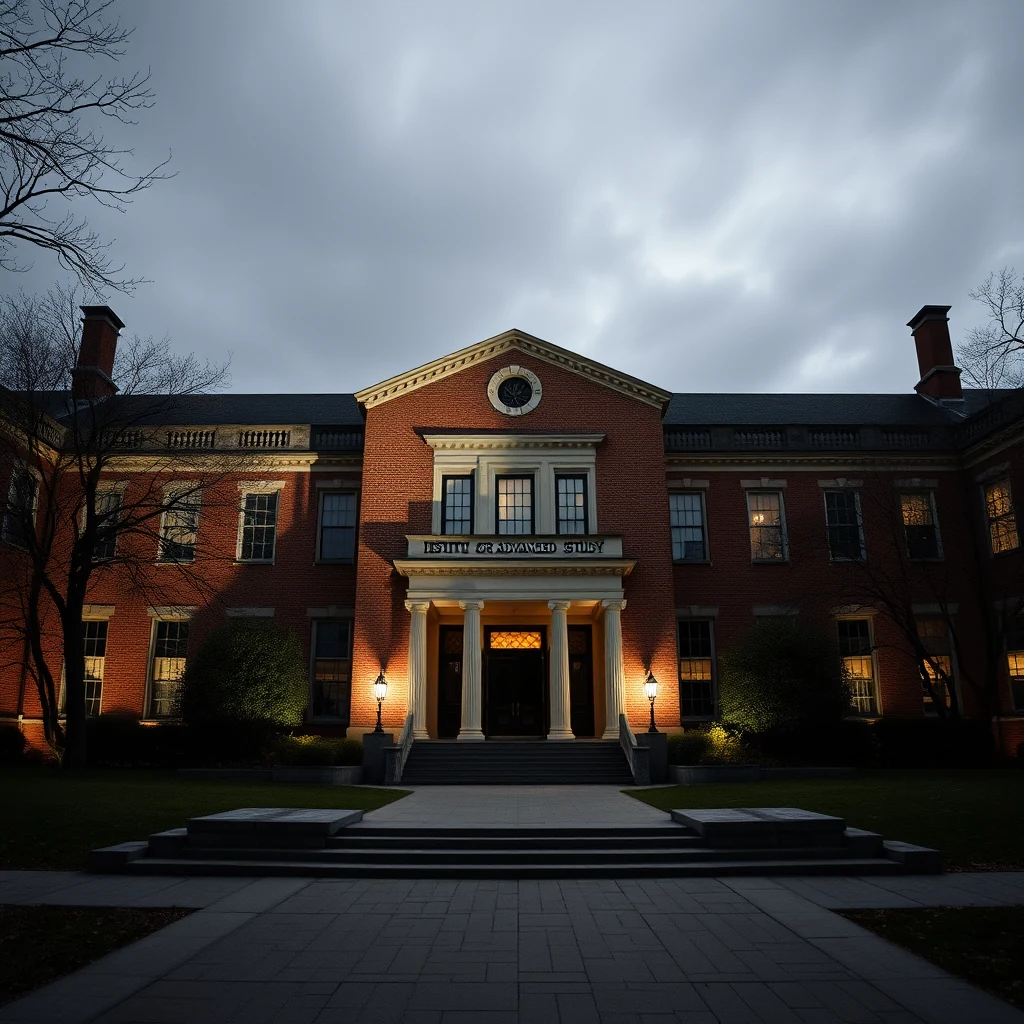 Institution Institute for Advanced Study Independent research centre founded in Princeton in 1930, modelled on the idea that scholars should have permanent positions and no teaching duties. Its early faculty included Einstein, von Neumann, Hermann Weyl, and from 1940, Kurt Gödel. Gödel and Einstein walked home together most afternoons; Einstein said the walks were his main reason for going to the office.独立研究机构,1930年创办于普林斯顿,其办学理念是为学者提供终身职位,且不承担教学任务。早期成员包括爱因斯坦、冯·诺依曼、赫尔曼·外尔,1940年起又有库尔特·哥德尔加入。哥德尔与爱因斯坦几乎每天下午都结伴步行回家;爱因斯坦曾说,这些散步正是他到办公室来的主要原因。Centro de investigación independiente fundado en Princeton en 1930, concebido sobre la idea de que los académicos debían tener puestos permanentes y ninguna obligación docente. Entre sus primeros miembros figuraron Einstein, von Neumann, Hermann Weyl y, a partir de 1940, Kurt Gödel. Gödel y Einstein regresaban juntos a casa a pie casi todas las tardes; Einstein decía que esos paseos eran su principal motivo para ir a la oficina.مركز بحثي مستقل تأسس في برينستون عام 1930، صيغ على فكرة أن يتمتع العلماء بمناصب دائمة دون أي أعباء تدريسية. ضمّت هيئته التدريسية في بداياتها أينشتاين وفون نويمان وهرمان فايل، ومنذ عام 1940 كورت غودل. كان غودل وأينشتاين يعودان معاً سيراً إلى المنزل في معظم فترات بعد الظهر؛ وقال أينشتاين إن تلك النزهات كانت السبب الرئيسي لذهابه إلى المكتب.Centro de investigação independente fundado em Princeton em 1930, baseado na ideia de que os pesquisadores deveriam ter posições permanentes e nenhuma obrigação de ensino. Seu corpo docente inicial incluía Einstein, von Neumann, Hermann Weyl e, a partir de 1940, Kurt Gödel. Gödel e Einstein voltavam juntos para casa na maioria das tardes; Einstein dizia que essas caminhadas eram sua principal razão para ir ao escritório.प्रिंसटन में 1930 में स्थापित स्वतंत्र शोध केंद्र, जो इस विचार पर आधारित था कि विद्वानों के पास स्थायी पद हों और अध्यापन का कोई दायित्व न हो। इसके आरंभिक संकाय में आइंस्टीन, फॉन नॉयमान, हरमन वायल, और 1940 से कुर्ट गोडेल शामिल थे। गोडेल और आइंस्टीन अधिकांश दोपहरों में साथ-साथ पैदल घर लौटते थे; आइंस्टीन ने कहा था कि ये सैरें ही उनके कार्यालय जाने का प्रमुख कारण थीं।Pusat penelitian independen yang didirikan di Princeton pada tahun 1930, dibentuk berdasarkan gagasan bahwa para sarjana harus memiliki posisi permanen dan tanpa kewajiban mengajar. Fakultas awalnya mencakup Einstein, von Neumann, Hermann Weyl, dan sejak 1940, Kurt Gödel. Gödel dan Einstein berjalan pulang bersama hampir setiap sore; Einstein mengatakan bahwa perjalanan itulah alasan utamanya untuk pergi ke kantor.Centre de recherche indépendant fondé à Princeton en 1930, conçu selon l'idée que les chercheurs devaient occuper des postes permanents et être déchargés de toute obligation d'enseignement. Son corps professoral des débuts comprenait Einstein, von Neumann, Hermann Weyl et, à partir de 1940, Kurt Gödel. Gödel et Einstein rentraient ensemble à pied la plupart des après-midi ; Einstein affirmait que ces promenades constituaient sa principale raison de se rendre au bureau.1930年にプリンストンで設立された独立研究機関で、学者が終身の地位を持ち教育義務を負わないという理念に基づいて構想された。初期の教授陣にはアインシュタイン、フォン・ノイマン、ヘルマン・ワイル、そして1940年からはクルト・ゲーデルが名を連ねた。ゲーデルとアインシュタインはほぼ毎日午後に連れ立って帰宅し、アインシュタインはこの散歩こそが研究所に通う主な理由だと語った。Независимый исследовательский центр, основанный в Принстоне в 1930 году по принципу, согласно которому учёные должны иметь постоянные должности и не нести преподавательской нагрузки. В число его первых сотрудников входили Эйнштейн, фон Нейман, Герман Вейль, а с 1940 года — Курт Гёдель. Гёдель и Эйнштейн почти каждый день вместе возвращались домой пешком; Эйнштейн говорил, что эти прогулки и были главной причиной, по которой он ходил в институт.Unabhängiges Forschungszentrum, das 1930 in Princeton gegründet wurde und auf der Idee beruhte, Wissenschaftlern unbefristete Stellen ohne Lehrverpflichtungen zu bieten. Zum frühen Lehrkörper gehörten Einstein, von Neumann, Hermann Weyl und ab 1940 Kurt Gödel. Gödel und Einstein gingen die meisten Nachmittage gemeinsam nach Hause; Einstein sagte, diese Spaziergänge seien sein Hauptgrund, ins Büro zu kommen.1930년 프린스턴에 설립된 독립 연구 기관으로, 학자들이 종신 지위를 보장받으며 강의 의무를 지지 않아야 한다는 이념을 바탕으로 구상되었다. 초기 교수진에는 아인슈타인, 폰 노이만, 헤르만 바일이 있었으며, 1940년부터는 쿠르트 괴델이 합류했다. 괴델과 아인슈타인은 오후마다 함께 집까지 걸어갔는데, 아인슈타인은 이 산책이 자신이 사무실에 나가는 주된 이유라고 말했다. in Princeton, where he became close friends with Einstein. The two of them would walk home together most afternoons. Einstein once said he came to the Institute mainly for the privilege of walking back with Gödel.

What we still don't know
We do not know how far the damage extends to mathematics as actually practised. Almost everything working mathematicians prove sits comfortably inside ZFC  Concept ZFC Zermelo–Fraenkel set theory with the Axiom of Choice — the standard axiomatic foundation for modern mathematics. Nine axioms suffice to formalise essentially all of mainstream mathematical practice. ZFC is subject to Gödel's incompleteness theorems: it cannot prove its own consistency, and the Continuum Hypothesis is known to be independent of it.策梅洛–弗兰克尔集合论与选择公理——现代数学的标准公理化基础。九条公理足以形式化几乎所有主流数学实践。ZFC受哥德尔不完备定理的制约:它无法证明自身的一致性,且连续统假设已被证明独立于该体系。Teoría de conjuntos de Zermelo-Fraenkel con el axioma de elección: la fundamentación axiomática estándar de la matemática moderna. Nueve axiomas bastan para formalizar prácticamente toda la práctica matemática habitual. ZFC está sujeta a los teoremas de incompletitud de Gödel: no puede demostrar su propia consistencia, y se sabe que la hipótesis del continuo es independiente de ella.نظرية المجموعات لتسيرملو-فرانكل مع بديهية الاختيار — الأساس البديهي القياسي للرياضيات الحديثة. تكفي تسع بديهيات لصوغ جُلِّ الممارسة الرياضية السائدة صياغةً صورية. وتخضع نظرية ZFC لمبرهنتَي عدم الاكتمال لغودل: إذ لا يمكنها إثبات اتساقها الذاتي، كما ثبت أن فرضية الاستمرار مستقلة عنها.Teoria dos conjuntos de Zermelo–Fraenkel com o Axioma da Escolha — a fundamentação axiomática padrão da matemática moderna. Nove axiomas bastam para formalizar essencialmente toda a prática matemática corrente. A ZFC está sujeita aos teoremas de incompletude de Gödel: não pode provar a sua própria consistência, e sabe-se que a Hipótese do Contínuo é independente dela.ज़र्मेलो–फ्रेंकेल समुच्चय सिद्धांत, चयन अभिगृहीत के साथ — आधुनिक गणित की मानक अभिगृहीतीय नींव। नौ अभिगृहीत मुख्यधारा की लगभग समस्त गणितीय प्रक्रिया को औपचारिक रूप देने के लिए पर्याप्त हैं। ZFC गोडेल के अपूर्णता प्रमेयों के अधीन है: यह अपनी स्वयं की संगति सिद्ध नहीं कर सकता, और सातत्य परिकल्पना इससे स्वतंत्र होना ज्ञात है।Teori himpunan Zermelo–Fraenkel dengan Aksioma Pilihan — fondasi aksiomatik standar bagi matematika modern. Sembilan aksioma cukup untuk memformalkan pada dasarnya seluruh praktik matematika arus utama. ZFC tunduk pada teorema ketaklengkapan Gödel: ia tidak dapat membuktikan konsistensinya sendiri, dan Hipotesis Kontinum diketahui bersifat independen terhadapnya.Théorie des ensembles de Zermelo–Fraenkel avec axiome du choix — fondement axiomatique standard des mathématiques modernes. Neuf axiomes suffisent à formaliser l'essentiel de la pratique mathématique courante. ZFC est soumise aux théorèmes d'incomplétude de Gödel : elle ne peut démontrer sa propre cohérence, et l'hypothèse du continu est connue pour en être indépendante.ツェルメロ–フレンケル集合論に選択公理を加えた体系(ZFC)。現代数学の標準的な公理的基礎である。九つの公理によって、主流の数学的実践のほぼすべてを形式化するのに十分である。ZFCはゲーデルの不完全性定理の適用対象であり、自身の無矛盾性を証明することはできず、また連続体仮説はZFCから独立であることが知られている。Теория множеств Цермело — Френкеля с аксиомой выбора — стандартное аксиоматическое основание современной математики. Девяти аксиом достаточно, чтобы формализовать практически всю основную математическую практику. ZFC подчиняется теоремам Гёделя о неполноте: она не способна доказать собственную непротиворечивость, а континуум-гипотеза, как известно, независима от неё.Zermelo-Fraenkel-Mengenlehre mit Auswahlaxiom – das axiomatische Standardfundament der modernen Mathematik. Neun Axiome genügen, um im Wesentlichen die gesamte gängige mathematische Praxis zu formalisieren. ZFC unterliegt den Gödelschen Unvollständigkeitssätzen: Sie kann ihre eigene Widerspruchsfreiheit nicht beweisen, und die Kontinuumshypothese ist bekanntlich von ihr unabhängig.체르멜로–프렝켈 집합론과 선택 공리 — 현대 수학의 표준 공리적 기초. 아홉 개의 공리만으로 주류 수학 실천의 본질적으로 전부를 형식화하기에 충분하다. ZFC는 괴델의 불완전성 정리의 적용을 받는다. 즉, 자기 자신의 무모순성을 증명할 수 없으며, 연속체 가설은 ZFC와 독립적임이 알려져 있다. , the standard set-theoretic axioms. Whether interesting open questions — the Riemann hypothesis, P versus NP — are independent of ZFC in Gödel's sense is, mostly, unknown.

We do not know what to make of the philosophical fallout. Roger Penrose 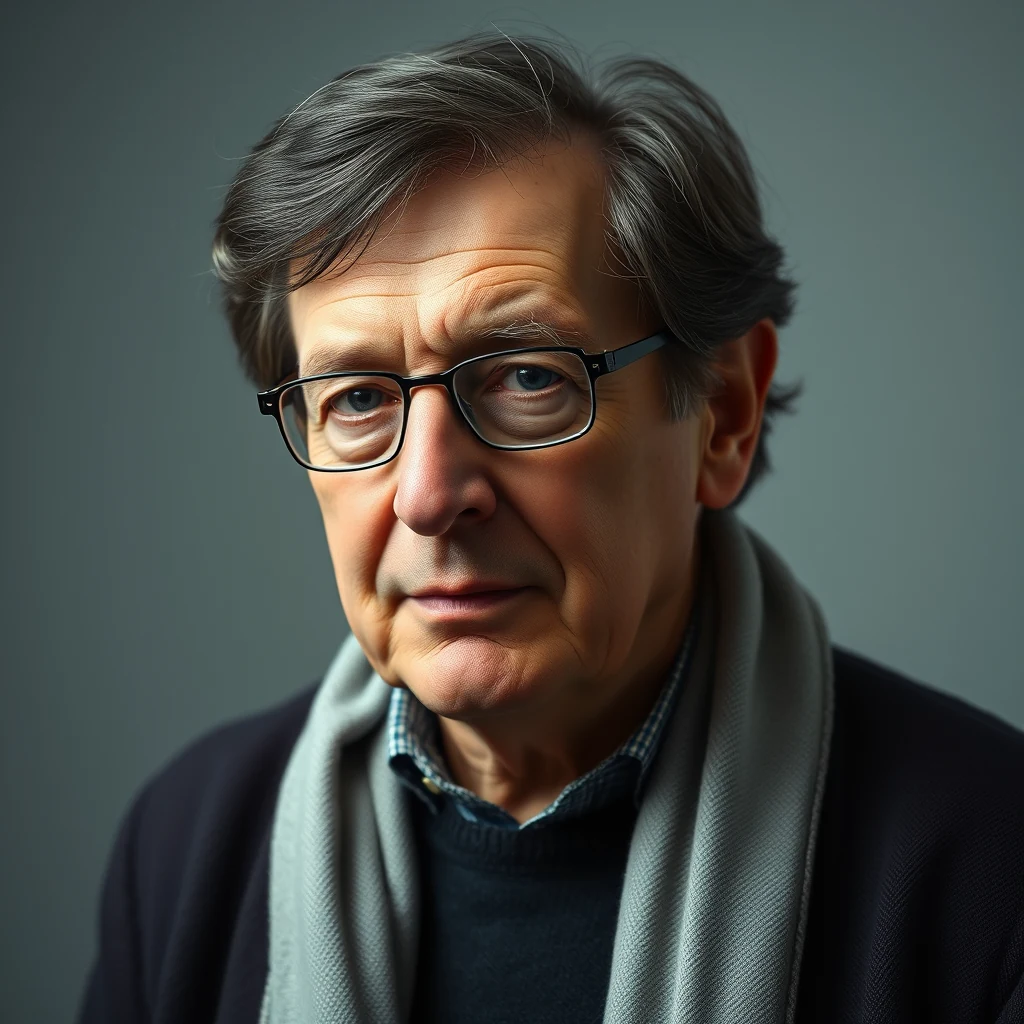 Person Roger Penrose British mathematical physicist (b. 1931) who shared the 2020 Nobel Prize in Physics for his work on black hole formation. In books beginning with *The Emperor's New Mind* (1989), Penrose has argued that Gödel's theorems imply human mathematical insight cannot be reduced to algorithmic computation. Most logicians reject the argument, but no consensus refutation exists.英国数学物理学家(生于1931年),因黑洞形成相关研究荣获2020年诺贝尔物理学奖。自《皇帝新脑》(1989年)起,彭罗斯在其著作中主张,哥德尔定理意味着人类的数学洞察力无法被还原为算法计算。多数逻辑学家不接受这一论证,但目前尚无共识性的反驳。Físico matemático británico (n. 1931) que compartió el Premio Nobel de Física de 2020 por su trabajo sobre la formación de los agujeros negros. En libros que comienzan con *La nueva mente del emperador* (1989), Penrose ha sostenido que los teoremas de Gödel implican que la intuición matemática humana no puede reducirse al cómputo algorítmico. La mayoría de los lógicos rechazan el argumento, pero no existe una refutación consensuada.عالم فيزياء رياضية بريطاني (وُلد عام 1931)، تقاسم جائزة نوبل في الفيزياء لعام 2020 عن أعماله في تكوّن الثقوب السوداء. في سلسلة من الكتب بدأت بـ«عقل الإمبراطور الجديد» (1989)، دفع بنروز بأن مبرهنتي غودل تستلزمان أن البصيرة الرياضية البشرية لا يمكن اختزالها إلى حوسبة خوارزمية. ويرفض معظم المناطقة هذه الحجة، غير أنه لا يوجد دحض توافقي لها.Físico-matemático britânico (n. 1931) que partilhou o Nobel de Física de 2020 pelo seu trabalho sobre a formação de buracos negros. Em livros iniciados com *A Mente Nova do Rei* (1989), Penrose argumentou que os teoremas de Gödel implicam que a intuição matemática humana não pode ser reduzida a computação algorítmica. A maioria dos lógicos rejeita o argumento, mas não existe uma refutação consensual.ब्रिटिश गणितीय भौतिकविद् (जन्म 1931) जिन्हें ब्लैक होल निर्माण पर उनके कार्य के लिए 2020 का भौतिकी का नोबेल पुरस्कार संयुक्त रूप से प्रदान किया गया। *द एम्परर्स न्यू माइंड* (1989) से शुरू होने वाली अपनी पुस्तकों में, पेनरोज़ ने तर्क दिया है कि गोडेल के प्रमेय यह संकेत करते हैं कि मानवीय गणितीय अंतर्दृष्टि को कलनविधिक संगणन तक सीमित नहीं किया जा सकता। अधिकांश तर्कशास्त्री इस तर्क को अस्वीकार करते हैं, परंतु इसका कोई सर्वसम्मत खंडन उपलब्ध नहीं है।Fisikawan matematis Britania (lahir 1931) yang berbagi Hadiah Nobel Fisika 2020 atas karyanya mengenai pembentukan lubang hitam. Dalam buku-buku yang dimulai dengan *The Emperor's New Mind* (1989), Penrose berargumen bahwa teorema-teorema Gödel mengimplikasikan wawasan matematis manusia tidak dapat direduksi menjadi komputasi algoritmik. Sebagian besar ahli logika menolak argumen tersebut, tetapi tidak ada sanggahan konsensus yang ada.Physicien mathématicien britannique (né en 1931), colauréat du prix Nobel de physique 2020 pour ses travaux sur la formation des trous noirs. Dans une série d'ouvrages inaugurée par *L'Esprit, l'ordinateur et les lois de la physique* (1989), Penrose soutient que les théorèmes de Gödel impliquent que l'intuition mathématique humaine ne peut être réduite à un calcul algorithmique. La plupart des logiciens rejettent cet argument, mais aucune réfutation consensuelle n'existe.1931年生まれの英国の数理物理学者。ブラックホール形成に関する研究により、2020年のノーベル物理学賞を共同受賞した。『皇帝の新しい心』(1989年)に始まる一連の著書において、ペンローズは、ゲーデルの不完全性定理は人間の数学的洞察がアルゴリズム的計算に還元され得ないことを含意すると論じてきた。大多数の論理学者はこの議論を退けているが、合意された反駁は存在しない。Британский физик-теоретик и математик (р. 1931), лауреат Нобелевской премии по физике 2020 года за работы по образованию чёрных дыр. В книгах, начиная с «Нового ума короля» (1989), Пенроуз утверждал, что теоремы Гёделя подразумевают невозможность сведения человеческого математического мышления к алгоритмическим вычислениям. Большинство логиков отвергают этот аргумент, однако общепринятого опровержения не существует.Britischer mathematischer Physiker (geb. 1931), der den Nobelpreis für Physik 2020 für seine Arbeiten zur Entstehung Schwarzer Löcher teilte. In Büchern, beginnend mit *Computerdenken* (englisch *The Emperor's New Mind*, 1989), hat Penrose argumentiert, Gödels Sätze implizierten, dass die mathematische Einsicht des Menschen nicht auf algorithmische Berechnung reduziert werden könne. Die meisten Logiker weisen das Argument zurück, doch eine konsensfähige Widerlegung existiert nicht.영국의 수리물리학자(1931년생)로, 블랙홀 형성에 관한 연구로 2020년 노벨 물리학상을 공동 수상했다. 『황제의 새 마음』(1989)을 시작으로 한 저서들에서 펜로즈는 괴델의 정리가 인간의 수학적 통찰이 알고리즘적 계산으로 환원될 수 없음을 함의한다고 주장해 왔다. 대부분의 논리학자들은 이 논증을 받아들이지 않지만, 합의된 반박은 존재하지 않는다. has argued for forty years that incompleteness shows the human mind is not a computer, because we can "see" the truth of *G* from outside the system. Most logicians think the argument doesn't work. The debate is unresolved and may be unresolvable.

We do not know whether Gödel himself believed in a Platonic realm of mathematical objects that the formal systems were failing to fully describe. His private notebooks suggest he did. He also believed, near the end of his life, that he was being poisoned, and starved himself to death in 1978 rather than eat food his wife had not prepared.
The sentence that broke mathematics weighed nothing and said nothing about the world. It only said something about itself, and that was enough.