Person
Charles Darwin
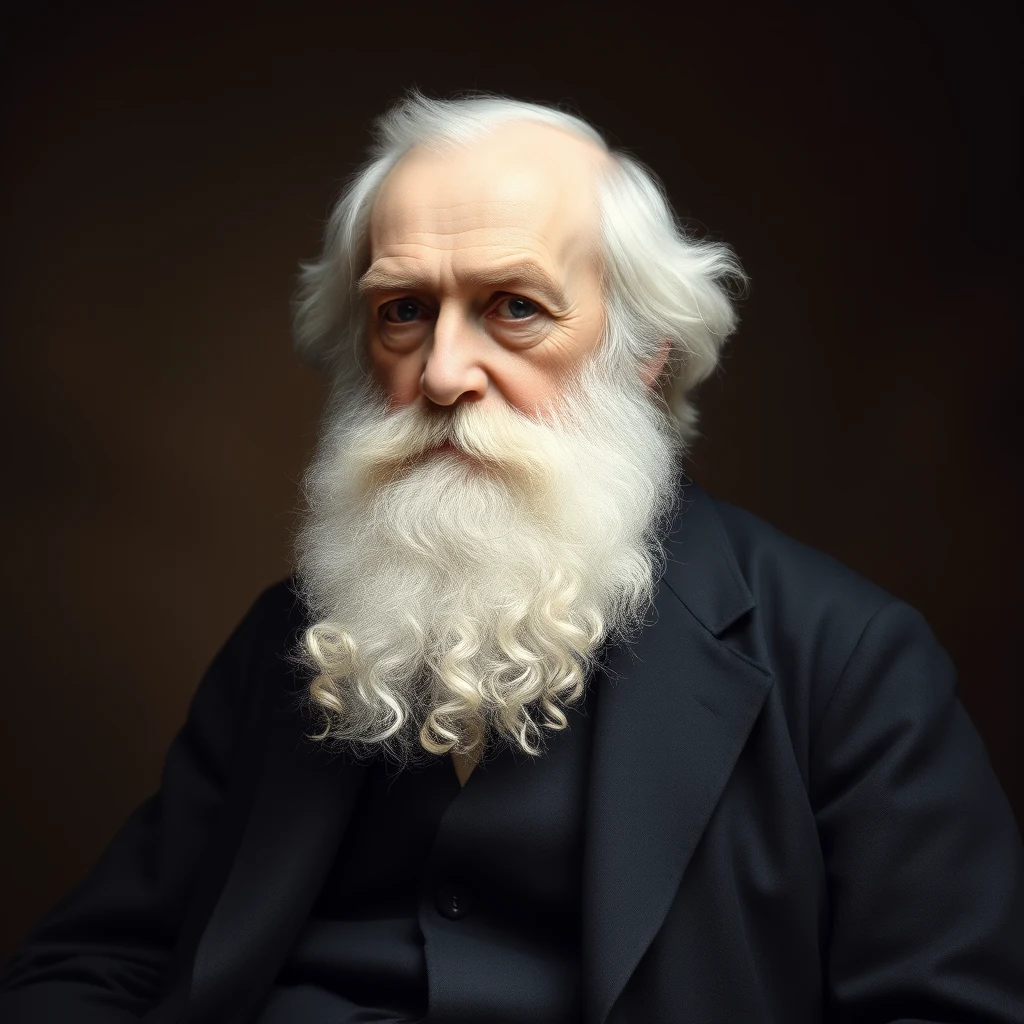
English naturalist (1809–1882) whose theory of evolution by natural selection, set out in On the Origin of Species in 1859, became the organising principle of modern biology. Darwin gathered evidence for common descent from comparative anatomy, embryology, fossils, biogeography, and domestic breeding. He paid particular attention to vestigial organs, which he treated as some of the cleanest signatures of evolutionary history written into living bodies.
英国博物学家(1809—1882),其于1859年在《物种起源》中提出的自然选择进化论成为现代生物学的组织原理。达尔文从比较解剖学、胚胎学、化石、生物地理学和家养驯化中收集共同祖先的证据。他尤其关注退化器官,将其视为铭刻在生物体内、最为清晰的进化史印记之一。
Naturalista inglés (1809-1882) cuya teoría de la evolución por selección natural, expuesta en El origen de las especies en 1859, se convirtió en el principio organizador de la biología moderna. Darwin reunió pruebas de la ascendencia común a partir de la anatomía comparada, la embriología, los fósiles, la biogeografía y la cría doméstica. Prestó especial atención a los órganos vestigiales, a los que consideraba algunas de las huellas más nítidas de la historia evolutiva inscritas en los cuerpos vivos.
عالم طبيعة إنجليزي (1809–1882)، أصبحت نظريته في التطور بالانتقاء الطبيعي، التي عرضها في كتاب «أصل الأنواع» عام 1859، المبدأ الناظم لعلم الأحياء الحديث. جمع داروين الأدلة على الأصل المشترك من علم التشريح المقارن وعلم الأجنّة والمستحاثات والجغرافيا الحيوية والتربية المنزلية. وأولى اهتماماً خاصاً بالأعضاء الأثرية، التي عدّها من أوضح بصمات التاريخ التطوري المسطورة في أجساد الكائنات الحية.
Naturalista inglês (1809–1882) cuja teoria da evolução por seleção natural, exposta em A Origem das Espécies em 1859, tornou-se o princípio organizador da biologia moderna. Darwin reuniu evidências da descendência comum a partir da anatomia comparada, da embriologia, dos fósseis, da biogeografia e da criação doméstica. Dedicou particular atenção aos órgãos vestigiais, que tratou como algumas das mais nítidas assinaturas da história evolutiva inscritas nos corpos vivos.
अंग्रेज़ प्रकृतिविद् (1809–1882) जिनका प्राकृतिक वरण द्वारा विकास का सिद्धांत, 1859 में *ऑन द ओरिजिन ऑफ़ स्पीशीज़* में प्रस्तुत किया गया, आधुनिक जीव विज्ञान का संगठनकारी सिद्धांत बन गया। डार्विन ने सामान्य वंशक्रम के प्रमाण तुलनात्मक शारीरिकी, भ्रूणविज्ञान, जीवाश्मों, जैवभूगोल और पालतू प्रजनन से एकत्र किए। उन्होंने अवशेषी अंगों पर विशेष ध्यान दिया, जिन्हें वे जीवित शरीरों में अंकित विकासात्मक इतिहास के सबसे स्पष्ट चिह्नों में से कुछ मानते थे।
Naturalis Inggris (1809–1882) yang teorinya tentang evolusi melalui seleksi alam, yang dipaparkan dalam On the Origin of Species pada tahun 1859, menjadi prinsip pengorganisasi biologi modern. Darwin mengumpulkan bukti bagi keturunan bersama dari anatomi perbandingan, embriologi, fosil, biogeografi, dan pembiakan domestik. Ia menaruh perhatian khusus pada organ vestigial, yang ia perlakukan sebagai salah satu jejak sejarah evolusi paling jernih yang tertulis pada tubuh makhluk hidup.
Naturaliste anglais (1809-1882) dont la théorie de l'évolution par sélection naturelle, exposée dans *De l'origine des espèces* en 1859, devint le principe organisateur de la biologie moderne. Darwin réunit les preuves de la descendance commune à partir de l'anatomie comparée, de l'embryologie, des fossiles, de la biogéographie et de l'élevage domestique. Il accorda une attention particulière aux organes vestigiaux, qu'il considérait comme l'une des signatures les plus nettes de l'histoire évolutive inscrites dans les corps vivants.
イギリスの博物学者(1809–1882)。1859年刊行の『種の起源』で示した自然選択による進化論は、近代生物学の組織原理となった。ダーウィンは比較解剖学、発生学、化石、生物地理学、家畜の品種改良から共通祖先の証拠を集めた。とりわけ痕跡器官に注目し、これを生体に刻まれた進化史の最も明瞭な徴のひとつとして扱った。
Английский натуралист (1809–1882), чья теория эволюции путём естественного отбора, изложенная в труде «Происхождение видов» в 1859 году, стала организующим принципом современной биологии. Дарвин собирал свидетельства общего происхождения, опираясь на сравнительную анатомию, эмбриологию, ископаемые остатки, биогеографию и одомашненное разведение. Особое внимание он уделял рудиментарным органам, которые рассматривал как одни из наиболее отчётливых отпечатков эволюционной истории, запечатлённых в живых организмах.
Englischer Naturforscher (1809–1882), dessen in „Über die Entstehung der Arten" 1859 dargelegte Theorie der Evolution durch natürliche Auslese zum Ordnungsprinzip der modernen Biologie wurde. Darwin trug Belege für die gemeinsame Abstammung aus vergleichender Anatomie, Embryologie, Fossilien, Biogeographie und Haustierzüchtung zusammen. Besondere Aufmerksamkeit widmete er rudimentären Organen, die er als einige der deutlichsten Spuren der Evolutionsgeschichte ansah, die in lebende Körper eingeschrieben sind.
1859년 『종의 기원』에서 제시한 자연선택에 의한 진화론으로 현대 생물학의 조직 원리를 마련한 영국의 박물학자(1809~1882). 다윈은 비교해부학, 발생학, 화석, 생물지리학, 가축 육종에서 공통 조상의 증거를 수집했다. 그는 특히 흔적기관에 주목했으며, 이를 살아 있는 신체에 새겨진 진화사의 가장 분명한 흔적 가운데 하나로 다루었다.
Mentioned in 6 articles
- Biology The Human Eye Your eye has a theoretical resolution of 576 megapixels, but raw numbers fail to capture its true capability. The most advanced optical system ever evolved is an extension of the brain that continuously edits, filters, and actively hallucinates reality before you are even conscious of seeing it.
- Biology Evolution Evidence - Your Body's Ancient Secrets Wiggle your ears. Most people can't, but the muscles are there — three small bands of tissue called the auriculares, wired and waiting. They are one of dozens of leftovers your body carries from animals you have not been for tens of millions of years.
- Biology Plant Movements - They Move When You're Not Looking Plants move. They hunt light, throttle vines around posts, snap shut on flies in a tenth of a second, and shout chemical warnings to their neighbours. We mostly miss it because we are the wrong size of animal, watching at the wrong speed.
- History Singing Sand Dunes Dunes that hum a deep, droning note you can feel in your chest. Known as 'booming' dunes, these natural soundscapes have been recorded in 35 desert locations worldwide, from Death Valley to the Gobi. The sound, a sustained low-frequency rumble, occurs when sand avalanches down their slopes, producing a phenomenon as old as human curiosity.
- Biology The Venus Flytrap The [[Venus flytrap|dionaea-muscipula]], a botanical anomaly from the Carolinas, possesses a biological mechanism so precise it counts. This carnivorous plant ensnares its insect prey not by passive stickiness, but through a rapid, triggered closure, acting on a memory system that prevents wasted energy on false alarms.
- Biology The Platypus When a dried skin of the animal reached London in 1799, the naturalist [[George Shaw|george-shaw]] suspected a fraud. He took a pair of scissors to the specimen's neck, searching for the stitches that would surely reveal where a duck’s beak had been sewn onto a beaver’s pelt.