Concept
Haber-Bosch process
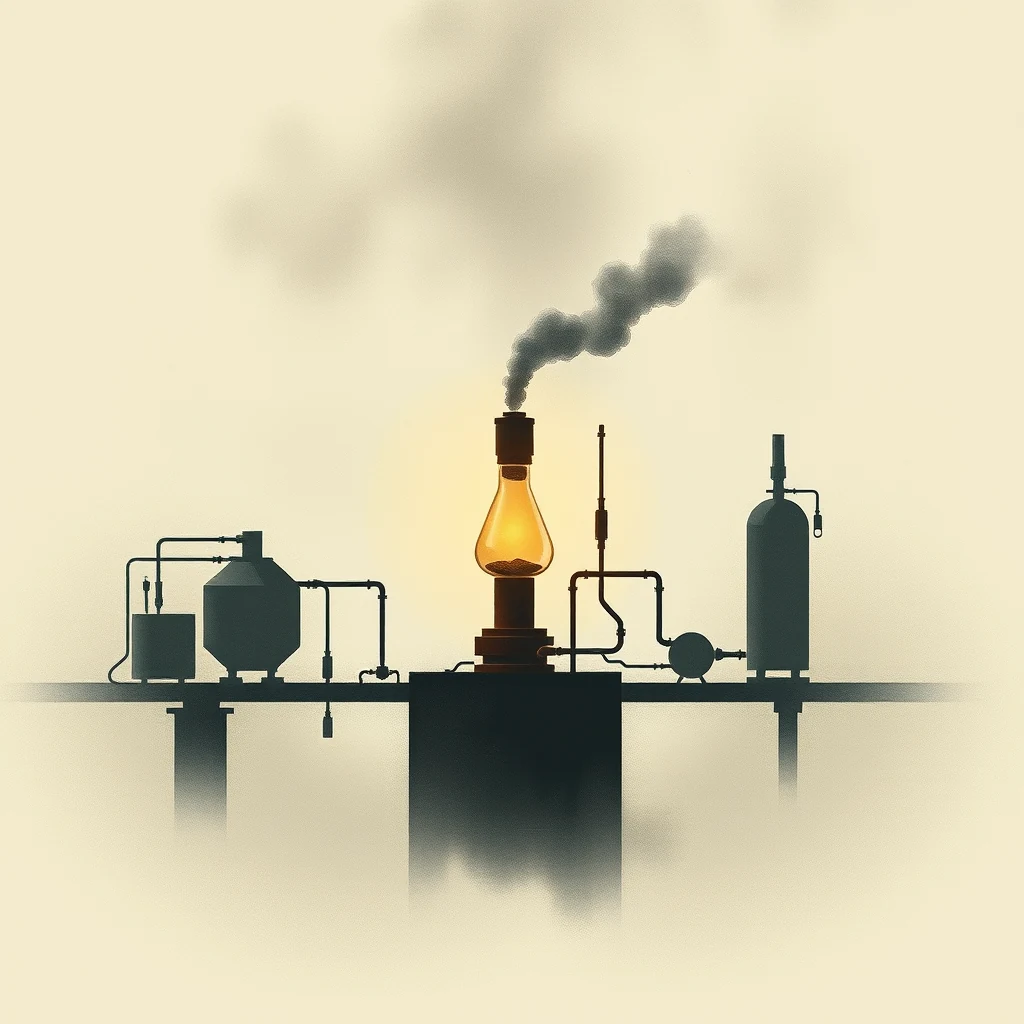
Industrial reaction that combines atmospheric nitrogen and hydrogen over an iron catalyst, at around 400°C and 200 atmospheres, to produce ammonia. Developed in Germany between 1909 and 1913. It made synthetic fertiliser cheap, broke the ceiling on agricultural yields, and is the reason world population could grow past two billion. By most accountings it now feeds roughly half the human population, and consumes about one per cent of global energy.
哈伯-博施法是一种工业合成反应,在铁催化剂存在下,于约400°C、200个大气压的条件下,将大气中的氮气与氢气合成氨。该工艺于1909年至1913年间在德国研发成功。它使合成肥料的成本大幅降低,突破了农业产量的上限,并由此支撑了世界人口突破二十亿的增长。据多数估算,该工艺目前维系着全球约一半人口的粮食供给,消耗全球约1%的能源。
Reacción industrial que combina nitrógeno atmosférico e hidrógeno sobre un catalizador de hierro, a aproximadamente 400 °C y 200 atmósferas, para producir amoníaco. Desarrollado en Alemania entre 1909 y 1913. Hizo que el fertilizante sintético fuera económico, eliminó el techo de los rendimientos agrícolas y es la razón por la que la población mundial pudo superar los dos mil millones de habitantes. Según la mayoría de los cálculos, actualmente alimenta a aproximadamente la mitad de la población humana y consume alrededor del uno por ciento de la energía global.
تفاعل صناعي يجمع النيتروجين الجوي والهيدروجين فوق محفز حديدي، عند حرارة تبلغ نحو 400 درجة مئوية وضغط يعادل 200 ضغط جوي، لإنتاج الأمونيا. طُوِّر في ألمانيا بين عامَي 1909 و1913. أتاح هذا التفاعل إنتاج الأسمدة الاصطناعية بتكلفة منخفضة، وكسر سقف الغلة الزراعية، وهو السبب في أن عدد سكان العالم أمكنه تجاوز ملياري نسمة. وفق معظم التقديرات، يُطعِم هذا التفاعل اليوم نحو نصف البشرية، ويستهلك ما يقارب واحداً بالمئة من الطاقة العالمية.
Reação industrial que combina nitrogênio atmosférico e hidrogênio sobre um catalisador de ferro, a cerca de 400 °C e 200 atmosferas, para produzir amônia. Desenvolvido na Alemanha entre 1909 e 1913. Tornou o fertilizante sintético barato, rompeu o teto dos rendimentos agrícolas e é a razão pela qual a população mundial pôde ultrapassar dois bilhões de habitantes. Pela maioria dos cálculos, alimenta hoje cerca de metade da população humana e consome aproximadamente um por cento da energia global.
वायुमंडलीय नाइट्रोजन और हाइड्रोजन को लोहे के उत्प्रेरक पर लगभग 400°C तापमान और 200 वायुमंडलीय दाब पर संयुक्त कर अमोनिया उत्पन्न करने वाली औद्योगिक अभिक्रिया। 1909 से 1913 के बीच जर्मनी में विकसित। इसने कृत्रिम उर्वरक को सस्ता बनाया, कृषि उपज की सीमाओं को तोड़ा, और यही कारण है कि विश्व जनसंख्या दो अरब से अधिक हो सकी। अधिकांश अनुमानों के अनुसार, यह प्रक्रिया अब मानव जनसंख्या के लगभग आधे हिस्से को भोजन प्रदान करती है तथा वैश्विक ऊर्जा का लगभग एक प्रतिशत उपभोग करती है।
Reaksi industri yang menggabungkan nitrogen atmosfer dan hidrogen di atas katalis besi, pada suhu sekitar 400°C dan tekanan 200 atmosfer, untuk menghasilkan amonia. Dikembangkan di Jerman antara tahun 1909 dan 1913. Proses ini menjadikan pupuk sintetis murah, meruntuhkan batas hasil pertanian, dan menjadi alasan populasi dunia dapat tumbuh melampaui dua miliar jiwa. Menurut sebagian besar perhitungan, proses ini kini memberi makan sekitar separuh populasi manusia, dan mengonsumsi sekitar satu persen energi global.
Procédé industriel combinant l'azote atmosphérique et l'hydrogène sur un catalyseur de fer, à environ 400 °C et 200 atmosphères, pour produire de l'ammoniac. Mis au point en Allemagne entre 1909 et 1913. Il a rendu les engrais synthétiques bon marché, levé le plafond des rendements agricoles et permis à la population mondiale de dépasser les deux milliards d'habitants. Selon la plupart des estimations, il nourrit aujourd'hui environ la moitié de la population humaine et représente environ un pour cent de la consommation mondiale d'énergie.
ハーバー・ボッシュ法は、鉄触媒を用いて大気中の窒素と水素を約400℃・200気圧の条件下で反応させ、アンモニアを合成する工業的プロセスである。1909年から1913年にかけてドイツで開発された。本法は合成肥料の低コスト生産を実現し、農業生産量の上限を打ち破り、世界人口が20億人を超える成長を可能にした要因として位置づけられる。現在、世界人口のおよそ半数の食糧供給を支えているとする試算が多く、全世界の一次エネルギー消費量の約1パーセントを占める。
Промышленный процесс синтеза аммиака из атмосферного азота и водорода на железном катализаторе при температуре около 400 °C и давлении 200 атмосфер. Разработан в Германии в 1909–1913 годах. Сделал синтетические удобрения доступными, снял ограничения на рост сельскохозяйственных урожаев и обусловил возможность роста численности населения мира сверх двух миллиардов человек. По большинству оценок, в настоящее время обеспечивает продовольствием около половины населения Земли и потребляет порядка одного процента мировой энергии.
Industrielles Verfahren, bei dem atmosphärischer Stickstoff und Wasserstoff an einem Eisenkatalysator bei etwa 400 °C und 200 Atmosphären zu Ammoniak umgesetzt werden. In Deutschland zwischen 1909 und 1913 entwickelt. Es machte synthetische Düngemittel preiswert, hob die Obergrenze landwirtschaftlicher Erträge auf und ermöglichte das Wachstum der Weltbevölkerung über zwei Milliarden Menschen hinaus. Nach den meisten Berechnungen ernährt es heute etwa die Hälfte der Weltbevölkerung und beansprucht rund ein Prozent des globalen Energieverbrauchs.
대기 중 질소와 수소를 철 촉매 위에서 약 400°C, 200기압 조건으로 반응시켜 암모니아를 생성하는 공업적 반응. 1909년부터 1913년 사이 독일에서 개발되었다. 합성 비료의 가격을 대폭 낮추고 농업 생산량의 한계를 돌파하였으며, 세계 인구가 20억 명을 넘어 성장할 수 있었던 결정적 요인으로 평가된다. 현재 전 세계 인구의 약 절반을 먹여 살리는 것으로 추산되며, 전 세계 에너지의 약 1퍼센트를 소비한다.
Mentioned in 2 articles
- Chemistry Your Car Does Chemistry That Takes Years in Seconds A car's catalytic converter does in milliseconds what would take years at room temperature, on a ceramic honeycomb the size of a thermos coated with metals more expensive than gold. The trick is one nature figured out first, about three billion years ago.
- Chemistry Haber-Bosch The Haber-Bosch process pulls nitrogen from thin air and turns it into ammonia — the chemical backbone of modern agriculture. Without it, half of humanity would starve. But the same reaction that feeds us also costs the planet.