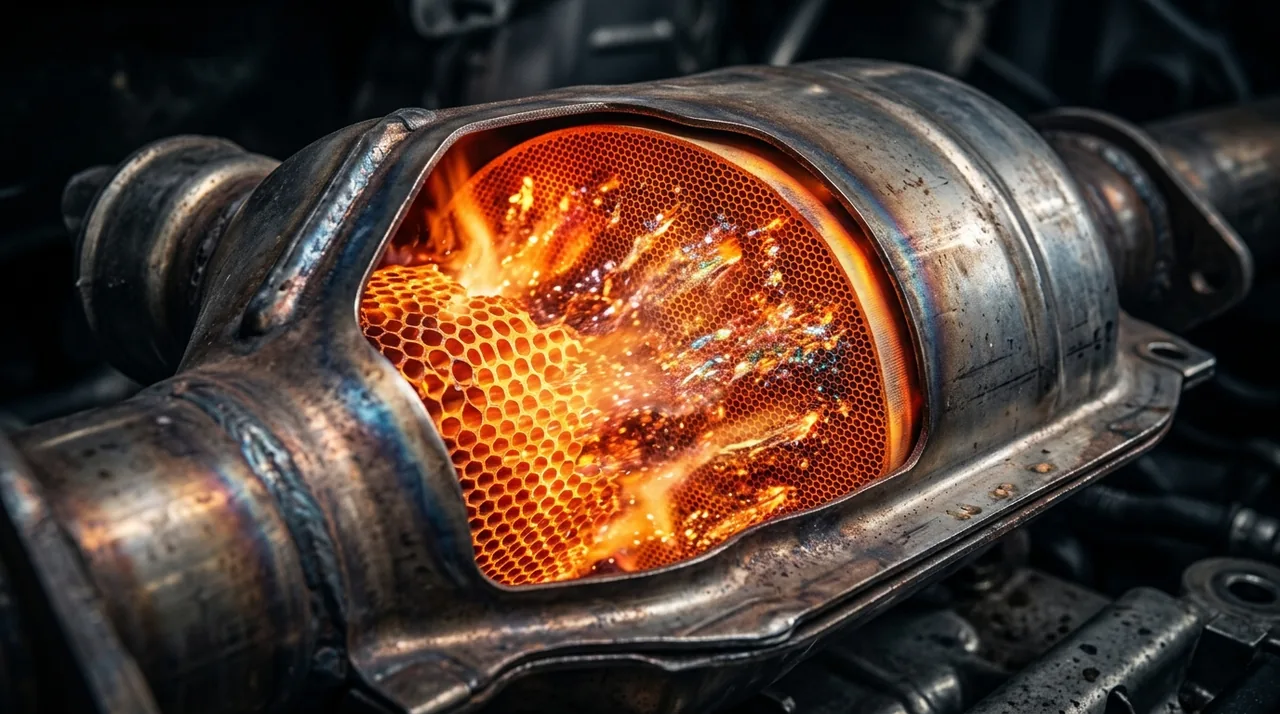
Drop into the engine bay of a 1972 American sedan and you will find no catalytic converter. Drop into one made three years later and you will. The change happened because of a single piece of legislation — the 1970 amendments to the US Clean Air Act  Event Clean Air Act US federal legislation, first passed in 1963 and substantially rewritten in 1970, that imposed sharp limits on vehicle exhaust emissions. The 1970 amendments set targets so aggressive that no existing technology could meet them, which is what forced American automakers to adopt catalytic converters by 1975. Similar laws followed in Japan and across Europe. Urban air over American cities now contains a fraction of the carbon monoxide it did fifty years ago, despite three times as many cars on the road.美国联邦立法,最初于1963年通过,并于1970年经历重大修订,对机动车尾气排放施加了严格限制。1970年修正案所设定的目标极为严苛,以至于当时任何现有技术均无法达标,由此迫使美国汽车制造商于1975年前普遍采用催化转化器。此后,日本及欧洲各国相继颁布了类似法规。尽管如今美国道路上行驶的汽车数量已增至五十年前的三倍,美国各大城市的城区空气中一氧化碳含量却仅为彼时的一小部分。Legislación federal estadounidense aprobada por primera vez en 1963 y reformada sustancialmente en 1970, que impuso límites estrictos a las emisiones de los tubos de escape de los vehículos. Las enmiendas de 1970 fijaron objetivos tan exigentes que ninguna tecnología existente podía satisfacerlos, lo que obligó a los fabricantes de automóviles estadounidenses a adoptar catalizadores antes de 1975. Leyes similares se promulgaron posteriormente en Japón y en toda Europa. El aire urbano sobre las ciudades estadounidenses contiene hoy una fracción del monóxido de carbono que contenía hace cincuenta años, a pesar de que circulan tres veces más vehículos en las carreteras.قانون الهواء النظيف، تشريع فيدرالي أمريكي صدر لأول مرة عام 1963 وأُعيدت صياغته جوهريًا عام 1970، فرض قيودًا صارمة على انبعاثات عوادم المركبات. حددت تعديلات عام 1970 أهدافًا بالغة الطموح لم تكن أي تقنية قائمة آنذاك قادرةً على بلوغها، مما أجبر مصنّعي السيارات الأمريكيين على اعتماد المحوّلات الحفّازة بحلول عام 1975. أعقبت ذلك تشريعات مماثلة في اليابان وعموم أوروبا. بات هواء المدن الأمريكية اليوم يحتوي على جزء ضئيل من أول أكسيد الكربون الذي كان يعلو تلك المدن قبل خمسين عامًا، على الرغم من تضاعف أعداد السيارات ثلاث مرات.Legislação federal dos Estados Unidos, aprovada inicialmente em 1963 e profundamente reformulada em 1970, que impôs limites rigorosos às emissões de gases de escapamento de veículos. As emendas de 1970 estabeleceram metas tão exigentes que nenhuma tecnologia então disponível era capaz de cumpri-las, o que obrigou os fabricantes de automóveis americanos a adotar os conversores catalíticos até 1975. Leis semelhantes foram promulgadas posteriormente no Japão e em toda a Europa. O ar urbano sobre as cidades americanas contém hoje uma fração do monóxido de carbono registrado cinquenta anos atrás, apesar de haver três vezes mais veículos em circulação.संयुक्त राज्य अमेरिका का संघीय विधान, जो पहली बार 1963 में पारित हुआ और 1970 में व्यापक रूप से पुनर्लिखित किया गया, जिसने वाहनों के निकास उत्सर्जन पर कठोर सीमाएँ अधिरोपित कीं। 1970 के संशोधनों ने इतने आक्रामक लक्ष्य निर्धारित किए कि उस समय की कोई भी प्रचलित तकनीक उन्हें पूरा करने में सक्षम नहीं थी, जिसके परिणामस्वरूप अमेरिकी वाहन-निर्माताओं को 1975 तक उत्प्रेरक परिवर्तक (catalytic converter) अपनाने पर विवश होना पड़ा। इसी प्रकार के कानून तत्पश्चात जापान और समूचे यूरोप में भी लागू हुए। अमेरिकी नगरों की वायु में कार्बन मोनोऑक्साइड की मात्रा अब पचास वर्ष पूर्व की तुलना में एक अंश मात्र रह गई है, यद्यपि सड़कों पर वाहनों की संख्या उस समय से तीन गुना अधिक हो चुकी है।Undang-undang federal Amerika Serikat, yang pertama kali disahkan pada tahun 1963 dan direvisi secara substansial pada tahun 1970, yang memberlakukan pembatasan ketat terhadap emisi gas buang kendaraan bermotor. Amandemen tahun 1970 menetapkan target yang begitu agresif sehingga tidak ada teknologi yang ada pada saat itu mampu memenuhinya, dan hal inilah yang memaksa produsen otomotif Amerika mengadopsi catalytic converter pada tahun 1975. Undang-undang serupa kemudian diikuti oleh Jepang dan berbagai negara di Eropa. Udara perkotaan di kota-kota Amerika kini mengandung sebagian kecil dari kadar karbon monoksida yang ada lima puluh tahun lalu, meskipun jumlah kendaraan di jalan raya meningkat tiga kali lipat.Loi fédérale américaine, adoptée pour la première fois en 1963 et profondément remaniée en 1970, qui imposa des limitations strictes aux émissions des gaz d'échappement des véhicules. Les amendements de 1970 fixèrent des objectifs si contraignants qu'aucune technologie existante ne pouvait les atteindre, contraignant ainsi les constructeurs automobiles américains à adopter les convertisseurs catalytiques dès 1975. Des législations similaires suivirent au Japon et dans l'ensemble de l'Europe. L'air urbain au-dessus des villes américaines contient aujourd'hui une fraction du monoxyde de carbone qu'il renfermait il y a cinquante ans, en dépit d'un parc automobile trois fois plus important.1963年に初めて制定され、1970年に大幅に改正されたアメリカ連邦法。自動車排気ガスに対して厳格な制限を課した。1970年の改正条項は、当時のいかなる技術をもっても達成不可能なほど厳格な目標値を設定しており、これによりアメリカの自動車メーカーは1975年までに触媒コンバーターを採用せざるを得なくなった。その後、日本および欧州各国においても同様の法律が制定された。現在、アメリカの都市部上空の大気中に含まれる一酸化炭素濃度は、自動車保有台数が3倍に増加したにもかかわらず、50年前と比較してわずかな水準にとどまっている。Федеральное законодательство США, впервые принятое в 1963 году и существенно переработанное в 1970 году, установившее жёсткие ограничения на выбросы выхлопных газов транспортных средств. Поправки 1970 года предусматривали столь строгие нормативы, что ни одна из существовавших на тот момент технологий не могла им соответствовать; именно это вынудило американских автопроизводителей внедрить каталитические нейтрализаторы к 1975 году. Аналогичные законы впоследствии были приняты в Японии и по всей Европе. Воздух над американскими городами ныне содержит лишь ничтожную долю монооксида углерода по сравнению с уровнем пятидесятилетней давности — невзирая на то что количество автомобилей на дорогах возросло втрое.Bundesgesetz der USA, erstmals 1963 verabschiedet und 1970 grundlegend überarbeitet, das strenge Grenzwerte für Fahrzeugabgasemissionen festsetzte. Die Novelle von 1970 legte Zielwerte fest, die so ehrgeizig waren, dass keine vorhandene Technologie sie erfüllen konnte, was die amerikanischen Automobilhersteller zwang, bis 1975 Katalysatoren einzuführen. Ähnliche Gesetze folgten in Japan und in ganz Europa. Die Stadtluft amerikanischer Metropolen enthält heute nur noch einen Bruchteil des Kohlenmonoxids von vor fünfzig Jahren, obwohl dreimal so viele Fahrzeuge auf den Straßen unterwegs sind.1963년에 처음 제정되어 1970년에 대폭 개정된 미국 연방 법률로, 차량 배기가스 배출에 엄격한 제한을 부과하였다. 1970년 개정안은 당시의 어떠한 기술로도 달성할 수 없을 만큼 엄격한 목표치를 설정하였으며, 이로 인해 미국 자동차 제조업체들은 1975년까지 촉매 변환기를 도입할 수밖에 없었다. 이후 일본과 유럽 전역에서도 유사한 법률이 뒤따랐다. 오늘날 미국 도시의 대기 중 일산화탄소 농도는 50년 전에 비해 극히 낮은 수준으로, 이는 도로 위 자동차 수가 세 배로 증가하였음에도 불구하고 달성된 결과이다. — and because a chemist named Eugene Houdry
 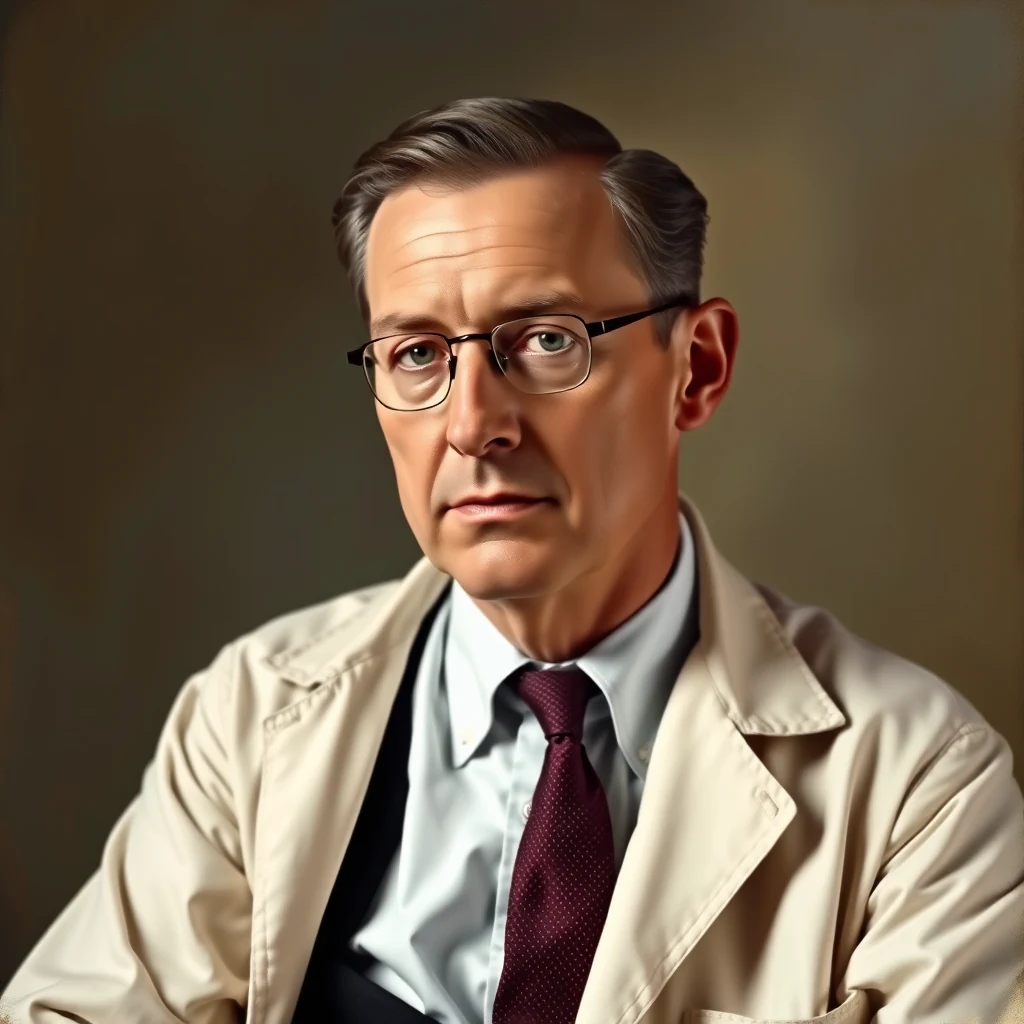 Person Eugene Houdry French-American chemical engineer (1892–1962). Invented catalytic cracking of petroleum in the 1930s, a process that made high-octane aviation fuel cheap and is generally credited with helping the Allies win the Battle of Britain. Spent his later years pushing the auto industry and US regulators to adopt catalytic exhaust treatment, founding a company called Oxy-Catalyst for the purpose. Died of emphysema, convinced his idea would clear the air. It did, twelve years after his death.法裔美国化学工程师(1892—1962年)。1930年代发明石油催化裂化工艺,该工艺使高辛烷值航空燃料的生产成本大幅降低,普遍认为此举对盟军赢得不列颠之战发挥了重要作用。晚年致力于推动汽车工业及美国监管机构采纳催化尾气处理技术,并为此创办了"氧化催化剂公司"(Oxy-Catalyst)。最终因肺气肿辞世,至死深信其构想终能净化大气。身后十二年,果然如此。Ingeniero químico francoamericano (1892–1962). Inventó el craqueo catalítico del petróleo en la década de 1930, proceso que abarató el combustible de aviación de alto octanaje y al que se atribuye en términos generales haber contribuido a la victoria aliada en la Batalla de Inglaterra. Dedicó sus últimos años a presionar a la industria automovilística y a los organismos reguladores estadounidenses para que adoptaran el tratamiento catalítico de los gases de escape, fundando con ese fin una empresa denominada Oxy-Catalyst. Murió de enfisema, convencido de que su idea limpiaría el aire. Así ocurrió, doce años después de su muerte.مهندس كيميائي فرنسي-أمريكي (1892–1962). اخترع عملية التكسير الحفزي للنفط في ثلاثينيات القرن العشرين، وهي عملية أتاحت إنتاج وقود الطيران عالي الأوكتان بتكلفة منخفضة، ويُعزى إليها عموماً الفضل في مساعدة الحلفاء على الانتصار في معركة بريطانيا. أمضى سنواته الأخيرة يضغط على صناعة السيارات والجهات التنظيمية الأمريكية لاعتماد المعالجة الحفزية لعوادم السيارات، فأسّس لهذا الغرض شركةً أطلق عليها اسم أوكسي-كاتاليست. توفي متأثراً بانتفاخ الرئة، وهو مؤمن بأن فكرته ستُنقي الهواء. وقد تحقق ذلك فعلاً، بعد اثني عشر عاماً من وفاته.Engenheiro químico franco-americano (1892–1962). Inventou o craqueamento catalítico do petróleo na década de 1930, processo que tornou o combustível de aviação de alta octanagem acessível e ao qual se atribui, em geral, papel decisivo na vitória dos Aliados na Batalha da Grã-Bretanha. Passou os últimos anos de vida pressionando a indústria automobilística e os reguladores norte-americanos a adotarem o tratamento catalítico de gases de escape, fundando para esse fim uma empresa denominada Oxy-Catalyst. Morreu de enfisema pulmonar, convicto de que sua ideia purificaria o ar. Assim ocorreu, doze anos após sua morte.फ्रांसीसी-अमेरिकी रासायनिक अभियंता (1892–1962)। 1930 के दशक में पेट्रोलियम के उत्प्रेरक भंजन का आविष्कार किया — एक ऐसी प्रक्रिया जिसने उच्च-ऑक्टेन विमानन ईंधन को सस्ता बना दिया और जिसे सामान्यतः मित्र राष्ट्रों को ब्रिटेन की लड़ाई जीतने में सहायक माना जाता है। अपने परवर्ती वर्षों में वे मोटर उद्योग और अमेरिकी नियामकों को उत्प्रेरक निकास उपचार अपनाने के लिए प्रेरित करने में जुटे रहे तथा इसी उद्देश्य से Oxy-Catalyst नामक कंपनी की स्थापना की। वातस्फीति से उनकी मृत्यु हुई, इस दृढ़ विश्वास के साथ कि उनका विचार वायु को स्वच्छ कर देगा। ऐसा हुआ भी — उनकी मृत्यु के बारह वर्ष पश्चात्।Insinyur kimia berkebangsaan Prancis-Amerika (1892–1962). Menemukan perengkahan katalitik minyak bumi pada 1930-an, suatu proses yang membuat bahan bakar penerbangan beroktan tinggi menjadi murah dan secara umum dianggap berjasa membantu Sekutu memenangkan Pertempuran Britania. Menghabiskan tahun-tahun terakhir hidupnya mendorong industri otomotif dan regulator AS untuk mengadopsi pengolahan gas buang secara katalitik, dengan mendirikan perusahaan bernama Oxy-Catalyst untuk tujuan tersebut. Meninggal akibat emfisema, dengan keyakinan bahwa gagasannya akan membersihkan udara. Dan hal itu terbukti, dua belas tahun setelah kematiannya.Ingénieur chimiste franco-américain (1892–1962). Inventa le craquage catalytique du pétrole dans les années 1930, un procédé qui rendit bon marché le carburant aviation à indice d'octane élevé et auquel on attribue généralement une part décisive dans la victoire des Alliés lors de la bataille d'Angleterre. Consacra ses dernières années à convaincre l'industrie automobile et les autorités de réglementation américaines d'adopter le traitement catalytique des gaz d'échappement, fondant à cette fin une société dénommée Oxy-Catalyst. Mourut d'un emphysème, convaincu que son idée assainirait l'atmosphère. Ce fut le cas, douze ans après sa mort.フランス系アメリカ人の化学工学者(1892–1962年)。1930年代に石油の接触分解を発明した。この工程により高オクタン価航空燃料の廉価な大量生産が可能となり、連合国軍がバトル・オブ・ブリテンに勝利する一助となったと広く評価されている。晩年は自動車業界および米国の規制当局に触媒排気処理の採用を促すことに尽力し、その目的のためにオキシ・カタリスト社を設立した。自身の着想がやがて大気を浄化するとの確信を抱いたまま、肺気腫により死去した。その確信は、彼の死後12年にして実証された。Французско-американский химик-технолог (1892–1962). В 1930-х годах изобрёл каталитический крекинг нефти — процесс, сделавший высокооктановое авиационное топливо дешёвым и, по общему мнению, оказавший решающее влияние на победу союзников в битве за Британию. В последние годы жизни добивался от автомобильной промышленности и американских регуляторов перехода на каталитическую нейтрализацию выхлопных газов, основав с этой целью компанию Oxy-Catalyst. Скончался от эмфиземы лёгких, будучи убеждён, что его идея позволит очистить воздух. Так и вышло — двенадцать лет спустя после его смерти.Französisch-amerikanischer Chemieingenieur (1892–1962). Erfand in den 1930er Jahren das katalytische Cracken von Erdöl, ein Verfahren, das hochwertigen Flugzeugtreibstoff mit hoher Oktanzahl erschwinglich machte und dem allgemeinen Urteil nach entscheidend dazu beitrug, dass die Alliierten die Schlacht um England gewannen. In seinen späteren Jahren drängte er die Automobilindustrie und die US-Behörden, katalytische Abgasbehandlung einzuführen, und gründete zu diesem Zweck ein Unternehmen namens Oxy-Catalyst. Er starb an Emphysem, überzeugt, dass seine Idee die Luft reinigen würde. Sie tat es – zwölf Jahre nach seinem Tod.프랑스계 미국인 화학공학자(1892~1962). 1930년대에 석유 접촉분해(接觸分解) 공정을 발명하였으며, 이 공정은 고옥탄가 항공유의 저가 대량 생산을 가능하게 하여 연합군의 영국 본토 항공전 승리에 기여한 것으로 널리 평가된다. 만년에는 자동차 산업계와 미국 규제 당국이 촉매식 배기가스 처리 기술을 채택하도록 촉구하였으며, 이를 위해 옥시카탈리스트(Oxy-Catalyst)사를 설립하였다. 자신의 구상이 대기를 정화할 것이라는 확신을 품은 채 폐기종으로 사망하였다. 그 확신은 그의 사후 12년이 지나 현실이 되었다. had been arguing for two decades that car exhaust was a chemistry problem with a chemistry solution.
The problem was straightforward and grim. A combustion engine burning petrol produces three things you do not want to breathe: carbon monoxide, which binds to haemoglobin more tightly than oxygen; nitrogen oxides, which form smog and acid rain; and unburned hydrocarbons, some of which are carcinogenic. In an enclosed garage, the carbon monoxide from one running engine can kill an adult in under an hour.

The fix sits a few feet behind the engine: a ceramic honeycomb roughly the size of a thermos, coated in a thin layer of platinum-group metals  Concept Platinum-group metals Six elements clustered together in the middle of the periodic table: ruthenium, rhodium, palladium, osmium, iridium, and platinum. They share an unusual ability to bind small molecules just tightly enough to hold them in place without trapping them, which is the defining trait of a useful heterogeneous catalyst. Roughly 80% of world supply comes from two countries, South Africa and Russia, which makes their prices volatile and their geopolitics fraught.元素周期表中部聚集的六种元素:钌、铑、钯、锇、铱和铂。它们具有一种不寻常的能力,能将小分子结合得恰到好处——既可固定其位,又不至将其禁锢——这正是优良多相催化剂的决定性特征。全球供应量约80%来自两个国家:南非和俄罗斯,这使其价格波动剧烈,地缘政治形势紧张。Seis elementos agrupados en el centro de la tabla periódica: rutenio, rodio, paladio, osmio, iridio y platino. Comparten una capacidad inusual para enlazar moléculas pequeñas con la fuerza justa para retenerlas sin atraparlas, rasgo que define a un catalizador heterogéneo útil. Aproximadamente el 80 % de la oferta mundial proviene de dos países, Sudáfrica y Rusia, lo que hace que sus precios sean volátiles y su geopolítica, delicada.ستة عناصر تتجمع في منتصف الجدول الدوري: الروثينيوم، والروديوم، والبلاديوم، والأوزميوم، والإيريديوم، والبلاتين. تتشارك هذه العناصر قدرةً غير مألوفة على ربط الجزيئات الصغيرة بإحكام كافٍ يُثبّتها في موضعها دون أن يحبسها، وهي السمة المحورية للمحفز غير المتجانس الفعّال. يأتي نحو 80% من الإمداد العالمي من دولتين هما جنوب أفريقيا وروسيا، مما يجعل أسعار هذه العناصر متقلبة وديناميكياتها الجيوسياسية بالغة التعقيد.Seis elementos agrupados no centro da tabela periódica: rutênio, ródio, paládio, ósmio, irídio e platina. Partilham uma capacidade incomum de se ligar a moléculas pequenas com força suficiente para mantê-las em posição sem aprisioná-las, característica que define um catalisador heterogêneo útil. Cerca de 80% do suprimento mundial provém de dois países, África do Sul e Rússia, o que torna seus preços voláteis e sua geopolítica delicada.आवर्त सारणी के मध्य में एक समूह में स्थित छह तत्व — रूथेनियम, रोडियम, पैलेडियम, ऑस्मियम, इरिडियम और प्लैटिनम। इनमें एक असाधारण क्षमता समान रूप से विद्यमान है: ये छोटे अणुओं को ठीक उतनी दृढ़ता से बाँधते हैं कि वे यथास्थान स्थिर रहें, परंतु इतने कसकर नहीं कि वे फँस जाएँ — यही गुण एक उपयोगी विषमांगी उत्प्रेरक की मूलभूत विशेषता है। विश्व आपूर्ति का लगभग 80% दो देशों — दक्षिण अफ्रीका और रूस — से प्राप्त होता है, जिसके कारण इनकी कीमतें अस्थिर रहती हैं और इनसे संबद्ध भू-राजनीति तनावपूर्ण बनी रहती है।Enam unsur yang berkelompok di bagian tengah tabel periodik: rutenium, rodium, paladium, osmium, iridium, dan platina. Keenam unsur ini memiliki kemampuan yang luar biasa untuk mengikat molekul kecil dengan kekuatan yang tepat—cukup untuk menahannya di tempatnya tanpa menjebaknya—yang merupakan ciri khas dari sebuah katalis heterogen yang berguna. Sekitar 80% pasokan dunia berasal dari dua negara, Afrika Selatan dan Rusia, yang membuat harganya volatil dan geopolitiknya sarat ketegangan.Six éléments regroupés au centre du tableau périodique : le ruthénium, le rhodium, le palladium, l'osmium, l'iridium et le platine. Ils partagent une aptitude singulière à lier de petites molécules avec une affinité suffisante pour les maintenir en place sans les piéger, propriété constitutive d'un catalyseur hétérogène efficace. Environ 80 % de l'approvisionnement mondial provient de deux pays, l'Afrique du Sud et la Russie, ce qui rend leurs prix volatils et leur géopolitique tendue.周期表の中央部に密集する六つの元素——ルテニウム、ロジウム、パラジウム、オスミウム、イリジウム、白金。これらは、小分子を固定するのに十分な強さで結合しつつも、捕捉したままにはしないという特異な能力を共有しており、これこそが有用な不均一系触媒の本質的特性である。世界供給量の約80%が南アフリカとロシアの二カ国に集中しているため、価格は変動しやすく、その地政学的状況は複雑に絡み合っている。Шесть элементов, сгруппированных в центральной части периодической таблицы: рутений, родий, палладий, осмий, иридий и платина. Их объединяет редкая способность связывать небольшие молекулы достаточно прочно, чтобы удерживать их на месте, но не настолько, чтобы блокировать их полностью, — именно это свойство определяет эффективный гетерогенный катализатор. Около 80% мировых запасов сосредоточено в двух странах — ЮАР и России, что обусловливает высокую волатильность цен и геополитическую напряжённость вокруг этих металлов.Sechs Elemente, die in der Mitte des Periodensystems eine Gruppe bilden: Ruthenium, Rhodium, Palladium, Osmium, Iridium und Platin. Sie teilen die ungewöhnliche Fähigkeit, kleine Moleküle gerade fest genug zu binden, um sie an Ort und Stelle zu halten, ohne sie einzusperren – die kennzeichnende Eigenschaft eines wirksamen heterogenen Katalysators. Rund 80 % des Weltangebots stammen aus zwei Ländern, Südafrika und Russland, was ihre Preise volatil und ihre geopolitische Lage heikel macht.주기율표 중앙부에 밀집한 여섯 원소: 루테늄, 로듐, 팔라듐, 오스뮴, 이리듐, 백금. 이들은 작은 분자를 충분히 강하게 결합하여 제자리에 붙들되 가두지는 않는 독특한 성질을 공유하며, 이것이 유용한 불균일 촉매의 결정적 특성이다. 세계 공급량의 약 80%가 남아프리카공화국과 러시아 두 나라에서 생산되어 가격 변동성이 크고 지정학적 상황이 불안정하다. — platinum, palladium, and rhodium. The honeycomb is cordierite, chosen because it survives violent thermal shock. Its internal surface area, if you unrolled the channels, would cover roughly the floor of a small house.

How the metals cheat thermodynamics
A reaction that is thermodynamically favourable can still take forever if there is no path to get there. Carbon monoxide and oxygen, mixed in a room, will eventually combine into carbon dioxide. At room temperature, eventually means thousands of years. The molecules need to collide hard enough, in exactly the right orientation, often enough — and they don't.

A catalyst provides a shortcut. Carbon monoxide lands on a platinum atom and binds loosely. Oxygen lands beside it and splits into individual O atoms. The two now sit next to each other on the metal, no longer drifting in three dimensions, and combine. The CO2 lets go. The platinum atom is unchanged, ready for the next molecule. None of this is mysterious. It is the same logic by which a bartender mixes drinks faster than the customers, because every bottle is within arm's reach.
The rhodium does a harder job: pulling the oxygen out of nitric oxide and releasing nitrogen gas. This is the part that fails first when a converter ages, and it is why rhodium — which traded above $29,000 an ounce in early 2021, more than ten times the price of gold — is the metal thieves cut converters off cars to get. The whole assembly has to reach about 300°C before any of it works at all; the few minutes after a cold start are when most of a car's lifetime emissions actually escape.

The same trick, everywhere
The catalytic converter is a recent invention. Catalysis is not. Every cell in your body runs on enzymes — proteins that hold reactants in place and lower the energy barrier between them, by factors that beggar belief. The enzyme orotidine decarboxylase 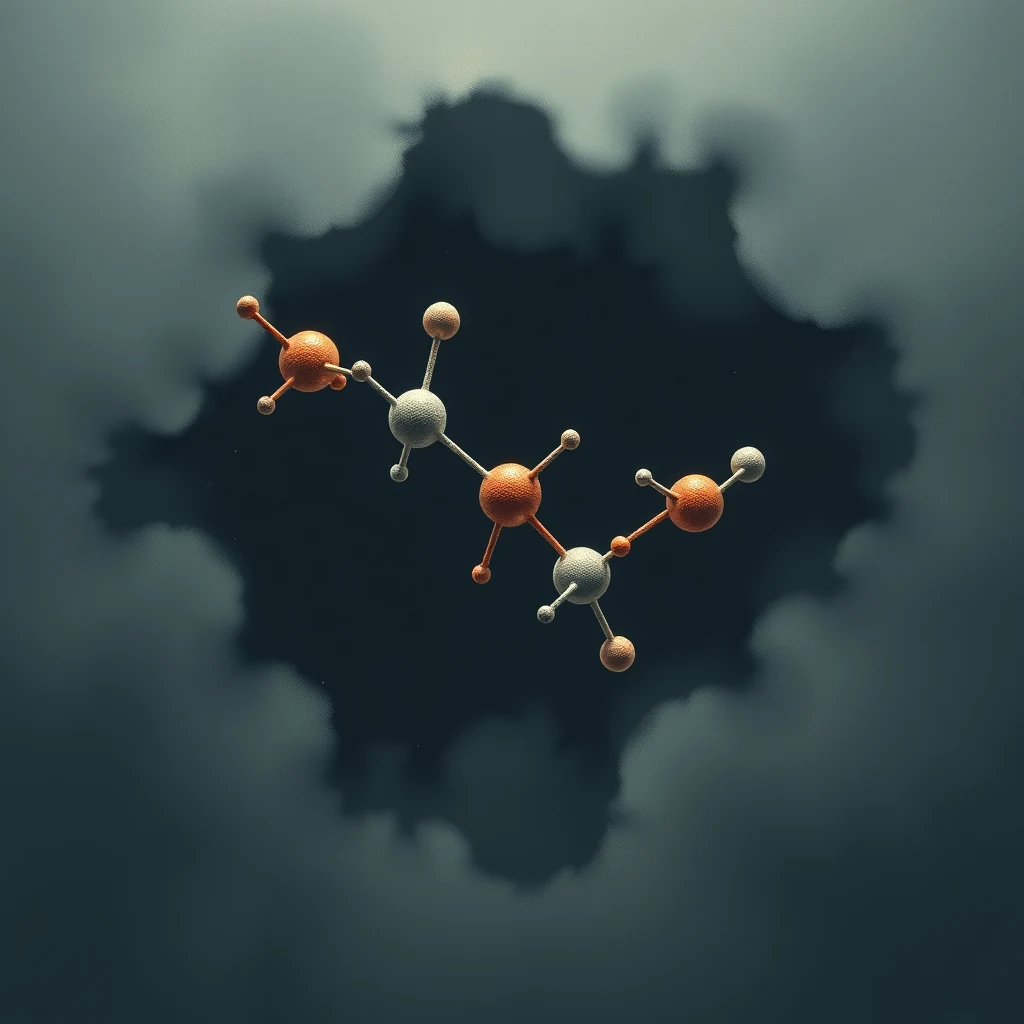 Concept Orotidine decarboxylase Enzyme that removes a carbon dioxide group from orotidine monophosphate, an essential step in building the pyrimidine bases of DNA and RNA. Famous among biochemists for the sheer scale of its rate enhancement: the uncatalysed reaction has a half-life of about 78 million years; the enzyme finishes it in 18 milliseconds. No synthetic catalyst has ever come within several orders of magnitude of that performance.乳清酸核苷酸脱羧酶,催化乳清苷单磷酸的脱羧反应,即从该底物上移除一个二氧化碳基团,此步骤是合成DNA与RNA嘧啶碱基的必经环节。该酶以其惊人的速率增强幅度著称于生化学界:未经催化的反应半衰期约为7800万年,而该酶可在18毫秒内完成相同反应。迄今尚无任何人工合成催化剂能在性能上接近这一水平,差距达数个数量级。OMP descarboxilasa (orotidina-5′-monofosfato descarboxilasa, ODCase; EC 4.1.1.23). Enzima que elimina un grupo dióxido de carbono del orotidín monofosfato, paso indispensable en la biosíntesis de las bases pirimidínicas del ADN y el ARN. Célebre en bioquímica por la magnitud excepcional de su aceleración catalítica: la reacción no catalizada presenta una semivida de aproximadamente 78 millones de años, mientras que la enzima la completa en 18 milisegundos. Ningún catalizador sintético ha logrado aproximarse a ese rendimiento ni en varios órdenes de magnitud.أوروتيدين أحادي فوسفات ديكربوكسيلاز، إنزيم يُزيل مجموعةً كربوكسيلية من أوروتيدين أحادي الفوسفات في خطوةٍ أساسية لبناء القواعد البيريميدينية في الحمض النووي الريبوزي منقوص الأكسجين (DNA) والحمض النووي الريبوزي (RNA). اشتُهر هذا الإنزيم في أوساط الكيمياء الحيوية بفضل الحجم الهائل لتسريعه للتفاعل: إذ يبلغ عمر النصف للتفاعل غير المحفَّز نحو 78 مليون سنة، في حين يُتمّه الإنزيم في غضون 18 ميلي ثانية. ولم يقترب أي محفِّز صناعي حتى اليوم من هذا الأداء بفوارق تبلغ عدة مراتب من حيث الحجم.Enzima que remove um grupo dióxido de carbono do orotidina monofosfato, etapa essencial na biossíntese das bases pirimidínicas do DNA e do RNA. Célebre entre os bioquímicos pela magnitude de sua aceleração catalítica: a reação não catalisada apresenta meia-vida de aproximadamente 78 milhões de anos; a enzima a completa em 18 milissegundos. Nenhum catalisador sintético jamais chegou sequer a algumas ordens de grandeza desse desempenho.ओरोटिडीन मोनोफॉस्फेट डीकार्बोक्सिलेज़ एक एंजाइम है जो ओरोटिडीन मोनोफॉस्फेट से कार्बन डाइऑक्साइड समूह को पृथक करता है — यह DNA और RNA के पिरिमिडीन क्षारकों के संश्लेषण का एक अनिवार्य चरण है। यह एंजाइम जैव रसायनज्ञों के बीच अपनी अभूतपूर्व अभिक्रिया-त्वरण क्षमता के लिए विख्यात है: अनुत्प्रेरित अवस्था में इस अभिक्रिया की अर्ध-आयु लगभग 7.8 करोड़ वर्ष है, जबकि यह एंजाइम उसी अभिक्रिया को 18 मिलीसेकंड में पूर्ण कर देता है। कोई भी कृत्रिम उत्प्रेरक इस प्रदर्शन के कई परिमाण के भीतर भी नहीं पहुँच सका है।Enzim yang melepaskan gugus karbon dioksida dari orotidina monofosfat, suatu langkah esensial dalam pembentukan basa pirimidin DNA dan RNA. Terkenal di kalangan biokimiawan karena besarnya peningkatan laju reaksi yang dihasilkan: reaksi tanpa katalis memiliki waktu paruh sekitar 78 juta tahun; enzim ini menyelesaikannya dalam 18 milidetik. Tidak ada katalis sintetis yang pernah mendekati performa tersebut hingga beberapa orde besaran.Enzyme éliminant un groupe dioxyde de carbone de l'orotidine monophosphate, étape essentielle dans la biosynthèse des bases pyrimidiques de l'ADN et de l'ARN. Réputée parmi les biochimistes pour l'ampleur exceptionnelle de son accélération cinétique : la réaction non catalysée présente une demi-vie d'environ 78 millions d'années, tandis que l'enzyme l'accomplit en 18 millisecondes. Aucun catalyseur synthétique n'a jamais approché cette performance à plusieurs ordres de grandeur près.オロチジン一リン酸デカルボキシラーゼ(OMP脱炭酸酵素)は、オロチジン一リン酸から二酸化炭素基を除去する酵素であり、DNAおよびRNAのピリミジン塩基合成における不可欠な反応段階を担う。その反応速度の増大幅の大きさゆえに生化学者の間で広く知られており、無触媒条件下での半減期が約7,800万年に達するのに対し、本酵素はわずか18ミリ秒で同反応を完結させる。これほどの性能には、これまでいかなる合成触媒も数桁の差で及んでいない。Фермент, отщепляющий группу диоксида углерода от оротидин-5'-монофосфата в ходе ключевого этапа биосинтеза пиримидиновых оснований ДНК и РНК. Широко известен в биохимическом сообществе исключительным масштабом каталитического ускорения реакции: в отсутствие катализатора период полупревращения составляет около 78 миллионов лет, тогда как фермент завершает её за 18 миллисекунд. Ни один синтетический катализатор не приблизился к этому показателю даже на несколько порядков величины.Enzym, das eine Kohlendioxidgruppe von Orotidylat (Orotidine-5'-monophosphat) abspaltet – ein wesentlicher Schritt in der Biosynthese der Pyrimidinbasen von DNA und RNA. Unter Biochemikern bekannt für das außerordentliche Ausmaß seiner Reaktionsbeschleunigung: Die unkatalysierte Reaktion weist eine Halbwertszeit von rund 78 Millionen Jahren auf; das Enzym vollzieht sie in 18 Millisekunden. Kein synthetischer Katalysator hat diese Leistung auch nur annähernd – selbst um mehrere Größenordnungen – erreicht.오로티딘 일인산에서 이산화탄소 그룹을 제거하는 효소로, DNA와 RNA의 피리미딘 염기 합성에 필수적인 반응을 촉매한다. 비촉매 반응의 반감기가 약 7,800만 년에 달하는 반면 이 효소는 동일한 반응을 18밀리초 만에 완료하는, 생화학자들 사이에서 반응 속도 향상의 규모로 유명하다. 현재까지 어떠한 합성 촉매도 이 효소의 성능에 수 자릿수 이내로도 근접하지 못하였다. accelerates its target reaction by a factor of 10^17. Without it, the reaction would take 78 million years; with it, milliseconds. The starches in a sandwich would take about fifty years to break down spontaneously; amylase, secreted in saliva, gets it done before lunch is over.

Industrial catalysis built the twentieth century. The Haber-Bosch process  Concept Haber-Bosch process Industrial reaction that combines atmospheric nitrogen and hydrogen over an iron catalyst, at around 400°C and 200 atmospheres, to produce ammonia. Developed in Germany between 1909 and 1913. It made synthetic fertiliser cheap, broke the ceiling on agricultural yields, and is the reason world population could grow past two billion. By most accountings it now feeds roughly half the human population, and consumes about one per cent of global energy.哈伯-博施法是一种工业合成反应,在铁催化剂存在下,于约400°C、200个大气压的条件下,将大气中的氮气与氢气合成氨。该工艺于1909年至1913年间在德国研发成功。它使合成肥料的成本大幅降低,突破了农业产量的上限,并由此支撑了世界人口突破二十亿的增长。据多数估算,该工艺目前维系着全球约一半人口的粮食供给,消耗全球约1%的能源。Reacción industrial que combina nitrógeno atmosférico e hidrógeno sobre un catalizador de hierro, a aproximadamente 400 °C y 200 atmósferas, para producir amoníaco. Desarrollado en Alemania entre 1909 y 1913. Hizo que el fertilizante sintético fuera económico, eliminó el techo de los rendimientos agrícolas y es la razón por la que la población mundial pudo superar los dos mil millones de habitantes. Según la mayoría de los cálculos, actualmente alimenta a aproximadamente la mitad de la población humana y consume alrededor del uno por ciento de la energía global.تفاعل صناعي يجمع النيتروجين الجوي والهيدروجين فوق محفز حديدي، عند حرارة تبلغ نحو 400 درجة مئوية وضغط يعادل 200 ضغط جوي، لإنتاج الأمونيا. طُوِّر في ألمانيا بين عامَي 1909 و1913. أتاح هذا التفاعل إنتاج الأسمدة الاصطناعية بتكلفة منخفضة، وكسر سقف الغلة الزراعية، وهو السبب في أن عدد سكان العالم أمكنه تجاوز ملياري نسمة. وفق معظم التقديرات، يُطعِم هذا التفاعل اليوم نحو نصف البشرية، ويستهلك ما يقارب واحداً بالمئة من الطاقة العالمية.Reação industrial que combina nitrogênio atmosférico e hidrogênio sobre um catalisador de ferro, a cerca de 400 °C e 200 atmosferas, para produzir amônia. Desenvolvido na Alemanha entre 1909 e 1913. Tornou o fertilizante sintético barato, rompeu o teto dos rendimentos agrícolas e é a razão pela qual a população mundial pôde ultrapassar dois bilhões de habitantes. Pela maioria dos cálculos, alimenta hoje cerca de metade da população humana e consome aproximadamente um por cento da energia global.वायुमंडलीय नाइट्रोजन और हाइड्रोजन को लोहे के उत्प्रेरक पर लगभग 400°C तापमान और 200 वायुमंडलीय दाब पर संयुक्त कर अमोनिया उत्पन्न करने वाली औद्योगिक अभिक्रिया। 1909 से 1913 के बीच जर्मनी में विकसित। इसने कृत्रिम उर्वरक को सस्ता बनाया, कृषि उपज की सीमाओं को तोड़ा, और यही कारण है कि विश्व जनसंख्या दो अरब से अधिक हो सकी। अधिकांश अनुमानों के अनुसार, यह प्रक्रिया अब मानव जनसंख्या के लगभग आधे हिस्से को भोजन प्रदान करती है तथा वैश्विक ऊर्जा का लगभग एक प्रतिशत उपभोग करती है।Reaksi industri yang menggabungkan nitrogen atmosfer dan hidrogen di atas katalis besi, pada suhu sekitar 400°C dan tekanan 200 atmosfer, untuk menghasilkan amonia. Dikembangkan di Jerman antara tahun 1909 dan 1913. Proses ini menjadikan pupuk sintetis murah, meruntuhkan batas hasil pertanian, dan menjadi alasan populasi dunia dapat tumbuh melampaui dua miliar jiwa. Menurut sebagian besar perhitungan, proses ini kini memberi makan sekitar separuh populasi manusia, dan mengonsumsi sekitar satu persen energi global.Procédé industriel combinant l'azote atmosphérique et l'hydrogène sur un catalyseur de fer, à environ 400 °C et 200 atmosphères, pour produire de l'ammoniac. Mis au point en Allemagne entre 1909 et 1913. Il a rendu les engrais synthétiques bon marché, levé le plafond des rendements agricoles et permis à la population mondiale de dépasser les deux milliards d'habitants. Selon la plupart des estimations, il nourrit aujourd'hui environ la moitié de la population humaine et représente environ un pour cent de la consommation mondiale d'énergie.ハーバー・ボッシュ法は、鉄触媒を用いて大気中の窒素と水素を約400℃・200気圧の条件下で反応させ、アンモニアを合成する工業的プロセスである。1909年から1913年にかけてドイツで開発された。本法は合成肥料の低コスト生産を実現し、農業生産量の上限を打ち破り、世界人口が20億人を超える成長を可能にした要因として位置づけられる。現在、世界人口のおよそ半数の食糧供給を支えているとする試算が多く、全世界の一次エネルギー消費量の約1パーセントを占める。Промышленный процесс синтеза аммиака из атмосферного азота и водорода на железном катализаторе при температуре около 400 °C и давлении 200 атмосфер. Разработан в Германии в 1909–1913 годах. Сделал синтетические удобрения доступными, снял ограничения на рост сельскохозяйственных урожаев и обусловил возможность роста численности населения мира сверх двух миллиардов человек. По большинству оценок, в настоящее время обеспечивает продовольствием около половины населения Земли и потребляет порядка одного процента мировой энергии.Industrielles Verfahren, bei dem atmosphärischer Stickstoff und Wasserstoff an einem Eisenkatalysator bei etwa 400 °C und 200 Atmosphären zu Ammoniak umgesetzt werden. In Deutschland zwischen 1909 und 1913 entwickelt. Es machte synthetische Düngemittel preiswert, hob die Obergrenze landwirtschaftlicher Erträge auf und ermöglichte das Wachstum der Weltbevölkerung über zwei Milliarden Menschen hinaus. Nach den meisten Berechnungen ernährt es heute etwa die Hälfte der Weltbevölkerung und beansprucht rund ein Prozent des globalen Energieverbrauchs.대기 중 질소와 수소를 철 촉매 위에서 약 400°C, 200기압 조건으로 반응시켜 암모니아를 생성하는 공업적 반응. 1909년부터 1913년 사이 독일에서 개발되었다. 합성 비료의 가격을 대폭 낮추고 농업 생산량의 한계를 돌파하였으며, 세계 인구가 20억 명을 넘어 성장할 수 있었던 결정적 요인으로 평가된다. 현재 전 세계 인구의 약 절반을 먹여 살리는 것으로 추산되며, 전 세계 에너지의 약 1퍼센트를 소비한다. , which pulls nitrogen out of the air and turns it into ammonia for fertiliser, uses an iron catalyst at 400°C and 200 atmospheres. It consumes around 1% of the world's energy and is, by most reckonings, responsible for feeding roughly half the people now alive. Fritz Haber
  Person Fritz Haber German chemist (1868–1934). Won the 1918 Nobel in Chemistry for fixing nitrogen from the air. Also directed Germany's chemical weapons programme during the First World War, personally supervising the first large-scale chlorine gas attack at Ypres in 1915; his wife Clara, also a chemist, shot herself days afterwards. Forced from Germany in 1933 under the Nazi racial laws despite his service, and died in exile the following year.德国化学家(1868—1934)。因实现空气固氮而获1918年诺贝尔化学奖。第一次世界大战期间主持德国化学武器计划,并于1915年亲赴伊普尔督导首次大规模氯气攻击;其妻克拉拉同为化学家,数日后开枪自尽。1933年,尽管其曾效力德国,仍因纳粹种族法令被迫出走,翌年流亡中辞世。Químico alemán (1868-1934). Obtuvo el Premio Nobel de Química de 1918 por la fijación del nitrógeno atmosférico. Dirigió también el programa alemán de armas químicas durante la Primera Guerra Mundial y supervisó personalmente el primer ataque a gran escala con gas cloro en Ypres en 1915; su esposa Clara, asimismo química, se suicidó de un disparo días después. Expulsado de Alemania en 1933 en virtud de las leyes raciales nazis, pese a sus servicios al Estado, falleció en el exilio al año siguiente.كيميائي ألماني (1868–1934). حاز على جائزة نوبل في الكيمياء لعام 1918 لنجاحه في تثبيت النيتروجين من الهواء. أدار أيضاً البرنامج الألماني للأسلحة الكيميائية إبان الحرب العالمية الأولى، وأشرف شخصياً على أول هجوم بغاز الكلور على نطاق واسع في إيبر عام 1915؛ وأقدمت زوجته كلارا، وهي بدورها كيميائية، على إطلاق النار على نفسها بعد أيام. أُجبر على مغادرة ألمانيا عام 1933 بموجب القوانين العنصرية النازية على الرغم من خدماته، وتوفي منفياً في العام التالي.Químico alemão (1868–1934). Ganhou o Nobel de Química de 1918 pela fixação do azoto atmosférico. Dirigiu também o programa de armas químicas da Alemanha durante a Primeira Guerra Mundial, supervisionando pessoalmente o primeiro ataque em grande escala com gás de cloro em Ypres em 1915; sua esposa Clara, igualmente química, suicidou-se a tiro poucos dias depois. Foi expulso da Alemanha em 1933 pelas leis raciais nazistas, a despeito dos serviços prestados, e morreu no exílio no ano seguinte.जर्मन रसायनशास्त्री (1868–1934)। वायु से नाइट्रोजन स्थिरीकरण के लिए 1918 का रसायन विज्ञान नोबेल पुरस्कार प्राप्त किया। प्रथम विश्व युद्ध के दौरान जर्मनी के रासायनिक अस्त्र कार्यक्रम का भी निर्देशन किया तथा 1915 में इप्र में प्रथम बड़े पैमाने के क्लोरीन गैस आक्रमण की व्यक्तिगत रूप से निगरानी की; उनकी पत्नी क्लारा, जो स्वयं भी एक रसायनशास्त्री थीं, कुछ ही दिनों पश्चात गोली मारकर आत्महत्या कर ली। अपनी सेवाओं के बावजूद 1933 में नाज़ी नस्ली कानूनों के अंतर्गत जर्मनी छोड़ने पर विवश किए गए और अगले वर्ष निर्वासन में मृत्यु हो गई।Kimiawan Jerman (1868–1934). Meraih Hadiah Nobel Kimia 1918 atas fiksasi nitrogen dari udara. Juga memimpin program senjata kimia Jerman selama Perang Dunia Pertama, dengan secara langsung mengawasi serangan gas klorin skala besar pertama di Ypres pada 1915; istrinya Clara, yang juga seorang kimiawan, menembak diri sendiri beberapa hari kemudian. Dipaksa meninggalkan Jerman pada 1933 berdasarkan undang-undang rasial Nazi meskipun jasa-jasanya kepada negara, dan meninggal dalam pengasingan pada tahun berikutnya.Chimiste allemand (1868–1934). Lauréat du prix Nobel de chimie 1918 pour la fixation de l'azote atmosphérique. Dirigea également le programme allemand d'armes chimiques durant la Première Guerre mondiale, supervisant personnellement la première attaque au gaz chlore à grande échelle à Ypres en 1915 ; son épouse Clara, également chimiste, se suicida par balle quelques jours après. Contraint de quitter l'Allemagne en 1933 en vertu des lois raciales nazies, malgré ses services, il mourut en exil l'année suivante.フリッツ・ハーバー(1868–1934)。ドイツの化学者。空気中の窒素を固定する手法を確立した功績により、1918年のノーベル化学賞を受賞。また第一次世界大戦中にドイツの化学兵器計画を指揮し、1915年のイープルにおける最初の大規模塩素ガス攻撃を自ら監督した。その数日後、同じく化学者であった妻クララが自ら命を絶った。長年の国家への貢献にもかかわらず、1933年にナチスの人種法により国外への退去を余儀なくされ、翌年亡命先で没した。Немецкий химик (1868–1934). Лауреат Нобелевской премии по химии 1918 года за промышленную фиксацию атмосферного азота. В годы Первой мировой войны возглавлял германскую программу химического оружия; лично руководил первым крупномасштабным применением хлора под Ипром в 1915 году; его жена Клара, также химик, застрелилась несколько дней спустя. В 1933 году, несмотря на заслуги перед Германией, был вынужден покинуть страну в соответствии с нацистскими расовыми законами и скончался в эмиграции в следующем году.Deutscher Chemiker (1868–1934). Erhielt den Nobelpreis für Chemie 1918 für die Fixierung von Stickstoff aus der Luft. Leitete zudem das chemische Waffenprogramm Deutschlands im Ersten Weltkrieg und beaufsichtigte persönlich den ersten großangelegten Chlorgasangriff bei Ypern 1915; seine Frau Clara, ebenfalls Chemikerin, erschoss sich wenige Tage danach. 1933 wurde er trotz seiner Kriegsdienste aufgrund der nationalsozialistischen Rassengesetze aus Deutschland vertrieben und starb im darauffolgenden Jahr im Exil.독일의 화학자(1868–1934). 공기 중의 질소를 고정하는 방법을 개발한 공로로 1918년 노벨 화학상을 수상하였다. 제1차 세계대전 중 독일의 화학무기 계획을 지휘하였으며, 1915년 이프르에서 최초의 대규모 염소 가스 공격을 직접 감독하였다. 그로부터 며칠 후, 역시 화학자였던 그의 아내 클라라가 권총으로 스스로 목숨을 끊었다. 자신의 공적에도 불구하고 1933년 나치의 인종법에 의해 독일에서 추방되었으며, 이듬해 망명지에서 사망하였다. won the Nobel for it in 1918, in the same decade he was personally supervising chlorine gas attacks at Ypres. Carl Bosch
  Person Carl Bosch German chemical engineer (1874–1940). Took Haber's bench-top ammonia synthesis and built it into an industrial process at BASF, solving the brutal metallurgical problem of containing hot hydrogen at 200 atmospheres without the steel embrittling and bursting. Shared the 1931 Nobel in Chemistry for the work. Privately opposed the Nazi regime while running IG Farben, was sidelined, and drank himself to death. His high-pressure reactor designs are essentially unchanged today.德国化学工程师(1874—1940年)。将哈伯在实验台上开发的氨合成工艺在巴斯夫公司扩展为工业化生产流程,攻克了在200个大气压下承载高温氢气而不致钢材氢脆破裂的严峻冶金难题。凭此成就与他人共同获得1931年诺贝尔化学奖。主持法本公司期间私下反对纳粹政权,遭到边缘化,最终纵酒而亡。其高压反应器设计至今基本沿用未改。Ingeniero químico alemán (1874-1940). Tomó la síntesis de amoníaco a escala de laboratorio de Haber y la convirtió en un proceso industrial en BASF, resolviendo el brutal problema metalúrgico de contener hidrógeno caliente a 200 atmósferas sin que el acero se fragilizara y reventara. Compartió el Premio Nobel de Química de 1931 por dicho trabajo. En privado se opuso al régimen nazi mientras dirigía IG Farben, fue apartado y murió a causa del alcoholismo. Sus diseños de reactores de alta presión permanecen esencialmente inalterados en la actualidad.مهندس كيميائي ألماني (1874–1940). نقل تركيب الأمونيا الذي أجراه هابر على نطاق مختبري إلى عملية صناعية متكاملة في شركة باسف، وحلّ المشكلة المعدنية القاسية المتعلقة باحتواء الهيدروجين الساخن عند ضغط 200 ضغط جوي دون أن يُصاب الفولاذ بالهشاشة وينفجر. شارك في الحصول على جائزة نوبل في الكيمياء عام 1931 تقديراً لهذا الإنجاز. عارض النظام النازي في السر إبان إدارته لشركة إي جي فاربن، فأُقصي جانباً وقضى نحبه متأثراً بإدمانه الكحول. وتصاميم مفاعلاته عالية الضغط لا تزال مستخدمة دون تغيير يُذكر حتى اليوم.Engenheiro químico alemão (1874–1940). Converteu a síntese de amônia em bancada de Haber num processo industrial na BASF, resolvendo o brutal problema metalúrgico de conter hidrogênio quente a 200 atmosferas sem que o aço fragilizasse e rompesse. Compartilhou o Nobel de Química de 1931 pelo trabalho. Opôs-se em particular ao regime nazista enquanto dirigia a IG Farben, foi marginalizado e morreu de alcoolismo. Seus projetos de reatores de alta pressão permanecem essencialmente inalterados até hoje.जर्मन रासायनिक अभियंता (1874–1940)। हैबर की प्रयोगशाला-स्तरीय अमोनिया संश्लेषण प्रक्रिया को BASF में एक औद्योगिक प्रक्रिया के रूप में परिणत किया, जिसमें 200 वायुमंडल दाब पर गर्म हाइड्रोजन को इस्पात के भंगुर हुए और फटे बिना नियंत्रित रखने की दुरूह धातुकर्म समस्या का समाधान किया। इस कार्य के लिए 1931 का रसायन विज्ञान नोबेल पुरस्कार साझा किया। IG Farben का नेतृत्व करते हुए निजी रूप से नाज़ी शासन का विरोध किया, हाशिये पर धकेल दिए गए, और मद्यपान में मृत्यु को प्राप्त हुए। उनकी उच्च-दाब रिएक्टर अभिकल्पनाएँ आज भी मूलतः अपरिवर्तित हैं।Insinyur kimia Jerman (1874–1940). Mengambil sintesis amonia skala bangku milik Haber dan mengembangkannya menjadi proses industri di BASF, memecahkan masalah metalurgi yang pelik dalam menahan hidrogen panas pada tekanan 200 atmosfer tanpa baja menjadi getas dan meledak. Berbagi Hadiah Nobel Kimia 1931 untuk karya tersebut. Secara pribadi menentang rezim Nazi saat memimpin IG Farben, disingkirkan, dan meninggal akibat kecanduan alkohol. Rancangan reaktor bertekanan tingginya pada dasarnya tidak berubah hingga hari ini.Ingénieur chimiste allemand (1874–1940). Prit la synthèse de l'ammoniac réalisée en laboratoire par Haber et la transforma en procédé industriel chez BASF, résolvant le redoutable problème métallurgique du confinement de l'hydrogène chaud sous 200 atmosphères sans que l'acier ne se fragilise ni n'éclate. Partagea le prix Nobel de chimie de 1931 pour ces travaux. Opposé en privé au régime nazi tout en dirigeant l'IG Farben, il fut mis à l'écart et mourut d'alcoolisme. Ses conceptions de réacteurs haute pression sont demeurées pratiquement inchangées jusqu'à aujourd'hui.ドイツの化学技術者(1874–1940年)。ハーバーの実験室規模のアンモニア合成をBASFにおいて工業プロセスへと発展させ、200気圧の高温水素を封じ込める際に鋼が脆化・破裂するという過酷な冶金学的問題を解決した。この業績により1931年のノーベル化学賞を共同受賞した。IGファルベンの経営に携わりながら個人的にはナチス政権に反対したが要職から排除され、飲酒を重ねて死去した。同氏の高圧反応器設計は今日でも実質的に変更なく用いられている。Немецкий инженер-химик (1874–1940). Взял лабораторный синтез аммиака по методу Габера и превратил его в промышленный процесс на предприятии BASF, решив острейшую металлургическую проблему удержания горячего водорода при давлении 200 атмосфер без охрупчивания и разрушения стали. Разделил Нобелевскую премию по химии 1931 года за эту работу. Втайне противостоял нацистскому режиму, возглавляя IG Farben, был отстранён от дел и умер от алкоголизма. Его конструкции реакторов высокого давления практически не изменились по сей день.Deutscher Chemieingenieur (1874–1940). Überführte Habers Laborverfahren der Ammoniaksynthese bei der BASF in einen industriellen Prozess und löste dabei das gewaltige metallurgische Problem, heißen Wasserstoff bei 200 Atmosphären zu bändigen, ohne dass der Stahl versprödet und birst. Teilte 1931 den Nobelpreis für Chemie für diese Leistung. Lehnte das NS-Regime im Privaten ab, während er die IG Farben leitete, wurde kaltgestellt und trank sich zu Tode. Seine Hochdruckreaktorkonstruktionen sind bis heute im Wesentlichen unverändert.독일의 화학공학자(1874~1940). 하버가 실험실 규모에서 개발한 암모니아 합성법을 BASF에서 산업 공정으로 전환하였으며, 200기압의 고온 수소를 봉입하는 과정에서 철강이 취화(脆化)·파열되는 극심한 야금학적 문제를 해결하였다. 이 업적으로 1931년 노벨 화학상을 공동 수상하였다. IG 파르벤을 경영하는 동안 나치 체제에 사적으로 반대하였으나 실권을 박탈당한 채 알코올 중독으로 사망하였다. 그의 고압 반응기 설계는 오늘날에도 사실상 변함없이 사용되고 있다. took the prize again in 1931 for scaling it up. Wilhelm Ostwald
 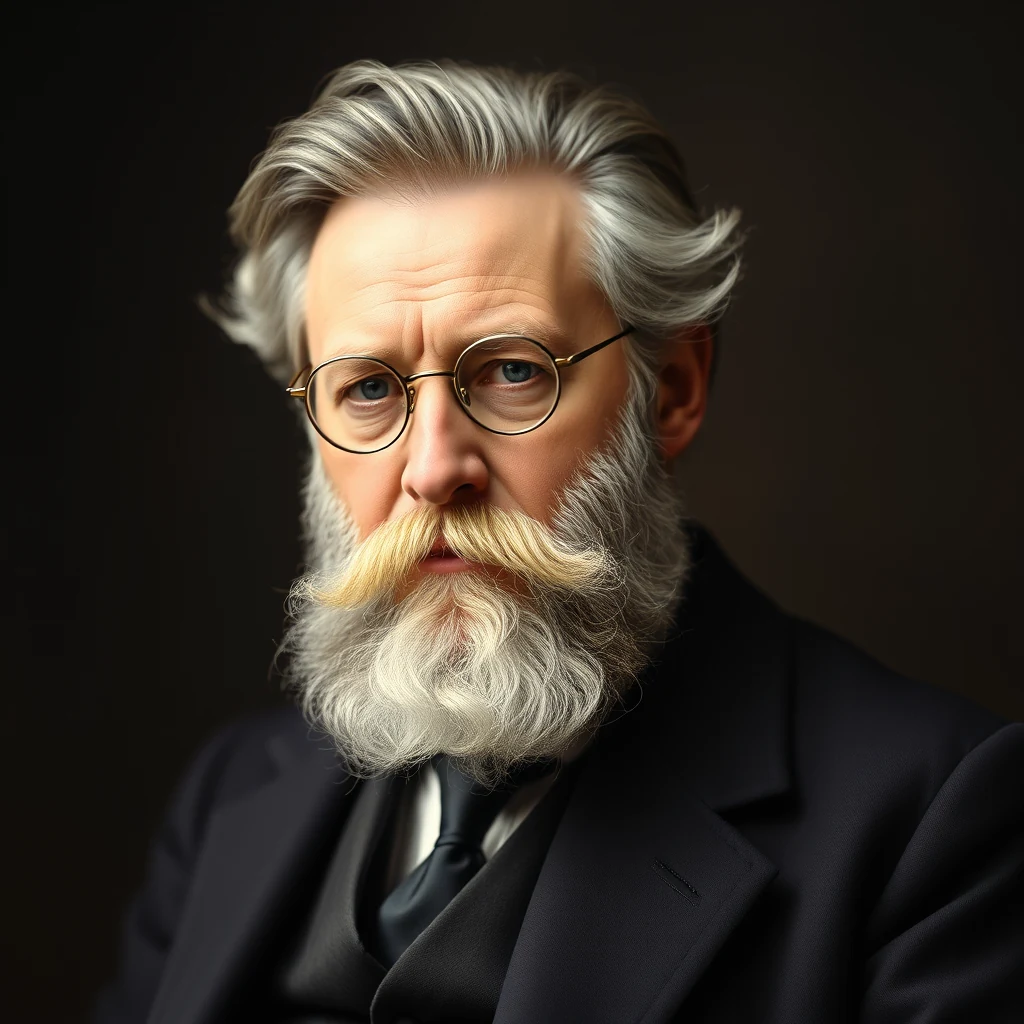 Person Wilhelm Ostwald Baltic-German chemist (1853–1932). Won the 1909 Nobel for foundational work on catalysis, chemical equilibria, and reaction rates — the theoretical scaffolding on which all later industrial catalysis was built. Also developed the Ostwald process for turning ammonia into nitric acid, still the standard industrial route to fertiliser and explosives. A polymath who in later life turned to philosophy, colour theory, and the design of a universal auxiliary language.波罗的海德意志裔化学家(1853—1932)。因在催化、化学平衡与反应速率领域的奠基性研究荣获1909年诺贝尔化学奖,其理论框架构成此后一切工业催化发展的基础。并发明奥斯特瓦尔德法,将氨氧化转化为硝酸,至今仍是工业制备化肥与炸药的标准途径。晚年转而致力于哲学、色彩理论及通用辅助语言的设计,是一位兴趣广博的博学者。Químico báltico-alemán (1853–1932). Obtuvo el Nobel de 1909 por su trabajo fundacional sobre catálisis, equilibrios químicos y velocidades de reacción —el andamiaje teórico sobre el que se construyó toda la catálisis industrial posterior. Desarrolló asimismo el proceso de Ostwald para convertir amoníaco en ácido nítrico, aún hoy la ruta industrial estándar para la obtención de fertilizantes y explosivos. Polímata que en la última etapa de su vida se volcó en la filosofía, la teoría del color y el diseño de una lengua auxiliar universal.كيميائي بلطيقي-ألماني (1853–1932). حاز جائزة نوبل عام 1909 عن أعماله التأسيسية في الحفز الكيميائي والاتزانات الكيميائية ومعدلات التفاعل — وهو البنيان النظري الذي أُقيم عليه جميع ما جاء بعده من تطبيقات الحفز الصناعي. طوّر أيضاً عملية أوستفالد لتحويل الأمونيا إلى حمض النيتريك، وهي حتى اليوم المسار الصناعي المعياري لإنتاج الأسمدة والمتفجرات. كان موسوعي المعرفة، وفي مرحلة متأخرة من حياته انصرف إلى الفلسفة ونظرية الألوان وتصميم لغة مساعدة عالمية.Químico báltico-alemão (1853–1932). Recebeu o Nobel de Química de 1909 pelos trabalhos fundacionais em catálise, equilíbrios químicos e velocidades de reação — o arcabouço teórico sobre o qual assentou toda a catálise industrial posterior. Desenvolveu igualmente o processo Ostwald para a conversão de amônia em ácido nítrico, ainda hoje a via industrial padrão para fertilizantes e explosivos. Polímata que, na fase tardia da vida, se dedicou à filosofia, à teoria das cores e à concepção de uma língua auxiliar universal.बाल्टिक-जर्मन रसायनशास्त्री (1853–1932)। उत्प्रेरण, रासायनिक साम्यावस्था और अभिक्रिया दरों पर मूलभूत कार्य के लिए 1909 का नोबेल पुरस्कार प्राप्त किया — वह सैद्धांतिक ढाँचा जिस पर परवर्ती समस्त औद्योगिक उत्प्रेरण का निर्माण हुआ। अमोनिया को नाइट्रिक अम्ल में परिवर्तित करने की ओस्टवाल्ड प्रक्रिया भी विकसित की, जो उर्वरक और विस्फोटकों के लिए अब भी मानक औद्योगिक पद्धति है। परवर्ती जीवन में दर्शनशास्त्र, वर्ण सिद्धांत और एक सार्वभौमिक सहायक भाषा के अभिकल्पन की ओर उन्मुख एक बहुज्ञ।Kimiawan Jerman-Baltik (1853–1932). Meraih Nobel 1909 atas karya dasar dalam katalisis, kesetimbangan kimia, dan laju reaksi — kerangka teoretis yang menjadi landasan bagi seluruh katalisis industri di kemudian hari. Mengembangkan pula proses Ostwald untuk mengubah amonia menjadi asam nitrat, yang hingga kini tetap menjadi jalur industri baku dalam produksi pupuk dan bahan peledak. Seorang polimat yang di masa tuanya beralih ke filsafat, teori warna, dan perancangan bahasa bantu universal.Chimiste germano-balte (1853–1932). Lauréat du prix Nobel de chimie en 1909 pour ses travaux fondateurs sur la catalyse, les équilibres chimiques et les vitesses de réaction — fondements théoriques sur lesquels repose l'ensemble de la catalyse industrielle ultérieure. Développa également le procédé Ostwald de conversion de l'ammoniac en acide nitrique, demeuré la voie industrielle standard pour la production d'engrais et d'explosifs. Esprit encyclopédique, il se consacra dans ses dernières années à la philosophie, à la théorie des couleurs et à l'élaboration d'une langue auxiliaire universelle.バルト・ドイツ人化学者(1853–1932年)。触媒、化学平衡、および反応速度論における基礎的研究により1909年のノーベル化学賞を受賞した。この理論的枠組みは、後の工業的触媒化学全体の礎となった。また、アンモニアから硝酸を製造するオストヴァルト法を開発し、現在もなお肥料・爆薬生産における標準的な工業的製法として用いられている。晩年には哲学、色彩理論、および普遍的補助言語の設計へと関心を向けた多才な学者でもあった。Прибалтийско-немецкий химик (1853–1932). Лауреат Нобелевской премии 1909 года за основополагающие труды в области катализа, химического равновесия и скоростей химических реакций — теоретический фундамент, на котором был построен весь последующий промышленный катализ. Разработал также процесс Оствальда — промышленный способ получения азотной кислоты из аммиака, остающийся стандартным путём производства удобрений и взрывчатых веществ по сей день. Учёный-энциклопедист, обратившийся в поздние годы к философии, теории цвета и созданию универсального вспомогательного языка.Baltendeutscher Chemiker (1853–1932). Erhielt 1909 den Nobelpreis für Chemie für grundlegende Arbeiten zur Katalyse, zu chemischen Gleichgewichten und zu Reaktionsgeschwindigkeiten – das theoretische Gerüst, auf dem die gesamte spätere industrielle Katalyse aufgebaut wurde. Entwickelte außerdem das Ostwald-Verfahren zur Umwandlung von Ammoniak in Salpetersäure, das bis heute den industriellen Standardweg zur Herstellung von Düngemitteln und Sprengstoffen darstellt. Als Universalgelehrter wandte er sich im späteren Leben der Philosophie, der Farbenlehre und dem Entwurf einer Welthilfssprache zu.발트 독일계 화학자(1853~1932). 촉매 작용, 화학 평형, 반응 속도에 관한 기초 연구로 1909년 노벨 화학상을 수상하였으며, 이 업적은 이후 산업 촉매 전반의 이론적 토대가 되었다. 암모니아를 질산으로 전환하는 오스트발트 공정도 개발하였는데, 이 공정은 현재까지도 비료 및 폭발물 생산의 표준 산업 경로로 남아 있다. 말년에는 철학, 색채 이론, 국제 보조어 설계로 관심을 넓힌 박학다식한 인물이었다. had taken it in 1909 for the theory underneath.

What we still don't know
We do not understand most catalysts at the level we understand platinum. The standard model — that reactants adsorb onto specific atomic sites and react there — is true for the cleanest cases. For real industrial catalysts, the active site often turns out to be a defect, an edge, a transient cluster of a few atoms that the bulk material happens to expose. Identifying which atoms are actually doing the work, on a running catalyst at temperature, is an open problem.

We do not know how to do without the platinum-group metals. They are rare. Most of the world's rhodium comes from a single complex of mines in South Africa, and the supply chain is one political event away from disruption. Substitutes based on iron, copper, or cerium oxide work, partially, for some reactions. None has matched a three-way converter.

And we do not really know how enzymes do what they do. The rate enhancements they achieve are several orders of magnitude beyond what any synthetic catalyst has ever managed. Quantum tunnelling, electrostatic preorganisation, and conformational dynamics all seem to contribute, but no single theory accounts for the numbers.
The cleanest exhaust a car has ever produced left a tailpipe somewhere last week. The chemistry that made it happen was figured out, in a different form, by something with no chemists in it at all, roughly three billion years earlier.