Person
Nevil Maskelyne
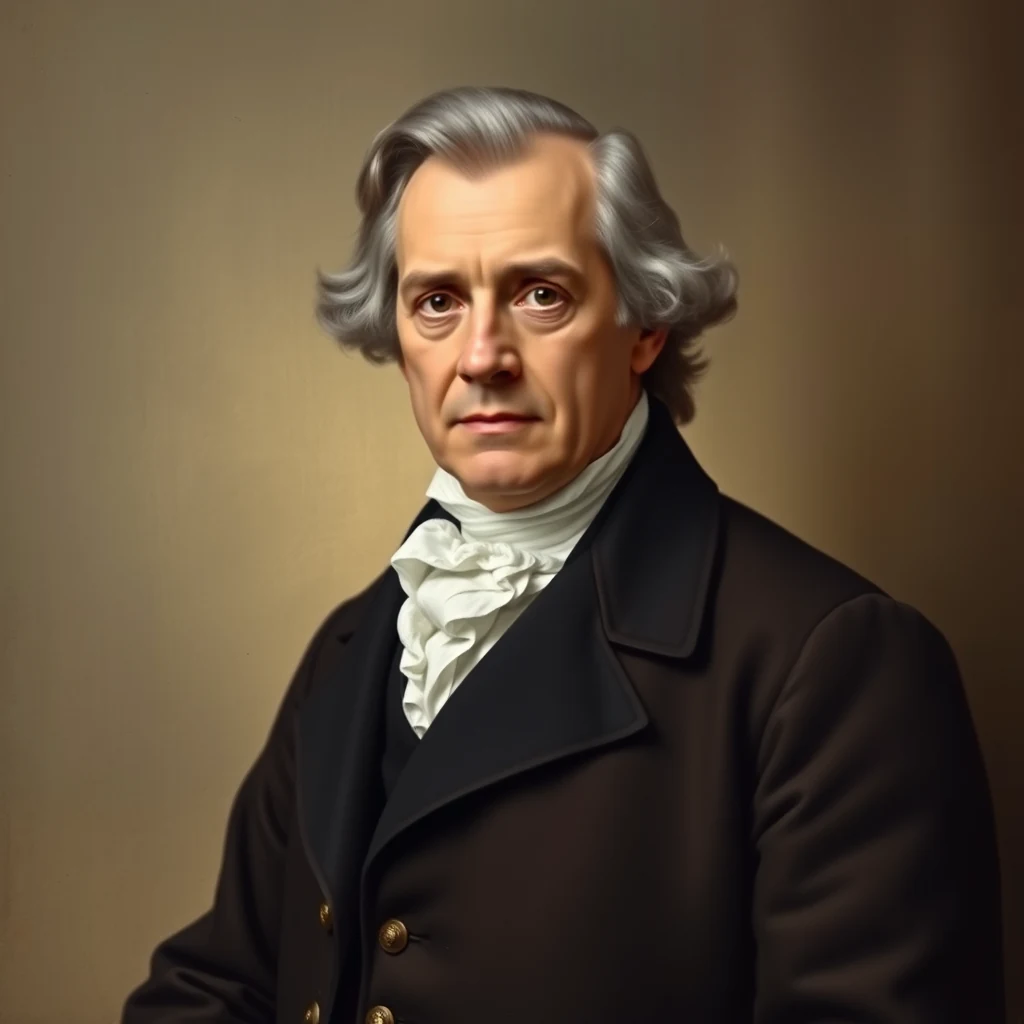
Fifth Astronomer Royal (1732–1811), appointed in 1765. A proponent of the lunar-distance method, he founded the Nautical Almanac in 1767, which made lunar observations practical for ordinary navigators. He sat on the Board of Longitude during the long dispute with John Harrison and was accused, then and since, of obstructing Harrison's claim — though some historians read his caution as ordinary scientific scepticism.
第五任皇家天文学家(1732-1811年),于1765年获得任命。他是月距法的支持者,于1767年创办了《航海天文历》,使普通航海家进行月距观测变得实用。在与约翰·哈里森的长期争议中,他在经度委员会中任职,并在当时和此后被指责阻挠哈里森的索赔——尽管一些历史学家将他的谨慎解读为普通的科学怀疑态度。
Quinto Astrónomo Real (1732–1811) nombrado en 1765. Defensor del método de la distancia lunar, fundó el Nautical Almanac en 1767, facilitando las observaciones a los navegantes. Formó parte de la Junta de Longitud durante la disputa con John Harrison, siendo acusado de obstrucción, aunque algunos ven escepticismo científico.
الفلكي الملكي الخامس (1732-1811)، تم تعيينه عام 1765. من مؤيدي طريقة المسافة القمرية، أسس التقويم البحري عام 1767، مما جعل الرصد القمري عملياً للملاحين العاديين. خدم في مجلس خطوط الطول خلال النزاع الطويل مع جون هاريسون واتُهم بعرقلة مطالبة هاريسون — على الرغم من أن بعض المؤرخين يفسرون حذره على أنه شك علمي.
Quinto Astrónomo Real (1732-1811), nomeado em 1765. Defensor do método da distância lunar, fundou o Nautical Almanac em 1767, tornando as observações lunares práticas para navegadores comuns. Integrou a Junta da Longitude durante a disputa com John Harrison, sendo acusado de obstrução, embora alguns vejam ceticismo científico.
१७६५ में नियुक्त पांचवें खगोलविद रॉयल (१७३२-१८११)। चंद्र-दूरी पद्धति के समर्थक, उन्होंने १७६७ में नॉटिकल अल्मनाक की स्थापना की, जिसने चंद्र अवलोकनों को सामान्य नाविकों के लिए व्यावहारिक बना दिया। वह जॉन हैरिसन के साथ लंबे विवाद के दौरान देशांतर बोर्ड में शामिल थे और उन पर हैरिसन के दावे में बाधा डालने का आरोप लगाया गया था।
Astronomer Royal kelima (1732–1811), ditunjuk pada tahun 1765. Seorang pendukung metode jarak bulan, ia mendirikan Nautical Almanac pada tahun 1767. Ia duduk di Dewan Bujur selama perselisihan panjang dengan John Harrison dan dituduh menghalangi klaim Harrison — meskipun beberapa sejarawan menganggapnya sebagai skeptisisme ilmiah.
Cinquième Astronome royal (1732–1811), nommé en 1765. Partisan de la méthode des distances lunaires, il créa le Nautical Almanac en 1767, rendant les calculs accessibles aux navigateurs. Siégeant au Bureau des longitudes lors du conflit avec John Harrison, il fut accusé d'obstruction, bien que certains n'y voient qu'un scepticisme scientifique légitime.
1765年に任命された第5代王立天文学者(1732–1811)。月距離法の支持者であり、1767年に『航海暦』を創刊して一般の航海士でも月観測を実用化できるようにした。ジョン・ハリソンとの長期にわたる論争の中で経度委員会の委員を務め、ハリソンの功績請求を阻害したと非難されたが、一部の歴史家は彼の慎重さを通常の科学的懐疑論と解釈している。
Пятый Королевский астроном (1732–1811), назначен в 1765 году. Сторонник метода лунных расстояний, основавший «Морской альманах» в 1767 году, что сделало этот метод доступным для обычных моряков. Он входил в Комиссию по долготе во время спора с Гаррисоном и обвинялся в препятствовании ему, хотя некоторые видят в этом обычный научный скептицизм.
Fünfter Astronomer Royal (1732–1811), ernannt 1765. Als Befürworter der Monddistanzmethode gründete er 1767 den Nautical Almanac, der Mondbeobachtungen für Seefahrer praktikabel machte. Er saß während des Streits mit John Harrison im Längengradausschuss und wurde der Behinderung beschuldigt, obwohl Historiker seine Haltung eher als Skepsis werten.
1765년에 임명된 영국의 다섯 번째 왕립 천문학자(1732~1811)이다. 월거법(달 거리 측정법)의 강력한 옹호자로서 1767년 항해력을 창간해 일반 항해사들도 실생활에서 관측을 이용할 수 있도록 도왔다. 존 해리슨과의 오랜 분쟁 기간 동안 경도위원회 위원으로 재임하며 해리슨의 포상금 청구를 훼방 놓았다는 비판을 받았으나, 일부 역사학자들은 그의 태도를 학술적 회의론으로 이해하기도 한다.
Mentioned in 3 articles
- Engineering John Harrison - Solved the Longitude Problem In 1714, the British Parliament offered a fortune to anyone who could fix the worst problem in navigation: knowing where you were at sea. A Yorkshire carpenter, working alone in a village workshop, took it apart with a clock.
- Physics The Schiehallion Experiment In the summer of 1774, the Astronomer Royal spent four months on a rain-swept Scottish ridge, waiting for the stars to align. He wasn't mapping the heavens, but weighing the world using nothing more than a lead weight, a telescope, and a mountain.
- Engineering John Harrison's Chronometers A self-taught carpenter from Yorkshire spent forty years trying to solve the greatest scientific challenge of the eighteenth century. While the greatest minds in Europe looked to the stars to navigate the oceans, John Harrison looked to a set of ticking bronze gears.