In September 1990, a reader named Craig F. Whitaker  Person Craig F. Whitaker The reader from Columbia, Maryland, whose 1990 letter to Parade magazine sparked the modern controversy over the Monty Hall problem. By clearly articulating the three-door scenario in his question to Marilyn vos Savant, he provided the standard framing for a puzzle that would temporarily embarrass thousands of academics.来自马里兰州哥伦比亚市的读者,他于1990年写给《Parade》杂志的信,引发了关于蒙提霍尔问题的现代争议。他在向玛丽莲·沃斯·莎凡特提问时,清晰地阐述了三扇门的情境,为这道一度令成千上万名学者颜面尽失的谜题提供了标准的表述方式。El lector de Columbia, Maryland, cuya carta de 1990 a la revista Parade desató la controversia moderna en torno al problema de Monty Hall. Al articular con claridad el escenario de las tres puertas en su pregunta a Marilyn vos Savant, proporcionó el planteamiento estándar de un acertijo que avergonzaría temporalmente a miles de académicos.القارئ من كولومبيا بولاية ماريلاند، الذي أشعلت رسالته عام 1990 إلى مجلة Parade الجدل الحديث حول مسألة مونتي هول. فبصياغته الواضحة لسيناريو الأبواب الثلاثة في سؤاله الموجّه إلى ماريلين فوس سافانت، قدّم الصيغة المعيارية للغز كان سيُحرج آلاف الأكاديميين مؤقتاً.O leitor de Columbia, Maryland, cuja carta de 1990 à revista Parade desencadeou a controvérsia moderna sobre o problema de Monty Hall. Ao articular com clareza o cenário das três portas em sua pergunta a Marilyn vos Savant, ele forneceu o enquadramento padrão de um enigma que envergonharia temporariamente milhares de acadêmicos.कोलंबिया, मैरीलैंड का वह पाठक जिसके परेड पत्रिका को लिखे 1990 के पत्र ने मॉन्टी हॉल समस्या पर आधुनिक विवाद को भड़काया। मरीलिन वोस सावंत से अपने प्रश्न में तीन-दरवाज़ों की स्थिति को स्पष्ट रूप से व्यक्त करके, उन्होंने एक ऐसी पहेली के लिए मानक ढाँचा प्रदान किया जो अस्थायी रूप से हज़ारों विद्वानों को लज्जित करने वाली थी।Pembaca dari Columbia, Maryland, yang suratnya pada 1990 kepada majalah Parade memicu kontroversi modern atas masalah Monty Hall. Dengan merumuskan secara jelas skenario tiga pintu dalam pertanyaannya kepada Marilyn vos Savant, ia menyediakan kerangka baku bagi sebuah teka-teki yang untuk sementara waktu mempermalukan ribuan akademisi.Le lecteur de Columbia, dans le Maryland, dont la lettre de 1990 au magazine Parade déclencha la controverse moderne autour du problème de Monty Hall. En formulant clairement le scénario des trois portes dans sa question à Marilyn vos Savant, il fournit le cadre standard d'une énigme qui allait momentanément embarrasser des milliers d'universitaires.メリーランド州コロンビアの読者で、一九九〇年にパレード誌に送った手紙が、モンティ・ホール問題をめぐる現代の論争に火をつけた人物。マリリン・ヴォス・サヴァントへの質問の中で三つの扉の状況を明快に述べたことで、彼は、何千人もの学者を一時的に当惑させることになる謎に、標準的な枠組みを与えた。Читатель из Колумбии, штат Мэриленд, чьё письмо 1990 года в журнал Parade породило современный спор о парадоксе Монти Холла. Чётко сформулировав сценарий с тремя дверями в своём вопросе к Мэрилин вос Савант, он задал стандартную постановку головоломки, которая на время поставит в неловкое положение тысячи учёных.Der Leser aus Columbia, Maryland, dessen Brief von 1990 an die Zeitschrift Parade die moderne Kontroverse um das Ziegenproblem auslöste. Indem er das Drei-Türen-Szenario in seiner Frage an Marilyn vos Savant klar formulierte, lieferte er die Standarddarstellung für ein Rätsel, das Tausende von Akademikern vorübergehend in Verlegenheit bringen sollte.1990년 퍼레이드 매거진에 보낸 편지로 몬티 홀 문제를 둘러싼 현대의 논쟁에 불을 붙인, 메릴랜드주 컬럼비아의 독자. 매릴린 보스 새번트에게 보낸 질문에서 세 개의 문 상황을 명료하게 풀어냄으로써, 그는 수천 명의 학자를 한때 무안하게 만든 수수께끼의 표준적인 틀을 제시했다. wrote to Marilyn vos Savant
  Person Marilyn vos Savant An American magazine columnist and author who gained fame for her high intelligence test scores. Her 'Ask Marilyn' column in Parade magazine became the battleground for the Monty Hall problem when she correctly advised readers to switch doors, drawing intense and misguided ire from mathematicians and scientists.美国杂志专栏作家兼作者,因其极高的智力测验分数而成名。她在《Parade》杂志上的「问玛丽莲」专栏,因蒙提霍尔问题而成为论战的战场,当时她正确地建议读者换门,却招致数学家与科学家强烈而错误的怒火。Una columnista y autora estadounidense de revistas que alcanzó la fama por sus elevadas puntuaciones en pruebas de inteligencia. Su columna 'Ask Marilyn' en la revista Parade se convirtió en el campo de batalla del problema de Monty Hall cuando aconsejó correctamente a los lectores cambiar de puerta, lo que atrajo la intensa y equivocada ira de matemáticos y científicos.كاتبة عمود ومؤلّفة أمريكية في المجلات، نالت شهرتها بفضل نتائجها العالية في اختبارات الذكاء. وأصبح عمودها 'اسألي ماريلين' في مجلة Parade ساحة معركة لمسألة مونتي هول حين نصحت القرّاء بصواب بتبديل الأبواب، فاجتذبت غضباً شديداً ومضلّلاً من الرياضيين والعلماء.Uma colunista e autora norte-americana que ganhou fama por suas altas pontuações em testes de inteligência. Sua coluna 'Ask Marilyn', na revista Parade, tornou-se o campo de batalha do problema de Monty Hall quando ela aconselhou corretamente os leitores a trocar de porta, atraindo a ira intensa e equivocada de matemáticos e cientistas.एक अमेरिकी पत्रिका-स्तंभकार और लेखिका, जिन्होंने अपने उच्च बुद्धि-परीक्षण अंकों के लिए ख्याति प्राप्त की। परेड पत्रिका में उनका 'आस्क मरीलिन' स्तंभ मॉन्टी हॉल समस्या का युद्धभूमि बन गया जब उन्होंने पाठकों को दरवाज़े बदलने की सही सलाह दी, जिससे गणितज्ञों और वैज्ञानिकों का तीव्र और भ्रमित क्रोध आकर्षित हुआ।Seorang kolumnis majalah dan penulis asal Amerika yang menjadi terkenal karena skor tes kecerdasannya yang tinggi. Kolomnya 'Ask Marilyn' di majalah Parade menjadi medan pertempuran masalah Monty Hall ketika ia dengan tepat menyarankan pembaca untuk berganti pintu, sehingga memicu kemarahan yang sengit dan keliru dari para matematikawan dan ilmuwan.Une chroniqueuse et autrice américaine qui acquit une notoriété grâce à ses très hauts scores aux tests d'intelligence. Sa chronique « Ask Marilyn » dans le magazine Parade devint le champ de bataille du problème de Monty Hall lorsqu'elle conseilla avec justesse à ses lecteurs de changer de porte, s'attirant les foudres intenses et malavisées de mathématiciens et de scientifiques.高い知能検査の得点で名を馳せたアメリカの雑誌コラムニストにして作家。パレード誌の彼女のコラム「マリリンに聞く」は、扉を換えるよう正しく読者に助言した際にモンティ・ホール問題の戦場となり、数学者や科学者から激しく見当違いの怒りを浴びた。Американская журнальная колумнистка и писательница, прославившаяся высокими результатами тестов на интеллект. Её колонка «Спросите Мэрилин» в журнале Parade стала полем битвы вокруг парадокса Монти Холла, когда она верно посоветовала читателям менять дверь, навлекши на себя яростное и ошибочное негодование математиков и учёных.Eine amerikanische Zeitschriftenkolumnistin und Autorin, die durch ihre hohen Werte in Intelligenztests Berühmtheit erlangte. Ihre Kolumne 'Ask Marilyn' in der Zeitschrift Parade wurde zum Schlachtfeld des Ziegenproblems, als sie den Lesern korrekt riet, die Tür zu wechseln, was ihr heftigen und fehlgeleiteten Zorn von Mathematikern und Wissenschaftlern eintrug.높은 지능 검사 점수로 명성을 얻은 미국의 잡지 칼럼니스트이자 작가. 그녀가 퍼레이드 매거진에 연재한 '매릴린에게 물어보세요' 칼럼은 독자들에게 문을 바꾸라고 옳게 조언하면서 몬티 홀 문제의 전장이 되었고, 수학자와 과학자들로부터 격렬하고도 빗나간 분노를 사들였다. 's 'Ask Marilyn' column in *Parade* magazine. He described a scenario from the game show * Let's Make a Deal
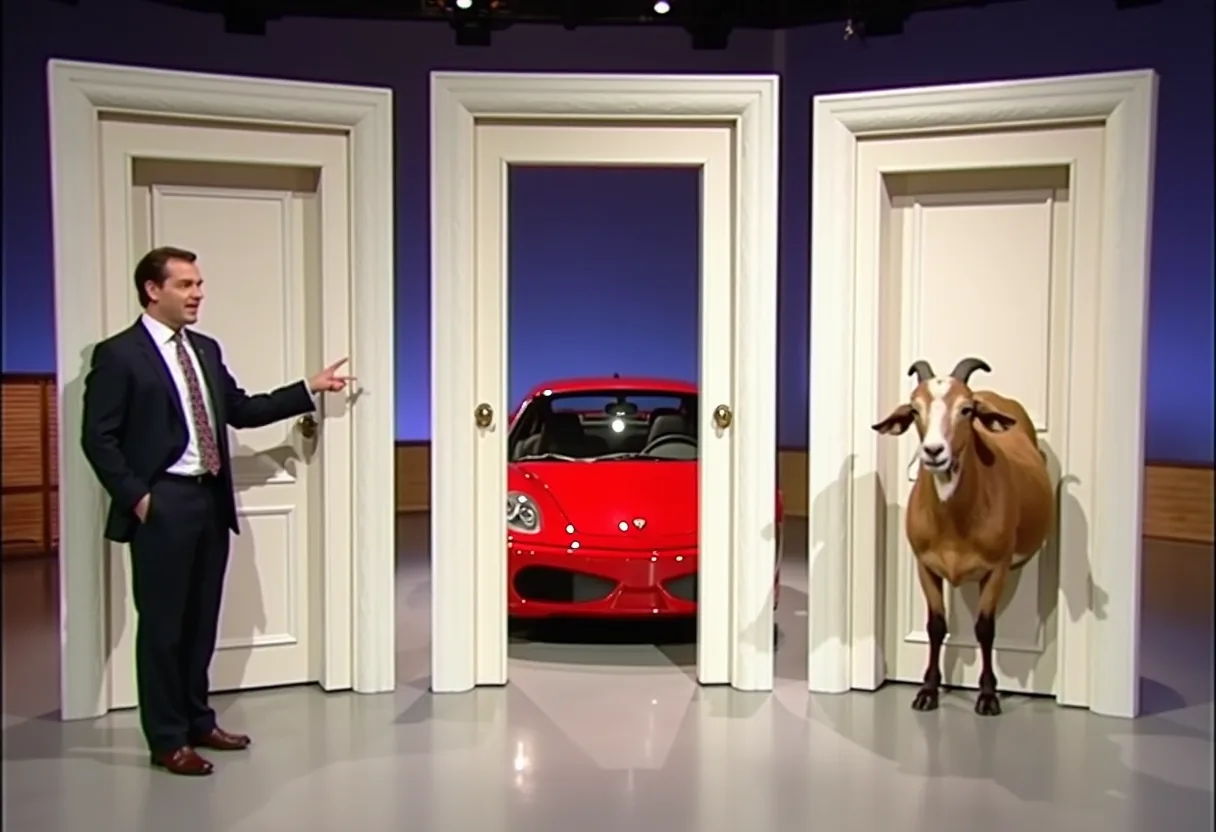
 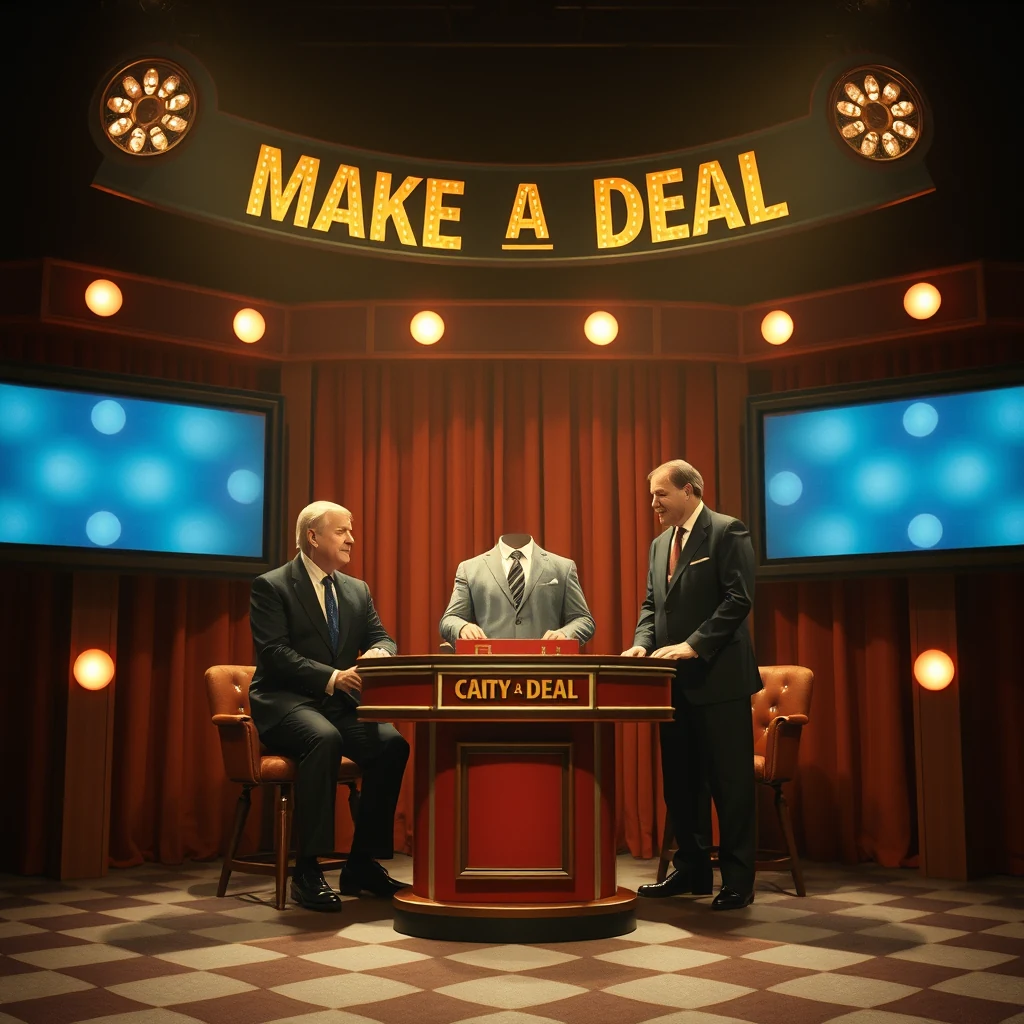 Work Let's Make a Deal An American television game show that premiered in 1963, originally hosted by Monty Hall. The show's format routinely involved contestants choosing between unseen prizes behind doors or curtains. This premise provided the namesake and inspiration for the famous probability puzzle, though the real show's rules were less strict.一档美国电视游戏节目,于1963年首播,最初由蒙提·霍尔主持。该节目的形式通常让参赛者在门或帘子背后看不见的奖品之间作选择。这一设定为那道著名的概率谜题提供了名字与灵感来源,尽管真实节目的规则并不那么严格。Un concurso de televisión estadounidense que se estrenó en 1963, presentado originalmente por Monty Hall. El formato del programa solía implicar que los concursantes eligieran entre premios ocultos detrás de puertas o cortinas. Esta premisa dio nombre e inspiración al célebre acertijo de probabilidad, aunque las reglas del programa real eran menos estrictas.برنامج مسابقات تلفزيوني أمريكي بدأ عرضه عام 1963، قدّمه أصلاً مونتي هول. وكان شكل البرنامج يتضمّن روتينياً اختيار المتسابقين بين جوائز مخفية خلف أبواب أو ستائر. ووفّرت هذه الفكرة الاسم والإلهام للغز الاحتمالات الشهير، مع أن قواعد البرنامج الفعلي كانت أقل صرامة.Um programa de auditório norte-americano que estreou em 1963, originalmente apresentado por Monty Hall. O formato do programa envolvia rotineiramente concorrentes escolhendo entre prêmios ocultos atrás de portas ou cortinas. Essa premissa deu nome e inspiração ao famoso enigma de probabilidade, embora as regras do programa real fossem menos rígidas.एक अमेरिकी टेलीविज़न गेम शो, जिसका प्रसारण 1963 में आरंभ हुआ और जिसकी मेज़बानी मूलतः मॉन्टी हॉल ने की। इस शो के प्रारूप में नियमित रूप से प्रतियोगी दरवाज़ों या परदों के पीछे छिपे पुरस्कारों में से चुनते थे। इस आधार ने प्रसिद्ध प्रायिकता-पहेली को उसका नाम और प्रेरणा दी, यद्यपि वास्तविक शो के नियम कम कठोर थे।Sebuah acara permainan televisi Amerika yang tayang perdana pada 1963, awalnya dipandu oleh Monty Hall. Format acara ini secara rutin melibatkan peserta yang memilih di antara hadiah tak terlihat di balik pintu atau tirai. Premis ini menjadi sumber nama dan inspirasi bagi teka-teki probabilitas yang terkenal itu, meski aturan acara sebenarnya tidak seketat itu.Un jeu télévisé américain diffusé pour la première fois en 1963, présenté à l'origine par Monty Hall. Le format de l'émission amenait régulièrement les candidats à choisir entre des lots cachés derrière des portes ou des rideaux. Cette prémisse donna son nom et son inspiration à la célèbre énigme de probabilité, même si les règles réelles de l'émission étaient moins strictes.一九六三年に始まったアメリカのテレビ・ゲーム番組で、当初はモンティ・ホールが司会を務めた。番組の形式では、出場者が扉や幕の奥に隠された賞品の間で選択するのが常であった。この前提が、有名な確率の謎に名前と着想を与えたが、実際の番組の規則はそれほど厳密ではなかった。Американское телевизионное игровое шоу, дебютировавшее в 1963 году, изначально ведущим которого был Монти Холл. Формат шоу обычно предполагал, что участники выбирают между невидимыми призами за дверями или занавесами. Эта предпосылка дала имя и послужила вдохновением для знаменитой головоломки о вероятности, хотя правила реального шоу были менее строгими.Eine amerikanische Fernseh-Spielshow, die 1963 Premiere hatte und ursprünglich von Monty Hall moderiert wurde. Das Format der Sendung beinhaltete regelmäßig, dass Kandidaten zwischen unsichtbaren Preisen hinter Türen oder Vorhängen wählten. Diese Prämisse lieferte den Namensgeber und die Inspiration für das berühmte Wahrscheinlichkeitsrätsel, obwohl die Regeln der tatsächlichen Show weniger streng waren.1963년에 처음 방송된 미국의 텔레비전 게임 쇼로, 본래 몬티 홀이 진행했다. 이 쇼의 형식은 으레 출연자가 문이나 커튼 뒤에 감춰진 상품 가운데 하나를 고르게 했다. 이 전제가 그 유명한 확률 수수께끼의 이름과 영감을 주었지만, 실제 쇼의 규칙은 그보다 덜 엄격했다. *: three doors, one car, two goats. You pick door 1. The host, Monty Hall
  Person Monty Hall A Canadian-American game show host and producer, best known for presenting Let's Make a Deal. Though his actual on-screen behaviour involved psychological manipulation and negotiation rather than strict probability, his name became permanently attached to the most famous statistical counter-intuition in mathematics.加拿大裔美国游戏节目主持人兼制作人,最著名的身份是主持《Let's Make a Deal》。尽管他在荧屏上的实际行为更多涉及心理操控与讨价还价,而非严格的概率,但他的名字却永久地与数学中最著名的统计学反直觉问题联系在了一起。Un presentador y productor de concursos de televisión canadiense-estadounidense, más conocido por presentar Let's Make a Deal. Aunque su comportamiento real ante las cámaras implicaba manipulación psicológica y negociación más que una probabilidad estricta, su nombre quedó ligado de forma permanente a la contraintuición estadística más famosa de las matemáticas.مقدّم برامج مسابقات ومنتج كندي أمريكي، اشتهر بتقديمه برنامج Let's Make a Deal. ومع أن سلوكه الفعلي على الشاشة انطوى على تلاعب نفسي ومفاوضة لا على احتمالات صارمة، فقد ارتبط اسمه بصورة دائمة بأشهر مفارقة إحصائية مناقضة للحدس في الرياضيات.Um apresentador e produtor de programas de auditório canadense-americano, mais conhecido por apresentar Let's Make a Deal. Embora seu comportamento real diante das câmeras envolvesse manipulação psicológica e negociação, em vez de probabilidade estrita, seu nome ficou permanentemente associado à mais famosa contraintuição estatística da matemática.एक कनाडाई-अमेरिकी गेम-शो मेज़बान और निर्माता, जो लेट्स मेक अ डील प्रस्तुत करने के लिए सर्वाधिक प्रसिद्ध हैं। यद्यपि उनका वास्तविक परदे पर का व्यवहार कठोर प्रायिकता के बजाय मनोवैज्ञानिक तोड़-मरोड़ और मोलभाव से जुड़ा था, उनका नाम गणित में सबसे प्रसिद्ध सांख्यिकीय प्रति-अंतर्ज्ञान से स्थायी रूप से जुड़ गया।Seorang pemandu acara permainan dan produser berkebangsaan Kanada-Amerika, paling dikenal karena memandu Let's Make a Deal. Meskipun perilaku aslinya di layar lebih melibatkan manipulasi psikologis dan negosiasi ketimbang probabilitas yang ketat, namanya menjadi melekat secara permanen pada kontra-intuisi statistik yang paling terkenal dalam matematika.Un animateur et producteur de jeux télévisés canado-américain, surtout connu pour avoir présenté Let's Make a Deal. Bien que son comportement réel à l'écran relevât de la manipulation psychologique et de la négociation plutôt que de la stricte probabilité, son nom resta définitivement attaché au contre-sens statistique le plus célèbre des mathématiques.「レッツ・メイク・ア・ディール」の司会で最もよく知られる、カナダ系アメリカ人のゲーム番組司会者にしてプロデューサー。実際の画面上での彼の振る舞いは、厳密な確率というよりは心理的な操作と交渉を伴うものであったが、彼の名は数学において最も有名な統計的直観への反例に、永遠に結びつけられることとなった。Канадско-американский ведущий и продюсер игровых шоу, наиболее известный как ведущий Let's Make a Deal. Хотя его реальное поведение в кадре предполагало психологические манипуляции и переговоры, а не строгую вероятность, его имя навсегда закрепилось за самой знаменитой статистической контринтуицией в математике.Ein kanadisch-amerikanischer Showmaster und Produzent, am besten bekannt für die Moderation von Let's Make a Deal. Obwohl sein tatsächliches Verhalten vor der Kamera eher psychologische Manipulation und Verhandlung als strenge Wahrscheinlichkeit umfasste, blieb sein Name auf Dauer mit dem berühmtesten statistischen Widerspruch zur Intuition in der Mathematik verbunden.Let's Make a Deal를 진행한 것으로 가장 잘 알려진 캐나다계 미국인 게임 쇼 진행자이자 프로듀서. 화면 속 그의 실제 행동은 엄밀한 확률보다는 심리적 조종과 흥정에 가까웠으나, 그의 이름은 수학에서 가장 유명한 통계적 반직관에 영영 붙어 버렸다. , who knows what is behind each door, opens door 3 to reveal a goat. He then offers you the chance to switch to door 2. Should you?

Vos Savant answered: yes, you should switch. Your chance of winning the car becomes 2/3, not 1/2. Within weeks, the magazine was buried under an estimated ten thousand letters. Nearly a thousand of them bore PhDs. 'You blew it,' wrote one mathematician from Cornell University  Institution Cornell University Ivy League research university in Ithaca, New York, founded in 1865. Its psychology department hosted Daniel Simons in the late 1990s when he and Daniel Levin ran the door study on a campus walkway. The fieldwork was Cornell-side, on real undergraduates who were genuinely just trying to give directions to a stranger holding a map.位于纽约州伊萨卡的常春藤盟校研究型大学,创建于1865年。20世纪90年代末,其心理学系曾接纳丹尼尔·西蒙斯(Daniel Simons),他与丹尼尔·莱文(Daniel Levin)在校园人行道上开展了"换人实验"(door study)。这项田野研究在康奈尔大学一侧进行,受试者是真正的本科生,他们当时只是真心实意地想为一位手持地图的陌生人指路。Universidad de la Ivy League ubicada en Ithaca, Nueva York, fundada en 1865. Su departamento de psicología acogió a Daniel Simons a finales de la década de 1990, cuando él y Daniel Levin llevaron a cabo el estudio de la puerta en un sendero del campus. El trabajo de campo se realizó en Cornell, con estudiantes de pregrado reales que sencillamente intentaban dar indicaciones a un desconocido que sostenía un mapa.الجامعة بحثية من رابطة اللبلاب تقع في إيثاكا بولاية نيويورك، تأسست عام 1865. استضاف قسم علم النفس فيها دانييل سيمونز في أواخر تسعينيات القرن العشرين حين أجرى مع دانييل ليفين دراسة الباب على ممرٍ في الحرم الجامعي. جرى العمل الميداني في كورنيل، على طلاب جامعيين حقيقيين كانوا فعلاً يحاولون فقط إرشاد غريبٍ يحمل خريطة.Universidade da Ivy League em Ithaca, Nova Iorque, fundada em 1865. O seu departamento de psicologia acolheu Daniel Simons no final da década de 1990, quando ele e Daniel Levin conduziram o estudo da porta numa passagem do campus. O trabalho de campo foi realizado do lado de Cornell, com estudantes universitários reais que estavam genuinamente apenas a tentar dar indicações a um estranho que segurava um mapa.न्यूयॉर्क के इथाका में स्थित एक आइवी लीग अनुसंधान विश्वविद्यालय, जिसकी स्थापना 1865 में हुई थी। इसके मनोविज्ञान विभाग ने 1990 के दशक के उत्तरार्ध में डैनियल साइमन्स की मेजबानी की थी, जब उन्होंने और डैनियल लेविन ने परिसर के एक पैदल मार्ग पर 'डोर स्टडी' (दरवाजा प्रयोग) का संचालन किया था। यह फील्डवर्क कॉर्नेल परिसर में उन वास्तविक स्नातक छात्रों पर किया गया था, जो वास्तव में केवल हाथ में नक्शा लिए एक अजनबी को रास्ता बताने का प्रयास कर रहे थे।Universitas riset Ivy League di Ithaca, New York, yang didirikan pada tahun 1865. Departemen psikologinya menaungi Daniel Simons pada akhir tahun 1990-an ketika ia dan Daniel Levin melakukan eksperimen pintu di jalur pejalan kaki kampus. Penelitian lapangan tersebut dilakukan di area kampus Cornell, dengan subjek mahasiswa sarjana sungguhan yang benar-benar hanya mencoba memberikan petunjuk arah kepada orang asing yang memegang peta.Université de recherche de l'Ivy League située à Ithaca, dans l'État de New York, fondée en 1865. Son département de psychologie a accueilli Daniel Simons à la fin des années 1990, période durant laquelle il a mené, avec Daniel Levin, l'« expérience de la porte » sur une allée du campus. Ce travail de terrain s'est déroulé sur le campus de Cornell, auprès de véritables étudiants de premier cycle qui tentaient simplement d'indiquer son chemin à un inconnu tenant une carte.1865年に創立された、ニューヨーク州イサカに位置するアイビーリーグ加盟の研究大学。1990年代後半、同大学の心理学部に所属していたダニエル・シモンズが、ダニエル・レヴィンとともにキャンパス内の歩道で「ドア実験」を行った。このフィールドワークはコーネル大学内で行われ、地図を持った見知らぬ人に純粋に道を教えようとしていた、実際の学部生を対象としていた。Исследовательский университет Лиги плюща в Итаке, штат Нью-Йорк, основанный в 1865 году. В конце 1990-х годов на его кафедре психологии работал Дэниел Саймонс; именно тогда он совместно с Дэниелом Левином провел «эксперимент с дверью» на пешеходной дорожке кампуса. Полевые исследования проходили на территории Корнелла, а испытуемыми стали обычные студенты бакалавриата, которые просто искренне пытались подсказать дорогу незнакомцу с картой.1865 gegründete Forschungsuniversität der Ivy League in Ithaca, New York. An ihrem psychologischen Institut forschte Ende der 1990er-Jahre Daniel Simons, als er und Daniel Levin die „Tür-Studie“ auf einem Campusweg durchführten. Die Feldforschung fand auf dem Cornell-Campus an echten Bachelorstudierenden statt, die tatsächlich nur versuchten, einem Fremden mit einer Karte den Weg zu weisen.1865년에 설립된 뉴욕주 이사카 소재의 아이비리그 연구 중심 대학이다. 1990년대 후반 이 대학 심리학과에 대니얼 사이먼스가 재직할 당시, 그와 대니얼 레빈은 캠퍼스 보도에서 '문 실험'을 진행했다. 현장 연구는 코넬대 캠퍼스에서 이루어졌으며, 지도를 든 낯선 사람에게 정말로 단순히 길을 안내하려던 실제 학부생들을 대상으로 했다. . 'You are the goat,' wrote another from the US National Academies
  Institution National Academies The U.S. National Academies of Sciences, Engineering, and Medicine, which every ten years convenes a Planetary Science Decadal Survey to rank the next decade's flagship missions. The 2023–2032 survey, published in 2022, placed a Uranus orbiter and probe at the top of its list, citing the planet's tilted magnetic field, its ring system, and the geological strangeness of its larger moons.美国国家学术院(包括科学、工程和医学三院)每十年召集一次行星科学十年调查,以对未来十年的旗舰任务进行排名。该调查于2022年发布了2023—2032年度报告,将天王星轨道器和探测器置于其推荐清单的首位,理由是天王星倾斜的磁场、其光环系统以及其大型卫星的地质奇异性。Las Academias Nacionales de Ciencias, Ingeniería y Medicina de EE.UU., que cada diez años convocan un Estudio Decenal de Ciencia Planetaria para clasificar las misiones insignia de la próxima década. El estudio 2023-2032, publicado en 2022, situó un orbitador y una sonda para Urano a la cabeza de su lista, citando el campo magnético inclinado del planeta, su sistema de anillos y la extrañeza geológica de sus lunas.الأكاديميات الوطنية للعلوم والهندسة والطب في الولايات المتحدة، والتي تعقد كل عشر سنوات مسحاً عشرياً للعلوم الكوكبية لتصنيف المهمات الرائدة للعقد القادم. وضع مسح 2023-2032، الذي نُشر عام 2022، مسباراً ومركبة مدارية لأورانوس في مقدمة قائمته، مستشهداً بالمجال المغناطيسي المائل للكوكب، ونظام حلقاته، والغرابة الجيولوجية لأقماره الأكبر.As Academias Nacionais de Ciências, Engenharia e Medicina dos EUA, que a cada dez anos realizam um Levantamento Decenal de Ciência Planetária para classificar as missões emblemáticas da década seguinte. O levantamento de 2023–2032, publicado em 2022, colocou um orbitador e uma sonda para Urano no topo de sua lista, citando o campo magnético inclinado do planeta, seu sistema de anéis e a estranheza geológica de suas luas maiores.यू.एस. नेशनल एकेडेमी ऑफ साइंसेज, इंजीनियरिंग एंड मेडिसिन, जो हर दस साल में अगले दशक के प्रमुख मिशनों को रैंक करने के लिए एक प्लैनेटरी साइंस डेकाडल सर्वे (Planetary Science Decadal Survey) आयोजित करती है। 2022 में प्रकाशित 2023-2032 के सर्वेक्षण में यूरेनस ऑर्बिटर और प्रोब को सूची में सबसे ऊपर रखा गया, जिसका कारण ग्रह का झुका हुआ चुंबकीय क्षेत्र, इसकी वलय प्रणाली और इसके बड़े चंद्रमाओं की भूवैज्ञानिक विचित्रता थी।Akademi Sains, Teknik, dan Kedokteran Nasional AS, yang setiap sepuluh tahun menyelenggarakan Survei Dekade Sains Planet untuk memeringkat misi utama dekade berikutnya. Survei 2023–2032, yang diterbitkan pada 2022, menempatkan pengorbit dan wahana Uranus di posisi teratas daftar prioritasnya, merujuk pada medan magnet Uranus yang miring, sistem cincinnya, dan keanehan geologis bulan-bulan besarnya.Académies nationales des sciences, d'ingénierie et de médecine des États-Unis, qui réunissent tous les dix ans une enquête décennale sur les sciences planétaires pour classer les missions phares de la décennie suivante. L'enquête 2023-2032, publiée en 2022, a placé un orbiteur et une sonde vers Uranus en tête de liste, citant le champ magnétique incliné de la planète, son système d'anneaux et la bizarrerie géologique de ses lunes.米国科学・工学・医学アカデミー。10年ごとに「惑星科学の10年計画調査」を招集し、次の10年間のフラッグシップ・ミッションの優先順位を決定している。2022年に発表された2023〜2032年の調査では、天王星の傾いた磁場、環システム、および主要衛星の地質学的特異性を挙げ、天王星周回機とプローブの計画を最優先事項に位置づけた。Национальные академии наук, техники и медицины США, которые каждые десять лет проводят Десятилетний обзор планетарных наук для ранжирования флагманских миссий следующего десятилетия. Обзор на 2023–2032 годы, опубликованный в 2022 году, поставил на первое место орбитальный аппарат и зонд к Урану, ссылаясь на наклоненное магнитное поле планеты, ее систему колец и геологические странности ее крупных лун.Die US-amerikanischen National Academies of Sciences, Engineering, and Medicine, die alle zehn Jahre einen Planetary Science Decadal Survey einberufen, um die Flaggschiff-Missionen des nächsten Jahrzehnts einzustufen. Die in 2022 veröffentlichte Umfrage für 2023–2032 setzte einen Uranus-Orbiter und eine Uranus-Sonde an die Spitze der Liste und begründete dies mit dem geneigten Magnetfeld des Planeten, seinem Ringsystem und der geologischen Eigenart seiner Monde.미국의 국립과학·공학·의학아카데미(National Academies)로, 10년마다 '행성 과학 10개년 조사(Planetary Science Decadal Survey)'를 개최하여 향후 10년간의 최우선 플래그십 탐사 임무의 순위를 매긴다. 2022년에 발표된 2023~2032년 조사 보고서에서는 우라누스(천왕성) 궤도선 및 탐사선 임무를 1위로 선정했으며, 그 사유로 천왕성의 기울어진 자기장, 고리 계통, 거대 위성들의 지질학적 독특성을 언급했다. . Even Paul Erdős
  Person Paul Erdős A highly prolific and eccentric Hungarian mathematician of the twentieth century. He published over 1,500 papers across discrete mathematics and graph theory, but notoriously struggled to accept the mathematical truth of the Monty Hall problem until he was shown a computer simulation of the outcomes.二十世纪一位极为多产而古怪的匈牙利数学家。他在离散数学与图论领域发表了逾1500篇论文,却出了名地难以接受蒙提霍尔问题的数学真相,直到有人向他展示了对各种结果的计算机模拟。Un matemático húngaro del siglo XX, sumamente prolífico y excéntrico. Publicó más de 1.500 artículos en matemáticas discretas y teoría de grafos, pero le costó notoriamente aceptar la verdad matemática del problema de Monty Hall hasta que le mostraron una simulación por computadora de los resultados.عالم رياضيات مجري غزير الإنتاج وغريب الأطوار من القرن العشرين. نشر أكثر من 1500 ورقة بحثية في الرياضيات المتقطعة ونظرية المخططات، لكنه عُرف بصعوبة قبوله الحقيقة الرياضية لمسألة مونتي هول حتى عُرضت عليه محاكاة حاسوبية للنتائج.Um matemático húngaro do século XX, extremamente prolífico e excêntrico. Publicou mais de 1.500 artigos em matemática discreta e teoria dos grafos, mas notoriamente teve dificuldade em aceitar a verdade matemática do problema de Monty Hall, até que lhe mostraram uma simulação computacional dos resultados.बीसवीं सदी के एक अत्यंत उत्पादक और सनकी हंगेरियन गणितज्ञ। उन्होंने विविक्त गणित और ग्राफ़ सिद्धांत में 1,500 से अधिक शोध-पत्र प्रकाशित किए, परंतु कुख्यात रूप से मॉन्टी हॉल समस्या के गणितीय सत्य को तब तक स्वीकार करने में संघर्ष करते रहे जब तक उन्हें परिणामों का एक कंप्यूटर-अनुकरण नहीं दिखाया गया।Seorang matematikawan Hungaria abad kedua puluh yang sangat produktif dan eksentrik. Ia menerbitkan lebih dari 1.500 makalah di bidang matematika diskret dan teori graf, tetapi terkenal kesulitan menerima kebenaran matematis masalah Monty Hall hingga ia ditunjukkan simulasi komputer dari hasil-hasilnya.Un mathématicien hongrois extrêmement prolifique et excentrique du vingtième siècle. Il publia plus de 1 500 articles en mathématiques discrètes et en théorie des graphes, mais peina notoirement à accepter la vérité mathématique du problème de Monty Hall, jusqu'à ce qu'on lui montre une simulation informatique des résultats.二十世紀の、きわめて多作で風変わりなハンガリーの数学者。離散数学やグラフ理論にわたって千五百を超える論文を発表したが、結果のコンピュータ・シミュレーションを見せられるまで、モンティ・ホール問題の数学的真実を受け入れるのに大いに苦しんだことで知られる。Чрезвычайно плодовитый и эксцентричный венгерский математик двадцатого века. Он опубликовал более 1500 работ по дискретной математике и теории графов, но, как известно, с трудом принимал математическую истинность парадокса Монти Холла, пока ему не показали компьютерное моделирование исходов.Ein äußerst produktiver und exzentrischer ungarischer Mathematiker des zwanzigsten Jahrhunderts. Er veröffentlichte über 1.500 Arbeiten in der diskreten Mathematik und der Graphentheorie, hatte jedoch bekanntermaßen Mühe, die mathematische Wahrheit des Ziegenproblems anzuerkennen, bis ihm eine Computersimulation der Ergebnisse vorgeführt wurde.지극히 다작이며 괴짜였던 20세기 헝가리 수학자. 그는 이산 수학과 그래프 이론에 걸쳐 1,500편이 넘는 논문을 발표했으나, 결과를 보여 주는 컴퓨터 시뮬레이션을 접하기 전까지는 몬티 홀 문제의 수학적 진실을 받아들이는 데 악명 높게 애를 먹었다. , one of the most prolific mathematicians in history, refused to believe the answer until he saw a computer simulation.
The logic that fooled everyone
The puzzle, originally posed by Steve Selvin  Person Steve Selvin An American statistician who first formulated the Monty Hall problem in a pair of 1975 letters to the American Statistician. He named the puzzle after the game show host and provided the first formal mathematical proof that switching doors doubles a player's chances of winning.美国统计学家,他于1975年写给《美国统计学家》杂志的两封信中,首次提出了蒙提霍尔问题。他以该游戏节目主持人的名字为这道谜题命名,并首次给出正式的数学证明:换门会使玩家的获胜概率翻倍。Un estadístico estadounidense que formuló por primera vez el problema de Monty Hall en un par de cartas de 1975 dirigidas a The American Statistician. Bautizó el acertijo con el nombre del presentador del concurso y aportó la primera demostración matemática formal de que cambiar de puerta duplica las probabilidades de ganar de un jugador.إحصائي أمريكي صاغ مسألة مونتي هول لأول مرة في رسالتين عام 1975 إلى مجلة The American Statistician. وقد سمّى اللغز تيمّناً بمقدّم برنامج المسابقات، وقدّم أول برهان رياضي رسمي على أن تبديل الأبواب يضاعف فرص اللاعب في الفوز.Um estatístico norte-americano que formulou pela primeira vez o problema de Monty Hall em um par de cartas de 1975 à revista The American Statistician. Ele batizou o enigma com o nome do apresentador do programa e forneceu a primeira prova matemática formal de que trocar de porta dobra as chances de vitória de um jogador.एक अमेरिकी सांख्यिकीविद् जिन्होंने 1975 में अमेरिकन स्टैटिस्टिशियन को लिखे पत्रों की एक जोड़ी में मॉन्टी हॉल समस्या को सर्वप्रथम सूत्रबद्ध किया। उन्होंने इस पहेली का नाम गेम-शो मेज़बान के नाम पर रखा और पहला औपचारिक गणितीय प्रमाण प्रदान किया कि दरवाज़े बदलने से खिलाड़ी के जीतने की संभावनाएँ दोगुनी हो जाती हैं।Seorang ahli statistik asal Amerika yang pertama kali merumuskan masalah Monty Hall dalam sepasang surat pada 1975 kepada jurnal American Statistician. Ia menamai teka-teki itu menurut pemandu acara permainan tersebut dan menyediakan bukti matematis formal pertama bahwa berganti pintu menggandakan peluang seorang pemain untuk menang.Un statisticien américain qui formula le premier le problème de Monty Hall dans une paire de lettres adressées en 1975 à la revue The American Statistician. Il baptisa l'énigme du nom de l'animateur du jeu télévisé et fournit la première démonstration mathématique formelle selon laquelle changer de porte double les chances de gagner d'un joueur.一九七五年にアメリカン・スタティスティシャン誌へ送った二通の手紙の中で、モンティ・ホール問題を初めて定式化したアメリカの統計学者。彼はその謎をゲーム番組の司会者にちなんで名づけ、扉を換えると勝つ確率が二倍になることを、初めて形式的に数学的に証明した。Американский статистик, впервые сформулировавший парадокс Монти Холла в паре писем 1975 года в журнал The American Statistician. Он назвал головоломку в честь ведущего игрового шоу и привёл первое формальное математическое доказательство того, что смена двери удваивает шансы игрока на выигрыш.Ein amerikanischer Statistiker, der das Ziegenproblem erstmals in zwei Briefen von 1975 an die Zeitschrift The American Statistician formulierte. Er benannte das Rätsel nach dem Showmaster und lieferte den ersten formalen mathematischen Beweis dafür, dass der Türwechsel die Gewinnchancen eines Spielers verdoppelt.1975년 아메리칸 스태티스티션에 보낸 두 통의 편지에서 몬티 홀 문제를 처음 정식화한 미국의 통계학자. 그는 게임 쇼 진행자의 이름을 따 이 수수께끼를 명명하고, 문을 바꾸면 우승 확률이 두 배가 된다는 사실을 최초로 형식적으로 수학적 증명했다. in *The American Statistician* in 1975, is a veridical paradox: the correct answer is demonstrably true but feels absurd. The intuitive mistake is to think that after one goat is revealed, the two remaining doors each have a 50% chance. But the host's knowledge changes the odds. When you first pick, you have a 1/3 chance of having chosen the car. That means there is a 2/3 chance the car is behind one of the other two doors. The host, who knows where the car is, must always open a door with a goat. By doing so, he concentrates that 2/3 probability onto the single remaining door. Switching doubles your chance of winning.

Vos Savant illustrated the point with a million doors: you pick one, the host opens 999,998 that hide goats, leaving only your door and one other. Would you switch? The answer becomes obvious. Yet the human brain, wired for quick heuristics, balks at the three-door version. Cognitive psychologists have since identified several biases at work: the endowment effect (we overvalue what we already own), status quo bias, and a tendency to treat all unknowns as equally likely.

What we still don't know
We do not know why the intuition is so stubborn. Even after seeing the mathematical proof, many people continue to feel that switching cannot matter. The puzzle has become a classic case study in the psychology of reasoning, but the neural basis of this resistance remains unclear.

We do not know how many of those angry letter-writers ever changed their minds. Vos Savant published a follow-up column in December 1990, patiently re-explaining the logic. Some readers wrote back to apologise. Others, she noted, simply stopped writing.

And we do not know whether Monty Hall himself ever fully endorsed the puzzle. In interviews, Hall pointed out that on the real show he was not bound to open a door or offer a switch; he could change the game at any moment. The puzzle, he said, was a 'mathematical problem, not a game-show problem.'

The Monty Hall problem remains the most famous example of how poorly even trained minds handle conditional probability. It is a small, perfect trap, and we keep walking into it.