You are driving south on a major motorway, the rhythmic thrum of tyres on tarmac acting as a steady, low-frequency metronome. The white lines flicker past at a hundred kilometres per hour, a relentless strobe light against the charcoal night. Suddenly, you notice an exit sign for a town thirty miles behind where you thought you were. You have no memory of the bridge you crossed, the trucks you overtook, or the light rain that began ten minutes ago. Your hands steered, your feet modulated the pedals, and your eyes tracked the curves, but you were not there.
This phenomenon, colloquially known as "white line fever," was formally termed by G. W. Williams Person G. W. Williams A psychologist who, in a 1963 article in Traffic Quarterly, first coined the term 'highway hypnosis'. His work focused on the dangers of monotonous driving and the hypnotic-like states induced by the modern interstate highway system, contributing to early safety standards.一位心理学家,在1963年发表于《交通季刊》的一篇文章中,首次提出“高速公路催眠”这一术语。他的研究重点是单调驾驶的危险性以及现代州际高速公路系统所引发的类似催眠的状态,为早期安全标准的制定做出了贡献。Un psicólogo que, en un artículo de 1963 en Traffic Quarterly, acuñó por primera vez el término «hipnosis de autopista». Su trabajo se centró en los peligros del manejo monótono y en los estados semejantes a la hipnosis inducidos por el sistema moderno de carreteras interestatales, contribuyendo a los estándares iniciales de seguridad.عالم نفسي، قدم في مقال نُشر عام 1963 في دورية "الترويسة" مصطلح "الهذيان على الطرق السريعة". تركزت أعماله على مخاطر القيادة المُتكررة والوضعيات المُشبعة للهذيان الناتجة عن نظام الطرق السريعة الحديث، مما ساهم في وضع معايير السلامة المبكرة.Um psicólogo que, em um artigo de 1963 na revista Traffic Quarterly, cunhou pela primeira vez o termo "hipnose rodoviária". Seu trabalho centrava-se nos perigos do direcionamento monótono e nos estados semelhantes à hipnose induzidos pelo sistema moderno de rodovias interestaduais, contribuindo para os primeiros padrões de segurança.एक मनोवैज्ञानिक जिसने 1963 में ट्रैफ़िक क्वार्टरली में एक लेख में 'हाईवे हाइप्नोसिस' शब्द का निर्माण सर्वप्रथम किया था। उनका कार्य एकरूप ड्राइविंग के खतरों तथा आधुनिक अंतरराज्यीय राजमार्ग प्रणाली द्वारा उत्पन्न हाइप्नोटिक-जैसी अवस्थाओं पर केंद्रित था, जिसका योगदान प्रारंभिक सुरक्षा मानकों में हुआ।Seorang psikolog yang pada artikel tahun 1963 di Traffic Quarterly pertama kali memperkenalkan istilah "hipnosis jalan raya". Karyanya berfokus pada bahaya mengemudi yang monoton dan kondisi seperti hipnosis yang ditimbulkan oleh sistem jalan tol modern, yang berkontribusi pada standar keselamatan awal.Un psychologue qui, dans un article publié en 1963 dans Traffic Quarterly, fut le premier à employer le terme « hypnose autoroutière ». Son œuvre portait sur les dangers de la monotonie de la conduite et les états proches de l'hypnose provoqués par le système moderne d'autoroutes, contribuant ainsi aux premières normes de sécurité.1963年に『トラフィック・クォータリー』誌に掲載された論文で、「ハイウェイ・ヒプノシス(高速道路催眠)」という用語を初めて造り出した心理学者。彼の研究は、単調な運転の危険性や、現代のインターチェンジ高速道路システムによって誘発される催眠状態のような状態に焦点を当て、初期の安全基準の確立に貢献した。Психолог, который в статье 1963 года в журнале Traffic Quarterly впервые придумал термин «гипноз автомагистрали». Его работа была сосредоточена на опасностях однообразной езды и гипнотизирующем состоянии, вызванном современной системой межштатных автомагистралей, что способствовало созданию ранних стандартов безопасности.Ein Psychologe, der in einem Artikel aus dem Jahr 1963 in der Zeitschrift Traffic Quarterly erstmals den Begriff „Highway-Hypnose“ prägte. Seine Arbeit konzentrierte sich auf die Gefahren monotonen Fahrens und die hypnoseähnlichen Zustände, die durch das moderne Bundesautobahn-System ausgelöst werden, und trug zu frühen Sicherheitsstandards bei.1963년 『트래픽 쿼터리』(Traffic Quarterly)에 실린 논문에서 '고속도로 히포노시스(highway hypnosis)'라는 용어를 처음으로 창안한 심리학자이다. 그의 연구는 단조로운 운전의 위험성과 현대 고속도로 시스템이 유발하는 홀로 주의가 집중되는 상태에 초점을 맞추었으며, 초기 안전 기준 마련에 기여하였다. as highway hypnosis in 1963. It is a state of "driving without attention mode," where the conscious mind departs the cockpit, leaving a sophisticated biological autopilot in charge. Unlike the chaotic drift of a drunk driver, the hypnotised driver often performs with eerie precision, maintaining lane position and speed until an unexpected event—a sudden brake light or a stray animal—shatters the trance.
The architecture of autopilot
This mental bifurcation relies on automaticity Concept automaticity The ability to perform complex actions without conscious thought, typically developed through repetition and expertise. In psychology, it describes the transition of a task from requiring controlled, executive attention to being managed by subconscious processes, significantly reducing the cognitive load on the individual.无需有意识思考即可执行复杂动作的能力,通常通过重复和专业知识而发展。在心理学中,它描述了任务从需要受控的执行性注意力转变为由潜意识过程管理的过程,从而显著减轻个体的认知负担。La capacidad de realizar acciones complejas sin pensamiento consciente, normalmente desarrollada mediante la repetición y la especialización. En psicología, describe la transición de una tarea desde requerir atención ejecutiva controlada hasta ser manejada por procesos subconscientes, reduciendo significativamente la carga cognitiva sobre el individuo.القدرة على أداء أفعال معقدة دون تفكير واعٍ، وعادةً ما تُكتسب من خلال التكرار والخبرة. في علم النفس، تصف هذه الظاهرة انتقال مهمة من أنها تتطلب انتباهًا تنفيذيًا مُحكَّمًا إلى أن تُدارة بواسطة عمليات تحت الواعي، مما يقلل بشكل كبير من عبء الإدراك على الفرد.A capacidade de realizar ações complexas sem pensamento consciente, geralmente desenvolvida através da repetição e da expertise. Em psicologia, descreve a transição de uma tarefa que exige atenção executiva controlada para ser gerida por processos subconscientes, reduzindo significativamente a carga cognitiva sobre o indivíduo.जटिल कार्यों को अपने आप बिना चिंतन के करने की क्षमता, जो आमतौर पर पुनरावृत्ति और विशेषज्ञता के माध्यम से विकसित होती है। मनोविज्ञान में, यह एक कार्य के नियंत्रित, निर्णायक ध्यान की आवश्यकता से सुप्रभावी प्रक्रियाओं द्वारा प्रबंधन की ओर स्थानांतरण का वर्णन करता है, जो व्यक्ति पर बुद्धिमान भार को काफी हद तक कम कर देता है।Kemampuan untuk melakukan tindakan kompleks tanpa pikiran sadar, biasanya dikembangkan melalui repetisi dan keahlian. Dalam psikologi, hal ini menggambarkan transisi suatu tugas dari membutuhkan perhatian eksekutif yang terkendali menjadi dikelola oleh proses bawah sadar, secara signifikan mengurangi beban kognitif pada individu.Capacité à exécuter des actions complexes sans réflexion consciente, généralement acquise par la répétition et l'expertise. En psychologie, elle décrit la transition d'une tâche nécessitant une attention exécutive contrôlée vers une gestion par des processus inconscients, réduisant ainsi considérablement la charge cognitive de l'individu.複雑な行動を意識せずに遂行する能力で、通常は反復と専門知識を通じて養われる。心理学においては、タスクが制御的・実行的な注意を必要とするものから、無意識のプロセスによって処理されるものへの移行を指し、個人の認知的負荷を大幅に軽減する。Способность выполнять сложные действия без сознательного мышления, обычно развиваемая через повторение и опыт. В психологии это описывает переход задачи от требующей контроля и внимания к управлению подсознательными процессами, значительно снижая когнитивную нагрузку на человека.Die Fähigkeit, komplexe Handlungen ohne bewusste Gedanken auszuführen, meist durch Wiederholung und Expertise entwickelt. In der Psychologie beschreibt sie den Übergang einer Aufgabe von der Anforderung gesteuerter, exekutiver Aufmerksamkeit hin zu deren Übernahme durch unbewusste Prozesse, wodurch die kognitive Belastung für die Person erheblich reduziert wird.의식적인 사고 없이 복잡한 행동을 수행할 수 있는 능력으로, 일반적으로 반복과 전문성을 통해 발달한다. 심리학에서는 어떤 업무가 통제적이고 집중적인 주의를 필요로 하던 단계에서 무의식적 과정에 의해 처리되는 단계로의 전환을 설명하는 개념이다. 이는 개인의 인지적 부담을 크게 줄여준다. , the brain’s ability to execute complex, overlearned sequences with minimal metabolic cost. When we first learn to drive, every gear change and mirror check is a taxing cognitive event. With expertise, these movements migrate from the executive centres of the prefrontal cortex 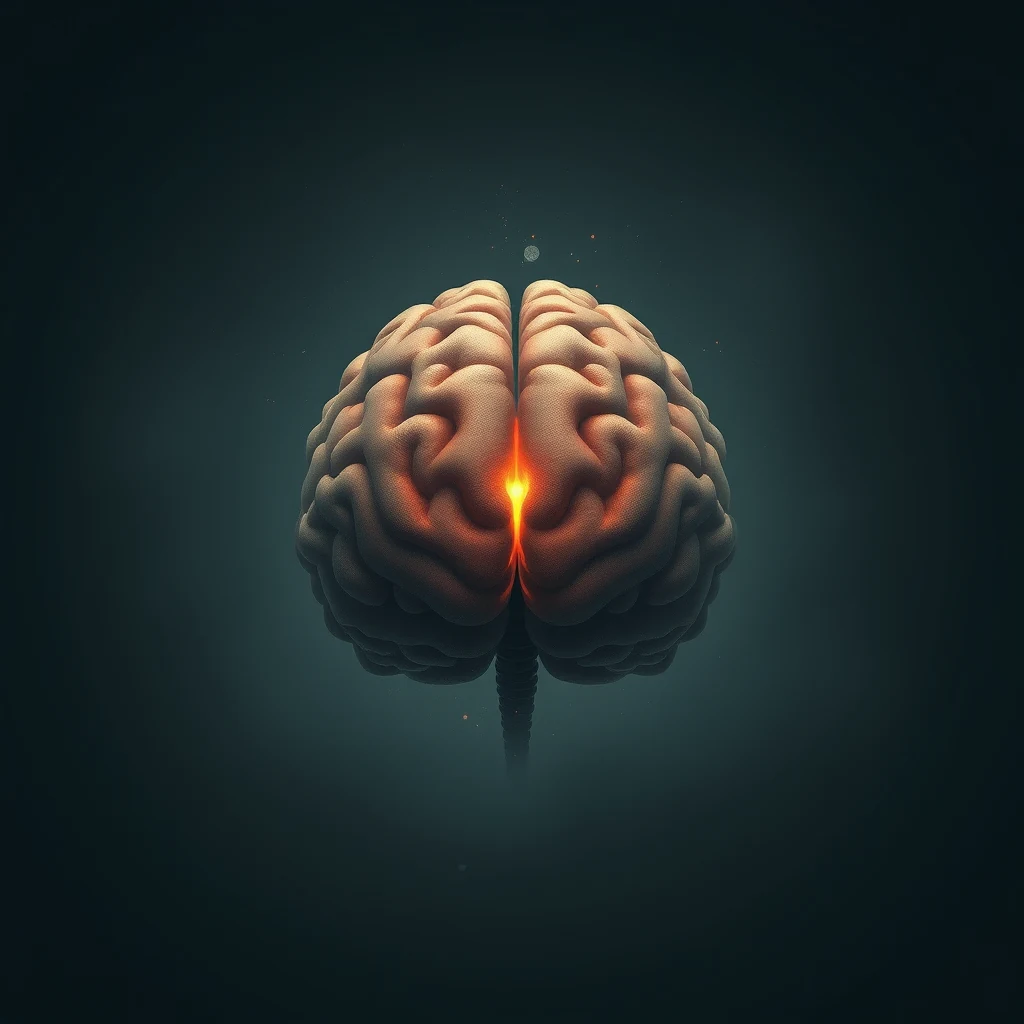 Concept prefrontal cortex The cerebral cortex covering the front part of the mammalian frontal lobe. It is responsible for complex cognitive behaviour, personality expression, decision making, and moderating social behaviour, as well as modulating the expectation and perception of pain.覆盖哺乳动物额叶前部的大脑皮层。它负责复杂的认知行为、人格表达、决策以及对社会行为的调节,同时还调控着对疼痛的预期与感知。La corteza cerebral que recubre la parte frontal del lóbulo frontal de los mamíferos. Es responsable del comportamiento cognitivo complejo, la expresión de la personalidad, la toma de decisiones y la moderación del comportamiento social, además de modular la expectativa y la percepción del dolor.القشرة الدماغية التي تغطّي الجزء الأمامي من الفص الجبهي لدى الثدييات. وهي مسؤولة عن السلوك الإدراكي المعقّد والتعبير عن الشخصية واتخاذ القرار وتعديل السلوك الاجتماعي، فضلاً عن تعديل توقّع الألم وإدراكه.O córtex cerebral que recobre a parte frontal do lobo frontal dos mamíferos. É responsável pelo comportamento cognitivo complexo, pela expressão da personalidade, pela tomada de decisões e pela moderação do comportamento social, além de modular a expectativa e a percepção da dor.स्तनधारी ललाट खंड के अग्र भाग को आच्छादित करने वाली प्रमस्तिष्क-प्रांतस्था। यह जटिल संज्ञानात्मक व्यवहार, व्यक्तित्व-अभिव्यक्ति, निर्णय-निर्माण और सामाजिक व्यवहार के नियमन के लिए, साथ ही दर्द की अपेक्षा और प्रत्यक्षण के अनुमॉडुलन के लिए उत्तरदायी है।Korteks serebrum yang menutupi bagian depan lobus frontal mamalia. Bagian ini bertanggung jawab atas perilaku kognitif yang kompleks, ekspresi kepribadian, pengambilan keputusan, dan pengaturan perilaku sosial, serta memodulasi harapan dan persepsi terhadap nyeri.Le cortex cérébral qui recouvre la partie antérieure du lobe frontal des mammifères. Il est responsable des comportements cognitifs complexes, de l'expression de la personnalité, de la prise de décision et de la modération du comportement social, ainsi que de la modulation de l'attente et de la perception de la douleur.哺乳類の前頭葉の前部を覆う大脳皮質。複雑な認知行動、人格の表出、意思決定、社会的行動の調整を司り、また痛みの期待と知覚を調節する役割も担う。Кора больших полушарий, покрывающая переднюю часть лобной доли у млекопитающих. Она отвечает за сложное когнитивное поведение, выражение личности, принятие решений и регуляцию социального поведения, а также за модуляцию ожидания и восприятия боли.Die Großhirnrinde, die den vorderen Teil des Stirnlappens der Säugetiere bedeckt. Sie ist verantwortlich für komplexes kognitives Verhalten, den Ausdruck der Persönlichkeit, die Entscheidungsfindung und die Steuerung sozialen Verhaltens sowie für die Modulation der Erwartung und Wahrnehmung von Schmerz.포유류 전두엽의 앞부분을 덮는 대뇌 피질. 복잡한 인지 행동과 성격 표현, 의사 결정, 사회적 행동의 조절을 담당하며, 통증에 대한 기대와 지각을 조절하는 일도 맡는다. to the more ancient, robust structures of procedural memory Concept procedural memory A type of long-term memory responsible for knowing how to perform motor skills and habits, such as riding a bicycle or driving a car. Unlike memories of facts, procedural memory is largely unconscious and is stored in the cerebellum and basal ganglia rather than the hippocampus.一种长期记忆类型,负责掌握执行运动技能和习惯的能力,例如骑自行车或驾驶汽车。与事实记忆不同,程序性记忆主要为无意识的,并储存在小脑和基底神经节,而非海马体。Un tipo de memoria a largo plazo responsable de conocer cómo realizar habilidades motoras y hábitos, como andar en bicicleta o conducir un automóvil. A diferencia de las memorias de hechos, la memoria procedimental es en gran medida inconsciente y se almacena en el cerebelo y ganglios basales, en lugar del hipocampo.الذاكرة الإجرائية نوع من الذاكرة طويلة المدى مسؤول عن معرفة كيفية أداء المهارات الحركية والعادات، مثل ركوب الدراجة أو قيادة السيارة. على عكس ذكريات الحقائق، فإن الذاكرة الإجرائية تُعتبر إلى حد كبير غير واعية، وتخزن في المخيخ والجهاز البازالي بدلًا من الفص الصدغي.Um tipo de memória de longo prazo responsável por saber como realizar habilidades motoras e hábitos, como andar de bicicleta ou dirigir um carro. Ao contrário das memórias de fatos, a memória procedural é em grande parte inconsciente e é armazenada no cerebelo e nos gânglios da base, e não no hipocampo.एक तरह की दीर्घकालिक स्मृति जो मोटर कौशल और आदतों के करने के बारे में जानकारी के लिए जिम्मेदार होती है, जैसे कि साइकिल चलाना या कार चलाना। तथ्यों की स्मृति के विपरीत, प्रक्रियात्मक स्मृति बड़े पैमाने पर अचेतन होती है और इसके भंडारण के लिए सेरीबेलम और बेसल गैंगलिया हिप्पोकैम्पस के बजाय जिम्मेदार होते हैं।Sejenis memori jangka panjang yang bertanggung jawab atas kemampuan untuk melakukan keterampilan motorik dan kebiasaan, seperti mengendarai sepeda atau mobil. Berbeda dengan memori tentang fakta, memori prosedural sebagian besar bersifat tidak sadar dan disimpan di serebelum dan basal ganglia, bukan di hipokampus.Un type de mémoire à long terme responsable de la connaissance de la manière d'accomplir des compétences motrices et des habitudes, tels que faire du vélo ou conduire une voiture. Contrairement aux souvenirs d'informations factuelles, la mémoire procédurale est en grande partie inconsciente et est stockée dans le cervelet et les ganglions de la base plutôt que dans l'hippocampe.行動技能や習慣(自転車の乗り方や車の運転など)を遂行する方法を記憶する長期記憶の一種。事実の記憶とは異なり、手続き記憶は主に無意識的であり、海馬ではなく小脳および基底核に保存される。Вид долговременной памяти, отвечающий за знание того, как выполнять двигательные навыки и привычки, такие как езда на велосипеде или вождение автомобиля. В отличие от памяти о фактах, процедурная память в основном бессознательна и хранится в мозжечке и базальных ганглиях, а не в гиппокампе.Ein Typ langfristigen Gedächtnisses, der dafür verantwortlich ist, wie man motorische Fähigkeiten und Gewohnheiten ausführt, beispielsweise Fahrrad fahren oder Auto fahren. Anders als Fakten-Gedächtnisse ist das prozedurale Gedächtnis überwiegend unbewusst und wird im Kleinhirn und den Basalganglien gespeichert, nicht im Hippocampus.운동 기술과 습관, 즉 자전거 타기나 자동차 운전과 같은 것을 수행하는 방법을 아는 데 책임지는 장기 기억의 한 형태이다. 사실에 대한 기억과 달리 절차적 기억은 주로 무의식적이며 해마보다 소뇌와 기저핵에 저장된다. . This allows the "self" to wander while the "machine" manages the physics. It is the same process that lets a concert pianist speak while playing a familiar sonata.
When the road becomes predictable, the brain’s default mode network Concept default mode network A network of interacting brain regions that is most active when a person is not focused on the outside world. It is associated with mind-wandering, self-reflection, and imagining the future, and it typically deactivates when the brain engages in a goal-oriented task.一个由相互作用的大脑区域组成的网络,当一个人不专注于外部世界时最为活跃。它与心神游移、自我反思和想象未来有关,当大脑从事目标导向的任务时,该网络通常会失活。Una red de regiones cerebrales interconectadas que es más activa cuando una persona no está centrada en el mundo exterior. Se asocia con la divagación mental, la autorreflexión y la imaginación del futuro, y normalmente se desactiva cuando el cerebro se enfoca en una tarea orientada a un objetivo.شبكة من المناطق الدماغية المتفاعلة التي تكون أكثر نشاطًا عندما لا يكون الشخص مركّزًا على العالم الخارجي. ترتبط هذه الشبكة بالتفكير العشوائي، والتأمل الذاتي، وتخيّل المستقبل، وعادة ما تُفعّل عندما يُشارك الدماغ في مهمة هادفة.Uma rede de regiões cerebrais interagindo que está mais ativa quando uma pessoa não está focada no mundo externo. Está associada à divagação mental, à reflexão pessoal e à imaginação do futuro, e tipicamente se desativa quando o cérebro se engaja em uma tarefa orientada para um objetivo.एक ब्रेन क्षेत्रों का नेटवर्क जो तब अधिकतम सक्रिय होता है जब कोई व्यक्ति बाहरी दुनिया पर ध्यान नहीं कर रहा होता। इसे मन के भटकने, स्वयं पर चिंतन करने और भविष्य की कल्पना करने से जोड़ा गया है, और आम तौर पर यह तब निष्क्रिय हो जाता है जब दिमाग कोई लक्ष्य आधारित कार्य करता है।Jaringan kawasan otak yang berinteraksi yang paling aktif ketika seseorang tidak fokus pada dunia luar. Jaringan ini dikaitkan dengan pikiran mengembara, introspeksi diri, dan membayangkan masa depan, serta biasanya mengalami deaktivasi ketika otak terlibat dalam tugas yang berorientasi tujuan.Un réseau d'aires cérébrales interagissant entre elles, le plus actif lorsque la personne n'est pas concentrée sur le monde extérieur. Il est associé à la divagation mentale, à la réflexion sur soi-même et à l'imagination du futur, et il se désactive généralement lorsque le cerveau s'engage dans une tâche orientée vers un objectif.脳の相互作用する領域からなるネットワークで、人が外部世界に集中していないときに最も活動的になる。これは、心の迷いや自己反省、未来の想像と関連し、脳が目的指向的な作業に従事する際には通常、活動を停止する。Сеть взаимодействующих зон мозга, которая наиболее активна, когда человек не сосредоточен на внешнем мире. Она связана с блужданием мысли, самоанализом и воображением будущего, и обычно деактивируется, когда мозг приступает к задаче, направленной на достижение цели.Ein Netzwerk interagierender Gehirnregionen, das am aktivsten ist, wenn eine Person sich nicht auf die Außenwelt konzentriert. Es ist mit Gedankenverlusten, Selbstreflexion und der Vorstellung der Zukunft verbunden und deaktiviert sich typischerweise, wenn das Gehirn eine zielgerichtete Aufgabe ausführt.의식이 외부 세계에 집중되지 않은 상태에서 가장 활성화되는 상호작용하는 뇌 영역의 네트워크이다. 이는 마음이 방황하고 자기 성찰하며 미래를 상상할 때와 관련이 있으며, 뇌가 목표 지향적인 작업에 집중할 때 일반적으로 비활성화된다. —the circuitry associated with daydreaming and self-reflection—takes over. This creates a state of dissociation Concept dissociation A mental process of disconnecting from one's thoughts, feelings, memories, or sense of identity. In the context of driving, it refers to the separation of the stream of consciousness, allowing one part of the mind to handle motor tasks while the other engages in internal dialogue.一种从自身思想、情感、记忆或身份感中抽离的心理过程。在驾驶的背景下,它指的是意识流的分离,使心智的一部分负责处理动作任务,而另一部分则进行内部对话。Un proceso mental de desconexión de los pensamientos, sentimientos, recuerdos o sentido de identidad. En el contexto de conducir, se refiere a la separación del flujo de conciencia, permitiendo que una parte de la mente maneje tareas motoras mientras la otra participa en un diálogo interno.عملية ذهنية تتعلق بفصل الذات عن أفكارها أو مشاعرها أو ذكرياتها أو إحساسها الهويوي. في سياق القيادة، تشير إلى انفصال تيار الوعي، مما يسمح بجزء من العقل لمعالجة المهام الحركية بينما يشارك الجزء الآخر في الحوار الداخلي.Um processo mental de desconexão em relação aos próprios pensamentos, sentimentos, memórias ou senso de identidade. No contexto da condução, refere-se à separação do fluxo de consciência, permitindo que uma parte da mente trate tarefas motoras enquanto a outra se envolve em diálogo interno.एक मानसिक प्रक्रिया है जिसमें व्यक्ति अपने विचारों, भावनाओं, स्मृतियों या पहचान के अहं अनुभव से अलग हो जाता है। ड्राइविंग के संदर्भ में, इसका अर्थ चेतना के प्रवाह के अलग होने से होता है, जिससे मन का एक भाग गतिशील कार्यों को संभालता है जबकि दूसरा आंतरिक संवाद में लगा रहता है।Suatu proses mental memisahkan diri dari pikiran, perasaan, kenangan, atau identitas diri. Dalam konteks berkendara, istilah ini mengacu pada pemisahan aliran kesadaran, memungkinkan satu bagian pikiran menangani tugas motorik sementara bagian lain terlibat dalam dialog internal.Processus mental consistant à se désengager de ses pensées, émotions, souvenirs ou sentiment d'identité. Dans le contexte de la conduite, il désigne la séparation du flux de conscience, permettant à une partie de l'esprit de gérer les tâches motrices tandis que l'autre s'engage dans un dialogue intérieur.意識から自分の思考、感情、記憶、またはアイデンティティの感覚を切り離す精神的プロセス。運転の文脈では、意識の流れを分離することを指し、心の一部が運動作業を処理する一方で、もう一部が内面的な対話に従事することができるようになる。Ментальный процесс отсоединения от своих мыслей, чувств, воспоминаний или чувства идентичности. В контексте вождения это относится к разделению потока сознания, позволяя одной части ума выполнять моторные задачи, в то время как другая вовлечена во внутренний диалог.Ein geistiger Prozess des Abkommens von Gedanken, Gefühlen, Erinnerungen oder dem Bewusstsein der eigenen Identität. Im Kontext des Fahrens bezeichnet es die Trennung des Bewusstseinsstroms, wodurch ein Teil des Geistes motorische Aufgaben übernimmt, während der andere Teil sich mit innerem Dialog beschäftigt.의식에서 자신의 생각, 감정, 기억 또는 정체성과의 연결을 끊는 정신적 과정이다. 운전의 맥락에서는 의식의 흐름이 분리되는 것을 의미하며, 정신의 한 부분이 운동 기능을 처리하는 동시에 다른 부분이 내부 대화에 집중할 수 있게 된다. where the stream of consciousness is split. One part handles the tactical demands of the road, while the other is lost in a rehearsal of an upcoming meeting or a memory of a childhood summer. Because the brain is not actively encoding these moments into episodic memory Concept episodic memory The memory of everyday events, specifically those that can be explicitly stated or conjured as a mental 're-living' of the past. It includes contextual information such as time and place. Highway hypnosis often results in a failure to encode this type of memory for the duration of the trance.日常事件的记忆,特别是那些可以明确陈述或在心理上“重新体验”过去的事件。它包括时间、地点等背景信息。在催眠状态持续期间,高速催眠常常导致无法对这类记忆进行编码。La memoria de eventos cotidianos, específicamente aquellos que pueden expresarse explícitamente o evocarse como una re-experiencia mental del pasado. Incluye información contextual, como el tiempo y el lugar. La hipnosis vial suele provocar una falla en la codificación de este tipo de memoria durante la duración del trance.تذكّر الأحداث اليومية، خصوصًا تلك التي يمكن التعبير عنها صراحةً أو تخيّلها في الذهن كإعادة تجربةٍ ذهنيةٍ للماضي. وتشمل معلومات سياقية مثل الوقت والمكان. غالبًا ما يؤدي نعاس الطريق إلى فشل تشفير هذا النوع من الذكريات خلال مدة الغيبوبة.A memória dos eventos do cotidiano, especificamente aqueles que podem ser explicitamente declarados ou evocados como uma re-experiência mental do passado. Inclui informações contextuais, tais como tempo e lugar. A hipnose rodoviária frequentemente resulta na incapacidade de codificar este tipo de memória durante a duração do transe.दिनचर्या की घटनाओं की स्मृति, विशेष रूप से उन घटनाओं की जिन्हें व्याख्यात्मक रूप से बताया जा सकता है या मन में पिछले काल के अनुभव के रूप में पुनः बनाया जा सकता है। इसमें समय और स्थान जैसी संदर्भिक जानकारी शामिल होती है। राजमार्ग के निर्माण के कारण ध्यान खींचने के दौरान इस प्रकार की स्मृति के कोडिंग में असफलता हो जाती है।Ingatan tentang kejadian sehari-hari, khususnya yang dapat dinyatakan secara eksplisit atau dibayangkan kembali secara mental sebagai pengalaman masa lalu. Ini mencakup informasi kontekstual seperti waktu dan tempat. Hipnosis jalan raya sering kali menyebabkan kegagalan dalam menyimpan jenis ingatan ini selama masa trans.La mémoire des événements du quotidien, en particulier ceux qui peuvent être explicitement rapportés ou revécus mentalement comme un « reviviscence » du passé. Elle inclut des informations contextuelles telles que le temps et le lieu. L'hypnose autoroutière entraîne souvent un échec à encoder ce type de mémoire pendant la durée du transe.日常的な出来事の記憶、特に明示的に述べたり、心の中で過去を「再経験」できるようなものである。時間や場所などの文脈情報を含む。ハイウェイ・ヒプノーシスは、この種の記憶をトランス状態の間、符号化できなくなる原因となることが多い。Память на повседневные события, в частности на те, что могут быть явно сформулированы или представлены в уме как переживание прошлого. Включает контекстную информацию, такую как время и место. Гипноз на дороге часто приводит к нарушению закрепления этого типа памяти на протяжении транса.Das Gedächtnis für alltägliche Ereignisse, insbesondere jene, die explizit formuliert oder als mentales „Wiedererleben“ der Vergangenheit rekonstruiert werden können. Es umfasst kontextuelle Informationen wie Zeit und Ort. Der Highway-Hypnose folgt häufig ein Versagen bei der Kodierung dieses Gedächtnistyps während der Dauer des Tranceszustands.일상적인 사건의 기억, 특히 명시적으로 표현하거나 과거를 정신적으로 '다시 체험'할 수 있는 기억을 말한다. 이는 시간과 장소와 같은 맥락 정보를 포함한다. 고속도로 히피노시스는 이 trance 상태가 지속되는 동안 이러한 기억을 인코딩하지 못하게 만들기 쉽다. , the time simply vanishes. The experience is akin to a transition between mental states that wipes the previous buffer.
The invisible risk
The danger is not that the driver is asleep, but that their sensory threshold has plummeted. Under highway hypnosis, a driver may experience a microsleep Concept microsleep A fleeting episode of sleep or drowsiness that lasts from a fraction of a second up to thirty seconds. During microsleep, the brain temporarily goes offline, and the individual may remain with their eyes open, though they are unable to process external information or react to stimuli.一次短暂的睡眠或困倦状态,持续时间从几秒钟到三十秒不等。在微睡眠期间,大脑会暂时停止运作,个体可能双眼仍保持睁开状态,但无法处理外部信息或对刺激做出反应。Episodio efímero de sueño o somnolencia que dura desde una fracción de segundo hasta treinta segundos. Durante el microsueño, el cerebro queda temporalmente desconectado y la persona puede mantener los ojos abiertos, aunque no sea capaz de procesar información externa ni reaccionar a estímulos.حلقة قصيرة من النوم أو النعاس تدوم من جزء من الثانية إلى ثلاثين ثانية. يحدث أثناء النوم الدقيق أن يُطفأ الدماغ مؤقتًا، ويظل الفرد عادة مع فتح عينيه، على الرغم من أنه غير قادر على معالجة المعلومات الخارجية أو التفاعل مع المحفزات.Episódio passageiro de sono ou sonolência que dura de uma fração de segundo até trinta segundos. Durante o microsono, o cérebro desliga-se temporariamente, e o indivíduo pode manter os olhos abertos, embora não consiga processar informações externas ou reagir a estímulos.एक अल्पकालिक नींद या नींद लालच जो एक सेकंड के अंश से लेकर तीस सेकंड तक रहती है। माइक्रोस्लीप के दौरान मस्तिष्क अस्थायी रूप से बंद हो जाता है, और व्यक्ति अपनी आंखें खुले रह सकता है, हालांकि वह बाहरी जानकारी का विश्लेषण या उत्तेजना पर प्रतिक्रिया नहीं दे सकता।Episod singkat tidur atau mengantuk yang berlangsung dari sebagian detik hingga tiga puluh detik. Selama mikrotidur, otak sementara waktu tidak aktif, dan individu mungkin tetap mempertahankan mata terbuka, meskipun tidak mampu memproses informasi eksternal atau bereaksi terhadap stimulus.Épisode fugace de sommeil ou d'endormissement qui dure de la fraction de seconde jusqu'à trente secondes. Pendant le microsommeil, le cerveau s'éteint temporairement, et l'individu peut garder les yeux ouverts, tout en étant incapable de traiter l'information extérieure ou de réagir aux stimuli.数秒から30秒程度にわたる、一時的な眠りまたは眠気のエピソード。マイクロスリープの間、脳は一時的にオフラインとなり、個人は目を開けたままである可能性があるが、外部からの情報を処理したり、刺激に反応したりすることはできない。Кратковременный эпизод сна или сонливости, длящийся от доли секунды до тридцати секунд. Во время микросна мозг временно выходит из строя, и человек может оставаться с открытыми глазами, хотя не способен воспринимать внешнюю информацию или реагировать на стимулы.Eine vorübergehende Episode von Schlaf oder Schläfrigkeit, die von einem Bruchteil einer Sekunde bis zu dreißig Sekunden andauert. Während des Mikroschlafs schaltet das Gehirn vorübergehend ab, und die Person kann mit offenen Augen bleiben, ist jedoch unfähig, externe Informationen zu verarbeiten oder auf Reize zu reagieren.잠이나 졸림이 일시적으로 지속되며, 그 기간은 1초 미만에서 30초까지 다양하다. 마이크로슬립(microsleep)이 발생하면 뇌가 일시적으로 작동을 멈추게 되고, 눈을 뜨고 있는 상태일 수 있지만, 외부 정보를 처리하거나 자극에 반응할 수는 없다. —a burst of theta waves lasting only seconds—or simply a failure to integrate visual data. Even with eyes open, the brain may ignore a stalled car because it no longer fits the monotonous pattern it has been habituated to. This is a lethal cousin to inattentional blindness  Concept Inattentional blindness The failure to notice a fully visible but unexpected object or event when attention is occupied elsewhere. Distinct from change blindness in that nothing changes — the missed stimulus is continuously present — but driven by the same underlying limit on conscious visual processing. The invisible gorilla study is its most cited demonstration; the effect has been replicated in radiologists missing a gorilla pasted into a CT scan.注意力被占用于别处时,未能察觉到完全可见但出乎意料的物体或事件。它与变化盲视不同,因为此处并无任何变化——被遗漏的刺激持续存在——但两者皆源于意识视觉加工的同一种内在局限。"看不见的大猩猩"实验是其最常被引用的实证演示;该效应也曾在放射科医生的研究中得到复现:他们漏看了被嵌入CT扫描图像中的一只大猩猩。La incapacidad de percibir un objeto o evento plenamente visible pero inesperado cuando la atención está ocupada en otra parte. Se distingue de la ceguera al cambio en que nada cambia —el estímulo no advertido está presente de forma continua—, pero obedece al mismo límite subyacente del procesamiento visual consciente. El estudio del gorila invisible es su demostración más citada; el efecto se ha replicado con radiólogos que no advierten un gorila insertado en una tomografía computarizada.آلعمى الانتباهي.
Wait—let me produce the translation properly.
عدم ملاحظة جسم أو حدث ظاهر تمامًا لكنه غير متوقع عندما يكون الانتباه منشغلًا في مكان آخر. يختلف عن عمى التغيير في أن لا شيء يتغير — فالمثير الذي يفوت ملاحظته حاضر باستمرار — لكنه ناتج عن الحد الكامن نفسه المفروض على المعالجة البصرية الواعية. وتُعَدّ دراسة الغوريلا الخفية أشهر برهان عليه؛ وقد جرى تكرار هذا التأثير لدى أطباء الأشعة الذين أغفلوا صورة غوريلا أُدرجت في صورة مقطعية محوسبة.Distração por desatenção (em inglês, *inattentional blindness*): a falha em perceber um objeto ou evento plenamente visível, porém inesperado, quando a atenção está ocupada em outro ponto. Distingue-se da cegueira à mudança pelo fato de nada se alterar — o estímulo não percebido está continuamente presente —, mas decorre do mesmo limite subjacente do processamento visual consciente. O estudo do gorila invisível é sua demonstração mais citada; o efeito foi replicado em radiologistas que não notaram um gorila inserido numa tomografia computadorizada.जब ध्यान कहीं और लगा हो, तब पूरी तरह दृश्यमान किंतु अप्रत्याशित वस्तु या घटना को देख न पाना। यह परिवर्तन-अंधता (चेंज ब्लाइंडनेस) से इस अर्थ में भिन्न है कि इसमें कुछ भी बदलता नहीं — छूट जाने वाला उद्दीपक निरंतर उपस्थित रहता है — किंतु यह सचेतन दृश्य प्रसंस्करण की उसी अंतर्निहित सीमा से संचालित होता है। अदृश्य गोरिल्ला अध्ययन इसका सर्वाधिक उद्धृत प्रमाण है; इस प्रभाव की पुनरावृत्ति उन रेडियोलॉजिस्टों में भी देखी गई जो सीटी स्कैन में चिपकाए गए गोरिल्ला को देख नहीं पाए।Inatensi (kebutaan tak-sadar) adalah kegagalan untuk menyadari suatu objek atau peristiwa yang sepenuhnya terlihat namun tak terduga ketika perhatian sedang tersita di tempat lain. Berbeda dari kebutaan terhadap perubahan (change blindness) karena tidak ada yang berubah — stimulus yang terlewat hadir secara terus-menerus — tetapi didorong oleh batas mendasar yang sama pada pemrosesan visual sadar. Studi gorila tak terlihat adalah demonstrasinya yang paling banyak dikutip; efek ini telah direplikasi pada para radiolog yang melewatkan gambar gorila yang ditempelkan ke dalam pemindaian CT.Incapacité à remarquer un objet ou un événement parfaitement visible mais inattendu lorsque l'attention est mobilisée ailleurs. Ce phénomène se distingue de la cécité au changement par le fait que rien ne change — le stimulus non perçu est présent en continu — mais il découle de la même limite sous-jacente du traitement visuel conscient. L'expérience du gorille invisible en est la démonstration la plus citée ; cet effet a été reproduit chez des radiologues n'ayant pas détecté un gorille incrusté sur une image de scanner.注意が他に占有されているときに、完全に視界に入っているにもかかわらず予期しない物体や出来事を見落とす現象。何も変化していない点——見落とされた刺激は継続して存在している——で変化盲とは区別されるが、意識的な視覚処理に対する同じ根本的な限界に起因する。最も多く引用される実証例は「見えないゴリラ」実験であり、この効果はCT画像に貼り付けられたゴリラを放射線科医が見落とすという形でも再現されている。Слепота по невниманию — неспособность заметить полностью видимый, но неожиданный объект или событие, когда внимание занято чем-то другим. Отличается от слепоты к изменениям тем, что ничего не меняется: пропущенный стимул присутствует непрерывно, — однако обусловлена тем же фундаментальным ограничением сознательной обработки зрительной информации. Самая цитируемая её демонстрация — исследование с «невидимой гориллой»; этот эффект был воспроизведён на рентгенологах, не заметивших изображение гориллы, вставленное в компьютерную томограмму.Synektische Blindheit (inattentional blindness) — das Übersehen eines vollständig sichtbaren, aber unerwarteten Objekts oder Ereignisses, während die Aufmerksamkeit anderweitig gebunden ist. Sie unterscheidet sich von der Veränderungsblindheit (change blindness) dadurch, dass sich nichts verändert — der übersehene Reiz ist durchgehend präsent —, beruht jedoch auf derselben grundlegenden Begrenzung der bewussten visuellen Verarbeitung. Die Studie mit dem unsichtbaren Gorilla ist ihre meistzitierte Demonstration; der Effekt wurde repliziert, als Radiologen einen in eine CT-Aufnahme eingefügten Gorilla übersahen.부주의맹시(inattentional blindness)는 주의가 다른 곳에 쏠려 있을 때 충분히 보이지만 예상하지 못한 물체나 사건을 알아차리지 못하는 현상이다. 아무것도 변하지 않는다는 점에서—놓친 자극은 계속해서 존재한다—변화맹시와 구별되지만, 의식적 시각 처리의 동일한 근본적 한계에서 비롯된다. '보이지 않는 고릴라' 실험이 가장 많이 인용되는 사례이며, 이 효과는 CT 영상에 삽입한 고릴라를 방사선과 전문의들이 놓치는 실험에서도 재현되었다. , where the mind’s expectations override the reality hitting the retina.
Concept Inattentional blindness The failure to notice a fully visible but unexpected object or event when attention is occupied elsewhere. Distinct from change blindness in that nothing changes — the missed stimulus is continuously present — but driven by the same underlying limit on conscious visual processing. The invisible gorilla study is its most cited demonstration; the effect has been replicated in radiologists missing a gorilla pasted into a CT scan.注意力被占用于别处时,未能察觉到完全可见但出乎意料的物体或事件。它与变化盲视不同,因为此处并无任何变化——被遗漏的刺激持续存在——但两者皆源于意识视觉加工的同一种内在局限。"看不见的大猩猩"实验是其最常被引用的实证演示;该效应也曾在放射科医生的研究中得到复现:他们漏看了被嵌入CT扫描图像中的一只大猩猩。La incapacidad de percibir un objeto o evento plenamente visible pero inesperado cuando la atención está ocupada en otra parte. Se distingue de la ceguera al cambio en que nada cambia —el estímulo no advertido está presente de forma continua—, pero obedece al mismo límite subyacente del procesamiento visual consciente. El estudio del gorila invisible es su demostración más citada; el efecto se ha replicado con radiólogos que no advierten un gorila insertado en una tomografía computarizada.آلعمى الانتباهي.
Wait—let me produce the translation properly.
عدم ملاحظة جسم أو حدث ظاهر تمامًا لكنه غير متوقع عندما يكون الانتباه منشغلًا في مكان آخر. يختلف عن عمى التغيير في أن لا شيء يتغير — فالمثير الذي يفوت ملاحظته حاضر باستمرار — لكنه ناتج عن الحد الكامن نفسه المفروض على المعالجة البصرية الواعية. وتُعَدّ دراسة الغوريلا الخفية أشهر برهان عليه؛ وقد جرى تكرار هذا التأثير لدى أطباء الأشعة الذين أغفلوا صورة غوريلا أُدرجت في صورة مقطعية محوسبة.Distração por desatenção (em inglês, *inattentional blindness*): a falha em perceber um objeto ou evento plenamente visível, porém inesperado, quando a atenção está ocupada em outro ponto. Distingue-se da cegueira à mudança pelo fato de nada se alterar — o estímulo não percebido está continuamente presente —, mas decorre do mesmo limite subjacente do processamento visual consciente. O estudo do gorila invisível é sua demonstração mais citada; o efeito foi replicado em radiologistas que não notaram um gorila inserido numa tomografia computadorizada.जब ध्यान कहीं और लगा हो, तब पूरी तरह दृश्यमान किंतु अप्रत्याशित वस्तु या घटना को देख न पाना। यह परिवर्तन-अंधता (चेंज ब्लाइंडनेस) से इस अर्थ में भिन्न है कि इसमें कुछ भी बदलता नहीं — छूट जाने वाला उद्दीपक निरंतर उपस्थित रहता है — किंतु यह सचेतन दृश्य प्रसंस्करण की उसी अंतर्निहित सीमा से संचालित होता है। अदृश्य गोरिल्ला अध्ययन इसका सर्वाधिक उद्धृत प्रमाण है; इस प्रभाव की पुनरावृत्ति उन रेडियोलॉजिस्टों में भी देखी गई जो सीटी स्कैन में चिपकाए गए गोरिल्ला को देख नहीं पाए।Inatensi (kebutaan tak-sadar) adalah kegagalan untuk menyadari suatu objek atau peristiwa yang sepenuhnya terlihat namun tak terduga ketika perhatian sedang tersita di tempat lain. Berbeda dari kebutaan terhadap perubahan (change blindness) karena tidak ada yang berubah — stimulus yang terlewat hadir secara terus-menerus — tetapi didorong oleh batas mendasar yang sama pada pemrosesan visual sadar. Studi gorila tak terlihat adalah demonstrasinya yang paling banyak dikutip; efek ini telah direplikasi pada para radiolog yang melewatkan gambar gorila yang ditempelkan ke dalam pemindaian CT.Incapacité à remarquer un objet ou un événement parfaitement visible mais inattendu lorsque l'attention est mobilisée ailleurs. Ce phénomène se distingue de la cécité au changement par le fait que rien ne change — le stimulus non perçu est présent en continu — mais il découle de la même limite sous-jacente du traitement visuel conscient. L'expérience du gorille invisible en est la démonstration la plus citée ; cet effet a été reproduit chez des radiologues n'ayant pas détecté un gorille incrusté sur une image de scanner.注意が他に占有されているときに、完全に視界に入っているにもかかわらず予期しない物体や出来事を見落とす現象。何も変化していない点——見落とされた刺激は継続して存在している——で変化盲とは区別されるが、意識的な視覚処理に対する同じ根本的な限界に起因する。最も多く引用される実証例は「見えないゴリラ」実験であり、この効果はCT画像に貼り付けられたゴリラを放射線科医が見落とすという形でも再現されている。Слепота по невниманию — неспособность заметить полностью видимый, но неожиданный объект или событие, когда внимание занято чем-то другим. Отличается от слепоты к изменениям тем, что ничего не меняется: пропущенный стимул присутствует непрерывно, — однако обусловлена тем же фундаментальным ограничением сознательной обработки зрительной информации. Самая цитируемая её демонстрация — исследование с «невидимой гориллой»; этот эффект был воспроизведён на рентгенологах, не заметивших изображение гориллы, вставленное в компьютерную томограмму.Synektische Blindheit (inattentional blindness) — das Übersehen eines vollständig sichtbaren, aber unerwarteten Objekts oder Ereignisses, während die Aufmerksamkeit anderweitig gebunden ist. Sie unterscheidet sich von der Veränderungsblindheit (change blindness) dadurch, dass sich nichts verändert — der übersehene Reiz ist durchgehend präsent —, beruht jedoch auf derselben grundlegenden Begrenzung der bewussten visuellen Verarbeitung. Die Studie mit dem unsichtbaren Gorilla ist ihre meistzitierte Demonstration; der Effekt wurde repliziert, als Radiologen einen in eine CT-Aufnahme eingefügten Gorilla übersahen.부주의맹시(inattentional blindness)는 주의가 다른 곳에 쏠려 있을 때 충분히 보이지만 예상하지 못한 물체나 사건을 알아차리지 못하는 현상이다. 아무것도 변하지 않는다는 점에서—놓친 자극은 계속해서 존재한다—변화맹시와 구별되지만, 의식적 시각 처리의 동일한 근본적 한계에서 비롯된다. '보이지 않는 고릴라' 실험이 가장 많이 인용되는 사례이며, 이 효과는 CT 영상에 삽입한 고릴라를 방사선과 전문의들이 놓치는 실험에서도 재현되었다. , where the mind’s expectations override the reality hitting the retina.
Experimental studies suggest that predictability is a stronger trigger than mere boredom. A driver on a familiar, winding road at night is more likely to enter this trance than on an unfamiliar straightaway. The brain, sensing no new information, stops polling the environment for updates. It is a state of psychological inertia; the car continues forward because the mind has already arrived at the destination. Drivers often report a "looked but failed to see" error, where they stare directly at a hazard but fail to register it until it is too late, a failure of integration rather than optics.
What we still don't know
We do not fully understand the exact neural toggle that initiates this deep dissociation. While monotony is the primary trigger, the threshold varies wildly between individuals; some drivers succumb within minutes, while others remain hyper-vigilant for hours despite identical stimuli.
We also lack a clear diagnostic to distinguish between a driver in a deep "flow" state and one in a dangerous hypnotic trance. Both exhibit similar physical markers, such as a decreased heart rate and a steady, fixed gaze, but their ability to respond to a "black swan" event on the road is fundamentally different. One is engaged; the other is merely reacting.
Finally, there is the question of how this will evolve with semi-autonomous vehicles. As cars take over more of the tactical load, we may be inducing a permanent state of highway hypnosis, leaving drivers unable to regain conscious control when the software fails. The hand-off from autopilot to human requires a re-engagement of the executive mind that may take longer than the physics of a crash allow.
We are never more like machines than when we are performing the tasks we have mastered best. On a long enough stretch of road, the driver becomes the passenger, watching through a window of their own making.