In 1968, the Stanford biologist Paul Ehrlich  Person Paul Ehrlich Paul Ehrlich is an American biologist best known for his 1968 book The Population Bomb, which predicted widespread famine due to overpopulation. His dire forecasts shaped environmental and demographic policy for decades, advocating for population control as the primary mechanism to save humanity from starvation. While his most catastrophic timelines did not materialize, largely due to agricultural advancements, his work cemented the concept of ecological carrying capacity in the public consciousness.保罗·埃利希是美国生物学家,最为人所知的是他1968年的著作《人口炸弹》,该书预言人口过剩将导致大范围饥荒。他那些骇人的预测在数十年间影响了环境与人口政策,主张以人口控制作为拯救人类免于饥饿的主要手段。尽管他那些最具灾难性的时间表并未成真,这在很大程度上要归功于农业的进步,但他的工作仍将生态承载力的概念深植于公众意识之中。Paul Ehrlich es un biólogo estadounidense más conocido por su libro de 1968 The Population Bomb, que predijo hambrunas generalizadas a causa de la superpoblación. Sus sombríos pronósticos moldearon la política ambiental y demográfica durante décadas, al defender el control de la población como mecanismo principal para salvar a la humanidad de la inanición. Aunque sus cronologías más catastróficas no se materializaron, en gran medida gracias a los avances agrícolas, su obra asentó el concepto de capacidad de carga ecológica en la conciencia pública.بول إرليك عالم أحياء أمريكي اشتهر بكتابه الصادر عام 1968 بعنوان The Population Bomb، الذي تنبّأ بمجاعة واسعة النطاق بسبب الاكتظاظ السكاني. وقد شكّلت توقّعاته المتشائمة السياسات البيئية والديموغرافية لعقود، إذ دعا إلى تحديد النسل بوصفه الآلية الأساسية لإنقاذ البشرية من المجاعة. ومع أن أكثر جداوله الزمنية كارثية لم تتحقق، إلى حد كبير بفضل التقدّم الزراعي، فقد رسّخ عمله مفهوم القدرة الاستيعابية البيئية في الوعي العام.Paul Ehrlich é um biólogo norte-americano mais conhecido por seu livro de 1968, A Bomba Populacional, que previu fome generalizada devido à superpopulação. Suas previsões sombrias moldaram a política ambiental e demográfica por décadas, defendendo o controle populacional como o principal mecanismo para salvar a humanidade da inanição. Embora seus prazos mais catastróficos não tenham se concretizado, em grande parte graças aos avanços agrícolas, sua obra fixou o conceito de capacidade de suporte ecológico na consciência pública.पॉल एर्लिक एक अमेरिकी जीवविज्ञानी हैं, जो अपनी 1968 की पुस्तक द पॉपुलेशन बॉम्ब के लिए सर्वाधिक प्रसिद्ध हैं, जिसने अति-जनसंख्या के कारण व्यापक अकाल की भविष्यवाणी की थी। उनके भयावह पूर्वानुमानों ने दशकों तक पर्यावरणीय और जनसांख्यिकीय नीति को आकार दिया, और मानवता को भुखमरी से बचाने के प्राथमिक तंत्र के रूप में जनसंख्या-नियंत्रण की वकालत की। यद्यपि उनकी सर्वाधिक प्रलयकारी समय-रेखाएँ साकार नहीं हुईं, मुख्यतः कृषि-प्रगति के कारण, उनके कार्य ने सार्वजनिक चेतना में पारिस्थितिक वहन-क्षमता की अवधारणा को दृढ़ किया।Paul Ehrlich adalah seorang biolog asal Amerika yang paling dikenal karena bukunya pada 1968 berjudul The Population Bomb, yang meramalkan kelaparan meluas akibat kelebihan populasi. Ramalan suramnya membentuk kebijakan lingkungan dan demografi selama beberapa dekade, menganjurkan pengendalian populasi sebagai mekanisme utama untuk menyelamatkan umat manusia dari kelaparan. Meskipun garis waktu paling katastrofiknya tidak terwujud, sebagian besar karena kemajuan pertanian, karyanya memantapkan konsep daya dukung ekologis dalam kesadaran publik.Paul Ehrlich est un biologiste américain surtout connu pour son livre de 1968, The Population Bomb, qui prédisait des famines généralisées dues à la surpopulation. Ses sombres prévisions façonnèrent pendant des décennies les politiques environnementales et démographiques, préconisant le contrôle des naissances comme principal moyen de sauver l'humanité de la famine. Si ses scénarios les plus catastrophiques ne se réalisèrent pas, en grande partie grâce aux progrès agricoles, son œuvre ancra le concept de capacité de charge écologique dans la conscience publique.ポール・エーリックは、人口過剰による広範な飢饉を予測した一九六八年の著書『人口爆弾』で最もよく知られるアメリカの生物学者である。彼の厳しい予測は数十年にわたり環境政策と人口政策を形づくり、人類を飢餓から救う第一の手立てとして人口抑制を訴えた。その最も破滅的な予測は、主に農業の進歩のおかげで現実とはならなかったが、彼の業績は生態学的環境収容力という概念を世間の意識に定着させた。Пол Эрлих — американский биолог, наиболее известный своей книгой 1968 года «Демографическая бомба», в которой предсказывался повсеместный голод из-за перенаселения. Его мрачные прогнозы десятилетиями формировали экологическую и демографическую политику, отстаивая контроль рождаемости как главный механизм спасения человечества от голода. Хотя самые катастрофические из его сроков не сбылись, во многом благодаря успехам сельского хозяйства, его работа закрепила понятие экологической ёмкости среды в общественном сознании.Paul Ehrlich ist ein amerikanischer Biologe, am besten bekannt für sein Buch The Population Bomb von 1968, das aufgrund der Überbevölkerung eine weit verbreitete Hungersnot vorhersagte. Seine düsteren Prognosen prägten jahrzehntelang die Umwelt- und Bevölkerungspolitik und befürworteten Geburtenkontrolle als wichtigstes Mittel, die Menschheit vor dem Verhungern zu bewahren. Obwohl sich seine katastrophalsten Zeitpläne, vor allem dank landwirtschaftlicher Fortschritte, nicht bewahrheiteten, verankerte sein Werk das Konzept der ökologischen Tragfähigkeit im öffentlichen Bewusstsein.폴 에를리히는 1968년 저서 『인구 폭탄』으로 가장 잘 알려진 미국의 생물학자로, 이 책은 인구 과잉으로 인한 광범위한 기근을 예언했다. 그의 암담한 전망은 수십 년간 환경과 인구 정책을 빚어냈으며, 인류를 굶주림에서 구할 으뜸가는 수단으로 인구 억제를 주창했다. 그의 가장 파국적인 예측 시점은 주로 농업의 발전 덕분에 실현되지 않았으나, 그의 작업은 생태적 환경 수용력이라는 개념을 대중의 의식에 단단히 새겨 넣었다. published *The Population Bomb*, a book that opened with a stark declaration: the battle to feed all of humanity was over. Demographers and politicians largely agreed. India and Pakistan were growing faster than their agricultural yields. The projections showed hundreds of millions starving to death by the 1980s. The triage strategy favored by some policymakers was to write off the Indian subcontinent entirely, cutting off food aid to nations deemed mathematically unsalvageable.
Norman Borlaug  Person Norman Borlaug Norman Borlaug was an American agronomist whose development of high-yielding, disease-resistant dwarf wheat varieties sparked the global agricultural transformation of the twentieth century. Operating primarily out of Mexico, he introduced practices like shuttle breeding to accelerate crop development. His work directly prevented mass famines in India and Pakistan during the 1960s, earning him the Nobel Peace Prize in 1970 and establishing the foundation of modern, intensive agriculture.诺曼·博洛格是美国农学家,他培育的高产、抗病矮秆小麦品种,引发了二十世纪全球性的农业变革。他主要在墨西哥工作,引入了诸如穿梭育种之类的做法来加速作物的培育。他的工作直接在二十世纪六十年代防止了印度与巴基斯坦的大饥荒,使他于1970年荣获诺贝尔和平奖,并奠定了现代集约化农业的基础。Norman Borlaug fue un agrónomo estadounidense cuyo desarrollo de variedades de trigo enano de alto rendimiento y resistentes a enfermedades desató la transformación agrícola mundial del siglo XX. Trabajando principalmente desde México, introdujo prácticas como el cultivo en lanzadera para acelerar el desarrollo de los cultivos. Su labor evitó directamente hambrunas masivas en India y Pakistán durante la década de 1960, lo que le valió el Premio Nobel de la Paz en 1970 y sentó las bases de la agricultura intensiva moderna.كان نورمان بورلوغ مهندساً زراعياً أمريكياً أشعل تطويرُه لأصناف قمح قزمة عالية الإنتاجية ومقاومة للأمراض التحوّلَ الزراعي العالمي في القرن العشرين. وقد عمل أساساً انطلاقاً من المكسيك، حيث أدخل ممارسات مثل التربية المكوكية لتسريع تطوير المحاصيل. ومنع عمله مباشرة مجاعات جماعية في الهند وباكستان خلال ستينيات القرن العشرين، فنال جائزة نوبل للسلام عام 1970 وأرسى أساس الزراعة الحديثة المكثّفة.Norman Borlaug foi um agrônomo norte-americano cujo desenvolvimento de variedades de trigo anão de alto rendimento e resistentes a doenças desencadeou a transformação agrícola global do século XX. Atuando principalmente a partir do México, introduziu práticas como o cruzamento itinerante para acelerar o desenvolvimento das culturas. Seu trabalho evitou diretamente fomes em massa na Índia e no Paquistão durante a década de 1960, rendendo-lhe o Prêmio Nobel da Paz em 1970 e estabelecendo a base da agricultura intensiva moderna.नॉर्मन बोरलॉग एक अमेरिकी कृषिविज्ञानी थे, जिनके उच्च-उपज वाले, रोग-प्रतिरोधी बौने गेहूँ की किस्मों के विकास ने बीसवीं सदी के वैश्विक कृषि-रूपांतरण को प्रज्वलित किया। मुख्यतः मेक्सिको से कार्य करते हुए, उन्होंने फ़सल-विकास को तीव्र करने के लिए शटल-प्रजनन जैसी पद्धतियाँ प्रस्तुत कीं। उनके कार्य ने 1960 के दशक में भारत और पाकिस्तान में सामूहिक अकालों को सीधे रोका, जिससे उन्हें 1970 में नोबेल शांति पुरस्कार मिला और आधुनिक, सघन कृषि की नींव स्थापित हुई।Norman Borlaug adalah seorang ahli agronomi asal Amerika yang pengembangan varietas gandum kerdil berhasil tinggi dan tahan penyakit memicu transformasi pertanian global abad kedua puluh. Beroperasi terutama dari Meksiko, ia memperkenalkan praktik seperti pembiakan ulang-alik untuk mempercepat pengembangan tanaman. Karyanya secara langsung mencegah kelaparan massal di India dan Pakistan pada 1960-an, mengantarkannya meraih Hadiah Nobel Perdamaian pada 1970 dan meletakkan fondasi pertanian intensif modern.Norman Borlaug était un agronome américain dont la mise au point de variétés de blé nain à haut rendement et résistantes aux maladies déclencha la transformation agricole mondiale du vingtième siècle. Opérant principalement depuis le Mexique, il introduisit des pratiques telles que la sélection en navette pour accélérer le développement des cultures. Ses travaux empêchèrent directement des famines de masse en Inde et au Pakistan dans les années 1960, lui valant le prix Nobel de la paix en 1970 et établissant les fondements de l'agriculture intensive moderne.ノーマン・ボーローグは、高収量で病害に強い半矮性の小麦品種を開発し、二十世紀の世界的な農業変革に火をつけたアメリカの農学者である。主にメキシコを拠点に活動し、品種改良を加速させるシャトル育種などの手法を導入した。彼の業績は一九六〇年代のインドとパキスタンの大飢饉を直接防ぎ、一九七〇年にノーベル平和賞を受賞し、現代の集約農業の基盤を築いた。Норман Борлоуг был американским агрономом, чья разработка высокоурожайных, устойчивых к болезням карликовых сортов пшеницы дала толчок глобальному сельскохозяйственному преобразованию двадцатого века. Работая преимущественно из Мексики, он внедрил такие методы, как челночная селекция, для ускорения выведения культур. Его труд напрямую предотвратил массовый голод в Индии и Пакистане в 1960-х годах, принеся ему Нобелевскую премию мира в 1970 году и заложив основу современного интенсивного земледелия.Norman Borlaug war ein amerikanischer Agronom, dessen Entwicklung ertragreicher, krankheitsresistenter Zwergweizensorten die globale landwirtschaftliche Umwälzung des zwanzigsten Jahrhunderts auslöste. Vor allem von Mexiko aus wirkend, führte er Praktiken wie die Pendelzüchtung ein, um die Entwicklung von Nutzpflanzen zu beschleunigen. Seine Arbeit verhinderte in den 1960er Jahren unmittelbar Massenhungersnöte in Indien und Pakistan, brachte ihm 1970 den Friedensnobelpreis ein und legte das Fundament der modernen, intensiven Landwirtschaft.노먼 볼로그는 고수확이며 병해에 강한 왜성 밀 품종을 개발하여 20세기 세계 농업의 변혁에 불을 붙인 미국의 농학자였다. 주로 멕시코를 거점으로 활동한 그는 작물 개발을 앞당기기 위해 왕복 육종 같은 기법을 도입했다. 그의 작업은 1960년대 인도와 파키스탄에서 대규모 기근을 직접적으로 막아 1970년 노벨 평화상을 안겼고, 현대 집약 농업의 토대를 세웠다. , an American agronomist working for the Rockefeller Foundation
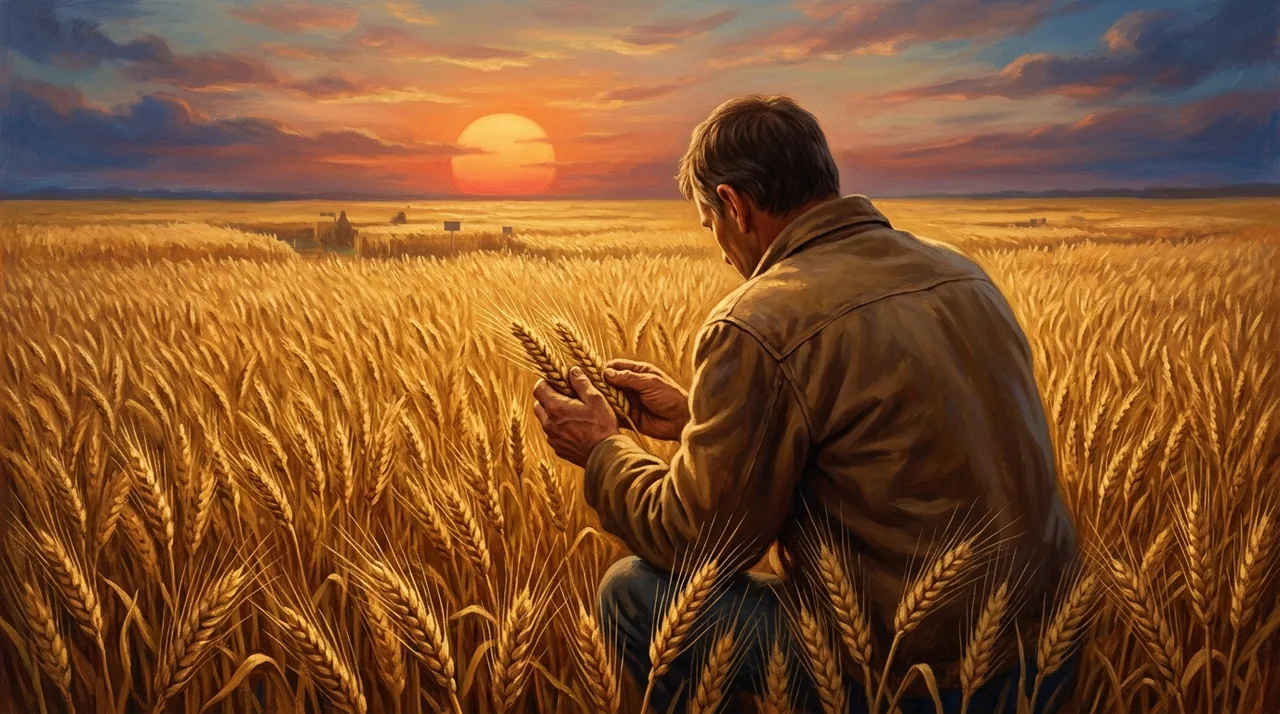
  Institution Rockefeller Foundation The Rockefeller Foundation is an American private philanthropy established in 1913 by Standard Oil founder John D. Rockefeller. Throughout the twentieth century, it heavily funded global public health and scientific initiatives. The foundation financed the Mexican Agricultural Program in the 1940s, providing the financial backing and research infrastructure that allowed agronomists to develop the high-yield crop varieties that drove the global increase in food production.洛克菲勒基金会是一家美国私人慈善机构,由标准石油公司创始人约翰·D·洛克菲勒于1913年设立。整个二十世纪,它大力资助全球公共卫生与科学事业。该基金会在二十世纪四十年代资助了墨西哥农业计划,提供了财力支持与研究基础设施,使农学家得以培育出推动全球粮食产量增长的高产作物品种。La Fundación Rockefeller es una filantropía privada estadounidense creada en 1913 por John D. Rockefeller, fundador de Standard Oil. A lo largo del siglo XX, financió de forma intensiva iniciativas mundiales de salud pública y científicas. La fundación financió el Programa Agrícola Mexicano en la década de 1940, aportando el respaldo económico y la infraestructura de investigación que permitieron a los agrónomos desarrollar las variedades de cultivo de alto rendimiento que impulsaron el aumento global de la producción de alimentos.مؤسسة روكفلر جمعية خيرية أمريكية خاصة أنشأها عام 1913 مؤسّس شركة ستاندرد أويل جون د. روكفلر. وعلى مدى القرن العشرين، موّلت بكثافة مبادرات الصحة العامة والعلوم على مستوى العالم. وقد موّلت المؤسسة البرنامج الزراعي المكسيكي في أربعينيات القرن العشرين، فوفّرت الدعم المالي والبنية البحثية التي أتاحت للمهندسين الزراعيين تطوير أصناف المحاصيل عالية الإنتاجية التي قادت الزيادة العالمية في إنتاج الغذاء.A Fundação Rockefeller é uma filantropia privada norte-americana fundada em 1913 por John D. Rockefeller, fundador da Standard Oil. Ao longo do século XX, financiou fortemente iniciativas globais de saúde pública e de ciência. A fundação custeou o Programa Agrícola Mexicano na década de 1940, fornecendo o respaldo financeiro e a infraestrutura de pesquisa que permitiram aos agrônomos desenvolver as variedades de culturas de alto rendimento que impulsionaram o aumento global da produção de alimentos.रॉकफ़ेलर फ़ाउंडेशन एक अमेरिकी निजी परोपकारी संस्था है, जिसकी स्थापना 1913 में स्टैंडर्ड ऑयल के संस्थापक जॉन डी. रॉकफ़ेलर ने की। बीसवीं सदी भर, इसने वैश्विक जन-स्वास्थ्य और वैज्ञानिक पहलों को भारी रूप से वित्तपोषित किया। फ़ाउंडेशन ने 1940 के दशक में मेक्सिकन कृषि कार्यक्रम को वित्त प्रदान किया, और वह वित्तीय समर्थन तथा अनुसंधान अवसंरचना उपलब्ध कराई जिसने कृषिविज्ञानियों को उच्च-उपज फ़सल-किस्में विकसित करने दीं जिन्होंने वैश्विक खाद्य-उत्पादन में वृद्धि को आगे बढ़ाया।Rockefeller Foundation adalah sebuah yayasan filantropi swasta asal Amerika yang didirikan pada 1913 oleh pendiri Standard Oil, John D. Rockefeller. Sepanjang abad kedua puluh, yayasan ini banyak mendanai prakarsa kesehatan masyarakat dan ilmu pengetahuan global. Yayasan ini membiayai Mexican Agricultural Program pada 1940-an, menyediakan dukungan finansial dan infrastruktur riset yang memungkinkan para ahli agronomi mengembangkan varietas tanaman berhasil tinggi yang mendorong peningkatan produksi pangan global.La fondation Rockefeller est une organisation philanthropique privée américaine créée en 1913 par John D. Rockefeller, fondateur de la Standard Oil. Tout au long du vingtième siècle, elle finança massivement des initiatives mondiales de santé publique et de recherche scientifique. La fondation finança le Programme agricole mexicain dans les années 1940, fournissant l'appui financier et l'infrastructure de recherche qui permirent aux agronomes de mettre au point les variétés à haut rendement à l'origine de la hausse mondiale de la production alimentaire.ロックフェラー財団は、スタンダード・オイルの創業者ジョン・D・ロックフェラーによって一九一三年に設立されたアメリカの民間慈善団体である。二十世紀を通じて、世界の公衆衛生と科学の取り組みに多額の資金を投じた。財団は一九四〇年代にメキシコ農業計画に資金を提供し、農学者が世界の食料生産の増大を牽引した高収量品種を開発することを可能にする財政的支援と研究基盤をもたらした。Фонд Рокфеллера — это американская частная благотворительная организация, учреждённая в 1913 году основателем Standard Oil Джоном Д. Рокфеллером. На протяжении двадцатого века он активно финансировал глобальные инициативы в области общественного здравоохранения и науки. Фонд профинансировал Мексиканскую сельскохозяйственную программу в 1940-х годах, обеспечив финансовую поддержку и исследовательскую инфраструктуру, которые позволили агрономам вывести высокоурожайные сорта культур, обеспечившие глобальный рост производства продовольствия.Die Rockefeller Foundation ist eine amerikanische private Stiftung, die 1913 vom Standard-Oil-Gründer John D. Rockefeller ins Leben gerufen wurde. Im Laufe des zwanzigsten Jahrhunderts finanzierte sie in großem Umfang globale Initiativen des öffentlichen Gesundheitswesens und der Wissenschaft. Die Stiftung finanzierte in den 1940er Jahren das Mexican Agricultural Program und stellte die finanzielle Rückendeckung sowie die Forschungsinfrastruktur bereit, die es Agronomen ermöglichte, die ertragreichen Nutzpflanzensorten zu entwickeln, die den weltweiten Anstieg der Nahrungsmittelproduktion vorantrieben.록펠러 재단은 스탠더드 오일의 창립자 존 D. 록펠러가 1913년에 세운 미국의 민간 자선 단체다. 20세기 내내 전 세계의 공중 보건과 과학 사업에 막대한 자금을 댔다. 이 재단은 1940년대 멕시코 농업 계획에 자금을 지원하여, 농학자들이 세계 식량 생산 증대를 이끈 고수확 작물 품종을 개발하도록 재정적 뒷받침과 연구 기반을 제공했다. in Mexico, refused the premise. The son of Iowa farmers, Borlaug was a forester turned plant pathologist. In 1944, he took a post south of the border tasked with defeating stem rust, a parasitic fungus that periodically decimated wheat yields. Over a decade, he manually crossed thousands of wheat varieties. To speed up the work, he ignored the conventional wisdom that wheat soils needed rest between growing seasons. He instituted a practice he called shuttle breeding, moving seeds between the central highlands of Chapingo in the summer and the Yaqui Valley in the Sonoran desert during the winter. This grueling schedule halved the breeding time. More importantly, because the two locations had vastly different altitudes and day lengths, the resulting plants lost their photoperiodic sensitivity. They did not care when the sun set. They could grow anywhere.

But there was a mechanical problem. When local farmers applied synthetic nitrogen fertilizer to these new, heavily fruiting varieties, the plants grew top-heavy. The tall, thin stalks would snap under the weight of their own grain before the harvest could be brought in—a phenomenon agronomists call lodging.
The dwarf strain
Borlaug needed a shorter, thicker stalk. In 1953, he acquired a few seeds of a Japanese dwarf wheat called Norin 10 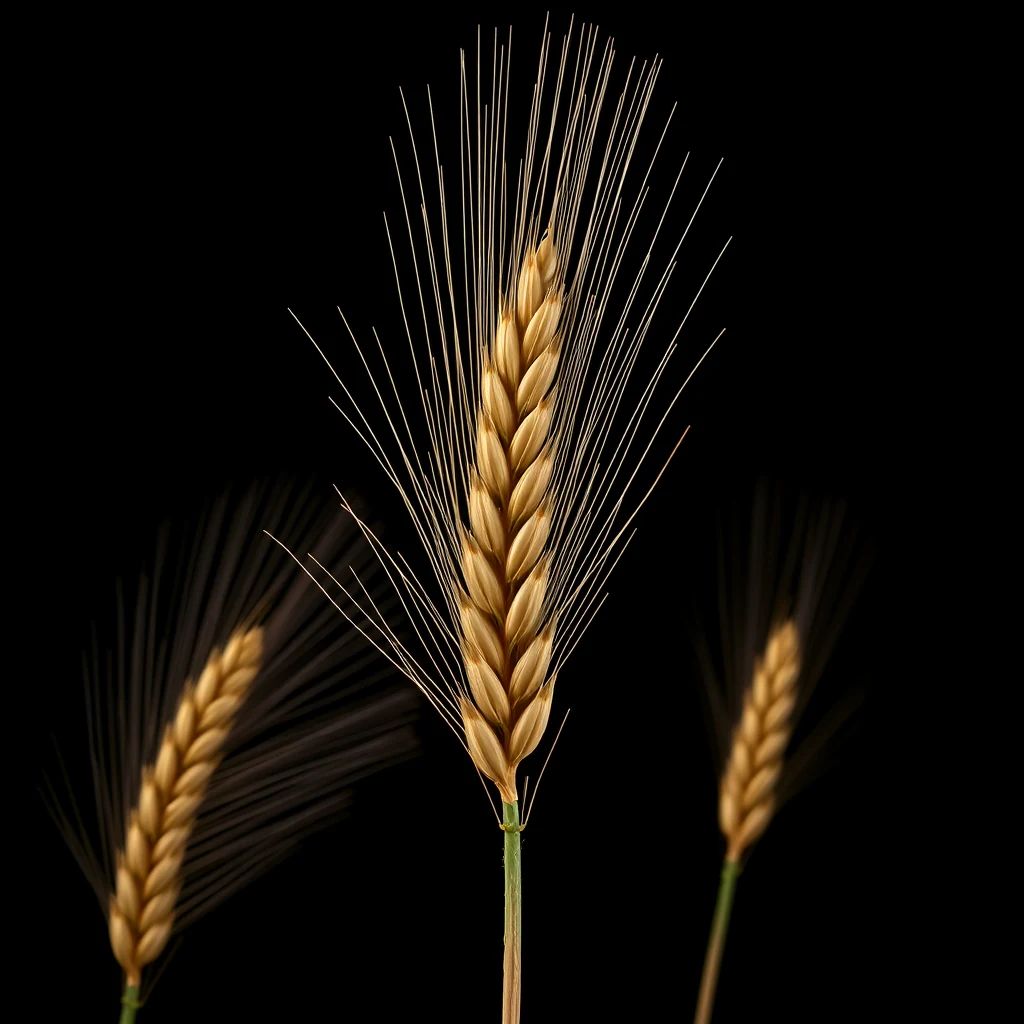 Object Norin 10 Norin 10 is a semi-dwarf variety of wheat developed in Japan in the 1930s. It grows a short, thick stalk that resists falling over under the weight of heavy grain heads, a trait critical for heavily fertilized crops. Brought to the United States after the Second World War, it became the vital genetic foundation for the high-yield wheat strains that revolutionized global agriculture in the latter half of the twentieth century.农林10号是二十世纪三十年代在日本培育出的一个半矮秆小麦品种。它长出又短又粗的茎秆,能在沉重的麦穗重压下不倒伏,这一特性对于大量施肥的作物至关重要。它在第二次世界大战后被引入美国,成为二十世纪下半叶彻底改变全球农业的高产小麦品系的关键遗传基础。Norin 10 es una variedad semienana de trigo desarrollada en Japón en la década de 1930. Crece con un tallo corto y grueso que resiste el vuelco bajo el peso de las pesadas espigas, un rasgo crucial para cultivos muy fertilizados. Llevada a los Estados Unidos tras la Segunda Guerra Mundial, se convirtió en el fundamento genético vital de las variedades de trigo de alto rendimiento que revolucionaron la agricultura mundial en la segunda mitad del siglo XX.نورين 10 صنف نصف قزم من القمح طُوّر في اليابان في ثلاثينيات القرن العشرين. وهو ينمو بساق قصيرة سميكة تقاوم السقوط تحت وزن سنابل الحبوب الثقيلة، وهي سمة بالغة الأهمية للمحاصيل المسمّدة بكثافة. وقد جُلب إلى الولايات المتحدة بعد الحرب العالمية الثانية، فأصبح الأساس الوراثي الحيوي لسلالات القمح عالية الإنتاجية التي أحدثت ثورة في الزراعة العالمية في النصف الثاني من القرن العشرين.O Norin 10 é uma variedade semianã de trigo desenvolvida no Japão na década de 1930. Cresce com um caule curto e grosso que resiste a tombar sob o peso de espigas pesadas, uma característica essencial para culturas fortemente fertilizadas. Levada aos Estados Unidos após a Segunda Guerra Mundial, tornou-se a base genética vital das linhagens de trigo de alto rendimento que revolucionaram a agricultura global na segunda metade do século XX.नोरिन 10 गेहूँ की एक अर्ध-बौनी किस्म है, जिसे 1930 के दशक में जापान में विकसित किया गया। इसमें एक छोटा, मोटा डंठल उगता है जो भारी अनाज की बालियों के भार के नीचे गिरने का प्रतिरोध करता है, जो भारी रूप से उर्वरित फ़सलों के लिए एक महत्वपूर्ण गुण है। द्वितीय विश्वयुद्ध के बाद संयुक्त राज्य में लाई गई, यह उन उच्च-उपज गेहूँ किस्मों का अनिवार्य आनुवंशिक आधार बनी जिन्होंने बीसवीं सदी के उत्तरार्ध में वैश्विक कृषि में क्रांति ला दी।Norin 10 adalah varietas gandum semi-kerdil yang dikembangkan di Jepang pada 1930-an. Tanaman ini menumbuhkan batang yang pendek dan tebal yang tahan dari kerebahan akibat beban bulir gandum yang berat, sebuah sifat yang krusial bagi tanaman yang banyak diberi pupuk. Dibawa ke Amerika Serikat setelah Perang Dunia Kedua, varietas ini menjadi fondasi genetik vital bagi galur gandum berhasil tinggi yang merevolusi pertanian global pada paruh kedua abad kedua puluh.Norin 10 est une variété de blé semi-nain mise au point au Japon dans les années 1930. Elle pousse sur une tige courte et épaisse qui résiste à la verse sous le poids des lourds épis de grain, un caractère essentiel pour les cultures fortement fertilisées. Importée aux États-Unis après la Seconde Guerre mondiale, elle devint le socle génétique vital des variétés de blé à haut rendement qui révolutionnèrent l'agriculture mondiale dans la seconde moitié du vingtième siècle.農林十号は、一九三〇年代に日本で開発された半矮性の小麦品種である。重い穂の重みでも倒れにくい、短く太い茎を伸ばす性質を持ち、それは多量に施肥される作物にとって不可欠な特性であった。第二次世界大戦後にアメリカへ持ち込まれ、二十世紀後半に世界の農業を変革した高収量小麦品種にとって、きわめて重要な遺伝的基盤となった。Норин-10 — это полукарликовый сорт пшеницы, выведенный в Японии в 1930-х годах. Он образует короткий толстый стебель, который не полегает под весом тяжёлых колосьев, что критически важно для обильно удобряемых культур. Привезённый в Соединённые Штаты после Второй мировой войны, он стал жизненно важной генетической основой для высокоурожайных сортов пшеницы, совершивших переворот в мировом сельском хозяйстве во второй половине двадцатого века.Norin 10 ist eine Halbzwerg-Weizensorte, die in den 1930er Jahren in Japan entwickelt wurde. Sie bildet einen kurzen, dicken Halm, der dem Umknicken unter dem Gewicht schwerer Ähren standhält, eine Eigenschaft, die für stark gedüngte Nutzpflanzen entscheidend ist. Nach dem Zweiten Weltkrieg in die Vereinigten Staaten gebracht, wurde sie zur wesentlichen genetischen Grundlage für die ertragreichen Weizensorten, die in der zweiten Hälfte des zwanzigsten Jahrhunderts die globale Landwirtschaft revolutionierten.노린 10호는 1930년대 일본에서 개발된 반왜성 밀 품종이다. 짧고 굵은 줄기를 길러 무거운 이삭의 무게에도 쓰러지지 않는데, 이는 비료를 많이 준 작물에 결정적으로 중요한 형질이다. 제2차 세계대전 후 미국으로 들어온 이 품종은 20세기 후반 세계 농업을 혁신한 고수확 밀 계통의 핵심적인 유전적 토대가 되었다. , which had been brought to the United States by a military agricultural adviser after the Second World War. Borlaug spent years cross-breeding this stout, short-stemmed variety with his high-yielding, disease-resistant Mexican strains.

The result was a semi-dwarf wheat that channeled its metabolic energy into producing grain rather than growing a tall stalk. It responded aggressively to fertilizer, required less water, and stood firm in the wind. By 1963, this new wheat accounted for 95 percent of the crop in Mexico. The country, which had previously imported half its grain, was now a net exporter. Borlaug then turned his attention to the looming crisis in South Asia.

A political harvest
In the summer of 1965, Borlaug orchestrated the shipment of 500 tons of his dwarf wheat seed to the subcontinent. The logistical effort was chaotic. The seeds were held up by customs officials, delayed by the Watts riots in Los Angeles, and finally loaded onto freighters just as artillery began firing across the border in the Indo-Pakistani War of 1965  Event Indo-Pakistani War of 1965 The Indo-Pakistani War of 1965 was a military conflict fought over the disputed region of Kashmir. The war involved widespread border skirmishes, armored battles, and aerial combat, straining the economies and infrastructure of both nations. The hostilities peaked precisely as vast shipments of experimental agricultural seed were arriving on the subcontinent, forcing agronomists to navigate wartime logistics and artillery fire to begin the planting season.1965年印巴战争是一场围绕争议地区克什米尔而爆发的军事冲突。战争涉及大范围的边境冲突、装甲战与空战,使两国的经济与基础设施都备受拖累。敌对行动正值大批实验性农业种子运抵次大陆之际达到顶点,迫使农学家在战时的后勤与炮火中周旋,以便开始播种季。La guerra indo-pakistaní de 1965 fue un conflicto militar librado por la disputada región de Cachemira. La guerra implicó numerosas escaramuzas fronterizas, batallas de blindados y combates aéreos, que tensionaron las economías y la infraestructura de ambas naciones. Las hostilidades alcanzaron su punto álgido justo cuando vastos cargamentos de semilla agrícola experimental llegaban al subcontinente, lo que obligó a los agrónomos a sortear la logística de la guerra y el fuego de artillería para iniciar la temporada de siembra.كانت الحرب الهندية الباكستانية عام 1965 نزاعاً عسكرياً نشب حول إقليم كشمير المتنازع عليه. وانطوت الحرب على مناوشات حدودية واسعة ومعارك مدرّعة وقتال جوي، فأرهقت اقتصادي البلدين وبنيتيهما التحتية. وبلغت الأعمال العدائية ذروتها بالتزامن تماماً مع وصول شحنات ضخمة من البذور الزراعية التجريبية إلى شبه القارة، مما أجبر المهندسين الزراعيين على التنقّل عبر الإمدادات الحربية ونيران المدفعية لبدء موسم الزراعة.A Guerra Indo-Paquistanesa de 1965 foi um conflito militar travado pela disputada região da Caxemira. A guerra envolveu escaramuças generalizadas na fronteira, batalhas blindadas e combate aéreo, sobrecarregando as economias e a infraestrutura de ambas as nações. As hostilidades atingiram o auge exatamente quando vastos carregamentos de sementes agrícolas experimentais chegavam ao subcontinente, forçando os agrônomos a navegar pela logística de guerra e pelo fogo de artilharia para iniciar a época de plantio.1965 का भारत-पाकिस्तान युद्ध कश्मीर के विवादित क्षेत्र को लेकर लड़ा गया एक सैन्य संघर्ष था। इस युद्ध में व्यापक सीमा-झड़पें, बख़्तरबंद युद्ध और हवाई संघर्ष शामिल थे, जिसने दोनों राष्ट्रों की अर्थव्यवस्थाओं और अवसंरचना पर दबाव डाला। शत्रुता तब चरम पर पहुँची जब प्रायोगिक कृषि-बीज की विशाल खेपें उपमहाद्वीप में पहुँच रही थीं, जिसने कृषिविज्ञानियों को बुआई का मौसम आरंभ करने के लिए युद्धकालीन साजो-सामान और तोपख़ाने की गोलाबारी से जूझने पर विवश किया।Perang India-Pakistan 1965 adalah konflik militer yang diperebutkan atas wilayah sengketa Kashmir. Perang ini melibatkan pertempuran perbatasan yang meluas, pertempuran lapis baja, dan pertempuran udara, yang membebani ekonomi dan infrastruktur kedua negara. Permusuhan memuncak tepat ketika pengiriman besar benih pertanian eksperimental tiba di anak benua tersebut, memaksa para ahli agronomi menavigasi logistik masa perang dan tembakan artileri untuk memulai musim tanam.La guerre indo-pakistanaise de 1965 fut un conflit militaire mené pour la région disputée du Cachemire. La guerre comporta de nombreuses escarmouches frontalières, des batailles de blindés et des combats aériens, mettant à rude épreuve les économies et les infrastructures des deux nations. Les hostilités atteignirent leur paroxysme au moment précis où d'immenses cargaisons de semences agricoles expérimentales arrivaient dans le sous-continent, contraignant les agronomes à composer avec la logistique de guerre et les tirs d'artillerie pour entamer la saison des semis.一九六五年の印パ戦争は、係争地カシミールをめぐって戦われた軍事衝突であった。この戦争は広範な国境での小競り合い、戦車戦、空中戦を伴い、両国の経済と社会基盤を圧迫した。敵対行為は、実験的な農業用種子の大量の積荷が亜大陸に到着するちょうどその時に頂点に達し、農学者は作付けの季節を始めるために戦時の物流と砲火をかいくぐらねばならなかった。Индо-пакистанская война 1965 года была военным конфликтом из-за спорного региона Кашмир. Война включала масштабные пограничные стычки, танковые сражения и воздушные бои, истощая экономику и инфраструктуру обеих стран. Боевые действия достигли пика как раз тогда, когда на субконтинент прибывали огромные партии экспериментальных сельскохозяйственных семян, вынуждая агрономов вести посевную, преодолевая военную логистику и артиллерийский огонь.Der Indisch-Pakistanische Krieg von 1965 war ein militärischer Konflikt, der um die umstrittene Region Kaschmir ausgetragen wurde. Der Krieg umfasste weit verbreitete Grenzgefechte, Panzerschlachten und Luftkämpfe und belastete die Volkswirtschaften und die Infrastruktur beider Nationen. Die Feindseligkeiten erreichten ihren Höhepunkt genau in dem Moment, als gewaltige Lieferungen experimentellen Saatguts auf dem Subkontinent eintrafen, was Agronomen zwang, sich durch Kriegslogistik und Artilleriefeuer zu manövrieren, um die Anbausaison zu beginnen.1965년 인도·파키스탄 전쟁은 분쟁 지역인 카슈미르를 둘러싸고 벌어진 군사 충돌이었다. 이 전쟁에는 광범위한 국경 교전과 기갑 전투, 공중전이 얽혀 두 나라의 경제와 사회 기반을 압박했다. 적대 행위가 절정에 이른 시점은 마침 실험적 농업 종자의 막대한 화물이 아대륙에 도착하던 때여서, 농학자들은 파종철을 시작하기 위해 전시 물류와 포격 속을 헤쳐 나가야 했다. .

Borlaug followed the shipments directly into the field. He found a crucial ally in the Indian geneticist M. S. Swaminathan  Person M. S. Swaminathan M. S. Swaminathan was an Indian geneticist and administrator who served as the primary architect of his nation's agricultural modernization. Recognizing the limitations of indigenous wheat varieties under intensive fertilization, he championed the importation and localized adaptation of Mexican dwarf wheat. He navigated entrenched bureaucratic resistance and worked directly with international scientists to implement the farming practices that pulled India back from the brink of mass starvation.M. S. 斯瓦米纳坦是印度遗传学家兼行政官员,是其国家农业现代化的首席设计师。他认识到本土小麦品种在集约化施肥下的局限,便倡导引进墨西哥矮秆小麦并使之本地化适应。他在根深蒂固的官僚阻力中周旋,并直接与国际科学家合作,推行了那些将印度从大规模饥荒边缘拉回来的耕作方法。M. S. Swaminathan fue un genetista y administrador indio que ejerció como principal artífice de la modernización agrícola de su nación. Al reconocer las limitaciones de las variedades de trigo autóctonas bajo una fertilización intensiva, abanderó la importación y la adaptación local del trigo enano mexicano. Sorteó una arraigada resistencia burocrática y trabajó directamente con científicos internacionales para implementar las prácticas agrícolas que apartaron a India del borde de la inanición masiva.كان م. س. سوامينياثان عالم وراثة وإدارياً هندياً عمل المهندس الأساسي لتحديث بلاده الزراعي. وإذ أدرك محدودية أصناف القمح المحلية تحت التسميد المكثّف، دعا إلى استيراد القمح القزم المكسيكي وتكييفه محلياً. وتنقّل عبر مقاومة بيروقراطية راسخة وعمل مباشرة مع علماء دوليين لتطبيق الممارسات الزراعية التي انتشلت الهند من شفا المجاعة الجماعية.M. S. Swaminathan foi um geneticista e administrador indiano que atuou como o principal arquiteto da modernização agrícola de seu país. Reconhecendo as limitações das variedades nativas de trigo sob fertilização intensiva, defendeu a importação e a adaptação local do trigo anão mexicano. Enfrentou uma resistência burocrática enraizada e trabalhou diretamente com cientistas internacionais para implementar as práticas agrícolas que afastaram a Índia da beira da fome em massa.एम. एस. स्वामीनाथन एक भारतीय आनुवंशिकीविद् और प्रशासक थे, जिन्होंने अपने राष्ट्र के कृषि-आधुनिकीकरण के प्रमुख शिल्पकार के रूप में कार्य किया। सघन उर्वरण के अधीन स्वदेशी गेहूँ-किस्मों की सीमाओं को पहचानते हुए, उन्होंने मेक्सिकन बौने गेहूँ के आयात और स्थानीय अनुकूलन का समर्थन किया। उन्होंने जड़ जमाए नौकरशाही प्रतिरोध से जूझते हुए अंतरराष्ट्रीय वैज्ञानिकों के साथ सीधे कार्य किया ताकि वे कृषि-पद्धतियाँ लागू कर सकें जिन्होंने भारत को सामूहिक भुखमरी के कगार से वापस खींच लिया।M. S. Swaminathan adalah seorang ahli genetika dan administrator asal India yang menjadi arsitek utama modernisasi pertanian negaranya. Menyadari keterbatasan varietas gandum lokal di bawah pemupukan intensif, ia memperjuangkan impor dan adaptasi lokal gandum kerdil Meksiko. Ia menavigasi resistensi birokrasi yang mengakar dan bekerja langsung dengan para ilmuwan internasional untuk menerapkan praktik pertanian yang menarik India kembali dari ambang kelaparan massal.M. S. Swaminathan était un généticien et administrateur indien qui fut le principal artisan de la modernisation agricole de son pays. Conscient des limites des variétés de blé indigènes sous fertilisation intensive, il défendit l'importation et l'adaptation locale du blé nain mexicain. Il déjoua une résistance bureaucratique tenace et travailla directement avec des scientifiques internationaux pour mettre en œuvre les pratiques agricoles qui éloignèrent l'Inde du bord de la famine de masse.M・S・スワミナサンは、自国の農業近代化の主たる立案者を務めたインドの遺伝学者にして行政官であった。集約的な施肥のもとでの在来小麦品種の限界を見抜いた彼は、メキシコの矮性小麦の導入とその土地への適応を推進した。彼は根深い官僚的抵抗をかいくぐり、国際的な科学者と直接協力して、インドを大飢饉の瀬戸際から引き戻す農法を実現した。М. С. Сваминатан был индийским генетиком и администратором, ставшим главным архитектором модернизации сельского хозяйства своей страны. Осознав ограниченность местных сортов пшеницы при интенсивном внесении удобрений, он отстаивал импорт и местную адаптацию мексиканской карликовой пшеницы. Он преодолел укоренившееся бюрократическое сопротивление и работал напрямую с международными учёными над внедрением методов земледелия, которые отвели Индию от края массового голода.M. S. Swaminathan war ein indischer Genetiker und Verwalter, der als der wichtigste Architekt der landwirtschaftlichen Modernisierung seines Landes wirkte. Da er die Grenzen einheimischer Weizensorten unter intensiver Düngung erkannte, setzte er sich für die Einfuhr und örtliche Anpassung des mexikanischen Zwergweizens ein. Er meisterte tief verwurzelte bürokratische Widerstände und arbeitete unmittelbar mit internationalen Wissenschaftlern zusammen, um die Anbaupraktiken einzuführen, die Indien vom Rand einer Massenhungersnot zurückholten.M. S. 스와미나탄은 인도의 유전학자이자 행정가로, 자국 농업 현대화의 으뜸가는 설계자 노릇을 했다. 집약적인 시비 아래 토착 밀 품종의 한계를 간파한 그는 멕시코 왜성 밀의 도입과 현지 적응을 적극 추진했다. 그는 뿌리 깊은 관료적 저항을 헤쳐 나가고 국제 과학자들과 직접 협력하여, 인도를 대규모 기아의 벼랑 끝에서 끌어낸 영농 기법을 실행에 옮겼다. , who had already been testing the Mexican dwarf varieties in local soils. Together, they bypassed reluctant civil servants. The traditional Indian agricultural method involved scattering seed by hand on plowed ground. Borlaug's dwarf wheat required precision. It had to be sown exactly two inches deep, heavily watered, and aggressively fertilized. Borlaug spent his days in the fields of Punjab, ignoring his official status to kneel in the mud and show farmers exactly how to manage the new crop.

When the 1968 harvest came in, the sheer volume of grain broke the local infrastructure. There were not enough silos to hold the wheat, not enough ox-carts to transport it, and not enough jute bags to pack it. Schools were temporarily closed so their classrooms could be used for grain storage. India’s wheat harvest, roughly 12 million tons in 1965, exceeded 20 million tons by 1970. Pakistan saw its yields triple. By 1974, India was self-sufficient in the production of all cereals. The American diplomat William Gaud  Person William Gaud William Gaud was an American administrator who directed the United States Agency for International Development in the late 1960s. He is best remembered for coining the phrase describing the dramatic mid-century increases in global agricultural yields. Seeking to differentiate this agricultural and technological shift from the violent political upheavals occurring in the Soviet Union and China, Gaud named the peaceful, science-driven transformation the Green Revolution.威廉·高德是美国行政官员,于二十世纪六十年代末执掌美国国际开发署。他最为人铭记的是创造了那个用以描述本世纪中叶全球农业产量急剧增长的说法。为了将这场农业与技术上的转变同当时苏联与中国发生的暴力政治剧变区分开来,高德将这场和平的、由科学驱动的变革命名为绿色革命。William Gaud fue un administrador estadounidense que dirigió la Agencia de los Estados Unidos para el Desarrollo Internacional a finales de la década de 1960. Se le recuerda sobre todo por acuñar la frase que describía los espectaculares aumentos de mediados de siglo en los rendimientos agrícolas mundiales. Buscando diferenciar este cambio agrícola y tecnológico de los violentos trastornos políticos que ocurrían en la Unión Soviética y China, Gaud bautizó esa transformación pacífica e impulsada por la ciencia como la Revolución Verde.كان وليام غود إدارياً أمريكياً قاد الوكالة الأمريكية للتنمية الدولية في أواخر ستينيات القرن العشرين. ويُذكر أساساً بصكّه العبارة التي تصف الزيادات الهائلة في الغلال الزراعية العالمية في منتصف القرن. وسعياً منه إلى تمييز هذا التحوّل الزراعي والتقني عن الاضطرابات السياسية العنيفة التي كانت تجري في الاتحاد السوفييتي والصين، أطلق غود على هذا التحوّل السلمي القائم على العلم اسم الثورة الخضراء.William Gaud foi um administrador norte-americano que dirigiu a Agência dos Estados Unidos para o Desenvolvimento Internacional no fim da década de 1960. É mais lembrado por ter cunhado a expressão que descreve os aumentos dramáticos dos rendimentos agrícolas globais em meados do século. Buscando diferenciar essa mudança agrícola e tecnológica das violentas convulsões políticas que ocorriam na União Soviética e na China, Gaud batizou a transformação pacífica e movida pela ciência de Revolução Verde.विलियम गॉड एक अमेरिकी प्रशासक थे जिन्होंने 1960 के दशक के उत्तरार्ध में युनाइटेड स्टेट्स एजेंसी फ़ॉर इंटरनेशनल डेवलपमेंट का निर्देशन किया। उन्हें सदी के मध्य में वैश्विक कृषि-उपज में नाटकीय वृद्धि का वर्णन करने वाला वाक्यांश गढ़ने के लिए सर्वाधिक याद किया जाता है। इस कृषि और प्रौद्योगिकीय बदलाव को सोवियत संघ और चीन में घटित हिंसक राजनीतिक उथल-पुथल से अलग करने के प्रयास में, गॉड ने इस शांतिपूर्ण, विज्ञान-संचालित रूपांतरण को हरित क्रांति नाम दिया।William Gaud adalah seorang administrator asal Amerika yang memimpin United States Agency for International Development pada akhir 1960-an. Ia paling dikenang karena menciptakan frasa yang menggambarkan peningkatan dramatis hasil pertanian global pada pertengahan abad. Berupaya membedakan pergeseran pertanian dan teknologi ini dari gejolak politik penuh kekerasan yang terjadi di Uni Soviet dan Tiongkok, Gaud menamai transformasi yang damai dan didorong oleh ilmu pengetahuan itu sebagai Revolusi Hijau.William Gaud était un administrateur américain qui dirigea l'Agence des États-Unis pour le développement international à la fin des années 1960. On se souvient surtout de lui pour avoir forgé l'expression décrivant les hausses spectaculaires des rendements agricoles mondiaux au milieu du siècle. Cherchant à distinguer ce bouleversement agricole et technologique des soulèvements politiques violents qui secouaient l'Union soviétique et la Chine, Gaud baptisa cette transformation pacifique et fondée sur la science la Révolution verte.ウィリアム・ガウドは、一九六〇年代後半にアメリカ合衆国国際開発庁を率いたアメリカの行政官であった。世紀半ばの世界の農業収量の劇的な増大を表す言葉を生み出したことで最もよく記憶されている。この農業的・技術的な転換を、ソ連や中国で起きていた暴力的な政治的動乱と区別しようとして、ガウドはこの平和的で科学に導かれた変革を「緑の革命」と名づけた。Уильям Гауд был американским администратором, возглавлявшим Агентство США по международному развитию в конце 1960-х годов. Он лучше всего запомнился тем, что придумал выражение, описывающее резкий рост мировой сельскохозяйственной урожайности середины века. Стремясь отделить этот сельскохозяйственный и технологический сдвиг от насильственных политических потрясений, происходивших в Советском Союзе и Китае, Гауд назвал это мирное, основанное на науке преобразование Зелёной революцией.William Gaud war ein amerikanischer Verwalter, der in den späten 1960er Jahren die United States Agency for International Development leitete. Am besten in Erinnerung bleibt er dafür, den Ausdruck geprägt zu haben, der die dramatischen Steigerungen der globalen landwirtschaftlichen Erträge Mitte des Jahrhunderts beschreibt. In dem Bestreben, diesen landwirtschaftlichen und technologischen Wandel von den gewaltsamen politischen Umwälzungen in der Sowjetunion und China abzugrenzen, nannte Gaud die friedliche, wissenschaftlich getriebene Umwälzung die Grüne Revolution.윌리엄 가우드는 1960년대 후반 미국 국제개발처를 이끈 미국의 행정가였다. 그는 20세기 중반의 극적인 세계 농업 수확 증대를 묘사하는 표현을 만들어 낸 것으로 가장 잘 기억된다. 이 농업과 기술의 전환을 소련과 중국에서 벌어진 폭력적인 정치 격변과 구별하고자, 가우드는 이 평화롭고 과학이 주도한 변혁을 녹색 혁명이라 이름 붙였다. coined a term for the agricultural transformation Borlaug had unleashed: the Green Revolution
  Concept Green Revolution The Green Revolution refers to a period of intense agricultural technology transfer that occurred between the 1950s and the late 1960s. It was characterized by the introduction of high-yielding crop varieties, synthetic fertilizers, pesticides, and expanded irrigation infrastructure, particularly in developing nations. The movement fundamentally altered global food production, staving off predicted mass famines but introducing lasting ecological challenges tied to chemical runoff and intensive water use.绿色革命指的是发生在二十世纪五十年代至六十年代末之间的一段农业技术密集转移时期。它的特征是引入高产作物品种、合成化肥、农药以及扩展的灌溉基础设施,尤其是在发展中国家。这场运动从根本上改变了全球粮食生产,避免了预言中的大规模饥荒,但也带来了与化学物质径流和密集用水相关的持久生态难题。La Revolución Verde se refiere a un periodo de intensa transferencia de tecnología agrícola ocurrido entre la década de 1950 y finales de la de 1960. Se caracterizó por la introducción de variedades de cultivo de alto rendimiento, fertilizantes sintéticos, pesticidas y una mayor infraestructura de riego, en particular en las naciones en desarrollo. El movimiento alteró de manera fundamental la producción mundial de alimentos, evitando las hambrunas masivas previstas, pero introdujo desafíos ecológicos duraderos vinculados a la escorrentía química y al uso intensivo del agua.تشير الثورة الخضراء إلى فترة من النقل المكثّف للتكنولوجيا الزراعية حدثت بين خمسينيات القرن العشرين وأواخر ستينياته. وتميّزت بإدخال أصناف محاصيل عالية الإنتاجية وأسمدة اصطناعية ومبيدات حشرية وبنية تحتية موسّعة للري، خاصة في الدول النامية. وقد غيّرت الحركة جوهرياً إنتاج الغذاء العالمي، فدرأت مجاعات جماعية متوقّعة، لكنها أدخلت تحديات بيئية دائمة مرتبطة بالجريان السطحي الكيميائي والاستخدام المكثّف للمياه.A Revolução Verde refere-se a um período de intensa transferência de tecnologia agrícola ocorrido entre os anos 1950 e o fim da década de 1960. Caracterizou-se pela introdução de variedades de culturas de alto rendimento, fertilizantes sintéticos, pesticidas e ampliação da infraestrutura de irrigação, sobretudo em nações em desenvolvimento. O movimento alterou de forma fundamental a produção global de alimentos, evitando fomes em massa previstas, mas introduzindo desafios ecológicos duradouros ligados ao escoamento de produtos químicos e ao uso intensivo de água.हरित क्रांति 1950 के दशक और 1960 के दशक के उत्तरार्ध के बीच घटित गहन कृषि-प्रौद्योगिकी हस्तांतरण की एक अवधि को संदर्भित करती है। यह उच्च-उपज फ़सल-किस्मों, संश्लेषी उर्वरकों, कीटनाशकों और विस्तारित सिंचाई अवसंरचना की शुरुआत से, विशेषकर विकासशील राष्ट्रों में, चिह्नित थी। इस आंदोलन ने वैश्विक खाद्य-उत्पादन को मूलभूत रूप से बदल दिया और पूर्वानुमानित सामूहिक अकालों को टाला, परंतु रासायनिक बहाव और सघन जल-उपयोग से जुड़ी स्थायी पारिस्थितिक चुनौतियाँ भी प्रस्तुत कीं।Revolusi Hijau merujuk pada suatu periode transfer teknologi pertanian yang intens yang terjadi antara 1950-an dan akhir 1960-an. Periode ini ditandai dengan diperkenalkannya varietas tanaman berhasil tinggi, pupuk sintetis, pestisida, dan perluasan infrastruktur irigasi, khususnya di negara-negara berkembang. Gerakan ini secara mendasar mengubah produksi pangan global, menangkal kelaparan massal yang diramalkan, tetapi menimbulkan tantangan ekologis berkepanjangan yang terkait dengan limpasan bahan kimia dan penggunaan air yang intensif.La Révolution verte désigne une période de transfert intensif de technologies agricoles survenue entre les années 1950 et la fin des années 1960. Elle se caractérisa par l'introduction de variétés de cultures à haut rendement, d'engrais de synthèse, de pesticides et d'une infrastructure d'irrigation élargie, en particulier dans les pays en développement. Le mouvement transforma en profondeur la production alimentaire mondiale, écartant les famines de masse annoncées, mais en introduisant des défis écologiques durables liés au ruissellement chimique et à l'usage intensif de l'eau.緑の革命とは、一九五〇年代から一九六〇年代後半にかけて起きた、集中的な農業技術移転の時期を指す。高収量品種、合成肥料、農薬、そして拡大された灌漑基盤の導入を特徴とし、とりわけ発展途上国で展開された。この運動は世界の食料生産を根本から変え、予測されていた大飢饉を回避させた一方で、化学物質の流出や集約的な水利用に結びついた持続的な生態学的課題をもたらした。Зелёная революция означает период интенсивной передачи сельскохозяйственных технологий, происходивший между 1950-ми и концом 1960-х годов. Она характеризовалась внедрением высокоурожайных сортов культур, синтетических удобрений, пестицидов и расширенной ирригационной инфраструктуры, особенно в развивающихся странах. Это движение фундаментально изменило мировое производство продовольствия, предотвратив предсказанный массовый голод, но породив долгосрочные экологические проблемы, связанные с химическим стоком и интенсивным водопотреблением.Die Grüne Revolution bezeichnet eine Phase intensiven Transfers landwirtschaftlicher Technologie, die sich zwischen den 1950er und den späten 1960er Jahren vollzog. Sie war geprägt von der Einführung ertragreicher Nutzpflanzensorten, synthetischer Düngemittel, Pestizide und ausgebauter Bewässerungsinfrastruktur, insbesondere in Entwicklungsländern. Die Bewegung veränderte die globale Nahrungsmittelproduktion grundlegend und wendete vorhergesagte Massenhungersnöte ab, brachte jedoch anhaltende ökologische Probleme mit sich, die mit chemischen Abschwemmungen und intensivem Wasserverbrauch verbunden sind.녹색 혁명은 1950년대부터 1960년대 후반 사이에 일어난 농업 기술의 집중적인 이전 시기를 가리킨다. 특히 개발도상국에서 고수확 작물 품종과 합성 비료, 살충제, 확대된 관개 기반의 도입이 그 특징이었다. 이 흐름은 세계 식량 생산을 근본적으로 바꾸어 예견된 대규모 기근을 막았으나, 화학 물질 유출과 집약적 물 사용에 얽힌 오래 남는 생태적 난제를 함께 들여왔다. . In 1970, Borlaug was awarded the Nobel Peace Prize.
What we still don't know
The demographic catastrophe was averted, but the long-term ecological ledger remains open. The new wheat required intensive irrigation and heavy applications of synthetic fertilizers and pesticides. We do not know how to reverse the severe groundwater depletion currently threatening the Punjab region 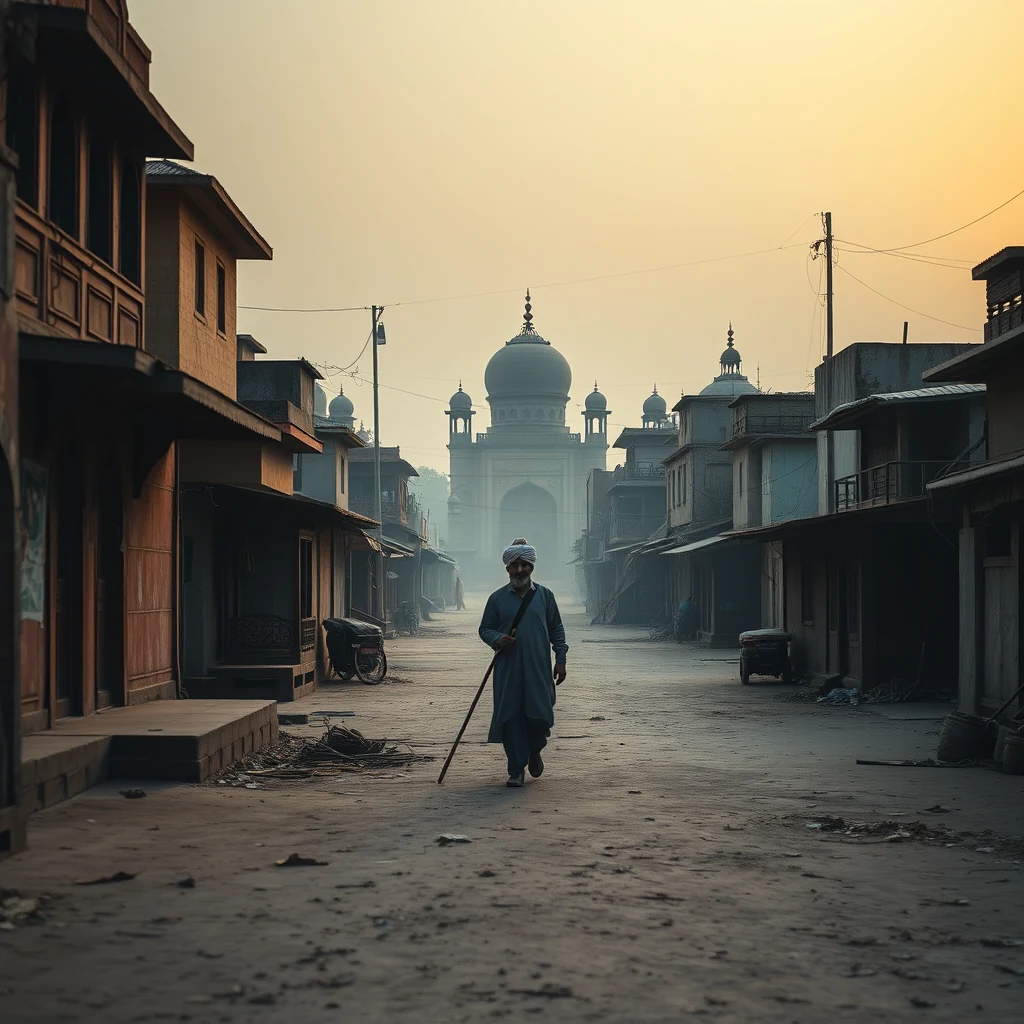 Place Punjab region The Punjab is a fertile geographic and cultural region spanning eastern Pakistan and northwestern India. Fed by five major rivers, it has historically served as the breadbasket of the subcontinent. During the mid-twentieth century, it became the primary testing ground for high-yield dwarf wheat varieties, experiencing unprecedented agricultural output that saved millions from starvation, while simultaneously initiating a long-term crisis of severe groundwater depletion.旁遮普是一片横跨巴基斯坦东部与印度西北部的肥沃地理与文化区域。它由五条大河滋养,历来是次大陆的粮仓。在二十世纪中叶,它成为高产矮秆小麦品种的主要试验场,农业产出空前提高,使数百万人免于饥饿,却也同时埋下了地下水严重枯竭这一长期危机的种子。El Panyab es una fértil región geográfica y cultural que abarca el este de Pakistán y el noroeste de India. Alimentada por cinco grandes ríos, ha servido históricamente como el granero del subcontinente. A mediados del siglo XX, se convirtió en el principal campo de pruebas de las variedades de trigo enano de alto rendimiento, experimentando una producción agrícola sin precedentes que salvó a millones de personas de la inanición, a la vez que dio inicio a una crisis a largo plazo de grave agotamiento de las aguas subterráneas.البنجاب إقليم جغرافي وثقافي خصب يمتد عبر شرق باكستان وشمال غرب الهند. وتغذّيه خمسة أنهار رئيسية، وقد كان تاريخياً سلّة غذاء شبه القارة. وفي منتصف القرن العشرين، أصبح أرض الاختبار الأساسية لأصناف القمح القزمة عالية الإنتاجية، فشهد إنتاجاً زراعياً غير مسبوق أنقذ الملايين من المجاعة، وأطلق في الوقت نفسه أزمة طويلة الأمد من النضوب الحاد للمياه الجوفية.O Punjab é uma fértil região geográfica e cultural que se estende pelo leste do Paquistão e pelo noroeste da Índia. Alimentado por cinco grandes rios, historicamente serviu como o celeiro do subcontinente. Em meados do século XX, tornou-se o principal campo de testes das variedades de trigo anão de alto rendimento, registrando uma produção agrícola sem precedentes que salvou milhões da fome, ao mesmo tempo que deflagrava uma crise de longo prazo de grave esgotamento das águas subterrâneas.पंजाब पूर्वी पाकिस्तान और उत्तर-पश्चिमी भारत में फैला एक उपजाऊ भौगोलिक और सांस्कृतिक क्षेत्र है। पाँच प्रमुख नदियों से सिंचित, यह ऐतिहासिक रूप से उपमहाद्वीप के अन्न-भंडार के रूप में काम करता रहा है। बीसवीं सदी के मध्य में, यह उच्च-उपज बौने गेहूँ की किस्मों का प्राथमिक परीक्षण-स्थल बना, जहाँ अभूतपूर्व कृषि-उत्पादन हुआ जिसने लाखों को भुखमरी से बचाया, और साथ ही गंभीर भूजल-ह्रास का एक दीर्घकालिक संकट भी आरंभ कर दिया।Punjab adalah sebuah kawasan geografis dan budaya yang subur yang membentang di Pakistan timur dan India barat laut. Diairi oleh lima sungai besar, kawasan ini secara historis berperan sebagai lumbung pangan anak benua tersebut. Pada pertengahan abad kedua puluh, kawasan ini menjadi lahan uji utama bagi varietas gandum kerdil berhasil tinggi, mengalami hasil pertanian yang belum pernah terjadi sebelumnya yang menyelamatkan jutaan orang dari kelaparan, sekaligus memicu krisis jangka panjang berupa penyusutan air tanah yang parah.Le Pendjab est une région géographique et culturelle fertile s'étendant sur l'est du Pakistan et le nord-ouest de l'Inde. Irrigué par cinq grands fleuves, il a historiquement été le grenier du sous-continent. Au milieu du vingtième siècle, il devint le principal terrain d'essai des variétés de blé nain à haut rendement, connaissant une production agricole sans précédent qui sauva des millions de personnes de la famine, tout en amorçant une crise durable de grave épuisement des eaux souterraines.パンジャーブは、パキスタン東部とインド北西部にまたがる肥沃な地理的・文化的地域である。五つの大河に潤されたこの地は、歴史的に亜大陸の穀倉地帯の役割を果たしてきた。二十世紀半ば、高収量の矮性小麦品種の主要な試験地となり、前例のない農業生産によって何百万もの人々を飢餓から救う一方で、深刻な地下水枯渇という長期的な危機を引き起こすこととなった。Пенджаб — это плодородный географический и культурный регион, охватывающий восточный Пакистан и северо-западную Индию. Питаемый пятью крупными реками, он исторически служил житницей субконтинента. В середине двадцатого века он стал главным испытательным полигоном для высокоурожайных карликовых сортов пшеницы, добившись беспрецедентного урожая, спасшего миллионы от голода, одновременно положив начало долгосрочному кризису сильного истощения подземных вод.Der Punjab ist eine fruchtbare geografische und kulturelle Region, die sich über den Osten Pakistans und den Nordwesten Indiens erstreckt. Von fünf großen Flüssen gespeist, diente er historisch als Kornkammer des Subkontinents. Während der Mitte des zwanzigsten Jahrhunderts wurde er zum wichtigsten Versuchsgelände für ertragreiche Zwergweizensorten und erlebte einen beispiellosen landwirtschaftlichen Ertrag, der Millionen vor dem Verhungern bewahrte, während er zugleich eine langfristige Krise schwerer Grundwasserentnahme auslöste.펀자브는 파키스탄 동부와 인도 북서부에 걸친 비옥한 지리적·문화적 지역이다. 다섯 개의 큰 강이 적셔 주어 역사적으로 아대륙의 곡창 노릇을 해 왔다. 20세기 중반 이곳은 고수확 왜성 밀 품종의 주된 시험장이 되어 전례 없는 농업 생산을 누리며 수백만 명을 굶주림에서 구했으나, 동시에 심각한 지하수 고갈이라는 장기적 위기를 촉발했다. , nor how to remediate soils degraded by decades of chemical runoff.

We also do not know how well these high-yield monocultures will withstand a rapidly warming climate. Borlaug’s varieties were bred for stability, but narrow genetic diversity leaves the global food supply vulnerable to novel pathogens. A new, virulent strain of wheat rust, Ug99 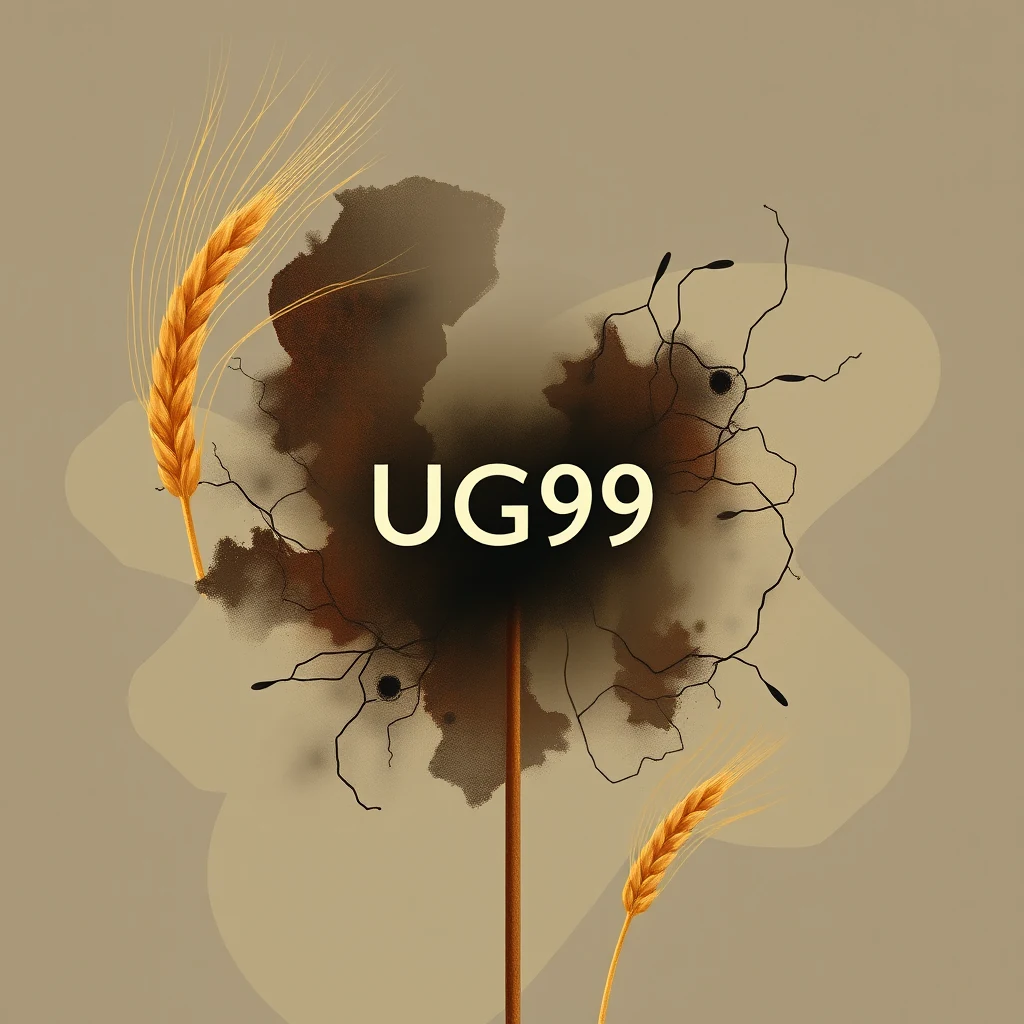 Concept Ug99 Ug99 is a highly virulent lineage of the wheat stem rust fungus that was first discovered in Uganda in 1999. Unlike earlier strains, it possesses the ability to overcome the genetic resistance bred into the vast majority of global wheat varieties. Its spread across Africa and into the Middle East threatens global food security, triggering an ongoing international effort to develop and distribute new resistant crop strains before an outbreak decimates harvests.Ug99是小麦秆锈病真菌中一个毒性极强的谱系,于1999年在乌干达首次被发现。与早先的菌株不同,它具备克服绝大多数全球小麦品种所培育出的遗传抗性的能力。它在非洲蔓延并进入中东,威胁着全球粮食安全,并引发了一场持续不断的国际行动,力争在某次暴发摧毁收成之前研发并推广新的抗病作物品系。Ug99 es un linaje sumamente virulento del hongo de la roya del tallo del trigo, descubierto por primera vez en Uganda en 1999. A diferencia de las cepas anteriores, posee la capacidad de superar la resistencia genética incorporada a la inmensa mayoría de las variedades de trigo del mundo. Su propagación por África y hacia Oriente Medio amenaza la seguridad alimentaria mundial, lo que ha desencadenado un esfuerzo internacional en curso para desarrollar y distribuir nuevas cepas de cultivo resistentes antes de que un brote diezme las cosechas.Ug99 سلالة شديدة الضراوة من فطر صدأ ساق القمح اكتُشفت لأول مرة في أوغندا عام 1999. وخلافاً للسلالات السابقة، تملك القدرة على التغلّب على المقاومة الوراثية التي رُبّيت في الغالبية العظمى من أصناف القمح العالمية. ويهدّد انتشارها عبر أفريقيا وصولاً إلى الشرق الأوسط الأمن الغذائي العالمي، مما يطلق جهداً دولياً مستمراً لتطوير سلالات محاصيل جديدة مقاومة وتوزيعها قبل أن يفتك تفشٍّ بالمحاصيل.O Ug99 é uma linhagem altamente virulenta do fungo da ferrugem do colmo do trigo, descoberta pela primeira vez em Uganda em 1999. Diferentemente de linhagens anteriores, possui a capacidade de superar a resistência genética incorporada à grande maioria das variedades de trigo do mundo. Sua propagação pela África e pelo Oriente Médio ameaça a segurança alimentar global, desencadeando um esforço internacional contínuo para desenvolver e distribuir novas linhagens resistentes antes que um surto dizime as colheitas.Ug99 गेहूँ के तना-रतुआ कवक की एक अत्यधिक उग्र वंशावली है, जिसे सर्वप्रथम 1999 में युगांडा में खोजा गया। पहले की किस्मों के विपरीत, इसमें वैश्विक गेहूँ-किस्मों के विशाल बहुमत में प्रजनित आनुवंशिक प्रतिरोध को परास्त करने की क्षमता है। अफ़्रीका भर और मध्य पूर्व तक इसका प्रसार वैश्विक खाद्य-सुरक्षा के लिए ख़तरा है, जिससे एक प्रकोप के फ़सलों को तबाह करने से पहले नई प्रतिरोधी फ़सल-किस्में विकसित और वितरित करने का एक सतत अंतरराष्ट्रीय प्रयास सक्रिय हो गया है।Ug99 adalah galur jamur karat batang gandum yang sangat ganas yang pertama kali ditemukan di Uganda pada 1999. Tidak seperti galur-galur sebelumnya, galur ini memiliki kemampuan untuk mengatasi resistensi genetik yang telah dibiakkan ke dalam sebagian besar varietas gandum global. Penyebarannya melintasi Afrika dan masuk ke Timur Tengah mengancam ketahanan pangan global, memicu upaya internasional yang berlangsung terus-menerus untuk mengembangkan dan mendistribusikan galur tanaman tahan yang baru sebelum sebuah wabah meluluhlantakkan panen.Ug99 est une lignée hautement virulente du champignon de la rouille noire du blé, repérée pour la première fois en Ouganda en 1999. Contrairement aux souches antérieures, elle possède la capacité de déjouer la résistance génétique introduite dans la grande majorité des variétés de blé mondiales. Sa propagation à travers l'Afrique et jusqu'au Proche-Orient menace la sécurité alimentaire mondiale, déclenchant un effort international continu pour mettre au point et distribuer de nouvelles souches résistantes avant qu'une épidémie ne dévaste les récoltes.Ug99は、一九九九年にウガンダで初めて発見された、きわめて病原性の高い小麦稈さび病菌の系統である。それ以前の系統とは異なり、世界の大多数の小麦品種に育種された遺伝的抵抗性を打ち破る能力を持つ。アフリカ全域から中東への広がりは世界の食料安全保障を脅かし、大発生が収穫を壊滅させる前に新たな抵抗性品種を開発・普及させるべく、進行中の国際的取り組みを引き起こしている。Ug99 — это весьма вирулентная линия гриба стеблевой ржавчины пшеницы, впервые обнаруженная в Уганде в 1999 году. В отличие от более ранних штаммов, она способна преодолевать генетическую устойчивость, выведенную в подавляющем большинстве мировых сортов пшеницы. Её распространение по Африке и на Ближний Восток угрожает мировой продовольственной безопасности, побуждая к продолжающимся международным усилиям по выведению и распространению новых устойчивых сортов, прежде чем вспышка уничтожит урожаи.Ug99 ist eine hochvirulente Linie des Weizenstängelrostpilzes, die 1999 erstmals in Uganda entdeckt wurde. Anders als frühere Stämme besitzt sie die Fähigkeit, die genetische Resistenz zu überwinden, die in die überwiegende Mehrheit der globalen Weizensorten gezüchtet wurde. Ihre Ausbreitung über Afrika und bis in den Nahen Osten bedroht die globale Ernährungssicherheit und löste eine fortdauernde internationale Anstrengung aus, neue resistente Nutzpflanzensorten zu entwickeln und zu verteilen, bevor ein Ausbruch die Ernten dezimiert.Ug99는 1999년 우간다에서 처음 발견된, 매우 독성이 강한 밀 줄기녹병균 계통이다. 이전 균주들과 달리, 세계 밀 품종 대다수에 육종으로 심어 넣은 유전적 저항성을 무력화하는 능력을 지녔다. 아프리카를 가로질러 중동까지 퍼지면서 세계 식량 안보를 위협하고 있으며, 창궐이 수확을 휩쓸기 전에 새로운 저항성 작물 계통을 개발하고 보급하려는 국제적 노력이 지금도 이어지고 있다. , emerged in Uganda in 1999 and continues to threaten crops across Africa and the Middle East, racing against modern agronomists trying to replicate Borlaug's defensive breeding.

Borlaug himself viewed his work not as a permanent solution, but as a temporary reprieve. In his Nobel acceptance speech, he warned that high-yielding crops only bought humanity time—perhaps three decades—to tame its population growth and manage its resources.
He spent the final decades of his life trying to bring a similar agricultural shift to sub-Saharan Africa. He worked until he was 95, an agronomist who answered the grim arithmetic of global collapse by simply putting a better seed in the ground.