Luigi Galvani 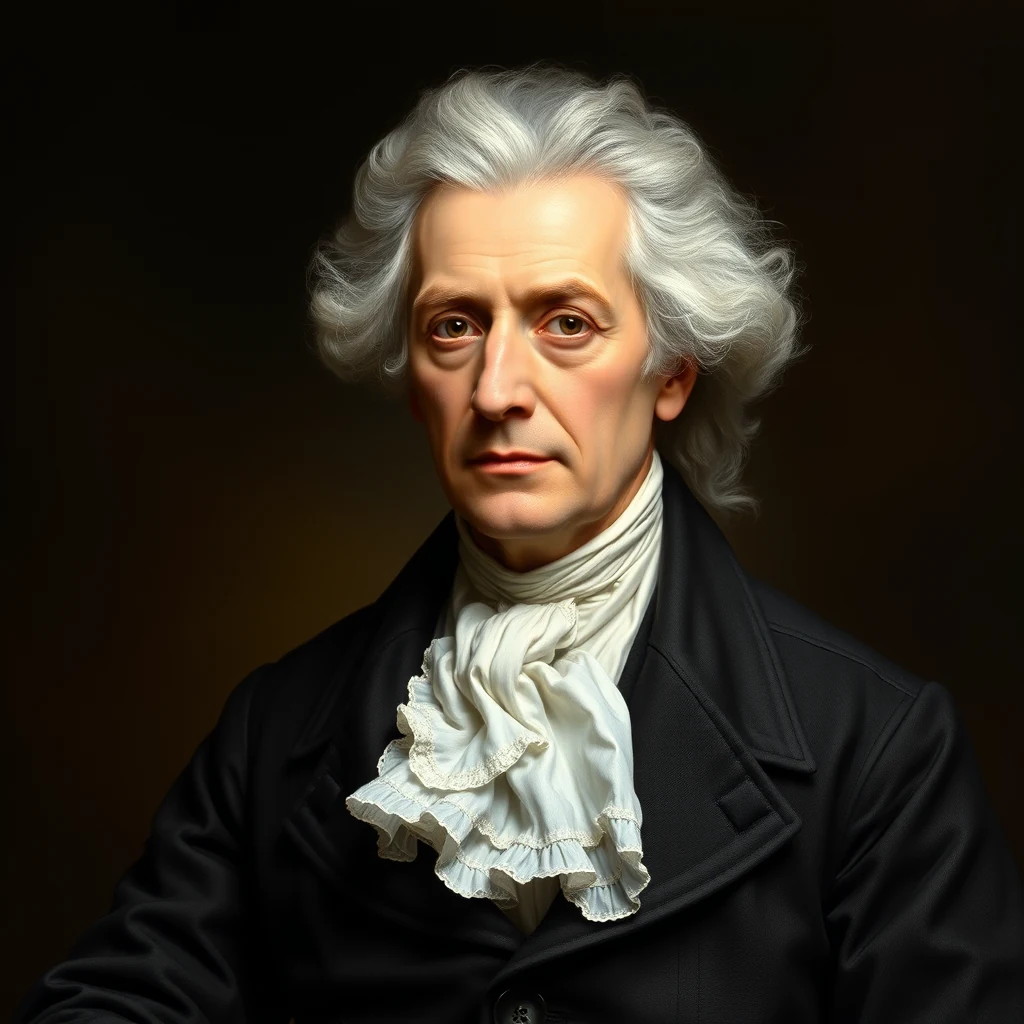 Person Luigi Galvani Bolognese anatomist (1737–1798) whose accidental observation of a dissected frog's leg twitching on a copper hook in the 1780s opened the field of electrophysiology. He published his findings in 1791 and spent his remaining years defending the idea of intrinsic 'animal electricity' against Volta's external explanation. He was right about the phenomenon, wrong about the mechanism, and the verb 'to galvanise' is named for him.博洛尼亚解剖学家(1737—1798),因1780年代偶然观察到一条解剖青蛙腿在铜钩上抽搐,由此开创了电生理学领域。他于1791年发表研究成果,此后余生致力于捍卫内在"动物电"的观点,以抗衡伏打提出的外部电源解释。他对该现象的判断正确,对其机制的解释有误。"galvanise"(激励;镀锌)一词即以其名命名。Anatomista boloñés (1737–1798) cuya observación fortuita del espasmo de la pata de una rana disecada en un gancho de cobre en la década de 1780 inauguró el campo de la electrofisiología. Publicó sus hallazgos en 1791 y dedicó sus últimos años a defender la idea de una «electricidad animal» intrínseca frente a la explicación externa propuesta por Volta. Tenía razón en cuanto al fenómeno, pero se equivocaba en cuanto al mecanismo, y el verbo «galvanizar» debe su nombre a él.عالم تشريح بولوني (1737–1798)؛ أسهمت ملاحظتُه العَرَضية لارتجاف رجل ضفدع مشرَّحة معلَّقة على خطّاف نحاسي في ثمانينيات القرن الثامن عشر في تأسيس علم الفيزيولوجيا الكهربية. نشر نتائجه عام 1791، وأمضى سنواته الأخيرة في الدفاع عن فكرة "الكهرباء الحيوانية" بوصفها خاصيةً ذاتية كامنة في الأنسجة، في مواجهة تفسير فولتا القائل بمصدر خارجي لها. كان مصيبًا في رصد الظاهرة، مخطئًا في تفسير آليتها، والفعل "غلفن" مشتقٌّ من اسمه.Anatomista bolonhês (1737–1798) cuja observação acidental do espasmo da pata de uma rã dissecada sobre um gancho de cobre, na década de 1780, inaugurou o campo da eletrofisiologia. Publicou suas descobertas em 1791 e passou os anos restantes defendendo a ideia de uma "eletricidade animal" intrínseca contra a explicação externa proposta por Volta. Tinha razão quanto ao fenômeno, errava quanto ao mecanismo, e o verbo "galvanizar" deve-lhe o nome.बोलोन्या के शरीर-रचनाविद् (1737–1798), जिनके 1780 के दशक में ताँबे के हुक पर एक विच्छेदित मेंढक की टाँग को फड़कते देखने के आकस्मिक अवलोकन ने विद्युत-शरीरक्रियाविज्ञान के क्षेत्र की नींव रखी। उन्होंने अपने निष्कर्ष 1791 में प्रकाशित किए और शेष वर्ष अंतर्निहित 'पशु-विद्युत' की अवधारणा का वोल्टा की बाह्य व्याख्या के विरुद्ध बचाव करते हुए बिताए। वे घटना के विषय में सही थे, तंत्र के विषय में गलत; और 'गैल्वनाइज़' क्रिया उन्हीं के नाम पर है।Ahli anatomi Bologna (1737–1798) yang pengamatan kebetulannya terhadap kaki katak yang telah dibedah dan berkedut pada kait tembaga pada tahun 1780-an membuka bidang elektrofisiologi. Ia menerbitkan temuannya pada tahun 1791 dan menghabiskan sisa hidupnya mempertahankan gagasan tentang 'listrik hewan' yang bersifat intrinsik terhadap penjelasan eksternal Volta. Ia benar mengenai fenomenanya, keliru mengenai mekanismenya, dan kata kerja *to galvanise* dinamai untuk menghormatinya.Anatomiste bolognais (1737–1798) dont l'observation fortuite, dans les années 1780, d'une patte de grenouille disséquée se contractant sur un crochet de cuivre ouvrit le champ de l'électrophysiologie. Il publia ses résultats en 1791 et consacra ses dernières années à défendre l'idée d'une « électricité animale » intrinsèque contre l'explication externe proposée par Volta. Il avait raison sur le phénomène, tort sur le mécanisme, et le verbe galvaniser lui doit son nom.ボローニャ出身の解剖学者(1737–1798)。1780年代、解剖したカエルの脚が銅製のフックの上で痙攣するという偶然の観察が、電気生理学という分野を切り開いた。1791年に研究成果を発表し、その後の生涯を内在的な「動物電気」という概念の擁護に費やし、外部的な説明を主張するボルタと対立し続けた。現象そのものについては正しく、そのメカニズムについては誤りであった。動詞「ガルバナイズ」は彼の名に由来する。Болонский анатом (1737–1798), случайное наблюдение которого — подёргивание лапки препарированной лягушки на медном крючке в 1780-х годах — открыло область электрофизиологии. Результаты своих исследований он опубликовал в 1791 году и провёл оставшиеся годы, отстаивая концепцию присущего живым тканям «животного электричества» против внешнего объяснения, предложенного Вольта. В отношении самого явления он оказался прав, в отношении механизма — нет; глагол «гальванизировать» образован от его имени.Bologneser Anatom (1737–1798), dessen zufällige Beobachtung des Zuckens eines sezierten Froschbeins an einem Kupferhaken in den 1780er Jahren das Feld der Elektrophysiologie begründete. Er veröffentlichte seine Befunde 1791 und verbrachte seine verbleibenden Lebensjahre damit, die These einer intrinsischen „tierischen Elektrizität" gegen Voltas externe Erklärung zu verteidigen. Hinsichtlich des Phänomens behielt er recht, hinsichtlich des Mechanismus irrte er; das Verb „galvanisieren" ist nach ihm benannt.볼로냐 출신의 해부학자(1737~1798). 1780년대에 구리 갈고리에 걸린 해부 개구리 다리가 경련하는 것을 우연히 관찰하여 전기생리학 분야를 개척하였다. 1791년에 연구 결과를 발표하였으며, 생애 말년에는 볼타의 외인성 전기 이론에 맞서 내재적 '동물 전기(animal electricity)' 개념을 옹호하는 데 주력하였다. 현상에 관해서는 옳았으나 메커니즘에 관해서는 틀렸으며, 동사 '갈바나이즈(galvanise)'는 그의 이름에서 유래하였다. spent the next decade arguing that animals generated electricity inside themselves — "animal electricity." His nephew defended the idea. His rival in Pavia, Alessandro Volta
 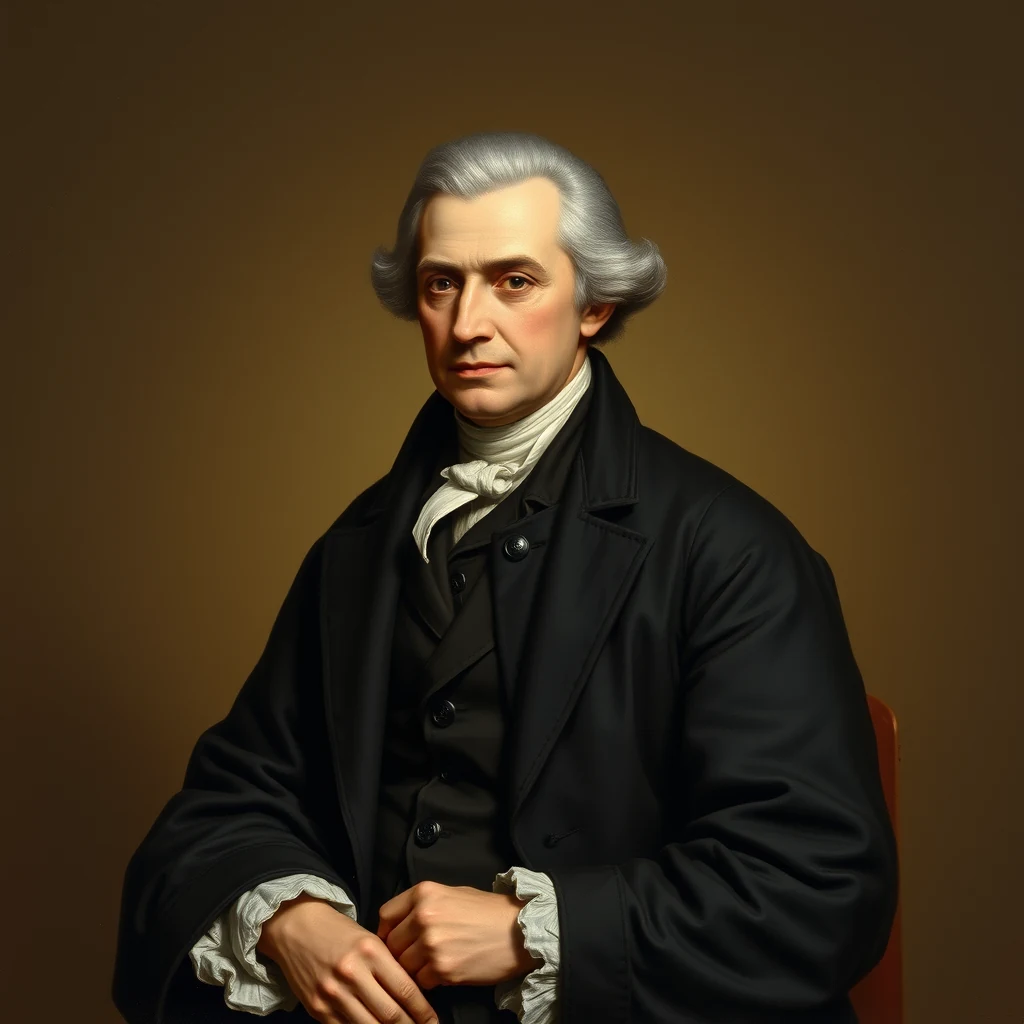 Person Alessandro Volta Physicist at the University of Pavia (1745–1827) who attacked Galvani's animal-electricity claim and, in trying to disprove it, built the first true battery in 1800. He demonstrated that current arose from dissimilar metals in an electrolyte, not from the tissue between them. The unit of electric potential, the volt, was named in his honour by international convention in 1881.帕维亚大学物理学家(1745—1827年),曾对伽伐尼的动物电学说提出异议,并在试图驳斥该学说的过程中于1800年制成了首个真正意义上的电池。他证明,电流产生于电解质中的异种金属之间,而非来自其间的生物组织。电位单位伏特,于1881年经国际公约以其姓氏命名。Físico de la Universidad de Pavía (1745–1827) que impugnó la teoría de la electricidad animal de Galvani y, en el intento de refutarla, construyó la primera pila eléctrica verdadera en 1800. Demostró que la corriente surgía del contacto entre metales distintos en un electrólito, y no del tejido interpuesto entre ellos. La unidad de potencial eléctrico, el voltio, recibió su nombre por convención internacional en 1881.فيزيائي في جامعة بافيا (1745–1827) شكَّك في نظرية غالفاني حول الكهرباء الحيوانية، وفي سياق محاولته دحضها أنجز عام 1800 تصنيعَ أولى البطاريات الكهربائية الحقيقية. وأثبت أن التيار الكهربائي ينشأ عن المعادن غير المتماثلة المغمورة في إلكتروليت، لا عن الأنسجة الواقعة بينها. وقد أُطلق اسمه على وحدة الجهد الكهربائي، الفولت، بقرار من المؤتمر الدولي عام 1881.Físico da Universidade de Pavia (1745–1827) que contestou a teoria da eletricidade animal de Galvani e, ao tentar refutá-la, construiu a primeira bateria elétrica verdadeira em 1800. Demonstrou que a corrente elétrica resultava do contato entre metais dissimilares num eletrólito, e não do tecido entre eles. A unidade de potencial elétrico, o volt, recebeu seu nome por convenção internacional em 1881.पाविया विश्वविद्यालय के भौतिकशास्त्री (1745–1827) जिन्होंने गैल्वानी के जंतु-विद्युत सिद्धांत का खंडन किया और उसे अस्वीकृत करने के प्रयास में 1800 में प्रथम वास्तविक बैटरी का निर्माण किया। उन्होंने यह प्रदर्शित किया कि विद्युत धारा उनके बीच के ऊतक से नहीं, अपितु किसी विद्युत-अपघट्य में डूबी असमान धातुओं से उत्पन्न होती है। विद्युत विभव की इकाई, वोल्ट, 1881 में अंतर्राष्ट्रीय अभिसमय द्वारा उनके सम्मान में नामकरण की गई।Fisikawan di Universitas Pavia (1745–1827) yang menentang klaim listrik-hewan Galvani dan, dalam upaya membuktikan kesalahannya, membangun baterai sejati pertama pada tahun 1800. Ia menunjukkan bahwa arus listrik timbul dari dua logam berbeda yang berada dalam elektrolit, bukan dari jaringan di antara keduanya. Satuan potensial listrik, volt, dinamai untuk menghormatinya berdasarkan konvensi internasional pada tahun 1881.Physicien à l'Université de Pavie (1745–1827) qui contesta la théorie de l'électricité animale de Galvani et, en cherchant à la réfuter, construisit la première véritable pile électrique en 1800. Il démontra que le courant provenait de métaux dissemblables plongés dans un électrolyte, et non du tissu interposé entre eux. L'unité de potentiel électrique, le volt, fut nommée en son honneur par convention internationale en 1881.パヴィア大学の物理学者(1745–1827)。ガルヴァーニの動物電気説に異議を唱え、これを反証しようとする過程で1800年に最初の真の電池を発明した。電流は組織間から生じるのではなく、電解質中の異種金属から発生することを実証した。電位の単位ボルトは、1881年の国際的合意によって彼の名にちなんで命名された。Физик Павийского университета (1745–1827), оспоривший утверждение Гальвани об «животном электричестве» и в ходе попыток его опровержения создавший в 1800 году первую подлинную электрическую батарею. Вольта доказал, что электрический ток возникает вследствие контакта разнородных металлов в электролите, а не за счёт ткани между ними. Единица электрического потенциала — вольт — названа в его честь по решению Международного электрического конгресса 1881 года.Physiker an der Universität Pavia (1745–1827), der Galvanis These der tierischen Elektrizität angriff und dabei 1800 die erste echte Batterie konstruierte. Er wies nach, dass der Strom aus ungleichartigen Metallen in einem Elektrolyten entsteht und nicht aus dem dazwischenliegenden Gewebe. Die Einheit des elektrischen Potentials, das Volt, wurde ihm zu Ehren 1881 durch internationale Übereinkunft benannt.파비아 대학교의 물리학자(1745–1827)로, 갈바니의 동물 전기 주장에 반박하려다 1800년 최초의 진정한 전지를 발명하였다. 그는 전류가 조직 사이에서 발생하는 것이 아니라 전해질 속의 서로 다른 두 금속에서 발생함을 증명하였다. 전위의 단위인 볼트(volt)는 1881년 국제 협약에 의해 그의 이름을 기려 명명되었다. , said no: the electricity came from the two metals, and the frog leg was just a sensitive detector. To prove it, Volta in 1800 stacked discs of zinc and copper separated by brine-soaked cardboard and got a steady current with no frog in sight. The voltaic pile
 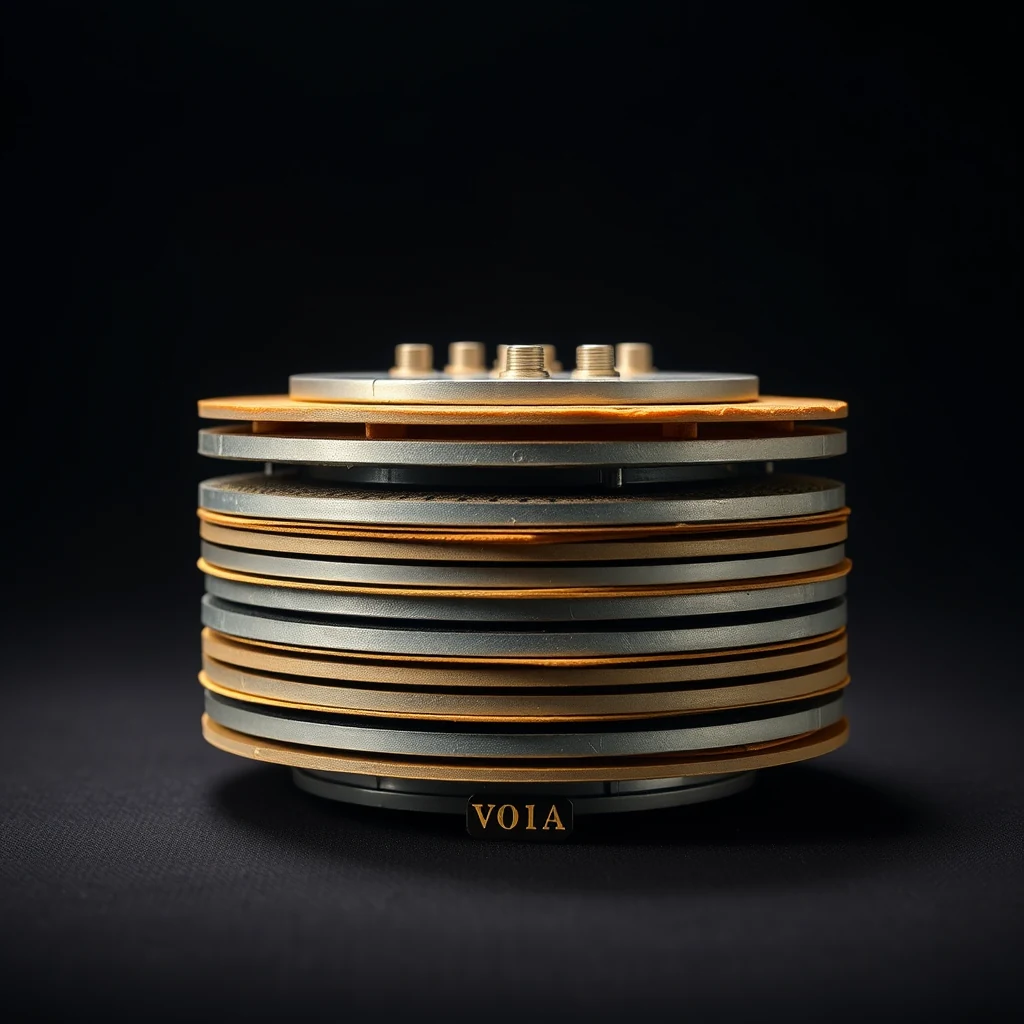 Object voltaic pile The first electrochemical battery, assembled by Volta in 1800 from a stack of alternating zinc and copper discs separated by brine-soaked cardboard. It produced a steady electric current rather than the brief discharges previously available from friction machines and Leyden jars. Within months it was being used to electrolyse water and isolate new elements, launching the entire field of electrochemistry.伏打电堆是第一种电化学电池,由伏打于1800年制成,由锌片与铜片交替叠放、以浸盐水的硬纸板隔开的叠层构成。它能产生稳定的持续电流,而非此前摩擦起电机和莱顿瓶所能提供的短暂放电。问世数月之内,伏打电堆即被用于电解水和分离新元素,从而开创了整个电化学领域。La primera batería electroquímica, ensamblada por Volta en 1800 a partir de una pila de discos alternos de zinc y cobre separados por cartón empapado en salmuera. Producía una corriente eléctrica continua en lugar de las breves descargas que hasta entonces se obtenían de las máquinas de fricción y las botellas de Leyden. En pocos meses ya se empleaba para electrolizar agua y aislar nuevos elementos, dando origen a todo el campo de la electroquímica.أول بطارية كهروكيميائية، جمّعها فولتا عام 1800 من مجموعة أقراص متناوبة من الزنك والنحاس مفصولةٍ بورق مقوّى مُشرَّب بالمحلول الملحي. أنتجت تياراً كهربائياً مستمراً، خلافاً للتفريغات الآنية العابرة التي كانت متاحة من قبل عبر آلات الاحتكاك وقوارير ليدن. وفي غضون أشهر، جرى توظيفها في تحليل الماء كهربائياً وعزل عناصر جديدة، مما أسّس لميدان الكيمياء الكهربائية بأسره.A primeira bateria eletroquímica, montada por Volta em 1800 a partir de uma pilha de discos alternados de zinco e cobre separados por papelão embebido em salmoura. Produzia uma corrente elétrica contínua, em vez das breves descargas então disponíveis nas máquinas de fricção e nas garrafas de Leyden. Em poucos meses, era utilizada para eletrolizar a água e isolar novos elementos, lançando as bases de todo o campo da eletroquímica.1800 में वोल्टा द्वारा संयोजित प्रथम विद्युत-रासायनिक बैटरी, जो नमक-जल में भिगोए गत्ते की पर्तों द्वारा पृथक्कृत जस्ते और तांबे की एकांतर चकतियों के एक स्तंभ से निर्मित थी। इसने एक स्थिर विद्युत-धारा उत्पन्न की, जबकि इससे पूर्व घर्षण मशीनों और लेडेन जारों से केवल क्षणिक आवेश ही प्राप्त होते थे। कुछ ही महीनों में इसका उपयोग जल के विद्युत-अपघटन और नए तत्त्वों के पृथक्करण के लिए किया जाने लगा, जिसने विद्युत-रसायन के समग्र क्षेत्र की नींव रखी।Baterai elektrokimia pertama, dirakit oleh Volta pada tahun 1800 dari tumpukan cakram seng dan tembaga yang berselang-seling, dipisahkan oleh karton yang direndam dalam larutan garam. Baterai ini menghasilkan arus listrik yang stabil, berbeda dari pelepasan muatan singkat yang sebelumnya tersedia dari mesin gesek dan toples Leyden. Dalam hitungan bulan, baterai ini sudah digunakan untuk mengelektrolisis air dan mengisolasi unsur-unsur baru, sehingga melahirkan seluruh bidang elektrokimia.La première pile électrochimique, assemblée par Volta en 1800 à partir d'un empilement de disques alternés de zinc et de cuivre séparés par du carton imbibé de saumure. Elle produisait un courant électrique continu, à la différence des brèves décharges que fournissaient jusqu'alors les machines à friction et les bouteilles de Leyde. En l'espace de quelques mois, elle fut utilisée pour électrolyser l'eau et isoler de nouveaux éléments, jetant ainsi les bases de l'ensemble du domaine de l'électrochimie.1800年にボルタが、食塩水に浸した厚紙を挟んで交互に重ねた亜鉛と銅の円盤の積み重ねから組み立てた、最初の電気化学電池。摩擦起電機やライデン瓶からこれまで得られていた瞬間的な放電とは異なり、持続的な電流を生み出した。完成から数か月のうちに水の電気分解や新元素の単離に用いられ、電気化学という分野全体の端緒を開いた。Первая электрохимическая батарея, собранная Вольта в 1800 году из стопки чередующихся цинковых и медных дисков, разделённых пропитанным рассолом картоном. Она производила постоянный электрический ток, в отличие от кратковременных разрядов, прежде получаемых от электростатических машин и лейденских банок. Уже через несколько месяцев она применялась для электролиза воды и выделения новых элементов, дав начало всей области электрохимии.Die erste elektrochemische Batterie, von Volta im Jahr 1800 aus einem Stapel abwechselnder Zink- und Kupferscheiben, die durch in Salzlake getränkte Pappe voneinander getrennt waren, zusammengesetzt. Sie erzeugte einen gleichmäßigen elektrischen Strom, im Gegensatz zu den bis dahin verfügbaren kurzen Entladungen aus Reibungsmaschinen und Leidener Flaschen. Innerhalb weniger Monate wurde sie zur Elektrolyse von Wasser und zur Isolierung neuer Elemente eingesetzt und begründete damit das gesamte Gebiet der Elektrochemie.1800년 볼타가 염수에 적신 판지로 분리된 아연과 구리 원판을 교대로 쌓아 조립한 최초의 전기화학 전지. 이전까지 마찰 기전기나 leyden jar에서 얻을 수 있었던 순간적 방전과 달리, 안정적인 전류를 지속적으로 공급하였다. 발명 후 수개월 내에 물의 전기분해 및 신원소 분리에 활용되었으며, 이로써 전기화학 분야 전체의 토대가 마련되었다. was the first battery. Volta won the argument.
He was also wrong. Galvani was right too. Both effects exist, and they are the same effect: electrons moving because two materials sitting at different chemical potentials are connected through a conductor. A copper-zinc cell does it with metals in acid. A neuron does it with sodium and potassium across a fatty membrane. The chemistry is different. The physics is identical.
The neuron as a wet battery
A neuron at rest is not at rest. It is spending energy continuously to hold itself out of equilibrium. Specialised proteins called sodium-potassium pumps 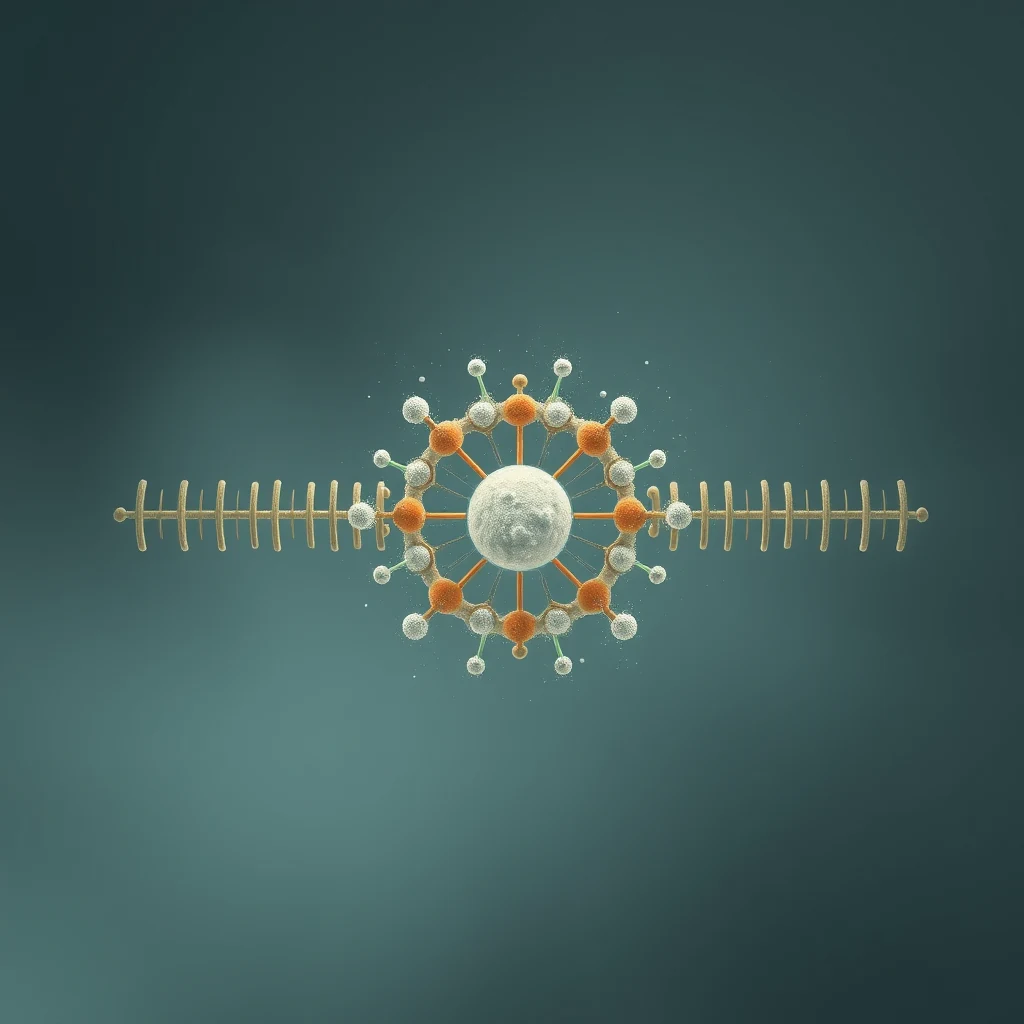 Concept sodium-potassium pump A membrane protein, formally Na+/K+-ATPase, that exports three sodium ions and imports two potassium ions per molecule of ATP consumed. Discovered by Jens Christian Skou in 1957, work that won him a share of the 1997 Nobel Prize in Chemistry, it maintains the ion gradients every animal cell needs to signal, transport nutrients, and regulate volume. In the brain it accounts for a substantial fraction of all energy expenditure.一种膜蛋白,正式名称为Na⁺/K⁺-ATPase(钠钾ATP酶),每消耗一分子ATP即向胞外输出三个钠离子、向胞内输入两个钾离子。该蛋白由延斯·克里斯蒂安·斯科于1957年发现,斯科凭借这一工作与他人共同分享了1997年诺贝尔化学奖。它维持着所有动物细胞进行信号传导、营养物质转运和体积调节所必需的离子梯度。在脑中,其能量消耗占总能量支出的相当大比例。Proteína de membrana, formalmente Na+/K+-ATPasa, que exporta tres iones de sodio e importa dos iones de potasio por molécula de ATP consumida. Descubierta por Jens Christian Skou en 1957, trabajo que le valió una parte del Premio Nobel de Química de 1997, mantiene los gradientes iónicos que toda célula animal necesita para transmitir señales, transportar nutrientes y regular el volumen. En el cerebro representa una fracción considerable del gasto energético total.مضخة الصوديوم والبوتاسيوم، المعروفة رسمياً بـ Na⁺/K⁺-ATPase، بروتين غشائي يُصدِّر ثلاثة أيونات صوديوم ويستورد أيوني بوتاسيوم مقابل كل جزيء ATP يُستهلك. اكتشفه العالم يِنس كريستيان سكو عام 1957، وهو الاكتشاف الذي أهّله لنيل حصة من جائزة نوبل في الكيمياء عام 1997، ويتولى هذا البروتين المحافظة على تدرجات الأيونات التي تحتاجها كل خلية حيوانية لأداء وظائف الإشارة العصبية ونقل المغذيات وتنظيم الحجم الخلوي. وفي الدماغ، يُمثّل هذا البروتين نسبة كبيرة من مجمل الإنفاق الطاقوي.Proteína de membrana, formalmente denominada Na+/K+-ATPase, que exporta três iões de sódio e importa dois iões de potássio por molécula de ATP consumida. Descoberta por Jens Christian Skou em 1957 — trabalho que lhe valeu uma parcela do Prémio Nobel de Química de 1997 —, mantém os gradientes iónicos de que toda célula animal necessita para sinalizar, transportar nutrientes e regular o volume. No cérebro, responde por uma fração substancial de todo o gasto energético.सोडियम-पोटैशियम पंप, जिसे औपचारिक रूप से Na⁺/K⁺-ATPase कहा जाता है, एक झिल्ली प्रोटीन है जो ATP के प्रत्येक अणु की खपत पर तीन सोडियम आयन बाहर निर्यात करता है और दो पोटैशियम आयन भीतर आयात करता है। इसकी खोज 1957 में Jens Christian Skou ने की थी, जिस कार्य के लिए उन्हें 1997 के रसायन विज्ञान के नोबेल पुरस्कार में सह-भागीदारी प्राप्त हुई। यह पंप उन आयन प्रवणताओं को बनाए रखता है जो प्रत्येक जंतु कोशिका को संकेत संचरण, पोषक तत्वों के परिवहन और आयतन नियमन के लिए आवश्यक हैं। मस्तिष्क में यह समस्त ऊर्जा व्यय के एक महत्त्वपूर्ण अंश के लिए उत्तरदायी है।Protein membran, secara formal Na+/K+-ATPase, yang mengekspor tiga ion natrium dan mengimpor dua ion kalium per molekul ATP yang dikonsumsi. Ditemukan oleh Jens Christian Skou pada 1957 — penemuan yang mengantarkan dirinya meraih sebagian Hadiah Nobel Kimia 1997 — protein ini mempertahankan gradien ion yang dibutuhkan setiap sel hewan untuk mengirim sinyal, mengangkut nutrien, dan mengatur volume. Di otak, protein ini menyumbang proporsi yang besar dari seluruh pengeluaran energi.Protéine membranaire, formellement désignée Na⁺/K⁺-ATPase, qui exporte trois ions sodium et importe deux ions potassium par molécule d'ATP consommée. Découverte par Jens Christian Skou en 1957 — travaux qui lui valurent une part du prix Nobel de chimie de 1997 —, elle maintient les gradients ioniques dont chaque cellule animale a besoin pour assurer la signalisation, le transport des nutriments et la régulation du volume. Dans le cerveau, elle représente une fraction substantielle de la dépense énergétique totale.ナトリウムポンプ(正式名称:Na⁺/K⁺-ATPase)は、1分子のATPを消費するごとにナトリウムイオン3個を細胞外へ排出し、カリウムイオン2個を細胞内へ取り込む膜タンパク質である。1957年にイェンス・クリスチャン・スコウによって発見され、この業績により彼は1997年のノーベル化学賞を共同受賞した。あらゆる動物細胞が信号伝達・栄養素輸送・体積調節に必要とするイオン勾配を維持する役割を担い、脳においては全エネルギー消費量のうち相当な割合を占める。Мембранный белок, официально именуемый Na+/K+-АТФазой, транспортирует три иона натрия из клетки и два иона калия в клетку в расчёте на каждую гидролизованную молекулу АТФ. Открытый Йенсом Кристианом Скоу в 1957 году — исследование, принёсшее ему долю Нобелевской премии по химии 1997 года, — он поддерживает ионные градиенты, необходимые каждой клетке животных для передачи сигналов, транспорта питательных веществ и регуляции объёма. В головном мозге на его долю приходится значительная часть всех энергетических затрат.Na⁺/K⁺-ATPase, formell als Natrium-Kalium-ATPase bezeichnet, ist ein Membranprotein, das pro verbrauchtem ATP-Molekül drei Natriumionen exportiert und zwei Kaliumionen importiert. Es wurde 1957 von Jens Christian Skou entdeckt, wofür ihm 1997 ein Anteil des Nobelpreises für Chemie zuerkannt wurde. Das Protein erhält die Ionengradienten aufrecht, auf die jede tierische Zelle für Signalübertragung, Nährstofftransport und Volumenregulation angewiesen ist. Im Gehirn entfällt ein erheblicher Anteil des gesamten Energieverbrauchs auf dieses Enzym.나트륨-칼륨 ATPase(공식 명칭 Na⁺/K⁺-ATPase)는 ATP 1분자 소비당 나트륨 이온 3개를 세포 외부로 내보내고 칼륨 이온 2개를 세포 내부로 들여오는 막 단백질이다. 1957년 옌스 크리스티안 스코우에 의해 발견되었으며, 이 연구 업적으로 그는 1997년 노벨 화학상을 공동 수상하였다. 이 단백질은 모든 동물 세포가 신호 전달, 영양소 수송 및 부피 조절에 필요로 하는 이온 농도 기울기를 유지한다. 뇌에서는 전체 에너지 소비의 상당 부분을 차지한다. grind through the membrane, shoving three sodium ions out for every two potassium ions in, burning one molecule of ATP
  Concept ATP Adenosine triphosphate, the molecule cells use to move energy around. Breaking off one of its three phosphate groups releases roughly thirty kilojoules per mole, enough to drive most of the work a cell does, including running ion pumps. An adult human turns over about their own body weight in ATP every day, recycling it from ADP rather than holding any stockpile.三磷酸腺苷(ATP),细胞用以传递能量的分子。断裂其三个磷酸基团之一可释放约30千焦/摩尔的能量,足以驱动细胞完成大部分功,包括运行离子泵。成年人每日的ATP周转量约相当于其自身体重,通过将ADP循环再生而来,体内并无任何储备积累。Trifosfato de adenosina, la molécula que emplean las células para transportar energía. La ruptura de uno de sus tres grupos fosfato libera aproximadamente treinta kilojulios por mol, energía suficiente para impulsar la mayor parte del trabajo celular, incluido el funcionamiento de las bombas iónicas. Un ser humano adulto recicla diariamente una cantidad de ATP equivalente a su propio peso corporal, regenerándola a partir del ADP sin acumular reserva alguna.أدينوسين ثلاثي الفوسفات، الجزيء الذي تستخدمه الخلايا لنقل الطاقة. يُطلق انفصال أحد مجموعاته الفوسفاتية الثلاث ما يقارب ثلاثين كيلوجول لكل مول، وهو ما يكفي لتشغيل معظم الأعمال التي تؤديها الخلية، بما فيها تشغيل المضخات الأيونية. يُدوِّر الإنسان البالغ ما يعادل وزن جسمه تقريباً من ATP في اليوم الواحد، مُعيداً تصنيعه من ADP دون أن يحتفظ بأي احتياطي يُذكر.Trifosfato de adenosina, a molécula que as células utilizam para transportar energia. A quebra de um dos seus três grupos fosfato libera aproximadamente trinta quilojoules por mol, energia suficiente para impulsionar a maior parte do trabalho celular, incluindo o funcionamento das bombas de íons. Um ser humano adulto recicla diariamente uma quantidade de ATP equivalente ao seu próprio peso corporal, regenerando-o a partir do ADP em vez de manter qualquer reserva.एडेनोसिन ट्राइफॉस्फेट, वह अणु जिसका उपयोग कोशिकाएँ ऊर्जा के संचरण के लिए करती हैं। इसके तीन फॉस्फेट समूहों में से एक को तोड़ने पर लगभग तीस किलोजूल प्रति मोल ऊर्जा मुक्त होती है, जो कोशिका द्वारा किए जाने वाले अधिकांश कार्यों — जिसमें आयन पंपों का संचालन भी सम्मिलित है — को चलाने के लिए पर्याप्त है। एक वयस्क मनुष्य प्रतिदिन अपने शरीर के भार के बराबर ATP का चक्रण करता है, किसी संचित भंडार पर निर्भर न रहकर इसे ADP से पुनर्नवीनीकरण द्वारा प्राप्त करता है।Adenosina trifosfat, molekul yang digunakan sel untuk memindahkan energi. Pelepasan salah satu dari tiga gugus fosfatnya melepaskan sekitar tiga puluh kilojoule per mol, cukup untuk menggerakkan sebagian besar kerja yang dilakukan sel, termasuk menjalankan pompa ion. Manusia dewasa mengubah ATP seberat tubuhnya sendiri setiap hari, mendaur ulangnya dari ADP alih-alih menyimpan cadangan.Adénosine triphosphate, molécule par laquelle les cellules transportent l'énergie. La rupture de l'un de ses trois groupements phosphate libère environ trente kilojoules par mole, énergie suffisante pour assurer la majeure partie du travail cellulaire, notamment le fonctionnement des pompes ioniques. Un être humain adulte recycle chaque jour l'équivalent de son propre poids en ATP, le régénérant à partir de l'ADP plutôt que d'en constituer une réserve.アデノシン三リン酸(ATP)は、細胞内でエネルギーを輸送するために用いられる分子である。三つのリン酸基のうち一つを切り離す際に約30キロジュール毎モルのエネルギーが放出され、イオンポンプの駆動を含む細胞活動の大部分を賄うに足る量である。成人の人体は1日あたり自身の体重に相当する量のATPを消費するが、ATPを蓄積するのではなく、ADP(アデノシン二リン酸)から再合成することによってこれを循環利用している。Аденозинтрифосфат — молекула, используемая клетками для переноса энергии. Отщепление одной из трёх фосфатных групп высвобождает около тридцати килоджоулей на моль, чего достаточно для обеспечения большинства процессов клеточной работы, включая функционирование ионных насосов. Взрослый человек ежедневно оборачивает количество АТФ, примерно равное массе собственного тела, регенерируя её из АДФ, а не поддерживая какие-либо запасы.Adenosintriphosphat, das Molekül, das Zellen zum Transport von Energie nutzen. Die Abspaltung einer seiner drei Phosphatgruppen setzt etwa dreißig Kilojoule pro Mol frei – genug, um den Großteil der zellulären Arbeit anzutreiben, einschließlich des Betriebs von Ionenpumpen. Ein erwachsener Mensch setzt täglich etwa sein eigenes Körpergewicht an ATP um, wobei dieses aus ADP recycelt wird, anstatt einen Vorrat anzulegen.아데노신 삼인산(ATP)은 세포가 에너지를 운반하는 데 사용하는 분자이다. 세 개의 인산기 중 하나를 분리하면 약 30킬로줄/몰의 에너지가 방출되며, 이는 이온 펌프 구동을 비롯한 세포 활동의 대부분을 수행하기에 충분한 양이다. 성인 인체는 하루에 자신의 체중에 맞먹는 양의 ATP를 순환시키며, 별도의 비축량 없이 ADP로부터 재합성하는 방식으로 이를 충당한다. per cycle. The result is a membrane with more potassium inside than out and more sodium outside than in — a chemical gradient with stored work in it, just like a charged cell.

The voltage across that membrane is about seventy millivolts. The membrane itself is five nanometres thick. Divide those numbers and the electric field inside a resting neuron comes to roughly fourteen million volts per metre — the field strength inside a lightning bolt, held steady, all the time, in every cell of your brain.

When the cell fires, sodium channels snap open. Sodium pours down its gradient into the cell. The voltage flips positive in under a millisecond. Potassium channels open a beat later and the cell discharges. The whole event, called an action potential 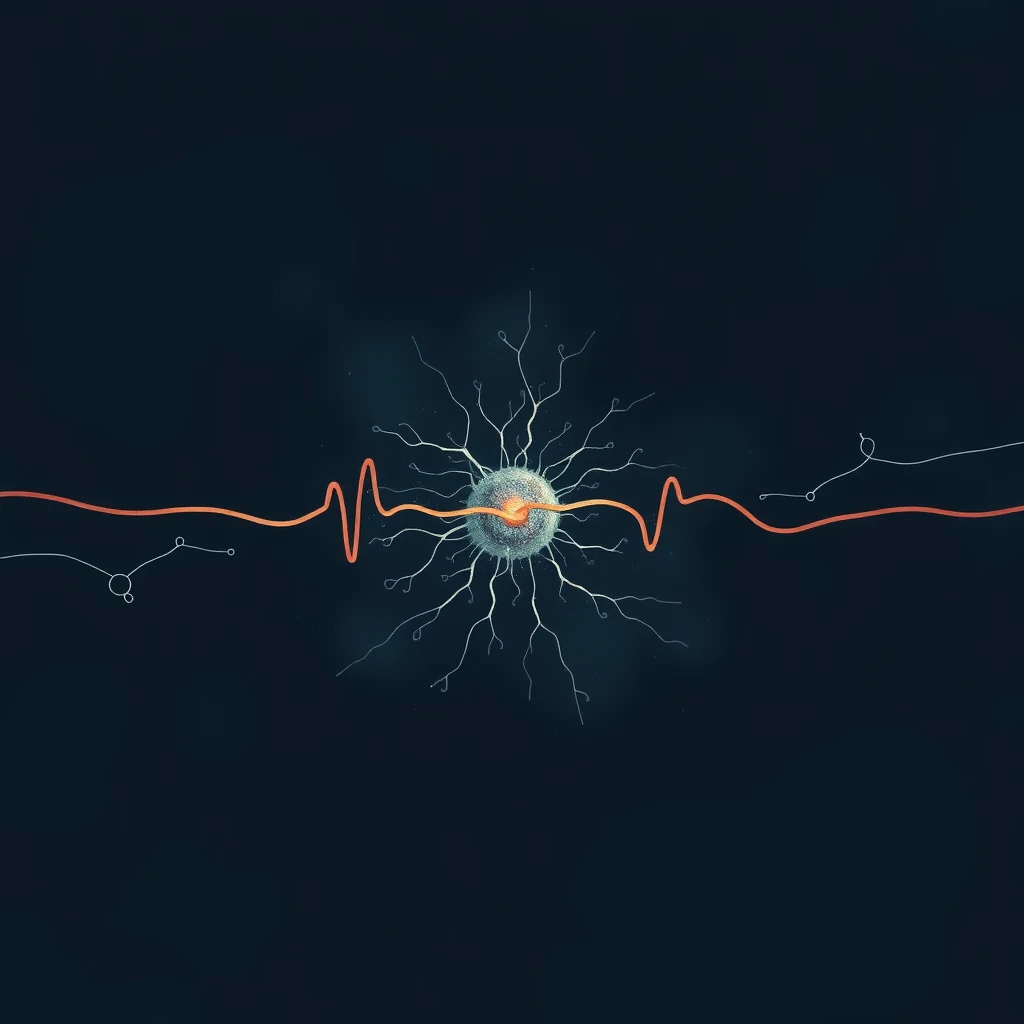 Concept action potential A self-propagating electrical pulse in a neuron, lasting roughly one millisecond, in which the membrane voltage swings from about minus seventy millivolts to plus thirty and back. Sodium channels open first, then potassium channels, then both close while the ion pumps reset the gradients. The pulse travels along the axon at speeds from one to over a hundred metres per second depending on diameter and myelination.神经元中一种自我传播的电脉冲,持续约一毫秒,其间膜电压从约负七十毫伏跃升至正三十毫伏后再回落。钠通道首先开放,随后钾通道开放,继而二者关闭,离子泵则重置离子梯度。该脉冲沿轴突传导,速度从每秒一米到逾一百米不等,取决于轴突直径及髓鞘化程度。Pulso eléctrico autopropagante en una neurona, de aproximadamente un milisegundo de duración, en el que el voltaje de membrana oscila desde unos setenta milivoltos negativos hasta treinta positivos y regresa. Los canales de sodio se abren primero, luego los de potasio; a continuación ambos se cierran mientras las bombas iónicas restablecen los gradientes. El pulso recorre el axón a velocidades de entre uno y más de cien metros por segundo según el diámetro y la mielinización.نبضة كهربائية ذاتية الانتشار في الخلية العصبية، تستمر نحو ميلي ثانية واحدة، تتأرجح خلالها الجهة الكهربائية للغشاء من نحو سالب سبعين ميلي فولت إلى موجب ثلاثين ميلي فولت ثم تعود إلى وضعها الأصلي. تنفتح قنوات الصوديوم أولاً، ثم قنوات البوتاسيوم، ثم تنغلق كلتاهما فيما تعمل المضخات الأيونية على إعادة ضبط التدرجات الكيميائية الكهربائية. تنتقل النبضة على طول المحور العصبي بسرعات تتراوح بين متر واحد وأكثر من مئة متر في الثانية، تبعاً لقطر المحور ودرجة انتيانه بالميالين.Um pulso elétrico autopropagatório num neurônio, com duração aproximada de um milissegundo, no qual a tensão transmembranar oscila de cerca de menos setenta milivolts a mais trinta e retorna ao valor inicial. Os canais de sódio abrem-se primeiro, seguidos pelos canais de potássio; ambos encerram-se enquanto as bombas iônicas restabelecem os gradientes. O pulso percorre o axônio a velocidades de um a mais de cem metros por segundo, conforme o diâmetro e a mielinização.एक न्यूरॉन में स्व-प्रसारी विद्युत स्पंद, जो लगभग एक मिलीसेकंड तक रहता है, जिसमें झिल्ली विभव लगभग माइनस सत्तर मिलीवोल्ट से प्लस तीस मिलीवोल्ट तक और वापस दोलन करता है। पहले सोडियम चैनल खुलते हैं, फिर पोटैशियम चैनल, तत्पश्चात दोनों बंद हो जाते हैं जबकि आयन पंप प्रवणताओं को पुनः स्थापित करते हैं। यह स्पंद एक्सॉन के साथ एक से सौ मीटर प्रति सेकंड से भी अधिक गति से संचरित होता है, जो व्यास और माइलिनेशन पर निर्भर करता है।Denyutan listrik yang merambat sendiri dalam sebuah neuron, berlangsung sekitar satu milidetik, di mana tegangan membran berayun dari sekitar minus tujuh puluh milivolt hingga plus tiga puluh dan kembali lagi. Saluran natrium terbuka terlebih dahulu, kemudian saluran kalium, lalu keduanya menutup sementara pompa ion mengatur ulang gradien. Denyutan ini merambat sepanjang akson dengan kecepatan satu hingga lebih dari seratus meter per detik, bergantung pada diameter dan mielinasi.Impulsion électrique autorégénératrice se propageant dans un neurone, d'une durée d'environ une milliseconde, au cours de laquelle le potentiel de membrane oscille d'environ moins soixante-dix millivolts à plus trente millivolts avant de revenir à sa valeur initiale. Les canaux sodiques s'ouvrent en premier, suivis des canaux potassiques, puis les deux se ferment tandis que les pompes ioniques rétablissent les gradients. L'impulsion se propage le long de l'axone à des vitesses comprises entre un et plus de cent mètres par seconde selon le diamètre de l'axone et son degré de myélinisation.ニューロン内で自己伝播する電気パルスで、持続時間は約1ミリ秒。膜電位は約−70ミリボルトから+30ミリボルトへ上昇した後、元に戻る。まずナトリウムチャネルが開き、続いてカリウムチャネルが開き、その後両者が閉じてイオンポンプが濃度勾配をリセットする。パルスは軸索に沿って伝導し、その速度は直径および髄鞘形成の有無に応じて毎秒1メートルから100メートルを超える範囲に及ぶ。Самораспространяющийся электрический импульс в нейроне продолжительностью около одной миллисекунды, при котором мембранный потенциал смещается примерно с минус семидесяти милливольт до плюс тридцати и возвращается обратно. Сначала открываются натриевые каналы, затем калиевые, после чего оба типа каналов закрываются, пока ионные насосы восстанавливают градиенты концентраций. Импульс распространяется вдоль аксона со скоростью от одного до более чем ста метров в секунду в зависимости от диаметра волокна и степени миелинизации.Ein sich selbst fortpflanzendes elektrisches Signal in einem Neuron von etwa einer Millisekunde Dauer, bei dem die Membranspannung von etwa minus siebzig Millivolt auf plus dreißig Millivolt ansteigt und anschließend zurückfällt. Zunächst öffnen sich Natriumkanäle, dann Kaliumkanäle, woraufhin beide schließen, während die Ionenpumpen die Gradienten wiederherstellen. Der Impuls läuft entlang des Axons mit Geschwindigkeiten von einem bis über hundert Metern pro Sekunde, abhängig von Durchmesser und Myelinisierung.뉴런 내에서 자기 전파하는 전기적 충격으로, 지속 시간은 약 1밀리초이며, 이 과정에서 막 전압이 약 −70밀리볼트에서 +30밀리볼트까지 상승한 후 다시 하강한다. 먼저 나트륨 채널이 열리고, 이어서 칼륨 채널이 열리며, 이온 펌프가 이온 농도 기울기를 재설정하는 동안 두 채널 모두 닫힌다. 이 충격은 직경 및 수초화(myelination) 여부에 따라 초속 1미터에서 100미터 이상의 속도로 축삭을 따라 전파된다. , propagates down the axon at up to a hundred metres a second. Then the pumps quietly put everything back where it was, paying in ATP.
In the 1950s, Alan Hodgkin  Person Alan Hodgkin British biophysicist (1914–1998) who, working with Andrew Huxley at Cambridge and Plymouth in the late 1940s, used voltage-clamp recordings on the squid giant axon to dissect the ionic basis of the nerve impulse. Their 1952 mathematical model of sodium and potassium conductances remains the foundation of computational neuroscience. He shared the 1963 Nobel Prize in Physiology or Medicine.英国生物物理学家(1914—1998年),20世纪40年代末与安德鲁·赫胥黎在剑桥及普利茅斯合作,以电压钳技术对乌贼巨轴突进行记录,揭示了神经冲动的离子机制。两人于1952年建立的钠、钾电导数学模型至今仍是计算神经科学的基石。他与赫胥黎共同荣获1963年诺贝尔生理学或医学奖。Biofísico británico (1914–1998) que, trabajando junto a Andrew Huxley en Cambridge y Plymouth a finales de la década de 1940, utilizó registros de fijación de voltaje en el axón gigante del calamar para diseccionar la base iónica del impulso nervioso. Su modelo matemático de 1952 sobre las conductancias de sodio y potasio sigue siendo el fundamento de la neurociencia computacional. Compartió el Premio Nobel de Fisiología o Medicina de 1963.عالم فيزياء حيوية بريطاني (1914–1998)، عمل مع أندرو هكسلي في كامبريدج وبليموث أواخرَ أربعينيات القرن العشرين، مستخدمًا تسجيلات تثبيت الجهد على المحور العصبي العملاق للحبّار لتحليل الأساس الأيوني للنبضة العصبية. ولا يزال نموذجهما الرياضي لعام 1952 في توصيليات الصوديوم والبوتاسيوم يُشكّل الأساسَ الذي يقوم عليه علم الأعصاب الحسابي. حصل على جائزة نوبل في علم وظائف الأعضاء أو الطب عام 1963 مشاركةً.Biofísico britânico (1914–1998) que, trabalhando com Andrew Huxley em Cambridge e Plymouth no final da década de 1940, utilizou registros de grampo de tensão no axônio gigante de lula para dissecar a base iônica do impulso nervoso. Seu modelo matemático de 1952 das condutâncias de sódio e potássio permanece o alicerce da neurociência computacional. Compartilhou o Prêmio Nobel de Fisiologia ou Medicina de 1963.ब्रिटिश जैवभौतिकीविद् (1914–1998), जिन्होंने 1940 के दशक के उत्तरार्ध में कैम्ब्रिज और प्लीमथ में एंड्रू हक्सले के साथ कार्य करते हुए स्क्विड के विशाल तंत्रिकाक्ष पर वोल्टेज-क्लैम्प अभिलेखन का उपयोग करके तंत्रिका आवेग के आयनिक आधार का विश्लेषण किया। सोडियम और पोटेशियम चालकताओं का उनका 1952 का गणितीय मॉडल संगणनात्मक तंत्रिकाविज्ञान की आधारशिला बना हुआ है। उन्होंने 1963 का नोबेल पुरस्कार (शरीरक्रिया विज्ञान अथवा चिकित्सा) साझा किया।Biofisikawan Britania (1914–1998) yang, bekerja bersama Andrew Huxley di Cambridge dan Plymouth pada akhir 1940-an, menggunakan rekaman voltage-clamp pada akson raksasa cumi-cumi untuk menguraikan dasar ionik impuls saraf. Model matematis konduktansi natrium dan kalium yang mereka kembangkan pada 1952 tetap menjadi landasan ilmu saraf komputasional. Ia berbagi Hadiah Nobel Fisiologi atau Kedokteran 1963.Biophysicien britannique (1914–1998) qui, travaillant avec Andrew Huxley à Cambridge et à Plymouth à la fin des années 1940, utilisa des enregistrements en voltage imposé sur l'axone géant du calmar pour élucider la base ionique de l'influx nerveux. Leur modèle mathématique de 1952 des conductances sodique et potassique demeure le fondement de la neuroscience computationnelle. Il partagea le prix Nobel de physiologie ou médecine de 1963.英国の生物物理学者(1914–1998年)。1940年代後半にケンブリッジおよびプリマスでアンドリュー・ハクスリーとともに研究し、ヤリイカの巨大軸索に電位固定法による記録を適用することで神経インパルスのイオン的基盤を解明した。1952年に発表したナトリウムおよびカリウムコンダクタンスの数理モデルは、現在も計算論的神経科学の礎をなす。1963年のノーベル生理学・医学賞を共同受賞した。Британский биофизик (1914–1998), который совместно с Эндрю Хаксли в Кембридже и Плимуте в конце 1940-х годов применял метод фиксации потенциала при регистрации токов на гигантском аксоне кальмара с целью исследования ионной основы нервного импульса. Созданная ими в 1952 году математическая модель натриевой и калиевой проводимостей по сей день остаётся фундаментом вычислительной нейронауки. Лауреат Нобелевской премии по физиологии или медицине 1963 года.Britischer Biophysiker (1914–1998), der gemeinsam mit Andrew Huxley in Cambridge und Plymouth in den späten 1940er Jahren Spannungsklemmen-Messungen am Riesenaxon des Tintenfischs einsetzte, um die ionische Grundlage des Nervenimpulses aufzuklären. Ihr mathematisches Modell der Natrium- und Kaliumleitfähigkeiten von 1952 bildet bis heute das Fundament der Computational Neuroscience. Er erhielt den Nobelpreis für Physiologie oder Medizin des Jahres 1963.영국의 생물물리학자(1914–1998)로, 1940년대 후반 케임브리지와 플리머스에서 앤드루 헉슬리와 공동으로 오징어 거대 축삭에 전압 고정 기록법을 적용하여 신경 충격의 이온적 기초를 규명하였다. 1952년에 발표한 나트륨 및 칼륨 전도도에 관한 수학적 모형은 계산 신경과학의 토대로 남아 있다. 1963년 노벨 생리학·의학상을 공동 수상하였다. and Andrew Huxley
 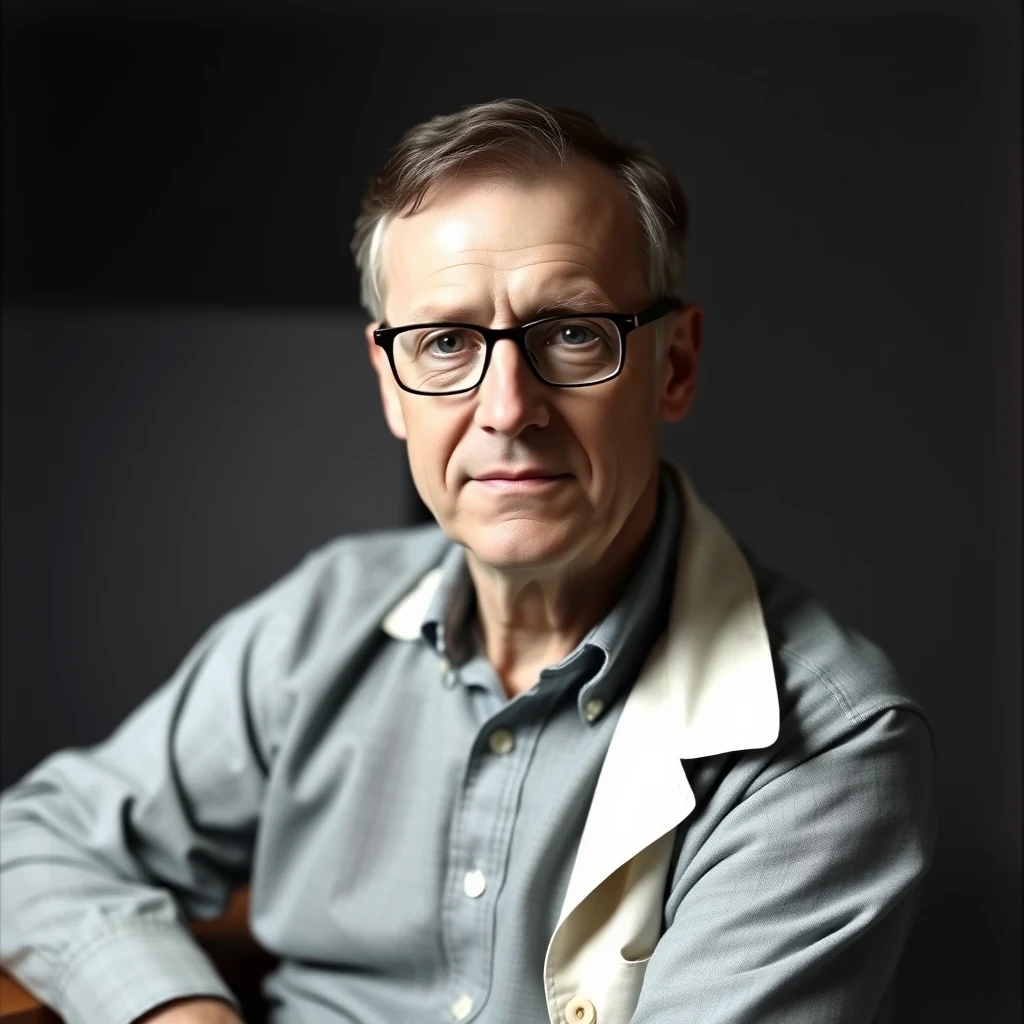 Person Andrew Huxley British physiologist (1917–2012) and Hodgkin's collaborator on the squid axon experiments that defined the action potential. He built the voltage-clamp electronics himself, then hand-cranked the differential equations on a mechanical calculator over weeks in 1951. He later turned to muscle physiology, where he proposed the sliding-filament theory of contraction. Half-brother to the novelist Aldous Huxley.英国生理学家(1917—2012年),霍奇金的合作者,二人共同完成了以乌贼轴突为实验对象、奠定动作电位理论基础的系列实验。他亲自组装了电压钳电子设备,并于1951年用机械计算器手摇数周,逐步求解微分方程。此后转向肌肉生理学研究,提出了肌肉收缩的肌丝滑动学说。小说家阿道司·赫胥黎同父异母的弟弟。Fisiólogo británico (1917–2012) y colaborador de Hodgkin en los experimentos sobre el axón del calamar que definieron el potencial de acción. Construyó personalmente la electrónica del voltímetro de pinzas y resolvió a mano las ecuaciones diferenciales con una calculadora mecánica a lo largo de varias semanas en 1951. Posteriormente se dedicó a la fisiología muscular, ámbito en el que propuso la teoría del filamento deslizante de la contracción. Hermanastro del novelista Aldous Huxley.عالم فيزيولوجيا بريطاني (1917–2012)، وشريك هودجكن في تجارب محور الحبار التي أرست مفهوم جهد الفعل. شيَّد بنفسه الدوائر الإلكترونية لتثبيت الجهد، ثم أمضى أسابيع عام 1951 يحل المعادلات التفاضلية يدويًا على آلة حاسبة ميكانيكية. انصرف لاحقًا إلى فيزيولوجيا العضلات، حيث اقترح نظرية الخيوط المنزلقة في الانقباض. أخٌ غير شقيق للروائي أولدوس هكسلي.Fisiologista britânico (1917–2012) e colaborador de Hodgkin nos experimentos com axônio de lula que definiram o potencial de ação. Construiu pessoalmente a eletrônica do voltage-clamp e, em 1951, resolveu as equações diferenciais à manivela em uma calculadora mecânica ao longo de semanas. Dedicou-se posteriormente à fisiologia muscular, onde propôs a teoria dos filamentos deslizantes da contração. Meio-irmão do romancista Aldous Huxley.ब्रिटिश शरीरक्रियाविज्ञानी (1917–2012) तथा हॉजकिन के सहयोगी, जिन्होंने स्क्विड ऐक्सॉन पर किए गए उन प्रयोगों में भागीदारी की जिन्होंने क्रिया-विभव को परिभाषित किया। इन्होंने स्वयं वोल्टेज-क्लैम्प इलेक्ट्रॉनिकी का निर्माण किया, तत्पश्चात् 1951 में सप्ताहों तक यांत्रिक परिकलित्र पर हाथ से अवकल समीकरणों की गणना की। बाद में इन्होंने पेशी-शरीरक्रियाविज्ञान की ओर ध्यान केंद्रित किया, जहाँ इन्होंने संकुचन के सर्पण-तंतु सिद्धांत का प्रतिपादन किया। उपन्यासकार आल्डस हक्सले के सौतेले भाई।Ahli fisiologi Britania (1917–2012) dan rekan Hodgkin dalam eksperimen akson cumi-cumi yang mendefinisikan potensial aksi. Ia merakit sendiri perangkat elektronik voltage-clamp, lalu menghitung persamaan diferensial secara manual menggunakan kalkulator mekanik selama berminggu-minggu pada 1951. Ia kemudian beralih ke fisiologi otot, di mana ia mengemukakan teori filamen-geser kontraksi otot. Saudara tiri dari novelis Aldous Huxley.Physiologiste britannique (1917–2012) et collaborateur de Hodgkin dans les expériences sur l'axone du calmar qui ont défini le potentiel d'action. Il construisit lui-même le dispositif électronique du voltage-clamp, puis résolut manuellement les équations différentielles sur une calculatrice mécanique pendant plusieurs semaines en 1951. Il se tourna ensuite vers la physiologie musculaire, où il proposa la théorie des filaments glissants de la contraction. Demi-frère du romancier Aldous Huxley.アンドリュー・ハクスリー(1917–2012)はイギリスの生理学者。イカの巨大軸索を用いた実験においてホジキンと共同研究を行い、活動電位の機構を解明した。電位固定法に用いた電子回路を自ら製作し、1951年には機械式計算機を手動で操作して微分方程式を数週間かけて解いた。その後、筋生理学の分野に転じ、筋収縮の滑り説を提唱した。小説家オルダス・ハクスリーの異父兄弟にあたる。Британский физиолог (1917–2012), соавтор Ходжкина по экспериментам на аксоне кальмара, установившим механизм потенциала действия. Самостоятельно собрал электронику для метода фиксации потенциала; в 1951 году в течение нескольких недель вручную интегрировал дифференциальные уравнения на механическом арифмометре. Впоследствии обратился к физиологии мышц, выдвинув теорию скользящих нитей мышечного сокращения. Единокровный брат романиста Олдоса Хаксли.Britischer Physiologe (1917–2012) und Mitarbeiter Hodgkins bei den Tintenfischaxon-Experimenten, die das Aktionspotenzial grundlegend beschrieben. Er baute die Voltage-Clamp-Elektronik eigenhändig und löste die Differentialgleichungen 1951 wochenlang per Handkurbel auf einem mechanischen Rechenwerk. Später wandte er sich der Muskelphysiologie zu und stellte dort die Gleitfilamenttheorie der Muskelkontraktion auf. Halbbruder des Romanschriftstellers Aldous Huxley.영국의 생리학자(1917–2012). 활동전위를 규명한 오징어 축삭 실험에서 호지킨의 공동 연구자로 활약하였으며, 전압 고정 회로를 직접 제작하였다. 1951년에는 기계식 계산기를 수동으로 조작하며 수 주에 걸쳐 미분방정식을 손으로 계산하였다. 이후 근육 생리학으로 전향하여 근육 수축의 활주 필라멘트 이론을 제안하였다. 소설가 올더스 헉슬리의 이복형제이다. worked all of this out by jamming electrodes into the squid giant axon
 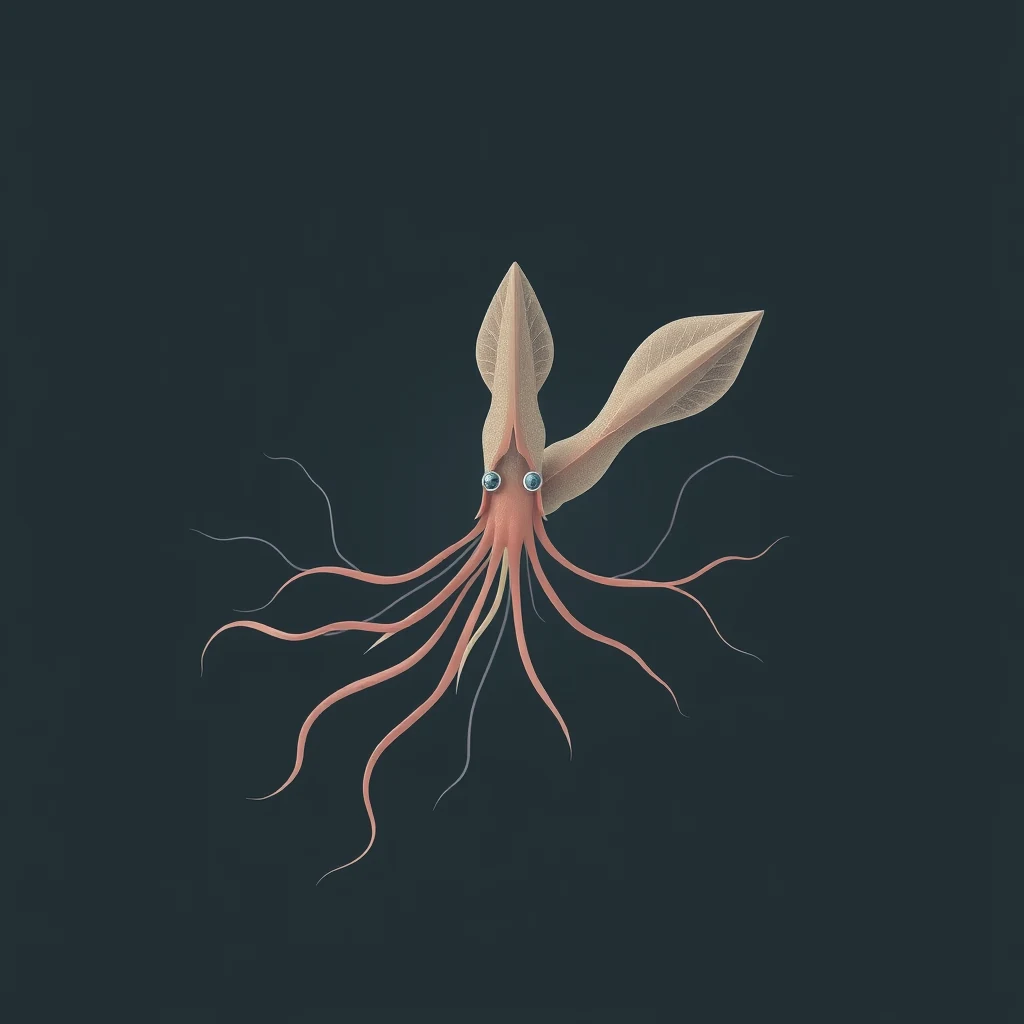 Concept squid giant axon An unusually thick nerve fibre, up to a millimetre across, found in several squid species and used to trigger the rapid jet-propulsion escape response. Its size lets experimenters insert electrodes lengthwise inside the cell, something impossible in mammalian neurons that are a hundred times thinner. The fibre was the workbench on which most of mid-twentieth-century electrophysiology was built.一种异常粗大的神经纤维,直径可达一毫米,见于数种乌贼,用于触发快速喷水推进逃逸反应。其粗大的管径使实验者得以将电极沿轴向插入细胞内部,而这在哺乳动物神经元中无法实现——后者的直径细至前者的百分之一。这一纤维是二十世纪中叶电生理学得以建立的核心实验基础。Fibra nerviosa de grosor inusualmente grande, de hasta un milímetro de diámetro, presente en varias especies de calamar y utilizada para activar la respuesta de escape por propulsión a chorro. Su tamaño permite a los investigadores insertar electrodos longitudinalmente dentro de la célula, algo imposible en las neuronas de los mamíferos, que son cien veces más delgadas. Esta fibra constituyó la plataforma experimental sobre la que se construyó la mayor parte de la electrofisiología de mediados del siglo XX.ألياف عصبية بالغة السُّمك، يصل قطرها إلى ملليمتر واحد، توجد في عدد من أنواع الحبَّار، وتعمل على إطلاق استجابة الهروب السريعة بدفع نفاث. ويُتيح حجمها الكبير للباحثين إدخال أقطاب كهربائية طولياً داخل الخلية، وهو أمر متعذَّر تماماً في الخلايا العصبية للثدييات التي تقلّ عن ذلك بمئة مرة. وقد شكَّل هذا الليف المنصةَ التجريبية التي أُقيمت عليها معظم إنجازات علم الفيزيولوجيا الكهربائية في منتصف القرن العشرين.Fibra nervosa de espessura invulgarmente grande, podendo atingir um milímetro de diâmetro, presente em diversas espécies de lula e responsável por desencadear a resposta de fuga por propulsão a jato. Seu tamanho permite que pesquisadores introduzam eletrodos longitudinalmente no interior da célula, procedimento impossível nos neurônios de mamíferos, que são cerca de cem vezes mais finos. A fibra foi a bancada sobre a qual se construiu a maior parte da eletrofisiologia de meados do século XX.कई विद्रूप प्रजातियों में पाया जाने वाला असाधारण रूप से स्थूल तंत्रिका तंतु, जिसका व्यास एक मिलीमीटर तक हो सकता है, जो तीव्र जेट-प्रणोदन पलायन-अनुक्रिया को प्रारंभ करने के लिए उपयोग में लाया जाता है। इसका आकार प्रयोगकर्ताओं को कोशिका के भीतर लंबाई की दिशा में इलेक्ट्रोड प्रविष्ट करने की सुविधा देता है — जो स्तनधारी तंत्रिकाओं में, जो सौ गुना पतली होती हैं, असंभव है। यह तंतु वह प्रयोगपीठ था जिस पर बीसवीं शताब्दी के मध्य की अधिकांश विद्युत-कार्यिकी निर्मित हुई।Serabut saraf yang luar biasa tebal, mencapai diameter hingga satu milimeter, ditemukan pada beberapa spesies cumi-cumi dan berfungsi memicu respons pelarian bertenaga jet yang cepat. Ukurannya memungkinkan peneliti memasukkan elektrode secara memanjang ke dalam sel, sesuatu yang mustahil dilakukan pada neuron mamalia yang seratus kali lebih tipis. Serabut ini menjadi landasan tempat sebagian besar elektrofisiologi pertengahan abad kedua puluh dibangun.Fibre nerveuse d'un diamètre exceptionnellement grand, pouvant atteindre un millimètre, présente chez plusieurs espèces de calmars et servant à déclencher la réponse de fuite par propulsion à réaction. Ses dimensions permettent aux expérimentateurs d'introduire des électrodes longitudinalement à l'intérieur de la cellule, opération impossible dans les neurones de mammifères, cent fois plus minces. Cette fibre constitua le support expérimental sur lequel fut édifiée la majeure partie de l'électrophysiologie du milieu du XX<sup>e</sup> siècle.数種のイカに見られる異例に太い神経線維で、直径は最大1ミリメートルに達する。この線維は急速な噴射推進による逃避反応を引き起こすために用いられる。その大きさゆえ、実験者は細胞内に縦方向に電極を挿入することが可能であり、これはイカの神経線維より100倍細い哺乳類のニューロンでは不可能な操作である。この線維は、20世紀中葉における電気生理学の大半が構築された実験台となった。Необычно толстое нервное волокно диаметром до одного миллиметра, обнаруженное у ряда видов кальмаров и служащее для запуска быстрой реактивной реакции бегства. Его размер позволяет исследователям вводить электроды продольно внутрь клетки — манипуляция, невозможная в нейронах млекопитающих, которые тоньше в сто раз. Именно это волокно стало экспериментальной основой, на которой была построена большая часть электрофизиологии середины XX века.Eine ungewöhnlich dicke Nervenfaser von bis zu einem Millimeter Durchmesser, die bei mehreren Tintenfischarten vorkommt und den schnellen Strahl-Fluchtreflex auslöst. Ihre Größe erlaubt es, Elektroden der Länge nach in die Zelle einzuführen – etwas, das bei Säugetierneuronen, die hundertmal dünner sind, unmöglich ist. Die Faser bildete das Versuchsfeld, auf dem der Großteil der Elektrophysiologie der Mitte des zwanzigsten Jahrhunderts aufgebaut wurde.여러 오징어 종에서 발견되는 비정상적으로 굵은 신경 섬유로, 직경이 최대 1밀리미터에 달하며 급속 제트 추진 도피 반응을 유발하는 데 관여한다. 그 크기 덕분에 실험자들이 세포 내부에 전극을 세로 방향으로 삽입할 수 있는데, 이는 100배 더 가는 포유류 뉴런에서는 불가능한 일이다. 이 섬유는 20세기 중반 전기생리학의 대부분이 구축된 실험적 토대였다. , a freak nerve fibre nearly a millimetre across that a squid uses to flee predators. Their equations, published in 1952, still describe every neuron in your head. They won the Nobel in 1963.

The other kind of pile
A lithium-ion cell is a more sophisticated version of Volta's stack. Lithium ions sit between layers of graphite at the anode. When the cell discharges, the ions slip out of the graphite, drift across an electrolyte to a layered metal oxide cathode, and tuck themselves into that lattice instead. Each ion leaves an electron behind, and that electron has to take the long way round, through your phone's circuitry, to rejoin its lithium on the other side. Charging shoves them back.

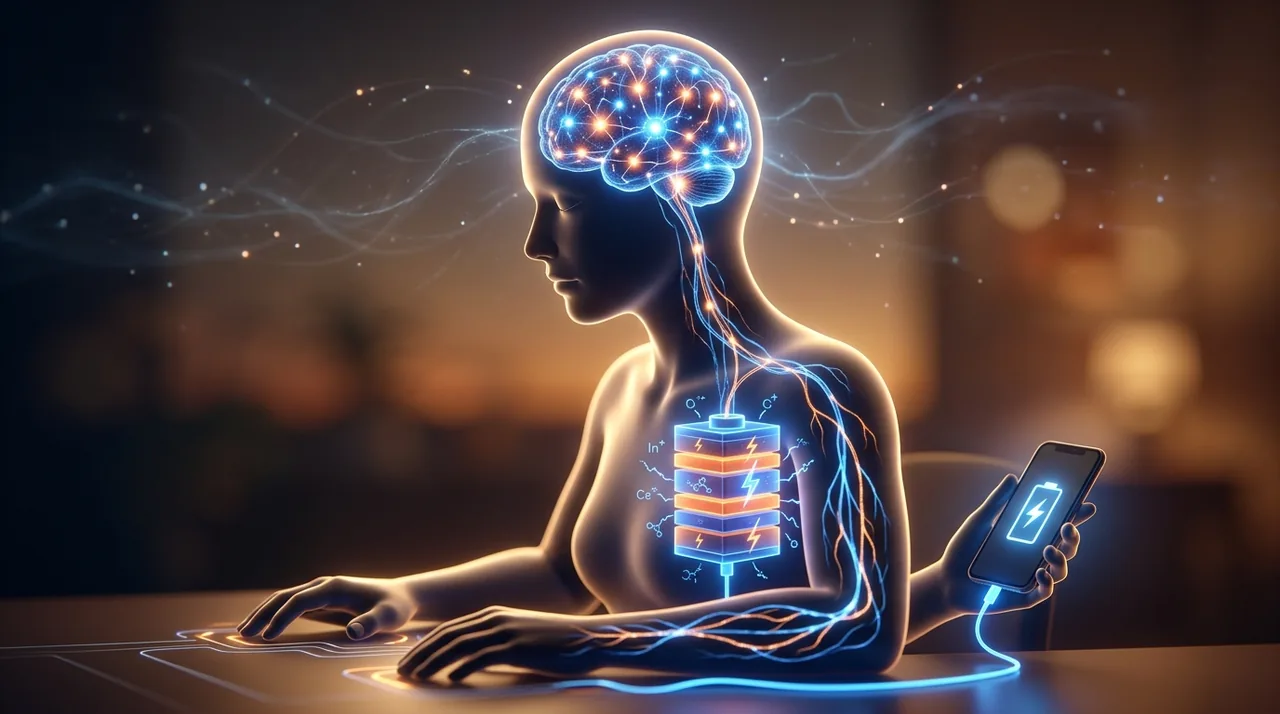
This is the same trick the neuron plays, with the moving parts swapped. Lithium ions for sodium and potassium. A graphite electrode for a phospholipid membrane. An external wire for an axon. Both systems store chemical energy as a separation of charge across a barrier and release it on demand. The brain is rechargeable from glucose; the phone, from the wall.
Your brain runs continuously on about twenty watts. Most of it pays the pumps. A 2001 estimate by David Attwell and Simon Laughlin put roughly half of cortical energy use into restoring the gradients that signalling burns through. Thinking, in a literal sense, is the cost of running the battery down.

What we still don't know
We do not know how much of conscious experience is bound up in this electrochemistry and how much rides on top of it. The action potentials are clearly the medium. Whether they are the message is a separate question, and not a settled one.

We do not know how the brain manages its energy budget so efficiently. A modern processor doing nothing close to what a brain does burns ten times the power and needs a fan to stay alive.

We do not know how to build batteries that match neurons on any metric except raw voltage. A neuron self-repairs, runs at body temperature for ninety years, and recharges on a sandwich. The best lithium cells fade after a few thousand cycles and catch fire when punctured.
A frog leg on a copper hook started two sciences at once, and we are still chasing both.