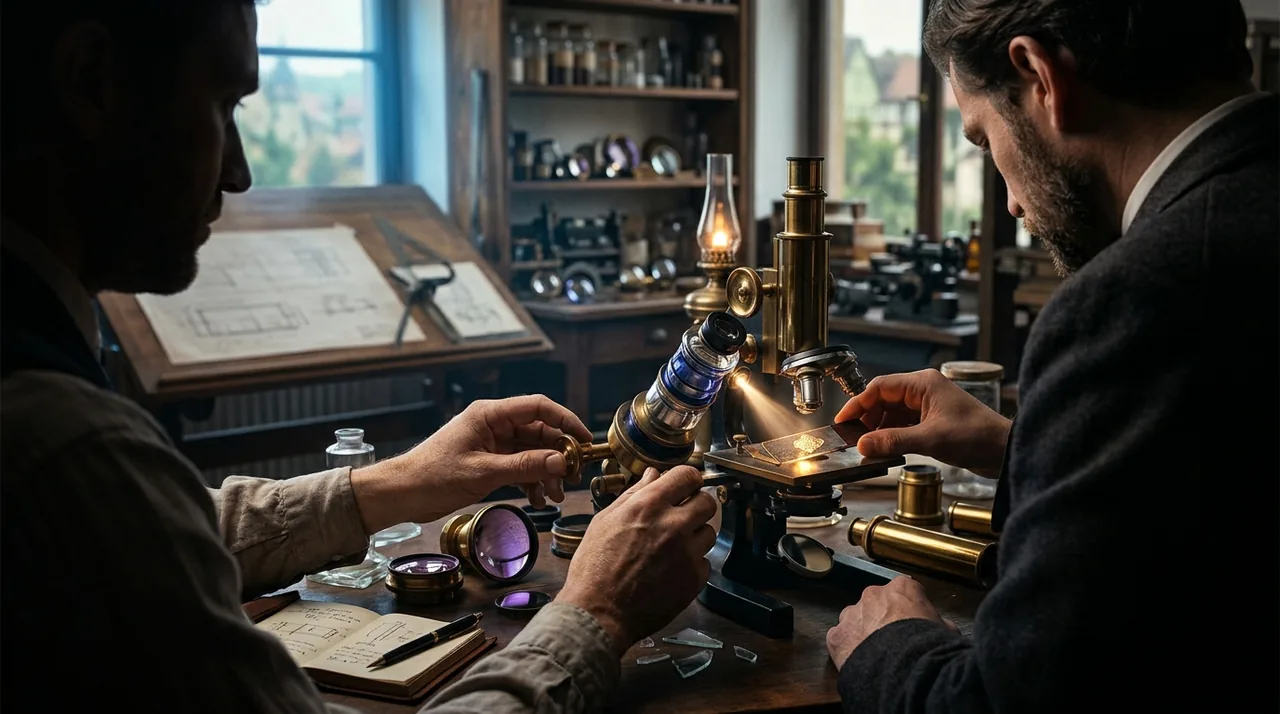
Carl Zeiss opened his instrument workshop in Jena 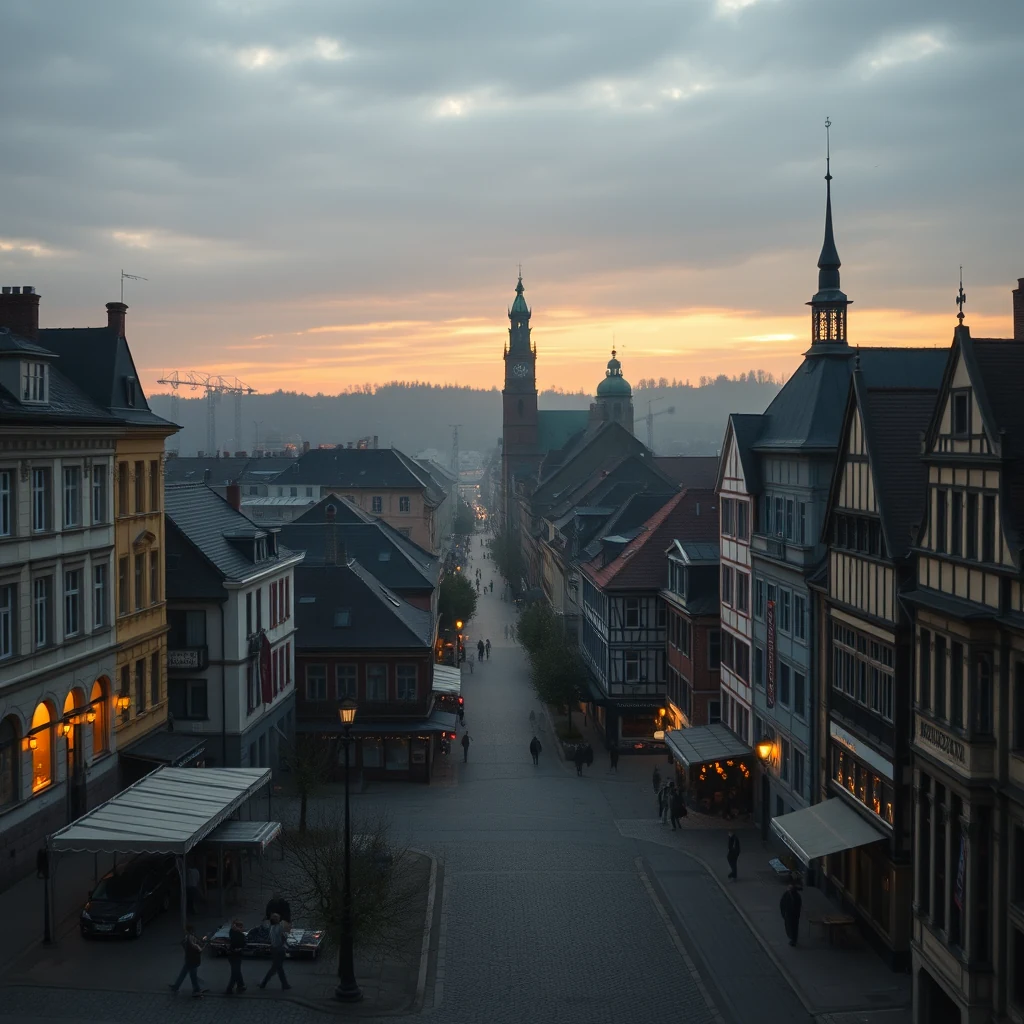 Place Jena Small university town in Thuringia, central Germany, with about six thousand inhabitants when Carl Zeiss opened his instrument workshop there in 1846. The University of Jena had a strong tradition in microscopy reaching back to Goethe's circle, which is what drew Zeiss and later kept Abbe in town despite repeated offers from Berlin. The town remains a centre of optical and laser research.位于德国中部图林根的大学小镇。1846年卡尔·蔡司在此开设仪器作坊时,当地仅有约六千名居民。耶拿大学在显微镜技术方面拥有深厚的传统,这可以追溯到歌德的社交圈,正是这一点吸引了蔡司,并让阿贝后来拒绝了柏林的多次邀请留在镇上。该镇如今依然是光学和激光研究的中心。Pequeña ciudad universitaria en Turingia, Alemania central, con unos seis mil habitantes cuando Carl Zeiss abrió su taller de instrumentos en 1846. La Universidad de Jena tenía una sólida tradición en microscopía que se remontaba al círculo de Goethe, lo que atrajo a Zeiss y retuvo a Abbe a pesar de las ofertas de Berlín. Sigue siendo un centro de investigación óptica y láser.مدينة جامعية صغيرة في تورينغن بوسط ألمانيا، كان عدد سكانها نحو ستة آلاف نسمة عندما افتتح كارل زايس ورشته للأدوات هناك عام 1846. امتلكت جامعة يينا تقاليد عريقة في المجهريات تعود إلى عهد غوته، وهو ما جذب زايس وأبقى آبي في المدينة لاحقاً رغم العروض المتكررة من برلين. لا تزال المدينة مركزاً لأبحاث البصريات والليزر.Pequena cidade universitária na Turíngia, Alemanha central, com cerca de seis mil habitantes quando Carl Zeiss abriu sua oficina de instrumentos em 1846. A Universidade de Jena tinha uma forte tradição em microscopia que remontava ao círculo de Goethe, lo que atraiu Zeiss e manteve Abbe na cidade, apesar dos convites de Berlim. Continua a ser um centro de pesquisa óptica e laser.मध्य जर्मनी के थुरिंगिया में स्थित एक छोटा विश्वविद्यालय शहर, जब 1846 में कार्ल ज़ीस ने वहां अपनी उपकरण कार्यशाला खोली थी तो वहां लगभग छह हजार निवासी थे। जेना विश्वविद्यालय में माइक्रोस्कोपी की एक मजबूत परंपरा थी जो गोएथे के समय से चली आ रही थी, जिसने ज़ीस को आकर्षित किया और बाद में बर्लिन के प्रस्तावों के बावजूद आबे को रोके रखा। यह शहर आज भी ऑप्टिकल अनुसंधान का केंद्र है।Kota universitas kecil di Thuringia, Jerman tengah, yang berpenduduk sekitar enam ribu jiwa ketika Carl Zeiss membuka bengkel instrumennya di sana pada 1846. Universitas Jena memiliki tradisi mikroskopi yang kuat sejak lingkaran pergaulan Goethe, yang menarik minat Zeiss dan membuat Abbe tetap bertahan di kota tersebut meskipun mendapat tawaran dari Berlin. Kota ini tetap menjadi pusat riset optik.Petite ville universitaire de Thuringe, en Allemagne centrale, comptant environ six mille habitants lorsque Carl Zeiss y ouvrit son atelier d'instruments en 1846. L'université de Jena possédait une solide tradition en microscopie remontant au cercle de Goethe, ce qui attira Zeiss puis retint Abbe malgré les offres de Berlin. Elle reste un centre de recherche en optique et laser.ドイツ中部テューリンゲン州の小さな大学街。1846年にカール・ツァイスが光学機器の工房を開いた時の人口は約6000人であった。イェーナ大学はゲーテのサークルにまで遡る顕微鏡研究の強い伝統を持ち、これがツァイスを惹きつけ、後にアッベがベルリンからの誘いを断ってこの街に留まる要因となった。現在も光学やレーザー研究の中心地である。Небольшой университетский город в Тюрингии в центральной Германии, насчитывавший около шести тысяч жителей, когда Карл Цейс открыл там свою мастерскую в 1846 году. Йенский университет имел прочные традиции в микроскопии со времен Гёте, что привлекло Цейса и удержало Аббе от переезда в Берлин. Город остается крупным центром исследований в области оптики и лазеров.Kleine Universitätsstadt in Thüringen mit etwa sechstausend Einwohnern, als Carl Zeiss dort 1846 seine Werkstatt eröffnete. Die Universität Jena hatte eine starke Tradition in der Mikroskopie, die bis auf Goethes Kreis zurückging. Dies zog Zeiss an und hielt später auch Abbe in der Stadt, ungeachtet wiederholter Angebote aus Berlin. Jena ist bis heute ein Zentrum für Optik- und Laserforschung.독일 중부 튜링겐주에 위치한 소규모 대학 도시. 1846년 칼 자이스가 이곳에 정밀기기 작업장을 열었을 당시 인구는 약 6,000명이었다. 예나 대학교는 괴테 생전의 교류 단체 때부터 현미경 연구에 깊은 전통을 가지고 있었고, 이는 자이스를 이곳으로 이끌었으며 이후 아베가 베를린의 제안들을 거절하고 머무르게 만들었다. 현재도 광학 및 레이저 연구의 중심지이다. in 1846, making simple microscopes for the university's botanists. By the mid-1860s his firm was producing some of the best objectives in Europe, and he hated it. The lenses worked, but he could not say why. Two apprentices grinding identical blanks would turn out different objectives, one sharp, one soft. Yields drifted. The trade called this normal. Zeiss did not.
In 1866 he turned to Ernst Abbe 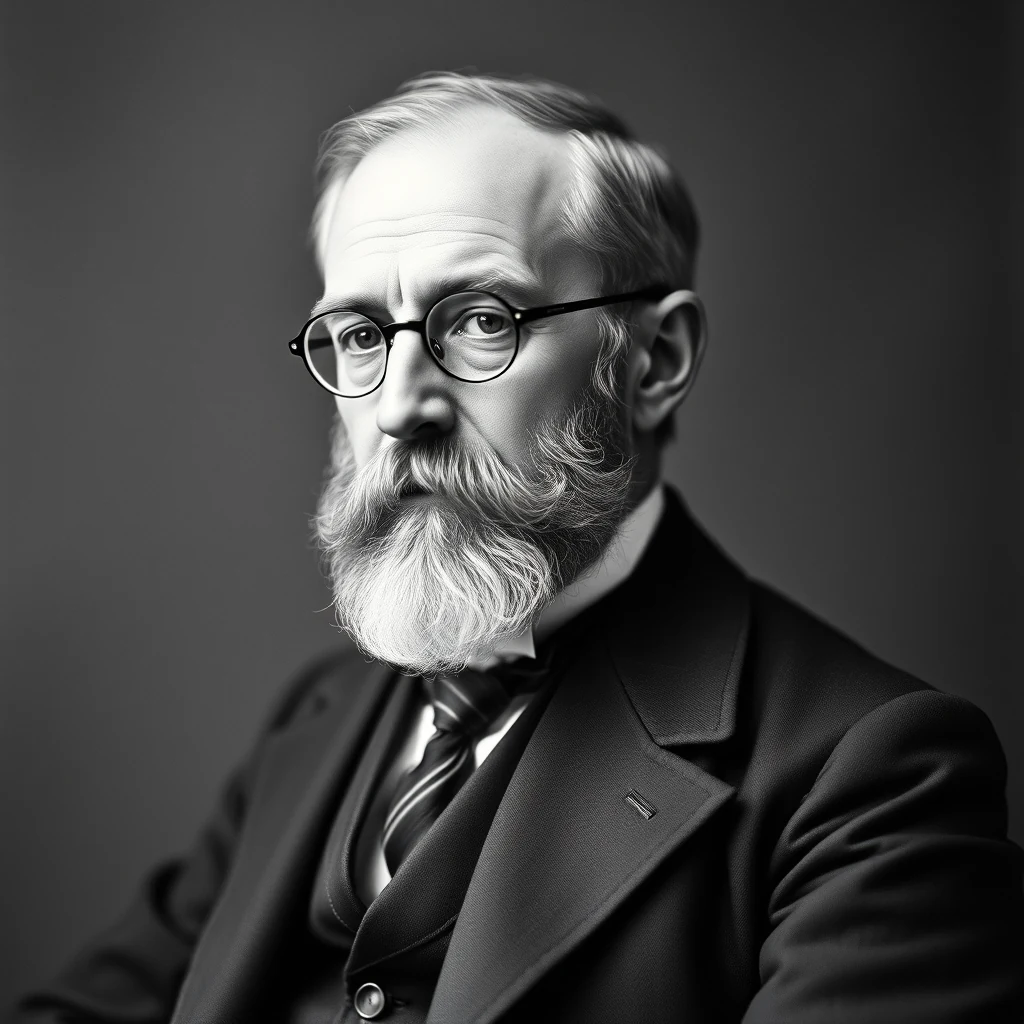 Person Ernst Abbe German physicist, 1840–1905, born in Eisenach to a working-class family and educated at Jena and Göttingen. From 1866 he worked with Carl Zeiss on the theoretical foundations of microscope design and in 1873 published the diffraction-limit and sine-condition results that turned lens design into a mathematical discipline. After Zeiss's death he restructured the firm as a worker-owned foundation.德国物理学家(1840—1905年),出生于艾森纳赫的一个工人阶级家庭,曾在耶拿和哥廷根受教育。自1866年起,他与卡尔·蔡司合作研究显微镜设计的理论基础,并于1873年发表了衍射极限和正弦条件的结果,将镜头设计转变为一门数学学科。在蔡司去世后,他将公司重组为工人所有的基金会。Físico alemán (1840-1905) formado en Jena y Gotinga. Desde 1866 colaboró con Carl Zeiss en los fundamentos teóricos del diseño de microscopios. En 1873 publicó sus descubrimientos sobre el límite de difracción y la condición del seno, que transformaron el diseño de lentes en una disciplina matemática. Tras la muerte de Zeiss, reestructuró la empresa como una fundación cooperativa.عالم فيزياء ألماني (1840-1905)، ولد في أيزناخ لعائلة من الطبقة العاملة وتلقى تعليمه في يينا وغوتينغن. تعاون مع كارل زايس منذ عام 1866 في وضع الأسس النظرية لتصميم المجاهر، ونشر عام 1873 نتائج حد الحيود وشرط الجيب التي حولت تصميم العدسات إلى علم رياضي. بعد وفاة زايس، أعاد هيكلة الشركة كشركة مملوكة لمؤسسة عمالية.Físico alemão (1840–1905), nascido em Eisenach e formado em Jena e Göttingen. A partir de 1866, trabalhou com Carl Zeiss nos fundamentos teóricos do design de microscópios e, em 1873, publicou o limite de difração e a condição do seno, transformando o design de lentes em disciplina matemática. Após a morte de Zeiss, reestruturou a empresa como uma fundação de propriedade dos trabalhadores.जर्मन भौतिक विज्ञानी (1840-1905), जिनका जन्म आइजनाच में एक श्रमिक वर्ग के परिवार में हुआ था और उन्होंने जेना तथा गोटिंगेन में शिक्षा प्राप्त की। 1866 से उन्होंने माइक्रोस्कोप डिजाइन के सैद्धांतिक आधार पर कार्ल ज़ीस के साथ काम किया और 1873 में विवर्तन सीमा तथा ज्या स्थिति के परिणाम प्रकाशित किए जिसने लेंस डिजाइन को एक गणितीय विषय में बदल दिया। ज़ीस की मृत्यु के बाद उन्होंने कंपनी को श्रमिक-स्वामित्व वाले फाउंडेशन के रूप में पुनर्गठित किया।Fisikawan Jerman (1840–1905) yang lahir di Eisenach dari keluarga pekerja dan menempuh studi di Jena serta Göttingen. Sejak 1866, ia bekerja sama dengan Carl Zeiss mengembangkan fondasi teori desain mikroskop. Publikasinya pada 1873 tentang batas difraksi dan kondisi sinus mengubah desain lensa menjadi disiplin matematika. Setelah Zeiss wafat, ia menstrukturkan ulang perusahaan menjadi yayasan milik pekerja.Physicien allemand (1840–1905), né à Eisenach dans une famille ouvrière et formé à Jena et Göttingen. À partir de 1866, il travailla avec Carl Zeiss sur les bases théoriques de la conception des microscopes et publia en 1873 les travaux sur la limite de diffraction et la condition des sinus, transformant le calcul optique en discipline mathématique. Il réorganisa ensuite la firme en fondation ouvrière.アイゼナハの労働者階級の家庭に生まれ、イェーナとゲッティンゲンで学んだドイツの物理学者(1840〜1905年)。1866年からカール・ツァイスと共同で顕微鏡設計の理論的基礎を研究し、1873年に回折限界と正弦条件を発表してレンズ設計を数学的学問へと変貌させた。ツァイスの死後、彼は会社を従業員所有の財団として改組した。Немецкий физик (1840–1905), родился в Айзенахе в рабочей семье, учился в Йене и Геттингене. С 1866 года работал с Карлом Цейсом над теоретическими основами проектирования микроскопов, а в 1873 году опубликовал математические законы предела дифракции и условия синусов, изменившие оптическое дело. После смерти Цейса преобразовал фирму в фонд, принадлежащий рабочим.Deutscher Physiker (1840–1905), der in Eisenach in eine Arbeiterfamilie geboren wurde und in Jena und Göttingen studierte. Ab 1866 arbeitete er mit Carl Zeiss an den theoretischen Grundlagen des Mikroskopbaus. 1873 formulierte er die Abbe-Formel zur Beugungsgrenze und die Sinusbedingung, was das Optikdesign wissenschaftlich begründete. Nach Zeiss' Tod baute er das Unternehmen zu einer Arbeitnehmer-Stiftung um.독일의 물리학자(1840~1905). 아이제나흐의 노동자 가정에서 태어나 예나와 괴팅겐 대학교에서 수학했다. 1866년부터 칼 자이스와 함께 현미경 설계의 이론적 기초를 연구했으며, 1873년 회절 한계와 아베 정현 조건을 발표하여 렌즈 설계를 수학적 학문 영역으로 변모시켰다. 자이스가 사망한 후, 그는 기업을 노동자 협동 형태의 공익 재단으로 재조직했다. , a Privatdozent at the University of Jena who had a reputation for taking instruments seriously. Abbe was the son of a spinnery foreman; he had grown up watching workmen lose fingers to unguarded machinery and had a precocious sense that physics ought to be useful. Zeiss
 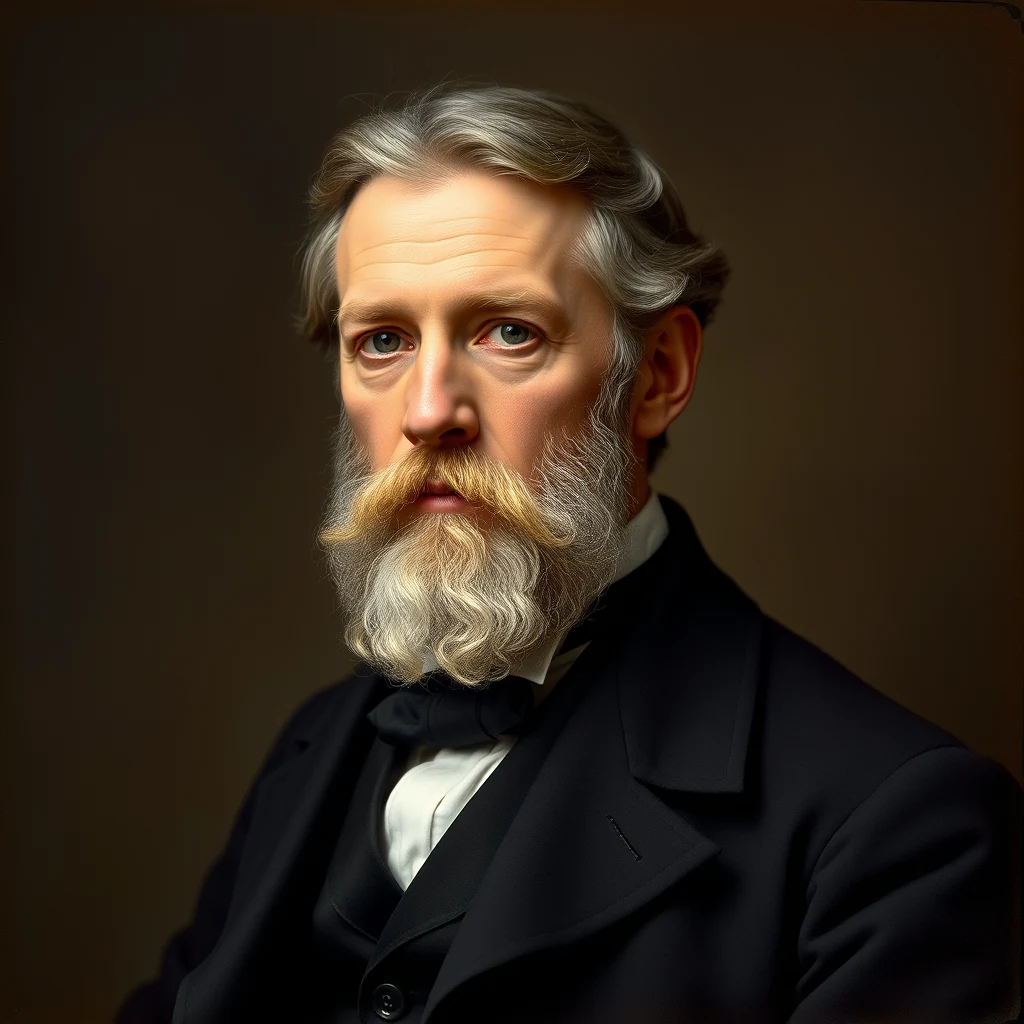 Person Carl Zeiss German instrument maker, 1816–1888. Trained as a mechanic in Weimar, he opened his Jena workshop in 1846 producing simple microscopes for university botanists. By the 1860s his firm was Europe's leading microscope manufacturer, but Zeiss himself was frustrated by the irreproducibility of craft methods and hired Ernst Abbe to find the underlying physics. He bequeathed his half of the firm to Abbe.德国仪器制造家(1816–1888年)。他在魏玛接受了机械师培训,于1846年在耶拿开设了车间,为大学植物学家生产简易显微镜。到19世纪60年代,他的公司已成为欧洲领先的显微镜制造商,但蔡司本人对手工作坊方法的不可复制性感到沮丧,因而聘请恩斯特·阿贝来寻找其背后的物理原理。他将自己那一半的公司所有权遗赠给了阿贝。Fabricante de instrumentos alemán (1816–1888). Formado como mecánico en Weimar, abrió su taller en Jena en 1846, fabricando microscopios sencillos para los botánicos de la universidad. Para la década de 1860, su empresa era la principal fabricante de microscopios en Europa, pero el propio Zeiss, frustrado por la falta de reproducibilidad de los métodos artesanales, contrató a Ernst Abbe para descubrir la física subyacente. Legó su mitad de la empresa a Abbe.صانع أدوات ألماني (1816-1888). تدرب كميكانيكي في فايمار، وافتتح ورشته في ينا عام 1846 لإنتاج مجاهر بسيطة لعلماء النبات في الجامعة. بحلول ستينيات القرن التاسع عشر، كانت شركته الرائدة في تصنيع المجاهر في أوروبا، لكن زايس نفسه شعر بالإحباط بسبب عدم إمكانية تكرار الأساليب الحرفية، فاستعان بإرنست آبي للبحث عن الفيزياء الكامنة وراء ذلك. وقد أوصى بنصف نصيبه في الشركة لآبي.Fabricante de instrumentos alemão (1816–1888). Formado como mecânico em Weimar, ele abriu sua oficina em Jena em 1846, produzindo microscópios simples para botânicos universitários. Na década de 1860, sua empresa era la principal fabricante de microscópios da Europa, mas o próprio Zeiss sentia-se frustrado com a falta de reprodutibilidade dos métodos artesanais e contratou Ernst Abbe para estudar a física subjacente. Ele legou sua metade da empresa a Abbe.जर्मन उपकरण निर्माता (1816-1888)। वीमर में एक मैकेनिक के रूप में प्रशिक्षित, उन्होंने 1846 में जेना में अपनी कार्यशाला खोली, जहाँ वे विश्वविद्यालय के वनस्पतिशास्त्रियों के लिए साधारण सूक्ष्मदर्शी बनाते थे। 1860 के दशक तक उनकी फर्म यूरोप की अग्रणी सूक्ष्मदर्शी निर्माता बन गई थी, लेकिन ज़ीस खुद शिल्प विधियों की अपरिवर्तनीयता से निराश थे और उन्होंने इसके पीछे के भौतिकी को समझने के लिए अर्न्स्ट आबे को काम पर रखा। उन्होंने फर्म का अपना आधा हिस्सा आबे को वसीयत में दे दिया।Pembuat instrumen Jerman (1816–1888). Terlatih sebagai mekanik di Weimar, ia membuka bengkel kerja di Jena pada tahun 1846 untuk memproduksi mikroskop sederhana bagi para botanis universitas. Pada dekade 1860-an, perusahaannya menjadi produsen mikroskop terkemuka di Eropa, tetapi Zeiss sendiri merasa frustrasi oleh metode kerajinan tangan yang sulit direproduksi, sehingga ia mempekerjakan Ernst Abbe untuk menyelidiki prinsip fisika di baliknya. Ia mewariskan setengah kepemilikan perusahaannya kepada Abbe.Fabricant d'instruments allemand (1816-1888). Formé comme mécanicien à Weimar, il ouvre son atelier à Iéna en 1846 pour produire des microscopes simples destinés aux botanistes universitaires. Dans les années 1860, son entreprise est le premier fabricant de microscopes en Europe, mais Zeiss lui-même est frustré par le manque de reproductibilité des méthodes artisanales et engage Ernst Abbe pour en étudier les fondements physiques. Il lègue sa moitié de l'entreprise à Abbe.ドイツの光学機器制造業者(1816–1888)。ワイマールで機械工としての修業を積んだ後、1846年にイェーナで工房を開き、大学の植物学者向けに簡易な顕微鏡の製造を始めた。1860年代までに同社はヨーロッパを代表する顕微鏡メーカーとなったが、ツァイス自身は職人芸的な手法による品質のばらつきに不満を抱き、基礎となる物理的理論の解明のためにエルンスト・アッベを雇用した。彼は会社の自己所有分をアッベに遺贈した。Немецкий производитель оптических приборов (1816–1888). Обучившись на механика в Веймаре, он открыл мастерскую в Йене в 1846 году, где выпускал простые микроскопы для университетских ботаников. К 1860-м годам его фирма стала ведущим производителем микроскопов в Европе, однако сам Цейсс был разочарован невоспроизводимостью кустарных методов и нанял Эрнста Аббе для исследования фундаментальной физики процесса. Он завещал Аббе свою долю в фирме.Deutscher Instrumentenbauer (1816–1888). Nach einer Ausbildung zum Mechaniker in Weimar eröffnete er 1846 seine Jenaer Werkstatt, in der er einfache Mikroskope für Universitätsbotaniker herstellte. In den 1860er Jahren war seine Firma der führende Mikroskophersteller in Europa. Zeiss war jedoch frustriert über die mangelnde Reproduzierbarkeit handwerklicher Methoden und stellte Ernst Abbe ein, um die physikalischen Grundlagen zu erforschen. Seine Firmenhälfte vermachte er Abbe.독일의 정밀 기기 제작자(1816~1888). 바이마르에서 기계공 교육을 받은 그는 1846년 예나에 작업장을 열고 대학 식물학자들을 위한 단순한 현미경을 생산했다. 1860년대에 이르러 그의 회사는 유럽 최고의 현미경 제조업체가 되었으나, 차이스 자신은 도제식 공예 기법의 비재현성에 한계를 느끼고 근본적인 물리 법칙을 규명하고자 에른스트 아베를 영입했다. 그는 회사의 지분 절반을 아베에게 유증했다. asked him to find the equations underneath microscope design. Abbe agreed, on the condition that he be allowed to fail in writing for as long as it took.

It took seven years.

The sine condition
In 1873 Abbe published the result. A microscope objective, he showed, could only resolve detail down to roughly half the wavelength of the illuminating light divided by the numerical aperture of the lens. There was a hard physical floor — the diffraction limit  Concept diffraction limit Lower bound on the resolution of a conventional optical microscope, derived by Abbe in 1873 as approximately half the wavelength of the illuminating light divided by the numerical aperture of the objective. For visible light that comes out near 200 nanometres. The limit is a consequence of the wave nature of light itself and is independent of how well the lenses are polished.传统光学显微镜分辨率的下限,由阿贝于1873年推导得出,约等于照明光波长的一半除以物镜的数值孔径。对于可见光,该极限大约为200纳米。这一极限是光本身的波动性质所决定的,与镜片的抛光精细程度无关。Límite inferior de resolución de un microscopio óptico convencional, deducido por Abbe en 1873 como aproximadamente la mitad de la longitud de onda de la luz de iluminación dividida por la apertura numérica del objetivo. Para la luz visible, se sitúa cerca de los 200 nanómetros. Este límite es consecuencia de la propia naturaleza ondulatoria de la luz y es independiente de qué tan bien pulidas estén las lentes.الحد الأدنى لدقة المجهر البصري التقليدي، الذي اشتقه آبي عام 1873 بنحو نصف الطول الموجي للضوء المستخدم مقسوماً على فتحة العدسة الشيئية. بالنسبة للضوء المرئي، يقترب هذا الحد من 200 نانومتر. ويعد هذا الحد نتيجة للطبيعة الموجية للضوء نفسه، وهو مستقل تماماً عن مدى جودة صقل العدسات.Limite inferior para a resolução de um microscópio óptico convencional, deduzido por Abbe em 1873 como aproximadamente metade do comprimento de onda da luz de iluminação dividido pela abertura numérica da objetiva. Para a luz visível, isso equivale a cerca de 200 nanômetros. O limite é uma consequência da própria natureza ondulatória da luz e independe de quão bem as lentes sejam polidas.एक पारंपरिक ऑप्टिकल माइक्रोस्कोप के रेजोल्यूशन की निचली सीमा, जिसे आबे ने 1873 में प्रतिपादित किया था। यह सीमा रोशनी के प्रकाश की तरंगदैर्ध्य के लगभग आधे हिस्से को ऑब्जेक्टिव के न्यूमेरिकल अपर्चर से विभाजित करने पर प्राप्त होती है। दृश्यमान प्रकाश के लिए यह लगभग 200 नैनोमीटर के बराबर होती है। यह सीमा स्वयं प्रकाश की तरंग प्रकृति का परिणाम है और लेंस को कितनी अच्छी तरह पॉलिश किया गया है, इससे पूरी तरह स्वतंत्र है।Batas bawah pada resolusi mikroskop optik konvensional, diturunkan oleh Abbe pada tahun 1873 sebagai sekitar setengah panjang gelombang cahaya penerang dibagi dengan tingkap numerik objektif. Untuk cahaya tampak, batas ini mendekati 200 nanometer. Batas ini merupakan konsekuensi dari sifat gelombang cahaya itu sendiri dan tidak bergantung pada seberapa halus lensa dipoles.Limite inférieure de la résolution d'un microscope optique conventionnel, dérivée par Abbe en 1873 comme étant égale à environ la moitié de la longueur d'onde de la lumière d'éclairage divisée par l'ouverture numérique de l'objectif. Pour la lumière visible, elle se situe autour de 200 nanomètres. Cette limite découle de la nature ondulatoire même de la lumière et ne dépend pas de la qualité du polissage des lentilles.従来の光学顕微鏡における分解能の下限値。1873年にアッベによって、照明光の波長の約半分を対物レンズの開口数で割った値として導き出された。可視光の場合、この値は約200ナノメートルとなる。この限界は光そのものが持つ波動性という物理的性質に起因するものであり、レンズがどれほど精密に研磨されているかとは無関係に定まる。Нижний предел разрешения традиционного оптического микроскопа, выведенный Аббе в 1873 году как примерно половина длины волны освещающего света, деленная на числовую апертуру объектива. Для видимого света этот предел составляет около 200 нанометров. Данный лимит является прямым следствием волновой природы самого света и не зависит от качества полировки линз.Die untere Grenze für das Auflösungsvermögen eines konventionellen Lichtmikroskops, 1873 von Abbe hergeleitet als etwa die halbe Wellenlänge des beleuchtenden Lichts geteilt durch die numerische Apertur des Objektivs. Bei sichtbarem Licht liegt diese Grenze bei rund 200 Nanometern. Das Limit ergibt sich aus der Wellennatur des Lichts selbst und ist unabhängig davon, wie präzise die Linsen geschliffen sind.일반적인 광학 현미경 분해능의 하한선으로, 1873년 아베가 조명광 파장의 약 절반을 대물렌즈의 개구수(NA)로 나눈 값으로 도출해 냈다. 가시광선 영역에서는 약 200나노미터 수준이다. 이 한계는 빛 자체의 파동성에 기인하는 근본적인 물리적 현상으로, 렌즈를 얼마나 매끄럽게 연마했는지 여부와는 무관하다. — and it had nothing to do with the skill of the grinder. Below it, no amount of polishing would help. Above it, performance was a matter of geometry that could be specified on paper before any glass was touched. The Abbe sine condition
  Concept Abbe sine condition Geometric condition derived by Ernst Abbe in 1873 stating that, for an optical system to produce a sharp image free of coma across a finite field, the sines of the angles a ray makes with the axis must scale by the same factor between object and image space. It converted lens design from craft into a closed mathematical problem and remains the starting point for any modern objective.恩斯特·阿贝于1873年推导出的几何条件。该条件指出,为了使光学系统在有限视场内产生无彗差的清晰图像,光线与轴所成角度的正弦值在物空间和像空间之间必须按相同的比例缩放。它将透镜设计从手艺转变为闭合的数学问题,并且仍然是任何现代物镜设计的起点。Condición geométrica deducida por Ernst Abbe en 1873 que establece que, para que un sistema óptico produzca una imagen nítida y libre de coma en un campo finito, los senos de los ángulos que forma un rayo con el eje deben escalar por el mismo factor entre el espacio de objeto y el de imagen. Transformó el diseño de lentes de un oficio artesanal en un problema matemático cerrado y sigue siendo el punto de partida de cualquier objetivo moderno.شرط هندسي استنتجه إرنست آبي عام 1873 ينص على أنه لكي ينتج النظام البصري صورة حادة خالية من الزيغ الهالي عبر مجال محدود، يجب أن تتناسب جيوب الزوايا التي يصنعها الشعاع مع المحور بنفس المعامل بين فضائي الشيء والصورة. وقد نقل هذا الشرط تصميم العدسات من مجرد حرفة يدوية إلى مسألة رياضية مغلقة، وظل نقطة البداية لأي عدسة شيئية حديثة.Condição geométrica deduzida por Ernst Abbe em 1873 estabelecendo que, para um sistema óptico produzir uma imagem nítida e livre de coma através de um campo finito, os senos dos ângulos que um raio faz com o eixo devem variar pelo mesmo fator entre o espaço do objeto e o da imagem. Ela transformou o design de lentes de um ofício em um problema matemático fechado e continua sendo o ponto de partida de qualquer objetiva moderna.अर्न्स्ट आबे द्वारा 1873 में प्रतिपादित एक ज्यामितीय शर्त, जिसमें कहा गया है कि किसी ऑप्टिकल प्रणाली द्वारा एक सीमित क्षेत्र में कोमा-मुक्त स्पष्ट छवि उत्पन्न करने के लिए, किसी प्रकाश किरण द्वारा अक्ष के साथ बनाए गए कोणों के ज्या (साइन) को ऑब्जेक्ट और इमेज स्पेस के बीच एक ही अनुपात में स्केल होना चाहिए। इसने लेंस डिज़ाइन को एक हस्तशिल्प से एक बंद गणितीय समस्या में बदल दिया और यह आज भी किसी भी आधुनिक ऑब्जेक्टिव लेंस का शुरुआती बिंदु है।Kondisi geometris yang diturunkan oleh Ernst Abbe pada tahun 1873 yang menyatakan bahwa agar sistem optik dapat menghasilkan gambar tajam yang bebas dari koma pada medan terbatas, sinus sudut yang dibentuk sinar dengan poros harus berskala dengan faktor yang sama antara ruang objek dan gambar. Kondisi ini mengubah desain lensa dari kerajinan tangan menjadi masalah matematika tertutup dan tetap menjadi titik awal bagi lensa objektif modern apa pun.Condition géométrique dérivée par Ernst Abbe en 1873 stipulant que, pour qu'un système optique produise une image nette et exempte de coma sur un champ fini, les sinus des angles qu'un rayon forme avec l'axe doivent varier selon le même facteur entre l'espace objet et l'espace image. Elle transforme la conception de lentilles d'un savoir-faire artisanal en un problème mathématique fermé, et reste le point de départ de tout objectif moderne.1873年にエルンスト・アッベが導き出した幾何学的条件。光学系が有限の視野にわたってコマ収差のない鮮明な像を結ぶためには、光線が光軸となす角の正弦(サイン)の比が、物空間と像空間の間で常に一定でなければならないというもの。これによりレンズ設計は職人技の経験則から厳密な数学的課題へと変貌を遂げ、現在でもあらゆる現代的対物レンズの設計の起点となっている。Геометрическое условие, выведенное Эрнстом Аббе в 1873 году. Оно гласит, что для получения оптической системой резкого изображения без комы в пределах конечного поля зрения синусы углов, образуемых лучом с осью, должны масштабироваться с одинаковым коэффициентом в пространствах предметов и изображений. Это превратило проектирование линз из ремесла в строгую математическую задачу и до сих пор служит отправной точкой для расчета любых объективов.Eine 1873 von Ernst Abbe hergeleitete geometrische Bedingung, die besagt, dass für eine scharfe, komafreie Abbildung eines optischen Systems über ein endliches Feld die Sinuswerte der Winkel, die ein Strahl mit der Achse bildet, im Objekt- und Bildraum um denselben Faktor skaliert werden müssen. Sie wandelte das Linsendesign vom Handwerk in ein geschlossenes mathematisches Problem um und bleibt der Ausgangspunkt für jedes moderne Objektiv.1873년 에른스트 아베가 유도한 기하학적 조건으로, 광학 계통이 유한한 시야각 내에서 코마수차가 없는 선명한 상을 맺기 위해서는 광선이 광축과 이루는 각도의 사인(sine) 값 비율이 물체 공간과 상 공간 사이에서 동일한 배율로 유지되어야 한다는 법칙이다. 이는 렌즈 설계를 단순한 공예 수준에서 수학적 계산 문제로 전환시켰으며, 오늘날 모든 대물렌즈 설계의 기본 출발점으로 남아 있다. told a designer exactly what curvatures and spacings produced an image free of coma. Microscopy stopped being a craft.

This was useful and infuriating in equal measure. Abbe's designs called for glasses with optical properties that did not exist. Crown and flint, the two families a 19th-century optician had to work with, could not be combined to cancel the colour fringing his equations demanded. The mathematics had outrun the materials.
The fix came from a chemist named Otto Schott 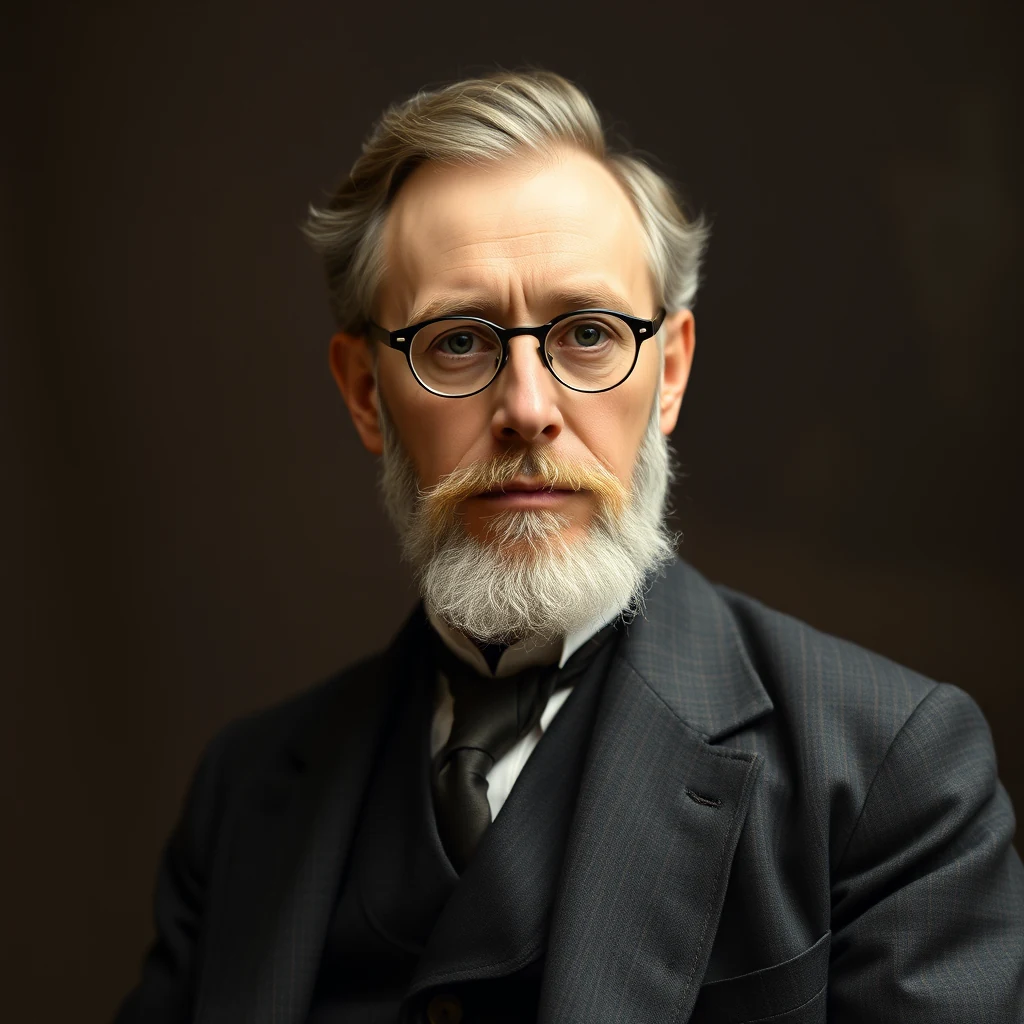 Person Otto Schott German chemist, 1851–1935, who developed the first systematically engineered optical glasses. After corresponding with Abbe in 1879 about a lithium-doped sample he had made in his father's glassworks, Schott moved to Jena and co-founded the Schott Glaswerke. His borosilicate and barium compositions made Abbe's microscope designs physically realisable and later produced the heat-resistant laboratory glass that still bears his name.德国玻璃化学家(1851–1935年),其研究奠定了现代光学玻璃科学的基础。1879年,肖特与阿贝就其在父亲玻璃厂制作的掺锂玻璃样品进行书信交流后,搬到了耶拿并共同创立了肖特玻璃厂。他的硼硅酸盐和钡玻璃配方使阿贝的显微镜设计得以物理实现,后来还生产出了至今仍以其名字命名的耐热实验室玻璃。Químico del vidrio alemán (1851–1935), cuyas investigaciones fundaron la ciencia moderna de los vidrios ópticos. Tras cartearse con Abbe en 1879 sobre una muestra dopada con litio que había fabricado en la fábrica de vidrio de su padre, Schott se trasladó a Jena y cofundó la Schott Glaswerke. Sus composiciones de borosilicato y bario hicieron viables los diseños de microscopios de Abbe y más tarde produjeron el vidrio de laboratorio resistente al calor que aún lleva su nombre.كيميائي زجاج ألماني (1851-1935)، أسست أبحاثه العلم الحديث للزجاج البصري. بعد مراسلة آبي عام 1879 بشأن عينة مطعمة بالليثيوم صنعها في مصنع زجاج والده، انتقل شوت إلى ينا وشارك في تأسيس شركة "شوت غلاسويرك". جعلت تركيباته من البوروسيليكات والباريوم تصميمات مجاهر آبي قابلة للتطبيق العملي، وأنتجت لاحقاً الزجاج المخبري المقاوم للحرارة الذي لا يزال يحمل اسمه حتى اليوم.Químico de vidro alemão (1851–1935), cujas pesquisas fundaram a ciência moderna dos vidros ópticos. Após corresponder-se com Abbe em 1879 sobre uma amostra dopada com lítio que fizera na fábrica de vidro de seu pai, Schott mudou-se para Jena e cofundou a Schott Glaswerke. Suas composições de borossilicato e bário tornaram realizáveis os projetos de microscópio de Abbe e, mais tarde, deram origem ao vidro de laboratório resistente ao calor que ainda leva seu nome.जर्मन ग्लास केमिस्ट (1851-1935), जिनके शोध ने ऑप्टिकल ग्लास के आधुनिक विज्ञान की नींव रखी। 1879 में अपने पिता के ग्लास कारखाने में तैयार लिथियम-मिश्रित ग्लास के नमूने के बारे में आबे से पत्राचार करने के बाद, शॉट जेना चले गए और शॉट ग्लासवर्के की सह-स्थापना की। उनके बोरोसिलिकेट और बेरियम फॉर्मूलेशन ने आबे के माइक्रोस्कोप डिज़ाइनों को व्यावहारिक रूप से संभव बनाया और बाद में उस गर्मी प्रतिरोधी प्रयोगशाला ग्लास का उत्पादन किया जो आज भी उनके नाम पर है।Kimiawan kaca Jerman (1851–1935), yang penelitiannya mendirikan sains modern tentang kaca optik. Setelah berkorespondensi dengan Abbe pada tahun 1879 mengenai sampel kaca yang diberi dopan litium buatan pabrik kaca ayahnya, Schott pindah ke Jena dan ikut mendirikan Schott Glaswerke. Komposisi borosilikat dan barium buatannya membuat desain mikroskop Abbe dapat direalisasikan secara fisik, dan kemudian menghasilkan kaca laboratorium tahan panas yang masih menyandang namanya hingga kini.Chimiste du verre allemand (1851-1935), dont les recherches fondent la science moderne du verre optique. Après avoir correspondu avec Abbe en 1879 au sujet d'un échantillon dopé au lithium fabriqué dans la verrerie de son père, Schott s'installe à Iéna et cofonde Schott Glaswerke. Ses compositions de borosilicate et de baryum rendent réalisables les concepts de microscopes d'Abbe, et donnent naissance plus tard au verre de laboratoire résistant à la chaleur qui porte toujours son nom.ドイツのガラス化学者(1851–1935)。その研究は近代的な光学ガラス科学の基礎を築いた。1879年、父親のガラス工場で试作したリチウム添加ガラスのサンプルに関してアッベと文通を交わした後、ショットはイェーナへ移り、ショット光学ガラス工場を共同設立した。彼が開発したホウケイ酸ガラスやバリウムガラスの組成によって、アッベの顕微鏡設計の実用化が可能となり、後に彼の名を冠する耐熱性の理化学ガラスが誕生した。Немецкий химик, специалист по стеклу (1851–1935), чьи исследования заложили основы современной науки об оптическом стекле. После переписки с Аббе в 1879 году касательно образца с добавлением лития, изготовленного на стекольном заводе отца, Шотт переехал в Йену и стал соучредителем компании Schott Glaswerke. Его боросиликатные и бариевые составы позволили воплотить в жизнь чертежи микроскопов Аббе, а позже легли в основу термостойкого лабораторного стекла, носящего его имя.Deutscher Glaschemiker (1851–1935), dessen Forschungen die moderne Wissenschaft des optischen Glases begründeten. Nach einem Briefwechsel mit Abbe im Jahr 1879 über eine in der Glashütte seines Vaters hergestellte lithiumdotierte Probe zog Schott nach Jena und gründete die Schott Glaswerke mit. Seine Borosilikat- und Bariumgläser machten Abbes Mikroskopentwürfe physikalisch realisierbar und ermöglichten später das hitzebeständige Laborglas, das noch heute seinen Namen trägt.독일의 유리 화학자(1851~1935). 그의 연구는 현대 광학 유리 과학의 초석을 놓았다. 1879년 부친의 유리 공장에서 제작한 리튬 첨가 유리 샘플에 대해 아베와 편지를 주고받은 후, 쇼트는 예나로 이주하여 쇼트 유리 공장(Schott Glaswerke)을 공동 설립했다. 그가 개발한 붕규산염 및 바륨 유리 조성은 아베의 현미경 설계를 실제로 구현할 수 있게 했으며, 훗날 오늘날까지 그의 이름을 지닌 내열 실험실 유리를 탄생시켰다. , who wrote to Abbe in 1879 with samples of an experimental glass containing lithium. Abbe wrote back the same week. Within five years Schott had moved to Jena and the three men were running a glassworks that produced more than a hundred new optical compositions — borosilicates, barium crowns, phosphate flints — each engineered to a specified refractive index and dispersion. Zeiss objectives improved by a factor contemporaries described as more like a generation than an iteration.

The foundation
Carl Zeiss died in 1888. Abbe inherited control of the firm and did something nobody expected. In 1889 he transferred his ownership stake, together with the Zeiss heirs' stake which he had bought out, to a charitable trust. The Carl Zeiss Foundation 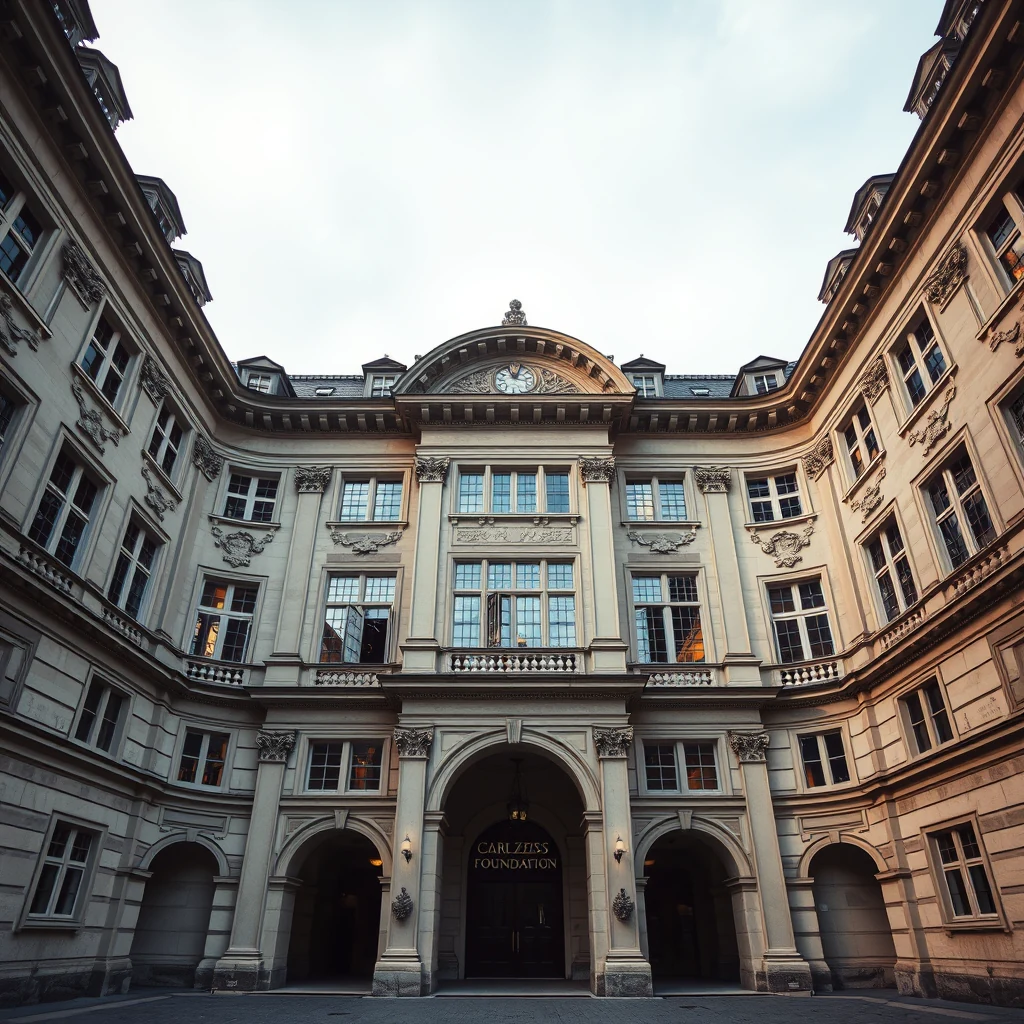 Institution Carl Zeiss Foundation Charitable trust established by Ernst Abbe in 1889 to own the Carl Zeiss optical works and the associated Schott glassworks. Its 1896 statutes pioneered the eight-hour workday, formal pensions, profit-sharing, and a capped ratio between highest and lowest pay. The foundation still owns Zeiss AG and Schott AG today, making it one of the longest-running examples of stakeholder-owned industrial capitalism.由恩斯特·阿贝于1889年创立的慈善信托基金,旨在拥有卡尔·蔡司光学工厂以及相关的肖特玻璃厂。其1896年章程开创了八小时工作制、正式养老金、利润分享以及最高和最低工资比例上限的先河。该基金会至今仍拥有蔡司股份公司和肖特股份公司,是利益相关者所有制工业资本主义运行时间最长的范例之一。Fundación benéfica establecida por Ernst Abbe en 1889 para poseer la fábrica óptica Carl Zeiss y la fábrica de vidrio Schott asociada. Sus estatutos de 1896 fueron pioneros al introducir la jornada laboral de ocho horas, pensiones formales, participación en los beneficios y una brecha salarial máxima entre el sueldo más alto y el más bajo. La fundación sigue siendo propietaria de Zeiss AG y Schott AG en la actualidad, siendo uno de los ejemplos más antiguos de capitalismo industrial en manos de sus partes interesadas.مؤسسة خيرية أسسها إرنست آبي عام 1889 لتمتلك مصانع كارل زايس البصرية ومصانع شوت للزجاج المرتبطة بها. كانت لوائحها لعام 1896 رائدة في إقرار يوم عمل من ثماني ساعات، والمعاشات التقاعدية الرسمية، وتقاسم الأرباح، ووضع حد أقصى للفارق بين أعلى وأدنى أجر. لا تزال المؤسسة تمتلك شركتي "زايس" و"شوت" حتى اليوم، كأحد أطول نماذج الرأسمالية الصناعية المملوكة لأصحاب المصلحة استمراراً.Fundação de caridade criada por Ernst Abbe em 1889 para deter o controle da fábrica de óptica Carl Zeiss e da associada Schott Glaswerke. Seus estatutos de 1896 foram pioneiros na jornada de trabalho de oito horas, pensões formais, participação nos lucros e limite na diferença salarial entre o maior e o menor salário. A fundação ainda é proprietária da Zeiss AG e da Schott AG hoje, sendo um dos exemplos mais longevos de capitalismo industrial de propriedade das partes interessadas.अर्न्स्ट आबे द्वारा 1889 में स्थापित एक धर्मार्थ ट्रस्ट, जो कार्ल ज़ीस ऑप्टिकल वर्क्स और उससे जुड़े शॉट ग्लास कारखाने का स्वामित्व रखता है। इसके 1896 के नियमों ने आठ घंटे के कार्यदिवस, औपचारिक पेंशन, लाभ-साझाकरण, और उच्चतम और न्यूनतम वेतन के बीच एक सीमित अनुपात की शुरुआत की। यह फाउंडेशन आज भी ज़ीस एजी और शॉट एजी का मालिक है, जो हितधारक-स्वामित्व वाले औद्योगिक पूंजीवाद के सबसे लंबे समय से चल रहे उदाहरणों में से एक है।Yayasan amal yang didirikan oleh Ernst Abbe pada tahun 1889 untuk memiliki pabrik optik Carl Zeiss dan pabrik kaca Schott yang terkait. Anggaran dasarnya tahun 1896 mempelopori hari kerja delapan jam, pensiun formal, bagi hasil, dan rasio batas atas antara gaji tertinggi dan terendah. Yayasan ini masih memiliki Zeiss AG dan Schott AG saat ini, menjadikannya salah satu contoh kapitalisme industri milik pemangku kepentingan yang paling lama berjalan.Fondation caritative établie par Ernst Abbe en 1889 pour détenir les usines d'optique Carl Zeiss et la verrerie Schott associée. Ses statuts de 1896 sont pionniers en introduisant la journée de huit heures, des retraites formelles, la participation aux bénéfices et un écart salarial plafonné entre les rémunérations les plus hautes et les plus basses. La fondation possède toujours Zeiss AG et Schott AG aujourd'hui, constituant l'un des plus anciens exemples de capitalisme industriel géré par les parties prenantes.カール・ツァイス光学工場と提携するショット・ガラス工場を所有するため、1889年にエルンスト・アッベが設立した慈善信託。1896年に制定されたその規約は、1日8時間労働制、正式な年金制度、利益分配、および最高賃金と最低賃金の格差上限設定などを先駆けて導入した。この財団は現在もツァイスAGとショットAGを所有しており、ステークホルダーが所有する産業資本主義の最も息の長い成功例の一つとなっている。Благотворительный фонд, созданный Эрнстом Аббе в 1889 году для владения оптическим заводом Carl Zeiss и ассоциированным с ним стекольным заводом Schott. Устав фонда 1896 года впервые ввел восьмичасовой рабочий день, официальные пенсии, участие в прибыли и ограничение разницы между максимальной и минимальной оплатой труда. Фонд по сей день владеет компаниями Zeiss AG и Schott AG, являясь одним из старейших примеров капитализма с участием стейкхолдеров.Gemeinnützige Stiftung, die 1889 von Ernst Abbe gegründet wurde, um Eigentümerin der optischen Werke Carl Zeiss und der angeschlossenen Schott-Glashütte zu sein. Statuten von 1896 führten wegweisend den Achtstundentag, Altersrenten, Gewinnbeteiligungen und ein maximales Lohngefälle ein. Die Stiftung besitzt noch heute die Zeiss AG und die Schott AG und ist damit eines der langlebigsten Beispiele für einen von Interessengruppen getragenen industriellen Kapitalismus.카를 차이스 광학 공장과 협력사인 쇼트 유리 공장의 지분을 소유하기 위해 1889년 에른스트 아베가 설립한 자선 재단이다. 1896년에 제정된 재단 정관은 하루 8시간 노동제, 공식 퇴직 연금, 이익 공유제, 최고 임금과 최저 임금 간의 격차 상한선을 선구적으로 도입했다. 재단은 오늘날까지도 차이스 AG와 쇼트 AG의 소유주이며, 이해관계자 소유형 산업 자본주의의 가장 오래 지속된 사례 중 하나이다. owned the company. The company existed to serve its workers, its customers, and the science of optics, in that order. Profits flowed back into research or to the staff.

The statutes Abbe finalised in 1896 were extraordinary for their era. An eight-hour workday at a time when twelve was standard. Paid vacation. A pension scheme. Profit-sharing tied to length of service. A formal cap on the ratio between the highest and lowest salary in the firm. None of this came from charity; Abbe argued, in dense paragraphs that read like a physics paper, that precision manufacturing required workers who were rested, secure, and educated, and that the firm therefore had a self-interested reason to treat them as such. He was, by training and temperament, an optimisation problem.

What we still don't know
The diffraction limit Abbe wrote down in 1873 has been broken — sort of. Stefan Hell  Person Stefan Hell Romanian-German physicist, born 1962, who in 1994 proposed stimulated-emission-depletion microscopy, a technique that exploits the non-linear response of fluorescent dyes to circumvent the diffraction limit Abbe had derived 121 years earlier. He shared the 2014 Nobel Prize in Chemistry with Eric Betzig and William Moerner and directs the Max Planck Institute for Multidisciplinary Sciences in Göttingen.罗马尼亚裔德国物理学家(生于1962年),他在1994年提出了受激发射损耗显微技术,该技术利用荧光染料的非线性响应,绕过了阿贝在121年前推导出的衍射极限。他与埃里克·贝齐格和威廉·莫尔纳共同获得2014年诺贝尔化学奖,并担任哥廷根马克斯·普朗克多学科科学研究所所长。Físico rumano-alemán (nacido en 1962), quien en 1994 propuso la microscopía de depleción por emisión estimulada, una técnica que aprovecha la respuesta no lineal de los tintes fluorescentes para eludir el límite de difracción que Abbe había deducido 121 años antes. Compartió el Premio Nobel de Química de 2014 con Eric Betzig y William Moerner y dirige el Instituto Max Planck de Ciencias Multidisciplinarias en Gotinga.عالم فيزياء روماني ألماني (مواليد 1962)، اقترح عام 1994 مجهر الاستنزاف بالانبعاث المستحث، وهي تقنية تستغل الاستجابة غير الخطية للأصباغ الفلورية للالتفاف على حد الحيود الذي اشتقه آبي قبل 121 عاماً. تقاسم جائزة نوبل في الكيمياء لعام 2014 مع إريك بيتزيغ ووليام مورنر، ويدير معهد ماكس بلانك للعلوم متعددة التخصصات في غوتينغن.Físico romeno-alemão (nascido em 1962), que em 1994 propôs a microscopia de depleção por emissão estimulada, uma técnica que explora a resposta não linear de corantes fluorescentes para contornar o limite de difração que Abbe havia deduzido 121 anos antes. Ele compartilhou o Prêmio Nobel de Química de 2014 com Eric Betzig e William Moerner e dirige o Instituto Max Planck para Ciências Multidisciplinares em Göttingen.रोमानियाई-जर्मन भौतिक विज्ञानी (जन्म 1962), जिन्होंने 1994 में स्टिम्युलेटेड-एमीशन-डिप्लीशन माइक्रोस्कोपी का प्रस्ताव दिया था। यह एक ऐसी तकनीक है जो फ्लोरोसेंट रंगों की गैर-रेखीय प्रतिक्रिया का लाभ उठाकर आबे द्वारा 121 वर्ष पहले प्रतिपादित की गई विवर्तन सीमा को पार करती है। उन्होंने 2014 में एरिक बेटज़िग और विलियम मोएर्नर के साथ रसायन विज्ञान में नोबेल पुरस्कार साझा किया और वे गोटिंगेन में मैक्स प्लैंक इंस्टीट्यूट फॉर मल्टीडिसिप्लिनरी साइंसेज के निदेशक हैं।Fisikawan Rumania-Jerman (lahir 1962), yang pada tahun 1994 mengusulkan mikroskop penipisan emisi terstimulasi, sebuah teknik yang memanfaatkan respons non-linear zat warna fluoresen untuk menghindari batas difraksi yang diturunkan Abbe 121 tahun sebelumnya. Ia berbagi Hadiah Nobel Kimia 2014 dengan Eric Betzig dan William Moerner serta memimpin Institut Max Planck untuk Sains Multidisiplin di Göttingen.Physicien roumano-allemand (né en 1962), qui propose en 1994 la microscopie de déplétion par émission stimulée. Cette technique exploite la réponse non linéaire de colorants fluorescents pour contourner la limite de diffraction d'Abbe, formulée 121 ans plus tôt. Il partage le prix Nobel de chimie 2014 avec Eric Betzig et William Moerner, et dirige l'Institut Max Planck pour les sciences multidisciplinaires à Göttingen.ルーマニア出身のドイツの物理学者(1962生)。1994年に受激放出枯渇(STED)顕微鏡法を提唱した。これは蛍光色素の非線形応答を利用して、アッベが121年前に導き出した回折限界を突破する技術である。2014年にエリック・ベツィグ、ウィリアム・モーナーと共にノーベル化学賞を受賞し、現在はゲッティンゲンのマックス・プランク多分野科学研究所の所長を務める。Румынско-немецкий физик (родился в 1962 году), который в 1994 году предложил метод микроскопии на основе подавления стимулированного испускания (STED). Эта технология использует нелинейный отклик флуоресцентных красителей для обхода дифракционного предела, выведенного Аббе на 121 год раньше. В 2014 году он разделил Нобелевскую премию по химии с Эриком Бетцигом и Уильямом Мернером, сейчас возглавляет Институт мультидисциплинарных наук Макса Планка в Гёттингене.Rumänisch-deutscher Physiker (geboren 1962), der 1994 die Stimulated-Emission-Depletion-Mikroskopie (STED) vorschlug. Die Technik nutzt die nichtlineare Reaktion fluoreszierender Farbstoffe, um das 121 Jahre zuvor von Abbe hergeleitete Beugungslimit zu umgehen. Er teilte sich 2014 den Nobelpreis für Chemie mit Eric Betzig und William Moerner und leitet das Max-Planck-Institut für Multidisziplinäre Naturwissenschaften in Göttingen.루마니아계 독일인 물리학자(1962년 출생)로, 1994년 자극방출억제(STED) 현미경 기술을 제안했다. 이 기술은 형광 염료의 비선형 반응을 활용하여 아베가 121년 전에 도출한 회절 한계를 극복하는 유용한 기법이다. 그는 2014년 에릭 베치그, 윌리엄 모어너와 함께 노벨 화학상을 공동 수상했으며, 현재 괴팅겐의 맥스 플랑크 다학제 과학 연구소의 소장으로 재직 중이다. 's stimulated-emission-depletion microscopy, and the single-molecule localisation techniques that shared the 2014 Nobel Prize in Chemistry, achieve resolutions ten times finer than Abbe's floor by exploiting non-linear fluorophore physics that nineteenth-century optics could not have anticipated. Whether the limit is a true bound or a statement about one particular class of imaging is still a live question.

The foundation model is harder to evaluate. Zeiss survived two world wars, a forced split between East and West Germany after 1945, and reunification in 1990; the western branch absorbed the eastern and the trust structure held. Whether that outcome reflects Abbe's design or simply the underlying strength of the optics business is the kind of counterfactual economics cannot answer.

And we do not know what the next floor looks like. The EUV lithography 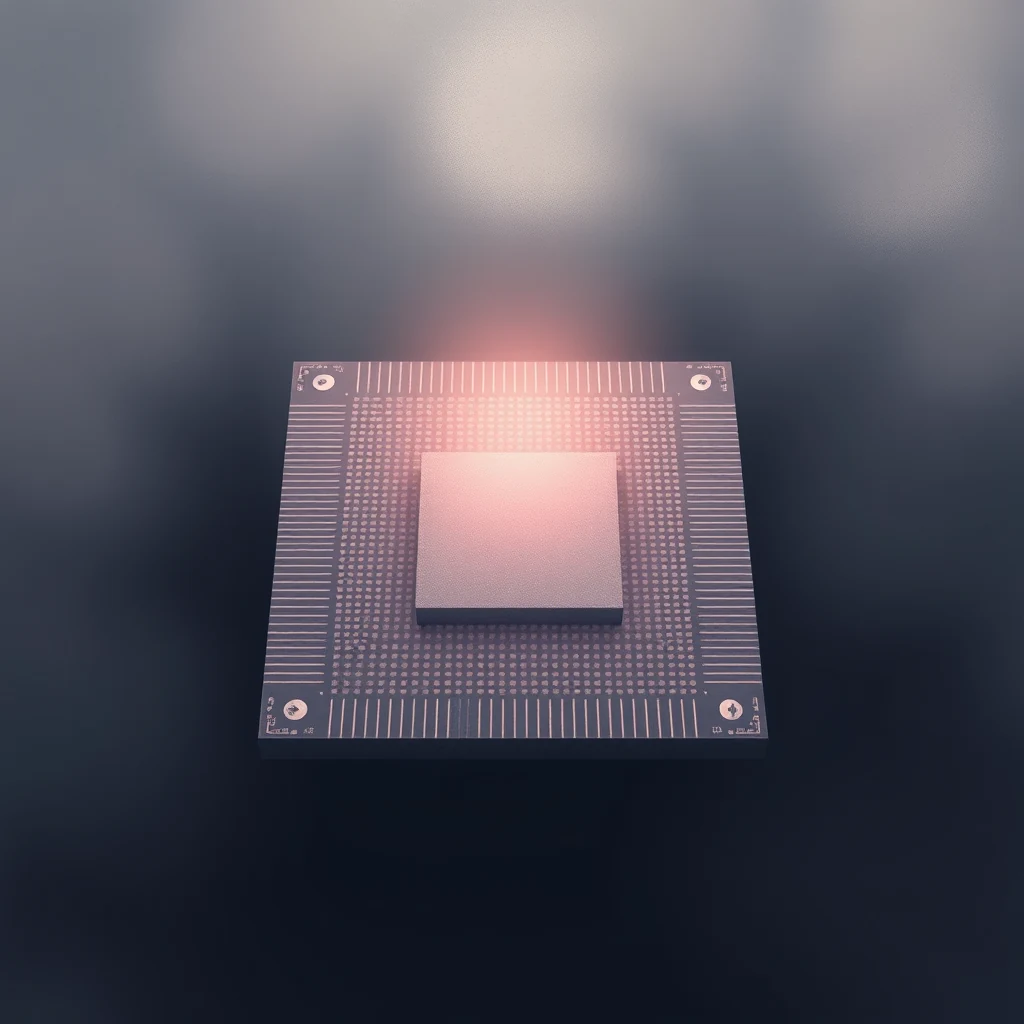 Concept EUV lithography Photolithographic process that uses extreme-ultraviolet light at 13.5 nanometres to pattern features on silicon wafers far smaller than any visible-light system could reach. The optical column is built from mirrors rather than lenses, polished by Zeiss SMT in Oberkochen to a smoothness measured in tens of picometres. ASML in the Netherlands integrates them into the machines that print every leading-edge microchip.使用13.5纳米极紫外光的显影工艺,在硅片上雕刻出远小于任何可见光系统所能达到尺寸的特征。其光学物镜系统由反射镜而非透镜构建,由奥伯科亨的蔡司半导体制造技术公司(Zeiss SMT)抛光至皮米级的平整度。荷兰的阿斯麦(ASML)将它们集成到用于印刷每颗前沿微芯片的机器中。Proceso fotolitográfico que utiliza luz ultravioleta extrema a 13,5 nanómetros para plasmar patrones en obleas de silicio mucho más pequeños de lo que cualquier sistema de luz visible podría alcanzar. La columna óptica está construida con espejos en lugar de lentes, pulidos por Zeiss SMT en Oberkochen con una suavidad medida en decenas de picómetros. ASML en los Países Bajos los integra en las máquinas que imprimen cada chip de vanguardia.عملية تصوير ضوئي تستخدم الأشعة فوق البنفسجية القصوى عند طول موجي 13.5 نانومتر لطباعة أنماط على رقاقات السيليكون أصغر بكثير مما يمكن لأي نظام ضوء مرئي الوصول إليه. يتم بناء العمود البصري من مرايا بدلاً من العدسات، ويتم صقلها بواسطة شركة "زايس إس إم تي" في أوبيركوشين بنعومة تُقاس بعشرات البيكومترات. وتقوم شركة "إيه إس إم إل" في هولندا بدمجها في الآلات التي تطبع كل شريحة ميكروية متطورة.Processo fotolitográfico que usa luz ultravioleta extrema a 13,5 nanômetros para desenhar circuitos em wafers de silício muito menores do que qualquer sistema de luz visível poderia alcançar. A coluna óptica é construída com espelhos em vez de lentes, polidos pela Zeiss SMT em Oberkochen com uma suavidade medida em dezenas de picômetros. A ASML na Holanda integra-os nas máquinas que fabricam todos os microchips de última geração.एक फोटोलिथोग्राफिक प्रक्रिया जो सिलिकॉन वेफर्स पर दृश्यमान-प्रकाश प्रणालियों की पहुंच से कहीं छोटे पैटर्न बनाने के लिए 13.5 नैनोमीटर के एक्सट्रीम-अल्ट्रावॉयलेट प्रकाश का उपयोग करती है। इसका ऑप्टिकल कॉलम लेंस के बजाय दर्पणों से बना है, जिसे ओबेरकोचेन में ज़ीस एसएमटी द्वारा पिकोमीटर के स्तर की चिकनाई तक पॉलिश किया जाता है। नीदरलैंड की एएसएमएल कंपनी इन्हें उन मशीनों में एकीकृत करती है जो हर अग्रणी माइक्रोचिप को प्रिंट करती हैं।Proses fotolitografi yang menggunakan cahaya ultraviolet ekstrem pada panjang gelombang 13,5 nanometer untuk mempola fitur pada wafer silikon yang jauh lebih kecil daripada yang dapat dicapai oleh sistem cahaya tampak mana pun. Kolom optiknya dibangun dari cermin alih-alih lensa, dipoles oleh Zeiss SMT di Oberkochen hingga kehalusan berukuran puluhan pikometer. ASML di Belanda mengintegrasikannya ke dalam mesin yang mencetak setiap mikrocip tercanggih.Procédé de photolithographie utilisant une lumière ultraviolette extrême de 13,5 nanomètres pour graver sur les plaques de silicium des motifs bien plus fins que ceux des systèmes à lumière visible. La colonne optique est constituée de miroirs plutôt que de lentilles, polis par Zeiss SMT à Oberkochen avec une précision de l'ordre de la dizaine de picomètres. ASML aux Pays-Bas les intègre dans les machines qui impriment les puces de pointe.13.5ナノメートルの極端紫外線(EUV)を用いて、可視光システムでは到達不可能な超微細なパターンをシリコンウェハ上に露光する光リソグラフィ技術。光学系はレンズではなく反射鏡で構成され、オーバーコッヘンのツァイスSMTが数十ピコメートル単位の超高精度で研磨している。オランダのASMLがこれらを組み込み、最先端のマイクロチップを製造する露光装置を完成させる。Процесс фотолитографии, использующий экстремальный ультрафиолет на длине волны 13,5 нанометров для формирования на кремниевых пластинах структур намного меньших, чем достижимо для систем видимого спектра. Оптический тракт собран из зеркал вместо линз, отполированных подразделением Zeiss SMT в Оберкохене до шероховатости в десятки пикометров. Нидерландская компания ASML лидирует в интеграции их в установки для печати передовых микросхем.Ein fotolithografisches Verfahren, das extrem ultraviolettes Licht bei 13,5 Nanometern nutzt, um Strukturen auf Silizium-Wafern zu belichten, die weitaus kleiner sind, als es jedes sichtbare Lichtsystem könnte. Die Optik besteht aus Spiegeln statt Linsen, die von Zeiss SMT in Oberkochen auf eine Rauheit im Bereich von Pikometern poliert werden. ASML in den Niederlanden integriert sie in die Maschinen, die jeden modernen Mikrochip drucken.13.5나노미터 파장의 극자외선(EUV)을 사용하여 가시광선 기반 시스템보다 훨씬 미세한 회로 패턴을 실리콘 웨이퍼 위에 그려내는 광노광 공정이다. 경통 안의 광학계는 렌즈 대신 거울들로 구성되며, 오버코헨에 위치한 자이스 SMT에서 수십 피코미터 수준의 오차로 정밀 연마한다. 네덜란드의 ASML은 이 반사경들을 첨단 마이크로칩을 인쇄하는 장비에 통합하여 제조한다. systems that print today's microchips use mirrors, not lenses — Zeiss mirrors, polished to a surface roughness measured in tens of picometres — and they are bumping up against limits that may again be more about physics than craft.
Somewhere in Oberkochen 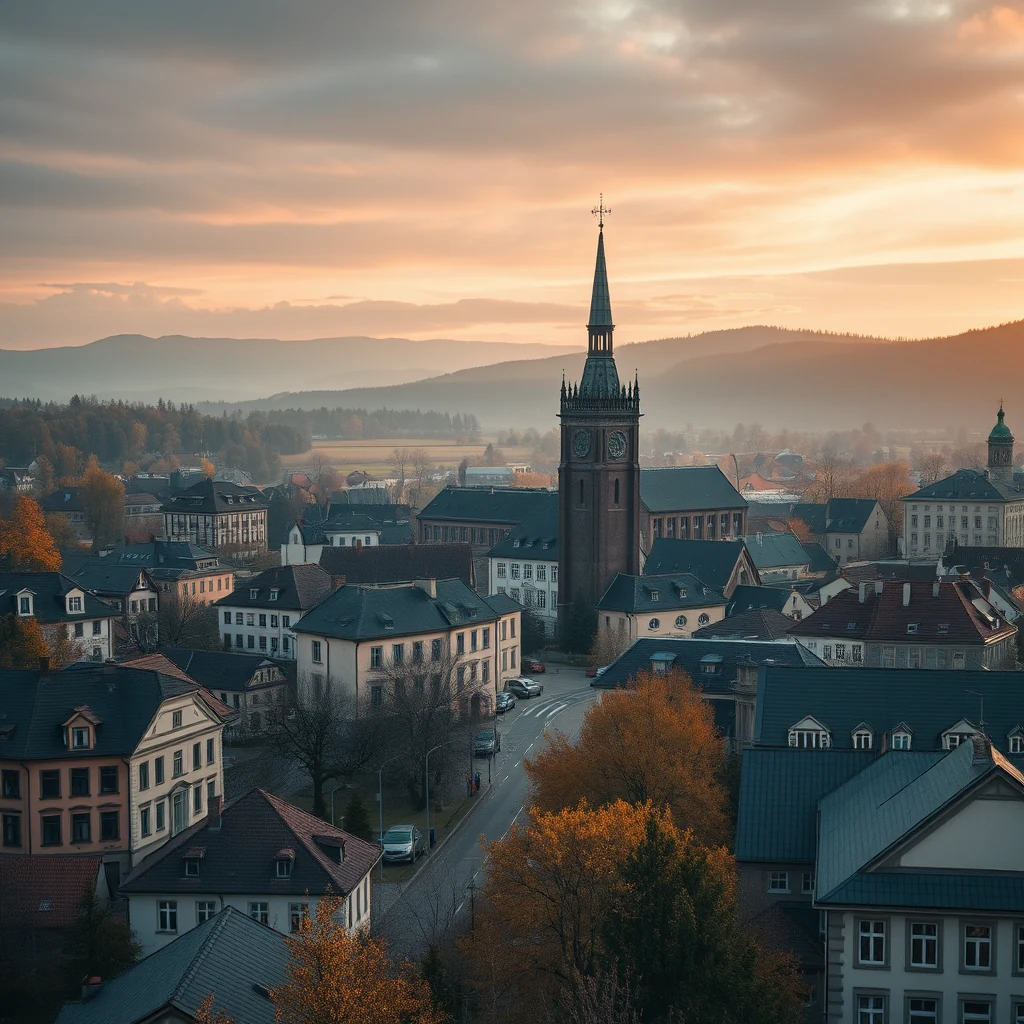 Place Oberkochen Town in Baden-Württemberg, southwest Germany, where the western half of Carl Zeiss relocated after 1945 when the Soviet occupation took control of the original Jena works. The two firms operated separately for forty-five years under the same name until German reunification merged them in 1990. The semiconductor optics division Zeiss SMT is still headquartered there.位于德国西南部巴登-符腾堡州的一个小镇。1945年苏联占领并接管原耶拿工厂后,卡尔·蔡司的西半部分搬迁于此。在1990年德国重新统一将它们合并之前,这两家公司以相同的名称独立运营了45年。半导体光学事业部蔡司半导体制造技术公司(Zeiss SMT)的总部目前仍设在这里。Ciudad de Baden-Württemberg, en el suroeste de Alemania, donde se trasladó la mitad occidental de Carl Zeiss después de 1945, cuando la ocupación soviética tomó el control de la fábrica original de Jena. Las dos empresas operaron por separado durante cuarenta y cinco años bajo el mismo nombre hasta que la reunificación alemana las fusionó en 1990. La división de óptica de semiconductores Zeiss SMT todavía tiene su sede allí.بلدة في بادن فورتمبيرغ، جنوب غرب ألمانيا، حيث انتقل النصف الغربي من شركة كارل زايس بعد عام 1945 عندما سيطر الاحتلال السوفيتي على مصانع ينا الأصلية. عملت الشركتان بشكل منفصل لمدة خمسة وأربعين عاماً تحت نفس الاسم حتى وحدتهما إعادة توحيد ألمانيا في عام 1990. ولا يزال المقر الرئيسي لقسم البصريات لأشباه الموصلات "زايس إس إم تي" هناك.Cidade em Baden-Württemberg, sudoeste da Alemanha, para onde a metade ocidental da Carl Zeiss se mudou após 1945, quando a ocupação soviética assumiu o controle da fábrica original em Jena. As duas empresas operaram separadamente por quarenta e cinco anos sob o mesmo nome até que a reunificação alemã as fundiu em 1990. A divisão de óptica de semicondutores Zeiss SMT ainda está sediada lá.दक्षिण-पश्चिम जर्मनी के बाडेन-वुर्टेमबर्ग में स्थित एक कस्बा, जहाँ 1945 के बाद कार्ल ज़ीस का पश्चिमी हिस्सा स्थानांतरित हो गया था, जब सोवियत नियंत्रण ने जेना के मूल कारखाने पर कब्ज़ा कर लिया था। दोनों फर्मों ने 1990 में जर्मन एकीकरण द्वारा विलय होने तक एक ही नाम के तहत पैंतालीस वर्षों तक अलग-अलग काम किया। सेमीकंडक्टर ऑप्टिक्स डिवीजन ज़ीस एसएमटी का मुख्यालय आज भी वहीं है।Kota di Baden-Württemberg, barat daya Jerman, tempat paruh barat Carl Zeiss pindah setelah tahun 1945 ketika pendudukan Uni Soviet mengambil alih kendali pabrik Jena yang asli. Kedua perusahaan beroperasi secara terpisah selama empat puluh lima tahun dengan nama yang sama hingga penyatuan kembali Jerman menggabungkan mereka pada tahun 1990. Divisi optik semikonduktor Zeiss SMT masih berkantor pusat di sana.Ville du Bade-Wurtemberg, dans le sud-ouest de l'Allemagne, où s'est installée la moitié occidentale de Carl Zeiss après 1945, lorsque l'occupation soviétique a pris le contrôle de l'usine d'origine à Iéna. Les deux entreprises ont fonctionné séparément pendant quarante-cinq ans sous le même nom, jusqu'à ce que la réunification allemande les fusionne en 1990. La division d'optique pour semi-conducteurs Zeiss SMT y a toujours son siège.ドイツ南西部バーデン=ヴュルテンベルク州の町。1945年にソ連占領軍がイェーナのオリジナル工場を管理下に置いたため、カール・ツァイスの西侧半分が这里に移転した。同名の2つの企業は1990年のドイツ再統一で合併するまで、45年間にわたり別個に操業していた。現在も半導体光学部門であるツァイスSMTがここに本社を置いている。Город в Баден-Вюртемберге на юго-западе Германии, куда после 1945 года переехала западная часть компании Carl Zeiss после того, как советская оккупация установила контроль над оригинальным заводом в Йене. Две фирмы работали независимо в течение сорока пяти лет под одним именем до их слияния в 1990 году после воссоединения Германии. Там по-прежнему находится штаб-квартира полупроводникового подразделения Zeiss SMT.Stadt in Baden-Württemberg im Südwesten Deutschlands, wohin die westliche Hälfte von Carl Zeiss nach 1945 übersiedelte, als die sowjetische Besatzung die Kontrolle über das Jenaer Stammwerk übernahm. Die beiden Unternehmen arbeiteten 45 Jahre lang unter demselben Namen getrennt, bis sie durch die deutsche Wiedervereinigung 1990 fusionierten. Die Halbleiteroptik-Sparte Zeiss SMT hat dort noch immer ihren Hauptsitz.독일 남서부 바덴뷔르템베르크주의 도시로, 1945년 소련군이 예나의 원조 공장을 장악하자 카를 차이스의 서독 법인이 이곳으로 이주했다. 동독의 예나 공장과 서독의 오버코헨 공장은 1990년 독일이 재통일되면서 하나로 합쳐질 때까지 45년 동안 동일한 이름 아래 별개로 운영되었다. 현재도 반도체 광학 부문인 자이스 SMT의 본사가 이곳에 있다. there is presumably another seven-year problem on someone's desk.